Strengthening Local Democracy and Inclusion
Talgud: Communities for Emergencies
{Empty}
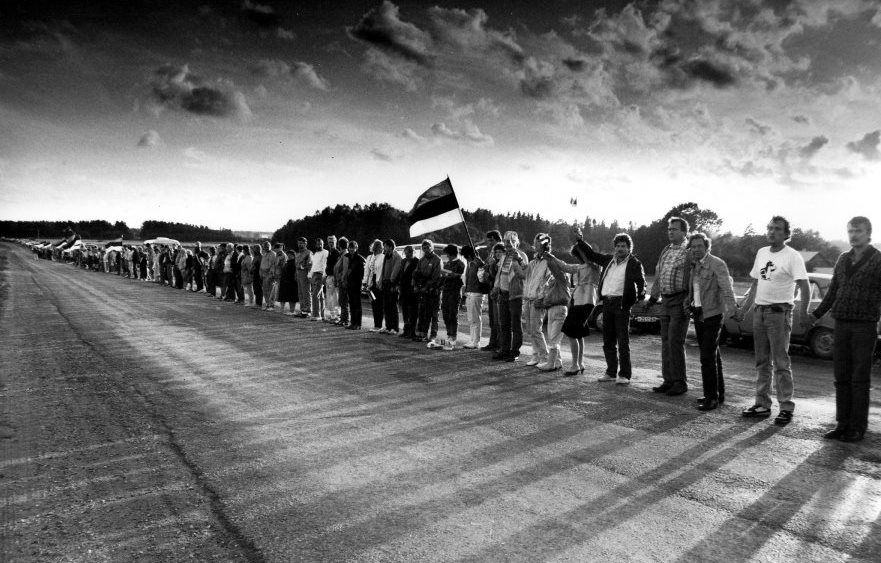
What if your neighbours provided the extra hands needed in a crisis? Tartu Talgud (Estonia's old tradition) unites town communities to support authorities during a crisis. Locals, newcomers, and foreigners step in alongside firefighters, police, or the Defence League for snowstorms, forest fires, blackouts, or searches. With authorities and Tartu residents, we've planned training in first aid, drone operation, and crisis decision-making. Working together fosters unity and unity delivers results.
Estonia
National
It addresses urban-rural linkages
It refers to other types of transformations (soft investment)
Prototype level
No
No
No
Individual
Tartu Talgud revives Estonia's tradition as community uniting locals, newcomers, foreigners, and authorities (Defence League, firefighters, police, Ministry of Interior) for crisis readiness.
Target audience: Tartu residents (500-700 goal), esp. vulnerable groups—foreigners, elderly, low-income—via free, multilingual, accessible trainings.
Major Achievements:
- Extensive stakeholder work: I already worked with Ministry of Defence, Government office, Defence League/Ministry; input from parliament/defence industry identifying 5 gaps (digital-only, first-aid limits, costs, assumptions, foreigner access).
- Community buy-in: Facebook polls/interviews (100+); feedback refined curriculum.
- Programme created: Lectures (OSINT, cybersec, media literacy, mental health, drones); hands-on (first aid, crisis comms, role selection platform).
Collaborations: Authorities engaged; plans for NGOs/University of Tartu venues.
First Trials & Scaling: End April-May 2026—50 residents on first aid/crisis comms. Country-level activities once first trial in Tartu are completed and refelected on; Already plans on scaling to Latvia (Riga) and orgainsie Erasmus+ youth exchanges and trainings for, let's call it, EU exports (Finland, Baltics, Nordics, Germany and France).
Expected Outcomes:
- 1000 trained individuals by EoY 2026 on emergency skills
- Crisis: Extra hands for blackouts/snowstorms/fires/blackouts; 20% faster responses.
- Non-Crisis: increase community physical and mental wellbeing. 40% less loneliness/anxiety; stronger bonds/media literacy.
At the end of 2025, the idea sparked at DefHack2025 where I presented my project Talgud. As a Ukrainian from Donetsk working with 1,000–2,000 tourists yearly in Tartu, I constantly heard the same questions: "What if war starts? What do we do? How do we prepare?" My Estonian friends asked too—they felt lost and frustrated.
An EU survey confirmed this: 72% worry about active conflicts, 67% terrorism, 66% climate-worsened disasters and cyberattacks, 65% uncontrolled migration [ from prior context]. Input from Estonian parliament members, Defence League, Ministry of Defence, and defence industry experts validated the urgency.
Development Through Stakeholder Insights
Working with stakeholders, I identified 5 key problems:
1. Digital-only materials: Good materials but no one reads them. And none will have time to read in crises—every second counts.
2. First aid focus: Training ignores stress, fast decisions, evacuations, and collaborating with strangers.
3. High costs: €100+VAT per first aid; full crisis training €8,000+VAT per person.
4. No community & Agency connection. Agencies work separately, civilians - separately.
5. Inaccessible for foreigners.
Solution: Community as the Answer
My 2025 insight: Communities drive progress, combating loneliness, anxiety, and division. With 89% of Europeans calling for EU unity against threats, Talgud—Estonia's tradition of collective action—became the perfect model. Neighbours unite in crises to solve shared problems, turning fear into action.
Main Steps and Implementation
1. Research & Validation, Problem-Solution Mapping (Late 2025 - January 2026): Gathered feedback via DefHack2025 and stakeholder meetings; analysed EU survey data.
2. Pilot Design (February-March): Created free multilingual programme with Defence League and authorities based on community feedback (Facebook + Interviews)
3. Testing. In April we start first test workshops and feedback sessions with Tartu foreigners community.
Emergency preparedness
Community resilience
Foreigners, locals, goverment agencies
Trainings, first aid, drones, cybersecurity
Unity, communication, trust, connection, sense of belonging to battle anxiety
Social: Bridges newcomers/foreigners with locals and authorities/Defence league, cutting disconnection between these 3 groups. Builds trust, inclusion, and intergenerational resilience against anxiety and isolation.
Cultural: Revives talgud tradition, rooting modern emergency readiness in Estonian heritage while making it multilingual/accessible.
Economic: Low-cost (€0 entry workshops vs €8,000 private training) via co-ownership models; scales to 500 residents affordably.
Environmental: Community training reduces crisis impacts—blackout rehearsals cut energy overuse, drone ops minimise forest fire spread or find lost individuals, first aid assistance training can save lives during a car accident. Just knowing your neighbours is already great.
Tartu Talgud makes life beautiful by creating safe, predictable, and peaceful neighbourhoods.
Everyday Beauty: Meetings every 3 weeks creates a stable, predictible routine. Trainings is a safe space where one can come to share or get distracted - you can chat with neigbours and build survival skills.
Long-Term Belonging: Training unites locals, newcomers, and foreigners, where community programmes reduce loneliness and social anxiety. Residents gain "sense of community," moving from fear with predictable roles in crises like blackouts—turning vulnerability into quiet strength.
Like Talgud gatherings, our initivate crafts emotional predictability that community will have your back and can step in when needed.
Tartu Talgud is accessible and affordable.
Accessibility & Affordability. Free multilingual training fixes high costs (€100–8,000) and foreigner barriers—hands-on for all, no reading in crises.
Inclusive Governance: Talgud team is a bridge between Tartu community needs and government agencies' (Defence League, police, firefighters) goals.
Covers community needs: Training covers communication in emergencies, handling stress/decisions/evacuations beyond first aid;
Exemplary: Everyone is welcome to participate and contribute. We're not limited to lectures from professionals and agencies, but we also developing programme in a way that every member can contribute with what they want, e.g. yoga session, lecture on topic they're interested related to emergency, sharing personal experience.
For User/citizen involvement I used:
1. Facebook groups. Posts and interviews with 100+ Tartu residents, newcomers, and tourists gathered needs (e.g., war prep fears, skill gaps).
2. Direct input: 10 participants shaped the programme via real-time feedback sessions post-workshops.
3. In total, 50 people are interested in participating in the project.
Other stakeholders:
During hackathon, Defence industry experts & Ministry of Defence validated 5 key problems (digital-only materials, first-aid focus, costs, assumptions, inaccessibility).
I'm working with Defence League and emergency services to secure training for civilians.
Impact of Participation:
1. Refined skills curriculum: Added drones, communication and decision-making based on feedback.
2. Built ownership and proactivity. Government agencies are ready to provide contacts and trainings for free.
Currently, I work only on the local and National level.
On the national level: member of Parliament, Defence League (Kaitseliit), Women's Defence League
(Naiskodukaitse), The Government Office (Riigikantselei)
On a Tartu/local level: locals (Estonians) and foreigners.
Next steps:
1. I'm working on building contact with the Ministry of Interior with help of The Government Office. Ministry of Interior is responsible for civilian preparedness. We want to build a digital solution for roles selection.
2. After the first training, I'd like to involve the Tartu town government.
Expected added value: scaling.
1. Acquisition of more participants in Tartu and multi-language group trainings.
2. Launching training programs in other towns around Estonia;
3. Launching a panel in eesti.ee portal where every individual can pick a role they would like to have in an emergency.
Our training programme blends many knowledge fields togeher.
Tartu Talgud blends fields for holistic crisis readiness:
Social Sciences: Community psychology addresses loneliness/anxiety via group dynamics; sociology fosters inclusion for newcomers/foreigners.
Education: Hands-on workshops teach first aid, drones, decision-making—feedback-driven, multilingual curricula.
Engineering/Tech: Drone operation for reconnaissance; simple digital platforms for scenario planning/polls.
Defence/Security: Military tactics from Defence League/police for evacuations, stress management.
Cultural Studies. We'll be going through history of Tartu community working together to solve problems, e.g. floods were a big problem in Tartu till 1920s till Tartu solved it. The name of the project is blending tradition with modern needs.
Pay-what-you-can: Voluntary contributions post-training (avg. €5–20); no barriers for low-income/newcomers.
Local companies: Sponsorships from Tartu firms (e.g., defence/tech) in exchange for trainings to their employees.
Erasmus+ funding: Youth & trainers mobility grants for exchanges and scaling the project to other countries.
Public Funding: Estonian NGO grants from Harno.ee, NEB prizes, ESF+ resilience projects.
1. Crises: Scalable to natural disasters/cyberattacks—same structure, swap scenarios.
2. Places/Groups: Any city/village; all beneficiaries (newcomers, elderly, urban/rural)—just localise with state agencies and universities equivalents. The programme is already created.
3. Erasmus+ & EU Solidarity: Cross-border exchanges and a perfect way to start scale initiatve to youth.
4. I'm already working with Latvian NGO to bring similar project to Riga.
5. National. Once we have success in Tartu, we can roll out to other town and communities in Estonia.
Q2 2026: Conduct first trainings - train 50 residents on first aid and crisis communication. Collect feedback and process feedback. Work with the Ministry of Interior on the content of training and the role selection platform.
Q3 2026: Secure Erasmus+ funding for 2-3 cross-border exchanges with partner countries (Finland, Latvia, Lithuania, Poland, Germany, France, Sweeden). With Ministry of Interior to launch a digital platform for civilians where they can select low-risk roles in crises.
Ongoing 2026: Continue to do trainings in Tartu (Goal: 500-700 trained individuals). Monthly Facebook and LinkedIn posts to increase awareness.