Arts, Culture, and Heritage as Drivers of Change
CO-festival: An Ecosystem of Belonging
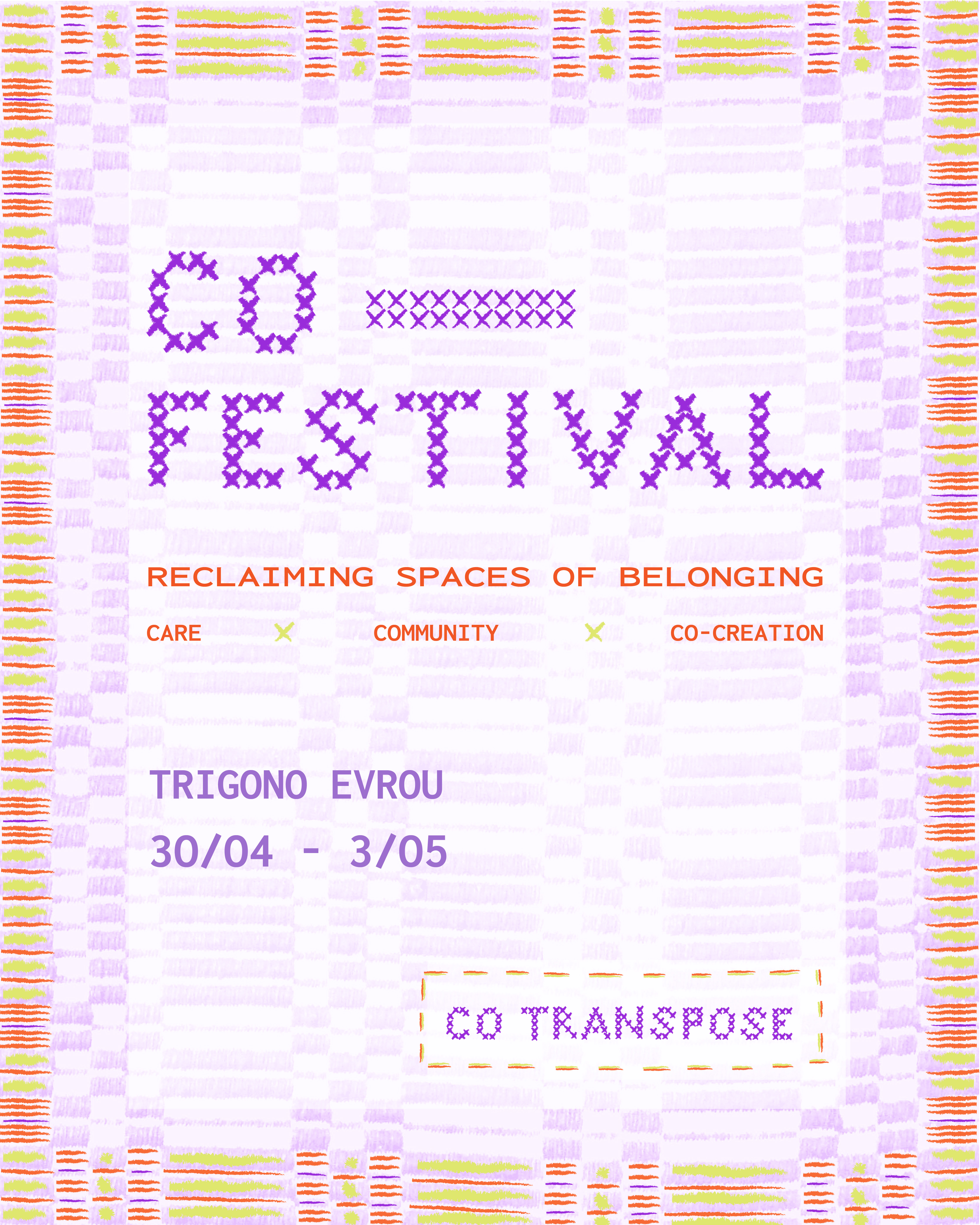
CO-festival: Reclaiming Spaces of Belonging through Community, Care and Co-creation
The Co-festival is a grassroots movement transforming depopulated areas into living ecosystems of care. Far from a commercial event, it is a month-long laboratory of radical hospitality where international practitioners and local residents reclaim inactive spaces through the exchange of knowledge, privilege, and community resources to meet collective needs. The Co-festival fosters a horizontal model of co-creation where communities have the agency to design their own places of belonging.
Greece
Local
Trigono Region, Orestiada Municipality, 68007, Evros, Greece (Distributed across multiple village locations, most noticably Dikaia, Dilofos, Palli, Ormenio, Spilaio)
Mainly rural
It involves a physical transformation of the built environment (hard investment)
Yes
2025-04-30
No
No
No
Organisation
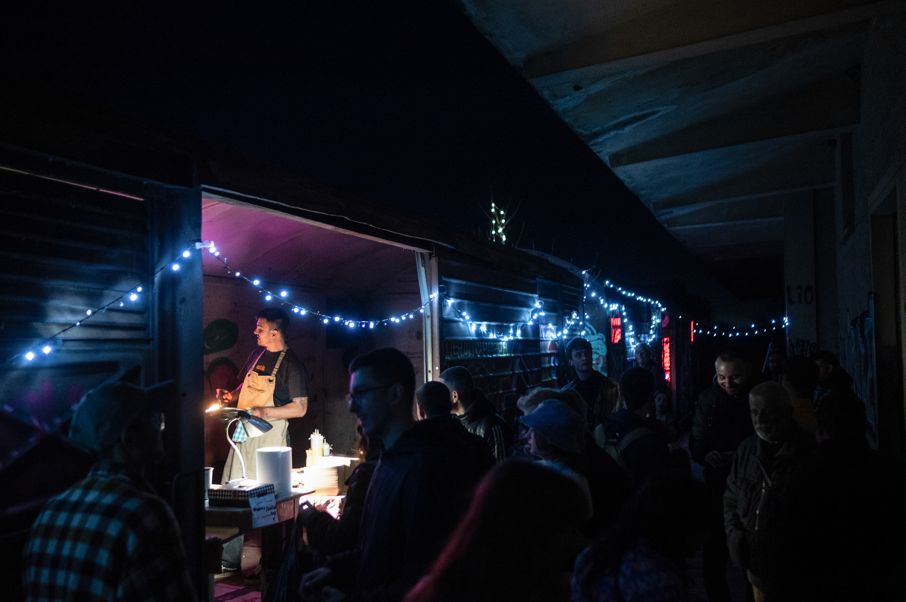
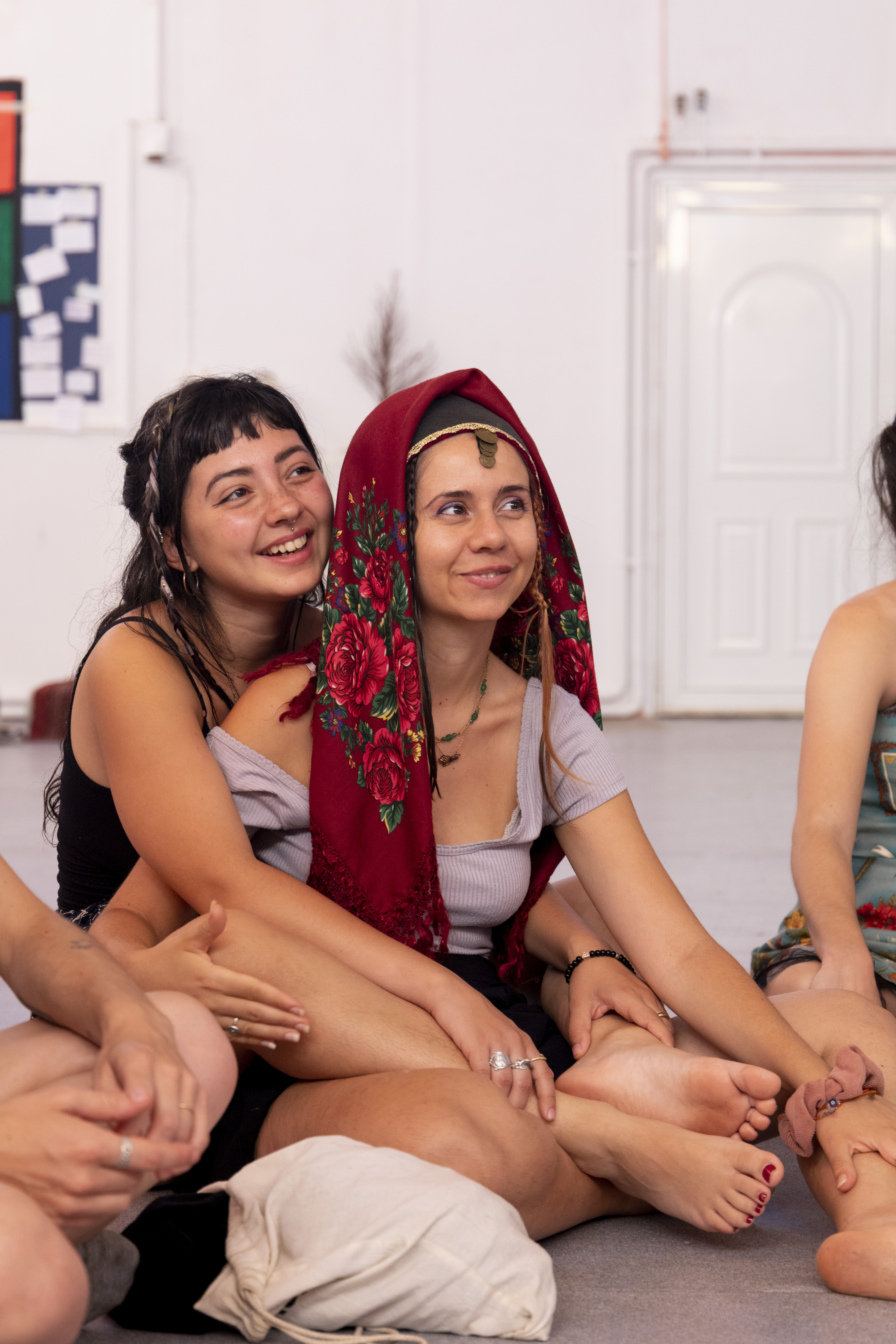
The Co-festival is a grassroots methodology for reclaiming spaces of belonging and creating community ecosystems in the depopulated Trigono region of North Evros. It is not a commercial event, but an organic process where culture serves as a tool for the revitalisation of a home affected by outmigration. We operate through a month-long residency where international and local creatives, residents, and visitors come together to co-create a program based on horizontal exchange and hospitality. The project is based on the exchange of resources, where artists look for the space and freedom of expression that the village provides, and the local community receives access to culture and a new narrative for their home. By facilitating this mutual meeting of needs and using our collective privileges, we create a self-sustaining ecosystem rooted in care rather than exclusionary practices.
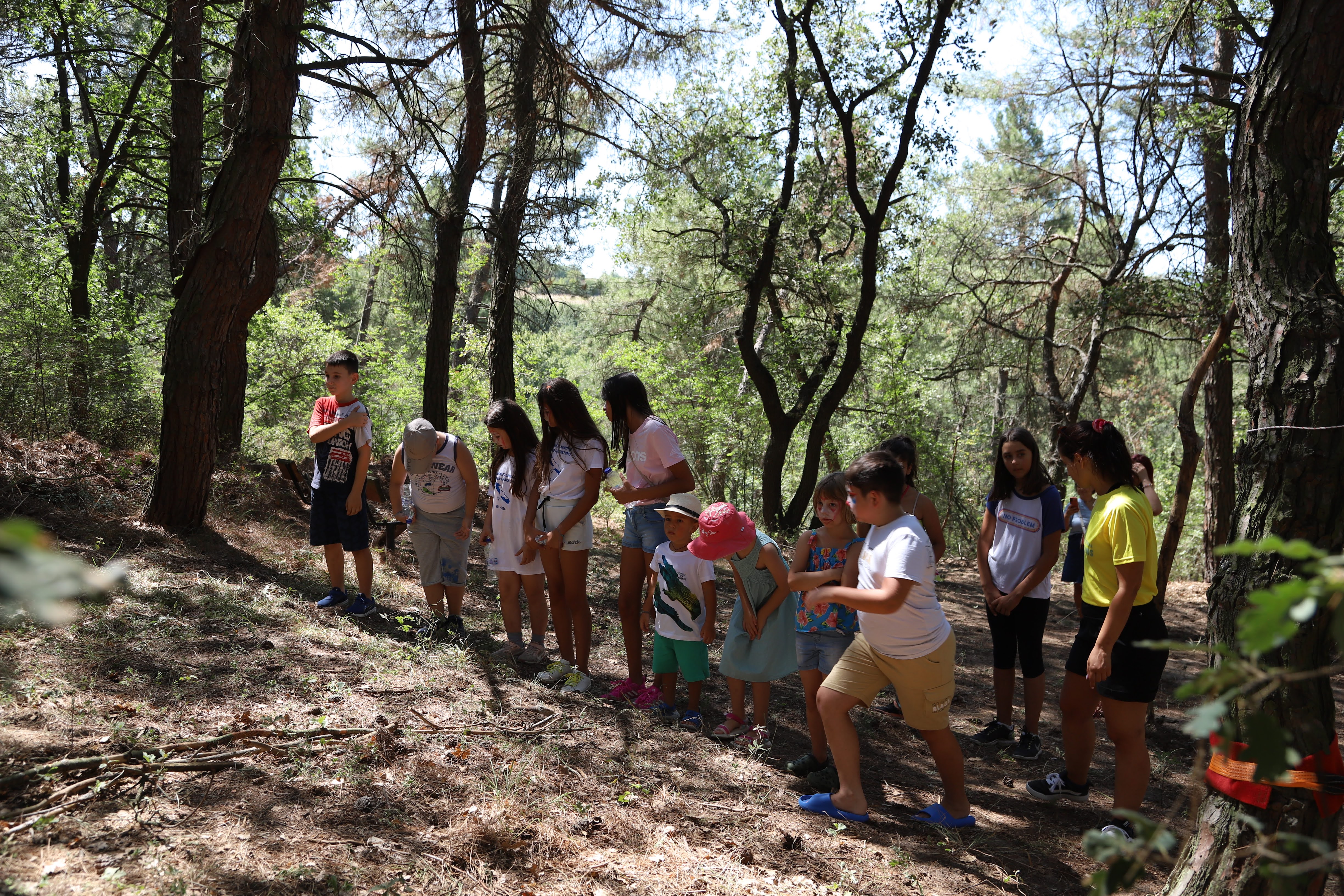
The power of the festival lies in showing that these two communities, the creative and the local, can come together to make our homes better. Although it culminates in a four-day celebration, the impact is a result of a month-long collaboration that stays long-term in the community. We have hosted more than 200 international creatives and organised close to a hundred workshops, turning what was once perceived as a place meant to be lost into a vibrant stage for international and local creatives. This is about community power and the agency to design a shared future. By exchanging resources and support, we prove that even in an isolated borderland, we can create a space that is positive for everyone involved.
The power of the festival lies in showing that these two communities, the creative and the local, can come together to make our homes better. Although it culminates in a four-day celebration, the impact is a result of a month-long collaboration that stays long-term in the community. We have hosted more than 200 international creatives and organised close to a hundred workshops, turning what was once perceived as a place meant to be lost into a vibrant stage for international and local creatives. This is about community power and the agency to design a shared future. By exchanging resources and support, we prove that even in an isolated borderland, we can create a space that is positive for everyone involved.
The story of the Co-festival began in 2022 as an experiment of return. Eleni Tsompanidou and Eleni Voultsidou both grew up in Trigono, but like most of their generation, they left to pursue careers in the cultural sector. In 2022, they returned with a vision to use their experience as a catalyst for their home. They brought 22 international creatives to the village, hosting them in abandoned houses and a reclaimed gym that served as their communal base. This encounter created a link with the residents, and as the creatives felt the need to offer something back for the hospitality they received, the first Co-festival was born. What started as an intuitive response to the emptiness of the rural landscape grew from an experiment into the non-profit Co-transpose, serving both international and local communities.
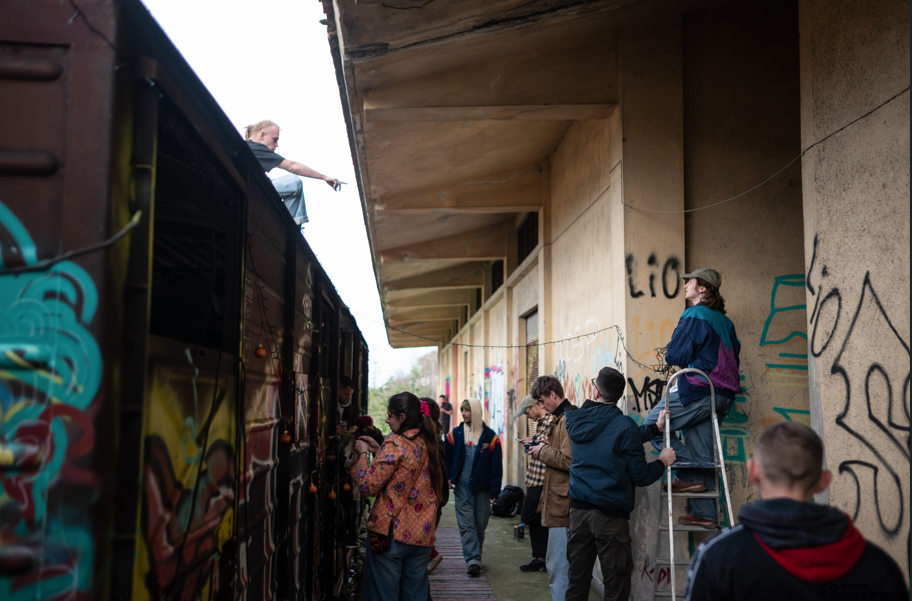
Our team now includes a multidisciplinary group of locals and creatives who have spent four years refining this methodology as an organic ecosystem. We use the title "Co-festival" to reclaim the word itself, because while traditional festivals often focus on consumption, we focus on co-creation, community, and care. We have spent these years physically reclaiming buildings that were meant to be lost, turning the inactive architecture of our youth into hubs for workshops and gatherings. As we prepare for our 5th-anniversary edition in 2026, we see this journey as evidence of a successful transformation. The Co-festival is not just an event, it is the story of what happens when communities come together to co-create their home through agency and solidarity.
Our team now includes a multidisciplinary group of locals and creatives who have spent four years refining this methodology as an organic ecosystem. We use the title "Co-festival" to reclaim the word itself, because while traditional festivals often focus on consumption, we focus on co-creation, community, and care. We have spent these years physically reclaiming buildings that were meant to be lost, turning the inactive architecture of our youth into hubs for workshops and gatherings. As we prepare for our 5th-anniversary edition in 2026, we see this journey as evidence of a successful transformation. The Co-festival is not just an event, it is the story of what happens when communities come together to co-create their home through agency and solidarity.
Reclaiming Inactive Spaces
Community Agency
Horizontal Co-creation
Democratic Participation,
Rural Regeneration
The sustainability of the Co-festival is rooted in a circular methodology that matches local resources with global needs, and global resources with local needs. We view sustainability as a regenerative process based on the organic exchange of what each community has in abundance. In the depopulated region of North Evros, the local community possesses an abundance of space and heritage but lacks access to contemporary cultural tools. Conversely, international artists possess creative skills and a need for freedom of expression but lack the physical space and raw narratives to ground their work. By matching these specific needs and resources, we create a self-sustaining ecosystem where costs remain low and investment is directed back into the village economy.
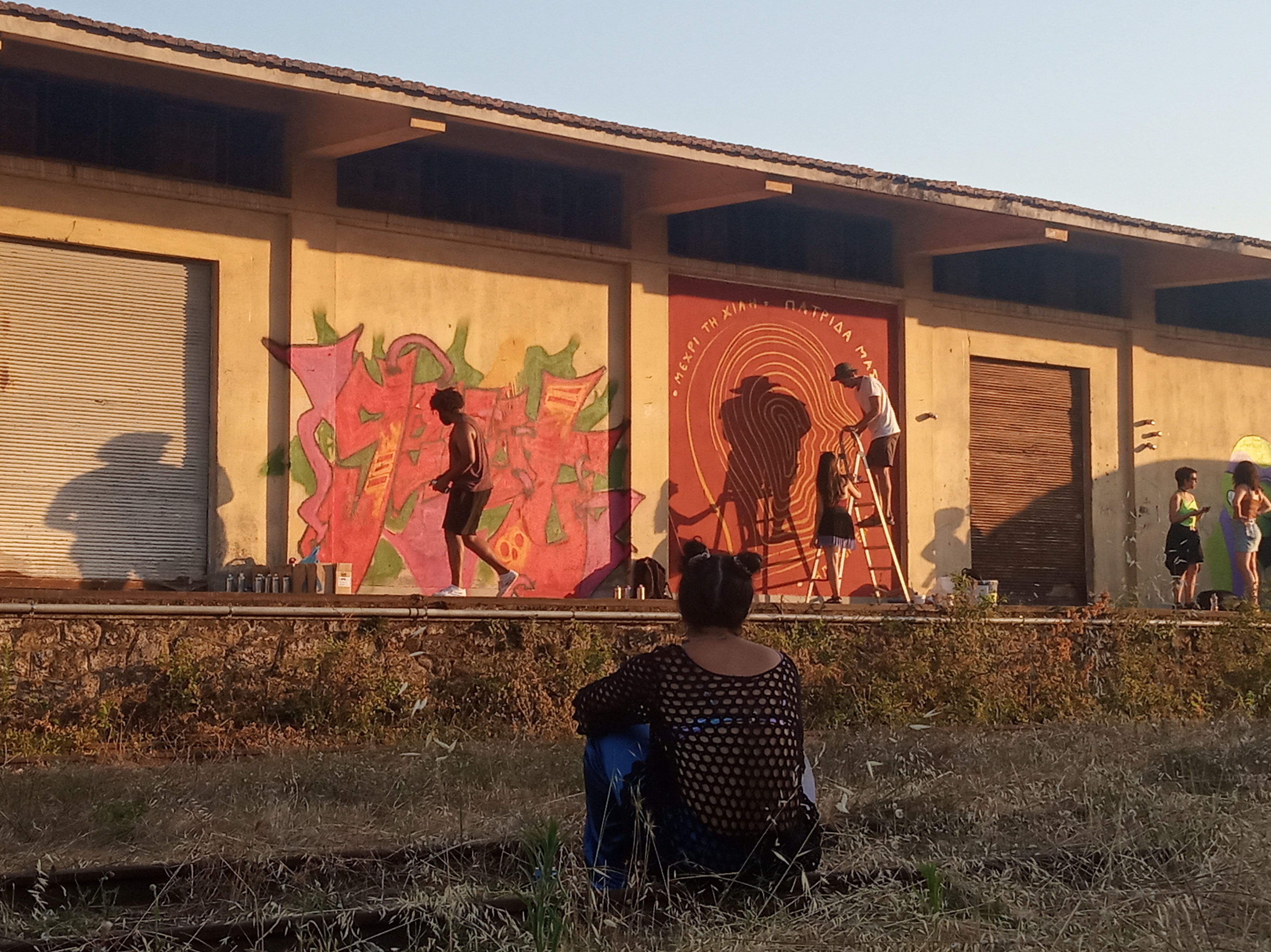
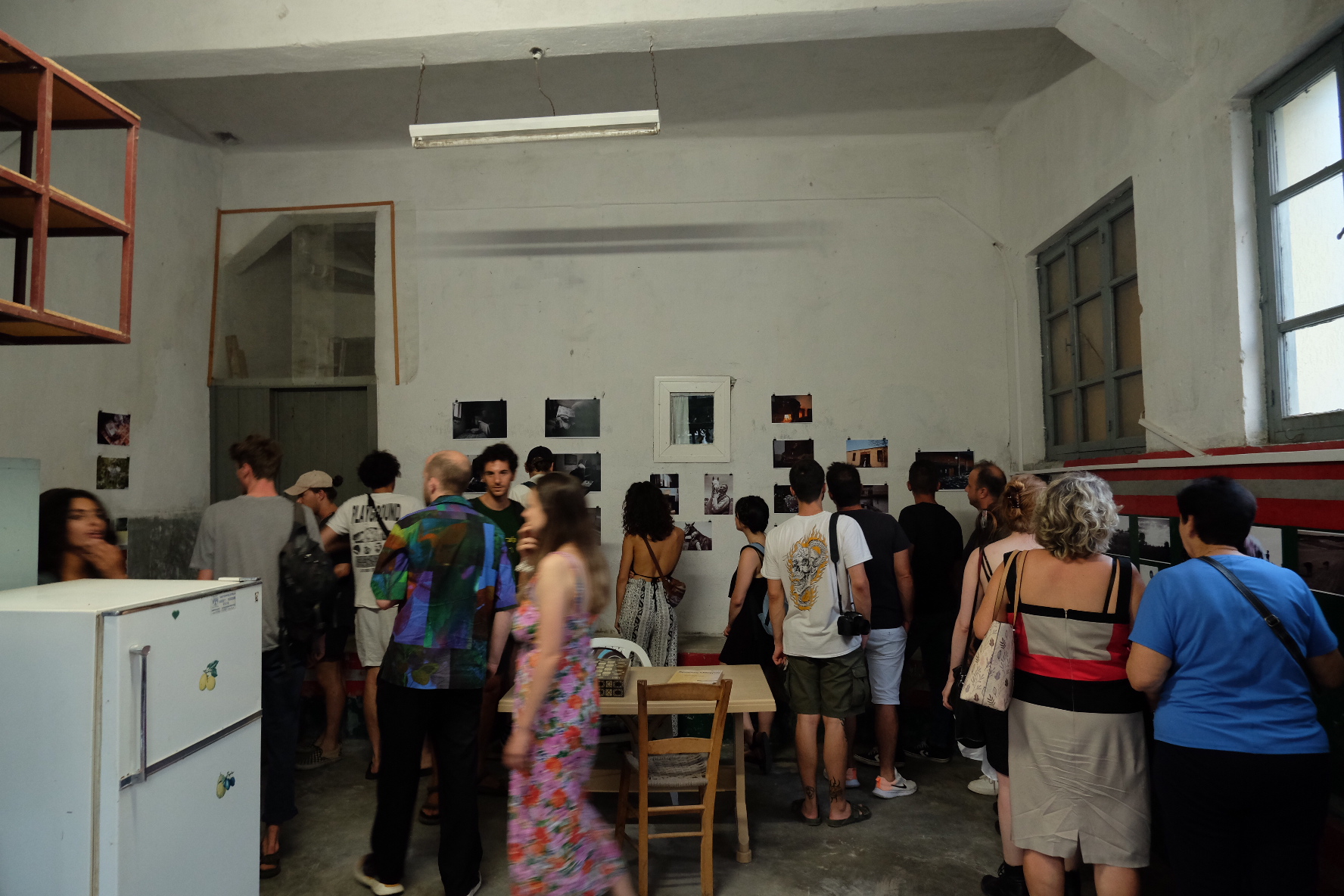
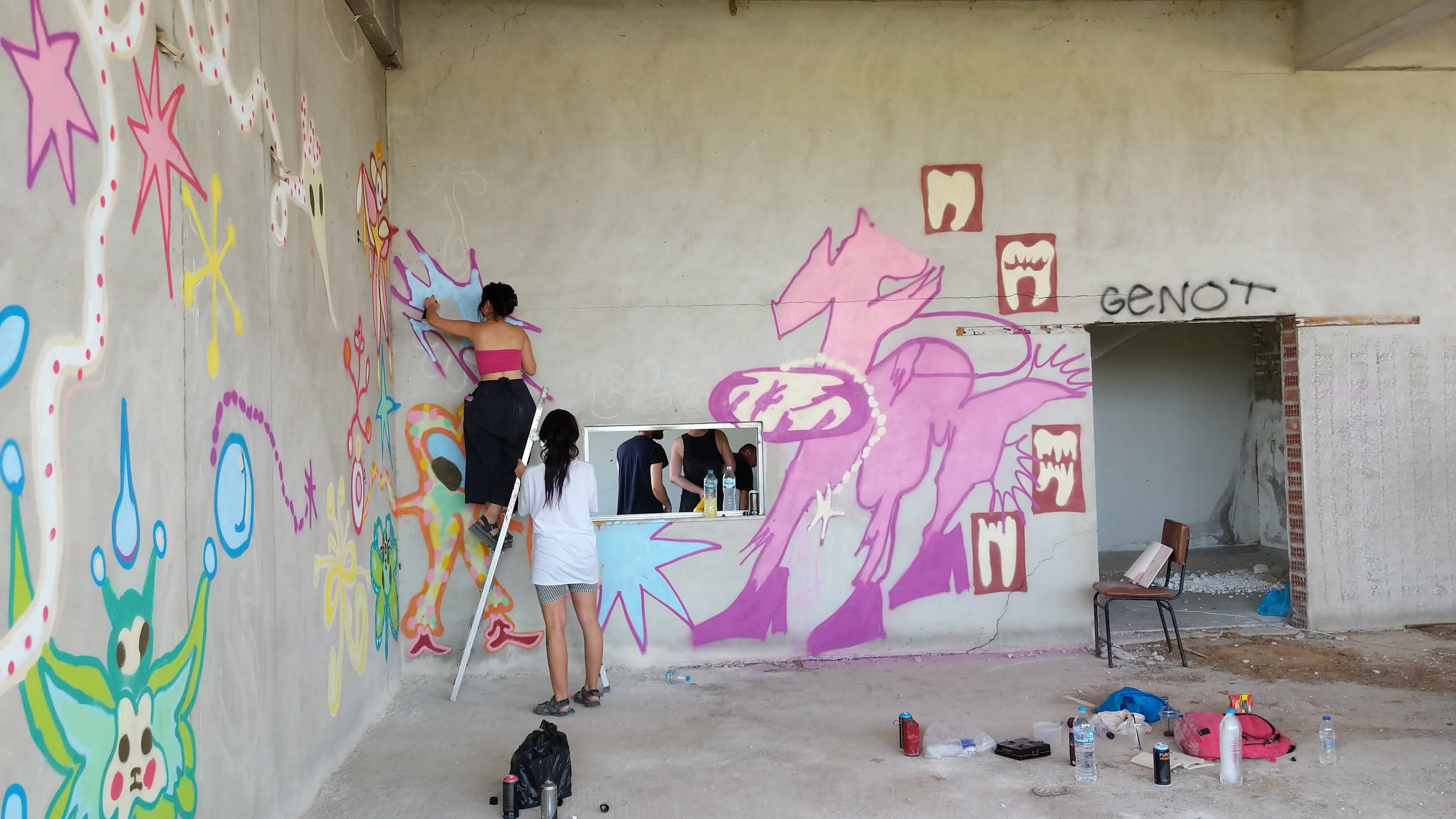
Our environmental approach follows a DIY reuse culture, focusing on the adaptive reuse of 9 inactive buildings. By activating these structures through soft interventions rather than new construction, we preserve the embodied energy of the village’s architectural heritage. This physical sustainability is mirrored in our social model, which decolonises the traditional format of both the festival and the residency. By moving away from extractive, high-speed tourism toward a month-long residency, we foster respectful, long-term relationships. The fact that many participants return annually is proof of a durable social fabric that survives beyond the event.
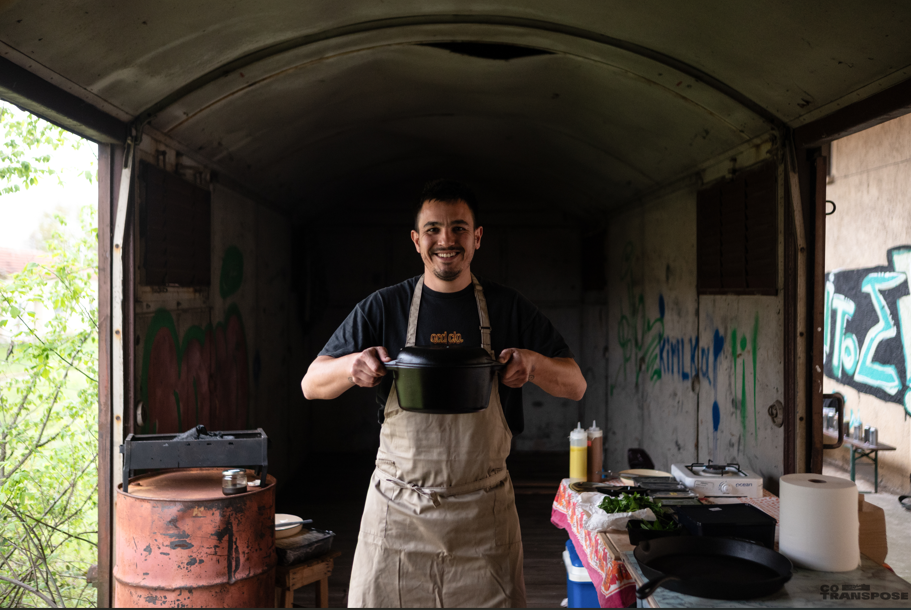
Everything is locally sourced, from materials to culinary traditions, ensuring the project is embedded in the land. By investing in the area’s future through close to a hundred workshops, we provide the younger generation with the tools to become architects of their own environment. Ultimately, the most sustainable thing we can do for a borderland is to regenerate the community’s belief in its own future, proving that by sharing our privileges, we can transform a place of perceived loss into a sustainable landscape of agency.
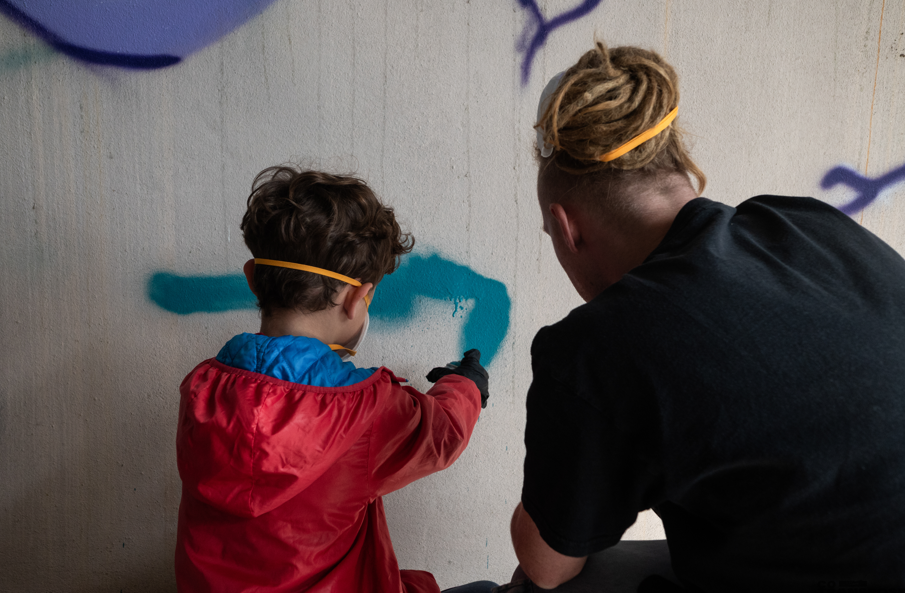
Transformation happens together with the communities and not for them. The Co-festival transforms inactive buildings from reminders of abandonment into hubs where creativity takes place, shifting the very function of our lived environment. The way these spaces are shaped is decided by the people, moving away from top-down decisions to a model that respects local aesthetics while infusing them with global multicultural perspectives. This process revitalises the function of our village, turning "ghost" architecture into a stage for the present.
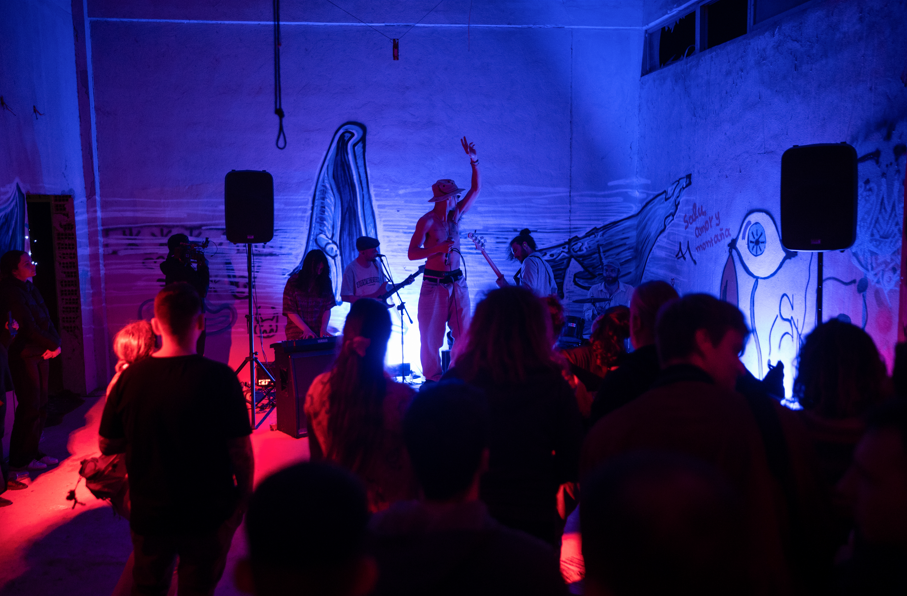
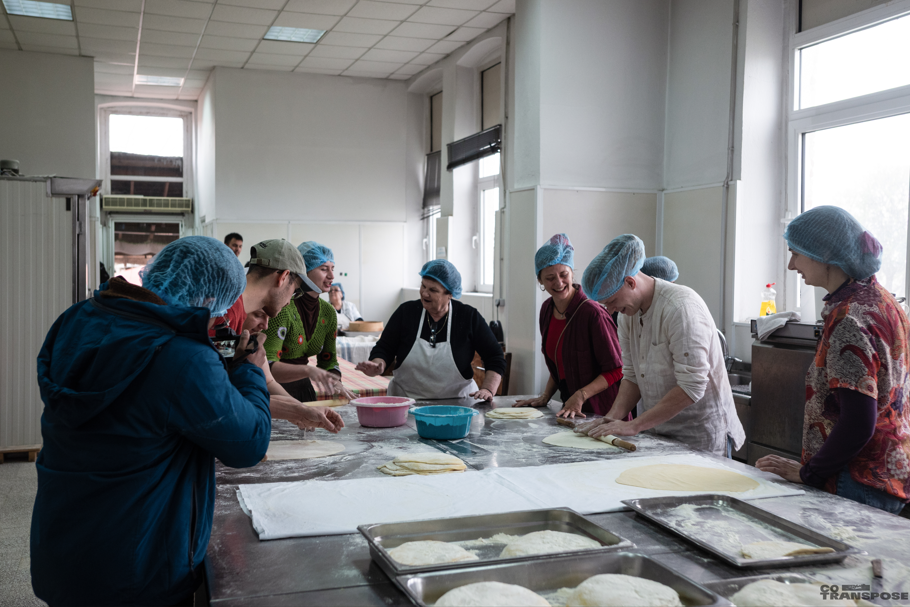
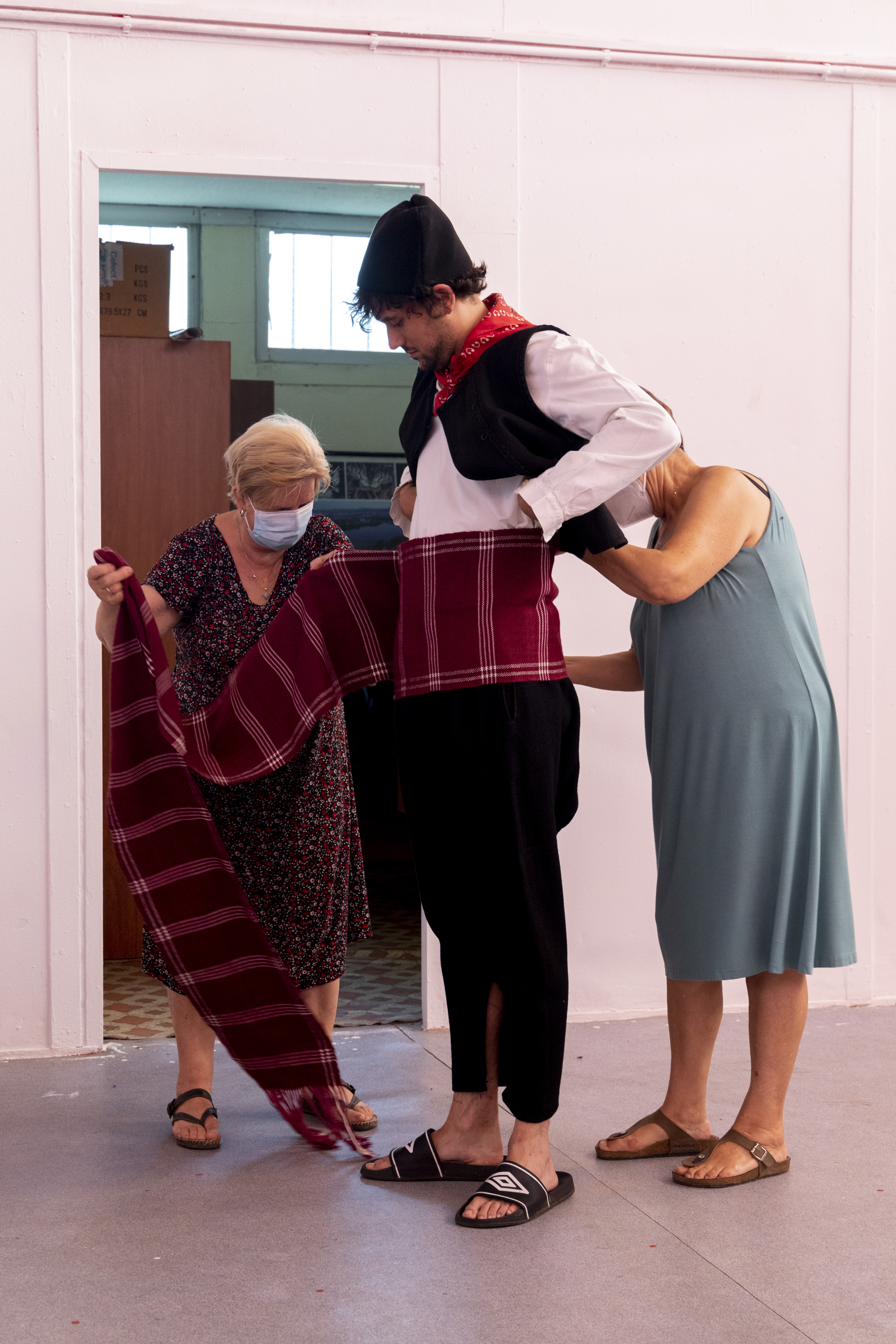
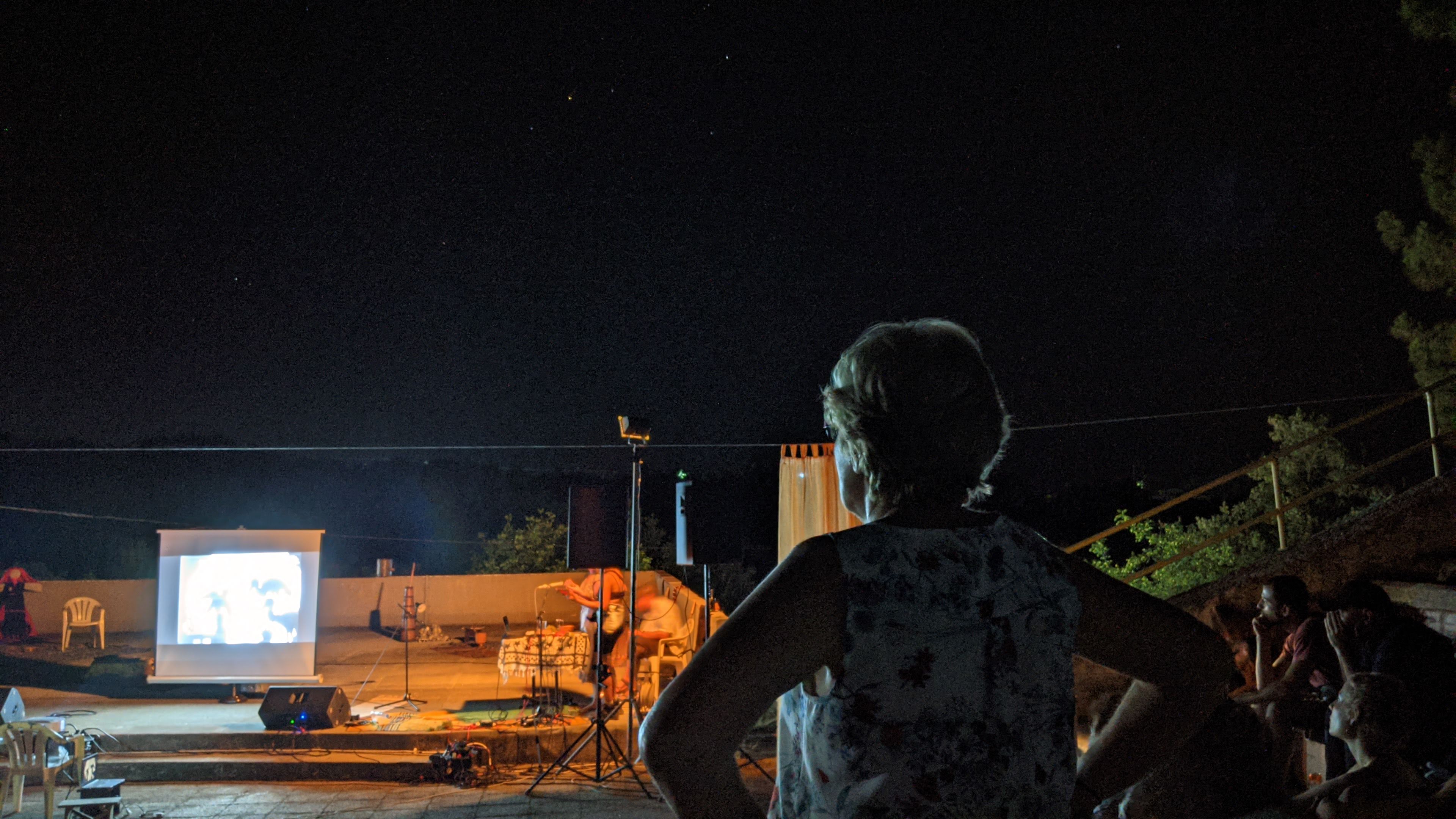
The festival celebrates culture through music, sound, culinary arts, and heritage, all celebrated and reimagined together. Both the local and the international participants have a platform to share and exchange their stories, seeing the beauty in each other's narratives which leads to more acceptance and open horizons. When people have the agency to form their own spaces they feel connected to them, they become caretakers, and through the act of shaping them, they find a place to belong.
Cotranspose asks everyone to think about what a place of belonging feels like for them, and then we work together with the community to bring that feeling to life. This is an aesthetic of participation where the quality of the experience is found in the collective act of creation. For the Co-festival, care is not an action, it is a methodology and a belief system. Agency is belonging.
In Cotranspose we do not just remove barriers for participation, we design our projects with systemic inclusion embedded into them. For the international community, the Co-festival model is anti-institutional and anti-exclusionary. We do not ask for CVs or portfolios because our system is based on human connection and care. Our only limitation is our physical resources. We utilise accessibility and accommodation forms to record the specific needs of every participant and plan individual solutions for their facilitation. There are no fees for participation and we offer support to those from lower socio-economic backgrounds. Through sponsorships, we create care packages that cover basic needs such as food and hygiene products, ensuring the residency is affordable for everyone.
Daily check-ins and a dedicated person for wellbeing ensure the mental health of the collective, while team members specialise in neurodiversity facilitation to support different cognitive needs. During the public moments of the festival, an awareness team is present to assist with accessibility. The entire process is conducted bilingually in English and Greek to bridge the gap between international guests and the local community. The Co-festival is entirely free. From the workshops to the co-created events, there are no costs associated with attending.
We run two distinct communication campaigns to ensure our materials are adjusted to the different comprehension needs and styles of the communities we serve. We also utilise digital tools to widen participation for those who cannot be physically present. The Co-festival is exemplary because it replaces gatekeeping with radical hospitality. We prove that inclusion is not a checklist, but a constant practice of adjusting resources to meet the reality of human diversity. For us, every guest is a creator and every need is a priority.
The Co-festival is defined by collective action. The communities we engage are co-authors of the festival rather than mere spectators. For this reason, the month-long residency leading to the event is the core of our methodology. Everything presented in the program is created site-specifically through the active collaboration of international guests and local residents. Our inclusive framework does not only allow for contribution; it invites a diverse range of people from all backgrounds, ages, genders, and cultures to shape the outcome.
For the international creative community, the basis for this engagement is freedom of expression without institutional pre-requisites. We do not view practitioners as production machines, but as equal partners who have full agency over their contribution. For the local community, the motivation stems from a mutual appreciation for their culture, heritage, and histories. We work to demonstrate that their traditional knowledge is culturally rich and globally relevant. The inclusivity embedded in our programs acts as a catalyst for this deep-rooted connection.
When hierarchies are dissolved, formal levels of involvement disappear. Every individual's input is essential, leading to a festival that functions as a living ecosystem rather than a scheduled event. The impact of this approach is the reclamation of community power. By co-authoring the festival, residents and guests alike move from being passive observers of a declining landscape to being the designers of a shared, vibrant future. This model ensures that the project is not something that happens "to" the village, but something that grows organically from it.
Co-transpose acts as the primary facilitator and bridge, connecting local grassroots reality with regional, national, and European networks. Our governance model is a horizontal web where stakeholders from every level are integrated into the project’s design and implementation. At the local level, the Municipality of Orestiada provides the physical infrastructure by granting us access to inactive buildings, while local schools, students, and businesses are direct partners in the co-creation of the program. This local engagement ensures that the project remains rooted in the immediate needs of the community.
On a regional and national scale, we have secured the support of the Greek Ministry of Culture and regional funding bodies, alongside a network of national sponsors. These partnerships provide the financial stability and institutional recognition necessary to scale our impact. However, the true strength of our model lies in how we bridge these Greek entities with the European and global cultural landscape. As active members of the Trans Europe Halles and the New European Bauhaus networks, we exchange knowledge and methodologies with peers across the continent, ensuring our local actions contribute to a broader European discourse on rural regeneration.
The added value of this multi-level engagement is the creation of a diverse and resilient ecosystem. This year, our collaboration with the Anna Lindh Foundation and the Mediterranean Youth Program allows us to bring a trans-Mediterranean perspective to the borderlands of Evros. By connecting the village of Dikea to these international platforms, we invest in the diversity of our programming and the long-term sustainability of the festival. Co-transpose serves as the catalyst that ensures these stakeholders, from the local student to the European network, come together in a beautiful, inclusive, and sustainable way. We prove that a small borderland community can be a central node in a global network of agency.
The Co-festival is a laboratory of knowledge exchange where the boundaries between academic expertise and lived experience are dissolved. Our network comprises a diverse representation of fields, from architects and social scientists to ecological practitioners, musicians, and local knowledge holders. We do not limit our inquiry to specific themes; instead, we focus on the holistic creation of spaces of belonging through the lenses of care and community. This approach ensures that every challenge we face is met with a multidimensional solution that reflects the complexity of our living ecosystem.
When we reclaim an inactive space, we approach it through several intersecting disciplines simultaneously. We examine the building through the lens of architecture and sustainable, soft interventions to ensure its physical longevity. We look at the surrounding landscape and its ecology to foster environmental awareness. We explore the social sciences to understand the stories the space tells and how to communicate them through art, digital media, and performance. Each of these questions invites participants from different fields to not only contribute their own expertise but to collaborate and expand it through hands-on practice.
Our methodology values ancestral local knowledge as much as high-level academic research. By treating a village elder’s understanding of traditional craft with the same respect as a researcher’s study on rural sociology, we foster a truly transdisciplinary environment. This is not a performative action, but a reflection of how a healthy community functions. By combining these diverse knowledge fields, we create solutions that are more than the sum of their parts. We prove that when architects, artists, and ecologists work alongside local residents, they don't just fix a building; they regenerate the social and physical fabric of a home.
The financial sustainability of the Co-festival is predicated on a model of resource-efficiency and diversified support. Rather than relying on a single capital stream, we operate through a multi-layered structure that integrates public funding, private sponsorship, and a circular exchange of in-kind resources. A fundamental component is the reduction of overheads through the adaptive reuse of existing infrastructure and the activation of dormant local assets. By leveraging what is already present, the project maintains an exceptionally low operational cost; for four years, our annual budget has remained below 20,000 euros.
Our fiscal strategy combines applications for local and national cultural grants with a trajectory towards European institutional support. The project also functions as an umbrella for independent initiatives with their own funding, such as "The Collection"—a documentation platform recognised by the NEB 2024 awards. Similarly, the reclamation of village buildings is supported by specific structural grants. This institutional backing is complemented by a network of collaborators who provide materials, food, and logistics, ensuring the festival’s economic impact remains localised.
The primary driver of our sustainability is the systematic exchange of human capital. We have established a high-agency network of volunteers who operate within a reciprocal ecosystem. In this framework, the local community provides heritage and space to receive creative revitalisation, while international practitioners provide labour and specialised skill to receive a platform for expression. This non-monetary exchange of needs and resources ensures longevity independent of market conditions. We demonstrate that financial sustainability is achieved by building a system where every participant is a stakeholder in the project’s existence.
The methodology of the Co-festival is highly transferable to any rural community seeking to revitalise its ecosystem through respectful, grassroots action. The core process—identifying local assets and matching them with international creative needs—functions independently of specific geography. This model of bringing disparate communities together to collaboratively build their environment is inherently sustainable and cost-effective, making it accessible to regions with limited financial resources. We have already demonstrated this scalability by expanding the project from a single village to five distinct locations, proving that the framework remains robust as it transforms to meet different local contexts.
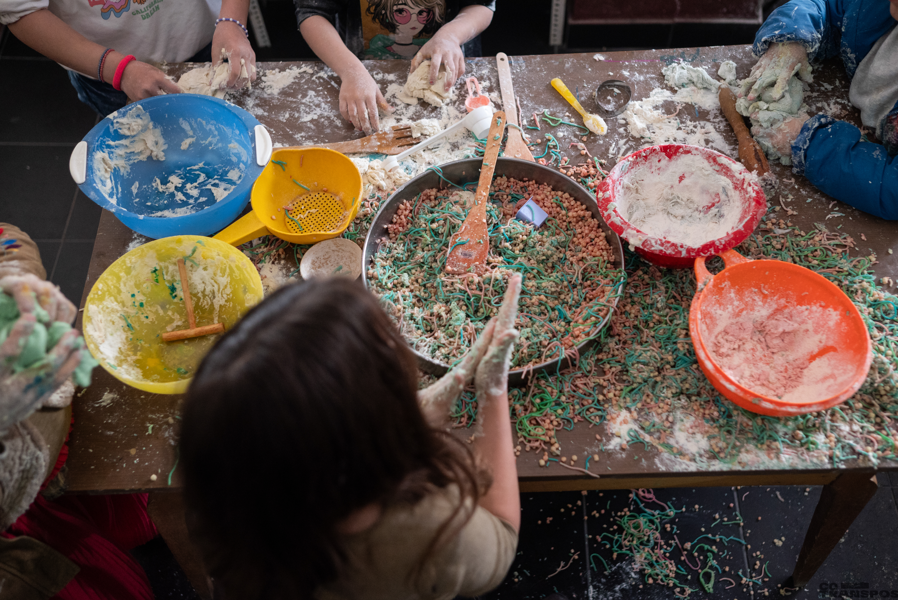
While we currently host 50 practitioners per festival, the transformative impact was evident from our first iteration with only 20 participants. This indicates that the model is scalable in both directions: it can be initiated as a small-scale intervention and grown incrementally as trust and resources accumulate. The adaptability of our "soft interventions" allows the project to scale without requiring heavy infrastructure, focusing instead on the mobility of people and the circulation of ideas.
To facilitate replication, we systematically record our processes. We have developed workshops, publications, and a documentary that serve as accessible toolkits for other communities to implement our methodology. These resources provide the necessary guidance on how to manage circular resource matching, building reclamation, and social inclusion. By sharing these tools, we provide a blueprint for rural regeneration that replaces extractive models with a system of collective agency. The Co-festival proves that when the methodology is rooted in care and reciprocity, it can be successfully transplanted to any borderland or neglected territory, enabling local people to become the architects of their own future.