Enhancing Circularity, Sustainability, and Innovation
Island Eco-Stewardship & Youth Action
From Local Grants to EU Action: Empowering Communities for Ocean Literacy and Circularity in Greece
Initiated in 2024 via CPF, our project evolved from a Mykonos eco-camp into a multi-island stewardship model. Awarded by UNEP and supported by the EU, we empower local women and youth from Kimolos to Kefalonia to lead the green transition. By reconnecting islanders with their coastal heritage and trails, we promote reuse and ocean action. This community-led approach combines environmental resilience with local wisdom and aesthetic value, ensuring a sustainable future for the Greek islands.
Greece
Regional
Mykonos, Cyclades, South Aegean Region, Greece
(Additionally implemented in Kimolos, Cyclades and Kefalonia, Ionian Islands)
(Additionally implemented in Kimolos, Cyclades and Kefalonia, Ionian Islands)
Mainly rural
It involves other types of transformations (soft investment)
Yes
2025-12-31
Yes
Technical Support from the European Commission for the project 'Mykonos Clean Shores: Social Media for Ocean Action'.
No
Yes
Individual
Launched in 2024 on my home island, Mykonos, this project transforms environmental protection into a community-led movement. Addressing a systemic gap in the Greek national curriculum, we developed high-impact online guides and digital methodologies that effectively "train the trainers," providing hundreds of educators across the Aegean and Ionian seas with the tools to integrate sustainability into their classrooms. Our core philosophy is that "recycling is just an aspirin"; the real cure lies in circularity, community leadership, and reconnecting youth with their coastal heritage.
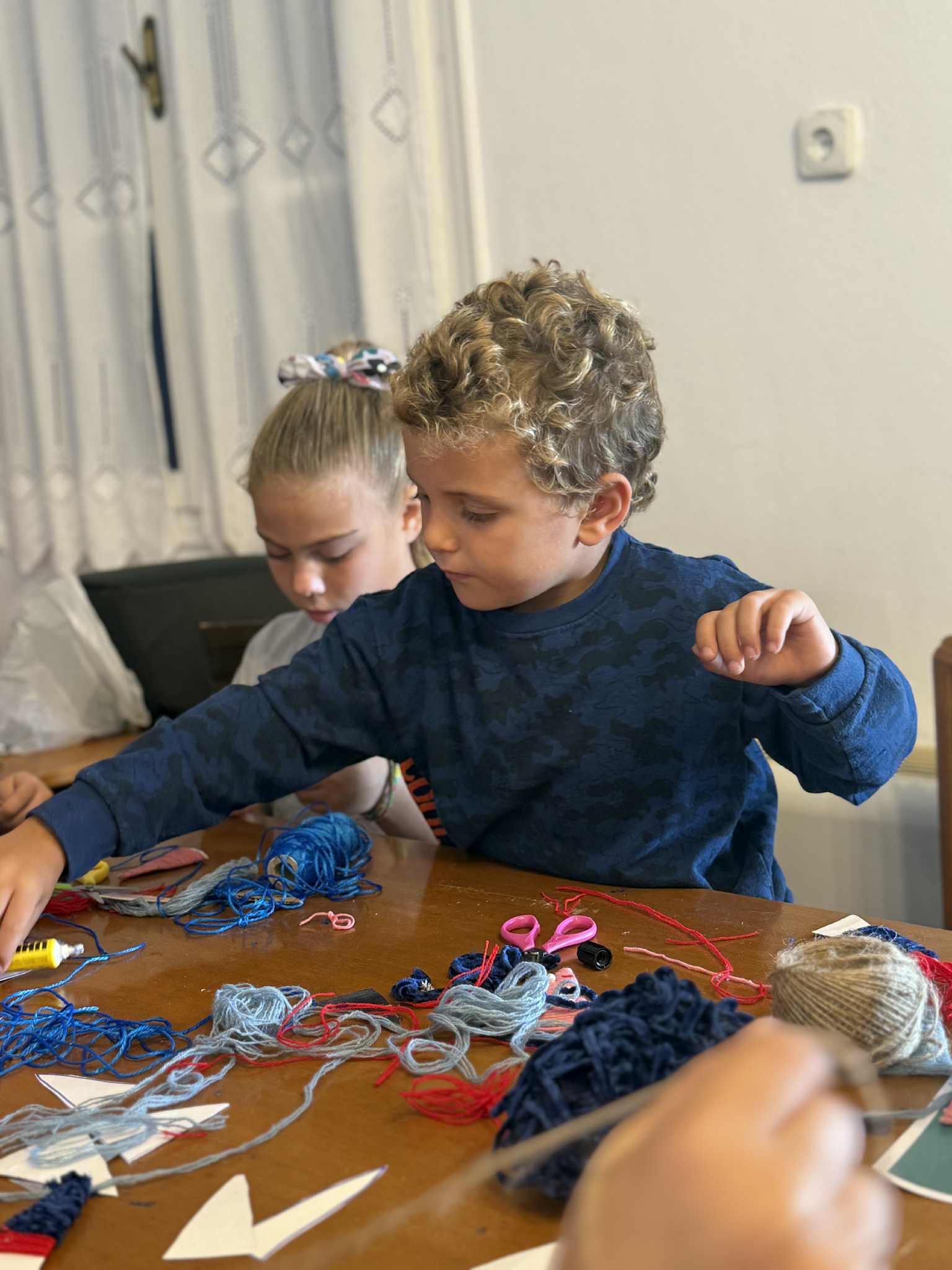
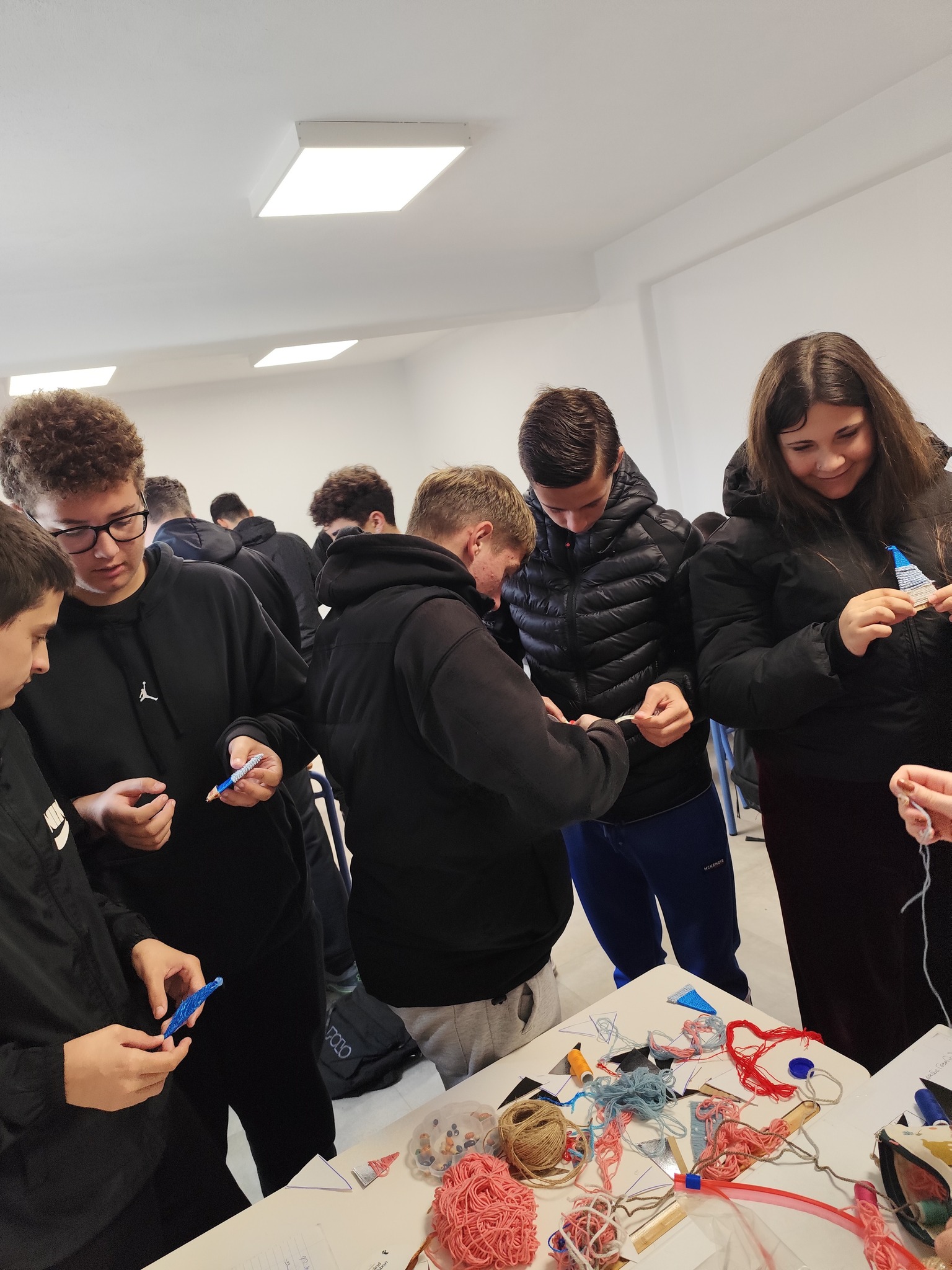
In Mykonos, we educate over 500 students annually through seasonal workshops and strategic partnerships with the Vocational High School (EPAL), which secured the Plastic Clever Schools award (2025). In Kefalonia, our outreach included 150+ participants, creating a multi-generational stewardship network.
We produced and distributed two specialized digital blueprints for all primary and secondary schools in the Cyclades (via Kimolos) and the Ionian islands, indirectly reaching an estimated 5,000+ students through their teachers.
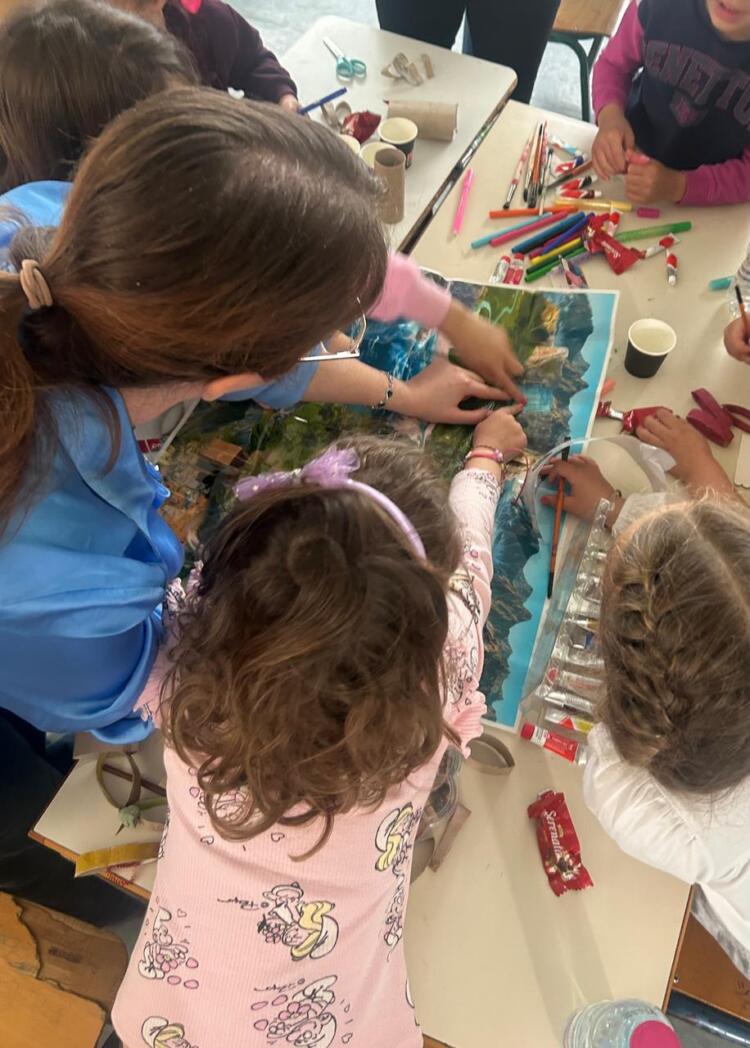
In Kefalonia (Easter 2025), collaborating with the "Aigialos" association, we upcycled heritage items to raise €500 for the local orphanage, proving the link between circular economy and social welfare.
Our methodology received Technical Support from the European Commission (Mykonos Clean Shores) and was honored by UNEP (Women’s Wave). Lead educator Sofia Chanioti represented the project as a speaker at the 2nd European Forum on Digital Citizenship Education, highlighting our student-led biodiversity blogs and digital mapping initiatives.
Our priority is to solidify Mykonos as a "lighthouse" of coastal resilience while actively seeking strategic partnerships to replicate our successful model on more islands across Greece, ensuring a sustainable future through local wisdom and global digital tools.
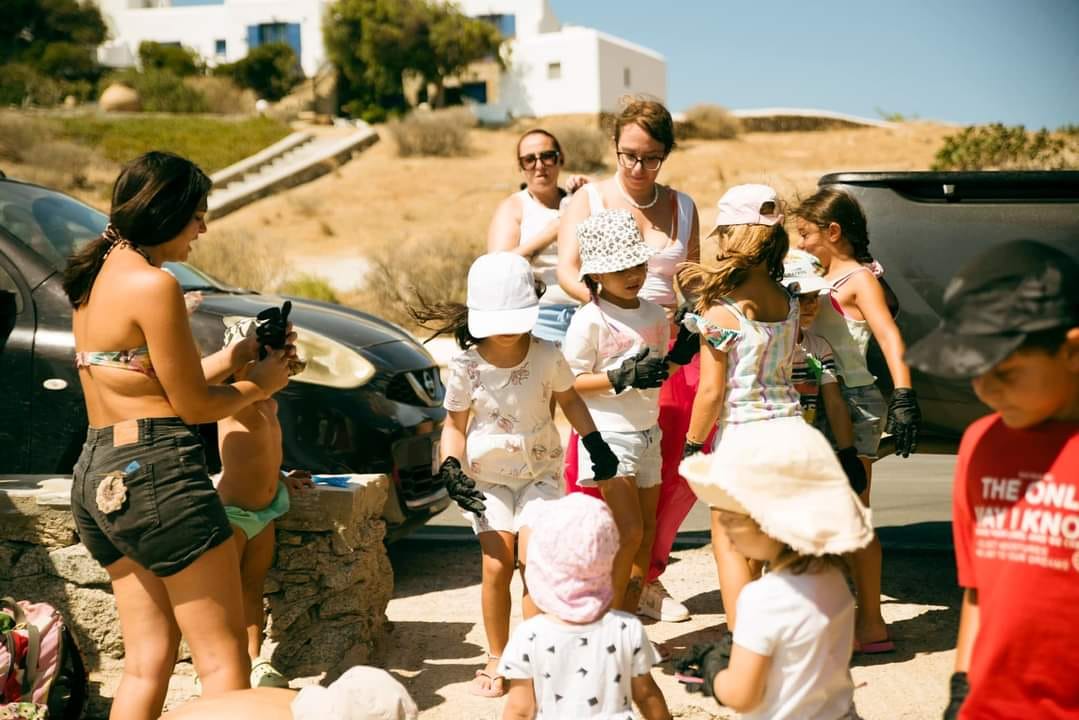
It all started in 2024 on my home island, Mykonos. Observing that local children had few structured activities during summer besides "diving into the sea," I launched a 14-day pilot environmental program. We moved from theory to practice, teaching kids everything from oil spill response to species protection and creative upcycling. The "spark" was so bright that the local community joined our clean-ups, and the program quickly moved from the beach into the schools during winter, in collaboration with the Municipality.
By December 2024, we were training students across Mykonos on the core principle that "recycling is just an aspirin". 2025 Milestones: The success snowballed. The Vocational High School (EPAL) of Mykonos won the "Plastic Clever Schools" award.
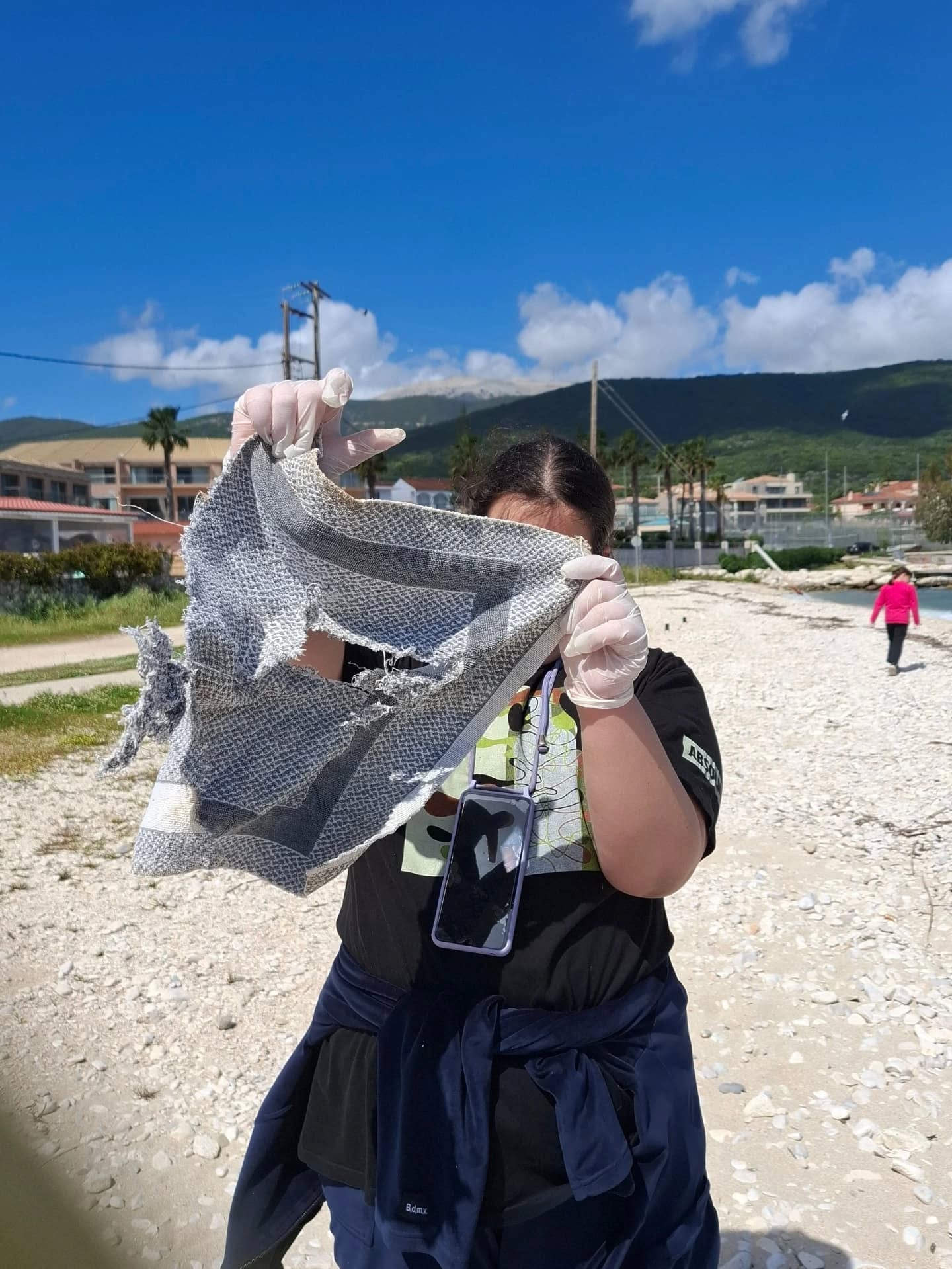
We expanded our "Environmental Stewardship" model to Kefalonia (with the Ionian Environment Foundation) and continued in Mykonos and Kimolos (with the Cyclades Preservation Fund). From spring to winter, we moved across the islands, educating youth on plastic pollution through the "Cyclades Unified" program.
The project’s impact transcended local borders. Our lead educator, Sofia Chanioti, was recognized by UNEP (Mediterranean Coast Day / Women’s Wave) for her leadership. This led to a pivotal moment in 2025: receiving Technical Support from the European Commission for the project "Mykonos Clean Shores: Social Media for Ocean Action." This initiative specifically focuses on empowering youth and women to use digital tools for environmental advocacy.
The journey came full circle when Sofia Chanioti was invited as a speaker to the 2nd European Forum on Digital Citizenship Education, showcasing how islanders can become global digital citizens. Today, our project is not just about cleaning shores; it is a blueprint for how local wisdom, female leadership, and digital innovation can protect the aesthetic and natural heritage of the Mediterranean.
circular economy
Community Co-design
Social Inclusion
Ocean Literacy
Digital Citizenship
Our project addresses the unique environmental and economic challenges of high-traffic tourism by transforming the systemic issue of plastic water bottle waste into a resource for creative circularity and community education. In Mykonos, where non-potable water leads to massive plastic consumption, we conducted waste audits identifying 200kg of plastic on shores during peak season, which we subsequently redirected into our reuse workshops to demonstrate that "waste" is a design failure, not a necessity. By providing open-access Canva guides that have already reached over 6,000 views, we ensure the scalability of our methodology, creating a permanent digital infrastructure for teachers to integrate ocean literacy without further financial costs. This model fosters social and cultural sustainability by bridging generations, as local women pass traditional craftsmanship to youth, while our digital advocacy provides visibility and "green branding" to local businesses that support our mission. Ultimately, our project is exemplary because it proves that even in the most pressured tourist environments, a community-led circular economy can protect natural beauty while fostering long-term resilience and local ownership
Our project transforms environmental protection into an experiential aesthetic journey, reconnecting islanders with the intrinsic beauty of their coastal trails and natural heritage. By engaging youth in biodiversity mapping and student-led blogs, we encourage them to perceive their landscape not as a tourist commodity, but as a "living gallery" that deserves their care and pride, thus fostering a deep sense of belonging. The upcycling of heritage items and the restoration of traditional paths demonstrate that sustainability is a cultural act that beautifies everyday life and breathes new life into local identity. Ultimately, the project is exemplary because it establishes environmental health as the fundamental prerequisite for the aesthetic elevation and overall well-being of a community.
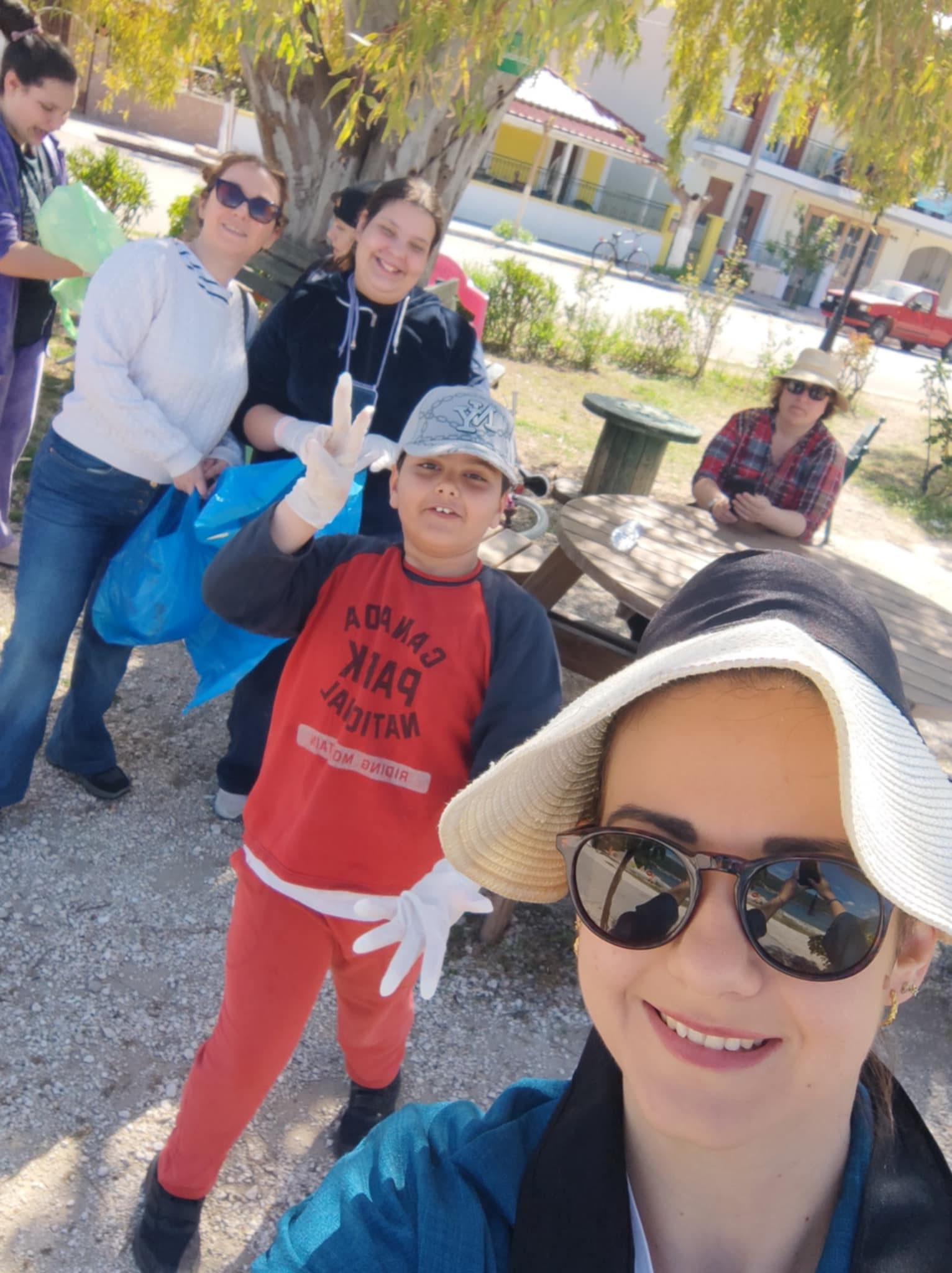
While our core workshops focus on youth, our project achieves a broader social reach by actively involving local businesses, women's associations, and families in a unified environmental stewardship model. During our coastal clean-ups and community actions, we bring together different generations, ensuring that sustainability is a shared family experience rather than an isolated educational activity. By transforming local shops into collection points for upcycling materials and collaborating with women's groups for heritage-based workshops, we ensure that the entire social fabric of the island is represented and empowered. This inclusive approach bridges the gap between different age groups and social backgrounds, turning environmental action into a powerful tool for community-wide cohesion. Our project is exemplary because it proves that a green transition is most successful when it is accessible, free of charge, and co-created by the people who live and work in the territory every day.
Our project operates as a co-created ecosystem where citizens are active strategists rather than passive beneficiaries. A turning point in 2024 was a student-led initiative to produce a promotional video for our second coastal cleanup, which resulted in tripling the participation rate and demonstrated the power of youth-driven advocacy. This grassroots momentum inspired local professionals, such as a volunteer photographer, and women’s associations to contribute their expertise, significantly amplifying our visibility across neighboring islands. Through ongoing dialogue with the Municipality of Mykonos and local schools, teenagers now take the lead in choosing workshop themes and designing digital content for our biodiversity blogs, ensuring the curriculum reflects their own concerns and aspirations. This deep level of involvement has transformed local teachers into active facilitators of our digital tools, while empowering students to enter national competitions with their own innovative solutions for waste management, proving that inclusive governance starts with giving the community the tools to lead.
Our project is built on a robust multi-level governance model that integrates local action with regional expertise and European strategic goals. At the local level, continuous collaboration with the Municipality of Mykonos and the Municipality of Argostoli provides the necessary physical infrastructure and permissions to operate within schools and public spaces, while grassroots organizations like the "Aigialos" association in Kefalonia ensure deep community engagement. Regionally, the strategic support of the Cyclades Preservation Fund (CPF) and the Ionian Environment Foundation (IEF) has been the "added value" catalyst, providing the funding and networking required to scale our digital blueprints across different island complexes. On a European and International scale, the technical assistance from the European Commission for "Mykonos Clean Shores" and our recognition by UNEP align our local efforts with the European Green Deal and global sustainability standards. This vertical integration ensures that a student’s initiative in a small island school is technically supported, regionally funded, and internationally recognized, creating a sustainable loop of accountability and shared vision.
Our project adopts a deeply transdisciplinary approach, merging environmental science with digital innovation, pedagogy, and the arts to address the complex challenges of island sustainability. By combining Environmental Science (through waste audits and biodiversity monitoring) with Digital Technologies (via student-led blogs and interactive mapping), we transform raw data into engaging community narratives. The integration of Design and Circular Arts is evident in our upcycling workshops, where "waste" is reimagined as a creative resource, while our pedagogical framework ensures that these complex concepts are accessible through Digital Education tools and open-source guides. Furthermore, the project draws on Social Sciences to foster community empowerment and gender-inclusive leadership, ensuring that environmental action is inextricably linked to social welfare and cultural heritage. This synthesis of diverse fields allows us to move beyond siloed solutions, creating a holistic model where technology, science, and creativity work together for the common good.
Our business model follows a phased growth strategy designed to build institutional trust and financial resilience through demonstrated impact.
Phased Financial Scaling: We initially target agile, small-scale grants from regional environmental organizations (e.g., CPF, IEF) to establish a "proof of concept" and generate measurable data. This foundational funding allows us to bypass initial bureaucratic barriers and build a strong portfolio of successful case studies.
Public Sector Engagement: Once our local impact is documented, we leverage these results to secure strategic partnerships with Municipalities. This approach transforms local government from a "difficult audience" into an active supporter that provides infrastructure and long-term community access, further stabilizing our operational model.
European Fund Unlocking: Our international recognitions, including support from the European Commission and UNEP, serve as a "seal of excellence" and a primary catalyst. Over the next two years, we aim to use this global credibility to access larger European financial instruments and structural funds, enabling us to scale up our digital blueprints and circular workshops at a regional and national level.
Operational Efficiency: By utilizing low-overhead digital tools (Canva, student blogs, open-source guides), we ensure that a significant portion of our funding is directed toward community action and material transformation, making our model highly attractive to donors seeking high-impact/low-cost interventions.
Our project is designed as a modular "Environmental Blueprint" that can be seamlessly replicated across diverse island ecosystems and coastal communities. The most transferable element is our open-source digital infrastructure; by utilizing platforms like Canva and student-led blogs, we provide ready-to-use pedagogical guides that have already reached 6,000 views, allowing educators anywhere in the Mediterranean to implement ocean literacy with zero overhead costs. Furthermore, our circular methodology—which connects local waste audits with creative upcycling and social welfare (e.g., fundraising for orphanages)—is highly adaptable to different cultural and economic contexts, requiring only local discarded materials rather than expensive technology. The successful expansion of our operations from the Cyclades (Mykonos) to the Ionian Islands (Kefalonia) serves as a proven "Proof of Concept," demonstrating that our model of multi-level governance and community engagement is resilient and replicable. Ultimately, our project offers a scalable framework for "Small-Scale/Big-Impact" interventions, proving that any community can transform its environmental challenges into opportunities for social cohesion and aesthetic renewal.