Enablers for New European Bauhaus Transformation
EcoLodge Rural Lab
EcoLodge Visoko: A Rural Living Lab for Sustainable Tourism and Eco-Building
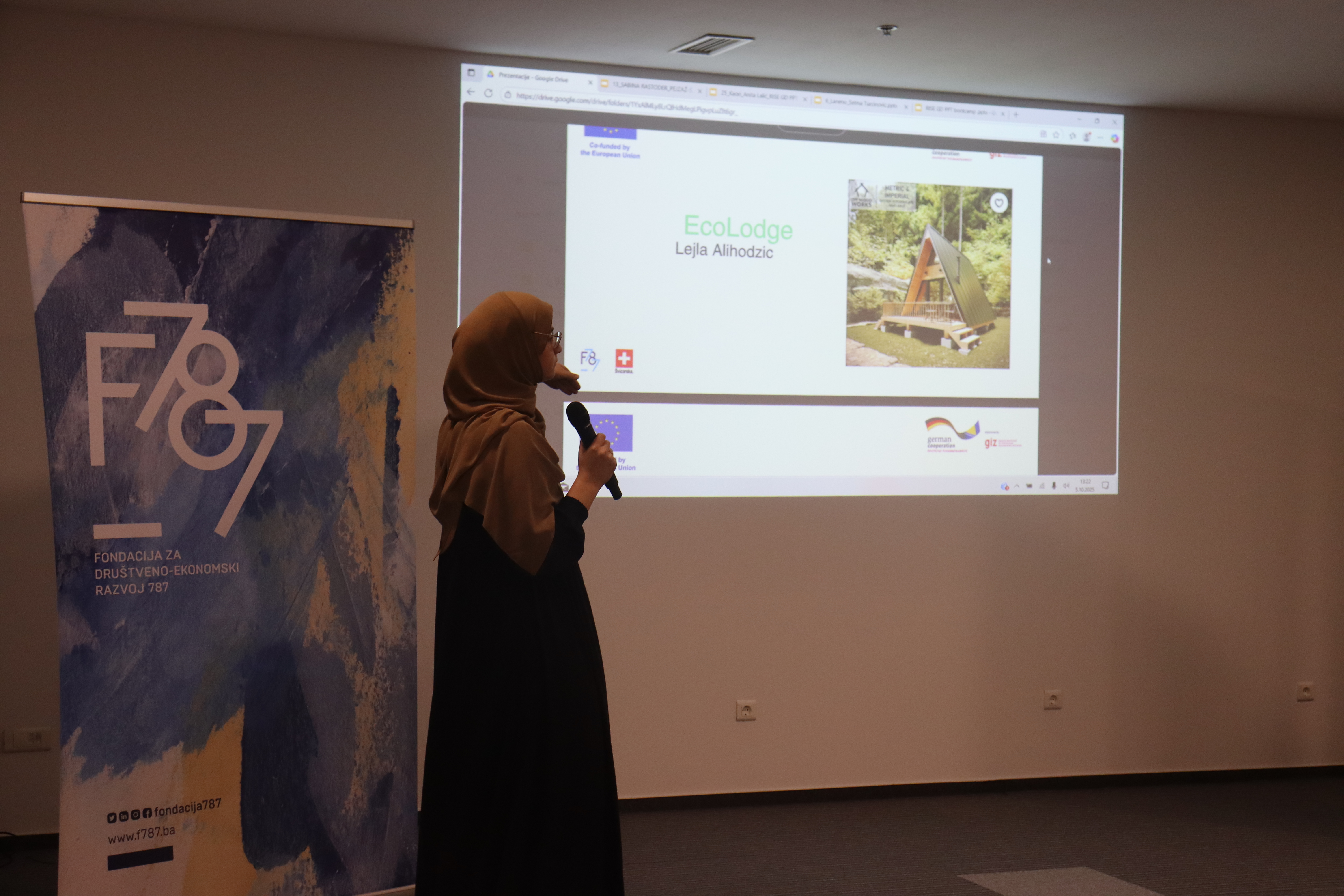
EcoLodge Visoko is a rural Bauhaus living lab transforming a small eco-cabin into a model for sustainable tourism and building. Combining renewable energy, low-impact design, and traditional knowledge, the project documents and shares its journey through open-source toolkits, workshops, and digital storytelling—empowering youth and local communities to create beautiful, climate-conscious tourism.
Bosnia and Herzegovina
Local
Visoko
Mainly rural
It refers to other types of transformations (soft investment)
Prototype level
No
No
No
Individual
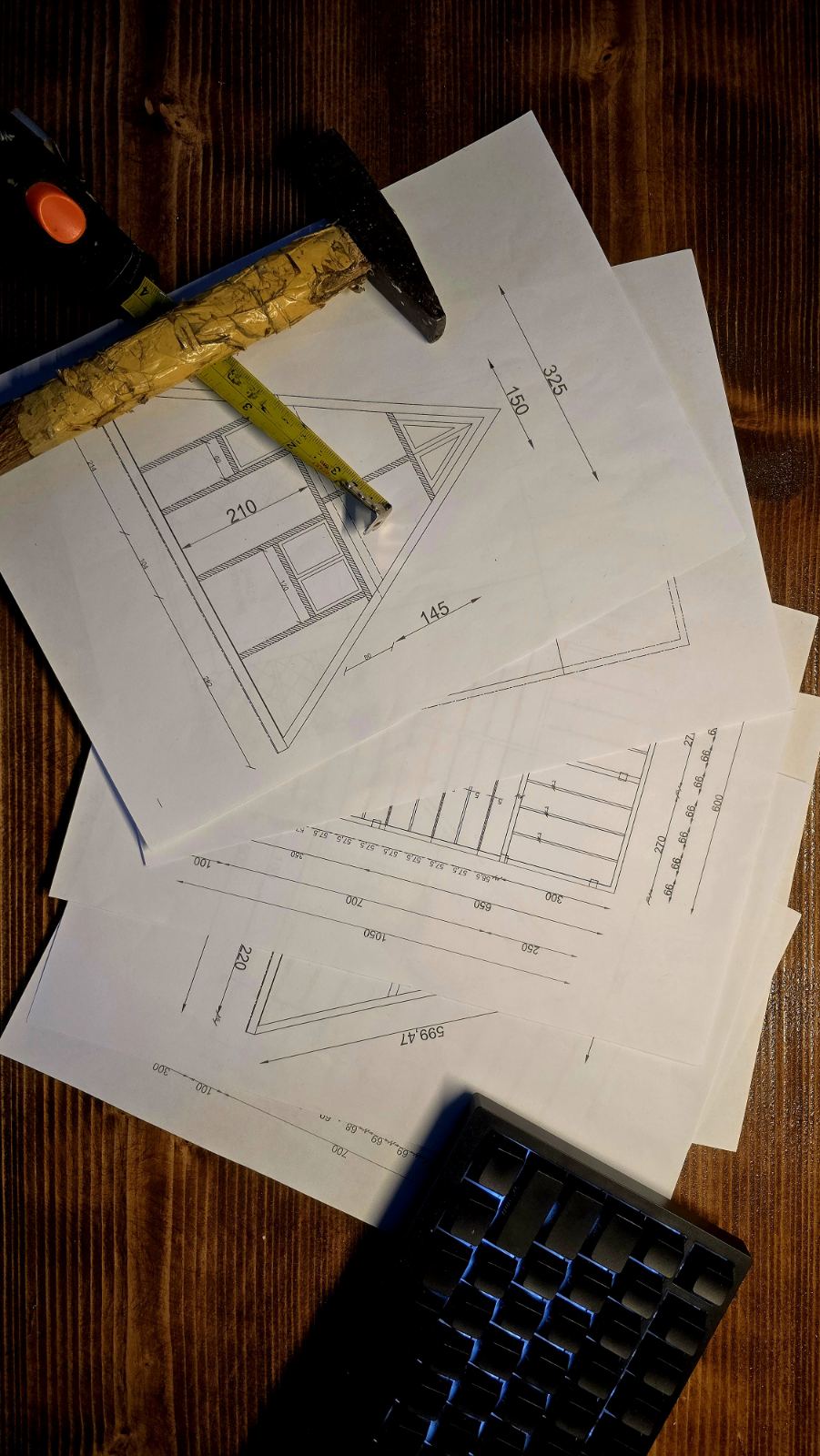
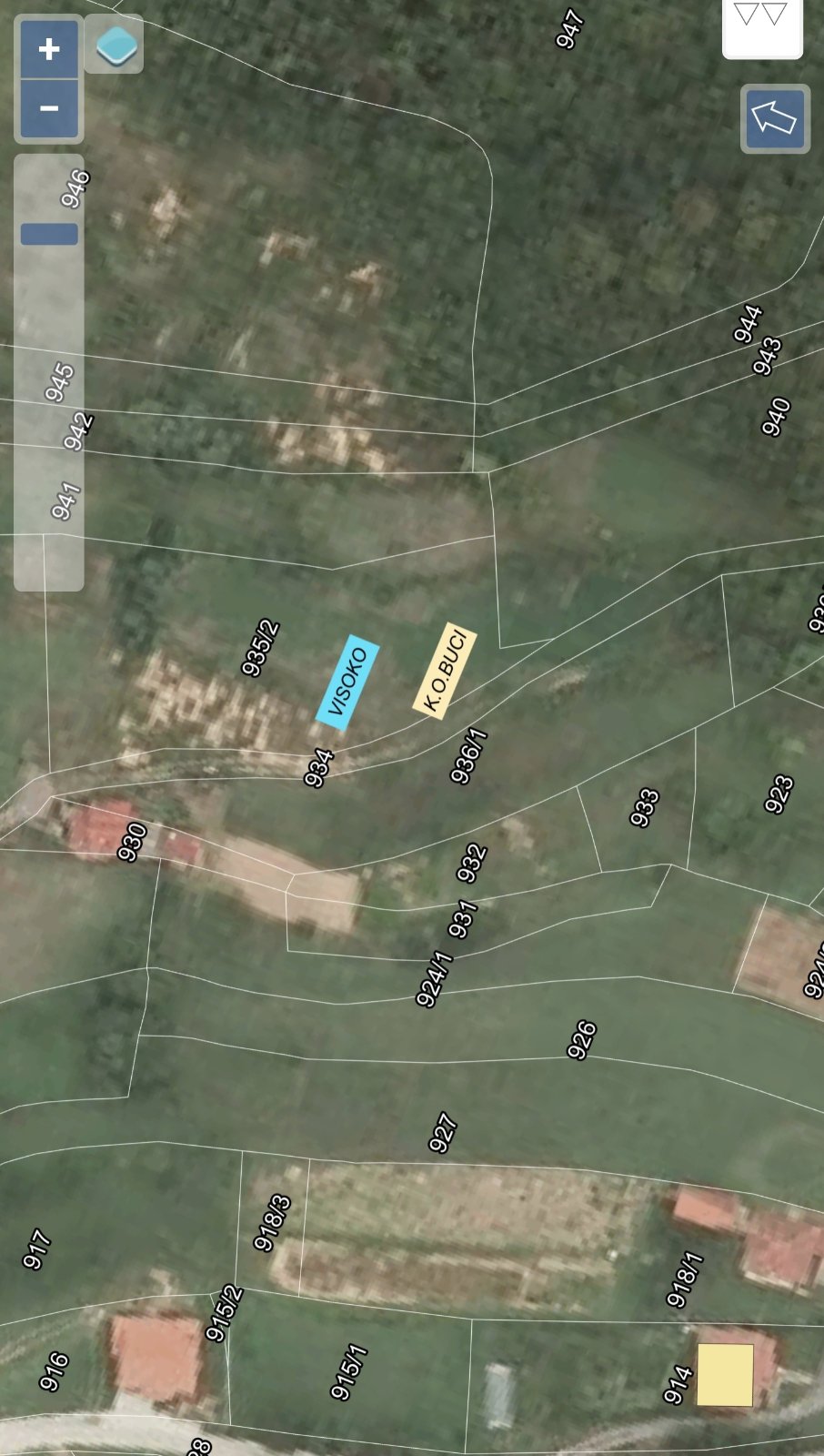
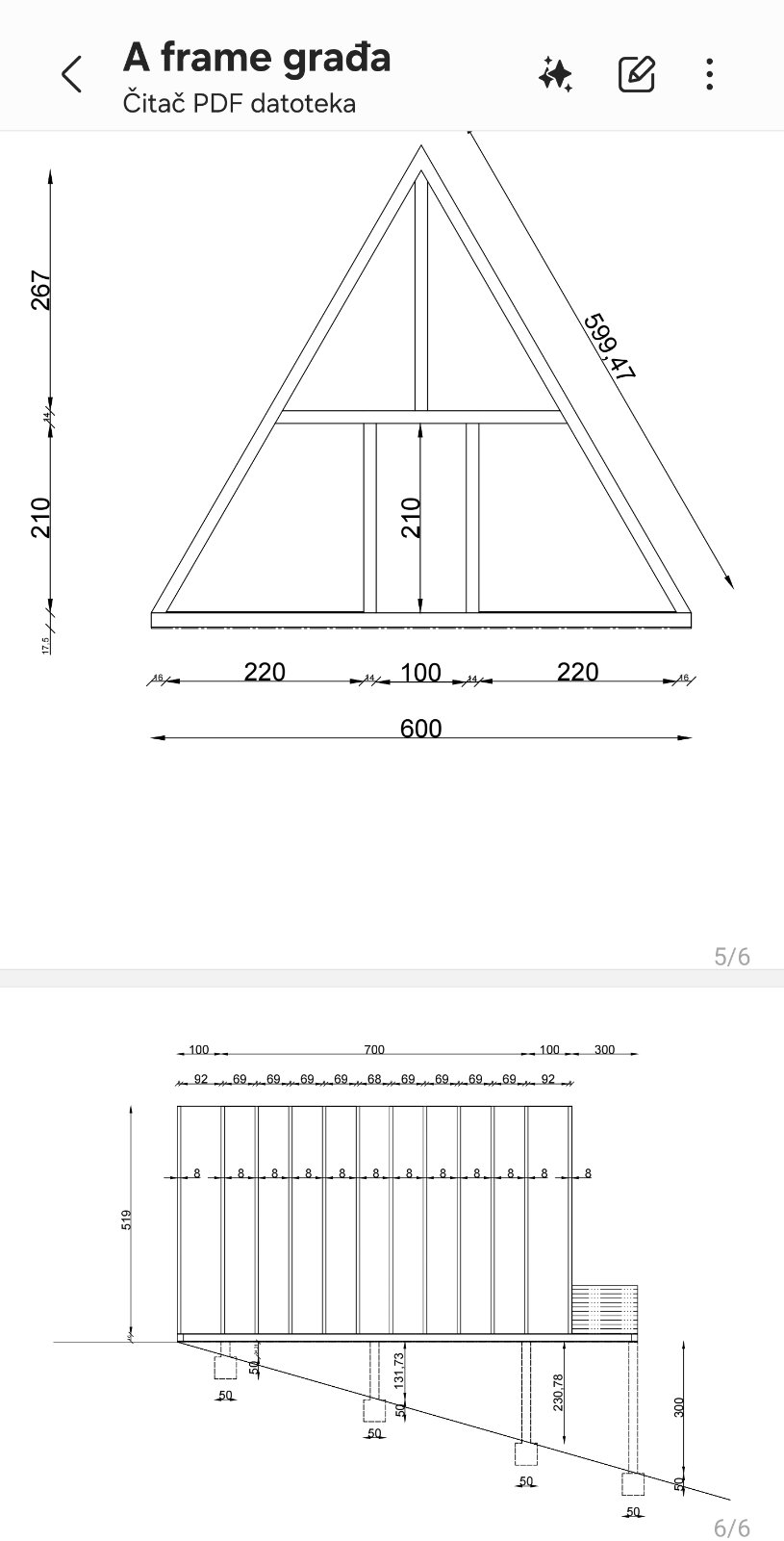
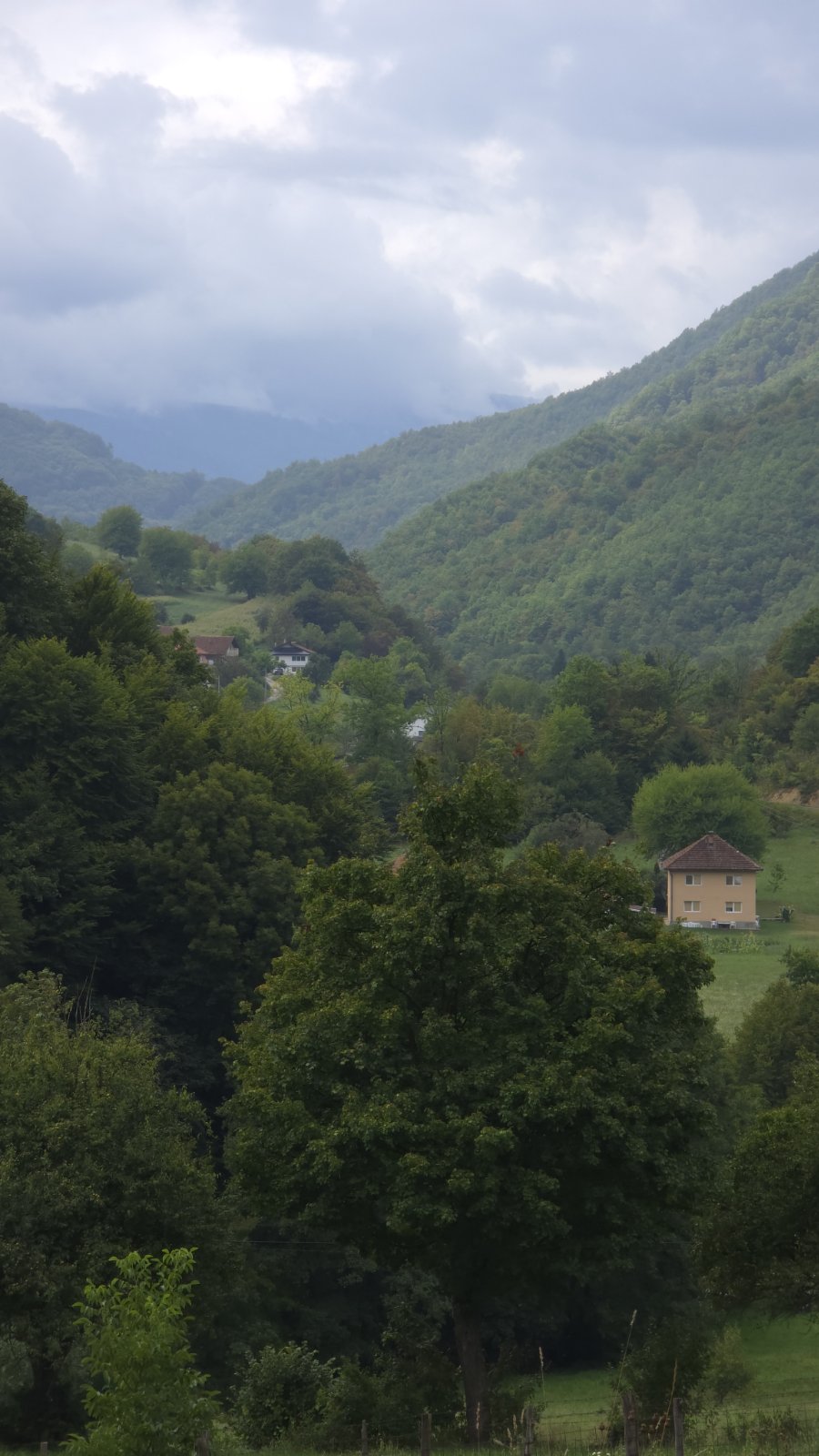
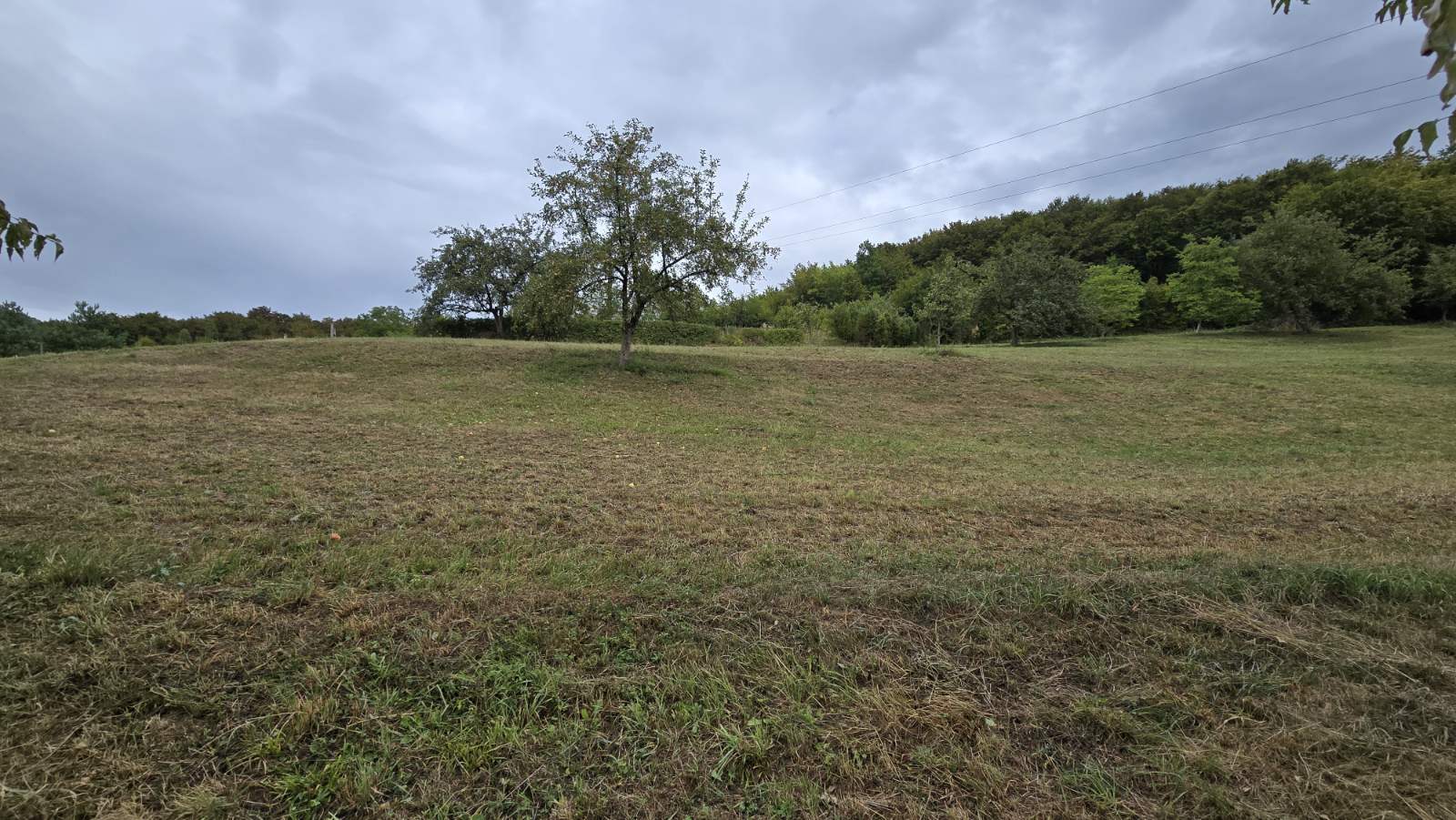
EcoLodge Visoko is a grassroots initiative that transforms a small eco-tourism accommodation into a Rural Bauhaus Living Lab for sustainable construction, climate-conscious tourism, and community learning. Located in a forested area near the Visoko pyramids, the project develops a low-impact prefabricated eco-cabin prototype designed to integrate with nature while minimising environmental disturbance.
The cabin applies natural materials, renewable micro-energy systems, and rainwater harvesting, demonstrating how small tourism infrastructure can reduce environmental impact while offering a high-quality and meaningful visitor experience.
Beyond the physical prototype, EcoLodge operates as a four-part system:
(1) a demonstration project (eco-cabin),
(2) an open-source Eco-Building Toolkit,
(3) community learning through workshops and storytelling, and
(4) local engagement to encourage more sustainable tourism practices.
Key results include the ongoing construction of the prototype, integration of sustainable systems, and the development of a digital documentation process that translates practical knowledge into accessible guidance for entrepreneurs, builders, and communities.
Expected results include the publication of the toolkit, implementation of youth workshops, and the creation of a replicable model for low-impact tourism development. Direct beneficiaries are young entrepreneurs, local builders, and tourism actors gaining access to practical knowledge, while indirect beneficiaries include the wider community and municipality through more sustainable development practices.
By combining a real prototype, open knowledge, and participatory learning, EcoLodge demonstrates how small-scale initiatives can enable systemic change in rural tourism ecosystems.
EcoLodge Visoko began as a simple idea between two siblings responding to the rapid growth of tourism around the Visoko pyramids. Living near a secluded forested landscape, we saw an opportunity to develop small accommodation. However, when planning construction, we realised that conventional building methods would significantly disrupt the natural environment we wanted to preserve.
This challenge led us to rethink the project entirely. Instead of building traditionally, we began exploring eco-tourism, sustainable construction, and low-impact design. Combining our backgrounds—psychology and youth education on one side, and IT and construction experience on the other—we started developing a prefabricated solution that could minimise environmental impact while maintaining comfort and aesthetic quality.
The concept evolved through a collaborative and transdisciplinary process. We worked closely with a senior construction worker, a construction engineer, and an interior designer, integrating practical knowledge, technical expertise, and aesthetic considerations. Support from a green and digital innovation programme enabled us to further develop renewable systems and digital solutions.
Throughout the process, we also discovered the value of traditional Balkan building methods, which align closely with sustainable principles. Recognising the broader relevance of what we were learning, we began documenting every step of the journey.
This led to the expansion of EcoLodge from a single project into a community-oriented system. Drawing on experience in youth work and participatory methodologies, we are developing an Eco-Building Toolkit, workshops, and digital storytelling formats to share knowledge and involve others.
What began as a small local response is now evolving into a replicable model for sustainable rural development, showing how grassroots initiatives can connect environmental responsibility, cultural heritage, and community empowerment.
Regenerative design
Participatory design
Climate-responsive architecture
Social innovation
Low-impact development
EcoLodge Visoko addresses the environmental challenges of rapidly growing rural tourism by demonstrating how small-scale infrastructure can be developed with minimal ecological impact while remaining economically viable and culturally rooted.
The project develops a prefabricated eco-cabin prototype designed to avoid heavy construction and reduce land disturbance. It uses natural and locally sourced materials, prioritises durability and lifecycle thinking, and integrates renewable micro-energy systems (solar) and rainwater harvesting, reducing dependence on external resources and infrastructure.
Beyond the physical structure, EcoLodge expands sustainability through its knowledge-sharing system. The open-source Eco-Building Toolkit translates practical experience into accessible guidance on low-impact construction, circular material use, renewable systems, and climate-conscious tourism practices. This enables others to adopt sustainable solutions, multiplying the project’s environmental impact.
The concept also reconnects modern construction with traditional Balkan building methods, such as natural materials and climate-adapted techniques, preserving cultural heritage while promoting environmentally responsible practices.
Economically, EcoLodge demonstrates how sustainable tourism can create local income opportunities without degrading natural resources. By combining a viable tourism model with education and open knowledge, the project supports long-term sustainability beyond a single site.
Through its prototype, toolkit, and community engagement, EcoLodge serves as an exemplary model of regenerative rural development, where environmental protection, cultural continuity, and economic activity reinforce each other.
EcoLodge Visoko contributes to the New European Bauhaus vision by showing that sustainability can be beautiful, meaningful, and emotionally engaging.
The eco-cabin is designed to integrate seamlessly into the forested landscape, preserving the visual integrity of the environment and avoiding intrusive construction. Its architecture uses natural materials, simple forms, and warm textures, creating a calm and inviting atmosphere that enhances the sensory experience of being in nature.
Inspired by rural minimalistic architecture, the design combines local building materials with contemporary eco-design, resulting in a space that feels both familiar and refined. Rather than treating sustainability as purely technical, the project emphasises quality of experience, offering visitors a place to slow down, reconnect with nature, and experience a sense of harmony and belonging.
The surrounding landscape is not altered but respected, allowing the natural environment to remain the central aesthetic element. This approach transforms the EcoLodge into more than accommodation—it becomes a place-based experience that strengthens emotional connection to the environment.
Aesthetics are also embedded in the knowledge dimension of the project. The toolkit and digital storytelling are designed to communicate sustainability in an accessible and engaging way, making ecological practices not only understandable but desirable.
By demonstrating that low-impact construction can enhance rather than diminish the beauty of a place, EcoLodge offers an exemplary model of how aesthetics and sustainability can work together to improve everyday life and long-term relationships with the environment.
EcoLodge Visoko promotes inclusion by making sustainable knowledge, opportunities, and participation accessible to a wide range of people, particularly youth and small-scale entrepreneurs in rural areas.
A key barrier to sustainable development is the lack of accessible, practical knowledge. EcoLodge addresses this by developing an open-source Eco-Building Toolkit, designed for non-experts and adaptable to different contexts. This ensures that sustainable construction and tourism practices are not limited to professionals but can be used by individuals with limited resources.
The project places strong emphasis on youth empowerment and community learning. Through workshops, peer-learning sessions, and storytelling activities, young people are introduced to climate literacy, eco-building, and sustainable entrepreneurship, enabling them to actively participate in shaping their local environment.
Inclusion is further strengthened through a participatory approach that values diverse forms of knowledge. Local builders, craftsmen, and community members are invited to contribute traditional construction practices and lived experience, ensuring that the project reflects both professional expertise and local heritage.
EcoLodge also promotes inclusive governance by engaging with local stakeholders and encouraging dialogue with municipal actors on sustainable tourism development. By demonstrating practical solutions and sharing community feedback, the project supports more accessible and supportive frameworks for eco-initiatives.
By combining open knowledge, participatory learning, and community engagement, EcoLodge creates a model where sustainable development becomes a shared and inclusive process, accessible to all and rooted in local context.
EcoLodge Visoko has been developed through a continuous co-creation process involving local stakeholders, practitioners, and community members. From the earliest design phase, the concept evolved through dialogue and collaboration rather than a fixed top-down plan.
The eco-cabin prototype is being developed with the active involvement of a senior construction worker, a construction engineer, and an interior designer, combining practical experience, technical knowledge, and aesthetic expertise. Their contributions directly shaped key decisions regarding materials, construction methods, spatial design, and integration into the landscape.
At the same time, the project is supported by a green and digital innovation programme, which has influenced the integration of renewable systems and digital tools. Informal feedback from local tourism actors and community members has also helped refine the concept in relation to the local context and emerging tourism needs.
Participation is further embedded in the next phase of the project. The Eco-Building Toolkit will be developed and improved through workshops and peer-learning sessions, where young entrepreneurs, builders, and community members will test its usability and contribute their own knowledge and experiences.
In addition, the project creates space for local knowledge exchange, particularly by documenting and integrating traditional Balkan building practices shared by community members.
This participatory process ensures that EcoLodge is not a fixed solution, but an evolving system shaped by diverse inputs. It strengthens local ownership, improves the relevance of the solutions developed, and empowers participants to actively engage in sustainable tourism and construction practices.
EcoLodge Visoko connects stakeholders across multiple levels to enable sustainable rural transformation.
At the local level, the project engages youth organisations, NGOs, local builders, and tourism actors who contribute practical knowledge, participate in workshops, and help test and refine the Eco-Building Toolkit. This ensures that the concept is grounded in local needs and realities.
The project also interacts with the municipality of Visoko, aiming to raise awareness about the potential of eco-tourism and low-impact construction. By demonstrating a working prototype and sharing community-based insights, EcoLodge contributes to local discussions on how municipalities can better support sustainable initiatives through policies, incentives, or simplified procedures.
At the regional and European level, EcoLodge aligns with broader priorities of the green transition, sustainable tourism, and climate literacy. Participation in programmes focused on green and digital innovation enables knowledge exchange and capacity building, while engagement with the New European Bauhaus framework connects the project to a wider network of initiatives exploring similar challenges.
The added value of this multi-level engagement lies in its ability to bridge grassroots innovation with institutional frameworks. Local experiences inform broader discussions, while European-level ideas and standards strengthen the quality and direction of the project. This creates a feedback loop that supports both local impact and wider relevance.
EcoLodge Visoko is inherently transdisciplinary, combining knowledge from multiple fields to create a holistic model for sustainable rural tourism.
The project integrates sustainable architecture and construction, focusing on low-impact design, natural materials, and landscape-sensitive solutions. Engineering knowledge supports the development of structural systems, renewable energy integration, and water management.
Insights from environmental sciences guide decisions related to resource efficiency, ecosystem preservation, and climate-conscious design. At the same time, the project incorporates social sciences and community development, particularly through participatory methodologies, youth engagement, and climate literacy education.
Digital technologies play a key role in both the operational and knowledge-sharing dimensions of the project. These include automated systems for managing the accommodation, as well as digital storytelling and online platforms used to document and disseminate knowledge.
The aesthetic dimension is supported by interior and spatial design, ensuring that the space provides a high-quality and meaningful user experience. Additionally, the project draws from traditional and vernacular knowledge, integrating construction practices and materials that have historically been adapted to the local environment.
By combining technical, environmental, social, digital, and cultural knowledge, EcoLodge demonstrates how transdisciplinary collaboration can generate solutions that are not only sustainable, but also inclusive, adaptable, and deeply connected to place.
EcoLodge Visoko operates as a hybrid model combining a sustainable tourism micro-enterprise with a community learning platform, ensuring long-term financial viability while generating environmental and social impact.
The primary revenue stream is the eco-cabin accommodation, offering a nature-based, low-impact, and high-quality visitor experience near the Visoko pyramids. Growing tourism demand in the area creates a strong market for small, authentic, and environmentally responsible stays. The EcoLodge differentiates itself through its integration of sustainability, design, and educational value.
Additional revenue streams include guided local experiences and small-scale educational activities, such as workshops on eco-building and sustainable tourism. These activities extend the value of the project beyond accommodation and create opportunities for knowledge exchange with visitors and local participants.
Operational costs are reduced through the use of renewable micro-energy systems, rainwater harvesting, and efficient modular design, improving long-term economic sustainability.
The knowledge-sharing dimension of the project—particularly the Eco-Building Toolkit, workshops, and digital content—is supported through partnerships with NGOs, youth organisations, and potential small grants related to climate literacy, sustainable tourism, and entrepreneurship.
In the long term, the concept has potential to evolve through replication of additional units, partnerships with other eco-tourism initiatives, and collaboration with public or private actors interested in sustainable rural development.
By combining revenue-generating activities with open knowledge and partnerships, EcoLodge creates a financially sustainable model where commercial success supports community learning and environmental impact.
EcoLodge Visoko is designed as a replicable system for sustainable rural tourism and eco-building, rather than a one-time project. Its core components can be transferred and adapted to different geographies and contexts.
First, the low-impact eco-cabin prototype demonstrates practical solutions for small-scale tourism infrastructure using natural materials, renewable micro-energy systems, and rainwater harvesting. These principles can be adapted to different environments, climates, and cultural contexts.
Second, the Eco-Building Toolkit translates hands-on experience into accessible, step-by-step guidance. As an open-source resource, it can be easily shared, adapted, and used by entrepreneurs, builders, and communities in other regions.
Third, the project’s **methodology—combining demonstration, documentation, participatory learning, and digital storytelling—**is highly transferable. Youth organisations, NGOs, and local initiatives can replicate this approach to promote climate literacy, sustainable entrepreneurship, and community engagement.
Fourth, the concept functions as a “Rural Bauhaus Living Lab” model, showing how small grassroots initiatives can connect sustainable construction, tourism development, and community participation. This systemic approach is particularly relevant for rural areas experiencing tourism growth, especially in the Western Balkans, but also globally.
By offering both technical solutions and a replicable learning model, EcoLodge enables other communities to adopt and adapt its approach, contributing to wider sustainable transformation beyond its original location.
Over the year following the application, EcoLodge will focus on advancing from an early-stage prototype into a functioning Rural Living Lab, including:
1. Prototype completion and operation
The primary step is the completion of the prefabricated eco-cabin, including installation of solar energy systems, rainwater harvesting, and interior design elements. Once operational, the EcoLodge will begin hosting visitors, serving as both a revenue-generating accommodation and a real-life demonstration of low-impact, sustainable tourism infrastructure.
2. Knowledge development and toolkit publication
In parallel, the full building process will be systematically documented and translated into the open-source Eco-Building Toolkit. This resource will include practical guidance on sustainable materials, construction methods, renewable micro-systems, and digital tools for tourism management. A first version of the toolkit will be published online and refined through user feedback.
3. Community engagement and participatory learning
The project will organise workshops, peer-learning sessions, and storytelling events in collaboration with local NGOs and youth organisations. These activities will engage young entrepreneurs, builders, and community members in climate literacy and sustainable tourism practices, while also testing and improving the toolkit.
4. Digital dissemination and visibility
EcoLodge will develop a digital storytelling strategy, documenting the building journey and sharing insights through social media and online platforms. This will expand the reach of the project and build a community around sustainable rural innovation.
Expected results include a fully operational eco-cabin, a publicly available toolkit, engaged local participants, and increased awareness of sustainable tourism practices. Together, these steps will position EcoLodge as a replicable model for sustainable rural development.