Enhancing Circularity, Sustainability, and Innovation
REEDBIRDS
Better quality of life thanks to breakthrough biocomposite technology for wood replacement and water
Reedbirds delivers a closed R&D technology that turns common reed (Phragmites australis)—into a scalable, low emission wood alternative while protecting wetlands, bird habitats and vital ecosystems. With strong water resilience benefits, secure feedstock across Europe in the future combined with inclusive cooperation with local communities, the model offers high business potential and is ready for rapid licensing based deployment.
Poland
National
It addresses urban-rural linkages
It involves a physical transformation of the built environment (hard investment)
Yes
2025-12-31
No
No
Yes
Organisation
10–12% of global GHG emissions come from deforestation and forest degradation, to which wood based industries are a major contributor. REEDBIRDS focused on development of bio-based particle boards as a sustainable alternative to conventional wood-based materials, addressing increasing pressure on forest resources and the high environmental footprint of standard panel production. The project used and transformed locally available biomass—common reed (Phragmites australis)—into high-value construction and furniture materials within a circular bioeconomy model.
The main target groups include furniture and construction industries, manufacturers seeking low-impact materials, as well as local communities benefiting from improved wetland management and new bio-based value chains.
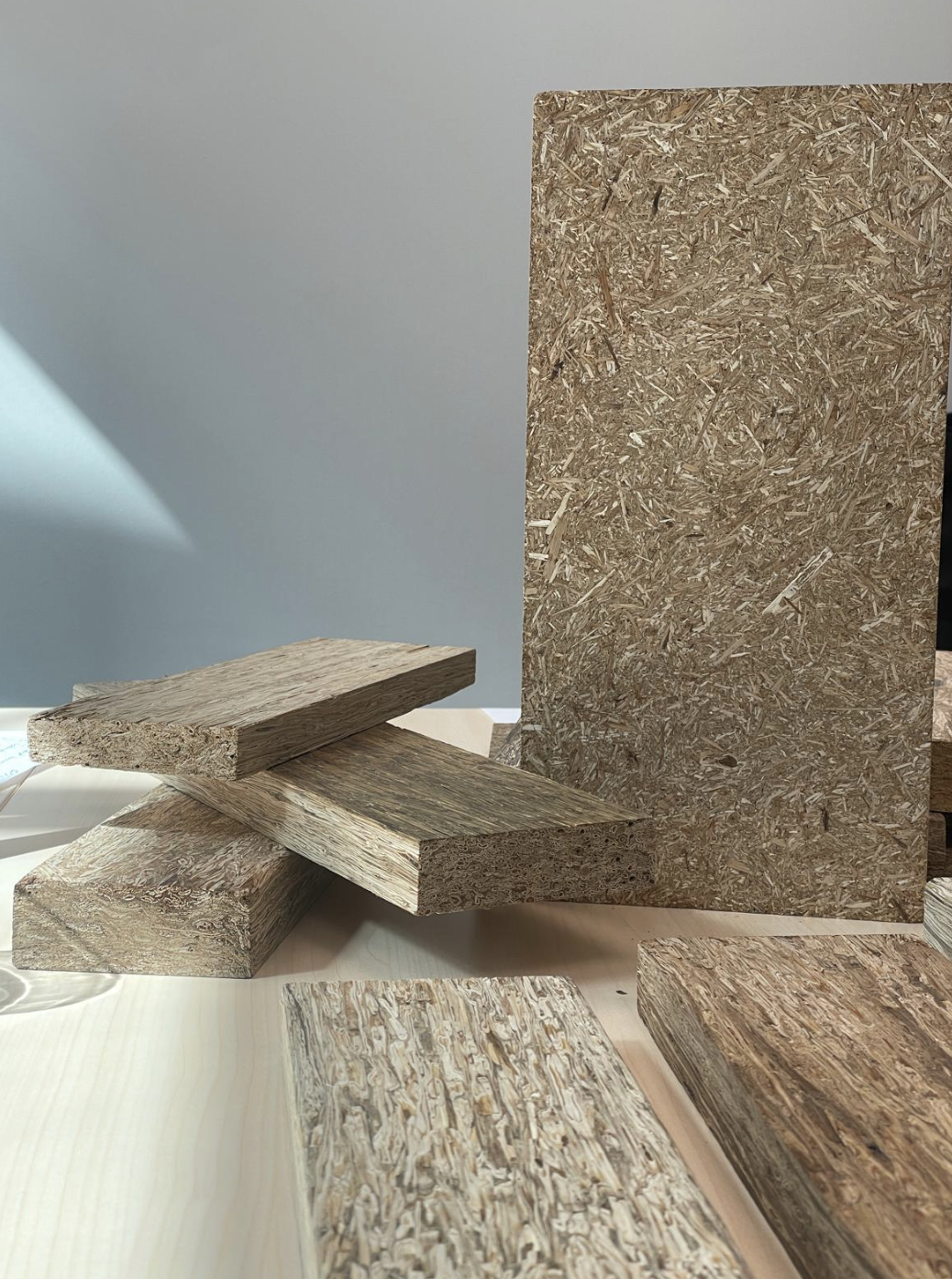
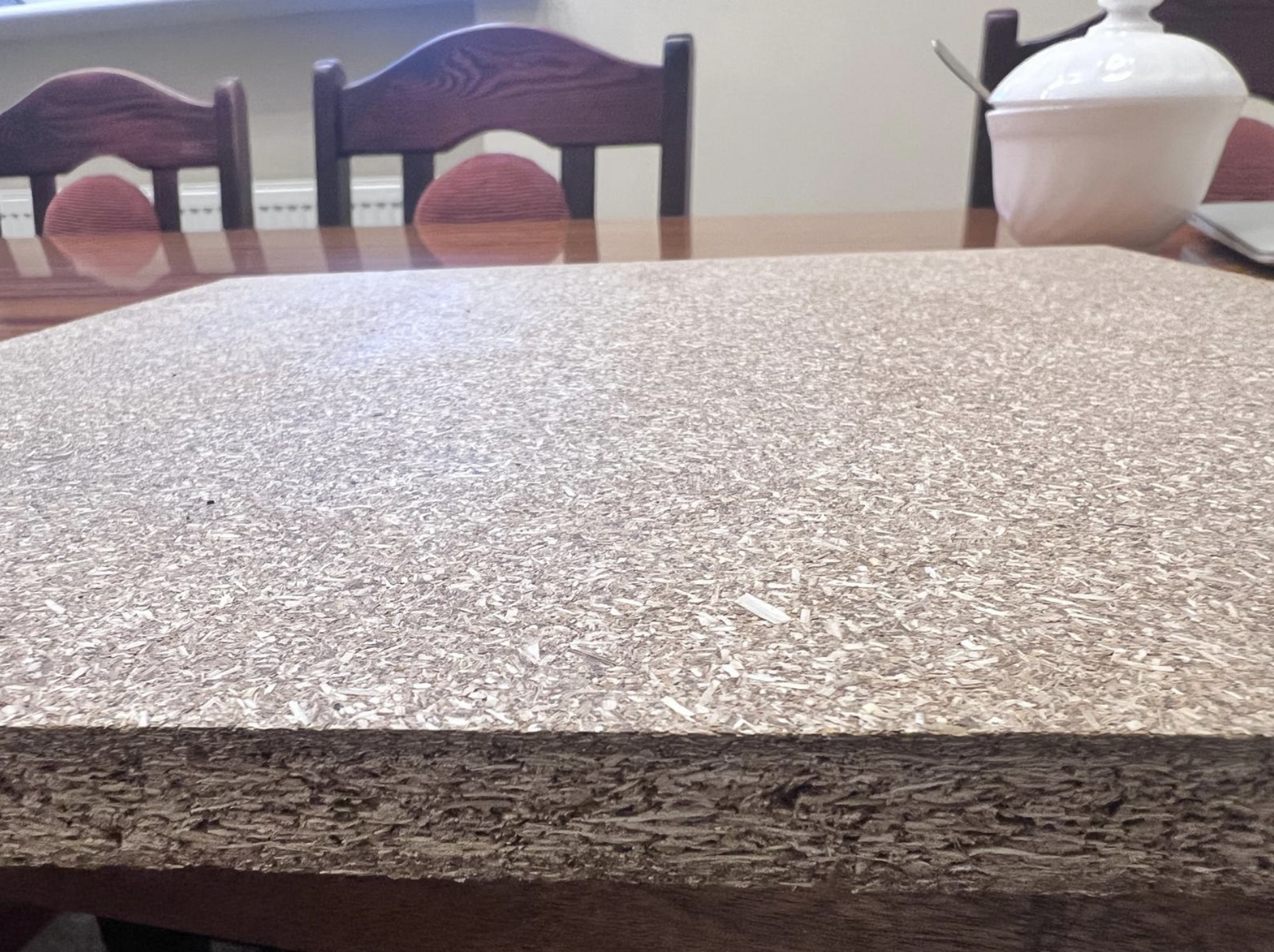
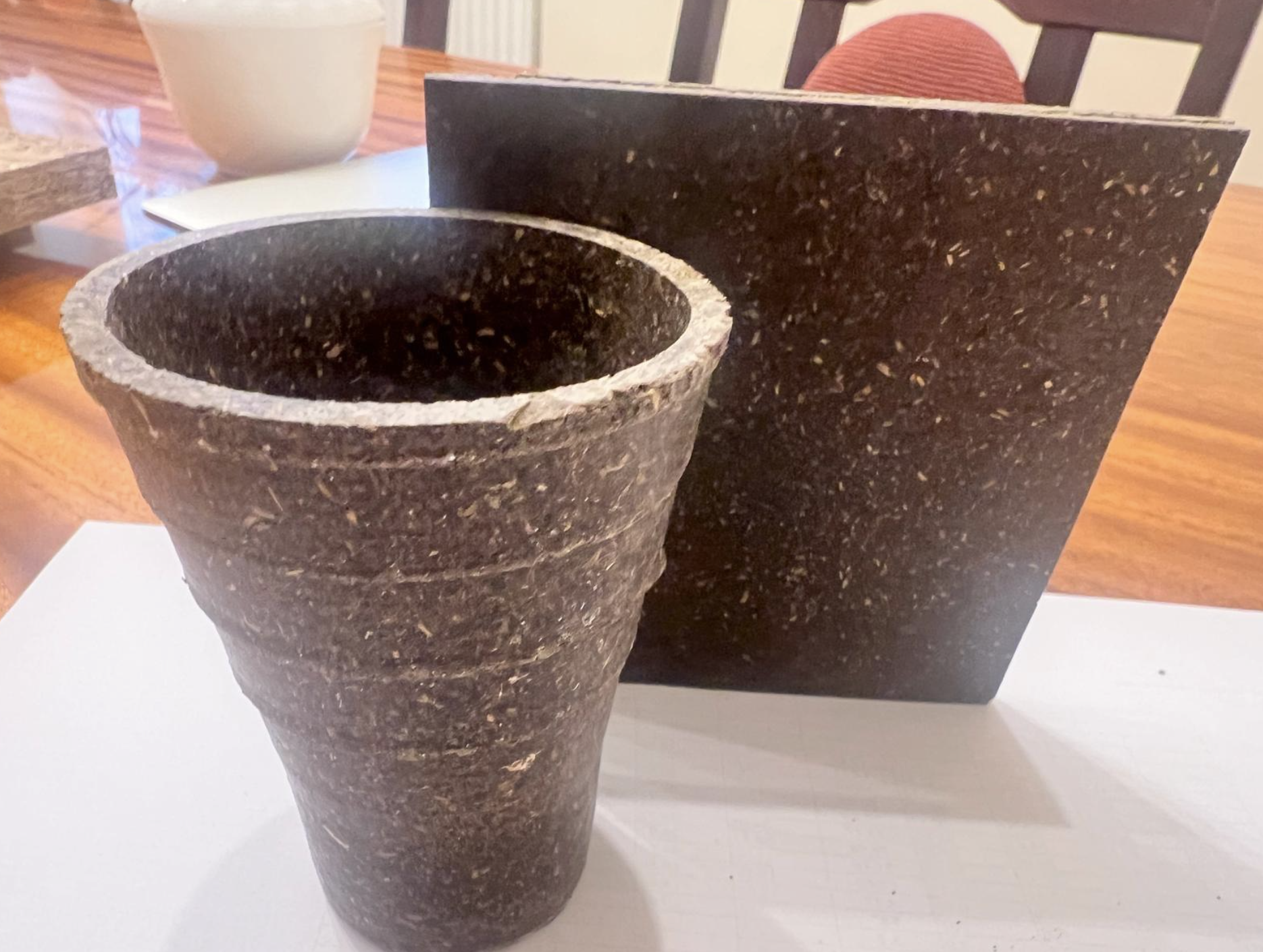
We developed a technically viable biocomposite, validated its mechanical and durability performances, and demonstrated industrial applicability. REEDBIRDS has successfully produced prototype boards with up to 30–50% substitution of conventional wood particles by reed biomass, while maintaining required structural and functional properties.
To date, pilot production batches have been completed, confirming process stability and repeatability. Initial assessments indicate a potential reduction of raw wood consumption by up to 40% per board, and a decrease in embodied carbon emissions of approximately 20–30% compared to standard particle boards, depending on composition.
The transformative potential lies in introducing a scalable and regionally adaptable model for bio-based material sourcing. By leveraging abundant and underutilised biomass, we offer a replicable solution for reducing dependency on virgin wood, supporting circularity, and accelerating the transition towards climate-neutral construction and manufacturing systems while creating green jobs in rural wetlands areas, often underdeveloped and reliant on conventional low-productivity activities, such as fishing,
agriculture, and crafts.
The project originated from a fundamental question: how can we reduce dependency on virgin wood in the highest emission sectors including construction, furniture manufacturing or bioenergy, while unlocking the potential of locally available, yet underutilised, natural resources such as common reed (Phragmites australis)?
The idea emerged from observing degraded wetland ecosystems, where reed is often considered waste despite its regenerative potential. The project set out to transform this overlooked biomass into a high-value material, reconnecting material production with natural cycles and contributing to a more balanced relationship between industry and ecosystems.
REEDBIRDS adopted a transdisciplinary approach, bringing together material engineers, designers, environmental experts, and industrial partners. Decision-making was based on an iterative process combining scientific research, experimental prototyping, and continuous feedback from real production environments.
The process comprised 3 phases: 2018-2022 - material research and characterisation; laboratory prototyping and testing of multiple compositions and physico-chemical properties including: bending strength, determination of modulus’melasticity, density determination, water absorption testing, and swelling test; 2023-2025 prototype testings and pilot production validating repeatability, scalability and economic viability; 2025 - industrial implementation.
The project applies a methodology based on iterative prototyping, industrial validation, and knowledge exchange across sectors. This ensures that innovation is not isolated, but embedded in real-world application.
By moving from experimentation to industrial-scale testing, REEDBIRDS demonstrates a tangible pathway for systemic change. It introduces a replicable model that replaces extractive material sourcing with regenerative, locally grounded solutions, supporting circular, resilient, and environmentally responsible production systems.
Regenerative Biomaterials
Climate Positive Design
Circular Innovation
Nature Driven Manufacturing
Low Emission Wood Alternatives
The REEDBIRDS project tackles major environmental challenges created by wood dependent, high emission industries, in particular the deforestation driven emissions of the wood value chain (responsible for roughly 11–14% of global GHGs when forest loss is included) by replacing timber with a fast regenerating, non forest biomass. It focuses on transforming common reed (Phragmites australis)—a rapidly renewable biomass—into a sustainable, high quality and fully recyclable industrial material, while enhancing water retention, natural purification processes, carbon storage, and biodiversity. The goal is to establish a circular, place-based value chain that links material production with climate adaptation and water resilience.
While reducing dependency on virgin wood REEDBIRDS actively contributes to restoration of wetland ecosystems and their critical climate functions. By creating demand for sustainably winter harvested reed, the project actively maintains open, healthy reedbeds, prevents ecological overgrowth and restores the dynamic wetland structures that wetland bird species rely on for nesting, feeding, and long term habitat stability.
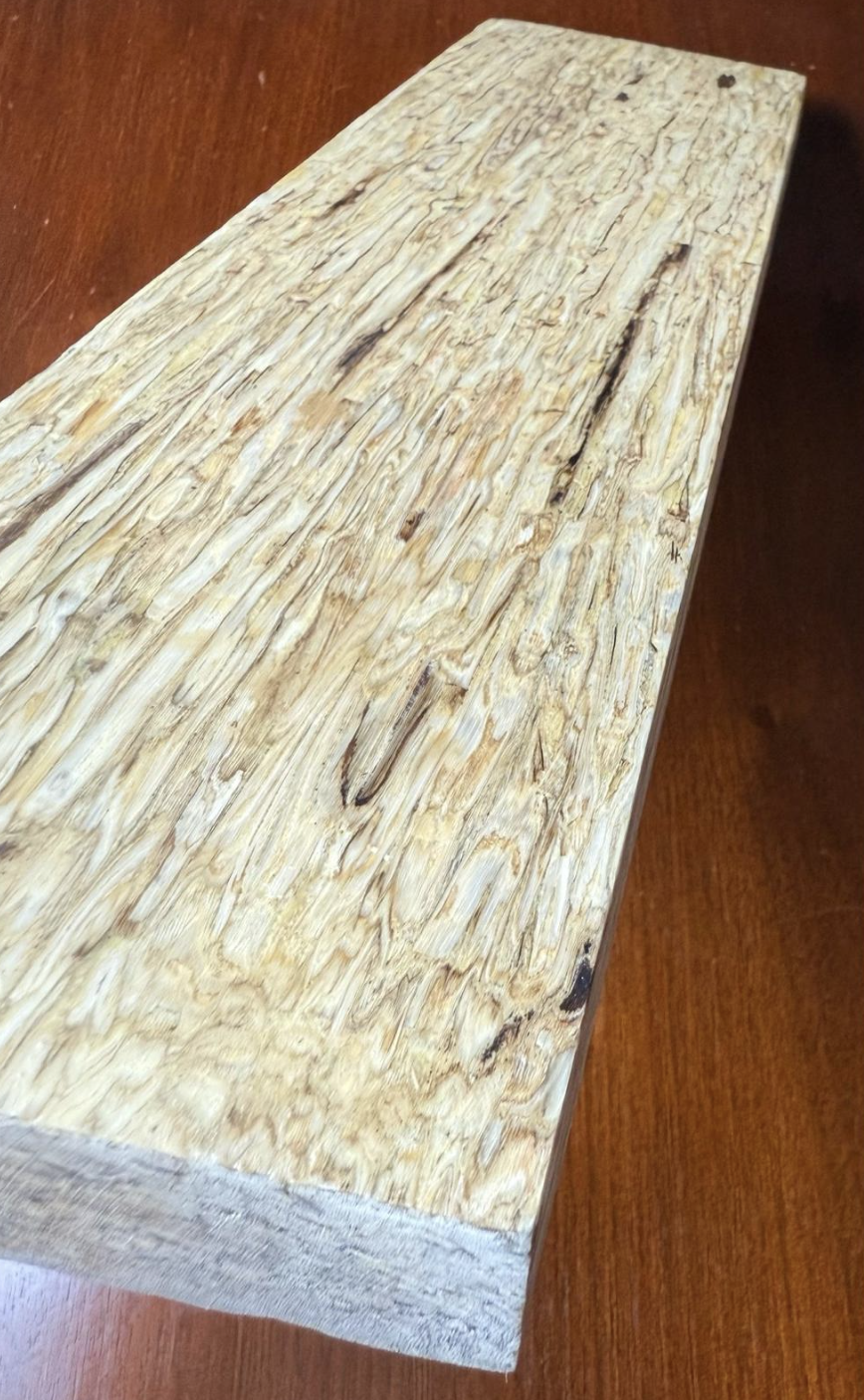
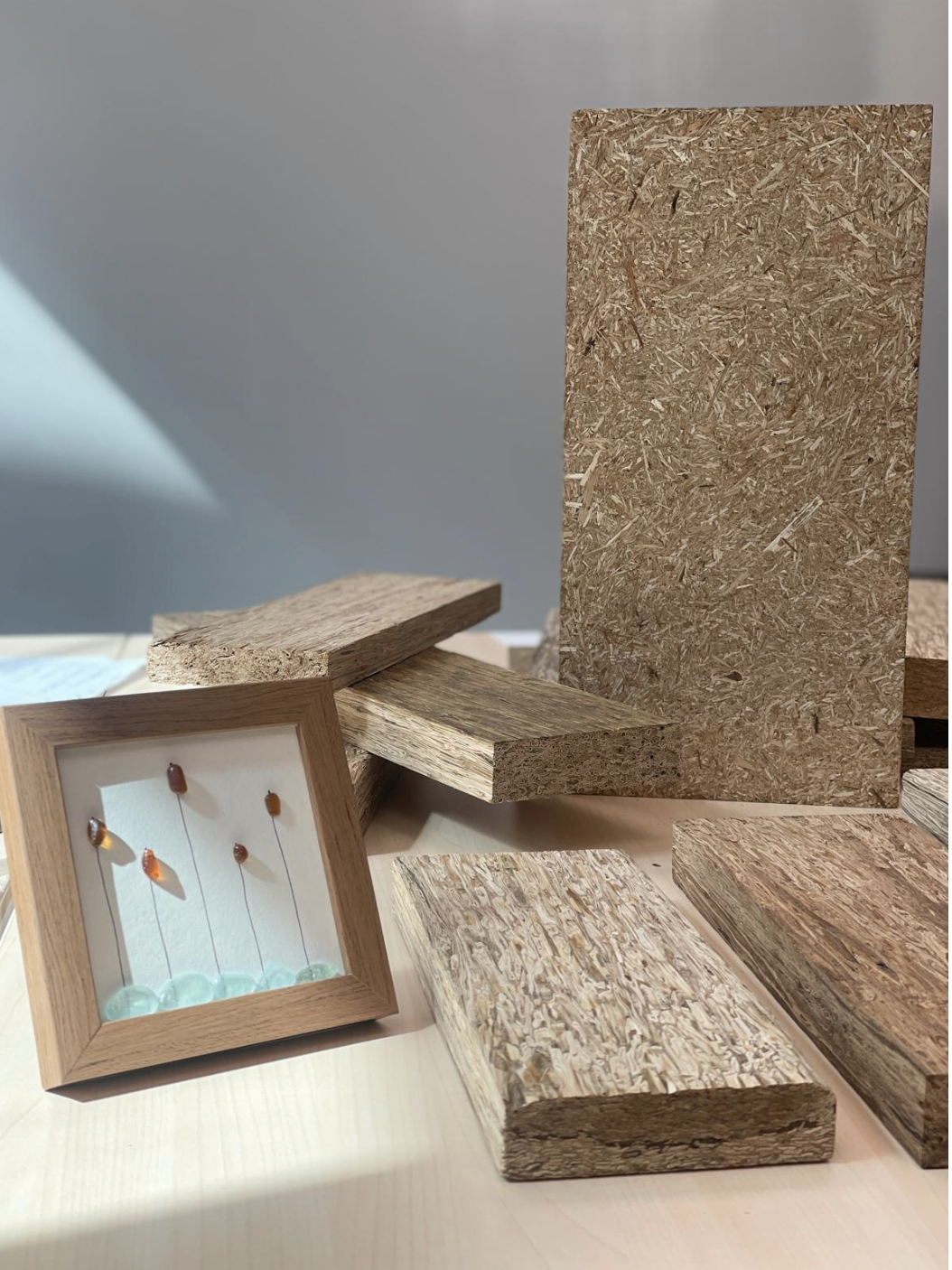
The harvested biomass is processed into biocomposite panels, surfaces for construction and furniture, plus micronized powders for formulations whose repeatable quality is being validated under real production conditions, aligned with SSbD and circularity goals.
We achieved 30–50% substitution of wood with reed biomass, reducing wood consumption by up to 40% and lowering embodied carbon emissions by 20–30%. Industrial trials confirm technical performance and scalability.
The project moves beyond impact reduction towards active regeneration. It integrates industrial production with ecosystem services, creating a scalable model where material sourcing contributes to climate resilience and water security. This systemic, nature-based approach offers a durable and replicable alternative to extractive material systems.
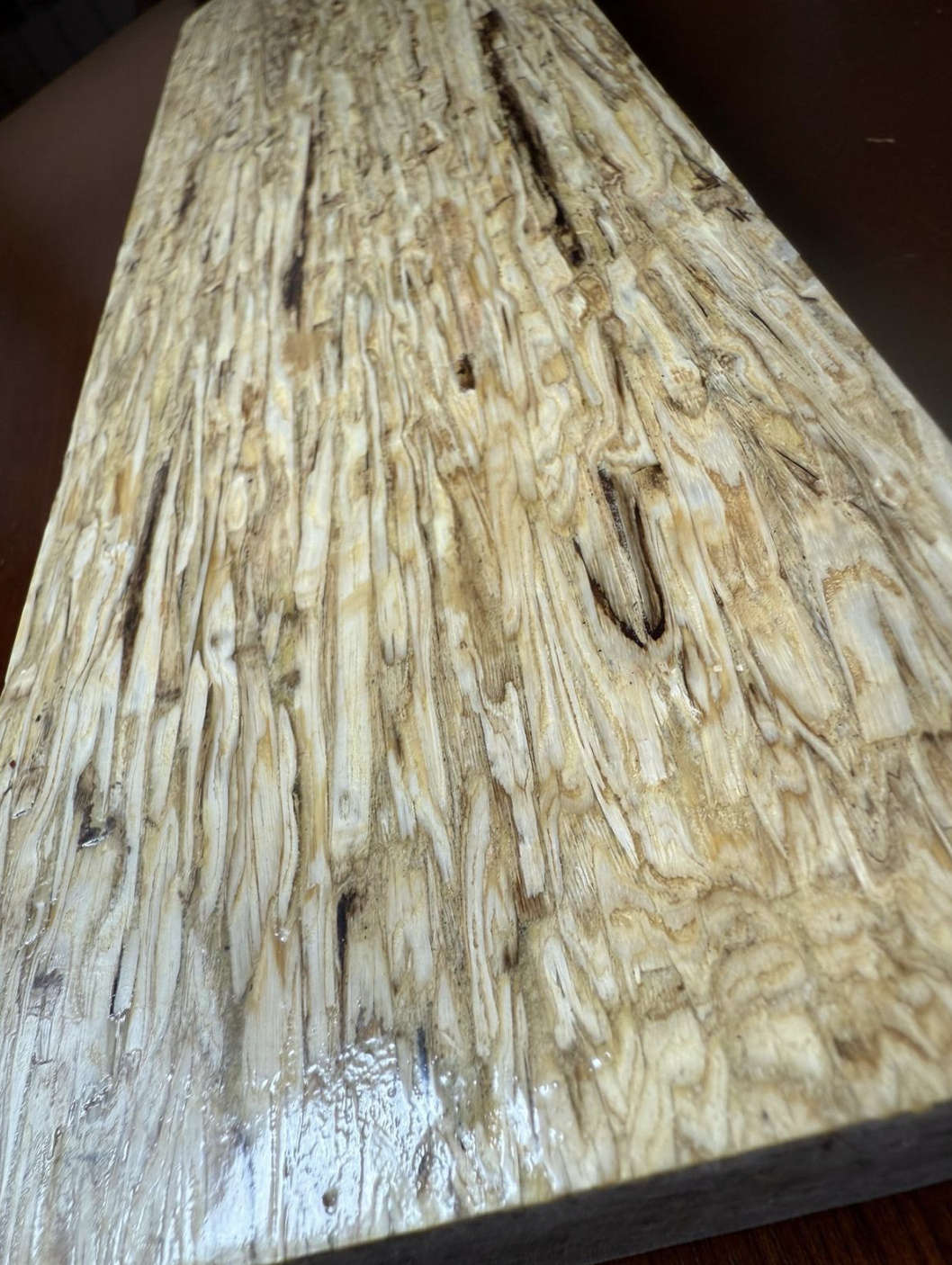
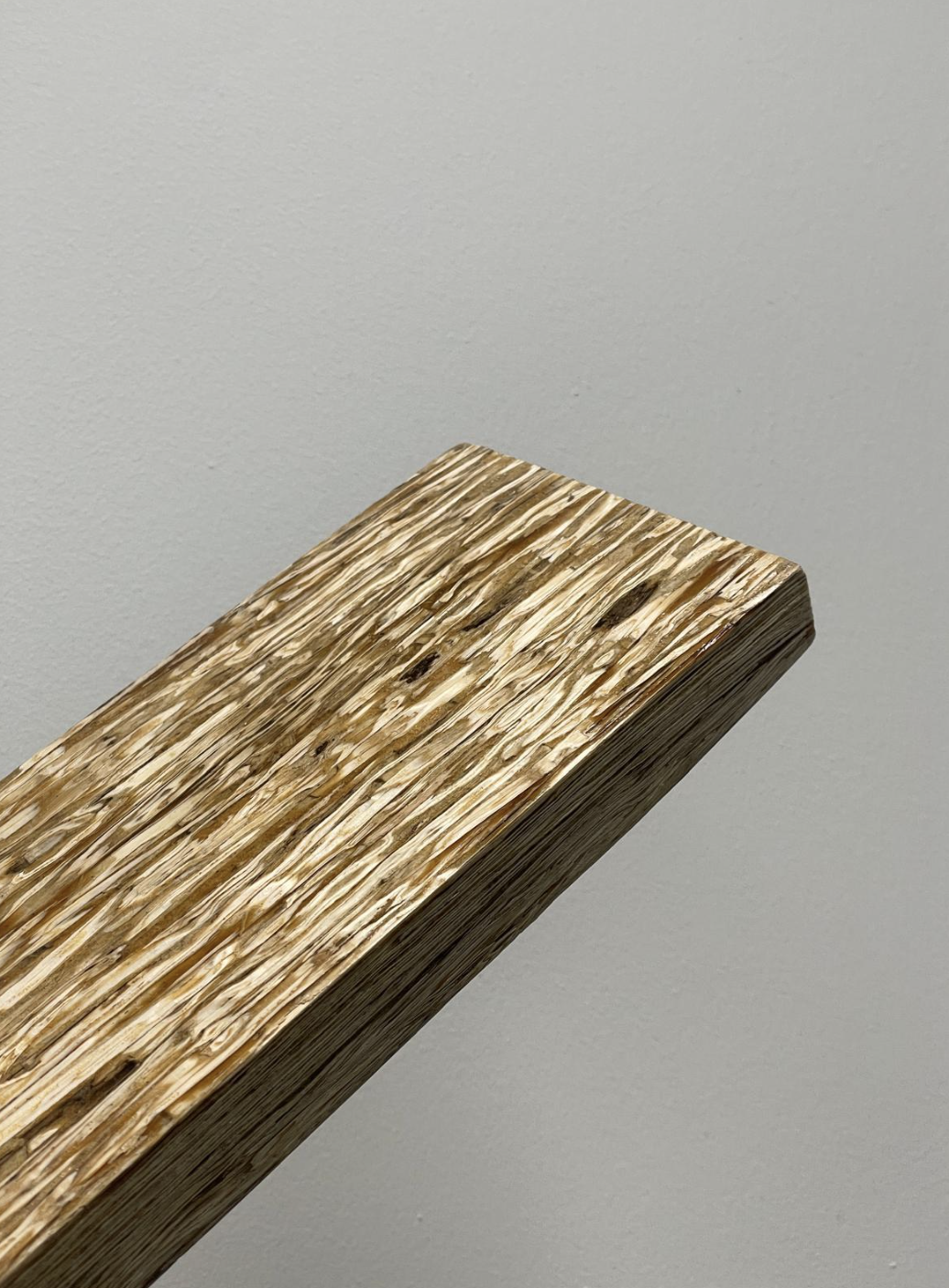
The Reedbirds project elevates a humble, overlooked wetland plant into a contemporary, nature rooted design material that embodies the New European Bauhaus vision of beauty grounded in ecology. Its warm, organic textures and subtle tonal variations reflect the living landscapes from which the reed originates, offering architects and designers a material that is both visually refined and emotionally connected to place. By transforming regenerative reed biomass into elegant, high performance surfaces, Reedbirds demonstrates that sustainable materials can achieve a quiet, timeless aesthetic—one that celebrates simplicity, tactility, and the inherent beauty of natural cycles.
The Reedbirds material offers a compelling alternative for construction, furniture, automotive, and packaging industries by combining natural aesthetics with a wide spectrum of colours, textures, and finishes adaptable to both expressive and minimalist design languages. Its performance is anchored in high durability, where the intrinsic strength of reed fibres—enhanced through processing technology—supports demanding applications such as façade panels, load bearing interior elements, and long life furniture components. Its moisture resistance improves thermal performance and reduces energy loss in buildings, making it suitable for wall systems, interior cladding, and vehicle cabin elements exposed to fluctuating humidity. Meanwhile, its thermal insulation properties, supported by significantly lower water absorption than wood based materials, translate into long term dimensional stability and reliability in construction panels, automotive acoustic linings, and protective packaging. By merging functional robustness with a refined, nature rooted aesthetic, REEDBIRDS enables each of these industries to replace carbon intensive materials with a regenerative, design flexible alternative that elevates both performance and beauty.
The Reedbirds material offers a compelling alternative for construction, furniture, automotive, and packaging industries by combining natural aesthetics with a wide spectrum of colours, textures, and finishes adaptable to both expressive and minimalist design languages. Its performance is anchored in high durability, where the intrinsic strength of reed fibres—enhanced through processing technology—supports demanding applications such as façade panels, load bearing interior elements, and long life furniture components. Its moisture resistance improves thermal performance and reduces energy loss in buildings, making it suitable for wall systems, interior cladding, and vehicle cabin elements exposed to fluctuating humidity. Meanwhile, its thermal insulation properties, supported by significantly lower water absorption than wood based materials, translate into long term dimensional stability and reliability in construction panels, automotive acoustic linings, and protective packaging. By merging functional robustness with a refined, nature rooted aesthetic, REEDBIRDS enables each of these industries to replace carbon intensive materials with a regenerative, design flexible alternative that elevates both performance and beauty.
The REEDBIRDS project advances social, economic, cultural, and spatial inclusion by positioning the Danube Delta—Europe’s largest wetland, a UNESCO World Heritage Site, and home to over 2,500 km² of reedbeds—as a flagship model for community driven, regenerative material production. The Delta’s reed resources support thousands of residents whose livelihoods depend on seasonal harvesting and nature based activities. REEDBIRDS’ inclusion objectives ensure that these communities benefit directly from the shift to bio based materials while safeguarding the cultural heritage of reed cutting and the ecological integrity of the Delta.
Implementation is grounded in collaboration with local NGOs, community associations, and WWF Romania, building on joint work initiated through the Blue Delta I3 initiative. Activities include field assessments with conservation experts, co development of sustainable harvesting guidelines, and community workshops that integrate local ecological knowledge into material development. Working with organisations embedded in the Delta’s social fabric ensures transparent governance, equitable benefit sharing, and active participation of residents in shaping the value chain.
Results include strengthened local stewardship, improved income stability for harvesting families, and enhanced management of reedbeds that support over 300 bird species, including globally significant pelican and heron populations. By elevating the value of annually renewable reed and reducing pressure on forests, the project reinforces spatial inclusion, recognising remote wetland communities as essential contributors to Europe’s green transition.
Reedbirds is exemplary because it shows how cutting edge biomaterial innovation can emerge from community rooted knowledge, ecological restoration, and inclusive governance—offering a replicable model where environmental, cultural, and economic inclusion reinforce one another.
REEDBIRDS project builds on a participatory model with all actors across the value chain—from Danube Delta reed harvesters to designers, processors, manufacturers, regulatory bodies, and end users in construction, furniture, automotive, and packaging to reflect the needs and expertise of everyone affected by the production and use.
Participation begins in the design and decision making stages, where local NGOs, community associations, and local authorities collaborate with material scientists, architects, industrial partners, and environmental authorities. Together they co develop sustainable harvesting guidelines, ecological safeguards, and compliance pathways aligned with national and EU standards. Regulatory bodies contribute through consultations on safety, certification, and environmental permitting.
During implementation, reed cutters, processors, and manufacturers provide feedback on workability, quality, and production constraints. Designers, industrial partners, and end users participate in prototyping and testing sessions, ensuring the material meets functional, aesthetic, and performance expectations. Their input shapes textures, finishes, durability requirements, and application specific specifications.
To strengthen social acceptance, the project conducts awareness raising activities, public demonstrations, and stakeholder dialogues highlighting ecological benefits, cultural heritage, and the value of bio based materials. These activities build trust, increase transparency, and foster community pride.
This broad participation has improved ecological practices, enhanced material quality, accelerated regulatory readiness, and ensured that the material is both socially grounded and industry relevant. Reedbirds is exemplary because it turns participation into shared governance, where rural knowledge, conservation expertise, regulatory insight, industrial innovation, and end user needs co shape a regenerative biomaterial ecosystem.
The project applies a multilevel governance framework linking local, regional, national, and European institutions, which leads strategic development, innovation, and cross border cooperation. This ensures coherence between field activities in the Danube Delta and regulatory frameworks in Poland and the EU.
At the local level, community NGOs and environmental organisations—including WWF Romania provide ecological monitoring, community engagement, and practical expertise to ensure harvesting respects ecosystems, cultural traditions, and local livelihoods.
At the regional level, the Danube Delta Biosphere Reserve Authority (DDBRA) guides habitat protection, resource management, and alignment with conservation objectives. It coordinates between communities, environmental bodies, and material developers so reed harvesting supports biodiversity and regional strategies.
At the national level, both Romanian and Polish institutions contribute. In Romania, the Ministry of Environment, Water and Forests and the Ministry of Agriculture and Rural Development provide policy support and regulatory oversight. In Poland, the Ministry of Climate and Environment, the National Fund for Environmental Protection and Water Management (NFOŚiGW), and national standardisation bodies ensure alignment with sustainability, circular economy, and product safety requirements.
At the European level, the European Commission, the New European Bauhaus, and EU Green Deal networks provide strategic alignment, visibility, and opportunities for cross border replication, including in reed rich regions such as Ukraine.
Cooperation is organised through consultations, joint workshops, shared data platforms, and coordinated field assessments. This multilevel engagement brings local legitimacy, regional ecological expertise, national regulatory alignment, and European scalability, ensuring REEDBIRDS is compliant, replicable, and positioned to support Europe’s transition toward regenerative biomaterials.
The REEDBIRDS project is inherently transdisciplinary, integrating material engineering, environmental sciences, industrial production, and design. This diversity was essential to address both technical and ecological challenges, as well as to ensure real-world applicability.
Collaboration was organised as an iterative and result-oriented process. Material engineers and chemists developed and tested biocomposite formulations, while environmental experts provided guidance on sustainable sourcing of reed biomass and its impact on wetland ecosystems, including water retention, purification, and biodiversity. Industrial partners contributed practical knowledge on manufacturing processes, enabling continuous validation under real production conditions. Designers and product-oriented experts ensured that the material meets functional and aesthetic requirements for end-use applications.
Interaction between disciplines was applied by regular exchanges, joint testing phases, and feedback loops to inform each stage of development. Scientific research was directly confronted with industrial constraints, while environmental considerations shaped material sourcing and process decisions.
Shared problem-solving and adaptive decision-making was adopted. Each discipline contributed its expertise while remaining open to adjustments based on insights from others, resulting in a co-development process grounded in both knowledge and practice.
This approach enabled the development of a material that is not only technically viable, but also environmentally regenerative and industrially scalable. By combining ecological understanding with engineering and production expertise, the project achieved a balance between innovation, feasibility, and sustainability.
This integration of disciplines allowed REEDBIRDS to move beyond isolated innovation, creating a holistic solution that connects material development with ecosystem services and industrial transformation.
REEDBIRDS project is built on a scalable, investment driven business model combining private capital, EU funding instruments and strong demand for low carbon biomaterials. The project closed its R&D phase, financed by the ReedBirds company and private investors where it delivered a validated particle board material with 10–95% reed content, compatible with existing particle board recipes and presses, enabling direct substitution of wood without major process changes.
We don’t generate revenue yet, transitioning from R&D to pre industrial preparation. The business model now prioritises securing a stable, sustainable reed supply, essential for future production. The project is building long term feedstock partnerships across Europe, including major wetland regions in Romania, Poland and Ukraine. Without this resource base, industrialisation cannot proceed; therefore, feedstock security and sustainable value chain design are the core strategic focus.
Future revenues will come from supplying reed based boards and biocomposites to construction, mobility, furniture and packaging sectors. These markets already show strong demand, with the European biocomposites sector valued at EUR 4.1 billion and projected to reach EUR 11.7 billion by 2033.
Continuation of the project requires financing for feedstock acquisition, harvesting, logistics, processing, certification and future industrial operations. Reedbirds plans a EUR 20M equity round complemented by EUR 14M CAPEX to build the full value chain from reedbeds to biocomposites. EU programmes, including the Innovation Fund, are expected to co finance 50–70% of eligible costs, significantly reducing equity needs and lowering technological and financial risk.
By enabling the substitution of carbon intensive materials with regenerative biocomposites and by building sustainable, cross border reed value chains, REEDBIRDS introduces disruptive innovation in sustainable city development and circular material systems across Europe.
REEDBIRDS replication will apply a licensing model that lets manufacturers integrate reed based boards into existing particle board lines. Scalability is reinforced by strong market signals: veneers and wood based panels in Europe have climbed to 120–135 (2021=100), and sawn timber prices in Finland reached 85–100 EUR/m³ by 2025. With global industrial roundwood demand projected to rise sharply by 2030 and 2050, manufacturers face structural cost pressure, supply volatility and tightening EU requirements on deforestation free sourcing and traceability. Reed based materials offer a credible, regulation ready alternative.
Scalability is anchored in a feedstock base. In Poland, we control 5,000 ha of reedbeds supplying 35,000 t/year—enough for the first industrial plant. The potential is far larger: over one million hectares of drained peatlands could be rewetted, and using just 10% for paludiculture would yield up to 700,000 t/year. This shift also delivers climate benefits, with reed cultivation on rewetted peatlands reducing emissions by around 20 t CO₂e/ha/year and avoiding more than 2 Mt CO₂e annually at 10% rewetting.
Romania strengthens the scalability case with more than 40,000 ha of natural reedbeds in the Danube Delta, providing one of Europe’s most stable, high volume biomass sources. Ukraine adds long term potential, with extensive wetlands along the Dnipro and Black Sea region offering hundreds of thousands of hectares of reed suitable for sustainable harvesting once conditions allow.
With coordinated cooperation from wetland managers, biomass suppliers, local authorities and research institutions to ensure ecological harvesting and traceability, RREEDBIRDS can be replicated across multiple regions. The combination of a licensing model, abundant feedstock and climate positive land use practices creates a transferable blueprint for circular material production and a strong alternative to wood in markets facing rising costs and regulatory pressure.