Strengthening Local Democracy and Inclusion
Traviata in Three Acts
KomshiLOOK in Zelezara Traviata in Three Acts
Traviata in Three Acts transforms a neighbourhood into a living stage, where residents and artists co-create a multidisciplinary public opera using existing architecture as the stage. By replacing Alfredo’s father with society, it reveals how collective pressure shapes personal choices. With a reimagined ending as a wedding, the project turns tragedy into a shared act of acceptance, making the story of Violetta and Alfredo in La Traviata local, understandable, and open to all.
North Macedonia
Local
Skopje
Mainly urban
It refers to other types of transformations (soft investment)
Prototype level
No
No
No
Organisation
Traviata in Three Acts is a multidisciplinary opera concept developed through KomshiLOOK, a neighborhood-based initiative rooted in the Balkan philosophy of komšiluk—a tradition of neighborly care and proximity that is rapidly vanishing in contemporary urban life. Responding to growing social isolation, the project utilizes art to rebuild trust, encourage collective responsibility and reconnect residents with their immediate environment by transforming overlooked, everyday spaces into temporary cultural stages.
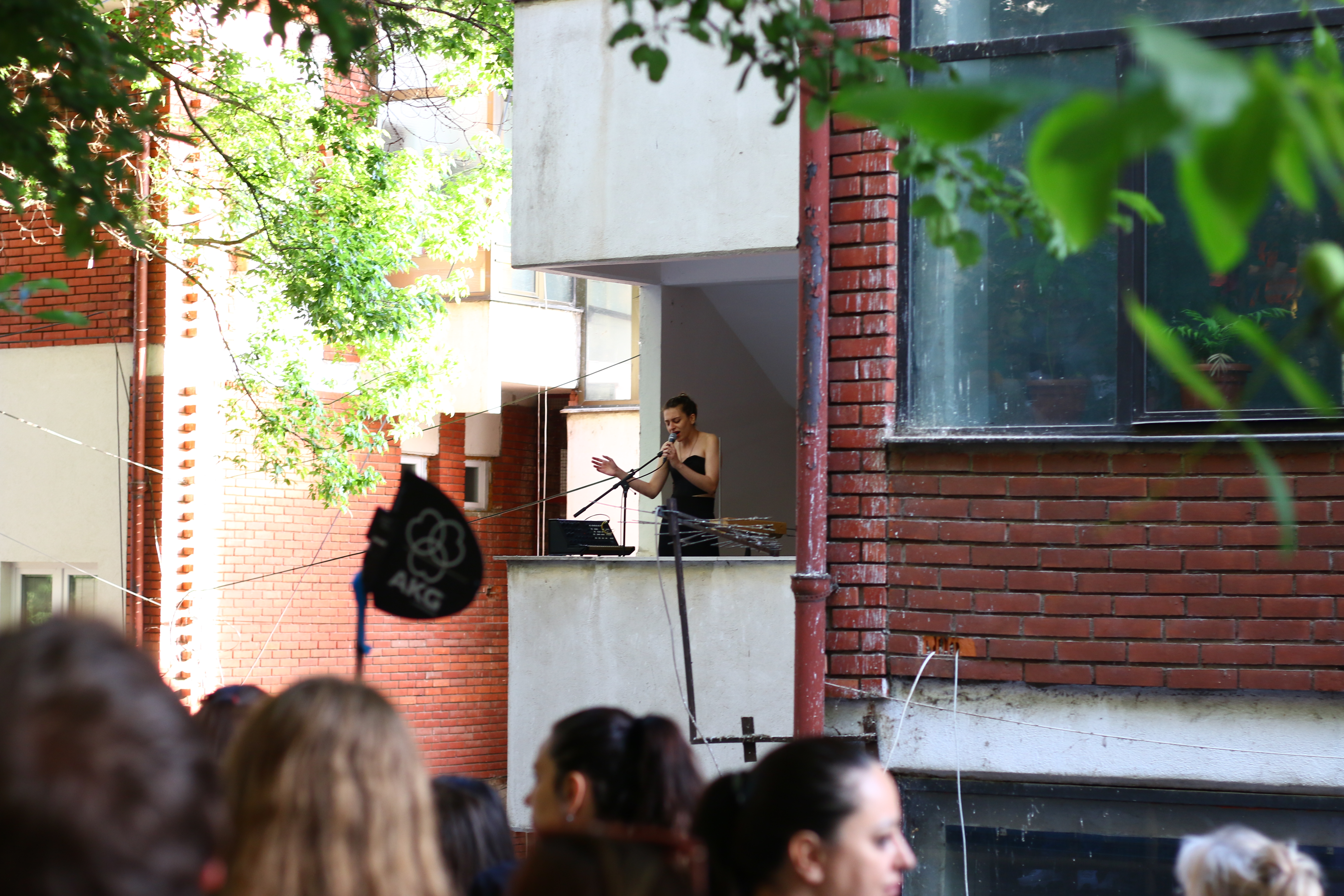
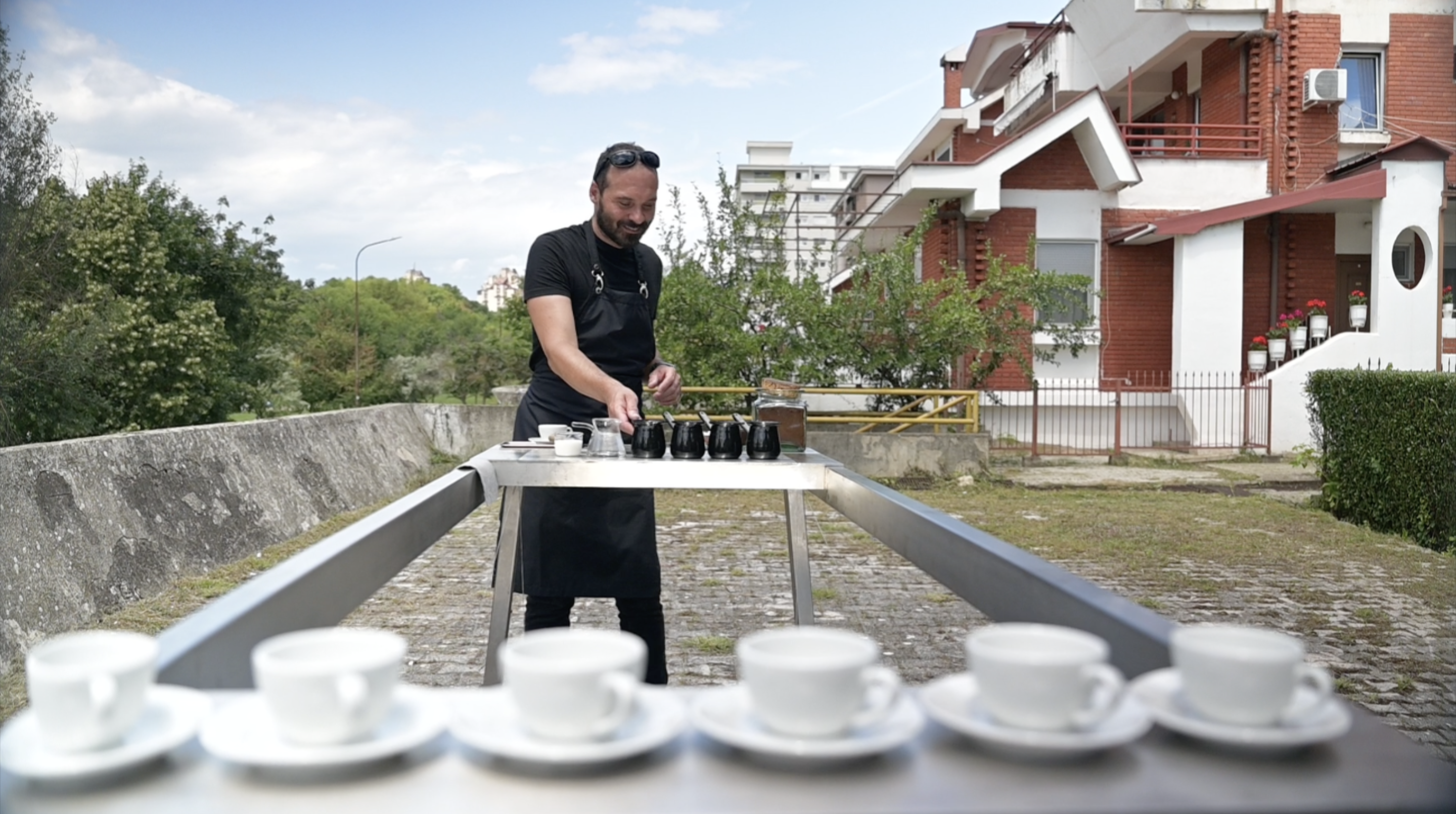
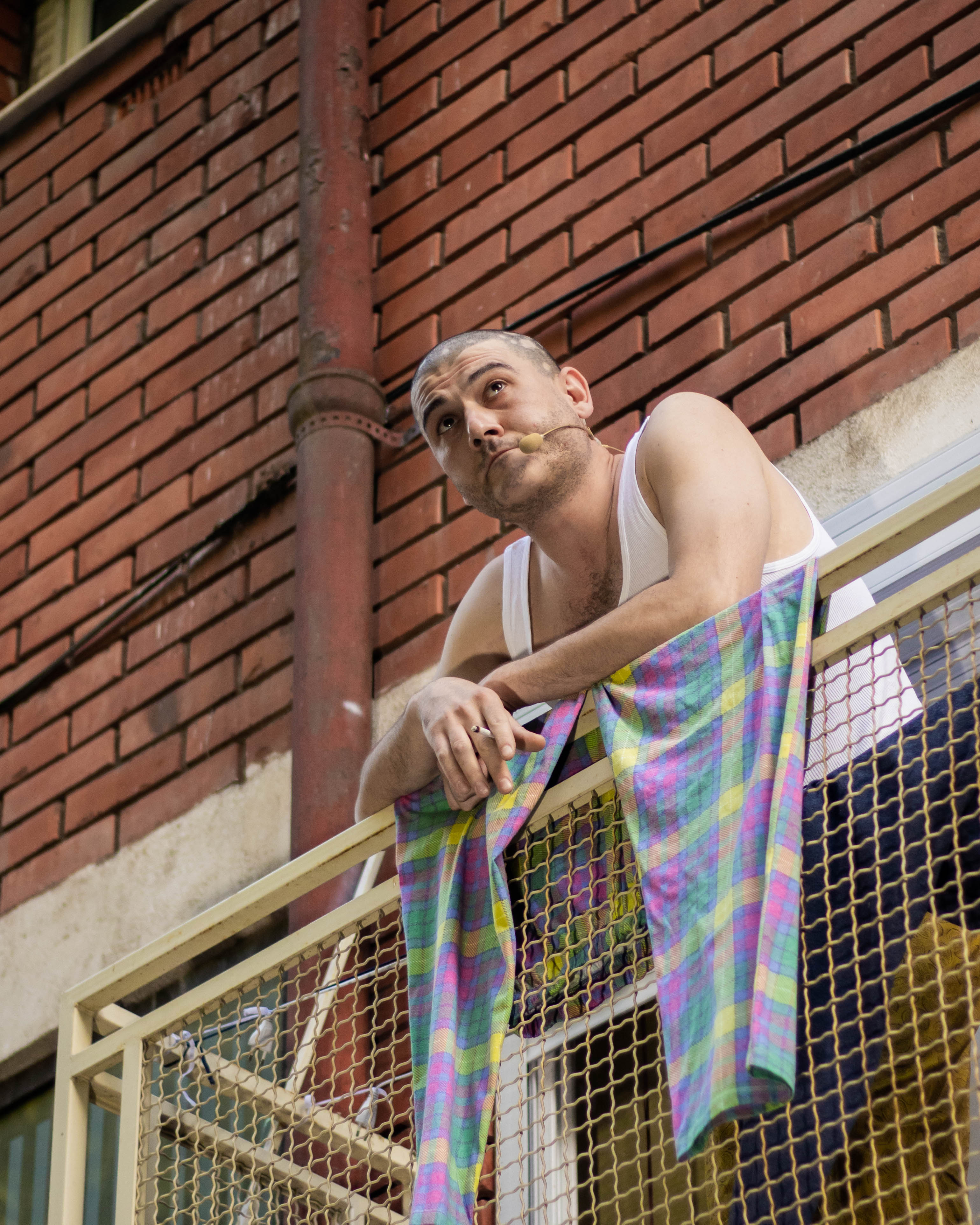
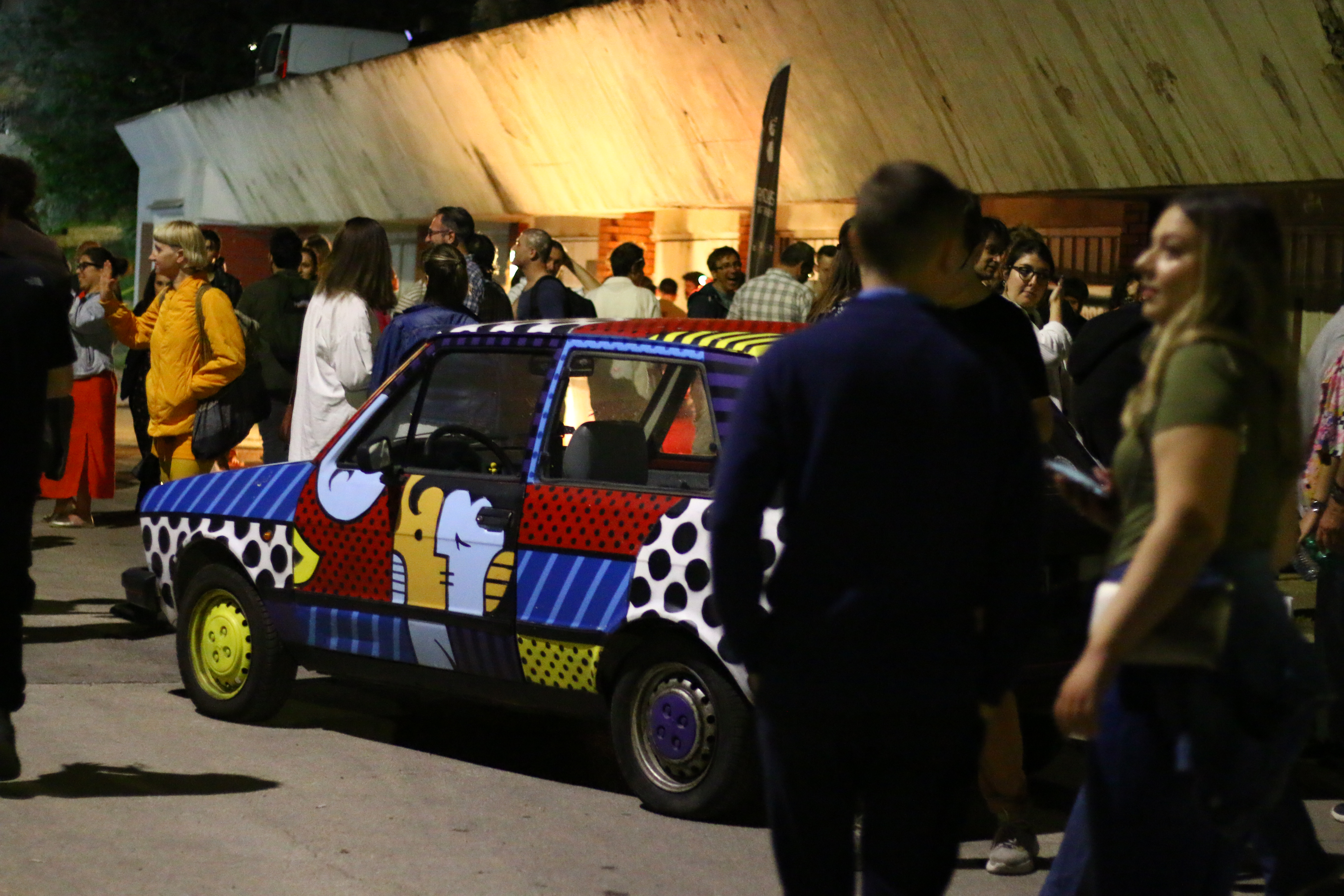
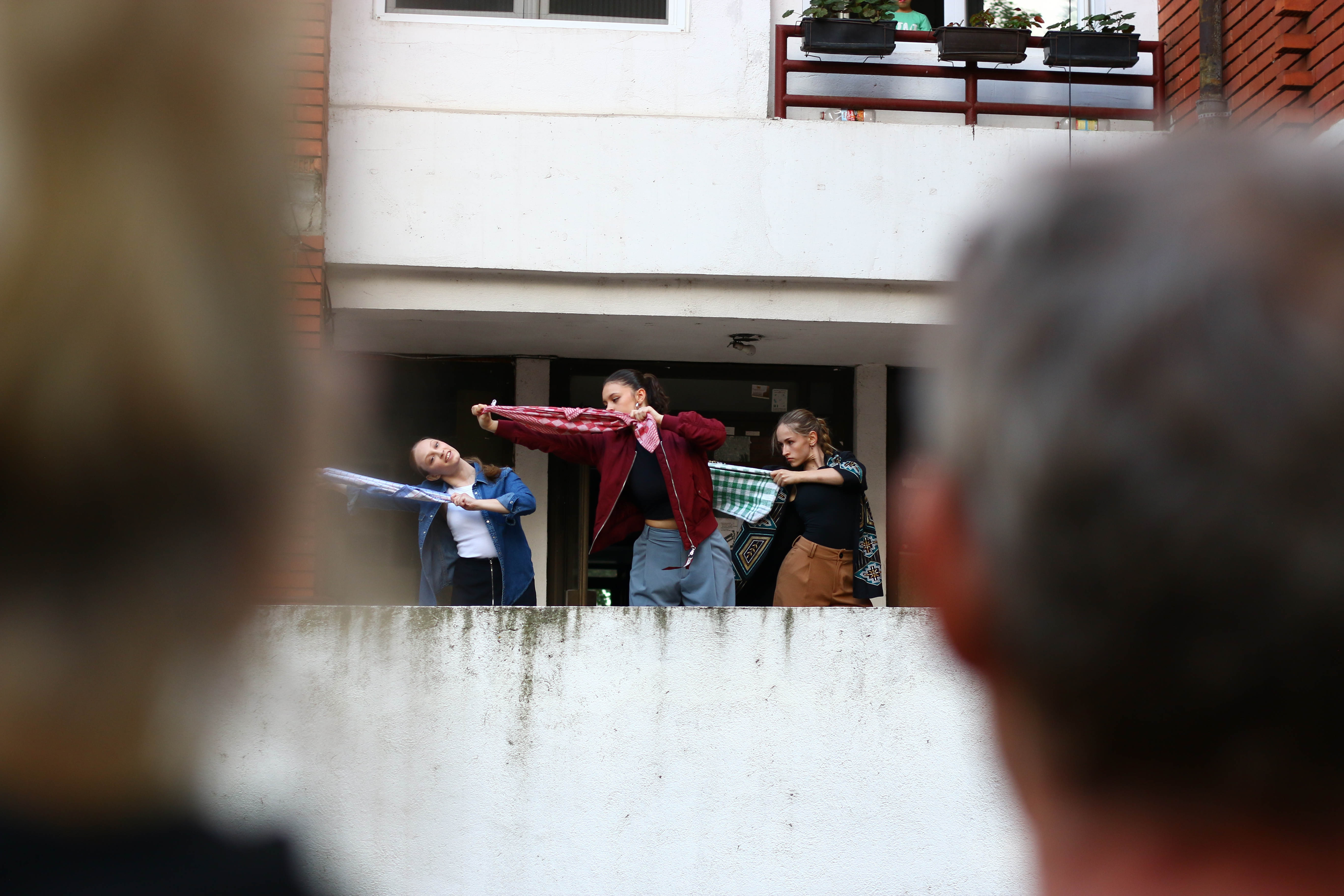
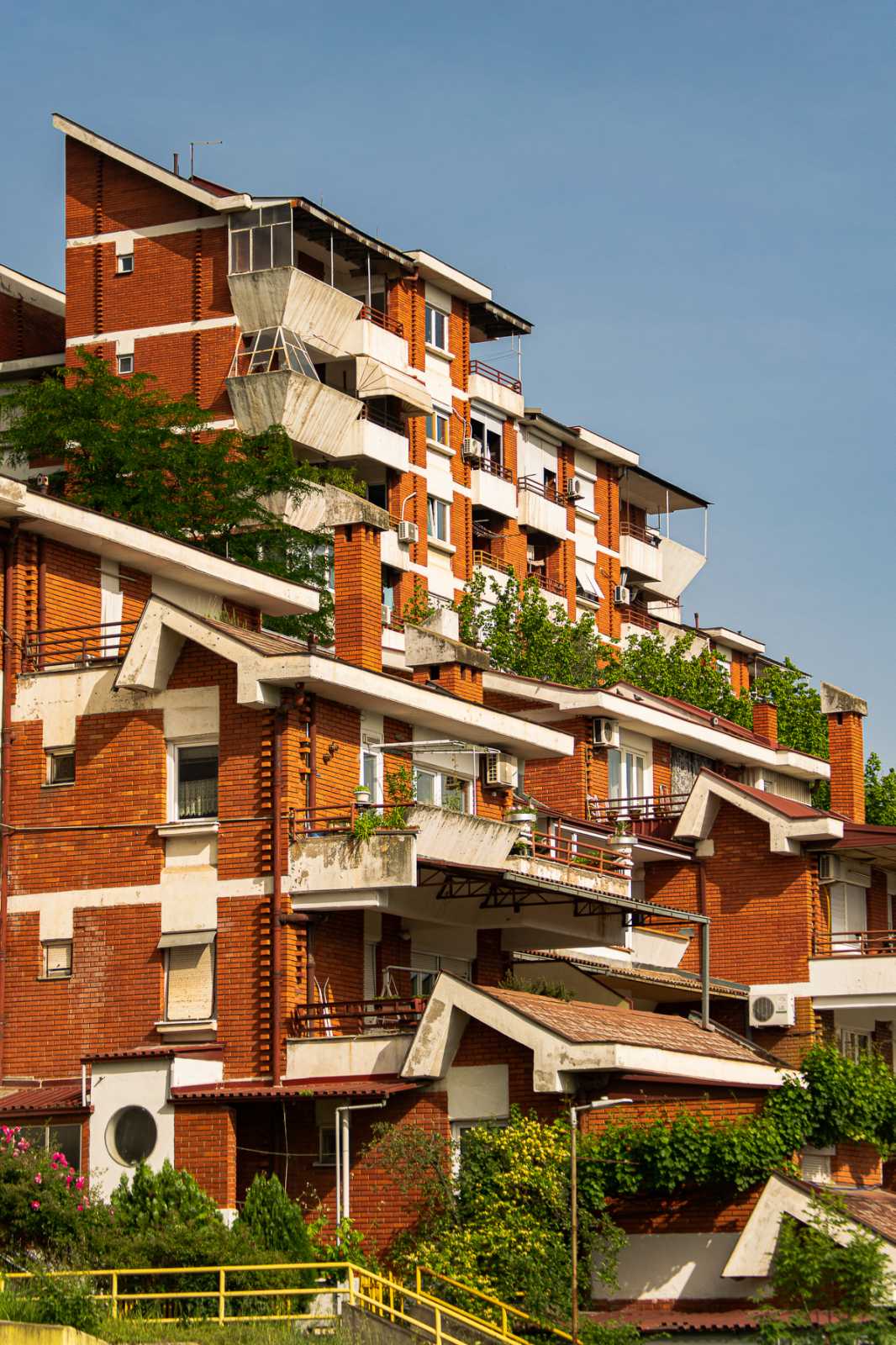
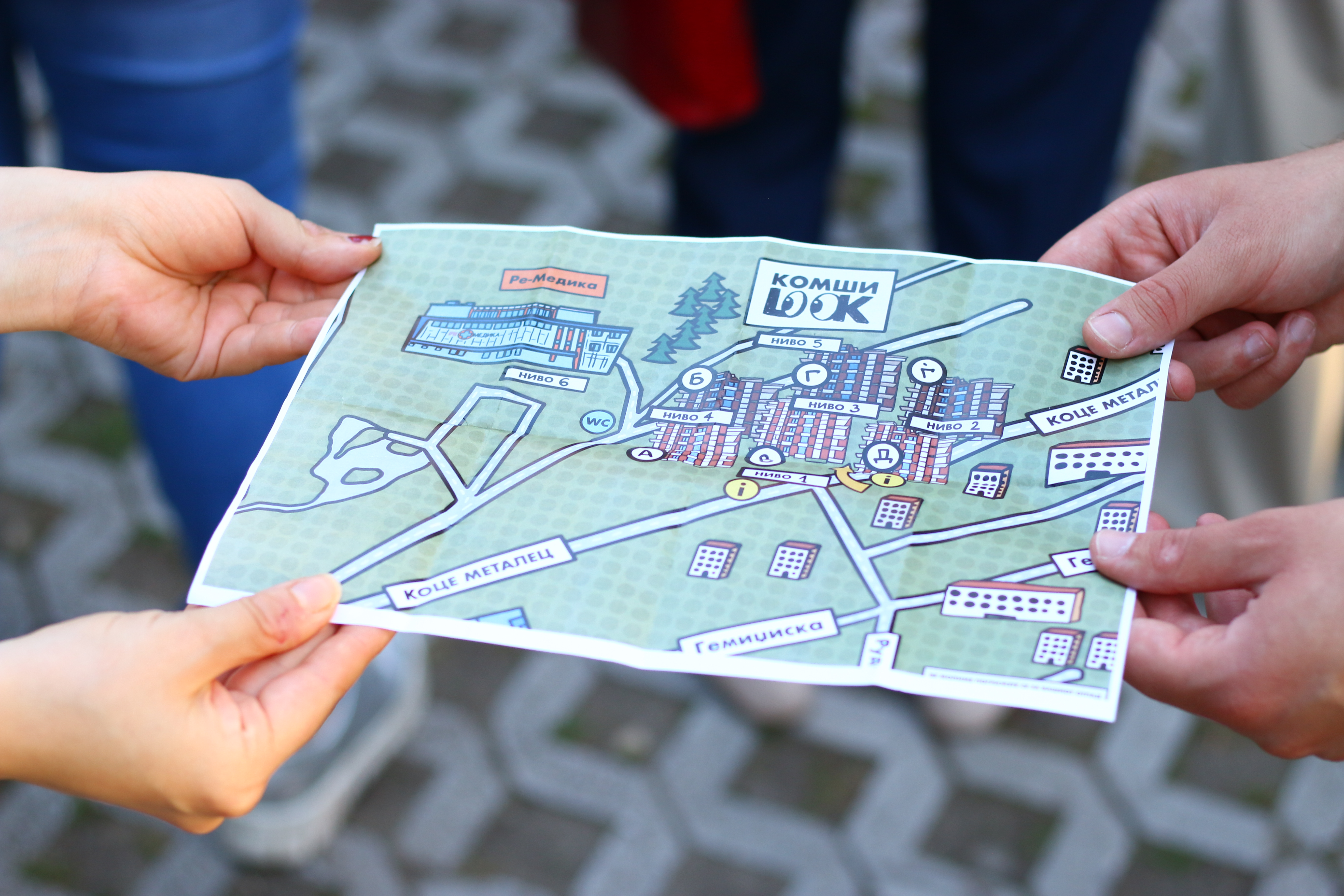
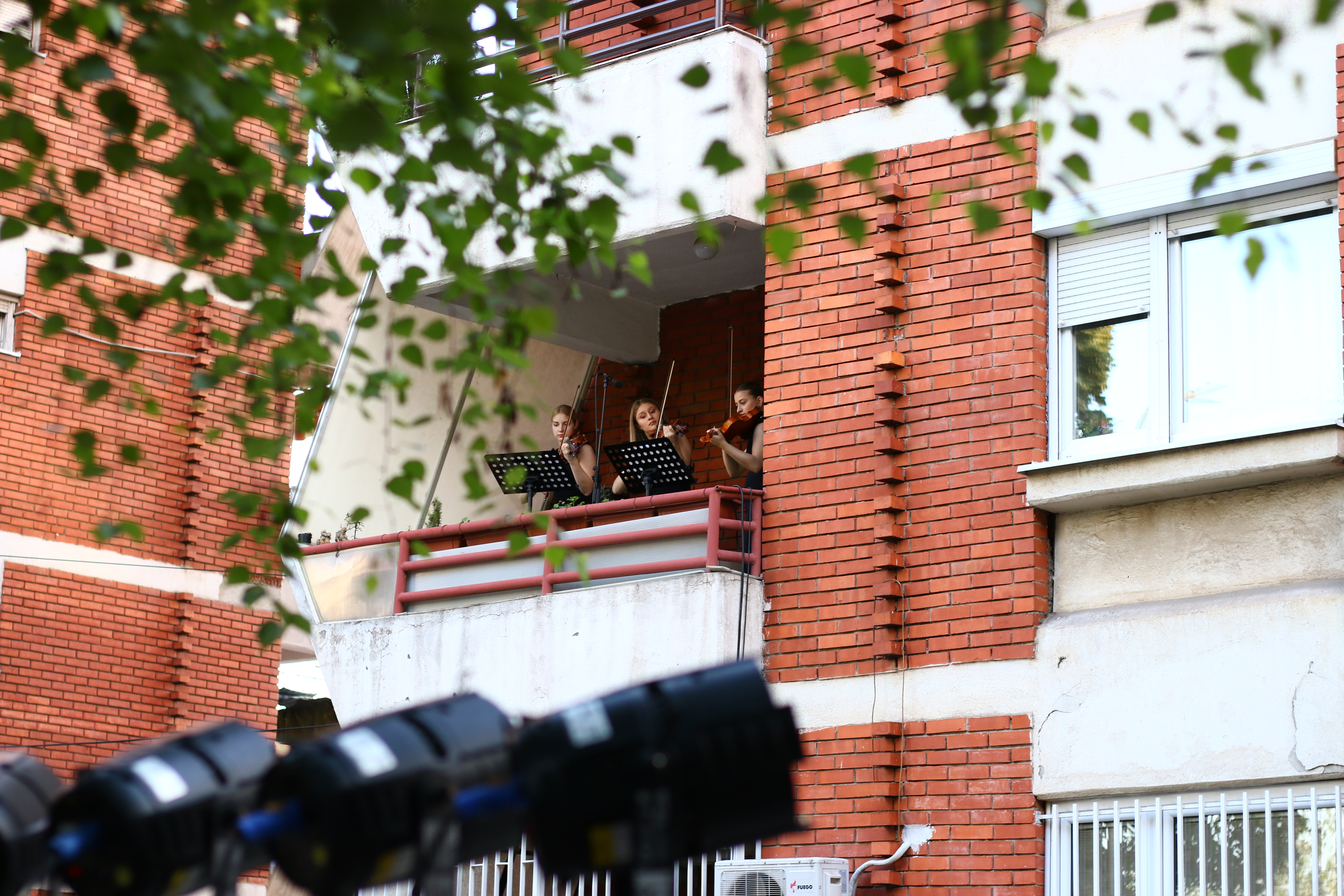
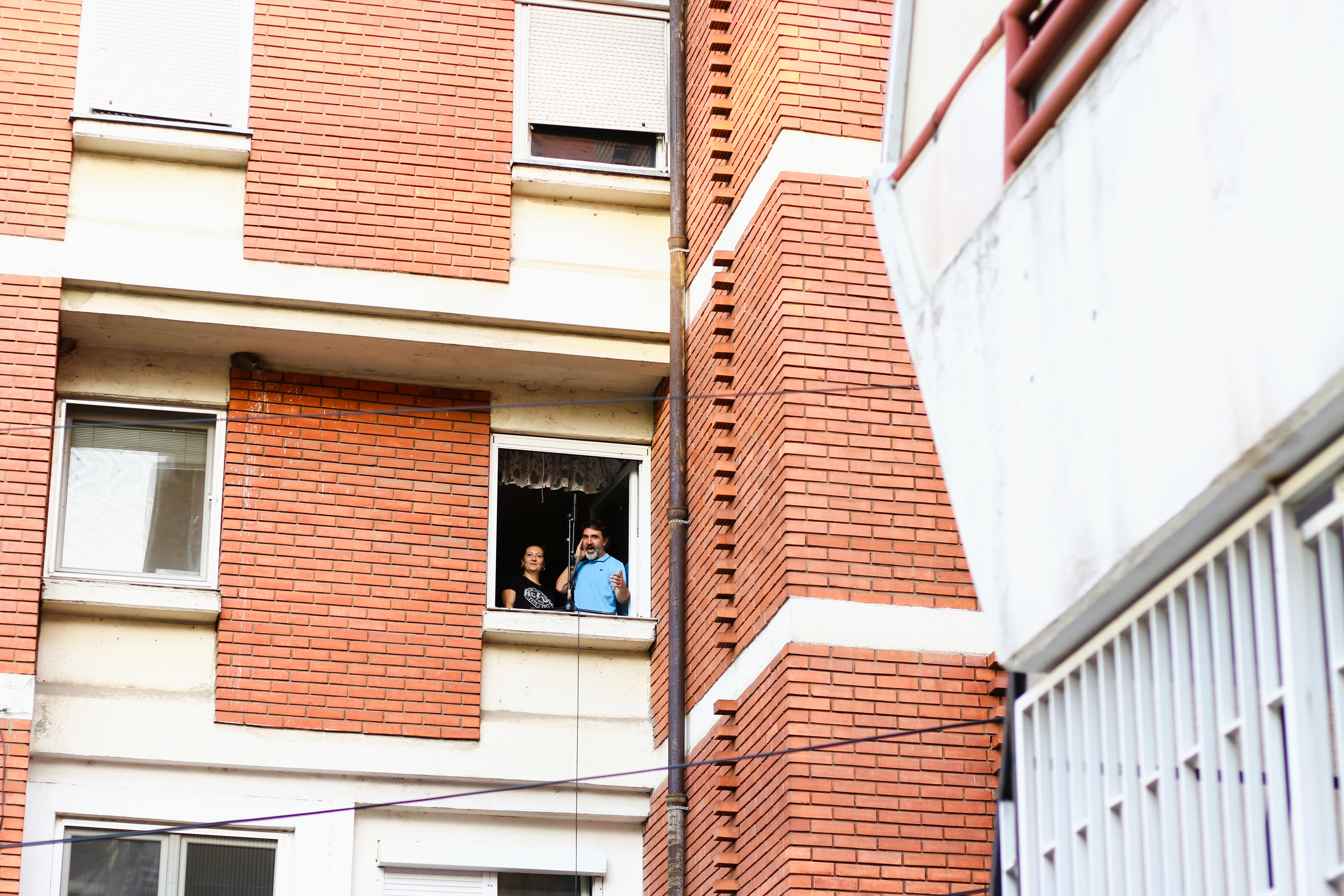
The project is situated within the "red" cascade residential buildings of Zhelezara, a peripheral settlement in Skopje. This block, comprising 6 buildings and approximately 300 residents, serves as the literal stage. The opera unfolds across three sites, utilizing architecture, balconies, and staircases as both scenography and narrative structure. The audience moves through the neighborhood in a site-specific journey, experiencing the performance as a collective ritual.
By blending music and dance performances and visual art, the project reimagines opera as an accessible public experience. Roughly 150 participants, including professional artists and local residents, collaborated to revisit the libretto’s relevance. In this contemporary interpretation, the role of Alfredo’s father is expanded to symbolize the weight of social norms and collective judgment.
A pivotal shift occurs in the narrative: the traditional tragedy is replaced with an alternative ending. Instead of a lonely death, the work concludes with a wedding—a public act of acceptance and inclusion. Set for presentation on June 13, 2026, for an expected 2,000 visitors, the project demonstrates how culture can function as a tool for micro-democracy, activating shared spaces and proving that the "stage" for social change exists right at our doorsteps.
The project is situated within the "red" cascade residential buildings of Zhelezara, a peripheral settlement in Skopje. This block, comprising 6 buildings and approximately 300 residents, serves as the literal stage. The opera unfolds across three sites, utilizing architecture, balconies, and staircases as both scenography and narrative structure. The audience moves through the neighborhood in a site-specific journey, experiencing the performance as a collective ritual.
By blending music and dance performances and visual art, the project reimagines opera as an accessible public experience. Roughly 150 participants, including professional artists and local residents, collaborated to revisit the libretto’s relevance. In this contemporary interpretation, the role of Alfredo’s father is expanded to symbolize the weight of social norms and collective judgment.
A pivotal shift occurs in the narrative: the traditional tragedy is replaced with an alternative ending. Instead of a lonely death, the work concludes with a wedding—a public act of acceptance and inclusion. Set for presentation on June 13, 2026, for an expected 2,000 visitors, the project demonstrates how culture can function as a tool for micro-democracy, activating shared spaces and proving that the "stage" for social change exists right at our doorsteps.
The idea for Traviata in Three Acts grew out of KomshiLOOK’s earlier neighbourhood-based art processes, where we learned that people engage more easily when participation begins with simple actions rather than formal cultural roles. In earlier projects, we developed a method based on small gestures of involvement: opening a home, sharing a apartment balcony, offering electricity, helping with logistics or allowing private and semi-private spaces to become part of a public artwork. These acts build trust, curiosity and ownership.
Since 2024, this method first took shape in urban residential settings, then was tested in rural contexts and work in the Roma community. Across these situations, we saw that culture creates connection when it starts from everyday reality and from capacities people already have. That gave us the confidence to return to Zhelezara with a more ambitious work.
We chose La Traviata because it is a recognised classical work, but also because its central tensions remain relevant: the relationship between love and social judgment, personal freedom and public morality, intimacy and pressure from the surrounding community. These themes resonate in our context, where private choices are often shaped by family expectations, neighbourhood dynamics and fear of public opinion. For us, Traviata was not simply an opera to present, but a structure for thinking through contemporary life.
The concept was developed through structured conversations with residents, meetings and reflection on the libretto. We treated the opera as open material. Through this process, we identified which parts felt distant and which still felt urgent. That led to key artistic decisions, including expanding the role of social pressure beyond Alfredo’s father and rethinking the ending. The process invited people into opera through familiar space, relationships and shared authorship.
Since 2024, this method first took shape in urban residential settings, then was tested in rural contexts and work in the Roma community. Across these situations, we saw that culture creates connection when it starts from everyday reality and from capacities people already have. That gave us the confidence to return to Zhelezara with a more ambitious work.
We chose La Traviata because it is a recognised classical work, but also because its central tensions remain relevant: the relationship between love and social judgment, personal freedom and public morality, intimacy and pressure from the surrounding community. These themes resonate in our context, where private choices are often shaped by family expectations, neighbourhood dynamics and fear of public opinion. For us, Traviata was not simply an opera to present, but a structure for thinking through contemporary life.
The concept was developed through structured conversations with residents, meetings and reflection on the libretto. We treated the opera as open material. Through this process, we identified which parts felt distant and which still felt urgent. That led to key artistic decisions, including expanding the role of social pressure beyond Alfredo’s father and rethinking the ending. The process invited people into opera through familiar space, relationships and shared authorship.
Community co-creation
Social inclusion
Micro-democracy
Neighbourhood activation
Cultural accessibility
Traviata in Three Acts tackles sustainability by simply working with what is already there. Instead of building new stages or relying on massive production systems, the project uses a residential block, its architecture and its shared spaces as the scenography and social framework. Balconies, windows, entrances and courtyards are transformed into part of the artistic language. This approach drastically cuts the need for new materials, temporary construction and resource-heavy logistics, proving that high cultural value can grow out of everyday places.
The project is a direct response to the fading sense of neighborly trust and shared responsibility in modern cities. By leaning into the idea of komšiluk, it treats good neighborly relations as a vital form of social sustainability. We create the conditions for people to meet, cooperate and participate through small, manageable tasks. This strengthens a sense of belonging and active citizenship for the 300 residents across 140 apartments, turning quiet, passive coexistence into a vibrant, active neighborhood life.
We are making a canonical work accessible in a way that feels local and collective. We open La Traviata to real discussion and shared authorship. Through working sessions with residents, the libretto is tied to current struggles with social pressure, judgment and acceptance. This keeps cultural heritage relevant by letting it evolve through the people who live with it.
Economically, the model is lean and replicable. It relies on local resources and existing community capacities. This offers a low-cost format that other neighborhoods with limited means can easily adapt. The project shows that sustainability is also about sustaining the communities and relationships that make a city worth living in.
The project is a direct response to the fading sense of neighborly trust and shared responsibility in modern cities. By leaning into the idea of komšiluk, it treats good neighborly relations as a vital form of social sustainability. We create the conditions for people to meet, cooperate and participate through small, manageable tasks. This strengthens a sense of belonging and active citizenship for the 300 residents across 140 apartments, turning quiet, passive coexistence into a vibrant, active neighborhood life.
We are making a canonical work accessible in a way that feels local and collective. We open La Traviata to real discussion and shared authorship. Through working sessions with residents, the libretto is tied to current struggles with social pressure, judgment and acceptance. This keeps cultural heritage relevant by letting it evolve through the people who live with it.
Economically, the model is lean and replicable. It relies on local resources and existing community capacities. This offers a low-cost format that other neighborhoods with limited means can easily adapt. The project shows that sustainability is also about sustaining the communities and relationships that make a city worth living in.
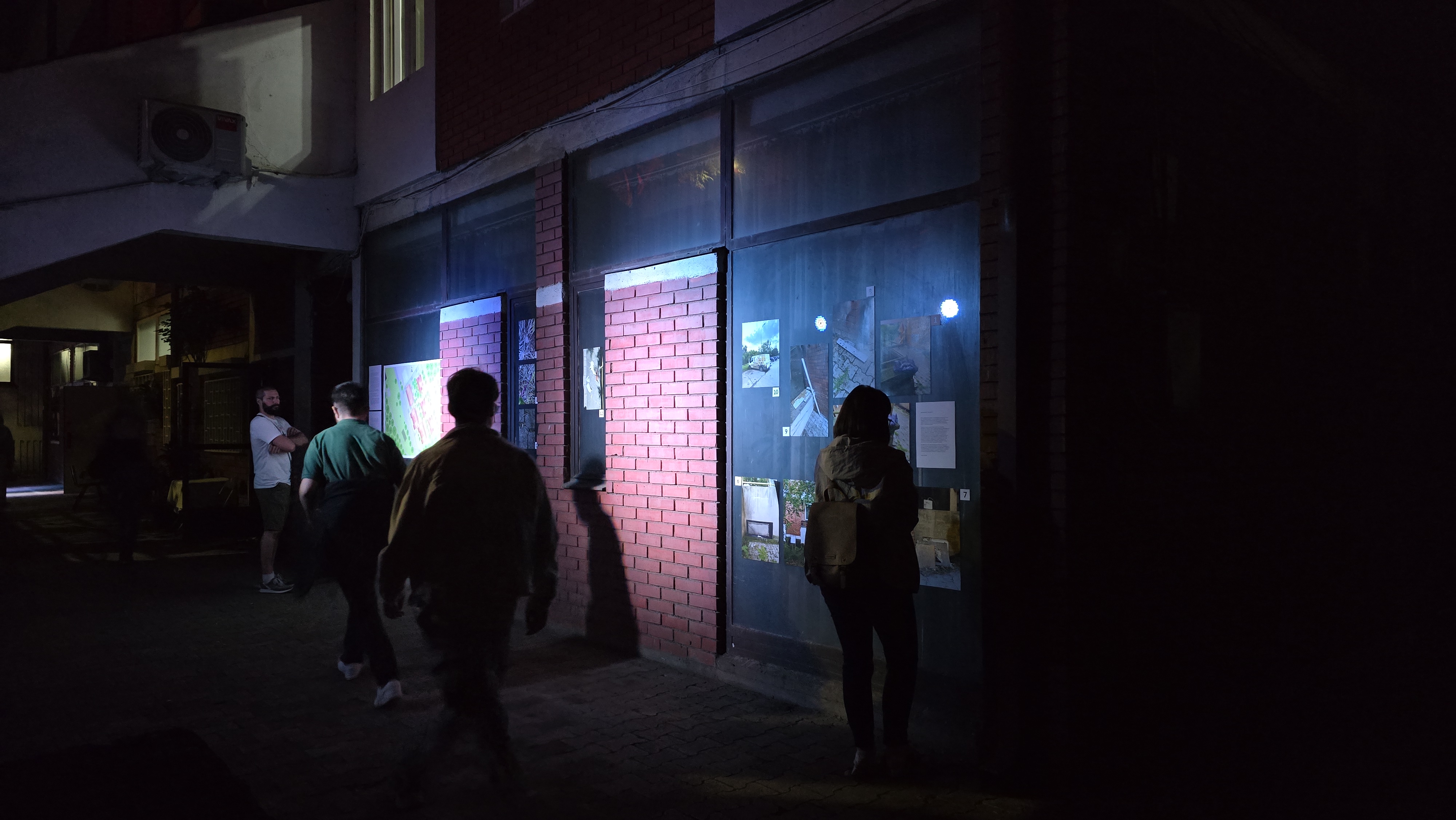
Traviata in Three Acts contributes to aesthetics by turning an ordinary residential block into a space of artistic attention, shared experience and renewed value. The chosen site in Zhelezara, built in the 1980s, has qualities now rare in Skopje: clear proportions, open views, shared green areas, distance between buildings and a human scale that allows people to meet and encounter one another. In a city marked by overcrowded development, this block offers spatial generosity that contains beauty. The project recognizes that value and makes it visible.
Architecturally, the project reveals the aesthetic power of the neighbourhood itself. Buildings, paths, facades and open spaces are the background, but as part of the composition. Their rhythm, orientation and relation shape how the performance unfolds. The project works with its identity and invites people to notice qualities that routine often makes invisible.
Artistically, aesthetics emerge through the interaction of opera, movement, light, sound, and public space. Each act takes place in a different location, creating visual and emotional experience. The audience moves through the block, and each shift in position changes perception. Sound passes between buildings, light directs attention and performers appear within the architecture, creating a multisensory composition impossible in a conventional theatre.
Socially and emotionally, the project gives cultural value to spaces usually seen as practical or neglected. The existing architecture become stages for a major event. Residents begin to see their environment with pride, while visitors experience the neighbourhood as a place of cultural importance. In the long term, this has encouraged acts of care, showing that when people experience a place as beautiful, they are more likely to protect it.
Architecturally, the project reveals the aesthetic power of the neighbourhood itself. Buildings, paths, facades and open spaces are the background, but as part of the composition. Their rhythm, orientation and relation shape how the performance unfolds. The project works with its identity and invites people to notice qualities that routine often makes invisible.
Artistically, aesthetics emerge through the interaction of opera, movement, light, sound, and public space. Each act takes place in a different location, creating visual and emotional experience. The audience moves through the block, and each shift in position changes perception. Sound passes between buildings, light directs attention and performers appear within the architecture, creating a multisensory composition impossible in a conventional theatre.
Socially and emotionally, the project gives cultural value to spaces usually seen as practical or neglected. The existing architecture become stages for a major event. Residents begin to see their environment with pride, while visitors experience the neighbourhood as a place of cultural importance. In the long term, this has encouraged acts of care, showing that when people experience a place as beautiful, they are more likely to protect it.
KomshiLOOK and Traviata in Three Acts address accessibility and affordability by moving culture out of exclusive institutions and into the everyday spaces where people already live. The project brings high quality artistic work directly into a residential block. This removes practical, economic and psychological barriers such as ticket cost, travel and the feeling that culture is not for them. The event takes place in shared neighbourhood space and remains open and financially accessible to a broad public.
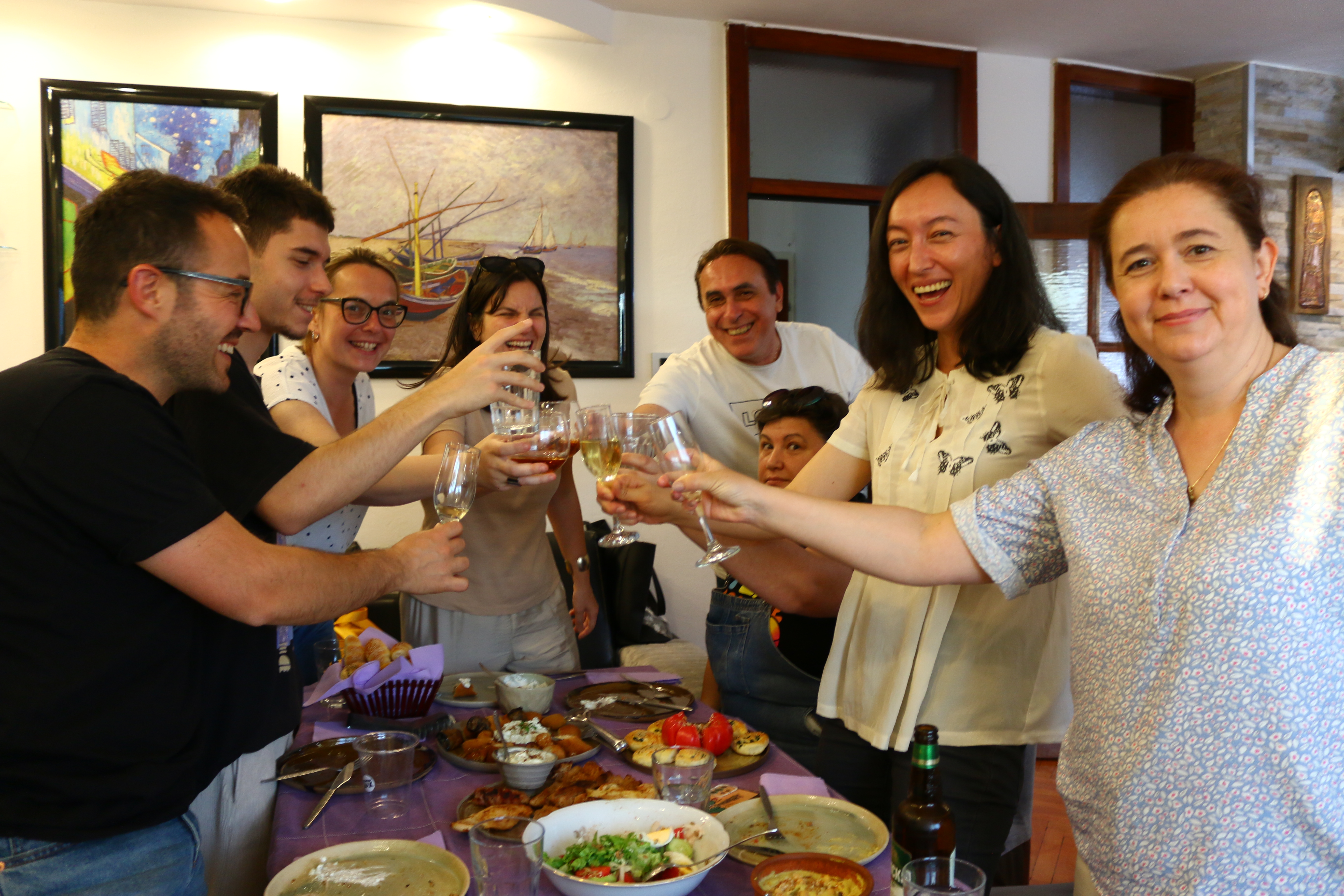
Inclusion is also built through the way the project is governed and produced. KomshiLOOK treat residents as co-creators and co-curators. The process begins long before the event, through conversations, trust-building and small forms of involvement that feel realistic and non-intimidating. People can join by opening a balcony, sharing electricity, helping with communication, hosting a performer, offering a courtyard or apartment corner, guiding visitors or joining discussions on how the work should relate to the place. These entry points allow people with different ages, confidence levels, time capacities and experience to take part step by step.
This creates an inclusive governance model in which decisions are shaped not only by cultural professionals, but also by the people who live in the site of the artwork. In Traviata in Three Acts, residents influence how spaces are used, how audiences move and how the themes of morality, public judgment, intimacy, and care resonate locally. The concept also reflects design for all principles by working with familiar environments and allowing different modes of participation. It offers model of culture as a shared civic practice, created with residents rather than presented to them.
Inclusion is also built through the way the project is governed and produced. KomshiLOOK treat residents as co-creators and co-curators. The process begins long before the event, through conversations, trust-building and small forms of involvement that feel realistic and non-intimidating. People can join by opening a balcony, sharing electricity, helping with communication, hosting a performer, offering a courtyard or apartment corner, guiding visitors or joining discussions on how the work should relate to the place. These entry points allow people with different ages, confidence levels, time capacities and experience to take part step by step.
This creates an inclusive governance model in which decisions are shaped not only by cultural professionals, but also by the people who live in the site of the artwork. In Traviata in Three Acts, residents influence how spaces are used, how audiences move and how the themes of morality, public judgment, intimacy, and care resonate locally. The concept also reflects design for all principles by working with familiar environments and allowing different modes of participation. It offers model of culture as a shared civic practice, created with residents rather than presented to them.
Traviata in Three Acts is being developed through a structured 3 months participatory process that treats residents as active contributors to the artistic, social and spatial development of the concept. A central part of this process has been a cycle of 8 open discussion sessions in the neighbourhood, each lasting 3 hours and open to everyone connected to the block. These meetings were supported by 8 professionals from theatre, dramaturgy, social work, psychology and participatory cultural practice, who connected the opera’s themes to present-day social realities.
In these sessions, we took the main topics from La Traviata and discussed them with residents by imagining Violetta and Alfredo as 2 neighbours living inside the block. This made the opera immediate, understandable and emotionally close and we asked what it would mean if they were part of the same entrance, courtyard and everyday building life. Through this method, we opened conversations about love, intimacy, freedom, shame, gossip, morality, family pressure, public judgment and the power neighbours can have over private life.
This approach allowed residents to enter the work through familiar situations and personal experience, even if they had never engaged with opera before. It made the process inclusive, because La Traviata was treated as a living social text connected to contemporary community life.
The process continues through practical forms of involvement such as hosting performers, opening balconies, sharing electricity, helping with communication and contributing ideas about neighbourhood spaces. These entry points make participation possible for people of different ages, confidence levels and cultural experience. Residents together with our team shapes its dramaturgy, local meaning and relationship to the neighbourhood.
In these sessions, we took the main topics from La Traviata and discussed them with residents by imagining Violetta and Alfredo as 2 neighbours living inside the block. This made the opera immediate, understandable and emotionally close and we asked what it would mean if they were part of the same entrance, courtyard and everyday building life. Through this method, we opened conversations about love, intimacy, freedom, shame, gossip, morality, family pressure, public judgment and the power neighbours can have over private life.
This approach allowed residents to enter the work through familiar situations and personal experience, even if they had never engaged with opera before. It made the process inclusive, because La Traviata was treated as a living social text connected to contemporary community life.
The process continues through practical forms of involvement such as hosting performers, opening balconies, sharing electricity, helping with communication and contributing ideas about neighbourhood spaces. These entry points make participation possible for people of different ages, confidence levels and cultural experience. Residents together with our team shapes its dramaturgy, local meaning and relationship to the neighbourhood.
The concept is developed through a layered process that begins inside the residential block itself, with the people who live there and then expands outward to artists, mentors, municipal structures and local partners. This is important because the project depends on real agreements around shared life: who opens a balcony, who allows a staircase or apartment to be used, how movement through the block is organised, what is acceptable in semi-private space and how the work responds to the values and sensitivities of the community.
At the centre of this process are the residents, who are involved as co-creators and co-curators. The artistic team then works from this reality, translating local input and community agreements into the final dramaturgy and site-specific form.
This process is supported by 8 community mediators from theatre and dramaturgy, social work, and psychology, who help mediate between artistic ambition and community members. KomshiLOOK’s base, the Ministry of Neighbourly Affairs, also plays a governance role by providing a local space for continuity, meetings, trust-building, and year-round presence.
Municipal actors support permissions and coordination, and safe use of public and shared space. Local businesses and service providers contribute practical resources and neighbourhood-level support.
At the centre of this process are the residents, who are involved as co-creators and co-curators. The artistic team then works from this reality, translating local input and community agreements into the final dramaturgy and site-specific form.
This process is supported by 8 community mediators from theatre and dramaturgy, social work, and psychology, who help mediate between artistic ambition and community members. KomshiLOOK’s base, the Ministry of Neighbourly Affairs, also plays a governance role by providing a local space for continuity, meetings, trust-building, and year-round presence.
Municipal actors support permissions and coordination, and safe use of public and shared space. Local businesses and service providers contribute practical resources and neighbourhood-level support.
Traviata in Three Acts reflects a transdisciplinary approach rooted in the wider KomshiLOOK methodology, which understands the neighbourhood as a cultural, spatial and social ecosystem. The concept combines performing arts, dramaturgy, architecture, urbanism, experience design, site-specific practice, community-engaged art, social sciences, psychology, education and civic participation.
From the artistic field, the project brings together opera, theatre, choreography, music, visual composition, and site-specific performance. From architecture and urbanism, it works directly with the existing housing block, its balconies, staircases, entrances, courtyards, pathways and green areas, treating them as active components and backdrop of the work. Spatial design and experience design shape how audiences and residents move through the block, how scenes unfold and how proximity, rhythm, visibility and atmosphere are produced.
The concept is also informed by social work, psychology, and participatory facilitation. These fields support trust-building, protocols and dialogue with residents, and the interpretation of themes such as care, morality, intimacy, social pressure, and collective judgement. Educational practice is present through open discussions and shared reflection on the libretto and its relevance to contemporary neighbourhood life.
At the civic level, the project draws on the Balkan value of komšiluk, understood as the practice of being a good neighbour. In this sense, the project connects art with citizenship, coexistence and shared responsibility, making the neighbourhood not only the setting of the work, but also its method, knowledge base and social purpose.
From the artistic field, the project brings together opera, theatre, choreography, music, visual composition, and site-specific performance. From architecture and urbanism, it works directly with the existing housing block, its balconies, staircases, entrances, courtyards, pathways and green areas, treating them as active components and backdrop of the work. Spatial design and experience design shape how audiences and residents move through the block, how scenes unfold and how proximity, rhythm, visibility and atmosphere are produced.
The concept is also informed by social work, psychology, and participatory facilitation. These fields support trust-building, protocols and dialogue with residents, and the interpretation of themes such as care, morality, intimacy, social pressure, and collective judgement. Educational practice is present through open discussions and shared reflection on the libretto and its relevance to contemporary neighbourhood life.
At the civic level, the project draws on the Balkan value of komšiluk, understood as the practice of being a good neighbour. In this sense, the project connects art with citizenship, coexistence and shared responsibility, making the neighbourhood not only the setting of the work, but also its method, knowledge base and social purpose.
The concept is envisioned as part of KomshiLOOK’s broader neighbourhood-based cultural model, which combines public funding, partnerships, in-kind support and self-generated income. A key asset is an apartment donated for use by a local family, now transformed into the "Ministry of Neighbourly Affairs", a gallery and art space that serves as a base for meetings, small events, exhibitions, and community activities. This space allows KomshiLOOK to build year-round visibility, test concepts and generate modest income through cultural programs, workshops, rentals, and collaborations. For larger productions such as Traviata in Three Acts, the financial model combines project grants, municipal and city support, local business contributions,
and partnerships with artists and institutions. Long-term sustainability comes from low infrastructure costs, use of existing spaces, strong community support and the ability to adapt the model to future neighbourhood projects.
and partnerships with artists and institutions. Long-term sustainability comes from low infrastructure costs, use of existing spaces, strong community support and the ability to adapt the model to future neighbourhood projects.
The KomshiLOOK methodology is based on activating overlooked spaces through art, working with what already exists, and involving local people as co-creators and co-curators of the process.
Key transferable elements include spatial research of the site, mapping of local social dynamics, low-threshold participation through small and manageable tasks, co-creation through open sessions and dialogue, and the use of existing architecture as scenography and cultural infrastructure. Another important element is the way KomshiLOOK builds trust gradually, allowing people to enter the process according to their own capacity, time and comfort.
This methodology has already been tested in 2024 and 2025 in different contexts, including urban neighbourhoods, rural areas and within the Roma community. That experience shows that the process can travel while remaining locally specific. What changes is the context and the final artistic form. What remains is the core method: starting from the specific character of a place, identifying its social and spatial potential and building an artistic process together with the people who live there.
The model can be scaled in two ways. It can be replicated in new locations through local adaptation, and it can also grow in complexity within the same location by involving more partners, more residents and more ambitious artistic forms. Because it works with existing spaces and community knowledge rather than heavy infrastructure, it remains flexible, accessible and realistic to apply in different settings.
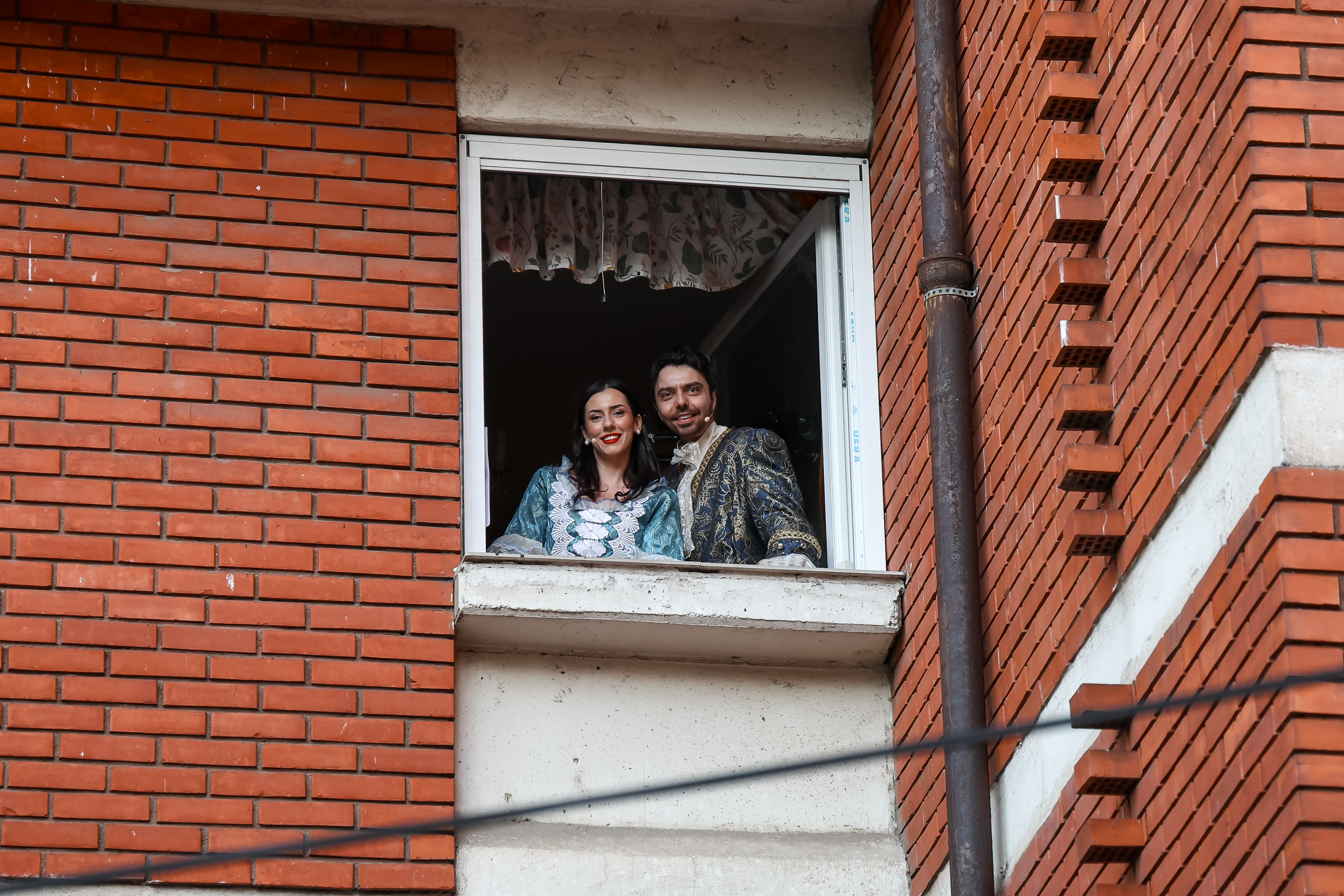
In Traviata in Three Acts, Violetta and Alfredo are treated as neighbours living in the same block, exposed to community judgment and pressure. Their story becomes socially immediate and recognisable. The performance keeps the conflict of La Traviata, but proposes a solution through care, dialogue, empathy, and a wedding ending shaped by the community.
Key transferable elements include spatial research of the site, mapping of local social dynamics, low-threshold participation through small and manageable tasks, co-creation through open sessions and dialogue, and the use of existing architecture as scenography and cultural infrastructure. Another important element is the way KomshiLOOK builds trust gradually, allowing people to enter the process according to their own capacity, time and comfort.
This methodology has already been tested in 2024 and 2025 in different contexts, including urban neighbourhoods, rural areas and within the Roma community. That experience shows that the process can travel while remaining locally specific. What changes is the context and the final artistic form. What remains is the core method: starting from the specific character of a place, identifying its social and spatial potential and building an artistic process together with the people who live there.
The model can be scaled in two ways. It can be replicated in new locations through local adaptation, and it can also grow in complexity within the same location by involving more partners, more residents and more ambitious artistic forms. Because it works with existing spaces and community knowledge rather than heavy infrastructure, it remains flexible, accessible and realistic to apply in different settings.
In Traviata in Three Acts, Violetta and Alfredo are treated as neighbours living in the same block, exposed to community judgment and pressure. Their story becomes socially immediate and recognisable. The performance keeps the conflict of La Traviata, but proposes a solution through care, dialogue, empathy, and a wedding ending shaped by the community.
The concept is currently in an advanced stage of development, with the official implementation scheduled for 13 June 2026 in the Zhelezara neighborhood. Over the coming year, the primary objective is to finalize the co-creation process, realize the full site-specific production and establish a framework for the project to evolve beyond its initial edition.
In the period leading up to the premiere, the team will continue its deep engagement with the community. This involves coordinating hosting roles, confirming participating residential spaces and synchronizing contributions across the "red" cascade block. Simultaneously, the artistic ensemble will solidify the dramaturgical structure, moving into rehearsals that refine the staging in direct response to the neighborhood’s unique architecture and social movement logic.
By May 2026, the project will transition into full production mode. This phase encompasses technical planning, safety logistics and close coordination with municipal partners to manage the expected influx of 2,000 visitors and 150 active participants. Following the event, the focus will shift toward documentation and evaluation. We will synthesize visual materials and testimonials to create a clear methodology for future iterations. We aim to adapt this model for other urban contexts across North Macedonia and internationally. Meanwhile, the "Ministry of Neighbourly Affairs" will continue to serve as a permanent local hub, ensuring the project’s cultural and social impact remains as a part of the community’s everyday life.
In the period leading up to the premiere, the team will continue its deep engagement with the community. This involves coordinating hosting roles, confirming participating residential spaces and synchronizing contributions across the "red" cascade block. Simultaneously, the artistic ensemble will solidify the dramaturgical structure, moving into rehearsals that refine the staging in direct response to the neighborhood’s unique architecture and social movement logic.
By May 2026, the project will transition into full production mode. This phase encompasses technical planning, safety logistics and close coordination with municipal partners to manage the expected influx of 2,000 visitors and 150 active participants. Following the event, the focus will shift toward documentation and evaluation. We will synthesize visual materials and testimonials to create a clear methodology for future iterations. We aim to adapt this model for other urban contexts across North Macedonia and internationally. Meanwhile, the "Ministry of Neighbourly Affairs" will continue to serve as a permanent local hub, ensuring the project’s cultural and social impact remains as a part of the community’s everyday life.