Arts, Culture, and Heritage as Drivers of Change
BLACKWOOD Atelier
BLACKWOOD Atelier - Ukrainian Handcrafted Accessories as a Model of Cultural Resilience
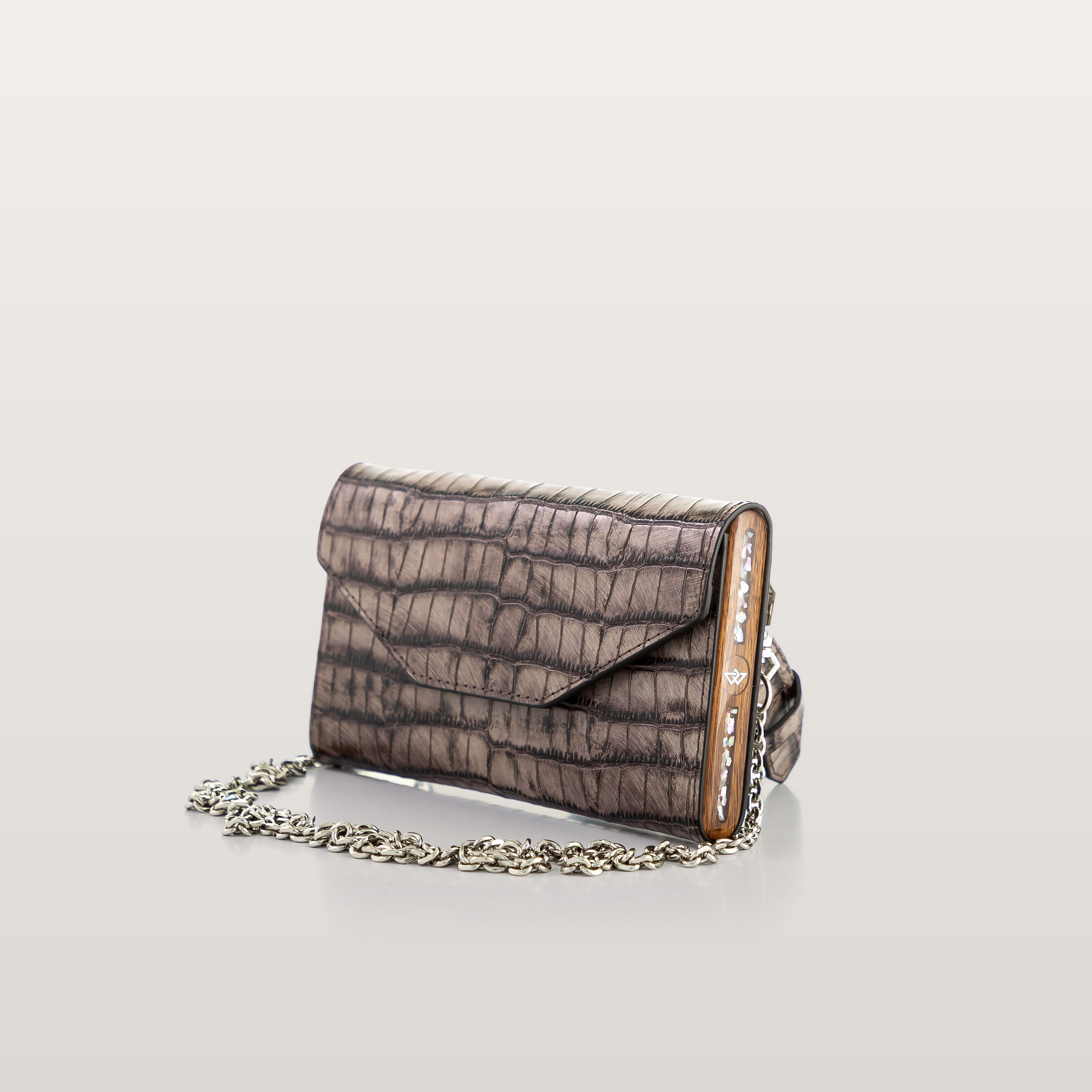
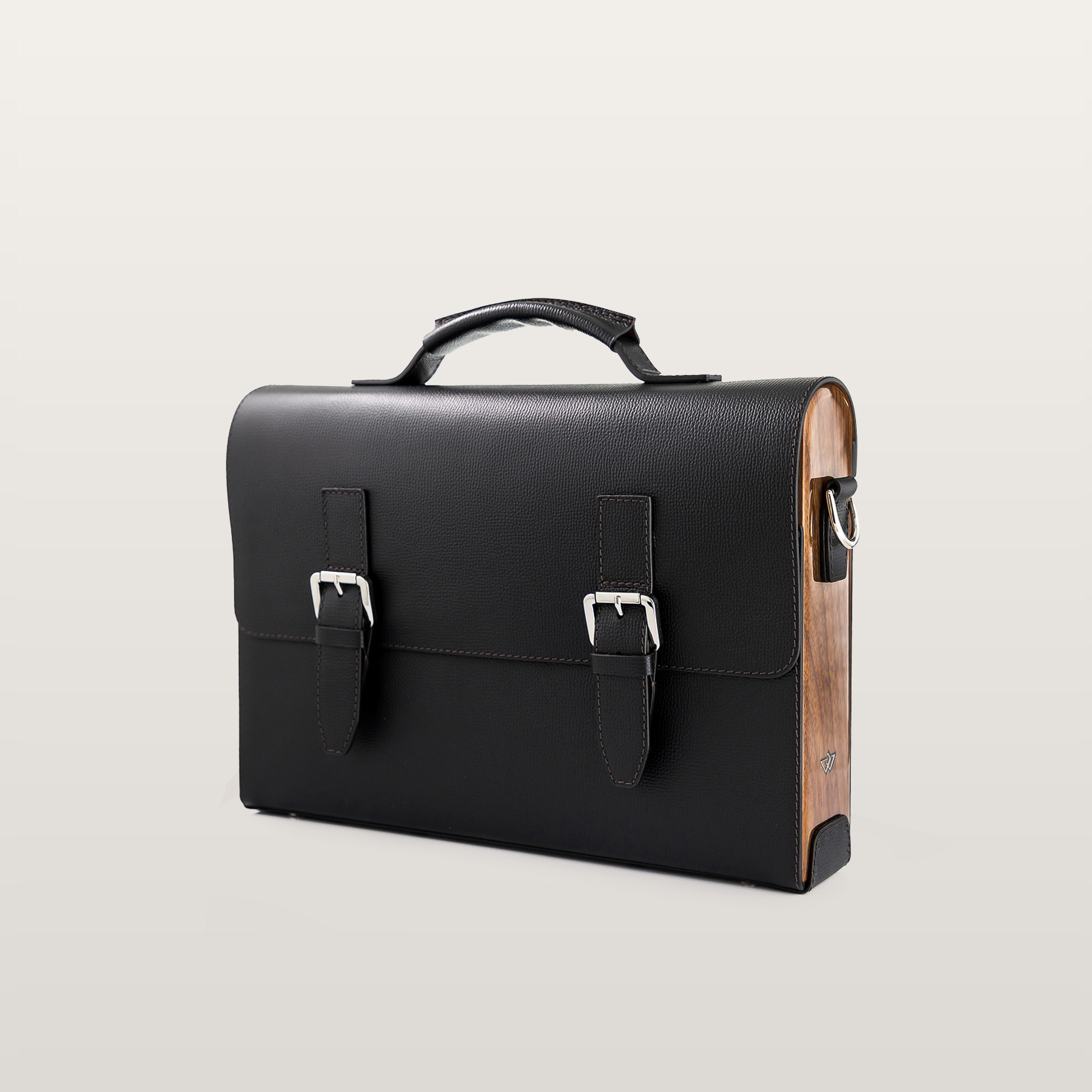
BLACKWOOD Atelier is a Ukrainian premium brand creating handcrafted bags, eyewear, and leather goods at the intersection of artisan tradition and contemporary design. Founded in Ukraine and active across Europe and the UAE, BLACKWOOD sustains skilled craft employment during wartime while competing in international premium markets on design quality alone. Every object is made to last — a direct counter to disposable production culture.
Ukraine
National
Mainly urban
It involves other types of transformations (soft investment)
Yes
2016-12-31
No
No
No
Individual
BLACKWOOD Atelier is a Ukrainian premium brand producing
handcrafted bags, eyewear, and leather goods where artisan
tradition meets deliberate contemporary form. Ukrainian
craft heritage is not a preserved legacy here — it is an
active, competitive force in international design markets.
Founded in Ukraine and active across the EU, UAE, and USA,
the project addresses a precise problem: how does skilled
craft survive — and remain culturally relevant — when the
country in which it is rooted is at war?
Target groups: Ukrainian artisans maintaining craft
employment under wartime disruption; international consumers
seeking objects made with intention rather than volume; the
Ukrainian diaspora reconnecting with material culture
through design.
Achieved outcomes: two Shopify storefronts operational
across domestic and international markets; a Dubai
fulfillment hub established and active; multiple named
collections brought to market — Aurora, Enigma, Fjord,
Gloria — each with a distinct cultural character; a full
brand identity and editorial voice system documented
in-house; investor documentation completed for an active
funding round.
Transformative potential: BLACKWOOD is a proof of concept.
A Ukrainian atelier entering Gulf and European premium
markets on the strength of craft and design quality alone.
It does not position itself as a relief story. It competes
as an equal — and in doing so, demonstrates that cultural
heritage is not a legacy to protect, but a resource to
build from.
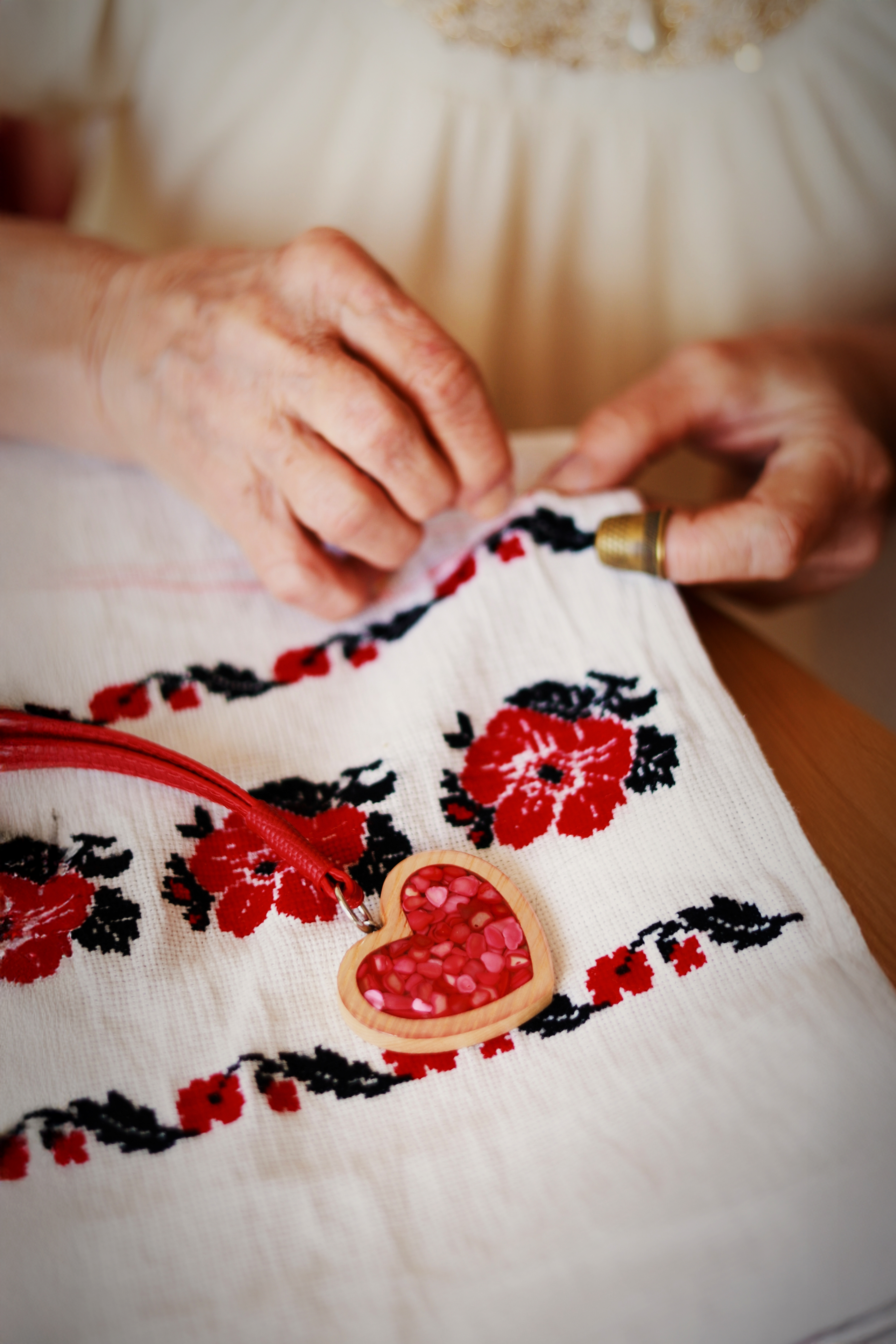
The project began with a specific observation: Ukrainian craft - particularly leather and textile work - carried real depth in technique and tradition, but lacked a contemporary voice capable of carrying it into international design conversation. BLACKWOOD was founded to close that gap - not as an export exercise, but as a cultural act.
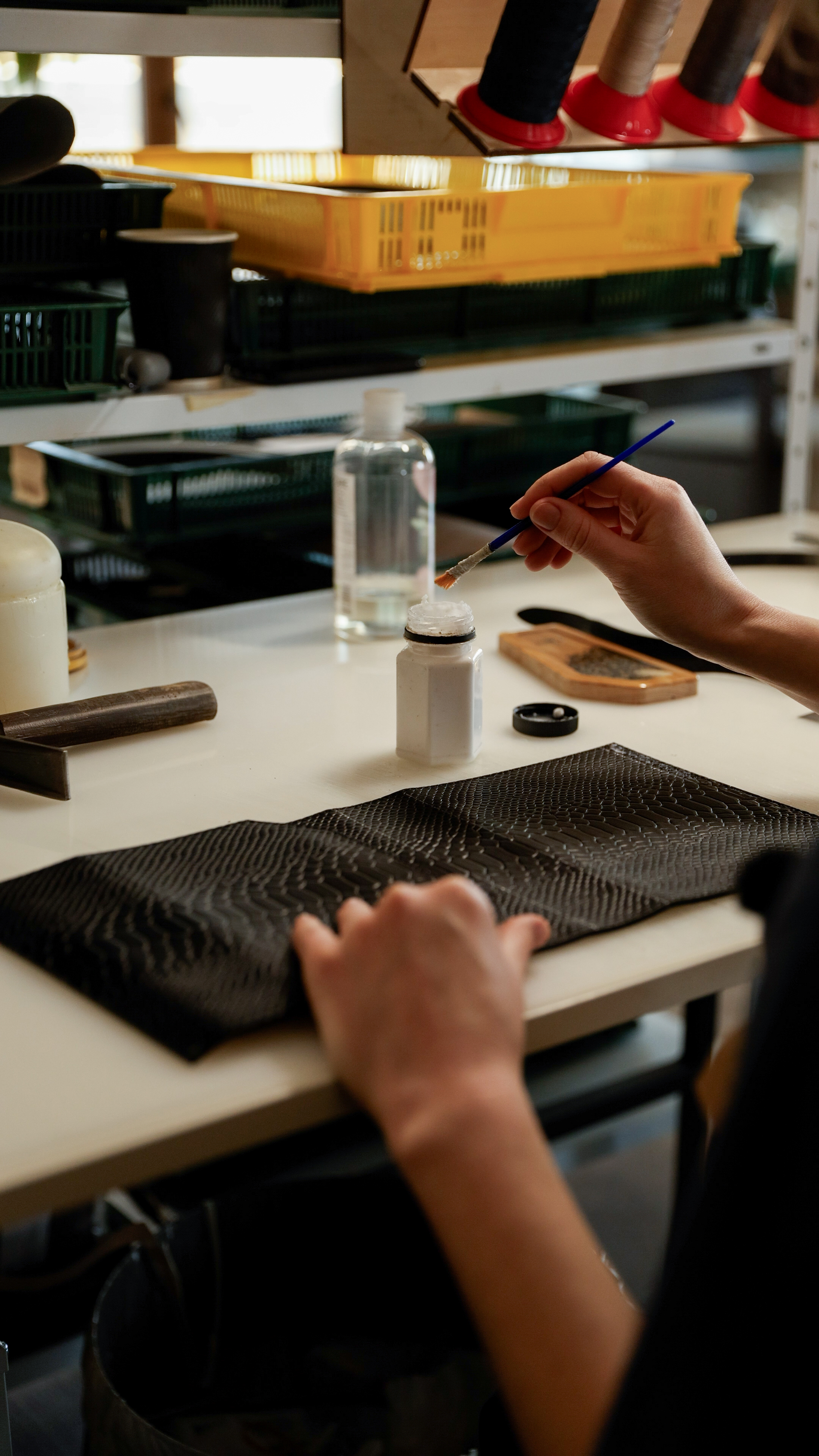
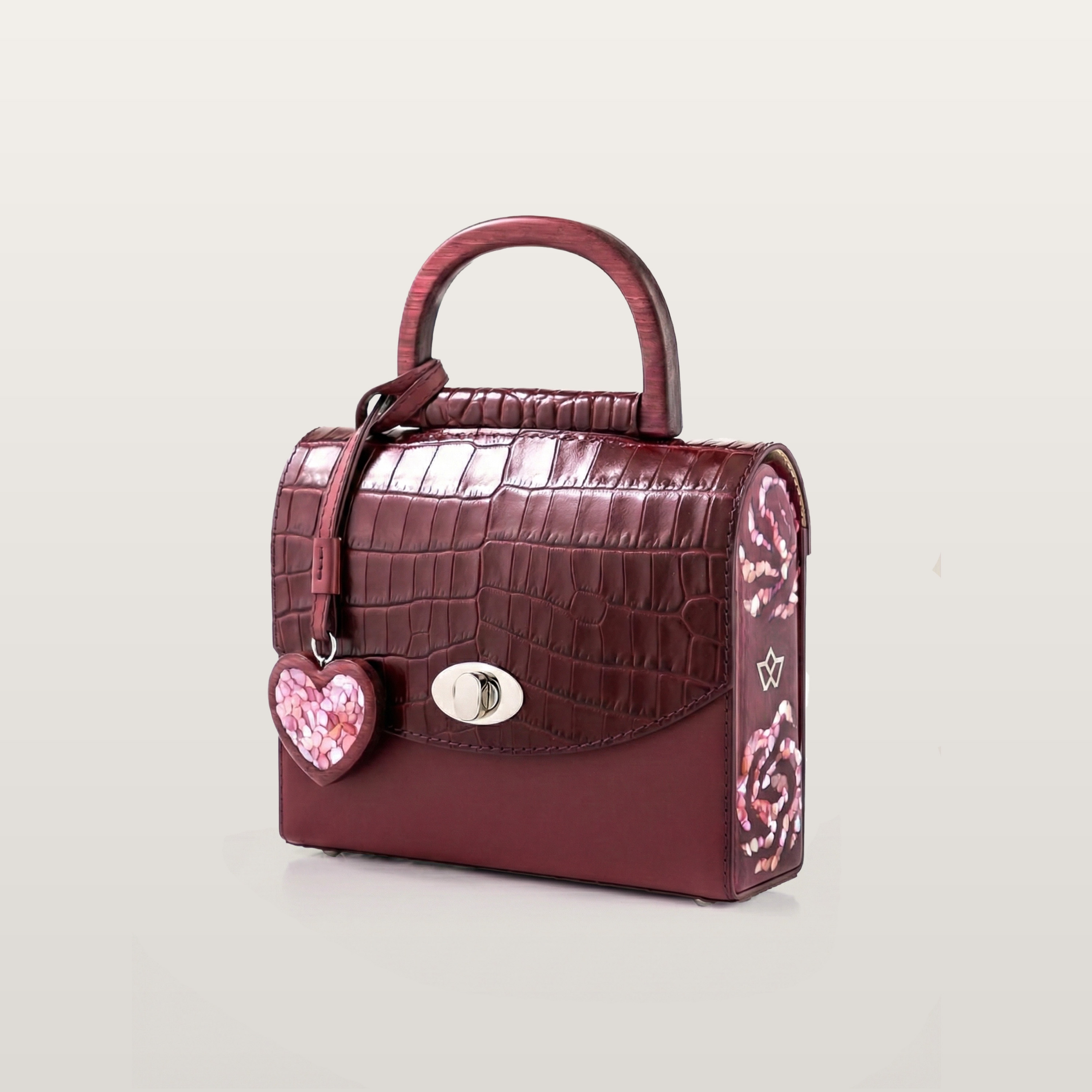
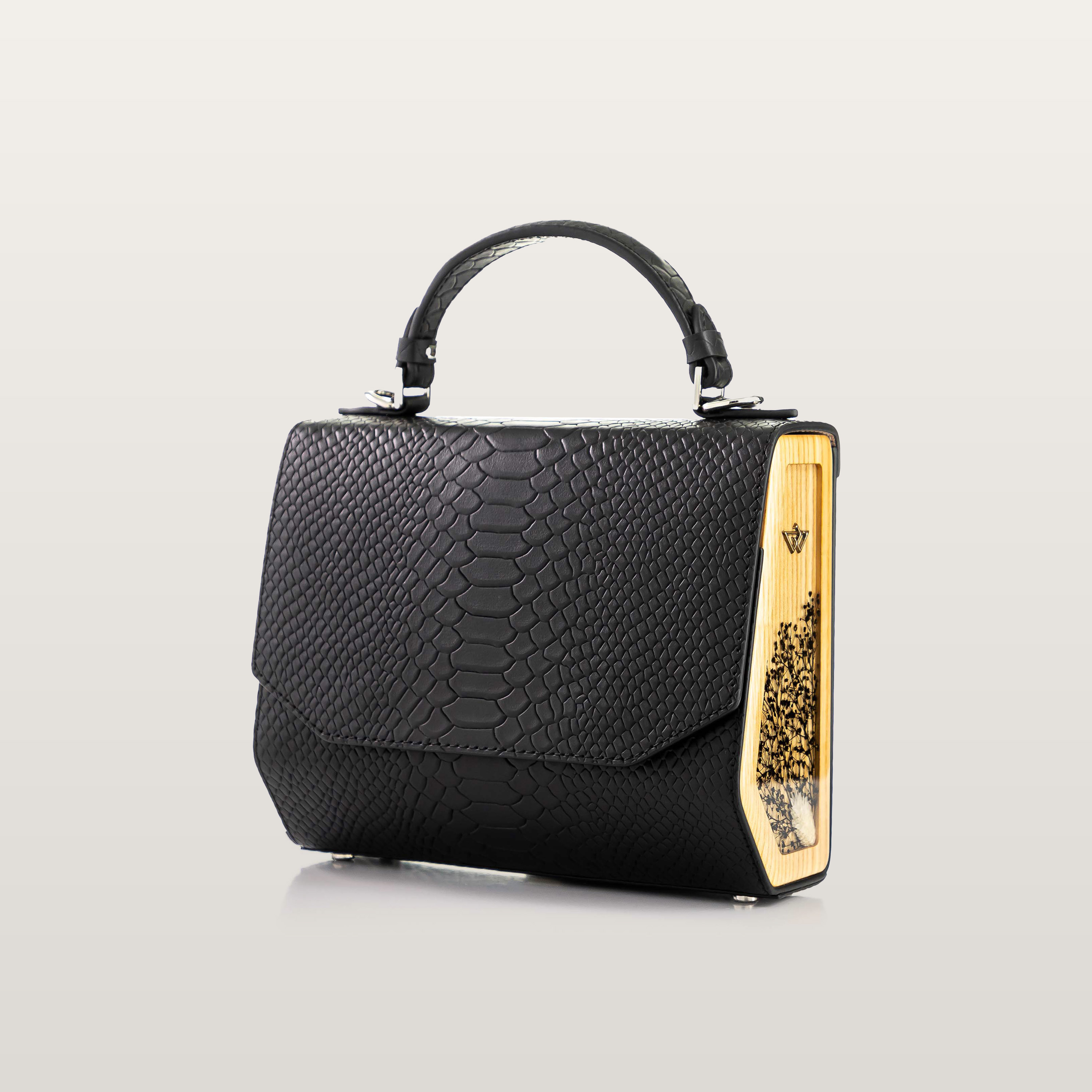
Phase 1 - Product development. Collections were developed in direct collaboration with Ukrainian artisans, iterating on form, construction, and material through consecutive seasons. Each collection - Aurora, Enigma, Fjord, Gloria - was developed as a named character, not a product line. The maker's expertise shaped what was possible; the designer's intent determined what endured.
Phase 2 - Infrastructure. Digital operations were built on Shopify (two storefronts), KeyCRM for customer relationship management, Finmap for financial tracking, Omnisend for email marketing, and Make for custom automation - including manager response-time monitoring across channels.
Phase 3 - International expansion. The UAE market entry required multi-partner coordination: ProCargo for logistics, Cubeship for warehouse management, COD King for payment infrastructure, and Certificates of Origin for customs compliance. The approach was a deliberate soft launch — operational readiness before campaign investment.
Throughout all phases, decision-making remained close to production. The same person shaping brand strategy maintained daily contact with artisans, logistics, and customer feedback. This proximity kept the product honest and development grounded in real constraints, not projections.
Ukrainian craft heritage
Cultural resilience
Artisan employment
Heritage-led innovation
Transdisciplinary design
BLACKWOOD's sustainability logic operates on three mutually reinforcing levels - material, economic, and cultural - and the three are inseparable in practice.
Materially, the brand takes an explicit position against short-cycle production. Each piece is handcrafted from full-grain leather processed for durability and natural patina development. An object designed to accompany its owner for a decade carries a fraction of the environmental cost of ten disposable alternatives. Longevity is built into construction method, not stated as a claim.
Economically, the brand sustains a chain of skilled employment within Ukraine during wartime - a period when disruption directly threatens craft professions that require years of training to develop and are difficult to reconstruct once lost. This is structural sustainability: the brand cannot operate without the artisans, and their employment persists because the brand continues to grow internationally.
Culturally, BLACKWOOD treats Ukrainian craft knowledge as a living resource. Collections draw on material and aesthetic traditions native to Ukraine, reframed for international audiences without diluting origin. Cultural transmission - the passing of technique, form, and making knowledge across time - is itself a form of sustainability.
What makes this approach exemplary is integration: sustainability here is not a programme or a reporting category. It is embedded in the founding logic. Longevity of object, continuity of employment, and cultural transmission are the same decision - made once, structurally, and held across every subsequent choice. That coherence is rare and replicable.
BLACKWOOD was founded on a single conviction: that objects made with genuine attention to form, material, and meaning make daily life measurably better - for the person who carries them, and for the culture that produces them.
Aesthetic objectives. The brand set out to demonstrate that Ukrainian design could operate at the level of international premium aesthetics - not as an imitation of European or Asian references, but in its own register. Restraint, material honesty, and named character were the design principles from the beginning.
Implementation. Collections - Aurora, Enigma, Fjord, Gloria - are developed through iterative dialogue between designer and artisan, with full-grain leather as the primary medium. Form decisions prioritise what endures over what reads well in photographs. Hardware is chosen for behaviour, not appearance. The editorial voice system was developed with the same rigour as physical product: every word in a product description is held to the same standard as every stitch.
Quality of experience. The objects are designed to develop with use - leather that deepens in colour and grain, hardware that acquires patina. This tactile and visual evolution is not incidental; it is designed. The object at two years old is more beautiful than at purchase.
Cultural contribution. For Ukrainian customers, choosing BLACKWOOD is a cultural statement: a confirmation that their own craft tradition has contemporary value. For international customers, it is an introduction to a design intelligence they may not previously have encountered. Both experiences contribute to cultural exchange - and to the sense that beauty is not geographically concentrated.
BLACKWOOD's approach to inclusion is structural across three dimensions: economic, cultural, and geographic.
Economic inclusion. The brand creates and sustains employment for Ukrainian artisans under active wartime conditions. This is not a programme - it is the operational model. Without the artisans, there is no BLACKWOOD. Their continued employment is built into the brand's viability, not bolted onto it.
Cultural inclusion. BLACKWOOD places Ukrainian craft into international design discourse as a peer - not as heritage curiosity or solidarity object. Collections enter premium markets on the strength of design quality alone. This framing is an act of cultural inclusion: asserting that Ukrainian material culture belongs at the international table, with the same standing as Italian leather goods or Japanese textile tradition. For Ukrainian and diaspora communities specifically, this representation carries concrete meaning.
Geographic inclusion. The brand's multi-market architecture - Ukraine, EU, UAE, USA - means it does not position Ukrainian craft as a local or regional product. International availability extends access to the work of Ukrainian artisans to buyers who have no geographic proximity to Ukraine. The UAE market entry was structured to reduce purchase barriers for new audiences: Cash-on-Delivery infrastructure removed the trust requirement that card-only models impose on unfamiliar brands.
Governance. A flat, founder-led structure keeps decision-makers in direct contact with production and customers. There is no separate function responsible for "inclusion." The question of who benefits - artisan, customer, community - is present at every operational decision.
Who was involved. Ukrainian artisans and production partners; the BLACKWOOD customer community across Instagram, email, and direct purchase interaction; operational partners in new markets (ProCargo, Cubeship in UAE); and team members evaluated through participatory hiring processes.
At which stages. Artisans were involved from product inception - the making process shapes what is designed. Customers were engaged throughout: feedback on material, sizing, carrying behaviour, and colour directly influenced collection development and the expansion into eyewear and smaller accessories. Operational partners shaped the UAE launch sequence through their local knowledge.
How they participated. Artisan input: iterative production sessions, problem-solving on construction challenges, material testing across seasons. Customer input: direct messaging, behaviour observation, response to campaigns and new releases. New-market partners: consultation on fulfillment logic, payment infrastructure, and regulatory compliance.
Level of influence. Substantive. The decision to develop eyewear followed customer-expressed demand. The UAE COD implementation responded directly to partner intelligence about buyer behaviour in the Gulf. The hiring methodology - test assignments assessing real working process over credentials - means candidates actively shaped the definition of the roles they were applying for.
Impact on quality. Each participatory layer removed a category of assumption from the project. Products were not designed in isolation and validated later. They were developed in dialogue - with makers, buyers, and partners - and the gap between intent and outcome shrank accordingly.
Local level - Ukraine. Artisan workshops and material suppliers form the production foundation. These relationships sustain a micro-economy of skilled craft employment and represent the brand's most immediate social contribution. Daily operational contact with this level ensures that strategic decisions remain grounded in production reality.
National level - Ukraine. BLACKWOOD operates as a registered individual entrepreneur within the Ukrainian regulatory and fiscal framework - maintaining compliance through a period of significant systemic disruption.
European level. The international Shopify storefront actively serves EU markets, positioning BLACKWOOD within the European premium design segment. The NEB application reflects the brand's deliberate orientation toward EU cultural and design frameworks as a reference and a market. Ukraine's EU candidacy creates a meaningful alignment between the brand's geographic base and its European aspirations.
International level. The UAE entry required institutional coordination across logistics (ProCargo/Quick Trading FZE), warehousing (Cubeship), customs classification (Certificates of Origin, HS codes 4202.21), and payment infrastructure (COD King). Each institution operated within its own regulatory and commercial framework; coherent coordination across them was a project management challenge in itself.
Added value of multilevel engagement. Resilience through distribution. No single market determines viability. For a brand operating under wartime conditions, multi-level architecture is a continuity strategy - and the logic transfers to any cultural enterprise operating in a volatile environment.
BLACKWOOD operates at the intersection of five disciplines, and this intersection is constitutive - not incidental to the project.
Leather craft and product design form the creative core. These interact continuously: the designer's intent must be achievable by the maker's hand, and the maker's expertise expands what the designer can propose. Collections develop through iterative dialogue between these poles, across every season.
Digital technology enters as a third discipline - not support infrastructure, but a shaping force. CRM architecture (KeyCRM), e-commerce (Shopify), marketing automation (Omnisend), financial management (Finmap), and custom automation (Make) determine how the brand understands its customers, manages inventory, and responds in real time. Technical decisions affect the customer experience as directly as design decisions.
Brand communication and cultural analysis form a fourth discipline. Tone-of-voice documentation, campaign development, and editorial copy were built with rigour - drawing on references from Brunello Cucinelli's philosophical brand register to Ukrainian literary tradition. The language of the brand is itself a designed object, held to the same standard as the physical products.
Cross-border trade and logistics constitute a fifth discipline. UAE customs classification, Certificates of Origin, warehousing protocols, and payment infrastructure are neither design nor digital - but each shapes the customer's experience as concretely as any material choice.
Within a small team, these disciplines overlap daily. No single field dominates. Decisions are made with simultaneous awareness across all five registers. That integration - not any individual expertise - is the project's structural advantage.
BLACKWOOD operates a direct-to-consumer model generating revenue through two Shopify storefronts - Ukrainian and international - with fulfilment infrastructure active in Ukraine and the UAE.
Financing. The project has been founder-funded through its development phases. An investor round is currently in process, with a documented pitch case and a defined multi-year revenue trajectory across active markets.
Current revenues. Generated through product sales across Ukraine, EU, UAE, and USA markets. The UAE channel launched with COD infrastructure designed to maximise first-purchase conversion in a new geography where brand recognition is being established.
Cost structure. Production (artisan labour and materials), digital infrastructure, logistics and fulfilment, and marketing. The team structure is lean and founder-proximate, keeping fixed costs low relative to operational capacity.
Future revenue potential. Scalability lies in digital-first distribution: no retail rent, low fixed overhead, and fulfilment infrastructure capable of absorbing volume growth without proportional cost increase. Eyewear and smaller accessories represent incremental revenue streams within the existing customer base.
Innovation in the cultural economy. BLACKWOOD demonstrates that a craft atelier rooted in a city under wartime conditions can build internationally competitive brand infrastructure, sustain skilled employment, and enter premium markets across three continents. The model shows what cultural enterprise looks like when operational rigour is treated as a creative act - and that lesson is transferable to any city or community trying to sustain cultural production in difficult conditions.
BLACKWOOD's model contains multiple transferable elements applicable to craft enterprises, cultural institutions, and creative-economy organisations operating in challenging or under-resourced environments.
The digital infrastructure architecture is the most immediately replicable element. The integration of Shopify, KeyCRM, Omnisend, Finmap, and Make creates a lean, operational backbone for any small premium brand. The configuration logic - how tools connect, what data flows between them, and how automation reduces manual management load - is documented and reproducible without specialist technical knowledge.
The international market entry methodology follows a transferable sequence: fulfillment partner identification → warehouse establishment → payment method adaptation to local buyer behaviour → regulatory compliance → measured soft launch before marketing investment. This sequence applies to any brand or cultural producer entering an unfamiliar geography.
The brand voice system - documented with registers, structural templates, prohibited patterns, and cultural references - is a model for any artisan or cultural brand seeking to communicate at a premium level without defaulting to generic marketing language. It was built as a system, not a style guide: it can be taught, tested, and consistently applied across teams.
The hiring methodology - test assignments that assess real working process over credentials, with AI-tool usage as a primary filter - is directly adoptable by any values-driven organisation building a small, capable team.
Replication requires: founding commitment to brand thinking alongside operational work; basic digital literacy; and at least one reliable fulfilment partner in the target geography. Cultural content - Ukrainian craft identity - is not transferable. The methodology for developing and communicating that identity is.