Strengthening Local Democracy and Inclusion
Glass for Good: Community Solidarity
Using Grassroots Recycling and Charity Work to Build a Community Powerhouse
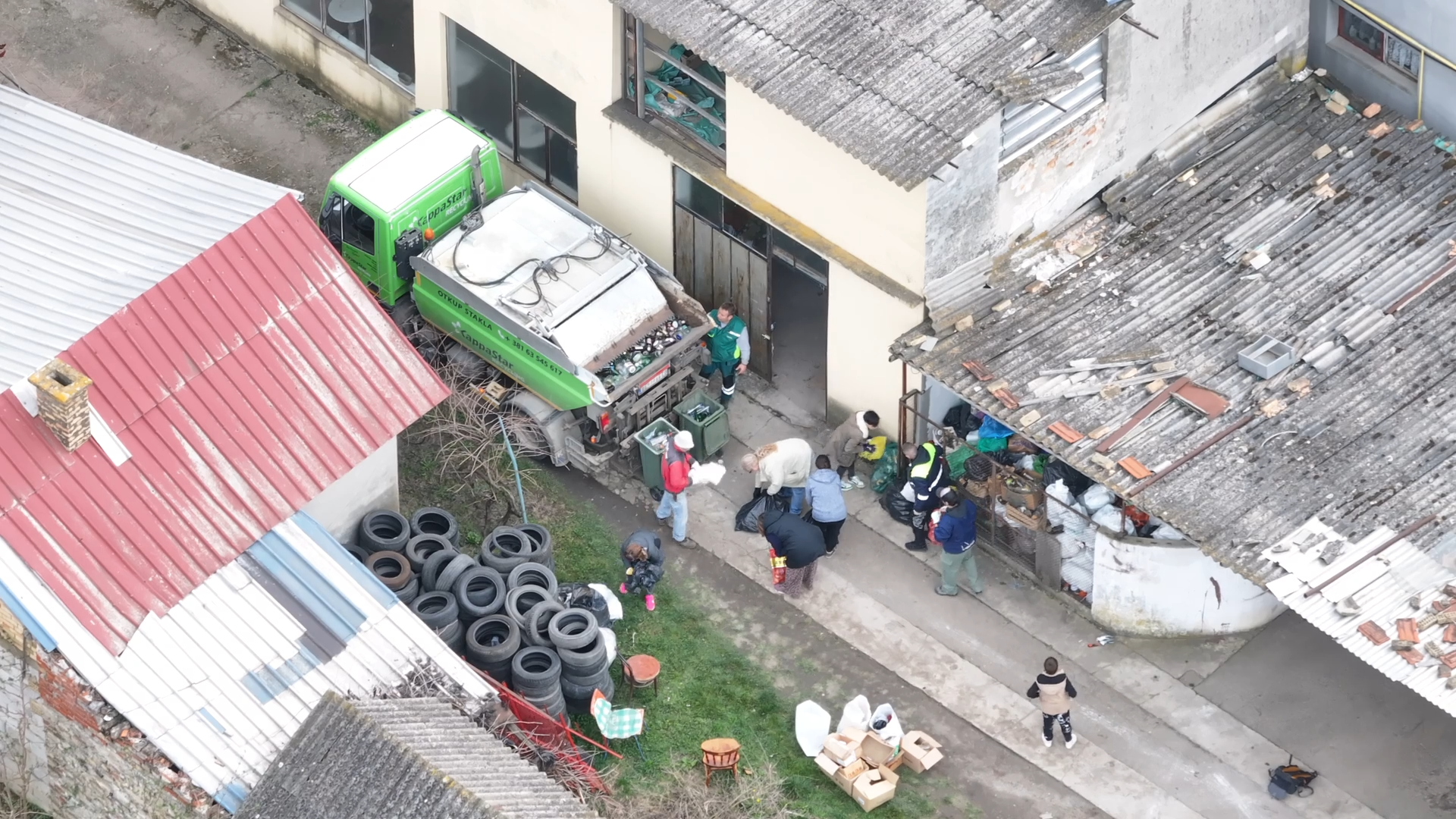
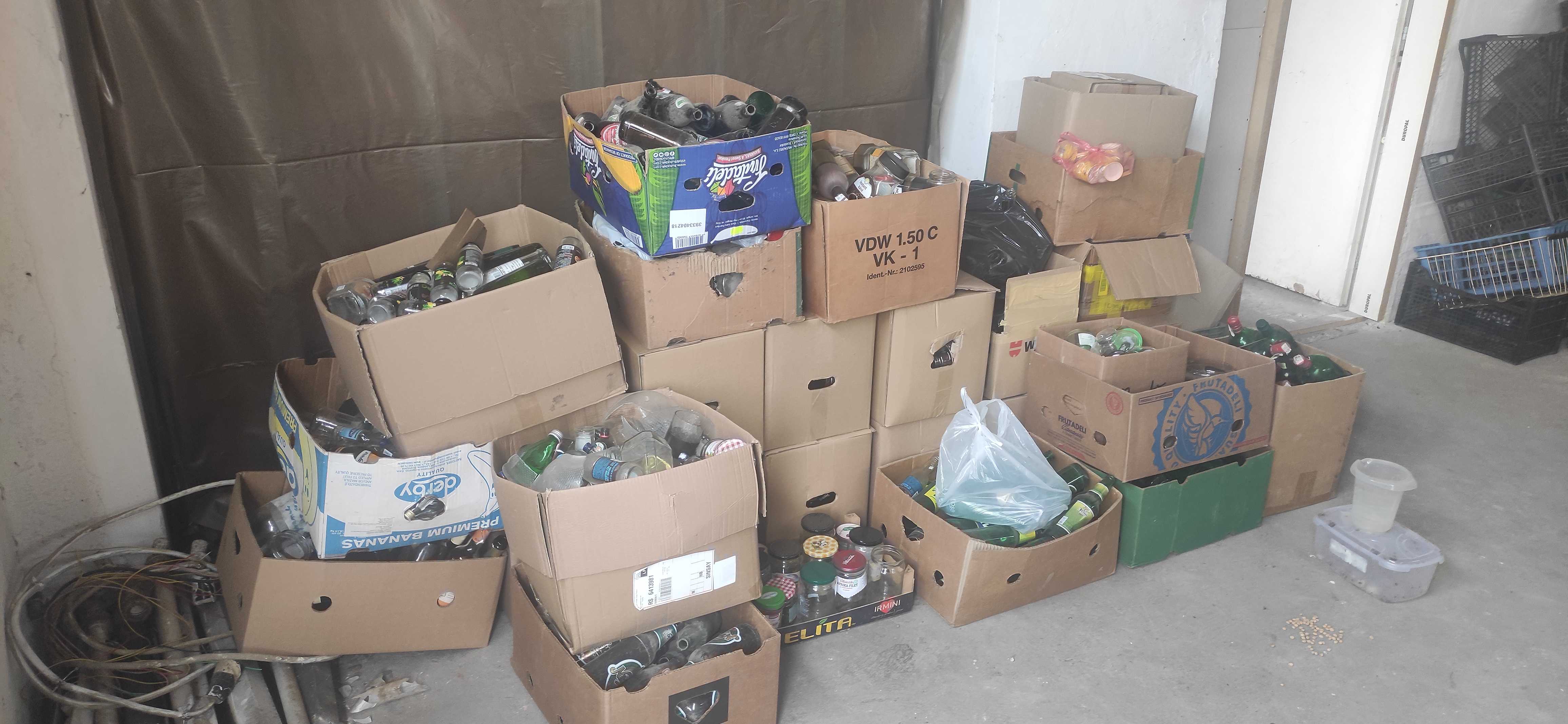
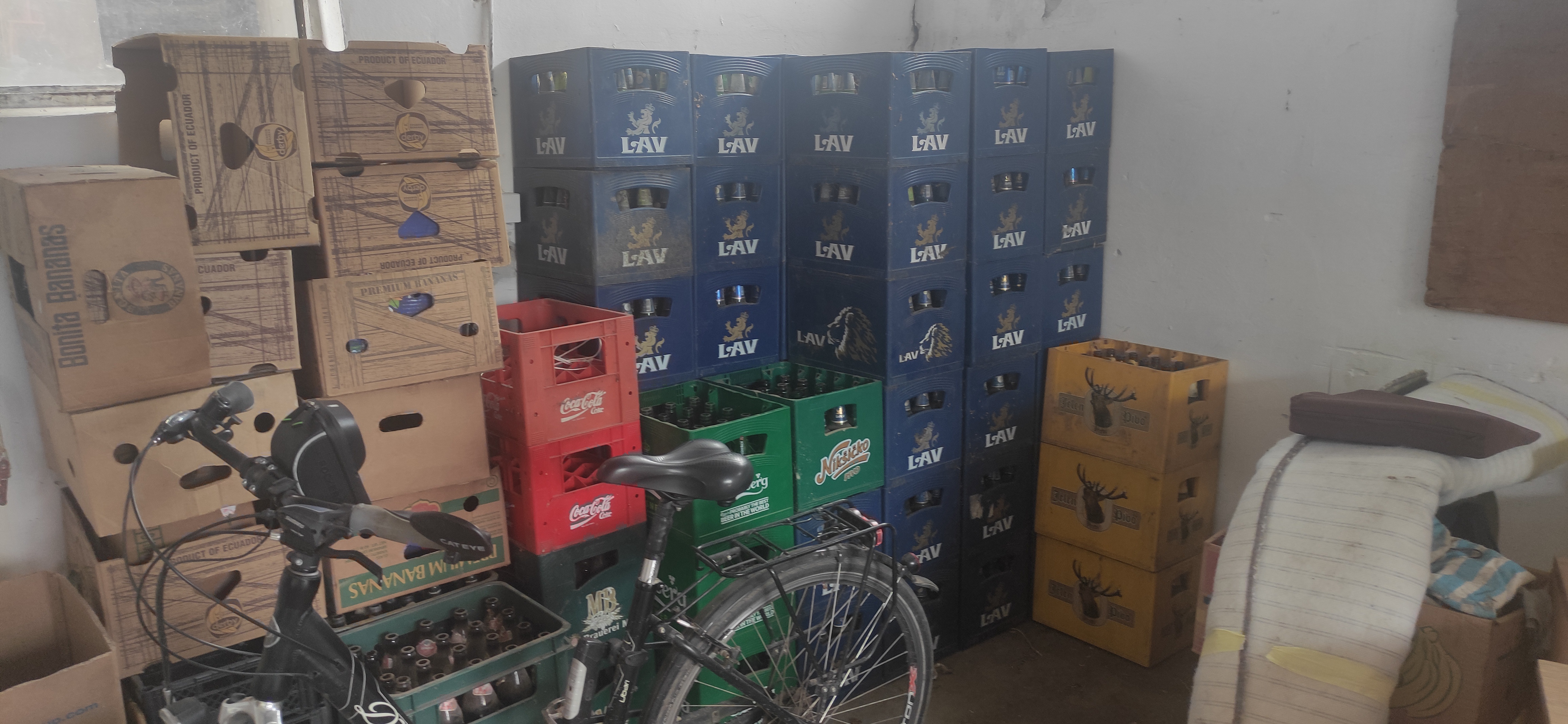
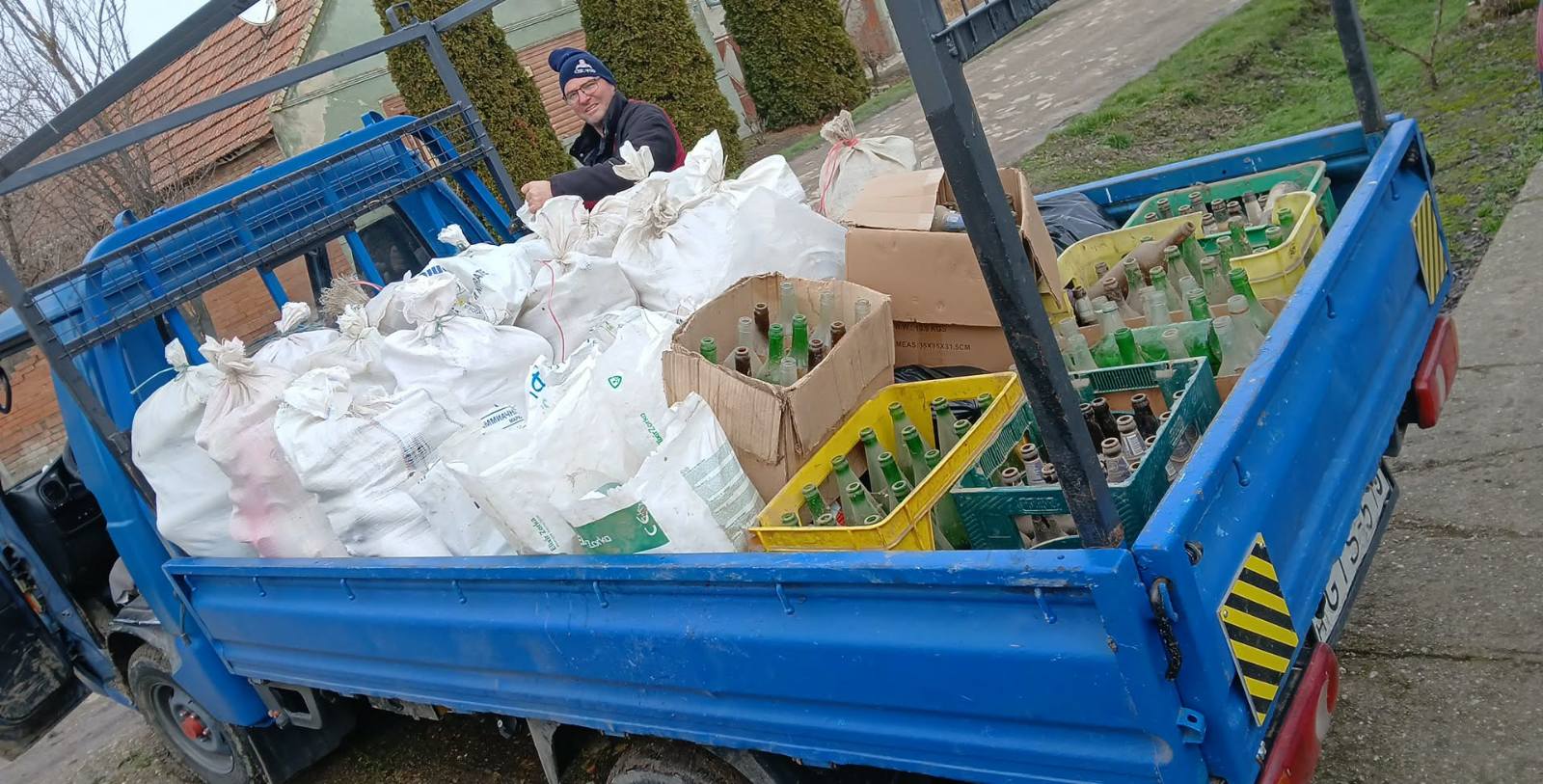
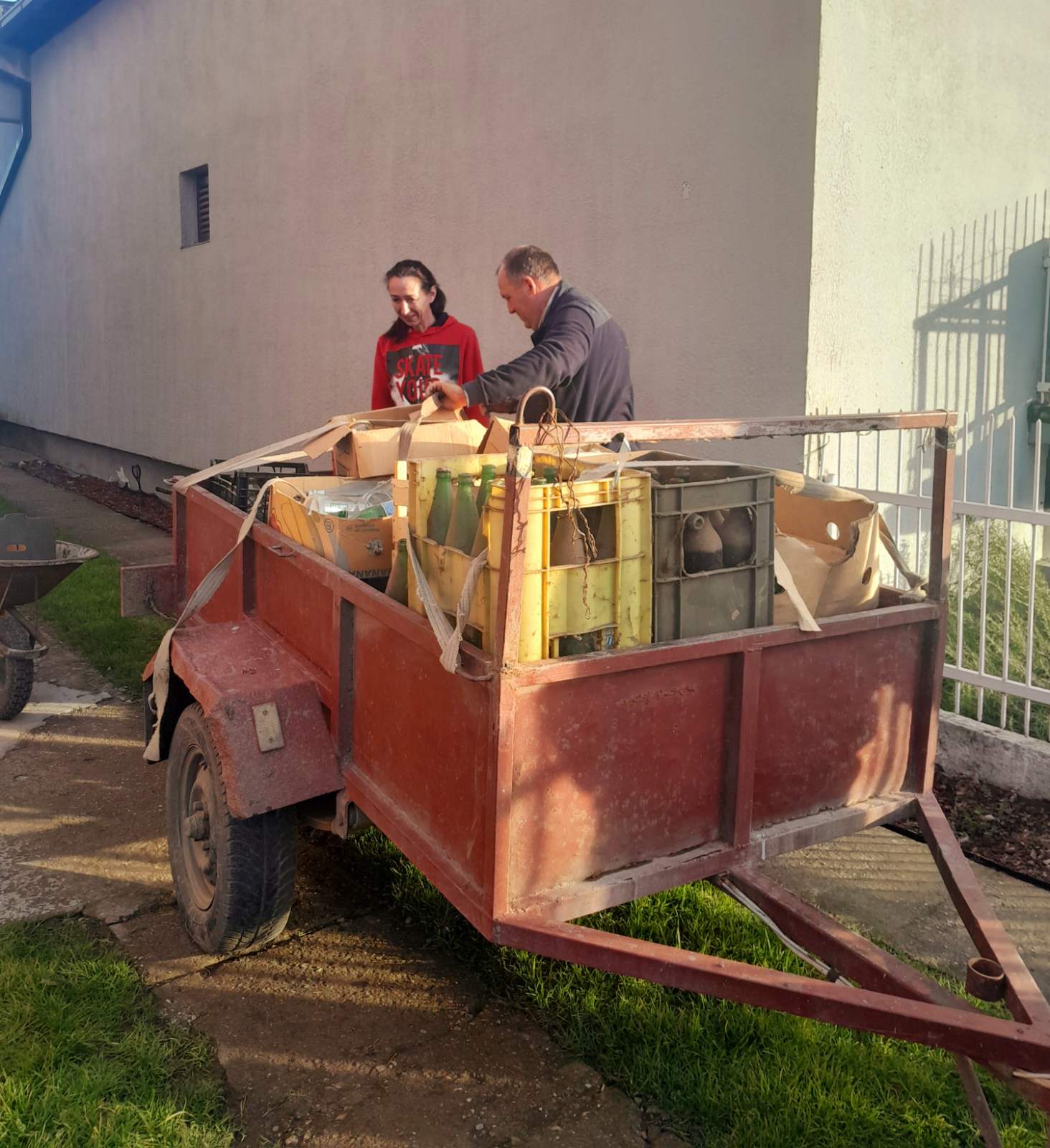
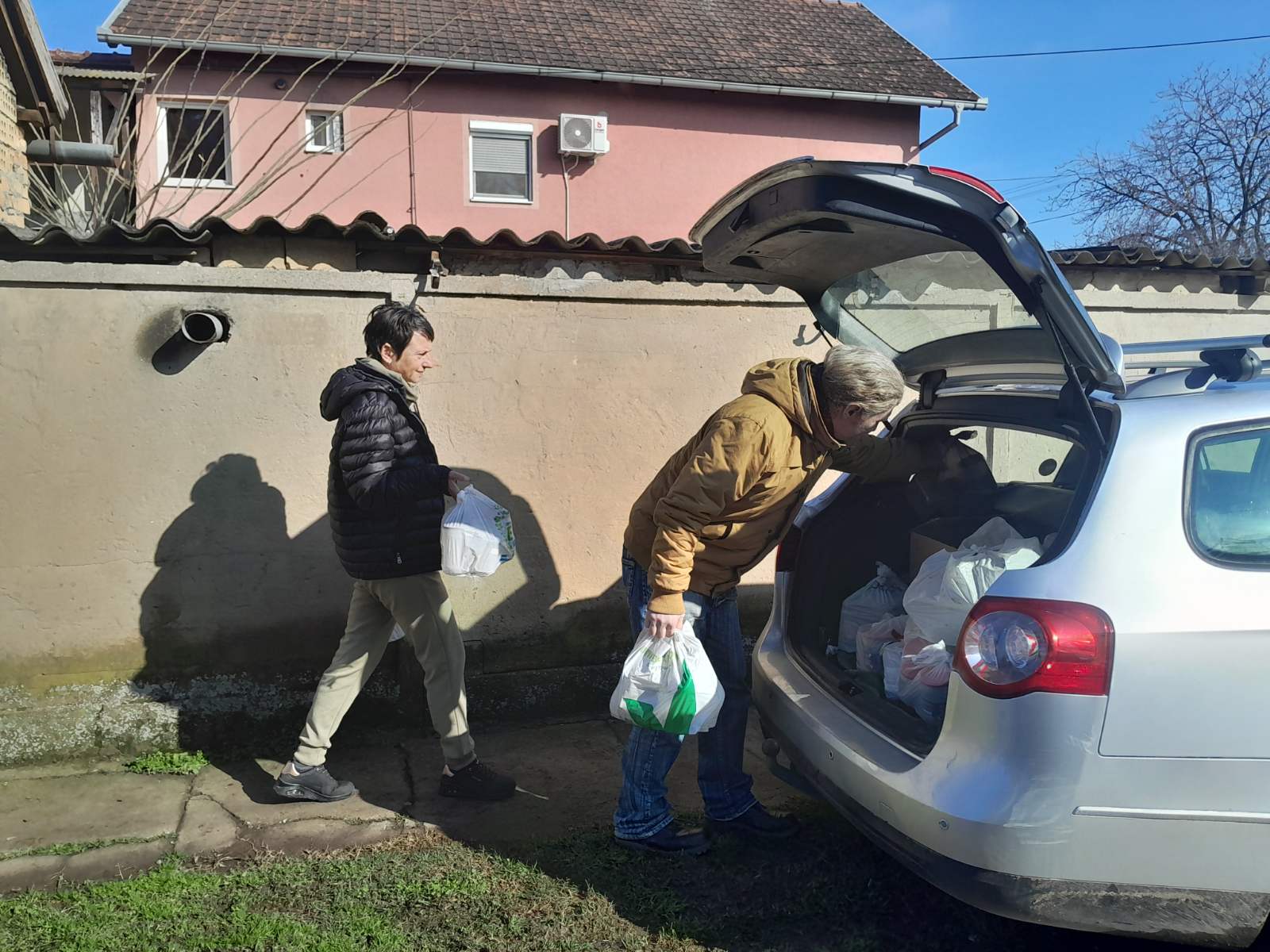
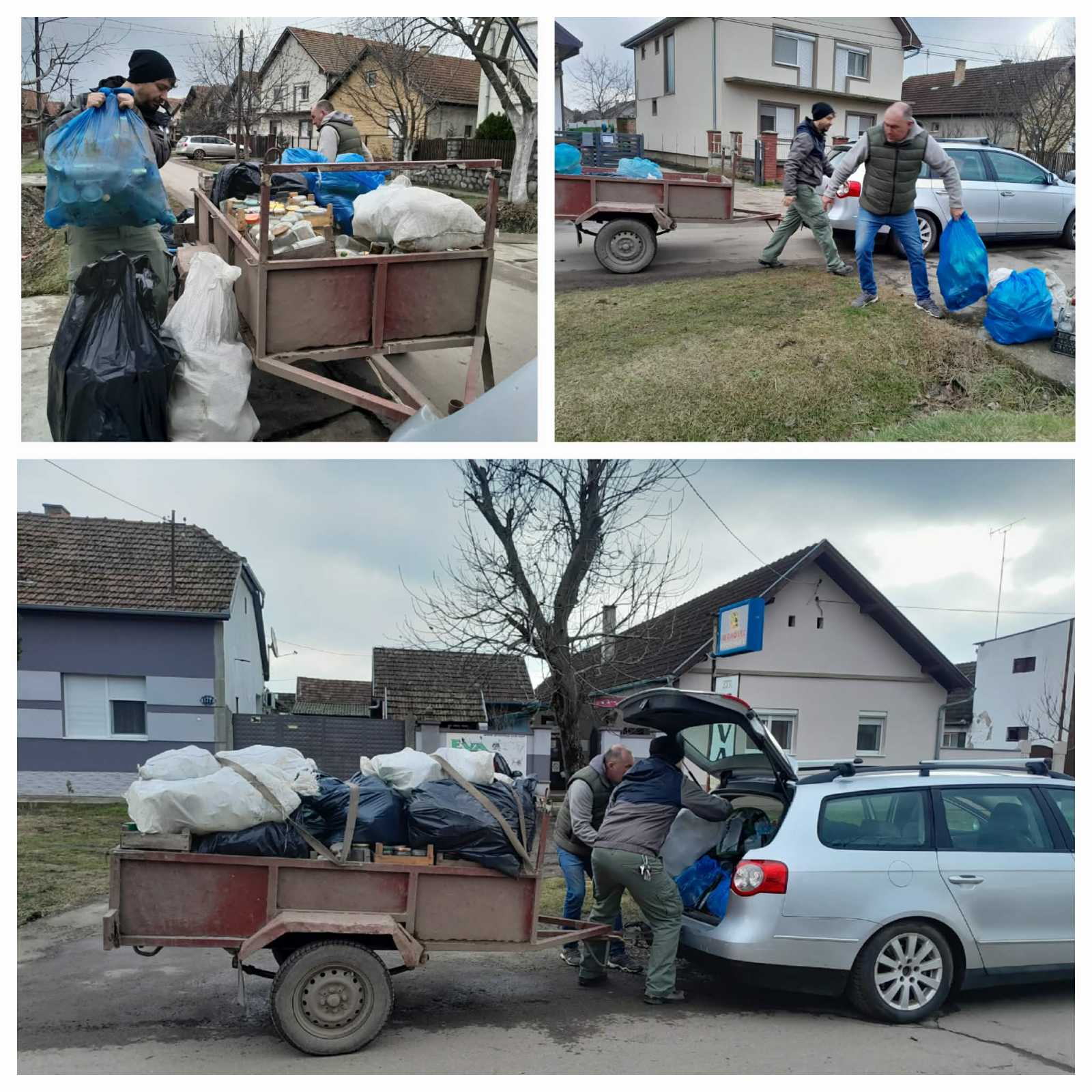
In Temerin, Serbia, "waste" is untapped potential. We’ve turned glass recycling into a community powerhouse! 100% of proceeds fund medical treatments for local children. Don’t have money to donate? Donate glass, everyone can be a philanthropist. Can’t drop it off? We’ll pick it up. Just neighbors helping neighbors. We lead through direct democracy. With 13 tons collected so far and this concept spreading nationwide, we’re proving that sustainability through solidarity is possible.
Serbia
Local
Temerin
Mainly rural
It involves other types of transformations (soft investment)
Yes
2026-02-19
No
No
No
Organisation
In Temerin, we see the community's response to local challenges as a powerful, endlessly renewable resource, much like glass itself. Our project proves that even where formal recycling infrastructure is non-existent, the collective will of a community can bridge the gap. We’ve turned the simple act of glass collection into a social ritual that builds a resilient, compassionate "powerhouse."
What makes us a powerhouse?
- Complete Transparency: 100% of proceeds fund medical treatments for local children. We turn discarded glass into hopeful donations.
- Deeply Inclusive: We provide 24/7 accessible collection points for the public and volunteer-led doorstep pickups for our senior neighbors or those with limited mobility. We’ve democratized charity, giving everyone a way to help, even if they can't afford a traditional donation.
- Horizontal Power: Operating through the "Zbor" model, we have no top-down hierarchy, only equal voices. We are neighbors solving local problems through direct democracy.
With 13 tons already collected in just 2 months and a growing network of local cafes, pubs and restaurants, we are proving that sustainability and solidarity are two sides of the same coin. It can revitalize, dignify and enrich the life of the neighborhood and beyond.
Zbor Temerin was founded on April 6, 2025, in the wake of widespread student protests in Serbia against state corruption. Inspired by these movements, citizens organized into open assemblies called “Zborovi”, grounded in direct democracy, where every voice carries equal weight. Through this model, we addressed pressing local and state issues, from corruption, unsafe drinking water to social support, while building trust within the community.
Listening closely to residents revealed interconnected challenges: unmanaged glass waste in public spaces and landfills, and insufficient funding for medical treatment of children. Initial humanitarian events provided temporary relief, but also sparked a broader vision.
Our project emerged in January as a response to these overlapping needs, transforming glass recycling into a participatory, community-driven system that generates funds for charity. By linking environmental action with social solidarity, we created a platform that empowers citizens to contribute, strengthens local engagement, and reinforces democratic decision-making.
Direct Democracy
Social Solidarity
Inclusive Philanthropy
Grassroots Circularity
Community Resilience
In many Serbian municipalities, including Temerin, there is no organized glass recycling infrastructure. While glass has infinite circular potential, the current lack of collection systems results in significant volumes of glass waste ending up in landfills or scattered in public spaces.
Our initiative addresses this gap through a network of direct collection, public clean-ups, and accessible drop-off points. By creating these glass collection streams, we are:
- Minimizing landfill pressure and energy consumption
- Preventing soil contamination and physical hazards
- Promoting transition from a linear "take-make-waste" model to a closed-loop system
- Demonstrating a scalable model for small municipalities to achieve sustainability goals through grassroots action.
Glass is one of the few materials capable of 100% regeneration without loss of quality. By recovering it, we actively promote life-cycle thinking and reduce the carbon footprint associated with virgin glass production. Our approach proves that even in "zero-recycling" zones, community-driven logistics can create a circular and regenerative model. This is already demonstrated through the collection of 13 tons of glass in just two months.
Our project redefines the "aesthetic" of recycling by shifting the focus from a purely functional waste management process to a deeply meaningful community experience. The value for participants is not found solely in the act of glass recovery, but in the profound emotional satisfaction of contributing to a higher cause. By directing all proceeds toward medical treatments for local children, we transform a mundane chore into an act of collective care and beauty.
In a challenging economic climate where many citizens lack the financial means for traditional charitable giving, our project provides an alternative pathway for contribution. This "philanthropy of materials" allows every resident - regardless of their economic status - to experience the dignity and joy of supporting a vital cause. This inclusive approach fosters a unique social aesthetic: the sight of neighbors contributing what they have to ensure the well-being of the community’s most vulnerable members.
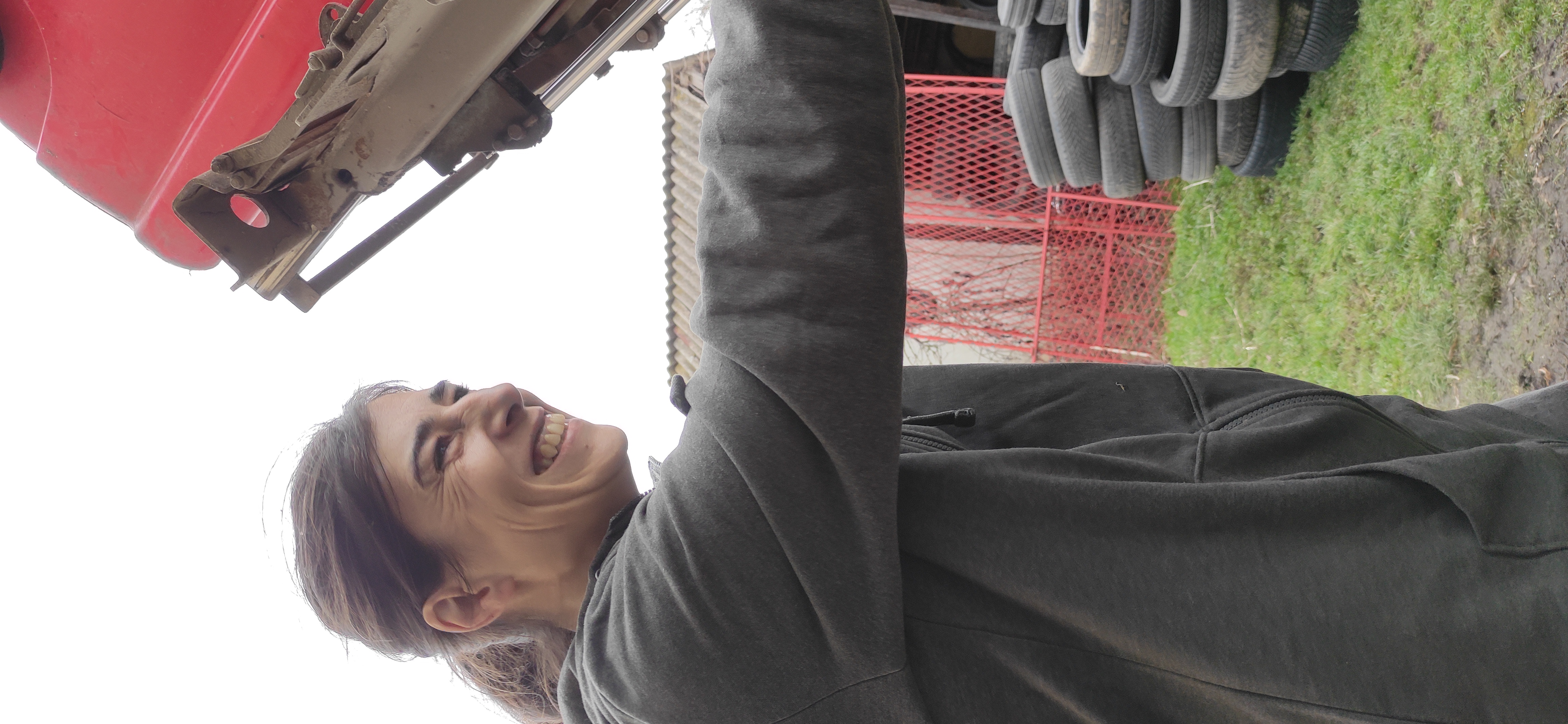
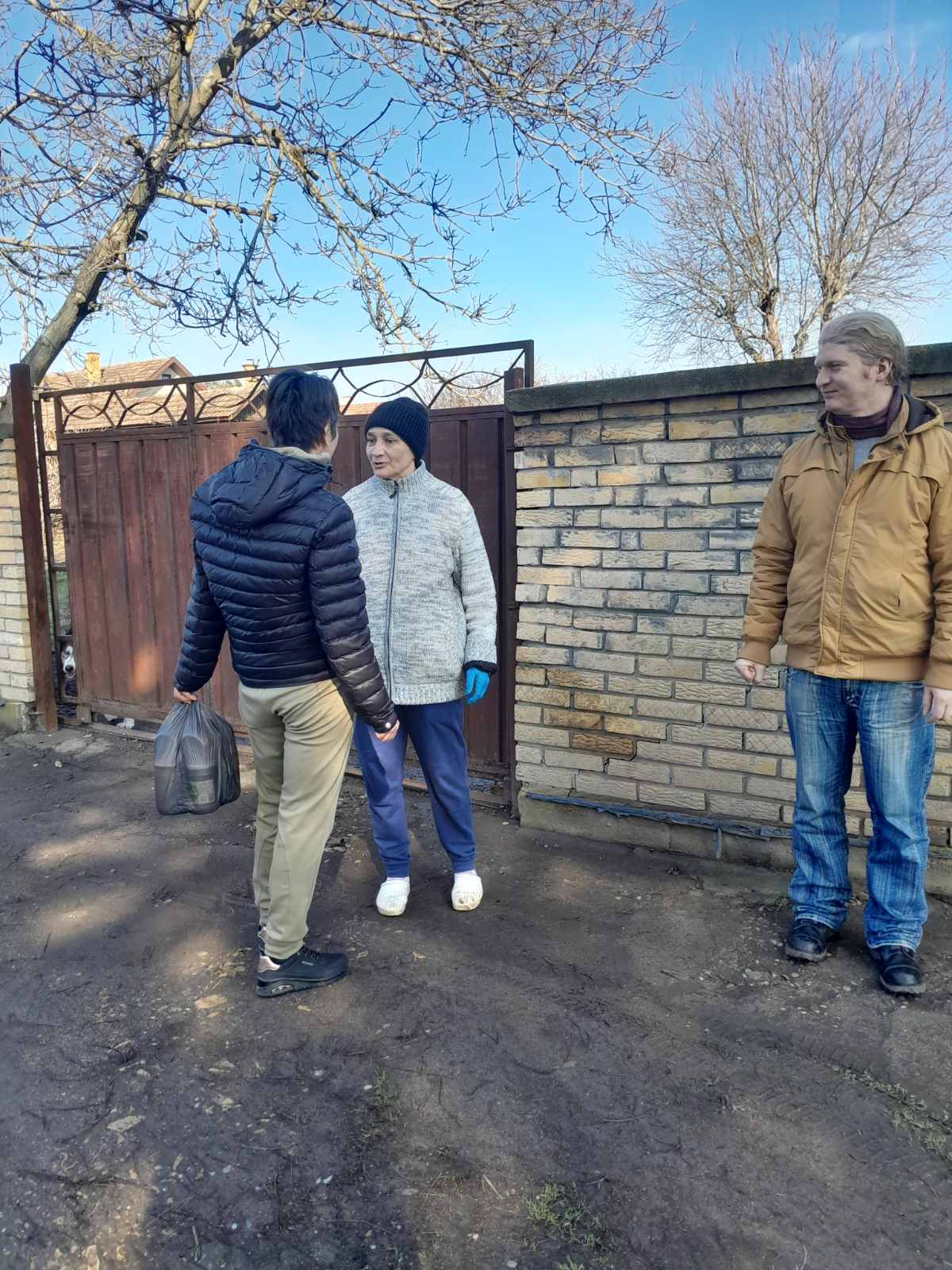
The interactions facilitated by this project are characterized by mutual gratitude. Our volunteers are not merely collectors; they are ambassadors of empathy who are greeted with smiles and appreciation. This positive feedback loop creates a "soft infrastructure" of kindness across Temerin, turning every collection point into a space for meaningful human contact.
The "aesthetic" of our project is ultimately found in the sense of belonging it cultivates. By intertwining ecological awareness with deep-seated empathy, we are building a cultural narrative where sustainability is inseparable from social solidarity. This meaningful experience elevates the perception of recycling from a civic duty to a shared ritual of hope and community regeneration.
Our environmental efforts are directly linked to social welfare. 100% of the proceeds generated from glass collection are donated to a local charity, focused on funding medical treatments for children. This allows every resident, regardless of their financial status, to experience the dignity of being a donor and a protector of the community’s most vulnerable.
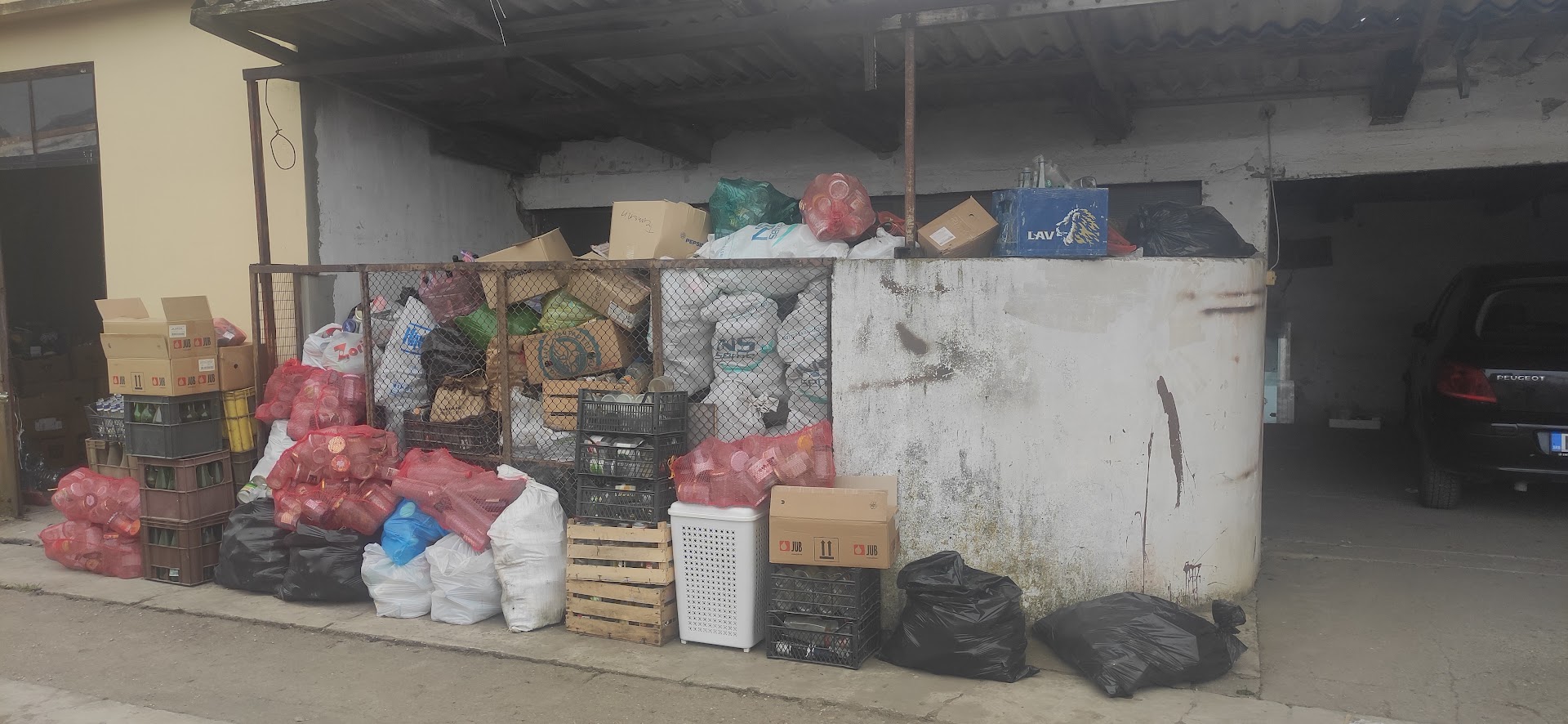
To encourage as many people as possible to participate, we established a centrally located, 24/7 accessible collection container. Community members can coordinate collections or seek information via telephone and social media platforms, ensuring both digital and non-digital participants stay connected.
Temerin is a multicultural hub with a significant Hungarian-speaking population. To respect and engage this diversity, all project communications - including printed materials, signage, and digital content - are fully bilingual (Serbian and Hungarian), removing linguistic barriers to participation.
Recognizing our elderly demographic, we have implemented a volunteer-led home collection service. This supports senior citizens and individuals facing spatial isolation or limited mobility, ensuring they remain active participants in our circular economy and community. To date, we have successfully serviced over 100 unique locations across the municipality.
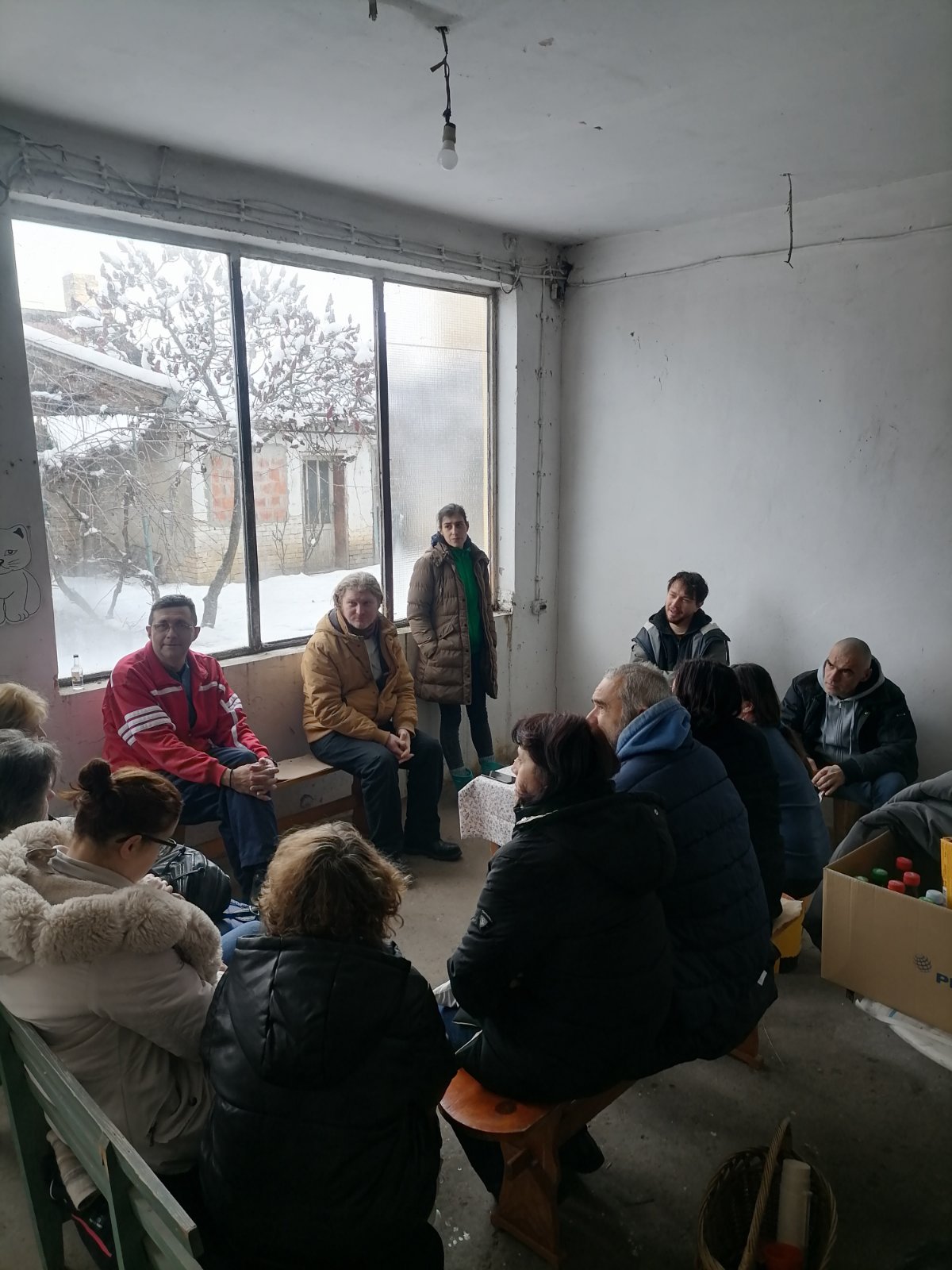
Our organization operates on a model of inclusive participation. Collection events also serve as social “touchpoints,” where neighbors come together to identify local challenges and co-create solutions. Every community member is invited to contribute to decision-making, making our projects truly reflective of local needs.
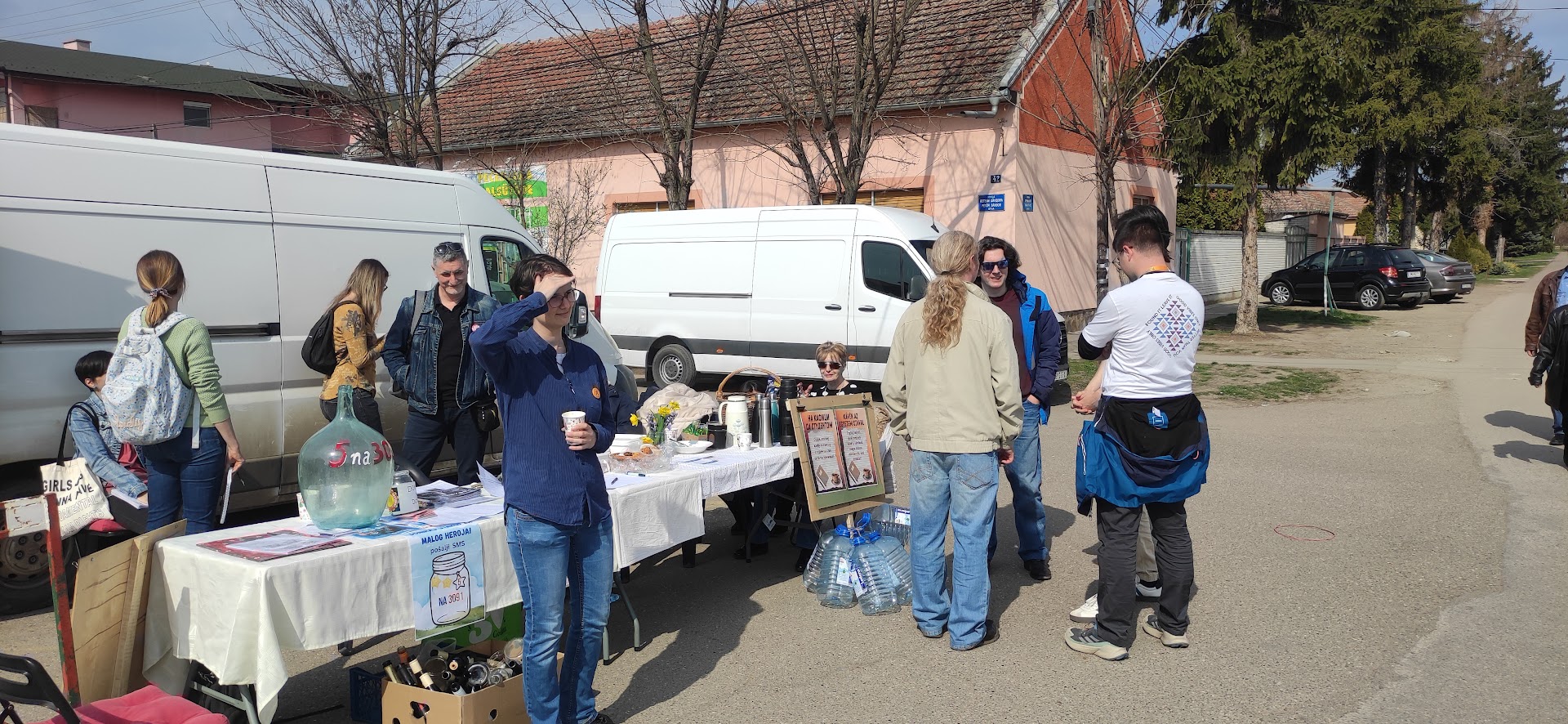
Every week, we maintain a presence at the local farmers' market. This stand serves as a vital platform for advocacy, petitioning for local improvements, and providing a face-to-face venue for community members to contribute glass and share their voices.
At the core of this project is the Zbor model, a non-hierarchical, horizontal organizational structure rooted in the principles of direct democracy. Unlike traditional top-down systems, our movement operates without fixed leadership or centralized power positions. Every participant is an equal stakeholder with the right to propose actions, engage in deliberation, and vote on all matters. This ensures that the project remains a true reflection of the collective will.
Our approach ensures that community members are active participants in the initiative. Citizens are integrated into every phase of the project:
- Strategic Planning & Decision-Making: Defining project goals and local priorities.
- Operations & Logistics: Thirty volunteers manage the primary glass collection logistics and staff our weekly presence at the farmers' market.
- Advocacy & Outreach: Community members lead our communication efforts, managing social media, coordinating with regional press, and representing the project in television and digital media interviews.
Participation extends across a diverse ecosystem of local and regional actors. A dedicated network of local cafés, restaurants, and pubs provides a source of glass. Student organizations and ecological organizations provide vital energy for digital advocacy and community dialogue. Furthermore, our framework has been adopted by organizations in other towns and cities, creating a decentralized regional network of community-led recycling for charity actions.
The physical elements of our project are a direct result of active community feedback. When residents expressed a preference for a permanent drop-off point to complement our home-collection service, we responded by establishing a dedicated collection container. This iterative, feedback-driven process ensures that our infrastructure is aligned with the habits and needs of the Temerin community.
In our local context, cooperation with public institutions remains limited despite formal frameworks that should enable it. Requests for access to public infrastructure are often overlooked, creating systemic barriers for grassroots initiatives. Rather than allowing this to stall progress, Zbor Temerin has developed a model of institutional resilience, operating independently to ensure continuity, impact, and community trust.
Our strength lies in horizontal governance. We collaborate closely with other “Zbors,” civil society groups, and grassroots initiatives across Serbia, forming a peer-to-peer ecosystem that replaces absent vertical support. Through this network, we exchange knowledge, share operational models for waste collection, and refine advocacy strategies.
This collaboration enables replication. Our glass recycling model is designed as an open, adaptable blueprint that other communities can implement, supporting the growth of a decentralized environmental movement. At the same time, coordinated communication and shared platforms allow us to reach wider audiences, bypassing traditional gatekeepers and strengthening public awareness around sustainability.
Aligned with the New European Bauhaus values, our approach centers on community-sovereign development. The project is built and sustained by volunteers, local knowledge, and collective ownership. The absence of institutional backing has not weakened the initiative, it has made it more resilient, inclusive, and authentic. It demonstrates that meaningful, scalable change can emerge from horizontal cooperation and civic solidarity, even in constrained governance environments.
Our project brings together professional expertise and the lived experience of local citizens. While the recycling process itself is simple, its effectiveness depends on a diverse volunteer base: doctors, lawyers, postmen, workers, and neighbors, each contributing unique knowledge and perspectives.
To ensure efficiency, participants are organized into functional teams. The Media & Outreach team manages public communication, digital advocacy, and relations with local businesses and media. The Logistics & Action team coordinates collection routes, schedules transport, and maintains relationships with recycling partners. The Legal team ensures compliance within a complex and often restrictive regulatory environment.
This structure allows us to merge formal expertise with on-the-ground insight. Professional skills in law, media, and logistics are continuously informed by the everyday knowledge of residents, creating a resilient and adaptive system where all contributions are equally valued.
Together, these elements form a sustainable, community-driven system that maximizes impact through collaboration, trust, and the integration of diverse forms of knowledge.
Our project is built on a low-overhead, community-driven model that maximizes social impact. Operating entirely through volunteer engagement, we eliminate labor costs while maintaining strong organizational capacity. All logistical and administrative expenses, such as transport and coordination, are covered through donations ensuring that all generated revenue is directed toward our social mission.
A key strength of the model lies in strategic asset use. Through community support, we have secured a centrally located collection and meeting space at a symbolic cost. This significantly reduces operational expenses and provides long-term stability, allowing us to focus on scaling activities rather than maintaining infrastructure.
Our position as a mission-driven initiative also creates value-chain advantages. Recycling partners recognize the social purpose behind our work and offer preferential purchase rates for collected glass. This “social premium” increases the value of each kilogram collected and strengthens the financial sustainability of the project.
The model is already proven in practice. In less than two months and across two operational cycles, we collected 13 tons of glass, generating 156,800 RSD. Of this, 96,700 RSD has already been transferred to support medical treatment, with the remaining funds in the process of allocation.
These results demonstrate a scalable and resilient system that transforms local waste into a reliable funding stream for social good. By leveraging community trust, shared resources, and horizontal cooperation, the project shows how grassroots initiatives can create efficient, financially viable solutions within the green transition.
Our "plug-and-play" model is designed for rapid, low-cost replication. It requires minimal capital and no specialized technical skills, making it an ideal solution for any region lacking formal recycling infrastructure. By intertwining ecological recovery with humanitarian aid and community building, the model creates a high-incentive framework for civic participation.
Proof of scalability is evident in its rapid adoption across Serbia. Successful implementations from our network include:
Zbor Bežanijska Kosa: 19 tons collected (226,000 RSD). @bezanijskakosazbor
Žabalj Ne Ćuti: 3.3 tons collected (46,200 RSD). @zabalj_ne_cuti
Other active participants that had great results include Zbor Kikinda, Eko Mame, Zbor Kać, Zbor Cerak, and Skojevsko Naselje, among others. Its adaptability and low barriers to entry position it for further growth beyond national borders, with the potential to evolve into a broader regional and international movement driven by community-led action.