Arts, Culture, and Heritage as Drivers of Change
Ruina 2026: Reimagining Space
Ruina 2026: From Forgotten Ruins to Creative Spaces for Art, Community, and Ecology
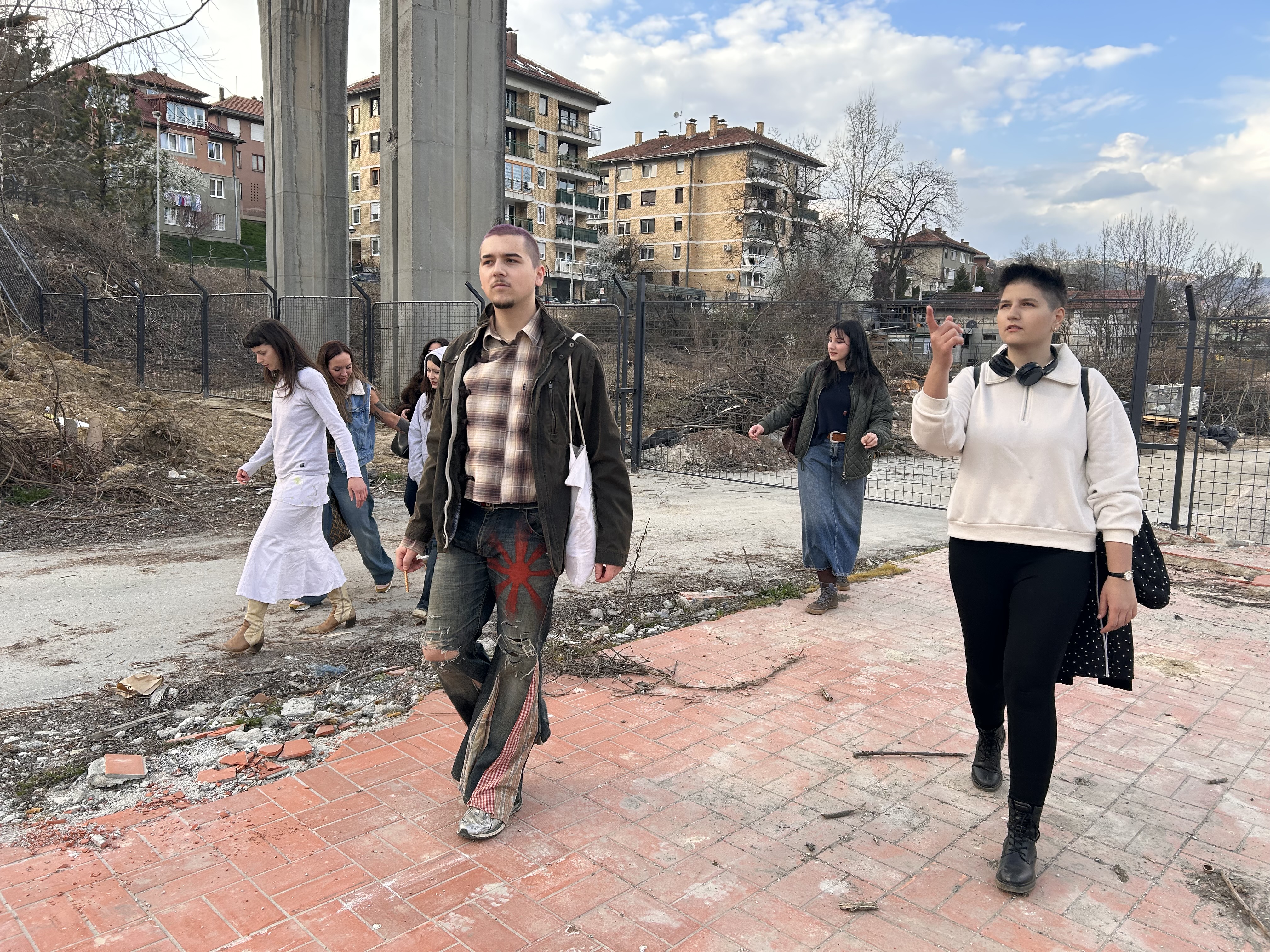
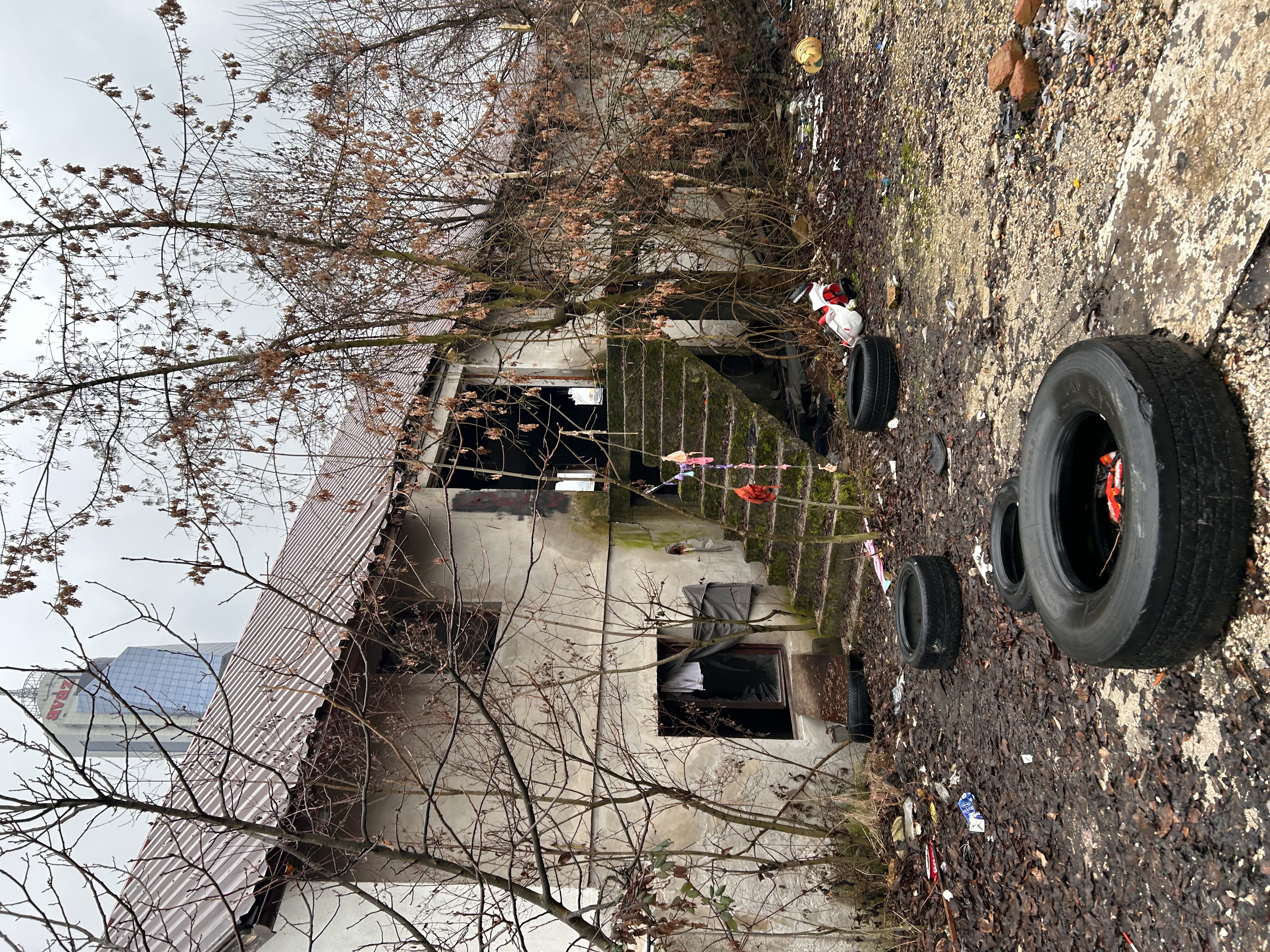
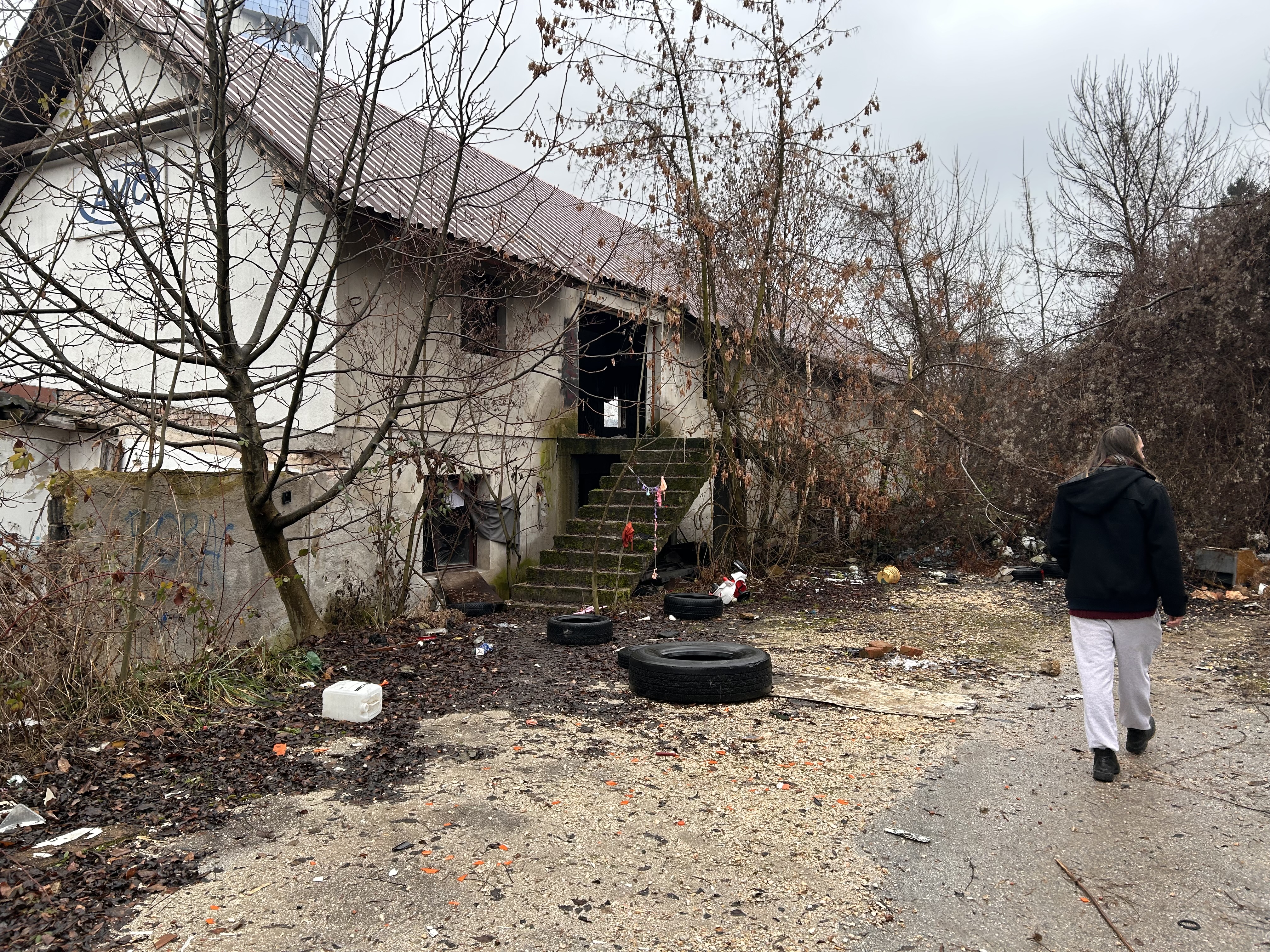
We transform underused sites into sustainable cultural spaces where art, ecology, and social participation coexist. By transforming a sarajevan post war ruin into a vibrant community space, artists, activists, and neighbors collaborate through workshops, green initiatives, and art activities. These efforts create inclusive spaces while promoting art, ecology, and community. We turn neglected areas into dynamic places so people of all profiles can connect, co-create, and care for their city.
Bosnia and Herzegovina
Local
Sarajevo, BiH
Mainly urban
It involves a physical transformation of the built environment (hard investment)
Early concept
No
No
Yes
Individual
Our concept focuses on transforming and reuseing neglected spaces into inclusive environments where creativity, ecological awareness, and community participation can thrive. Through experimental and site-specific practices, we explore how art, architecture and ecology can positively impact communities by creating shared experiences for youth, neighbors, and visitors.
We bring together people from diverse generations, professions, and backgrounds—including artists, youth, activists, LGBTQ+ individuals, and socially excluded groups—through collaborative formats. We also promote sustainable urban culture and alternative mobility, including cycling and skateboarding.
Our achievements include site-specific exhibitions at the neglected former Yugoslav cinema Kino Bosna, where we have been active helping organizing festivals, concerts, and exhibitions. Painting sessions using recycled materials attracted around 300 visitors, while land art workshops on Bjelašnica demonstrated our practices using found materials.
Kino project have engaged hundreds of collaborators worldwide, building a diverse and active community. We also collaborate with the publication Punkura focused on public space and culture; addressing topics such as ecology, subculture, and community initiatives.
In 2025, Punkura received the Best Creative Project Award from the French Institute and Impakt Foundation. Our work has gained local media recognition and led to collaborations with the Historical Museum of Bosnia and Herzegovina and the Austrian Cultural Forum.
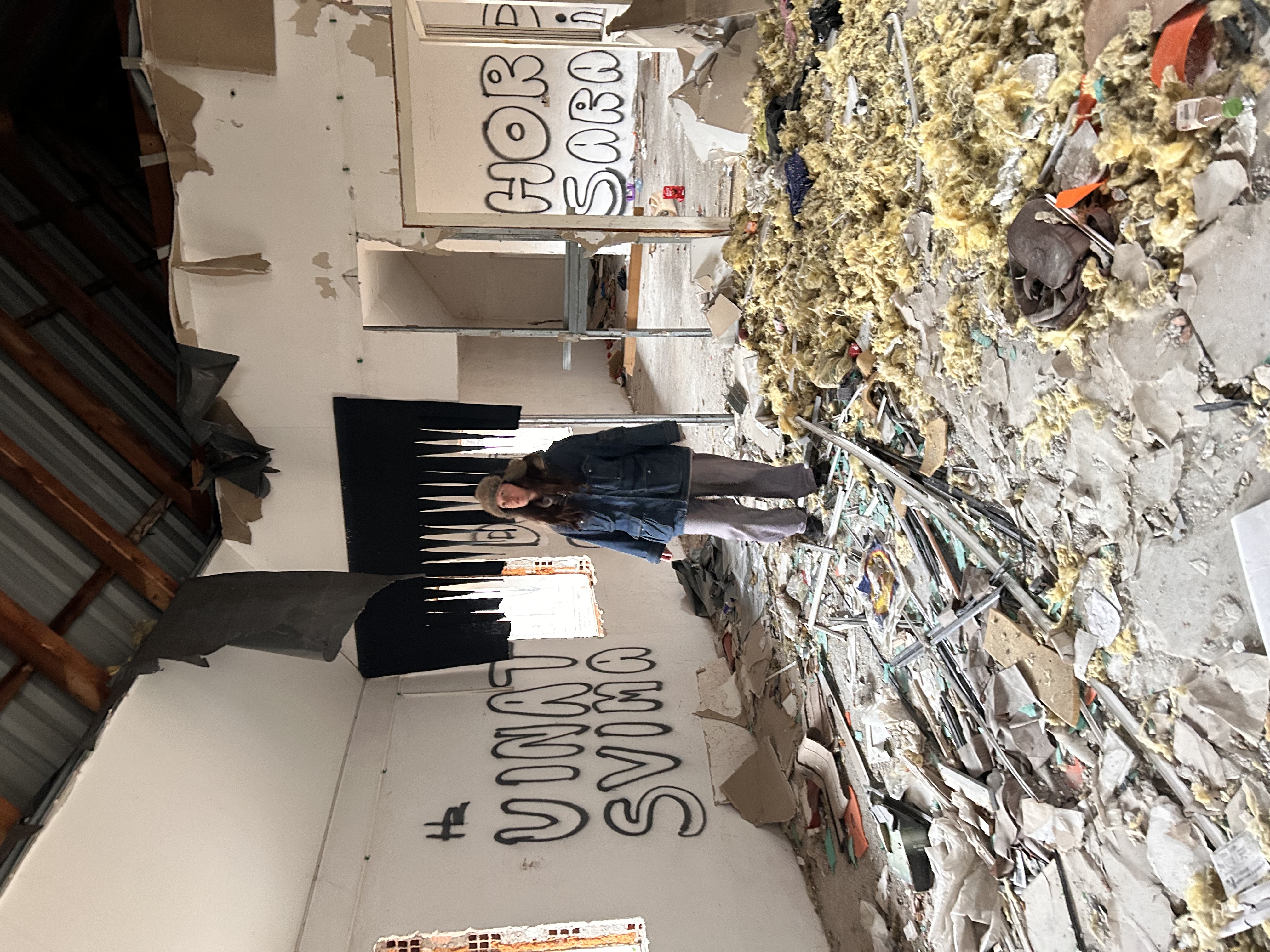
Until now, we operated in temporary locations. Our next step is to transform an abandoned ruin into a sustainable, multidisciplinary cultural space—establishing a long-term base for workshops, exhibitions, discussions, and community activities. This space will serve as an open platform for youth, artists, and local communities, while strengthening creativity, ecological awareness, and collective cultural life in Sarajevo.
The idea for RUINA 2026 grew directly from my architectural practice and engagement with collaborative, communityes in Sarajevo. Through projects focused on the activation of neglected spaces and collaborations with artists, collectives, and local initiatives, I kept returning to one central question: how can abandoned structures be reactivated and reused as shared, meaningful spaces for the community?
This question became more concrete through my experience in transforming unused urban spaces into temporary cultural platforms for exhibitions, screenings, workshops, and performances. Working alongside both emerging and established artists and collectives, I developed a network of collaborators who share a common understanding of the lack of accessible cultural and communal spaces in the city. RUINA 2026 emerged from this ongoing exchange between practice, observation, and collaboration. It is grounded in site-based research of neglected structures in Sarajevo that still hold strong spatial potential despite their abandonment. The concept developed through field visits, informal conversations with local communities, and mapping of sites that could be reactivated through minimal but strategic interventions.
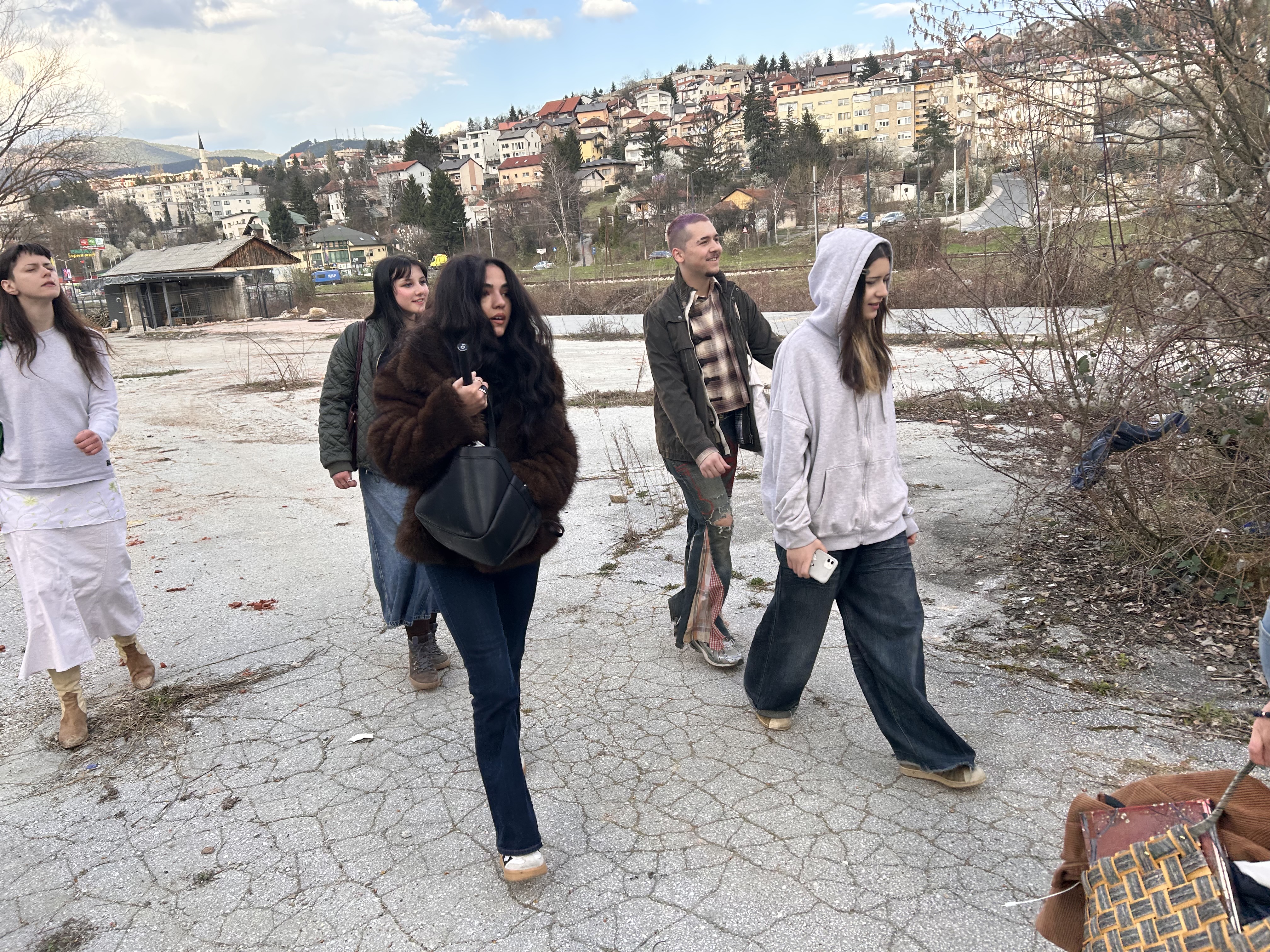
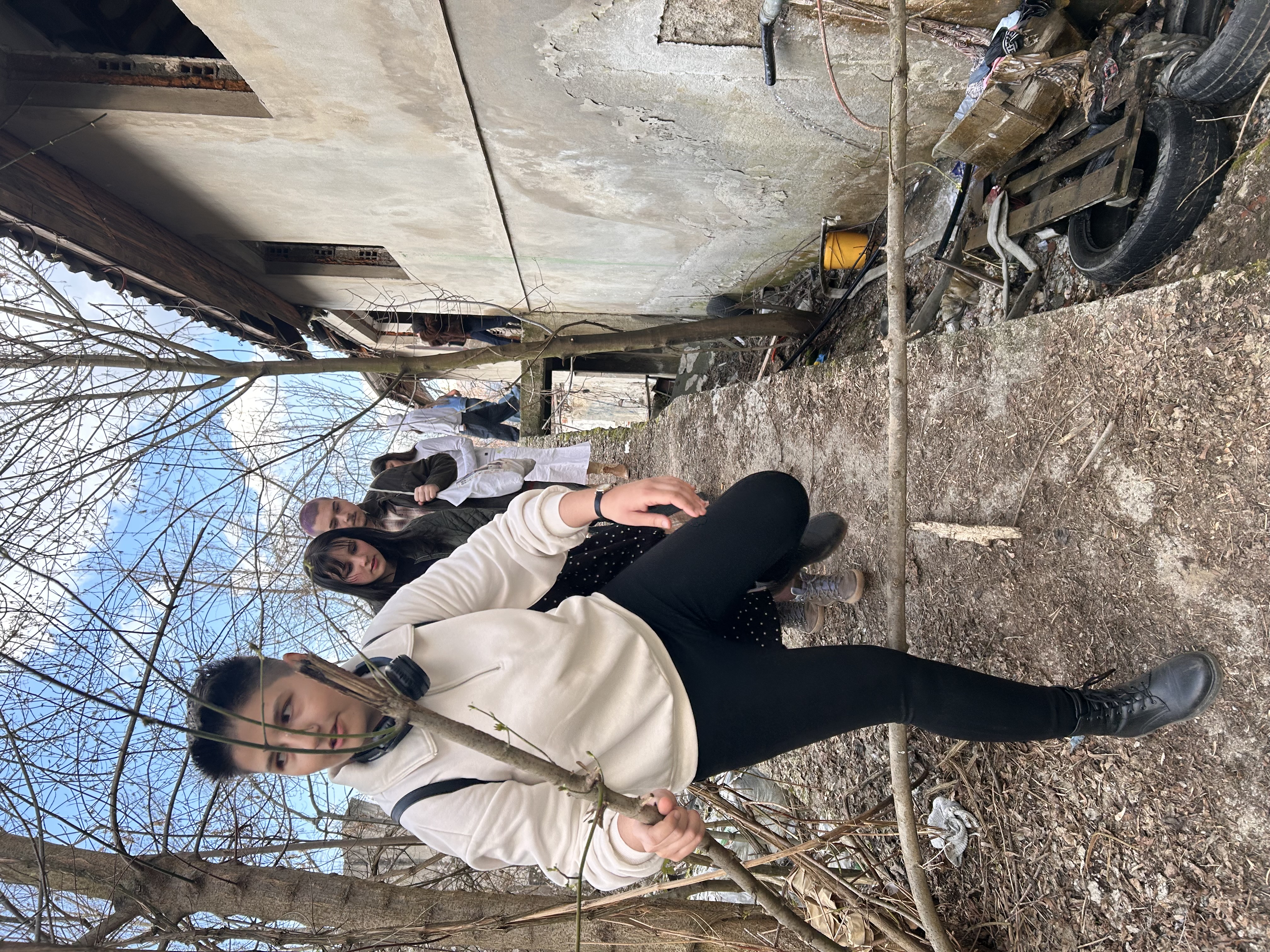
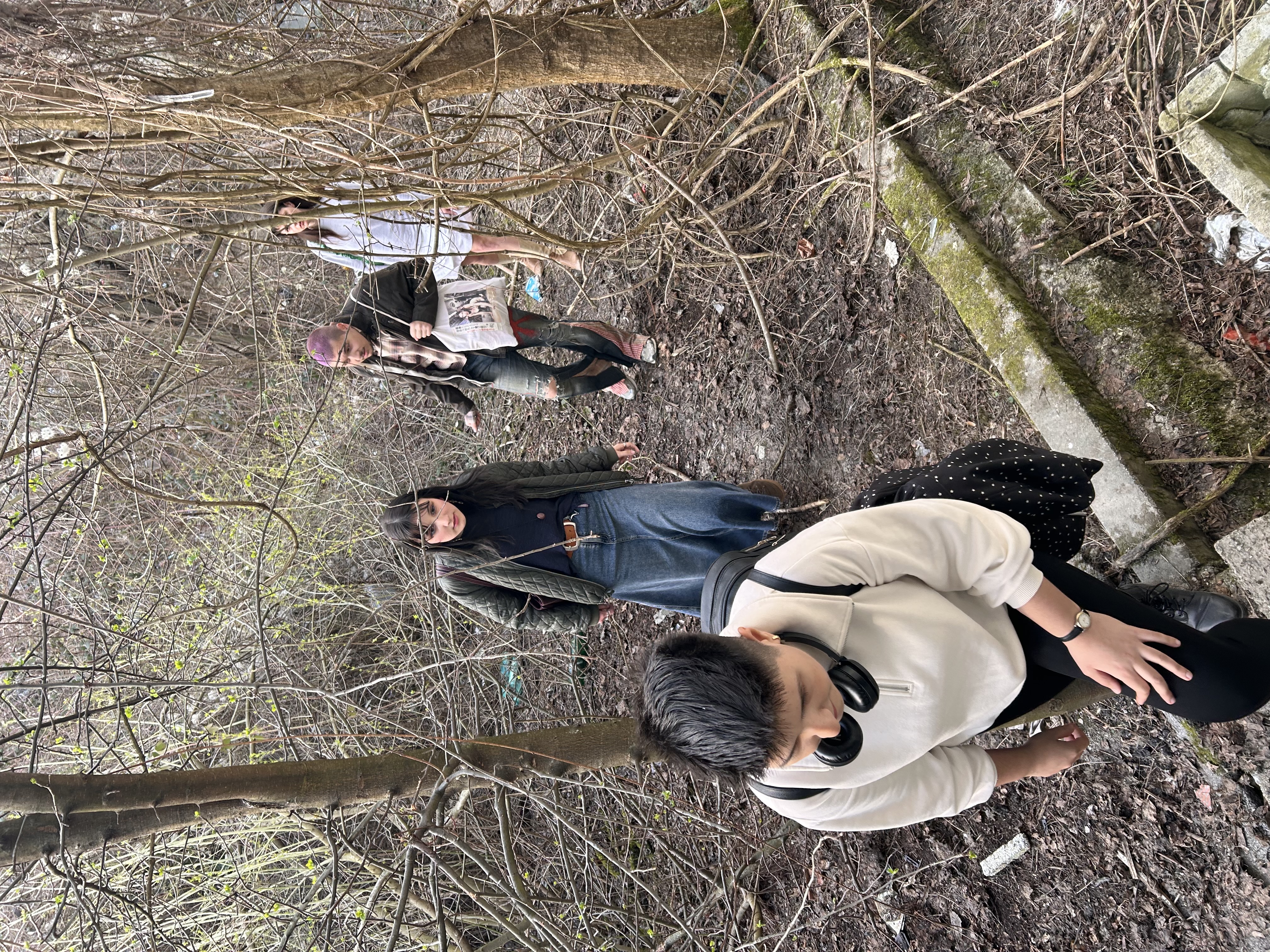
The main approach is adaptive reuse through collective engagement. Instead of imposing a fixed program, the process is open and developed together with participants—artists, architects, activists, and local residents. The first phase focuses on identifying and securing a suitable ruin, forming a core team, and establishing a flexible framework for activation through pilot activities such as workshops, temporary interventions, and community events. Tools used include spatial mapping, on-site observation, collaborative workshops, and visual documentation, alongside informal networks built through previous projects. These relationships are essential to grounding the project in real community.
Re(use)
Circularity
Inclusive multidisciplinary spaces
Ecological awareness
Youth empowerment
Ruina 2026 addresses environmental, social, cultural, and economic challenges through creative reuse, participatory practices, and sustainable cultural production. Environmentally, we transform abandoned urban spaces instead of building new infrastructure, turning discarded furniture, construction waste, cardboard, wood, and natural materials into artworks, functional furniture, and workshop equipment. Future plans include a permaculture garden and bike rental and repair facilities, promoting ecological awareness, sustainable mobility, and reducing air pollution in a city dominated by cars. Social sustainability is central to our concept. We bring together teenagers, young and established artists, neighbors, and participants from socially diverse or marginalized backgrounds, creating inclusive environments where people with very different experiences collaborate, exchange knowledge and build trust. Cultural sustainability is achieved by offering non-commercial, alternative platforms for art, exhibitions, performances, and workshops, while throught out these practices we sparks dialogue on public space, ecology, and youth culture, and amplifies participant voices. Economically, we had operated successfully through a pay-as-you-wish model, generating community-based support and proving our resilience. Future plans for self-sustaining activities include cafes, cinema screenings, bike rentals, crowdfunding, art residencies, and donations of materials from the local community, combining income generation with active participation and resource reuse. Our approach is exemplary because it integrates environmental responsibility, social inclusion, cultural production, and economic resilience into one coherent practice. By transforming neglected spaces into active cultural environments we demonstrate a replicable model of sustainable urban regeneration that combines creativity, ecological awareness, and long-term community engagement.
Ruina 2026 contributes to making life beautiful by transforming neglected urban spaces into vibrant, participatory environments where art, ecology, and community intersect. Through site-specific installations, collaborative exhibitions, land art, and workshops, we create spaces that are visually inspiring, socially engaging, and ethically cared for. By using recycled and found materials—from construction waste to natural elements—we show that beauty can emerge from sustainable and responsible practices.
For example, the ruin we plan to activate has a water leakage problem and other hygienic challenges. By cleaning, repairing, and revitalizing the building, we will not only make it visually and functionally appealing but also ensure safety, prevent decay, and foster trust in the community. This is where aesthetics and ethics meet: beauty is created alongside care for people and place.
Our projects foster a sense of belonging and pride by inviting participants of all ages and backgrounds—teenagers, neighbors, young and established artists, people from marginalized backgrounds, and LGBTQ+ individuals—to collaborate rather than observe.
Shared activities such as communal painting, exhibitions, performances, permaculture projects, building and workshops encourage emotional attachment, mutual understanding, and ownership of the space.
In the longer term, our permanent hub will integrate multifunctional areas for art, music, workshops, communal cooking, permaculture, and bike repair and rental, creating a space that is visually, socially, and ethically inspiring. RUINA2026 approach is exemplary in aesthetics because it combines visual beauty, ethical care, ecological responsibility, and participatory engagement, proving that art can transform both spaces and communities in meaningful, lasting ways.
We foster inclusion by creating a collaborative and flexible environment where people from diverse backgrounds contribute their skills and interests to shared projects. Different groups—designers, builders, musicians, skateboarders, cyclists, and volunteers—intersect around activities according to availability and interest, creating a dynamic, participatory model. For example, designers create posters for events, cyclists and skateboarders activate the space for mobility projects, and others contribute to workshops, art installations, or permaculture initiatives. This fluid collaboration allows participants to engage meaningfully while learning from each other and building cross-community connections.
All participants are co-creators, not spectators. This model encourages mutual understanding, social cohesion, and a sense of ownership. Activities are free or donation-based, ensuring affordability and accessibility for all, while our collective structure is non-hierarchical, giving people shared responsibility in decision-making and project development.
Projects I lead or help are exemplary in inclusion because they combines skill-based collaboration, accessibility, and participatory governance, bridging generational, social, and cultural divides. By transforming neglected spaces into inclusive platforms for art, learning, and social engagement, the project empowers participants, nurtures trust, and community bonds in Sarajevo strengthens.
Before the very beginning of this project we co-created: workshops, exhibitions, skateboarding events, and land-art activities are developed directly with participants, who often become active contributors rather than passive viewers. Participation happens both in formal and informal public spaces. Through street distribution of Pankura publications, workshops held in bars, and open-air activities, we together engage people who do not typically access cultural institutions. These encounters allow spontaneous, direct feedback from diverse groups, without barriers of entry. We continuously integrate this input into the development of our concept and future activities. We intentionally involve diverse communities: youth, teenagers, neighbors, LGBTQ+ community members, people facing social exclusion and artists, architects at different career stages. By bringing these groups together in shared creative processes, participants break social barriers, exchange knowledge, and co-create a sense of belonging and mutual understanding. They contribute ideas, skills, and labor in designing and organising the place and its programme. The impact of this approach strengthens social cohesion, fosters ownership over public and abandoned spaces, and increases engagement with ecological and cultural practices. Community input directly shaped our vision of a cultural space that is accessible, low-cost, and inclusive—responding to repeated local needs expressed over time. Projects we made reflect underrepresented voices, addressing feminism, ecology, skateboarding, and culture. Stakeholder involvement has also enabled institutional collaborations with partners such as the Austrian Cultural Forum, French Institute, and Historical Museum, expanding networks for future residencies and exchanges. By placing participation at the center, we demonstrate that inclusive, community-driven processes can transform neglected spaces into vibrant cultural hubs grounded in the real needs.
The project engages stakeholders across local, regional, national, and European levels in the design and implementation of our concept, creating a multi-layered ecosystem of collaboration and exchange. At the local level, we work closely with Sarajevo residents, youth, activists, artists, and community members, including people with lived experience of social exclusion and neighbors. Their participation ensures that our initiatives respond directly to real community needs, foster inclusion, and strengthen social cohesion. Through open workshops, public-space interventions, and informal encounters in streets and cultural venues, we continuously collect feedback that shapes our programming and the development of our future cultural space. At the regional level, we collaborate with cultural initiatives and organizations across Bosnia and Herzegovina, including in cities such as Banja Luka, Mostar, and other urban centers. These exchanges enable knowledge-sharing on urban regeneration, independent culture, and ecological practices, while supporting the growth of similar community-led cultural spaces across the region. At the national level, we engage with institutions such as the Historical Museum of BiH, municipal authorities, media and international cultural organizations active in the country, including the Austrian Cultural Forum and the French Institute. These partnerships provide expertise, visibility, and structural support, allowing us to develop more ambitious programs and reach wider and more diverse audiences. At the European and international level, we collaborate with visiting artists, curators, and cultural professionals through workshops, residencies, exhibitions, and ecological projects. This strengthens cross-cultural dialogue, enables artistic exchange, and connects our work to broader European cultural and sustainability frameworks. The added value of this multi-level engagement lies in building a resilient, inclusive, and adaptive cultural ecosystem.
RUINA 2026 concept is inherently transdisciplinary, combining diverse fields to transform abandoned urban spaces into inclusive cultural and ecological hubs. Arts are central, encompassing visual arts, site-specific installations, performance, music, and publishing, enabling creative engagement and participatory experiences. Architecture and design guide the adaptive reuse of ruins, the creation of functional exhibition and community spaces, and the implementation of sustainable furniture and infrastructure from recycled materials.
Environmental sciences and ecology inform our approach to land art, permaculture gardens, ecological workshops, and material reuse, promoting awareness of sustainability and circular practices. Social sciences and education are reflected in our community engagement strategies, participatory workshops, and inclusion of diverse groups—youth, marginalized populations, and international collaborators—fostering social cohesion, learning, and dialogue.
Engineering and practical skills are applied in hands-on workshops, construction, bicycle repair, and the development of functional spaces such as kitchens, bars, and performance areas. Digital technologies and media are utilized through the publication of our magazine Pankura, documentation of events, and online communication, connecting local and international communities.
By combining these disciplines, RUINA 2026 develops holistic, site-specific interventions where artistic, ecological, social, and technical knowledge intersect. This transdisciplinary approach allows us to reimagine neglected urban ruins, create sustainable cultural infrastructures, and develop inclusive practices that bridge art, ecology, education, and community development.
The RUINA 2026 model is designed to support financial sustainability while maintaining accessibility and inclusivity. Our approach combines multiple complementary income streams, low-cost operations, and community support to sustain the project over time.
So far, our activities have operated on a pay-as-you-wish donation model, where visitors contribute according to their means. This has allowed us to organise events, workshops, and exhibitions without creating barriers to participation, while showing that the community is willing to support inclusive cultural initiatives.
A future permanent space will expand these possibilities. Planned activities include a café/bar, bike rental and repair services, as well as hosting art residencies, workshops, and cultural events. By offering services that are useful to the community and aligned with our ecological and creative approach, we aim to build long-term engagement and support.
We will also continue working with crowdfunding, grants, and partnerships with cultural institutions, both local and international, to support renovations, equipment, and programme development. At the same time, by reusing furniture, construction materials, and other resources, we keep costs low while promoting circular practices and reducing environmental impact.
This combined approach creates a flexible and resilient model that balances financial sustainability with accessibility and social impact, allowing the project to grow while remaining open and community-driven.
The proposed permanent space would be unique in Sarajevo, addressing a critical lack of continuous, inclusive venues for youth, creatives, and communities. The city currently has very few galleries for contemporary art and no multi-purpose hubs where young people, emerging artists, and diverse local populations can meet, create, and collaborate on a long-term basis. Key elements of our methodology—site-specific art interventions using recycled and found materials, participatory workshops, multi-generational collaboration, and community engagement across diverse groups—can inspire and be implemented in other cities facing similar challenges of underused urban spaces. Our approach has already demonstrated natural scalability: other creatives, inspired by our interventions in Kino Bosna and other non-traditional spaces, began organizing exhibitions in apartments and alternative venues, showing that our methods can spark broader cultural change. We work extensively with youth and emerging artists, as well as marginalized groups such as ex-addicts, people who served prison sentences, and LGBTQ+ individuals. Through our programs, they gain practical skills, ecological awareness, and collaborative experience that can be applied in future projects, ensuring the long-term transfer of knowledge and sustainable practices. Additional replicable components include pay-as-you-wish events, community-supported publications like Pankura magazine, bike rental and repair services, and workshops, all of which promote social, cultural, and economic sustainability and can be adapted to other contexts. By leveraging our existing networks locally, regionally, and internationally, a permanent base would allow us to consolidate our community, host artistic exchanges, and strengthen connections, while serving as a replicable example of an inclusive, sustainable, and creatively vibrant cultural hub.
Step 1: Securing and preparing the space
Identify one ruin and legally secure the place as a base for the project.
Address urgent infrastructure needs, including water issues, cleaning, and basic safety measures.
Begin initial repairs and adaptations using recycled materials, low-cost solutions, and community participation.
Step 2: Community engagement and co-creation
Organise participatory workshops with youth, artists, and local residents to define how the space will be used.
Start collaborative art projects, site-specific interventions, and ecological practices that directly involve people in shaping the space.
Bring together diverse groups (youth, marginalised individuals, LGBTQ+ individuals, emerging and established artists), encouraging shared use and collaboration rather than separation.
Step 3: Pilot programming and activation
Organise small-scale events, exhibitions, workshops, and bike/skate activities, gradually testing how the space functions.
Introduce simple income-generating activities such as pay-as-you-wish events, art sales, and second-hand bike or clothing initiatives.
Step 4: Stabilisation, networking, and development
Continue developing the programme while building partnerships and improving the space step by step.
Strengthen collaborations with local and international partners (e.g. Austrian Cultural Forum, French Institute) through exchanges and shared activities.
Collect feedback from participants and adjust the model, while continuing project writing and fundraising for the next phase.
These steps follow a gradual process—from securing and preparing the space, to community co-creation to activation, and finally towards stabilisation and further development within the first year.