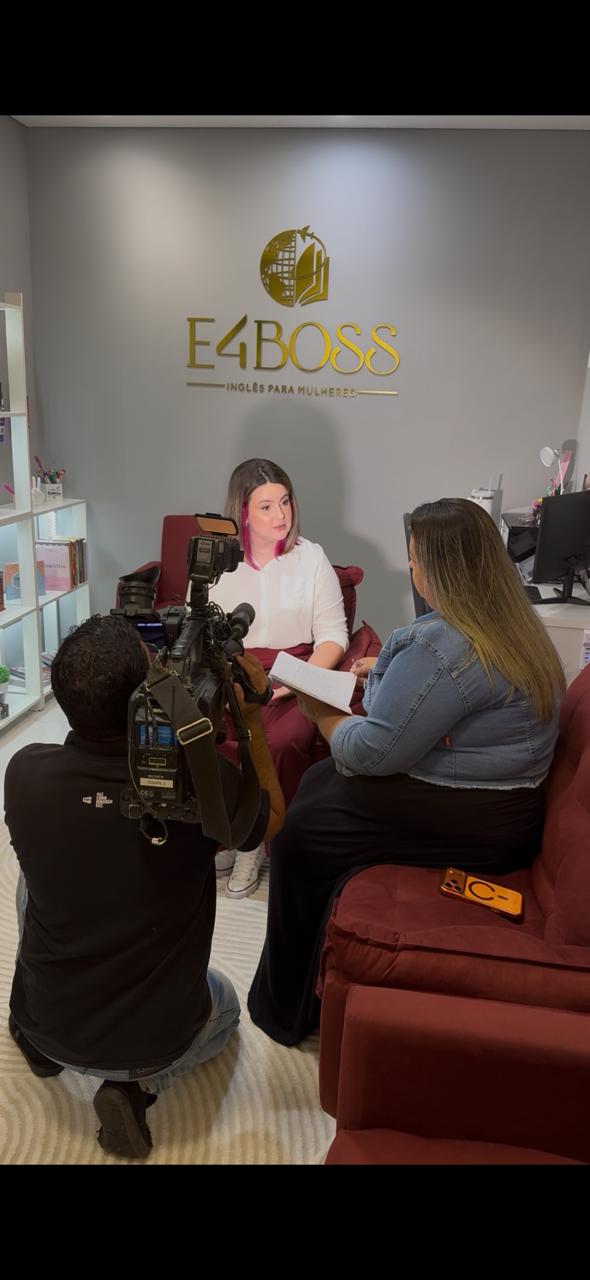
Strengthening Local Democracy and Inclusion
E4Boss: Unlocking Women’s Voices
E4Boss: A community-driven platform empowering women through English.
E4Boss is a community-based education platform empowering women through English as a gateway to confidence, career growth, and global mobility. Created to challenge Brazil’s low English proficiency (ranked 81st worldwide), the project transforms untapped potential into real opportunities. As a pioneering initiative in Brazil, it combines learning, networking, and personal development to help women build their voice and access new paths locally and globally.
Brazil
National
Mainly urban
It involves other types of transformations (soft investment)
Yes
2025-12-05
No
No
No
Individual
E4Boss is a community based education platform designed to empower women through English as a tool for confidence, career growth, and global mobility. The project addresses a structural challenge in Brazil, where the country ranks 81st worldwide in English proficiency, limiting access to opportunities for millions of women. E4Boss was created to break this barrier by offering not only language learning, but also a supportive environment focused on personal development, networking, and professional positioning.
The project primarily serves Brazilian women seeking to expand their careers, increase their income, and access international opportunities. Its main objective is to transform English from a barrier into a bridge for social and economic inclusion. Through a structured methodology that integrates communication, confidence building, and real life application, participants are encouraged to actively use English in professional and social contexts.
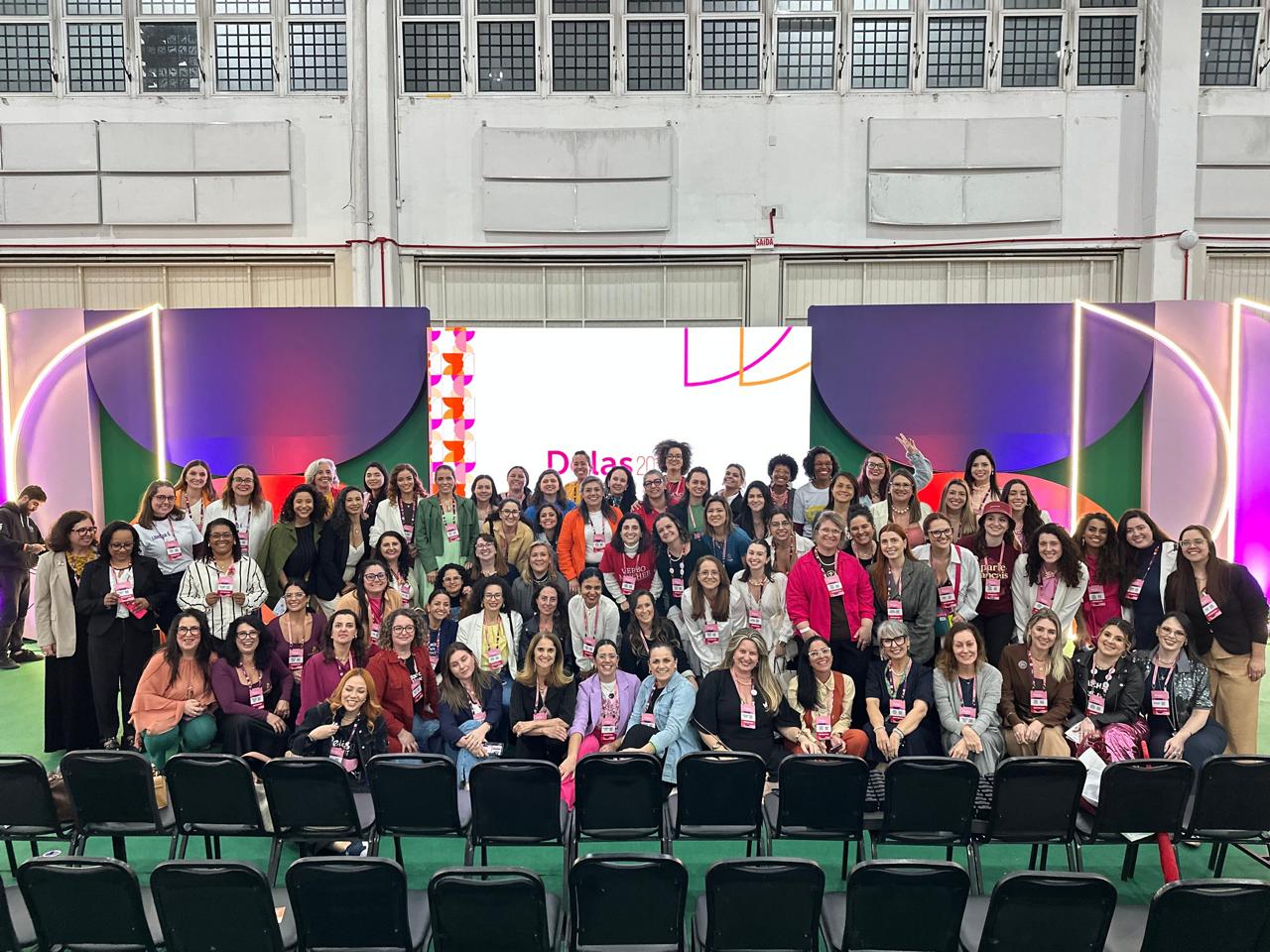
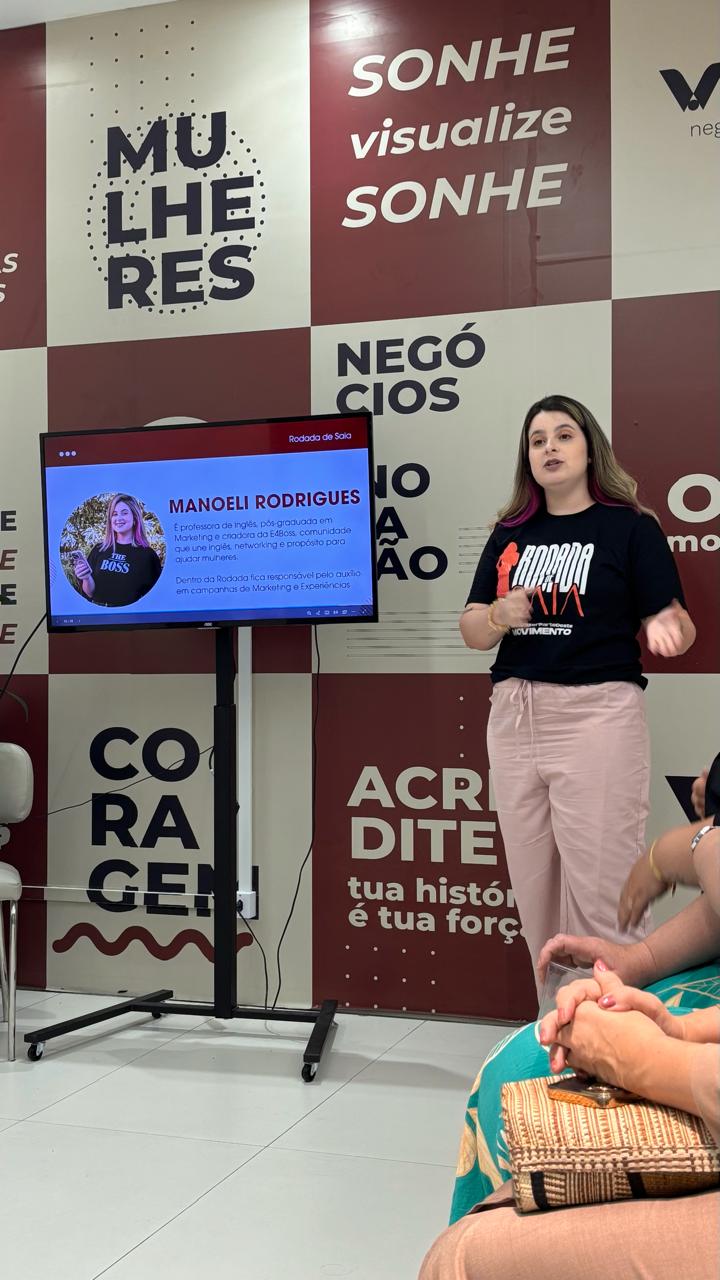
Since its creation, E4Boss has directly and indirectly impacted more than 100 women, with a growing community of active learners. The project has delivered consistent educational programs, community events, and networking experiences that strengthen both language skills and personal confidence. Participants report increased self expression, improved career positioning, and greater readiness to engage in global environments.
E4Boss presents a transformative and scalable model by combining education, community, and empowerment into a single experience. Its long term impact lies in increasing women’s participation in global markets, reducing inequality caused by language barriers, and creating a network of confident, internationally connected women. The approach is designed to be replicable and adaptable, allowing expansion to different regions and contexts while maintaining its core mission of empowering women through access to language and opportunity.
E4Boss was created from a lived experience as a teacher and as a woman observing a recurring pattern among Brazilian women. Many of them had strong professional skills, talent, and real potential to compete for positions in large companies, yet they were often excluded from opportunities due to a lack of English proficiency or because of structural gender inequalities.
Through direct contact with students, it became clear that the challenge was not only linguistic, but also related to confidence, access, and representation. Women frequently expressed fear of speaking, difficulty positioning themselves professionally, and limited access to international environments. These barriers reinforced cycles of inequality and restricted their ability to grow economically and socially.
In response to these challenges, E4Boss was founded with the purpose of expanding access to English as a tool for empowerment and inclusion. The project was designed based on the principles of the United Nations Sustainable Development Goals, especially Quality Education and Gender Equality, aiming to create tangible improvements in women’s lives and, consequently, in their families and communities.
The implementation of E4Boss combines structured learning programs, community engagement, and real life application. Activities include interactive classes, conversation practices, networking spaces, and personal development guidance. The approach encourages active participation and creates a safe environment where women can build confidence and develop their voice.
By integrating education, community, and empowerment, E4Boss contributes to reducing gender disparities and increasing women’s access to opportunities. The project transforms individual trajectories while fostering a collective movement of women who are better prepared to participate in global contexts and reshape their professional futures.
Social Inclusion
Gender equality
Access to education
Women empowerment
Community based learning
E4Boss addresses social and economic sustainability by reducing barriers that limit women’s access to education, employment, and global opportunities. In Brazil, low English proficiency is directly linked to reduced access to higher income positions and international environments. By providing accessible and structured learning combined with community support, the project contributes to long term economic inclusion and professional mobility for women.
The project promotes sustainable impact by equipping women with skills that generate lasting benefits over time. English proficiency increases employability, income potential, and access to global networks, creating a positive cycle that extends beyond the individual to their families and communities. This contributes to more inclusive economic development and reduces inequalities that persist across generations.
E4Boss operates through a model that is both scalable and adaptable, allowing expansion without significant physical resources. Its hybrid and digital approach reduces the need for infrastructure and enables access for women from different regions. The project also encourages continuous learning and peer support, strengthening long term engagement and knowledge retention.
The exemplary character of E4Boss lies in its ability to transform education into a sustainable tool for social change. By integrating learning, community, and empowerment, the project creates durable impact that continues beyond the learning experience, supporting women in building independent, resilient, and economically active lives.
E4Boss contributes to making everyday life more meaningful and empowering by transforming how women experience learning, communication, and belonging. Rather than focusing only on technical language acquisition, the project creates an environment where women feel seen, heard, and valued. This sense of emotional and social well being is central to the project’s aesthetic dimension, as it reshapes not only how participants learn, but how they perceive themselves and their place in the world.
The project integrates elements of community, dialogue, and self expression to create a positive and welcoming experience. Through interactive sessions, shared learning spaces, and networking opportunities, women are encouraged to express their ideas, tell their stories, and engage with others in a safe and supportive environment. This contributes to a sense of belonging that extends beyond the learning space and into their personal and professional lives.
E4Boss also enhances the quality of experience by reducing fear and anxiety commonly associated with speaking English. By creating a space where mistakes are accepted as part of the process, the project fosters confidence and emotional comfort. This directly impacts participants’ well being, allowing them to engage more actively in conversations, opportunities, and social environments that were previously inaccessible.
From a cultural perspective, the project values diversity and promotes the expression of individual identities. Women from different backgrounds are encouraged to share their perspectives, strengthening collective learning and cultural exchange. This contributes to building a community that reflects inclusion, creativity, and mutual respect.
The exemplary character of E4Boss in terms of aesthetics lies in its ability to transform learning into a human centered experience.
E4Boss addresses inclusion by tackling one of the most significant barriers to social and economic mobility in Brazil, which is the lack of access to English education combined with gender inequality. Many women face limitations not only due to language barriers, but also due to restricted access to resources, lack of confidence, and limited representation in global spaces. The project responds to these challenges by creating accessible and supportive pathways for women to develop both language skills and self confidence.
Accessibility is ensured through a hybrid and flexible model that allows women from different regions and realities to participate. The digital format reduces geographical limitations, while the structure of the program is designed to adapt to busy routines, especially for women balancing work, family, and personal responsibilities. This makes participation more feasible and inclusive for a broader audience.
Affordability is addressed by offering structured learning experiences that focus on practical outcomes, allowing participants to quickly apply what they learn in real contexts. The project prioritises value and impact, ensuring that the learning experience translates into real opportunities such as career advancement, access to new markets, and increased income potential.
E4Boss also promotes inclusive participation by fostering a community based model where women actively engage, share experiences, and support each other. This creates a participatory environment where every voice matters and contributes to collective growth. The project encourages collaboration, peer learning, and mutual support, strengthening both individual and community outcomes.
In terms of societal impact, E4Boss contributes to building a new model of inclusion by positioning English not as a privilege, but as a right and a tool for empowerment.
The project is built as a community driven initiative where participants are not only learners, but active contributors to the project’s development and evolution. Women involved in the project play a central role in shaping the learning experience through continuous feedback, shared experiences, and active participation in activities and discussions. This participatory approach ensures that the project remains aligned with the real needs and challenges faced by its community.
Participants are involved at multiple stages of the project. During the design and adaptation of learning experiences, feedback from students is regularly collected and incorporated to improve content, format, and delivery. In implementation, women actively engage in interactive sessions, group discussions, and networking activities, contributing their perspectives and experiences. In evaluation, ongoing feedback mechanisms allow participants to reflect on their progress and suggest improvements, creating a cycle of co creation and continuous development.
The project fosters participation through safe and inclusive environments where women feel comfortable expressing themselves, sharing their stories, and supporting each other. This includes collaborative learning spaces, peer interaction, and opportunities for participants to take active roles in discussions and community initiatives. The level of involvement goes beyond passive learning, encouraging ownership, engagement, and collective growth.
The impact of this participatory approach is significant. It increases engagement, strengthens confidence, and enhances the relevance and effectiveness of the project. By involving participants in decision making and co creation processes, E4Boss not only improves the quality of its outcomes, but also empowers women to become active agents in their own development and in the broader community.
E4Boss operates through a multilevel approach that connects local, national, and emerging international dimensions, creating a network of stakeholders that contribute to its development and impact. At the local level, the project is rooted in Joinville, Brazil, where initial implementation and community building take place. At the national level, it reaches women from different regions through digital access, expanding its impact beyond geographical boundaries.
Stakeholders involved include participants, educators, community members, and professional networks. Each group plays a distinct role in the project’s development. Participants contribute through feedback and active engagement. Educators and facilitators support the learning process and content delivery. Community members strengthen networking and peer support, while professional connections help bridge the gap between learning and real world opportunities.
Although the project is currently based in Brazil, it aligns with global and international perspectives by preparing women to access international markets and environments. The use of English as a core tool creates a natural connection to global networks and opportunities, positioning participants to engage beyond their local context.
The added value of this multilevel engagement lies in its ability to combine local relevance with broader reach and impact. It ensures that the project remains grounded in real needs while simultaneously expanding its potential for scalability and replication. By connecting different levels of engagement, E4Boss strengthens its capacity to generate sustainable and inclusive outcomes that can be adapted to different contexts and communities.
This initiative is designed as a transdisciplinary model that integrates multiple fields of knowledge to create a holistic and impactful learning experience. It brings together education, social sciences, communication, and digital technologies to address complex challenges related to language barriers, gender inequality, and access to global opportunities.
From an educational perspective, the approach is grounded in language learning methodologies focused on real life communication and practical application. This is complemented by insights from social sciences, particularly in understanding the structural and cultural barriers faced by women in Brazil. These perspectives inform the design of the program, ensuring that it responds to real needs and promotes meaningful transformation.
Communication and personal development are central elements within the project. Techniques related to public speaking, confidence building, and professional positioning are integrated into the learning experience, enabling participants to express themselves more effectively in both professional and social contexts. This combination strengthens not only linguistic skills but also personal agency.
Digital technologies play a key role in implementation. Online platforms enable accessibility, scalability, and connection among participants from different regions. They support interactive learning environments and facilitate continuous engagement, collaboration, and knowledge exchange.
The transdisciplinary character lies in the interaction between these fields. Education provides the foundation, social sciences offer contextual understanding, communication enhances expression, and digital tools enable access and expansion. This integration leads to more effective solutions, stronger outcomes, and a deeper and more sustainable social impact.
The project operates through a hybrid and scalable business model that combines revenue generating activities with a strong social impact mission. Its financial sustainability is primarily based on structured educational programs, membership models, and community driven experiences that provide continuous value to participants. These activities include language learning programs, workshops, mentorship, and networking initiatives designed to support women in their professional and personal development.
Revenue is generated through paid programs and services that offer practical and applicable outcomes, ensuring that participants can translate their learning into real opportunities. This value driven approach increases retention and long term engagement, contributing to financial stability over time. The model is designed to balance accessibility and sustainability, making the project viable while maintaining its social purpose.
The digital and hybrid nature of the initiative significantly reduces operational costs, allowing expansion without the need for extensive physical infrastructure. This increases efficiency and enables the project to scale to different regions and audiences. At the same time, community engagement strengthens organic growth through word of mouth and participant advocacy, reducing dependency on high marketing investments.
The model also has strong potential for diversification and future revenue streams. Opportunities include partnerships with companies seeking to develop more inclusive and internationally prepared teams, as well as collaborations with institutions aligned with education, innovation, and gender equality. These partnerships can expand the reach of the project while reinforcing its financial sustainability.
In addition, the initiative has the potential to access public or private funding mechanisms, particularly those focused on education, social inclusion, and women empowerment.
E4Boss demonstrates a high potential for transferability and replicability due to its structured methodology, digital foundation, and community based approach. Its core elements are designed to be adaptable to different contexts, allowing implementation across regions, countries, and diverse groups of beneficiaries.
One of the main transferable components is the learning methodology, which integrates language education with personal development, confidence building, and professional positioning. This approach is not limited to a specific cultural or geographical context and can be adapted to different languages, audiences, and social realities. The structure of the program, including its progression model and practical application focus, allows easy replication while maintaining impact.
The digital and hybrid delivery model is another key factor supporting scalability. By operating through online platforms, the project reduces geographical barriers and infrastructure requirements, making it possible to expand into new regions without significant additional costs. This also enables the creation of global learning communities, connecting participants from different locations and backgrounds.
Processes and tools developed within the project are also transferable. These include structured learning pathways, community engagement strategies, and interactive formats that encourage participation and retention. Such tools can be applied in different sectors, including education, workforce development, and social impact initiatives focused on empowerment and inclusion.
The project’s focus on women’s empowerment and access to opportunities aligns with global challenges, increasing its relevance across different countries and contexts. This thematic universality strengthens its potential for replication, as similar barriers related to language, gender inequality, and access to opportunities exist in many parts of the world.