Strengthening Local Democracy and Inclusion
Reclaiming Elefsina Together
Reclaiming Elefsina: Turning Abandoned Spaces into Community-Led Cultural Hubs
In Elefsina, young people (15–30) are reclaiming abandoned spaces and transforming them into a community-led hub. Through workshops, events, and co-creation processes, migrant, LGBTQI+, and local communities connect, learn, and actively shape their city. The project strengthens social cohesion, reduces discrimination, and builds a scalable model of inclusive, youth-led urban regeneration.
Greece
Regional
The project is based in Elefsina and primarily serves Western Attica, especially the Thriasio Plain area. It engages communities from surrounding municipalities, including Magoula, Mandra, Aspropyrgos, Megara, and Nea Peramos, creating a shared space for participation, cultural exchange, and community-led initiatives across the region.
Mainly urban
It involves a physical transformation of the built environment (hard investment)
Early concept
Yes
ERASMUS
No
No
Organisation
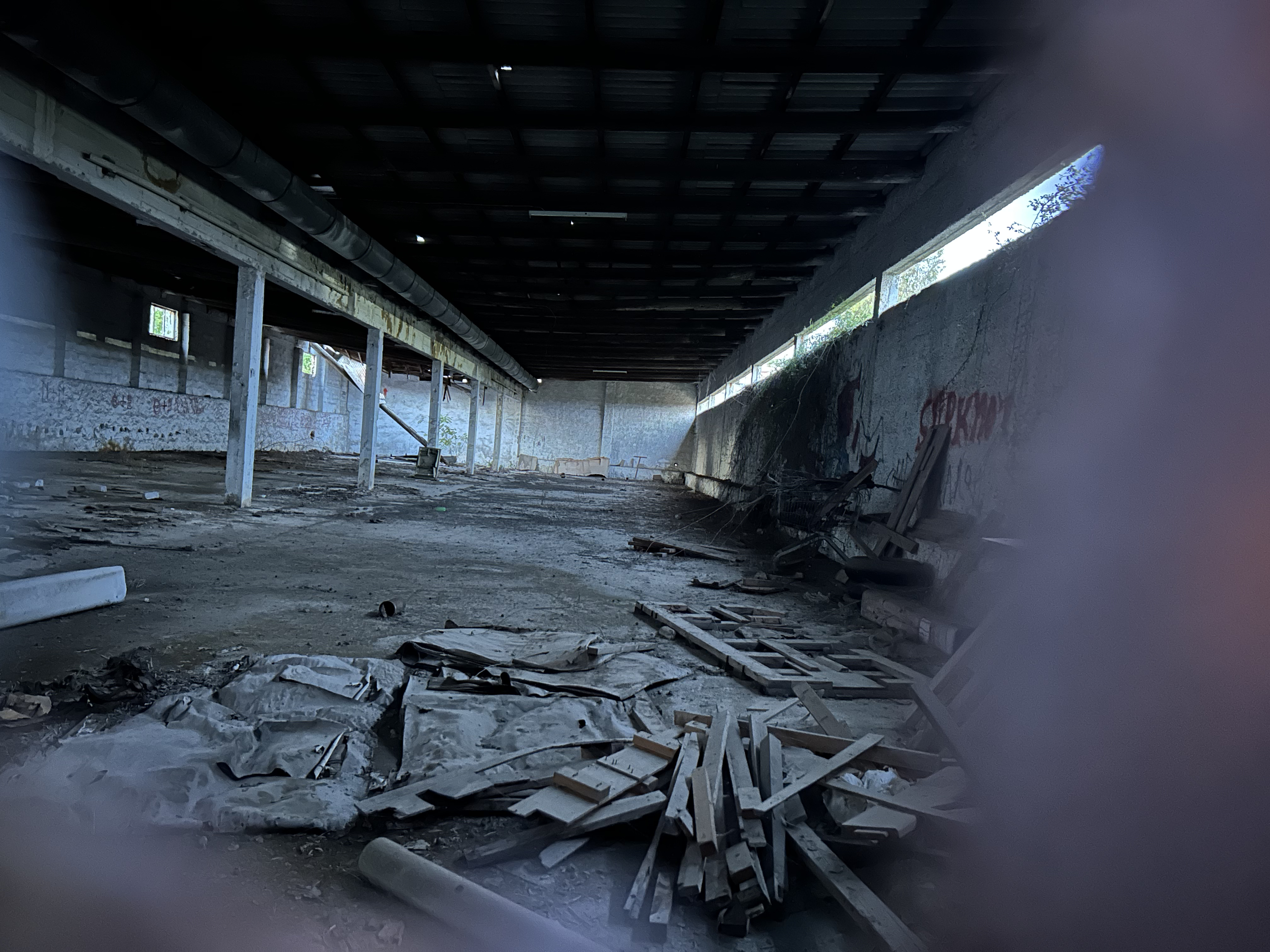
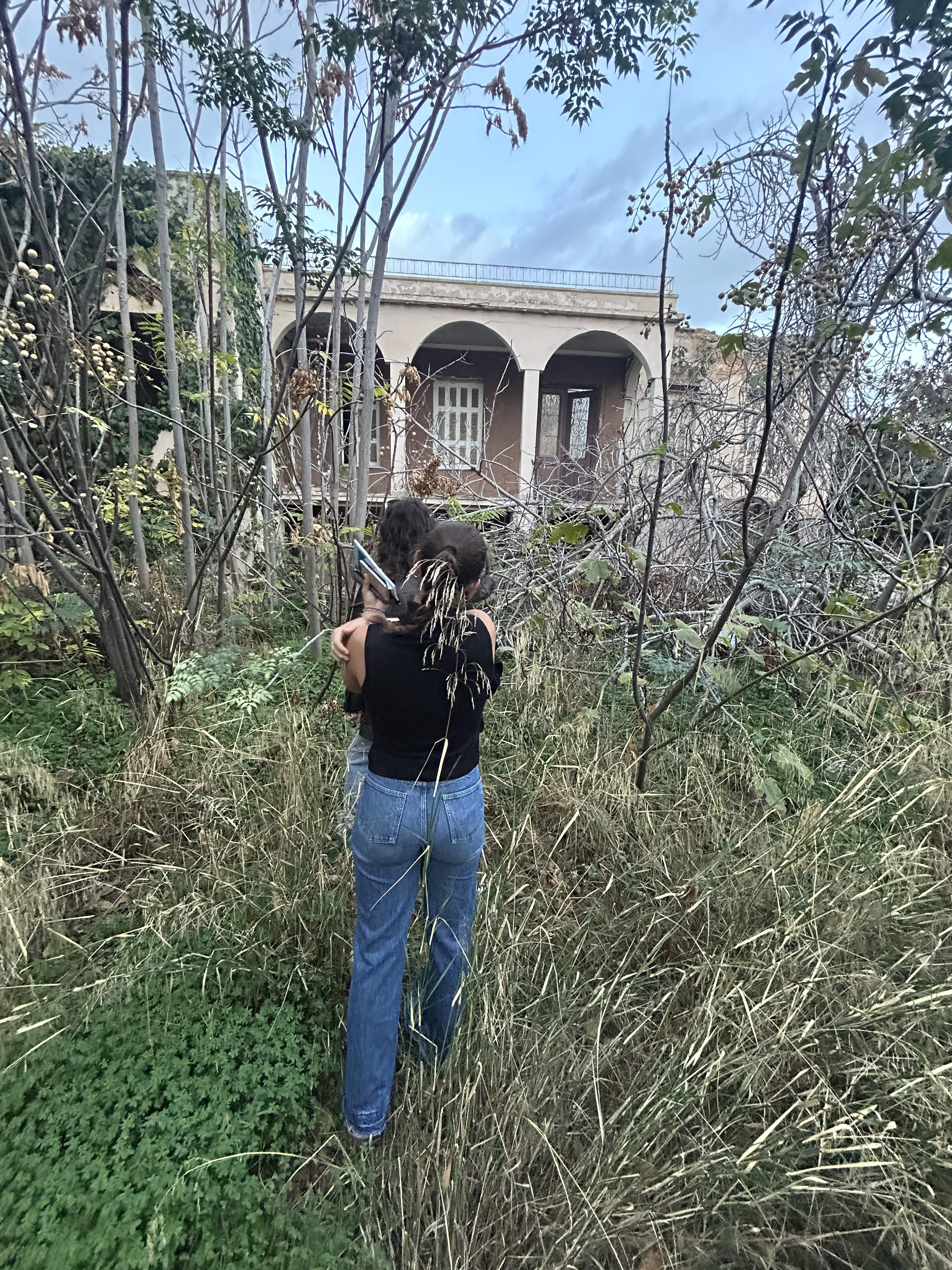
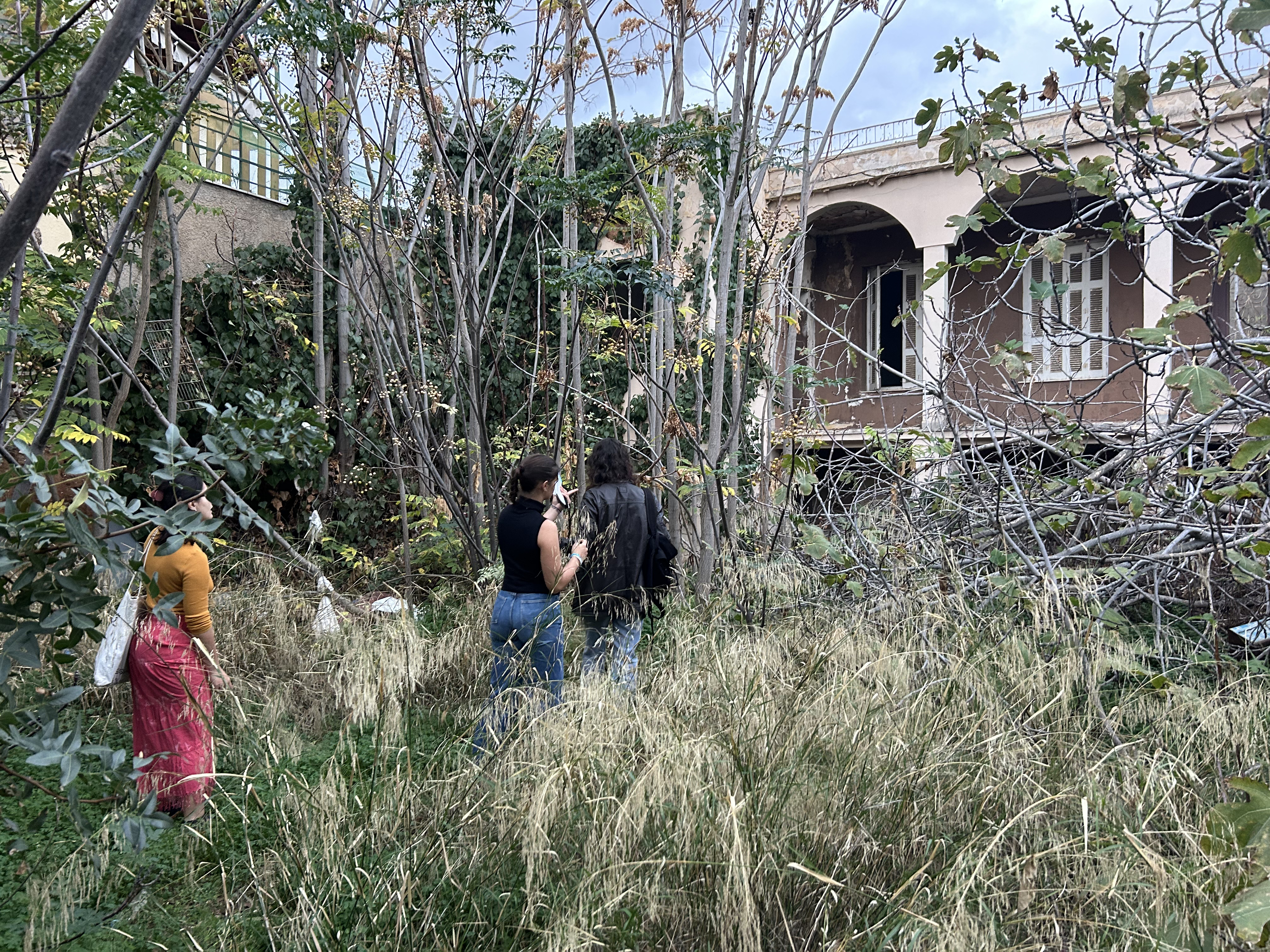
In Elefsina, a post-industrial city with a rich ancient heritage yet heavily affected by pollution and abandoned spaces, Cultterra has been empowering young people (15–30) to reclaim and activate unused urban spaces. Since 2025, our first Erasmus+ youth exchange focused on activating abandoned buildings through informal learning, engaging 50 participants from multiple countries. This project received recognition as a good practice and the National Charlemagne Prize 2026, demonstrating measurable social impact.
Building on this success, we have organized more than 200 local youth-led workshops, cultural events, and community activities since 2018that have:
engaged over 1000 young people and local residents, fostered collaboration between migrant, LGBTQI+, and local communities,
strengthened youth participation in urban regeneration processes,
raised awareness about environmental challenges and post-industrial pollution.
The upcoming initiative in July 2026 will involve 100 international participants, who will co-create and kick-start the renovation of an abandoned building into a multi-purpose community hub. The hub will host collaborative spaces for learning, cultural activities, and shared kitchens, promoting social cohesion, inclusion, and youth-led governance.
Expected results include:
creation of a replicable model of inclusive urban regeneration for Western Attica (Magoula, Mandra, Aspropyrgos, Megara, Nea Peramos),
increased youth leadership and bottom-up community engagement,
enhanced cultural exchange and solidarity among diverse groups,
tangible environmental remediation and adaptive reuse of abandoned buildings.
Through a combination of hard (building renovation) and soft (workshops, co-creation) interventions, the project transforms abandoned urban areas into living laboratories of democracy, creativity, and social innovation, making Elefsina a European example of youth-led, inclusive urban regeneration aligned with New European Bauhaus values.
Since its foundation in 2018, Cultterra has been empowering youth to transform Elefsina through community-led cultural initiatives. Early successes included mobilizing the local community to secure a skate park, funded by the Onassis Foundation, demonstrating our capacity to translate grassroots action into tangible urban improvements.
Building on this foundation, in 2025 we led our first Erasmus+ youth exchange, engaging 50 participants in activating abandoned urban spaces through informal learning, which received recognition as a good practice and the National Charlemagne Prize 2026. These experiences strengthened youth participation, fostered cross-cultural collaboration, and reinforced the bottom-up approach at the core of our work.
In 2026, for the first time, our team will participate in a multi-organization European project, having secured our place through official selection. Around 100 international participants will join us in July to kick-start the renovation of an abandoned building into a community hub, combining hard interventions (building refurbishment, environmental remediation) with soft interventions (workshops, co-creation, cultural events).
The project engages migrant, LGBTQI+, and local communities to co-design spaces and activities, promoting social cohesion, inclusion, and youth empowerment. Strategic partnerships with local authorities and cultural organizations ensure safety, sustainability, and scalability.
Through this combination of historical awareness, cultural inclusion, environmental responsibility, youth leadership, and European collaboration, the project transforms abandoned urban spaces into living laboratories of democracy, creativity, and social innovation, positioning Elefsina as a European example of youth-led urban regeneration aligned with New European Bauhaus values.
Youth-led urban regeneration
Cultural & creative activation
Adaptive reuse & environmental remediation
Community inclusion & diversity
European collaboration & international exchange
Our project addresses environmental, social, cultural, and economic sustainability through a holistic approach to urban regeneration in Elefsina, a post-industrial city with significant pollution and abandoned spaces.
Environmental: We target the remediation and adaptive reuse of abandoned public and private buildings, including safe removal of hazardous materials such as asbestos, and the creation of energy- and resource-efficient spaces. Renovated areas will host community activities without further environmental degradation, transforming neglected urban fabric into green, functional, and resilient community hubs.
Social: By engaging youth, migrant, and LGBTQI+ communities in participatory decision-making, workshops, and co-creation, we foster social cohesion, inclusion, and empowerment, reducing inequalities and giving vulnerable groups a voice in shaping their city.
Cultural: The project promotes cultural exchange and creativity through collaborative activities in music, dance, and shared cooking. These practices celebrate diversity, preserve heritage, and encourage intergenerational learning, strengthening the social and cultural fabric of the city.
Economic: By activating abandoned spaces and supporting youth-led initiatives, we stimulate local entrepreneurship, skills development, and volunteer-driven initiatives, creating long-term benefits for the community while maximizing limited resources.
The project is exemplary in sustainability because it integrates hard and soft interventions, combining physical regeneration with inclusive governance, youth empowerment, and cultural vitality. It transforms abandoned, polluted sites into living laboratories of sustainable urban development, providing a replicable model for other post-industrial European cities seeking to balance environmental, social, and cultural sustainability.
Our project transforms abandoned and post-industrial spaces in Elefsina into vibrant, welcoming, and aesthetically engaging community hubs, contributing to both everyday life and long-term urban regeneration. By reclaiming neglected buildings, remediating environmental hazards, and activating spaces with art, music, dance, and collaborative kitchens, we enhance the visual, cultural, and social landscape of neighborhoods, making them more beautiful, functional, and inviting.
Through inclusive participation, the project fosters a sense of belonging for youth, migrants, and LGBTQI+ communities, enabling people from diverse backgrounds to co-create and personalize spaces that reflect their identities and values. This participatory process encourages care for the environment and pride in shared spaces, strengthening the social fabric and community resilience.
By offering young people opportunities to engage in meaningful cultural, artistic, and urban interventions, we counteract brain drain, inspiring youth to stay and invest in their city. Many participants choose to remain in Elefsina thanks to initiatives by Cultterra, which provide platforms for creativity, skill-building, and community engagement.
The project is exemplary in aesthetics because it blends functionality, beauty, and cultural diversity, creating spaces where people feel connected, empowered, and inspired. By turning abandoned structures into living works of art, we cultivate a lasting sense of identity, pride, and care for the city, serving as a replicable model of how youth-led, inclusive design can make life beautiful for communities and neighborhoods alike.
Our project addresses inclusion by creating accessible, affordable, and participatory spaces for all community members in Elefsina. We transform abandoned public and private buildings into community hubs designed to accommodate diverse users, including youth, migrants, and LGBTQI+ communities. All areas are planned following design-for-all principles, ensuring physical accessibility, safety, and usability for people with disabilities.
Affordability is central: workshops, cultural events, and shared facilities, such as community kitchens, are free or low-cost, removing financial barriers and ensuring that everyone can participate, regardless of socio-economic status.
The project applies inclusive governance models, where youth lead decision-making through co-creation, participatory workshops, and bottom-up management structures. This empowers young people to shape their environment while engaging local residents, migrant groups, and LGBTQI+ communities in the design and programming of the space.
By actively involving marginalized groups in shaping both physical and social spaces, the project fosters equity, social cohesion, and cross-cultural understanding, creating opportunities for dialogue, collaboration, and mutual support.
The project is exemplary in inclusion because it integrates accessibility, affordability, and participatory governance, turning abandoned urban areas into living laboratories of inclusive design and community-led transformation. It provides a replicable model for other European cities, demonstrating how youth-led initiatives can create spaces that are welcoming, empowering, and truly inclusive for all.
Our project is built on a strong participatory approach, involving users, citizens, and stakeholders at every stage of concept development. Since 2018, over 900 community members have participated in workshops, cultural events, and open calls for youth engagement. Specifically, during the Erasmus+ initiatives, 55 young people expressed interest in creating their own actions in Elefsina, actively shaping the programming and activities of the project.
We collaborate closely with a wide network of stakeholders, including the municipality, regional authorities, local schools, external NGOs, and international partners, ensuring that multiple perspectives inform both planning and implementation. This inclusive approach allows participants—especially youth who may face insecurity, shyness, or limited experience in organizing events—to develop skills in leadership, project management, and cultural programming, fostering confidence and long-term engagement.
Participation has a tangible impact: the co-creation of activities ensures that spaces, workshops, and events reflect the needs, interests, and creativity of the community, while empowering young people to take ownership of their city. This approach also strengthens social cohesion, as migrants, LGBTQI+, and local youth collaborate in a shared, inclusive environment.
Our model is exemplary because it combines bottom-up youth leadership with structured stakeholder engagement, creating living laboratories of participatory governance. It demonstrates how inclusive co-creation can generate sustainable cultural, social, and environmental outcomes, offering a replicable blueprint for other European cities seeking to engage communities in transformative urban projects.
Our project integrates multilevel governance by actively engaging stakeholders across local, regional, national, and European levels in both the design and implementation of our concept. At the local level, we collaborate with the municipality of Elefsina, local schools, and community organizations to identify abandoned spaces, co-design activities, and ensure accessibility and inclusion for all participants.
At the regional level, partnerships with regional authorities support environmental remediation, regulatory compliance, and community engagement frameworks, enhancing the project's sustainability and safety.
At the national level, our recognition as National Charlemagne Prize winners 2026 provides credibility and visibility, while ongoing applications to national European programs, such as Erasmus+, facilitate cross-border youth exchanges and knowledge sharing.
At the European level, we are participating for the first time in a multi-organization international project, where approximately 100 participants from across Europe will join us in July 2026 to co-create and kick-start the initial renovation of an abandoned building. Their engagement brings expertise, diverse cultural perspectives, and innovative approaches, reinforcing the project’s alignment with the New European Bauhaus principles.
The added value of this multilevel governance is substantial: it ensures legitimacy, enhances technical and social quality, and strengthens long-term sustainability, while providing young participants with a unique opportunity to operate within a multi-layered governance structure. This approach not only enables effective coordination across different scales but also offers a replicable model for participatory, multi-level urban regeneration in post-industrial European cities.
Our project integrates a wide range of disciplines and knowledge fields in both the design and implementation of our concept, ensuring a holistic, transdisciplinary approach. The team includes architects, interior designers, engineers, artists, graphic designers, and educators, combining technical, creative, and pedagogical expertise to transform abandoned urban spaces into vibrant community hubs.
In our workshops, we go beyond artistic activities, engaging participants in practical skills for action implementation, such as urban activation, event organization, and cultural programming.
The project also leverages digital tools for planning, visualization, and participatory design, enabling youth and community members to contribute ideas and visualize outcomes before implementation. These tools bridge technical knowledge with creativity, allowing for more inclusive and effective co-creation processes.
Through this cross-disciplinary collaboration, participants gain both hard and soft skills, from construction and environmental remediation to leadership, cultural programming, and community engagement. External experts and international partners enrich the process, bringing diverse perspectives, methodologies, and best practices.
Our approach is exemplary in its transdisciplinary nature, demonstrating how creative, technical, and social expertise can converge to transform neglected urban spaces into inclusive, sustainable, and culturally vibrant environments. This provides a replicable model for youth-led, cross-sector urban regeneration across Europe.
Our concept envisions a financially sustainable model that balances community access, youth empowerment, and long-term operational viability. The primary sources of funding include European grants (e.g., Erasmus+), municipal support, private donations, foundation funding, and crowdfunding campaigns, which allow us to cover initial investments, renovation costs, and program delivery.
While maintaining free or low-cost activities as a central priority, we aim to ensure that financial barriers do not prevent participation, promoting equitable access for all community members, including youth, migrants, and LGBTQI+ individuals. At the same time, we explore complementary revenue streams, such as partnership-based events, collaborative workshops with external organizations, and rental of multifunctional spaces for cultural or educational purposes, to support ongoing maintenance, utilities, and staffing.
Our strategy also leverages strong partnerships and in-kind contributions, including volunteer engagement, donated materials, and technical expertise from professionals such as architects, engineers, and artists. This collaborative approach reduces operational costs while fostering community ownership and engagement.
The business model is exemplary because it combines grant-based funding, social innovation, and participatory co-management to create a resilient, inclusive, and sustainable urban regeneration initiative. By ensuring long-term financial viability without compromising accessibility, the project serves as a replicable model for youth-led, community-centered cultural hubs across Europe.
Our concept is highly replicable and transferable across different cities, communities, and contexts, thanks to its modular methodology and adaptable tools. The core elements that can be scaled include:
Youth-led participatory approach: Our bottom-up, co-creation methodology empowers young people to identify, design, and implement cultural and community initiatives. This approach can be adapted to different communities, engaging youth in diverse urban or post-industrial environments.
Activation of abandoned spaces: The process of reclaiming, remediating, and adaptively reusing neglected buildings or public spaces—including environmental interventions such as asbestos removal and energy-efficient renovation—is a replicable model for post-industrial cities across Europe.
Inclusive, cross-cultural programming: Workshops, cultural events, and community kitchens that bring together migrant, LGBTQI+, and local populations can be implemented in other contexts to strengthen social cohesion, inclusion, and intercultural dialogue.
Transdisciplinary collaboration: The integration of architects, engineers, artists, educators, and digital tools in project planning and execution demonstrates a cross-sector methodology that other organizations can adopt to combine technical, cultural, and social expertise.
Participatory governance and co-management: Our bottom-up governance structures, stakeholder engagement strategies, and open calls for ideas create a replicable framework for empowering communities while ensuring ownership, accountability, and sustainability.
By combining these elements, the project provides a scalable blueprint for inclusive urban regeneration, community empowerment, and sustainable cultural development. Other cities can adopt the methodology, tools, and governance practices to transform neglected spaces into vibrant, socially cohesive, and environmentally sustainable hubs for youth and local communities.
We have a clear roadmap to implement the concept in practice, with concrete steps planned for the year following the application. Our team has already mapped potential sites, identifying four viable options for the community hub. We are in active communication with the municipality and private owners to secure the location, ensuring readiness for the kick-off in July 2026 when the international project participants (approx. 100 young people from across Europe) will join us for the initial renovation.
Following this, we will develop the space into three core areas: a dance studio for collaborative youth-led groups, a music studio supporting aspiring local musicians, and a community kitchen where residents and migrants can cook together, fostering social cohesion and inclusion. Simultaneously, we will establish a community garden, promoting environmental engagement, sustainability, and participatory learning.
Throughout this process, we will organize workshops, events, and co-creation sessions, ensuring active participation of local youth, migrant communities, LGBTQI+ groups, schools, and external partners, including NGOs and international collaborators. These activities will build skills, strengthen community bonds, and co-create programming that reflects the needs and creativity of the community.
By combining physical renovation, participatory governance, and cultural programming, we aim to deliver a vibrant, inclusive, and sustainable hub. This roadmap demonstrates our commitment to translate the concept into tangible impact, fostering social cohesion, youth empowerment, and urban regeneration in Elefsina and providing a replicable model for other European cities.