Arts, Culture, and Heritage as Drivers of Change
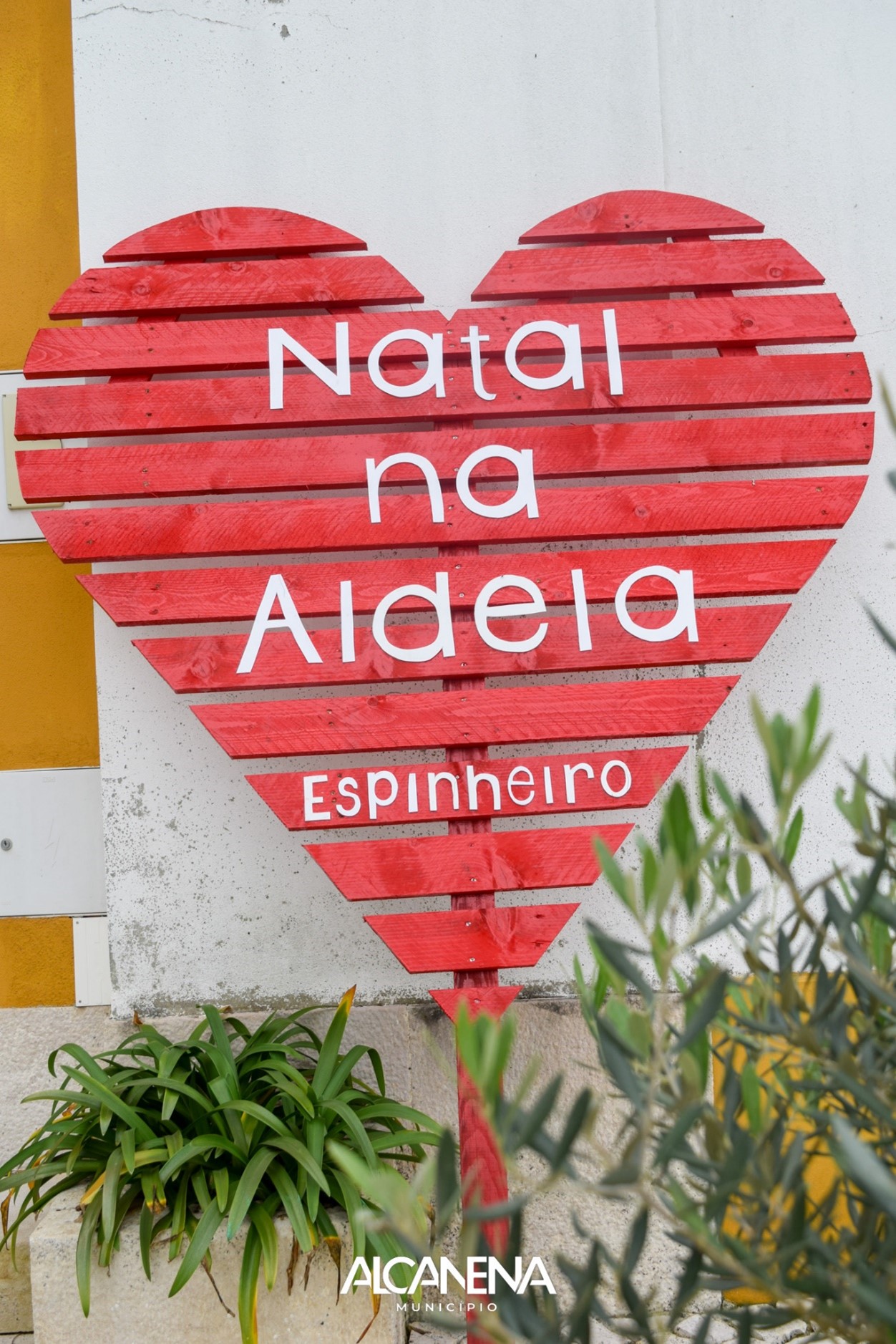
Natal na Aldeia - Espinheiro
Natal na Aldeia - Espinheiro
“Natal na Aldeia – Espinheiro” is a community-led cultural initiative that transforms local heritage into collective action. Through an inclusive Christmas programme, it activates and strengthens social bonds while promoting the integration of different generations, families and migrants into community life. By combining local tradition and migrant knowledge, the project reinforces belonging, encourages participation and contributes towards the vitality, cohesion and resilience of the territory.
Portugal
Local
Espinheiro | Alcanena
Mainly rural
It involves other types of transformations (soft investment)
Yes
2025-12-31
Yes
ESF : European Social Fund
No
No
Organisation
"Natal na Aldeia - Espinheiro" (Christmas in the Village of Espinheiro) is a community-driven cultural event in the village of Espinheiro, Alcanena, Portugal, that celebrates local traditions while fostering inclusion, social cohesion, and environmental sustainability. The project brings together residents, local artisans, and migrants through creative collaboration, promoting sustainable practices and the revival of traditional crafts. Every December, the village is transformed into a vibrant space for cultural exchange, with workshops, exhibitions, and public art installations designed and executed by the community itself.
In the year of 2025, there was a relevant shift caused by genesis of the initiative “Espinheiro Criar & Integrar” [Create & Integrate] that is framed within the municipal strategy towards the inclusion of migrant population in Alcanena. These communal activities not only preserve Espinheiro’s rich artisanal heritage but also serve as a catalyst for intercultural dialogue, social integration, and community empowerment. By actively involving marginalized groups, especially migrants, the project provides them with opportunities to develop new skills, increase employability, and forge deeper connections with the local community, breaking down social barriers.
The long-term impact of "Natal na Aldeia - Espinheiro", comprising all social initiatives, lies in its role as a sustainable rural regeneration model. By valuing local resources, encouraging intergenerational exchange, and creating permanent public art installations, the project contributes to revitalizing the village's cultural and social fabric. The initiative fosters economic opportunities in the creative and artisan sectors, particularly for migrants, while promoting social inclusion and economic sustainability. It serves as a powerful example of how community-led regeneration can blend traditional cultural values with modern sustainable practices, ensuring lasting positive change.
"Natal na Aldeia - Espinheiro" emerged from a broader vision to revitalize the village of Espinheiro through a strategic approach embedded in the Espinheiro Green Lab. Also, the inclusion of migrant-focused initiative Criar & Integrar has broadened its scope and transformed this initiative from being centred in valuing tradition to how it is possible to integrate newcomers.
This project was conceived to bridge the gap between residents, artisans, and migrants through collaborative art, preserving local traditions, and creating new opportunities for engagement. It was developed in response to the community’s need for more inclusive spaces where people from diverse backgrounds could contribute, connect, and share their cultural heritage.
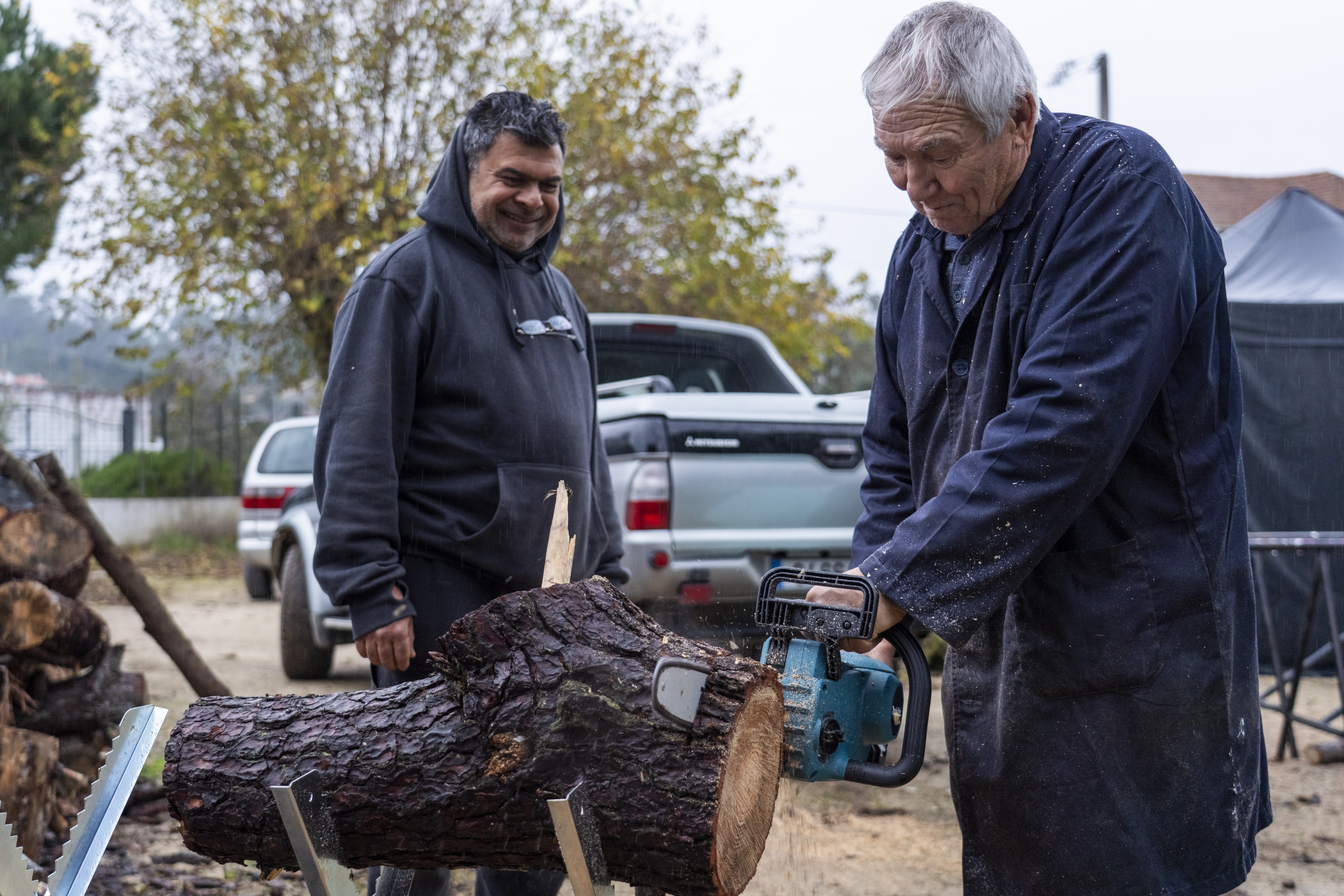
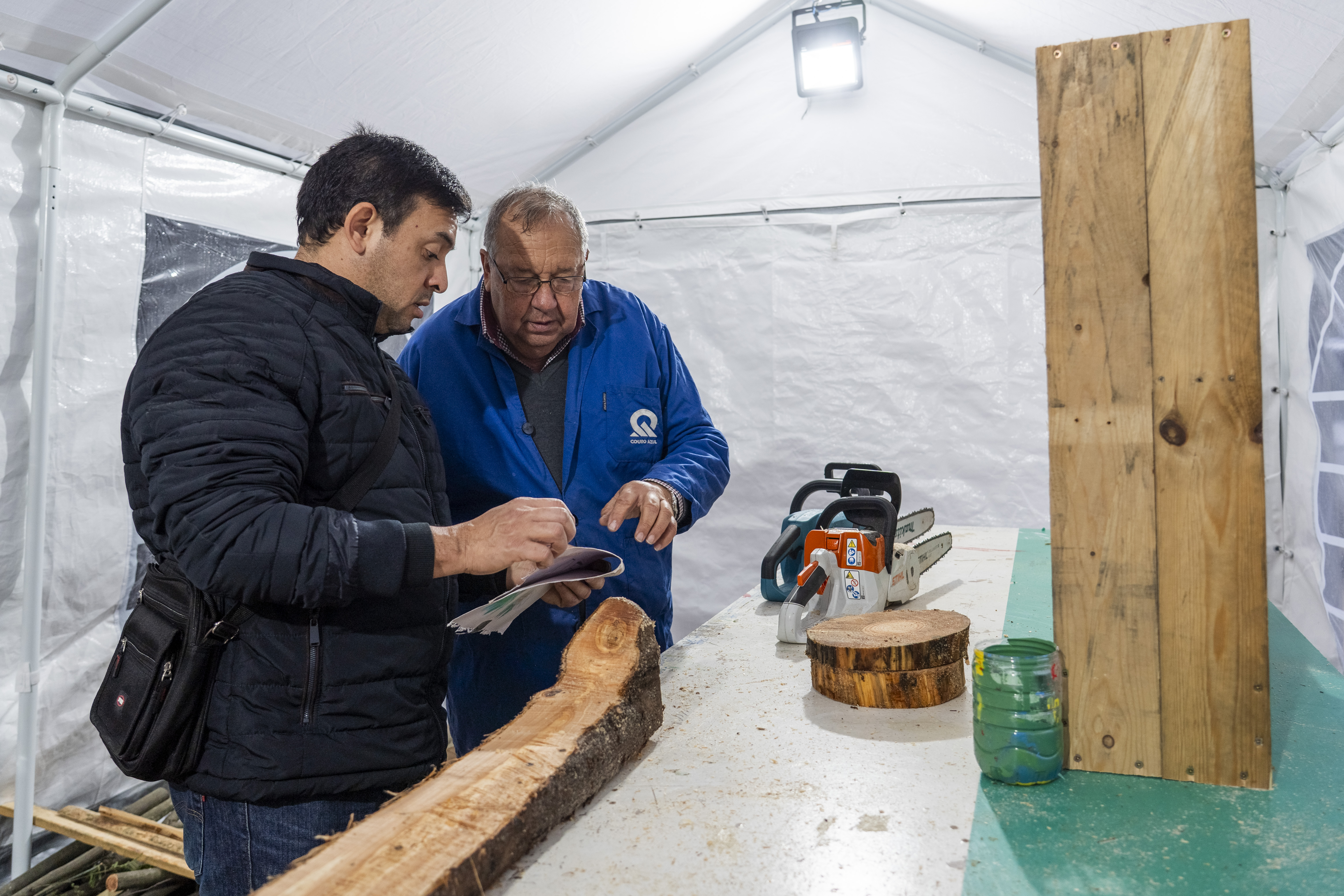
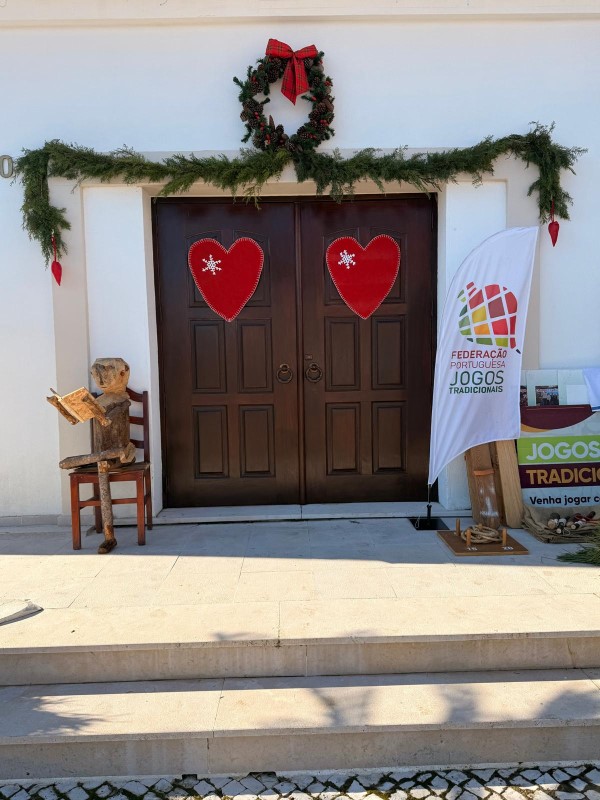
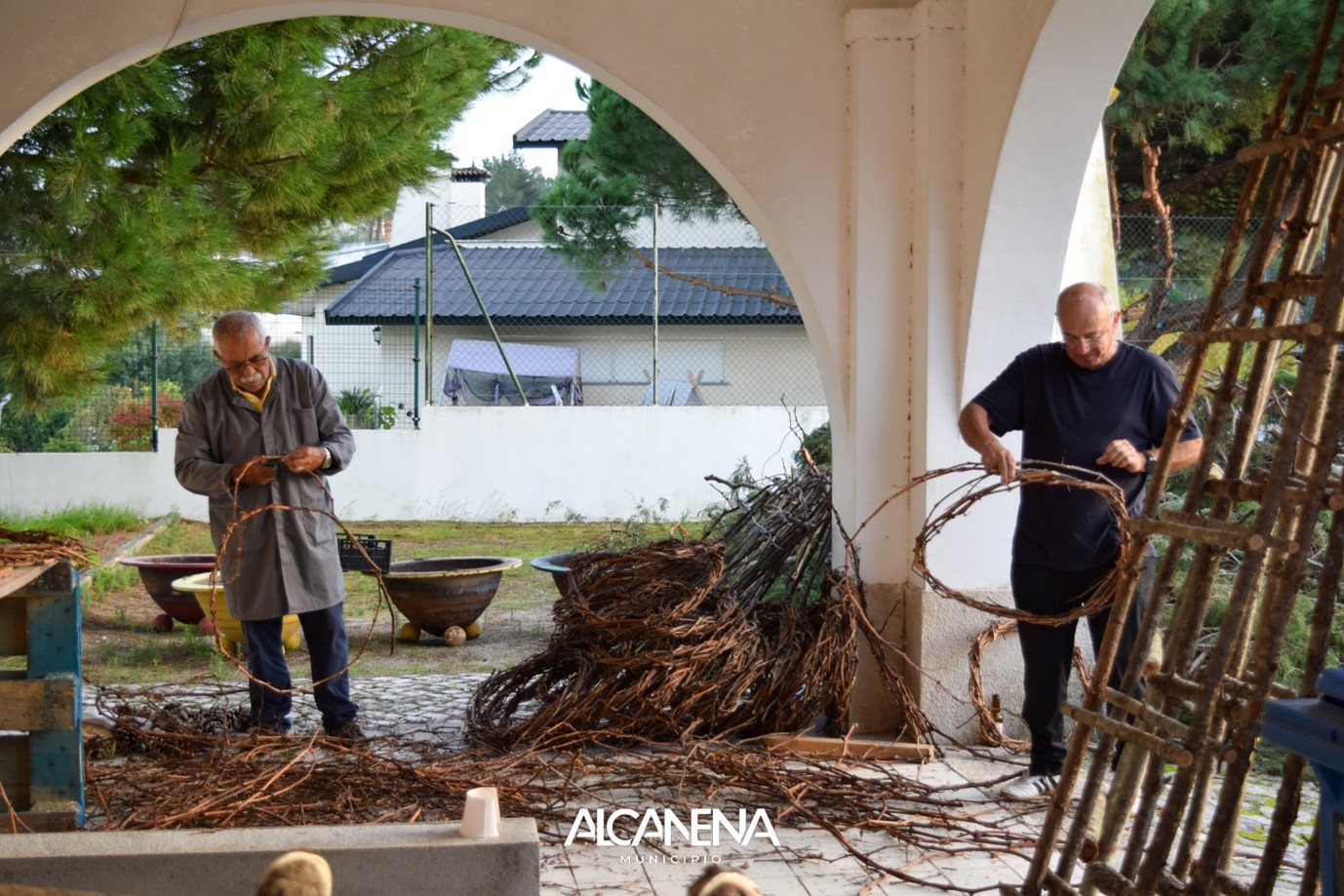
The implementation process began with the establishment of collaborative workshops focused on local artisanal crafts such as woodworking, leathercraft, and weaving, involving both migrants and locals. The former primary school in Espinheiro was transformed into a vibrant community space for these workshops, reflecting the Espinheiro Green Lab's principles of innovation, sustainability, and education. The school’s cultural history was honoured by repurposing it into a centre for artistic creation, where participants could learn, create, and share ideas in a welcoming, inclusive environment.
The project was implemented in phases, starting with community meetings to introduce the idea and gather feedback. These sessions ensured that the needs and interests of the community were reflected in the project’s design. Over time, intergenerational workshops and public art installations brought people from different walks of life together, contributing to the cultural transformation of the village. The annual Christmas event, "Natal na Aldeia", became the central moment of the project, where all artistic creations and community contributions were showcased, turning the village into a living gallery of art and culture
Community-led action
Migrant inclusion policies
Sustainability
Cultural Heritage
Social innovation
Natal na Aldeia - Espinheiro presents a clear contribution towards sustainability, which can be assessed based on different categories of sustainability:
Environmental Sustainability: by fostering environmental sustainability by focusing on the circular economy, with the upcycle of local materials like wood, leather, and wicker into art and functional pieces, reducing waste. The project encourages eco-friendly craftsmanship, using biodegradable materials and traditional techniques, ensuring the community contributes to sustainability while preserving its cultural heritage. Additionally, public art installations enhance the village’s environment, promoting greener, more beautiful spaces.
Social Sustainability: by adressing social sustainability and promoting inclusive participation, providing a platform for migrants and locals to collaborate, fostering social integration through art. Offering skills development and enhancing social mobility, the project empowers migrants, helping them access economic opportunities in the artisan sector. The workshops also strengthen intergenerational dialogue, ensuring that traditions are passed on to younger generations, building stronger social bonds within the community.
Cultural Sustainability: by actively preserving local traditions and crafts, like woodworking and leathercraft, ensuring that Espinheiro’s cultural heritage is maintained and passed to future generations. The project also fosters intercultural exchange, allowing migrants and locals to share knowledge, enriching the community’s cultural landscape.
Economic Sustainability: by creating economic sustainability and offering new opportunities in the artisan sector, opening pathways to entrepreneurship. The Christmas event stimulates the local economy and benefits small businesses. Partnerships with local businesses ensure economic growth, while sustainable local production is promoted.
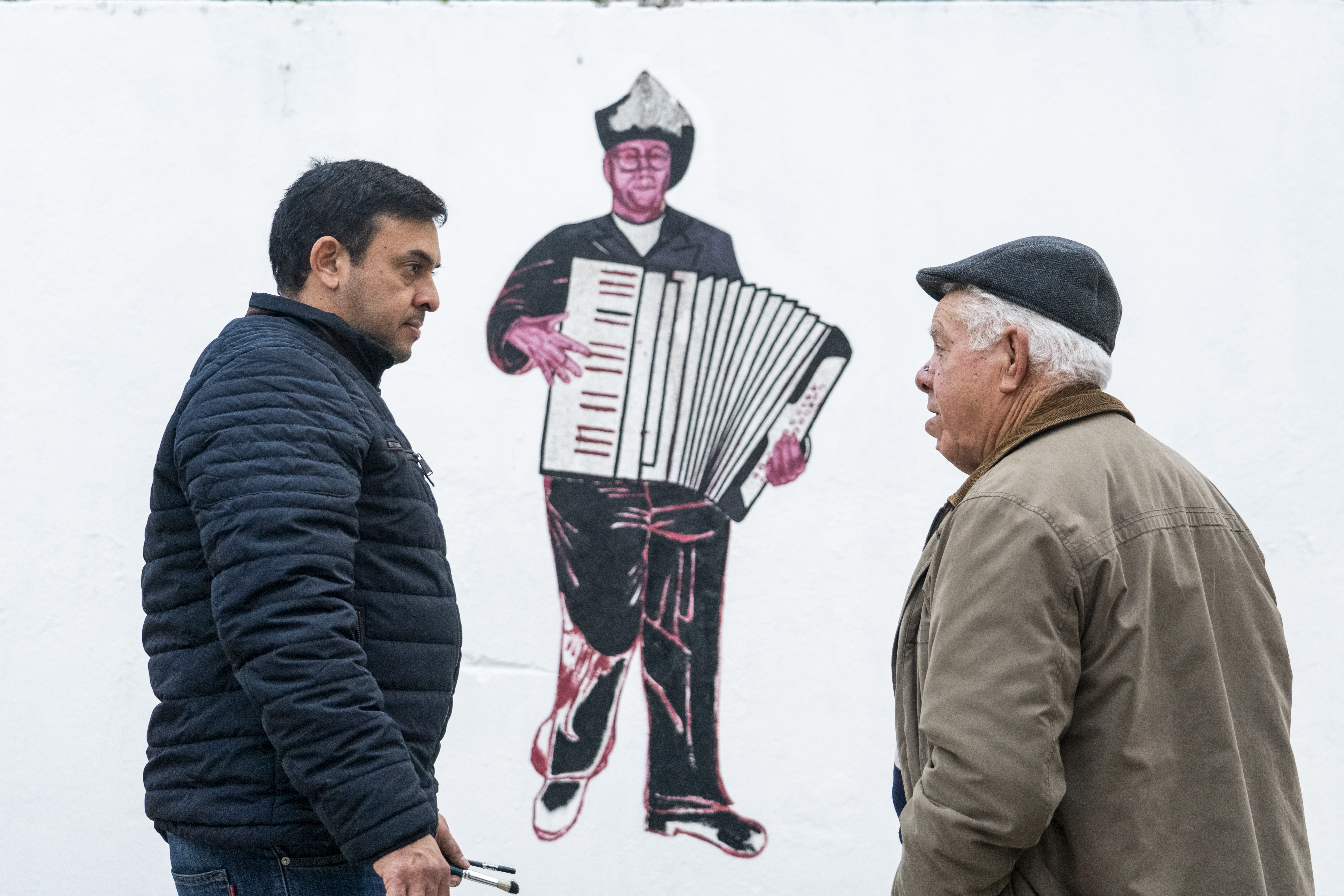
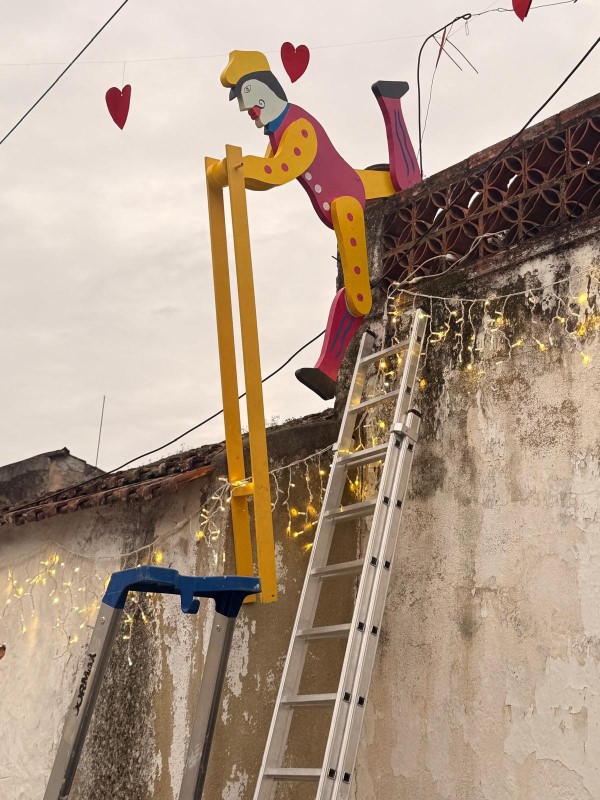
"Natal na Aldeia - Espinheiro" contributes significantly to aesthetics by transforming the village of Espinheiro into a vibrant and beautiful space that reflects the community’s cultural identity. Through public art installations and urban furniture made from local materials like wood, leather, and wicker, the project enhances public spaces while embracing sustainability, also blending traditional crafts with modern artistic expression.
A key part of this transformation is the repurposing of the former primary school into a community arts hub, combining the preservation of architectural heritage with innovative design. This rejuvenation maintains the building’s historical significance while introducing a modern, aesthetically pleasing space that serves the community's needs.
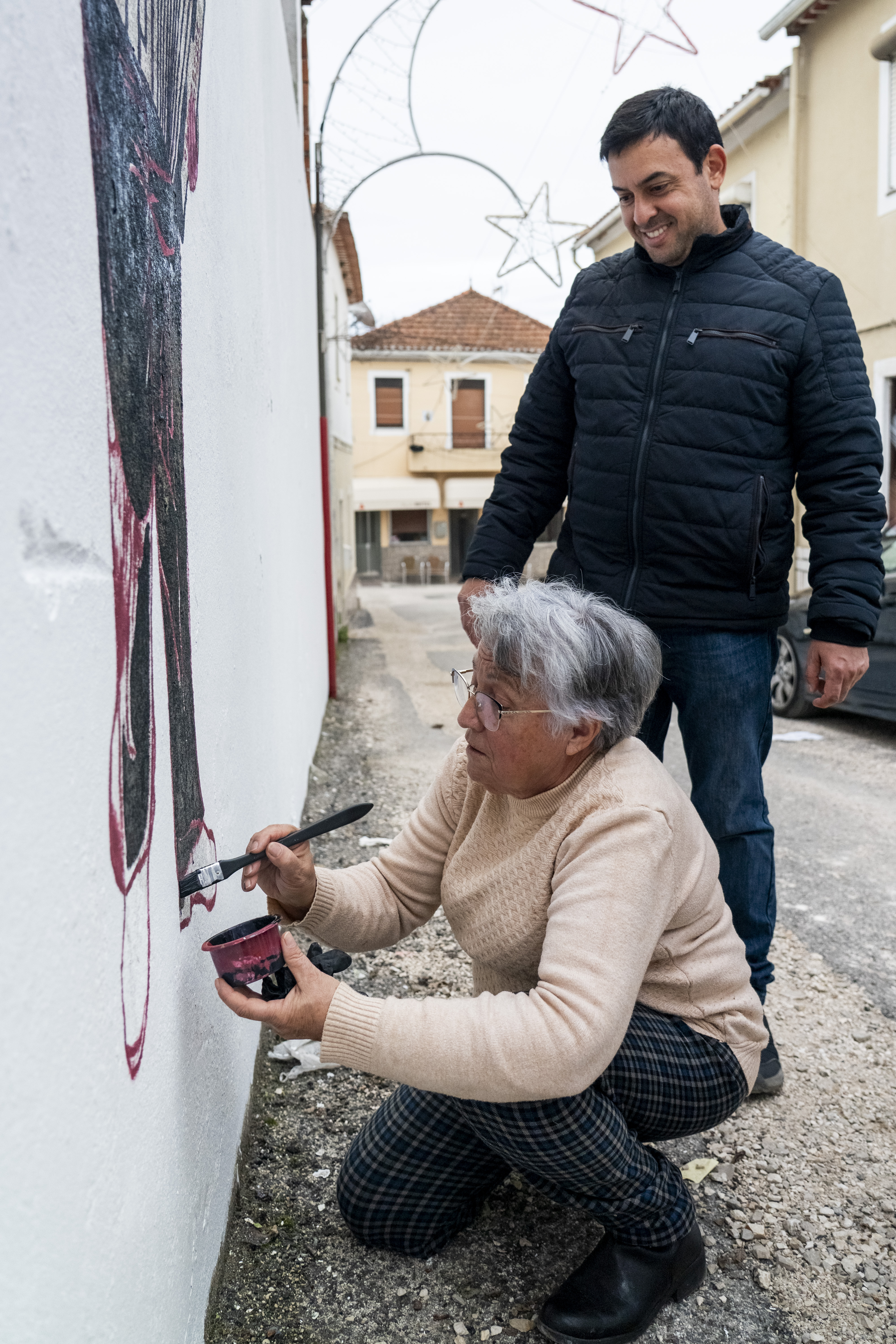
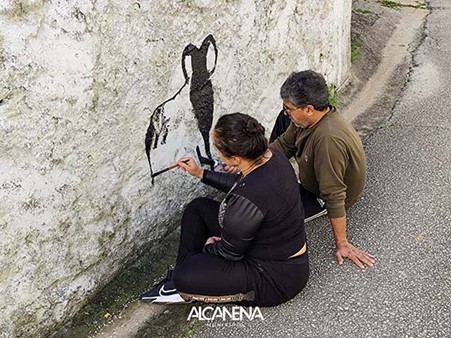
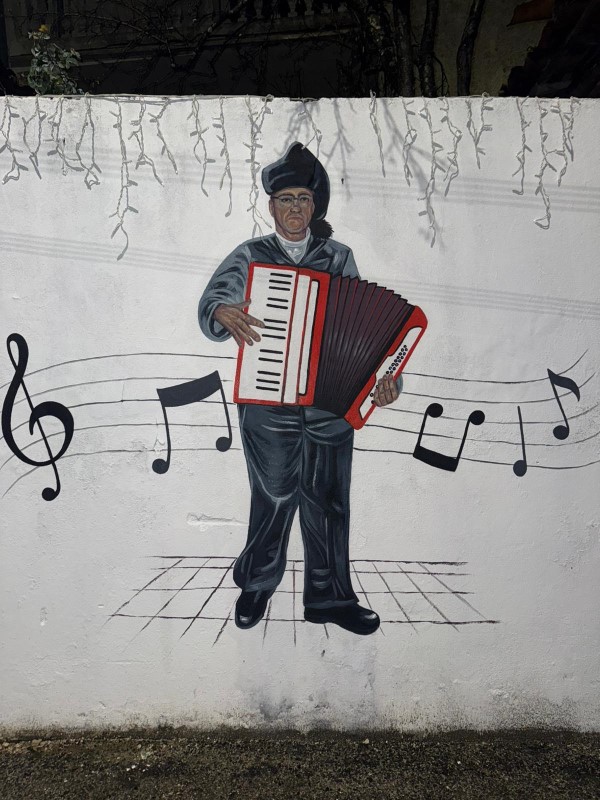
The project also emphasizes the creation of functional art. Pieces such as benches and murals are not just beautiful but also practical, becoming part of everyday life. It should also be mentioned the inclusion of new practices in mural paintings due to new techniques brought by migrant population that enrich local knowledge. This infusion of art into public spaces contributes to a welcoming, visually stimulating environment, making Espinheiro more attractive and enjoyable for both residents and visitors. It encourages daily interaction with art, integrating beauty into the fabric of the community.
Through active participation in these creative processes, community members build a sense of ownership and belonging, reinforcing their emotional connection to the village. The beauty created through these workshops is not just visual, but deeply meaningful, symbolizing the collective identity and shared cultural heritage of the community. This ongoing aesthetic transformation ensures that the village is not only a more beautiful place but also one that resonates emotionally with its inhabitants for generations to come, making the space both timeless and inspiring.
"Natal na Aldeia - Espinheiro", even more by the initiative “Criar & Integrar”, stands out as an exemplary model of inclusion, addressing key challenges related to migrant integration, accessibility, and participatory governance. Through the active involvement of both migrants and locals, the project creates a space where everyone has an opportunity to contribute, fostering social cohesion and promoting cultural exchange. These principles are deeply woven into the fabric of the project, making it a transformative force in the community.
Through artisan workshops, participants gain expertise in traditional crafts such as woodworking, leatherwork, and weaving, opening new economic opportunities. The collaborative nature of these workshops encourages both locals and migrants to work side by side, promoting mutual respect, breaking cultural barriers, and creating a more inclusive community. The blending of diverse cultural traditions with new external expertise and knowledge enriches the village's shared identity, reinforcing a sense of belonging for all involved.
Regarding accessibility, the project ensures that opportunities are available to everyone, regardless of age, gender, or financial status. All workshops and events are free of charge, ensuring equal participation for people from various backgrounds. This approach ensures that the spaces are welcoming and accessible, enabling individuals of all abilities to engage and enjoy the public spaces.
Lastly, the community plays an active role in decision-making, ensuring that their voices are heard and their needs are reflected in the project’s design. This inclusive governance model encourages shared ownership and collective responsibility, promoting social solidarity and a strong sense of community. By empowering both locals and migrants to shape the future of their village, the project fosters a culture of collaboration and long-term sustainability.
Natal na Aldeia, reinforced in 2025 by “Criar & Integrar” stands out for its community-led approach, which actively involves locals, migrants, and cultural organizations in shaping the project from the ground up. This bottom-up model ensures that the project is not only reflective of the community's needs and values but also that every participant has a voice in its development.
Through collaborative workshops, everyone, regardless of background or experience, can contribute to the creation of public art, functional pieces, and celebratory events. By giving the community ownership over the creative process, the project fosters shared responsibility and builds a deep sense of belonging.
A key aspect of this participation is the active involvement of migrants. In 2025, over 150 participants engaged in the workshops, with 30% migrant participation, highlighting the project’s role in fostering intercultural exchange and strengthening community bonds. The project offers skills development in traditional crafts as well as a platform for artistic expression [both by local as well as migrant community], empowering all to contribute meaningfully to the local economy and cultural scene. This inclusivity breaks down cultural barriers, allowing migrants to integrate and build strong social and economic ties with the wider community. Through artistic creation and participation in decision-making, migrants feel empowered and valued.
Finally, the project thrives on participatory governance, where community members, both locals and migrants, are integral to decision-making. This bottom-up approach allows the community to shape the project’s future, ensuring its sustainability and long-term impact. By empowering the community to drive change, "Natal na Aldeia - Espinheiro" sets a powerful example of inclusive and sustainable rural regeneration. This collective creativity and community pride have made this project a symbol of social cohesion and a model for inclusive governance
Natal na Aldeia excels in multilevel governance by fostering collaboration between local and regional authorities, and through strong partnerships with civil society organizations. At its core, the project is driven by community-led efforts that reflect the needs of Espinheiro’s residents. The Municipality of Alcanena plays a pivotal role in coordinating the project, ensuring it aligns with local objectives for rural regeneration, as well as assisting in the access to funding [such as the ESF funded initiative “Criar & Integrar”. This partnership ensures that the project is deeply connected to the specific aspirations of the community, providing a model for ownership and bottom-up decision-making.
The project engages with regional authorities and organizations, like the Intermunicipal Community and the Natural Park of Serras de Aires e Candeeiros, to align local efforts with broader regional strategies focused on sustainable development and cultural preservation. This collaboration strengthens the project’s alignment with regional policies aimed at fostering rural regeneration through sustainability and heritage.
By involving local cultural associations and migrant advocacy groups, the project ensures diverse community participation and inclusivity. This multistakeholder approach brings together a wide array of local actors, from residents and local businesses to cultural organizations, all working together toward a shared goal. Migrant communities are integrated into the project, contributing to the local economy and enhancing social cohesion through shared creative processes.
The project’s emphasis on collaborative decision-making and shared responsibility ensures that Espinheiro’s transformation is both sustainable and inclusive, with a lasting impact on the village’s cultural landscape and community dynamics, making it a model for how multilevel governance can be applied to rural regeneration.
"Natal na Aldeia - Espinheiro" integrates a variety of disciplines and knowledge fields, creating a transdisciplinary approach that ensures the project’s holistic success in community regeneration, cultural preservation, and sustainability. The project brings together social sciences, education, arts, and design, ensuring that multiple perspectives and expertise contribute to its design and implementation.
In terms of social sciences, the project addresses community development and social inclusion by engaging migrants, locals, and community groups in participatory governance. Through collaborative workshops and cultural activities, it fosters social cohesion, intercultural dialogue, and intergenerational communication, empowering participants to take active roles in shaping the village’s future. Education plays a central role here, as the project offers skills development in sustainable craftsmanship, providing both learning and economic opportunities for all participants, especially marginalized groups.
Art and cultural heritage are central to the project. Workshops in traditional crafts (such as woodworking, leathercraft, and weaving) not only preserve local heritage but also enable cultural exchange. The project uses artistic creation to transform public spaces, creating a visual identity that reflects the community’s diverse roots while celebrating shared traditions and innovative expressions.
Design plays a key role in the aesthetic transformation of the village. Public furniture and art installations are created with inclusive, accessible design, ensuring they enhance both the functionality and beauty of public spaces. The repurposing of the former primary school into a community arts hub integrates architectural design with community use, preserving the building's cultural value while adapting it to meet modern needs, making it a space for future creativity and sustainable engagement.
The business model of "Natal na Aldeia - Espinheiro" is built on a combination of public funding, private sector support, and entrepreneurial initiatives, ensuring long-term financial sustainability. The project is primarily financed through the Municipality of Alcanena’s budget, providing a solid base of support. Additionally, and as it was proven by the inclusion of “Espinheiro Criar & Integrar [ESF funding with the code CENTRO2030-FSE+-02602900] the project is seeking regional, national and European funding for specific initiatives, such as those focused on migrant integration and sustainable rural regeneration, which align with broader development goals.
To further secure funding, the project aims to attract private sector patronage from local businesses and corporate sponsors, supporting its activities and helping to extend its reach. The project’s commitment to entrepreneurship is reflected in its plan to establish a "mercadinho" (small market), where local artisans and creators [both local and/or migrant] can sell their pieces, creating a sustainable economic ecosystem. This market will not only generate revenue for the project but also provide a platform for local creators, fostering a culture of entrepreneurship and contributing to the local economy.
Through this multifaceted approach and its various branches, "Natal na Aldeia - Espinheiro" ensures a diverse and sustainable funding model, securing financial support while promoting economic independence, local entrepreneurship, and community-driven growth.
"Natal na Aldeia - Espinheiro",in its entirety,serves as an effective model for rural regeneration,demonstrating how a community-driven approach can transform both the physical environment and the social dynamics of rural areas. Within the project, it can be highlighted:
Community-Led Approach: At the core of the project lies its community-led methodology, which engages locals, migrants, and community organizations in decision-making and creative processes. This model of inclusive participation empowers people to take ownership of their environment and drives sustainable social cohesion. This approach can be replicated in other regions seeking to empower local communities and foster integration of migrants.
Promoting Entrepreneurship through Local Markets: The entrepreneurial concept is another scalable element of the project. By creating a marketplace for local and migrant artisans and creators to sell their products, the project encourages entrepreneurship and helps foster local economy. This approach can be easily transferred to other rural communities aiming to support businesses and create opportunities for artisans and creators.
Sustainability and Circular Economy: The project’s focus on eco-friendly practices and the upcycling of local materials into functional art is a model for sustainable rural development. By integrating the circular economy into workshops and public art installations, the project offers a practical solution for other rural communities to adopt, reducing waste and creating lasting, sustainable spaces.
Cultural Heritage and Creative Regeneration: The project’s commitment to preserving cultural heritage through traditional crafts (such as woodworking, leathercraft, and weaving) offers a powerful approach to cultural revitalization. This focus on combining new artistic creation with heritage preservation can be easily adapted by other regions looking to reinvigorate their cultural identity while fostering community-driven regeneration