Enhancing Circularity, Sustainability, and Innovation
BugControl
Eco-friendly concept for the control of invasive stinky bugs
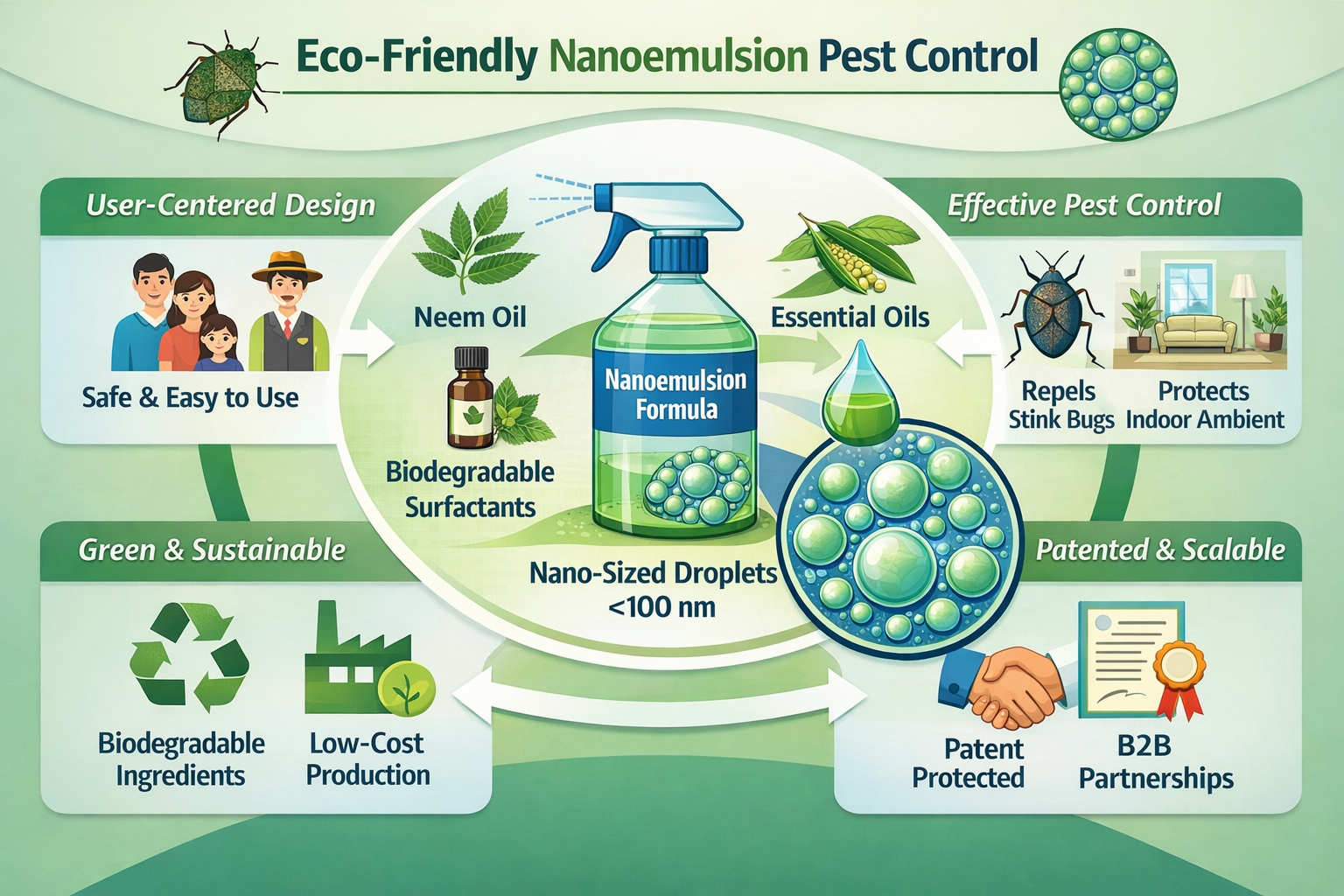
BugControl reimagines pest management through the lens of the New European Bauhaus: combining sustainability, aesthetics, and health. We replace toxic insecticides with a bio-inspired nanoemulsion of lemongrass and eucalyptus oils in a neem carrier. By using bio-based surfactants instead of synthetic ones, this transparent, biodegradable "green shield" protects both crops and modern living spaces, proving that advanced chemistry can be beautiful, safe, and sustainable.
Serbia
National
Mainly urban
It involves other types of transformations (soft investment)
Yes
2025-04-30
No
No
No
Organisation
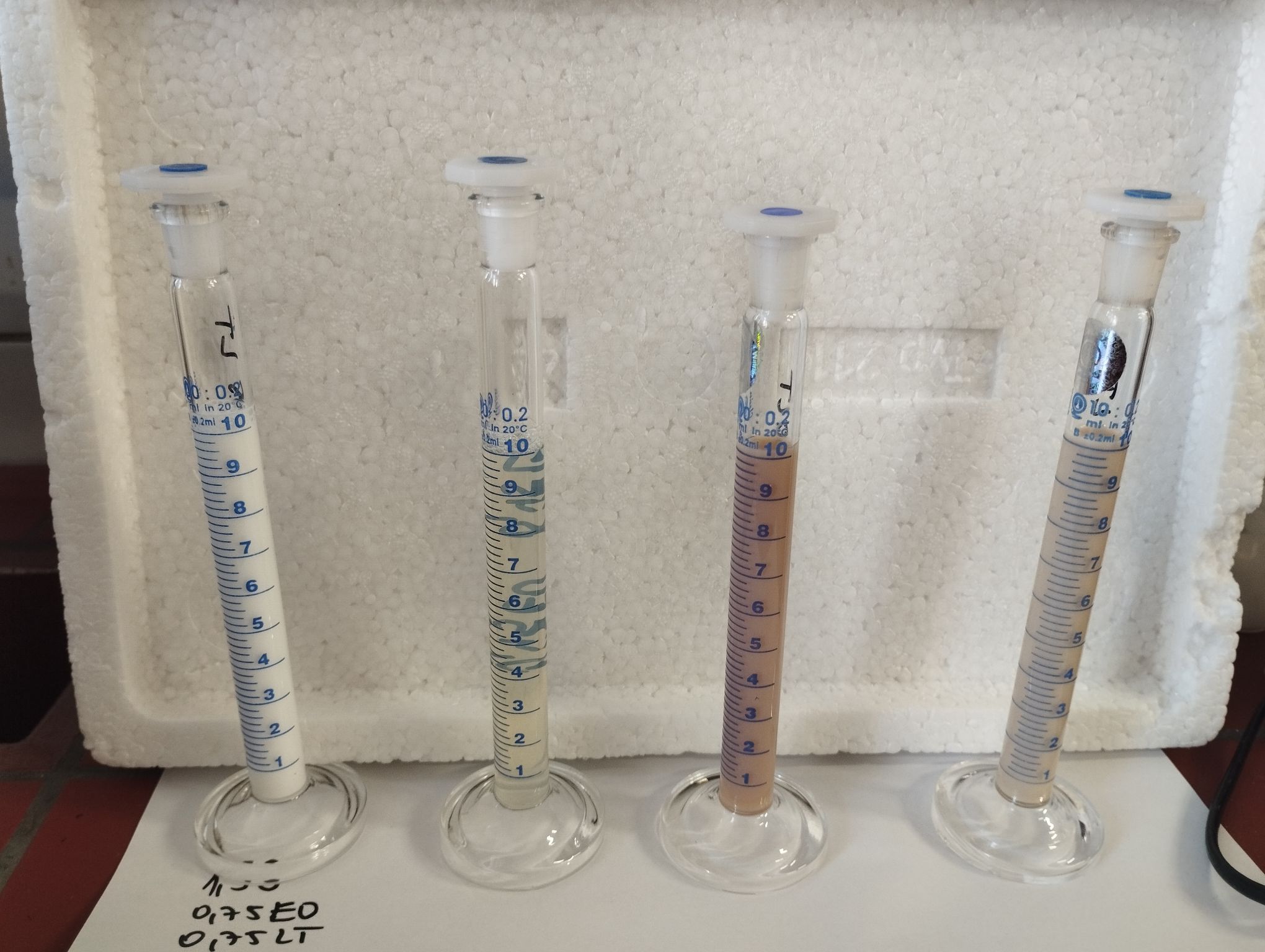
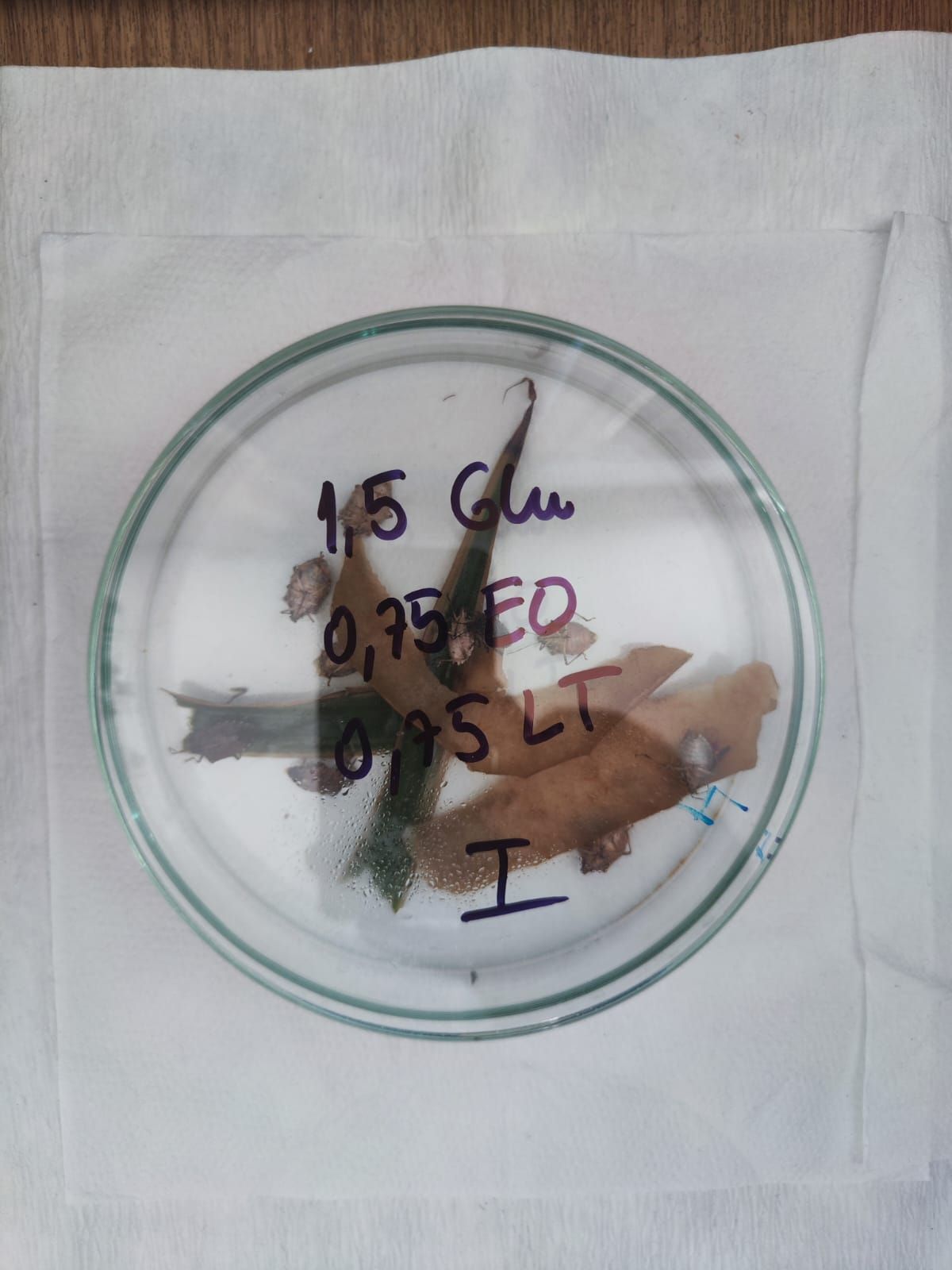
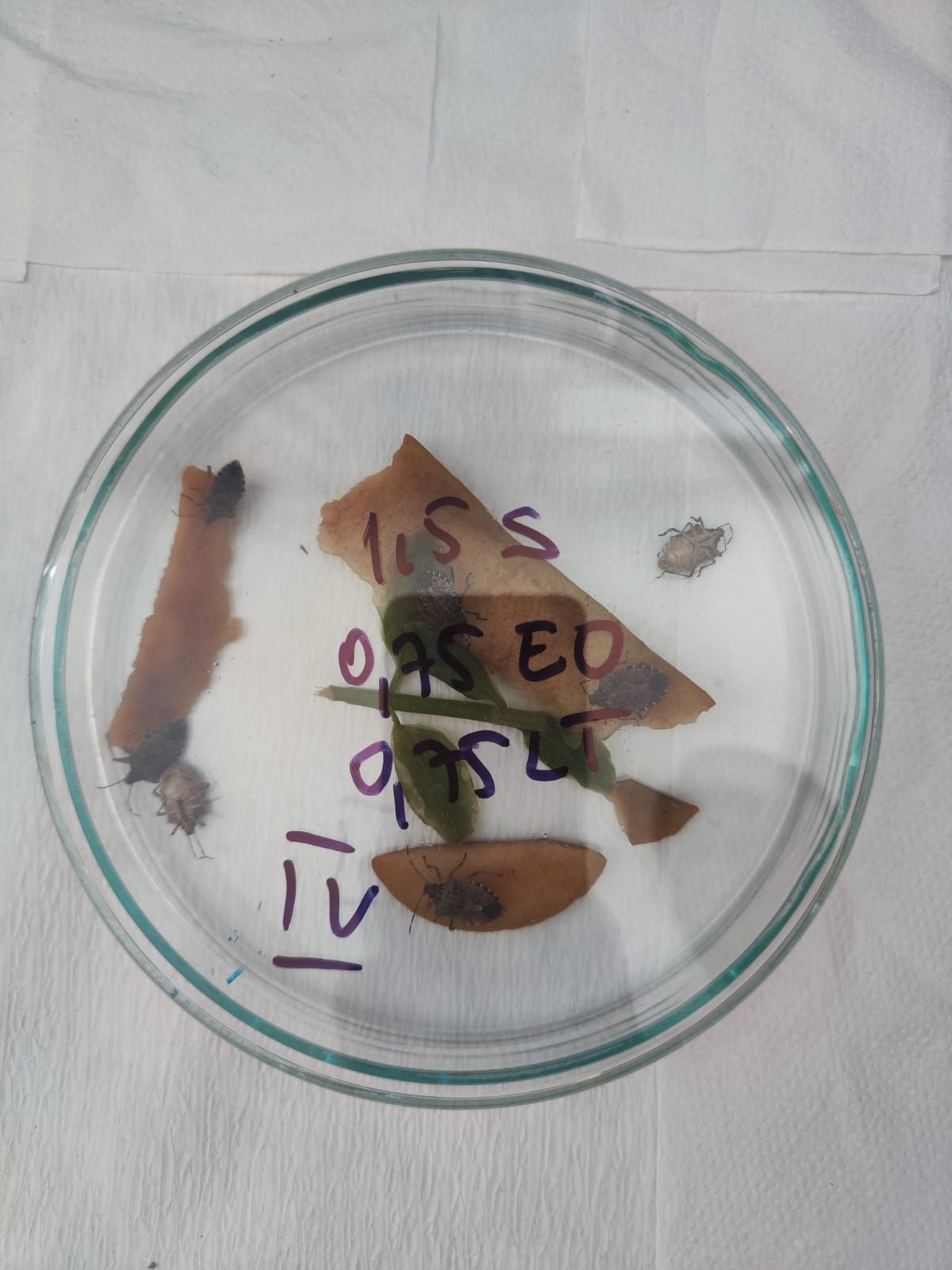
Addressing the New European Bauhaus (NEB) pillars of sustainability, aesthetics, and inclusion, this project introduces a patented, 100% bio-based nanoemulsion formulation designed to protect the biological and visual integrity of our shared landscapes from invasive stink bugs (H. halys and N. viridula). These pests represent a dual threat: they devastate agricultural food systems and degrade the "green lungs" of our cities, invading residential buildings and damaging the indoor plants that define our modern living aesthetics. Moving beyond traditional "hard" chemical interventions that rely on petrochemical surfactants, we have successfully engineered a "soft" technological investment rooted in Green Chemistry. Our formulation utilizes fully renewable, plant-derived Saponins and Alkyl Polyglucosides to stabilize an ultra-fine delivery system (droplet sizes of 37–91 nm). By utilizing Neem oil as both a carrier and an active insecticidal agent—synergized with lemongrass and eucalyptus—we have achieved 100% mortality in lab trials within 48 hours. This water-based, sprayable solution offers a non-toxic, pleasant-smelling alternative to synthetic pesticides, making it ideal for use in public squares, historic gardens, and private balconies. Beyond pest suppression, the project fosters "Knowledge Democracy" by providing citizens and farmers with a scalable tool to steward their own environments without ecological harm. It transforms a technical innovation into a cultural asset: a way to preserve the beauty of our built and natural environments while ensuring healthy, inclusive living spaces for all. By replacing persistent pollutants with biodegradable nano-science, we align European biodiversity protection with the NEB’s vision of a beautiful, sustainable, and communal future.
The project was born from an urgent need to bridge the gap between high-tech laboratory innovation and the lived experience of urban residents facing seasonal "stink bug invasions." While agricultural solutions often overlook the human and aesthetic impact of pests within the home, our initiative began by identifying the indoor environment as a critical "battleground" for both well-being and biodiversity. Implementation "on the ground" focused specifically on interior applications—residential buildings, commercial offices, and historic indoor spaces—where traditional, toxic synthetic pesticides are unsuitable due to human health risks and lingering chemical odors.
We moved from the laboratory phase—where we achieved a breakthrough with 37 to 91 nm (for 60 days of monitoring) nanoemulsion droplets—to practical, interior deployment using standard, low-pressure hand sprayers common in household maintenance. Because our formulation is water-based and 100% bio-derived (using plant Saponins and Neem oil), it was safely applied to interior surfaces, window frames, and indoor ornamental plants where stink bugs typically congregate during colder months. The implementation proved that "soft" investments in green chemistry can provide immediate "hard" results: users reported 100% mortality within 48 hours without the need for hazardous evacuation or specialized industrial equipment. By treating the interior as a micro-ecosystem, we successfully demonstrated that sophisticated nanotechnology can be distilled into a simple, sprayable tool for citizens. This "indoor-first" approach turned a scientific concept into a tangible community asset, empowering residents to reclaim their living spaces through a sustainable, pleasant-smelling, and aesthetically non-disruptive intervention that aligns perfectly with the New European Bauhaus vision of healthy, beautiful interiors.
We moved from the laboratory phase—where we achieved a breakthrough with 37 to 91 nm (for 60 days of monitoring) nanoemulsion droplets—to practical, interior deployment using standard, low-pressure hand sprayers common in household maintenance. Because our formulation is water-based and 100% bio-derived (using plant Saponins and Neem oil), it was safely applied to interior surfaces, window frames, and indoor ornamental plants where stink bugs typically congregate during colder months. The implementation proved that "soft" investments in green chemistry can provide immediate "hard" results: users reported 100% mortality within 48 hours without the need for hazardous evacuation or specialized industrial equipment. By treating the interior as a micro-ecosystem, we successfully demonstrated that sophisticated nanotechnology can be distilled into a simple, sprayable tool for citizens. This "indoor-first" approach turned a scientific concept into a tangible community asset, empowering residents to reclaim their living spaces through a sustainable, pleasant-smelling, and aesthetically non-disruptive intervention that aligns perfectly with the New European Bauhaus vision of healthy, beautiful interiors.
Nature-Based Solutions (NbS): The project replaces synthetic, petrochemical-based pesticides with an advanced delivery system derived entirely from plant resources (Neem, Saponins, and Essential Oils) to solve an anthropogenic pest problem.
Green Chemistry & Circularity: By utilizing bio-based surfactants like saponins and Alkyl polyglucosides and agricultural derivatives, the project eliminates persistent pollutants and supports a non-toxic circular bio-economy.
Healthy Indoor Environments: A primary focus on the "Interior/Entherier" ensures that residential and commercial living spaces remain safe, aesthetic, and free from both invasive pests and hazardous chemical residues.
Urban Resilience: Addressing the "synanthropic" behavior of invasive species, the project builds the capacity of European cities to withstand climate-driven biological shifts.
Sustainable Material Innovation: The use of nanotechnology (37–91 nm droplets) represents a sophisticated, high-performance approach to sustainability, proving that "green" can also mean "high-tech
This project concretely addresses the urgent environmental and socioeconomic challenges posed by invasive stink bug species (H. halys and N. viridula) by transitioning pest management from toxic, synthetic interventions to a sophisticated, bio-based "soft" technology. In both agricultural and residential interiors, these pests threaten food security and degrade the aesthetic quality of living spaces. Our patented solution directly mitigates these risks through a 100% bio-derived nanoemulsion that eliminates the need for petrochemical surfactants and persistent pollutants. By utilizing plant-derived Saponins and Alkyl Polyglucosides to stabilize an ultra-fine delivery system (72–91 nm), we have created a high-performance alternative that achieved 100% mortality in lab trials within 48 hours. This innovation is exemplary in its sustainability because it adheres strictly to Green Chemistry principles: it replaces hazardous pyrethroids with a multifunctional Neem oil carrier and essential oil active system that is fully biodegradable and safe for greywater systems. Socially and culturally, the project empowers residents to protect their own "interior" sanctuaries and indoor greenery without exposure to harmful chemical residues or offensive odors, preserving the biophilic beauty of the built environment. Economically, the scalable and water-based nature of the formulation provides a low-cost tool for both small-scale farmers and urban households, reducing the massive financial burden of crop and property damage. By bridging the gap between high-tech nanotechnology and accessible, nature-based solutions, the project serves as a model for the New European Bauhaus—demonstrating that professional-grade protection can be beautiful, inclusive, and entirely harmonious with the natural world. This transition from "chemical-heavy" to "bio-rational" design ensures a non-toxic future for European interiors while building systemic resilience against climate-driven biological threat
Our project contributes to making everyday life more beautiful by transforming the often-overlooked indoor environment into a healthy, safe, and sensorially pleasant living space, free from invasive pests and harsh chemical interventions. By replacing conventional synthetic pesticides with a bio-based, water-formulated nanoemulsion derived from plant saponins and neem oil, we enable residents to protect their homes without compromising air quality, comfort, or aesthetics. The formulation leaves no toxic residues, no greasy traces, and no unpleasant odors, supporting a clean, natural indoor atmosphere that enhances well-being in homes, offices, and culturally valuable interior spaces. This approach fosters a renewed sense of belonging and care for one’s immediate environment, empowering individuals to actively manage their living spaces using sustainable tools that are both effective and aligned with ecological values. By treating interiors as micro-ecosystems, the project encourages a shift in perception—from passive occupancy to active stewardship—strengthening the emotional connection between people and place. Aesthetically, the project is exemplary in its invisible yet impactful design: it integrates seamlessly into daily life, requiring no disruptive equipment or visual compromise, while embodying the principles of the New European Bauhaus—where sustainability, functionality, and beauty coexist. In the longer term, it promotes a cultural transition toward non-toxic, bio-inspired solutions that enhance not only environmental quality but also the sensory and emotional experience of shared spaces, contributing to healthier, more harmonious communities.
This project delivers an affordable, accessible, and sustainable pest control solution through an innovative nanoemulsion-based repellent. With a composition of 90% water, 5% biodegradable surfactant, and 5% plant-derived active compounds (neem, lemongrass, and eucalyptus oils), the formulation ensures low production costs and scalability, making it accessible to both households and small-scale farmers.
Accessibility is achieved through its ease of use and universal design. The formulation has low viscosity and reduced surface tension, allowing application with standard spraying equipment, without the need for specialized tools or training. It is suitable for indoor and outdoor use and leaves no greasy residues, improving user comfort and acceptance across diverse environments.
The project promotes inclusion by prioritizing health and environmental safety. It uses biodegradable surfactants (saponins and alkyl polyglucosides) and renewable raw materials, ensuring low toxicity and safety for vulnerable groups such as children and the elderly. This aligns with EU sustainability frameworks and supports the transition toward safer, bio-based products.
Additionally, the solution is adaptable to different regional needs, enabling localized production and use, and supporting inclusive economic models. By combining high efficiency, low cost, environmental responsibility, and simple application, the project represents an exemplary “design for all” approach.
It demonstrates how advanced scientific innovation can be translated into a practical, inclusive solution that improves everyday life while supporting sustainable development.
The project has actively engaged citizens, local communities, and civil society actors throughout its development, particularly those directly affected by seasonal infestations of stink bugs in both urban and agricultural settings. Their involvement began at the problem-definition stage, where feedback from households and farmers helped identify key challenges such as the need for effective, safe, affordable, and non-invasive pest control solutions suitable for indoor and outdoor use.
End-users played a crucial role in shaping the design requirements of the formulation. Insights from community members influenced priorities such as ease of application (spray-based use), absence of greasy residues, low odor intensity, and safety for everyday environments. Small-scale farmers contributed practical knowledge regarding application methods, frequency, and compatibility with existing agricultural practices, ensuring that the solution remains realistic and implementable without additional costs or equipment.
Civil society organizations and informal local networks contributed by raising awareness on the risks of conventional pesticides and supporting the promotion of environmentally friendly alternatives. Their engagement helped align the project with broader societal expectations related to health, sustainability, and environmental protection.
he project adopts a multilevel governance approach, engaging stakeholders at local, regional, national, and European levels to ensure both practical relevance and scalability.
At the local level, citizens, households, and small-scale farmers were involved through a participatory, user-centered process. Their feedback shaped key design features, including safe indoor use, simple spray application, absence of greasy residues, and affordability. Their real-life experience with stink bug infestations ensured that the solution responds directly to everyday needs.
At the regional level, collaboration with academic and research institutions supported the development, testing, and optimization of the nanoemulsion formulations. These stakeholders contributed scientific expertise in material design, stability, and environmental safety, while also adapting the solution to region-specific pest challenges.
At the national level, the project aligns with priorities in sustainable agriculture, green chemistry, and public health. Engagement at this level facilitates future regulatory compliance, product standardization, and potential market uptake, ensuring that the innovation can transition beyond the laboratory.
At the European level, the project is guided by frameworks such as the EU Green Deal, Circular Economy Action Plan, and Bioeconomy Strategy. These policies informed the use of biodegradable surfactants and renewable materials, strengthening environmental responsibility and enabling broader applicability across EU contexts.
At its core, the project is grounded in materials science and chemical engineering, particularly in the design and optimization of nanoemulsion systems, including control of droplet size, stability, and physicochemical properties. Closely related is environmental science and green chemistry, which guided the selection of biodegradable surfactants (saponins and alkyl polyglucosides) and plant-based active compounds, ensuring low environmental impact and compliance with sustainability principles.
The project also incorporates biotechnology and agricultural sciences, through the understanding of pest behavior and the development of effective, bio-based repellent and insecticidal systems targeting stink bug species in both agricultural and urban ecosystems.
Product and industrial design principles played an important role in ensuring usability and accessibility. The formulation was designed for simple spray application, compatibility with existing equipment, and user comfort (e.g., no greasy residues), reflecting a strong design-for-all approach.
Elements of social sciences were included through user-centered development, incorporating feedback from citizens and farmers to align the solution with real needs, behaviors, and acceptance factors.
Finally, the project touches on innovation management and policy alignment, integrating knowledge of EU sustainability frameworks (Green Deal, Circular Economy, Bioeconomy Strategy) to ensure scalability and societal relevance.
By combining these disciplines, the project demonstrates how advanced scientific innovation can be translated into an inclusive, practical, and sustainable solution with real-world impact.
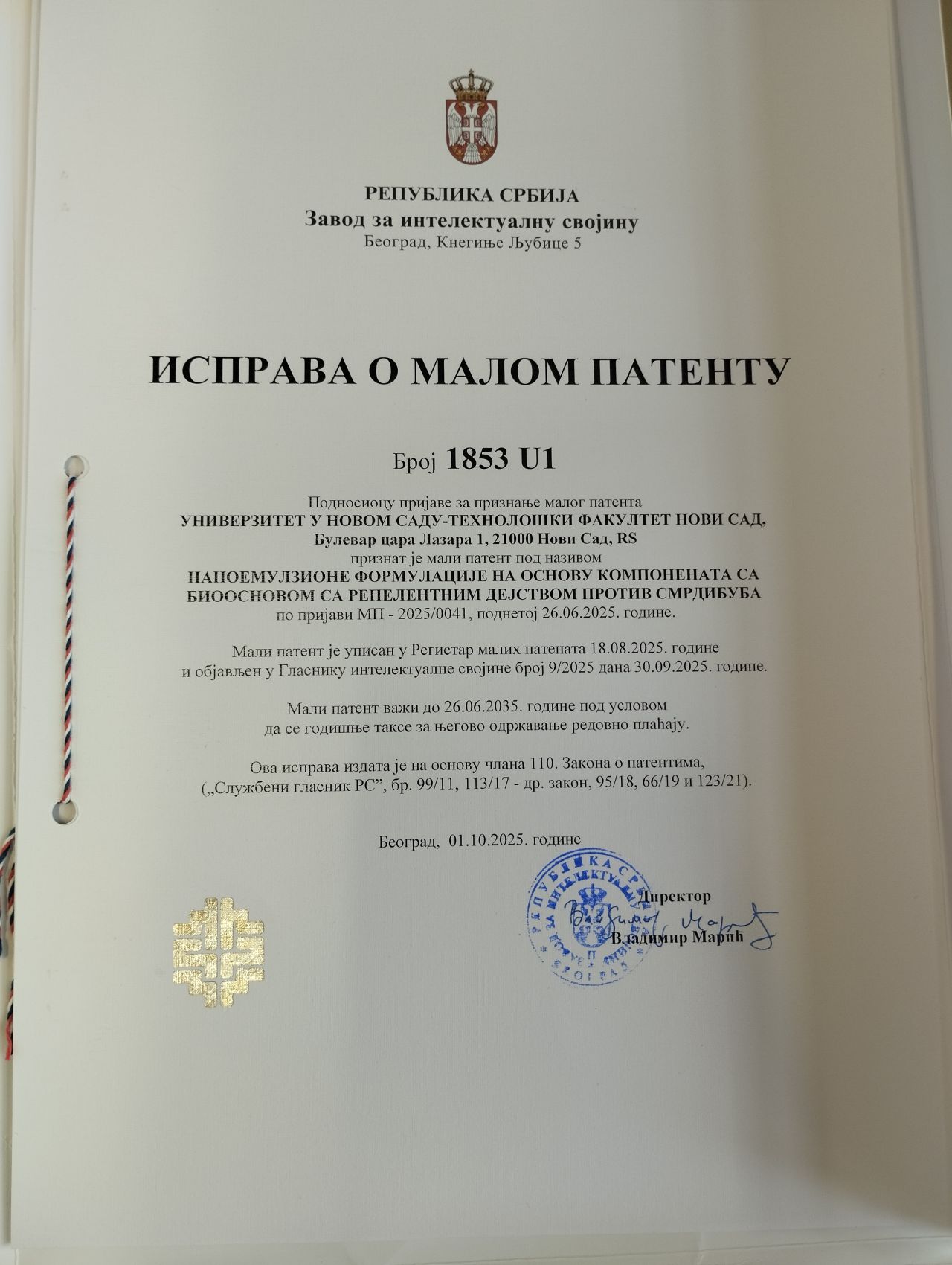
The project is based on a scalable, market-oriented business model supported by strong intellectual property protection. The nanoemulsion formulation and its specific combination of biodegradable surfactants and plant-based active compounds are protected by a patent, ensuring exclusivity and a competitive advantage in the market. This protection enables secure commercialization, prevents replication, and increases the project’s value for potential partners and investors.
Financial sustainability is driven by cost-efficient production and diversified revenue streams. The formulation (90% water, 5% surfactant, 5% active components) allows low production costs while maintaining high efficacy, enabling competitive pricing and broad accessibility. Revenues are primarily generated through direct product sales to households (B2C) and professional users (B2B), including agriculture, facility management, and pest control services.
Importantly, the project is currently at the stage of active negotiations with several B2B partners, including potential distributors and industrial users. These partnerships are expected to support market entry, scaling of production, and wider distribution, confirming strong market interest and commercial viability.
Additional revenue potential lies in licensing agreements and technology transfer, allowing regional production and reducing logistics costs. The project is also well-positioned to leverage public funding and innovation support mechanisms, particularly those aligned with green chemistry and bioeconomy strategies.
Overall, the combination of patent protection, ongoing B2B negotiations, low-cost production, and scalable commercialization pathways ensures long-term financial sustainability and strong market potential.
The project has strong replication and transfer potential across technology, methodology, and implementation.
At the technological level, the nanoemulsion platform is highly adaptable. Although developed for stink bug control, the same principle—using biodegradable surfactants and plant-based active compounds in nano-sized droplets (<100 nm)—can be reformulated for other pests or applications, such as antimicrobial systems, plant protection, or indoor environmental solutions. The method for producing stable, low-viscosity, water-based nanoemulsions with enhanced efficacy is a key transferable element.
The green chemistry approach is also replicable. The use of renewable raw materials (neem and essential oils) and biodegradable surfactants (saponins, alkyl polyglucosides) can be applied in other sectors aiming to replace conventional, non-degradable chemicals with sustainable alternatives.
From a production perspective, the process is scalable and does not require complex infrastructure, enabling replication in different regions, including low-resource settings. This supports local manufacturing and decentralized production, reducing costs and environmental impact.
The project also transfers a user-centered design methodology, where citizens and farmers contribute to defining requirements such as ease of use, safety, no residues, and affordability—ensuring high acceptance and real-world applicability.
Additionally, the business model—based on patent protection, direct sales, and licensing—can be implemented in other markets, enabling regional adaptation and commercialization.
Overall, the project offers a flexible and scalable model of sustainable innovation, combining adaptable technology, accessible production, and inclusive design, making it transferable across diverse contexts and user groups.