Arts, Culture, and Heritage as Drivers of Change
ReFrame Youth
ReFrame Youth: Inclusive Film & Media Literacy Camp Connecting Rural and Urban Youth
ReFrame Youth is an inclusive creative camp where young people from rural and urban communities come together to learn filmmaking while developing media literacy and critical thinking. Through workshops, mentorship and collaborative storytelling, participants explore how media shapes society and how to create responsible and meaningful stories. The project strengthens inclusion, creativity and community while empowering youth to become conscious creators.
Bosnia and Herzegovina
Regional
Prijedor Region (North-West Bosnia and Herzegovina), including surrounding rural and urban communities
It addresses urban-rural linkages
It refers to other types of transformations (soft investment)
Prototype level
No
No
No
Individual
ReFrame Youth is a creative film and media literacy camp designed to empower young people from the Prijedor region in North-West Bosnia and Herzegovina. The project brings together participants from both rural and urban communities, creating an inclusive space where youth can learn, collaborate and express their ideas through audiovisual storytelling.
Through a series of workshops, mentoring sessions and collaborative projects, participants learn the basics of filmmaking, advertising production and media literacy. The program introduces young people to scriptwriting, filming, editing and visual storytelling, while also developing their critical understanding of how media and advertising influence society.
A key focus of the project is inclusion and equal access to creative education. Many young people from rural areas have limited opportunities to participate in film and media activities. ReFrame Youth connects these communities with urban youth, encouraging cooperation, exchange of perspectives and building stronger social connections.
During the camp, participants work in teams to develop and produce short films and social media campaigns addressing topics relevant to young people and their communities. These productions are presented through public screenings and online platforms, giving youth the opportunity to share their voices and perspectives with a wider audience.
The expected results include improved media literacy, strengthened creative skills, increased collaboration between rural and urban youth, and greater youth participation in cultural life. By empowering young people to critically understand and create media content, ReFrame Youth supports the development of responsible and engaged future storytellers.
The idea for ReFrame Youth emerged from observing how many young people in the Bosnia and Herzegovina, especially those from rural areas, have limited access to creative education and media production opportunities. At the same time, young people are constantly surrounded by media and digital content but often lack the tools to critically understand how media messages are created and how they influence society.
The concept was developed as a response to this gap between media consumption and media literacy. The project aims to transform young people from passive consumers of media into active creators who understand the power of storytelling and responsible communication.
The development of the concept began with research into the needs of local youth, discussions with students, educators and young creatives, and the identification of a strong interest in film, storytelling and digital media. Based on this, the idea of a film and media literacy camp was created as an accessible and engaging learning format.
The implementation is based on a participatory and collaborative approach. Young participants work in teams and are guided by mentors from the fields of film, media and communication. Through practical workshops they learn scriptwriting, filming, editing and the basics of advertising production, while also developing critical thinking about media content.
The process combines creative learning, teamwork and community engagement. Participants develop their own ideas, create short films and media campaigns, and present their work through public screenings and online platforms.
By connecting rural and urban youth and encouraging creative collaboration, ReFrame Youth creates a space where young people can learn, express their perspectives and actively contribute to a more media-literate and connected community.
Media literacy
Youth empowerment
Social inclusion
Creative education
Rural-urban collaboration
ReFrame Youth addresses sustainability primarily through social and cultural sustainability by empowering young people with knowledge, skills and opportunities that have long-term impact on their communities. The project focuses on strengthening media literacy, critical thinking and creative skills among youth from both rural and urban communities in the Prijedor region.
By providing access to creative education and media production tools, the concept supports equal opportunities for young people who often have limited access to cultural and educational programs, especially in rural areas. In this way, the project contributes to reducing inequalities and strengthening social cohesion between different communities.
ReFrame Youth also promotes responsible media creation. Through workshops on filmmaking, storytelling and advertising production, participants learn how to critically understand media messages and how to create ethical, socially responsible and meaningful audiovisual content. This contributes to a more informed and resilient society in the long term.
The project encourages collaboration, knowledge sharing and community engagement. Participants work in teams, exchange perspectives and develop projects that reflect issues important to their communities. The films and media campaigns created during the camp can continue to be used for educational and awareness purposes even after the program ends.
In addition, the concept is designed as a sustainable model that can be repeated and expanded in the future. The methodology of combining media literacy, creative education and community engagement can be replicated in other regions, creating long-term cultural and educational benefits.
Through these elements, ReFrame Youth contributes to building
ReFrame Youth contributes to making life more beautiful by transforming the creative potential of young people into tangible artistic expressions that inspire and engage their communities. Through filmmaking, storytelling, and advertising production, participants create visually compelling and meaningful media content that reflects their perspectives, local culture, and shared experiences. This not only develops their creative skills but also brings aesthetically rich content into everyday life, enhancing the cultural landscape of both rural and urban areas of the Prijedor region.
By involving youth in collaborative creative processes, the project strengthens social bonds and a sense of belonging. Working in teams, participants learn to appreciate diverse viewpoints, collaborate effectively, and co-create projects that resonate with their communities. Public screenings and community presentations of their films and media campaigns further reinforce this connection, allowing communities to see themselves reflected in art and storytelling, fostering pride, care, and attachment to their surroundings.
The project is exemplary in terms of aesthetics because it combines visual creativity, narrative richness, and participatory design. It transforms ordinary spaces, classrooms, local streets, community centers into sites of artistic expression, while encouraging youth to imagine and create beauty in both digital and physical spaces. Moreover, the aesthetic impact of the camp extends beyond the duration of the program: the films, campaigns, and creative outputs remain as enduring cultural artifacts, inspiring further engagement and appreciation of art in everyday life.
Through this approach, ReFrame Youth not only cultivates artistic skills but also strengthens the cultural identity of communities, making life more meaningful, beautiful, and inclusive for all participants and their neighborhoods.
ReFrame Youth is designed to be fully inclusive, ensuring accessibility and affordability for all young people from the Prijedor region, regardless of their socio-economic background or geographic location. The camp specifically targets youth from both rural and urban communities, addressing the persistent gap in access to creative education and media literacy opportunities. By providing free or low-cost participation, transportation support, and mentorship, the project removes barriers that often prevent marginalized or rural youth from engaging in cultural and educational activities.
The project promotes inclusive governance and participatory decision-making by involving participants in all stages of the creative process. Youth are empowered to generate ideas, make creative decisions, and collaborate in teams, fostering a sense of ownership and shared responsibility. Workshops are designed using “design for all” principles, accommodating different learning styles, abilities, and levels of prior experience, ensuring that everyone can meaningfully contribute to and benefit from the program.
ReFrame Youth is exemplary in inclusion because it actively bridges social and geographic divides. By connecting rural and urban youth, it strengthens social cohesion and encourages mutual understanding, empathy, and collaboration. The public presentation of participants’ films and campaigns further ensures that diverse voices are represented in community life, promoting dialogue, awareness, and cultural participation for all.
Through these strategies, ReFrame Youth creates a model of inclusive cultural education that can be replicated in other regions, demonstrating how creative learning, critical media literacy, and community engagement can be accessible, participatory, and empowering for every young person, regardless of background or location.
The development of ReFrame Youth has been grounded in a participatory approach, involving young people, local educators, cultural institutions, and community stakeholders from the very beginning. The concept emerged through consultations and workshops with students from both rural and urban communities in the Prijedor region, where participants shared their interests, challenges, and aspirations regarding creative education and media production.
Local schools and youth organizations were actively engaged to identify the specific needs of their students and to provide input on the content and structure of the camp. Filmmakers, media professionals, and educators contributed their expertise to co-design the workshops, ensuring a balance between practical skills, media literacy, and collaborative storytelling.
The participatory process had a direct impact on shaping the project’s methodology. For example, participants highlighted the importance of teamwork and collaborative project development, leading to the creation of group-based filmmaking and media campaigns that foster inclusion and peer learning. Stakeholder feedback also informed strategies to make the camp accessible for youth from rural areas, including transportation support, flexible scheduling, and inclusive workshop formats.
By actively involving users and stakeholders in concept development, ReFrame Youth ensures that the project reflects the needs, interests, and cultural context of the community. This co-creation process not only increases the relevance and impact of the program but also strengthens a sense of ownership, responsibility, and engagement among all participants. The participatory approach is central to the project’s design and is expected to continue throughout implementation, reinforcing collaboration, inclusivity, and community empowerment.
ReFrame Youth will involve stakeholders at the local and regional levels to ensure the project is relevant, inclusive, and well-supported. At the local level, schools, youth organizations, cultural centers, and municipal authorities in the Prijedor region will be engaged to support recruitment, provide input on the camp’s structure, and facilitate access for youth from both rural and urban communities. Their participation will ensure that the project reflects the needs and priorities of the local population.
At the regional level, cultural networks, media associations, and educational institutions across North-West Bosnia and Herzegovina will be invited to contribute expertise, mentorship, and guidance on media literacy, filmmaking, and collaborative storytelling. Regional partners will also help promote the camp and expand participation, creating stronger connections between communities.
Engaging stakeholders at these two levels will add value by combining local knowledge with regional expertise, ensuring that the project is well-coordinated, inclusive, and impactful. This multilevel approach will strengthen community ties, foster collaboration among youth from different backgrounds, and lay the foundation for a sustainable and replicable model of creative, media-focused education within the region.
ReFrame Youth will adopt a transdisciplinary approach by combining multiple fields of knowledge to create a holistic learning experience for participants. The project will integrate arts and creative disciplines, including filmmaking, storytelling, advertising design, and visual communication, to develop participants’ creative skills and aesthetic sensibilities.
At the same time, the camp will incorporate media literacy and social sciences, helping youth critically analyze the role of media, advertising, and digital content in society. Education and pedagogy will inform the design of workshops and mentorship sessions, ensuring that learning is participatory, inclusive, and adapted to the needs of both rural and urban youth.
Digital technologies will play a key role in the practical implementation of the camp, with participants using cameras, editing software, and online collaboration tools to produce short films and media campaigns. This will provide hands-on experience with contemporary media production methods while fostering digital competence and problem-solving skills.
By combining creative arts, media literacy, social sciences, and digital technologies, ReFrame Youth will create a rich, multidimensional learning environment that encourages collaboration, critical thinking, and innovation. This transdisciplinary approach will allow participants to connect theory with practice, explore the social and cultural impact of media, and develop skills that are applicable across multiple disciplines and professional fields.
Through this integration of diverse knowledge areas, the project will demonstrate how transdisciplinary education can empower youth, strengthen community engagement, and foster socially responsible, creative media production within the Prijedor region and beyond.
ReFrame Youth will be designed to be financially sustainable through a combination of public funding, partnerships, and community support.
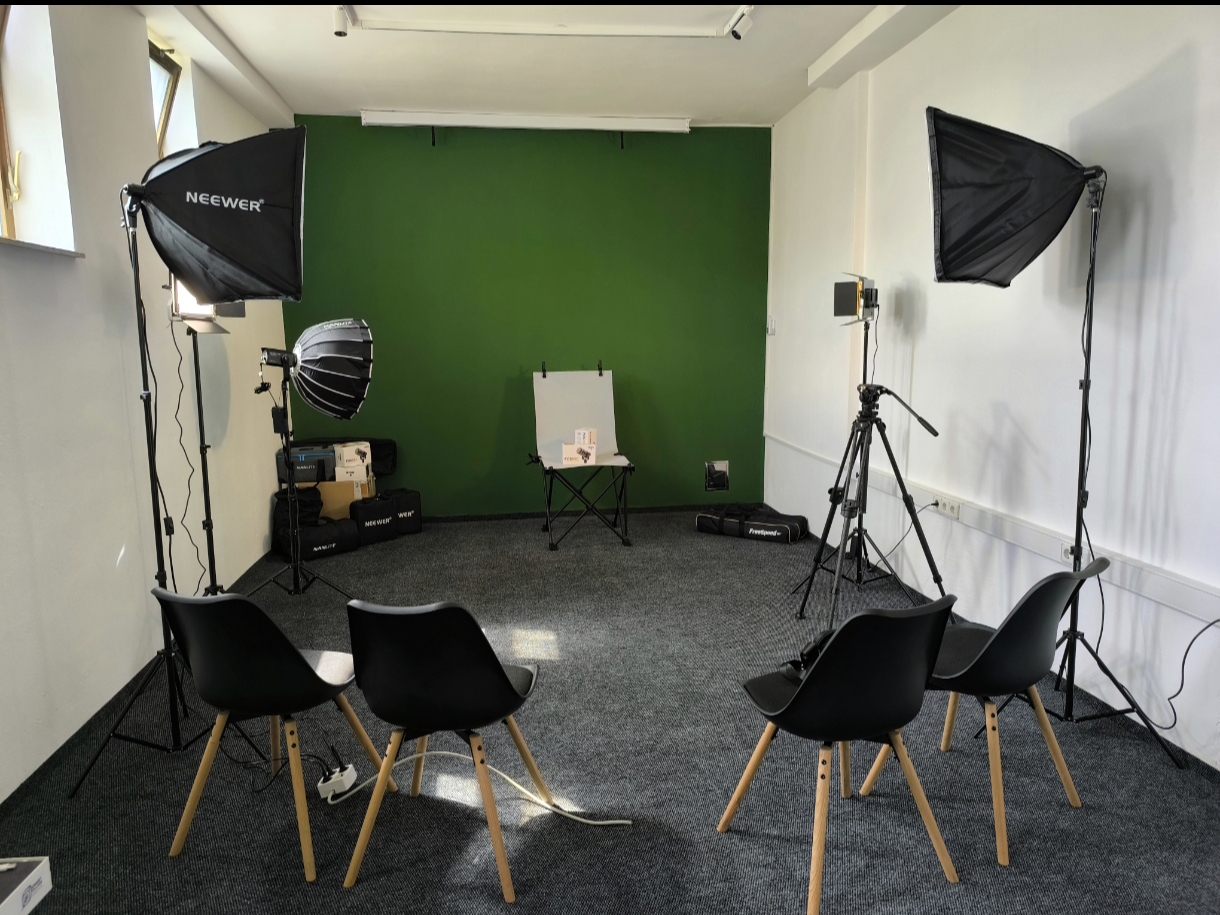
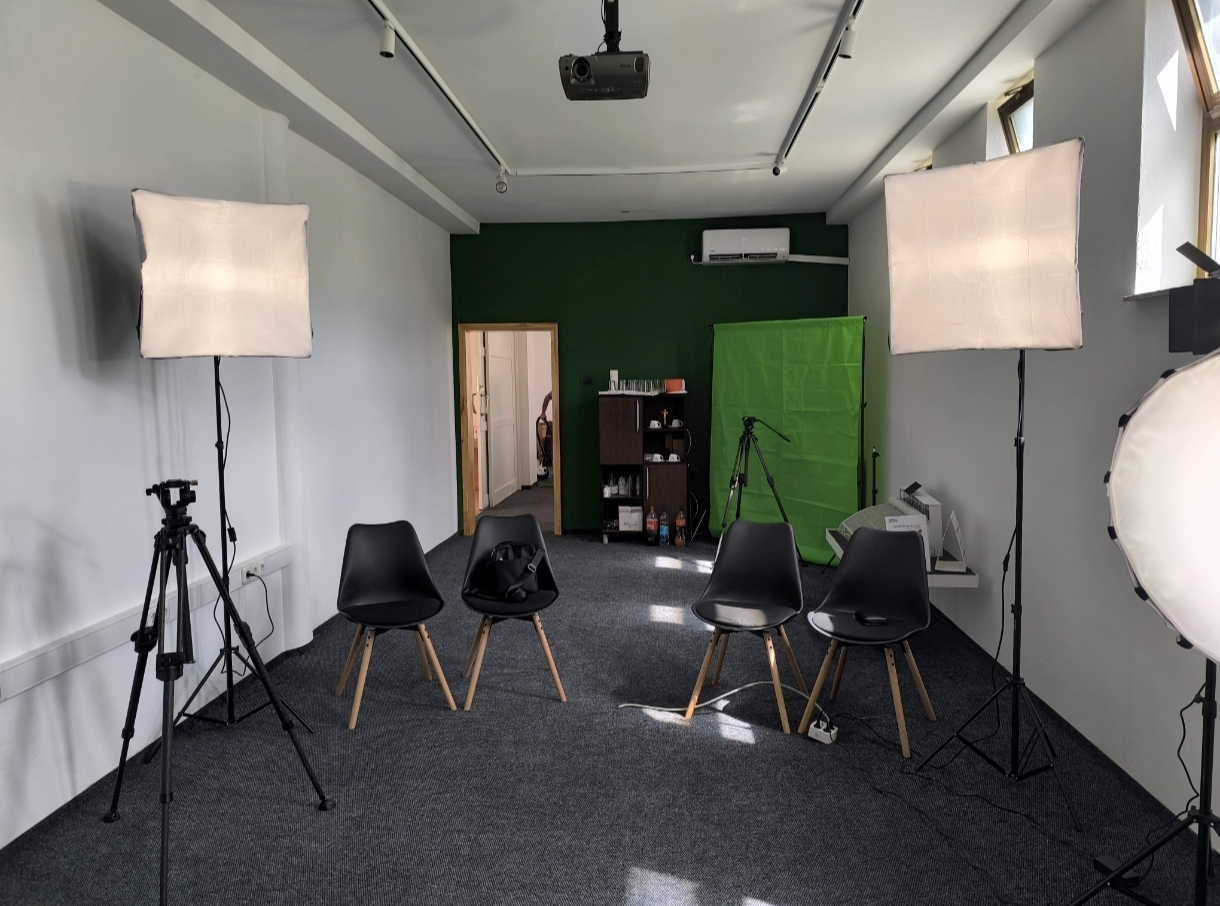
The initial implementation of ReFrame Youth will rely on funding from the New European Bauhaus Prize, which will support the purchase of essential filmmaking equipment and the organisation of workshops and mentoring sessions. The equipment purchased through the project will remain available for young participants and future editions of the camp.
Part of the equipment may also be temporarily provided by local filmmakers, media organisations and community partners willing to support the initiative.
The project will encourage volunteer engagement and a generational learning model, where participants who complete the camp can later return as volunteers or peer mentors, helping train the next generation of participants. This approach strengthens community ownership and supports the long-term sustainability of the project.
The project will also explore strategic partnerships with local businesses, cultural organizations, and media institutions. These partners may provide in-kind contributions, sponsorship, or collaborative activities, such as mentoring sessions, access to equipment, or promotion of the camp.
To increase long-term sustainability, the project will design a replicable and scalable model, allowing other regions or municipalities to adopt the methodology with minimal investment. By demonstrating tangible social, cultural, and educational benefits, the camp will be able to attract continuous support from public institutions, community stakeholders, and philanthropic organizations.
This diversified approach, combining public funding, partnerships, and community engagement will make ReFrame Youth financially viable over time, ensuring that youth from rural and urban communities in the Prijedor region can continue to access creative education and media literacy opportunities for years to come.
ReFrame Youth is designed as a replicable and adaptable model that can be transferred to other regions, communities, and groups of young people. Key elements of the concept that support scalability include the methodology of combining filmmaking, media literacy, and collaborative storytelling, which can be adapted to different local contexts while maintaining the core learning objectives.
The participatory workshop structure, where youth are actively involved in idea generation, project design, and production, can be applied in other rural or urban settings, fostering inclusion, teamwork, and critical thinking in any community. The modular nature of the workshops—covering scriptwriting, filming, editing, and media literacy—allows for flexible implementation depending on available resources, facilities, and participant numbers.
ReFrame Youth will also generate digital and educational resources, including guides, templates, and best-practice toolkits for mentors and facilitators. These resources can be used by schools, youth organizations, and cultural institutions in other regions to implement similar camps, even with limited access to professional media equipment.
The project’s approach to bridging rural and urban communities can be adapted to other regional settings, encouraging local collaboration and cultural exchange. Additionally, the model of public screenings and community engagement ensures that the social impact and visibility of participants’ work can be replicated elsewhere, fostering cultural participation and dialogue.
Through these elements, ReFrame Youth will create a scalable framework that can be adopted in multiple locations, reaching more young people and strengthening media literacy, creativity, and inclusion on a wider scale. The project aims to provide a tested methodology that inspires other regions to implement similar initiatives, contributing to a sustainable and culturally enriched youth ecosystem.
In the year following the application, ReFrame Youth will be implemented through a structured sequence of preparatory, educational, and promotional activities.
The first step will be stakeholder engagement and planning, involving local schools, youth organizations, cultural centers in the Prijedor region to finalize participant recruitment, workshop design, and logistical arrangements.
Next, the project team will develop the curriculum and learning materials, covering filmmaking, advertising production, media literacy, and collaborative storytelling. Mentors/students in the fields of film, media, and education will be recruited and trained to ensure high-quality facilitation tailored to both rural and urban youth.
The core of the project will be the youth camp itself, during which participants will attend workshops, collaborate in teams, and produce short films and media campaigns.The camp will incorporate participatory learning approaches, allowing youth to co-design projects and make creative decisions, fostering inclusion, critical thinking, and creativity.
Following the camp, the project will organize public screenings and online presentations of the participants’ work to engage the wider community and showcase the outcomes.
Feedback from participants and stakeholders will be collected to assess learning, impact, and areas for improvement. Throughout the year,ReFrame Youth will also focus on promotion, outreach, and dissemination, including local media coverage, social media campaigns, and partnerships with regional cultural and educational networks.
These steps will increase visibility, attract future participants, and establish the camp as a sustainable and replicable model for creative youth education in the Prijedor region and beyond.
By following this phased approach, the project will ensure effective implementation, meaningful engagement, and long-term impact while laying the foundation for future iterations a expansion to other communities.