Enhancing Circularity, Sustainability, and Innovation
Tetra Series
Extending the Life of Composite Materials Through Design
The project explores how used Tetra Pak cartons can be transformed into design rather than discarded. The contrast between the materials combined in the objects reflects structures of mass production and consumption in contemporary culture. Designed to function quietly within everyday life, Tetra Pak is engineered for protection and rapid disposal and is rarely considered beyond its immediate purpose.
Austria
Local
Vienna
Mainly urban
It involves a physical transformation of the built environment (hard investment)
Prototype level
No
No
Yes
Individual
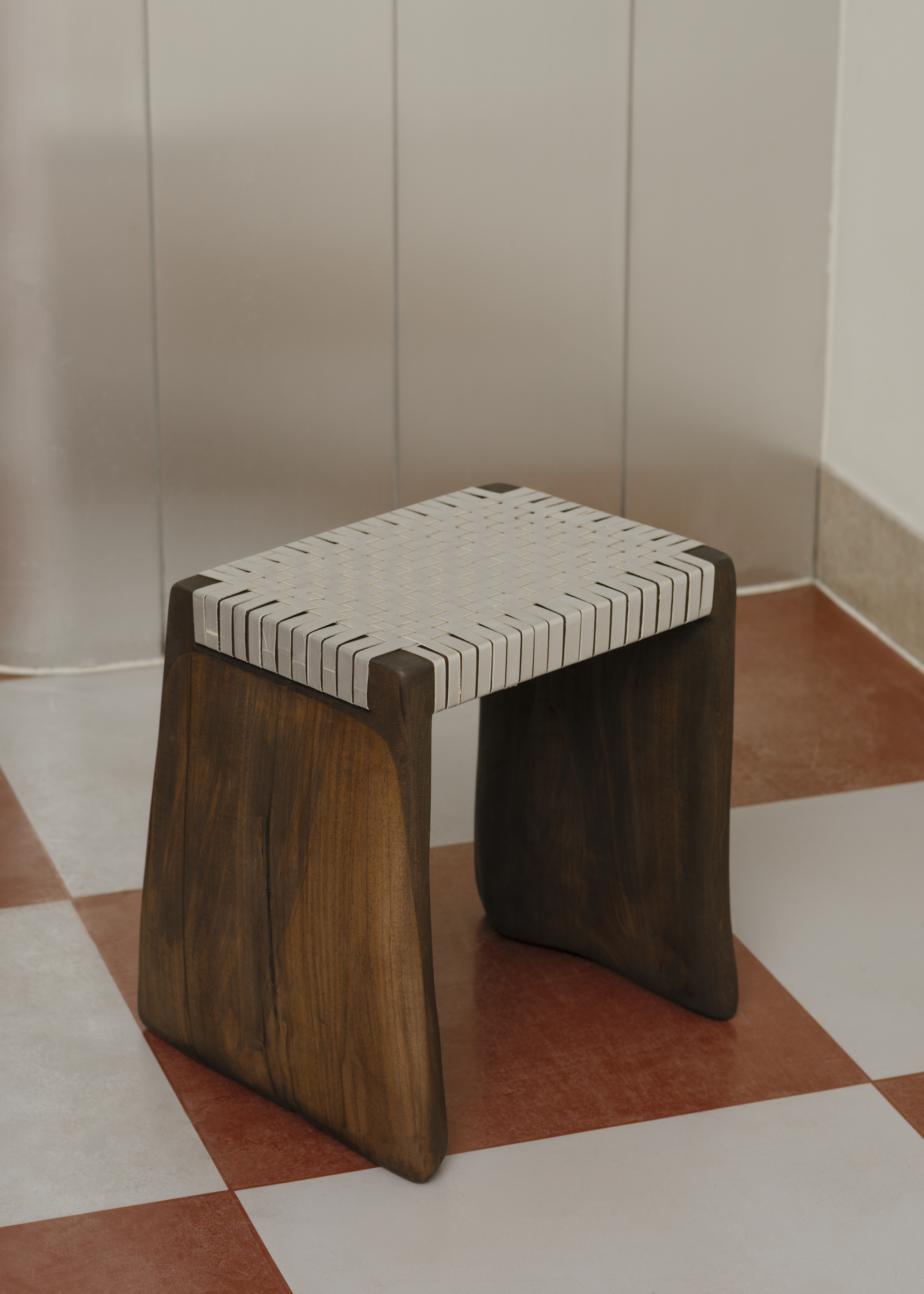
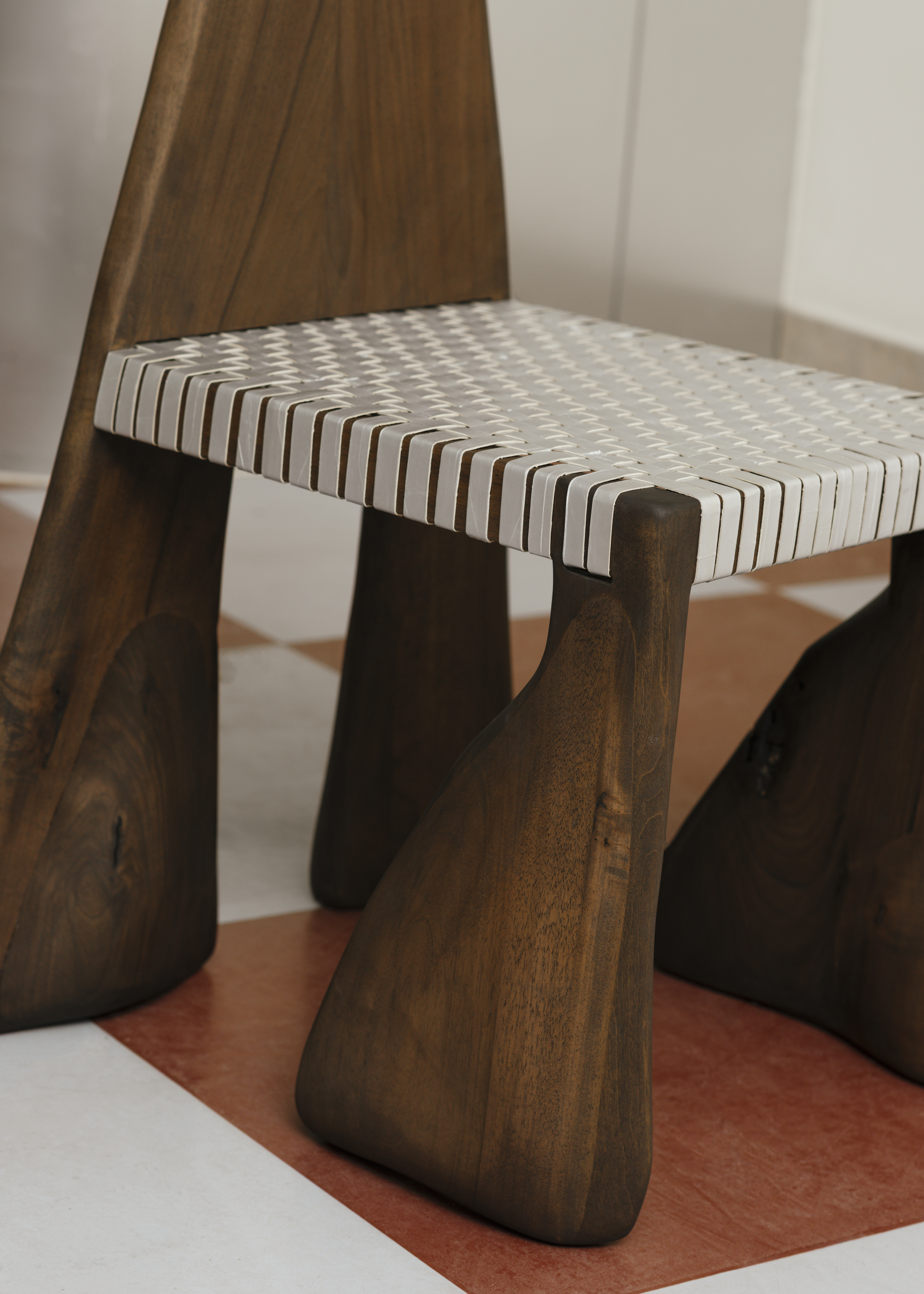
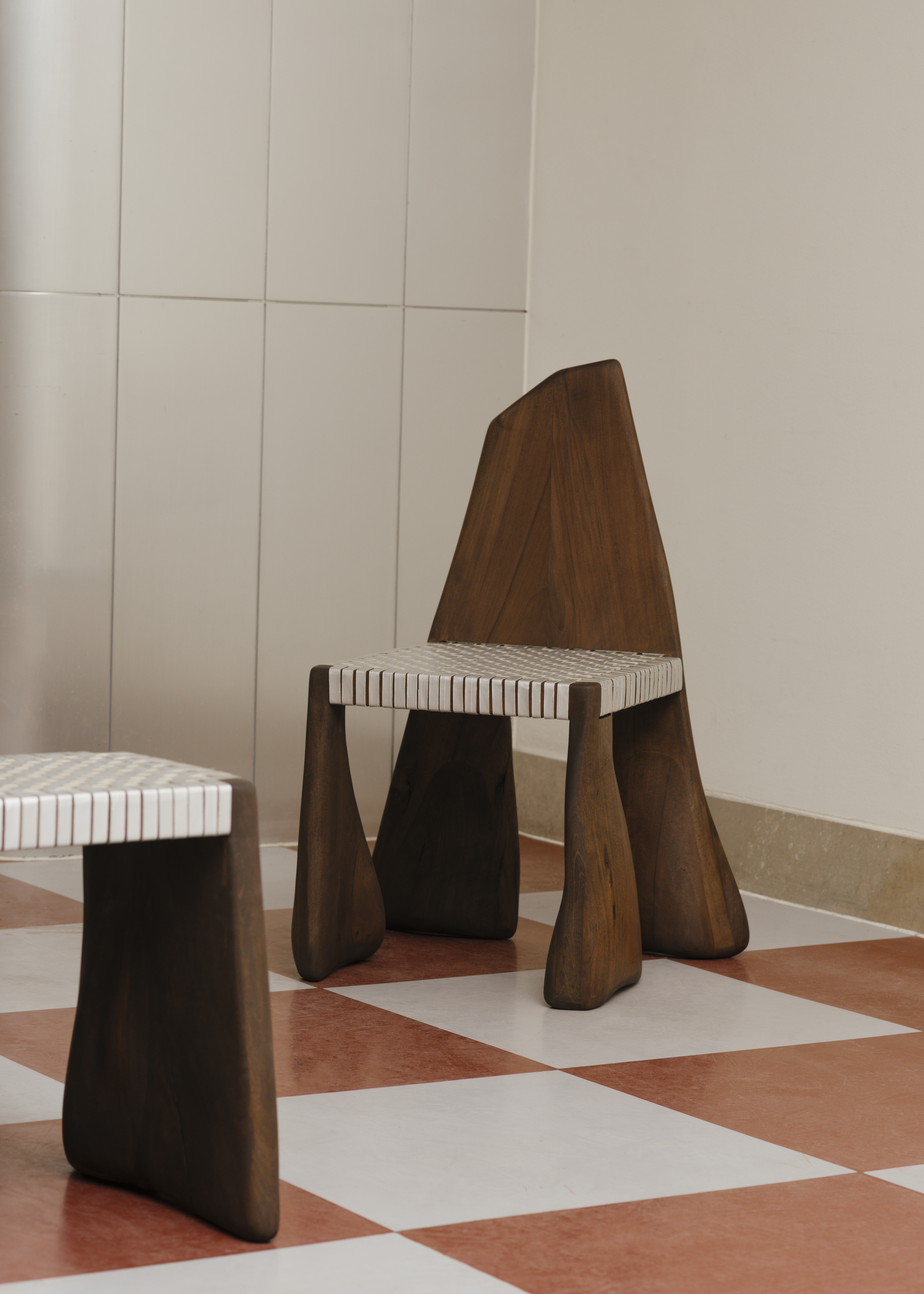
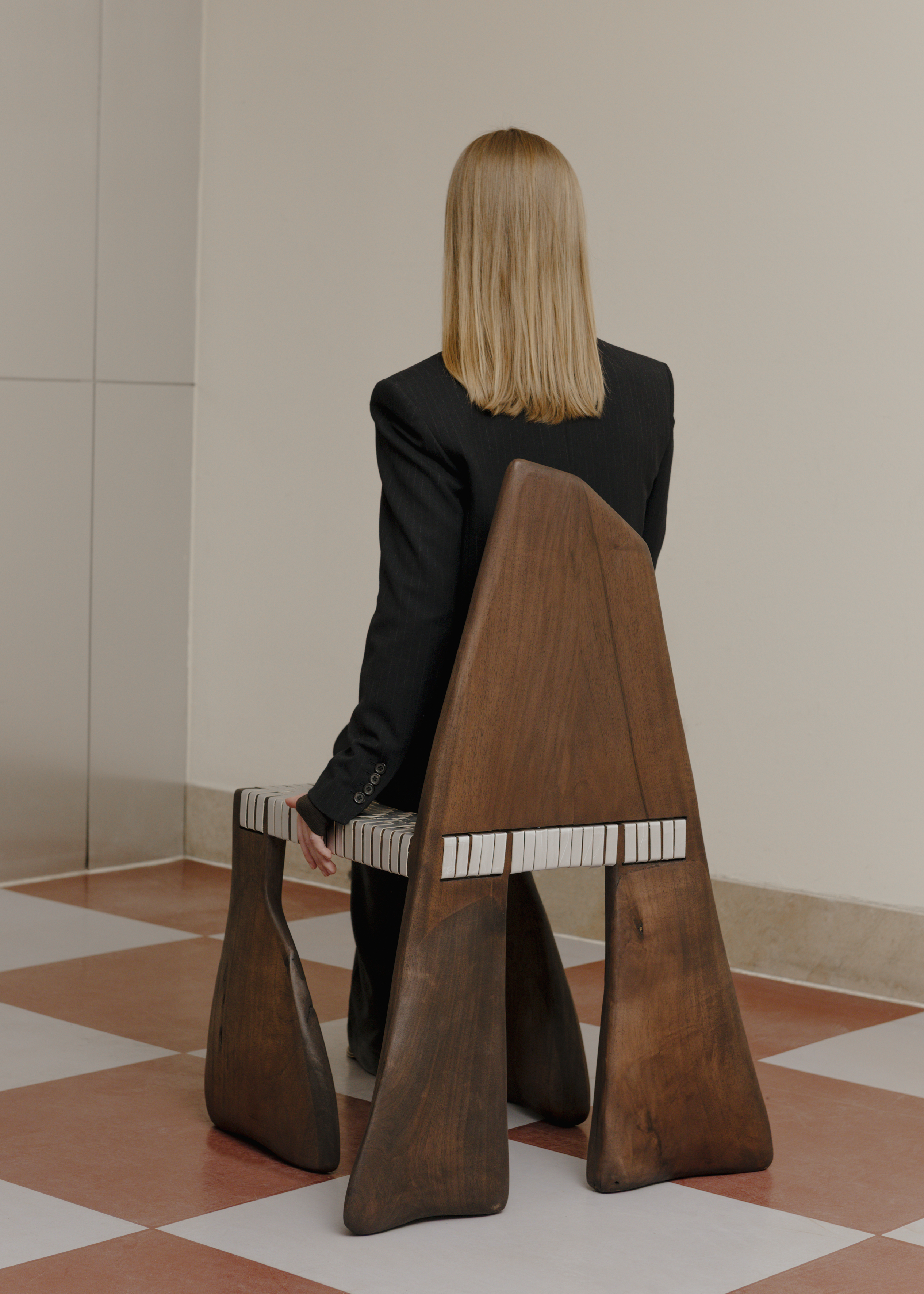
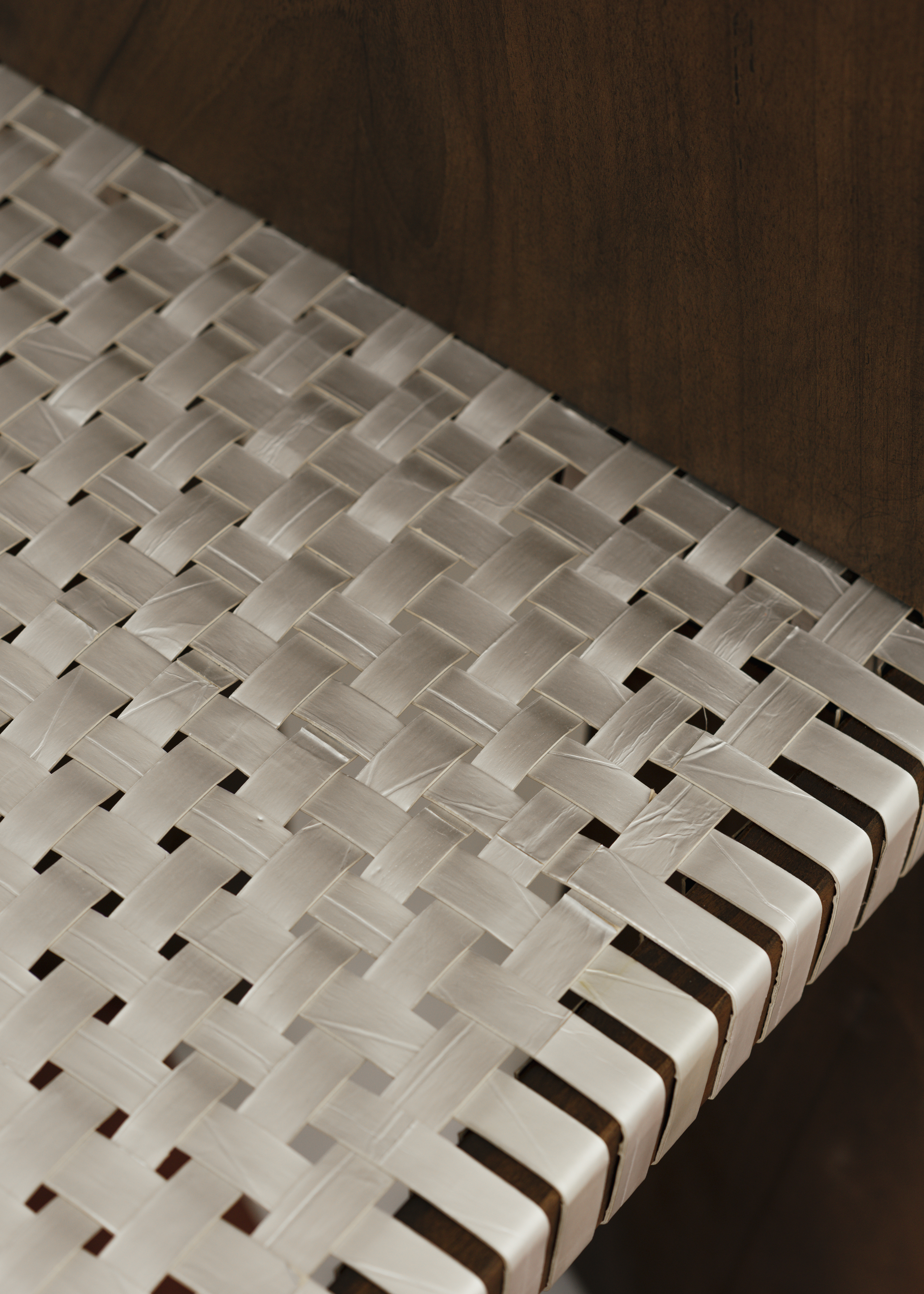
The Tetra Series explores how post-consumer Tetra Pak cartons can be reconfigured into decorative, functional, sculptural design elements and combined with traditional craft practices, for example woodworking. The project operates at the intersection of collectible design, material research, and artistic practice, transforming discarded packaging into structurally capable and visually compelling surfaces. Through the juxtaposition of low-value, mass-produced waste and traditionally valued natural materials, the series challenges established hierarchies of material worth shaped by consumer culture and industrial production. It reconsiders the relationship between function, aesthetics, and origin, proposing that materials designed for immediate disposal can carry both structural and cultural significance. The works exist as unique, handcrafted objects that can be activated within domestic and public environments, while also functioning as intellectual propositions. By extending the lifecycle of composite packaging through manual transformation, the project introduces an alternative way of engaging with waste. First prototypes were developed in 2026 and presented at Collectible Brussels, where the work invited tactile interaction and generated strong audience engagement, particularly in relation to the unexpected aesthetic and functional qualities of the material.
The project originates from a personal and cultural context. Growing up in Ukraine in the early 2000s, I was surrounded by everyday practices of extending the life of materials. Objects were rarely discarded without reconsideration, plastic bags were stored and reused, and packaging often transformed into new, functional items. My grandmother, in particular, played a significant role in shaping this perspective. She would wash and reuse milk cartons, turning them into small personal objects. I remember seeing rows of cleaned packaging drying in her kitchen, long before “upcycling” became a widely recognized concept. These memories continue to inform my sensitivity to materials that are typically overlooked. The choice of Tetra Pak is both intuitive and analytical. As a composite material made of paper, plastic, and aluminium, it has historically been considered difficult to recycle. While industrial recycling systems have evolved, and increasing success, they often require resource-intensive processes. I became interested in whether this material could bypass such systems and instead be directly transformed through low-tech, manual methods. To develop the first prototypes, I collected used packaging from local small restaurant businesses by approaching them often from the street. This process revealed gaps in waste management practices, particularly among smaller establishments where recycling systems are less structured. At the same time, it opened the possibility for localized material cycles and new forms of collaboration. Through cutting, layering, and gluing the material with fabric, I began to test its limits. And started to discover that beyond its visual qualities, it can perform as a functional component too.
circular material reuse
community collaboration
sustainable craft
material transformation
local material networks
The Tetra Series addresses sustainability by engaging with the lifecycle of composite packaging materials that are closely tied to industrial recycling systems, which have significantly advanced in recent years, redefining Tetra Pak as a recyclable resource rather than waste. Tetra Pak cartons, composed of paper, plastic, and aluminium, require complex and resource-intensive processes to be separated and recycled, often involving significant water use. The project proposes a complementary approach based on direct material reuse. By transforming post-consumer packaging into structural and functional elements through low-tech, manual processes, the work extends the lifespan of the material. This approach reframes discarded packaging as a valuable resource and highlights how material value can be retained through use, not only through processing. It also points toward localized material practices, where materials can be reintroduced into use at a smaller scale. In this way, the project contributes to a broader understanding of circularity — not only as recycling, but as the prolongation and reinterpretation of material life. It also indirectly relates to water resilience by acknowledging and reducing reliance on water-intensive recycling processes.
The Tetra Series contributes to aesthetics by revealing the latent visual and tactile qualities of materials that are typically perceived as disposable. By preserving the original surfaces and graphic traces of Tetra Pak packaging, the work retains the memory of its previous life while repositioning it within a new, carefully crafted context. The contrast between hand-carved European walnut and woven packaging material creates a deliberate tension between permanence and disposability, refinement and mass production. This juxtaposition invites viewers to reconsider their perception of value, beauty, and material hierarchy. The objects encourage a direct, embodied engagement — they invite touch, proximity, and use. During their presentation at Collectible Brussels, audiences responded with curiosity and a desire to physically interact with the pieces, often expressing surprise at the aesthetic appeal and structural capacity of the material. Rather than imposing beauty, the project uncovers it within overlooked resources. In doing so, it contributes to a shift in how everyday materials are perceived, fostering a sense of care, attention, and renewed appreciation for the material environment. The project approaches inclusion through the use of an everyday, widely distributed material that exists across different social and economic contexts. Tetra Pak packaging is immediately recognizable, which creates a low threshold for engagement and allows people to relate to the work through their own daily experience. A key aspect of the project is its interaction with small, independent businesses. Through direct contact, I observed that smaller establishments often face difficulties maintaining consistent waste sorting due to irregular volumes and limited operational capacity. As a result, recyclable materials can still end up in mixed waste. By collecting packaging directly from these businesses, the project creates a simple, localized exchange that responds to this condition.
The project approaches inclusion through the use of an everyday, widely distributed material that exists across different social and economic contexts. Tetra Pak packaging is immediately recognizable, which creates a low threshold for engagement and allows people to relate to the work through their own daily experience. A key aspect of the project is its interaction with small, independent businesses. Through direct contact, I observed that smaller establishments often face difficulties maintaining consistent waste sorting due to irregular volumes and limited operational capacity. As a result, recyclable materials can still end up in mixed waste. By collecting packaging directly from these businesses, the project creates a simple, localized exchange that responds to this condition. It introduces an accessible way for materials to be revalued while acknowledging the realities of small-scale operations. The approach also opens potential for more inclusive formats in the future, such as workshops, public installations, or collaborative production, where different groups can engage with material transformation directly.
Small, family-run, or newly established restaurants operate under constant pressure in a highly competitive environment. Managing internal processes is already demanding, and waste sorting is not always a priority.
In contrast to larger businesses (such as chains, cafés, or bars) where Tetra Pak packaging forms a consistent and significant part of waste, making sorting more systematic, smaller establishments deal with irregular and low volumes. This makes proper separation more difficult to maintain.
I observed this firsthand while collecting materials for my prototypes. I approached businesses directly, explained the project, and asked to reuse their discarded packaging. In some cases, people were open and even searched through their mixed waste to give me one or two cartons. In others, it felt easier for them to refuse, often due to uncertainty around legal regulations (the Austrian Waste Management Act) or, simply because the idea did not fully resonated. Despite this, I was able to establish connections with a few small businesses who were genuinely interested in the project and open to collaboration.
The project currently operates at a local level through direct interaction with small businesses, which act as immediate material sources and collaborators in the early stages of development. At the same time, it has the potential to engage with broader public and institutional frameworks. In future development, the project can involve municipal structures, cultural institutions, and public programs through the realization of public art and public furniture. Such collaborations would allow the work to move beyond the studio and enter shared urban space, where it can contribute to public awareness around material use and waste systems. By making Tetra Pak visible not as waste but as a material resource, the project can support a shift in how everyday materials are perceived and handled.
The project operates across design, woodworking, engineering, arts, and environmental awareness. It combines sculptural thinking with functional object design, while relying on hands-on material experimentation to test the structural limits of Tetra Pak. The woodworking process introduces precision and traditional craft knowledge, while the transformation of composite packaging requires an adaptive, problem-solving approach closer to engineering. At the same time, the project engages with environmental questions related to material use, waste systems, and lifecycle thinking.
Tetra Series is based on a hybrid model combining object design, exhibitions, and potential public commissions. At its current stage, the Tetra Series exists as unique, handcrafted objects and small-scale editions. These works can be presented and distributed through galleries, exhibitions, and design platforms, generating revenue through sales. In parallel, the project has the potential to expand into commissioned works, including site-specific installations, public furniture, and collaborations with cultural institutions. These formats would allow the work to operate within public and semi-public contexts, supported by institutional funding or project-based partnerships.
The use of accessible, locally sourced materials reduces production costs while maintaining a high level of craftsmanship and conceptual value.
The use of accessible, locally sourced materials reduces production costs while maintaining a high level of craftsmanship and conceptual value.
The project can evolve beyond individual objects into public furniture, installations, or community-based initiatives, depending on the context. It can also be understood in relation to decentralized material initiatives such as Precious Plastic, which demonstrate how locally embedded systems of material reuse can operate across different environments.
While the Tetra Series does not aim to replicate such infrastructure, it follows a similar logic — working at a small scale, using locally available materials, and creating direct connections between people and waste streams. In this sense, the project points toward distributed, place-based approaches to material reuse.
While the Tetra Series does not aim to replicate such infrastructure, it follows a similar logic — working at a small scale, using locally available materials, and creating direct connections between people and waste streams. In this sense, the project points toward distributed, place-based approaches to material reuse.
In the coming year, I will focus on advancing the Tetra Series through material research, production, and presentation. A key priority is to further test the structural capacity of Tetra Pak, combining it with additional materials to improve strength and performance, while also exploring its potential in furniture, lighting, and decorative applications.
In parallel, I will continue building relationships with local small businesses as material sources, working toward a more stable system for collecting used packaging. I also aim to introduce a small compensation model, similar to deposit schemes, to support this exchange.
The work will be presented in exhibition contexts to encourage public interaction and feedback, while also expanding into site-specific formats such as interior installations, private commissions, and public-facing projects in collaboration with cultural institutions and local partners.
Overall, the focus is on developing the project beyond initial prototypes and