Arts, Culture, and Heritage as Drivers of Change
(Re)Discover Helena Cardoso
(Re)Discover Helena Cardoso: Design, Craft and Rural Regeneration
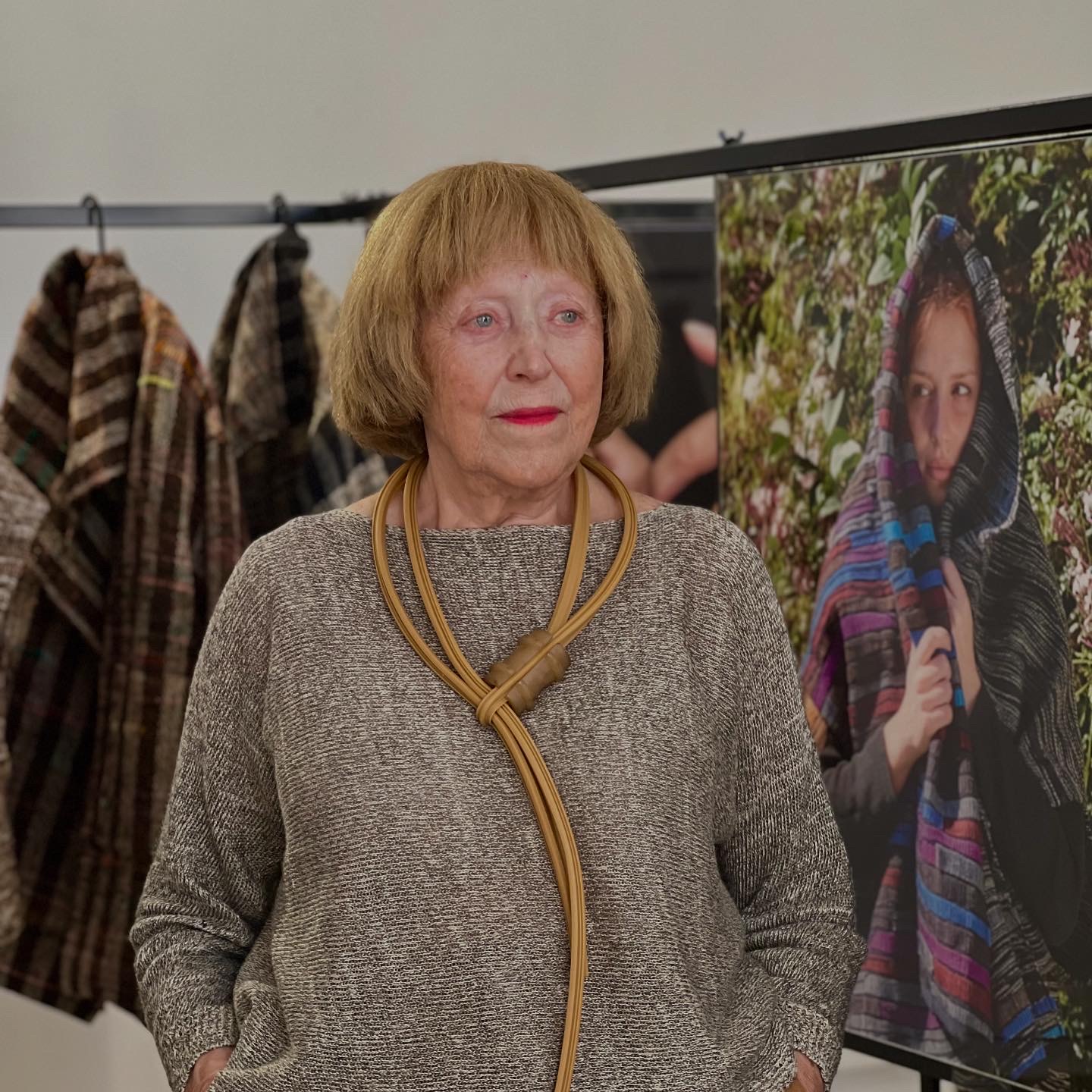
Starting from the absence of women in design history, this project reclaims the legacy of the designer Helena Cardoso and repositions design as a tool for social and territorial change. Through a book, exhibitions, talks and pedagogical exercises, it celebrates local crafts and knowledge, while fostering inclusion, sustainability and cultural diversity. her body of work as a reference for empowering communities and supporting rural economies.
Portugal
Local
North Portugal, in 15 municipalities - Castro Daire, Cabeceiras de Basto, Terras de Bouro, Caminha, Vila Verde, Viana do Castelo, Vale de Cambra, Amarante, Barcelos, Arouca, Guimarães, Vila do Conde, Vila Nova de Gaia, Matosinhos e Porto - specially in three of them: Vila Nova de Gaia, Cabeceiras de Basto e Porto.
It addresses urban-rural linkages
It involves other types of transformations (soft investment)
Yes
2026-01-25
No
No
No
Individual
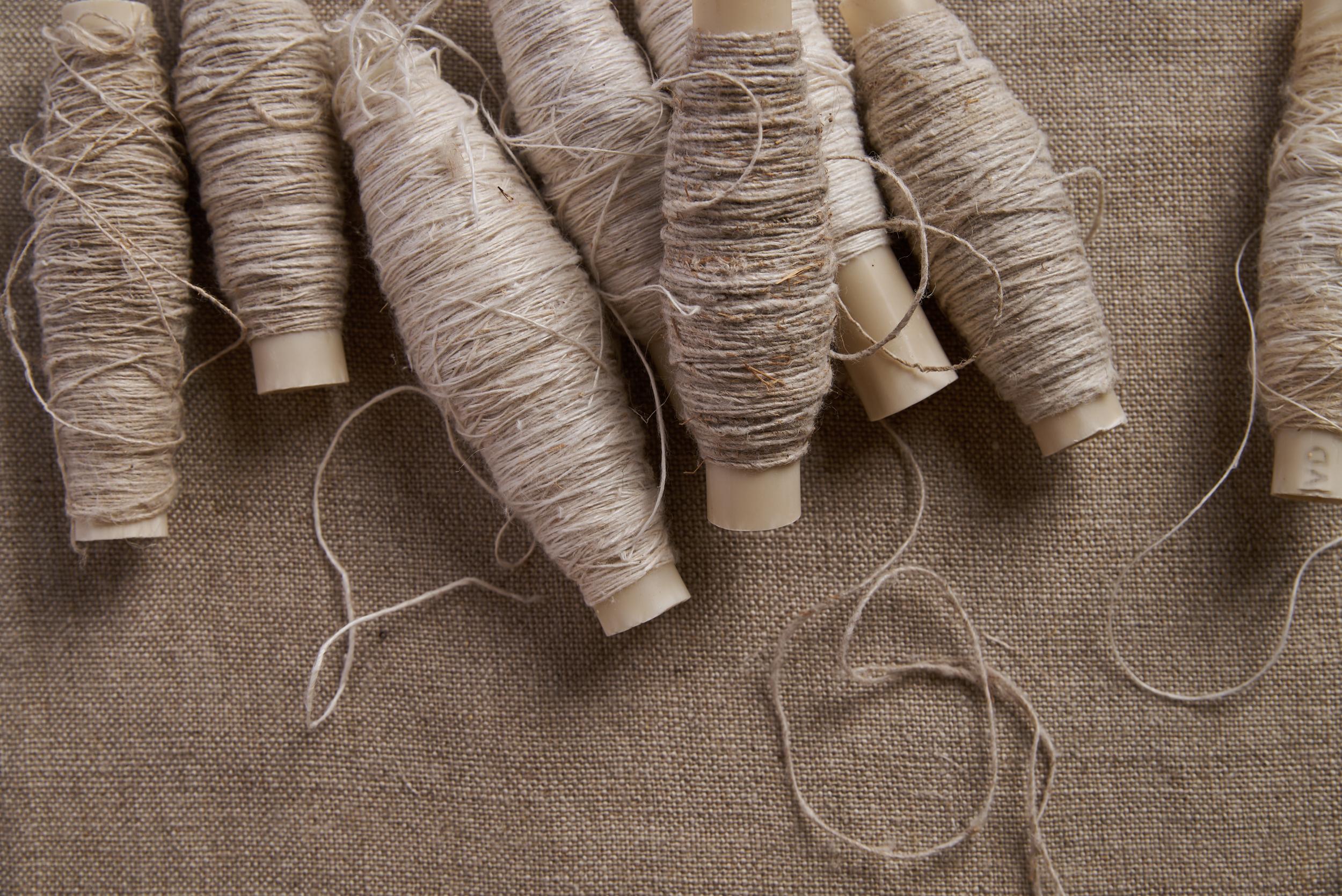
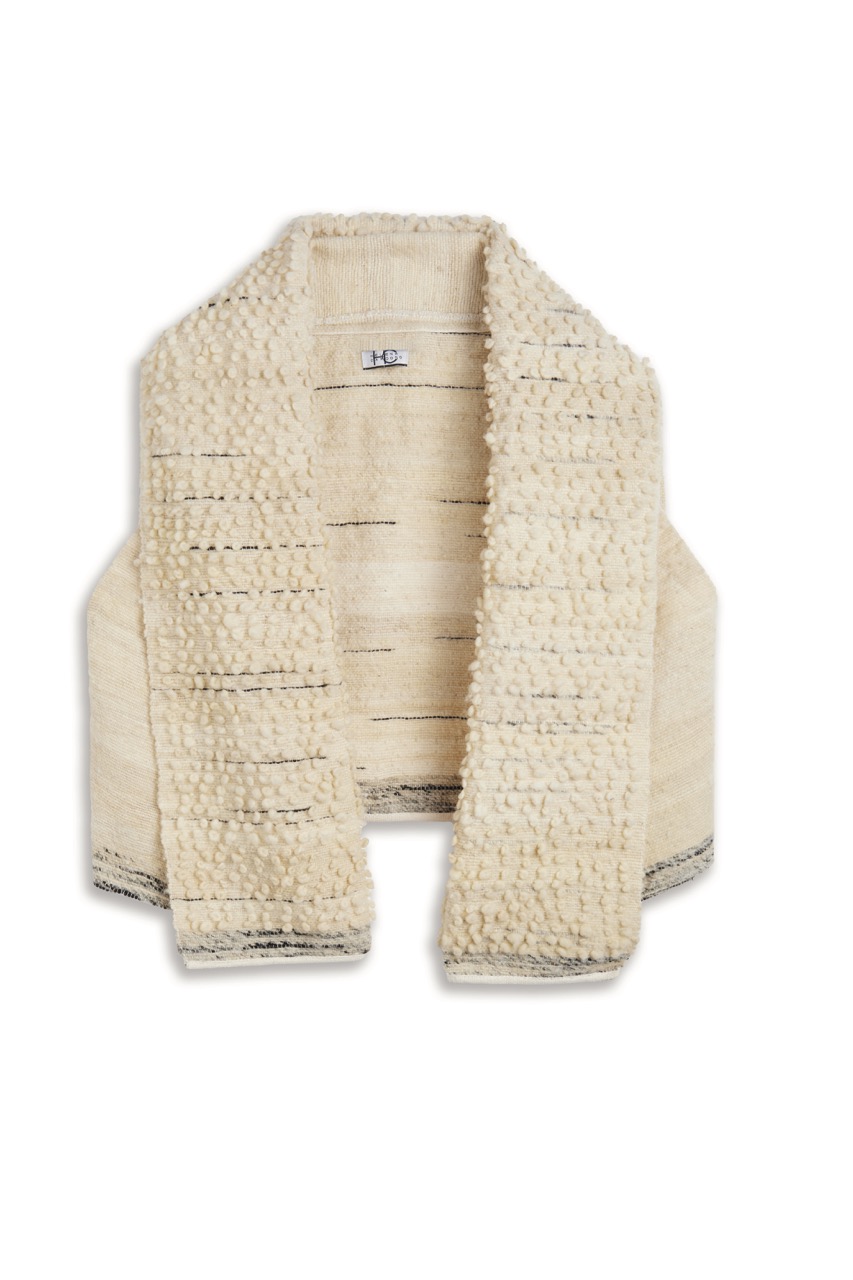
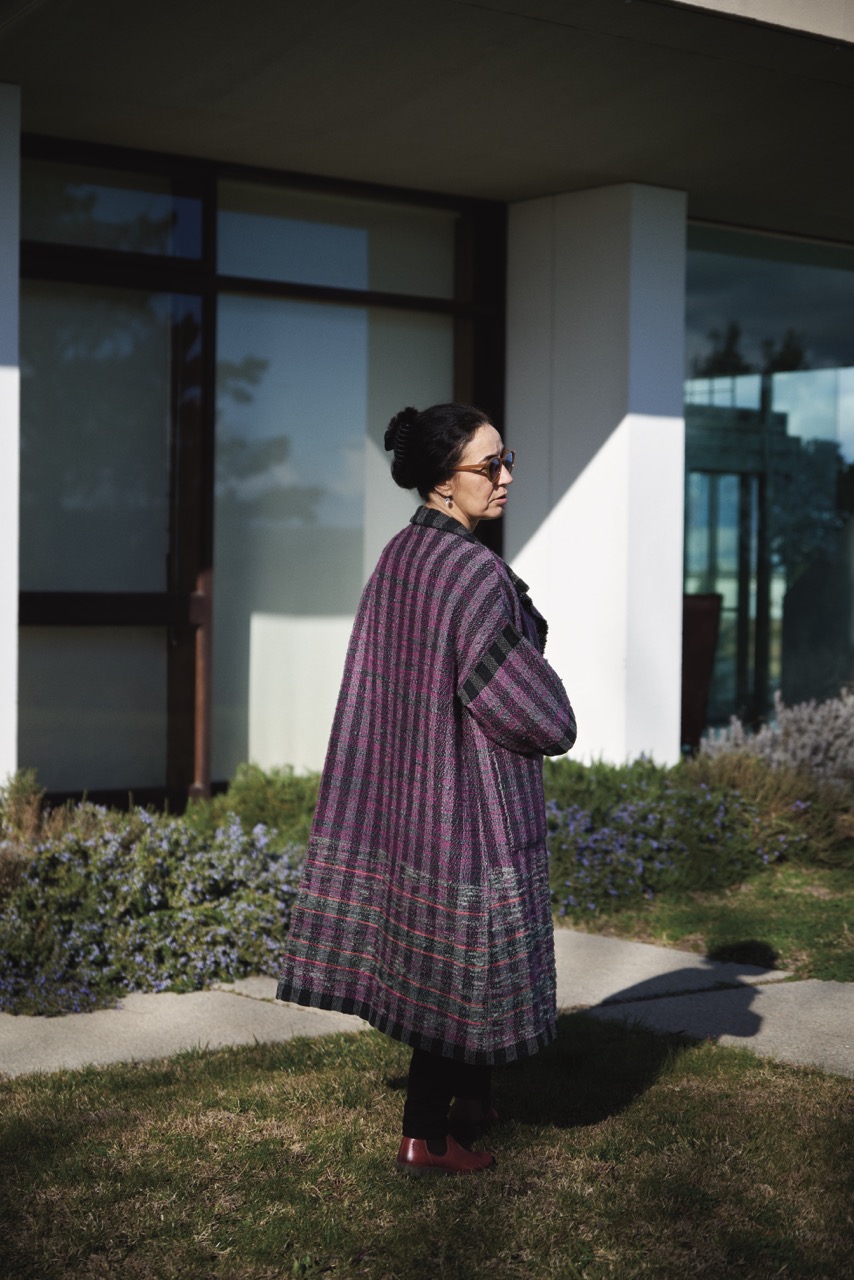
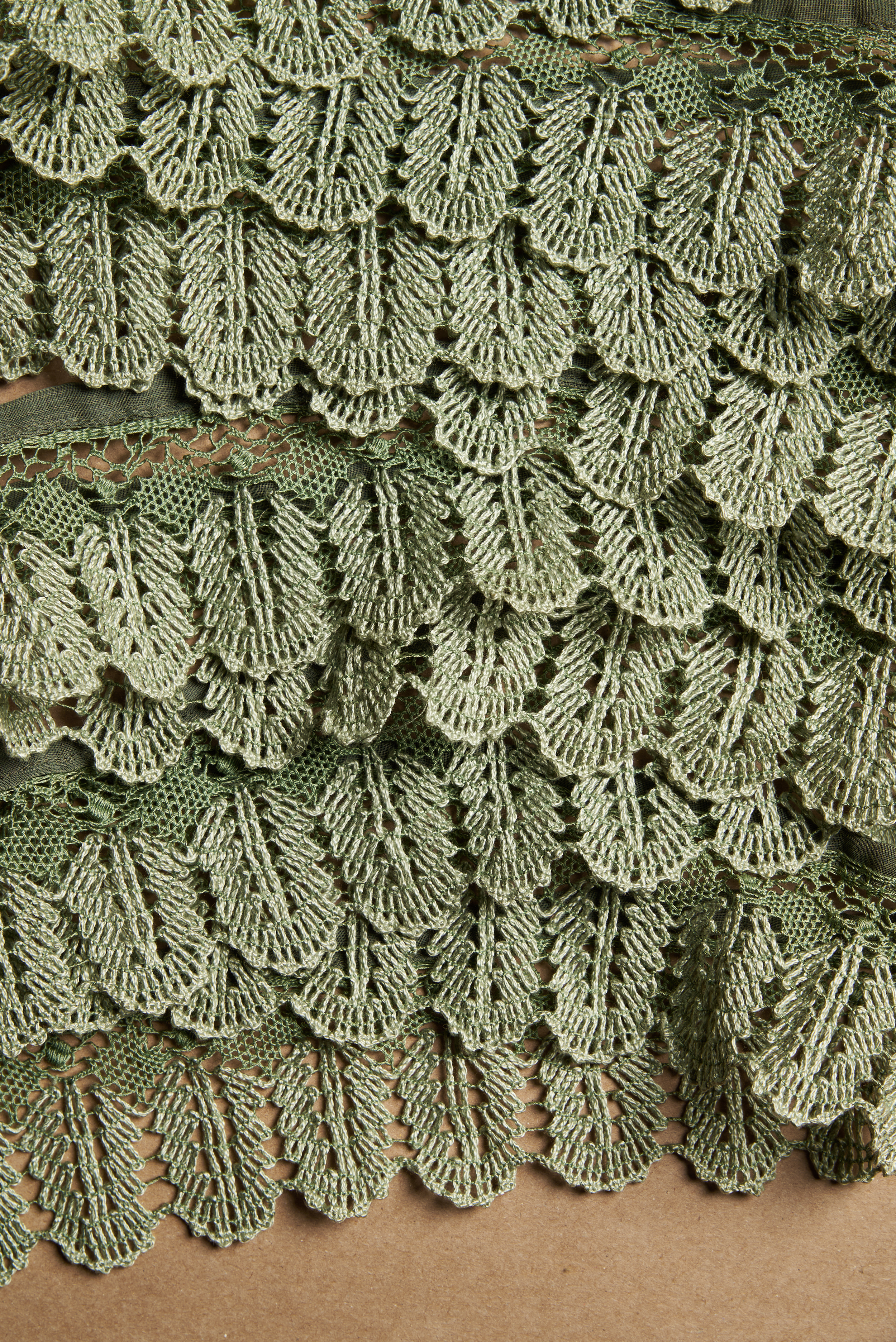
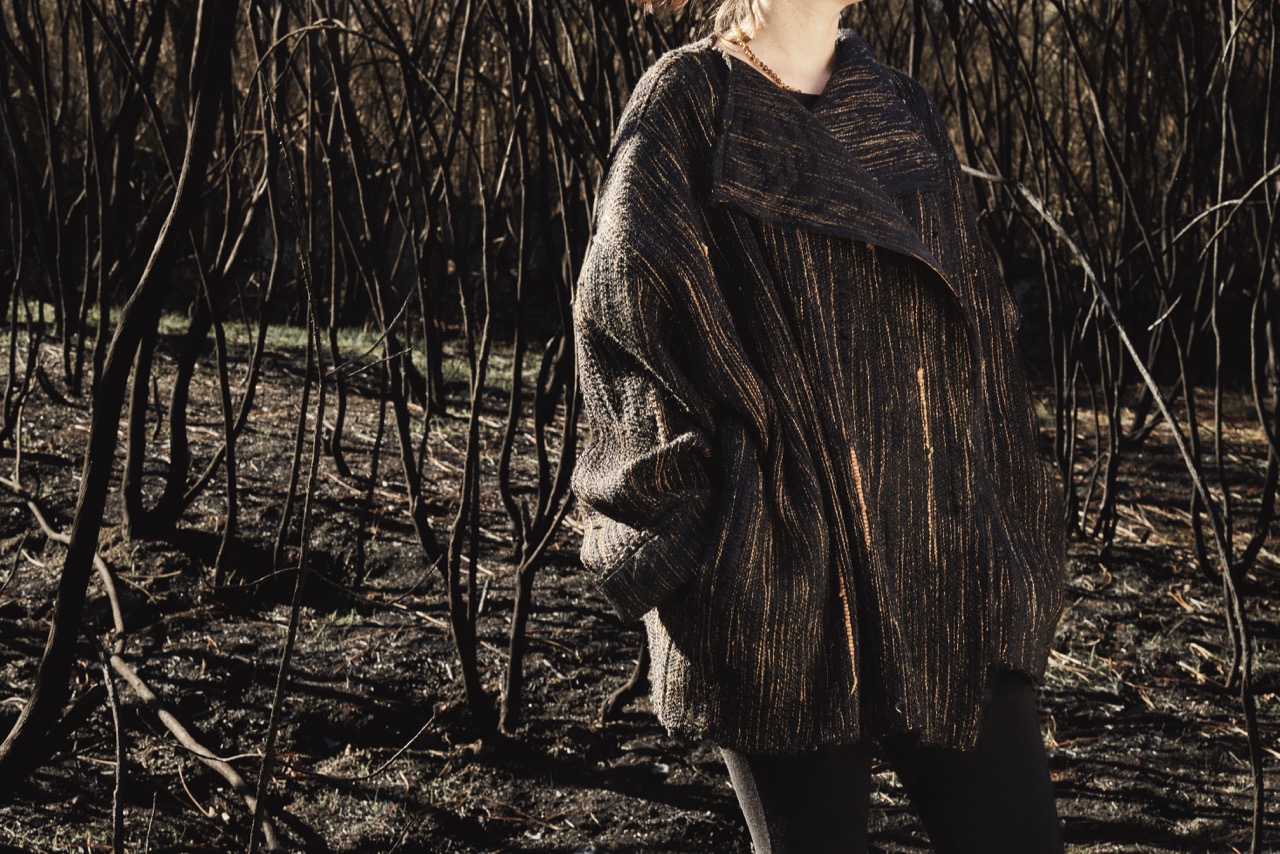
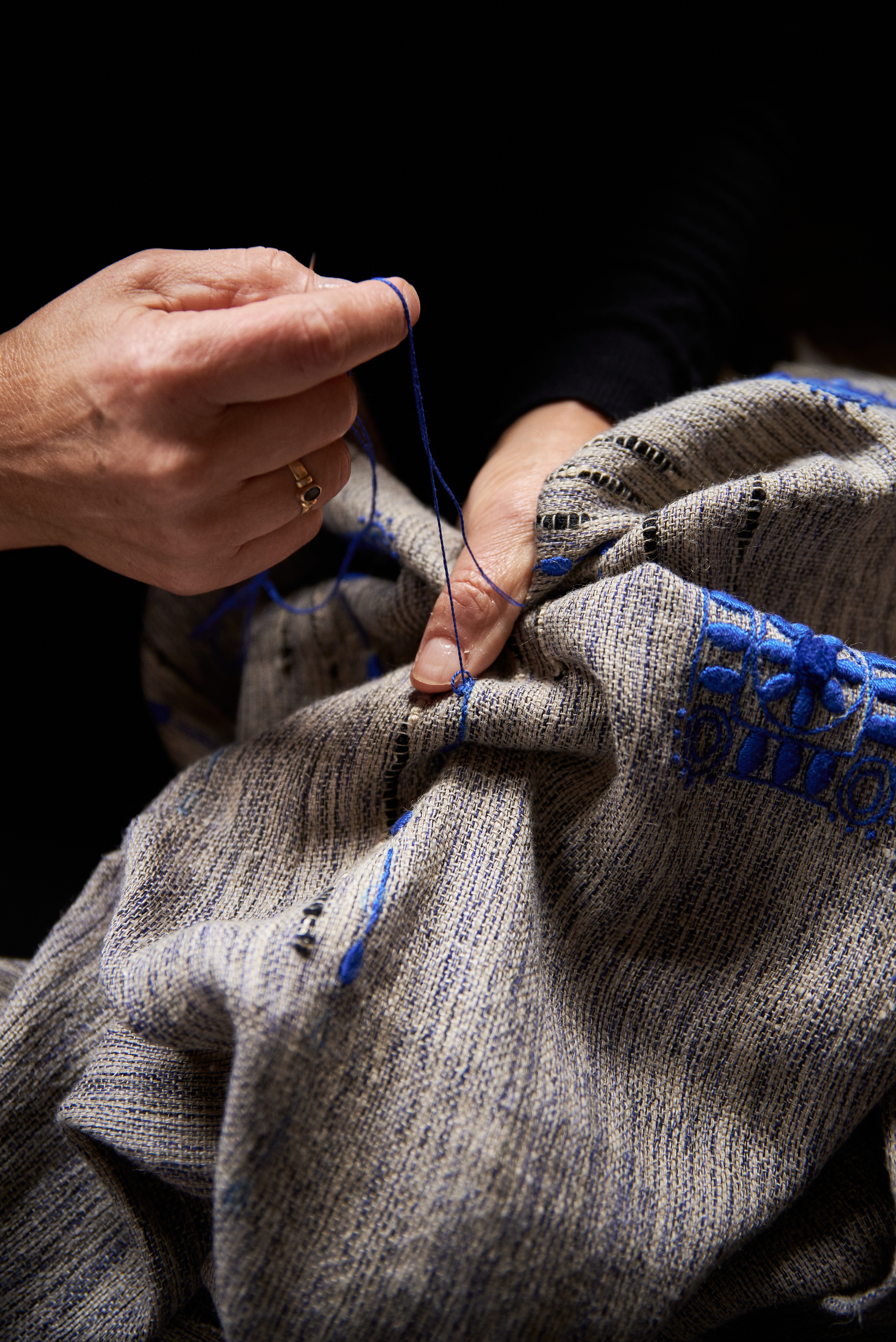
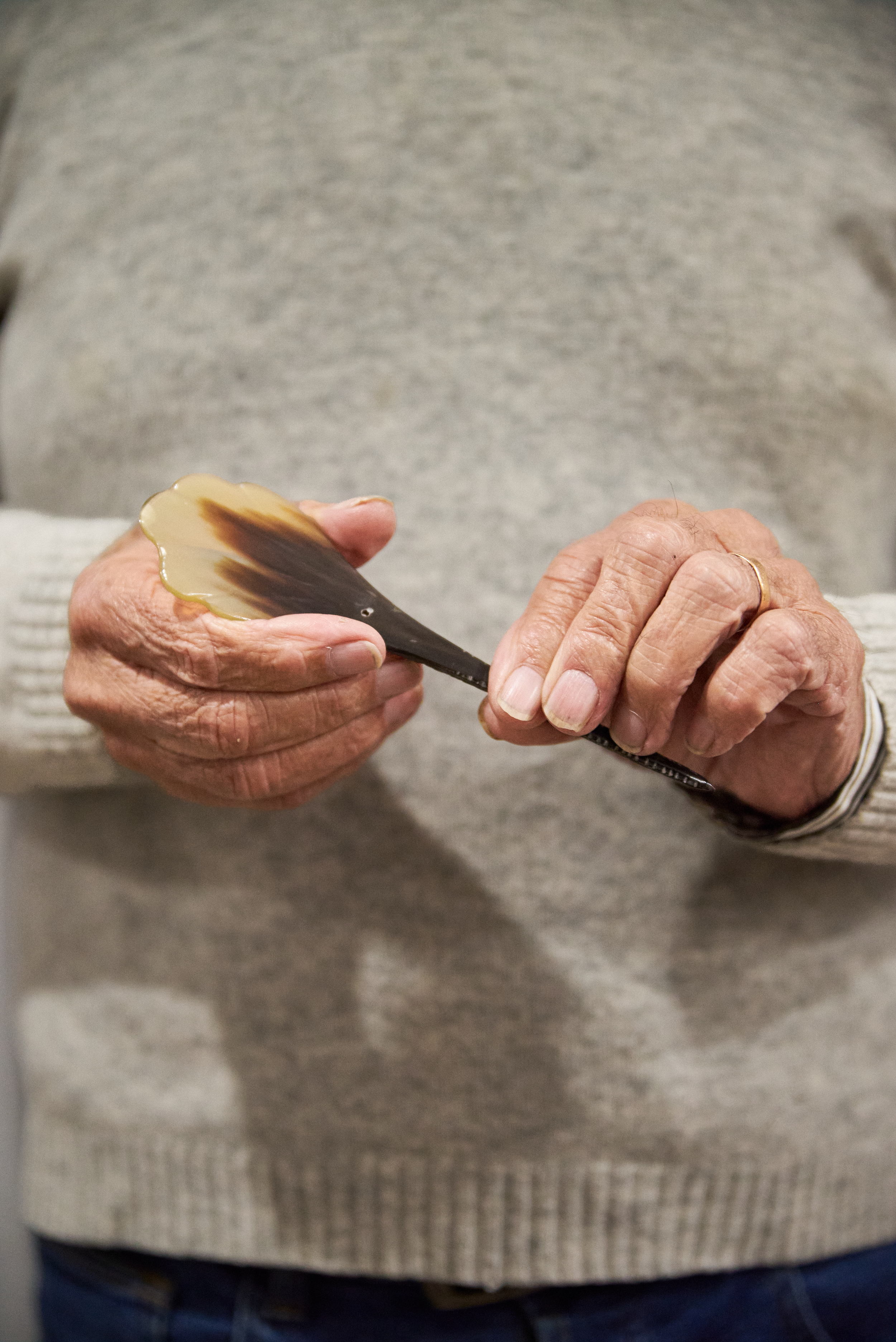
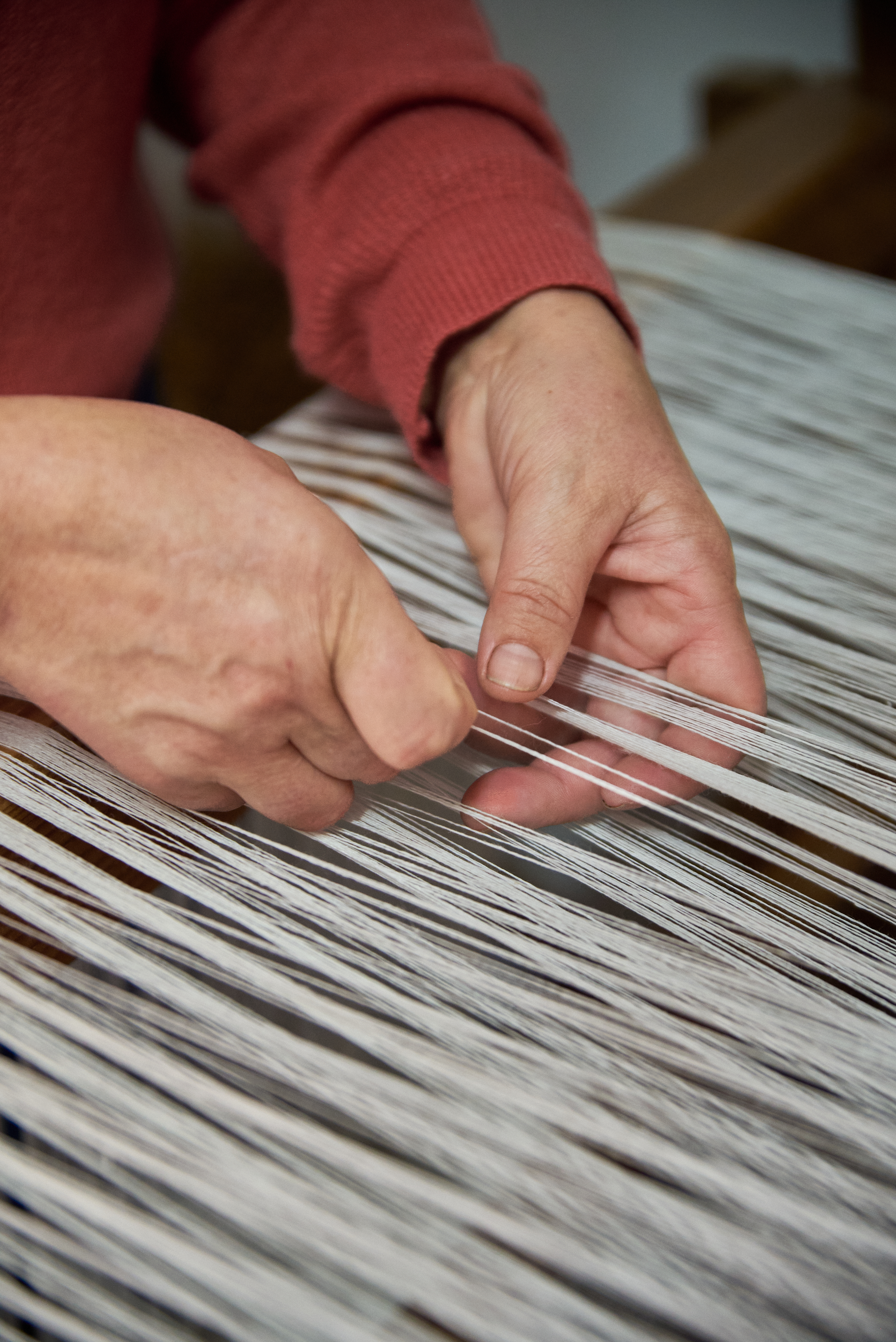
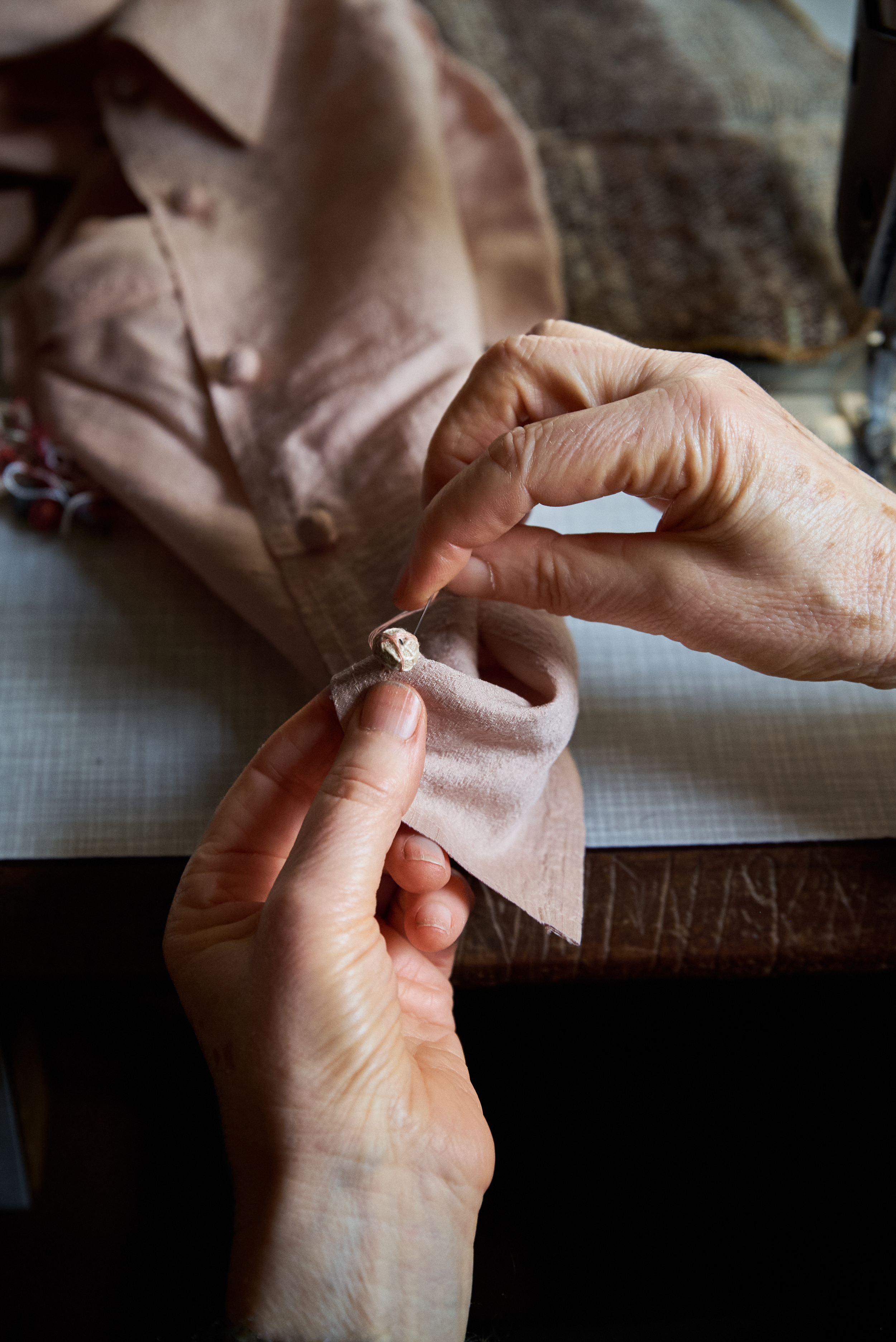
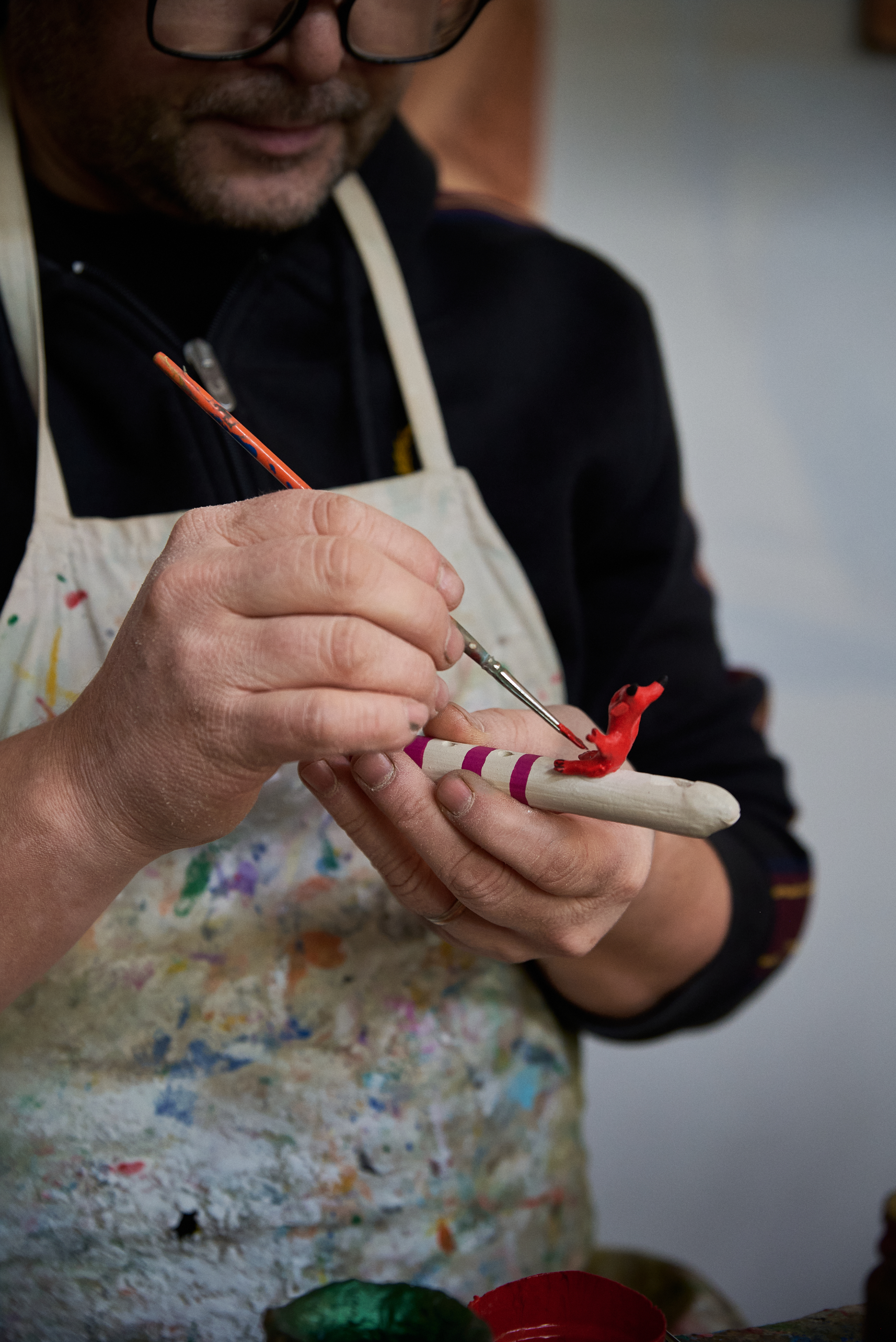
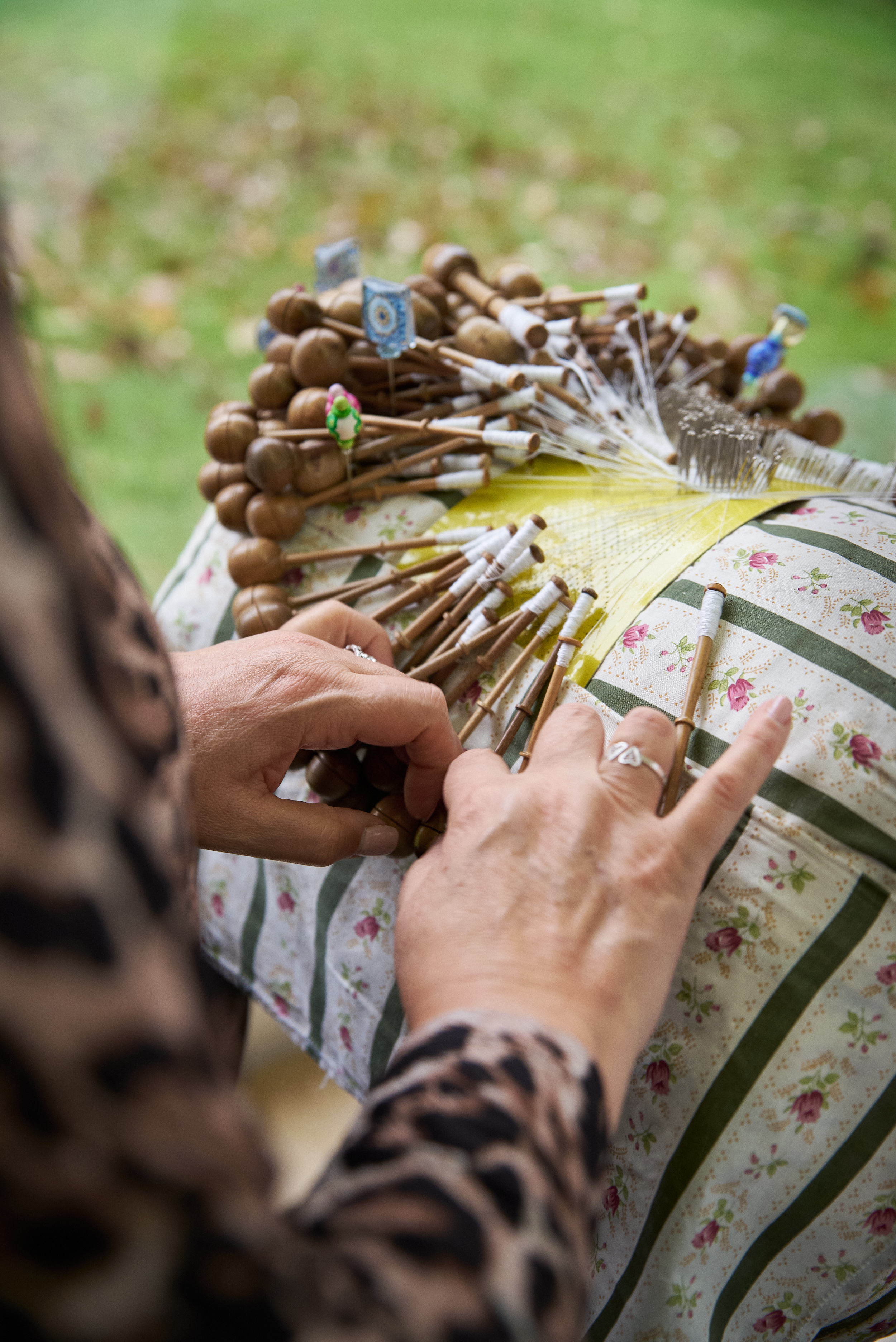
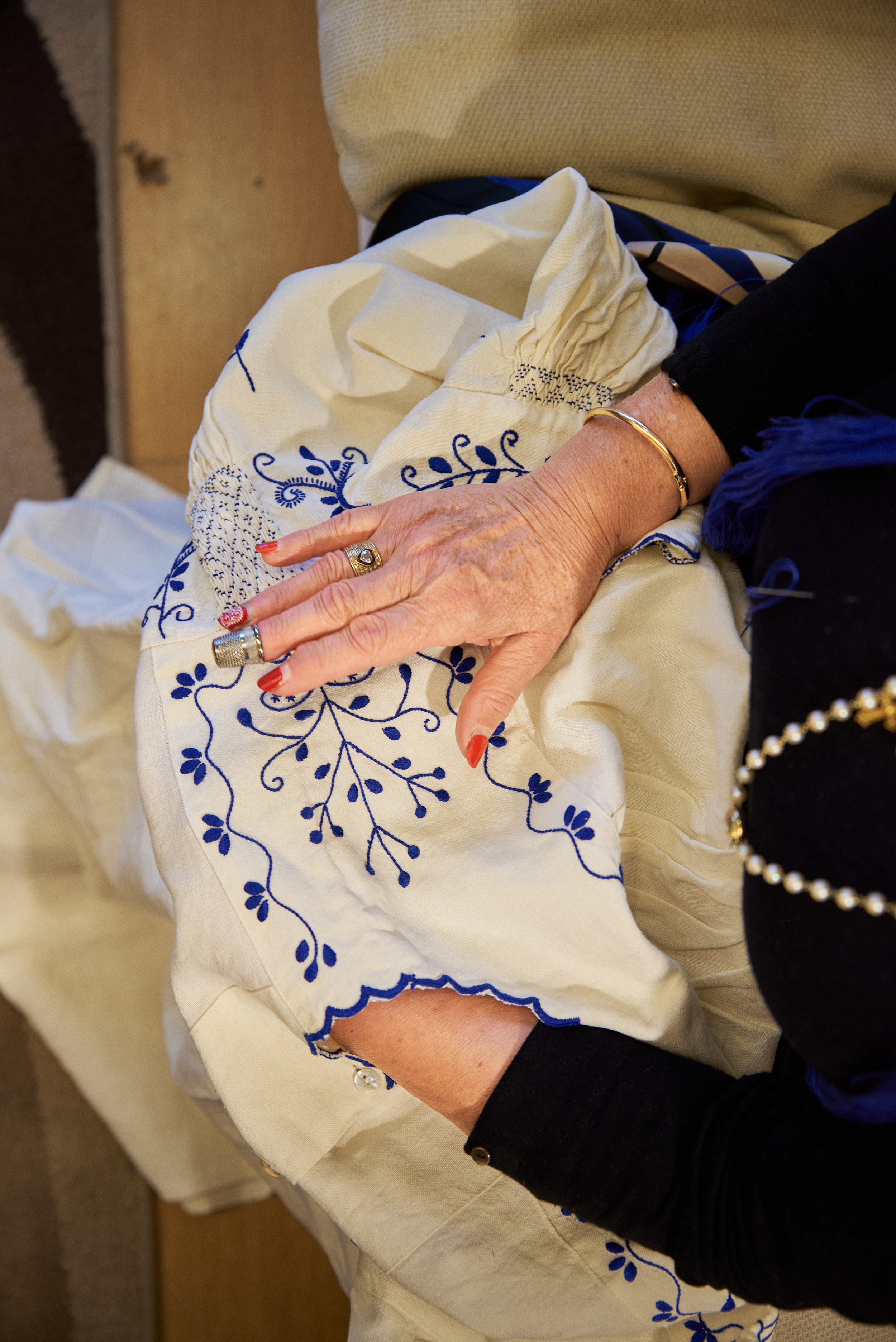
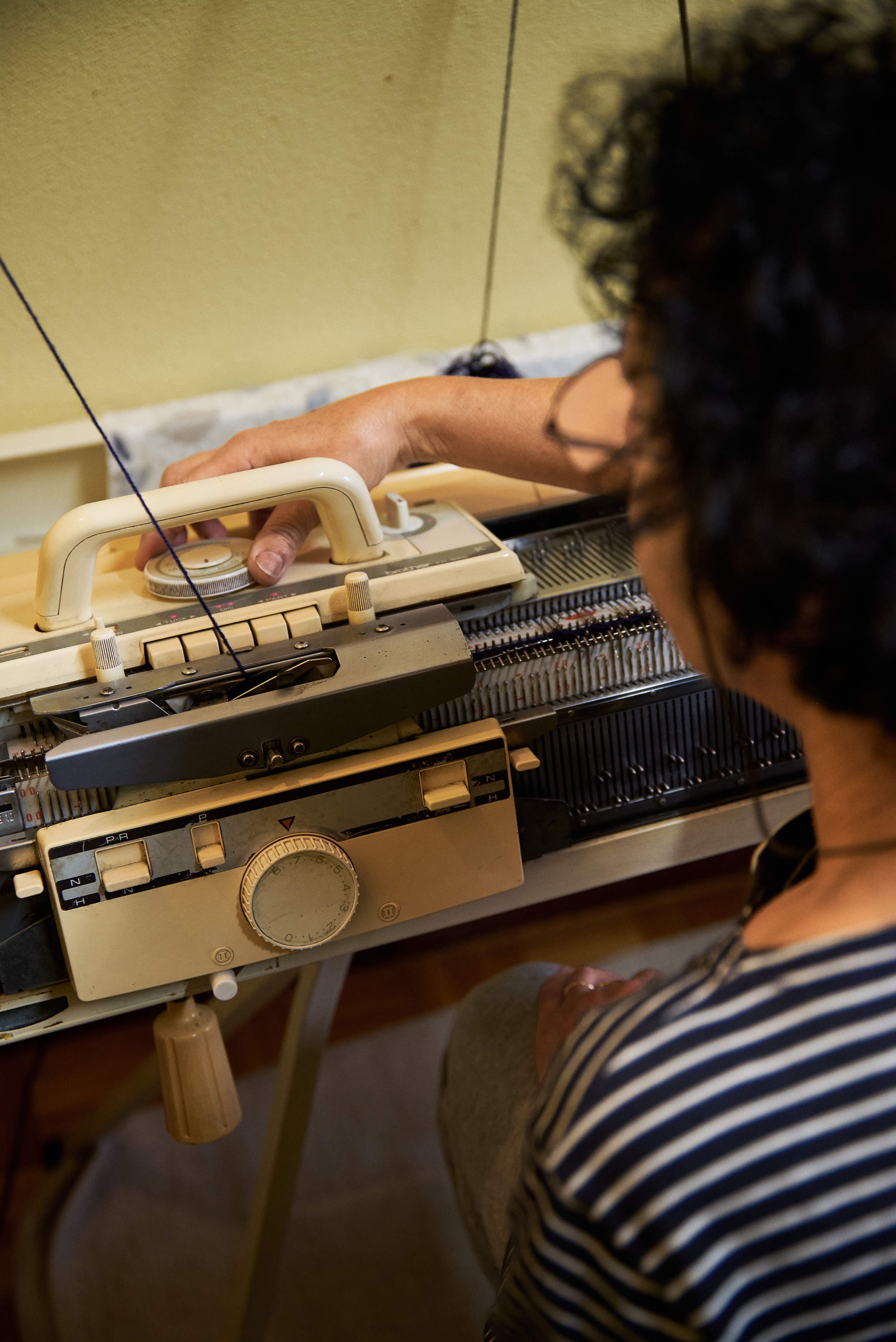
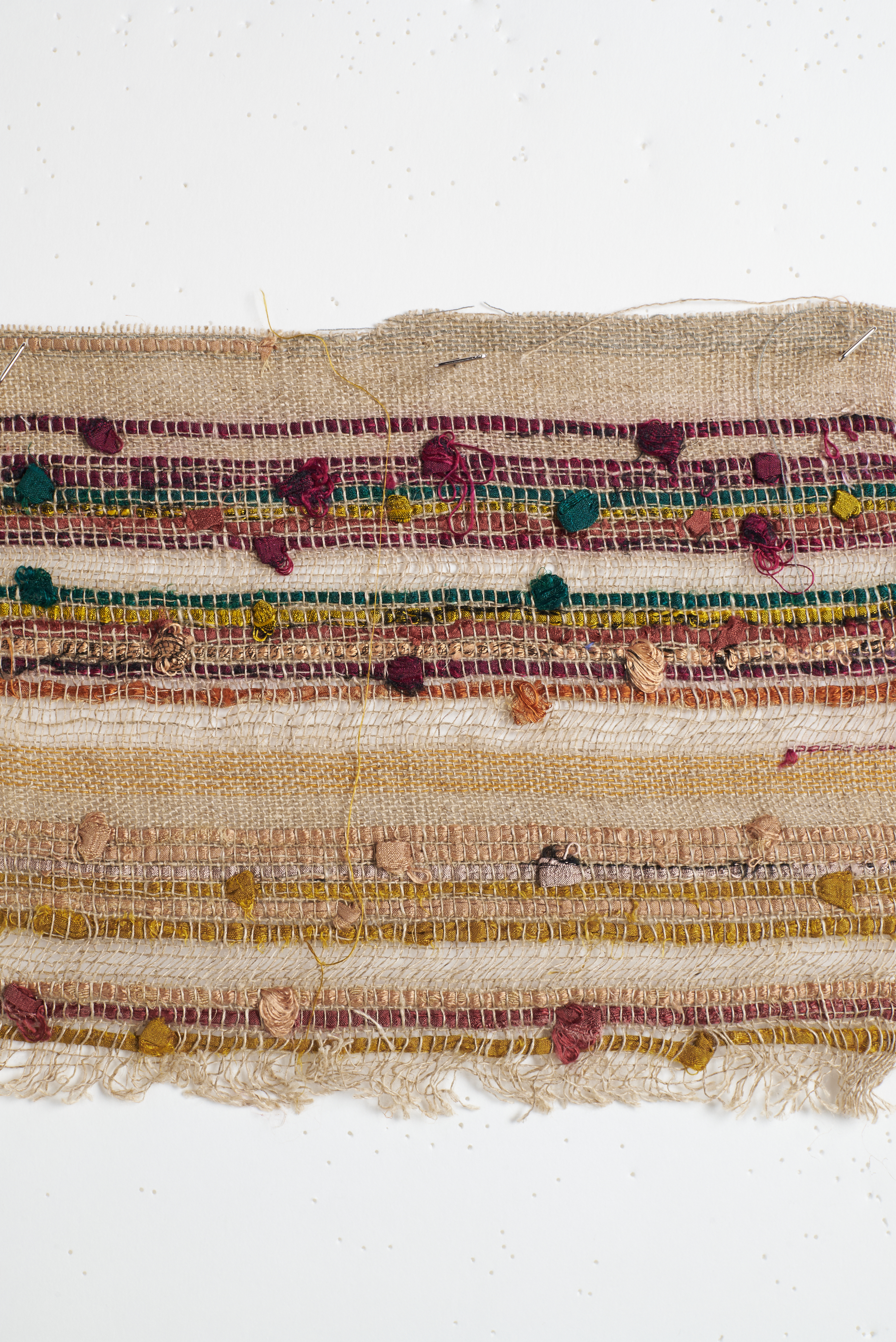
(Re)Discover Helena Cardoso is a multi-layered cultural and design project that brings visibility to a pioneering yet overlooked Portuguese designer, while addressing the broader absence of women in design history. Cardoso worked across 15 municipalities, with techniques such as weaving, knitting, crochet, wickerwork, carving, clay figurine, and others, and materials such as linen, cotton, silk, wool, bone, wicker, metal, ceramic, lichens, in areas of product design, fashion design and jewellery.
The project unfolds through:
- a manifesto book that consolidates this knowledge
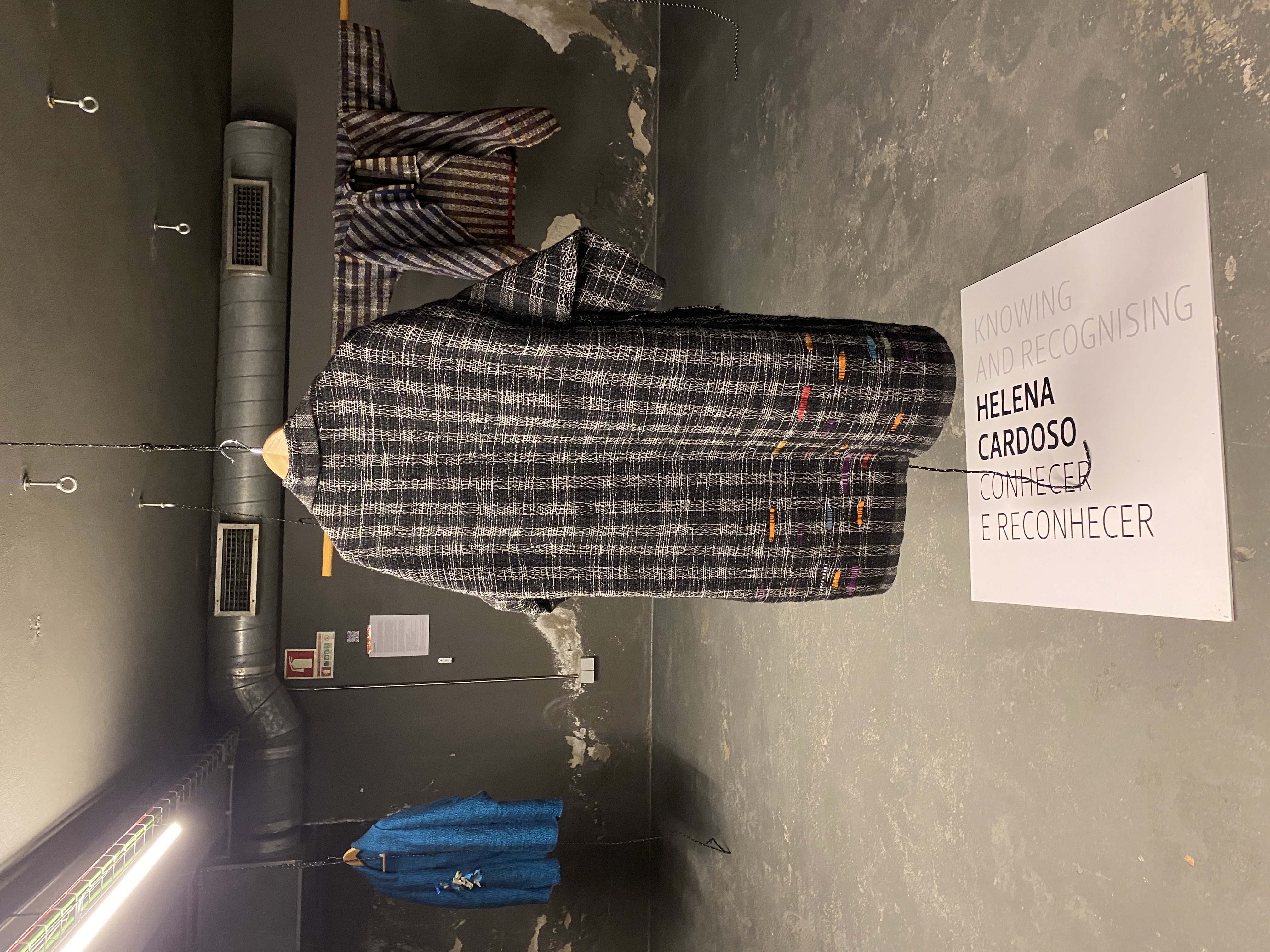
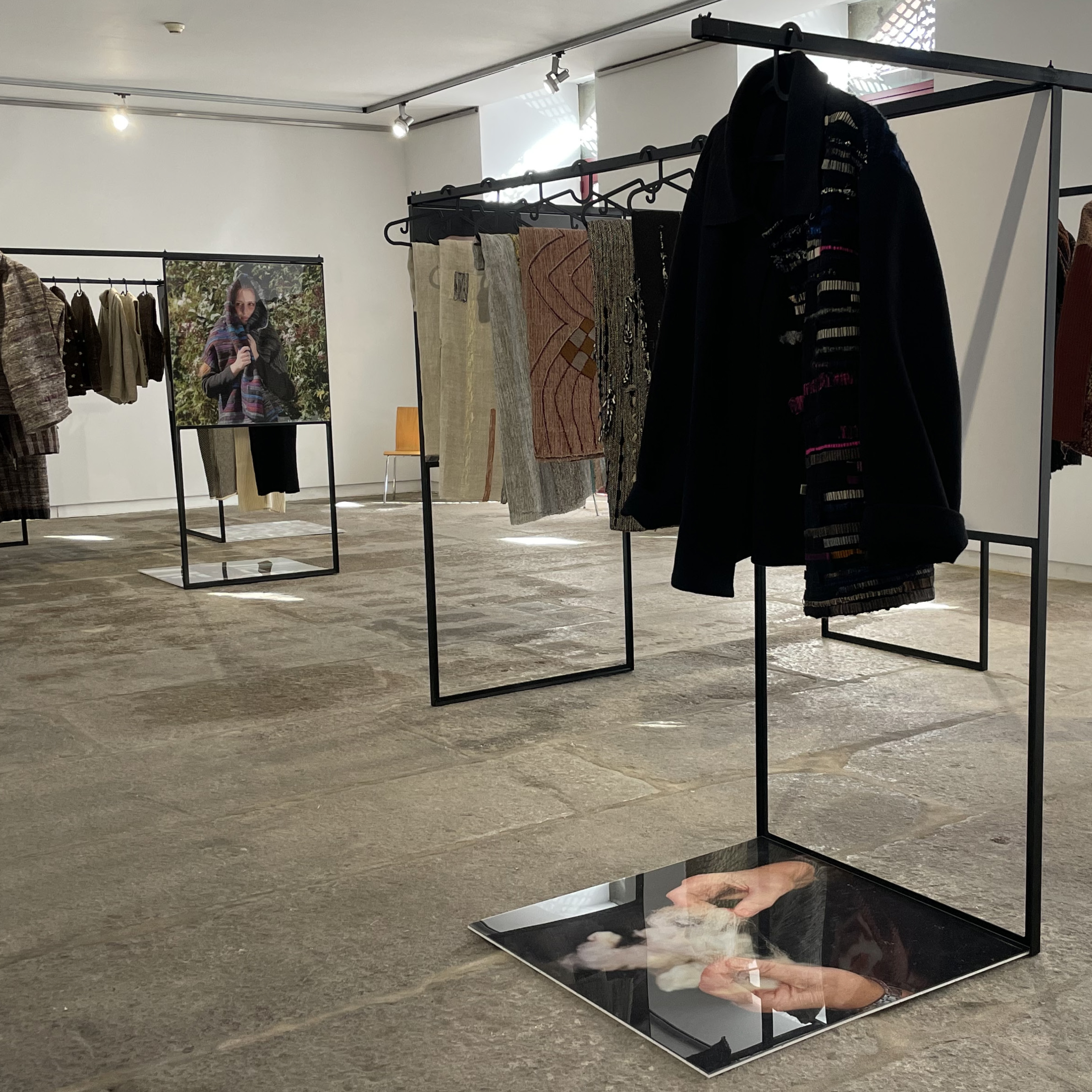
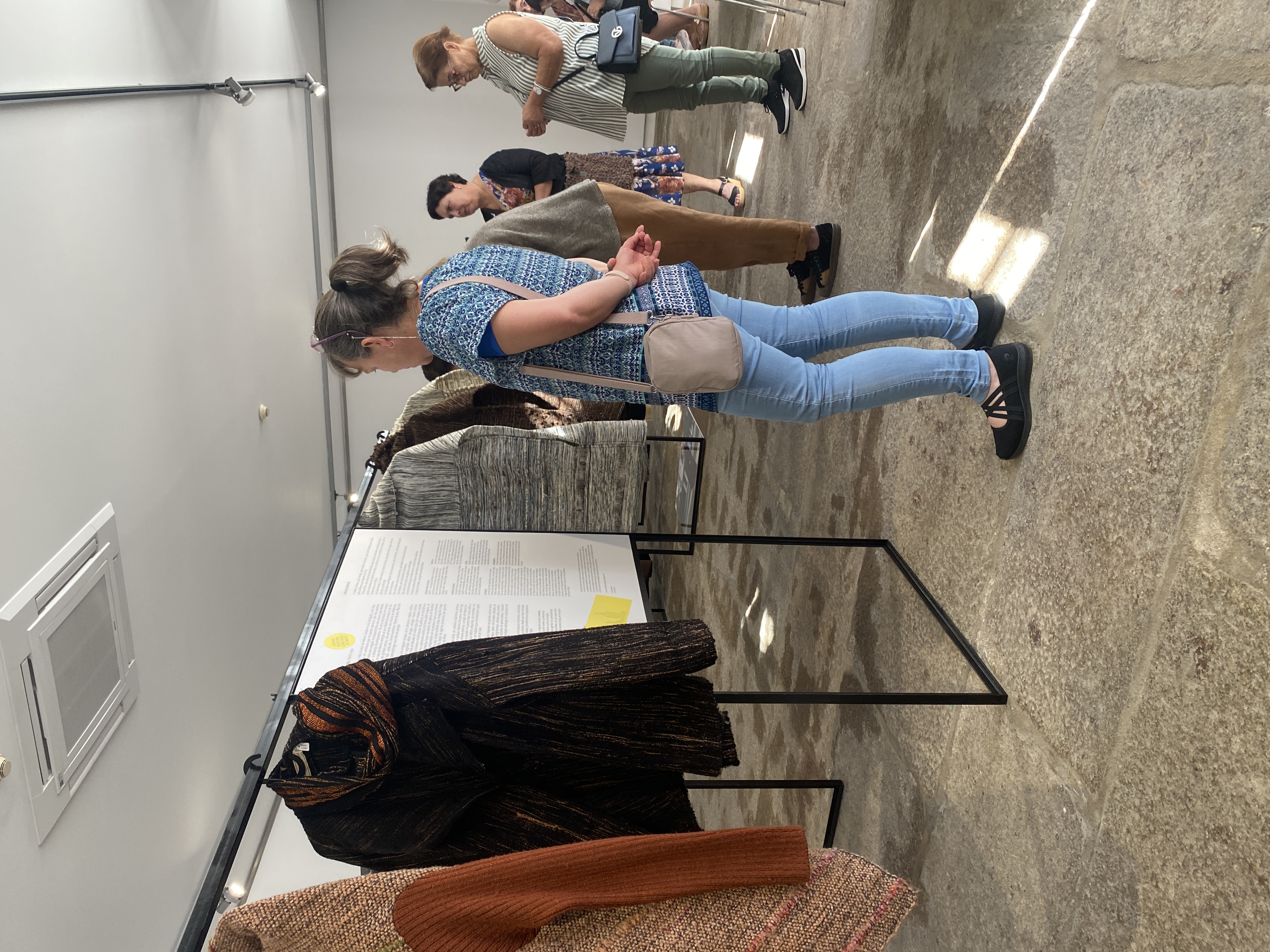
- 3 main exhibitions of hundreds of pieces
- 5 guided tours
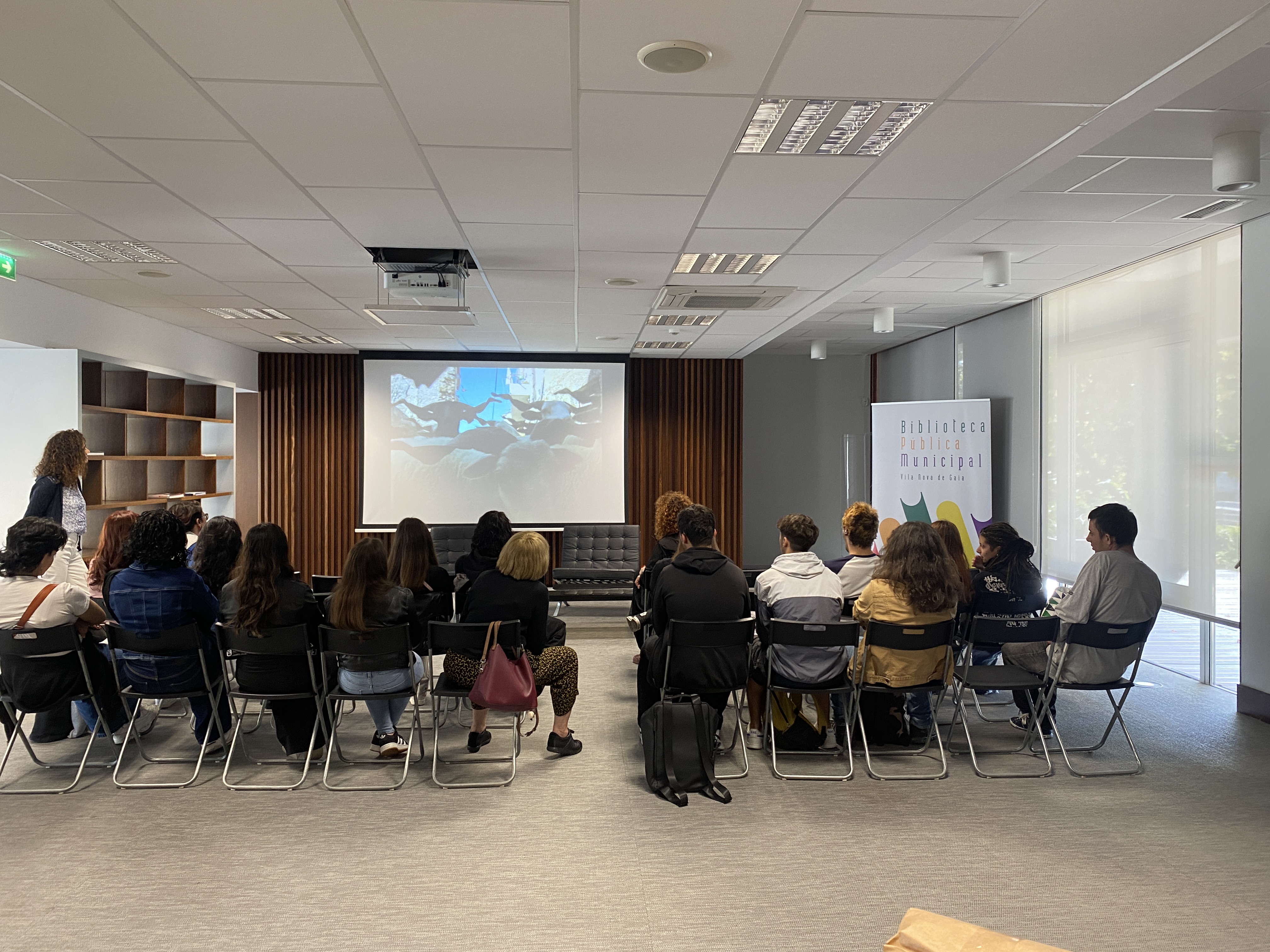
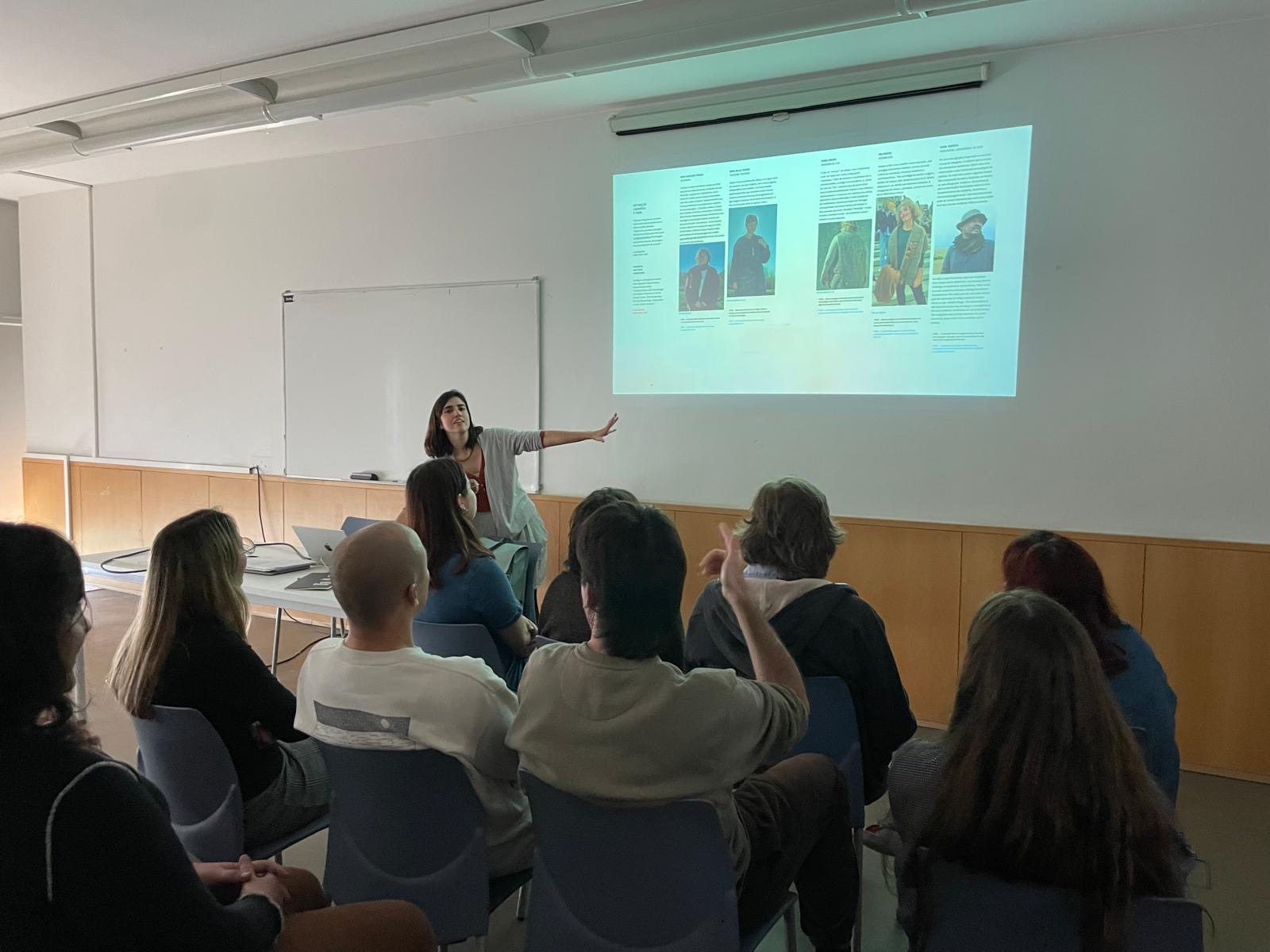
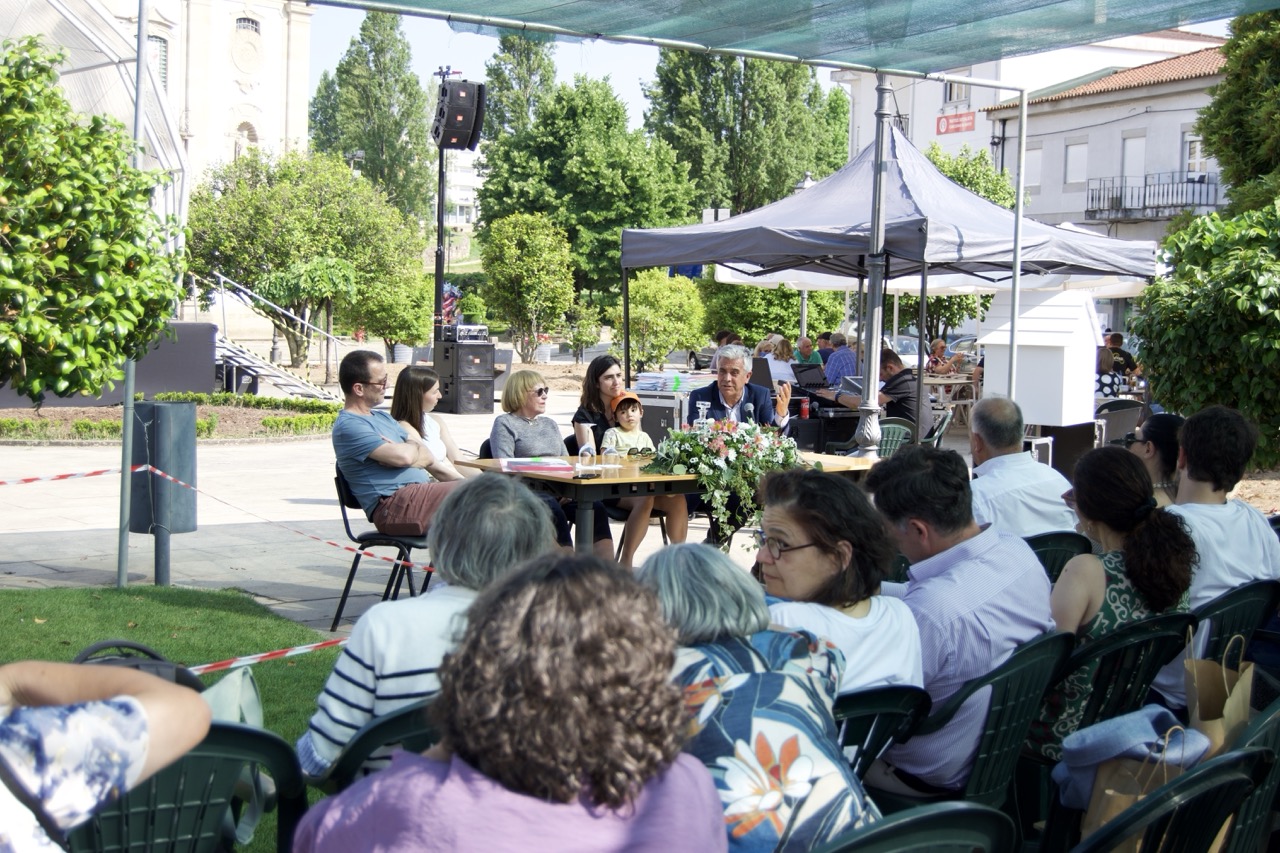
- public talks
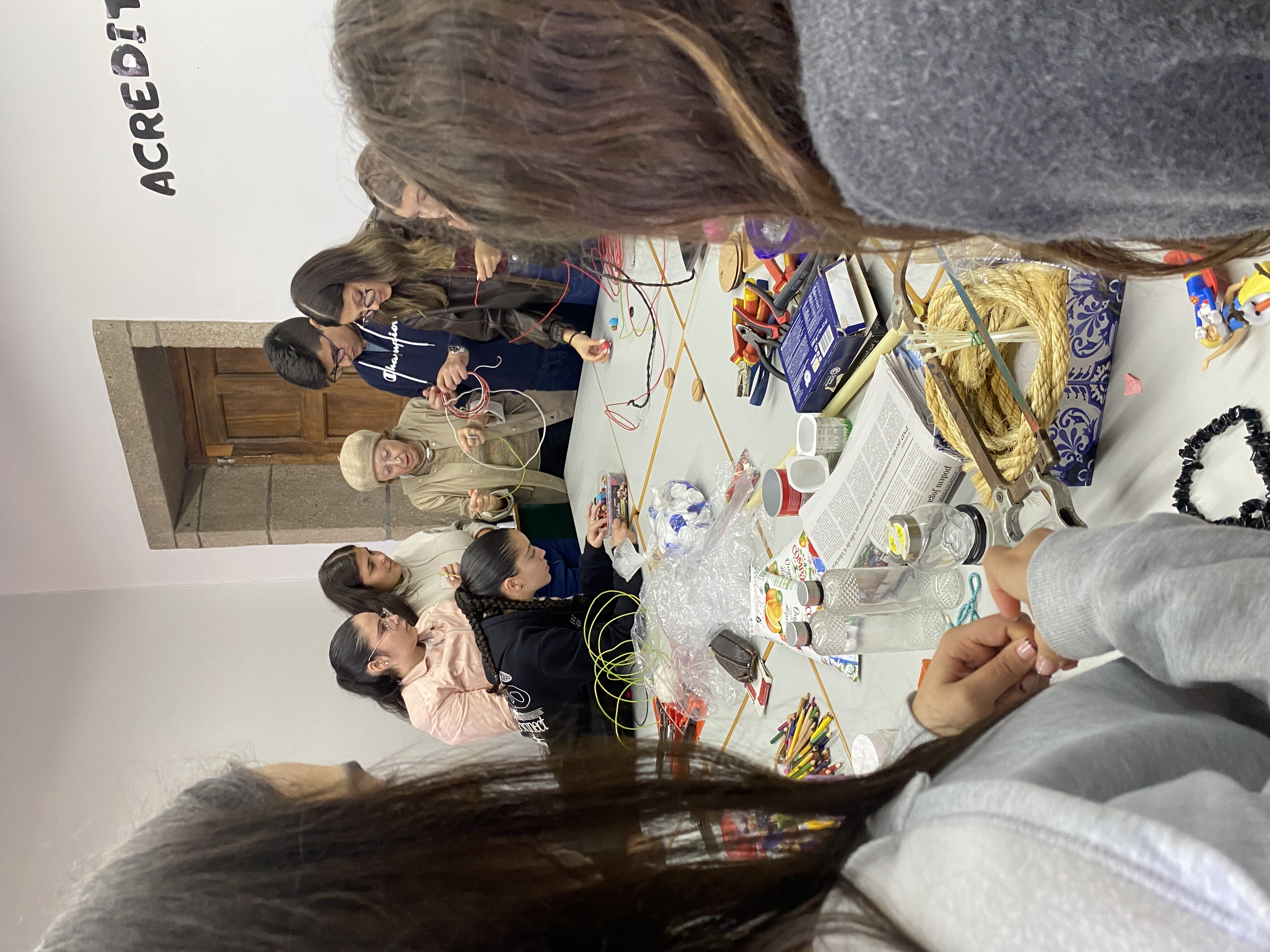
- 4 workshops and pedagogical exercises.
It documents and shares Helena Cardoso’s work, developed over four decades in rural Northern Portugal, where design was used as a tool to empower communities, especially women, and to revitalise traditional crafts and local economies.
Already achieved results include extensive research and documentation, partnerships with museums, universities and cultural institutions. The project has also activated networks between designers, artisans, educators and local authorities, fostering dialogue around the role of design in social and territorial development.
Its long-term impact lies in reshaping cultural narratives to be more inclusive and representative, while demonstrating how design can support sustainable local development. By valuing local materials, skills and knowledge, the project contributes to preserving intangible cultural heritage and creating new opportunities for entrepreneurship in rural areas.
Aligned with the New European Bauhaus values, the project connects beauty (through meaningful design), sustainability (through local resources and circular thinking) and inclusion (through community empowerment and gender equality), proposing a more balanced and regenerative relationship between people, culture and territory.
(Re)Discover Helena Cardoso emerged from a research gap: the absence of women designers in Portuguese design history. While studying existing narratives, it became clear that important contributions—especially those rooted in rural contexts and collaborative practices—had been overlooked.
The project began with field research, archival work and direct engagement with Helena Cardoso’s legacy, including her collaborations with artisans in Northern Portugal. This process involved collecting testimonies, documenting objects and mapping the social and cultural impact of her work.
There was concern that the project might remain at the research stage and not progress to the practical phase, where it could have had a greater impact on local communities and public. We went ahead and established various contacts at different levels.
From this research, the project evolved into a public programme designed to bring this knowledge into wider circulation. A series of exhibitions were developed to present her work in different municipalities where she had previously collaborated with communities. Talks and discussions were organised to reflect on broader themes such as gender equality, rural development and the role of design in society, bringing a broader public including 30 artisans to this discussion.
Workshops were introduced to engage younger generations, creating hands-on experiences with traditional techniques and local materials.
On the ground, the project is implemented through partnerships with local authorities, cultural institutions and educational organisations, allowing it to adapt to each context while maintaining a coherent structure.
This process—moving from research to public engagement, connecting research and practice—has allowed the project to reconnect past practices with present challenges, transforming a previously overlooked story into a shared and active cultural resource as a reference for the contemporary sustainable development.
Social inclusion
Sustainability through design
Rural regeneration
Cultural heritage
Gender equality
The project addresses sustainability through an integrated cultural, social and economic approach. By documenting and promoting Helena Cardoso’s work, it highlights design practices based on local materials, traditional knowledge and small-scale production, inherently aligned with low-impact and circular principles.
It also supports economic sustainability by promoting local production systems and creating visibility for crafts that can generate income and new business opportunities. Environmentally, it supports the use of locally reducing dependency on industrial processes and long supply chains. Socially, it builds on a legacy of empowering rural women through skills development and income generation, contributing to more resilient communities. Economically, it encourages new forms of local entrepreneurship rooted in heritage and creativity.
Through exhibitions, talks and workshops, it promotes the value of local ecosystems of production, where materials, skills and communities are interconnected. By supporting traditional crafts and their adaptation to contemporary contexts, it contributes to extending product lifecycles, reducing waste and fostering more responsible consumption patterns.
This approach makes the project exemplary by combining heritage preservation with forward-looking strategies, ensuring that traditional knowledge remains active, relevant and economically viable in contemporary society.
Its exemplary character lies in demonstrating that sustainability is not only technological but also cultural. By strengthening local identities and economies, it offers a replicable model for sustainable development rooted in place, knowledge and people.
By making these practices visible and relevant today, the project contributes to long-term sustainability through cultural continuity, knowledge transfer and local capacity building, aligning with the New European Bauhaus vision of regenerative and inclusive futures.
The project contributes to aesthetics by reconnecting beauty with meaning, care and everyday life. It highlights a form of design rooted in local materials, traditional knowledge and close relationships between people and place.
Through the exhibition, visitors encounter objects and processes that reflect a deep understanding of materials such as textiles, ceramics or natural fibres. These are not only functional items but expressions of identity, memory and creativity. By presenting them in a contemporary context, the project repositions traditional crafts as relevant and inspiring for today.
The aesthetic experience is also extended through the design of the exhibition, the publication and the digital media, all conceived to be accessible, engaging and sensitive to different audiences. Simplicity, clarity and material presence are prioritised over spectacle.
Beyond objects, the project fosters a sense of belonging and care by reconnecting communities with their own cultural heritage. By recognising the value of local practices and stories, it strengthens pride and attachment to place (as it can be read in the book through each community contribution across the 15 municipalities).
Its exemplary character lies in showing that beauty is not only visual, but relational and cultural. It emerges from processes that respect people, knowledge and environments, offering a more grounded and meaningful approach to aesthetics aligned with the New European Bauhaus.
Inclusion is at the core of the project, both in its content and in its methods. I
t begins by addressing the historical exclusion of women from design narratives, bringing visibility to a female designer whose work was previously marginalised.
The project also engages with communities that are often underrepresented, particularly in rural areas. By valuing local knowledge and involving artisans and residents in its activities, it creates opportunities for recognition, participation and exchange.
Accessibility is ensured through free public events, partnerships with public institutions and the use of both physical and digital formats. This allows the project to reach diverse audiences, including those who may not engage with cultural initiatives.
Workshops for young people introduce inclusive learning environments, where different backgrounds and experiences are welcomed.
The project avoids specialised or exclusive language, making its content understandable and relevant to a broad audience.
In terms of governance, the project operates through collaborative partnerships, where different stakeholders contribute to decision-making and implementation.
Its exemplary character lies in combining representation with action: it not only tells a more inclusive story, but actively creates spaces where diverse voices, skills and experiences can be recognised and valued.
Participation is central to the project. It builds on Helena Cardoso’s original approach, which was deeply collaborative and community-based.
The project involves a wide range of participants, including artisans, designers, researchers, students and local communities. Their roles vary from contributors of knowledge and skills to active participants in talks, workshops and discussions.
Workshops for younger audiences create opportunities for hands-on learning, while public talks encourage dialogue between different perspectives and disciplines. Local institutions and communities also play an active role in hosting and shaping activities.
This participatory approach has strengthened connections between stakeholders and created a shared sense of ownership. It has also ensured that the project is not only about representation, but about active engagement and knowledge exchange, increasing its relevance and impact.
The project brings together stakeholders across multiple levels, from local communities to national institutions.
At local level, municipalities, artisans and community groups contribute to the implementation of exhibitions and activities (such as Cabeceiras de Basto Municipality, Vila Nova de Gaia Municipality, Casa da Lã association, artisans from the 15 municipalities, oficina association, CEARTE, Association for the Protection of Handicrafts and Heritage in Vila do Conde, etc). At regional/ international and national level, universities (such Fine Arts Faculty of University of Porto, Aveiro University, Minho University, Lund University), research centres (ID+ Research Institute of design, media and culture) and 5 museums (Alberto Sampaio Museum, Bobbin lace Museum of Vila do Conde, Mude-Design Museum, National Costume Museum, Costume Museum of Viana do Castelo) support the project through research, dissemination and hosting events.
For the book it were involved all mentioned above as well the other 13 municipalities.
Institutional partners such as cultural and educational institutions play a key role in ensuring credibility, reach and continuity. These collaborations allow the project to operate across different contexts and audiences.
The added value of this multilevel approach lies in its ability to connect knowledge, resources and networks, creating a more robust and scalable project. It also ensures that local realities are linked to broader cultural and policy discussions.
This layered collaboration creates synergies between practice, research and policy. It also enhances the project’s capacity to reach different audiences and territories.
By bridging local action with national and European cultural agendas, the project demonstrates how collaborative governance can amplify impact and ensure long-term sustainability.
The project is inherently transdisciplinary, bringing together multiple fields of knowledge and practice.
Design is at its core, but it intersects with areas such as anthropology, social sciences, cultural studies and history, particularly in the research and interpretation of Helena Cardoso’s work. Craft and artisanal knowledge play a central role, contributing practical expertise and material understanding.
The project also involves education, through workshops and collaborations with universities and schools, and cultural production, through exhibition design, publishing and public programming.
This combination of disciplines is reflected not only in the content, but also in the team and partnerships involved, which include designers, researchers, educators, artisans and cultural institutions.
The transdisciplinary approach allows the project to address complex challenges—such as rural development, cultural sustainability and social inclusion—in a more holistic way. It also creates bridges between theory and practice, past and present, local knowledge and broader cultural frameworks.
By integrating different perspectives and methods, the project demonstrates how collaborative and cross-disciplinary approaches can generate more relevant, inclusive and sustainable outcomes.
The project started by combining public support, institutional partnerships and revenue-generating activities to ensure financial sustainability.
Initial development has been supported by public support as well as in-kind contributions from partner institutions (such as spaces, dissemination and resources). Revenue is generated through the publication (book sales), commissioned exhibitions and potential future workshops and collaborations.
The modular nature of the project allows it to be adapted and implemented in different municipalities, creating opportunities for partnerships and co-financing at local level.
In the long term, the network established can support new projects, collaborations and funding opportunities. This hybrid model—combining cultural funding, partnerships and market-based activities—ensures flexibility and resilience over time.
The project has strong potential for replication due to its methodology and structure.
Its core approach—research, documentation, public engagement and community activation—can be applied to other crafts or territories, with the design as a strategic agent. The modular format (book, exhibition, talks, workshops, pedagogical exercises) allows it to be easily adapted to different contexts and scales.
Key transferable elements include:
- the focus on local knowledge and materials
- the integration of design with community development
- the combination of cultural production and public engagement
- the creation of networks between stakeholders
This makes the project relevant not only in Portugal but also in other regions facing similar challenges, such as rural depopulation, loss of traditional knowledge and lack of representation.
By providing a framework that connects heritage, design and sustainability, the project offers a replicable model for inclusive and place-based innovation.