Strengthening Local Democracy and Inclusion
Prosfygika Community in Athens
Another way to live:Committee for the Promotion and Defence of Prosfygika
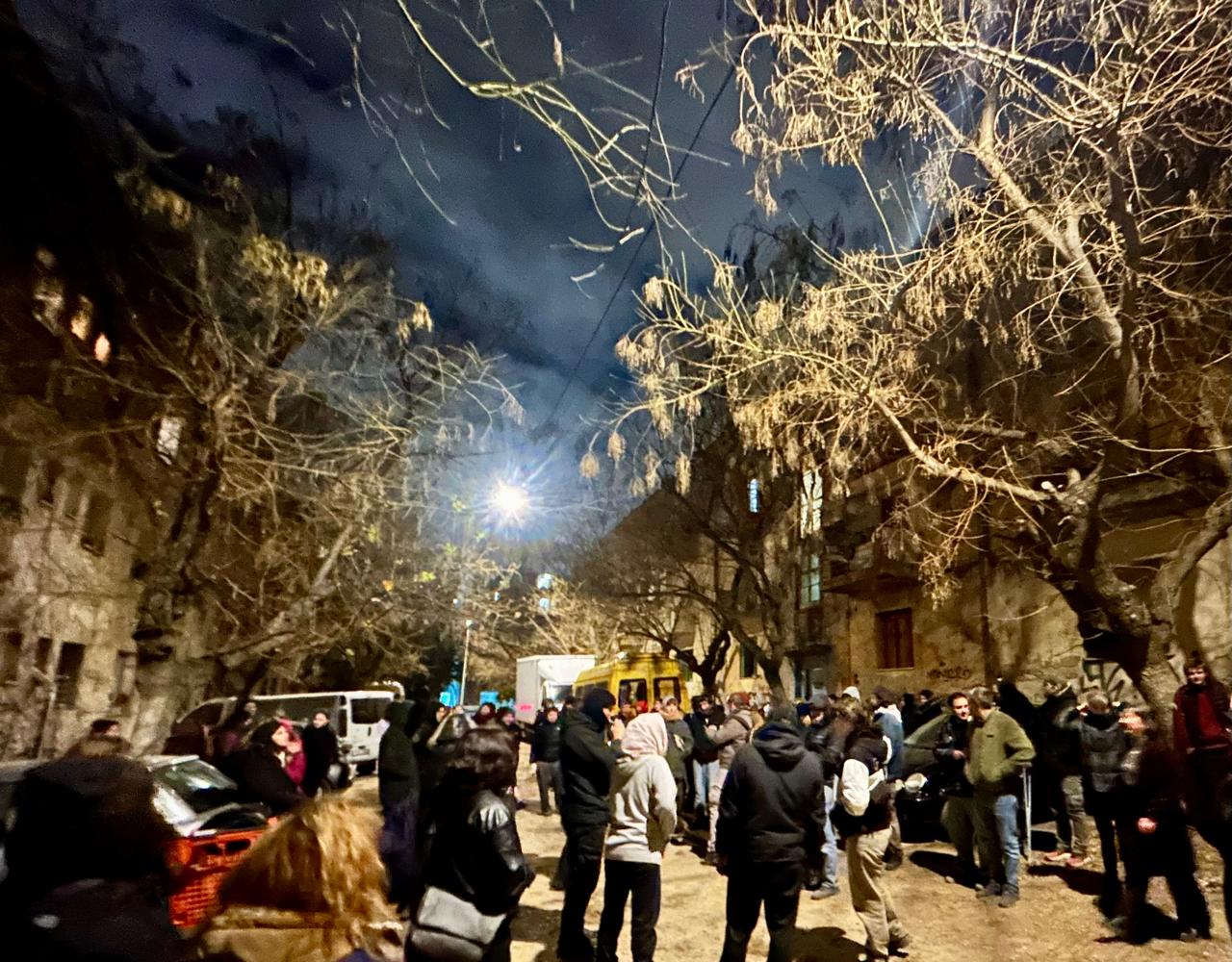
Prosfygika is a 16-year-old community of 400+ residents -refugees, migrants, and locals- living together in Athens through collective self-governance and mutual aid. Born from occupation of vacant buildings, it has transformed into a thriving neighbourhood model that proves another way of living is possible.
Greece
Local
Athens
Mainly urban
It involves other types of transformations (soft investment)
Yes
2026-03-21
No
No
No
Organisation
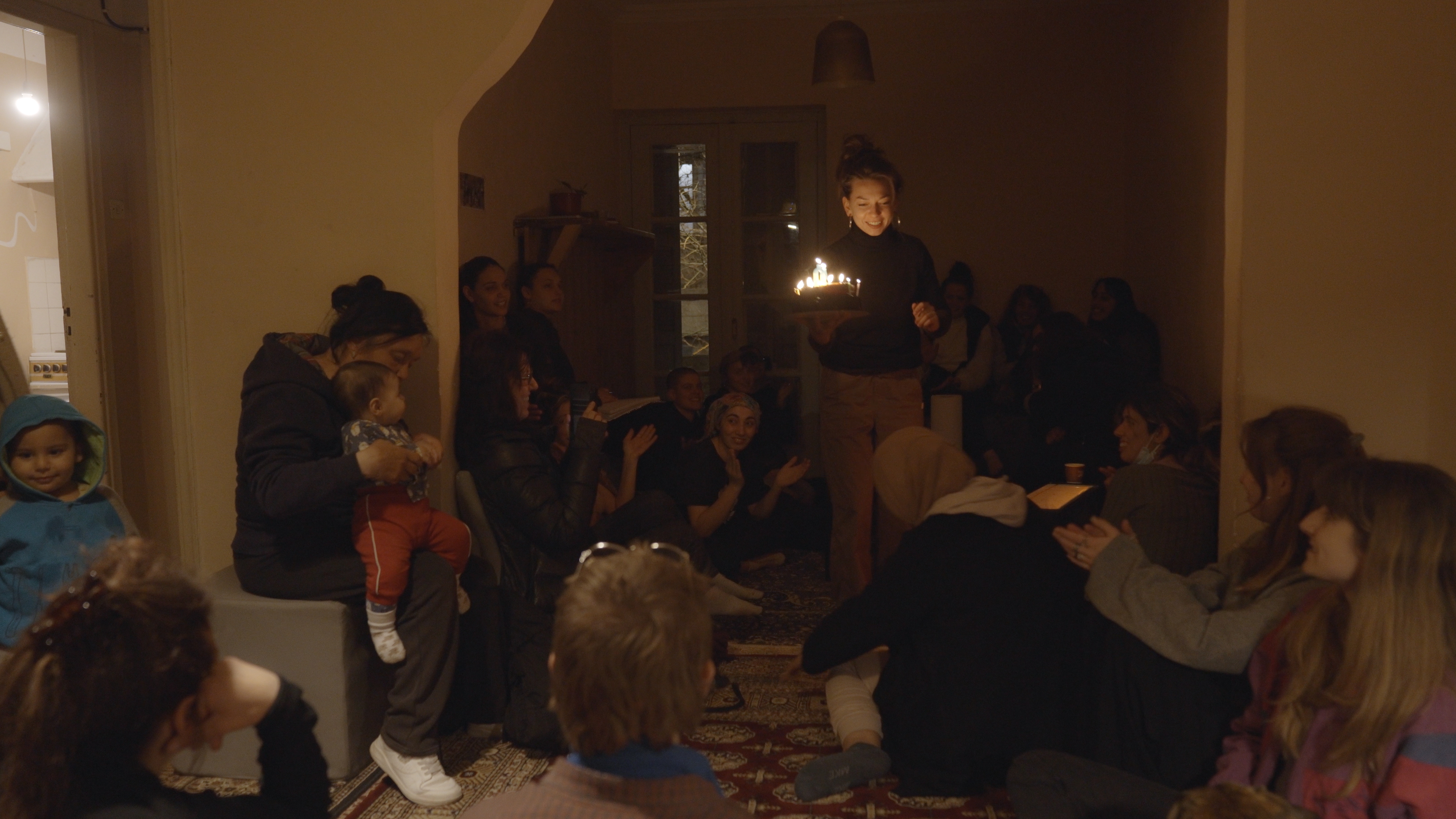
Prosfygika, meaning “Ηomes of the refugees”, is a rare community-led, self-governed social housing project in central Athens and one of the largest in Europe. It hosts 400 residents - Greeks, immigrants and refugees - from 27 countries, speaking 20 languages and representing diverse religions and cultures, who organise daily life through communal ownership, collective care, solidarity, inclusion and consent‑based decision‑making.
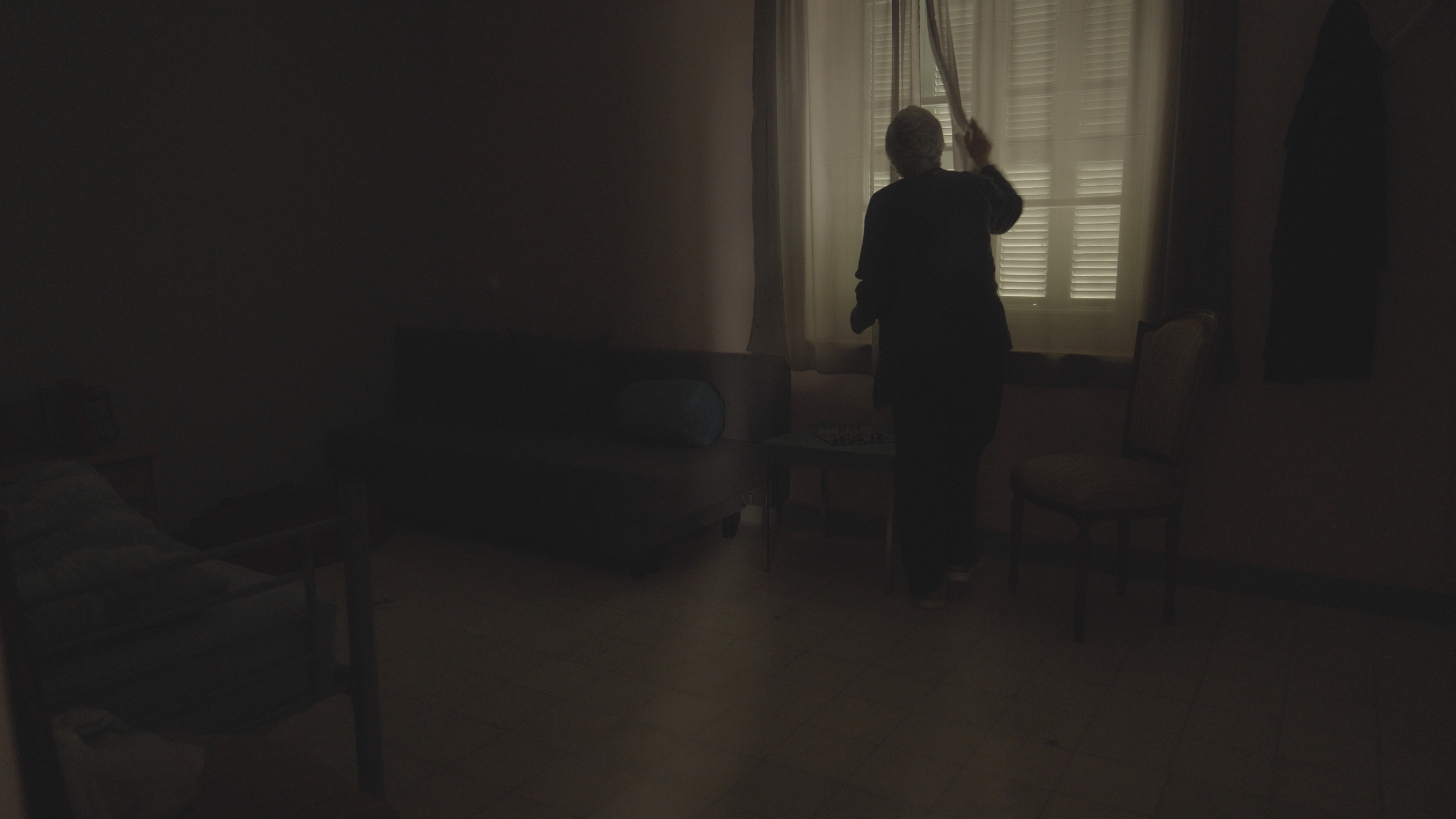
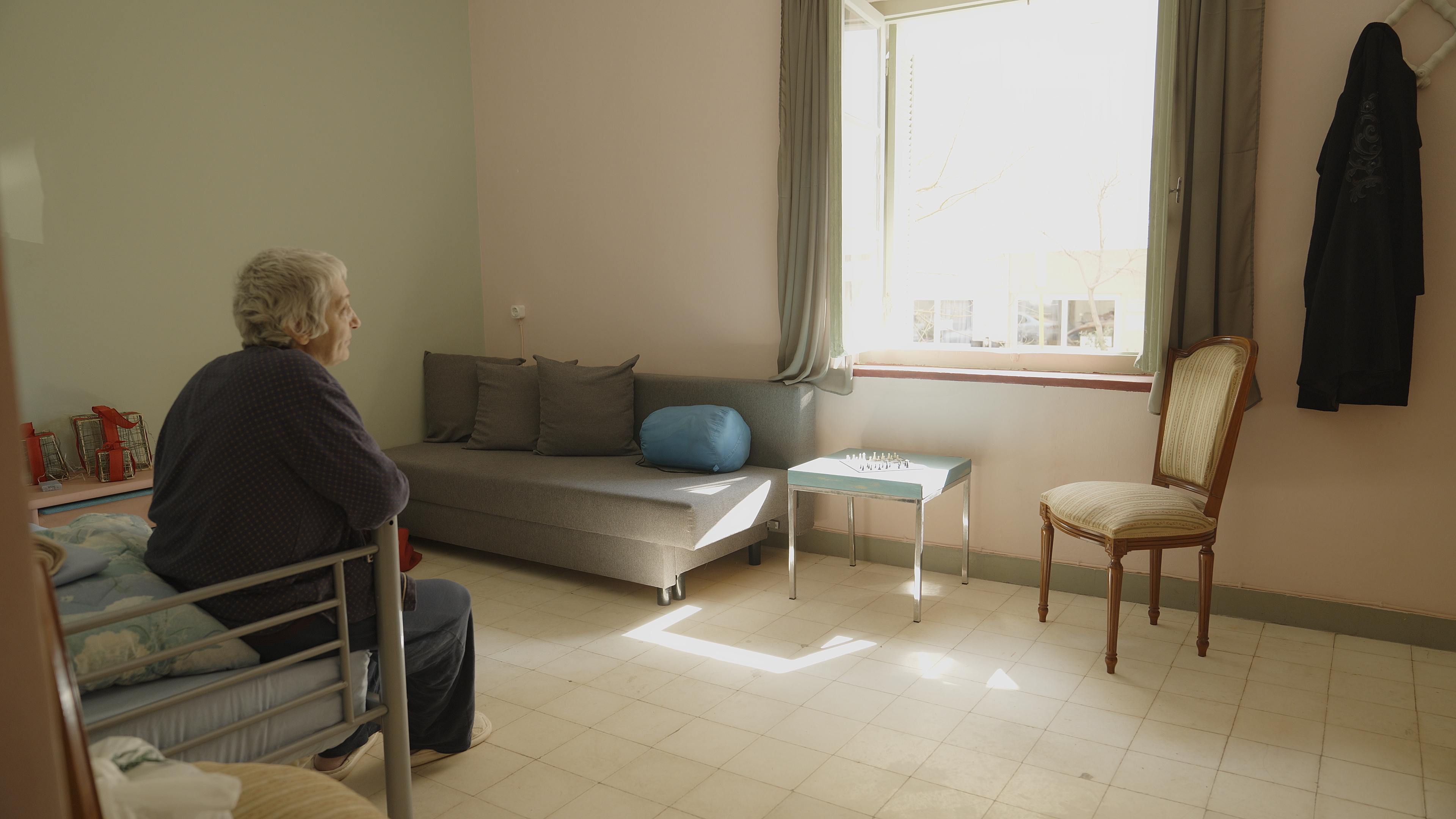
Over the years, Prosfygika has housed and supported thousands who would otherwise lack stable accommodation or the ability to live with dignity. Today, most residents come from disadvantaged or minority backgrounds, with many facing health issues or being elderly and needing continuous support.
Since organising as a collective in 2010, the community has developed more than 20 self‑governed social infrastructures, referred to from here on as “structures,” translating the Greek term domes. These structures meet core community needs and are open to residents, neighbours and the wider city.
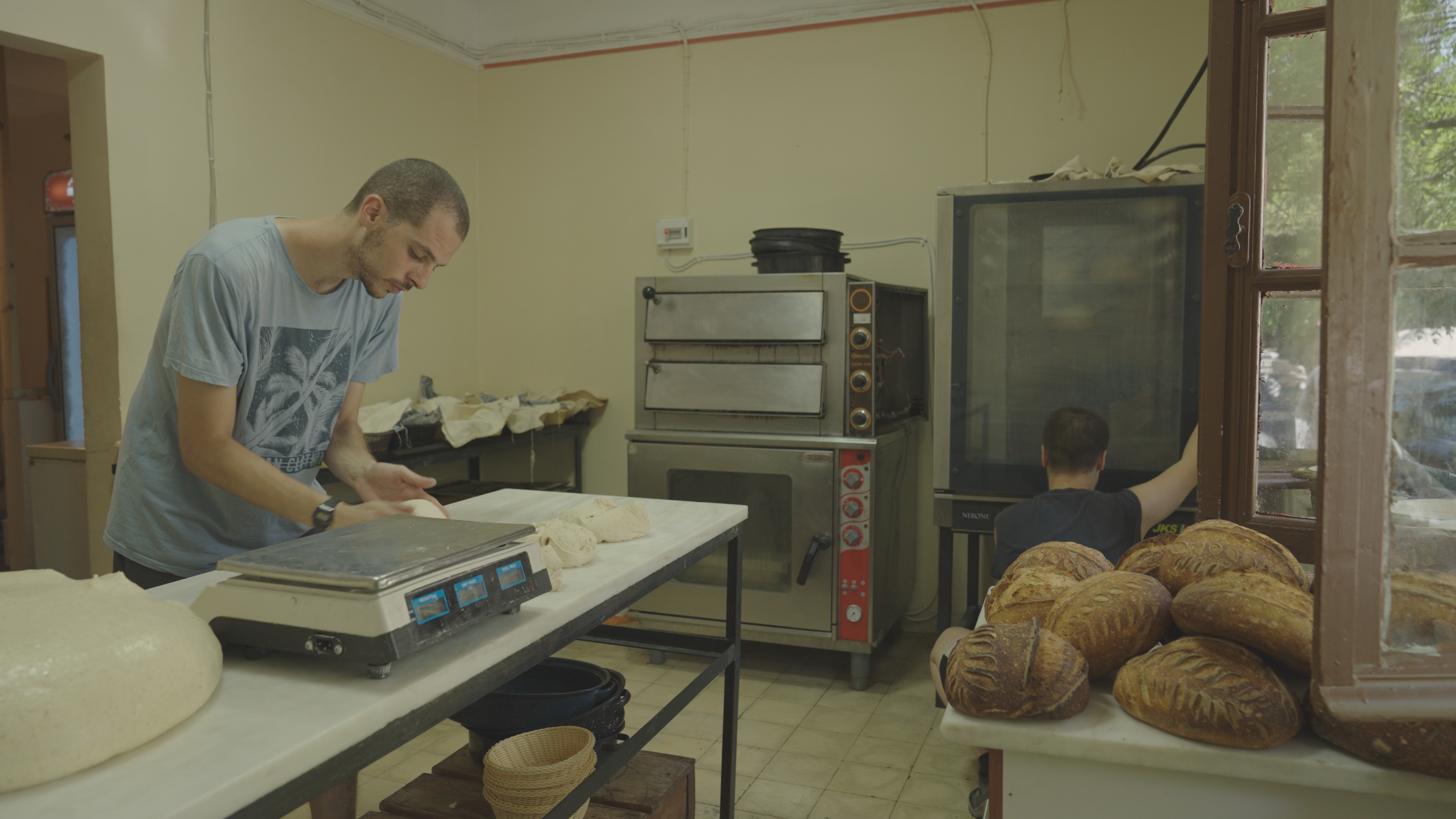
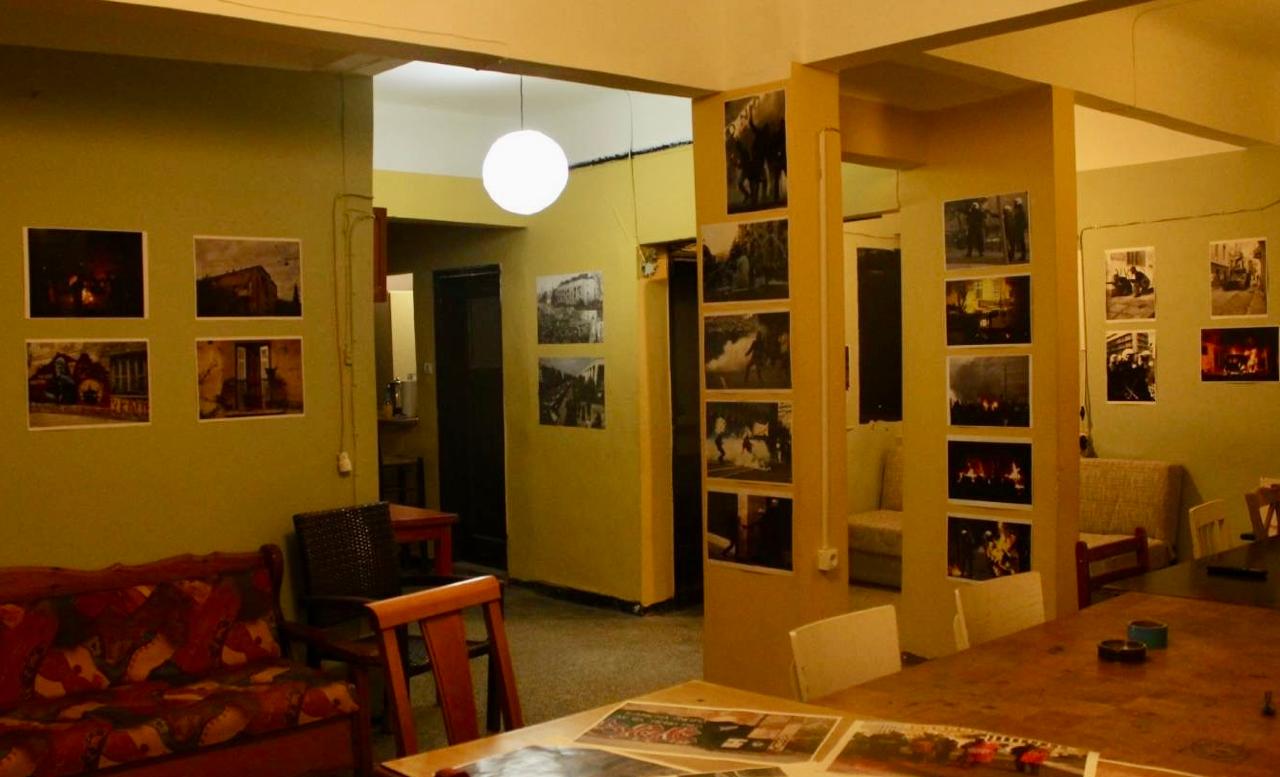
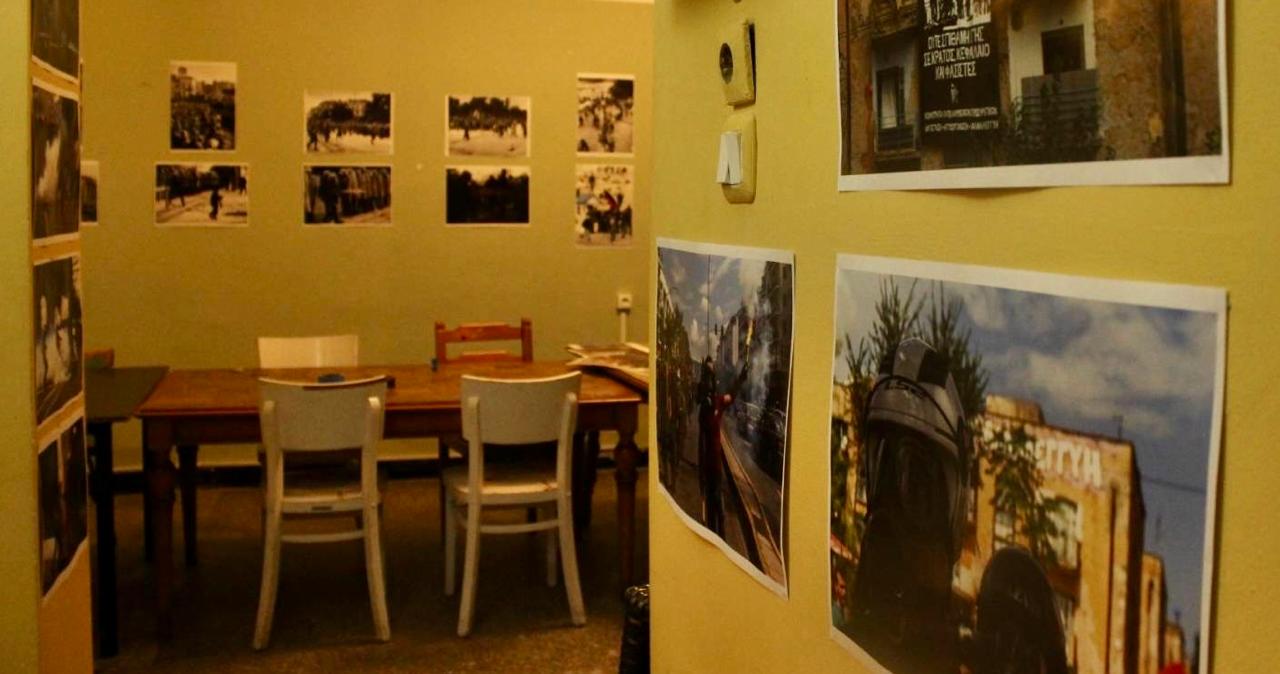
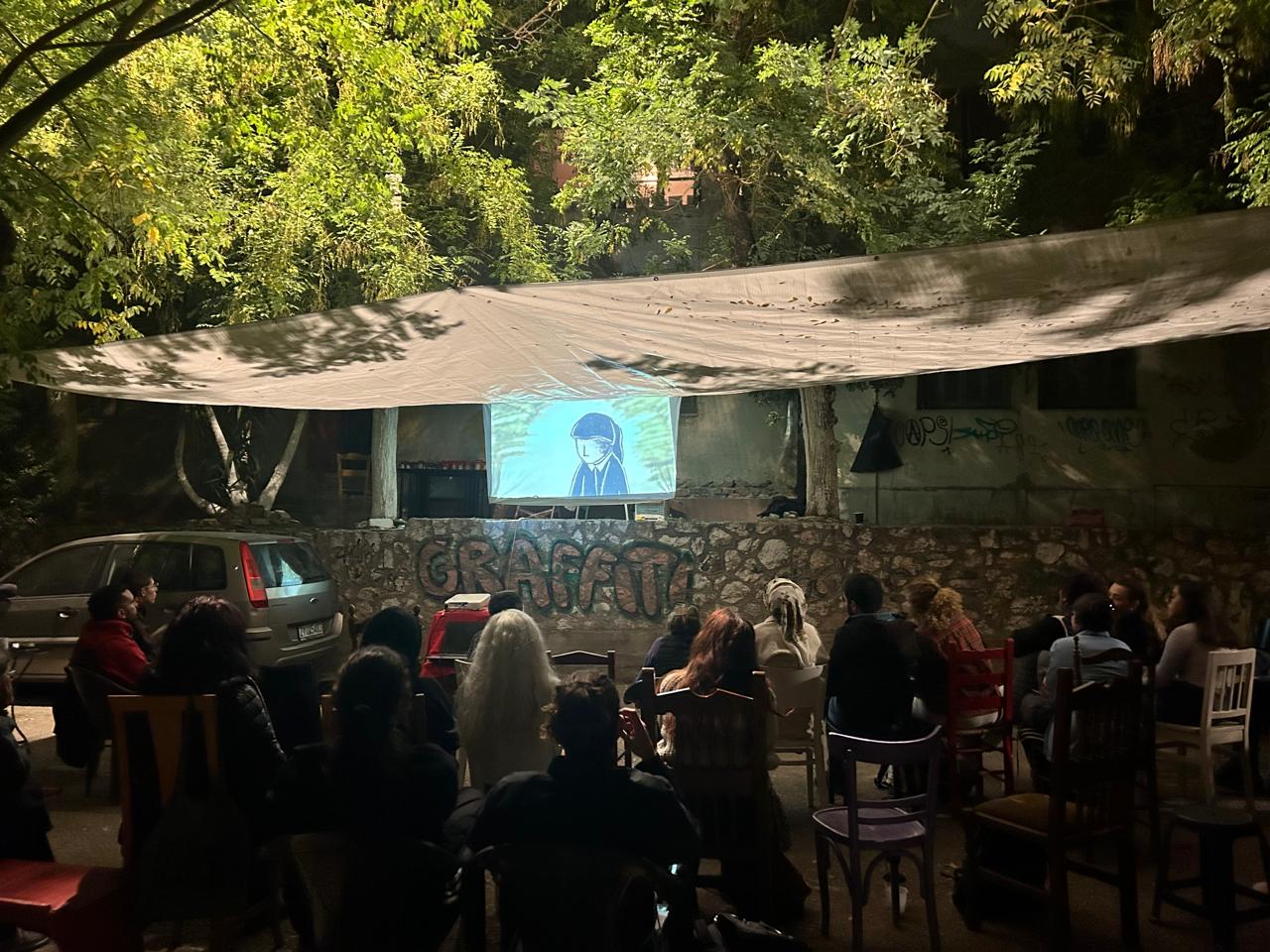
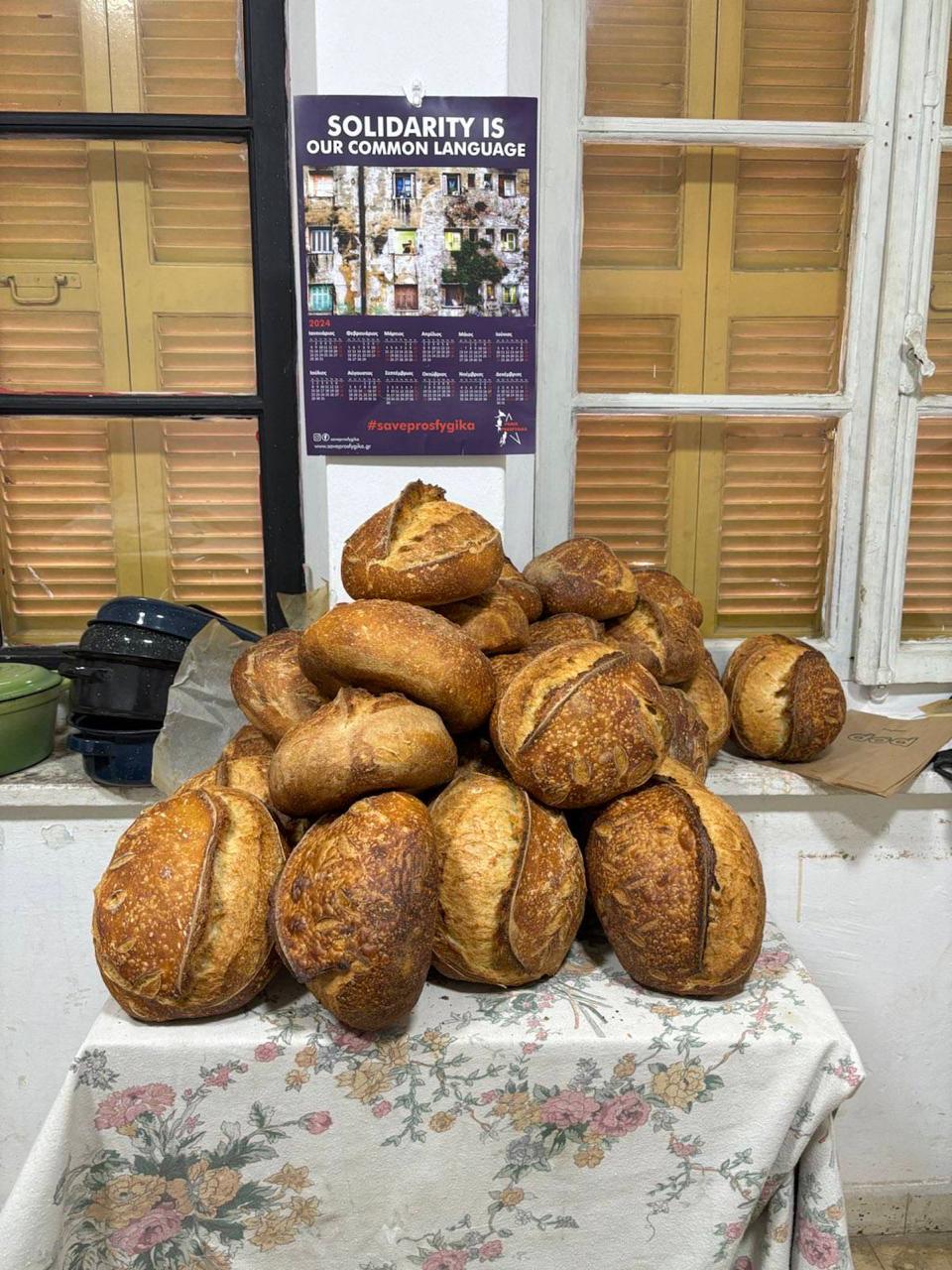
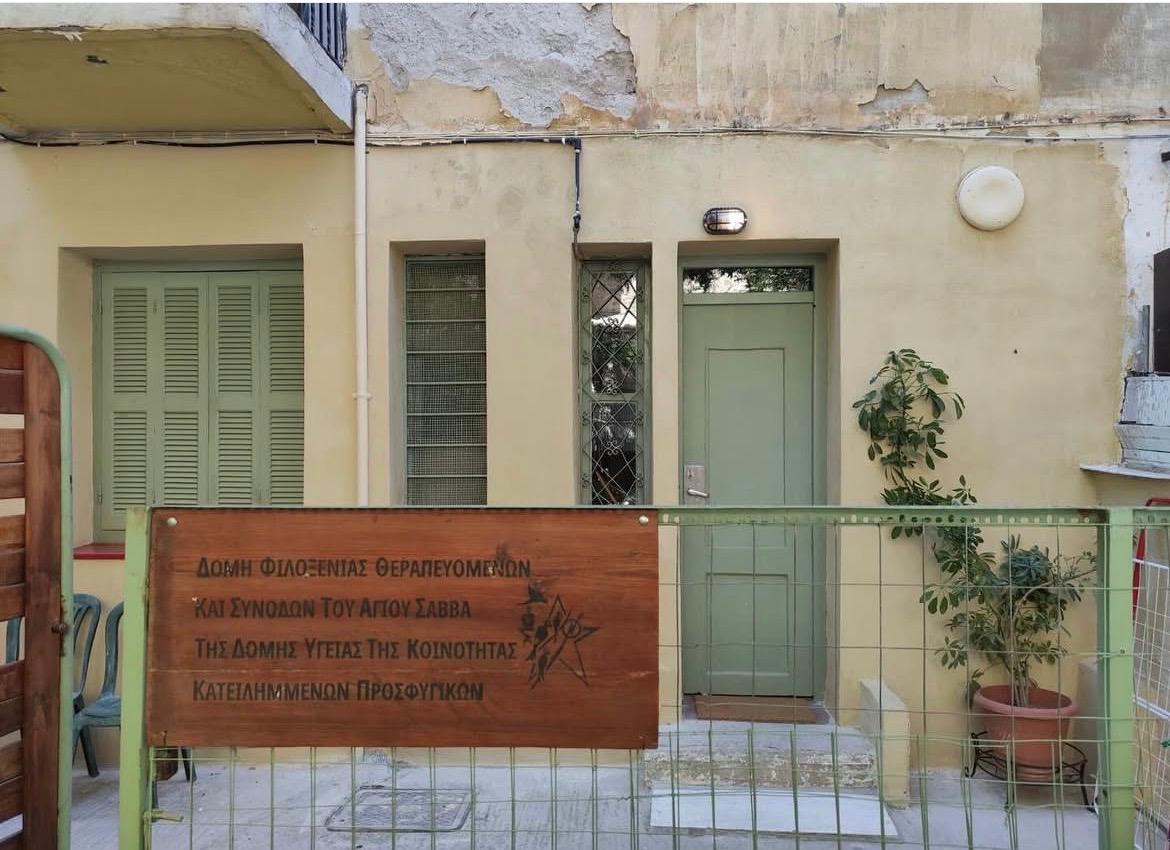
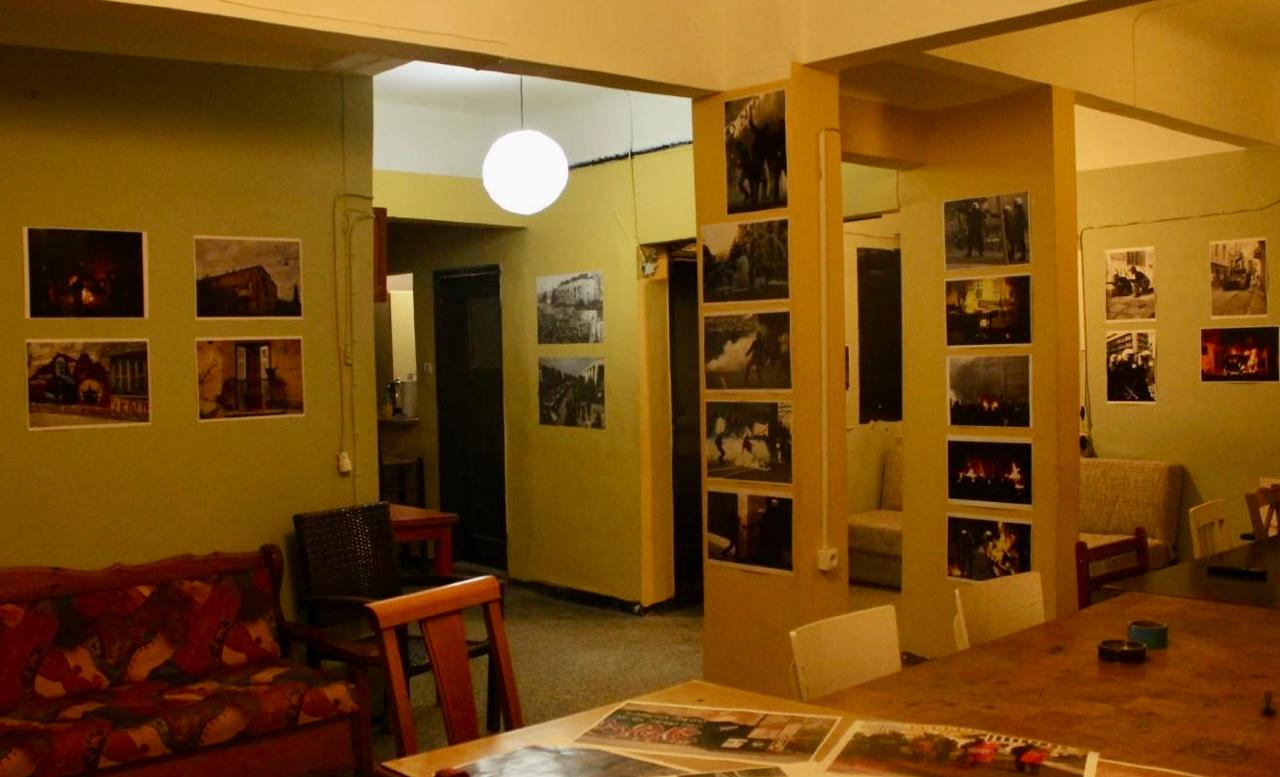
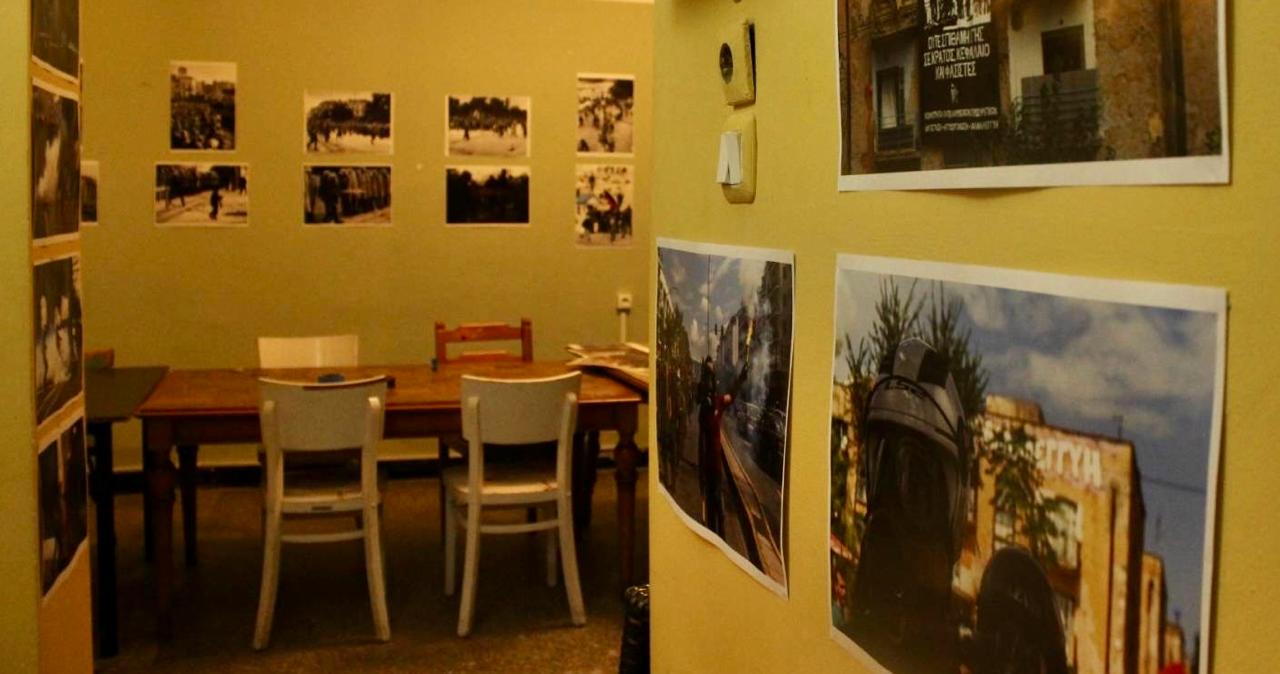
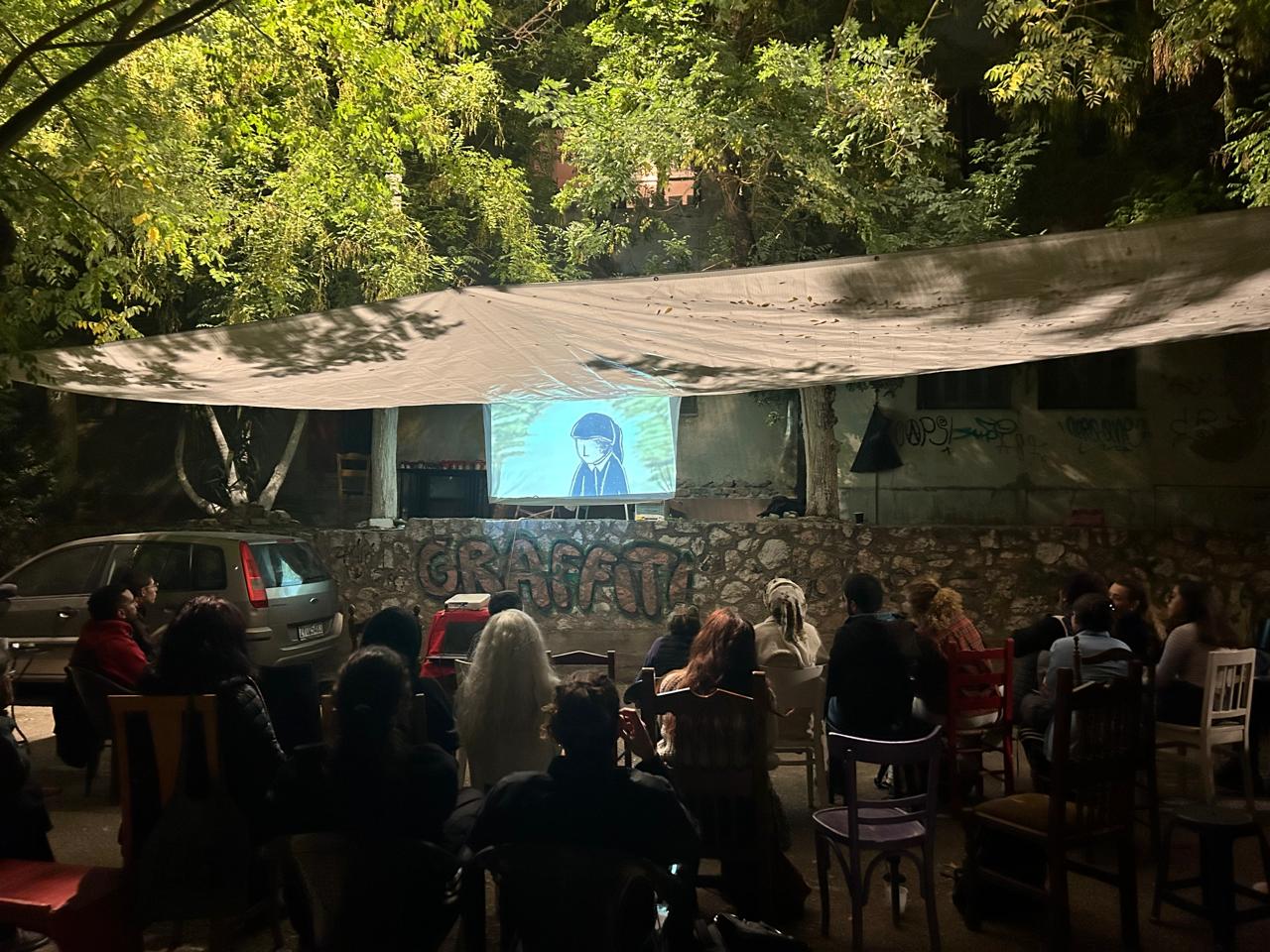
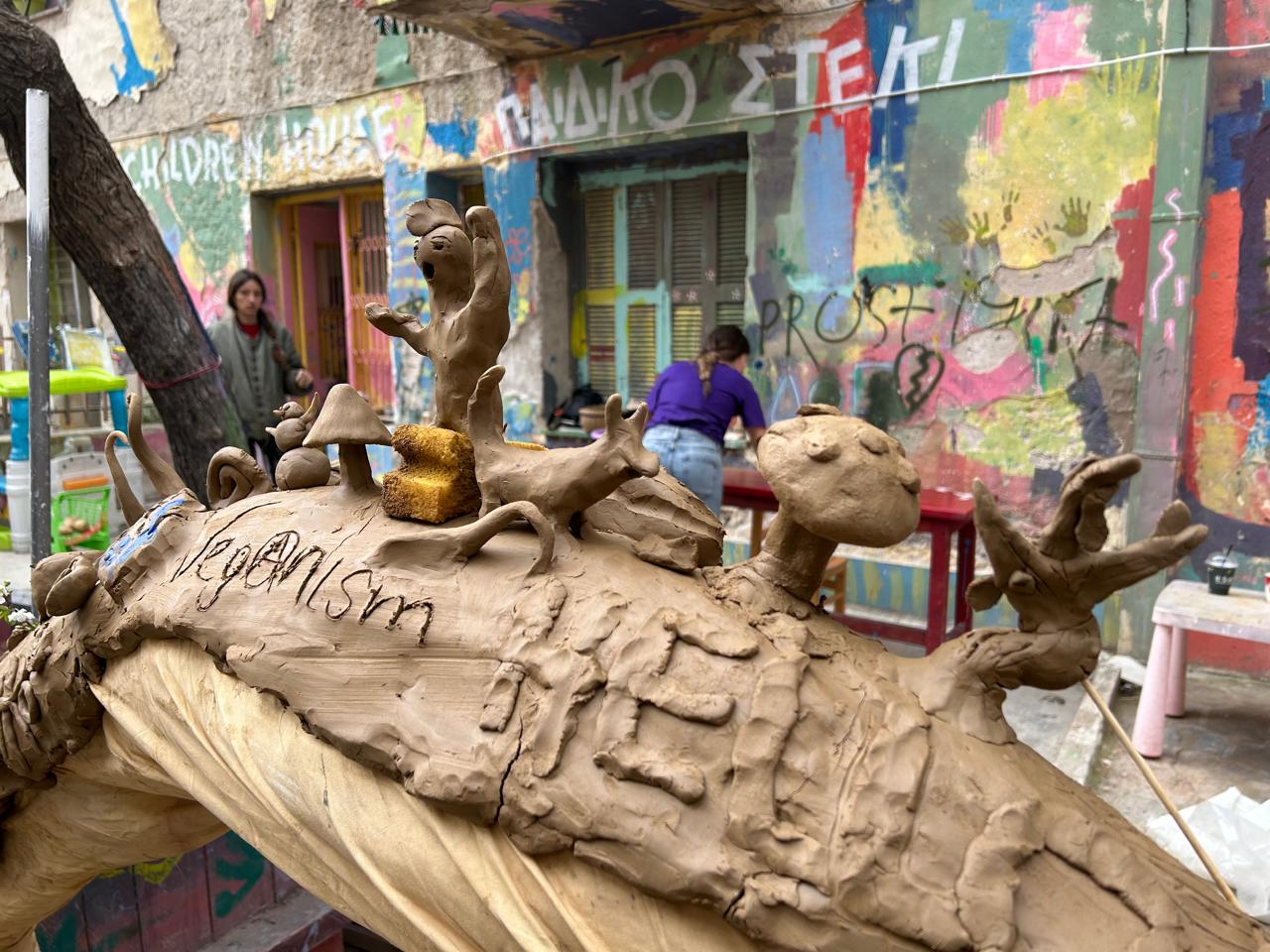
Run by autonomous working groups, they cover education through the Children’s House, Self‑Education Structure and Nursery School; health services through the Health Structure and Social Pharmacy; and food provision through the Bakery, Cantine, Food Redistribution Working Group and Collective Kitchen. Culture, art and social life are supported by the Cinema for All Ages, the Communal Café and the Community Centre. Additional structures offer care for patients from the nearby oncology hospital, along with technical works and legal assistance through the Legal Cases Working Group.
Prosfygika is a self‑governed, inclusive community that, through daily collective care, ensures dignity, health and well‑being for its residents. More broadly, it is a proven model of community‑led social housing and community‑governed infrastructure, demonstrating how urban futures can be built on the commons, social justice, solidarity, care and resilience.
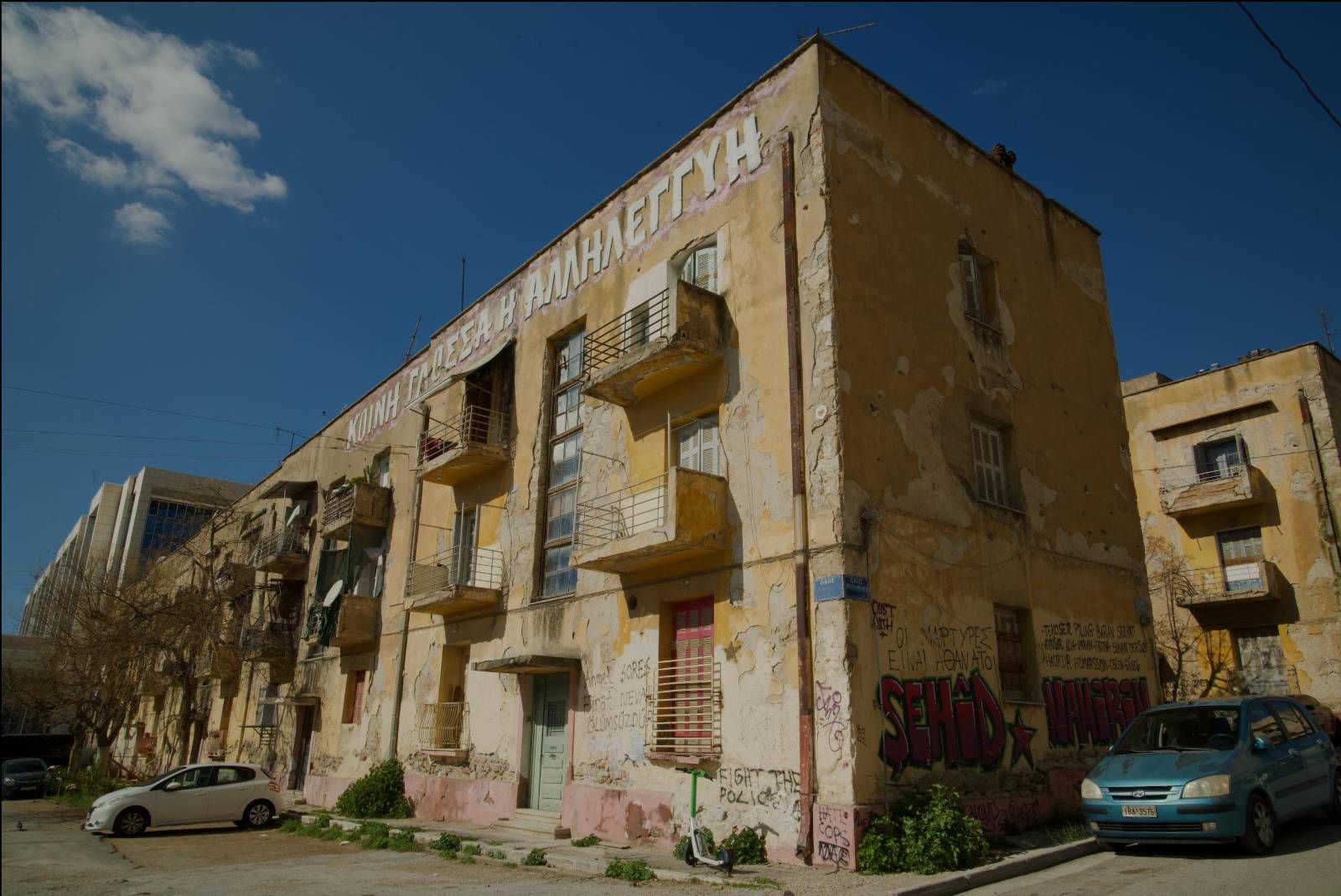
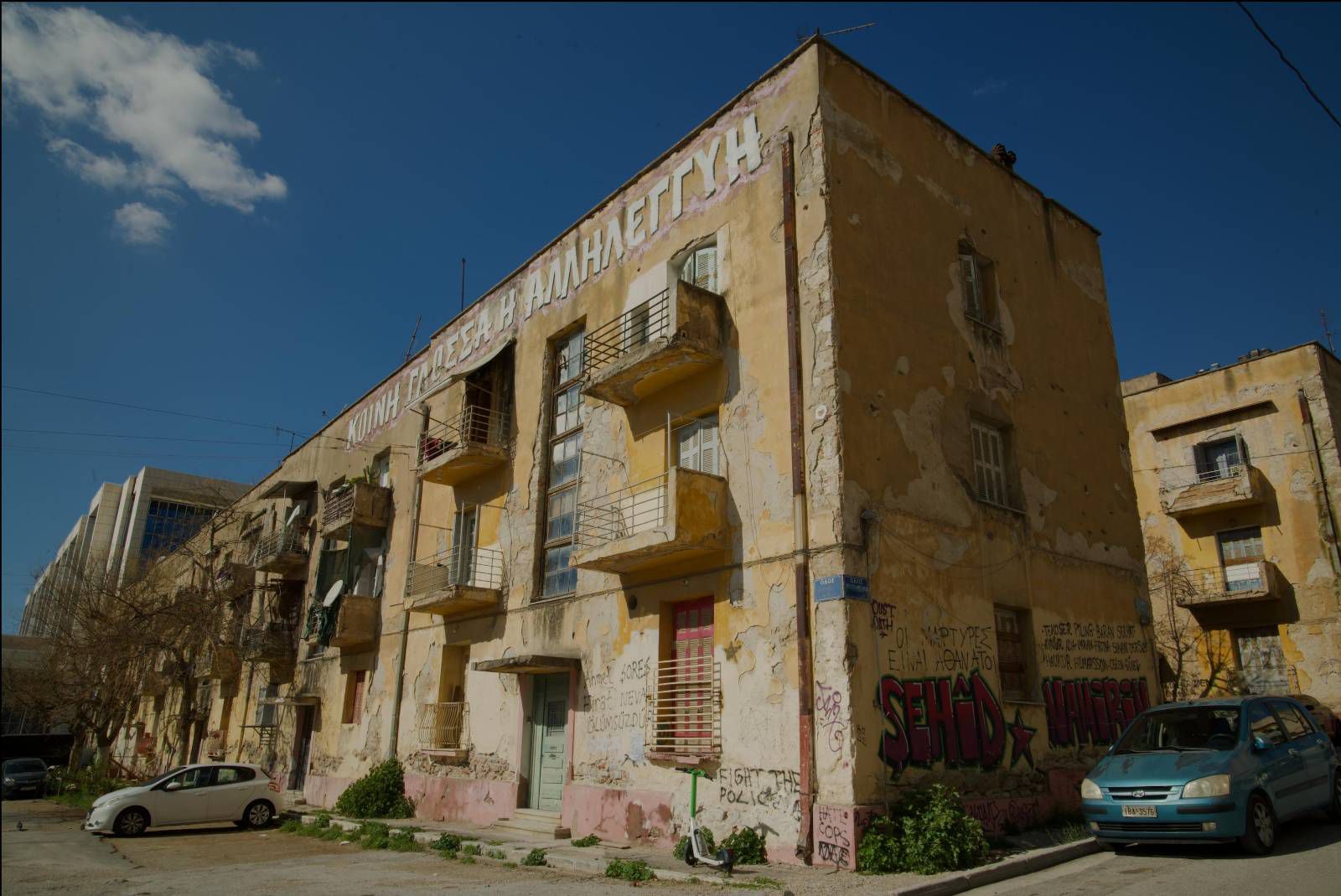
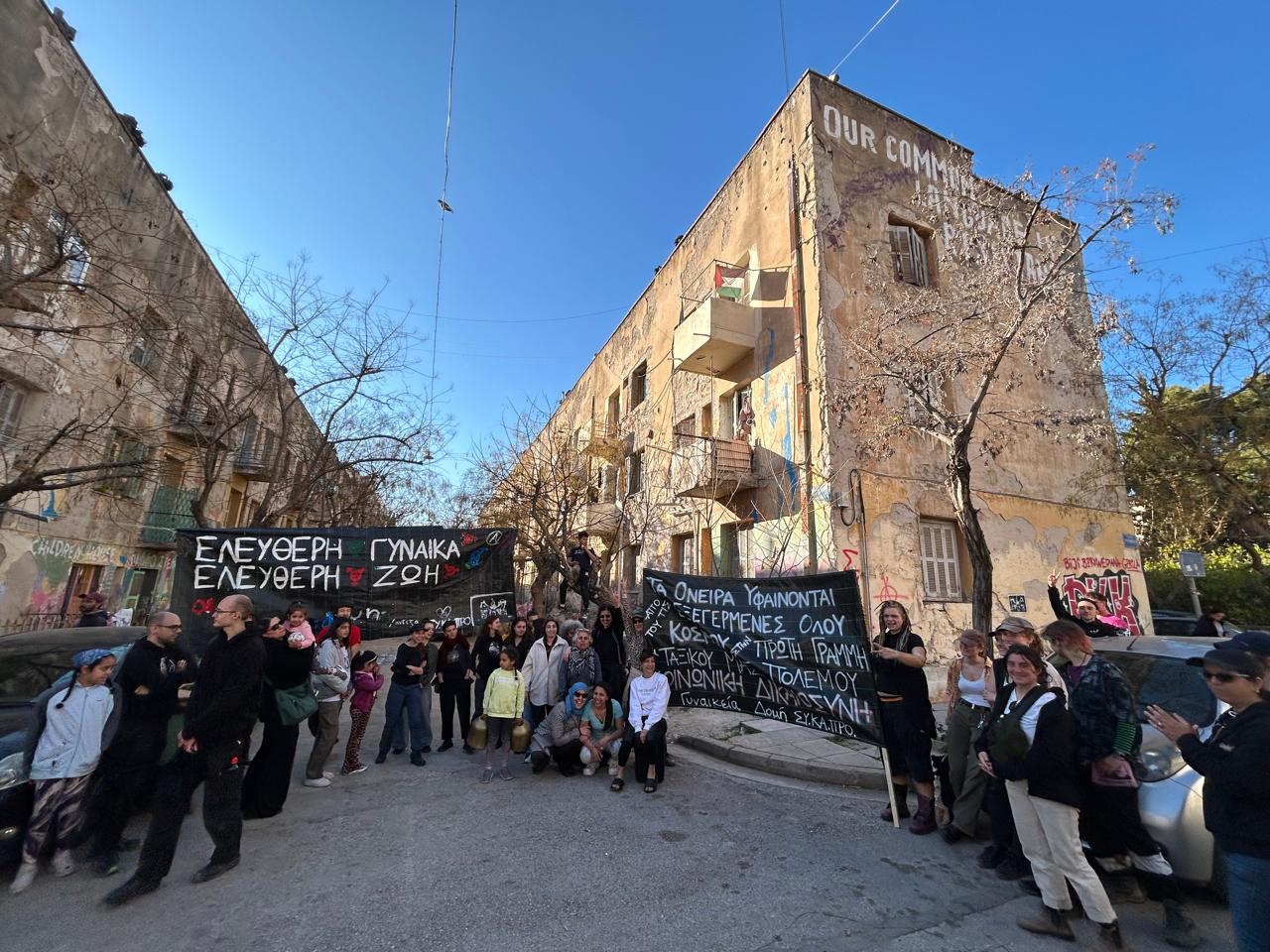
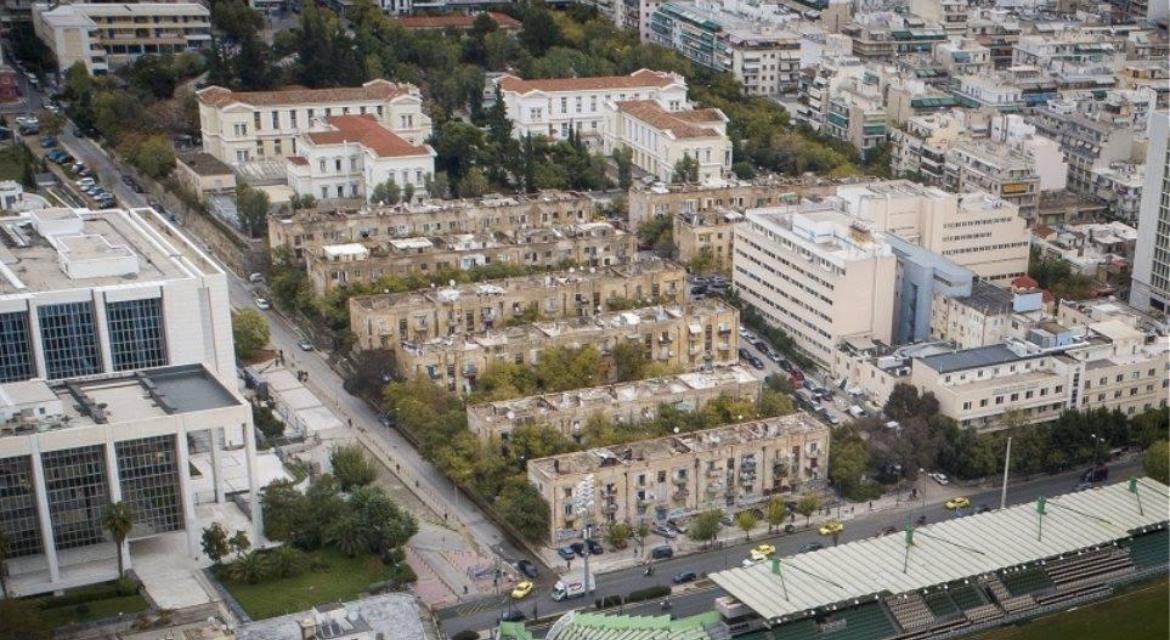
Prosfygika was built in the mid‑1930s as state-led social housing for Greek refugees from Asia Minor, who had been living in temporary shelters since the 1920s and its social character has remained uninterrupted for nearly 90 years.
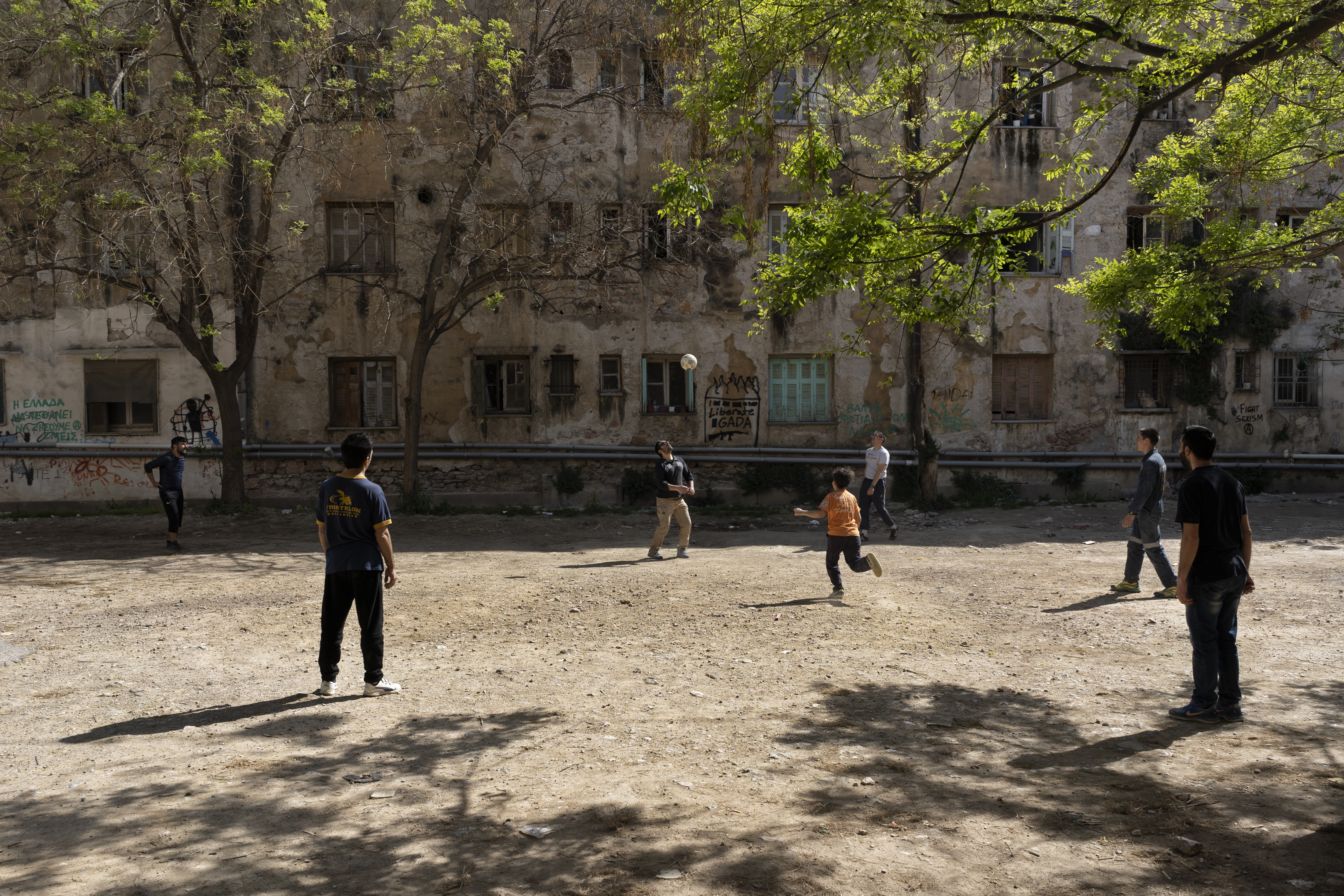
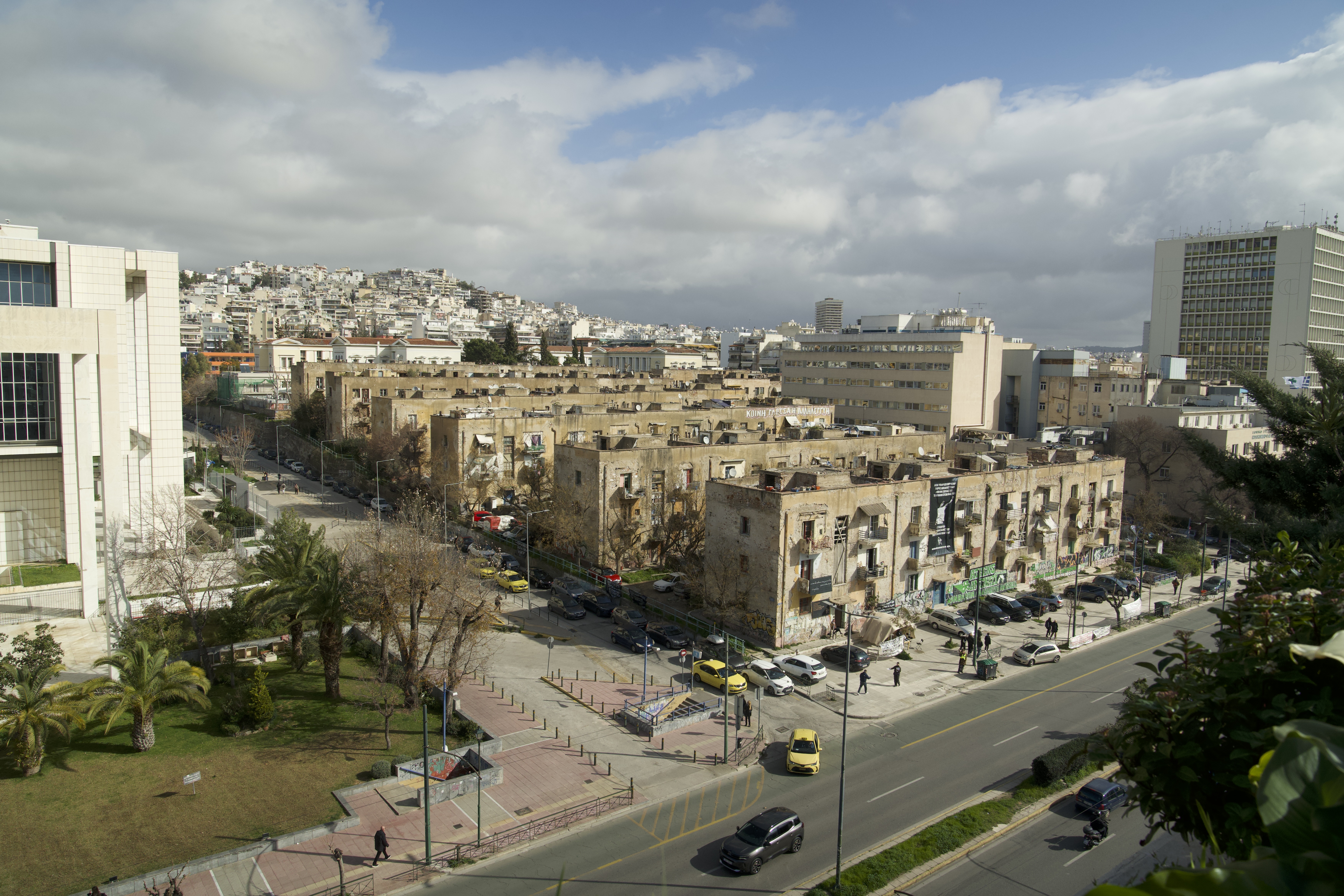
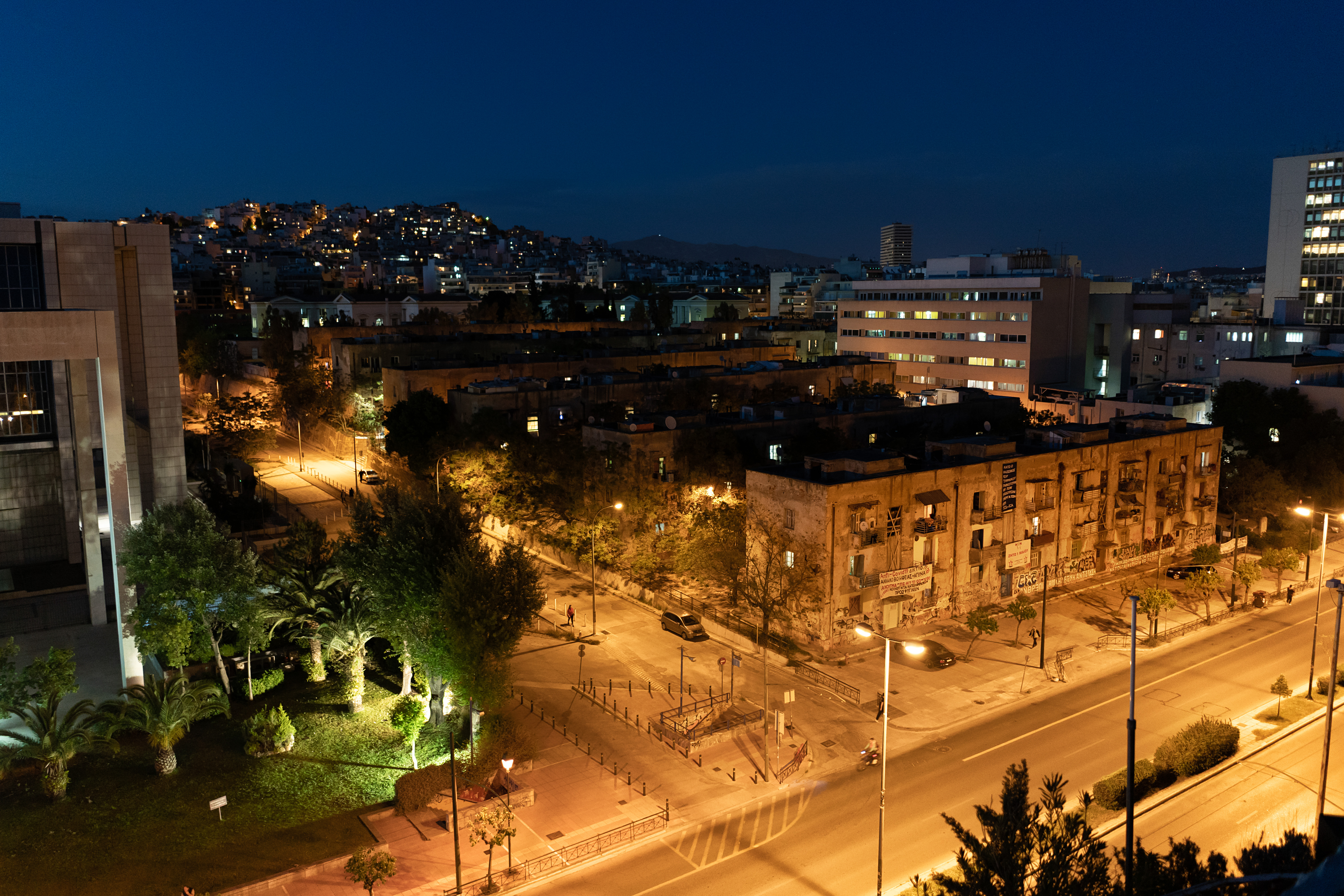
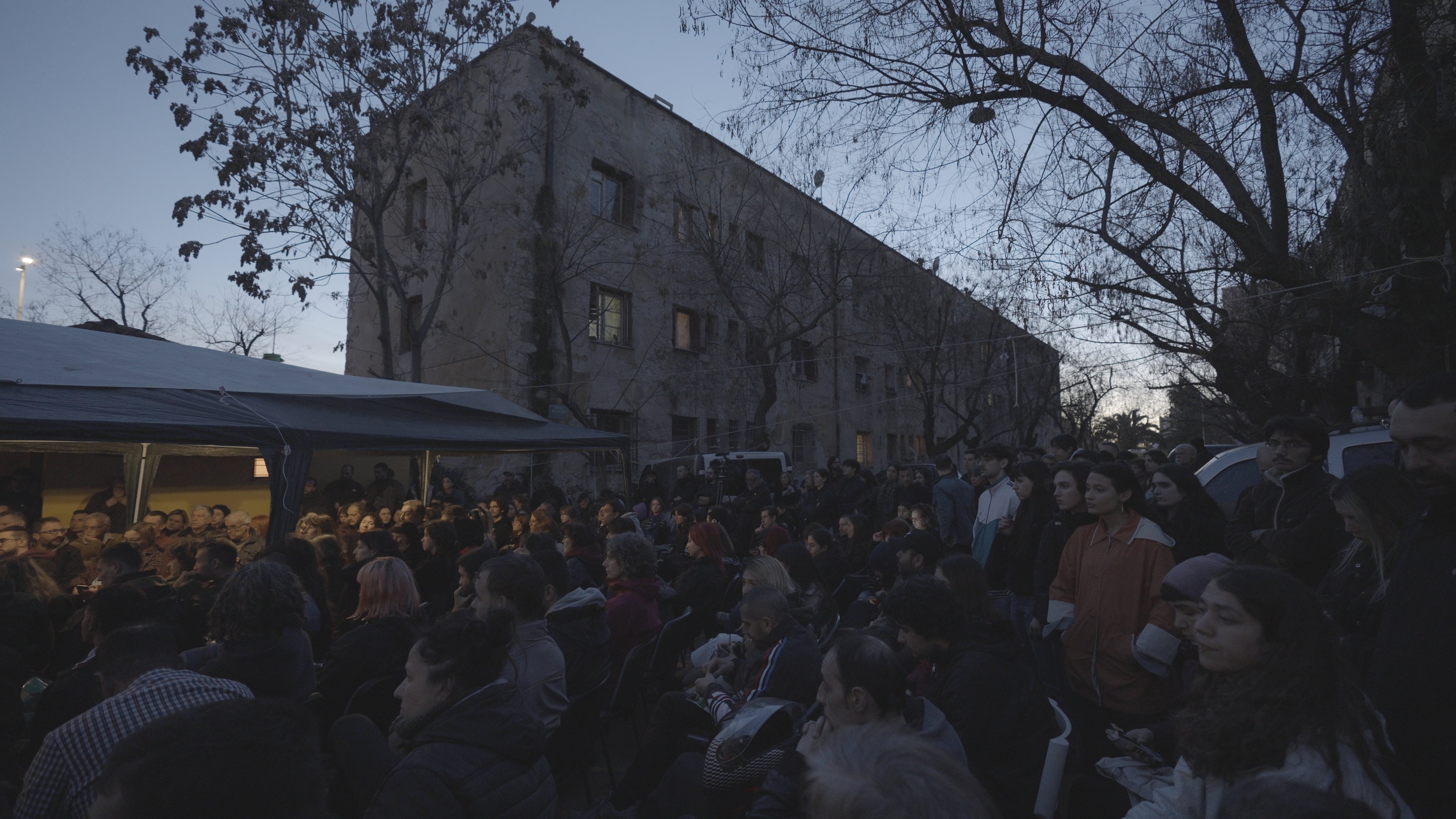
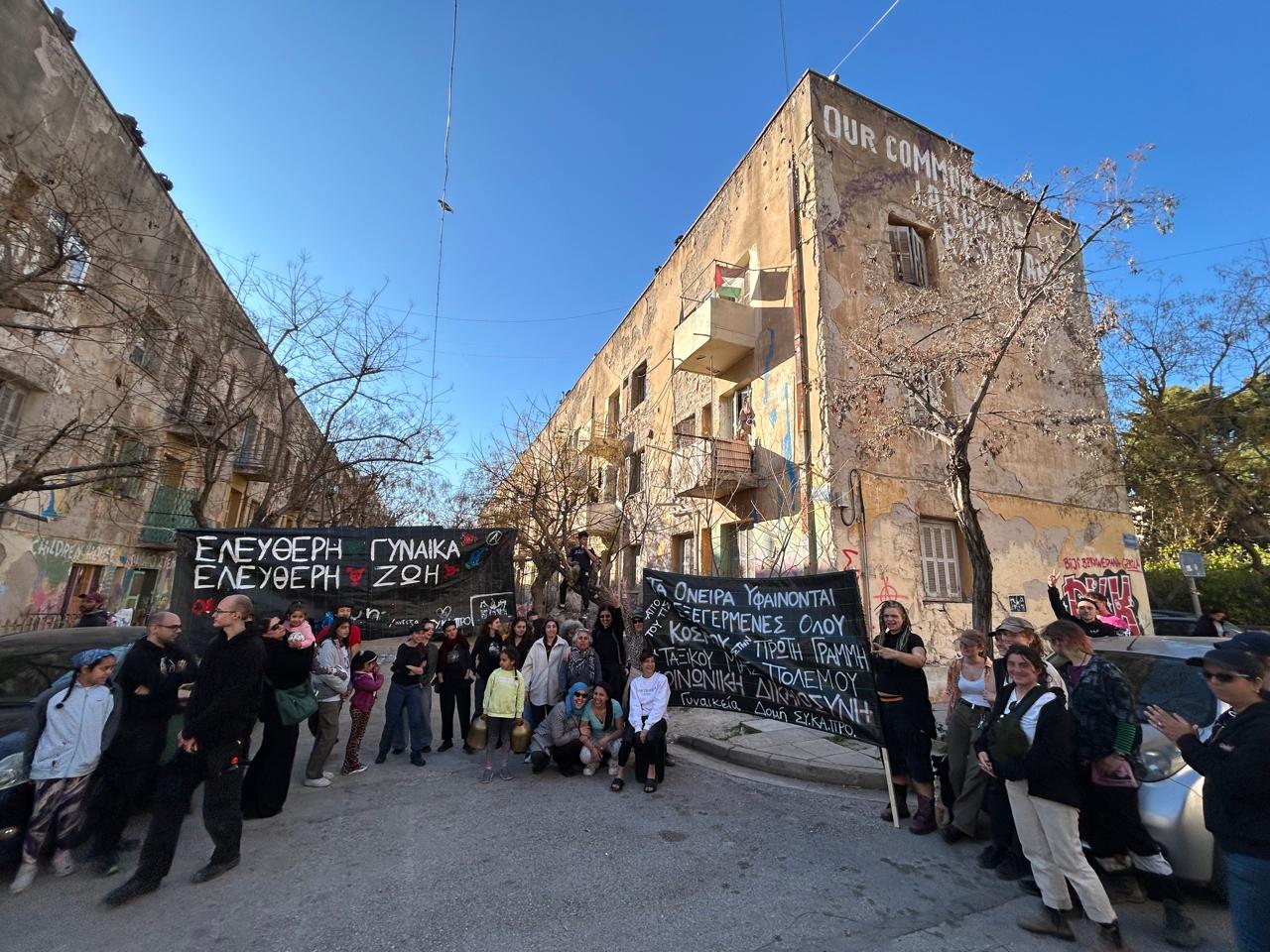
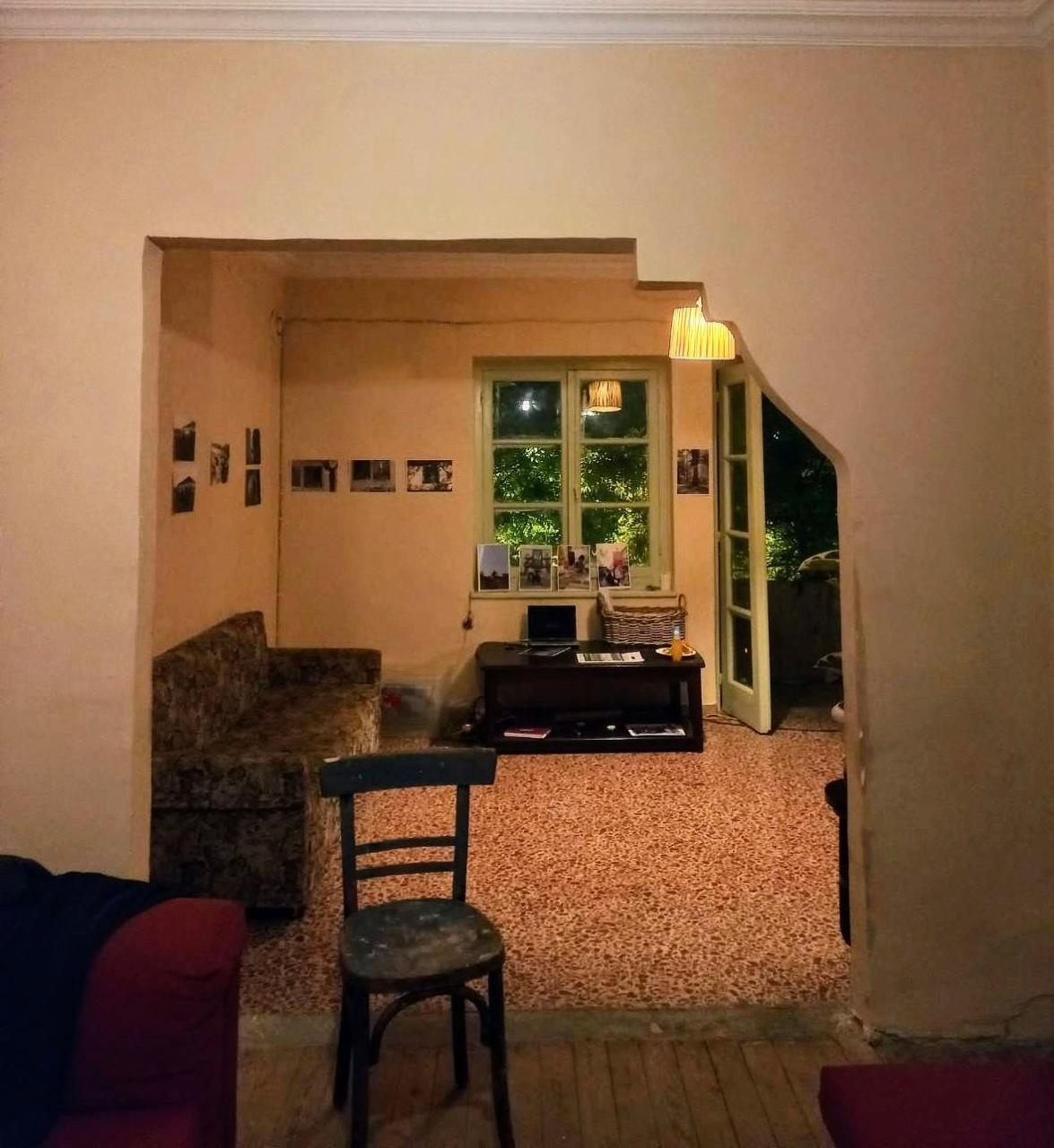
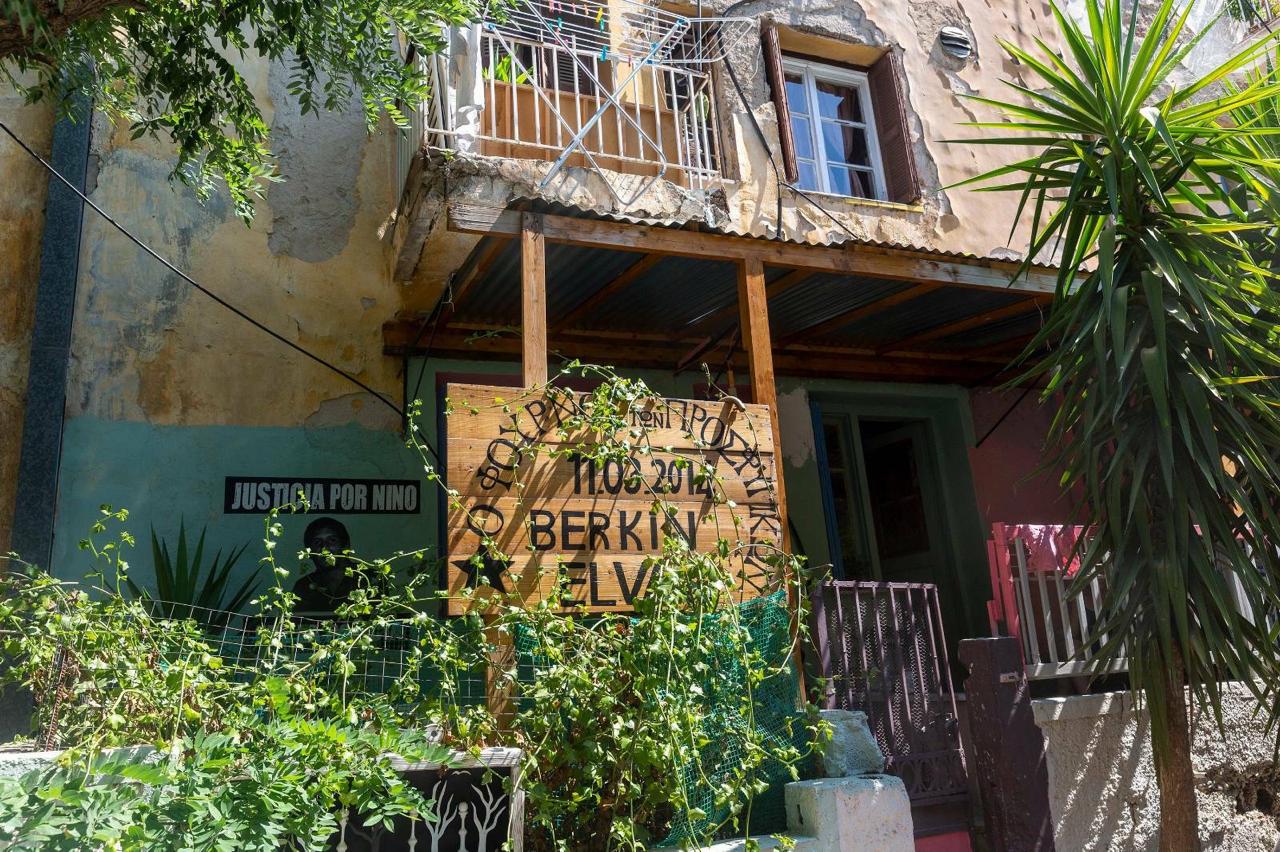
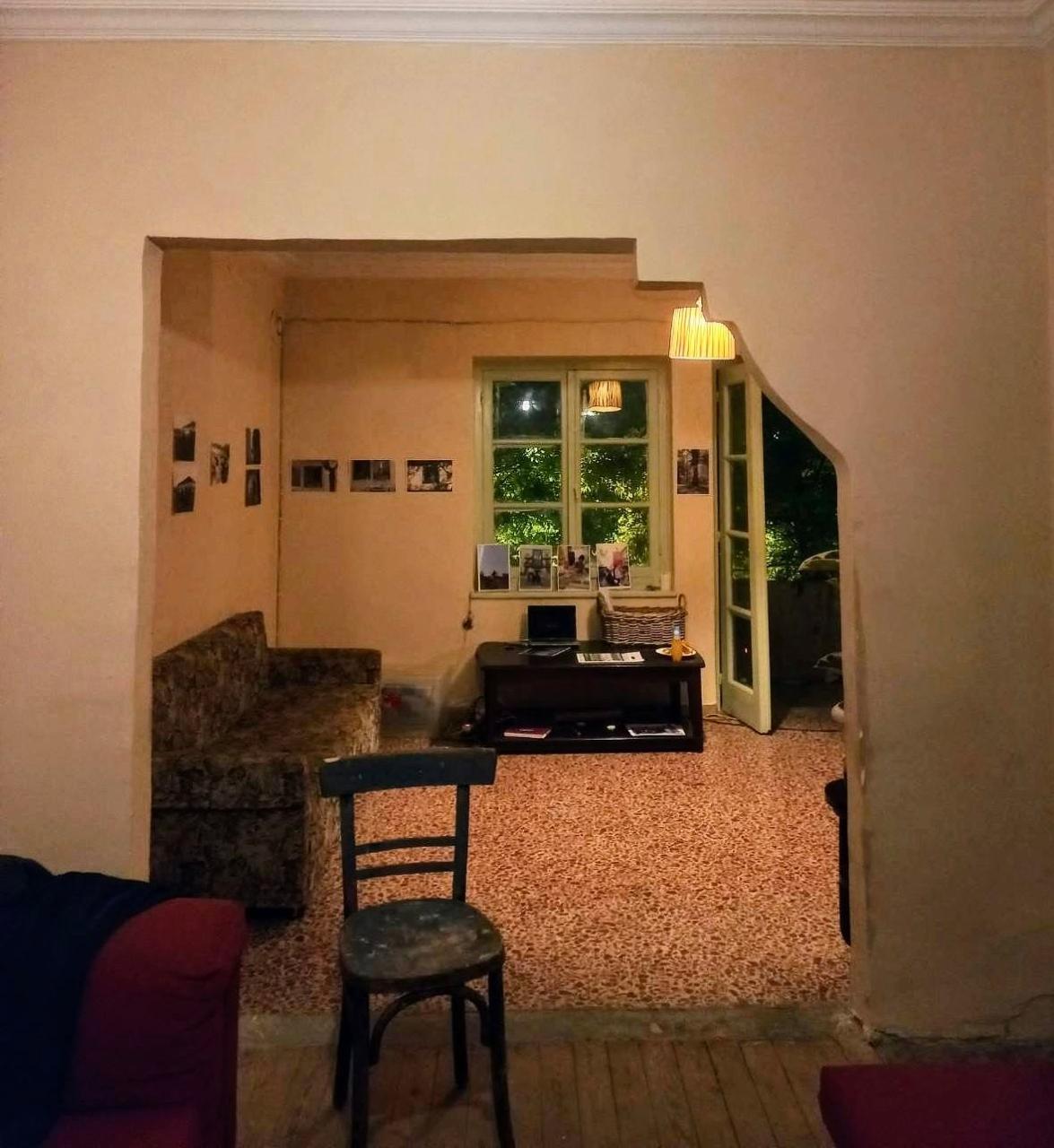
On a 14,500 sqm plot, eight three‑storey apartment blocks were built, comprising 228 apartments, shared indoor spaces and communal courtyards covering two‑thirds of the site, supporting coexistence. The complex is a characteristic example of Bauhaus design in Greece, reflecting beauty grounded in everyday life and well‑being.
After the Second World War tenants were granted a right to buy, but from the 1970s the community spent three decades resisting “regeneration” plans proposing demolition, turning it into a mall or new courthouse and displacement, and by 2003 most owners had been evicted and 177 apartments passed to state ownership.
A legal battle led by the community and the 51 remaining owners - supported by the National Technical University of Athens (NTUA) School of Architecture - resulted in protected heritage status, partly in 2003 and fully in 2009, recognising its historical, cultural, socio‑political, and architectural value.
After years of neglect by the authorities that allowed criminal groups to occupy parts of the complex in the mid‑2000s, the community removed them in 2010, adopted a shared charter and established the governance system and social structures that define Prosfygika today, with the 51 remaining homeowners symbolically placing their keys on a table to declare housing a common good.
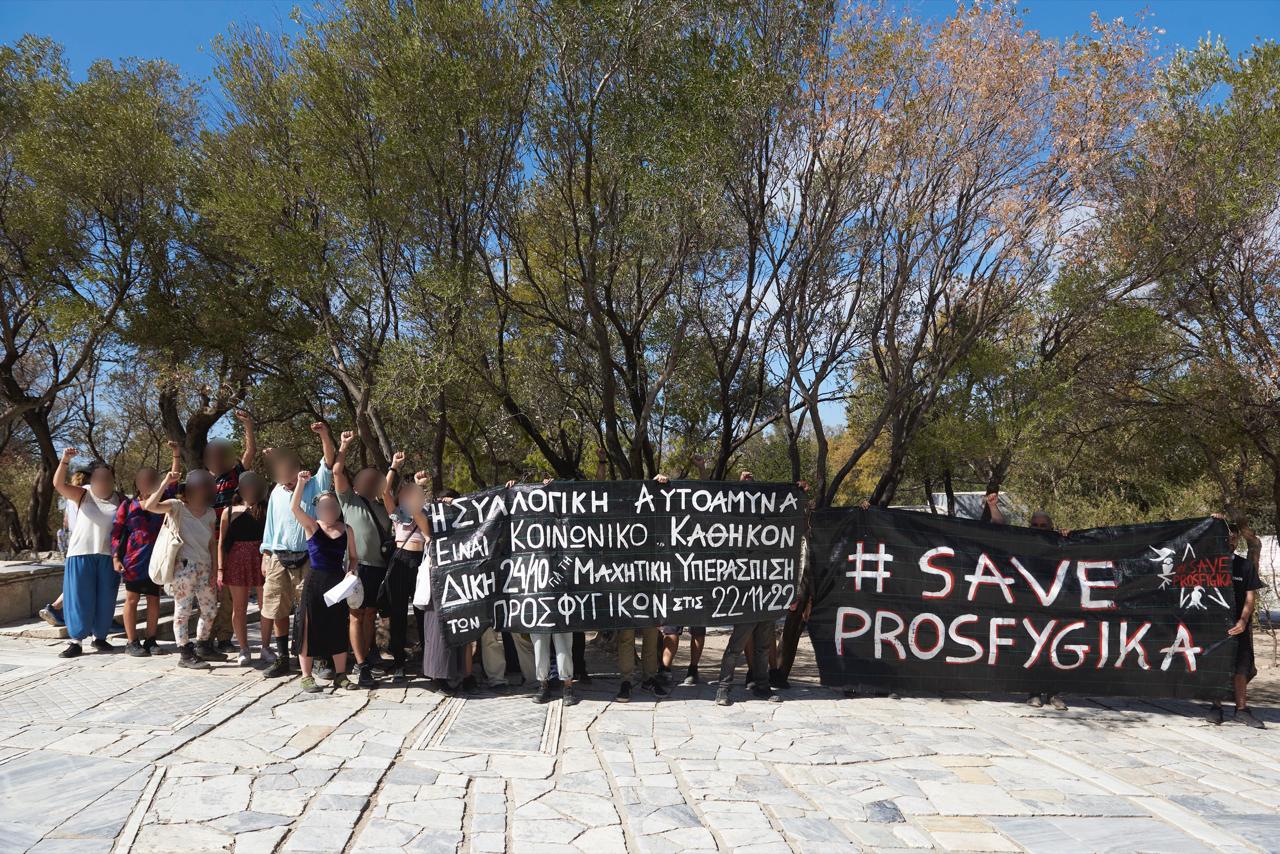
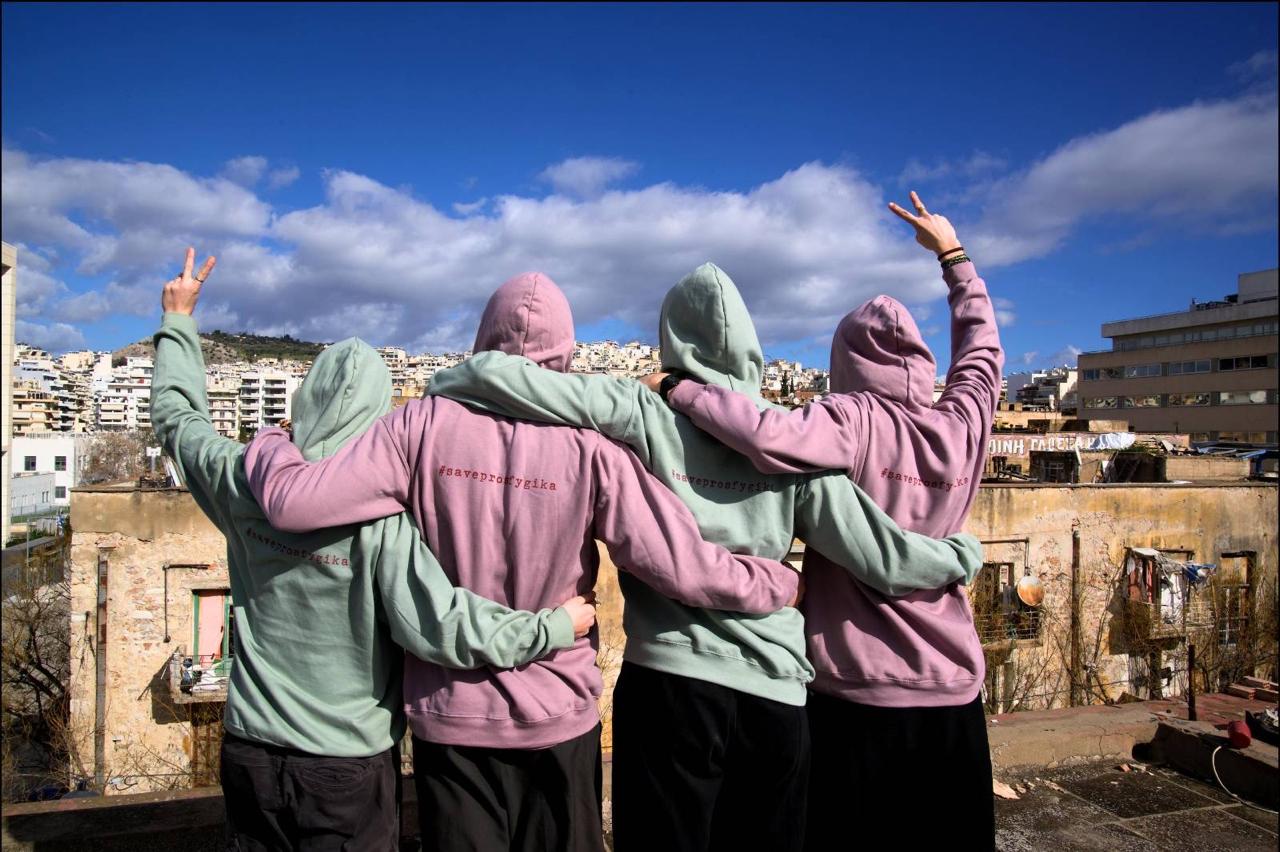
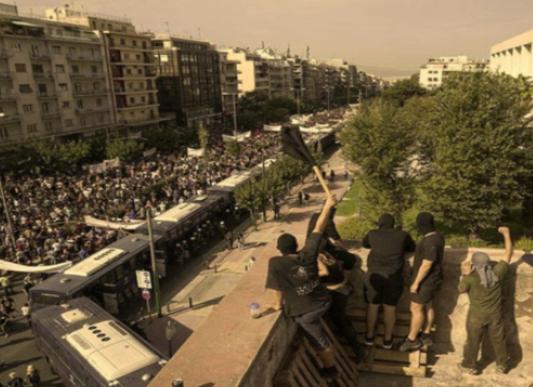
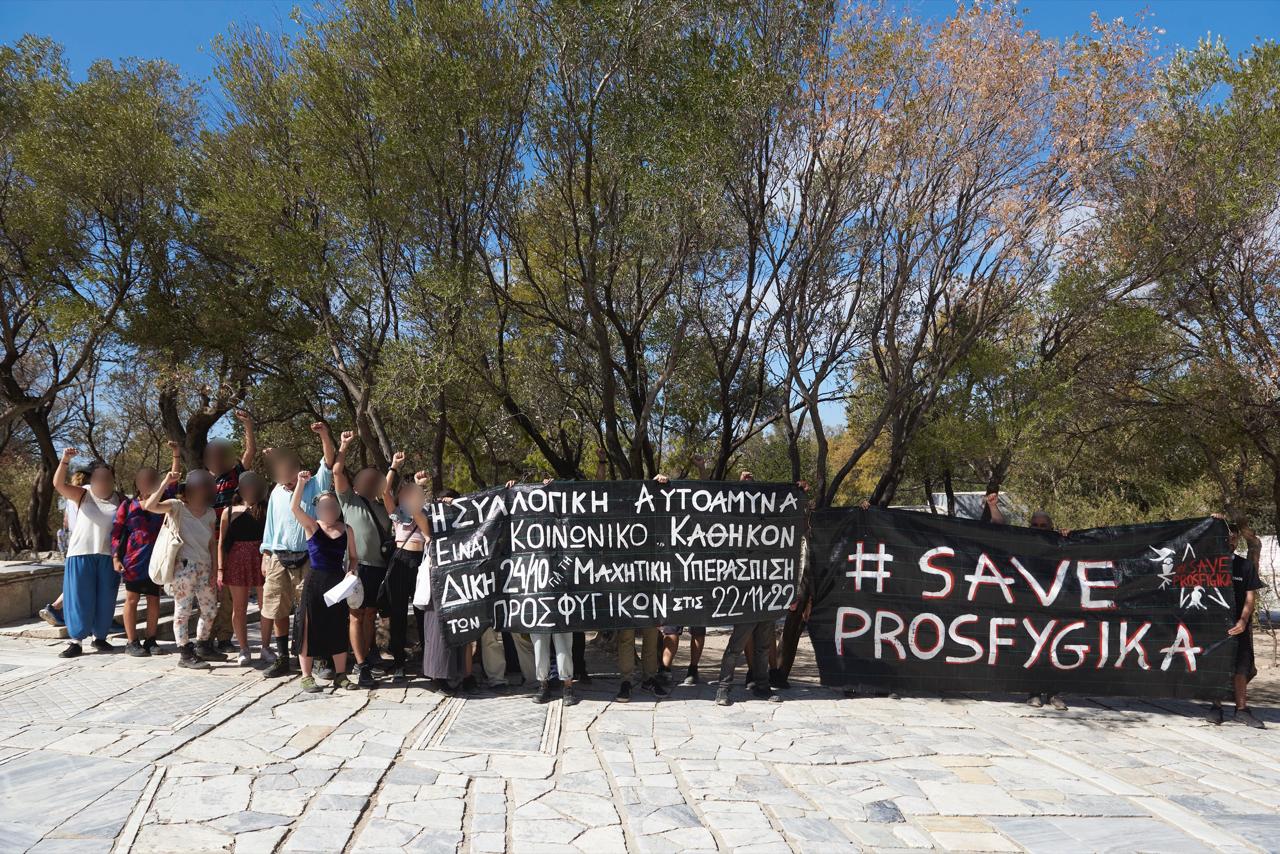
The community continues to defend its right to remain, as a new EU‑funded regeneration project proposes permanently removing its highly vulnerable residents to refurbish the buildings and reintroduce them as “social housing” for others—a paradox that shows how top‑down agendas can undermine grassroots models and intensify pressures over land, value and the rights to housing and belonging.
Social inclusion
Community self-governance
Collective Care
Urban commons
Solidarity-based social infrastructure
Across the world, crises such as housing precarity, rising living costs, climate stress and the erosion of welfare and democratic institutions leave vulnerable people unprotected, while in cities privatisation and gentrification displace long‑standing communities and erode the social ties that make neighbourhoods livable. Against this backdrop, Prosfygika offers a self‑governed community that guarantees dignified housing, shared welfare services and a meaningful collective life rooted in solidarity and inclusion, enabling residents through communal ownership and collective decision‑making to regain agency, counter systemic disempowerment and transform socio‑economic vulnerability into long‑term resilience for individuals and the community alike. Environmental sustainability is embedded in the commitment to preserve and extend the life of the existing building stock, with residents maintaining their homes through low‑tech, materially efficient repairs and upgrades while the community’s Technical Office prepares refurbishment works that prioritise retrofit over demolition. This approach follows circularity principles that minimise waste, carbon and resource use by prioritising repair with traditional low‑impact materials such as lime, stone and brick while avoiding carbon‑intensive alternatives whenever possible.Daily practices reinforce circularity by using shared spaces, tools and services to reduce material consumption and waste, while on‑site health care, childcare, food provision and cultural activities reduce travel needs and associated emissions. Prosfygika shows how sustainable urban living can grow from the careful stewardship of existing resources such as buildings, skills, material flows and community networks, offering a replicable pathway for neighbourhood resilience, by demonstrating that sustainability arises from practical daily needs and limited resources that are shared and maintained collectively, creating a culture of circularity and mutual support
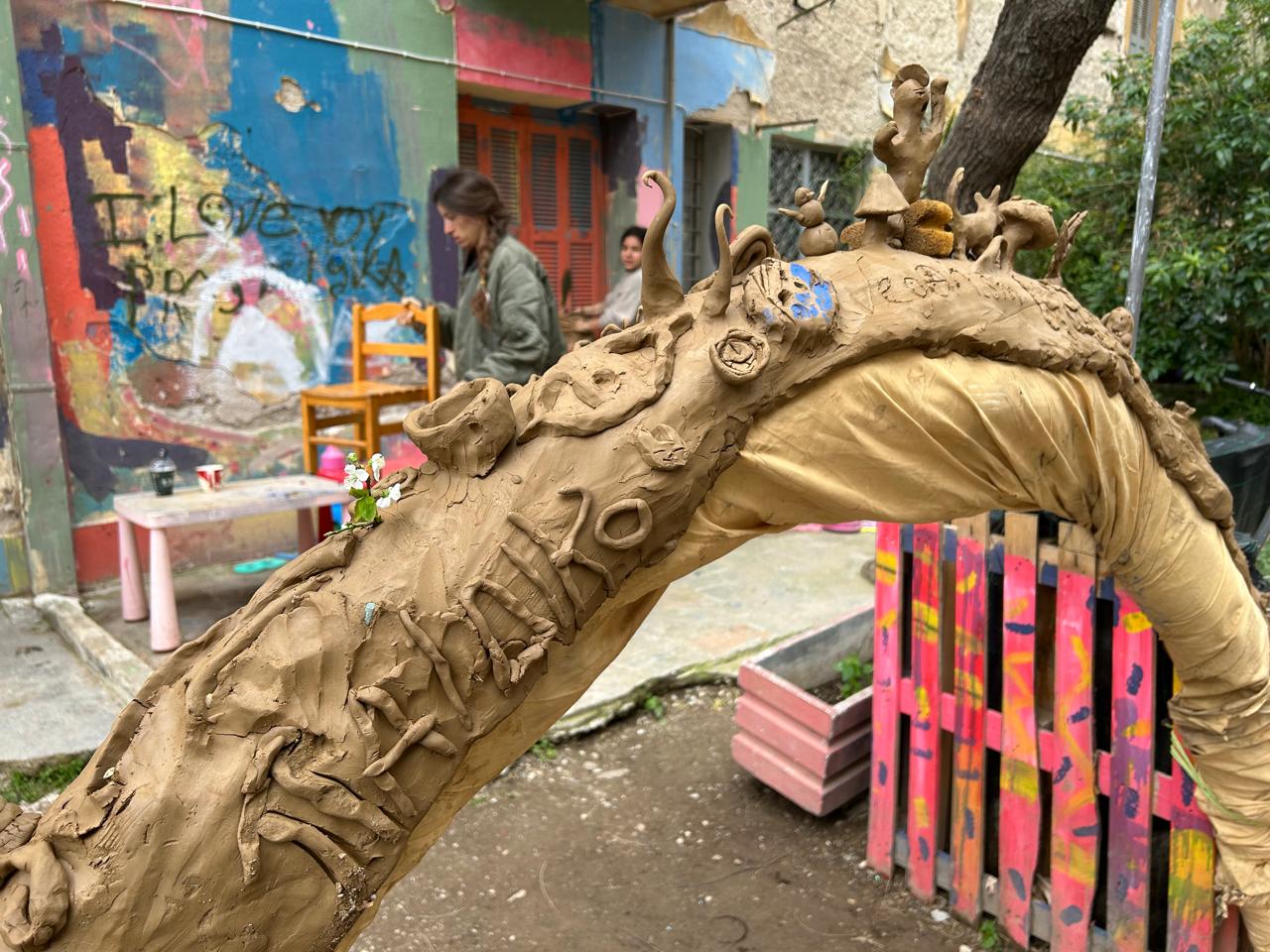
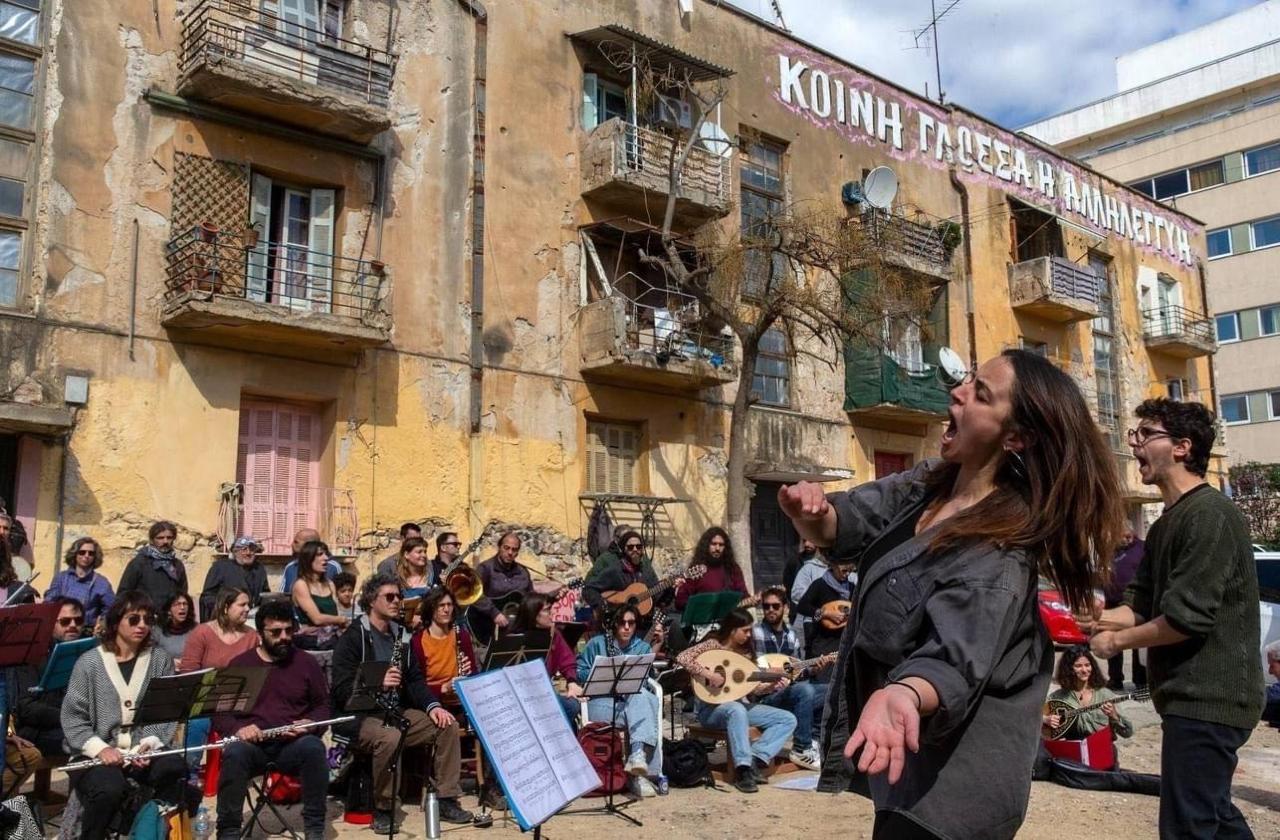
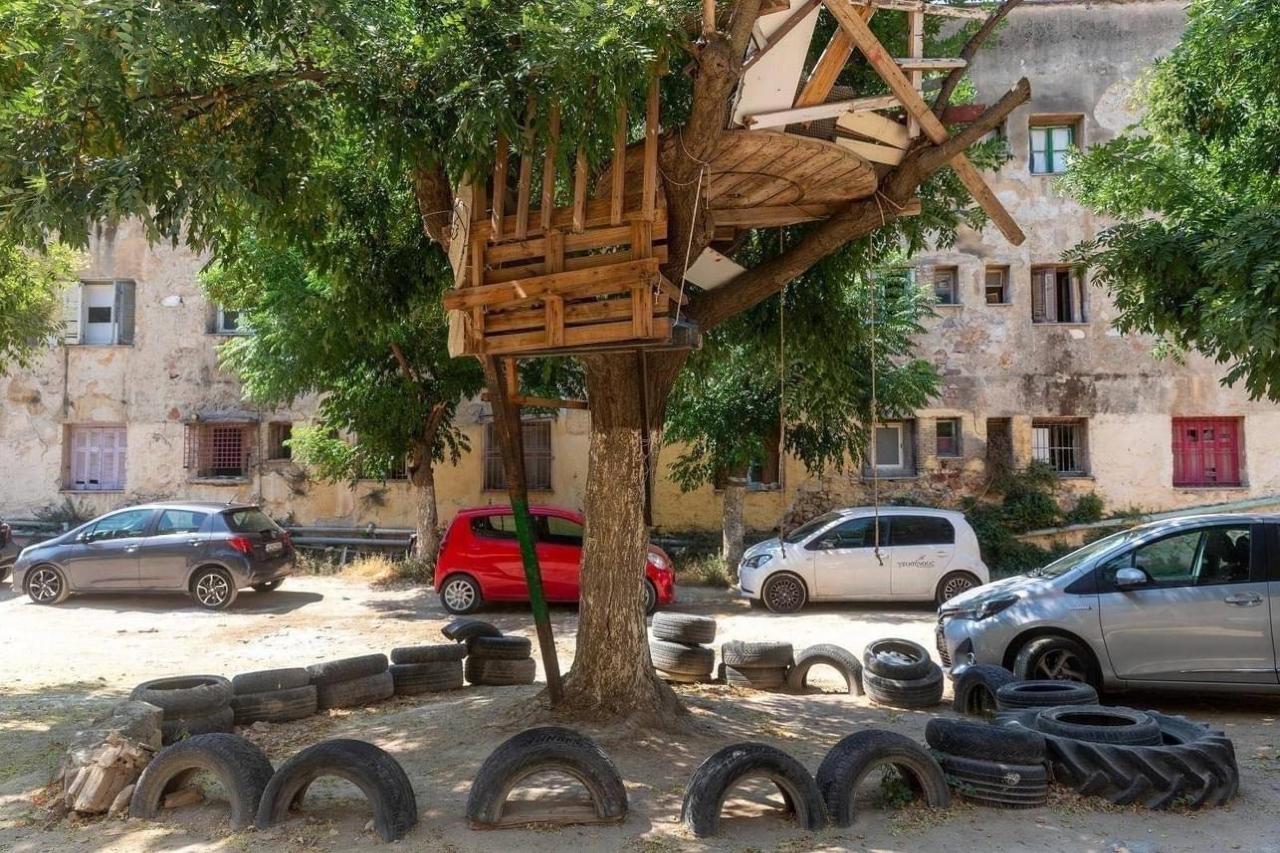
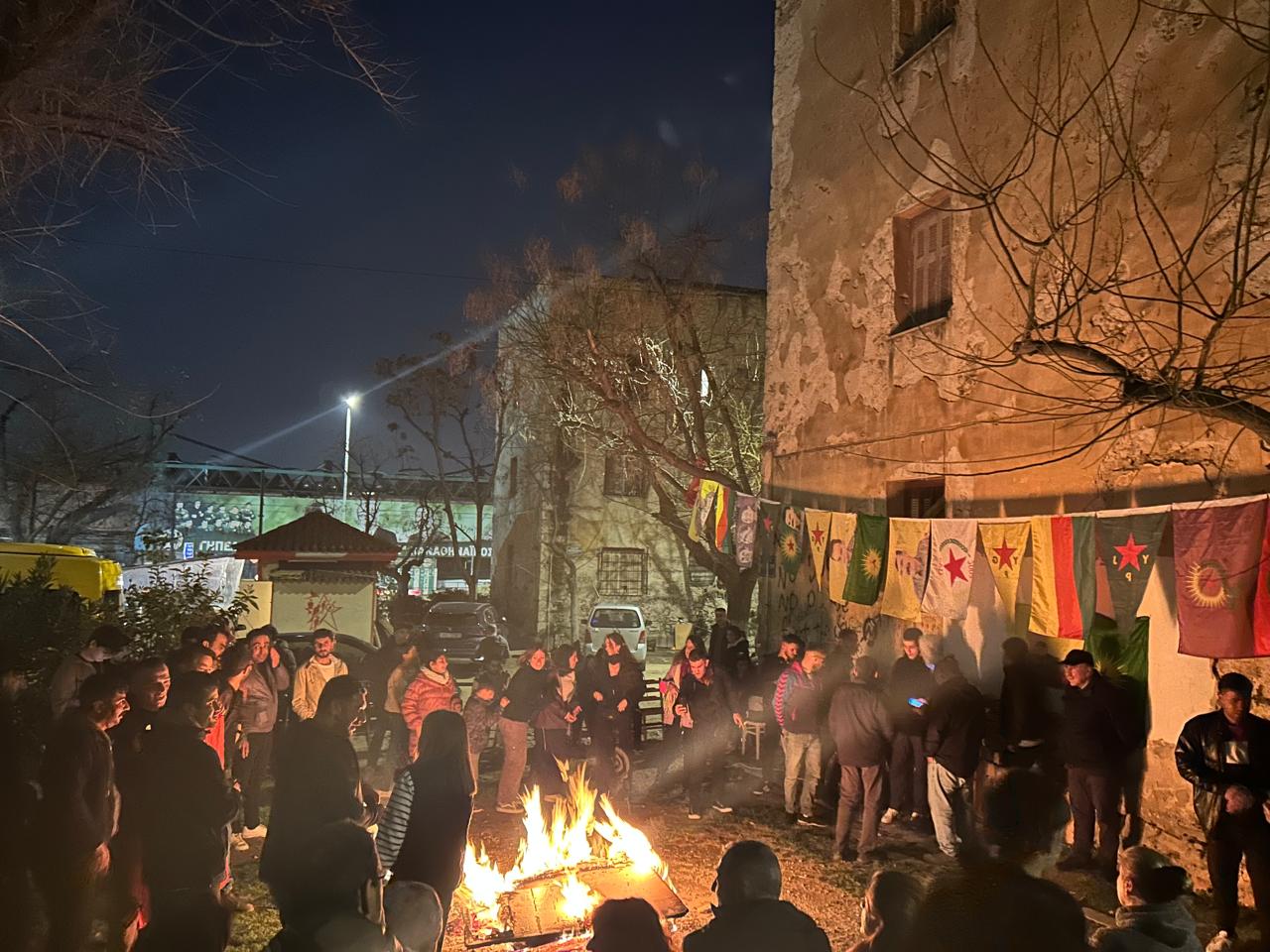
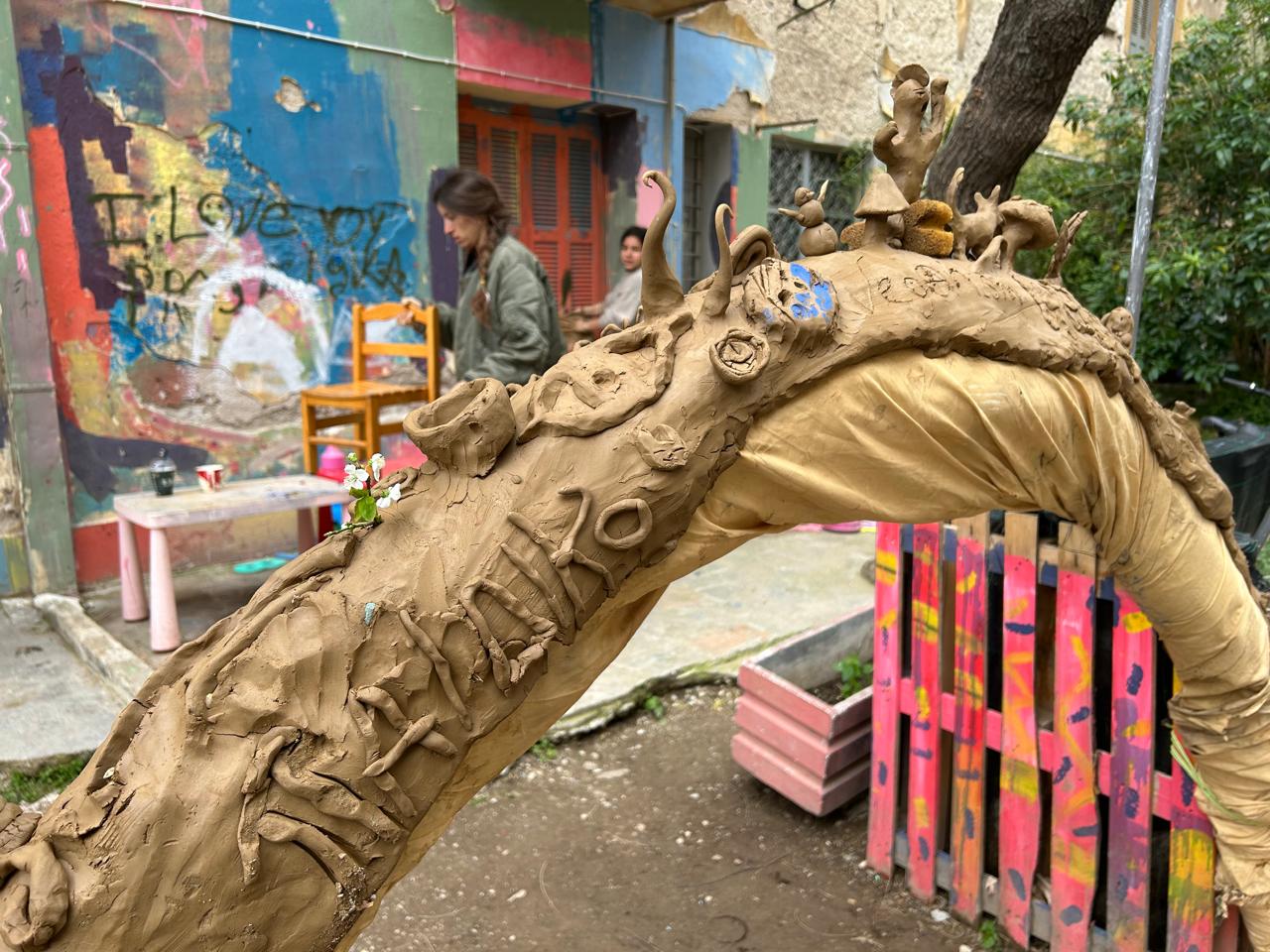
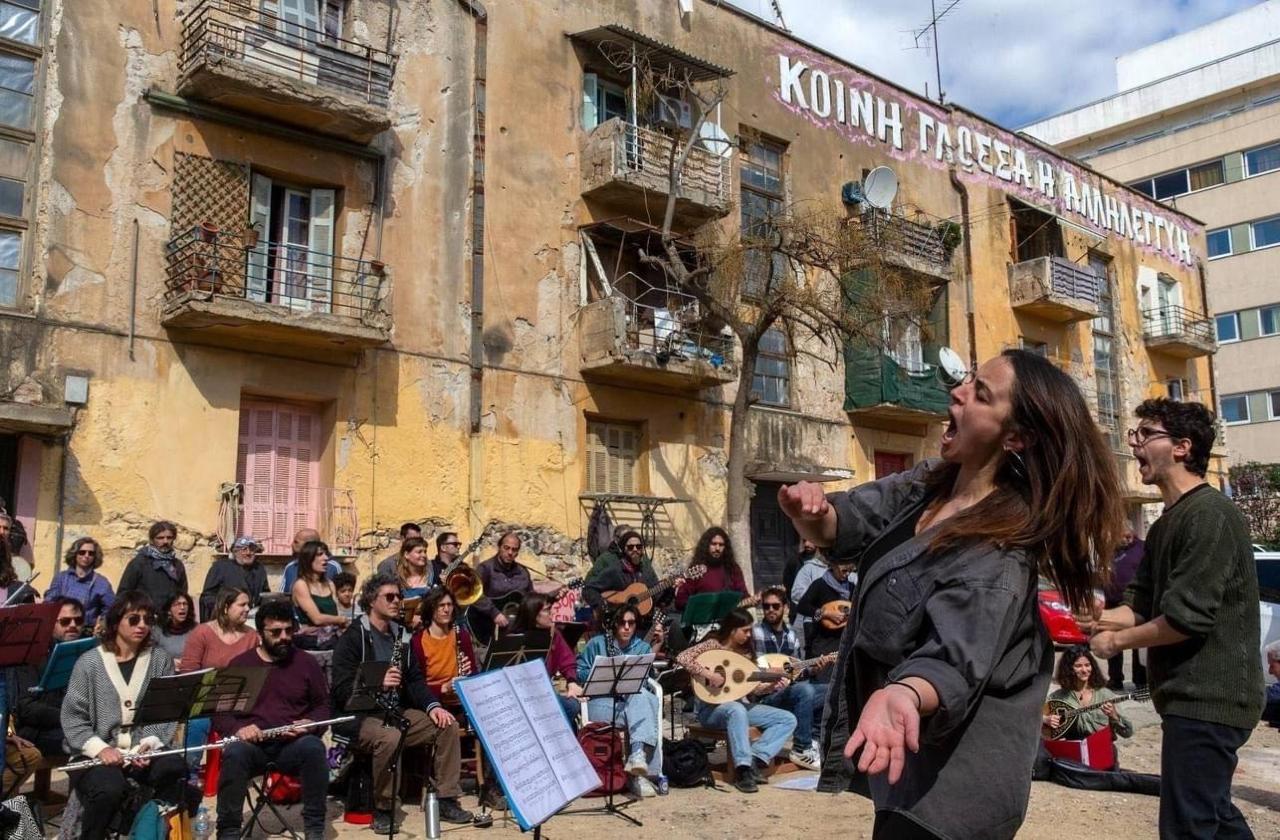
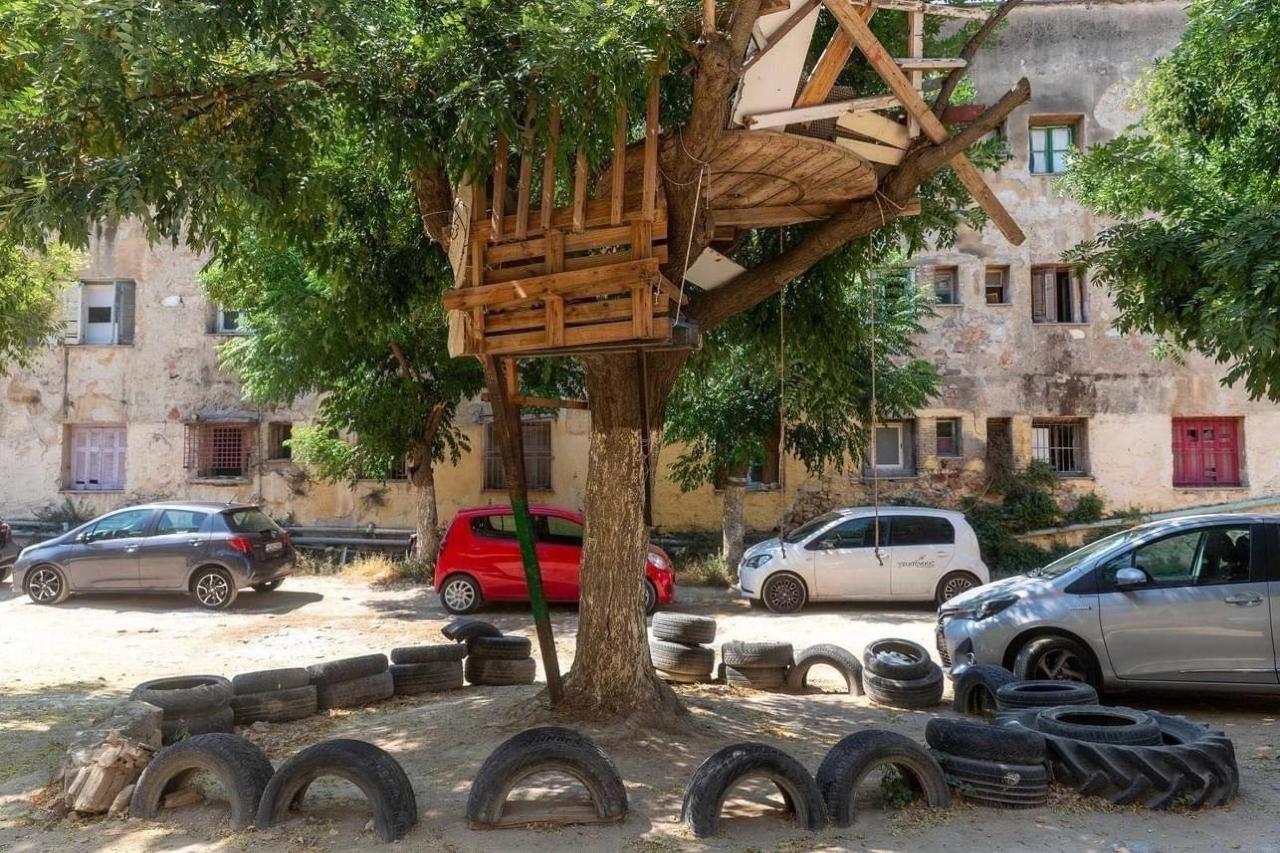
Prosfygika centres beauty in the quality of daily life. Homes are preserved to their Bauhaus form with functional layouts, light, air and calm, while outdoor spaces such as the playground, treehouse and herbal garden invite play and imagination. Collective upkeep of spaces and shared responsibilities cultivate familiarity and attachment; residents care for the place because they shape it, and the place reflects their shared efforts. Here, beauty is lived as connection and collective responsibility. It is a rare Bauhaus landmark and historic site of resistance, shaped by early battles of the Greek Civil War and sustained through long‑standing community stewardship against gentrification pressures, with residents maintaining a strong bond to earlier struggles that keep this heritage alive as a source of pride, identity and continuity. The structures, including the café, bakery, cantine, cinema, community centre, nursery and health clinic, serve as welcoming points of encounter where everyday activities draw people into natural contact and build trust and familiarity, while neighbours, hospital patients, volunteers and visitors flow through these spaces, linking different people and places and creating a social landscape shaped by openness and care. The community’s uniqueness lies in the daily work of building relationships and co‑creating a shared culture across its remarkably diverse population, where even a simple “good morning” is treated as an act of care. Through assemblies, communal work days and the various structures, people bring together different languages, skills and cultural practices, teaching each other vernacular building techniques, sharing recipes and rituals, and watching films in many mother tongues. This steady weaving of everyday life gives Prosfygika its evolving identity and nurtures a continually renewed sense of “us,” making it not a finished project but a collective cultural movement shaped by ongoing effort, imagination and cooperation.
Inclusion is the guiding principle of Prosfygika’s collective, shaping both its organisation and goals by treating housing as a commons and a basic right, so that no one pays rent and secure, dignified housing becomes accessible to refugees and migrants, low‑income families, elders, women and femininities at risk, and residents with health or mental‑health needs. Affordability is further supported through free access to the various on-site support structures and services, while mutual‑aid groups ensure everyone has food, care and medication irrespective of income or ability.
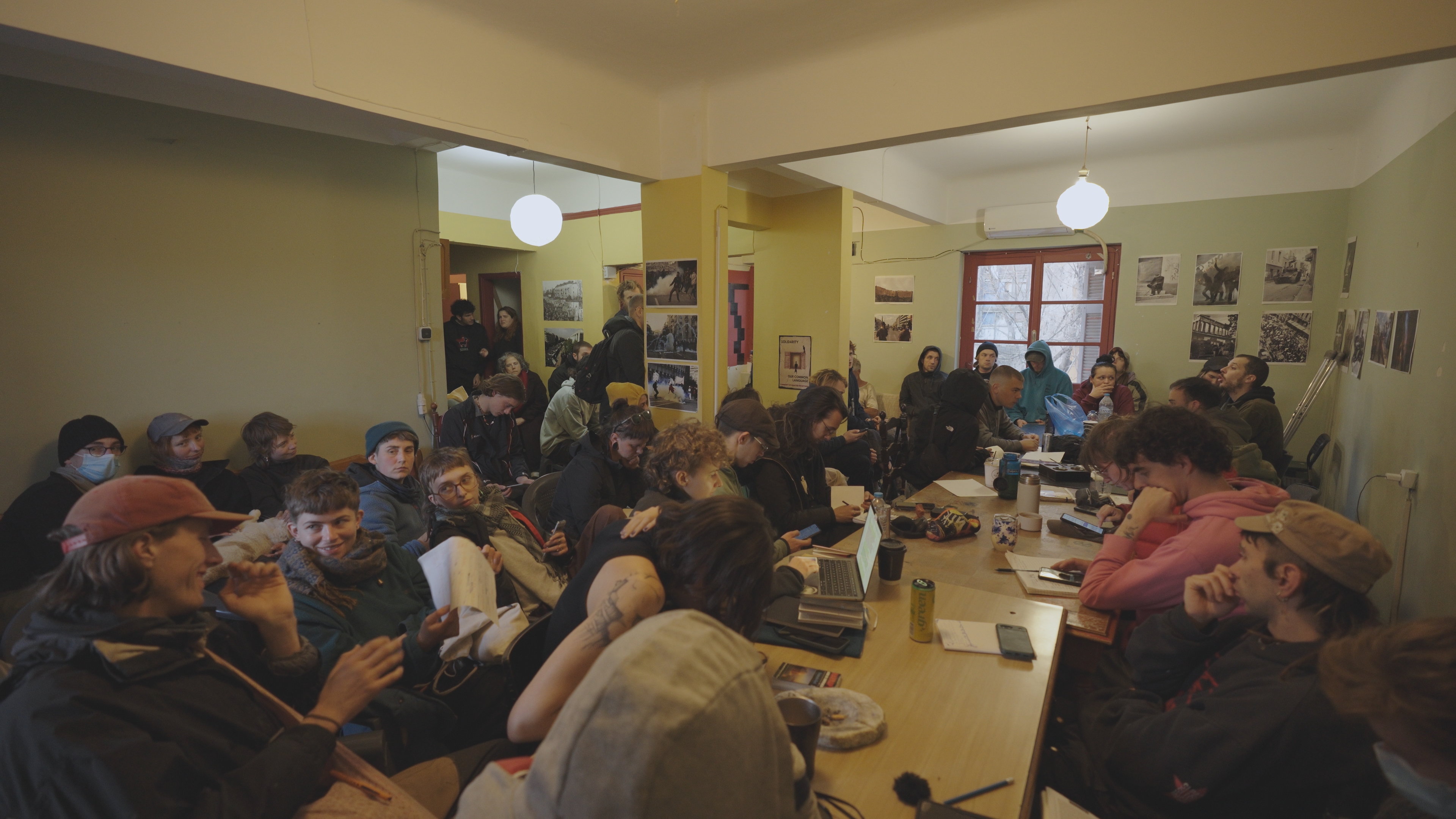
Inclusion is also secured through the way decisions are made, with open assemblies accessible to all and consent‑based decisions ensuring no one is overruled, while roles are assigned through voluntary working groups supported by translation and peer assistance so that participation is not limited by expertise, language or age, enabling residents from 27 nationalities to take part and ensuring every resident has a place and a voice in shaping community life.
Where Prosfygika becomes exemplary is that through self‑governance, inclusion becomes empowerment: residents do not simply access housing or services but hold shared power to shape the community they live in. In doing so, Prosfygika actively challenges the dominant model built on private property, competitive individualism, precarious renting and the passive role assigned to vulnerable people in welfare systems. What emerges instead is a commons‑based way of living, where housing is a right, care is mutual, resources are shared, and decisions are made collectively across languages, cultures and generations. Through these daily practices of solidarity and cooperation, the community shows that life can be organised around equality, dignity and collective responsibility, offering a grounded practical model for more humane and cohesive urban futures.
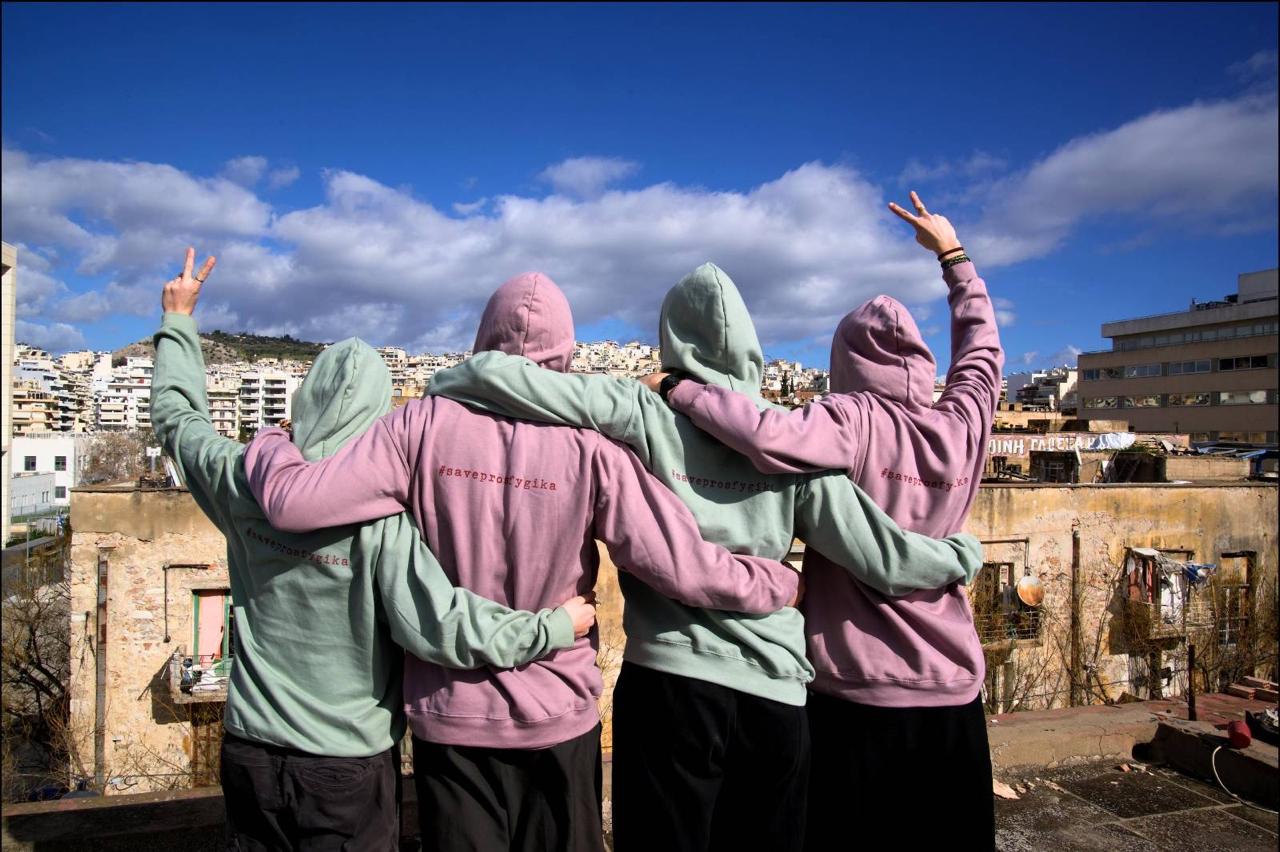
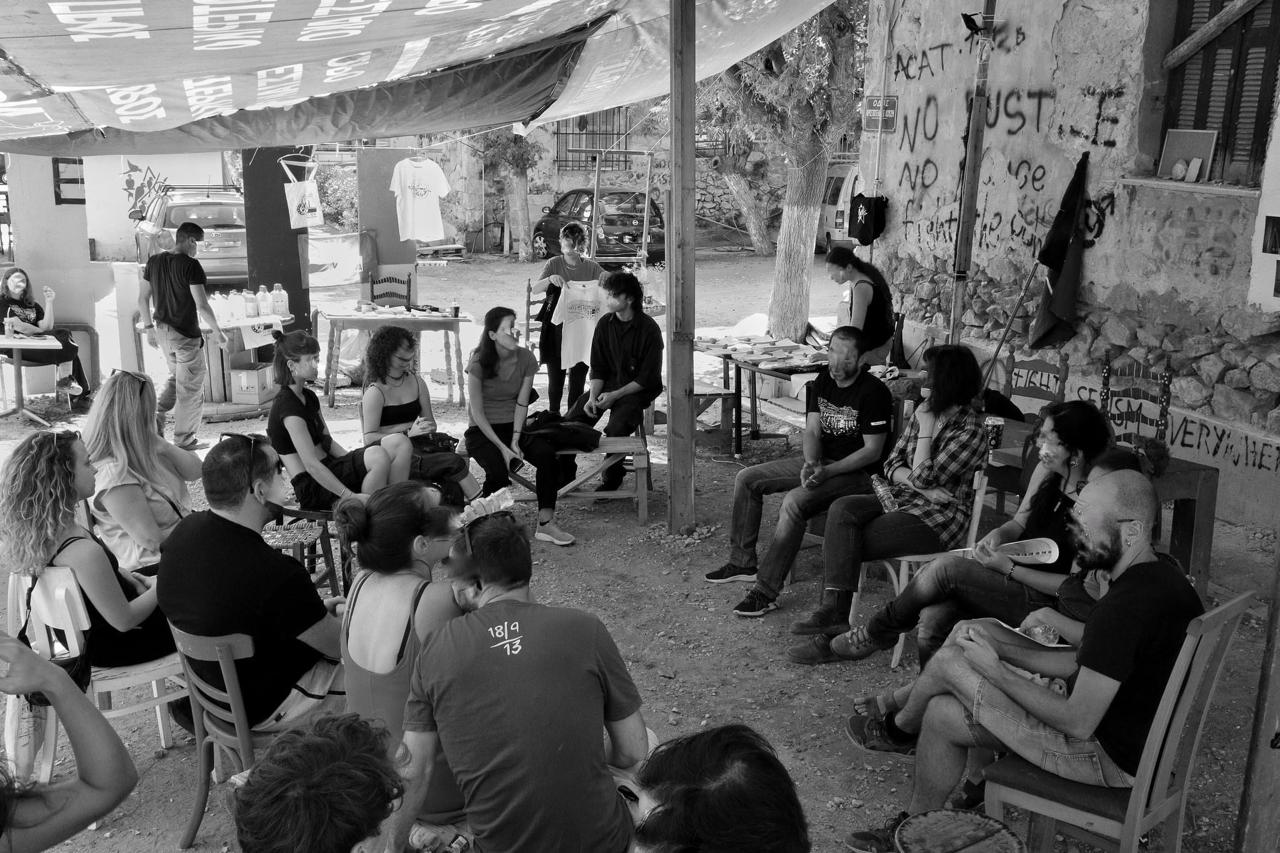
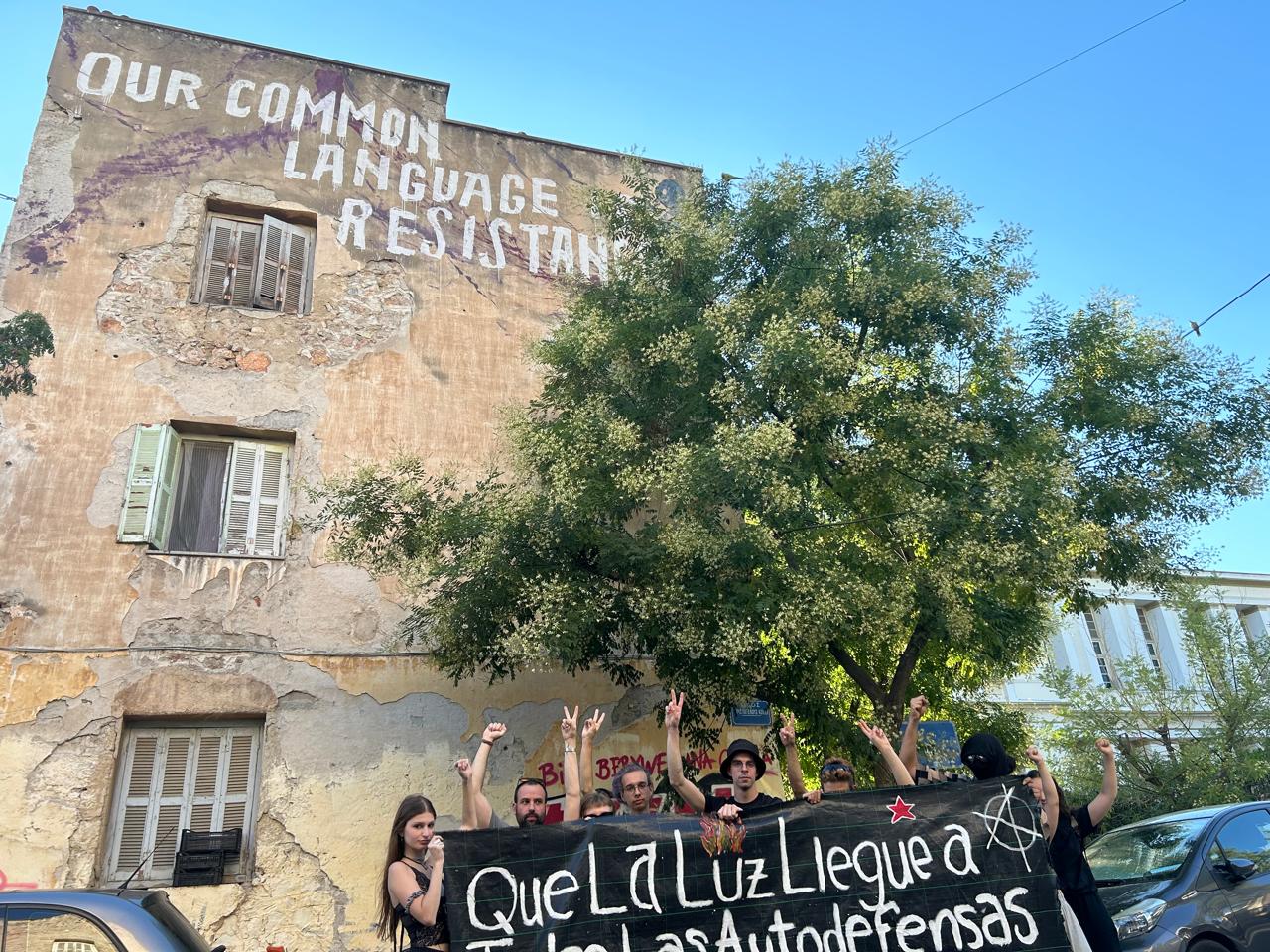
Prosfygika is one of Europe’s most active self‑organised community ecosystems, where participation is central to daily life and each resident’s initiative contributes to collective well‑being. Self‑governance operates through horizontal, inclusive processes grounded in equality, autonomy, mutual support and shared responsibility, with collective decisions, embedded accountability and participation enabled through accessible assemblies, open dialogue and delegated roles that match residents’ capacities and interests. Each structure and working group functions autonomously with its own assemblies and coordination roles, yet remains connected through a unified governance framework that feeds into the weekly General Assembly, the community’s highest decision‑making body. The Women’s Assembly holds decisive authority, ensuring safety, visibility and influence on issues affecting women and femininities, with its decisions integrated into the General Assembly, guaranteeing gendered concerns shape community policy and the culture of relationships. New bodies have been created to meet emerging needs. The Platform of Confederalist Union (2023) provides political education and exchange, connecting Prosfygika with allied groups and international movements. The Committee for the Promotion and Defence of the Community (2023) acts as its representative body, building solidarity networks, managing communications, safeguarding collective memory and coordinating defence during state repression or eviction threats. Annual reviews and a triennial community “conference” allow residents to assess progress, renew commitments and define long‑term strategy, supporting continued learning and adaptation. The governance model’s impact is evident as residents gain agency, structures stay responsive, collective capacities grow and shared ownership sustains the community, demonstrating how participatory self‑organisation builds a resilient and cohesive urban community.
Prosfygika collaborates with NTUA's School of Architecture and the National Kapodistrian University, bringing technical knowledge and hands-on support through on-site research and fieldwork. Locally, it connects with neighbourhood committees, tenants' unions, planners, architects, student groups, and 100+ grassroots organisations for joint events, research, public dialogue, and collective problem-solving around basic needs.
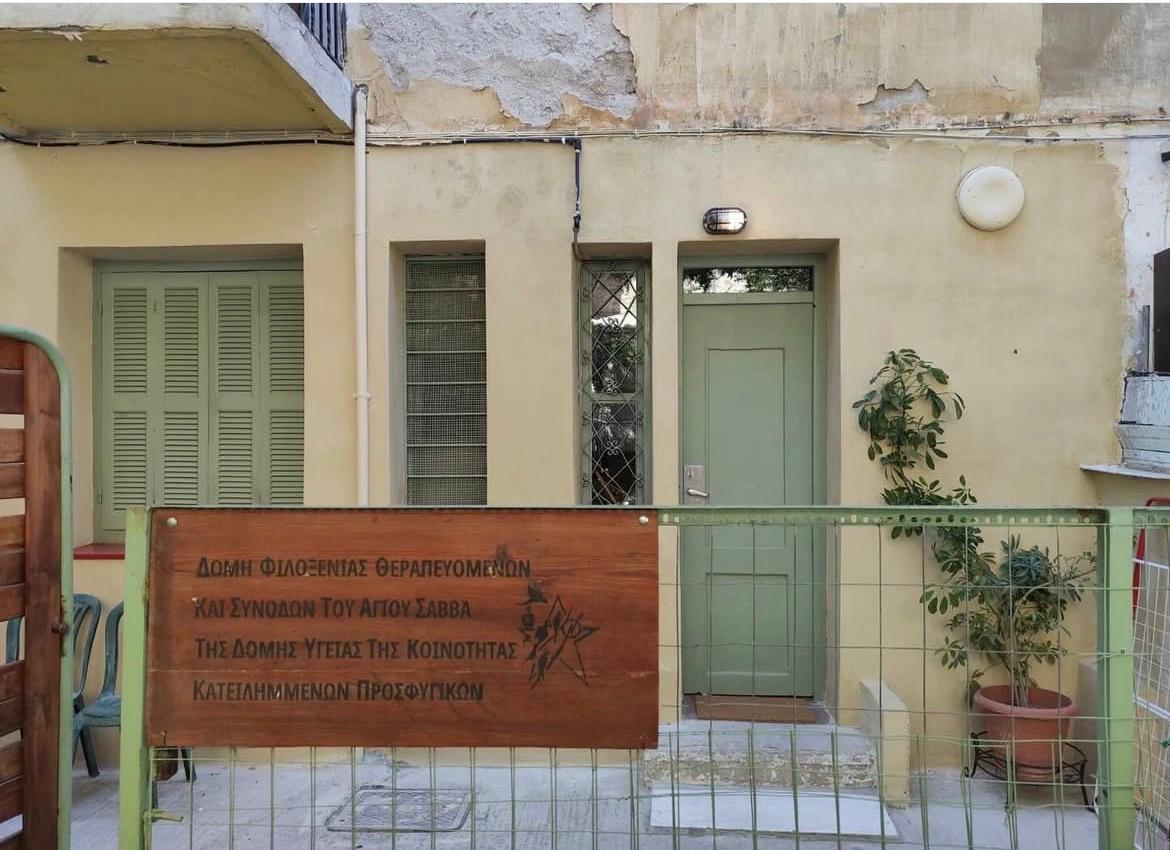
Across Greece, Prosfygika cooperates with housing movements, anti‑eviction campaigns, professional associations and solidarity networks that provide legal guidance, technical expertise and mobilisation capacity. In health, it collaborates with dozens of self‑organized health structures, social clinics, and health workers' unions to operate the Health Structure and Social Pharmacy. Staff from neighbouring Agios Savvas Oncology Hospital coordinate with Prosfygika to provide accommodation for patients and families.
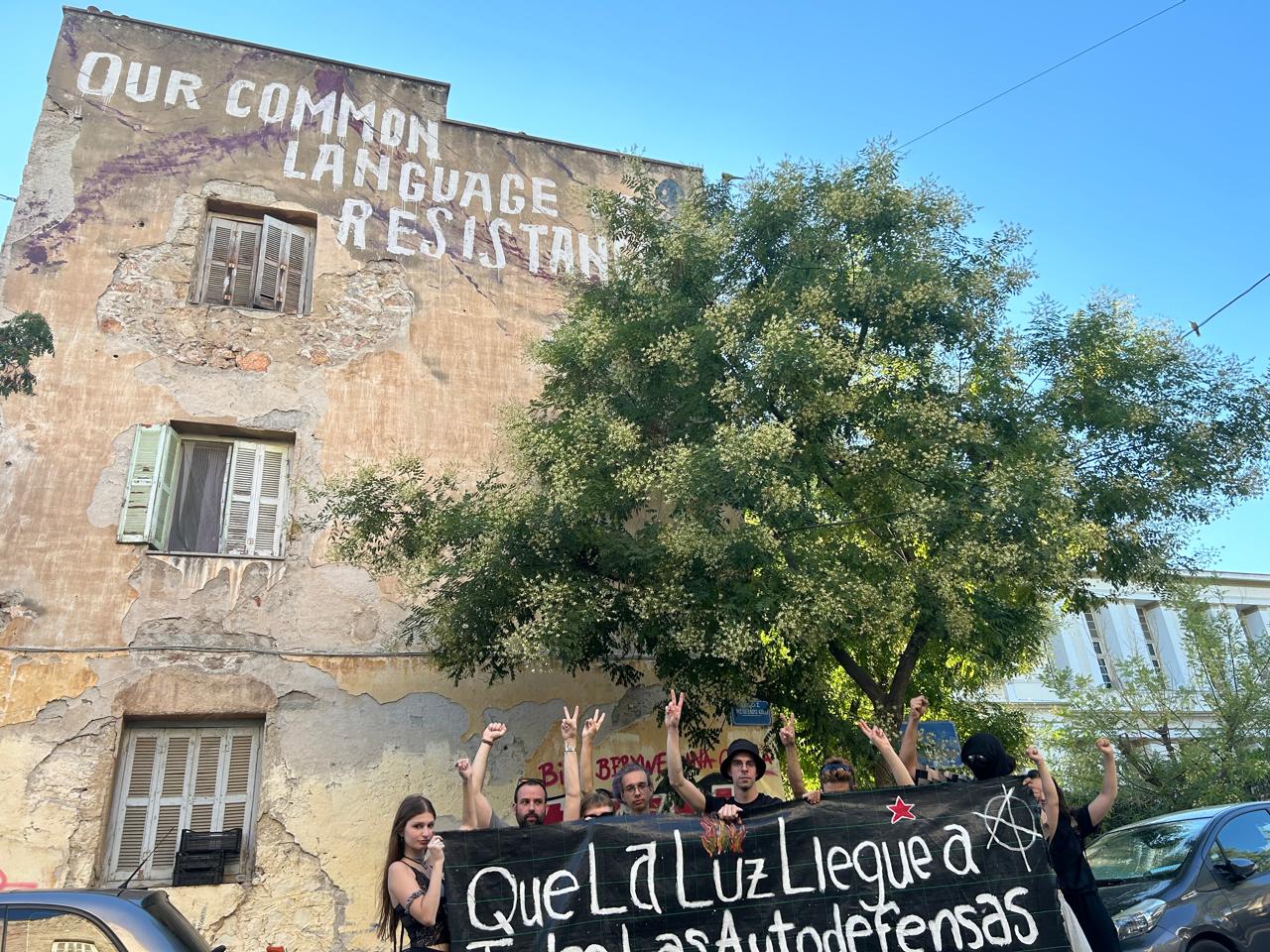
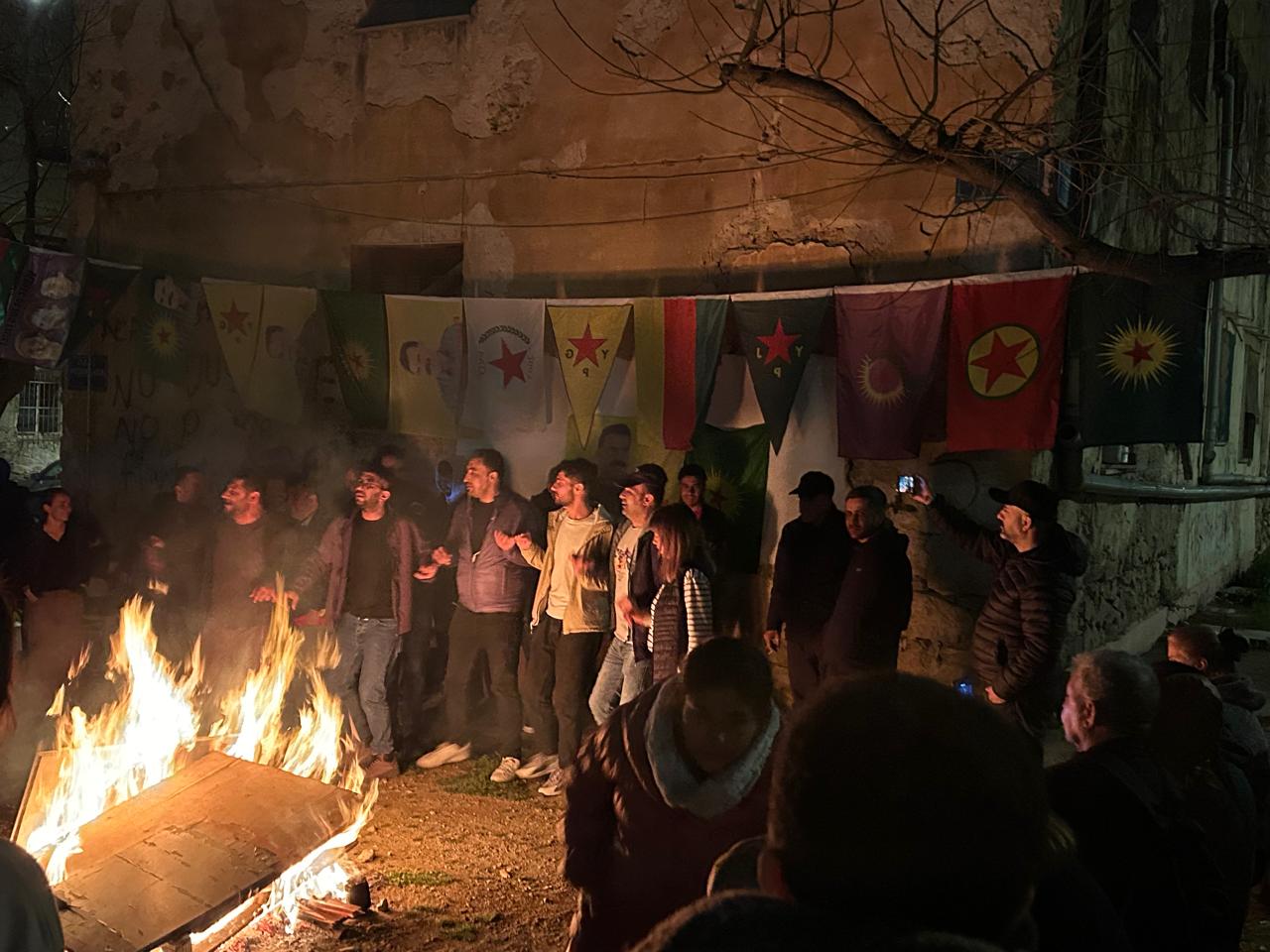
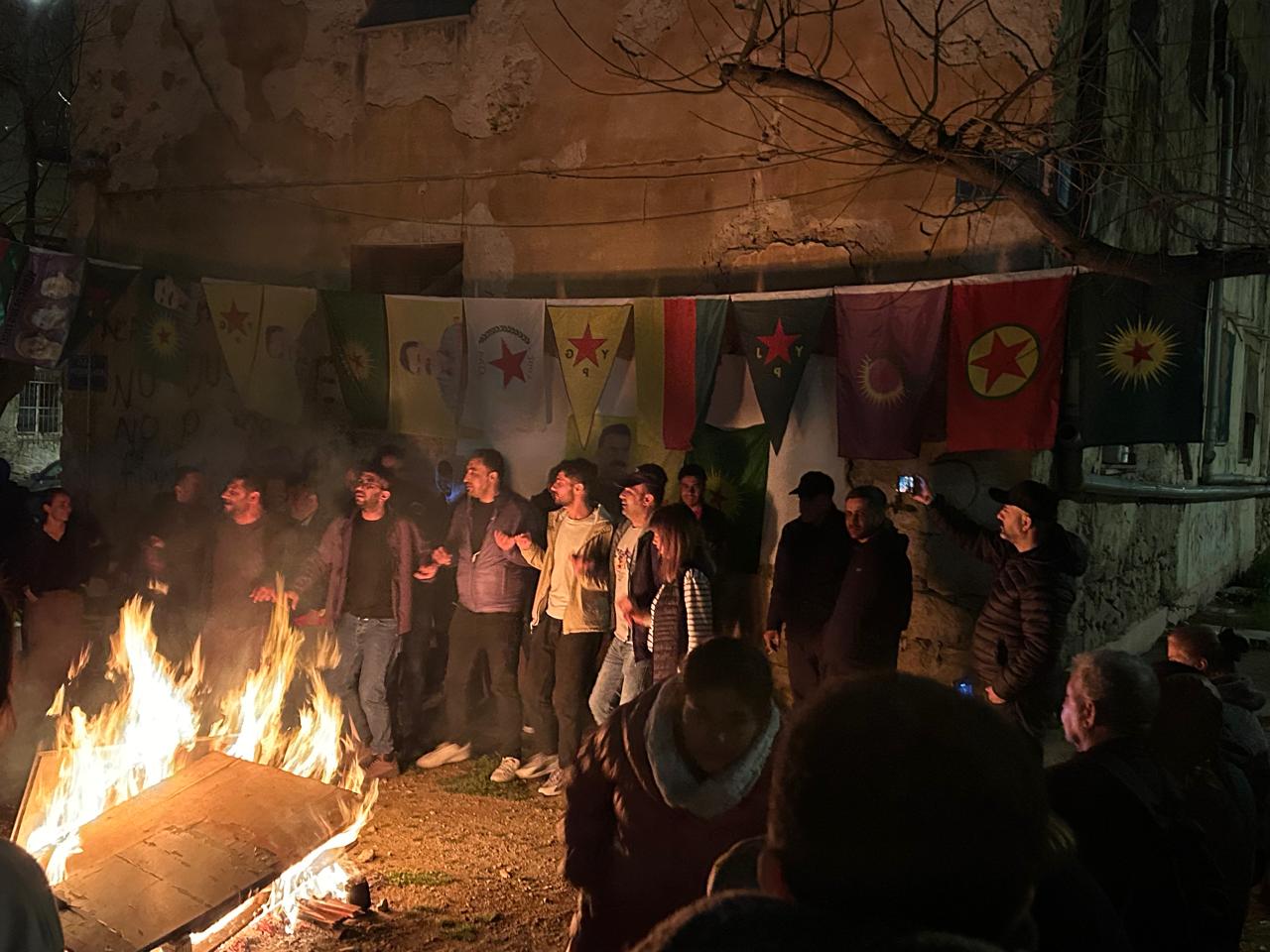
Internationalism anchors Prosfygika's work through long-standing relationships with autonomous communities globally, such as collectives, networks and organizations from the Kurdish Movement (e.g. Academy of Democratic Modernity, People’s Platform), squats, indigenous movements and urban autonomous communities in Mexico (Zapatistas, Casa de los Pueblos, Acapatzingo, Tlanezi Cali etc.) and a big number of collectives, squats and organizations in Europe (e.g. Rigaer 93 Squat, the Borderless Collective, FAU union in Germany etc), and so many others all around the world, enabling political education, skill‑sharing and transnational solidarity.
These ties connect Prosfygika to a wider global movement for commons‑based living and community‑led urban justice, strengthening Prosfygika’s visibility, resilience and capacity, while offering partners a working model of inclusive, self‑organised neighbourhoods, expanding shared understanding of what socially just, community‑governed cities can look like.
Prosfygika operates as a beyond-disciplinary environment where lived experience and formal knowledge fields converge through extensive collaborative networks in everyday practice. The Committee of Prosfygika embodies transdisciplinarity, bringing together lawyers, architects, civil engineers, journalists, geographers, historians, and photojournalists. Each contributes specialized expertise to protect community autonomy, advocate for communal living alternatives, and strengthen social resilience across the community's structures and working groups. Volunteer architects, engineers, and heritage specialists collaborate with resident craftsmen in the Technical Office, combining professional expertise with vernacular construction knowledge to support ongoing repair and refurbishment work. Volunteer educators from nearby schools co-design Prosfygika's self-organized educational structures, delivering tutoring and creative workshops at the Children House while supporting residents' peer-to-peer knowledge exchange. The Health Structure blends professional and grassroots expertise through collaboration between community caregivers, volunteer doctors from self-organized social clinics, and the Psi Initiative for Diverse Mental Health, creating hybrid care practices grounded in both clinical and community knowledge. Grassroots artists, international solidarity groups, and visiting collectives co-create cultural life through screenings, performances, workshops, and multilingual artistic events in shared spaces. Residents actively exchange vernacular construction techniques, traditional medicine, cultural rituals, and collectively develop care routines for children and elders, demonstrating that practical wisdom is as central as formal expertise. Ultimately, Prosfygika demonstrates how transdisciplinary collaboration -when different knowledge fields meet without hierarchy- generates collective intelligence to the benefit of the community.
Prosfygika sustains itself through care and solidarity economies rooted in collective responsibility and mutual aid, treating housing and welfare as commons rather than commodities. Over 16 years of continuous operation, this model has proven that genuine financial sustainability emerges from meeting residents' and the wider community's needs, not from extracting value.
An internal non-transactive economy ensures all service and product exchange operates on principles of collective responsibility and need. Residents contribute according to ability and receive according to need. Sharing economy practices - pooled tools, facilities, equipment, and workspaces- reduce individual consumption while strengthening daily interdependence and community bonds. Professional volunteer networks contribute expertise pro bono, with non-formal skills development embedded as living social infrastructure that increases collective capacity across sectors. Volunteer rotation ensures permanent support through the years.
At a meso-level, the solidarity-based model extends to relationships with external actors. The community receives financial support from community networks, international supporters, and aligned organizations. Resource management is founded on zero-waste and upcycling principles: dedicated community members maintain long-term relationships with local producers and retailers, collecting surplus food at no cost after operating hours of open public markets. External visitors and supporters contribute surplus food and goods via a drop-off system.
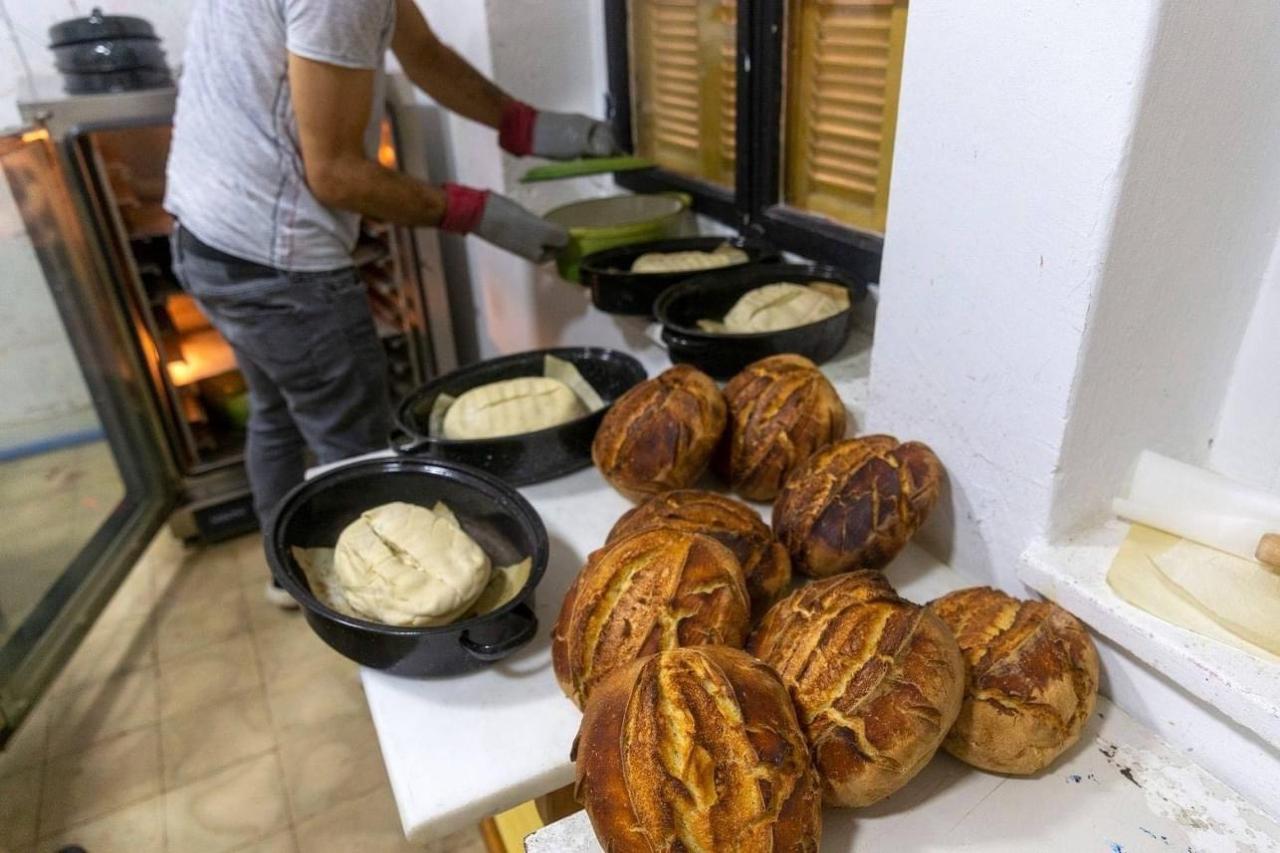
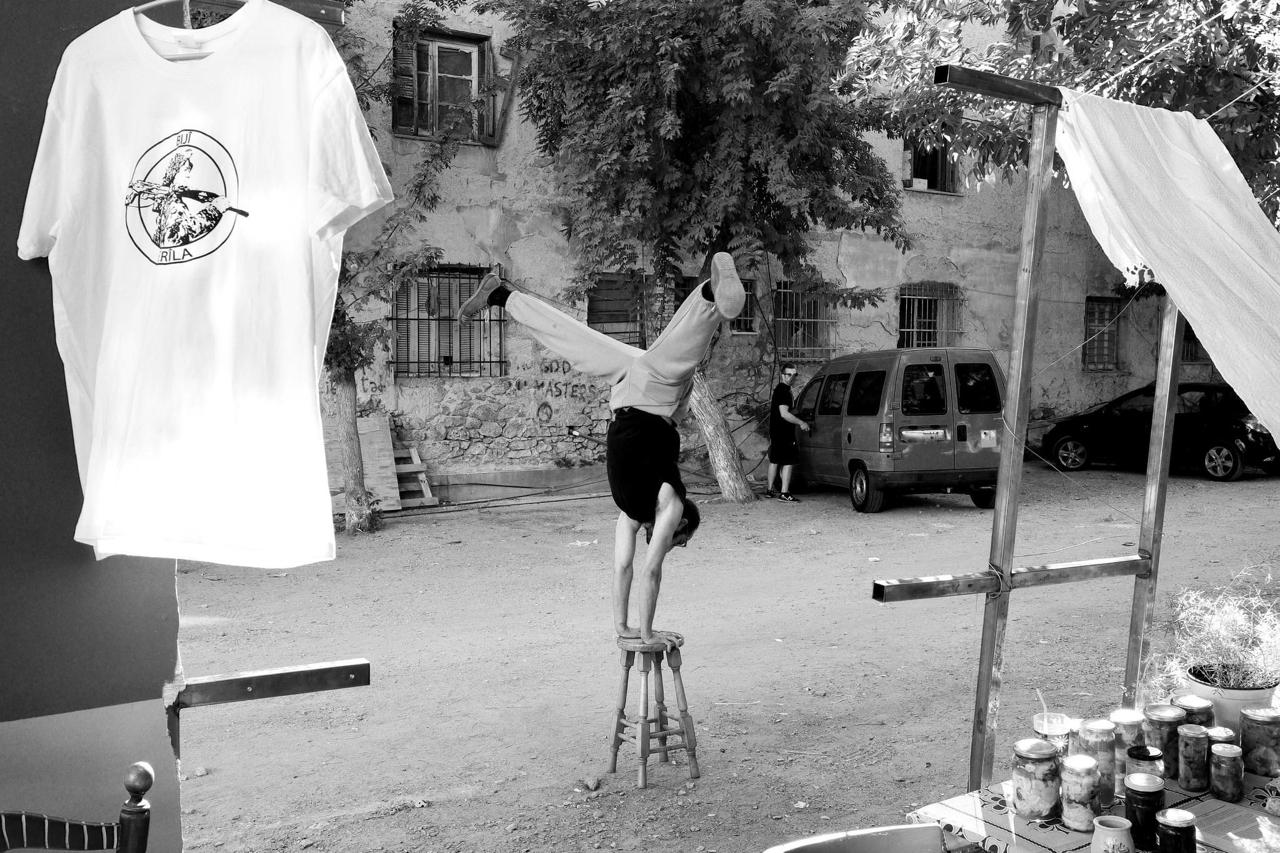
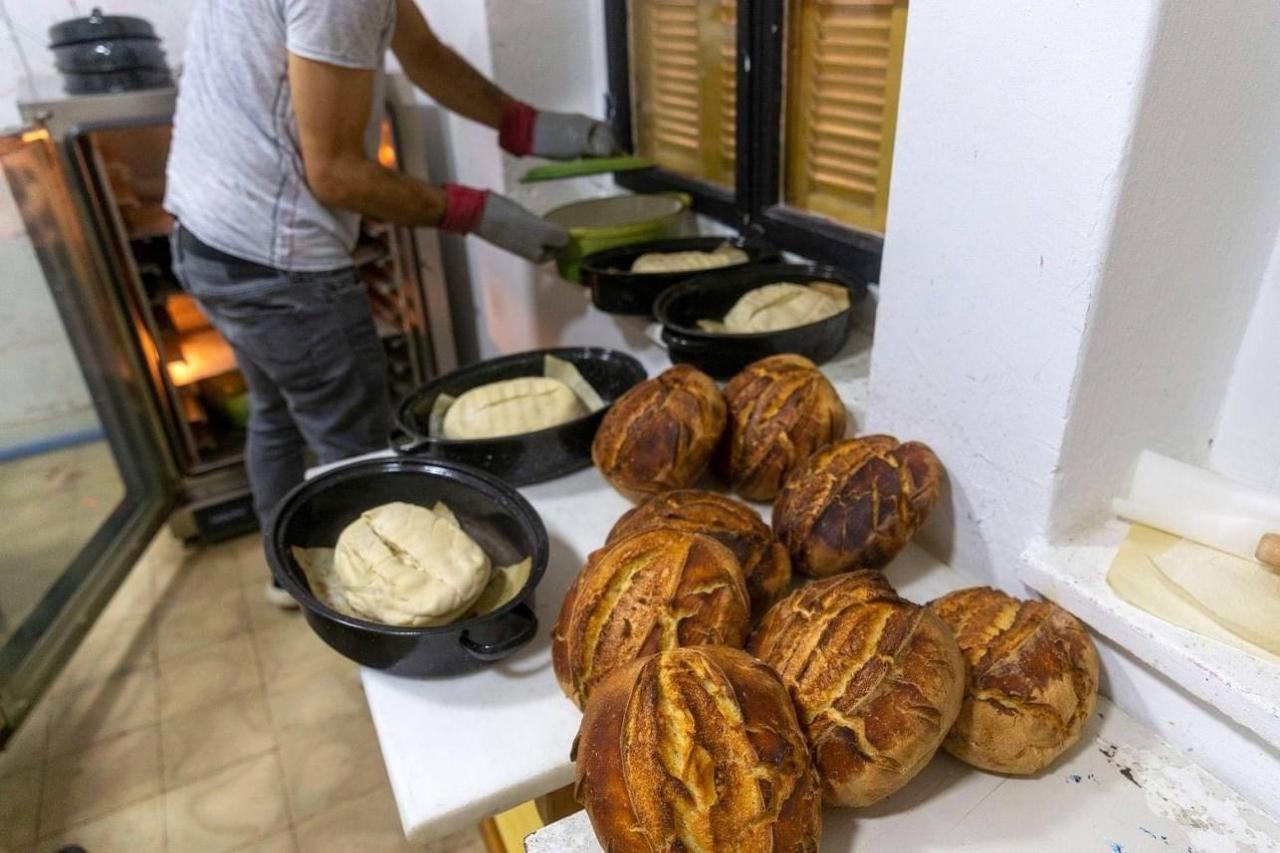
At a macro-level, the community's internal non-transactive economy interfaces with the external market through modest commercial activities, namely a community bakery and merchandise sale that serve dual purposes: generating financial resources while creating spaces of convergence around reasonably priced goods for basic needs.
Prosfygika's 16-year model demonstrates genuine transferability across European contexts through community-led solutions grounded in solidarity and autonomous self-governance.
Care and social solidarity economies function as essential unofficial infrastructure sustaining crisis-ridden cities, a truth the COVID-19 pandemic exposed globally. Prosfygika's distinctive contribution lies in institutionalizing this infrastructure: transforming temporary, needs-based responses into a permanent, experienced network operating at scale (400+ residents, 50+ children, vulnerable populations).
Prosfygika's 22+ autonomous working groups operating through participatory decision-making offer a replicable decentralized governance model that builds collective capacity while ensuring all voices shape decisions. As an urban ecosystem model, Prosfygika's experience provides a template for federated networks of collectives operating as interconnected solidarities, enabling knowledge exchange, resource pooling, collective political voice, and mutual crisis support.
Across Europe, thousands of vacant buildings offer immediate housing solutions. Prosfygika demonstrates a replicable pathway: community-led occupation and self-rehabilitation already underway, followed by institutional legalization through expanded legal frameworks recognizing commons-based housing. Grounded in proven European models (Berlin's Instandbesetzungen and Italy's Autorecupero) Prosfygika's demand for collective ownership and building rehabilitation is both replicable and politically viable.
Finally, a critical transferable insight emerges from Prosfygika's practice: moving from philanthropic dependency to mutual aid and collective responsibility. Grassroots solidarity, based on unwavering community commitment rather than permanent funding, proves increasingly transferable across international movements, complementing state policies when social fabric is strong enough to support marginalized populations.