Arts, Culture, and Heritage as Drivers of Change
Korça Heritage Network
Korça Heritage Network: Culture, Hospitality and Regional Revival
Korça Heritage Network transforms hospitality into a cultural movement. Starting from Domus Hotel, it connects local artisans, traditions, architecture, and stories into a living network that revitalizes the region. By blending heritage with contemporary design and community engagement, the project reimagines Korça as a vibrant, sustainable destination where culture is experienced, shared, and lived every day.
Albania
Regional
Region of Korca, including all the cities and villages of the region.
It addresses urban-rural linkages
It involves other types of transformations (soft investment)
Yes
2025-07-08
No
No
Yes
Individual
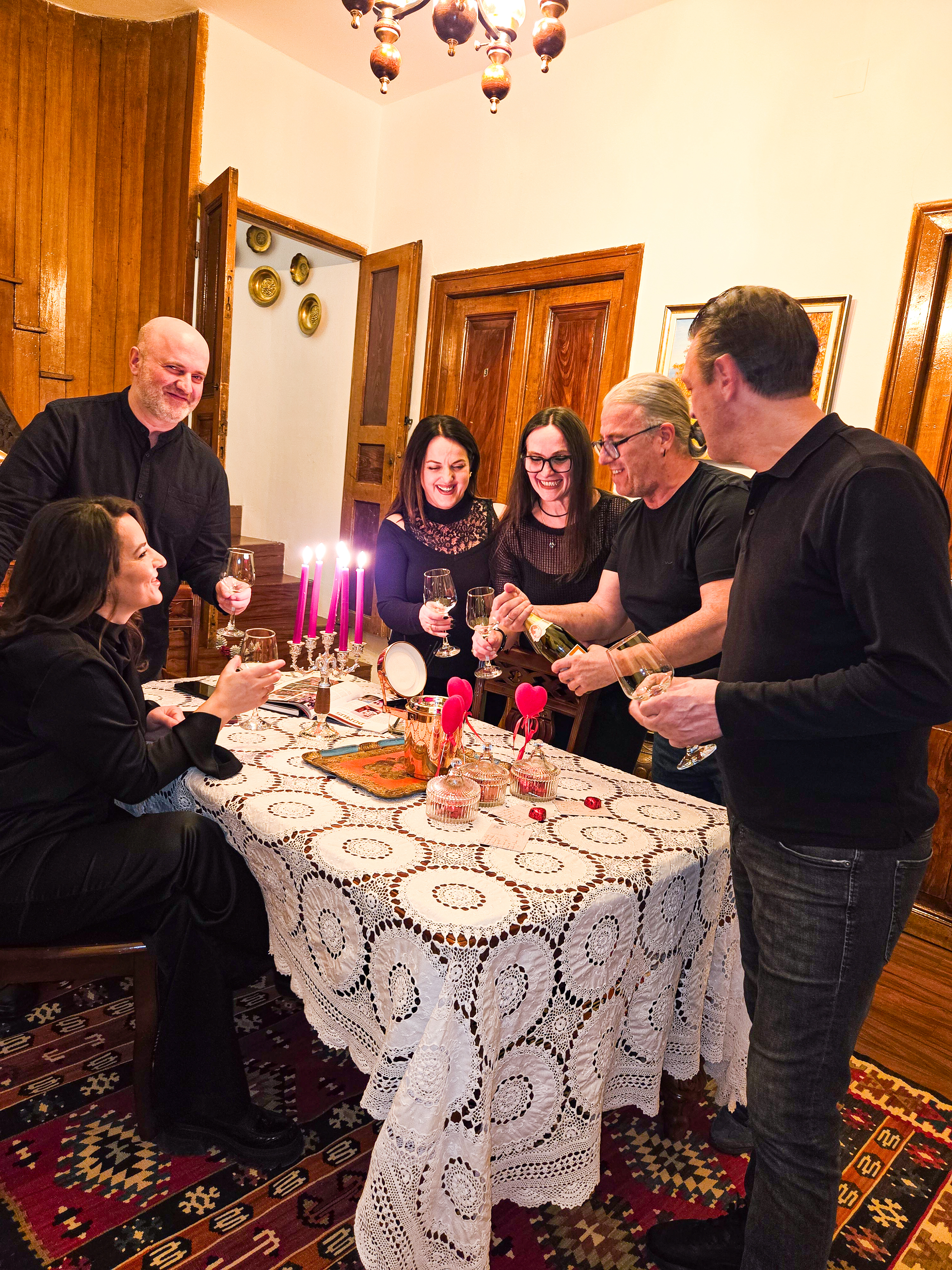
Korça Heritage Network is a cultural and hospitality-driven initiative rooted in the experience of Domus Hotel in Korça. Over the past years, Domus has evolved beyond a boutique accommodation into a vibrant cultural space, hosting art exhibitions, cultural events, and community gatherings that actively engage local artists, creators, and residents. These initiatives have already contributed to strengthening the city’s cultural identity, offering a platform for expression and dialogue, and attracting visitors seeking authentic, experience-based tourism.
Building on this foundation, the project expands into a regional network that connects urban and rural heritage across Korça and its surroundings. It brings together artisans, local producers, cultural actors, and small tourism operators into a shared ecosystem, where traditions, architecture, gastronomy, and storytelling become part of a unified visitor experience.
The project’s long-term impact lies in repositioning Korça as a leading cultural destination in Albania and the region, fostering sustainable tourism, supporting local economies, and preserving intangible heritage. By integrating contemporary design, community participation, and cultural programming, Korça Heritage Network embodies the principles of the New European Bauhaus—creating places that are not only beautiful, but inclusive, meaningful, and alive!
Korça Heritage Network was born from a simple but powerful idea: hospitality can be more than accommodation—it can be a gateway to culture, memory, and community. This vision first took shape through Domus Hotel in Korça, created as a space where architecture, design, and storytelling come together to reflect the spirit of the city.
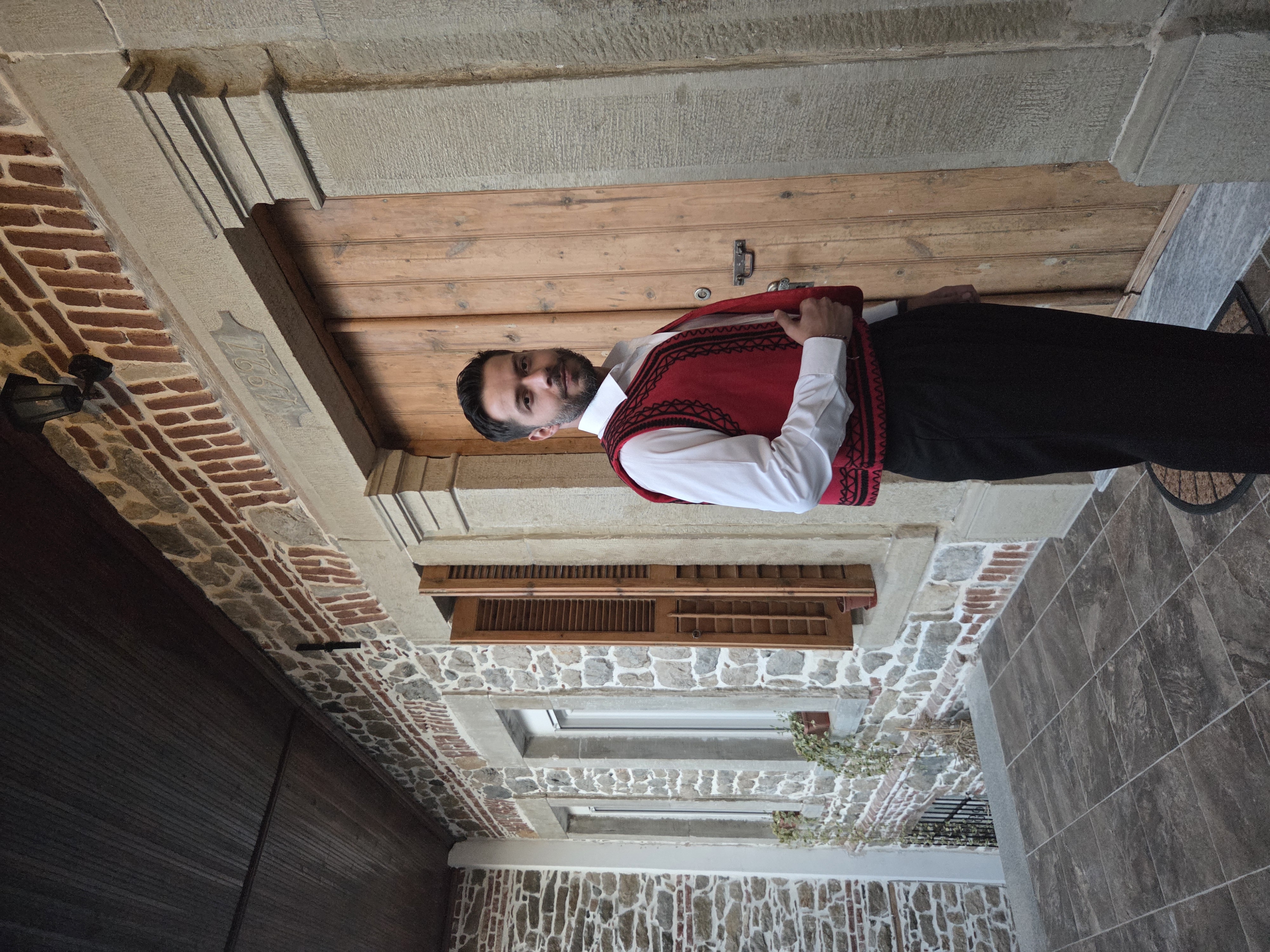
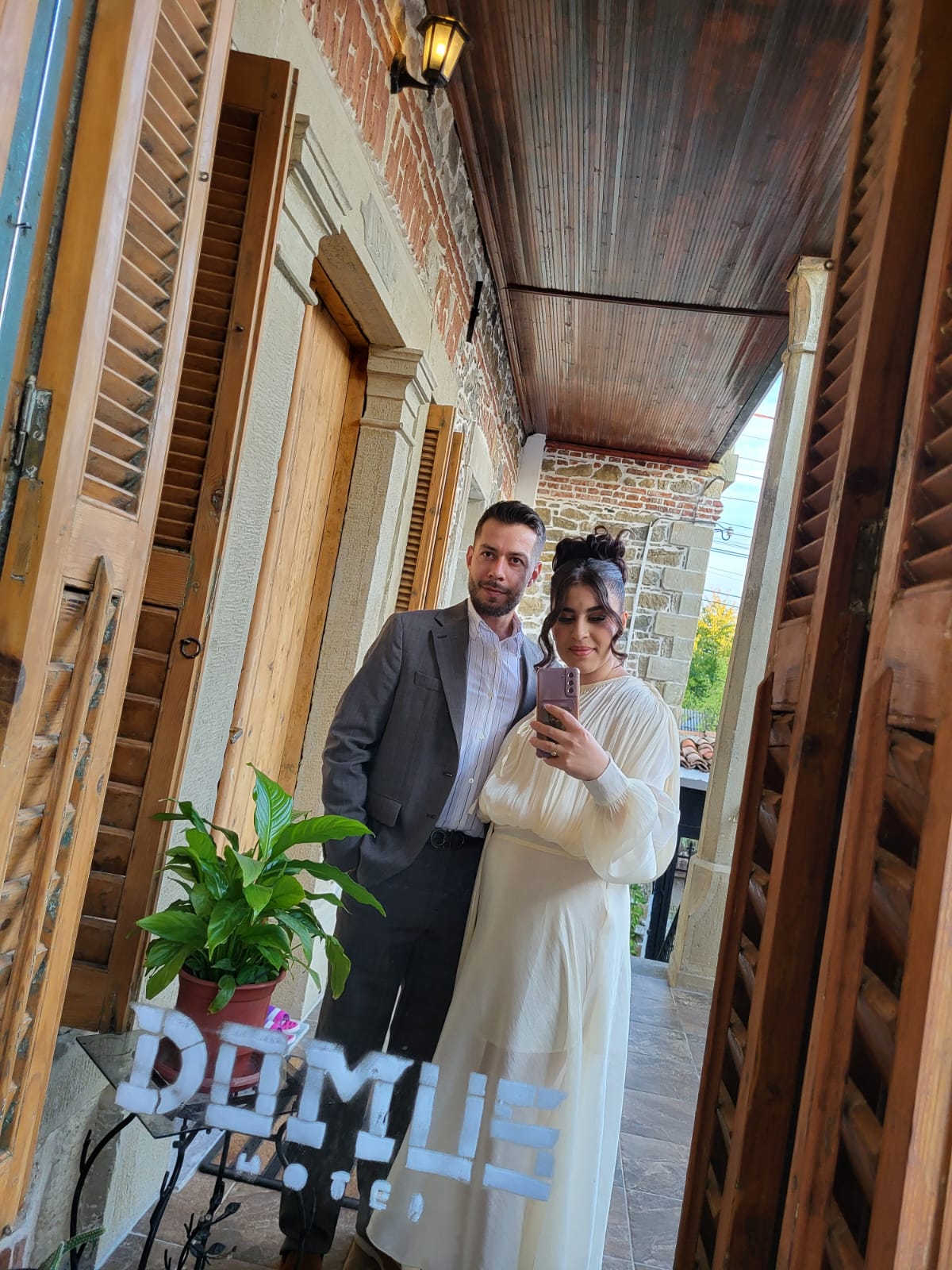
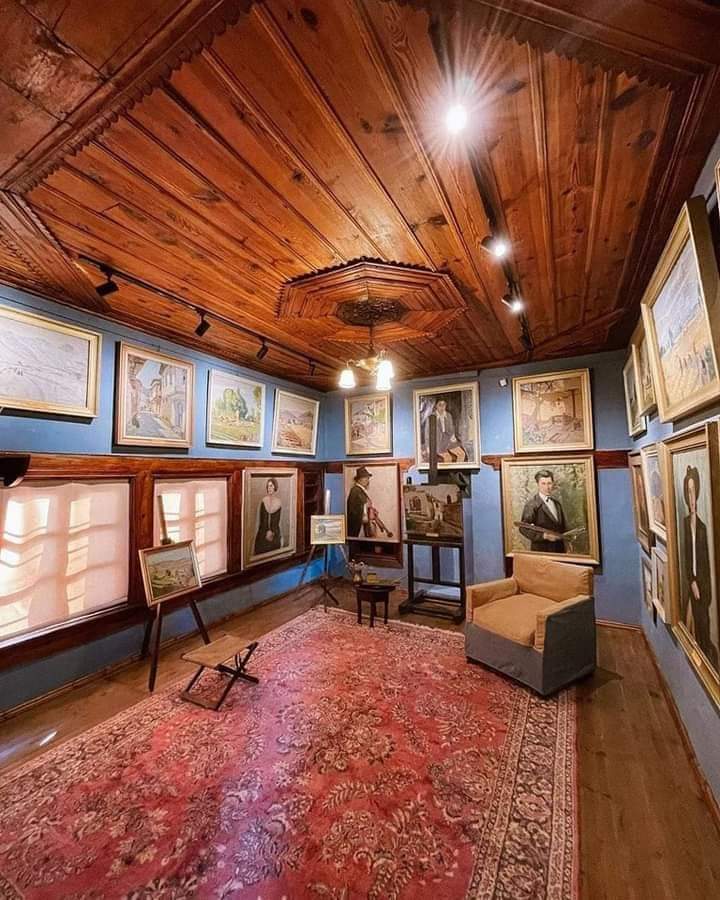
From the beginning, Domus was implemented not just as a business, but as a living cultural hub. Through the restoration and reinterpretation of local architectural elements, and the integration of art and design, it became a place that invites guests to experience Korça beyond the surface. Over time, this vision expanded through the organization of art exhibitions, cultural events, and collaborations with local artists and creatives. These activities brought the community into the space, transforming it into a meeting point for dialogue, creativity, and shared identity.
As these experiences grew, so did the realization that the impact could extend beyond a single location. The project naturally evolved into the idea of a wider network—connecting the urban cultural life of Korça with the surrounding villages, traditions, and local producers. Implementation on the ground has been organic and community-driven: building relationships, supporting local talent, and creating experiences that link hospitality with heritage.
Today, Korça Heritage Network represents the next step of this journey—scaling a proven model into a regional initiative that continues to grow from real actions, real spaces, and real people.
Heritage
Culture
Inclusion
Sustainability
Connection
The Korça Heritage Network, building on the experience of Domus Hotel, addresses sustainability in a holistic way across environmental, social, cultural, and economic dimensions.
Environmentally, the project promotes the reuse and adaptive transformation of existing heritage structures rather than new high-impact construction, reducing material waste and preserving embodied energy. It encourages responsible tourism practices that value local resources, seasonal production, and reduced environmental footprint through localized experiences.
Socially, the project strengthens community participation by actively involving local artists, artisans, cultural practitioners, and residents in exhibitions, events, and tourism activities. Domus has already functioned as a platform where the community meets, collaborates, and co-creates cultural content, fostering inclusion and social cohesion.
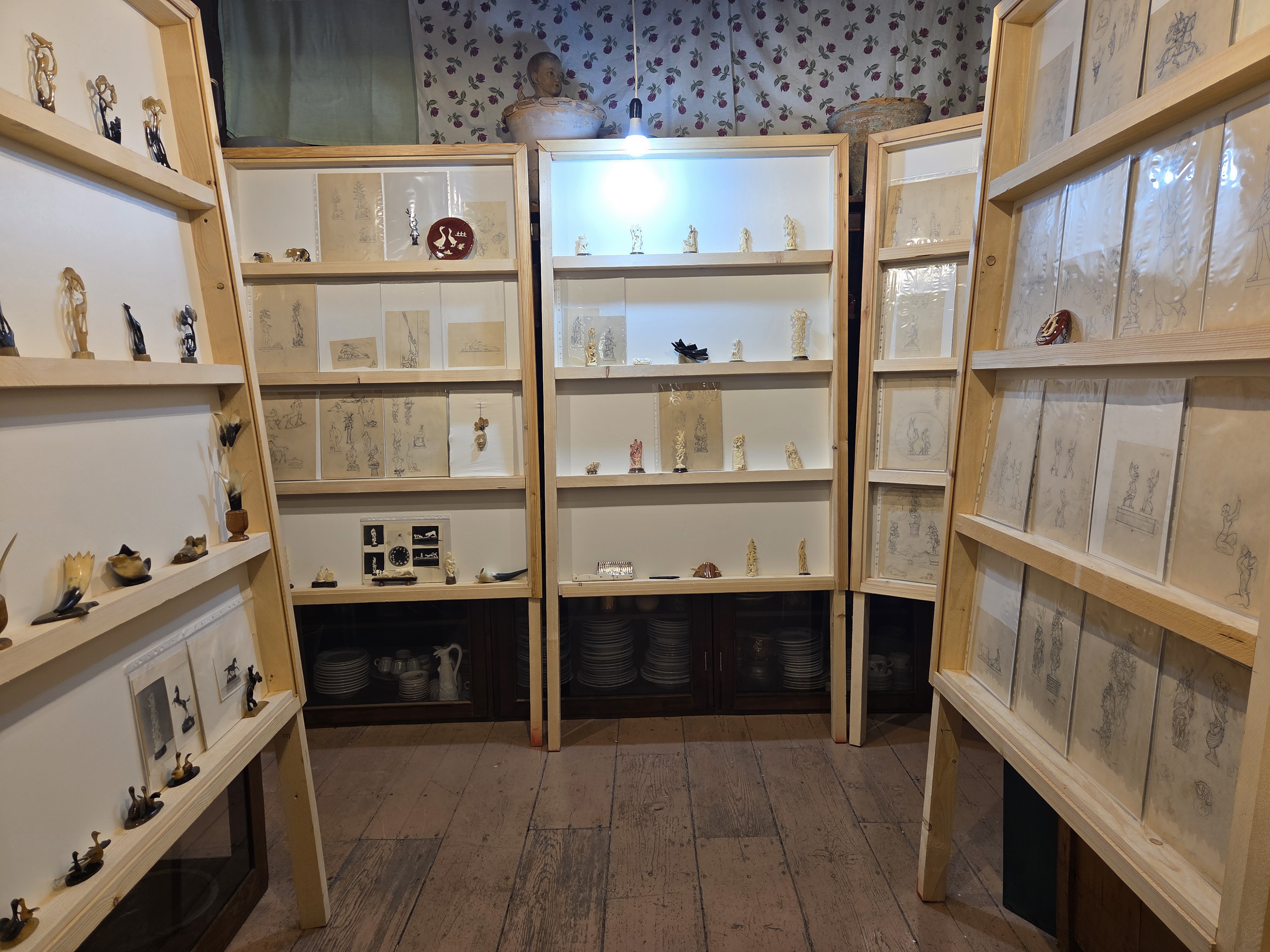
Culturally, the project safeguards and reinterprets Korça’s architectural and intangible heritage by transforming it into a living experience rather than a static asset. Through art exhibitions, storytelling, and cultural programming, heritage becomes accessible, dynamic, and relevant to both locals and visitors.
Economically, the network supports local value chains by connecting hospitality, creative industries, rural producers, and tourism services into one ecosystem. This generates diversified income opportunities, extends tourism beyond peak seasons, and strengthens the regional economy in a sustainable way.
The project is exemplary in sustainability because it does not treat it as a separate component, but as an integrated model where culture, community, and economy reinforce each other. It demonstrates how a small-scale hospitality initiative can evolve into a regional regenerative system aligned with the principles of the New European Bauhaus: beautiful, inclusive, and sustainable development rooted in place.
The Korça Heritage Network, rooted in the experience of Domus Hotel, contributes to aesthetics by transforming everyday spaces into meaningful, inspiring, and emotionally engaging environments where culture, design, and identity are continuously experienced.
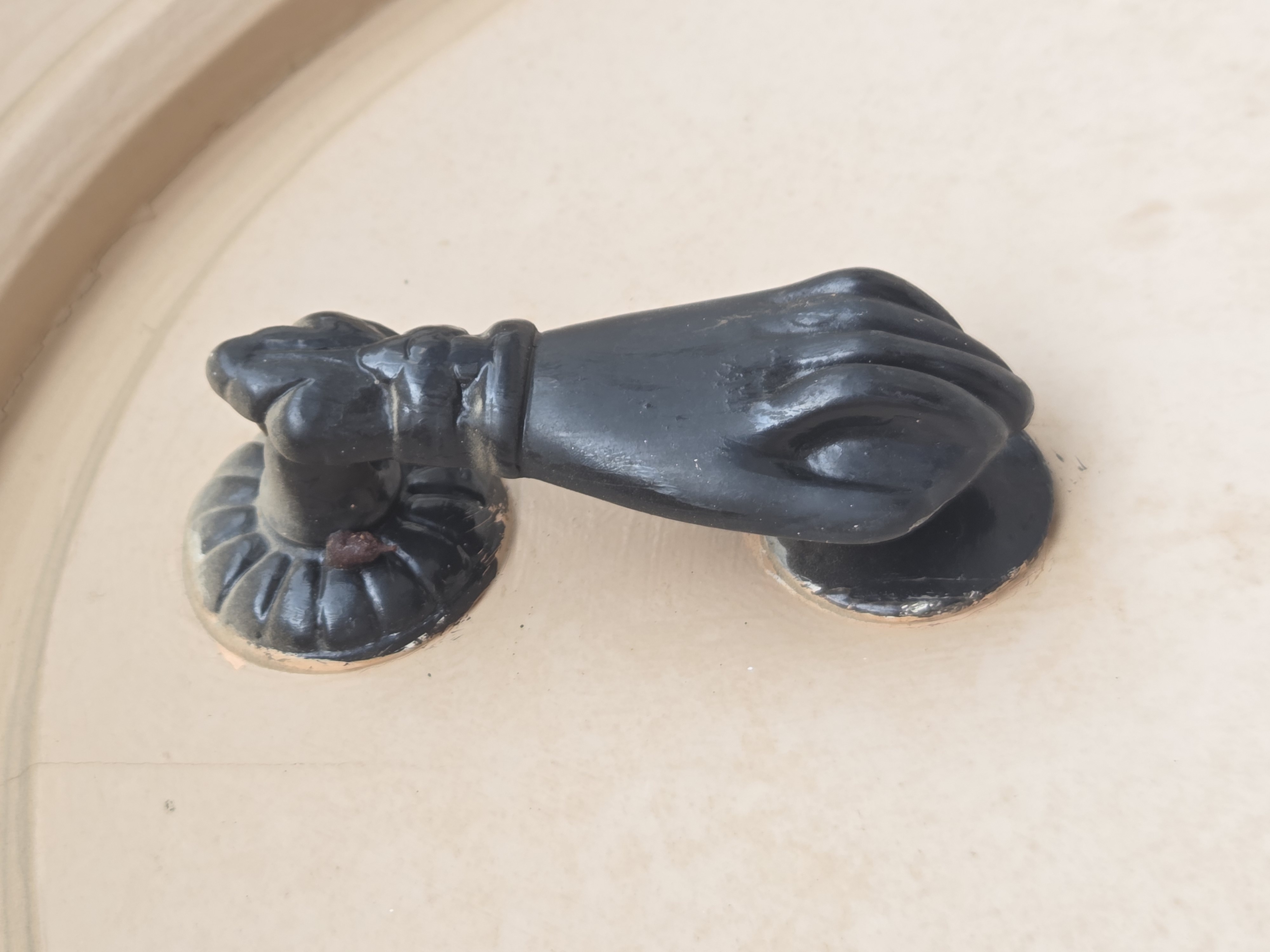
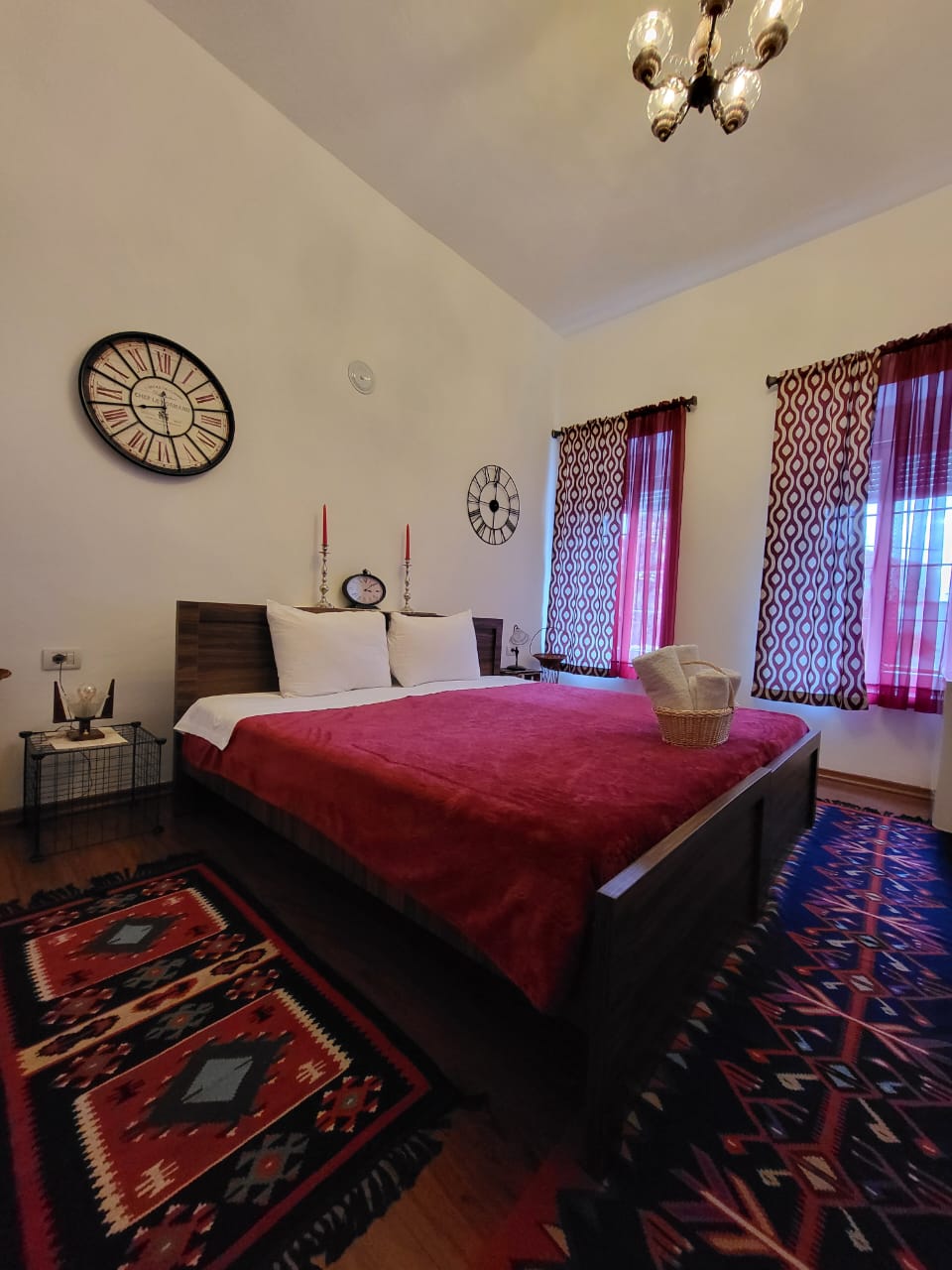
Concretely, the project enhances beauty through the careful restoration and reinterpretation of Korça’s architectural heritage, respecting local materials, proportions, and craftsmanship while integrating contemporary design elements. Domus itself has been developed as a space where aesthetics are not decorative, but experiential—where art exhibitions, cultural events, and curated interior design create a living dialogue between past and present.
Beyond the building, the project extends aesthetics into the public and community realm by activating spaces through cultural programming, exhibitions, and collaborative events. These activities bring life, color, and meaning into both urban and rural contexts, turning ordinary places into shared cultural experiences.
The project fosters a strong sense of belonging by involving local artists, artisans, and residents in shaping the visual and cultural identity of the initiative. This participatory approach ensures that aesthetics are not imposed, but co-created, reflecting the identity and memory of the community itself.
In the long term, Korça Heritage Network aims to establish a recognizable “Korça aesthetic”—a blend of heritage, simplicity, craftsmanship, and contemporary cultural expression. It becomes exemplary in aesthetics by demonstrating how beauty can be rooted in authenticity, community participation, and cultural continuity, aligning with the New European Bauhaus vision of making places not only functional and sustainable, but deeply meaningful and beautiful.
The Korça Heritage Network, developed from the experience of Domus Hotel, addresses inclusion by ensuring that culture, hospitality, and tourism are accessible and participatory for a broad range of people, not limited to visitors or specific groups.
Concretely, the project opens Domus as a cultural platform where local artists, students, community members, and cultural practitioners can freely participate in exhibitions, events, and collaborative activities. This reduces barriers between tourism spaces and local communities, transforming hospitality into a shared civic space.
In terms of accessibility and affordability, the project promotes low-threshold cultural participation by organizing public events, open exhibitions, and community-based initiatives that do not require high costs or exclusive access. It also supports collaboration with local producers and small-scale actors, ensuring that economic opportunities generated by tourism are distributed more widely across the region.
From a governance perspective, the Korça Heritage Network is built as a collaborative ecosystem rather than a closed structure. It encourages participatory cooperation between private actors, cultural organizations, artisans, and local stakeholders, fostering a more inclusive and distributed model of decision-making and cultural production.
The project is aligned with “design for all” principles by creating spaces and experiences that are welcoming, flexible, and culturally open, allowing different groups—locals, visitors, youth, and professionals—to engage in their own way and at their own level.
It is exemplary in terms of inclusion because it redefines a hospitality space as a shared cultural commons, where access to culture, creativity, and opportunity is broadened and where value is co-created with the community rather than delivered to it.
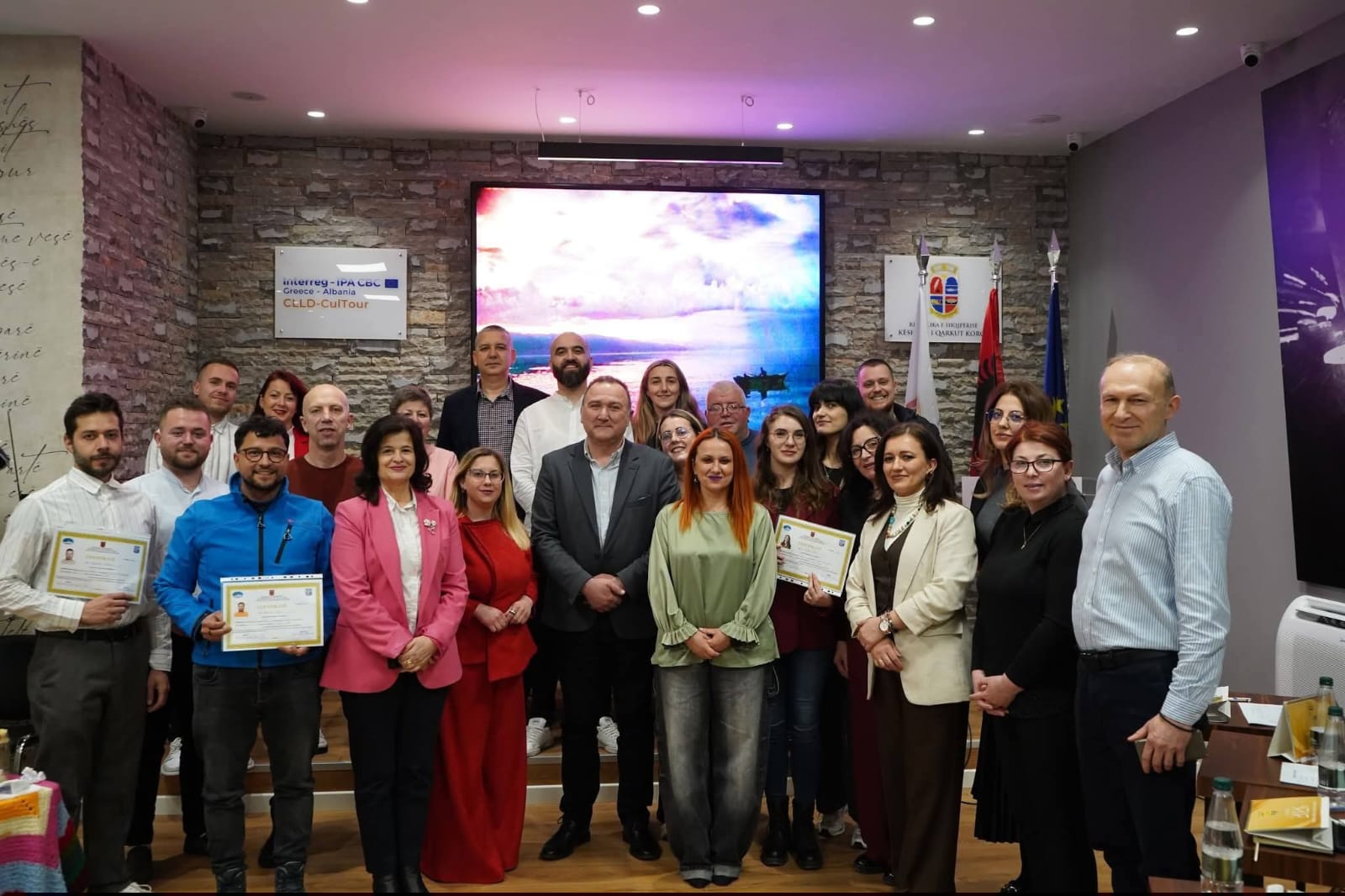
The Korça Heritage Network, emerging from the activities of Domus Hotel, has been developed through a strongly participatory approach, where citizens, local communities, and civil society actors have been actively involved in shaping and implementing the project in practice.
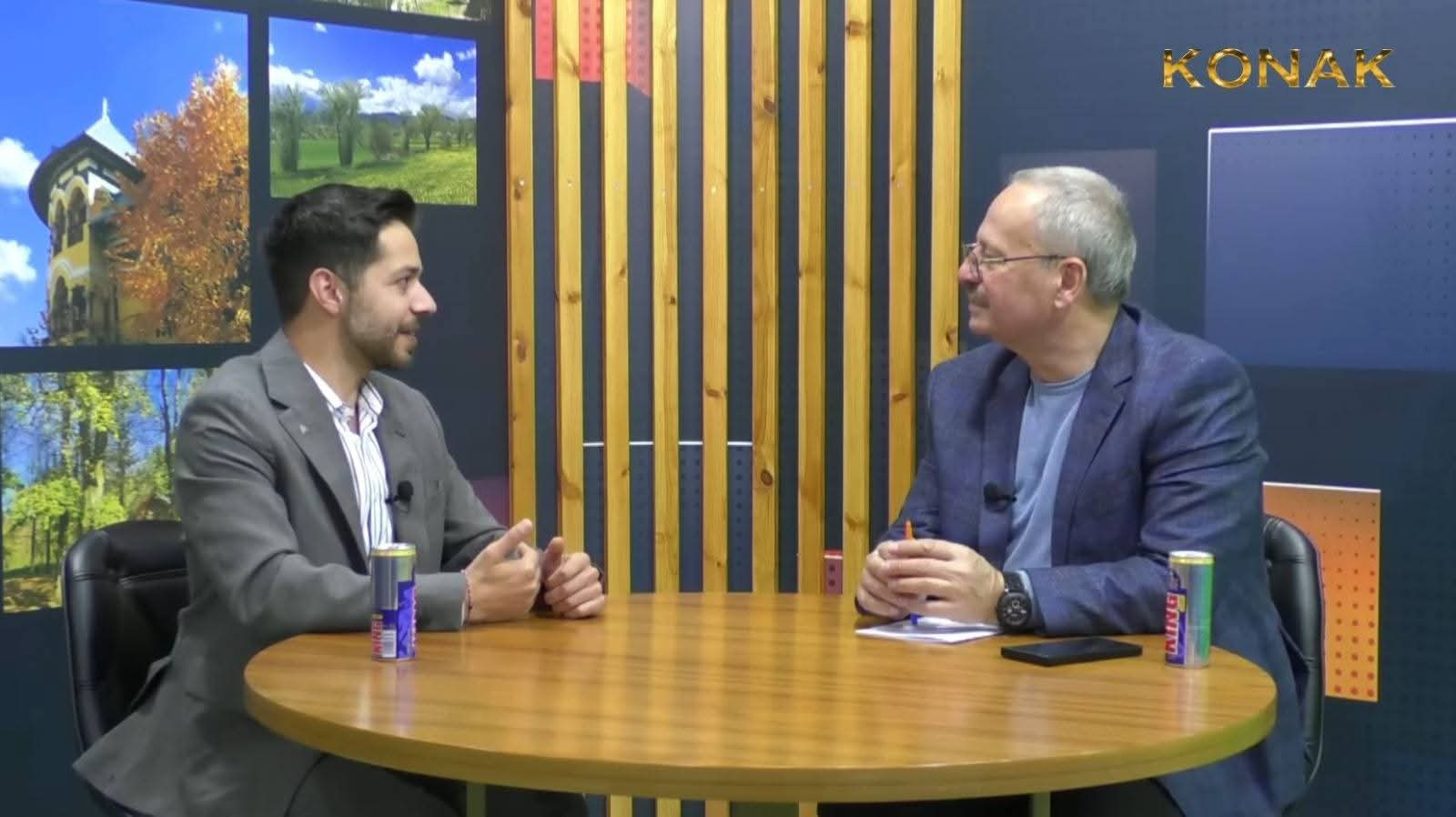
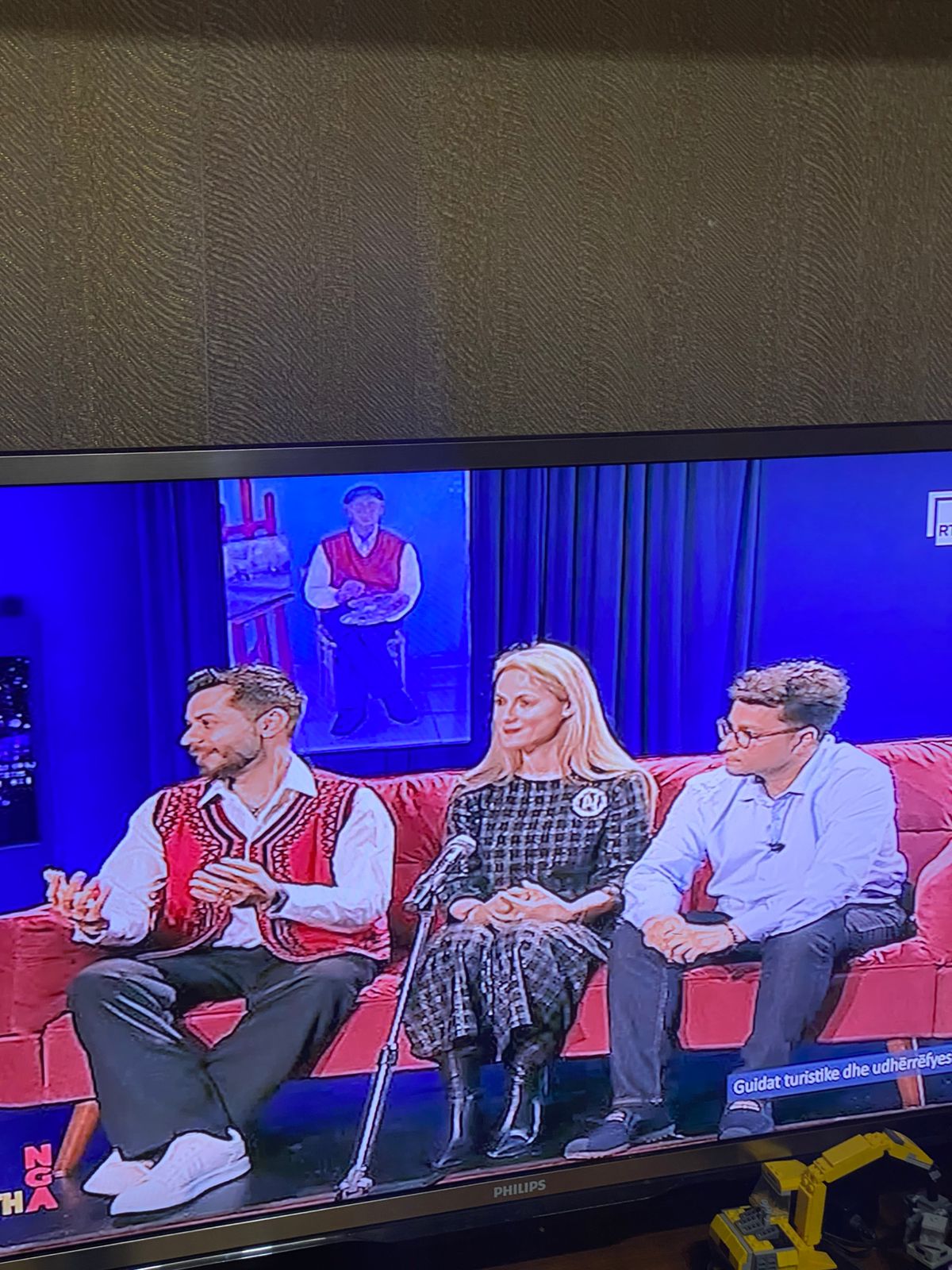
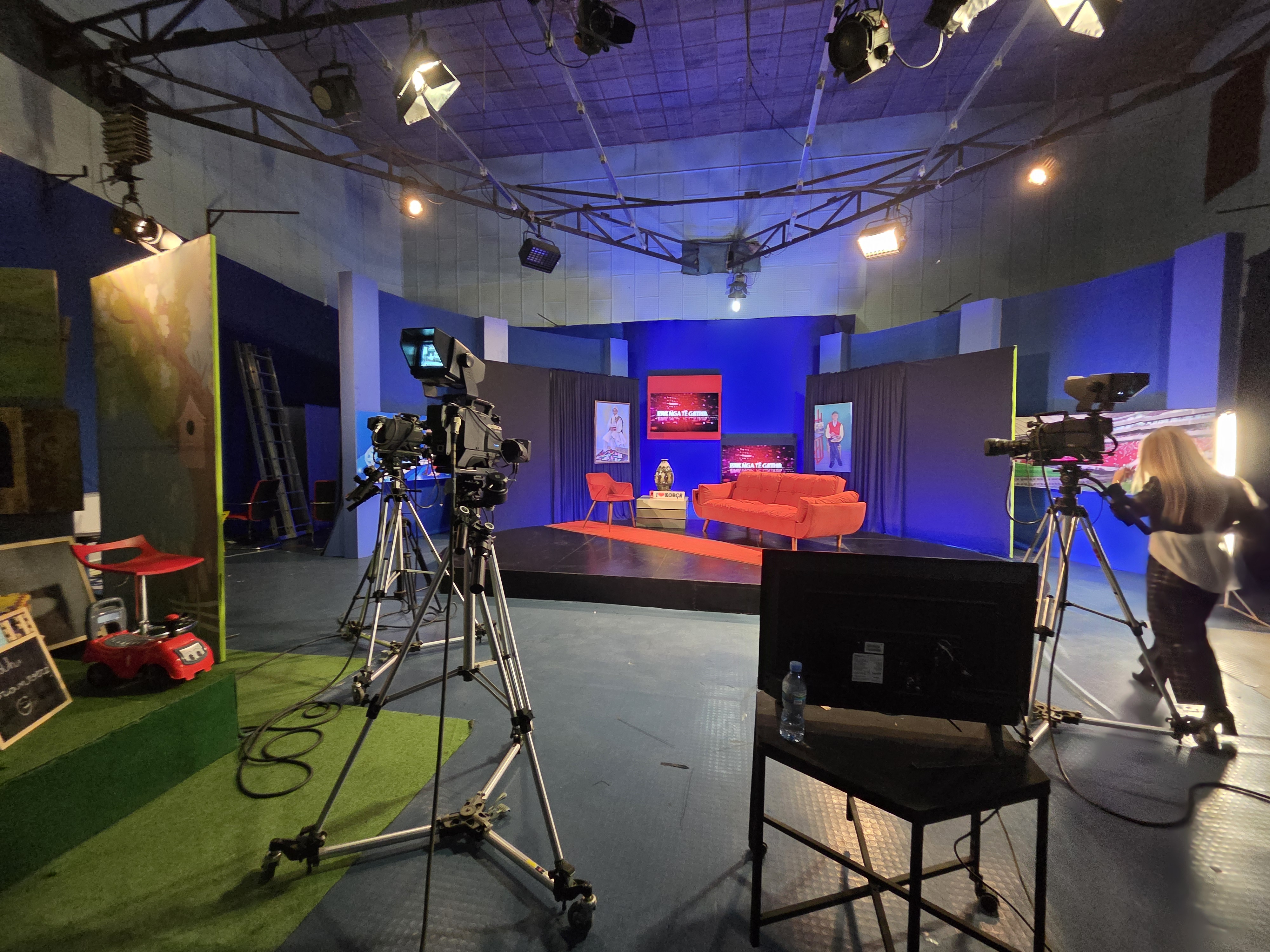
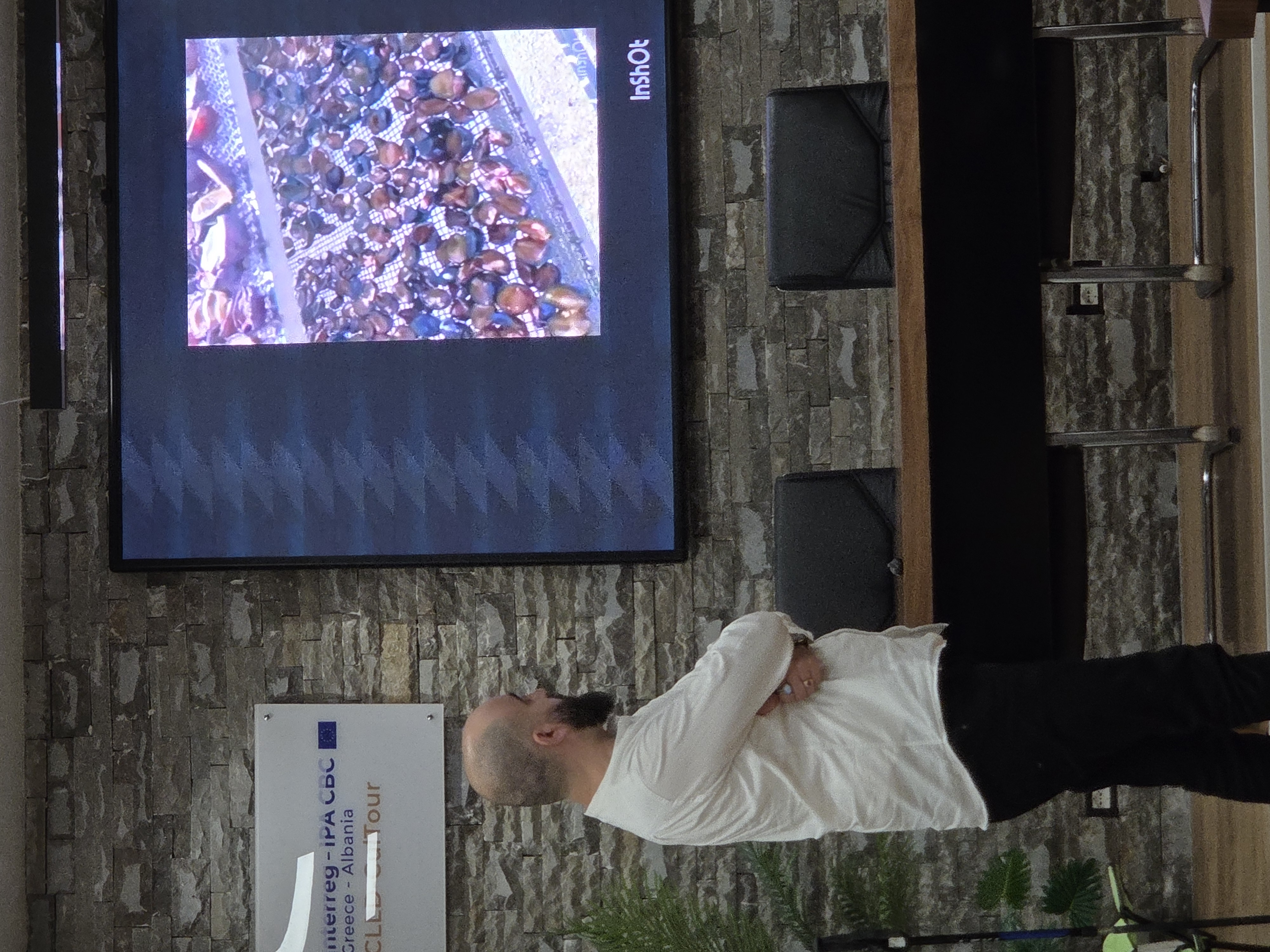
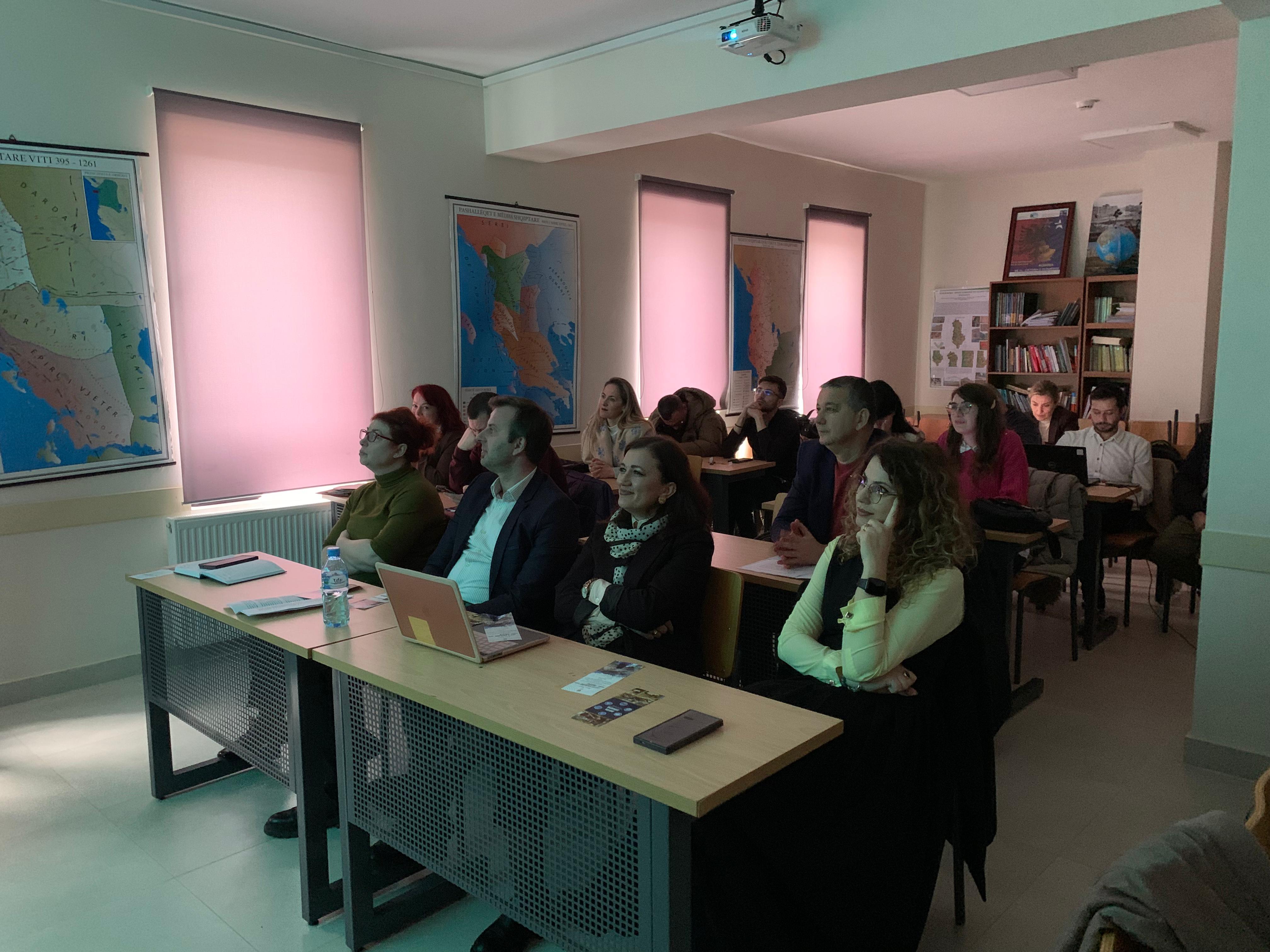
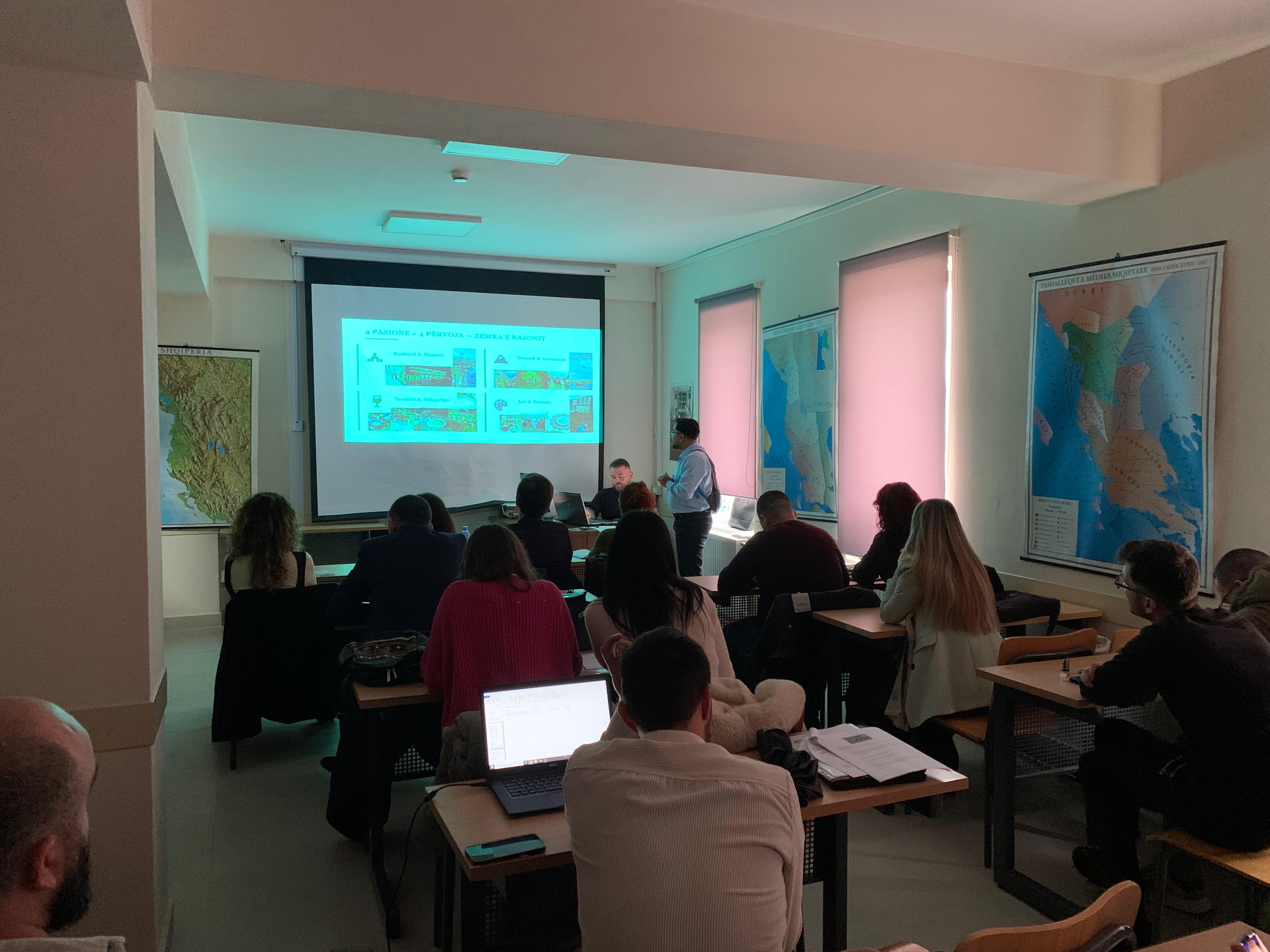
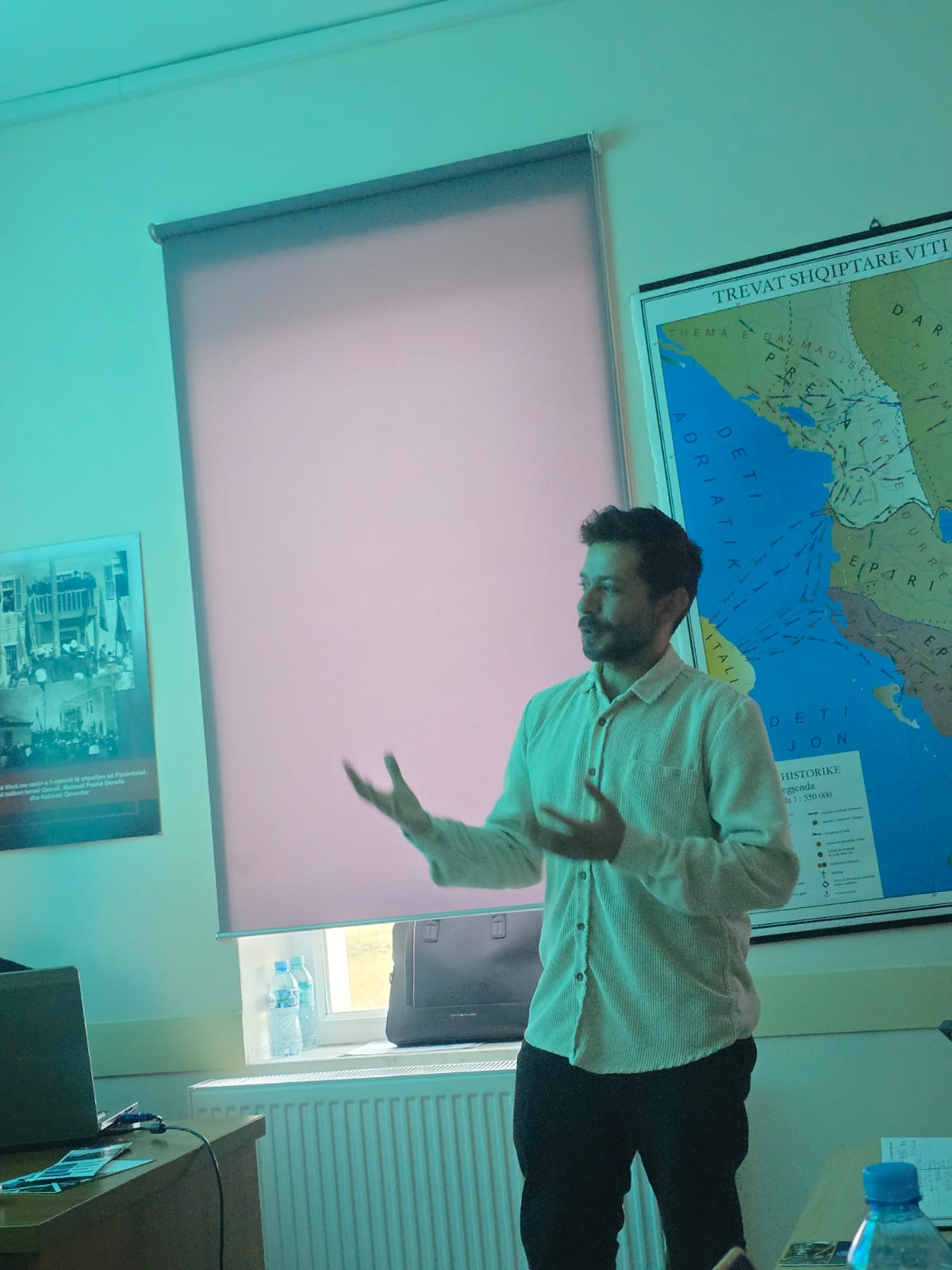
From the early stages, Domus has functioned as an open cultural space rather than a closed hospitality facility. Local artists, photographers, designers, musicians, and cultural associations have been invited to co-create exhibitions, cultural events, and storytelling activities. Their role has not been limited to participation, but extended to content creation and curatorial collaboration, allowing them to directly influence the cultural identity of the space.
Community members and local stakeholders have also contributed through informal consultations, collaborations, and attendance in public events, which have helped shape programming based on real local interests and needs. This continuous feedback loop has ensured that the project evolves organically, grounded in the expectations and cultural expression of the local community.
The impact of this participatory approach has been significant. It has strengthened trust between the hospitality sector and the local community, increased visibility for local creative talent, and transformed Domus into a shared cultural platform rather than a private initiative. It has also encouraged a sense of ownership among participants, who see the project as part of their own cultural ecosystem.
In the broader vision of the Korça Heritage Network, participation becomes a structural principle: the project is designed as an open network where citizens, creatives, and organizations are not only beneficiaries but co-authors of cultural production, tourism experiences, and regional development strategies.
The Korça Heritage Network, rooted in the experience of Domus Hotel, has developed through an emerging multilevel governance approach, progressively connecting local initiatives with regional, national, and European stakeholders in the fields of culture, tourism, and sustainable development.
At the local level, the project is driven by direct collaboration with artists, artisans, cultural practitioners, local businesses, and community members in Korça. Their involvement has been practical and hands-on, contributing to exhibitions, cultural events, and hospitality experiences. Local institutions and informal networks have played a key role in shaping content and ensuring that activities reflect the identity and needs of the community.
At the regional level, the project expands into cooperation with actors across the Korça region, including rural communities, producers, and tourism operators. This level focuses on building connections between urban cultural spaces and rural heritage, creating a shared ecosystem that supports regional development and diversification of tourism.
At the national level, the project aligns with broader cultural heritage preservation and tourism development objectives in Albania. Engagement with national cultural and tourism stakeholders supports visibility, institutional recognition, and potential integration into wider development strategies for cultural and sustainable tourism.
At the European level, the project is framed within the principles of the New European Bauhaus, connecting to EU values of sustainability, inclusion, and aesthetics. This provides a strategic framework for knowledge exchange, visibility, and alignment with European cultural and innovation networks.
The added value of this multilevel engagement lies in the ability of the project to bridge scales: local creativity is amplified through regional cooperation, national frameworks provide structure and recognition, and European principles offer vision and direction
The Korça Heritage Network, developed through the experience of Domus Hotel, is inherently transdisciplinary, integrating multiple fields of knowledge and practice to create a holistic cultural and hospitality-based development model.
At its core, the project brings together architecture and heritage conservation, through the adaptive reuse and reinterpretation of Korça’s built environment, where historical elements are preserved and integrated into contemporary hospitality spaces.
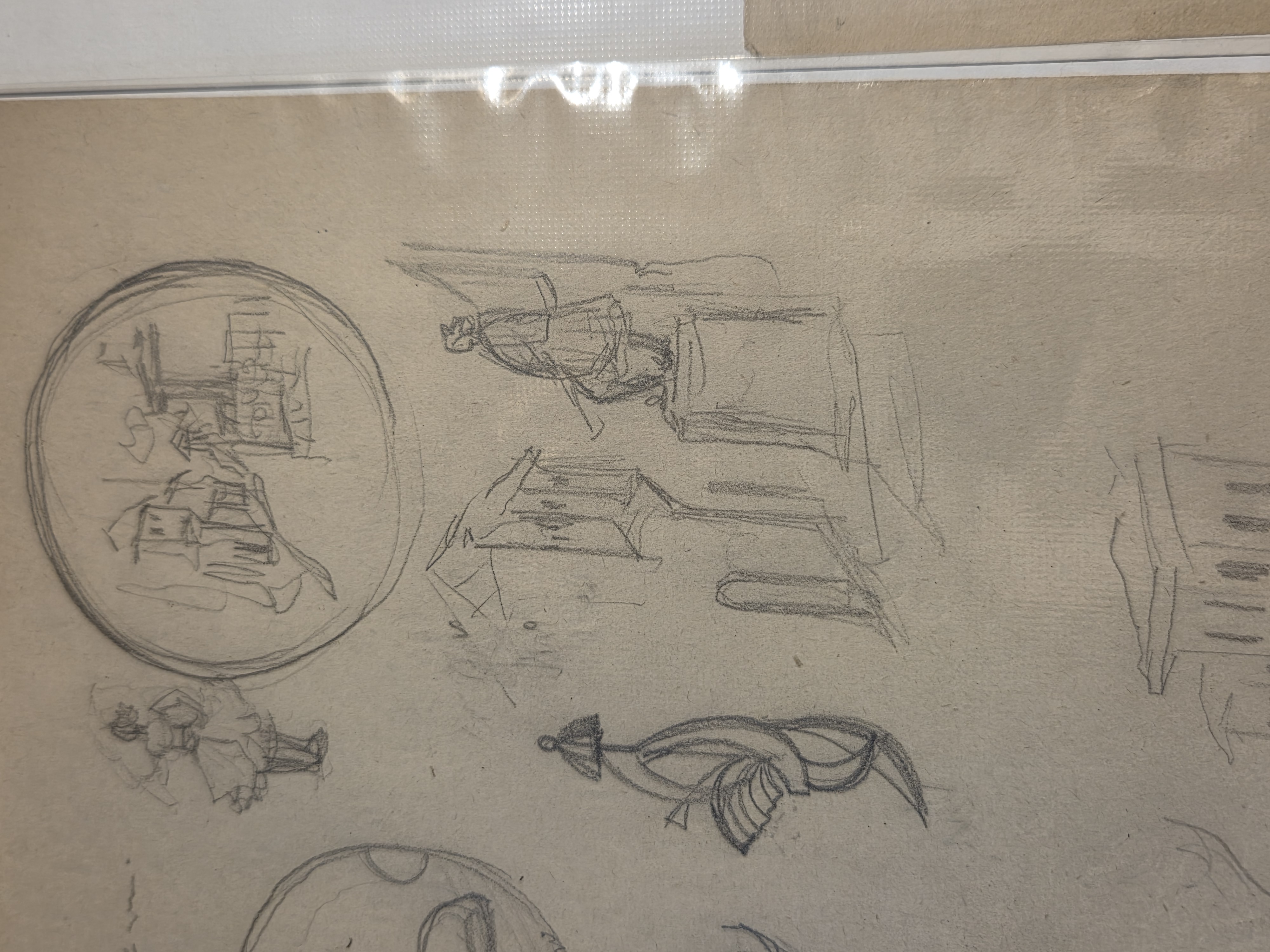
Design and visual arts play a central role in shaping the aesthetic identity of Domus and its cultural programming, including curated art exhibitions, interior design concepts, and collaborations with local artists that transform the hotel into a living cultural space.
The project also draws from cultural and social sciences, particularly anthropology and sociology, to understand local identity, community dynamics, and the role of heritage in shaping collective memory and social cohesion. This informs the participatory and community-driven approach of the initiative.
From a tourism and hospitality management perspective, the project redefines traditional hospitality models by embedding cultural experience, storytelling, and community engagement into the visitor journey, moving beyond conventional accommodation services.
The creative and cultural industries are strongly represented through collaborations with artists, photographers, musicians, designers, and cultural organizations who actively contribute to programming and content creation.
Finally, the project incorporates principles from sustainable development and regional planning, addressing economic diversification, rural-urban linkages, and the long-term resilience of the Korça region as a cultural destination.
By integrating these disciplines, the Korça Heritage Network functions as a transdisciplinary ecosystem where architecture, culture, community, and tourism intersect to generate new models of place-based development.
The Korça Heritage Network, is based on a hybrid and diversified business model that combines hospitality revenues, cultural programming, partnerships, and network-based value creation to ensure long-term financial sustainability.
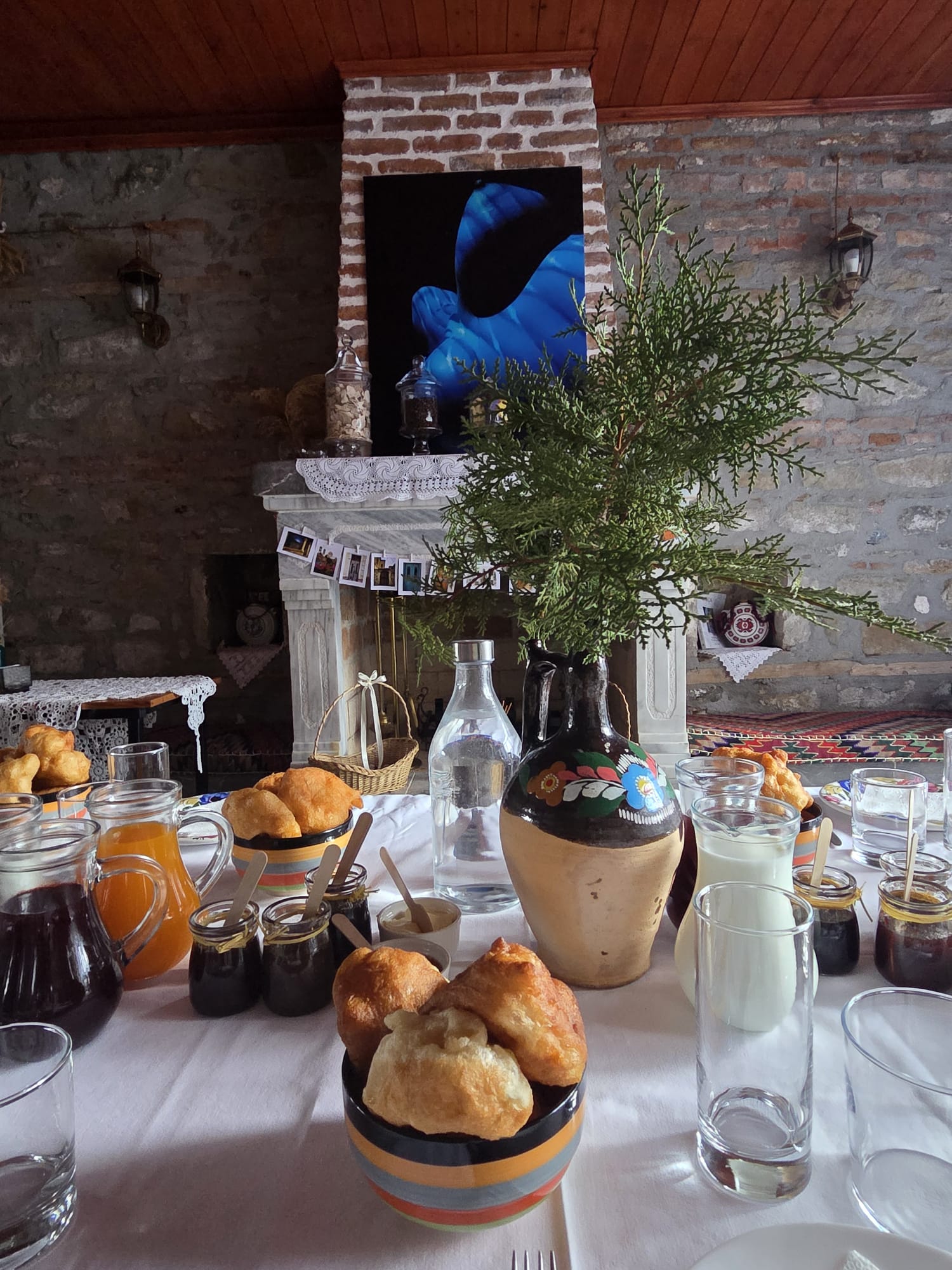
The core financial pillar is hospitality services generated by Domus Hotel, including accommodation, food & beverage, and curated guest experiences. These activities provide a stable revenue base while also serving as the physical and operational platform for cultural and creative programming.
A second revenue stream comes from cultural and experiential activities, such as art exhibitions, cultural events, guided heritage experiences, workshops, and curated tourism packages. These activities attract both international and domestic visitors seeking authentic cultural experiences and allow for value-added pricing beyond standard hospitality services.
The project also develops income through the emerging Korça Heritage Network, which connects local artisans, producers, and tourism stakeholders. This network enables co-branded experiences, regional itineraries, and collaborative tourism products that generate shared economic value across multiple actors in the region.
Additional sustainability mechanisms include strategic partnerships and public or EU-level funding opportunities, particularly aligned with cultural heritage, sustainable tourism, and New European Bauhaus initiatives. These instruments support scaling, capacity building, and cultural programming expansion.
In the longer term, the model may also integrate membership structures, sponsorships, and collaborative funding schemes, where cultural organizations, businesses, and institutions contribute to sustaining shared cultural infrastructure and programming.
Overall, the project is financially sustainable because it does not rely on a single income source. Instead, it operates as a multi-layered ecosystem where hospitality, culture and regional cooperation reinforce each other.
This project is designed as a scalable and transferable model that can be adapted to other cities and regions with similar cultural and territorial characteristics. One of the most replicable elements is the methodology of transforming hospitality spaces into cultural platforms. The Domus model demonstrates how a boutique hotel can evolve beyond accommodation into a living cultural hub integrating exhibitions, events, and community engagement. This approach can be applied in other heritage-rich towns where underused cultural assets can be activated through hospitality.
A second transferable component is the network-based approach to regional development, which connects urban cultural centers with rural communities, artisans, and producers. This model can be replicated in other regions to strengthen local value chains, diversify tourism offerings, and ensure more inclusive economic participation.
The project’s participatory programming framework is also highly scalable. The practice of involving local artists, creatives, and civil society in co-curating cultural content can be adapted in different contexts to foster community ownership and strengthen cultural identity. In addition, the cultural programming model—combining exhibitions, storytelling, workshops, and experiential tourism—can be easily transferred as a toolkit for destinations seeking to enhance their cultural attractiveness without requiring large infrastructure investments. The project offers a replicable governance and collaboration model, where private initiatives, local communities, and institutional stakeholders cooperate within a flexible, network-based structure rather than a rigid institutional framework.
Overall, the scalability of the Korça Heritage Network lies not in a single physical product, but in a set of principles, tools, and practices that can be adapted to different territorial contexts: activating heritage, empowering communities and integrating culture into sustainable tourism.