Strengthening Local Democracy and Inclusion
Ukrainian Voices: European Dialogue
{Empty}
A transnational series of dialogues by Women Leaders for Ukraine connecting Ukrainian women leaders, diaspora communities, and European decision-makers. Through high-level events across Europe, the project strengthens social cohesion, amplifies Ukrainian voices, and builds inclusive, democratic connections that support Ukraine’s future and Europe’s resilience.
Ukraine
National
Mainly urban
It involves other types of transformations (soft investment)
Yes
2025-10-01
No
No
No
Organisation
Since 2022, millions of Ukrainians have been forced to leave their homes. Beyond displacement lies a quieter risk: losing the connection between people, institutions, and the future of Ukraine itself.
Women Leaders for Ukraine was created to respond to this rupture. Our aim is to ensure that those most affected—especially Ukrainian women leaders—are not excluded from shaping Europe’s democratic future, but actively contribute to it. In 2023, we launched a transnational series of dialogues on social cohesion, democracy, and inclusive leadership.
We engage Ukrainian women leaders, displaced communities, diaspora networks, policymakers, civil society, and academic institutions across Europe—creating spaces where lived experience meets decision-making. Our goals are to bring Ukrainian expertise into European debates, strengthen trust between host societies and displaced communities, elevate women’s leadership, and maintain ties that make future return possible.
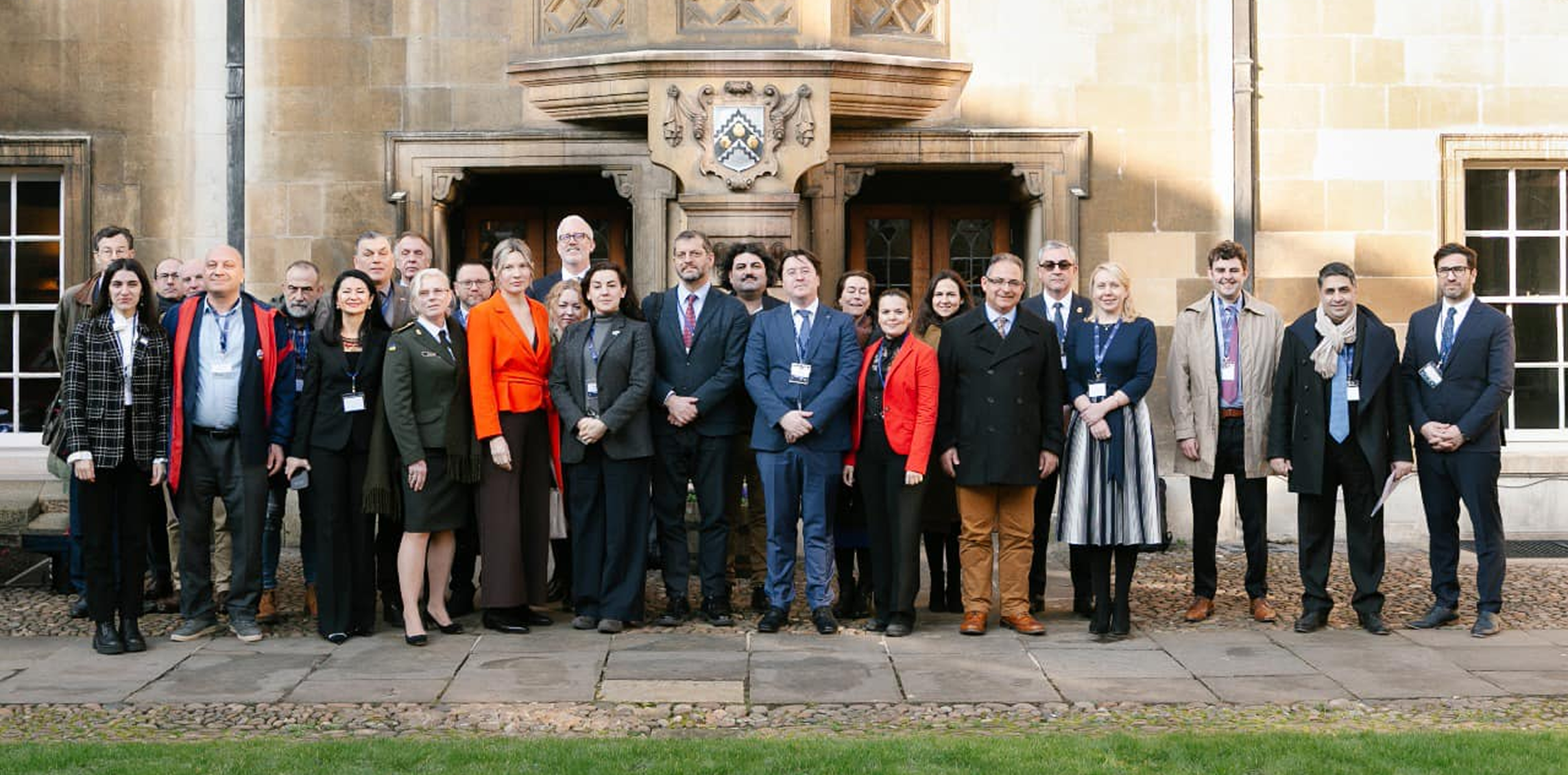
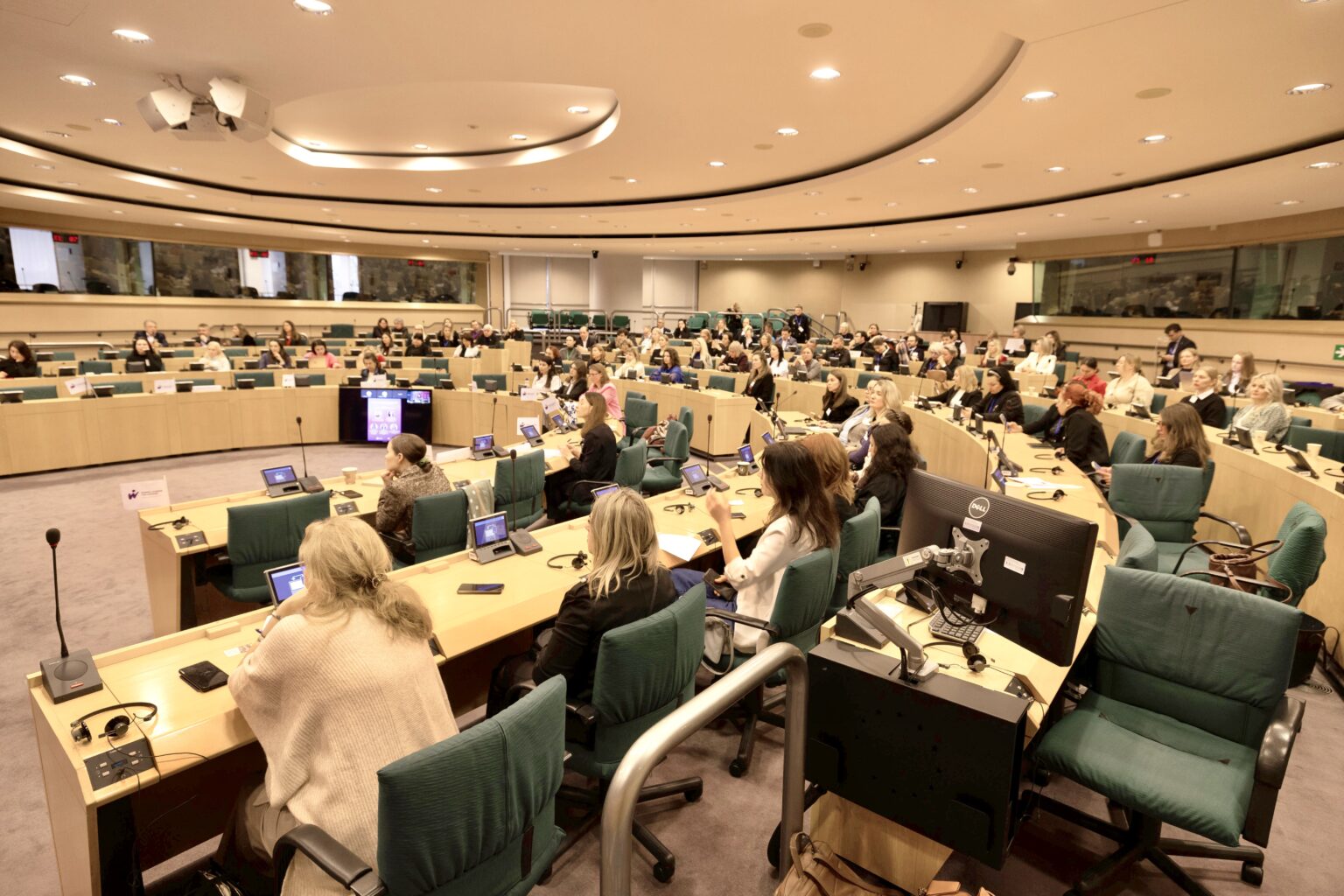
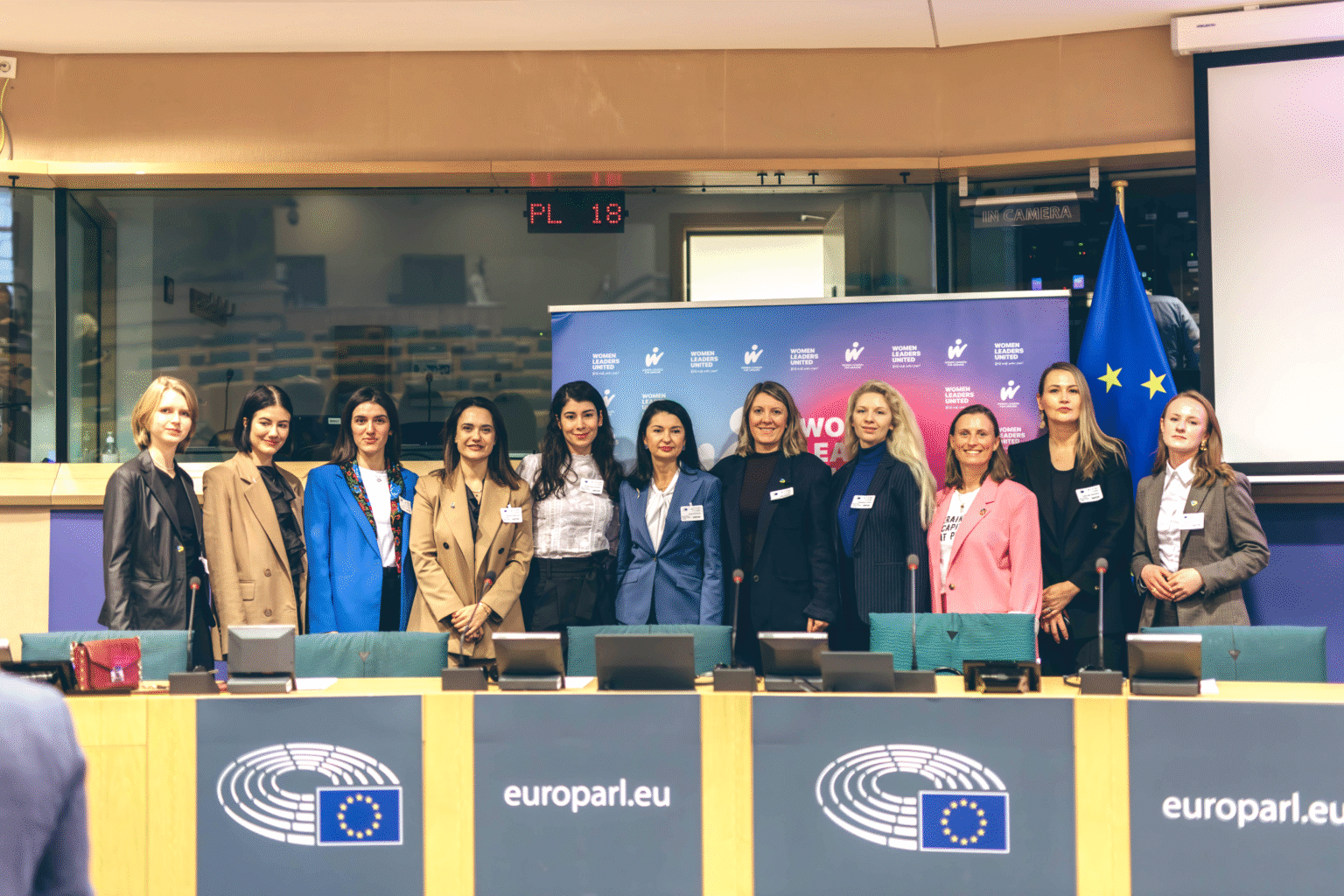
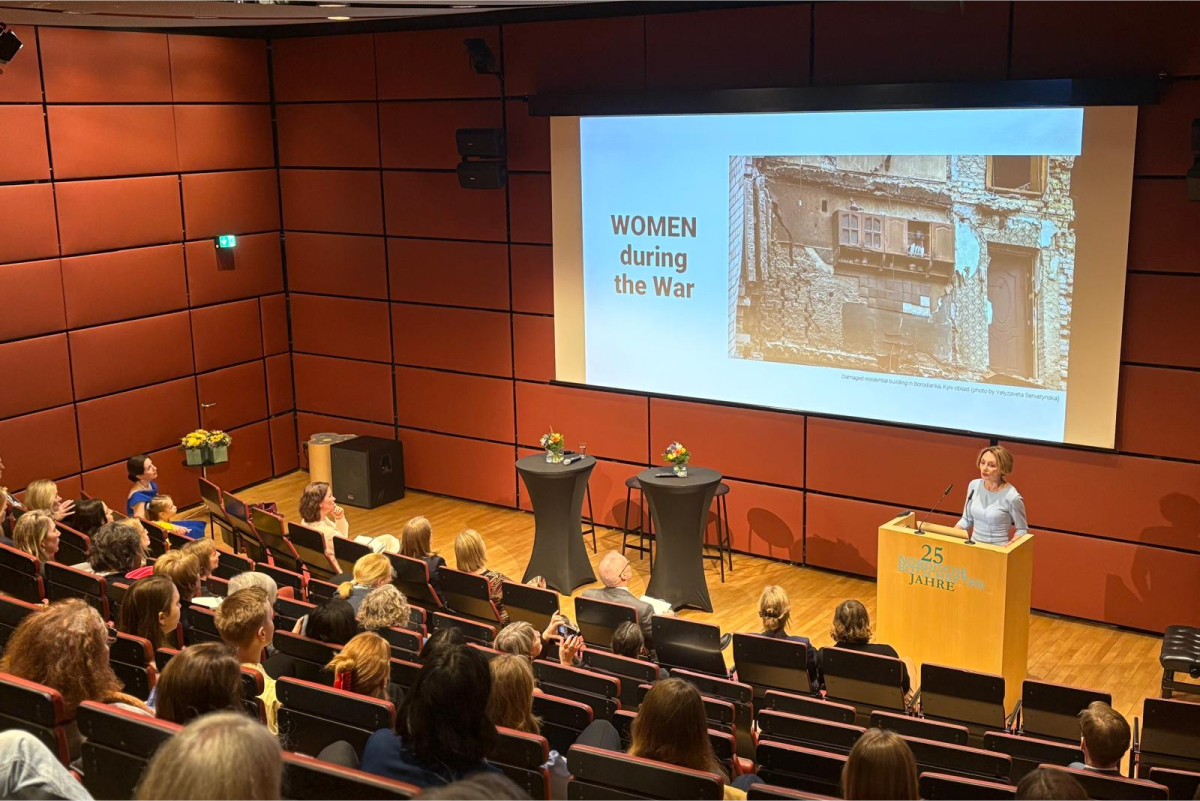
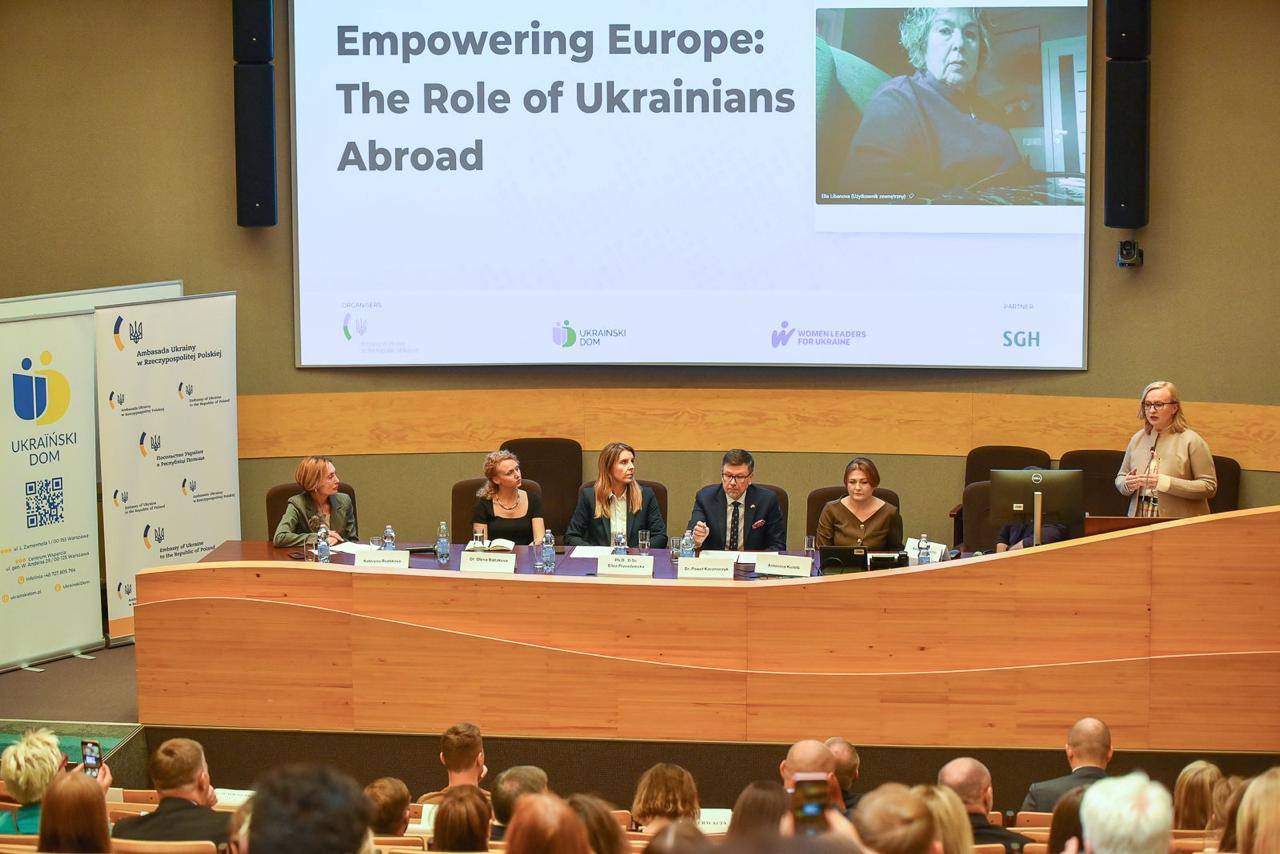
In 2024–2025, we delivered high-level dialogues in The Hague, Berlin, Warsaw, Brussels (European Parliament), and Oxford/Cambridge, engaging participants 300+ participants from over 17 countries. These gatherings brought together ministers, ambassadors, Nobel Peace Prize laureates, experts, and community leaders, resulting in new partnerships, continued collaboration, and increased visibility of Ukrainian leadership in discussions on accountability, migration, and recovery.
As Nobel Peace Prize laureate Oleksandra Matviichuk noted: “Women pay the highest price simply for the chance to raise their children in a peaceful and democratic Ukraine. That is why they must be properly represented in all political discussions about our future.”
Today, the project goes beyond events. It reconnects communities, builds trust, and ensures that displacement does not become permanent exclusion—helping create conditions for return and for rebuilding a democratic Ukraine.
The project emerged in 2022 from a clear gap: while Europe was actively discussing Ukraine’s future, the voices of those most affected—especially women leaders—were largely absent. We set out to change not only the content of the conversation, but how and by whom it is shaped.
From the outset, the project was built collaboratively. The core team worked with embassies, universities, civil society organisations, and local institutional partners in each host country. Decision-making was shared: partners co-defined themes, formats, and participants to ensure relevance to both local and European contexts. Participants were engaged as contributors, not passive audiences.
Implementation followed several phases. Research and consultations identified key topics and stakeholders across countries. This informed a co-design phase, where each dialogue was adapted to its local context. The implementation phase delivered high-level events with interactive formats. Evaluation focused on feedback, follow-up collaborations, and the continuity of networks.
The project combined stakeholder consultations, expert panels, moderated discussions, and participatory dialogue sessions. These formats enabled direct exchange between policymakers, professionals, and community representatives. Cross-sector collaboration—bringing together policy, academia, media, and civil society—was central to the approach.
This methodology supported the project’s objectives by opening traditionally closed spaces to diverse perspectives, strengthening networks, and enabling ongoing cooperation beyond individual events.
Rather than a one-off initiative, the project functions as an evolving platform where ideas are tested through dialogue, relationships are built in practice, and collaboration continues beyond each event.
Social cohesion
Democratic participation
Women’s leadership
Transnational dialogue
Inclusion
The project contributes to sustainability by strengthening social and democratic resilience across Europe. Its core objective is to support long-term stability by fostering inclusive dialogue, strengthening institutions, and promoting cooperation between communities.
As noted by Olena Tregub, Secretary General of NAKO: “Ukraine resists Russian aggression thanks to a cohesive and equal society. The absence of rigid hierarchies and gender bias unites us and allows us to act quickly.”
Implementation focuses on creating platforms where policymakers, experts, and communities address key challenges such as migration, social integration, accountability, and post-war recovery. By connecting Ukrainian and international stakeholders, the project supports knowledge exchange and builds capacity for sustainable decision-making.
Concrete actions include organising transnational events, facilitating cross-sector partnerships, and integrating Ukrainian experience into European discussions on democracy and resilience.
Results demonstrate growing networks, increased visibility of Ukrainian leadership, and the establishment of long-term collaborations between institutions and communities. Events have engaged diverse audiences across multiple countries, contributing to sustained dialogue beyond individual activities.
The project is exemplary in its approach to sustainability as it shifts the focus from short-term interventions to long-term systemic impact. By positioning Ukraine not only as a beneficiary but as a contributor to European resilience, it creates a durable model for strengthening democratic ecosystems across borders.
The project enhances the quality of social and cultural spaces by creating meaningful, human-centered environments for dialogue, reflection, and connection.
Aesthetic objectives focus on transforming institutional and public spaces such as embassies, universities, and international forums into inclusive and engaging environments where complex topics can be explored through respectful and emotionally resonant exchange.
It combines thoughtful curation of venues, storytelling, and dialogue formats that prioritise clarity, dignity, and human experience. Events are designed as experiences that foster empathy, trust, and a sense of shared purpose.
The quality of experience is reflected in the atmosphere of openness and engagement, where participants feel encouraged to contribute, reflect, and connect. The format stimulates intellectual and emotional engagement, contributing to well-being and a sense of belonging.
Culturally, the project highlights Ukrainian identity, resilience, and values as part of the broader European narrative, strengthening cultural understanding and connection.
Its exemplary character lies in redefining aesthetics beyond visual design, focusing on the beauty of meaningful interaction, respectful dialogue, and the creation of spaces where people feel seen, heard, and connected.
Inclusion is at the core of the project, aiming to integrate diverse voices into decision-making processes and public discourse.
The project promotes social, cultural, and governance inclusion by engaging women leaders, diaspora communities, and international stakeholders across sectors.
It includes open and accessible event formats, diverse speaker representation, and partnerships with local organisations to ensure broad participation. Interactive discussions allow participants to actively contribute their perspectives and experiences.
As a result we see increased visibility of Ukrainian voices, stronger connections between communities, and the creation of inclusive networks that extend beyond individual events.
The project is exemplary in its inclusive approach by bridging gaps between local and international communities, policymakers and citizens, and different professional sectors. It promotes a model of participatory democracy where diverse perspectives are not only included but actively shape outcomes.
The project actively involves participants as contributors rather than passive audiences.
Citizens, diaspora communities, civil society organisations, and professionals are engaged at all stages from co-design to implementation and evaluation. Local partners help us to shape topics and formats to ensure relevance.
Participation is enabled through interactive discussions, open dialogue sessions, and networking formats that encourage exchange of ideas and collaborative problem-solving.
Participants influence both the content and outcomes of events by sharing experiences, proposing solutions, and forming partnerships. This has led to follow-up initiatives, strengthened networks, and continued engagement.
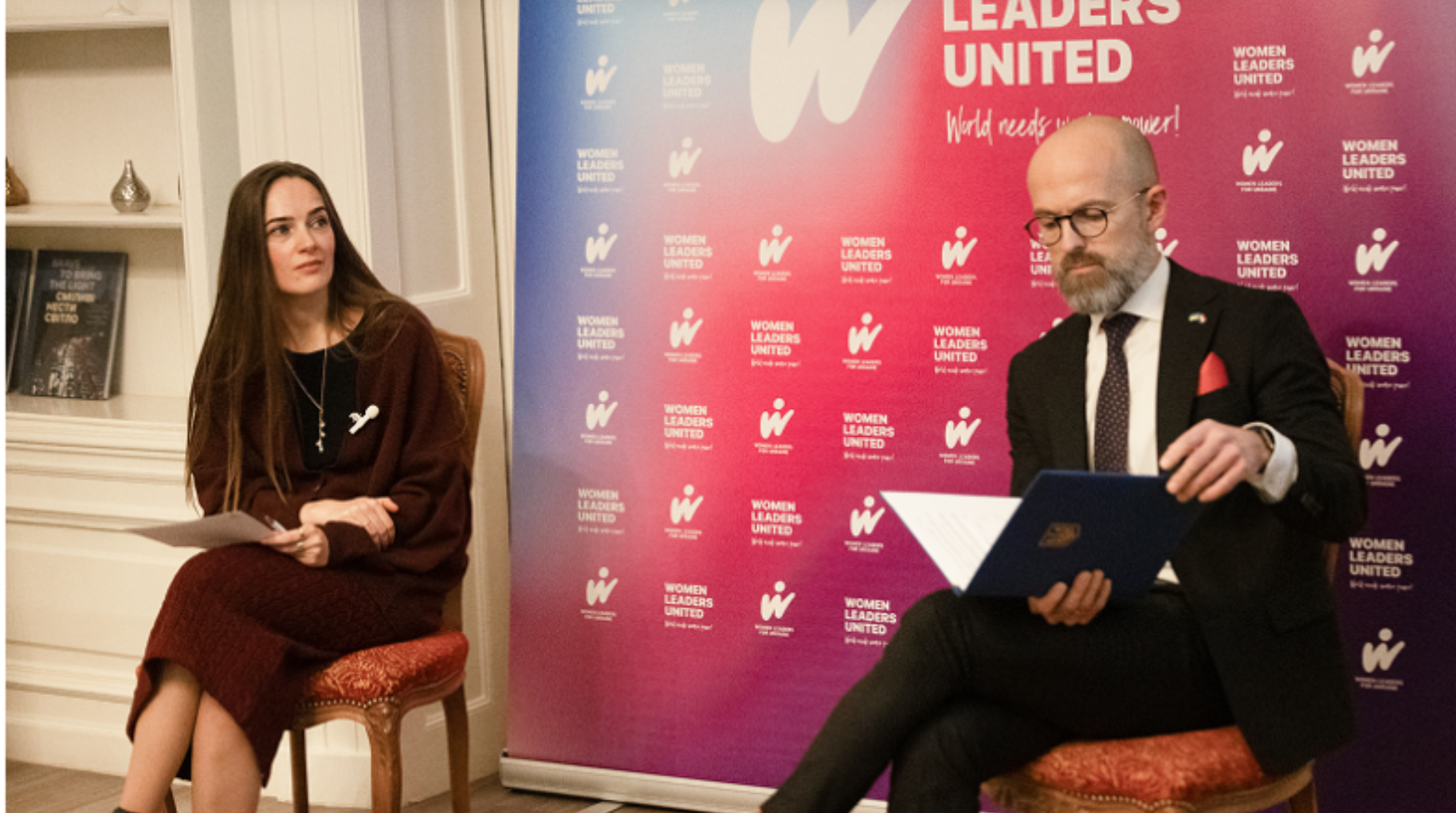
The project was designed as a multi-level platform connecting local realities with European and international decision-making. This was achieved through engagement with institutions such as the European Parliament during Gender Equality Week, as well as diplomatic platforms including events hosted at the Embassies of Ukraine in The Hague and Poland, and partnerships with policy and academic actors in Berlin and Oxford.
Stakeholders operated across several governance levels. At the European level, institutions such as the European Parliament and international networks contributed visibility, policy relevance, and access to high-level audiences. At the national level, ministries and embassies supported coordination, diplomatic engagement, and alignment with national priorities. At the local level, universities, think tanks, and civil society organisations co-hosted events, shaped agendas, and ensured connection to local communities.
Each level had a distinct role: European actors provided legitimacy and policy reach; national institutions enabled diplomatic access; local partners grounded discussions and ensured broad participation. Civil society organisations contributed expertise and inclusiveness.
Cooperation was organised through partnerships with host institutions in each city, including the European Parliament (Belgium), SGH Warsaw School of Economics (Poland), and the Embassy of Finland in Berlin in cooperation with the Embassy of Ukraine in Germany. This created a shared framework of common themes while allowing flexibility to adapt to local contexts.
The added value of this multi-level engagement was significant. It connected grassroots perspectives with policy processes, strengthened legitimacy across countries, and ensured alignment with European priorities. It also made the model scalable and transferable, enabling expansion while maintaining relevance and impact.
The project was built on the understanding that the challenges it addresses, such as war, displacement, and democratic resilience, cannot be approached from a single discipline.
It brought together expertise from public policy, human rights, economics, gender studies, migration, diplomacy, media, and education. Representatives of these fields interacted directly through curated discussions and shared platforms, where different perspectives were heard and listened to.
Collaboration was organised through interdisciplinary dialogue formats rather than siloed contributions. For example, in the European Parliament event, policymakers, human rights advocates, economists, and diaspora representatives participated in a single moderated discussion, jointly addressing issues of migration, accountability, and recovery instead of presenting isolated expert perspectives.
Experts, policymakers, journalists, and civil society leaders participated in joint discussions, co-shaping narratives and solutions in real time. The structure encouraged exchange between formal expertise and lived experience, ensuring that non-academic and community perspectives informed the conversation alongside institutional knowledge.
This approach allowed different viewpoints to intersect and challenge each other, leading to more nuanced and applicable insights. It moved beyond parallel expertise toward integrated understanding.
The added value of this transdisciplinary model was its ability to generate more comprehensive and actionable outcomes. It strengthened problem-solving by linking policy, practice, and lived realities, and increased the project’s impact by ensuring that discussions translated into relevant, cross-sectoral cooperation beyond the events themselves.
The initiative was financed through volunteer contributions of the Women Leaders for Ukraine community and in-kind contributions of partner organizations. A model where participants are motivated to contribute their resources to ensure voices and partner organisations on the ground have provided venues, logistical support, and access to networks.
While the project does not primarily operate as a revenue-generating initiative, it has potential for financial sustainability through partnerships, sponsorships, and paid collaborations with institutions interested in hosting events or programmes.
Costs include event production, coordination, communications, and speaker engagement, shared between organisers and partners.
The scalable format allows efficient use of resources while expanding impact, making the model sustainable over time.
The project has high potential for transferability due to its flexible and replicable format. The model of combining high-level expertise, community engagement, and cross-sector dialogue can be adapted to different cities and contexts.
Key transferable elements include:
• modular event structure
• partnership model with local institutions
• thematic framework linking local and European issues
Replication requires collaboration with local partners and access to expert networks, which are central to the project’s success.
The initiative can serve as a model for strengthening democratic dialogue, social cohesion, and inclusive leadership across Europe.