Strengthening Local Democracy and Inclusion
From Fear to Understanding
From Fear to Understanding: Learning Inclusion Through Nature and Human Connections
In a rural school, children explore nature through outdoor learning and discover “unloved animals”. By overcoming fear and prejudice, they develop empathy and understanding. Through partnerships with a nursing home and a disability care centre, they build connections across generations and differences. The project fosters inclusion, respect and a culture of peace rooted in real-life experiences.
France
Local
Courdemanche (Sarthe, France), within a rural inter-school network (RPI) including Montreuil-le-Henri and surrounding villages, with partnerships involving a nursing home and a disability care centre across neighbouring rural communities.
Mainly rural
It involves other types of transformations (soft investment)
Yes
2026-03-01
No
No
No
Organisation
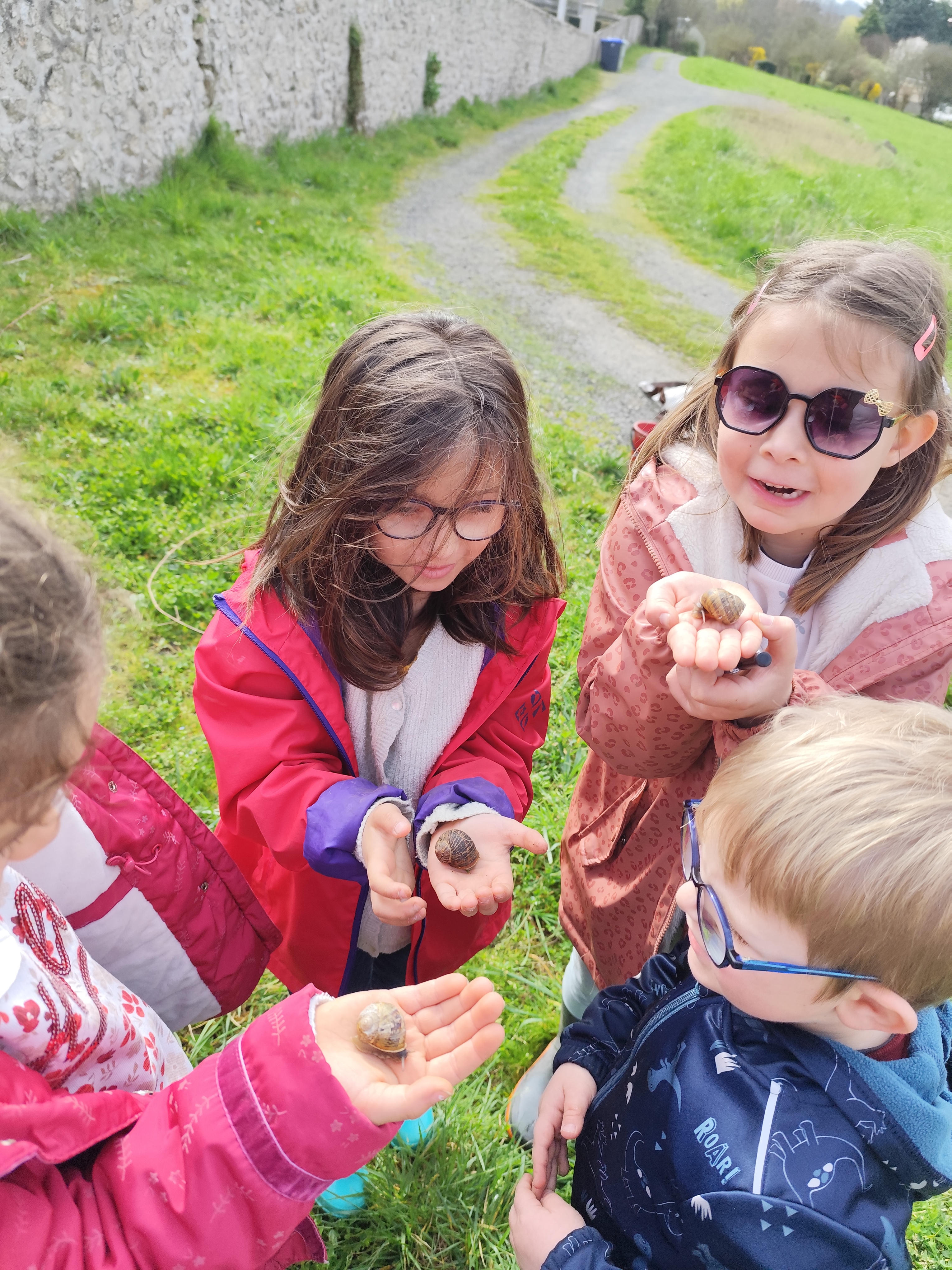
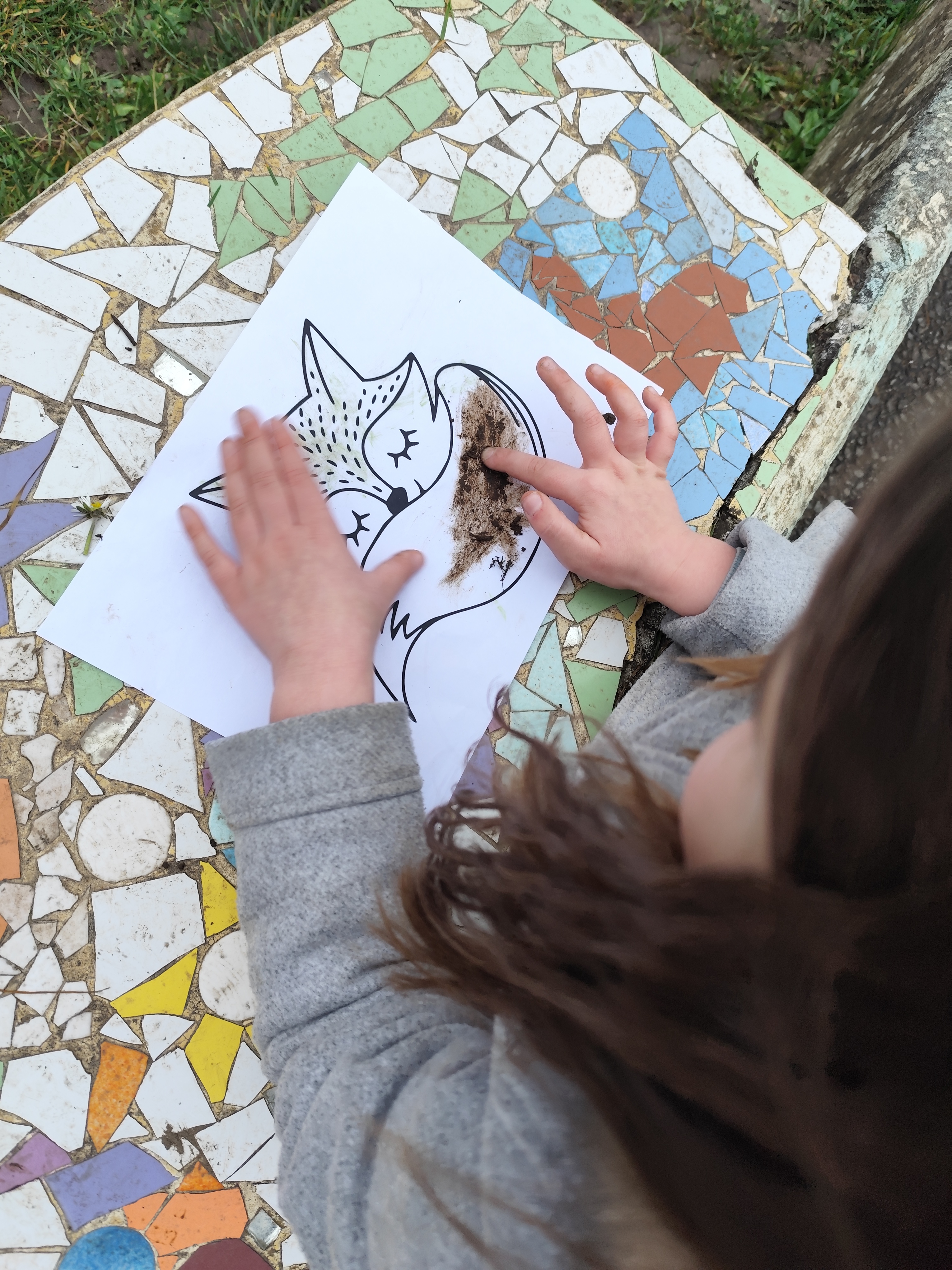
In a small rural primary school in France, this project transforms education by reconnecting children with nature and with others. Through weekly outdoor learning sessions, pupils explore biodiversity and discover “unloved animals” such as insects or small wild species. By observing, understanding and caring for them, children overcome fear and develop empathy.
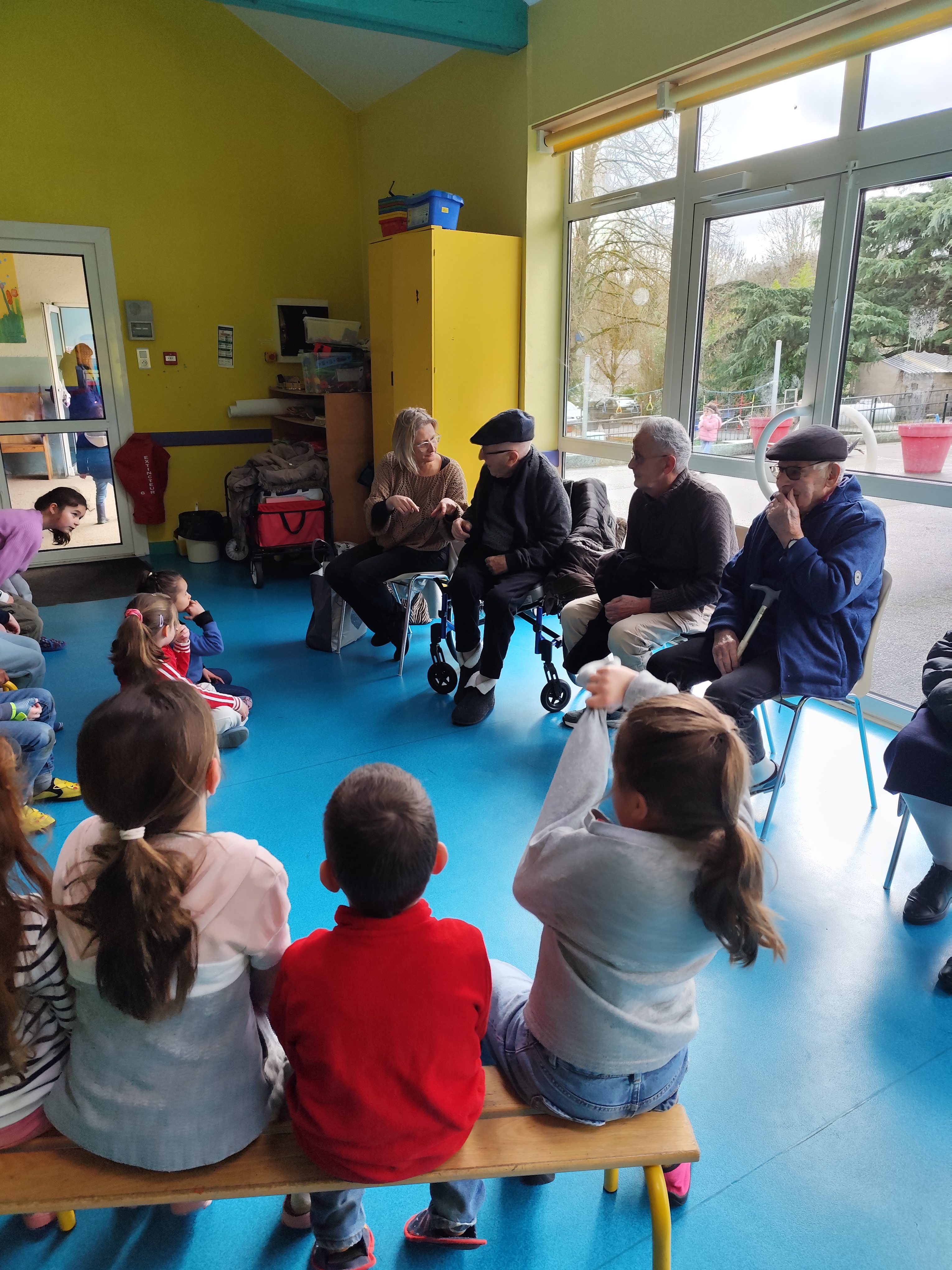
This pedagogical approach is extended to human relationships. Through regular partnerships with a nursing home (EHPAD Marie-Louise Bodin) and a disability care centre, pupils engage in shared activities with elderly people and adults with disabilities. These meaningful encounters help deconstruct stereotypes, foster mutual respect and build inclusive values from an early age.
The project is also open to Europe and the world. Through cooperation with the Maison de l’Europe and an international correspondence project (Ama), pupils exchange with other countries, strengthening their understanding of cultural diversity and European values.
Already fully implemented, the project has led to measurable impacts: improved social climate in the classroom, increased empathy and cooperation among pupils, and stronger connections between the school and its local community. Families and local partners are actively involved, reinforcing the project’s sustainability and outreach.
In the long term, this initiative contributes to building more inclusive, respectful and resilient communities. It demonstrates how a small rural school can become a driver of social transformation by linking environmental awareness, education and human connection
The project was born from a simple observation: in our rural school, many children showed fears of nature, strong prejudices towards certain animals, and difficulties in understanding differences between people. At the same time, our isolated territory offered rich natural and human resources that were not fully connected to the school.
We decided to build a new approach to learning, rooted in real-life experiences. Outdoor learning became a weekly practice, allowing pupils to explore their environment and encounter “unloved animals”. Step by step, fear turned into curiosity, then into understanding.
To extend this learning beyond nature, we developed partnerships with local actors. Regular visits and shared activities were organised with a nursing home and a disability care centre located in nearby villages. These encounters were carefully prepared and integrated into classroom activities, helping children to question their perceptions and build respectful relationships.
The project also opened to Europe through collaboration with the Maison de l’Europe and an international correspondence initiative (Ama), enabling pupils to connect their local experiences with broader cultural perspectives.
Implemented progressively, the project relies on a strong involvement of teachers, pupils, families and partners. Activities include outdoor sessions, artistic productions, discussions, media projects and intergenerational exchanges. Children are active participants, expressing their ideas and reflecting on their experiences.
Over time, the project has become a shared dynamic within the school and the community, transforming daily practices and relationships. It shows how education can start from the local context to address universal challenges such as inclusion, respect and living together.
Social inclusion
Outdoor learning
Intergenerational connections
Nature-based education
Community engagement
The project addresses sustainability through an integrated approach combining environmental awareness, social cohesion and local engagement. By implementing weekly outdoor learning, children reconnect with nature and develop a concrete understanding of ecosystems, biodiversity and the importance of protecting living environments. This direct experience fosters long-term environmentally responsible behaviours.
Beyond environmental aspects, the project promotes strong social sustainability. By working on the theme of “unloved animals”, pupils learn to question fear, stereotypes and rejection. This reflection is extended to human relationships through regular interactions with elderly people and adults with disabilities. These encounters help build empathy, respect and inclusive attitudes from an early age, contributing to more cohesive and resilient communities.
The project also strengthens territorial sustainability by mobilising local resources and actors within a rural area. Partnerships with nearby institutions create lasting links between the school and its environment, reducing isolation and reinforcing community dynamics. Families and local stakeholders are actively involved, ensuring continuity and long-term impact.
Finally, the project is designed to be easily transferable. It relies on simple, low-cost practices (outdoor activities, local partnerships, experiential learning) that can be adapted to different contexts. This scalability makes it a sustainable model for other schools seeking to combine environmental education with social inclusion.
By linking environmental education, social inclusion and local engagement, the project offers a holistic and exemplary approach to sustainability, aligned with the values of the New European Bauhaus
The project contributes to aesthetics by transforming everyday learning experiences into meaningful, sensory and emotionally engaging moments. Through outdoor learning, children rediscover the beauty of their local environment: observing landscapes, textures, colours and living beings. Nature becomes a space of wonder, exploration and creativity, where learning is connected to emotions and the senses.
The focus on “unloved animals” offers a powerful aesthetic shift. By learning to observe what is usually rejected or ignored, children develop a new perception of beauty. Small creatures, often perceived as unpleasant or frightening, become subjects of curiosity, artistic representation and care. This change in perspective fosters attention, respect and a deeper connection to the living world.
The project also enhances the beauty of human relationships. Encounters with elderly people and adults with disabilities create meaningful and authentic interactions. These moments, based on listening, sharing and mutual respect, contribute to a more humane and caring environment. They help create a strong sense of belonging, both within the school and across the local community.
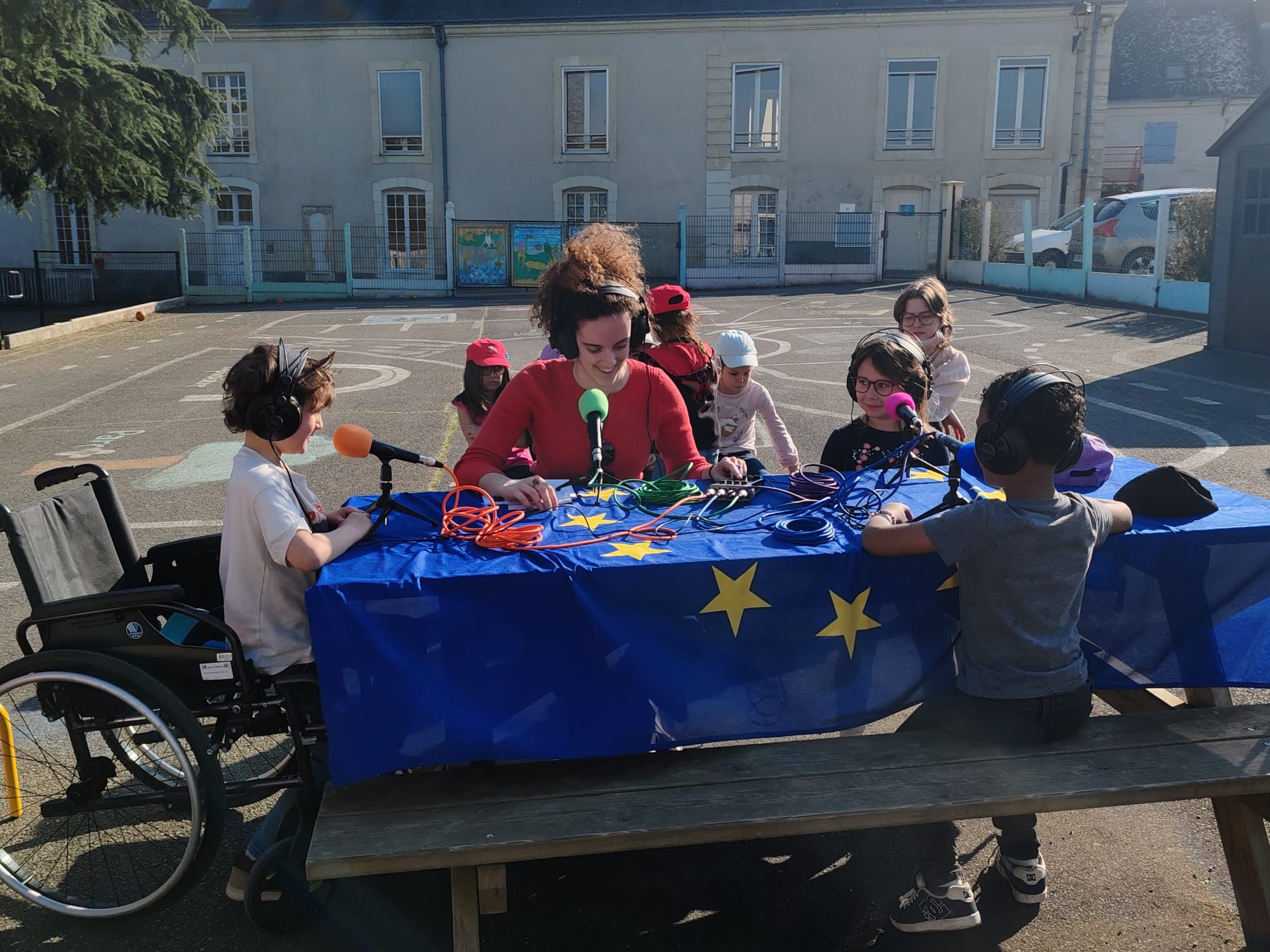
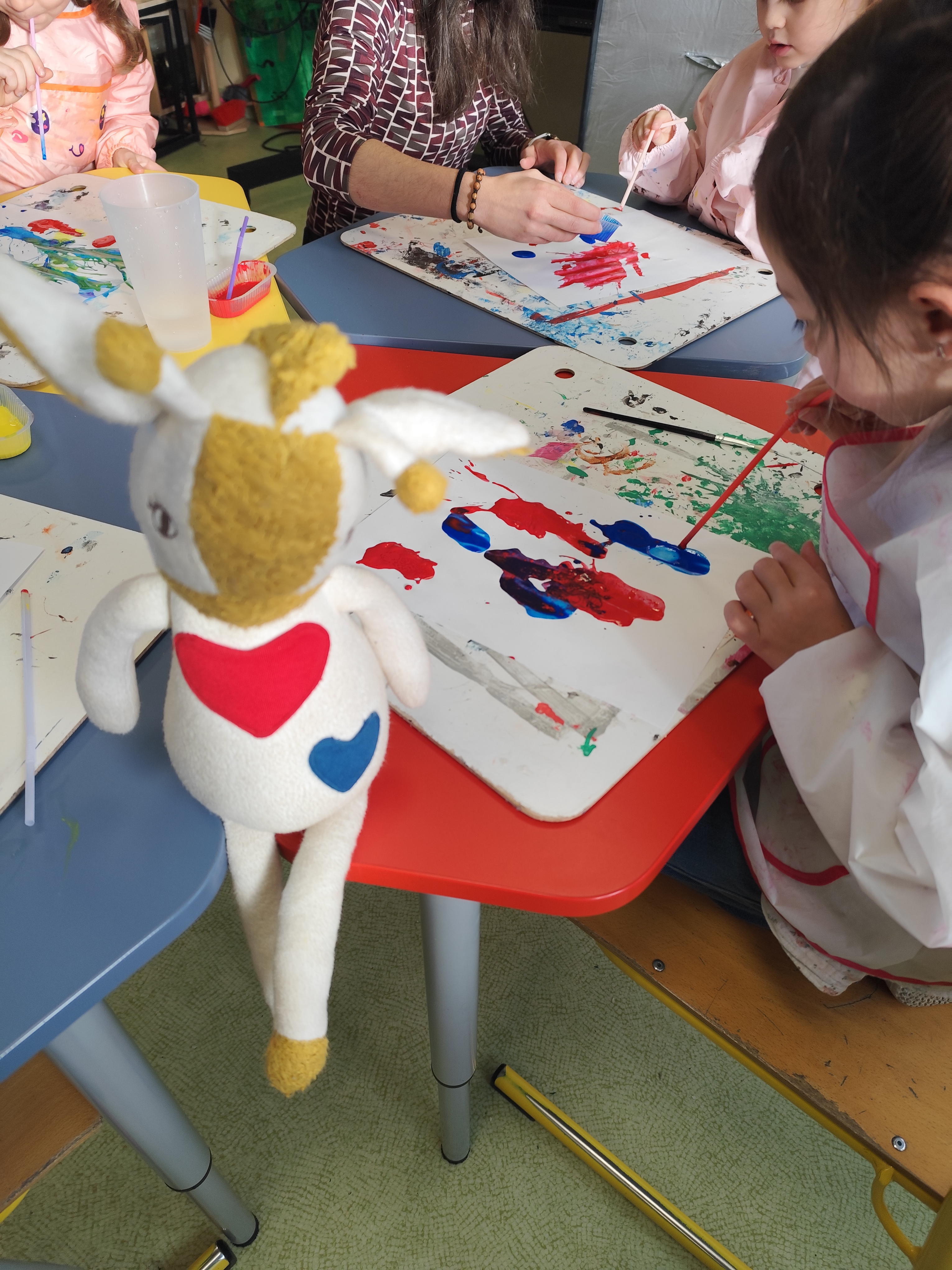
Artistic and creative activities are integrated throughout the project, including drawings, storytelling, sound recordings and media productions. These outputs allow children to express their experiences and to share them with others, reinforcing collective identity and pride.
By reconnecting people to their environment, to others and to themselves, the project redefines aesthetics as a lived experience. It demonstrates how beauty can emerge from simple, inclusive and meaningful practices, contributing to more caring and connected communities
Inclusion is at the core of the project, which aims to make education accessible, meaningful and empowering for all children, regardless of their background, abilities or social context. Implemented in a rural area, the project addresses geographical isolation by opening the school to its local environment and by creating strong connections between different communities.
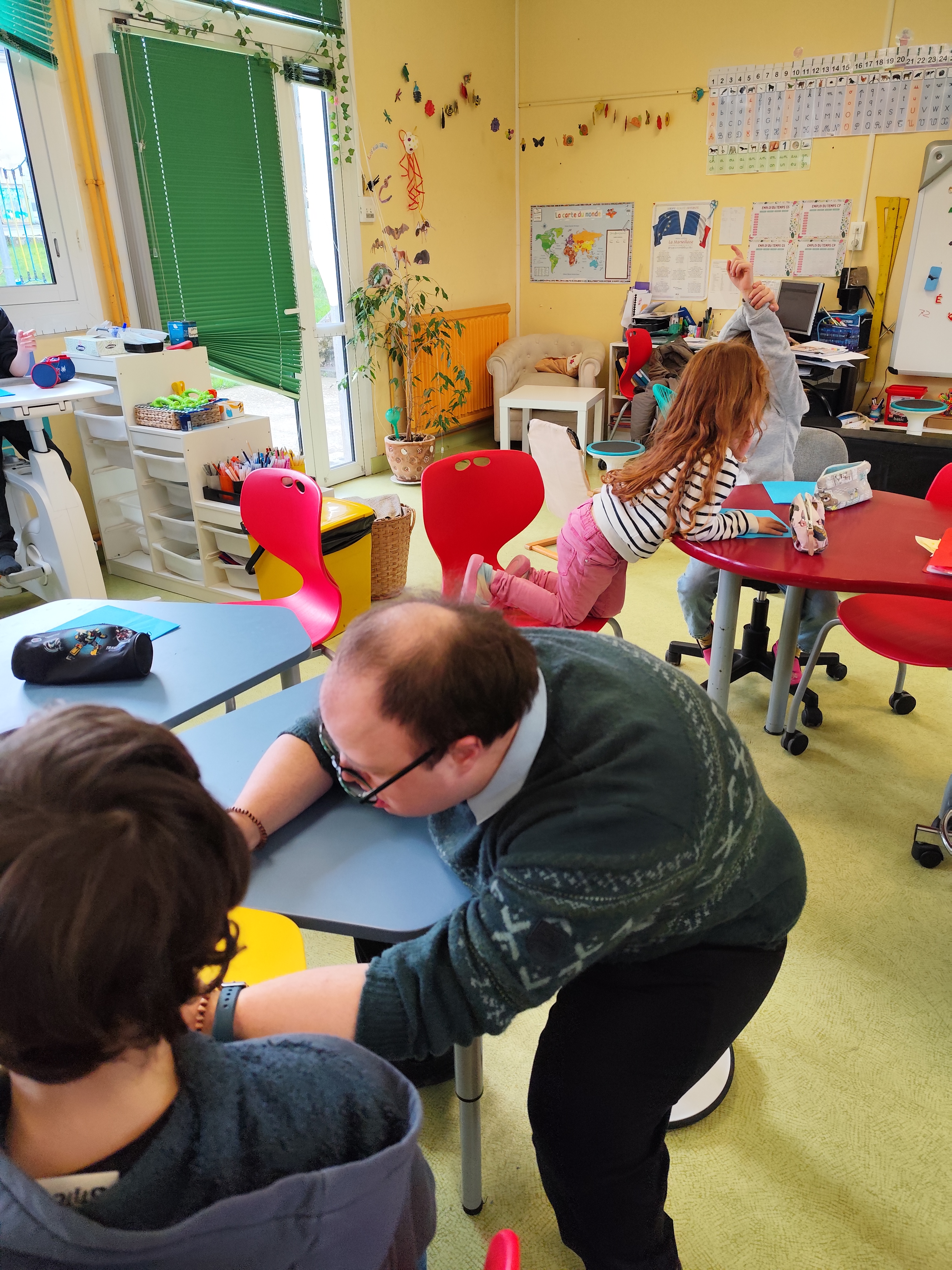
Accessibility is ensured through simple, low-cost and adaptable practices. Outdoor learning activities, sensory approaches and cooperative tasks allow every child to participate actively, including those with special educational needs. The project values diverse ways of learning and expression, ensuring that each pupil can find their place and succeed.
Inclusion is also developed through direct encounters with diversity. Regular interactions with a nursing home and a disability care centre enable children to engage with people of different ages and abilities. These experiences help break down stereotypes, reduce fears and promote mutual understanding. The project fosters respect, empathy and recognition of diversity as a strength.
The project promotes an inclusive governance approach by involving pupils, families and local partners in its development. Children are encouraged to express their ideas, share their experiences and take part in collective decisions, strengthening their sense of belonging and active citizenship.
Finally, the project contributes to building new societal models by linking environmental awareness with social inclusion. By learning to respect both living beings and human diversity, pupils develop values that extend beyond the classroom and contribute to more inclusive and cohesive communities.
Through its accessibility, participatory approach and strong social impact, the project offers an exemplary model of inclusive education aligned with the principles of the New European Bauhaus
The project is based on a strong participatory approach, involving pupils, families, local institutions and community partners at every stage of its development and implementation.
Children are at the heart of the process. They actively participate in outdoor activities, express their observations, share their ideas and reflect on their experiences. Their questions and reactions directly influence the evolution of the project, making them true co-creators of the learning process. This active involvement strengthens their engagement, autonomy and sense of responsibility.
Families are also involved through regular communication, shared activities and participation in certain events. Their feedback contributes to adapting the project to the needs of children and to reinforcing the link between school and home.
Local partners, including a nursing home, a disability care centre and the Maison de l’Europe, play a key role in co-constructing activities. They are not only recipients but active contributors, proposing ideas, participating in sessions and creating meaningful interactions with pupils. This collaboration ensures that the project is rooted in real community dynamics.
The project also benefits from exchanges beyond the local level through international correspondence, allowing children to connect their experiences with broader perspectives and to engage with other communities.
The participatory dimension has led to strong impacts: increased engagement of pupils, improved relationships between generations and social groups, and a strengthened sense of belonging to the local community. It has also contributed to building trust and cooperation between the school and its partners.
By placing participation at the core of its approach, the project demonstrates how collective involvement can transform educational practices and foster inclusive, resilient and connected communities.
The project is structured through a multi-level governance approach, connecting local, regional and European stakeholders to create a coherent and impactful educational dynamic.
At the local level, the project is deeply rooted in the rural community. The school works closely with a nursing home (EHPAD Marie-Louise Bodin) and a disability care centre, which actively contribute to the design and implementation of activities. These partners co-create meaningful interactions with pupils, ensuring that the project responds to real social needs and strengthens local cohesion.
At the community level, families are involved in the project through regular exchanges and participation in activities, reinforcing the link between school and home and supporting the sustainability of the initiative.
At the regional and national levels, the project is supported by organisations such as the Maison de l’Europe Le Mans-Sarthe, which brings a European dimension to the activities and helps structure intercultural learning. Additional support from national initiatives and foundations contributes to the development and recognition of the project.
At the European level, the project is connected to broader networks through international correspondence and cooperation initiatives (Ama), allowing pupils to engage with other countries and cultures. This dimension reinforces their understanding of European values such as inclusion, diversity and cooperation.
The involvement of stakeholders at multiple levels creates strong added value. It enhances the quality and relevance of the project, ensures its sustainability, and allows local actions to be connected to wider societal and European challenges. This multi-level collaboration demonstrates how a small rural school can act as a bridge between local realities and global perspectives.
The project is inherently transdisciplinary, combining multiple fields of knowledge to create a holistic and meaningful learning experience.
Education is at the core of the project, but it is enriched by environmental sciences through outdoor learning and the exploration of biodiversity. Pupils develop a concrete understanding of ecosystems, living organisms and their interconnections.
Social sciences also play a key role. By addressing themes such as fear, stereotypes and inclusion, the project helps children understand social dynamics and human relationships. Encounters with elderly people and adults with disabilities provide real-life contexts to reflect on diversity, empathy and social cohesion.
Arts and creative practices are integrated throughout the project. Pupils express their experiences through drawing, storytelling, sound recordings and media productions, allowing them to reinterpret and share their perceptions of nature and human relationships.
The project also incorporates elements of communication and digital literacy, particularly through media activities and international exchanges, which help pupils connect local experiences with broader cultural and European perspectives.
In addition, the project draws on principles of experiential learning and pedagogy, combining observation, experimentation, discussion and reflection. This approach enables pupils to engage cognitively, emotionally and socially.
By linking environmental education, social sciences, arts and communication, the project creates bridges between disciplines and fosters a comprehensive understanding of the world. This transdisciplinary approach is key to addressing complex challenges such as inclusion, sustainability and community living
The project is based on a hybrid and sustainable model that combines public resources, partnerships and low-cost practices. As a public primary school initiative, it is primarily supported by national education funding, ensuring the continuity of core teaching activities.
Additional resources are mobilised through partnerships and project-based funding. The project has benefited from support from organisations such as the Fondation pour la Mémoire de l’Esclavage and the Tandems Solidaires programme, which contribute to specific actions, particularly those related to citizenship, inclusion and intercultural exchanges.
A key strength of the model lies in its low-cost and resource-efficient approach. Outdoor learning activities rely on natural environments that are freely accessible, limiting the need for expensive infrastructure or materials. Partnerships with local institutions, such as a nursing home and a disability care centre, are based on mutual exchange rather than financial transactions, reinforcing sustainability without increasing costs.
The involvement of families and local stakeholders also contributes to the project’s sustainability by creating a shared dynamic and facilitating the mobilisation of local resources when needed.
Moreover, the project is designed to be easily replicable in other contexts, as it does not depend on heavy investments but on adaptable practices, community engagement and existing local resources. This scalability enhances its long-term viability and potential for wider impact.
By combining public funding, targeted support, strong partnerships and a low-cost approach, the project offers a financially sustainable and resilient model aligned with the principles of the New European Bauhaus.
The project has strong potential for transferability and replicability, as it is based on simple, adaptable and low-cost principles that can be implemented in a wide range of contexts.
A key transferable element is the pedagogical approach combining outdoor learning with experiential and inclusive education. Weekly activities in natural environments can be adapted to any geographical setting, whether rural, urban or peri-urban, using locally available resources such as parks, schoolyards or nearby green spaces.
The methodology centred on “unloved animals” is also highly replicable. It provides a concrete and accessible entry point to address broader themes such as fear, stereotypes and inclusion. This approach can be adapted to different cultural contexts by focusing on locally relevant species or environmental issues.
Another transferable aspect is the partnership model. The project demonstrates how schools can build meaningful collaborations with local actors such as nursing homes, disability care centres or community organisations. These partnerships rely on mutual engagement rather than financial resources, making them accessible and sustainable in diverse contexts.
The project also offers transferable tools and practices, including structured outdoor sessions, reflective discussions, creative activities and media productions. These elements can be easily integrated into existing educational frameworks and adapted to different age groups.
Finally, the project’s emphasis on participation and community involvement can be replicated across sectors beyond education, such as social work, cultural initiatives or community development programmes.
By relying on accessible methods, local resources and strong human connections, the project provides a scalable model that can inspire and be implemented by other schools and communities across Europe and beyond.