Enhancing Circularity, Sustainability, and Innovation
Make It Rain
Make It Rain, low-tech solutions for cooling cities
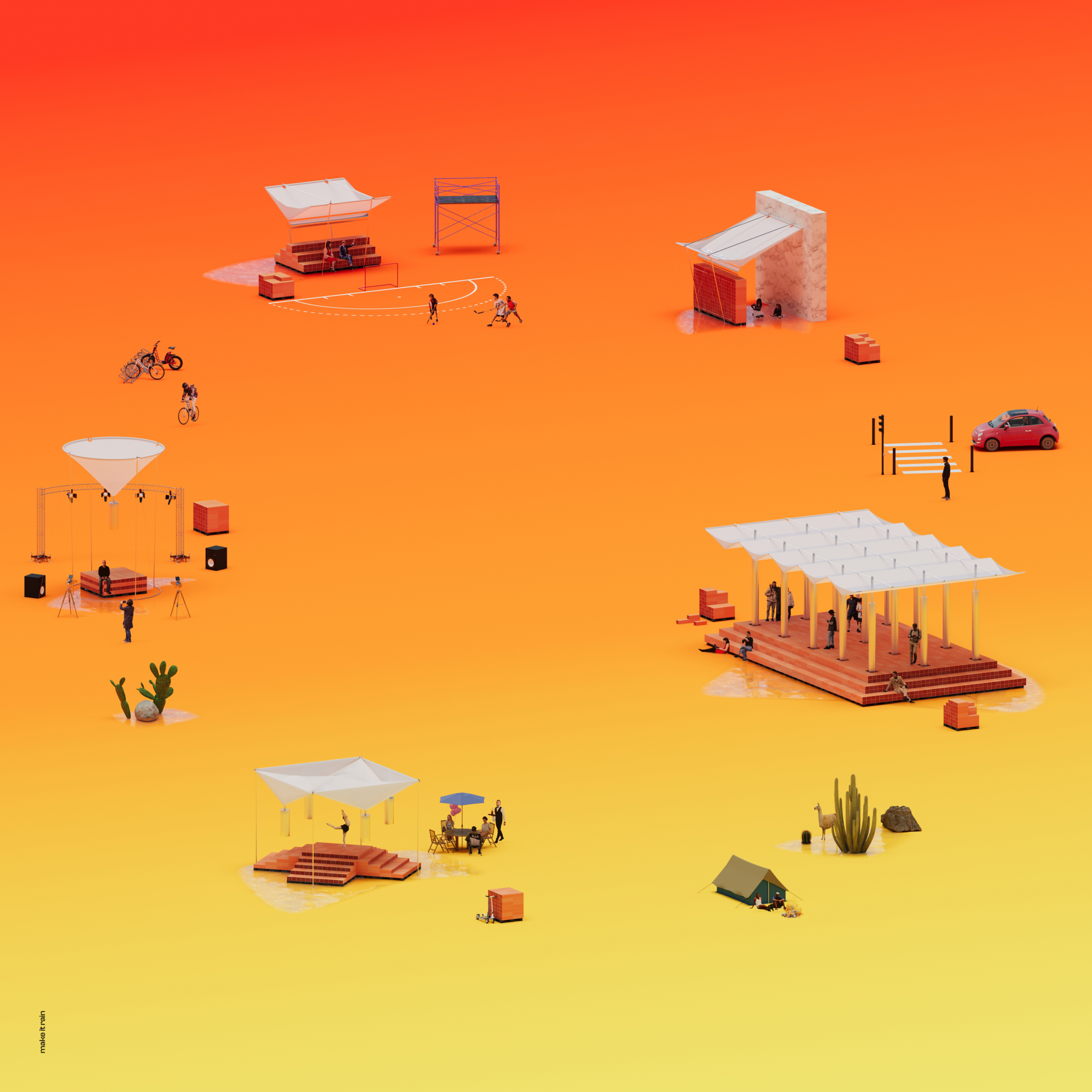
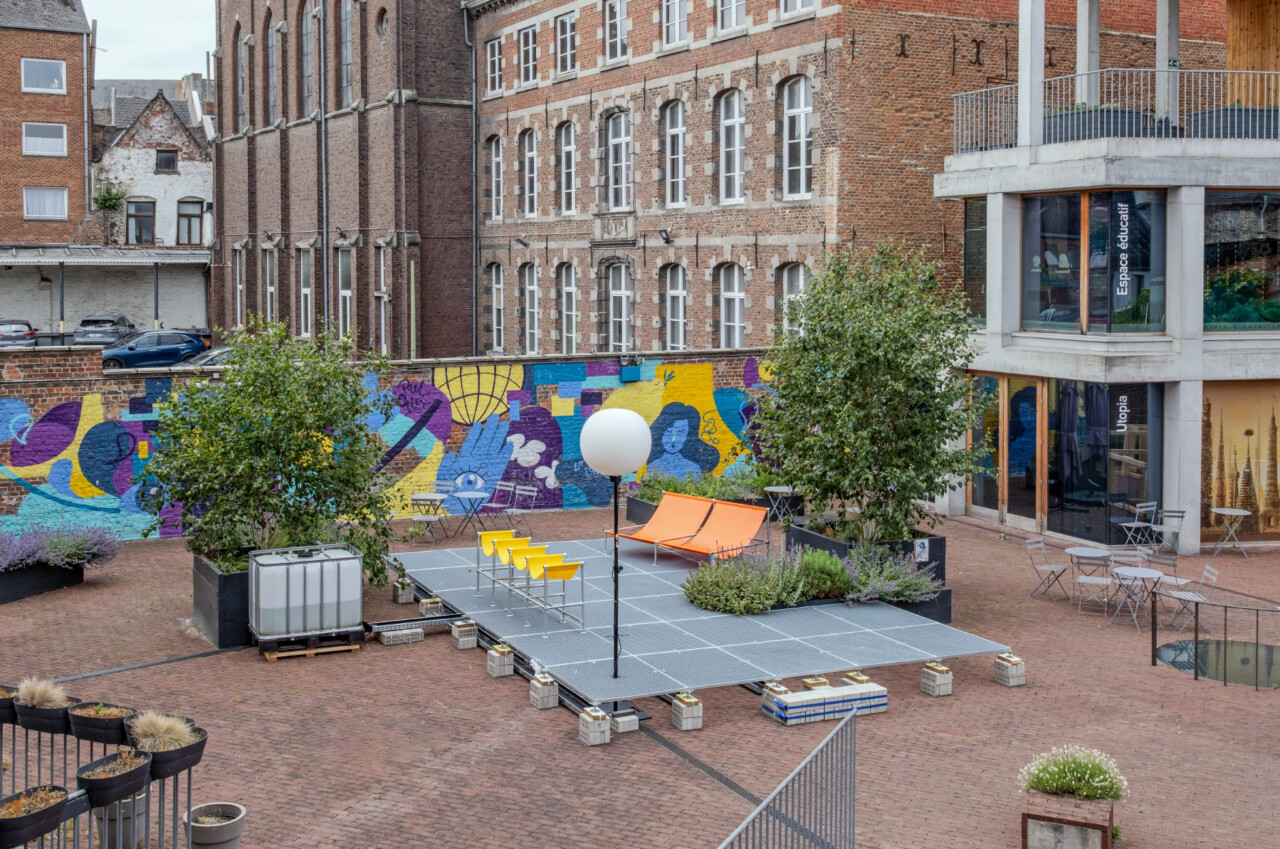
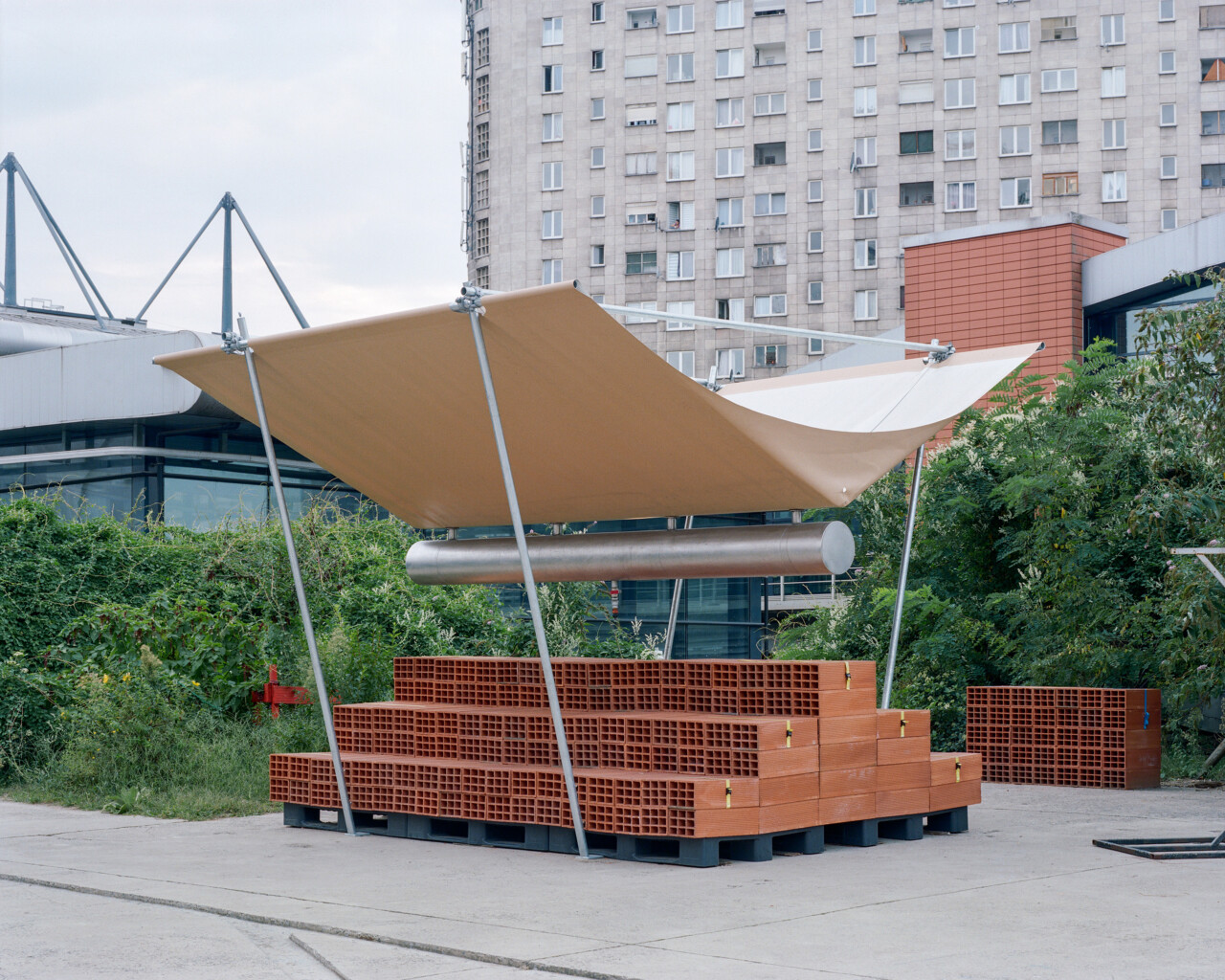
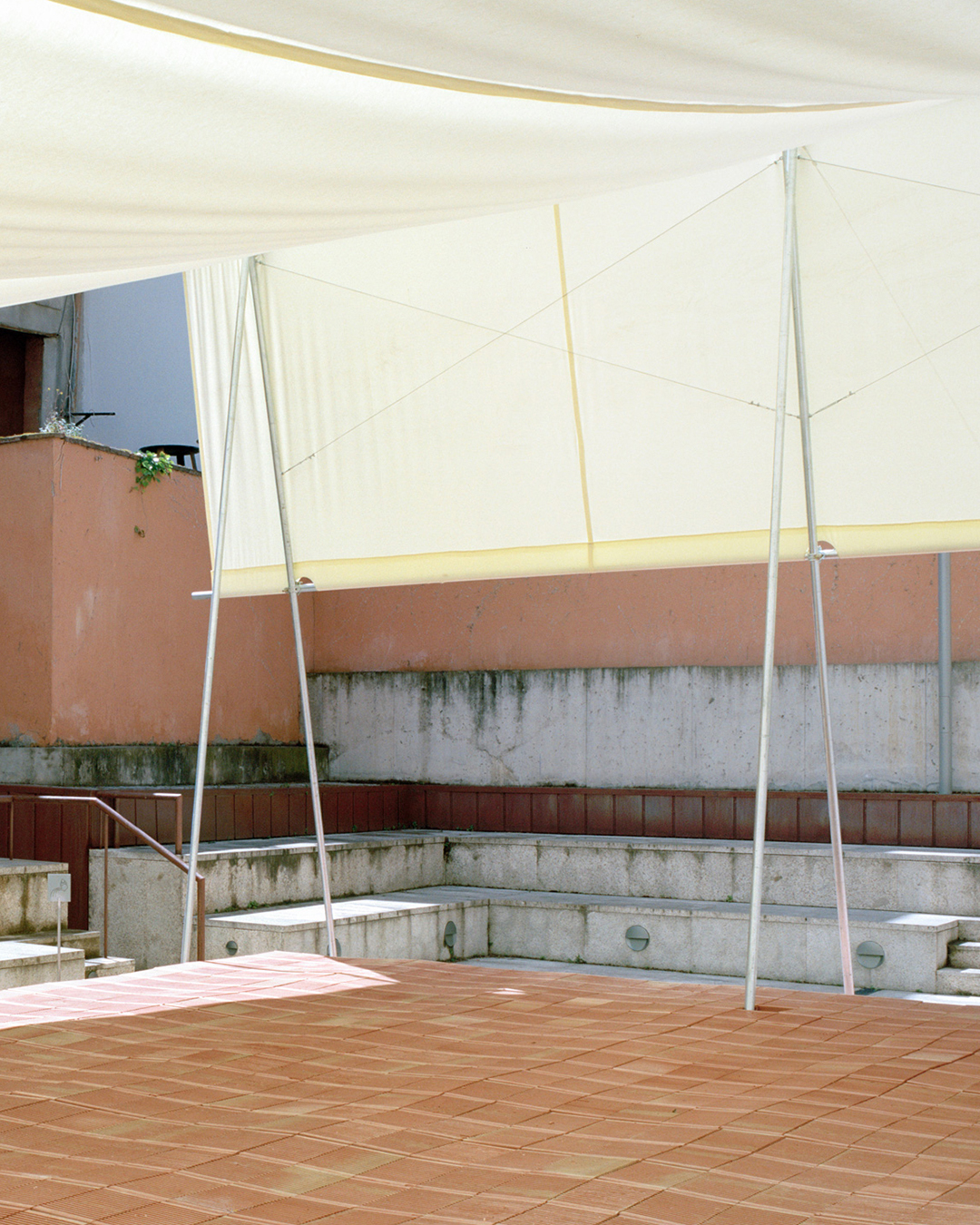
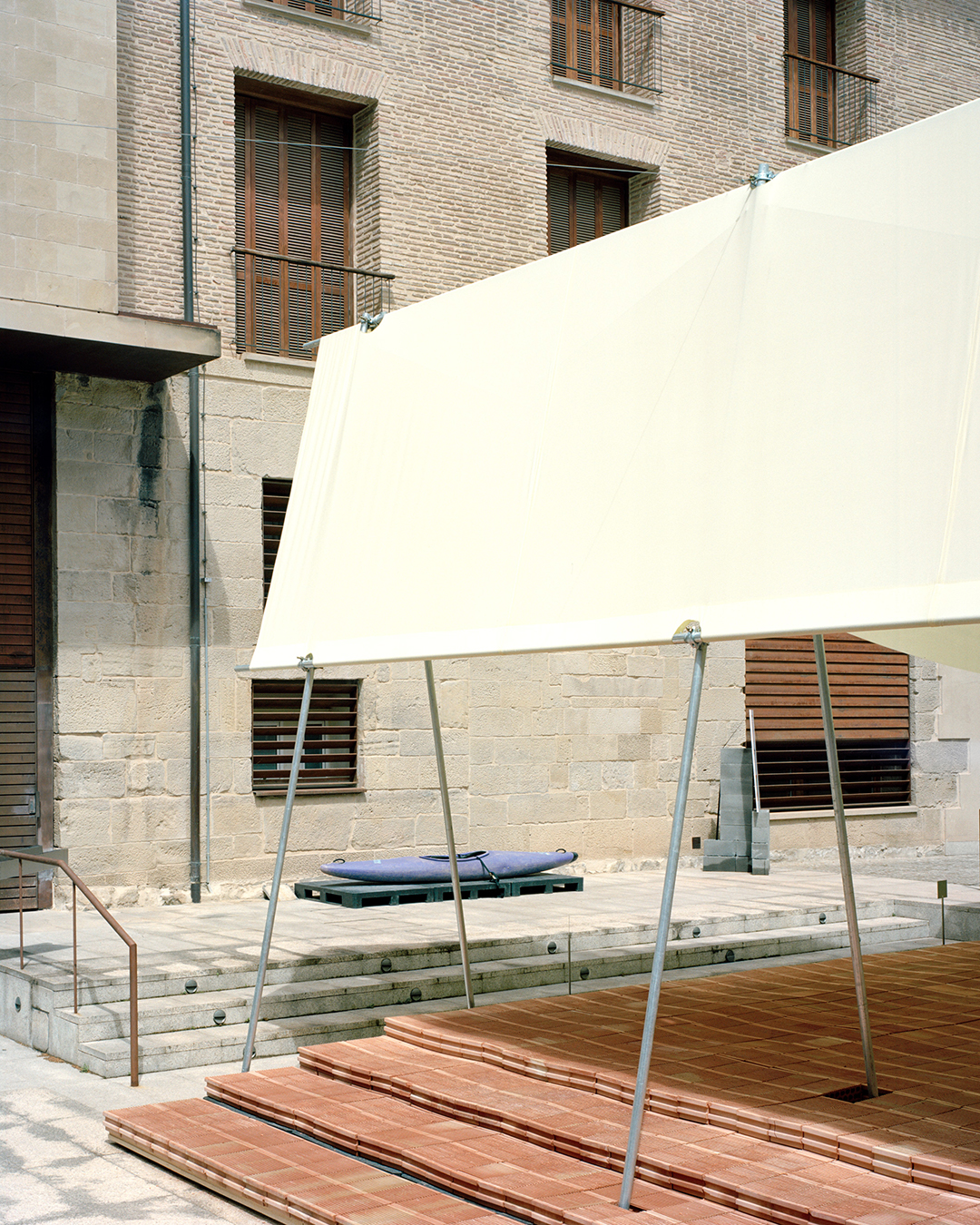
Make It Rain transforms rainwater into a shared urban cooling resource. Using low-tech terracotta structures and natural evaporation, it lowers temperatures in overheated public spaces without energy. Interactive and collective, the project invites people to actively shape their environment, turning climate adaptation into a sensory and social experience.
Belgium
Local
Brussels (BE), Logrono (ES), Mons (BE), Versailles (FR)
Mainly urban
It involves a physical transformation of the built environment (hard investment)
Yes
2023-10-10
No
No
Yes
Individual
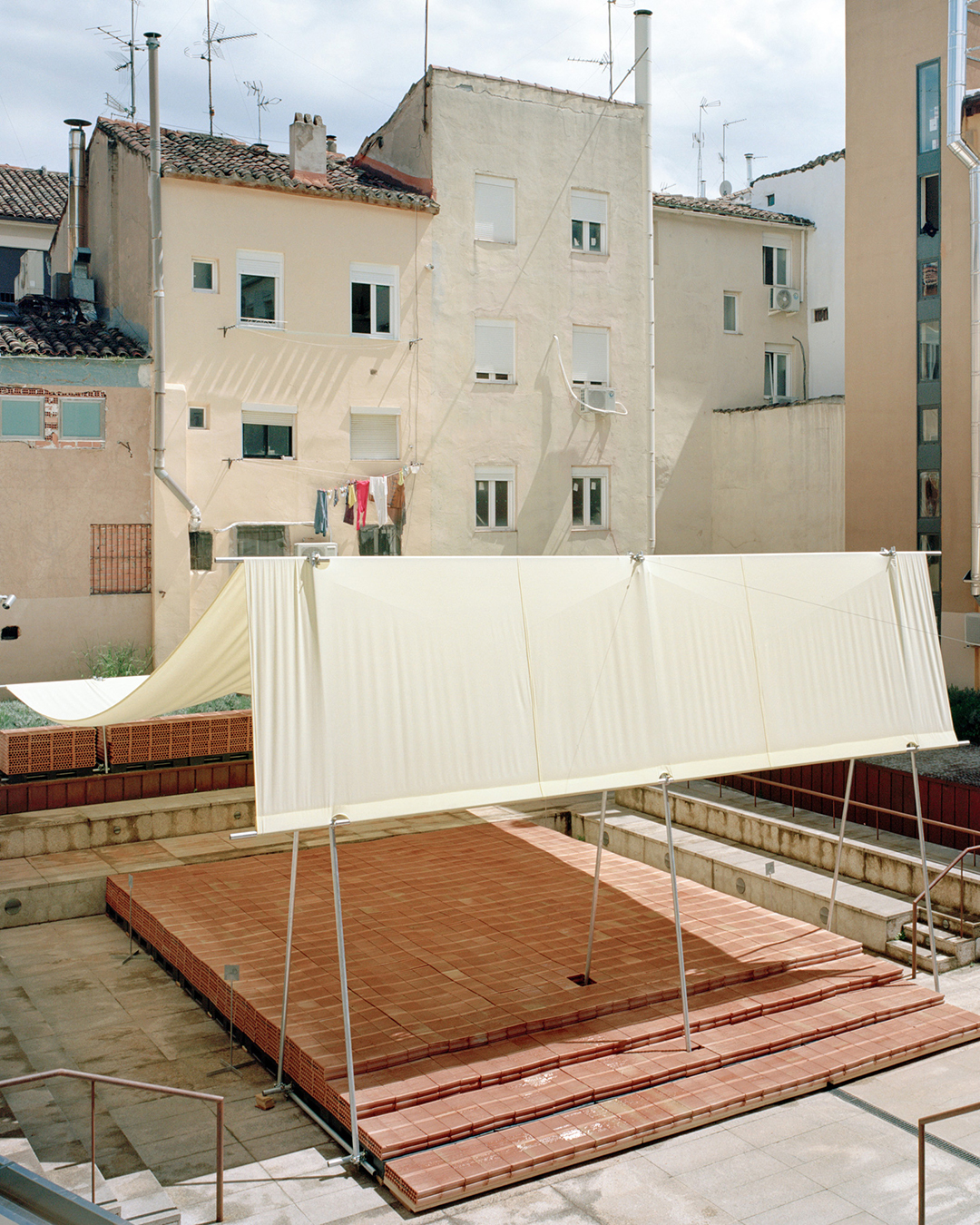
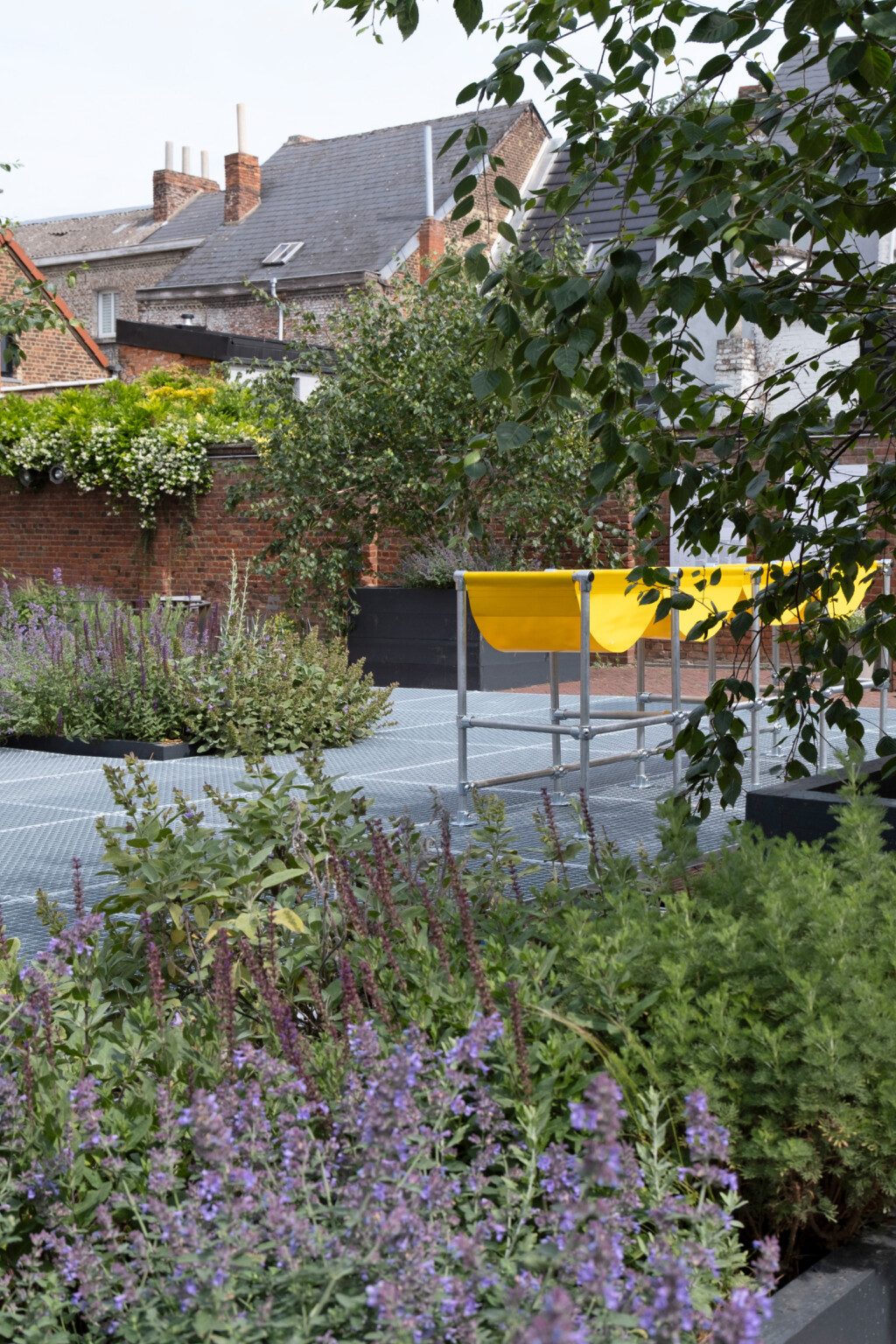
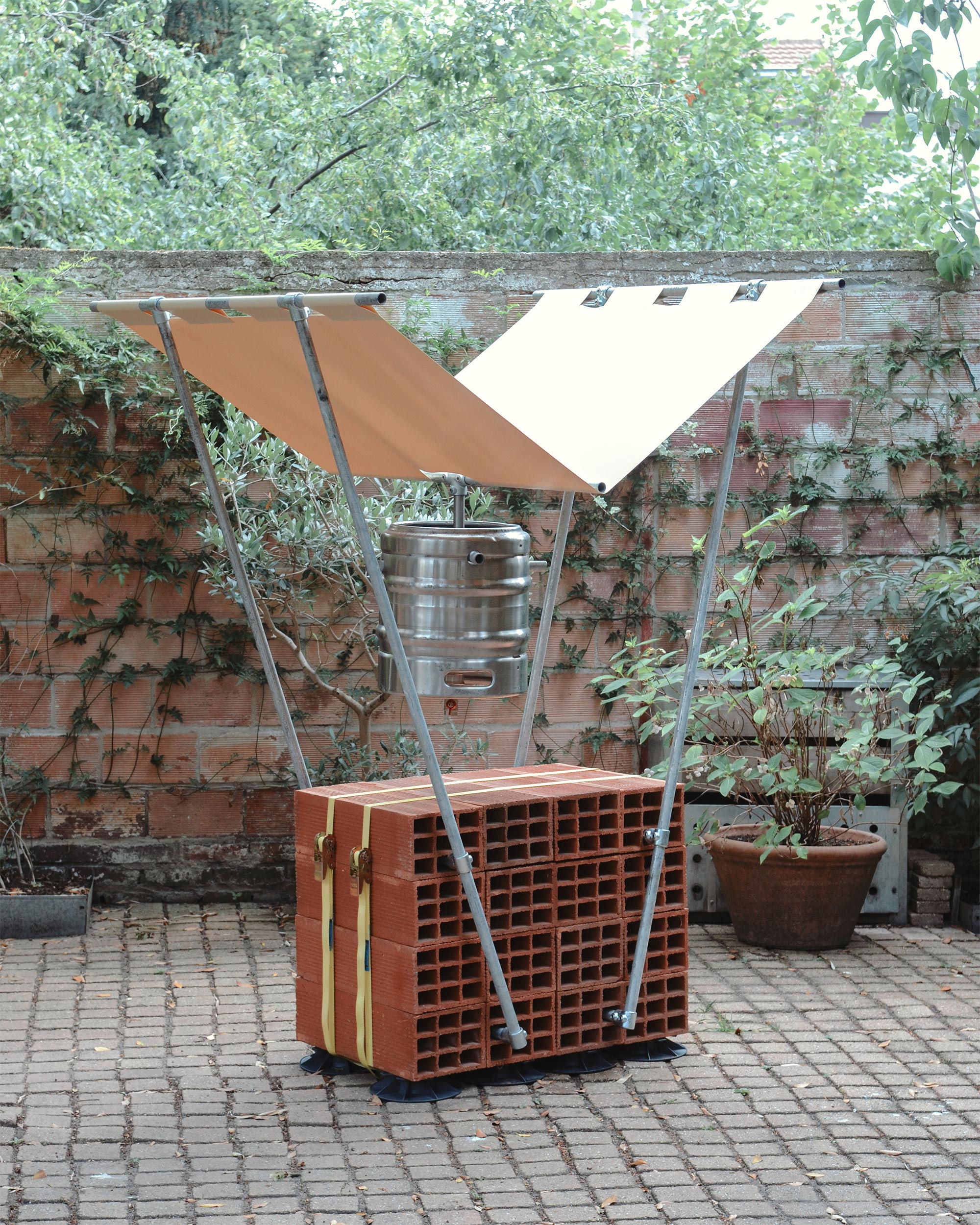
Make It Rain is a series of low-tech, climate-adaptive installations that transform rainwater into a shared urban cooling resource. Using terracotta and the natural process of evaporation, the project reduces ambient temperatures in overheated public spaces without relying on energy-intensive systems.
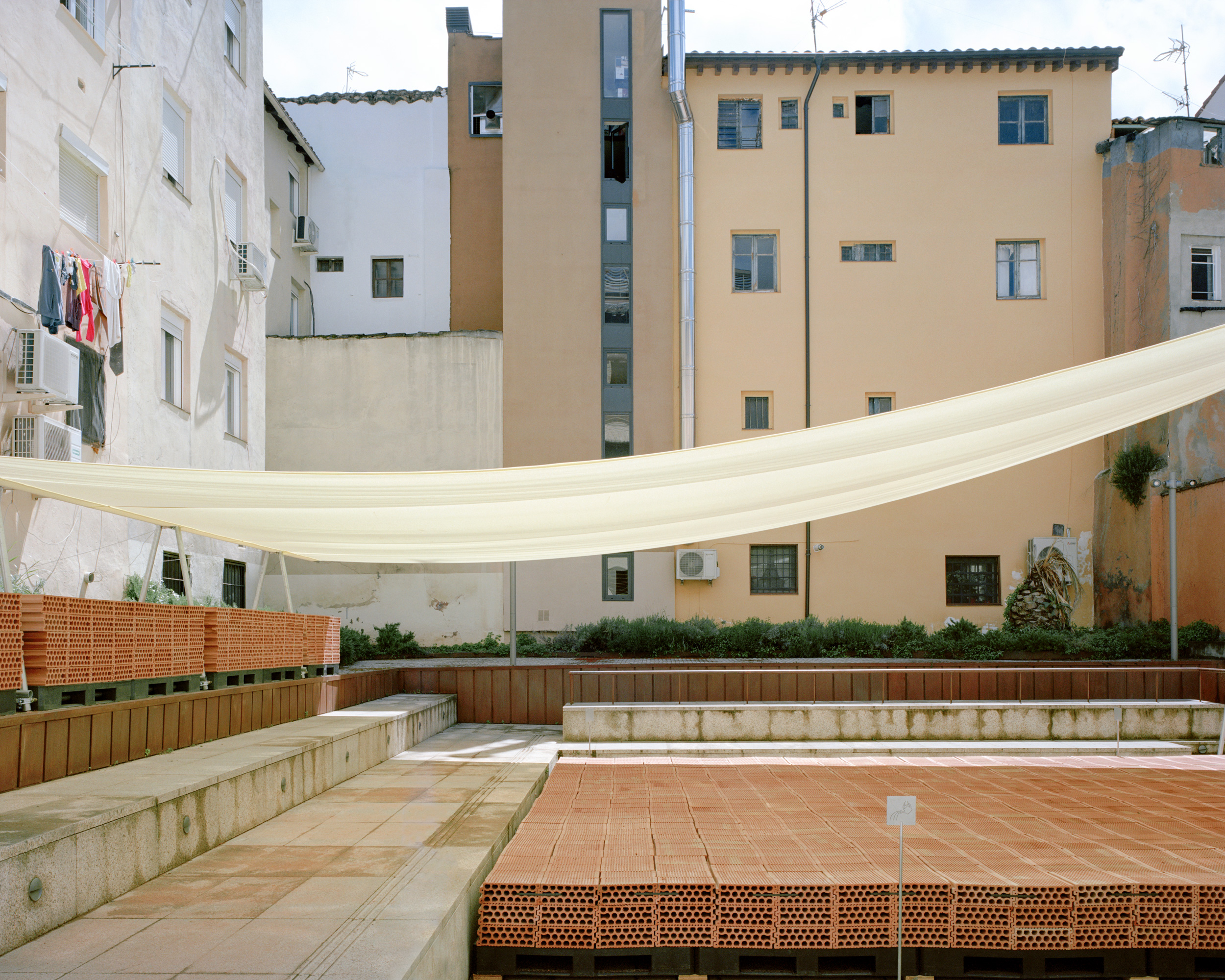
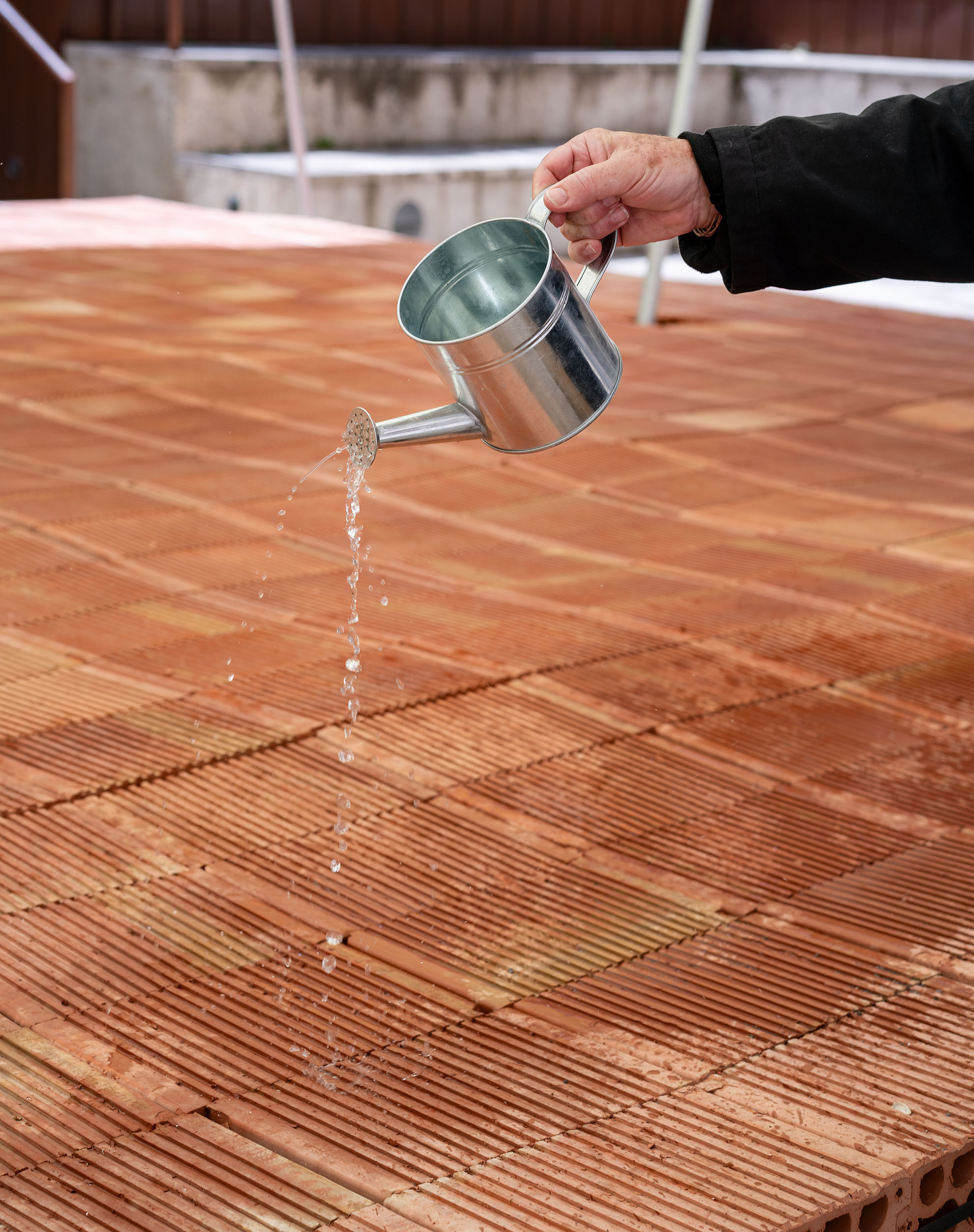
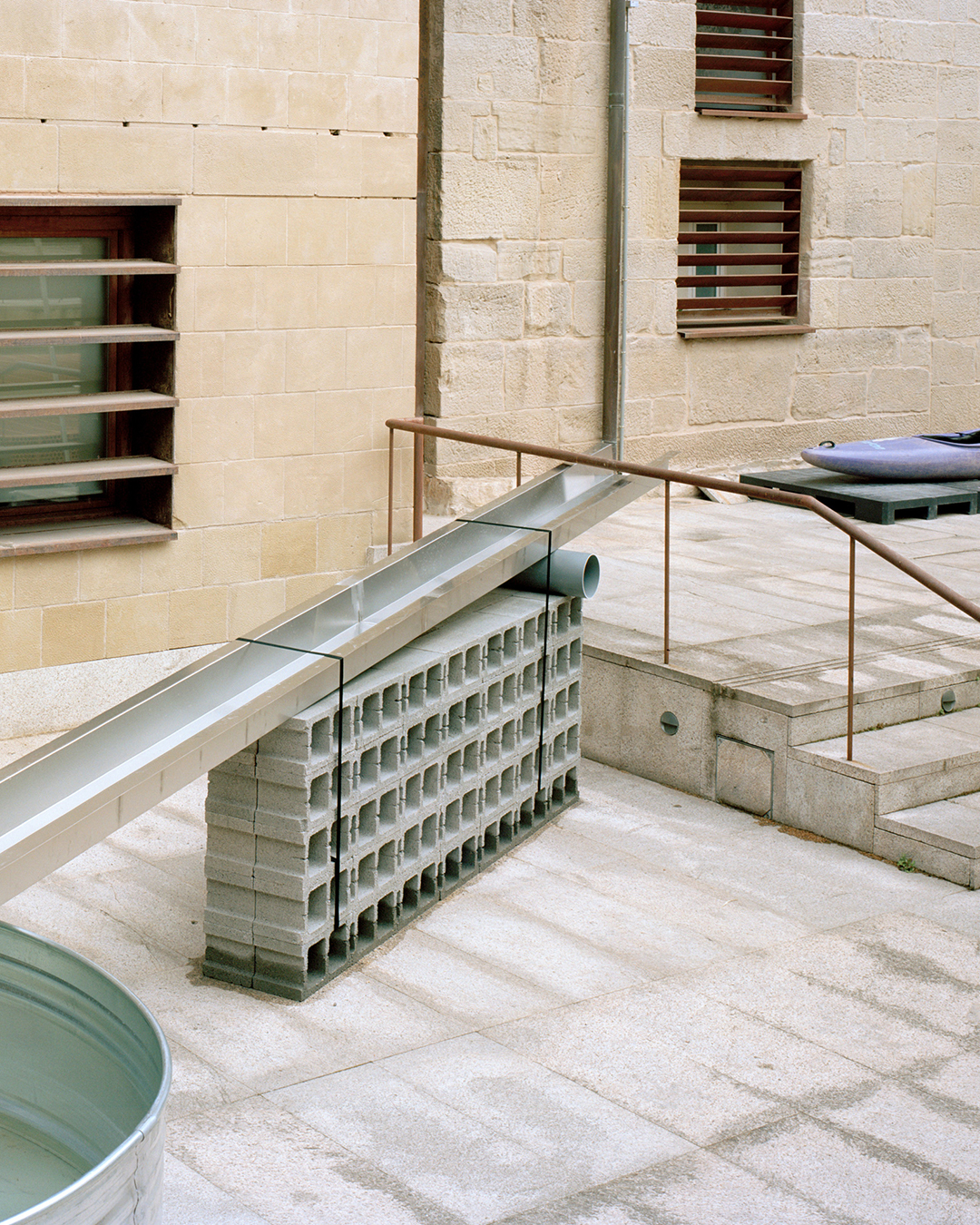
Implemented across several European contexts, the project has demonstrated how simple, vernacular principles can effectively mitigate urban heat islands while activating public space. Rainwater, often treated as waste and diverted to sewers, is instead collected, stored, and redistributed by citizens to cool mineral surfaces. This creates a direct link between climate awareness and everyday action.
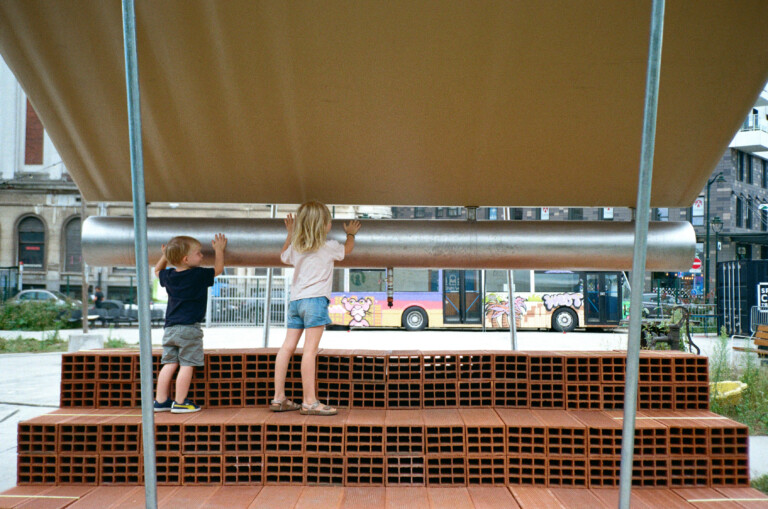
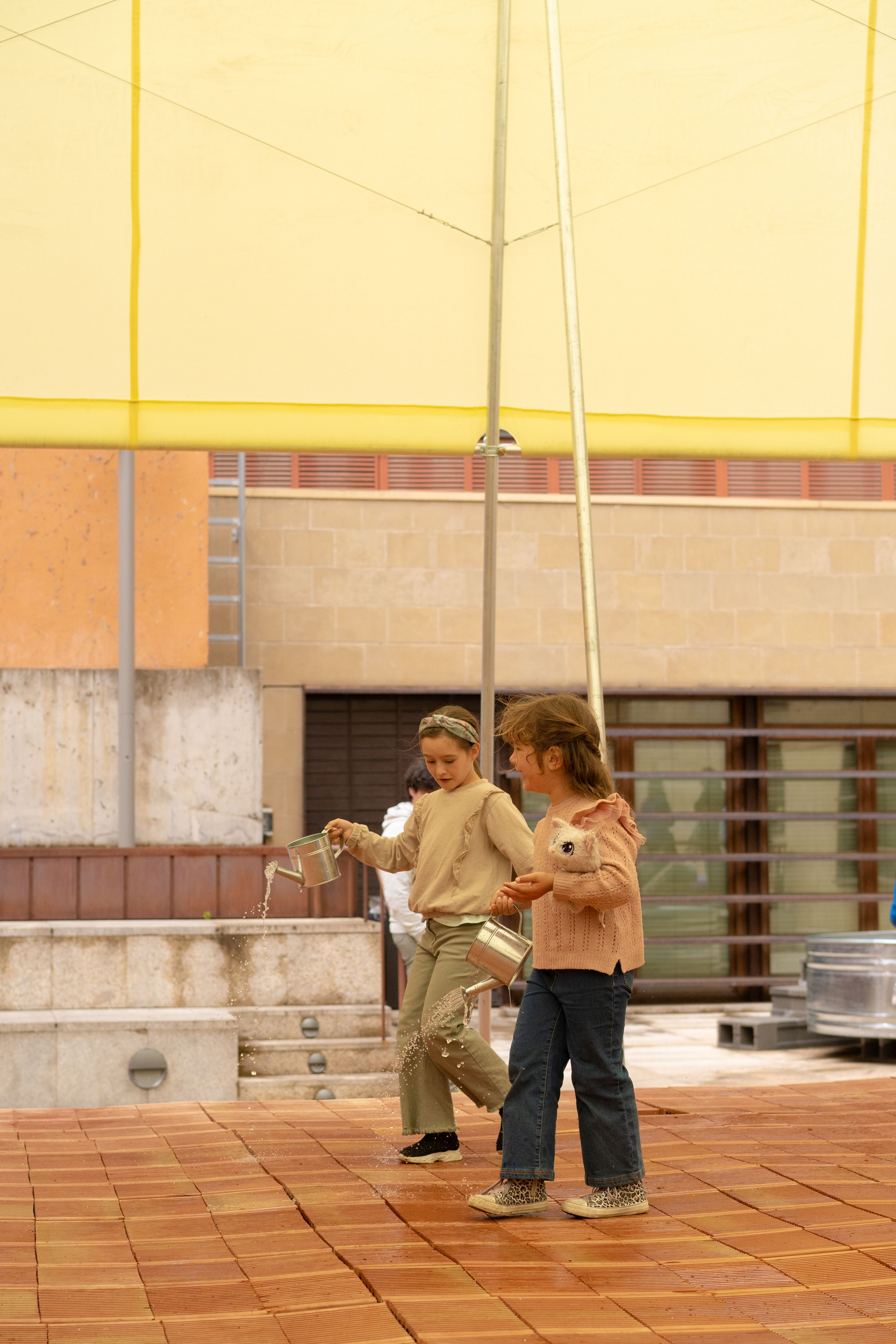
Beyond its environmental performance, Make It Rain redefines public space as a collective thermal infrastructure. Each installation becomes a place to gather, rest, and interact, especially during heatwaves, fostering new forms of social use and care.
Designed as modular, reversible systems using locally sourced or reused materials, the project is adaptable to different climates and contexts. Its long-term impact lies in offering cities a replicable, low-cost model to address the growing challenges of heat and water management, while reconnecting people to natural cycles and shared resources.
Make It Rain emerged from a simple observation during a heatwave: sitting on a terrace in Brussels, we were struck by the paradox of a city known for its rain yet unable to use this resource during extreme heat. Despite abundant water, urban infrastructure largely disconnects it from daily life.
This question led us to explore how rainwater could become a resource for cooling public space, using simple and accessible means. Inspired by vernacular knowledge and natural processes, we developed a low-tech approach based on evaporation through terracotta.
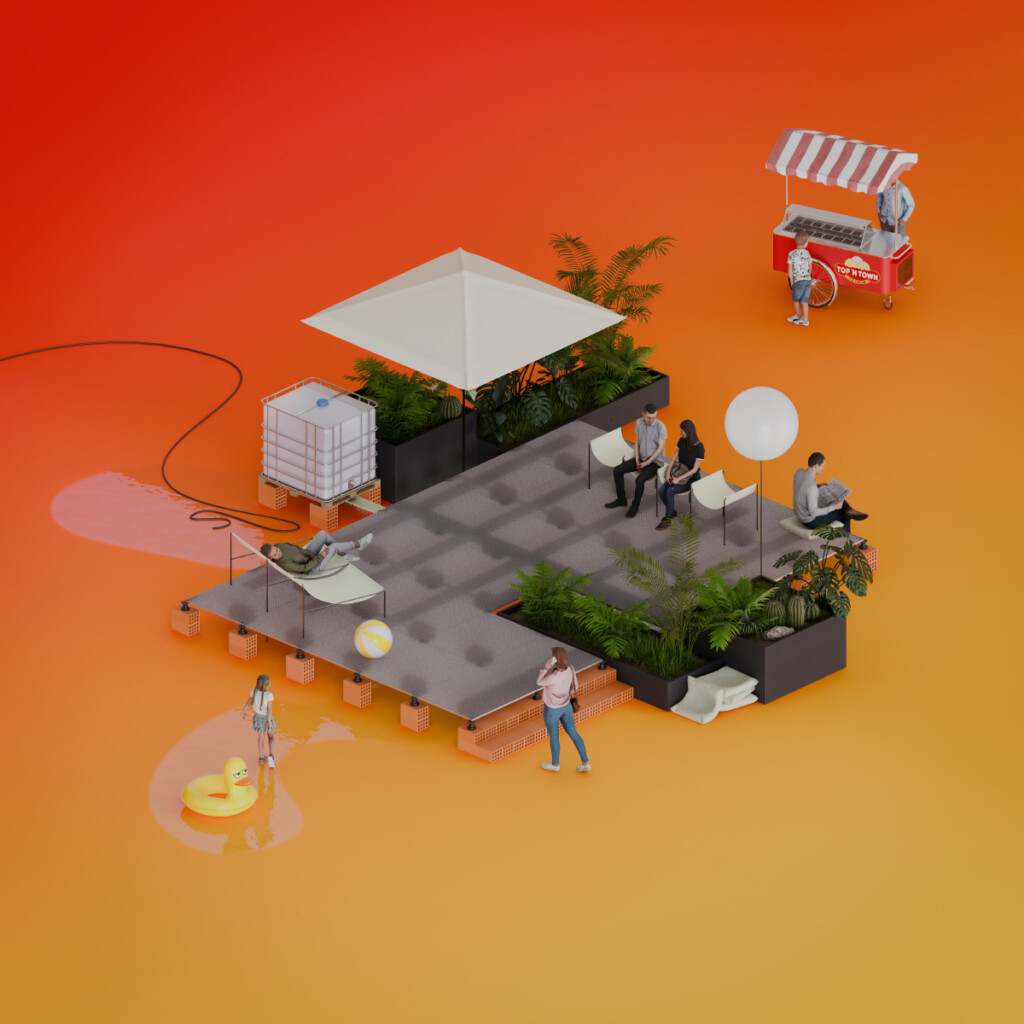
The project was then tested through a series of installations in different urban contexts, each adapting to local resources, climate, and social dynamics. On site, rainwater is collected, stored, and redistributed onto porous surfaces, lowering ambient temperatures without energy.
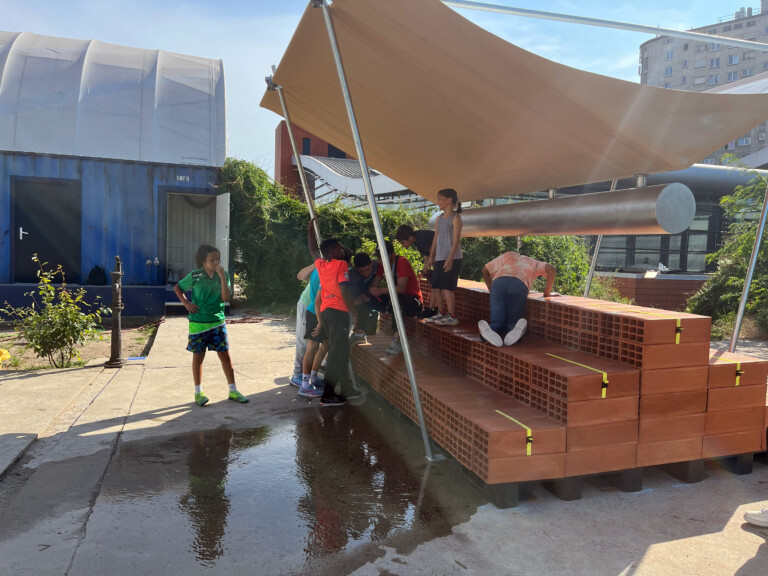
Crucially, the process is visible and participatory: people actively engage in cooling their environment. Developed with local partners, each installation becomes both a climatic device and a shared social space.
Over time, Make It Rain has evolved into a methodology that transforms environmental constraints into collective opportunities.
Water Resilience
Low-tech
Collective Cooling
Circular Design
Public Space Activation
Make It Rain addresses climate challenges through a resource-efficient and regenerative approach to urban design. It rethinks rainwater not as waste, but as a valuable resource for cooling cities, directly responding to the dual pressures of heatwaves and water mismanagement.
The project operates without energy-intensive systems, relying instead on evaporation, a natural and passive cooling process. This significantly reduces environmental impact while offering an effective alternative to conventional air conditioning.
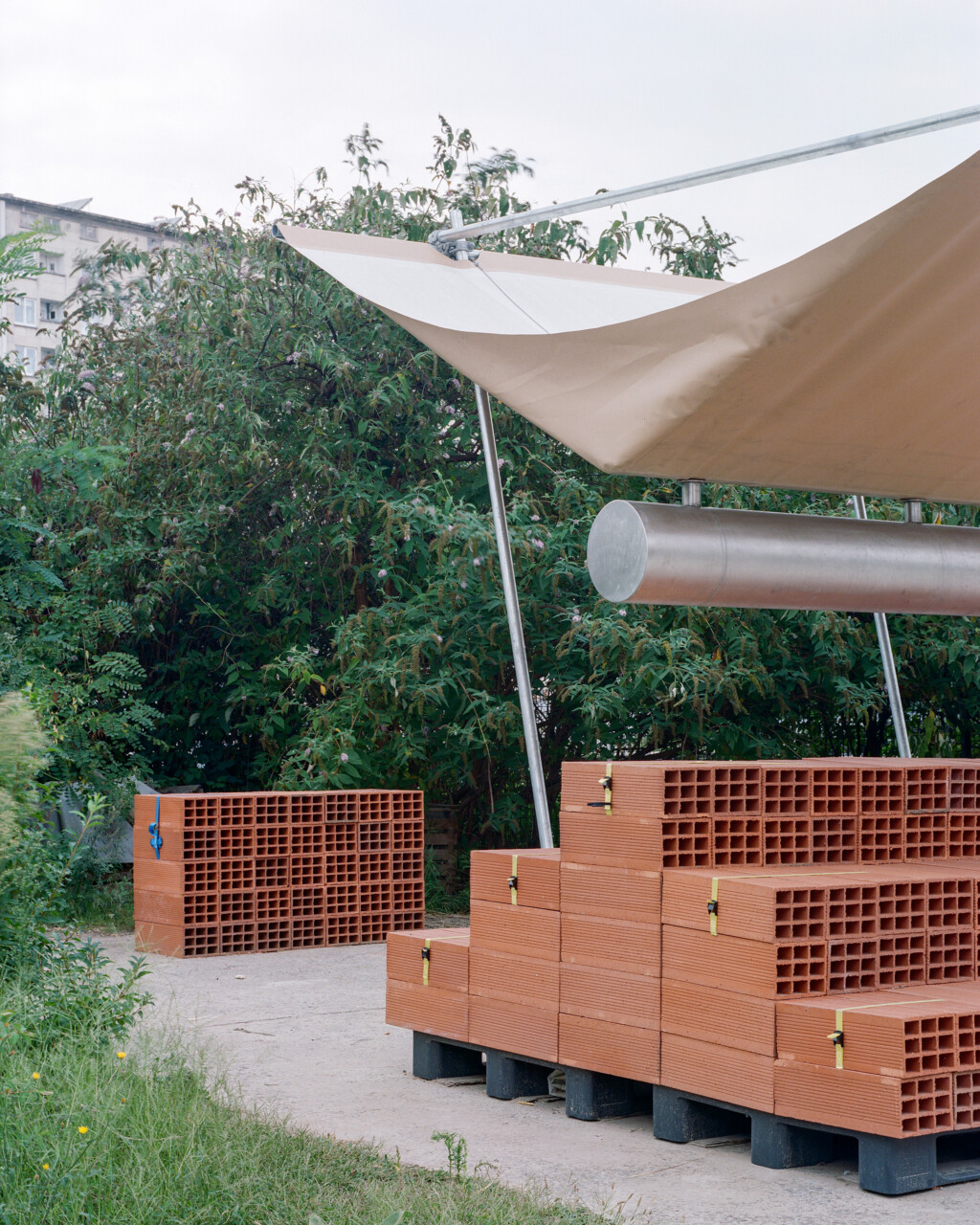
Materials are locally sourced or reused whenever possible, with terracotta playing a central role due to its durability, porosity, and low processing requirements. The installations are modular, dismantlable, and reusable, ensuring minimal waste and long-term adaptability.
Socially, the project promotes sustainable behaviors by making environmental processes visible and actionable. Citizens are directly involved in managing water and maintaining the installation, fostering awareness and collective responsibility.
Culturally, it builds on vernacular knowledge and traditional practices, demonstrating how past solutions can inform future resilience.
Make It Rain is exemplary in its ability to combine environmental performance, low resource use, and social engagement into a scalable model for climate-adaptive public space.
Make It Rain proposes an aesthetic rooted in climate, material, and experience. Rather than adding visual elements to public space, it transforms the sensory qualities of the environment itself, temperature, humidity, texture, into a shared and perceptible experience.
The use of terracotta, water, and simple construction systems creates a warm, tactile, and visually coherent language. As water is poured and evaporates, the space evolves: surfaces darken, air cools, and a microclimate emerges. This visible and physical transformation makes climate processes tangible and engaging.
The installations invite people to slow down, gather, and interact. Sitting on cooled surfaces, participating in watering, or simply enjoying a refreshed space fosters a sense of comfort and belonging. Beauty here is not static, but dynamic, arising from use, interaction, and environmental change.
By reconnecting people to natural cycles and collective actions, the project nurtures care for the place and for shared resources.
Make It Rain is exemplary in demonstrating that aesthetic quality can emerge from ecological performance and social engagement, creating meaningful and desirable public spaces.
Make It Rain promotes inclusion by providing accessible, open, and collective solutions to climate discomfort, particularly in dense urban areas where vulnerable populations are most affected by heat.
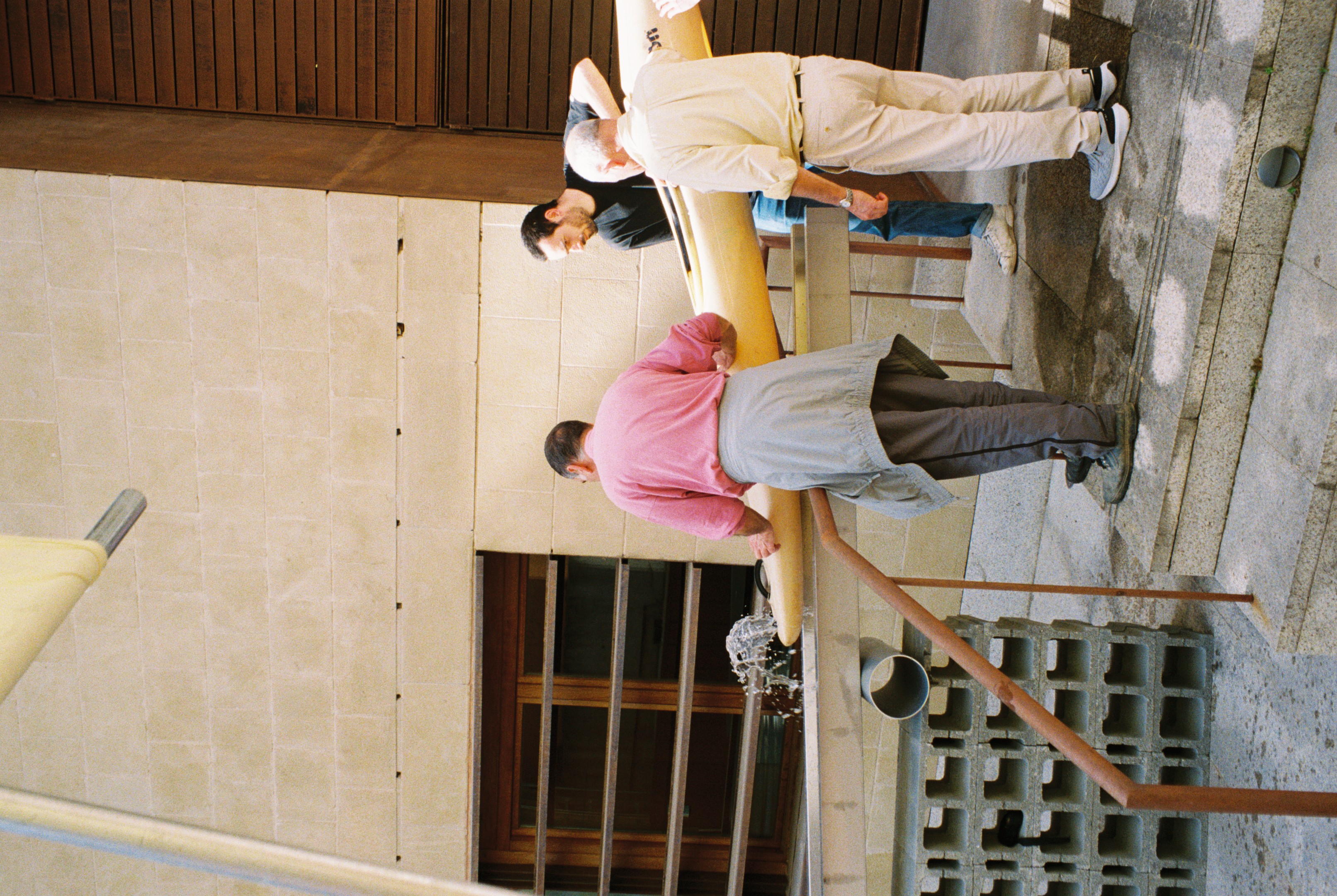
The installations are free to use and located in public spaces, requiring no prior knowledge or resources to engage. Their design is intuitive: anyone can participate in cooling the space by using simple tools such as watering cans or taps. This creates a direct and empowering relationship between users and their environment.
Affordability is central to the approach. By relying on low-tech systems, local materials, and simple construction methods, the project avoids costly infrastructure and can be implemented in a wide range of contexts, including under-resourced areas.
The project also fosters inclusive social dynamics by creating spaces where different groups can gather, interact, and share a common resource. It encourages collective care and responsibility, rather than individual consumption.
In this way, Make It Rain proposes an alternative model of urban comfort, one that is shared, participatory, and accessible to all, making it exemplary in terms of inclusion.
Participation is at the core of Make It Rain. The project transforms citizens from passive users into active contributors to their environment.
On site, people are directly involved in the cooling process. By collecting, distributing, or releasing water, they actively regulate the microclimate. This simple gesture creates awareness of environmental processes while fostering a sense of ownership and responsibility.
Each installation is also developed in dialogue with local communities and partners. Associations, institutions, and residents contribute to defining how the project is implemented, maintained, and used. Their knowledge of the site and daily practices informs the design.
This involvement has a strong impact: it increases engagement, extends the lifespan of the installations, and strengthens social interaction around a shared resource. The project becomes not only a physical structure, but a collective practice.
Make It Rain demonstrates how participation can be embedded in both the design and the everyday use of public space, creating meaningful and lasting connections between people, place, and climate.
Make It Rain operates through collaboration across multiple levels, from local communities to institutional and international partners.
At the local level, the project engages directly with residents, associations, and site managers, who play a key role in implementation, activation, and maintenance. Their involvement ensures that each installation responds to specific needs and contexts.
At the institutional level, collaborations with cultural organizations, public institutions, and regional bodies support the realization and visibility of the project. These partners provide access to sites, resources, and networks, enabling experimentation in diverse urban settings.
At the international level, the project has been presented and developed through European cultural and architectural platforms, facilitating knowledge exchange and dissemination across contexts.
This multilevel cooperation enhances the project’s impact by combining local relevance with broader visibility and transferability. It allows Make It Rain to function both as a site-specific intervention and as a model that can inform policies and practices in other cities.
Make It Rain is inherently transdisciplinary, combining architecture, environmental science, social practice, and design.
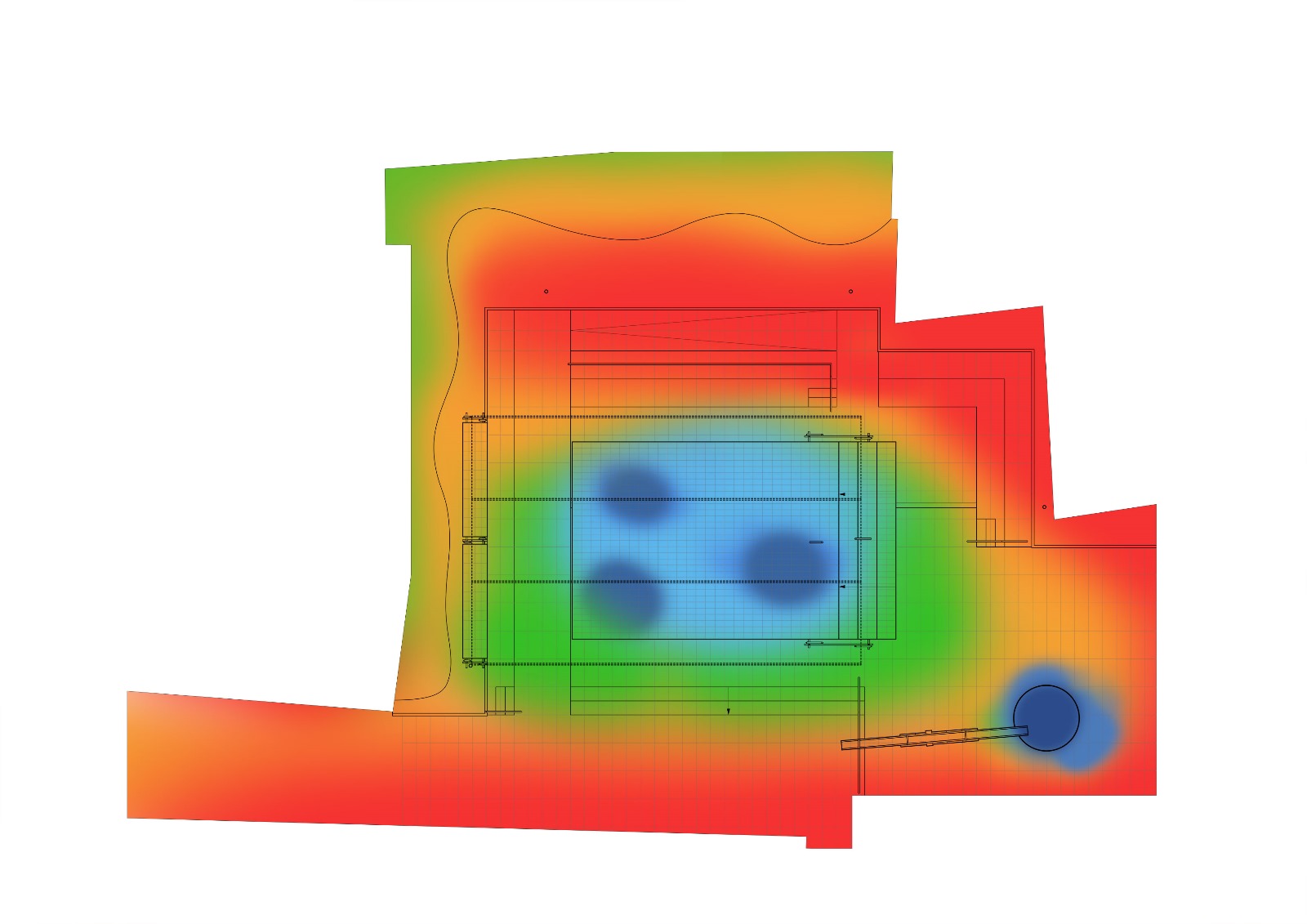
Architecturally, it explores new forms of public space shaped by climate and material performance. Environmentally, it relies on physical principles such as evaporation and thermal regulation, supported by on-site measurements and empirical observation.
The project also integrates social and cultural dimensions, considering how people use, perceive, and interact with space. Participation, collective practices, and local knowledge are central to its development.
Design plays a key role in making these processes visible and engaging, from the construction system to communication tools and digital platforms that extend the project’s reach.
Additionally, collaborations with researchers, material suppliers, institutions, and local actors bring together diverse expertise, from engineering to heritage and urban studies.
This convergence of disciplines enables a holistic approach to climate adaptation, where technical performance, social engagement, and spatial quality are developed together.
Make It Rain is based on a hybrid and flexible model combining public funding, cultural commissions, and partnerships.
The project is typically commissioned by cultural institutions, cities, or festivals, which fund the design and implementation of site-specific installations. This allows for experimentation and visibility while covering production costs.
At the same time, the low-tech nature of the system ensures cost efficiency. The use of simple construction methods, local materials, and reusable components reduces both initial investment and long-term costs.
The modular and dismantlable design allows elements to be reused across projects, increasing economic sustainability over time.
Partnerships with local actors, such as material suppliers, associations, or public institutions, also contribute resources, knowledge, or infrastructure, further reducing costs and strengthening local integration.
In the long term, the project has the potential to evolve into a scalable service or toolkit for cities, offering adaptable solutions for climate resilience.
This combination of low-cost design, reuse, and diversified funding makes Make It Rain financially sustainable and adaptable to different contexts.
Make It Rain is designed as a replicable and adaptable system that can be transferred across different contexts, climates, and communities.
Its core principle, cooling through the evaporation of water on porous materials, is universal and does not rely on complex infrastructure. This makes it applicable in a wide range of urban environments, particularly those facing increasing heat stress.
The methodology is equally transferable. Each project begins with an analysis of local resources, including water availability, materials, climate conditions, and social dynamics. This allows the design to be tailored while maintaining a consistent underlying logic.
The modular construction system enables easy assembly, disassembly, and reuse, facilitating implementation in temporary or permanent settings.
Key learnings such as the importance of participation, visibility of environmental processes, and integration with public space, can also inform broader urban strategies.
Make It Rain is therefore not just a series of installations, but a scalable approach to climate adaptation, offering cities a practical and inclusive model for water resilience.