Arts, Culture, and Heritage as Drivers of Change
Agro-ecotourism for Village Revival
Agro-ecotourism as a source of sustainable income for my rural community
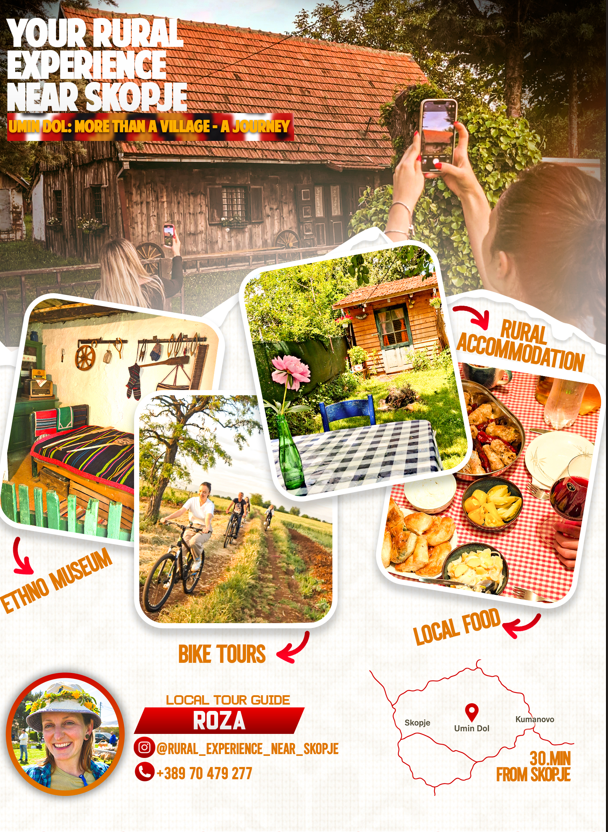
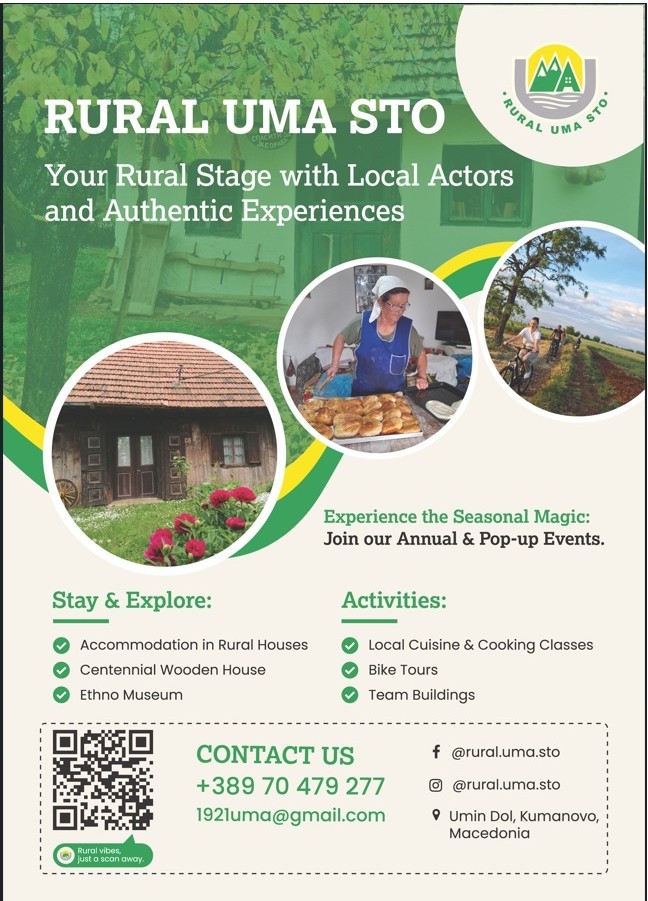
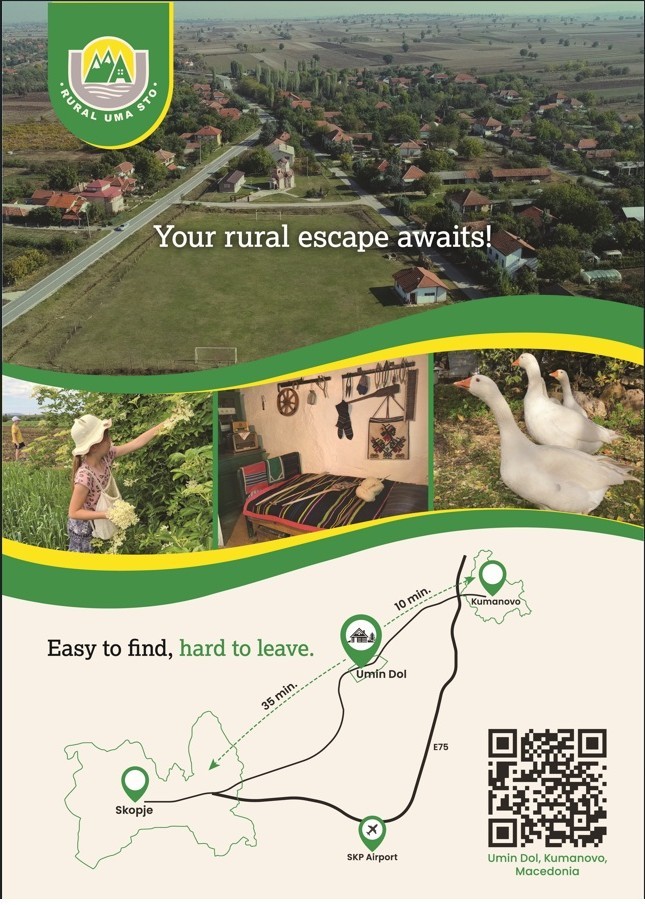
The project boosts agro-ecotourism in Umin Dol, near Skopje, reviving traditions and creating jobs. Locals—especially women, young mothers, farmers, and students—benefit by producing food, souvenirs, and hosting visitors. Seasonal markets and festivals already generate income, while plans for a unique dispersed hotel in a stone houses which is to be renovated soon promise new opportunities, connecting community, cultural heritage, and sustainable tourism.
North Macedonia
Local
Umin Dol, Municipality of Kumanovo
Mainly rural
It involves a physical transformation of the built environment (hard investment)
Yes
2025-04-21
No
No
No
Organisation
The aim of the project is to further develop agro-ecotourism in a tiny village near the capital of North Macedona, Skopje, by creating content and reviving tradition together with the local community, the aim being creating jobs and additional revenue streams for the locals.
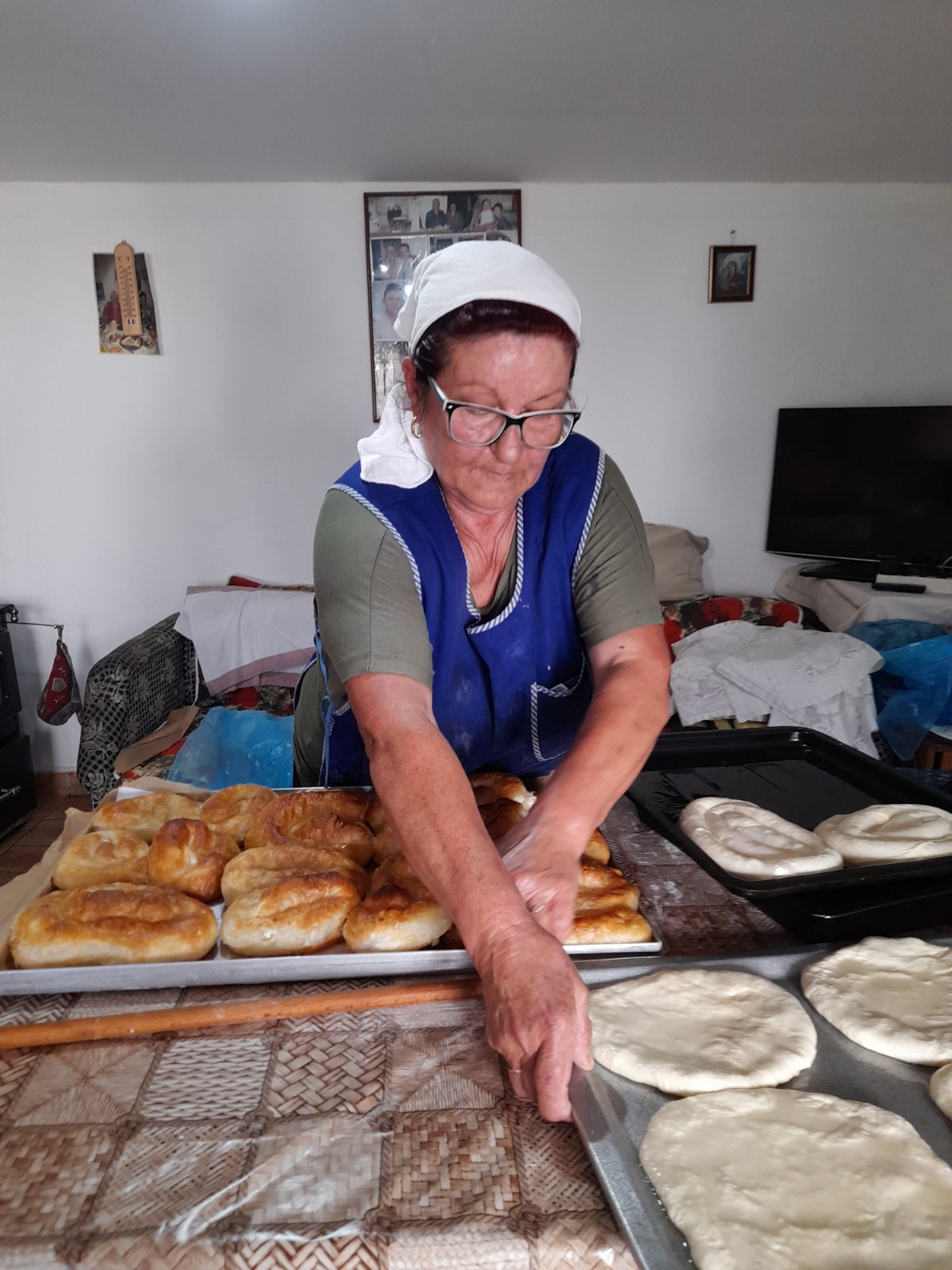
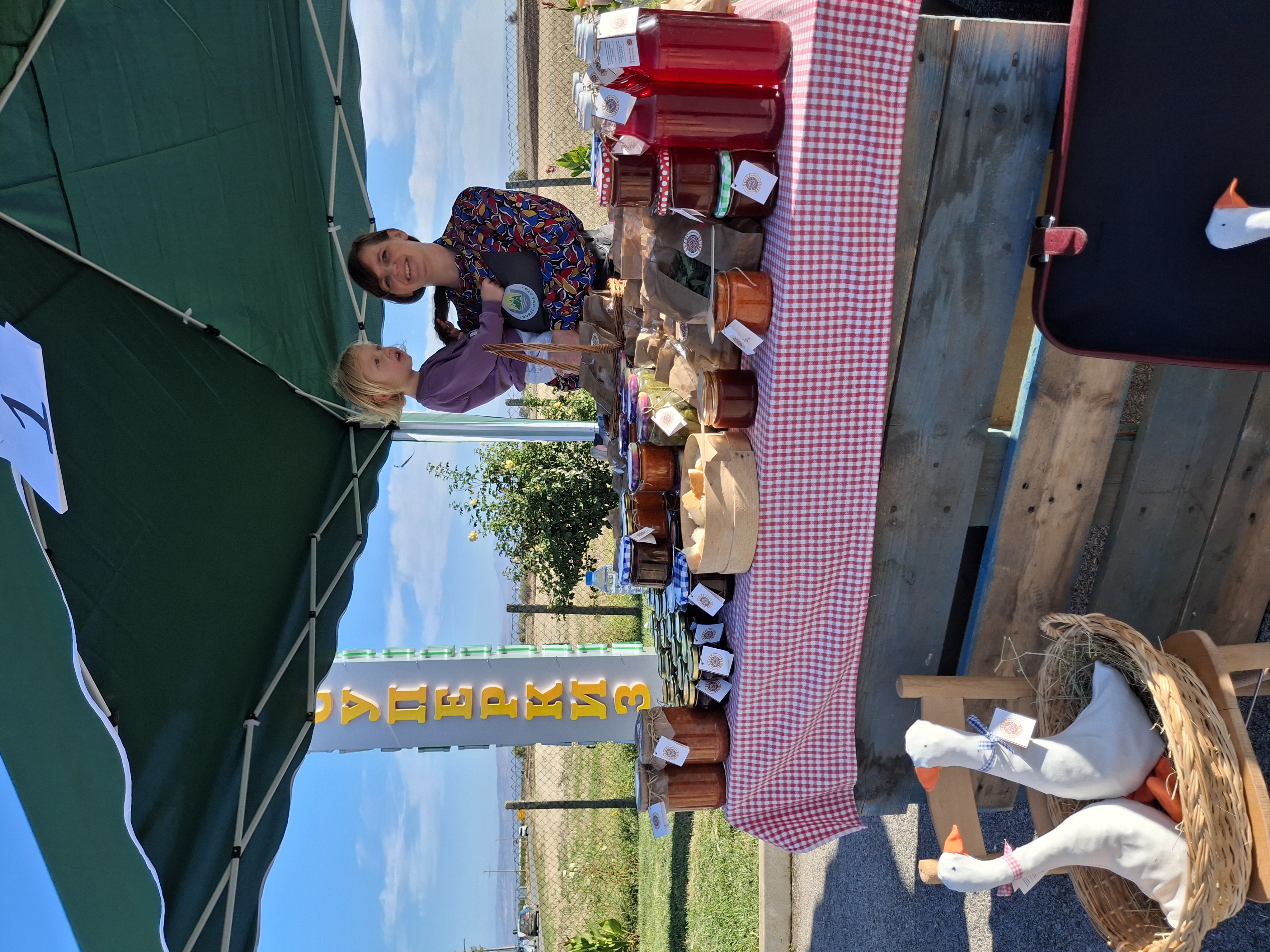
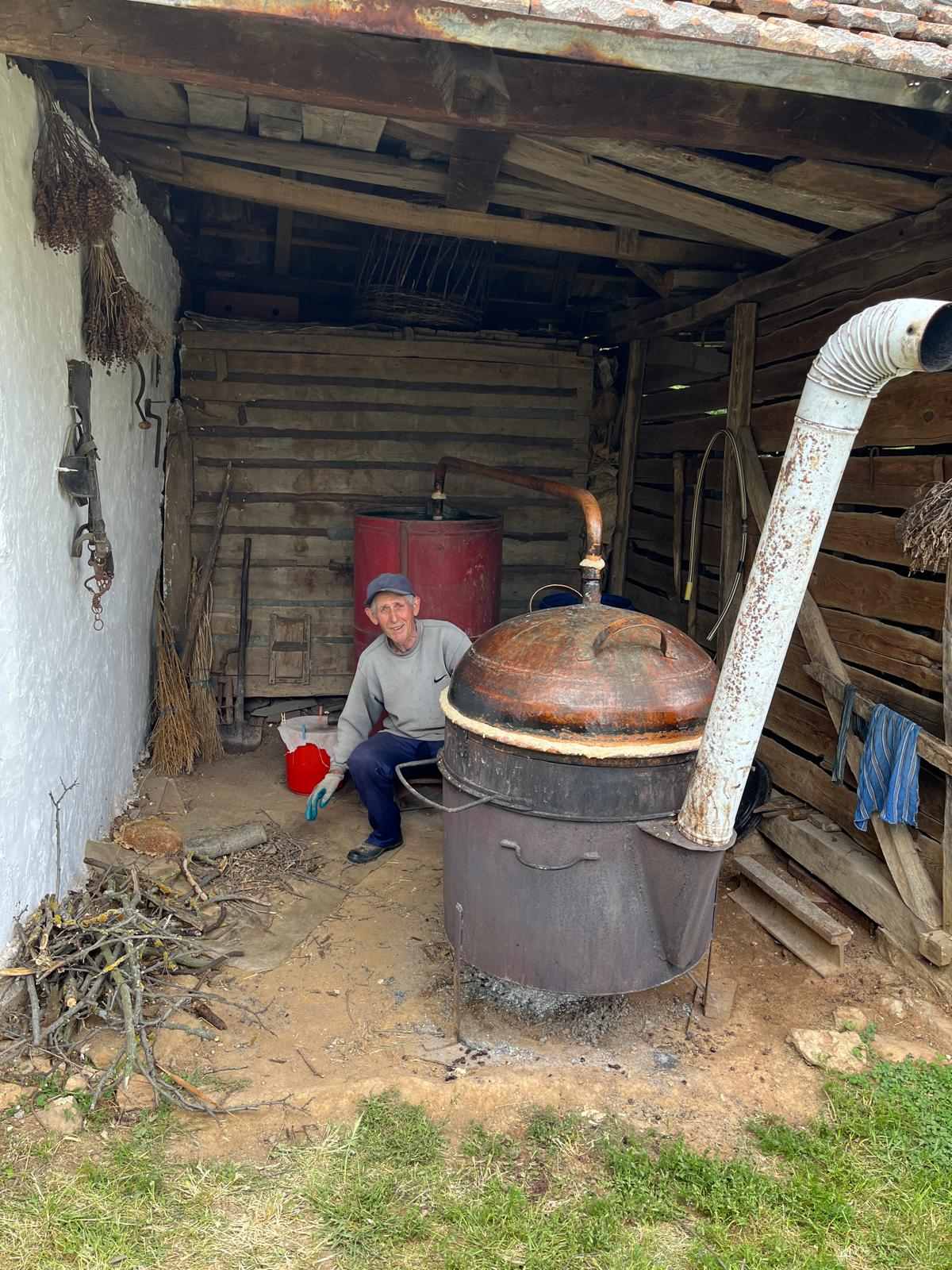
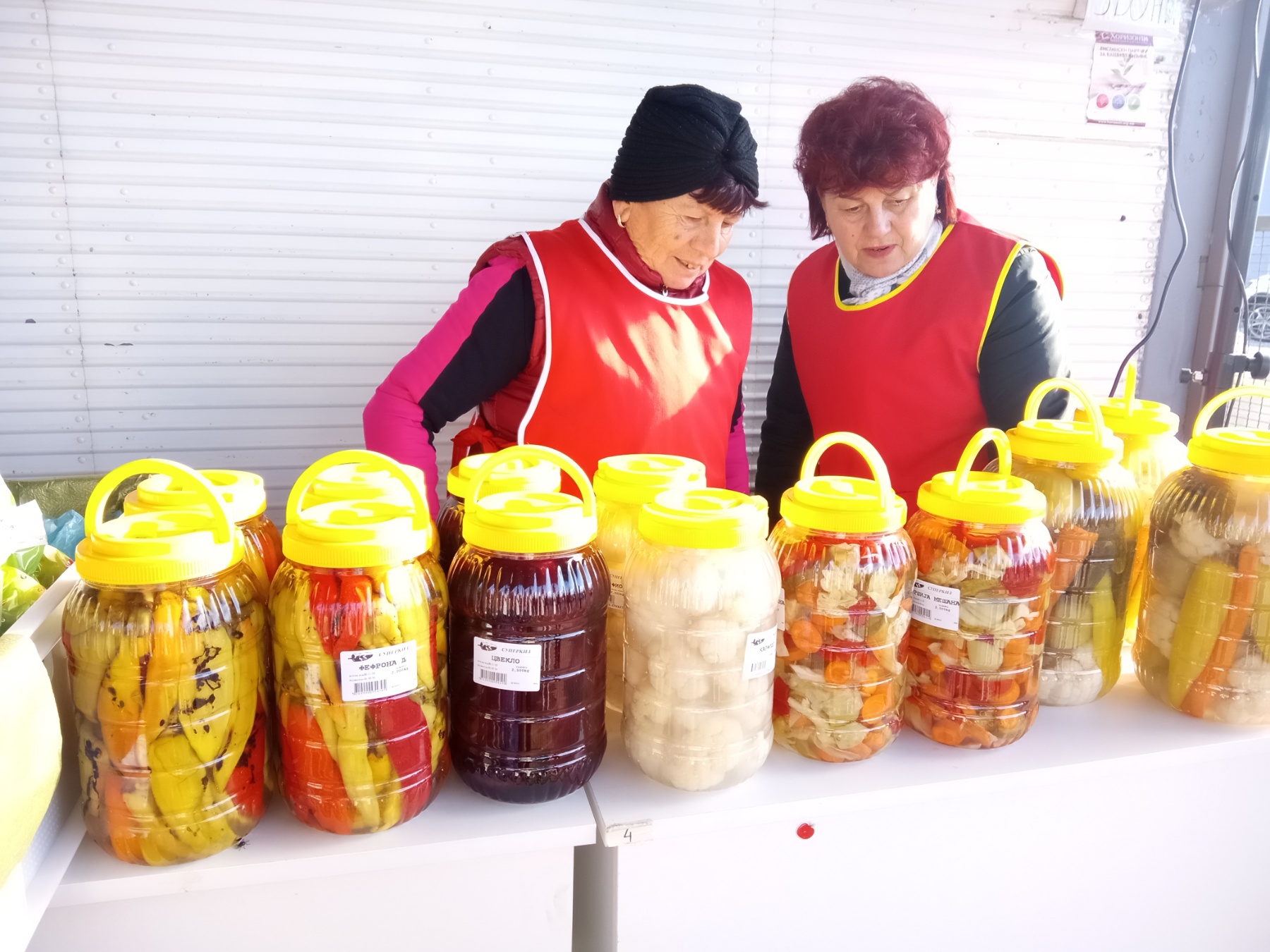
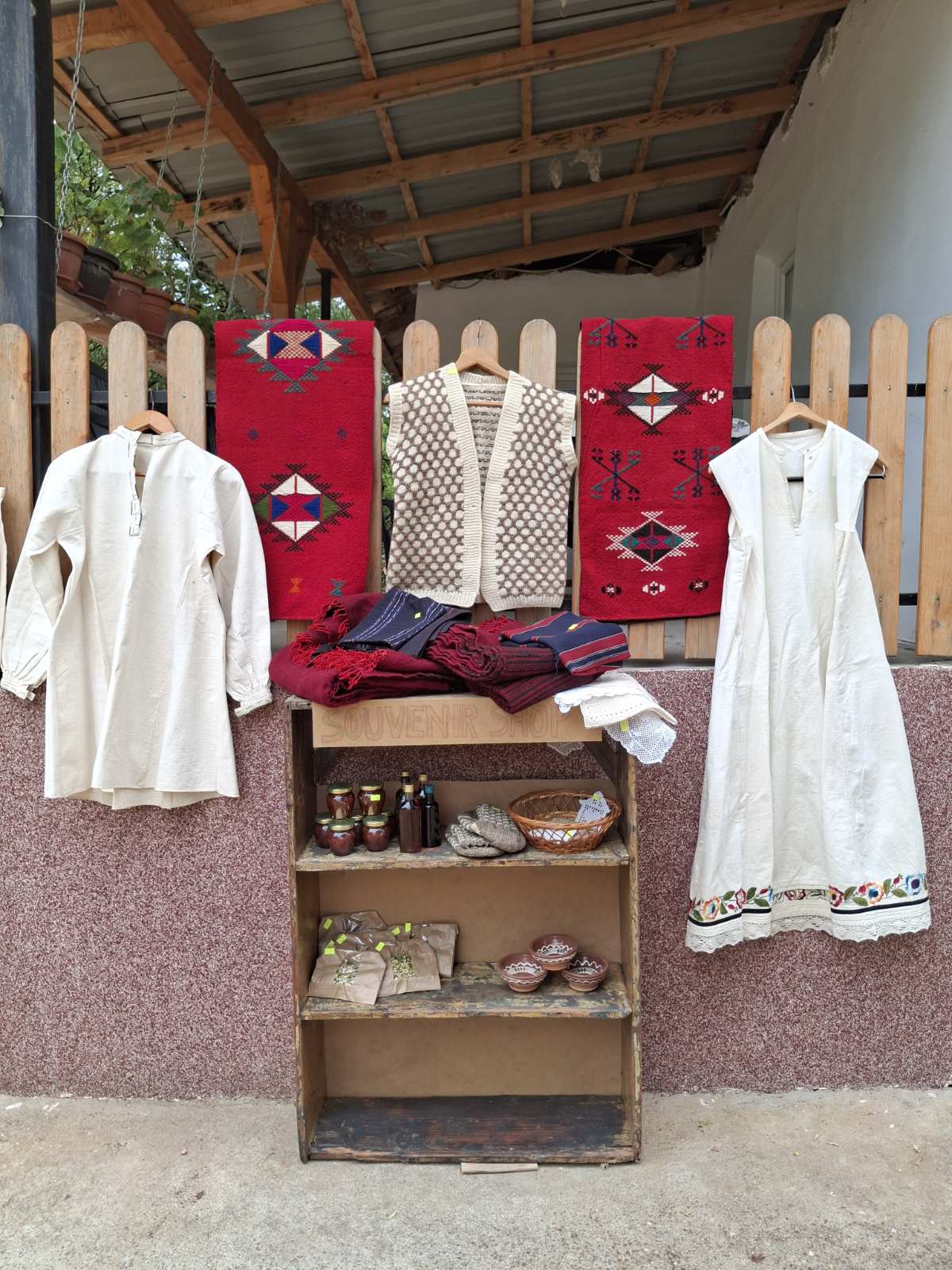
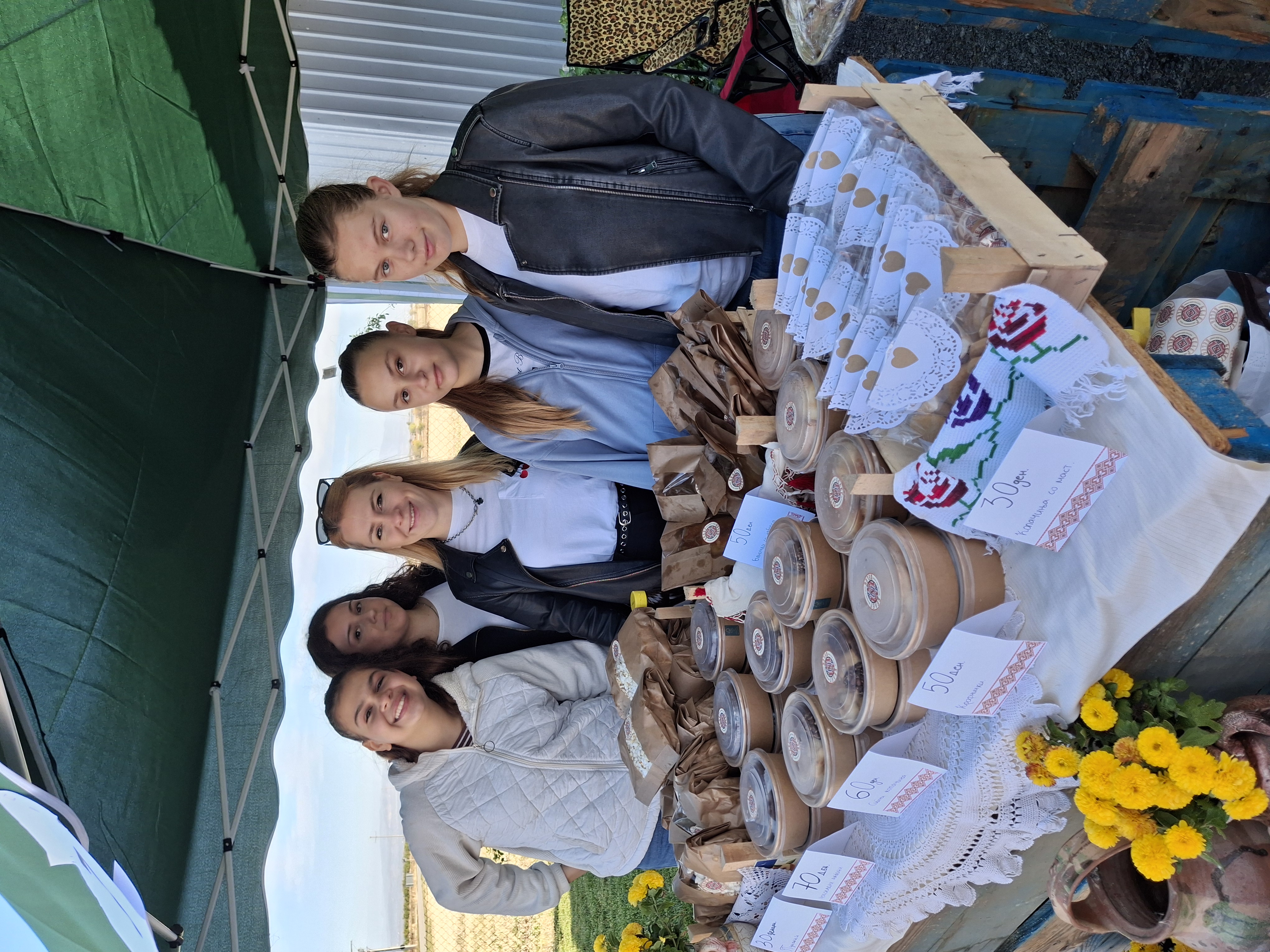
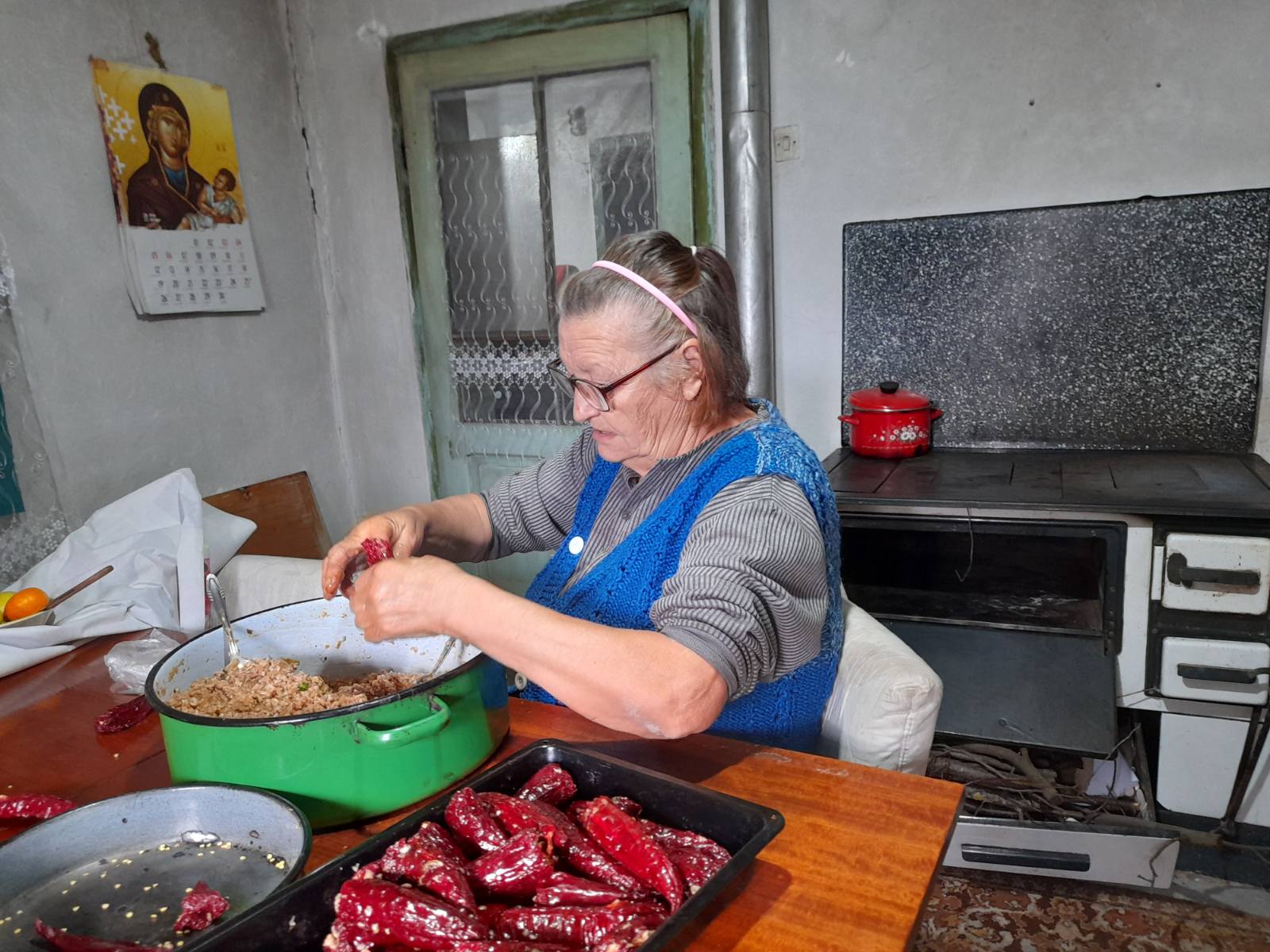
Main beneficiaries of this project are the locals of the village of Umin Dol, including unemployed rural women and young mothers as front-runners, primary school students, local farmers and local business owners. So far, the benefits have already been felt with all the groups by organizing seasonal farmers’ markets, picnics, welcoming groups of foreign visitors, etc. Women have been preparing fresh and preserved food, students have been producing souvenirs that are sold at our events and in the souvenir shop in our ethno museum, and farmers have benefited from visits to their farms and increased demand for their produce at their threshold. Specific objective of the whole project is that at least 5 families make direct income from argo-ecotourism by providing accommodation, preparing food and offering direct content to visitors, and additional 10 families benefit indirectly from increased demand for goods and services.
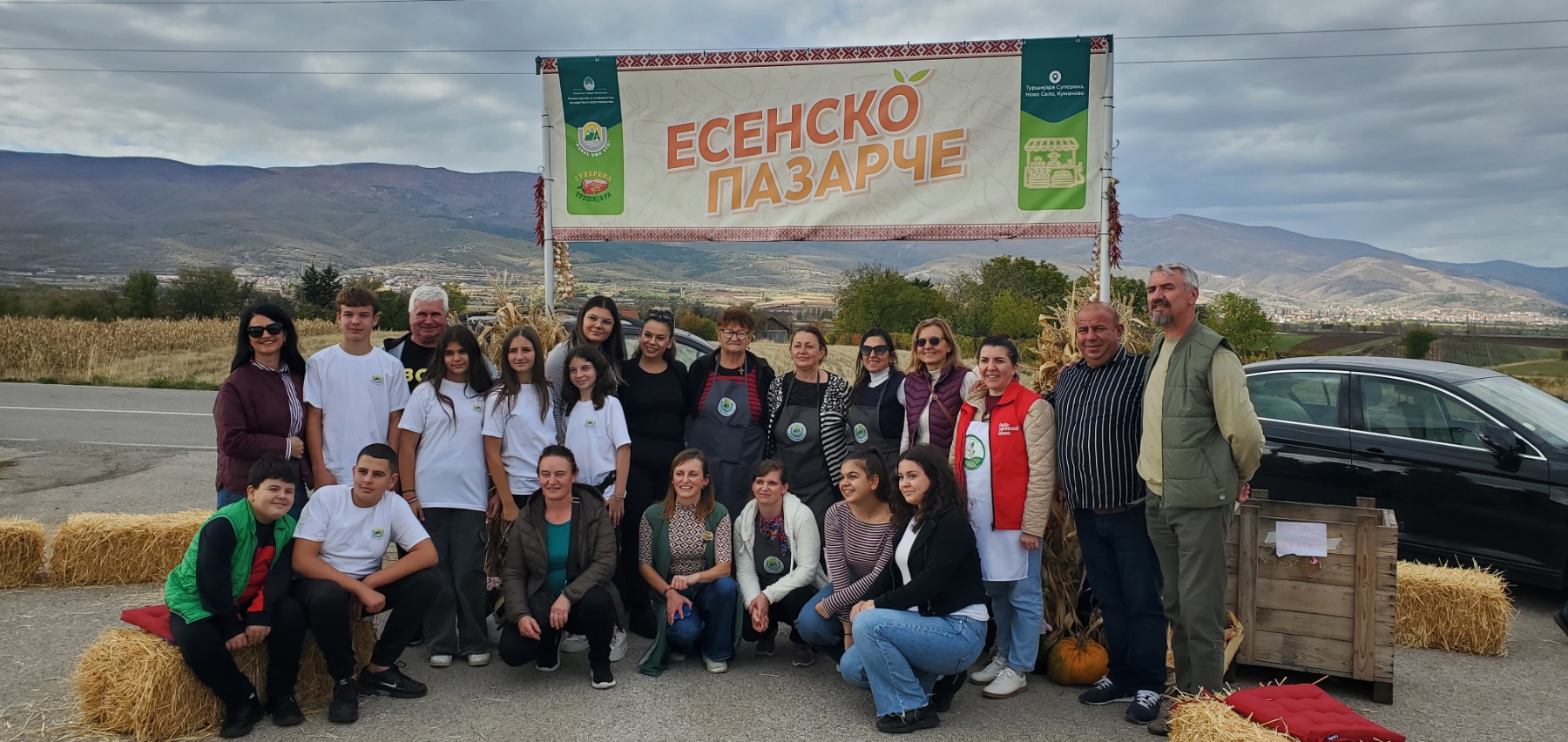
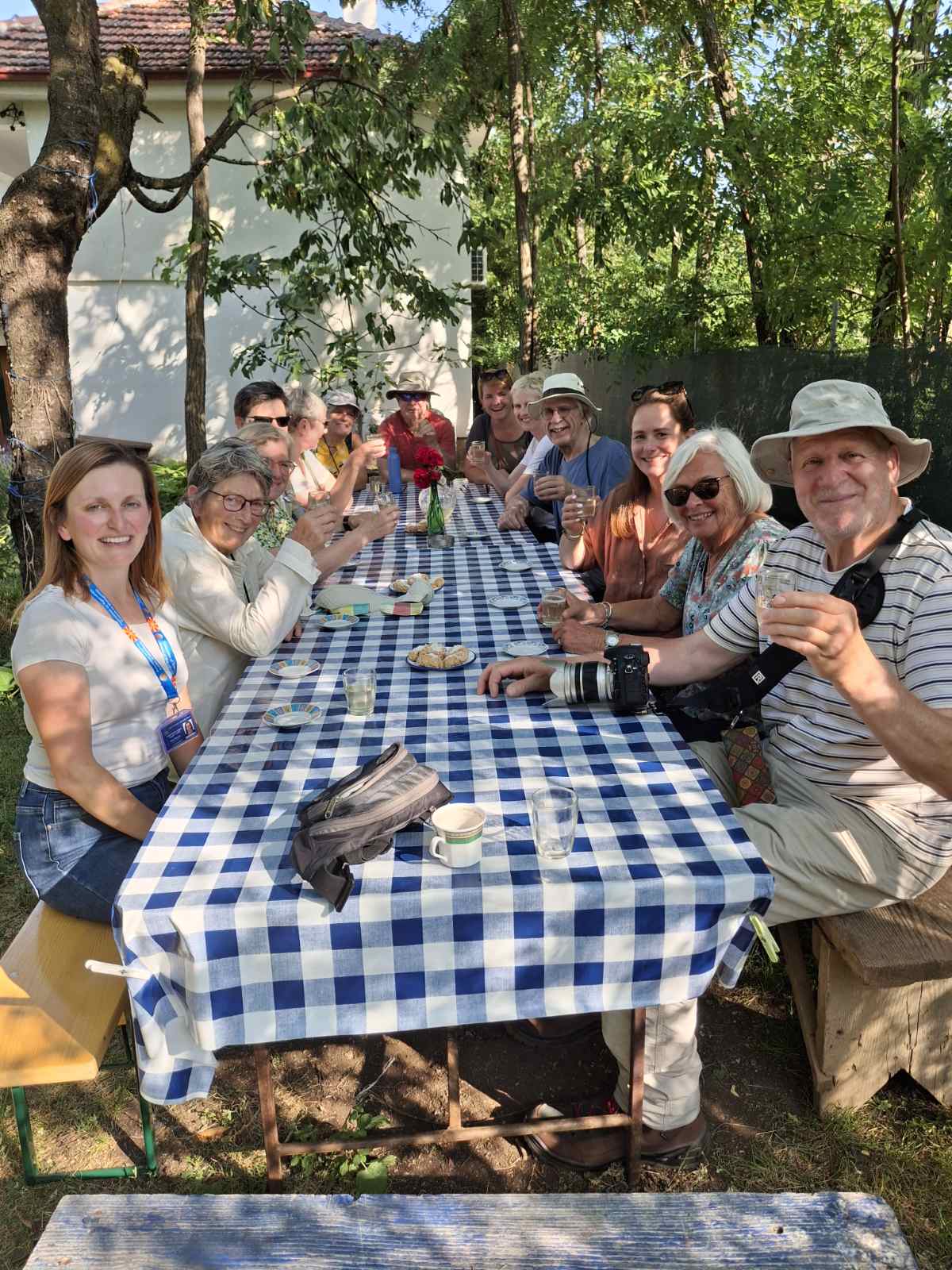
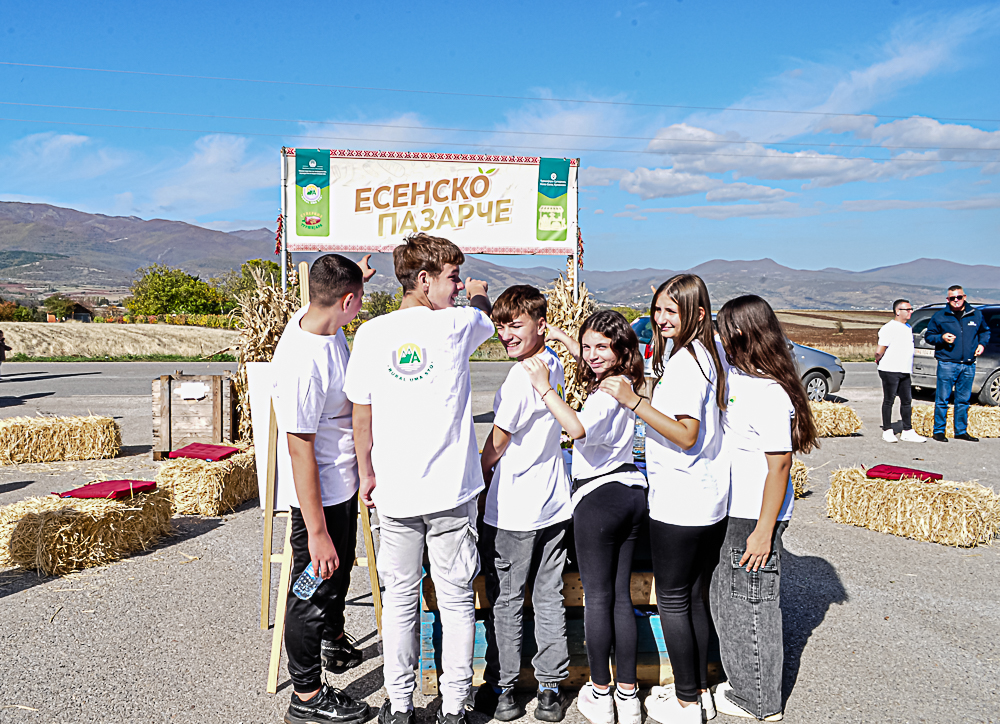
For a total of 4 years we have established 2 annual open-air events - a Spring Festival and an Autumn Farmers’ Market, with 15 local actors and entities taking part in the organization and making revenue out of it. Two rural households have already offered accommodation in the village, and a couple of more are in the process of preparation.
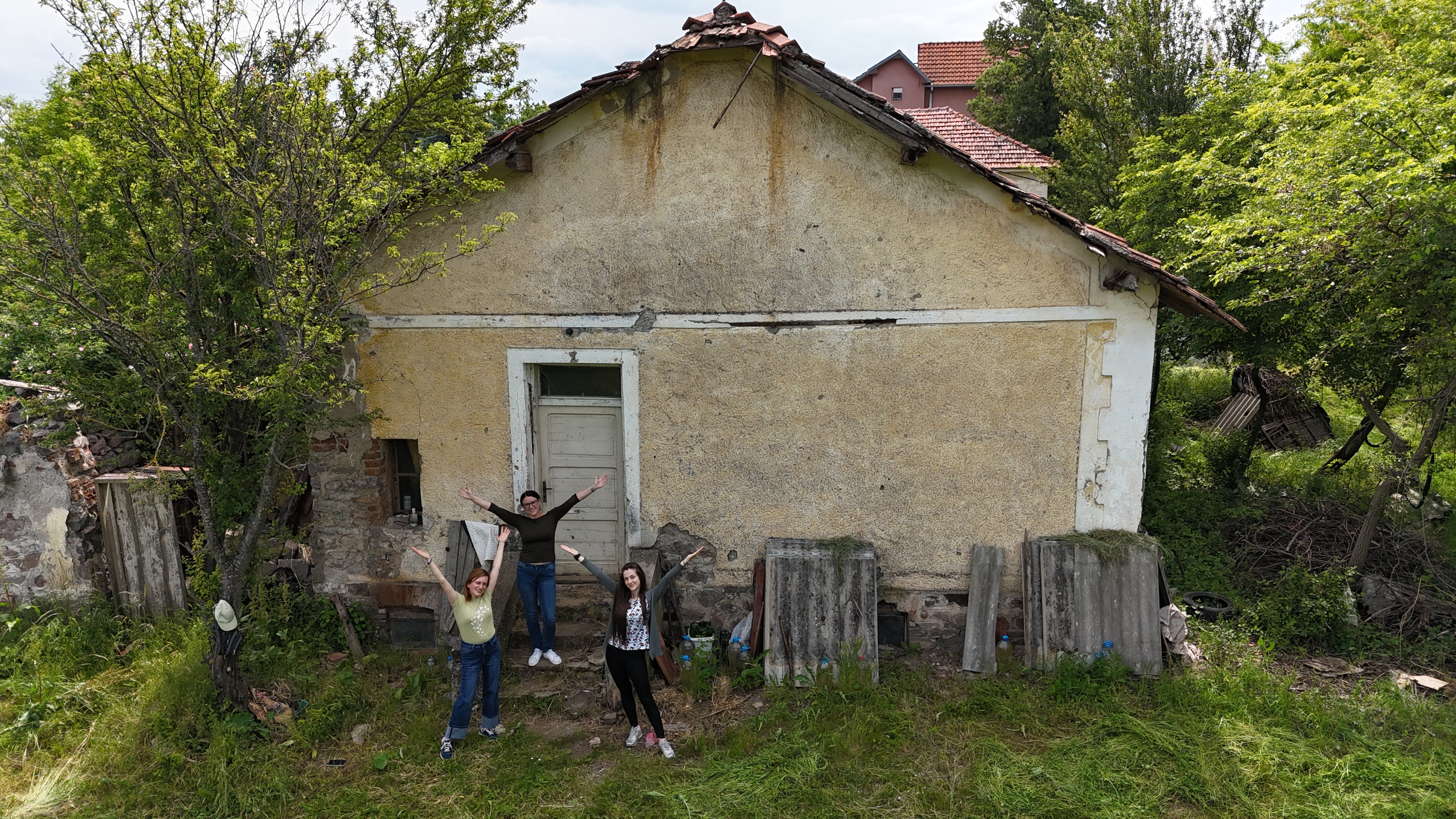
Agro-ecotourism is something new for the local community and, in spite of being skeptical at the start, locals have now opened up to the new concept. As part of innovation, we are planning to open the first dispersed hotel in the area with 5 rural houses and an old stone house which is in the process of renovation through a fundraising campaign, owned by the local non-profit Uma Sto, that will serve as a reception desk.
STORY BEHIND THE PROJECT
The idea of developing agro-ecotourism came from a young non-formal leader in the village of Umin Dol where she was born and raised and has lived ever since. After many years of travelling, gathering experience from across Europe and daydreaming, one day she decided to switch from dreaming to taking specific actions and this is how the non-profit Uma Sto was born, with support of a couple of local community members and business owners.
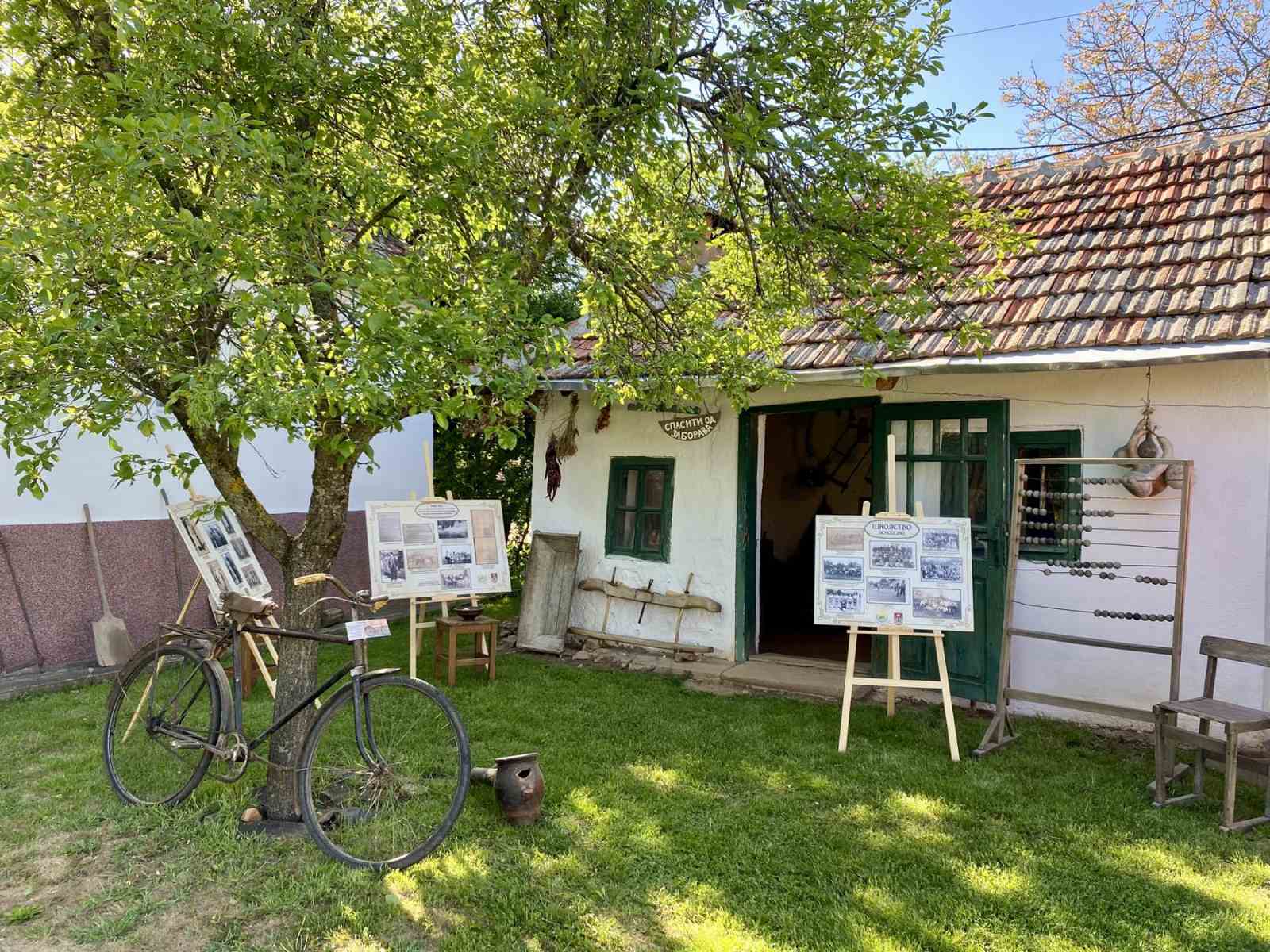
First the non-profit was established, then a couple of tourism-related projects were received and implemented in the local community for awareness rising and skill acquisition, then a couple of fam-tours were organized for local tour operators in incoming tourism with constant social media promotion and a lot of enthusiasm. An old house was turned into an ethno/heritage museum and the first ever house, made of wood and brought by train to the village of Umin Dol, was adapted for visitors. Finally, the local primary school joint onboard with taking regular participation in our events. With everyone onboard, while waiting for a stable influx of foreign visitors, we started attracting local ones and expats living in North Macedonia so that the location gains on visibility and promotion.
This proved to be a good strategy since setting up a new destination is a long-term process and requires a lot of continuity and visibility. On the other hand, attracting local visitors was easy and also good for a slow and steady shift in the mindset of the local community, who came onboard and have been contributing to the development of the concept of agro-ecotourism ever since.
ecotourism
cultural heritage
sustainable growth
community engagement
regenerative approach
Sustainability is something inherent to the concept of agro-ecotourism. The concept we are trying to develop in the village of Umin Dol is something that represents a core value of the local community and has been deeply rooted in the tradition of the people due to the scarcity they were living in a century ago. This is something genuine unlike modern-day greenwash in terms of various certification processes and green destinations labelling.
Our project aims for a from-farm-to-fork principle, making sure food is sourced exclusively locally. Every single house has a big yard with their own garden, so whoever decides to host guests has fresh eggs in the backyard, as well as fresh vegetables and fruits throughout the season. Milk is supplied from a couple of local farms in the village, and so is cheese. The manure is used for fertilizing the gardens and rainwater is very essential for the local gardeners since we haven’t got a central water supply system but individual wells in the yards instead, which makes water a scarce resource. The building Uma Sto non-profit is trying to renovate and use as a hub for further development of agro-ecotourism is a stone-and-wood construction exclusively with a deep cellar that may be good for storing fresh produce for a prolonged period of time. The land around the building is perfect for a fruit forest and permaculture garden, which means that it can serve as a training center for the innovative gardening approach for both locals and foreign visitors, meanwhile also providing food.
What makes this approach strong is that sustainability has been a genuine concept being part of the traditional value system of the local community, so they accept is as a way of life, not as something new that was imported to them.
Keeping the environment clean and tidy is a big challenge for most rural areas in the Western Balkans. Cleanliness comes first for those delivering services in rural of agro-ecotourism. Not only do the service providers mind the cleanliness of their yards, but they also put pressure on their neighbors to follow suit.
Primary school students together with the activists from Uma Sto organize eco activities in the village and plant flowers and fruit trees both in the school yard and the public areas around. The main drivers of the agro-eco-tourism process partner with other stakeholders, such as the school personnel, the owner of the grocery store, the local tour guide and direct service providers in the village. All of them have their own buy-in in the development of the village into a destination for tourists. The more we develop as a destination for visitors, the more people will feel the urge to beautify their environment and benefit from it.
Since the local primary school got engaged in our seasonal events and saw its opportunity for sustainable income from sales, they started investing in students’ hobbies and interests and decided with the help of Uma Sto, to raise a fruit orchard with about 80 fruit trees, hoping to sell fresh fruits at the events or to local women for further processing once the fruit trees start producing yield. The opportunity they saw contributed to us having a beautiful new orchard in the center of the village, where the school is located.
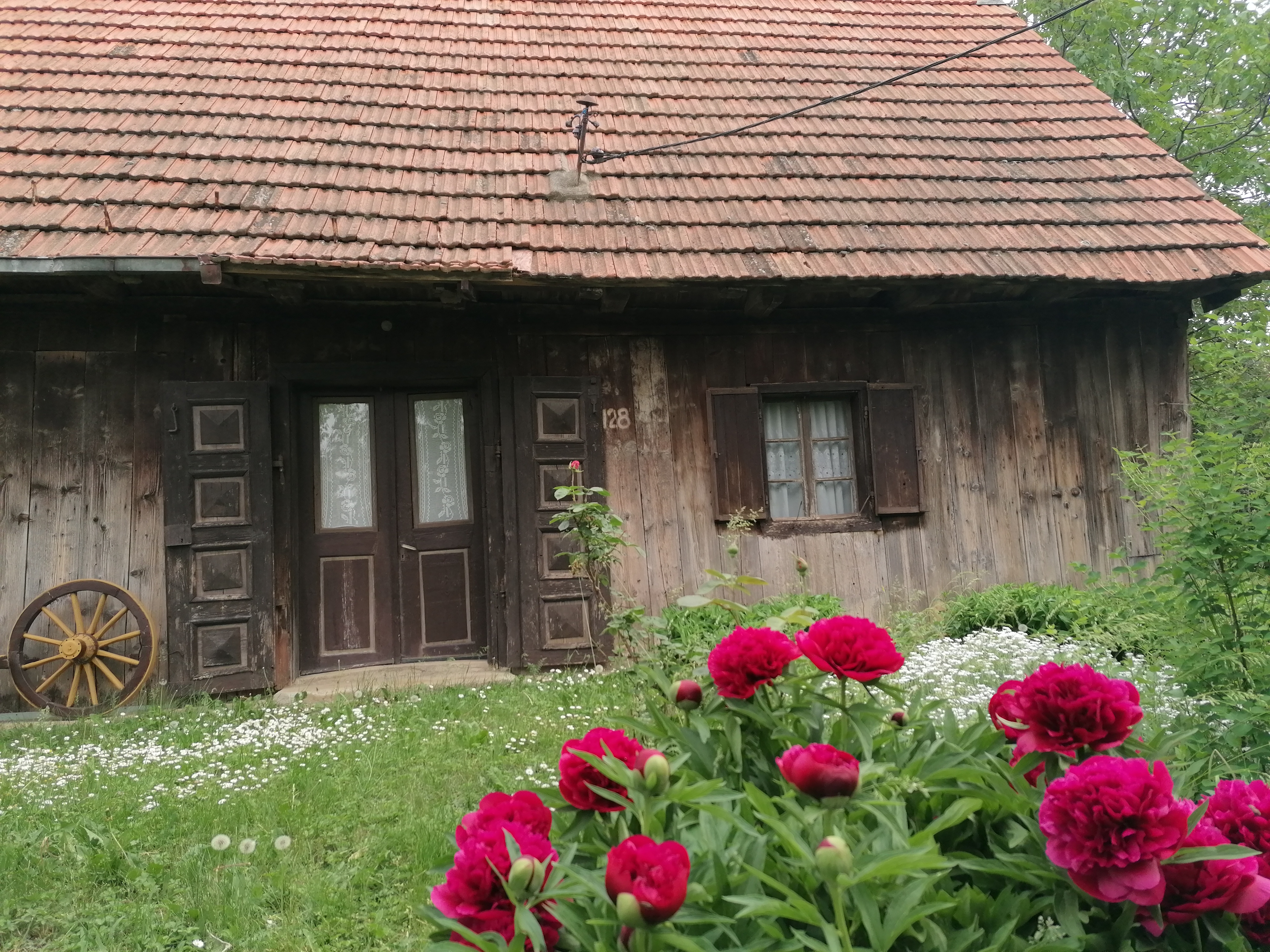
The renovation of the old centenial stone house that will be used as a hub for further development is in progress, meanwhile paying attention to all the necessary elements and features of the architecture a century ago. Once the renovation is completed, it will add up to the aesthetics of the vernacular architecture which a century ago was considered avant-guarde and high-end since it was designed by a Russian architect – an emigrant living and working in the area.
The objective of the initiative for agro-ecotourism is to provide economic and social inclusion for all the categories in the community: from young students in primary shcool who have already been taking active participation, to unemployed women and persons with some sort of disability or atypical development, trying to fit everyone into the borader landscape od agro-ecotourism. Some of them are direct beneficiaries of the tourism activities, some are indirectly affected by providing certain services driven by demand.
The results of the inclusion efforts are divers and they are as follow: about 120 students being involved in the school participation at our seasonal events, one woman with a bodily disability having her own small brand of fruit liqueurs, two young mothers unable to get jobs because there are no options for kindergartens in the vicinity, are recognized by homemade pasta and hazelnut products respectively, a couple of retired individuals offering workshops on knitting, weaving and old handicrafts, to name but a few.
The way the entire local community operates is some sort of social enterprise with everyone taking something from the resources and the community, but also giving back to the community, weather it be funds, services, logistics or skills.
In the activities we have undertaken so far, Uma Sto as a non-profit has ensured participation of all the local stakeholders to make the agro-ecotourism offer comprehensive. It means that in addition to rural women who dominate the process, man as farmers and as family members are also a part of the broader image of agro-ecotourism. The primary school in the village was already mentioned as one of the major stakeholders and their participation is of paramount importance because young students get involved in the local processes since an early age and develop a sense of ownership for the concept. Schools usually receive insignificant annual budgets from the municipalities, so the profit they make at our seasonal events contributes to their financial stability and future development. Local business owners, such as the owner of the grocery store, mark an increase in their turnover during the seasonal events. Another business that is included in the autumn farmers’ market is the owner of sauerkraut and pickles factory, where the event actually takes place. He co-hosts the event together with Uma Sto, thus contributing to our logistics and their increased promotion and sales. The local folk dance and singing group also takes part at our events, teambuilding and groups of foreign visitors. The seasonal events have revived the entire village by bringing back people who have their origins in the village or even those who have moved out decades ago and are living somewhere abroad – all of them save the dates to be present at the seasonal events.
Whnen it comes to multi-level governance, in a timespan of four years, Uma Sto has established cooperation with a couple of relevant institutions that have offered financial support and contributed to the legitimacy of the entire endeavor. At the forefront was the municipality and its sector on local development who have recognized the idea of attracting foreign visitors and organizing seasonal events and have offered financial support, such as project grants. The Ministry of Agriculture has also been granting financial support for the last 4 years for the biggest event we organize – Autumn Farmers’ Market, adding up to the legitimacy of the activities and the event itself.
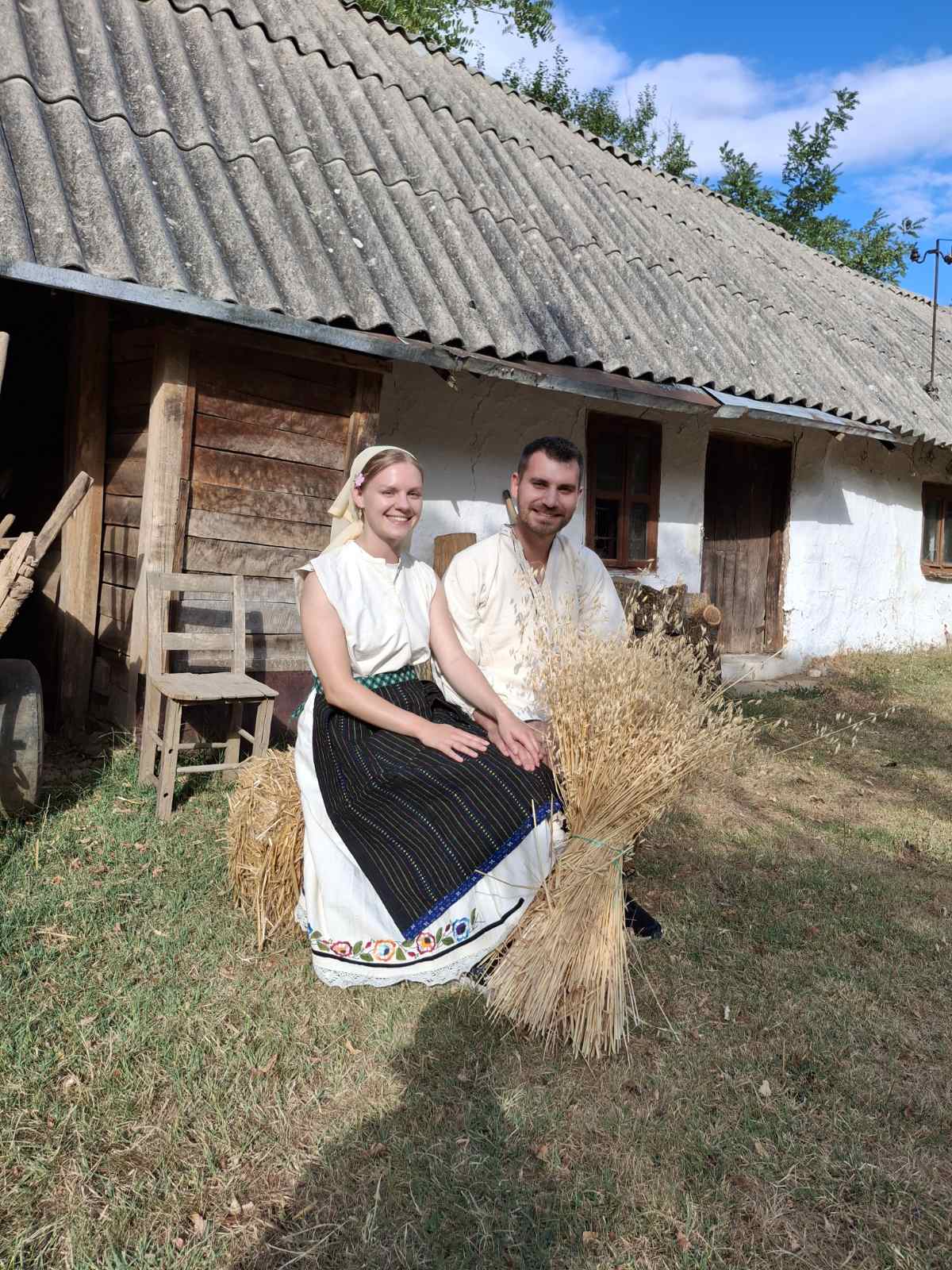
With the development of agro-ecotourism, as the highest form of sustainable and green tourism, several disciplines have been encompassed. First and foremost, agriculture, as the name itself speaks, then the protection of the environment, both disciplines going hand in hand with the concept of agro-ecotourism. In addition to this two disciplines, cultural heritage is a third one which is mainly depicted through the ethnographic/heritage museum we have established in the village serving as a testimonial of the culture and tradition people were nurturing in the past that we are trying to revive in the present. Vernacular architecture is another element added to the puzzle of agro-ecotourism with the centennial wooden house brough from present-day Croatia to the village of Umin Dol by train, as well as many abode houses that still serve as witnesses of vernacular architecture. Handicrafts and arts are another discipline in agro-ecotourism, with students and women in the village trying to produce souvenirs from natural materials such as clay, wool, local farm products etc. In addition to that, students also try to revive traditional old songs during their music classes at school, which they perform afterwards at our events. Last, but maybe most important is gastronomy which is an indispensable part of any tourist offer. Local from-farm-to-fork products are offered to individual and group visitors, as well as to guests at our open events.
All those disciplines interact amongst each other and create a comprehensive image of agro-ecotourism in the essence of its meaning and not in a sense of present-day certification.
All those disciplines interact amongst each other and create a comprehensive image of agro-ecotourism in the essence of its meaning and not in a sense of present-day certification.
Our business model is a mix of profit-driven with elements of social enterprise. The revenues the non-profit is making from some extra activities such as organized visits, events and teambuildings in the village are partially invested in helping women with purchasing unified packaging, raw materials for souvenirs, branding, their promotion, mentoring etc., while another portion of it is used for investment in hard infrastructure, such as the renovation of the stone house we are doing step by step.
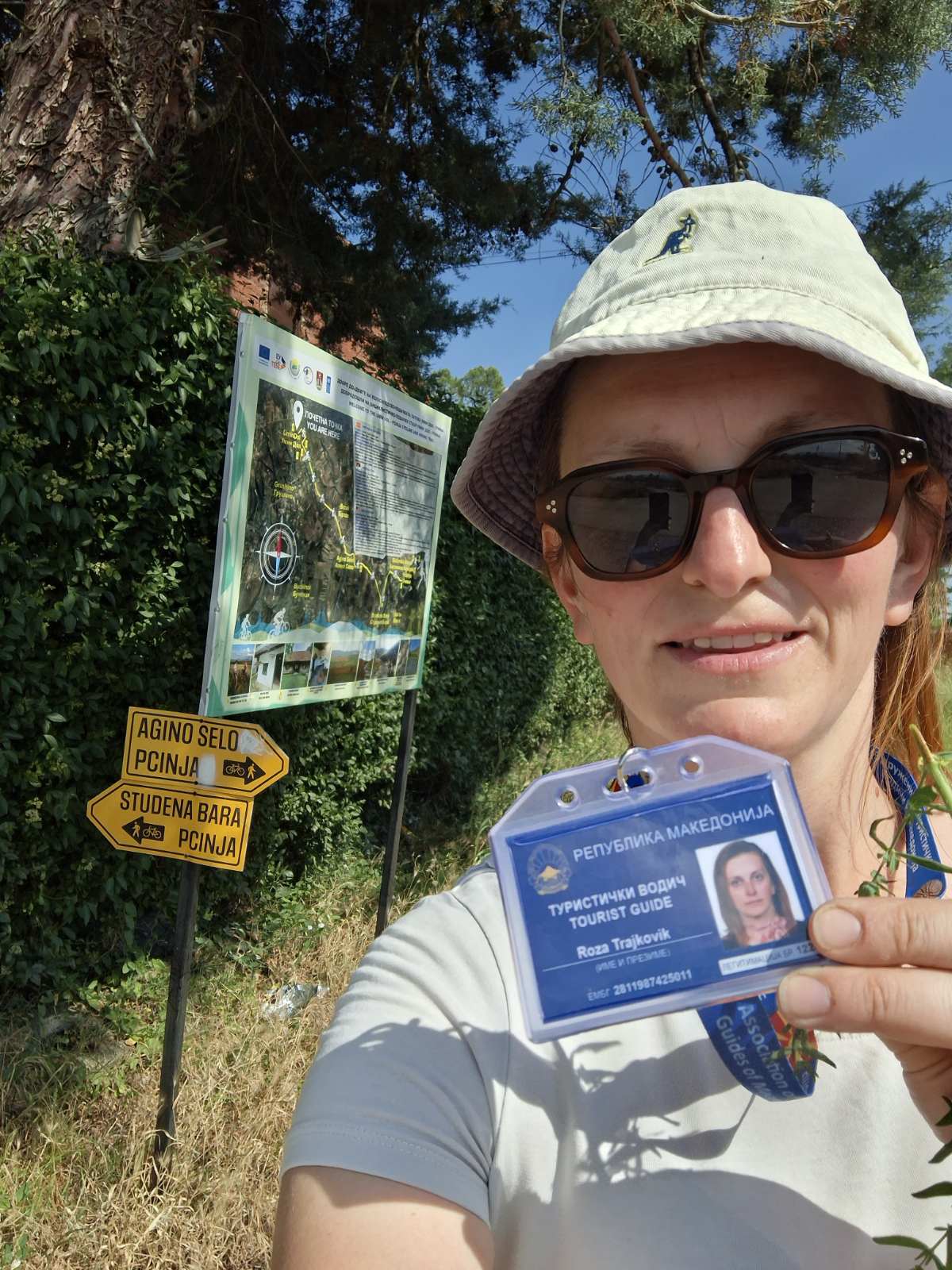
In the initial stage of the development of agro-ecotourism, we were mainly financed by local and international donors, such as the municipality and the UNDP. At present, all the activists and stakeholders are already making their own income from sales at the seasonal markets, individual orders by visitors from Skopje, groups of foreign visitors paying entry tickets and other services such as bike rental, tour guide etc.
We are hoping to further develop the model and increase the number of foreign visitors by cooperating with tour guides from Skopje and some new tour operators, but by also offering more accommodation for overnight stays. Once the stone house is ready for use after renovation, it is expected to double the revenues the community is making since it opens up a potential for new content and new activities. With a reasonable increase in the influx of visitors, all the disciplines mentioned in the multi-disciplinary approach will benefits when the demand for their goods and services go up.
The business model as such is set on sustainable foundations, but if we want to grow the business and make more families live off of it, then we have to enrich our content and offer to visitors. What incurs most costs is the hard investment, or to be more specific, the renovation of the old stone house the non-profit UMA Sto has received from the government, which can serve as a centralized hub for all the events and activities related to agro-ecotourism in the village.
The development of agro-ecotourism in the context of North Macedonia appears to be easily scalable especialy taking into consideration the fact that all the elements that make this model are to a greater or lesser extend present in almost every village. What lucks are local young leaders that will encompass all the elements and will be the driving force of the process.
Our model is inspiring because we started literally from scratch with a lot of scepticism amongst the locals and have managed to establish ourselves as a fresh and promising agro-ecotourism destination engaging the wider community and several different stakeholders. We have already inspired change in one village in the Municipality of Kumanovo and they have started organizing their farmers’ market for two years now, and another neighboring village has demonstrated interest into organizing a group of women to do something similar to what we are doing.
Replication of the farmers’ market model requires first a good will, and then a good logistical support in terms of stands, tents, audio equipment etc., which we are willing to help with by offering ours to the neighbouring villages. In addition to that, we have also been at disposal for sharing our path towards inspiring the community to engage and setting the village up on the eco-touristic map of North Macedonia.