Enhancing Circularity, Sustainability, and Innovation
Soils
{Empty}
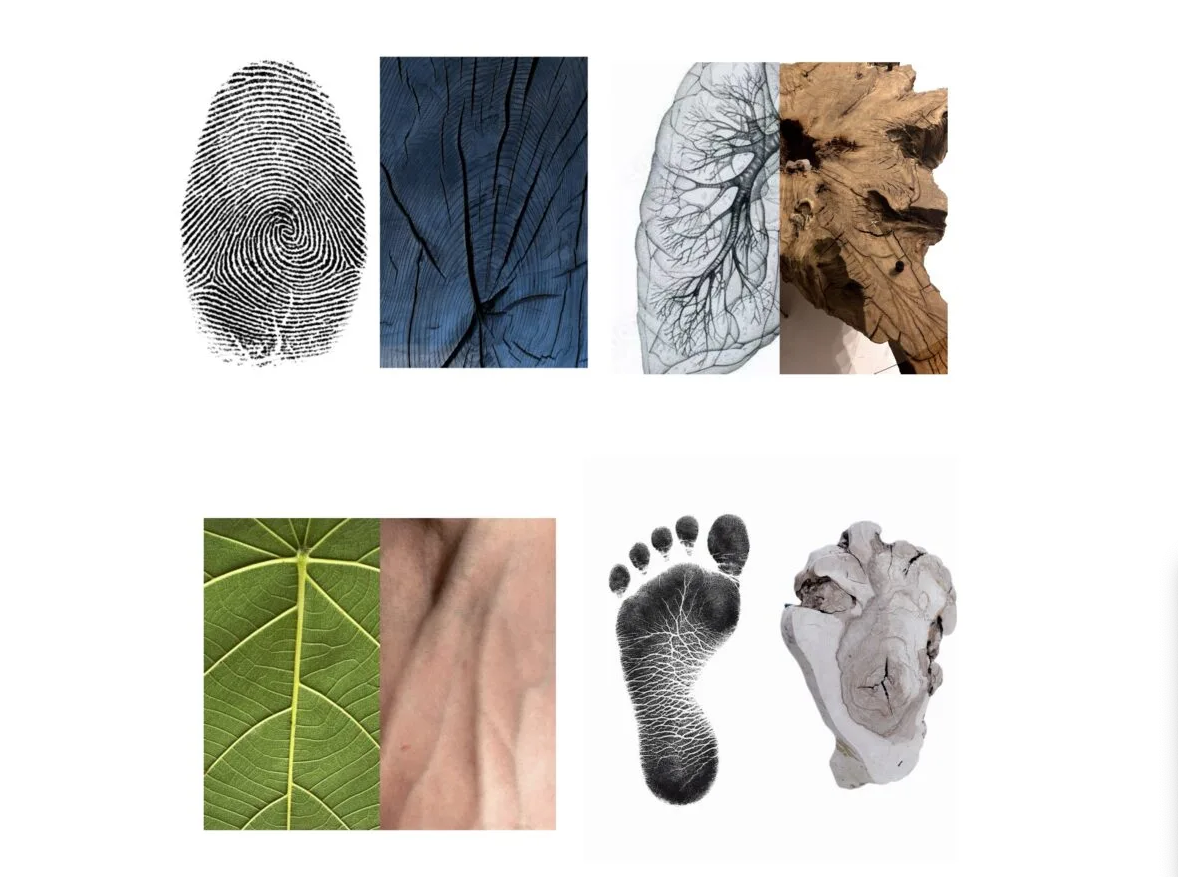
I'm showing off SOILS (Dirvožemiai) – it's what my work is all about. I use nature's mycelium network idea and put it to use in our industrial world. Instead of just recycling, I want to reuse stuff directly, keeping the material as is.
My method steps: Existing Form – Process – New Form.
My method steps: Existing Form – Process – New Form.
Lithuania
National
Mainly urban
It involves a physical transformation of the built environment (hard investment)
Yes
2025-11-30
No
No
Yes
Individual
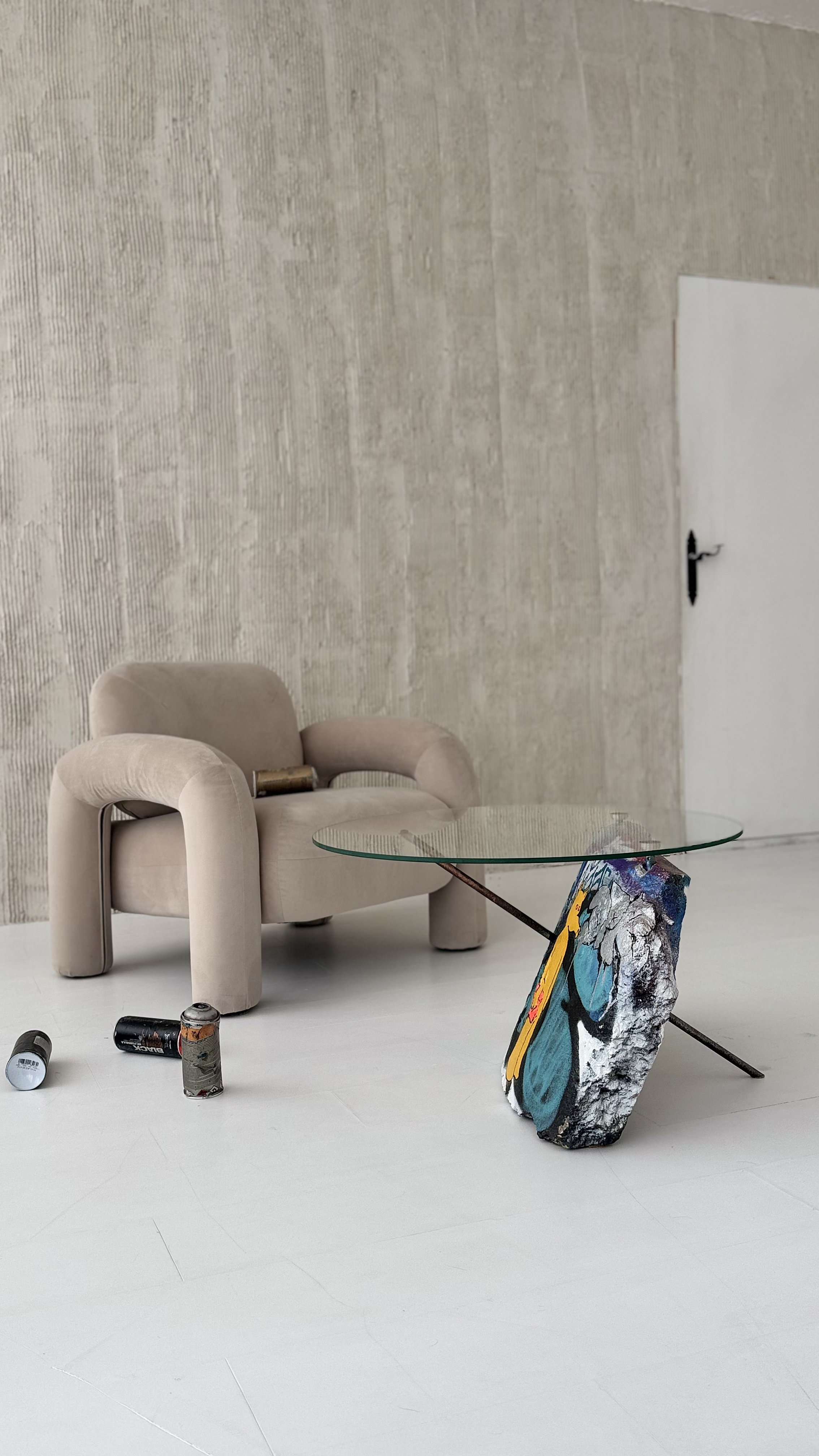
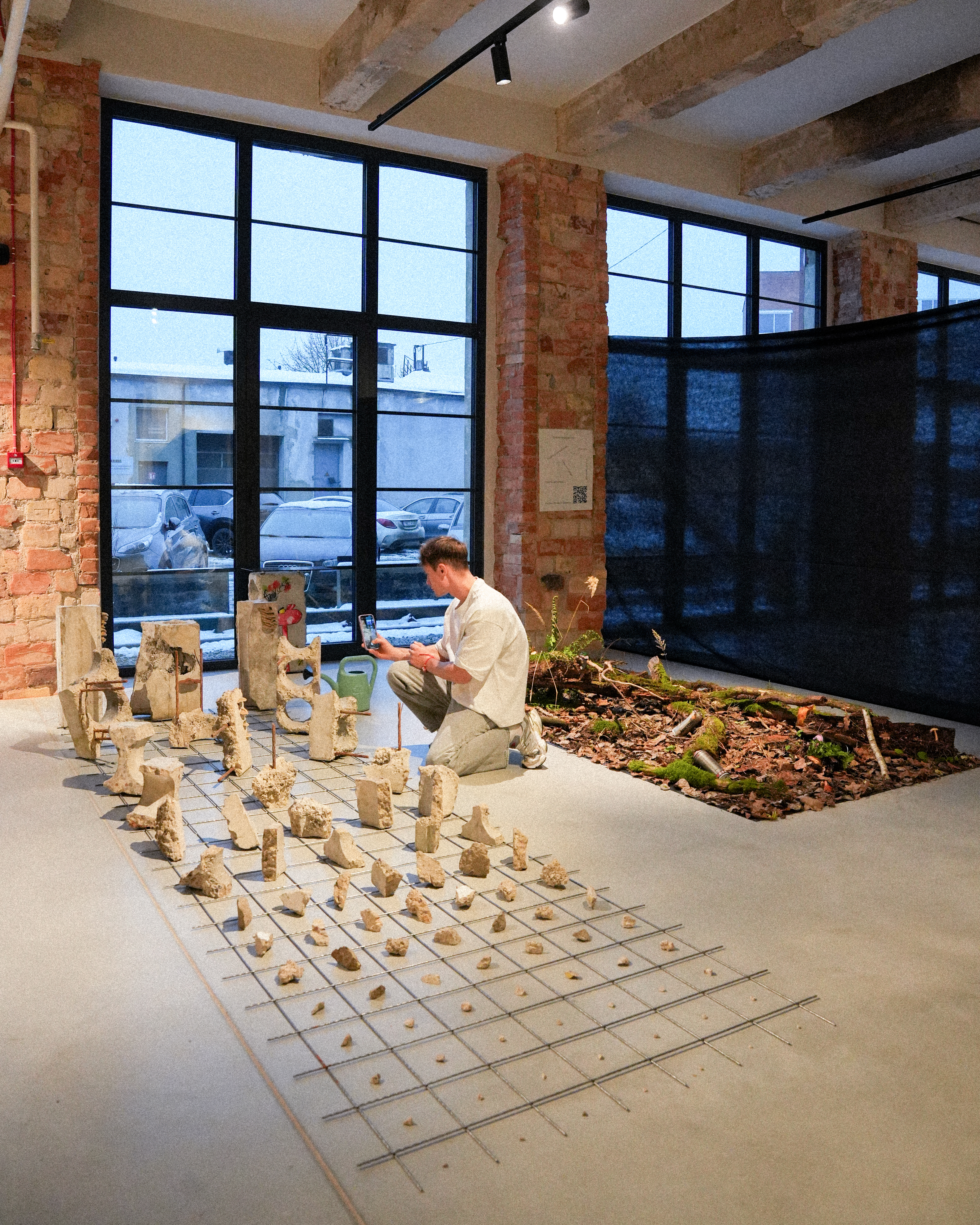
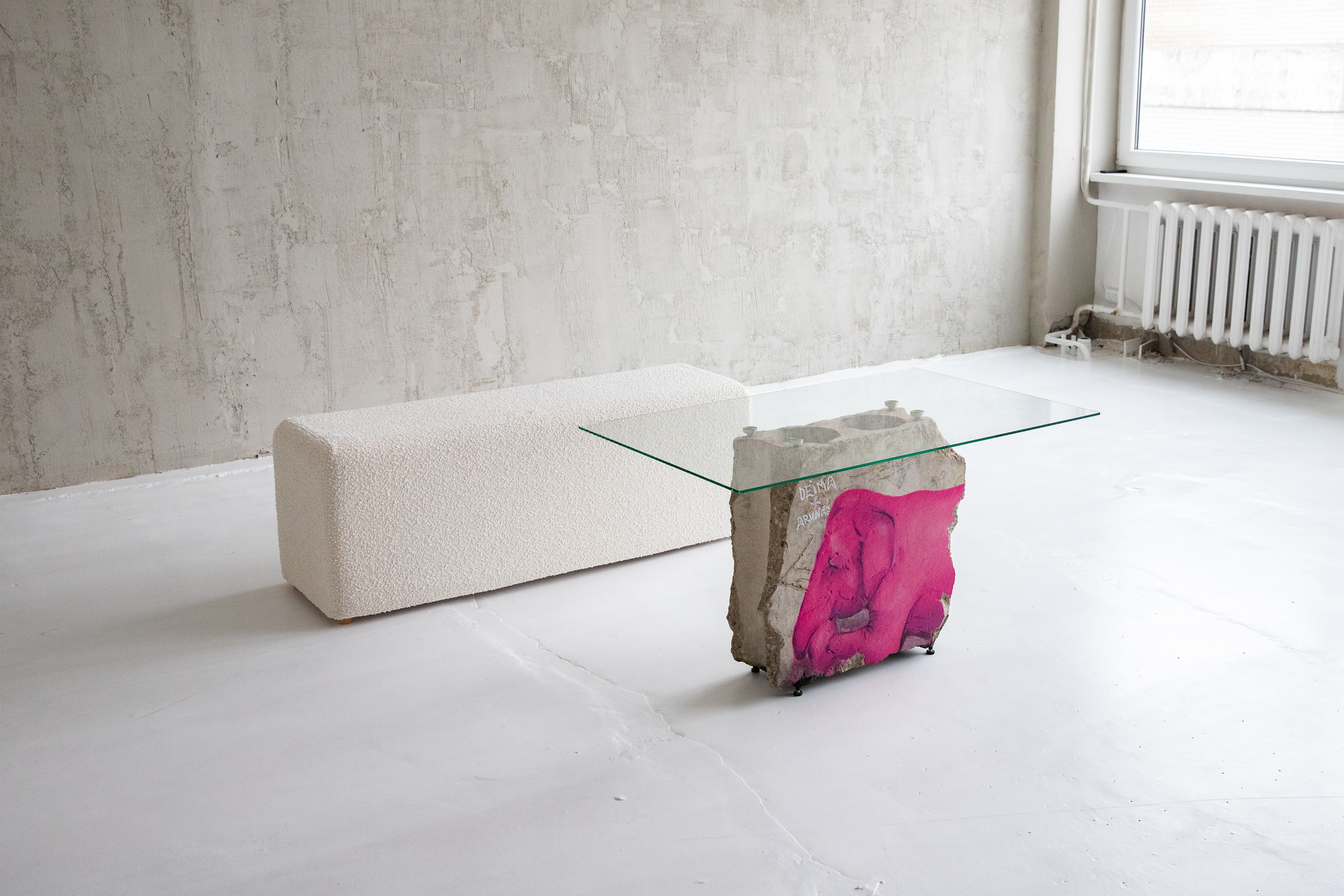
Soils is an installation and our model, which depicts two worlds: nature and civilization. This project questions what we define as “waste”. I argue that we already live in a new, man-made soil, where form is only a temporary part of the process.
Contrast as an impulse: On the natural side – earth, plants, moss and fungi, and in between there are scattered spray cans of paint. This is a “noise” that becomes a screaming signal in the silence of nature. This contrast allows us to see the reality where industrial residues have already become part of our ecosystem. Only after seeing this noise does a person receive an impulse for decision and action.
Mycelium of Civilization: In nature, all organisms are connected by mycelium – a network through which resources and information are shared. In this installation, I reproduce mycelium through a network of reinforcement: it is a metaphor that connects people from different disciplines, factories and creators into a common system. I prove that this “soil” is fertile if we start to perceive it not as an end, but as the beginning of a new resource, which is activated precisely by this connection of people.
My project 'Soils' was born organically, as I created the installation. I realized that this is our model of operation, through communication, use and sharing of existing raw materials. These are the principles of nature's operation, where there is no waste, there is only new soil for a new beginning. This works not through directly created products, but through the very thinking that we change through products in people and which changes consumption, from more to less and what is needed and what is close to them. This gives a new horizon of perception and attitude to the consumption of what already exists.
Micelium
Mushrooms
Reused
Circularity
Community
This is the principle of the natural model, applied to the ecosystem of our civilization, where there are no separate units, there are connections and sharing of resources. Where one wastes, another gains. It all returns to the general cycle.
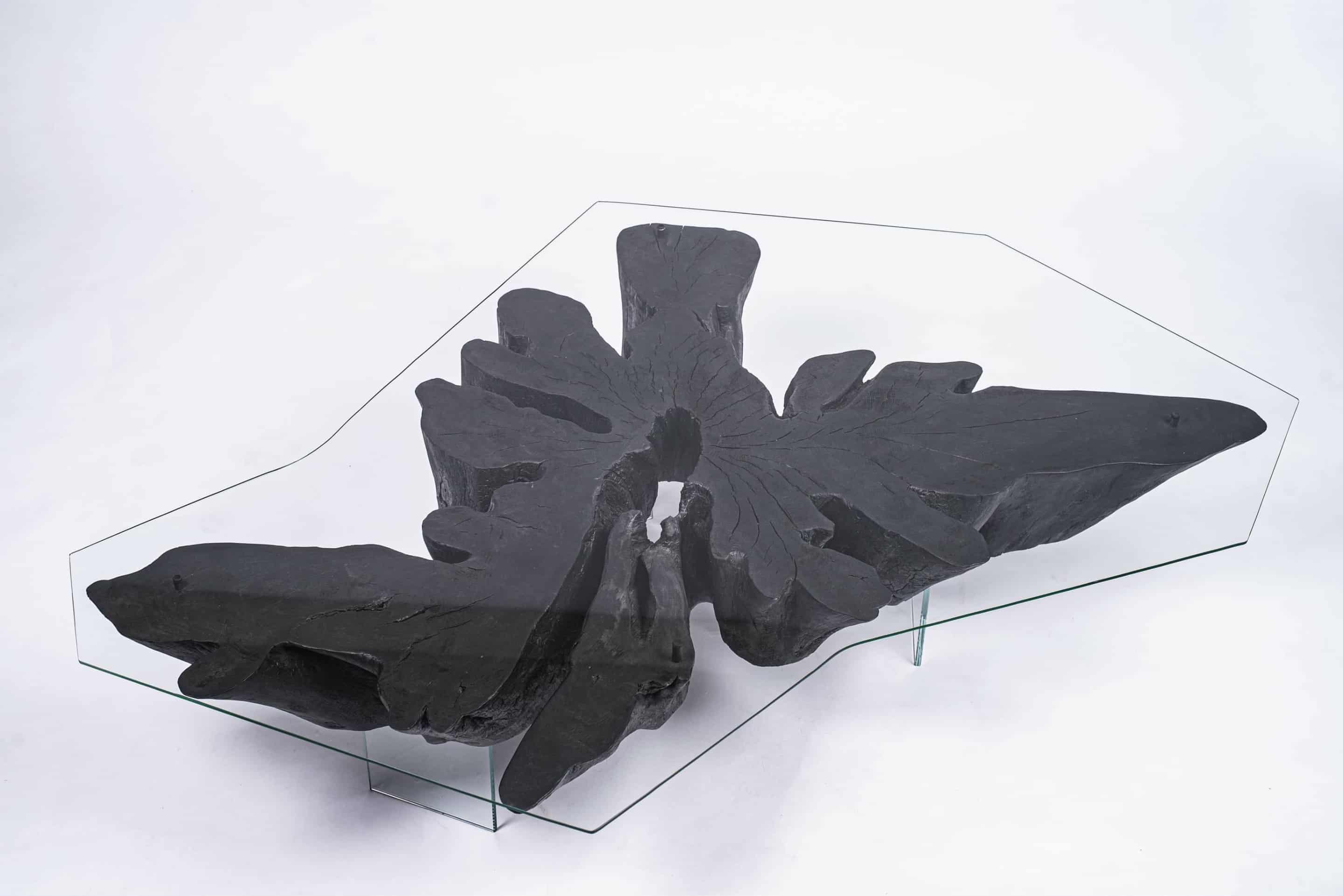
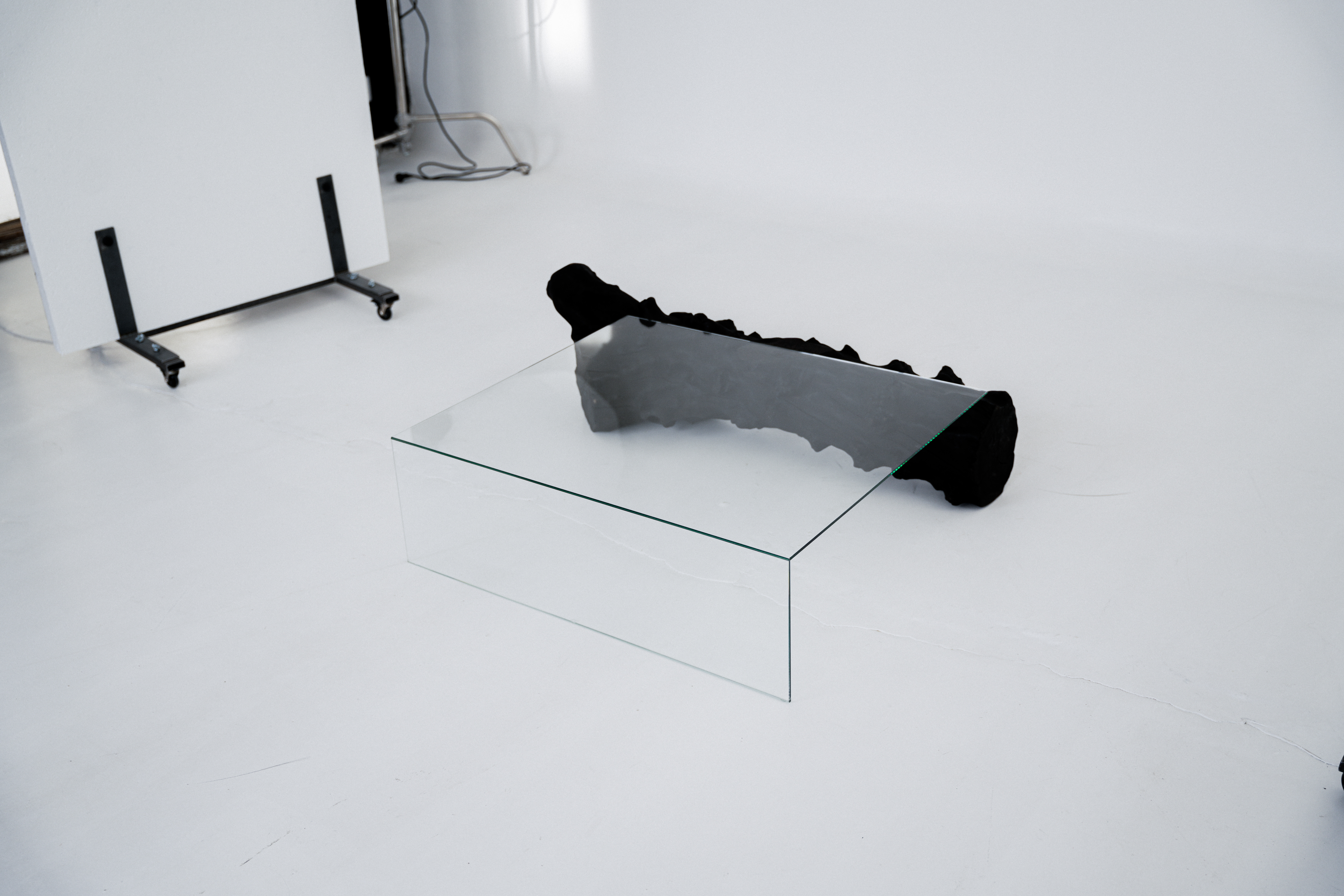
This project allows us to reflect on ourselves through form/creation, that is, the person himself, realizing and seeing imperfections in perfection. That it was touched by time, a process, that it lived in time. It is like the person himself. To allow us to 'open our eyes' and see how much value we already have. That the remaining raw material, which we have named as a defect, can have a greater value than the perfect product. Graffiti, which has a taste of brutality, when combined with modern design forms, creates synergy, life, which complements sterility with life/certainty, and brutality with sterility and order.
My project, through aesthetics and forms, shows the heritage and history of that city. History creates a sense of 'home', and it is always good and cozy at home. We want to protect, preserve, and take care of our homes. This is how these 'urban' wastes have been transformed into works of art and design, forcing us to rethink our perceptions of raw materials, form, and beauty, thus preserving not only the product itself, but also the city and its existing raw materials.
My project combines all existing systems and organizations. It is based on the principle of mycelium. Where all organisms are interconnected and share existing resources. There is no waste, there is only new soil for the new to grow. Wherever there is production, there is waste, defects in production, this is the soil for something new to form. Through aesthetics, research, we achieve this by connecting existing organizations and creating new value. But most importantly, this happens through form, history, which will not be repeated and will not be produced again. We demonstrated this by creating aesthetic objects from defective concrete products, giving them meaning with graffiti expression and using them for a network of cafes in the city, where people explore the city through objects, seeing expressions and the use of former raw materials. This is an opportunity to show the entire chain, to create demand for what was unnecessary or discarded.
In a previous exhibition where we exhibited works of art made from by-products, I observed people's reactions. The space was sterile, heavy, and the brutal concrete contrasted greatly with the environment, which provoked people's reactions. Reactions about the possibility of use, adaptation, etc. This encouraged us to 'open' our eyes and see raw materials from a different perspective. To implement into a new value chain from what we already have, without changing their form/history, but through creativity, thinking about how this can be solved in the most efficient way possible. This gives a chance to exist for a new model, sharing existing raw materials through companies, people or new projects.
The soil model reflected many disciplines. Engineering, like concrete blocks, created for engineering purposes, were used and changed the original purpose of the material, reused in a new context. Understanding the structure of concrete itself, its components, etc. Social involvement, as through form, its preservation and reuse in another context, it acquires a greater value than its original purpose. Economics and business, by implementing the finished raw materials, thus preserving and saving the company's resources for utilization and creating a new business model. And most importantly, the perception of man himself through aesthetics, beauty, change into himself, into his own perfection and imperfection. Because here are the fundamental roots, we, because only we build or destroy.
Income is ensured by the application of the model. By combining demand with supply. As one side has a surplus and needs to pay for it, for trading, utilization, etc. and the other side needs that surplus, value occurs in this gap. Value in the direct and indirect sense. Objects are created from the surplus, and are applied/activated in the existing chain of operating organizations through aesthetics. A platform for sharing raw materials, where companies between companies or companies between individuals share their available resources. This is a platform for which one or the other party pays a percentage of the transaction transactions.
This is a global model that can be applied in all countries. Because production, trade, consumption are taking place everywhere, and as a result, there are side effects. The gap is just untapped potential, because we have no vision of where and how it could work and what value it could create.