Strengthening Local Democracy and Inclusion
GLAS ZABJELA (Voice of Zabjelo)
GLAS ZABJELA (Voice of Zabjelo) 9 yrs of community journalism transforming a Podgorica neighbourhood
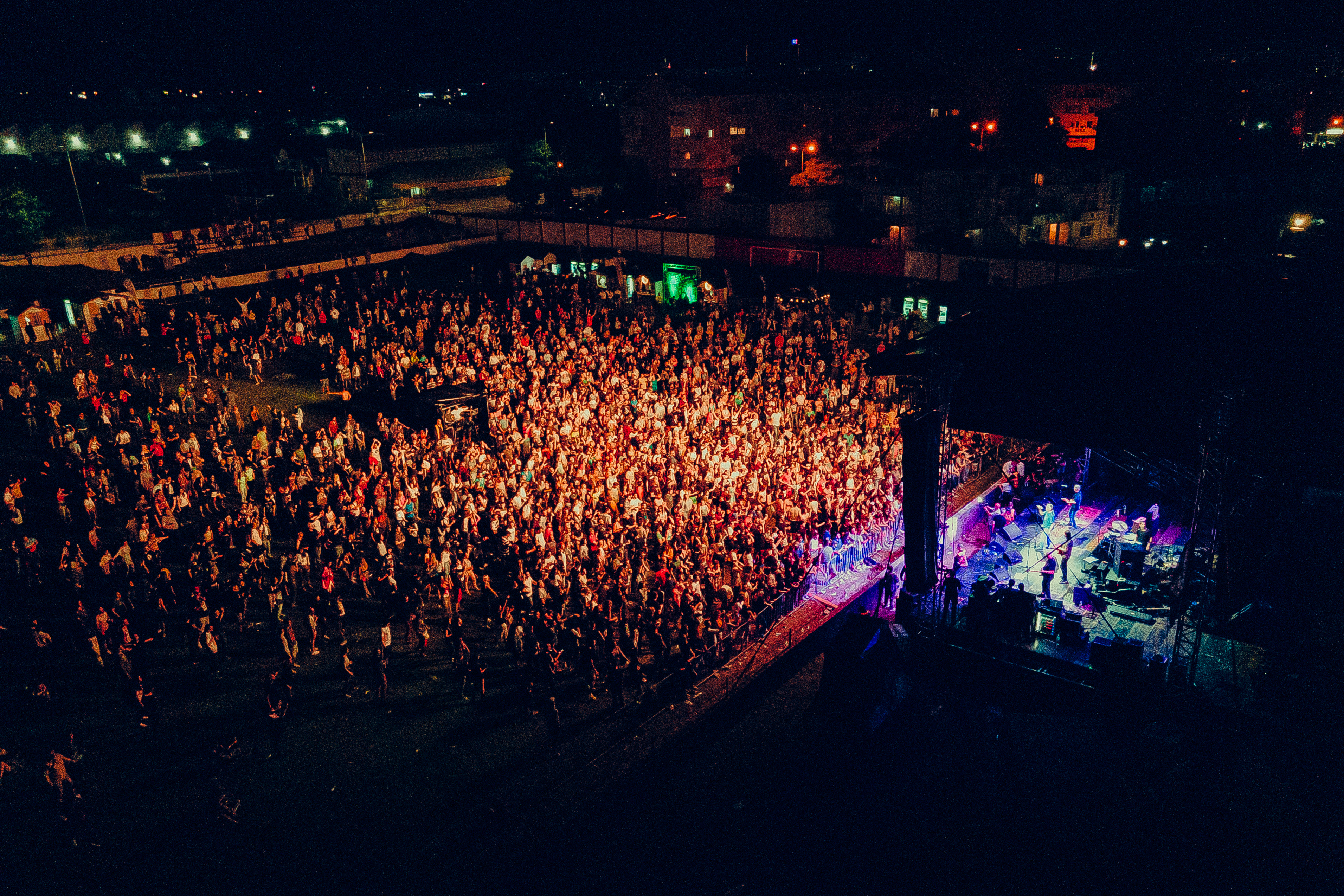
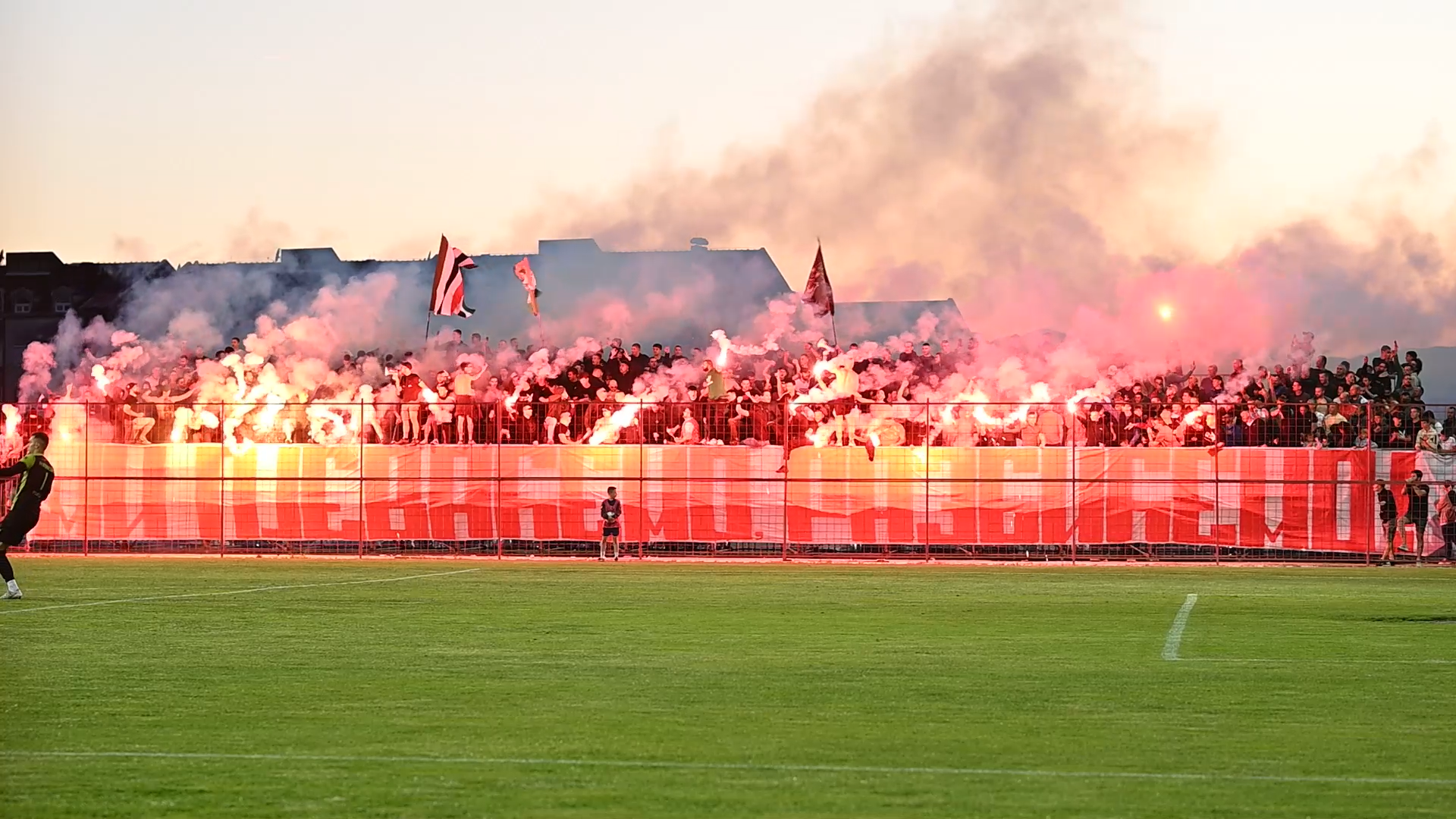
Glas Zabjela ("Voice of Zabjelo") is a community media platform that has turned a Podgorica neighbourhood of 40,000 into an engaged civic community. Since 2017: illegal construction halted, a park saved, a community centre secured in the city budget, free youth arts programmes, a community mural, contributed to first music festival with 2,300 attendees, revived a local football club and much more. Proof that storytelling, participation, and a shared identity can reshape a neighbourhood.
Montenegro
Local
Podgorica
Mainly urban
It involves other types of transformations (soft investment)
Yes
2026-03-21
Yes
European Endowment for Democracy
No
No
Organisation
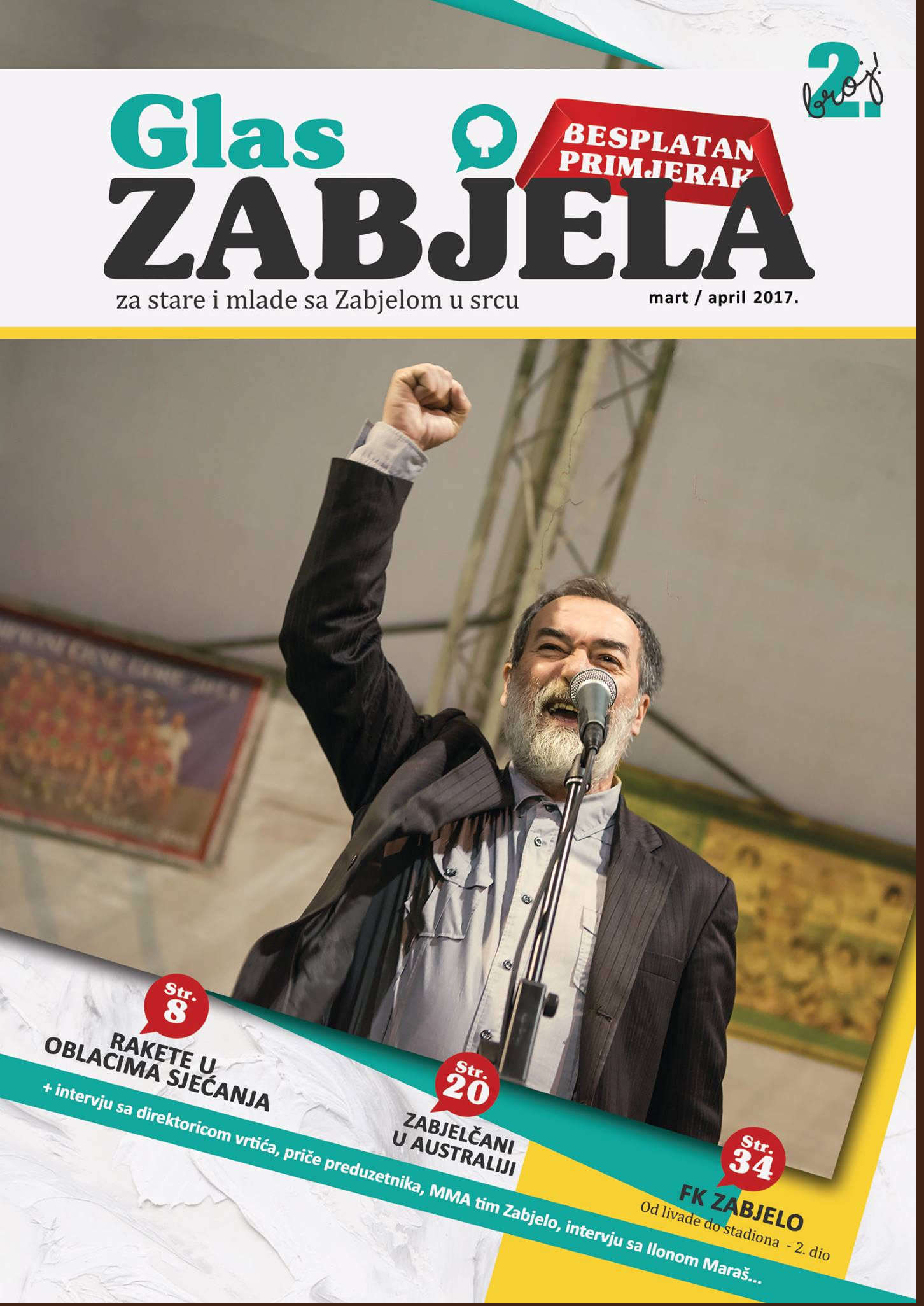
Glas Zabjela ("Voice of Zabjelo") is a community media platform operating since 2017 in Zabjelo, a residential neighbourhood of 40,000 people in Podgorica, Montenegro. Founded by Vladan Djurisic as a printed magazine, it expanded into an online portal, documentary series, podcast, and civic forums. Its core purpose: amplify citizens' voices, strengthen local democracy, and drive measurable improvements in everyday life.
European-level credibility: two consecutive grants from the European Endowment for Democracy (EED, 2021–2024) — co-funded by the European Parliament and EU Member States — constitute independent EU-level validation of the project's civic value.
Target groups: Zabjelo residents of all ages; youth; vulnerable individuals (elderly, low-income families, individuals dealing with addiction etc); local institutions and city administration.
Concrete outcomes (selected): Public drinking tap at a citizen-voted location. Ljubović hill demolition halted. Families in informal housing saved from eviction. Asbestos factory demolition paused after environmental inspection. Park saved from residential development. Multifunctional community building in Podgorica's 2026 budget. FK Zabjelo became Montenegro's most-attended football club. Community Journalism Fund (€5,500, 200+ donors) employs a young local journalist. Free youth programming (OKC Zabjelo) and a seat on the official board for Podgorica's European Youth Capital 2028 — through NGO Mali prst, the civic arm of the same team.
Three national awards: Volunteer of the Year (2017); Community Care, Union of Employers (2022); Iskra Philanthropy Award for media and community development (2025).
Transformative potential: Glas Zabjela proves that community media — with no advertising — can produce consistent civic outcomes. A replicable model for any underserved urban neighbourhood in the Western Balkans and beyond. Two-hour documentary film on results (in Montenegrin) available: https://youtu.be/BJ0vzoU9bXw
The story begins in 1991, when Zabjelo youth responded to the Yugoslav wars with creativity and satire — launching "Republic of Zabjelo" (independent Zabjelo) a cultural resistance movement producing music, theatre, and satirical TV broadcast on Montenegro's public broadcaster. By the 2010s its energy had faded into subcultural memory.
In 2017, journalist Vladan Djurisic revived this spirit with a printed magazine to document and strengthen the community, celebrate local identity, and give residents a real voice. Impact was immediate: while preparing the first issue, he discovered that Beco Dosljak — a beloved children's poet who had donated books to Zabjelo's schools for decades — had been living without electricity for years. A Facebook post went viral; a football tournament raised donations. The story earned Glas Zabjela its first national award within a year of founding.
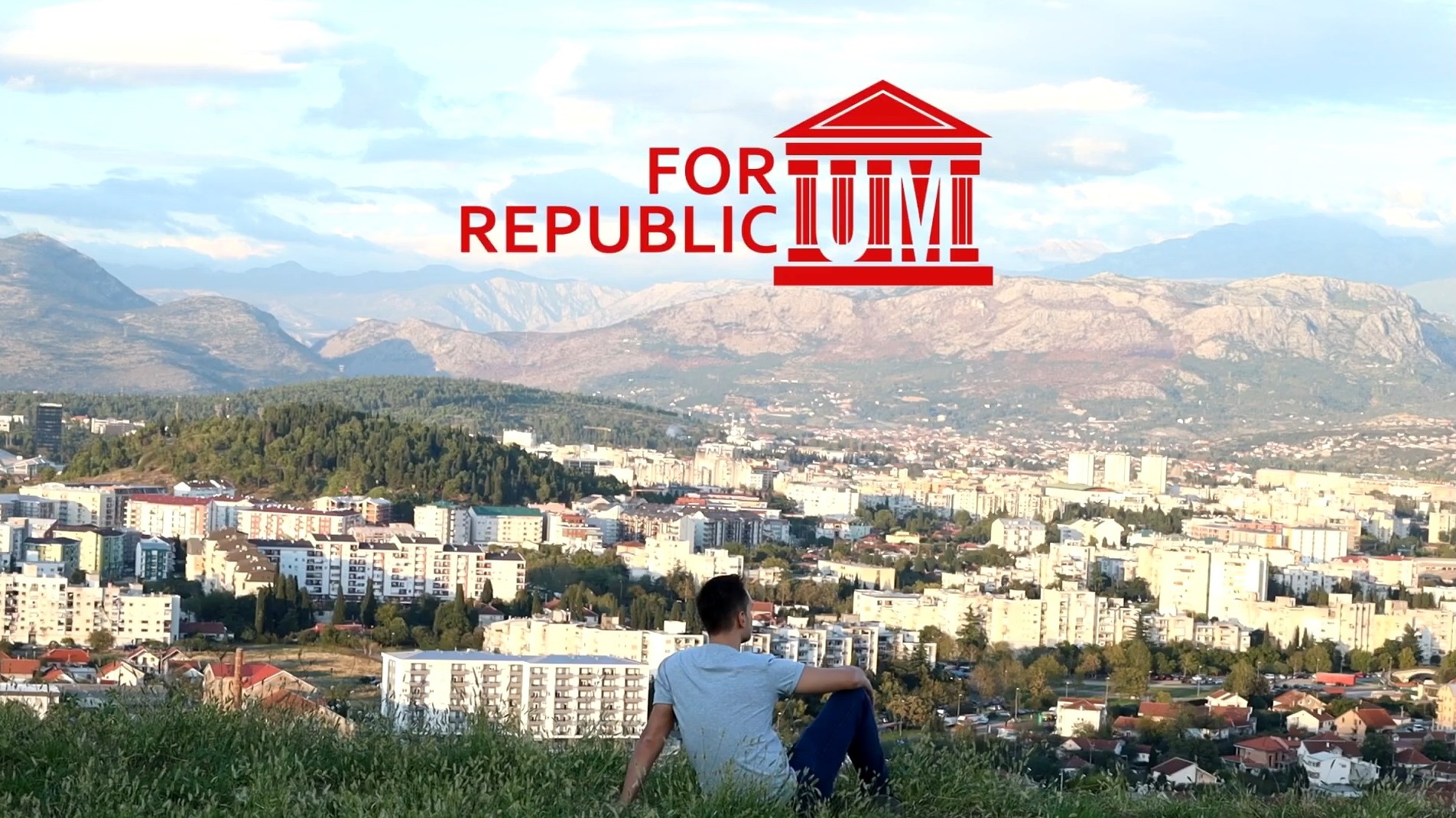
The project evolved through five phases: printed magazine → online portal → video journalism → Forum Republicum (13 documentary episodes on urban planning, social problems and local democracy) → Expergo podcast (43 episodes, 2 seasons) and Zabjelo Parliament (5 live-streamed public forums). European Endowment for Democracy funding (two consecutive grants, 2022–2025) enabled paid collaborators, equipment, and a physical space that also served as OKC Zabjelo (Youth Cultural Centre) — free programming for 200+ young people.
This space became the hub for an Erasmus+ partnership with Toestand (Brussels), bringing 100 international volunteers to co-create the Pomorandza community-cultural centre in Podgorica. NGO Mali prst — founded by the same team — holds a seat on the official board of Podgorica's European Youth Capital 2028.
One team, two legal entities. Publicitet DOO and NGO Mali prst share the same people, space, and mission. All Mali prst results — OKC Zabjelo, Erasmus+, Journalism Fund, European Youth Capital — are direct outcomes of Glas Zabjela. (Evidence Annex .ppt provided)
community journalism
civic participation
public space advocacy
cultural revival
grassroots activism
Sustainability is the founding DNA of Glas Zabjela — not a feature added to attract funding, but the condition under which it was built: zero budget, no advertising, no corporate backing, no guaranteed future. Nine years of uninterrupted operation is the primary evidence.
Environmental sustainability
Glas Zabjela documented and published evidence of illegal hillside demolition (Ljubović), prompting an effective civil protest, and illegal construction on Dajbabska gora — halted following a Glas Zabjela report. It also reported on and provided support to civic initiatives against harmful overdevelopment destroying green space, and the unlawful demolition of an asbestos-containing factory — triggering an environmental inspection that paused the works. Construction machinery was stopped. A park was saved.
Social and cultural sustainability
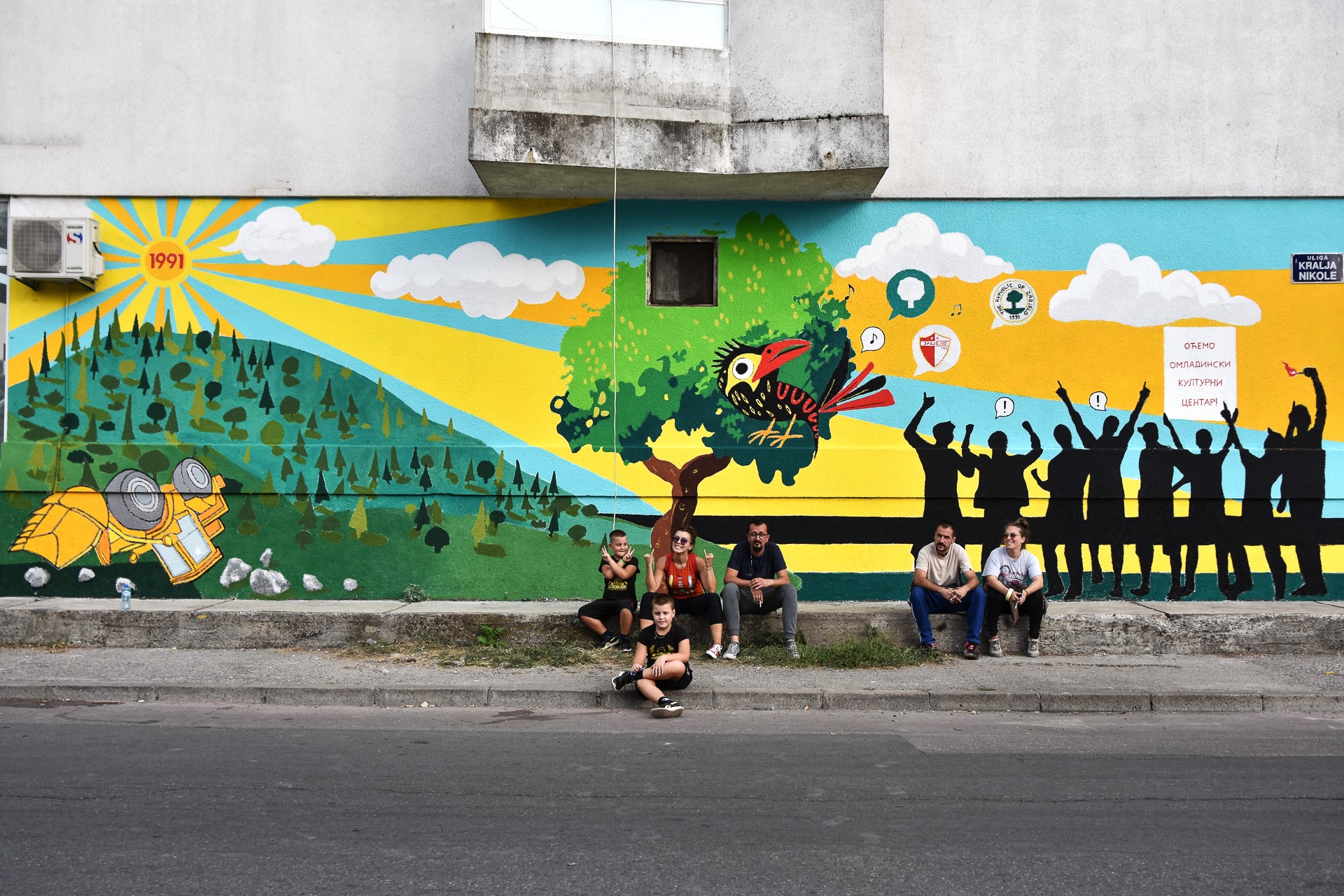
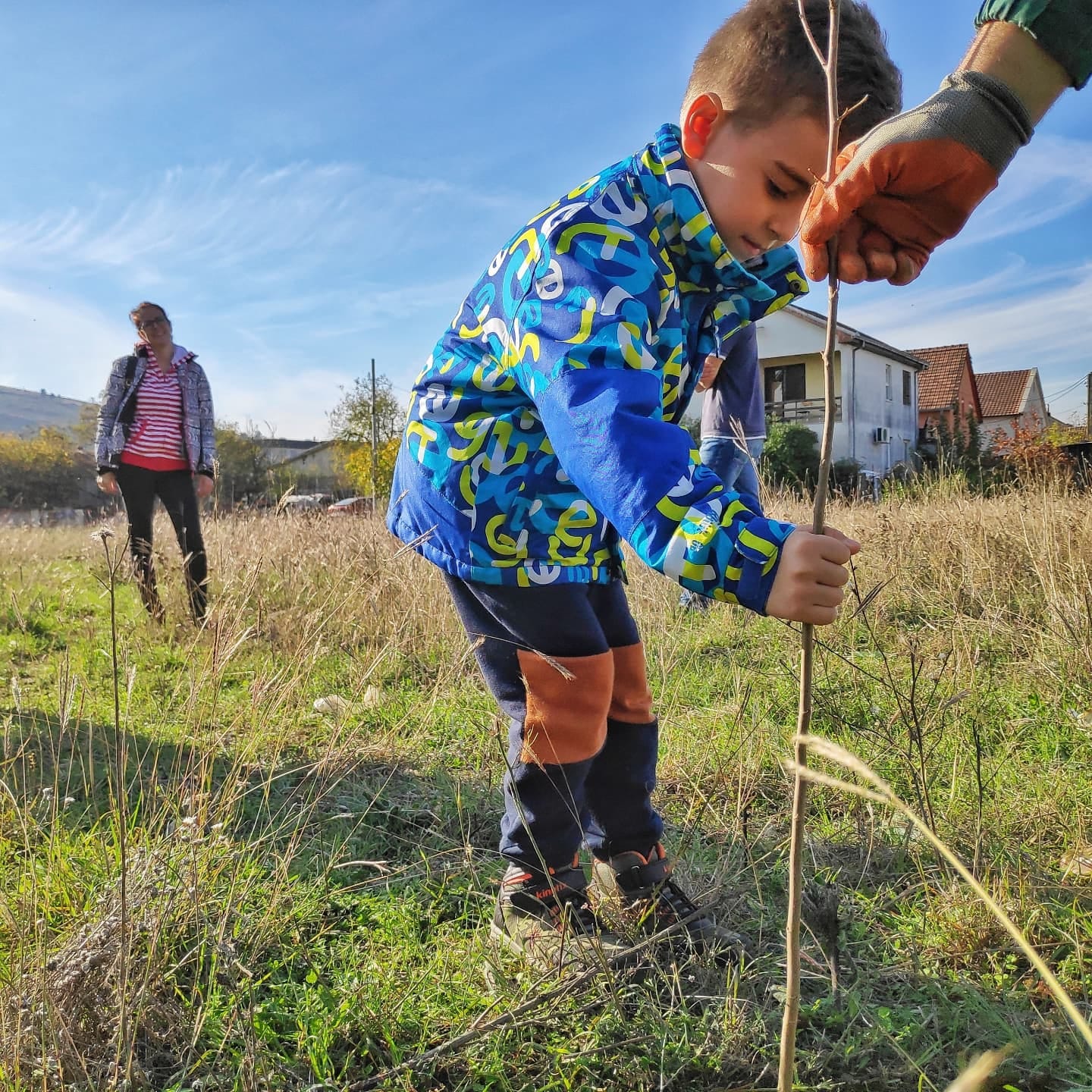
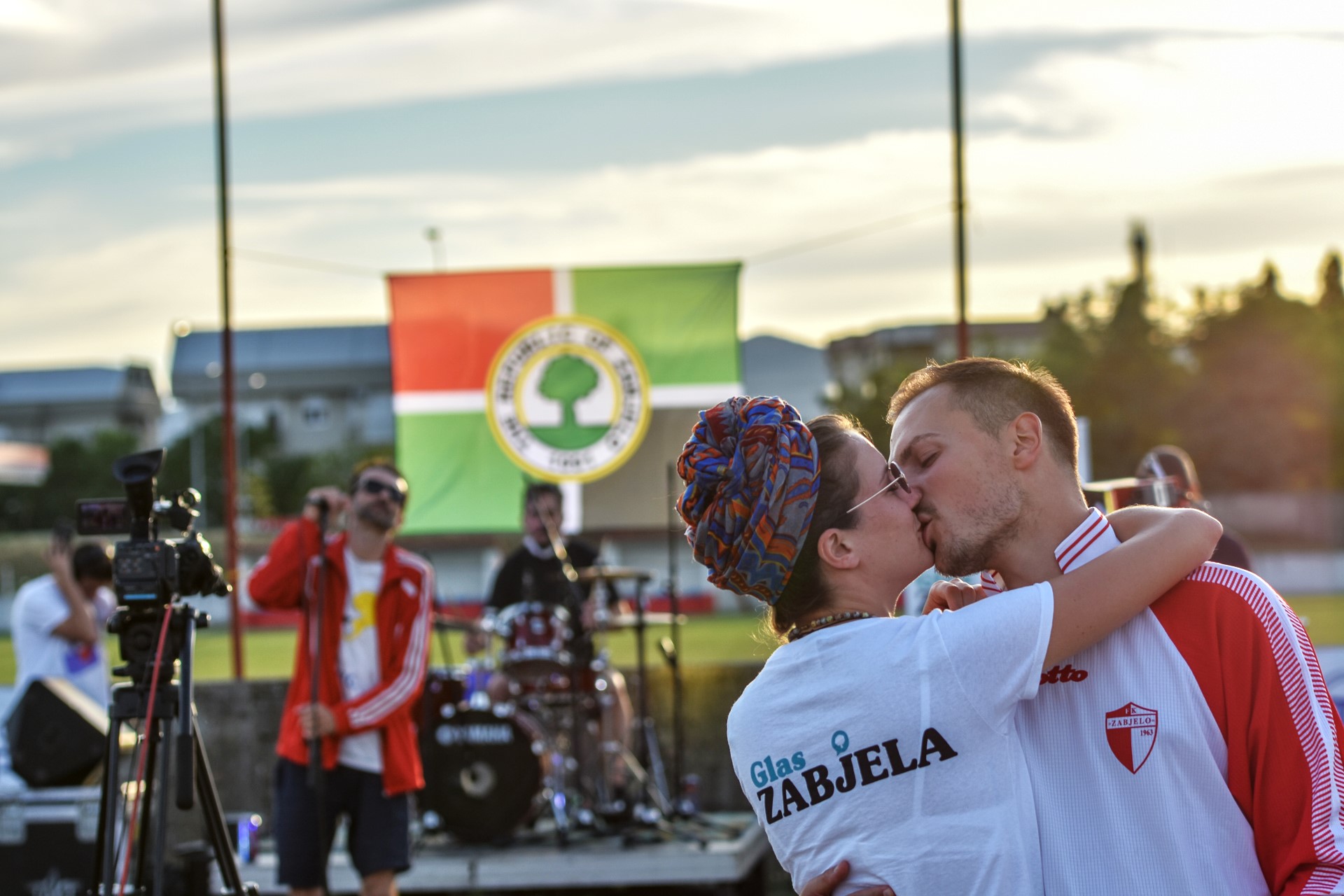
The "Republika Zabjelo" cultural identity — dormant for two decades — was revived through documentary content, a community mural, the planting of 30 mulberry trees (the neighbourhood's symbol), a football club revived and the first-ever Festival of Culture Zabjelo (2,300 attendees; ticket sales raised €7,000 donated to FK Zabjelo). This is cultural infrastructure that outlasts any individual project.
Economic sustainability
Glas Zabjela is deliberately transitioning away from grant dependency through a hybrid model: an Escape Room business themed around Podgorica's cultural heritage (supported by Montenegro's Ministry of Culture) to fund a podcast studio; a community crowdfunded Journalism Fund (€5,500, 200+ donors) employs a young local journalist — a rare community journalism fund in the region: 200+ donors financing a permanent local reporter.
Exemplary character: Unlike most community media in the region, Glas Zabjela has built a multi-source sustainability model — earned revenue, institutional micro-grants, and community crowdfunding — proving that community journalism can be both independent and financially durable.
Glas Zabjela has made Zabjelo more beautiful — not through construction, but through storytelling, art, and the revival of neighbourhood identity.
Visual and cultural interventions
A large-scale community mural was commissioned in the centre of Zabjelo. Its centrepiece — an upturned excavator — symbolises the community's victory at Ljubović hill, 30 mulberry trees (murva — the symbol of Zabjelo Republic) were planted at 15 locations across the neighbourhood.
Documentary storytelling as aesthetic practice
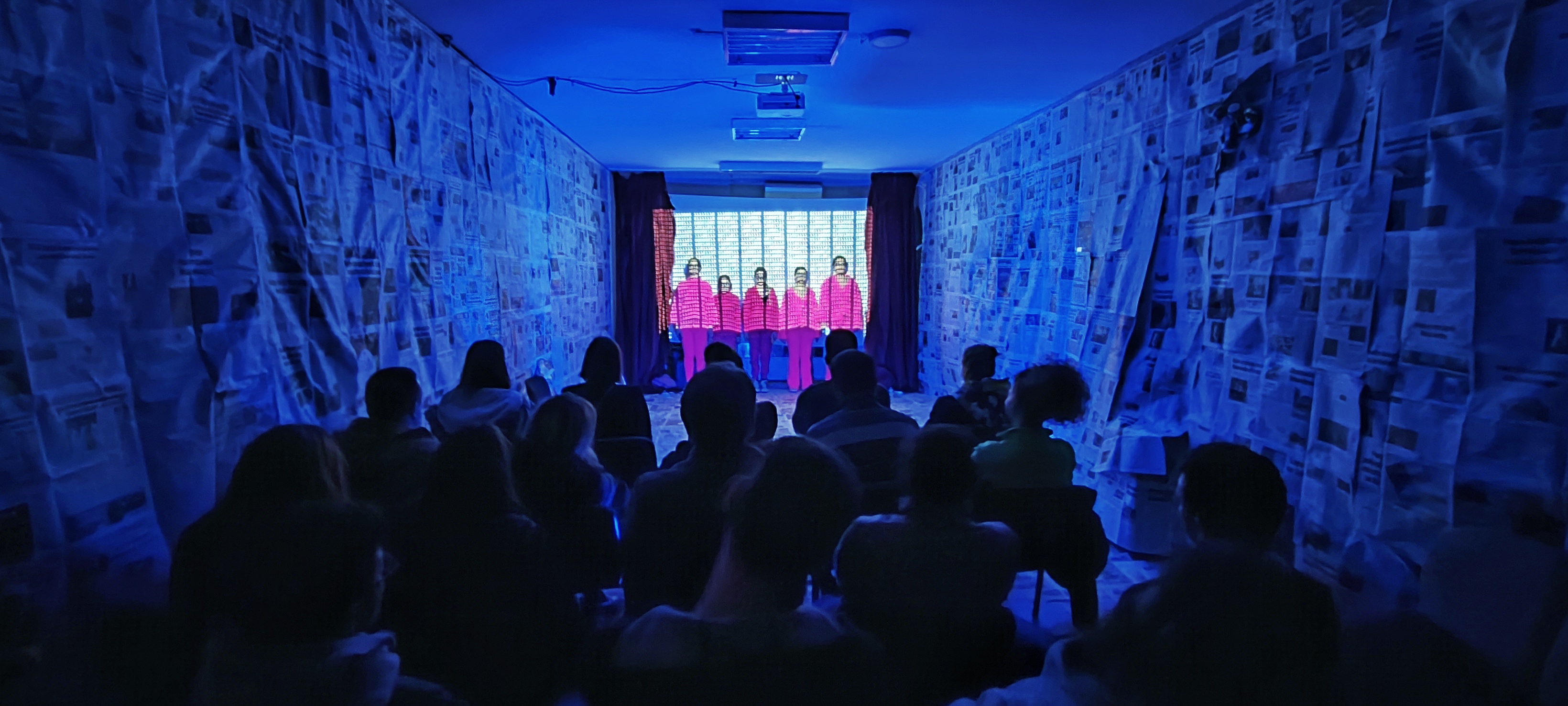
Srce je veliko ("The Heart is Big", 7 episodes) — broadcast on TV Podgorica — celebrated FK Zabjelo's history and fans, transforming the city's perception of a third-division club, making it the most-attended club in the country. Forum Republicum (13 investigative documentary episodes) identified underreported local problems, combining journalism, expertise, and citizen participation to drive concrete civic outcomes. OKC Zabjelo hosted live performances in a room lined floor-to-ceiling with newspapers — including Kolektivna dijagnoza, a choreodrama on media's impact on youth, created through free community workshops.
Cultural celebration
The Festival of Culture Zabjelo (2022 and 2023) was conceived and organised by the same local artist who created the community mural. Glas Zabjela acted as a community connector: connecting the organiser with FK Zabjelo and driving the media campaign that drew attendance. The result: 2,300 attendees — the neighbourhood's first-ever cultural festival, drawing regional rock acts and turning Zabjelo into Podgorica's cultural centre for two evenings.
Community recognition
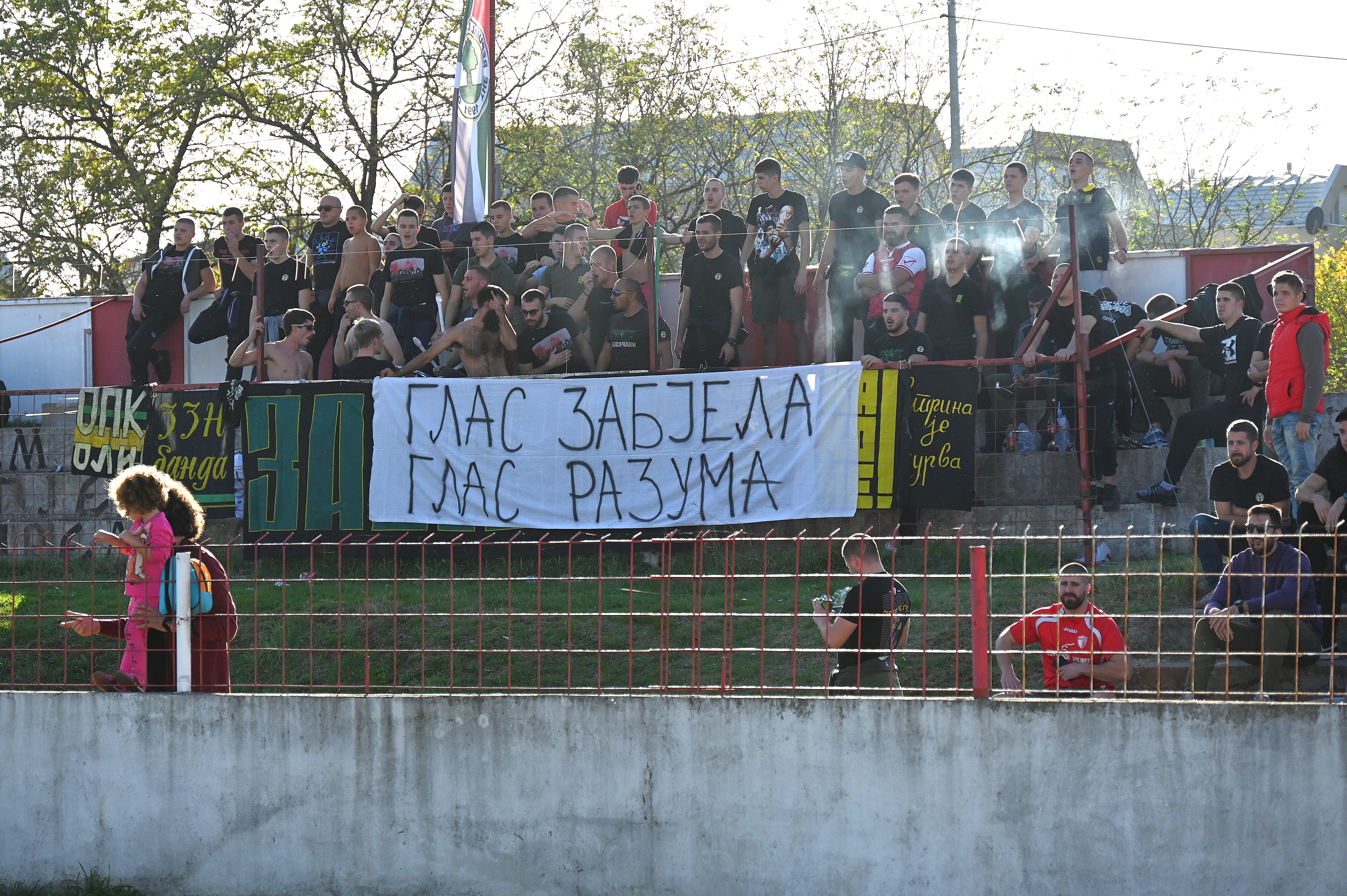
The most powerful visual testimony came from FK Zabjelo supporters, who displayed a banner at a match reading: "Glas Zabjela, glas razuma" ("Voice of Zabjelo, voice of reason") — displayed after Glas Zabjela helped defuse xenophobic tensions following a violent incident. An unsolicited declaration of community trust.
Inclusion is not a feature of Glas Zabjela — it is its founding purpose. Every format is designed to amplify voices that institutions and mainstream media overlook. Most mainstream media do not provide the broadcasting space for local topics but often depend on Glas Zabjela reporting.
Vulnerable individuals
Glas Zabjela gave visibility to Beco Dosljak, an elderly poet living without electricity, mobilising donations that restored his power supply. Investigative reporting protected families in informal housing from forced displacement — a direct response to spatial exclusion and housing affordability. The Expergo podcast hosted domestic violence survivors and former addicts — giving voice to people rarely heard in public discourse. A Forum Republicum episode about a homeless person struggling with addiction — directly inspired the student parliament of secondary school Danilo Kiš in Budva — using their own volunteer funds, they paid two months of rehabilitation, stepping in where state institutions could not.
Youth inclusion
OKC Zabjelo offered free photography courses (with a public exhibition), choreodrama workshops (with two public performances), film evenings, and board game nights attracting 30–40 young people per session. The Journalism Fund employed a young journalist from the neighbourhood, investing in the next generation of civic media.
Governance inclusion
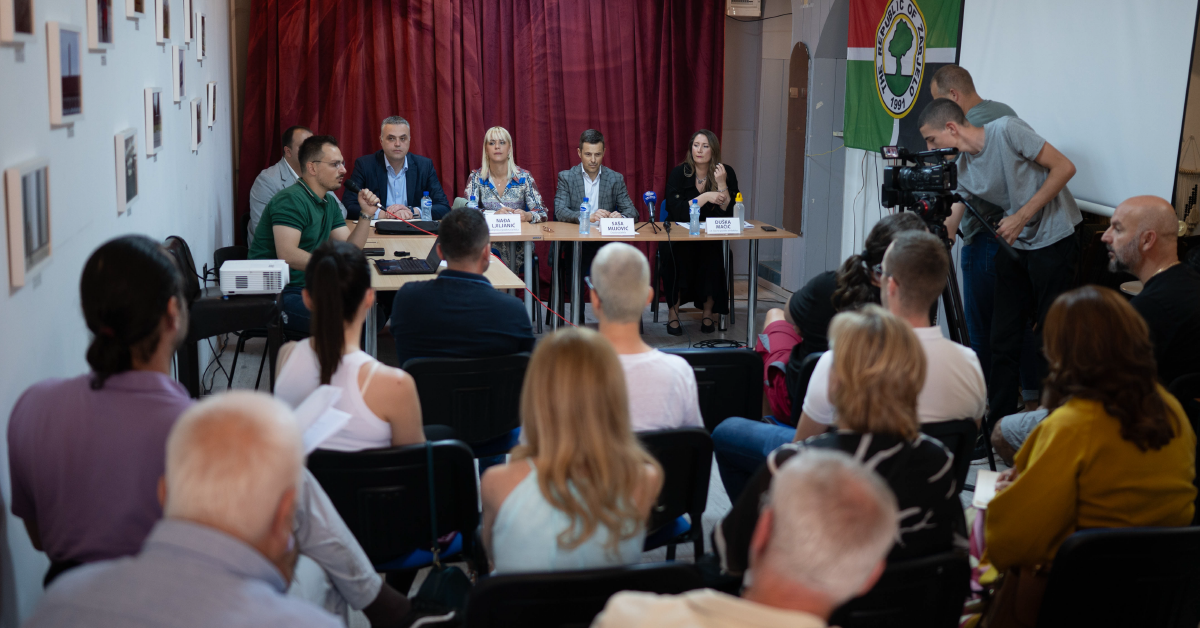
The Zabjelo Parliament forums — 5 editions, all live-streamed — were open to all residents, ensuring intergenerational dialogue with direct access to institutional representatives including the Mayor of Podgorica.
Responsible inclusion under pressure
In autumn 2025, a violent incident triggered xenophobic tensions. Glas Zabjela chose moderation over sensationalism, countering disinformation and calling for social cohesion. FK Zabjelo supporters publicly recognised this with a match banner: "Glas Zabjela, glas razuma" ("Voice of Zabjelo, voice of reason").
Participation is the engine of Glas Zabjela, not a methodology applied to it. Citizens are co-authors of outcomes.
Who was involved
Residents, youth, football fans, NGOs, urban planning and environmental experts, artists, activists, institutions, and over 100 international volunteers through the Erasmus+ partnership with Toestand (Brussels) (through civic arm NGO Mali prst).
How they participated
Online surveys and street conversations identified community priorities. The public drinking tap location was chosen by citizen vote (500+ online responses), followed by sustained public pressure on city administration — which ultimately installed the tap. The contents of the planned multifunctional building were identified through surveys before being presented to the Mayor, not after.
5 Zabjelo Parliament forums: live-streamed public discussions with institutional representatives, open to all residents, including the Mayor of Podgorica.
Crowdfunding campaign: 200+ donors raised €5,500 for the Journalism Fund.
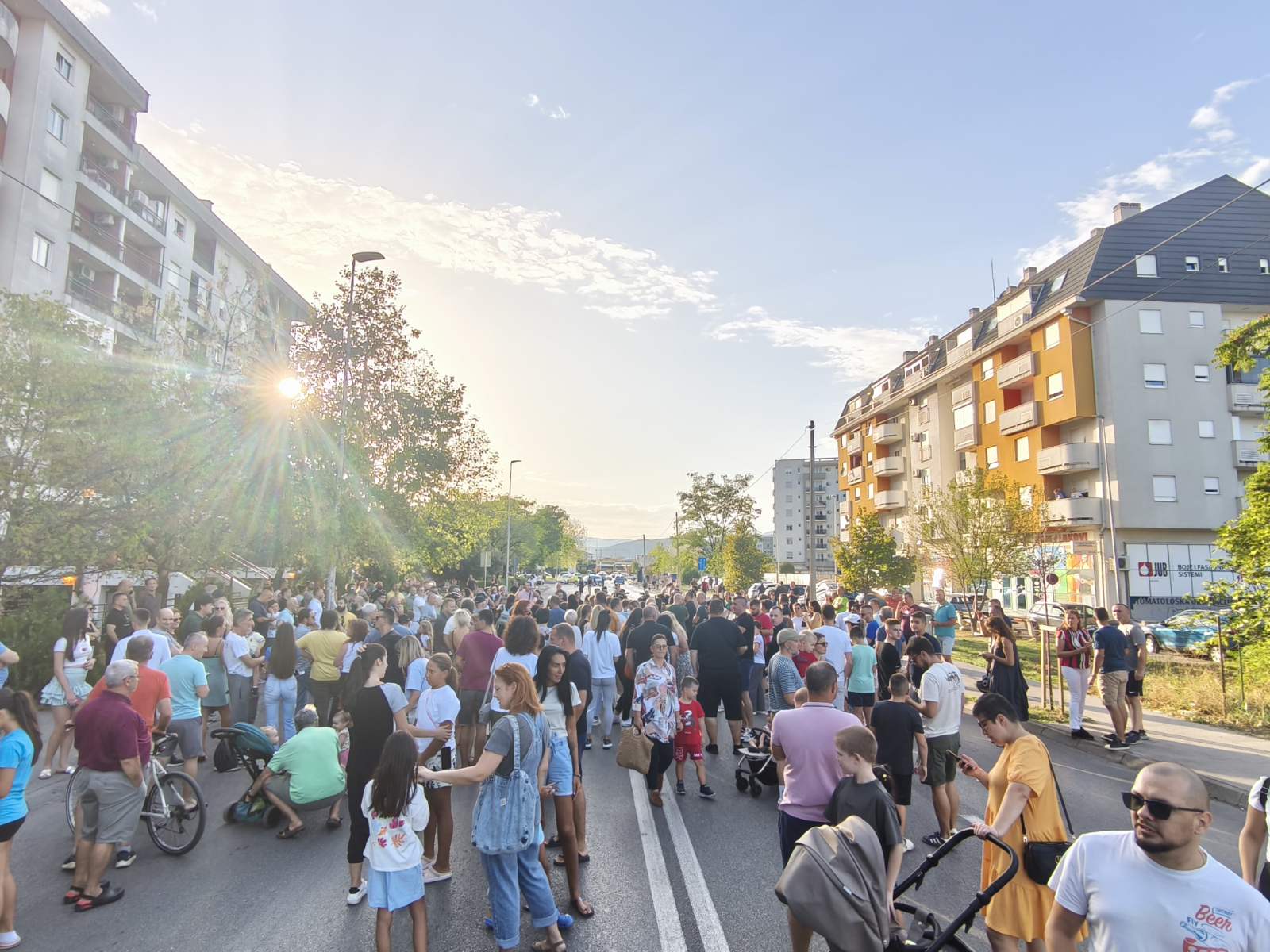
Community mobilisation: citizens organised a protest that halted construction machinery on Ljubović hill. A similar response stopped the rezoning of park land for residential construction.
Level of influence
Citizens directly shaped outcomes: the drinking tap was built where they voted; the multifunctional building budget was approved; the park was saved. In the most intimate example: a teenager who watched a Forum Republicum episode about a broken street bin went downstairs and repaired it himself. A Forum Republicum episode on drug addiction prompted the student parliament of Danilo Kiš secondary school in Budva to pay two months of lodging for the rehabilitation of the homeless individual — filling the gap left by state institutions — participation as a chain reaction of civic empowerment. One Zabjelo Parliament attendee subsequently launched his own green space initiative outside his building.
Glas Zabjela has engaged stakeholders at local, national, and European levels — not as a reporting requirement, but as a natural consequence of the project's legitimacy and reach.
Local level
Podgorica City Administration: installed the public drinking tap; allocated budget for the multifunctional community building; provided space for the Pomorandza cultural centre; invited NGO Mali prst onto the official board for Podgorica's European Youth Capital 2028 bid. Vodovod (Podgorica Water Utility), environmental inspectorate, and FK Zabjelo.
National level
Ministry of Culture of Montenegro (support for Escape Room/podcast studio sustainability project); ADP Zid (Volunteer of the Year Award, 2017); Union of Employers of Montenegro (Community Care Award, 2022); Fund for Active Citizenship (Iskra Philanthropy Award, 2025); national broadcaster RTCG (broadcast a 10-episode urban planning series directly inspired by Forum Republicum, authored and directed by Vladan Djurisic, Glas Zabjela's founder and Chief Editor).
European level
European Endowment for Democracy (two consecutive grants, 2021–2024) co-funded by the European Parliament and EU Member States. This is not merely a funding relationship: EED's independent evaluation constitutes EU-level recognition of the project's civic value before this application.
Toestand (Brussels): Erasmus+ partnership that mobilised 100 international volunteers to co-create the Pomorandza community-cultural centre in Podgorica.
Added value: Glas Zabjela serves as a bridge between grassroots civic energy and European institutional frameworks — earning credibility at every level without compromising editorial independence. When the Prime Minister of Montenegro made a derogatory remark about Zabjelo residents on national TV, Glas Zabjela led the community response. He subsequently issued a public apology to the "Republic of Zabjelo" at a public rally. A precedent and previously unfathomable act by a high ranking government official.
Glas Zabjela operates at the intersection of journalism, urban planning, environmental science, social work, youth work, visual arts, music, sport, digital marketing, civic education, and documentary filmmaking. This transdisciplinary character is structural, not incidental.
How it works in practice
Forum Republicum episode on the public drinking tap: a geologist confirmed underground water reserves; the utility provider confirmed technical feasibility; citizens voted online; the city implemented. No single discipline could have produced this outcome alone.
Park saved from development: investigative reporting + + civic initiative visibility provided + community mobilisation + meeting with city Mayor = construction halted, park preserved. Multifunctional community building: years long constant community results + citizen surveys identifying community needs + Zabjelo Parliament dialogue with the Mayor = included in Podgorica's 2026 budget.
FK Zabjelo promotion: sports journalism + documentary filmmaking + digital marketing + community organising = a 3rd-division football club becoming the most-attended in Montenegro.
OKC Zabjelo: youth workers, photographers, choreographers, and theatre directors in a shared civic space.
Escape Room + podcast studio: cultural heritage storytelling + social entrepreneurship + media infrastructure = a self-sustaining model.
How collaboration was organised
Each Forum Republicum episode required assembling a temporary transdisciplinary team for a specific civic question. Experts were interviewed on-camera, making their knowledge directly accessible to citizens — dissolving the barrier between specialist knowledge and public understanding. Zabjelo Parliament forums applied the same logic: assembling journalists, planners, engineers, public officials, residents in structured public dialogue.
Result: Solutions no single discipline could generate: a public drinking tap, a saved hill, a community that affects how its city is planned
Glas Zabjela's financial evolution is a story of deliberate moves toward independence — from zero-cost volunteerism, through EU-backed grants, to a hybrid sustainability model rare in the Western Balkans.
Phase 1 — Volunteer-only (2017–2021)
Fully volunteer-driven, zero cost. This proved the concept and built the community trust that enabled future growth.
Phase 2 — European Endowment for Democracy grants (2022–2025)
Two consecutive grants funded collaborators, equipment, space, and production — enabling Forum Republicum, Expergo, OKC Zabjelo, Zabjelo Parliament etc.
Phase 3 — Hybrid sustainability model (2025–)
1. Escape Room business: Publicitet DOO is opening an Escape Room (summer 2026) themed around Podgorica's cultural heritage, supported by Montenegro's Ministry of Culture, generating earned income.
2. Community Journalism Fund: A crowdfunding campaign raised €5,500 from 200+ donors, managed by NGO Mali prst — funding a part-time local journalist. From April 2026, a broadcast rights commercial agreement with a local TV station adds earned income for podcast distribution.
3. Media reach as social capital: Managing FK Zabjelo's social media pro-bono builds platform reach and credibility. The club's TV documentary and podcast broadcast on TV Podgorica increase visibility and open co-production opportunities.
Innovative character: The model transforms a media outlet into a community ecosystem where journalism, culture, sport, and social enterprise mutually sustain each other. By 2026: ~70% earned income (Escape Room + TV rights), ~30% community crowdfunding, 0% grant dependency. During this transitional phase, the founder volunteers — ensuring independence while the model reaches full capacity.
Glas Zabjela demonstrates that community media — with minimal resources, no advertising, and a volunteer core — can produce consistent, measurable civic outcomes: policy changes, institutional accountability, cultural revival, and youth employment. This model is directly transferable to any neighbourhood or city in the Western Balkans or Eastern Europe where civic media is absent or weak.
Five transferable elements
1. Participatory survey model: low-cost method for identifying community priorities and creating civic pressure. Requires only a social media presence and editorial credibility (which is built through time).
2. Forum Republicum format: civic journalism combining investigative reporting, domain expertise, and citizen participation to address local challenges. Adaptable to any neighbourhood issue.
3. Zabjelo Parliament: livestreamed public forums connecting citizens with institutions. Replicable wherever municipal consultation is weak.
4. Community Journalism Fund: crowdfunding-based sustainable journalism. Requires a trusted editorial brand and a committed community.
5. Hybrid sustainability model: earned revenue + community crowdfunding + institutional micro-grants. The specific enterprise adapts; the principle is universal.
Replication already underway
The Pomorandza community-cultural centre — established through an Erasmus+ partnership with Toestand (Brussels) and 100 international volunteers — demonstrates the international civic network that Glas Zabjela helped build. The Forum Republicum concept was independently adopted by RTCG (Montenegro's public broadcaster) as a 10-episode series — demonstrating mainstream replicability.
What may need adaptation
Local identity narratives must be built from scratch; public trust and institutional ties require time. But the core methodology — listen first, report second, mobilise third — travels without adaptation. The core element being that the voice of the people can be a driver of positive change.