Enhancing Circularity, Sustainability, and Innovation
From Clothes to Mindful Wardrobes
Extending Garment Life Through Design, Local Production and Community Engagement
Noria Anis is a circular fashion initiative that extends garment life through timeless design, local production in Romania, community engagement and behavioral change. By producing small series with local ateliers, it reduces waste and environmental impact. Through participatory styling workshops, it actively shifts consumer behavior, encouraging women to use their wardrobes more intentionally and reduce overconsumption.
Romania
Local
Bucharest
Mainly urban
It involves other types of transformations (soft investment)
Yes
2025-01-22
No
No
No
Individual
Noria Anis is a circular fashion initiative that addresses overproduction and overconsumption by combining design, local production, and behavioral change, contributing to sustainable consumption.
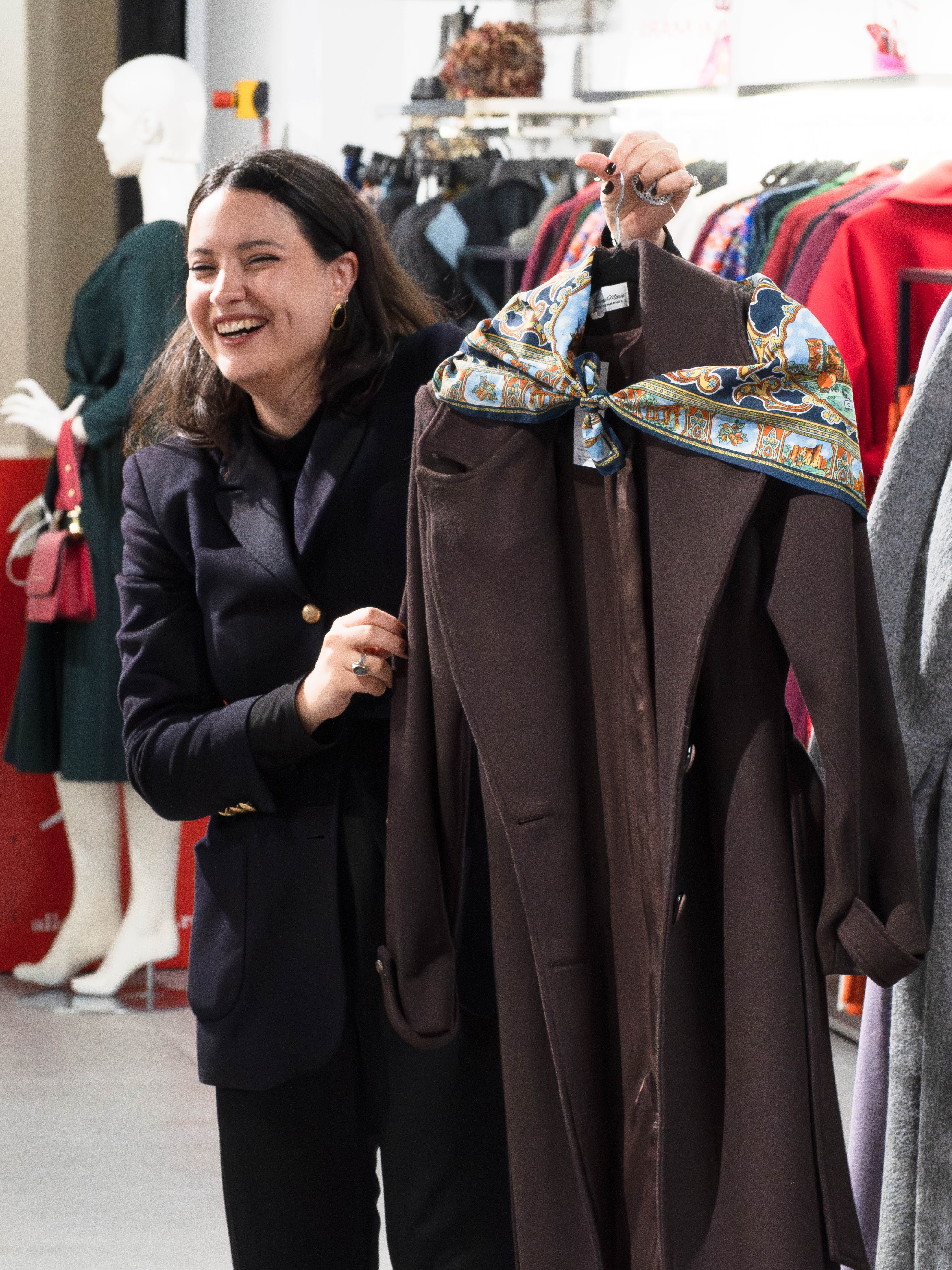
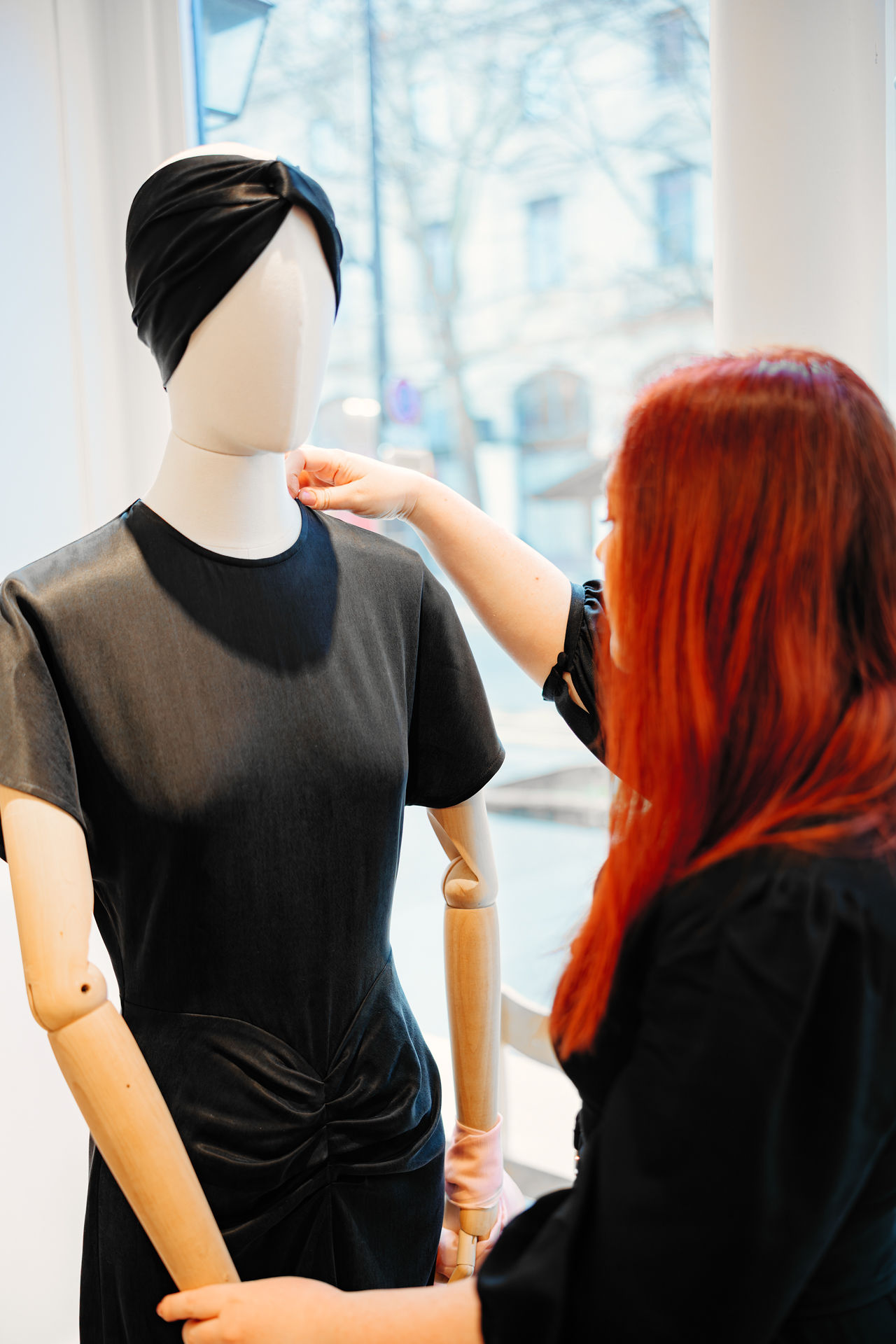
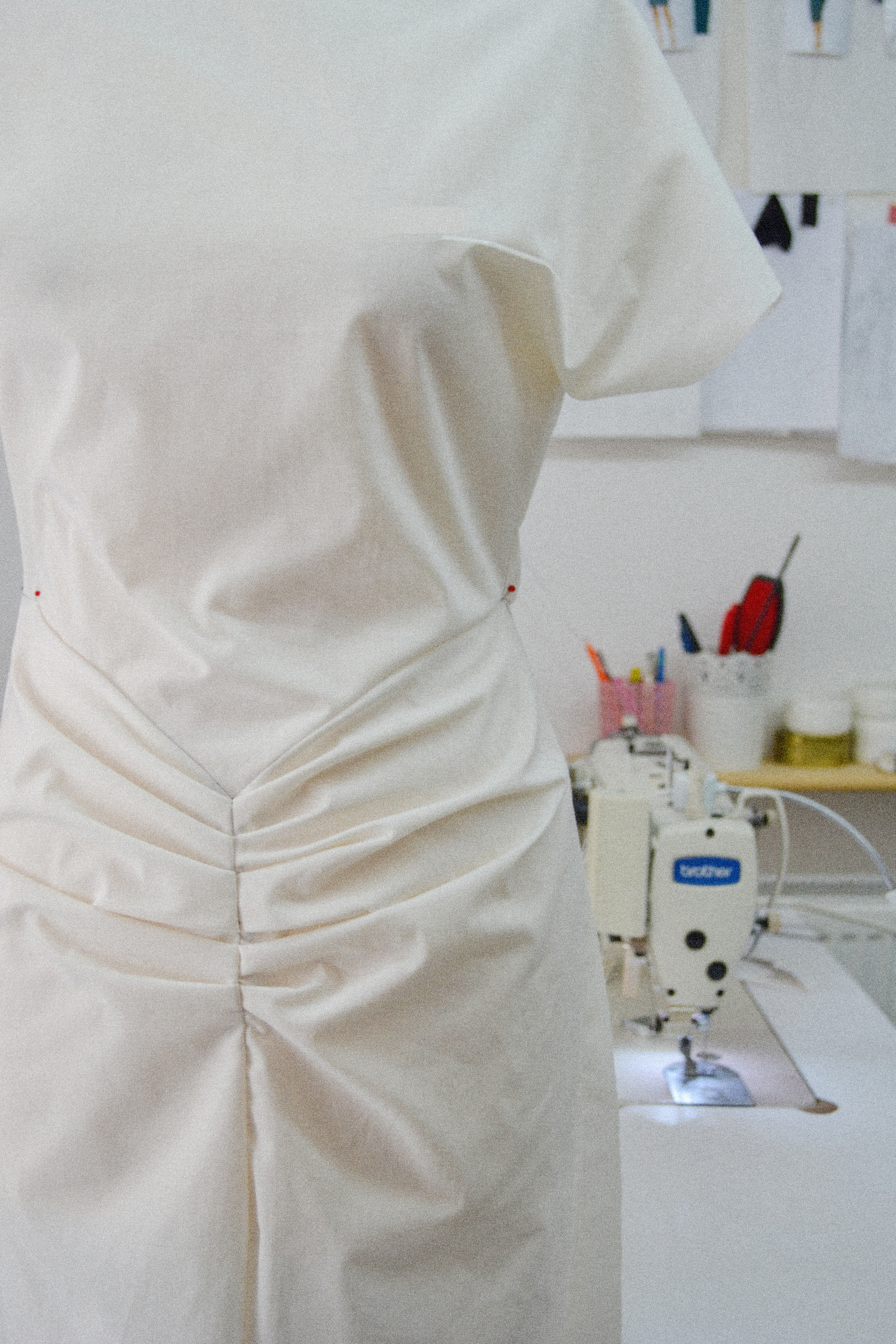
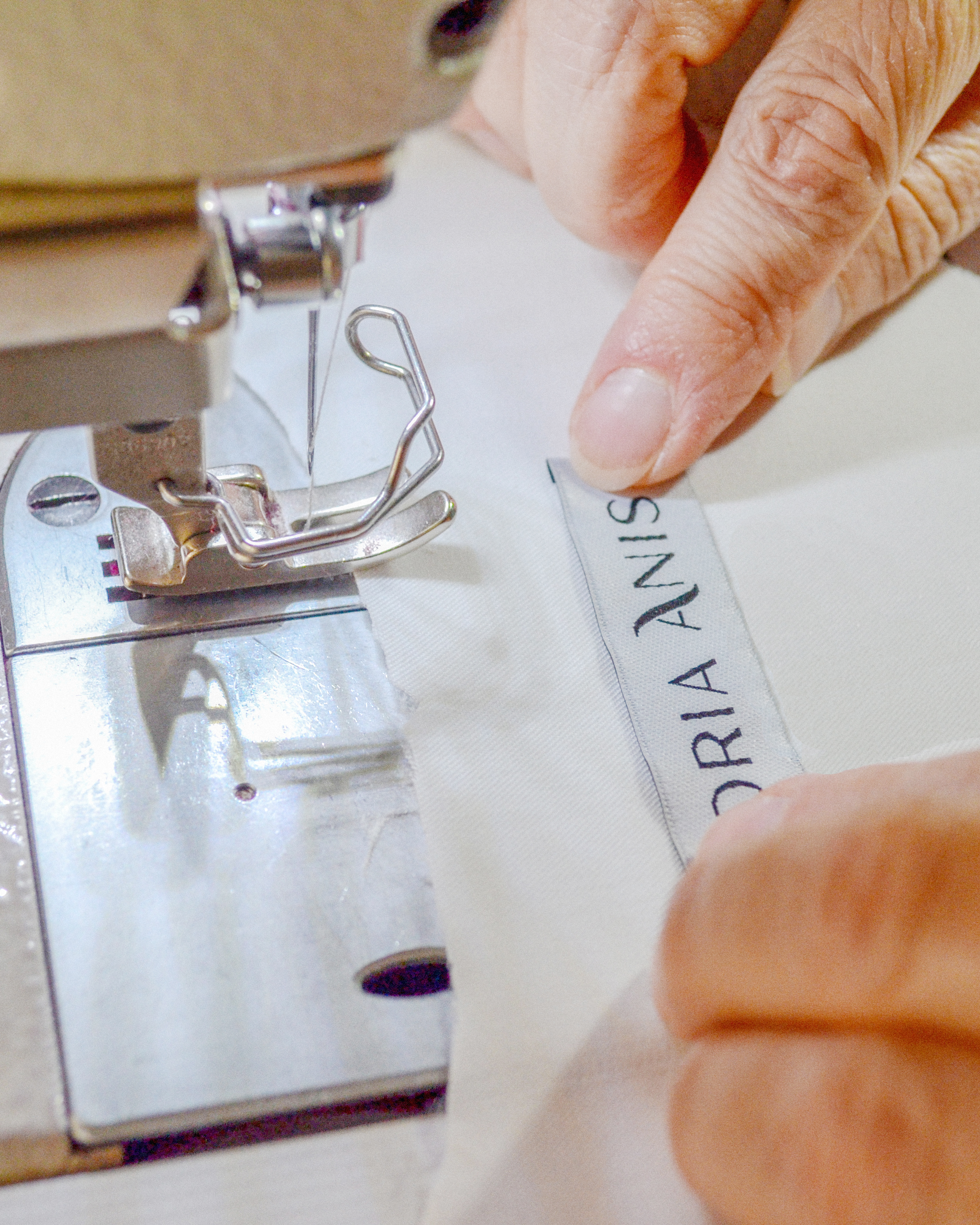
The project operates through a local production system in Romania, working in our own atelier and with independent ateliers to produce garments in small series using a combination of natural fabrics, carefully sourced deadstock materials (approx. 30% of the collection), and selected new materials chosen for durability and extended use. This approach enhances resource efficiency, reduces waste and environmental impact while maintaining high quality and proximity within the local ecosystem. In addition, around 60% of production scraps are remade into accessories such as scarves, scrunchies and hair accessories, further extending material life and reinforcing circularity.
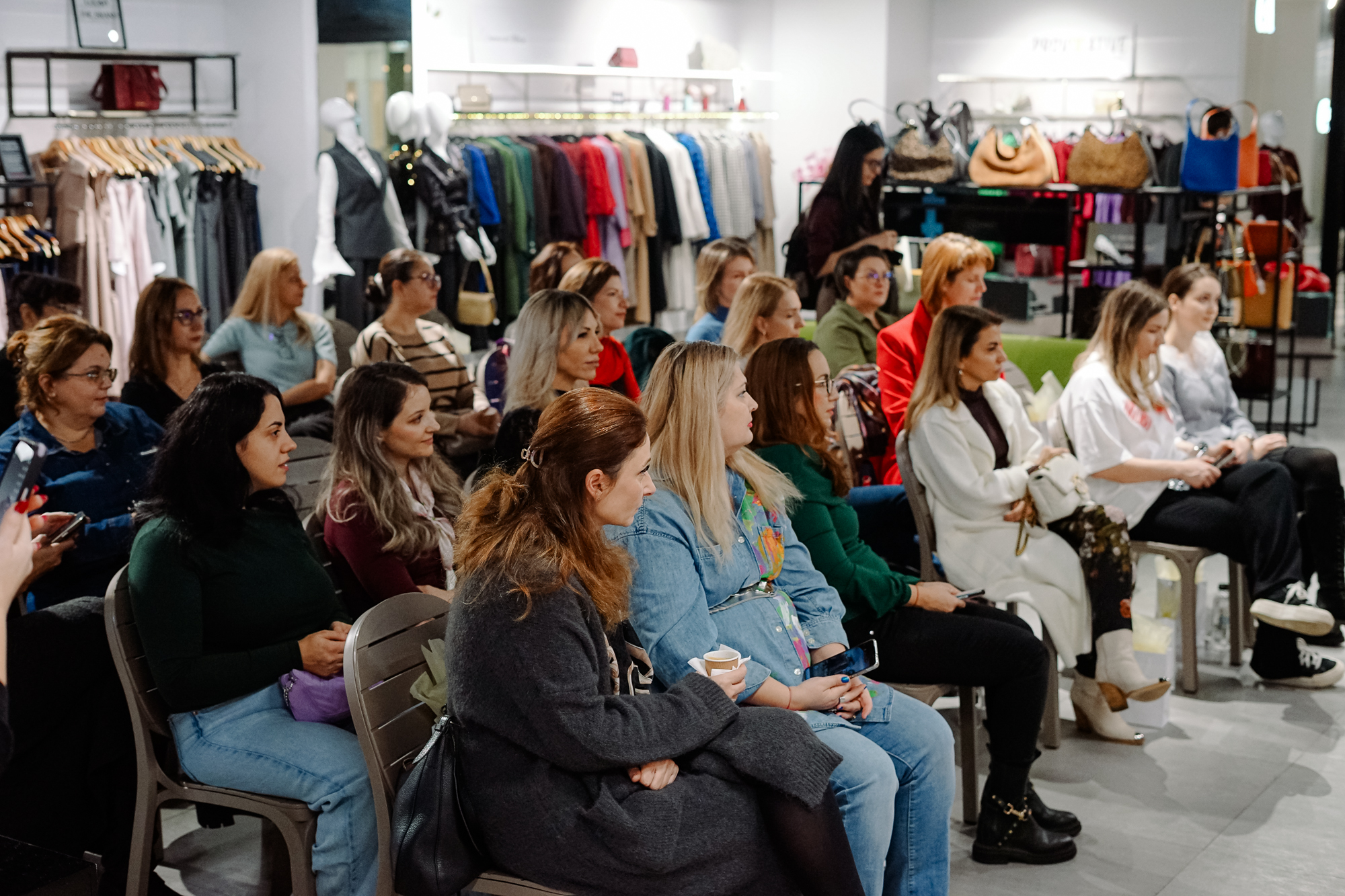
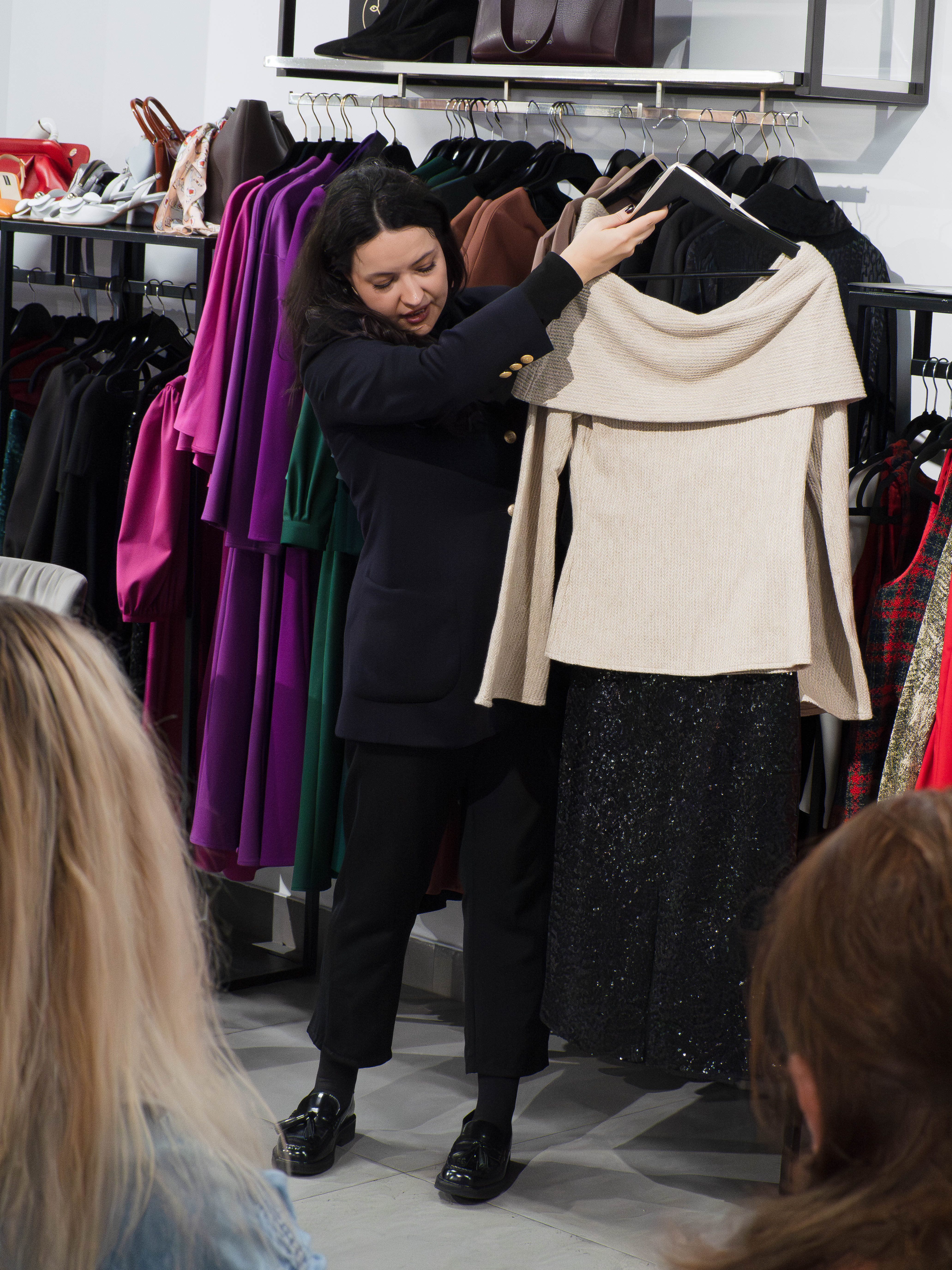
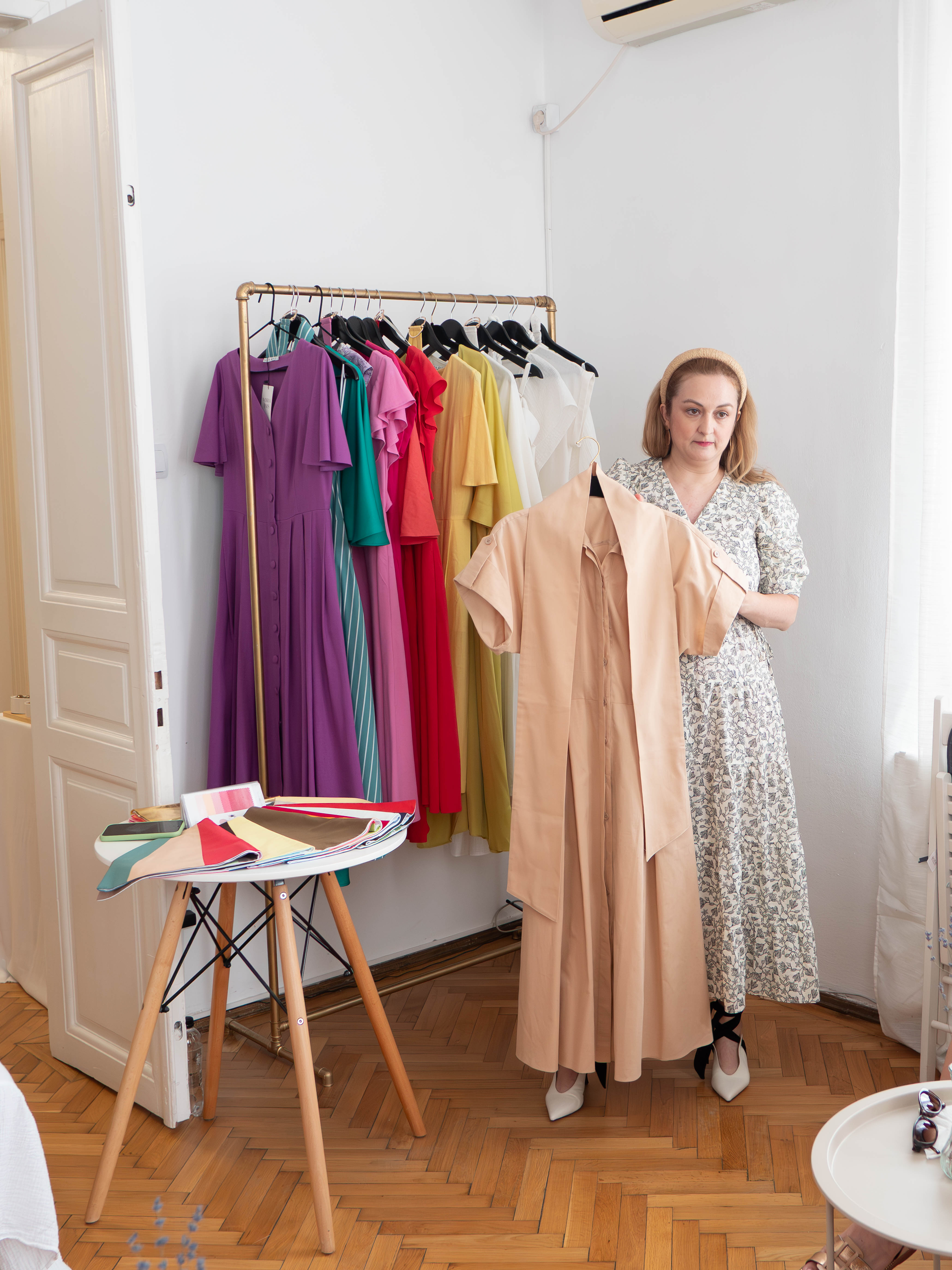
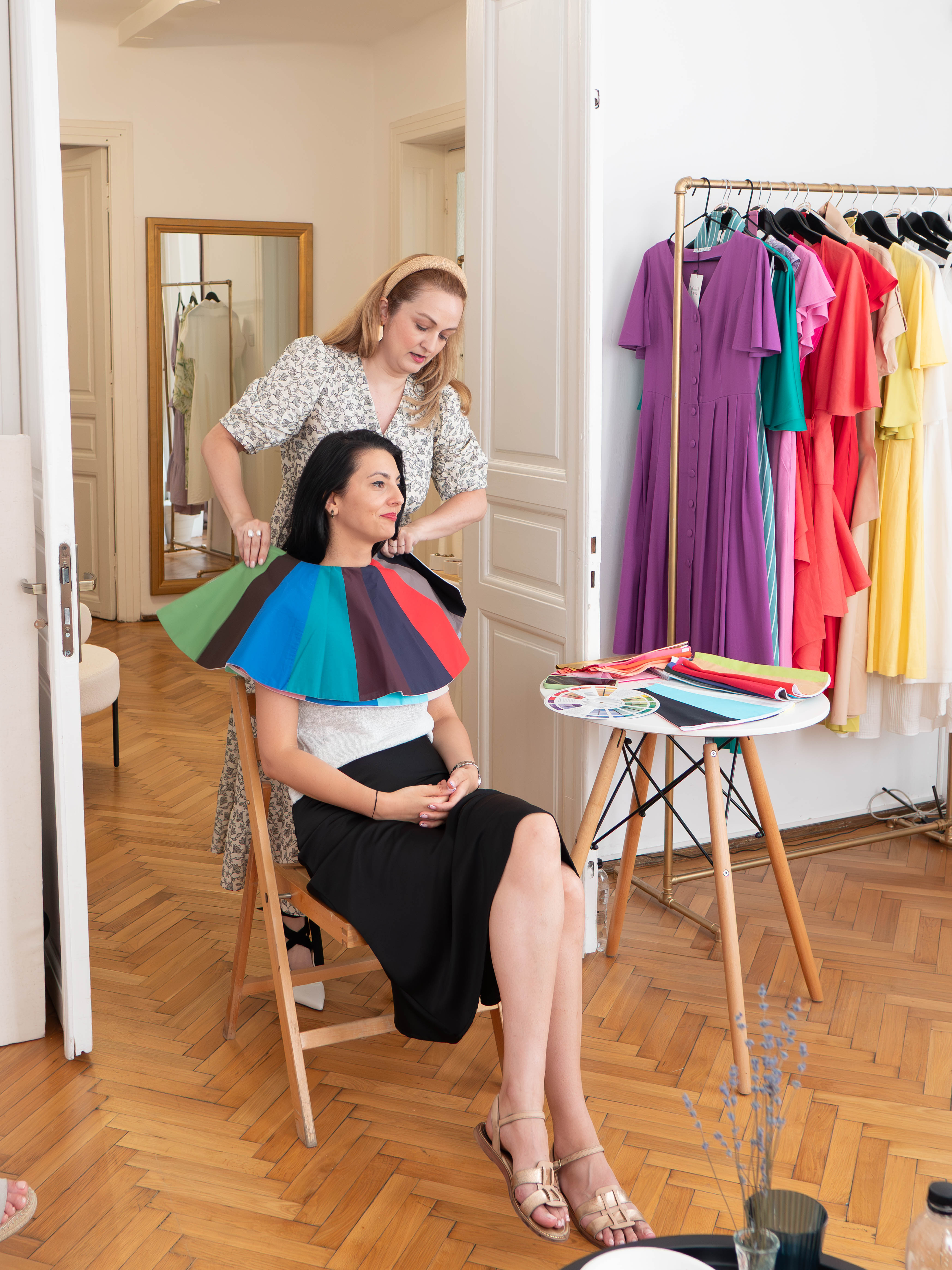
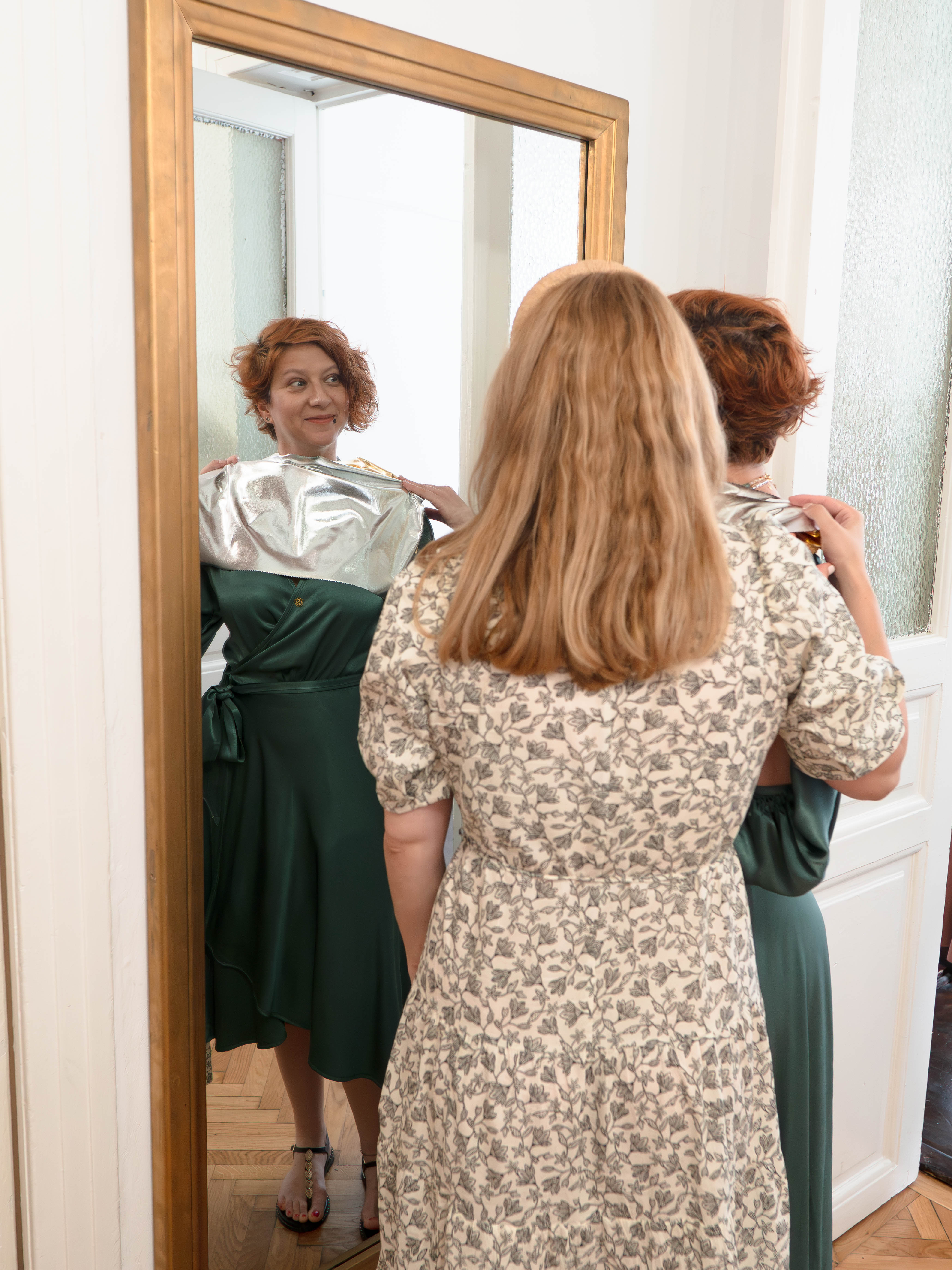
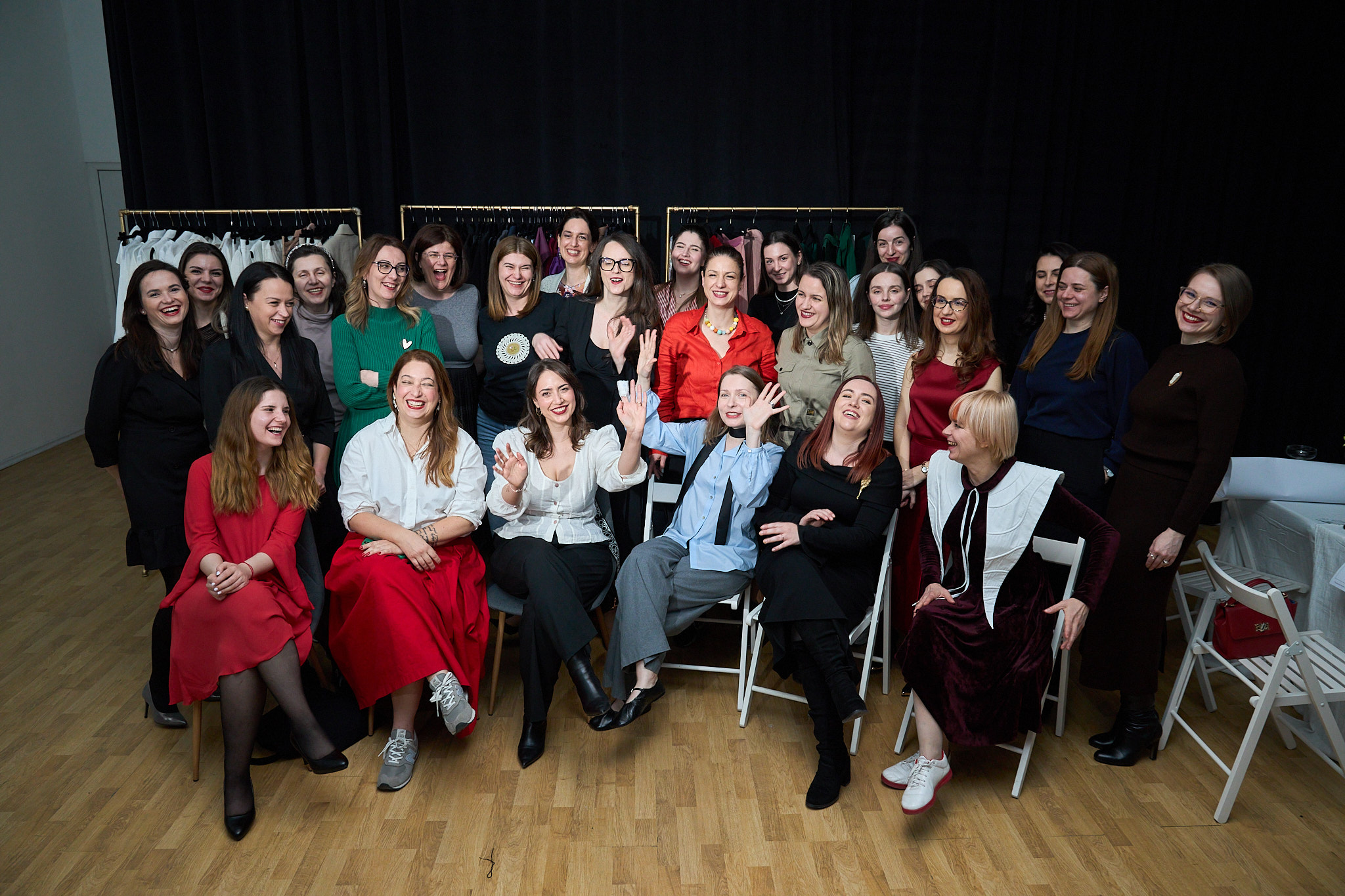
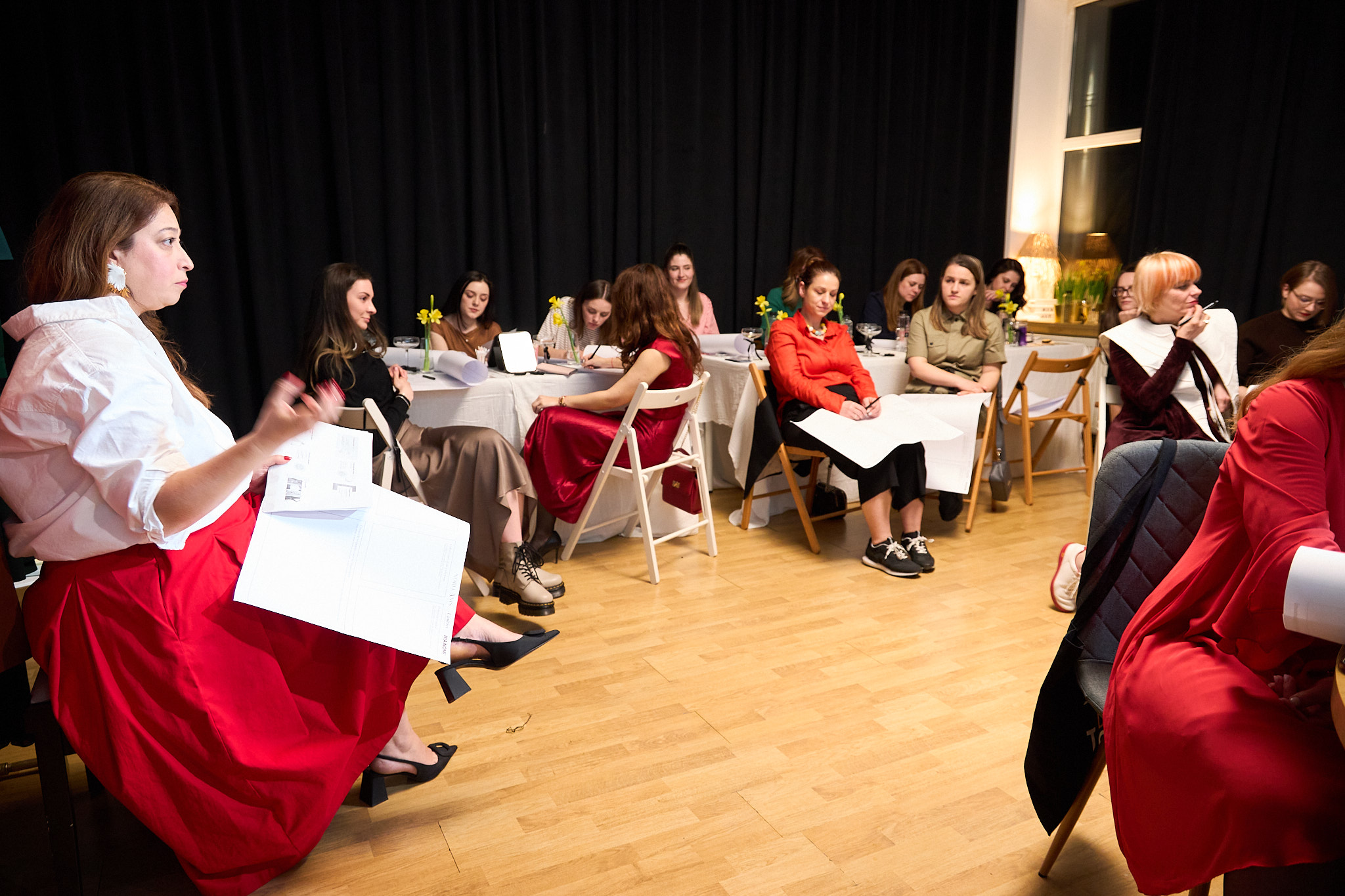
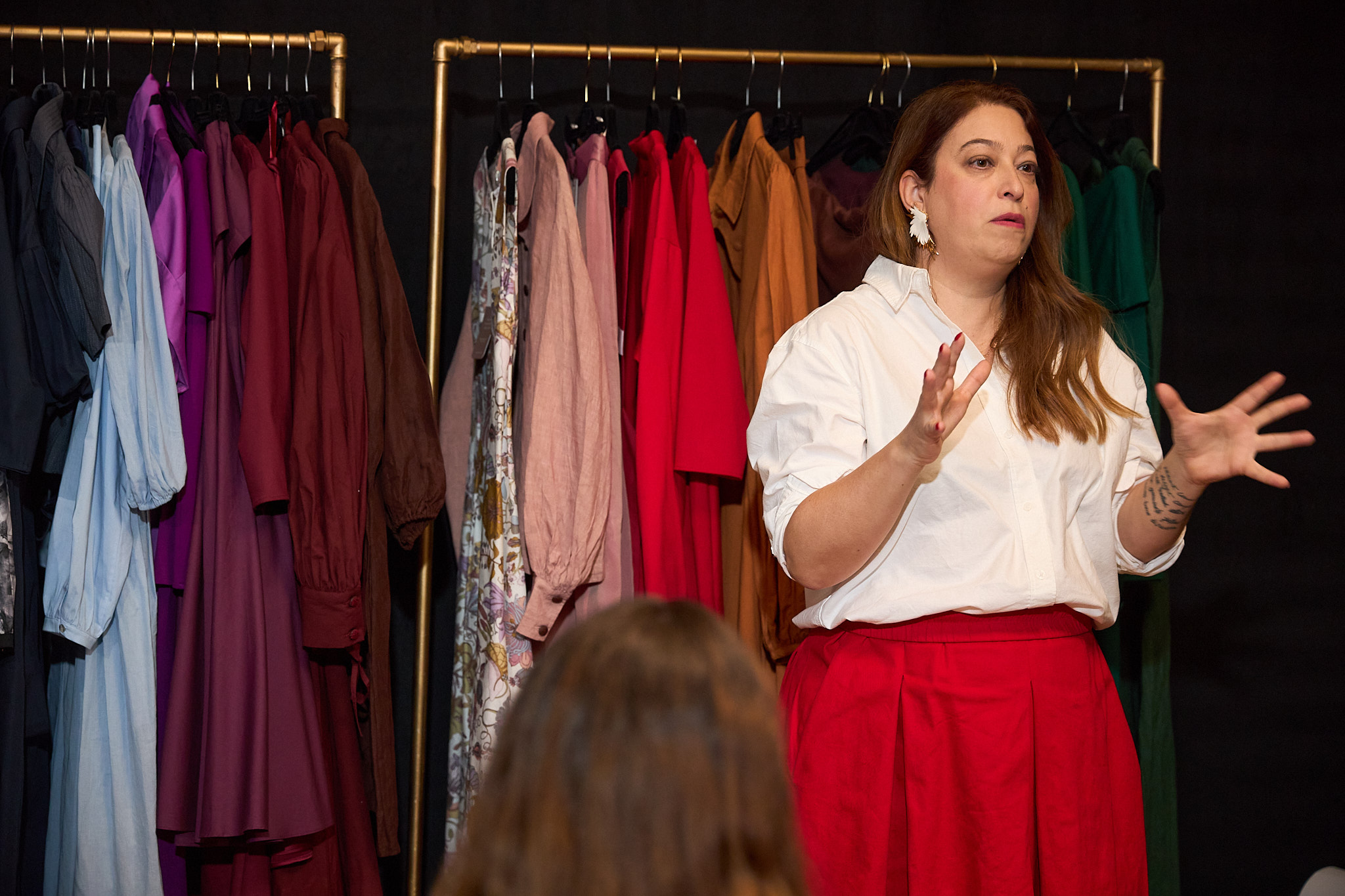
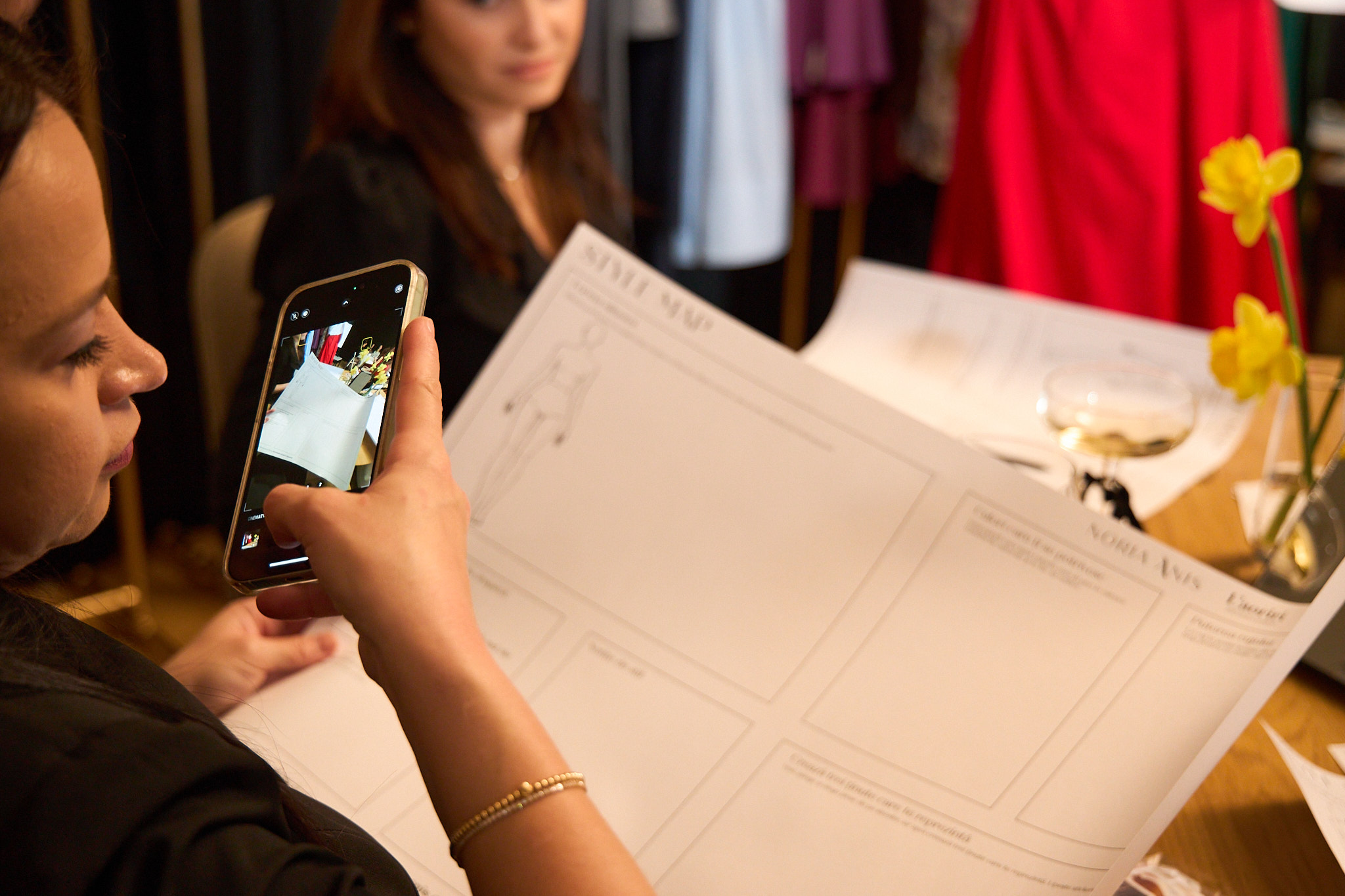
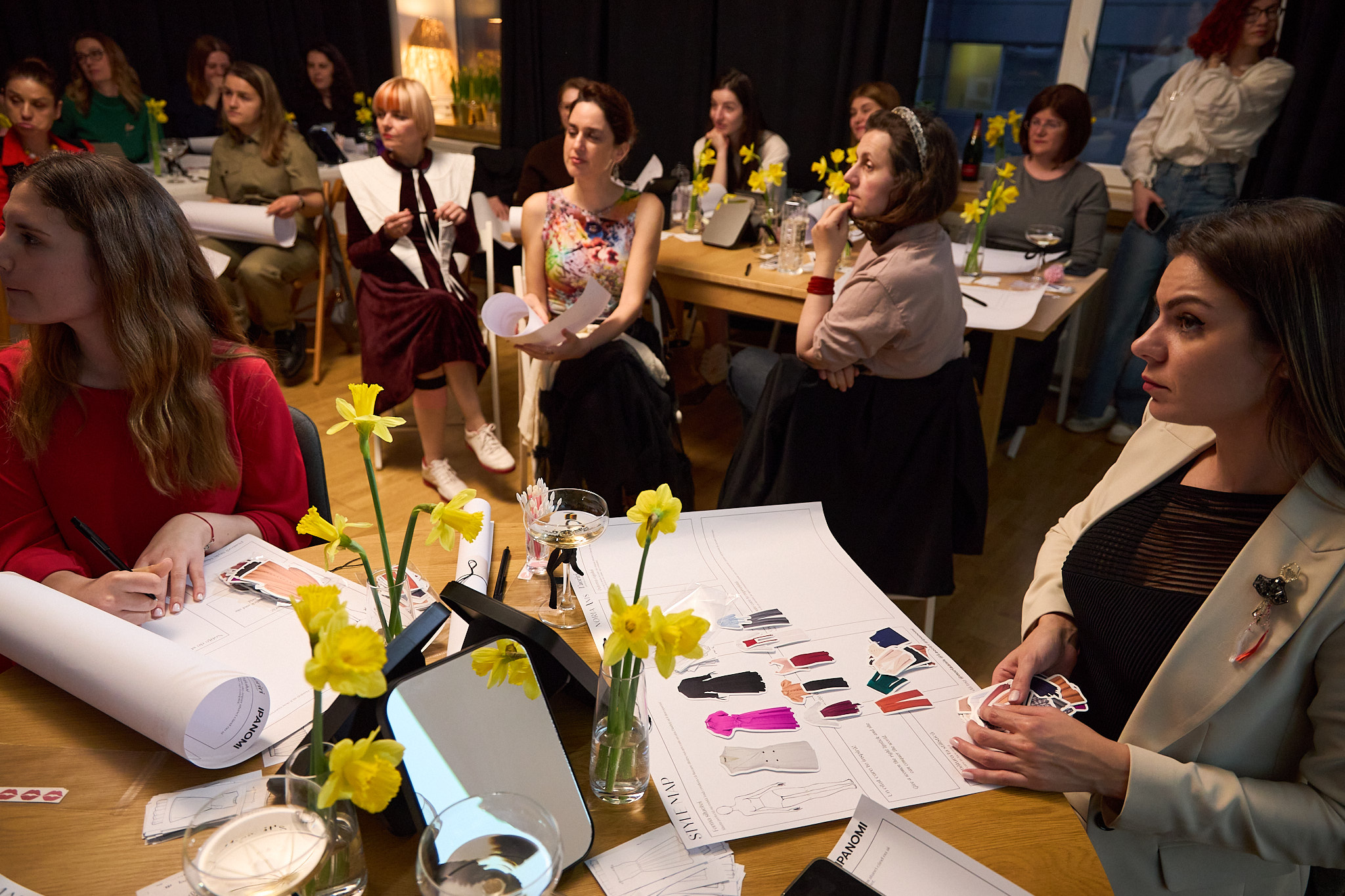
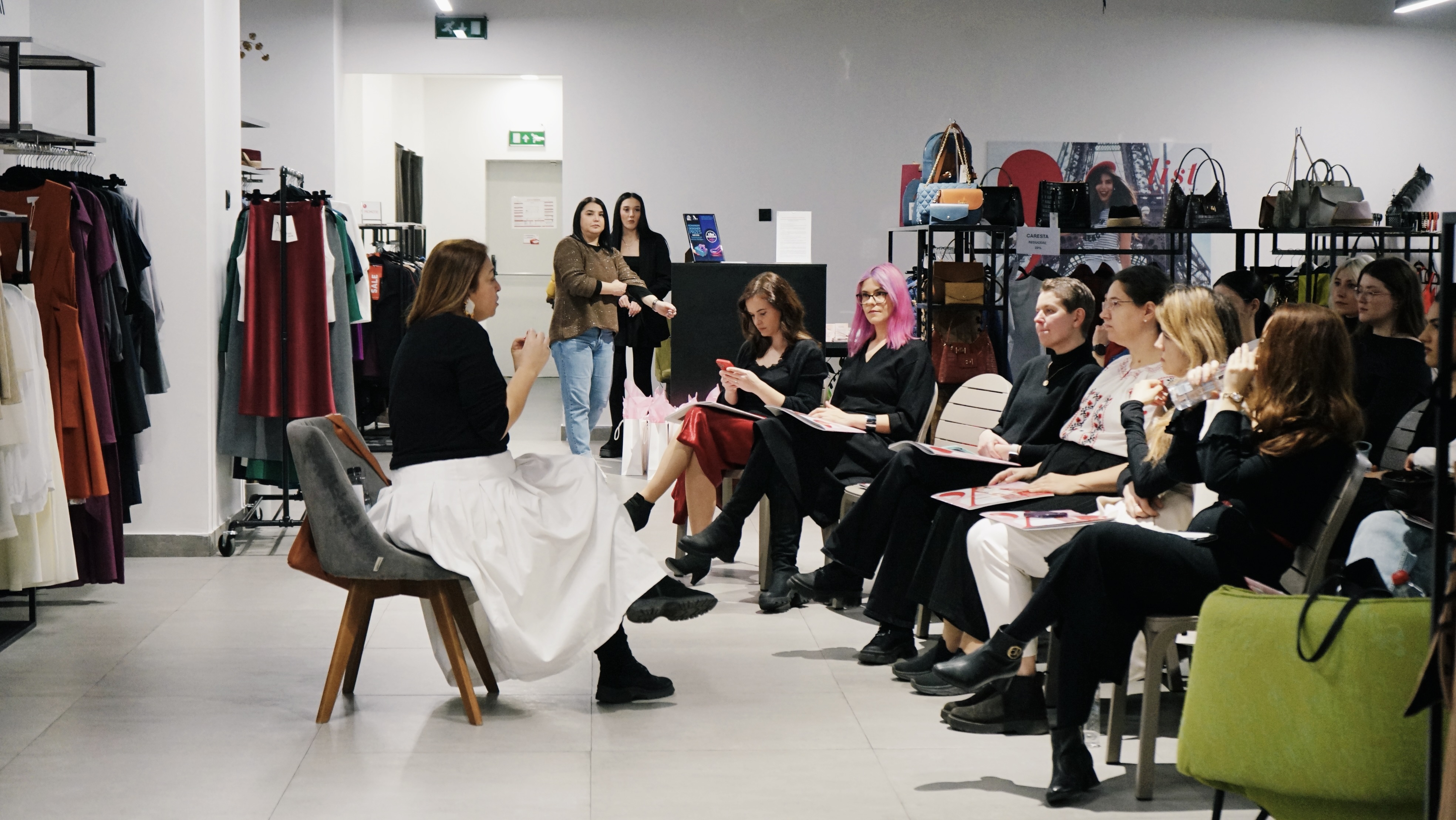
Beyond production, the project actively engages users through participatory styling workshops developed in collaboration with professional stylists. To date, 7 workshops have been organized, reaching approximately 200 participants. These sessions focus on wardrobe longevity, teaching women how to reinterpret and reuse existing garments, reducing reliance on continuous consumption.
Since its evolution into a community-based model in 2025, the project demonstrates how circularity in fashion can be achieved not only through design and production, but also through user engagement and behavioral change, supporting long-term sustainability and improving the relationship between users and garments.
Building on this proven foundation, the project is now entering a new stage of development focused on expanding the existing workshop format into online educational sessions, increasing accessibility.
Noria Anis started from a personal connection to craftsmanship and a desire to create garments that are meaningful, versatile, and long-lasting. From the beginning, the intention was to design pieces that can be easily integrated into a wardrobe, supporting women rather than burdening them with constant consumption.
As the project developed, I worked closely with clients, often advising them on how to style and wear their purchases. Through these interactions, I realized that many women were not fully using what they already owned. Even when investing in quality garments, pieces were often worn in limited ways. This insight became a turning point: design alone was not enough, and a more conscious approach to how garments are used was needed.
In 2025, this led to the development of participatory styling workshops, implemented in third-party locations and pop-up contexts, in collaboration with professional stylists. These sessions are practical and interactive, helping participants reinterpret and combine garments in multiple ways, extending their use over time. In some cases, the workshops also include pieces from other independent brands, encouraging a more inclusive and flexible approach to wardrobe use.
Through this on-the-ground implementation, the project connects design, production, and user behavior. It shifts the focus from acquiring new products to making better use of existing ones, while maintaining a strong link to local production and craftsmanship.
Today, Noria Anis operates as a system that addresses both how garments are made and how they are used, demonstrating how circularity can be applied in practice through everyday decisions and interactions.
Circular Fashion
Community Co-design
Local Craftsmanship
Behavioral Change
Garment longevity
The project addresses environmental, social, and economic challenges in the fashion industry by rethinking both how garments are produced and how they are used.
From an environmental perspective, sustainability is incorporated in the production model. Garments are produced locally in Romania, in small series, using a combination of natural fabrics, carefully sourced deadstock materials (approx. 30% of the collection), and selected new materials chosen for durability and extended use. This approach reduces overproduction, limits waste, and shortens the supply chain. In addition, around 60% of production scraps are reintegrated into accessories, contributing to resource efficiency and extending material life.
From a social and economic perspective, the project supports local ecosystems by collaborating with independent ateliers and skilled workers, helping maintain craftsmanship and enabling more responsible production practices at a regional level.
At the same time, the project addresses a less visible but critical challenge: overconsumption driven by user behavior. Through participatory styling workshops, the project provides practical tools that help users reinterpret and reuse garments, extending their lifespan and reducing the need for continuous purchasing. This approach promotes more conscious consumption patterns and strengthens the relationship between users and their clothing.
The project can be considered exemplary in terms of sustainability because it integrates circularity across multiple levels: design, production, and use. By combining local production, material efficiency, and behavioral change, it moves beyond isolated solutions and proposes a systemic approach to sustainability in fashion.
The project contributes to aesthetics by redefining beauty in fashion as something that is not only visual, but also meaningful, lasting, and connected to everyday life.
At the level of design, Noria Anis focuses on timeless, versatile pieces that can be easily integrated into a wardrobe and worn in multiple ways over time. This approach moves away from trend-based consumption and instead creates a more enduring aesthetic, where garments remain relevant beyond seasons and occasions.
Beyond the object itself, the project creates aesthetic value through experience. The participatory styling workshops offer a space where people can rediscover their own garments, experiment, and build confidence in how they dress. This process transforms the act of getting dressed into a more conscious and creative practice, contributing to a sense of personal expression and well-being in everyday life. This contributes to improved quality of life by reducing decision fatigue and creating a more intentional relationship with clothing.
By encouraging users to reinterpret what they already own, the project fosters a deeper emotional connection to clothing. This creates a sense of care and attachment, where garments are valued, maintained, and reused, rather than quickly discarded.
The project expands the concept of beauty beyond appearance, integrating it with durability, adaptability, and user experience. In this way, aesthetics becomes not only a visual quality, but a driver for more responsible and meaningful relationships between people and the objects they use.
The project addresses inclusion by focusing on accessibility to knowledge, participation, and more conscious ways of engaging with clothing.
Rather than focusing only on access to new products, the project promotes accessibility by helping users make better use of what they already own. Through participatory styling workshops, participants gain practical skills to reinterpret and combine garments, regardless of the size or value of their existing wardrobe. This approach lowers the need for continuous purchasing and makes more sustainable practices accessible to a wider range of people.
The project also encourages a more inclusive approach to dressing by focusing on versatility and adaptability, allowing garments to be styled across different body types and helping women feel confident and comfortable regardless of size. This supports a more positive and accessible relationship with clothing, where garments adapt to the individual rather than the other way around.
In addition, the planned development of online workshop formats will further increase accessibility, allowing participation beyond Bucharest and enabling a wider range of women to benefit from the project.
The project can be considered exemplary in terms of inclusion because it shifts the focus from ownership to access, knowledge, and participation, creating a more accessible pathway toward sustainable fashion practices.
The project involves users directly through participatory styling workshops and ongoing interaction with clients.
Participants play an active role by sharing their needs, and testing different ways of wearing and combining clothing. These sessions are not one-directional, but based on exchange, where participants contribute to the content and direction of the workshops.
Collaboration with independent stylists supports this process, bringing professional expertise while keeping the format accessible and practical.
The impact of this involvement is visible both at user and project level. Participants gain practical skills that help them use their wardrobes more effectively and reduce unnecessary consumption. At the same time, their feedback has directly influenced the development of the project, including the focus on versatility and the evolution toward multi-use garments.
Through this approach, participation becomes an active part of the project, shaping both user behavior and its ongoing development.
The project engages stakeholders across multiple levels through a practice-based and collaborative approach, connecting local implementation with broader national and European contexts.
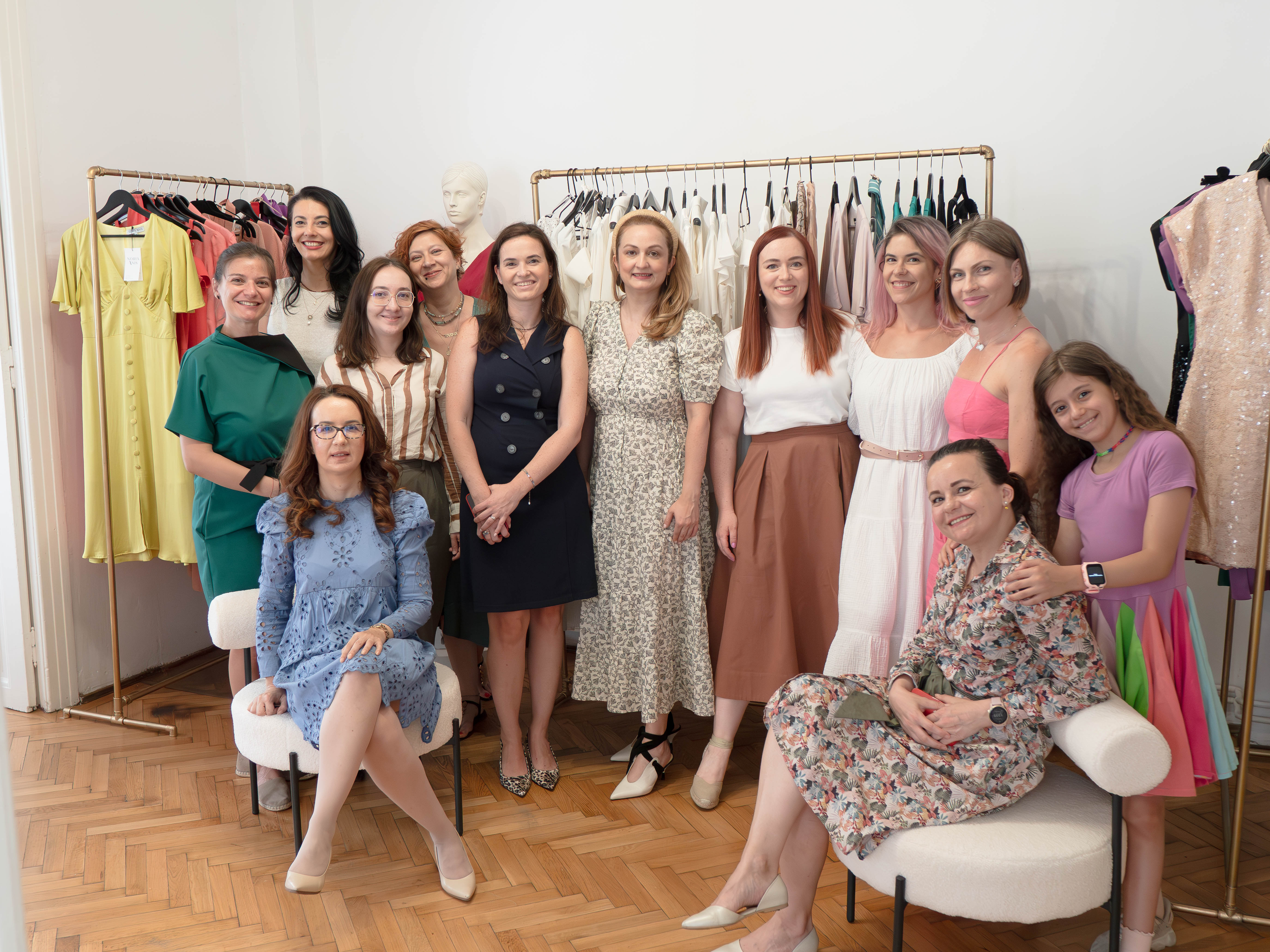
At the local level, the project is developed through direct collaboration with independent ateliers and professional stylists. Local ateliers are essential to the production process, enabling small-series manufacturing and supporting local craftsmanship. Stylists contribute to the design and delivery of participatory workshops, while users themselves play an active role by bringing their own garments, sharing experiences, and shaping the content of these sessions.
At the national level, the project operates within and contributes to the Romanian fashion ecosystem by supporting local production and promoting alternative models to fast fashion, based on quality, proximity, and responsible practices.
At the European level, participation in initiatives such as the NEB Fashion Adaptor program and presence in international contexts, including Paris Fashion Week, have enabled knowledge exchange, visibility, and alignment with broader European sustainability objectives.
The added value of this multi-level engagement lies in its ability to connect grounded, local practice with wider professional and cultural networks. This allows the project to remain rooted in real implementation while contributing to a broader transition toward more sustainable and responsible fashion systems.
The project is inherently transdisciplinary, combining knowledge and practices from design, craftsmanship, education, and social behavior.
Fashion design is at the core of the project, informing the development of garments that are versatile, long-lasting, and adaptable over time. This is complemented by traditional craftsmanship, through collaboration with local ateliers, where technical skills and material knowledge are essential to the production process.
At the same time, the project integrates elements of social and behavioral understanding. Insights gained through direct interaction with users have shaped the project’s evolution, particularly in recognizing the gap between garment design and actual use in everyday life.
Education also plays a key role in the implementation of the project. Through participatory styling workshops, knowledge is translated into practical tools that help users reinterpret and reuse garments, extending their lifespan and reducing the need for continuous consumption.
Digital tools are already part of this process. Participants register online for workshops and are invited to share questions and specific topics they want to explore, allowing the sessions to be shaped around real needs. This creates a feedback loop between users and the project, strengthening its relevance and responsiveness. Digital communication tools such as newsletters and social media are also used to engage participants before and after workshops, extending learning beyond physical sessions.
In the next stage, this approach will be further developed through online workshop formats, expanding access and enabling broader dissemination of knowledge.
The business model of the project is based on a combination of product-based revenue and service-based activities.
The core revenue stream comes from the sale of garments designed and produced in small series in Romania. These are distributed through multiple channels, including the brand’s own platform, international marketplaces such as Wolf & Badger, regional retailers like Fashion Days, and physical pop-ups. This diversified distribution supports financial stability while maintaining control over production scale and quality.
The project also integrates service-based activities through participatory styling workshops. While initially developed as a community-building and educational initiative, the model has already been tested in a paid format, demonstrating strong interest and validating its potential as an additional revenue stream.
This hybrid approach supports financial sustainability by combining direct product sales with value-added services that strengthen customer engagement and extend the lifecycle of garments. The model is progressively evolving toward greater financial sustainability through the diversification of revenue streams.
In the next stage, the project aims to expand its educational component through digital workshop formats, enabling access to a wider audience and creating a scalable model that is less dependent on physical presence.
Customer engagement through workshops also contributes to loyalty and repeat purchasing.
The project is designed to scale by expanding both its reach and its impact across different user groups and contexts.
At its current stage, the workshops are delivered in physical formats, which allows for direct interaction but limits the number of participants. To increase scale, the project is developing online workshop formats that will make these sessions accessible to a wider audience, including participants outside Bucharest and in different geographical contexts.
The workshop structure itself is adaptable and can be delivered in different settings, such as pop-ups, cultural spaces, or educational environments, allowing the project to reach diverse communities without requiring fixed infrastructure.
In parallel, the design approach supports scalability by creating garments that can be used in multiple ways over time, including pieces designed from the beginning with a second life in mind. These can be returned and transformed into new garments, extending their use beyond the initial form.
This introduces an additional service layer, where garments are not only produced but also reworked over time. In the longer term, this approach could be supported by a network of local ateliers or hubs capable of carrying out these transformations, potentially across different brands. Such a model would extend product lifecycles and support local craftsmanship.
Through the combination of physical workshops, digital expansion, and adaptable design strategies, the project can grow its reach while maintaining its core principles of circularity, accessibility, and responsible consumption.
- https://www.linkedin.com/posts/european-institute-of-innovation-and-technology---eit_parisfashionweek-nebfashionadaptor-eitcommunity-activity-7440684363694055424-E30v?utm_source=social_share_send&utm_medium=member_desktop_web&rcm=ACoAAAXUfWgBDzuS1sMgDVU3g
- https://sustenabilitate.biz/noria-anis-printre-cele-12-branduri-europene-prezentate-la-paris-fashion-week-intr-un-program-dedicat-modei-circulare/