Strengthening Local Democracy and Inclusion
Human Cities / SMOTIES
Human Cities / SMOTIES – Creative works with small and remote places
In small and remote European villages, SMOTIES enhanced the co-creation of spaces for collective life, where participation becomes a way to negotiate needs, conflicts, and envision alternative futures. Often, the absence of gathering spaces limits opportunities for residents to connect and advocate for their needs. Through co-creation, overlooked places turn into sites of encounter, care, and local democracy, enabling communities to shape their environments from within.
Italy
Local
SMOTIES enhanced the livability of public spaces in ten rural European villages:
- ITALY: Albugnano and villages around (~500 inhab. ~52 inhab./km2)
- FRANCE La Vallée du Dorlay (~1600 inhab. ~44 inhab./km2) & Sainte-Croix-en-
Jarez(~485 inhab. ~40 inhab./km2)
- UK: Penmachno (~600 ab. ~11 ab./km2)
- AUSTRIA: Oberzeiring (~814 inhab. ~22 inhab./km})
- SLOVENIA: Polhov Gradec Dolomites Park, Zlebe & Belo (~560 inhab. ~52 inhab./km7
- ESTONIA: Joaveski (33 inhab. ~5 inhab./km7)
- GREECE: Apano Meria (~1200 inhab. ~80 inhab./km4)
- PORTUGAL: Estreito da Calheta (~1600 inhab. ~110 inhab./km4)
- ICELAND: Borgarnes (~1900 inhab. ~1500 inhab./km3)
- POLAND: Bobrek (~3000 inhab. ~15 inhab./km2)
Mainly rural
It involves other types of transformations (soft investment)
Yes
2024-10-31
Yes
Creative Europe
No
No
Organisation
SMOTIES is a 4y project (2020–2024), co-funded by Creative Europe and part of the Human Cities network, a long-standing European platform exploring the liveability of public space through participatory design. It engaged 10 small and remote EU places, often affected by depopulation and fragile infrastructures, yet rich in cultural and social knowledge.
Rather than applying predefined solutions, SMOTIES engaged with these contexts as situated and plural environments, where participation unfolds through relationships, tensions, and everyday practices. Through long-term engagement, ethnographic research, co-design, and spatial interventions, communities reactivated public spaces as places of encounter, negotiation, and collective life.
The project combined capacity-building, local collaborations, and on-site prototyping, enabling residents, associations, and local institutions to co-shape interventions rooted in their needs, imaginaries and forms of care. Public spaces were not only redesigned physically, but re-signified as shared infrastructures for social interaction, cultural expression, and local democracy. A key outcome is a methodological toolbox based on scenario-building, supporting communities in imagining and discussing possible futures across five thematic areas: collaborative governance, sustainable living, proximity-based tourism, ageing societies, and distributed education.
Beyond tangible outputs, SMOTIES strengthened local networks and activated processes that continue beyond the project. Follow-up initiatives have emerged in all pilot locations.
i.e.,The Italian pilot evolved into Trame Locali (NextGenEu), further exploring narrative, care, and collective imagination, including experimentation with AI as a speculative and critical tool.
SMOTIES contributes to rethinking participation as an ongoing practice of coexistence, where diverse voices, perspectives, and conflicts are negotiated over time, enabling more resilient forms of local democracy.
Each partner identified a remote place within their own country through existing local networks, building on relationships with municipalities, associations, and local experts. This allowed the project to be grounded from the outset in contexts where forms of trust, care, and reciprocity could be cultivated over time, rather than established from scratch.
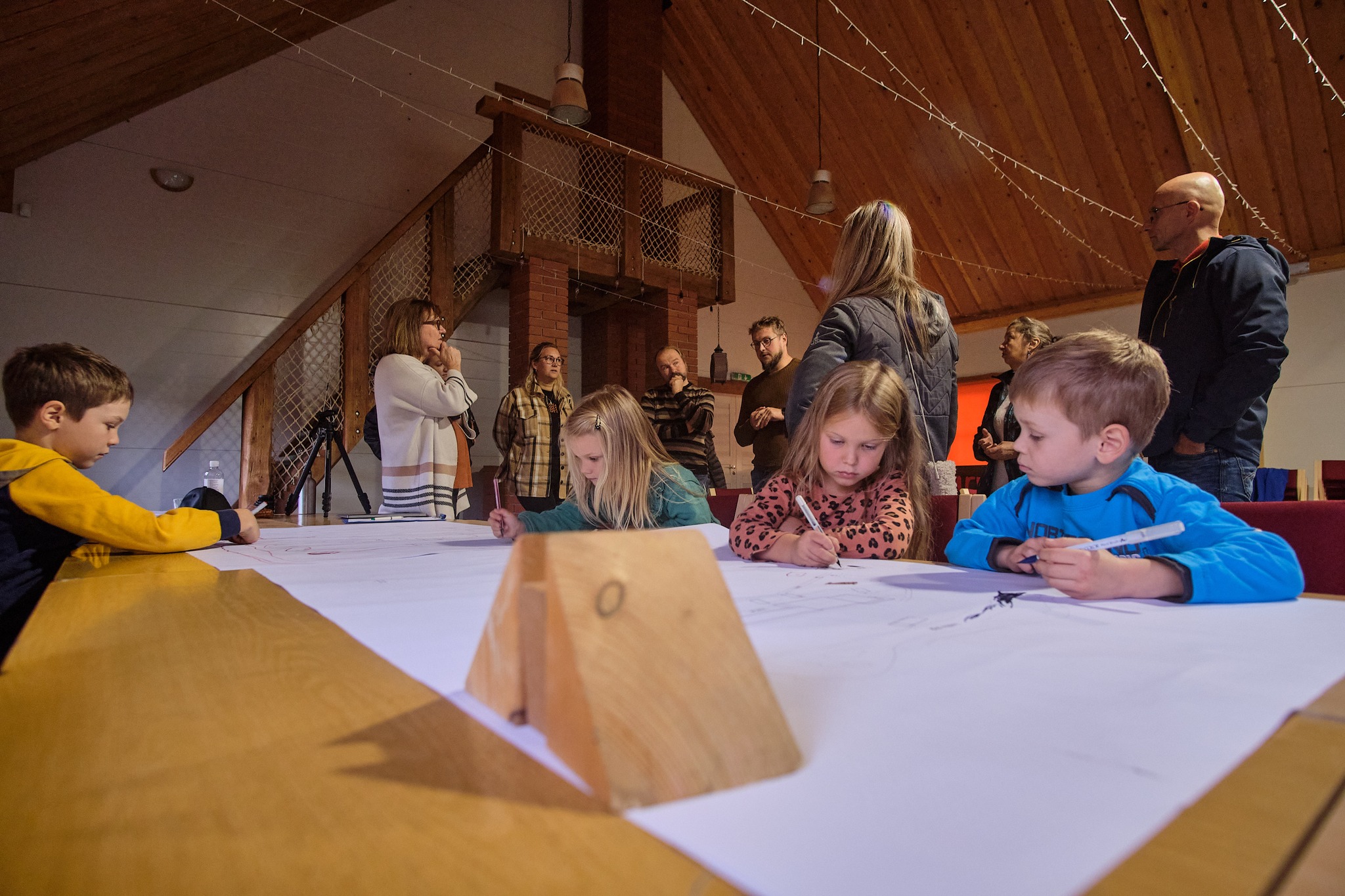
On the ground, SMOTIES was implemented across 10 pilot locations through a shared methodological framework (the SMOTIES Toolbox), combining scenario building, participatory design, and spatial prototyping. This translated into over 100 meetings with local stakeholders, 55 co-design and prototyping workshops, and 57 training sessions involving citizens, students, and professionals. Through these activities, the project supported the gradual emergence of shared languages, local priorities, and collective imaginaries.
Rather than delivering predefined solutions, SMOTIES unfolded through situated interventions in public spaces (ranging from temporary installations and tactical actions to the reactivation of underused places and newly local networks) co-developed with communities. These acted as both material outcomes and catalysts for dialogue, encounter, and local engagement.
Implementation required continuous adaptation. Working in remote contexts, often with limited physical continuity, meant engaging with uneven participation and the challenge of reaching isolated groups. At the same time, even a partial and intermittent presence proved crucial in sustaining relationships and demonstrating long-term commitment.
Many of the project’s most significant impacts emerged beyond its formal duration. Local stakeholders continued the initiatives, activated new collaborations, and secured further funding, extending the project’s effects over time.This experience suggests that participatory implementations are not simply the execution of planned activities, but a slow and relational process sustaining collective agency.
participatory design
community-centered design
remote places
social inclusion
Societal development and collective growth
In SMOTIES, sustainability is approached as an integrated condition that connects environmental, social, cultural, and economic dimensions. SMOTIES focused on places where challenges such as limited mobility, reduced access to services, and fragile local economies intersect with the risk of losing cultural heritage and social cohesion.
Rather than introducing external solutions, SMOTIES built on existing local knowledge, practices, and materials. Public space transformations are designed to be lightweight, reversible, and adaptive, often reusing materials, reactivating abandoned or underused spaces, and collaborating with local associations, artists, and producers. This approach minimises environmental impact while strengthening local capacities.
Sustainability is also addressed through the reactivation of local economies and everyday practices. By supporting proximity-based tourism, restoring historical paths, and valorising local skills and heritage, the project contributes to alternative, place-rooted development models that counter extractive and mass-tourism dynamics.
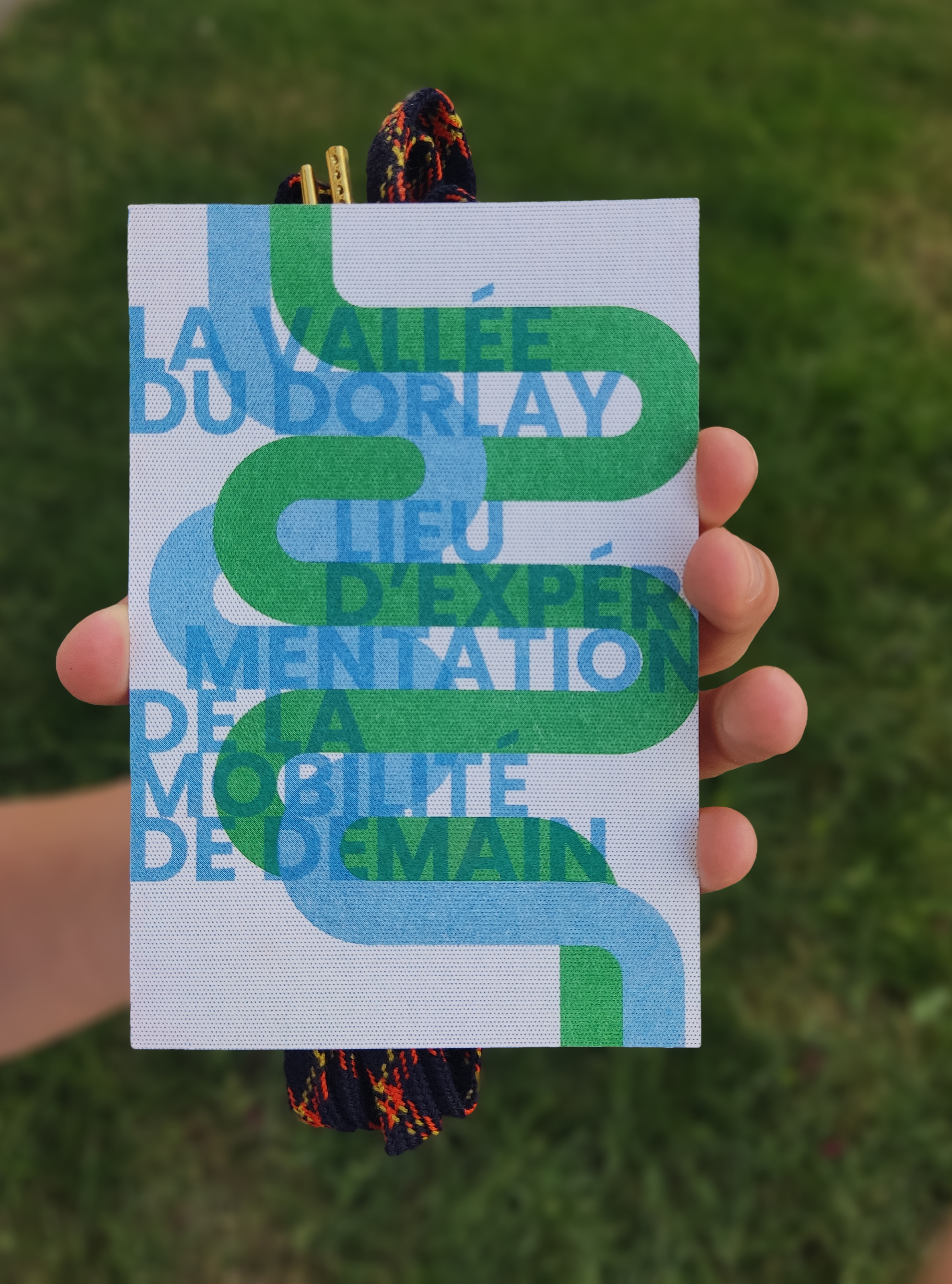
In the Dorlay Valley pilot (France), for example, the project addressed car dependency and limited mobility by reconnecting the territory through its historical textile culture. A “sensitive map” was developed as both a communication and prototyping tool, promoting soft mobility while highlighting local knowledge, landscapes, and heritage. By linking mobility with cultural identity, the project encouraged more sustainable and meaningful ways of moving through and experiencing the territory.
Across all pilots, SMOTIES demonstrates that sustainability is not only a technical challenge, but a cultural and relational one. Its exemplary value lies in showing how small-scale, locally grounded interventions can activate long-term processes of care, resilience, and collective responsibility, supporting more sustainable ways of inhabiting and transforming places.
SMOTIES approaches aesthetics not as a matter of form, but as a lived, relational quality emerging from how people experience and care for their environments. Beauty, in this sense, is rooted in the possibility of recognising oneself in a place, feeling part of it, and contributing to its ongoing transformation.
The project worked through place-based and participatory processes that reconnected communities with their public spaces: not as isolated sites, but as networks of meaningful places embedded in everyday life. Rather than focusing on a single intervention, SMOTIES engaged with multiple locations within each village, supporting collective processes of reinterpretation, reappropriation, and renewed use. These processes brought together different temporal layers: places tied to memory, shaped by personal and collective histories, and spaces oriented towards the present and future, where new forms of use, encounter, and imagination could emerge. In doing so, the project contributed to recovering overlooked or abandoned spaces, not only physically, but also symbolically and socially.
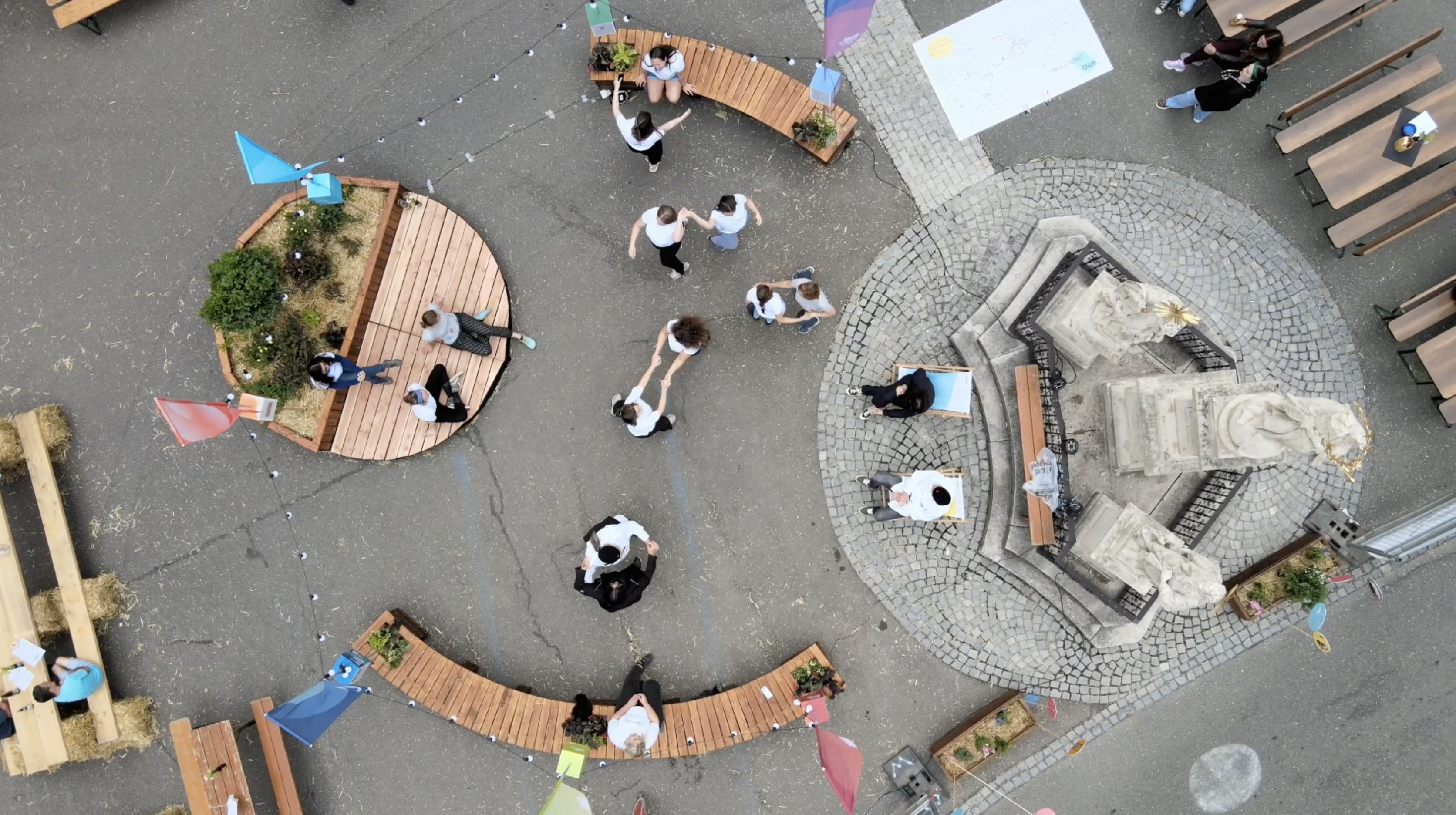
In the Italian pilot of Albugnano, for instance, aesthetics took shape through the reactivation of a central square and other underused places via tactical urbanism actions, temporary installations, and cultural events. These interventions enabled the community to gather, inhabit, and reinterpret shared spaces, fostering a renewed sense of belonging. During the local theatre festival, a co-designed performative experience staged “citizens from the future,” inviting participants to imagine and narrate possible futures of the village. This created an aesthetic experience grounded in collective imagination and emotional engagement, rather than formal design alone.
Its exemplary value lies in showing how beauty can emerge from participation, from the coexistence of different voices, and from the continuous negotiation between past, present, and future.
Inclusion was fostered allowing different social groups to activate places that were meaningful and accessible to them. Interventions were designed to be open, low-threshold, and adaptable, enabling participation from a wide range of inhabitants, including those not involved in formal decision-making processes.
Accessibility was addressed both physically and culturally: through the reactivation of underused or abandoned spaces, the creation of pedestrian-friendly areas, and the development of storytelling tools – such as accessible totems and narrative routes – that combine historical information with personal memories and local voices. These tools allow both residents and visitors to engage with the territory in inclusive and meaningful ways.
In the Italian pilot of Albugnano, for example, the co-designed transformation of the main square and the activation of an abandoned green area created new shared spaces for social interaction, while a storytelling route made local knowledge visible and accessible. Importantly, these processes continued beyond the project itself through the activation of a local governance structure. Municipalities, associations, local producers, and cultural actors have taken responsibility for maintaining and evolving the project’s outcomes: managing and updating a digital application and itineraries, integrating them with local and regional cultural events, expanding narrative contents, and coordinating their use within tourism and territorial promotion strategies.
This ongoing collaboration has transformed initial project outputs into shared infrastructures, collectively curated and adapted over time. It demonstrates how participatory processes can evolve into concrete forms of distributed and inclusive governance, where responsibilities are shared and continuously negotiated among local actors.
SMOTIES involved citizens, communities, and civil society organisations as active co-producers throughout the entire project lifecycle. Across the ten pilot locations, the project engaged local actors through over 100 meetings, 55 co-design and prototyping workshops, and 57 training activities, involving residents, associations, municipalities, cultural organisations, and local professionals.
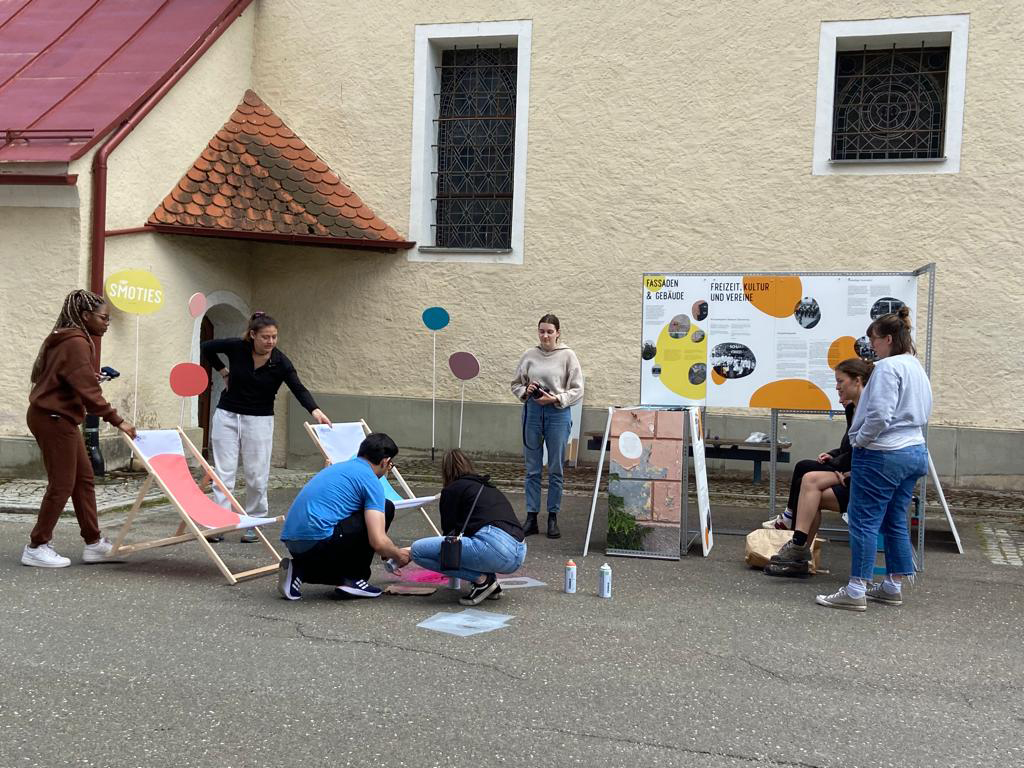
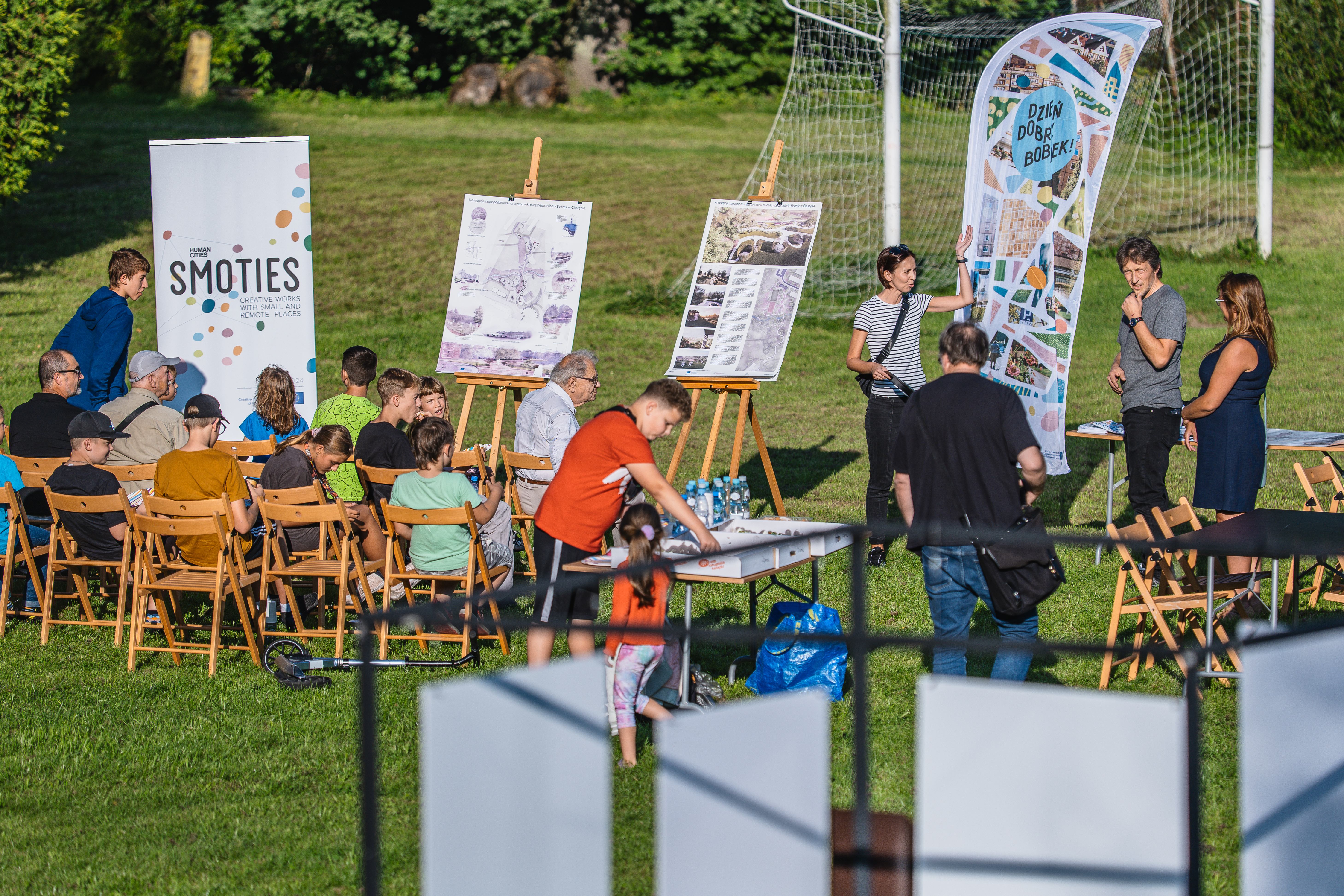
Their role was operational and decision-making, not consultative. Participants contributed to identifying priority sites, defining project directions, and co-designing interventions. In several pilots, local associations and cultural actors acted as facilitators, helping to reach different groups and sustain participation over time. Citizens were directly involved in hands-on activities such as building temporary installations, testing uses of public spaces, producing narrative content, and activating events.
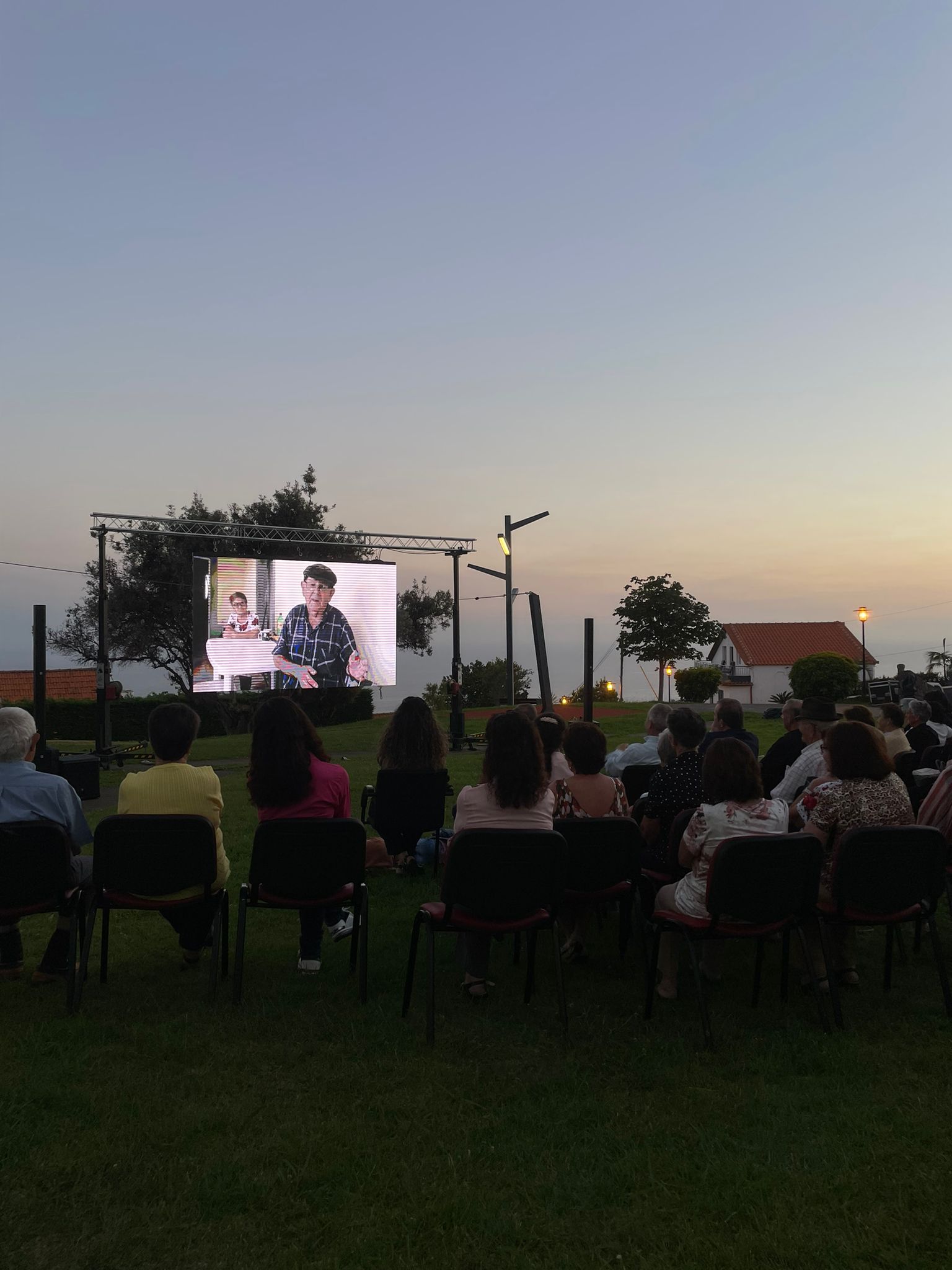
Participation extended beyond structured workshops. Activities were embedded in local contexts through festivals, public gatherings, and informal encounters, allowing the involvement of people who do not engage in formal governance processes, including elderly residents, youth, and local producers.
The impact of this involvement is measurable in outputs and long-term processes. The project resulted in multiple co-designed interventions in public spaces, the reactivation of abandoned or underused areas, and the creation of tools such as maps, itineraries, and storytelling platforms. More importantly, it strengthened local capacities: in all pilot locations, stakeholders initiated follow-up actions, developed new projects, and secured additional funding.
Participation also shifted roles over time. In several cases, local actors moved from contributors to organisers and custodians of the project outcomes, taking responsibility for maintaining spaces, updating contents, and integrating them into ongoing cultural and territorial initiatives.
At the EU level, the network – composed of design universities, research centres, and cultural organisations – coordinated the project, ensuring methodological alignment, knowledge exchange, and continuous peer learning across the 10 pilots. Regular transnational meetings, workshops, and shared evaluation frameworks enabled partners to compare processes, adapt tools, and transfer insights across contexts.
At the national and regional levels, each partner mobilised an extended network of stakeholders, including public institutions, cultural organisations, professional experts, and sector-specific actors (e.g. tourism boards, heritage organisations, educational institutions). These actors contributed to capacity-building activities, training sessions (57 in total), and supported the development of locally relevant strategies, often facilitating access to additional resources and funding opportunities.
At the local level, municipalities, associations, and informal community groups played a central role. They were directly involved in over 100 meetings and 55 co-design and prototyping workshops, contributing to decision-making processes, identifying priority areas of intervention, and co-implementing activities on the ground. In several cases, local actors provided spaces, coordinated events, and ensured the continuity of actions beyond the project duration.
This multi-level structure was not hierarchical but relational. Local needs and knowledge informed project directions, while regional and EU actors provided support, visibility, and strategic alignment. The added value of this approach lies in its capacity to connect bottom-up initiatives with broader institutional frameworks, enabling local actions to scale in terms of impact without losing their situated character.
In multiple pilots, activated partnerships during led to follow-up initiatives, inter-municipal collaborations, and integration into regional cultural and tourism strategies.
Participatory design and spatial design provided the main framework, guiding co-design processes and the transformation of public spaces. These were closely integrated with anthropological and ethnographic approaches, which supported in-depth understanding of local contexts, everyday practices, and community dynamics.
Artistic practices – including performance, theatre, and visual arts – played a key role in activating participation and opening up alternative ways of imagining and experiencing places. These approaches enabled forms of engagement that go beyond verbal or formal participation, involving emotional, narrative, and embodied dimensions.
The project also engaged with fields such as cultural heritage, tourism studies, and local economic development, particularly in relation to proximity-based tourism and the valorisation of local knowledge and skills. In several pilots, collaboration with local producers and cultural organisations connected design processes with existing socio-economic ecosystems.
Digital tools were used to support both process and dissemination, including mapping, storytelling platforms, and, in later developments, experimentation with artificial intelligence as a speculative and interpretative tool for generating future scenarios.
Importantly, transdisciplinarity in SMOTIES was not limited to collaboration between academic fields, but extended to the integration of situated and experiential knowledge. Local communities contributed as knowledge holders, bringing practical, cultural, and relational expertise that shaped both the direction and the outcomes of the project.
The added value of this approach lies in its ability to address complex territorial challenges through multiple perspectives, enabling more inclusive, context-sensitive, and innovative forms of intervention that could not have been achieved within a single disciplinary framework.
During its implementation, the project was mainly supported by Creative Europe funding. However, a key objective was to build the conditions for long-term sustainability beyond the initial grant, by strengthening local capacities and enabling partners and stakeholders to access new funding opportunities.
At the project level, the consortium has continued to develop follow-up initiatives – in separated way within the larger pilots' systems – by forming new partnerships at EU, national, and regional levels, building on the methodologies, networks, and results generated by SMOTIES. This includes participation in new research and innovation programmes, as well as collaborations with additional institutional and territorial actors.
At the local level, municipalities, associations, and cultural organisations involved in the pilots have taken an active role in sustaining and expanding the project outcomes. In several cases, they have applied for and secured regional or national funding to further develop the initiated actions, integrate them into local cultural programming, and maintain or adapt the infrastructures and tools created during the project (such as public space interventions, itineraries, and digital platforms).
This multi-layered model allows financial sustainability to emerge through continuity and adaptation rather than through a fixed revenue stream. It supports a transition from project-based funding to ongoing territorial processes, where resources are mobilised across different scales and actors.
The added value of this approach lies in its resilience and scalability: by embedding capacities and ownership within local communities and institutions, SMOTIES enables the replication and evolution of its practices without dependency on a single funding source.
A key element of SMOTIES’ scalability is the SMOTIES Toolbox, a publicly available, open-access publication designed to support the transfer of the project’s approach to other contexts. The Toolbox is freely downloadable and published both online and in print (through a dedicated editorial format), making it accessible to practitioners, institutions, and communities.
It includes a structured set of practical tools –such as “recipes” for participatory processes, scenario-building frameworks, and guidelines for context and impact analysis – developed and tested across the 10 pilot locations. These tools are accompanied by concrete examples, case studies, and visual materials that illustrate how they can be applied in different contexts.
The Toolbox is organised around 20 future-oriented scenarios clustered in five thematic areas (collaborative governance, sustainable living, proximity-based tourism, ageing societies, and distributed education), providing entry points for different territorial challenges.
Rather than offering standard solutions, the Toolbox enables users to adapt methods to their own context: it supports municipalities, associations, designers, and local actors in identifying priorities, engaging communities, and co-developing place-based interventions.
Its transferability is already demonstrated through its use beyond the original project, informing new initiatives and follow-up projects in different contexts. This shows its capacity to function as a practical and adaptable resource for initiating participatory processes.
The project’s scalability therefore lies in providing accessible tools and tested methods that can be reinterpreted and applied across geographies, while remaining grounded in local conditions.