Arts, Culture, and Heritage as Drivers of Change
Pepe Dome
Pepe Dome - Spielstätte für zeitgenössischen Zirkus
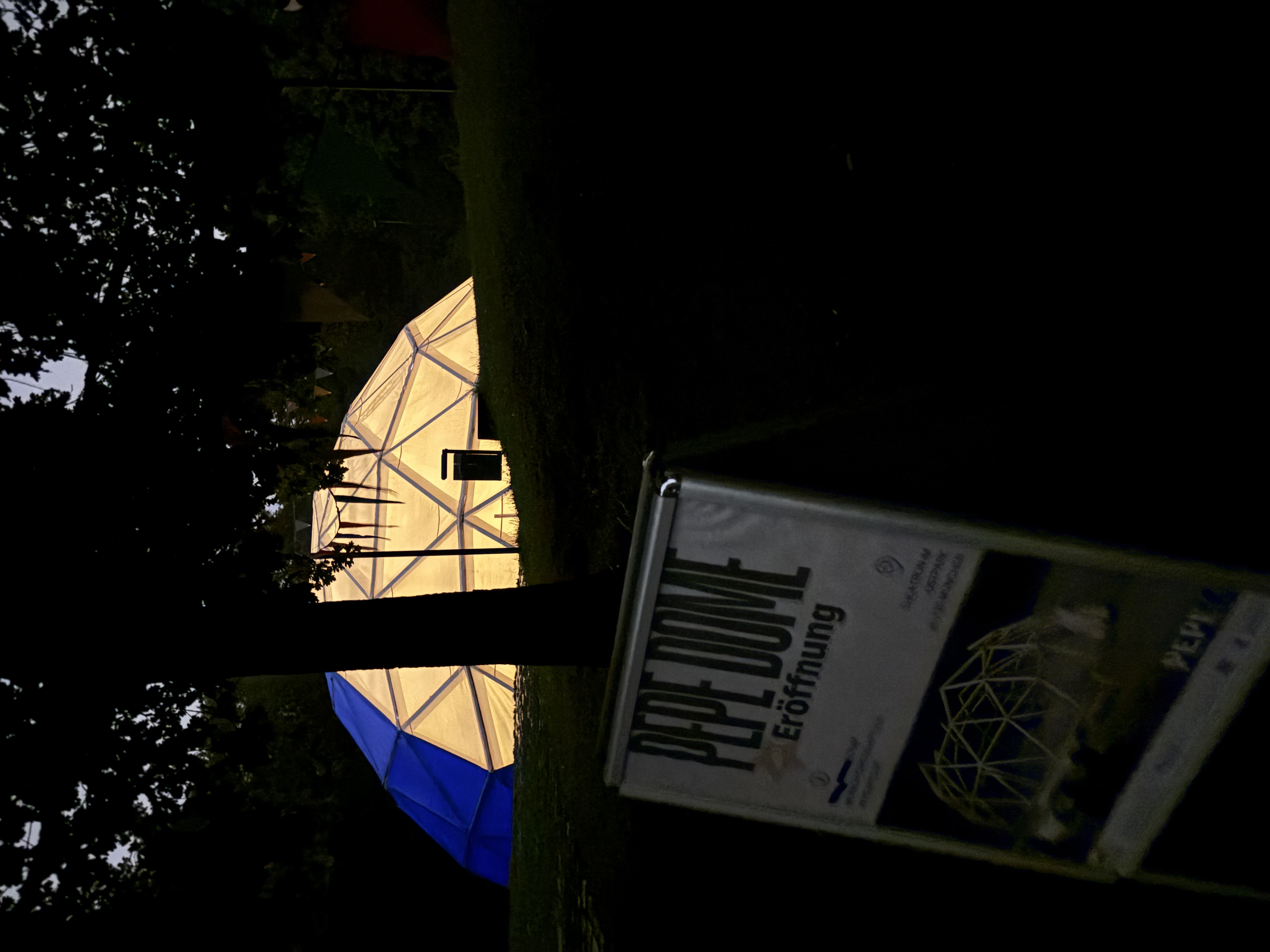
The Pepe Dome in Ostpark München is a sustainable, mobile dome for contemporary circus. It uses existing spaces efficiently and promotes shared community use. Its novelty lies in combining circus, art, and an open cultural space that is flexible, inclusive, and locally oriented. Created, influenced and enabled through the NEBourhoods Project Neuperlach.
Germany
Regional
Southgermany, Bavaria, first venue for contemporary circus and experimental theatre in whole Bavaria
Mainly urban
It involves a physical transformation of the built environment (hard investment)
Yes
2026-02-02
No
No
No
Organisation
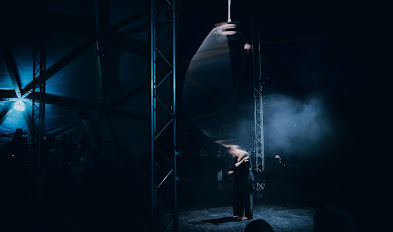
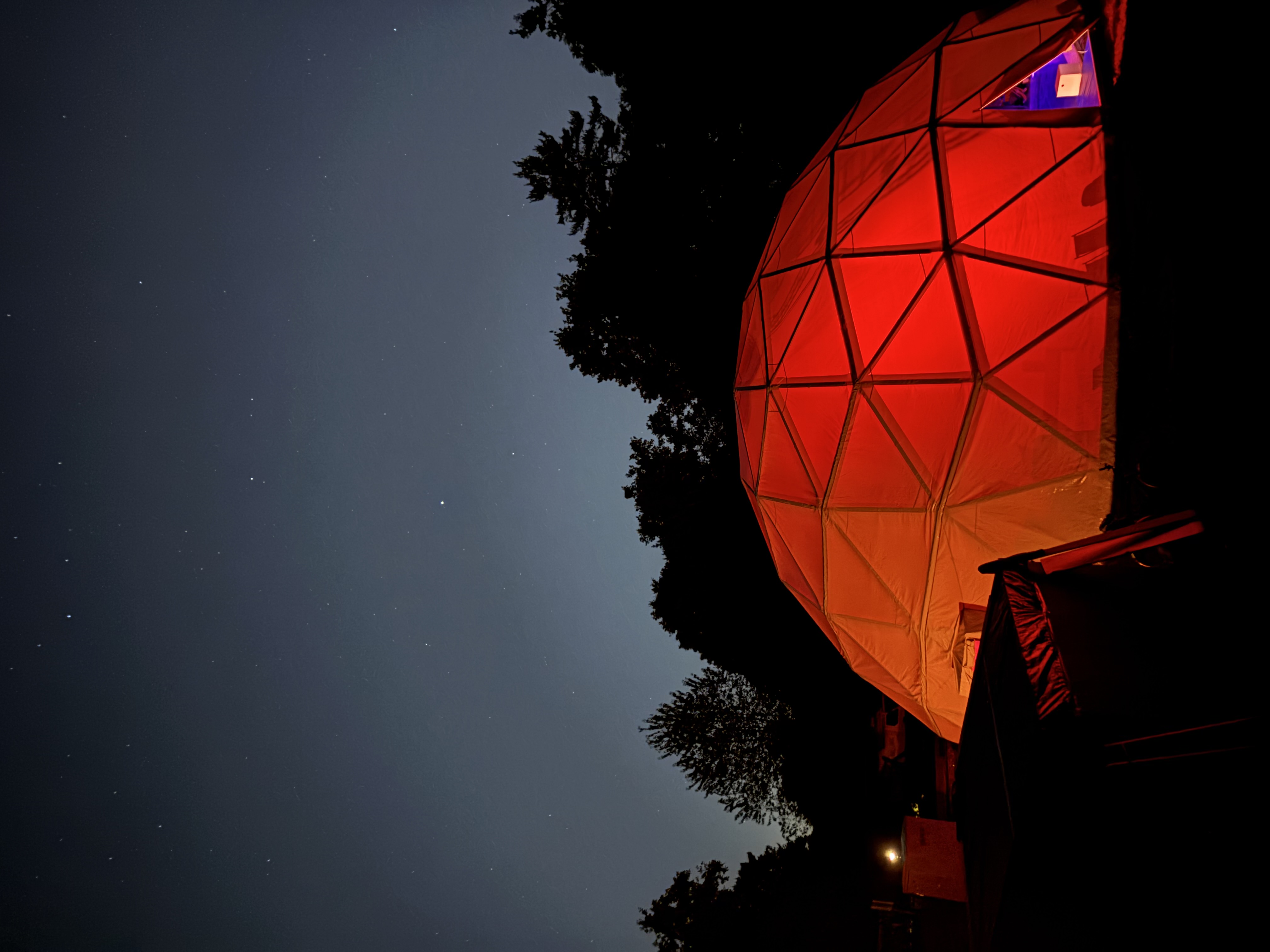
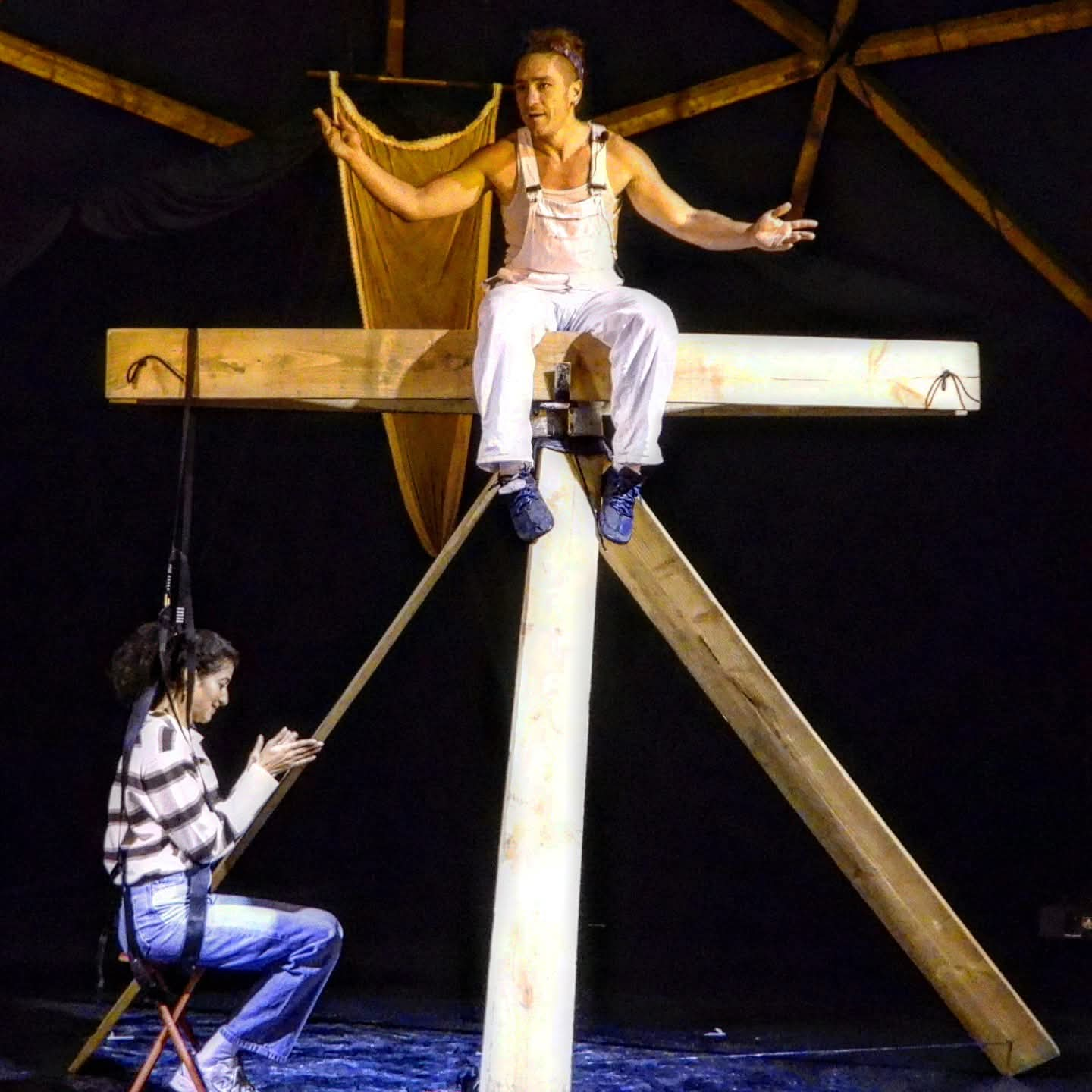
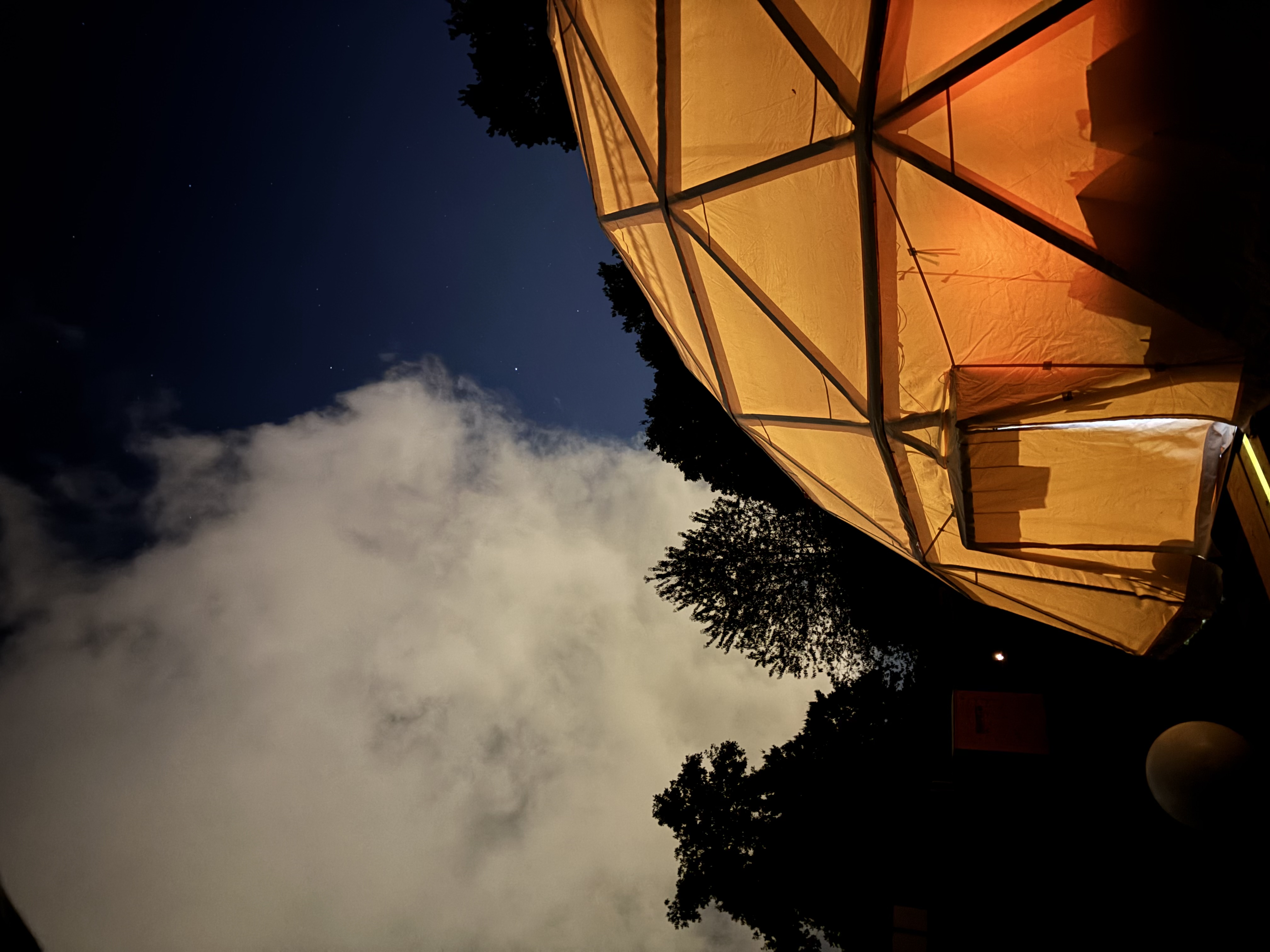
The Pepe Dome is a temporary, mobile cultural architecture located in Munich’s Ostpark, serving as an open space for contemporary circus, artistic production, and social interaction. The geodesic dome, with a capacity of around 200 people, combines artistic practice, education, and community engagement in a flexible and accessible format.
Inspired by the principles of the New European Bauhaus—sustainability, aesthetics, and inclusion—the Pepe Dome acts as an experimental infrastructure for cultural participation. Its lightweight, reusable construction offers a resource-efficient alternative to conventional event architecture while creating a distinctive spatial identity.
The project activates public space by hosting international performances, local productions, educational programs, and participatory formats for diverse audiences. In the district of Neuperlach, it establishes a cultural anchor that connects artistic quality with social accessibility.
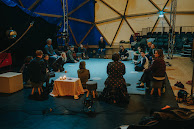
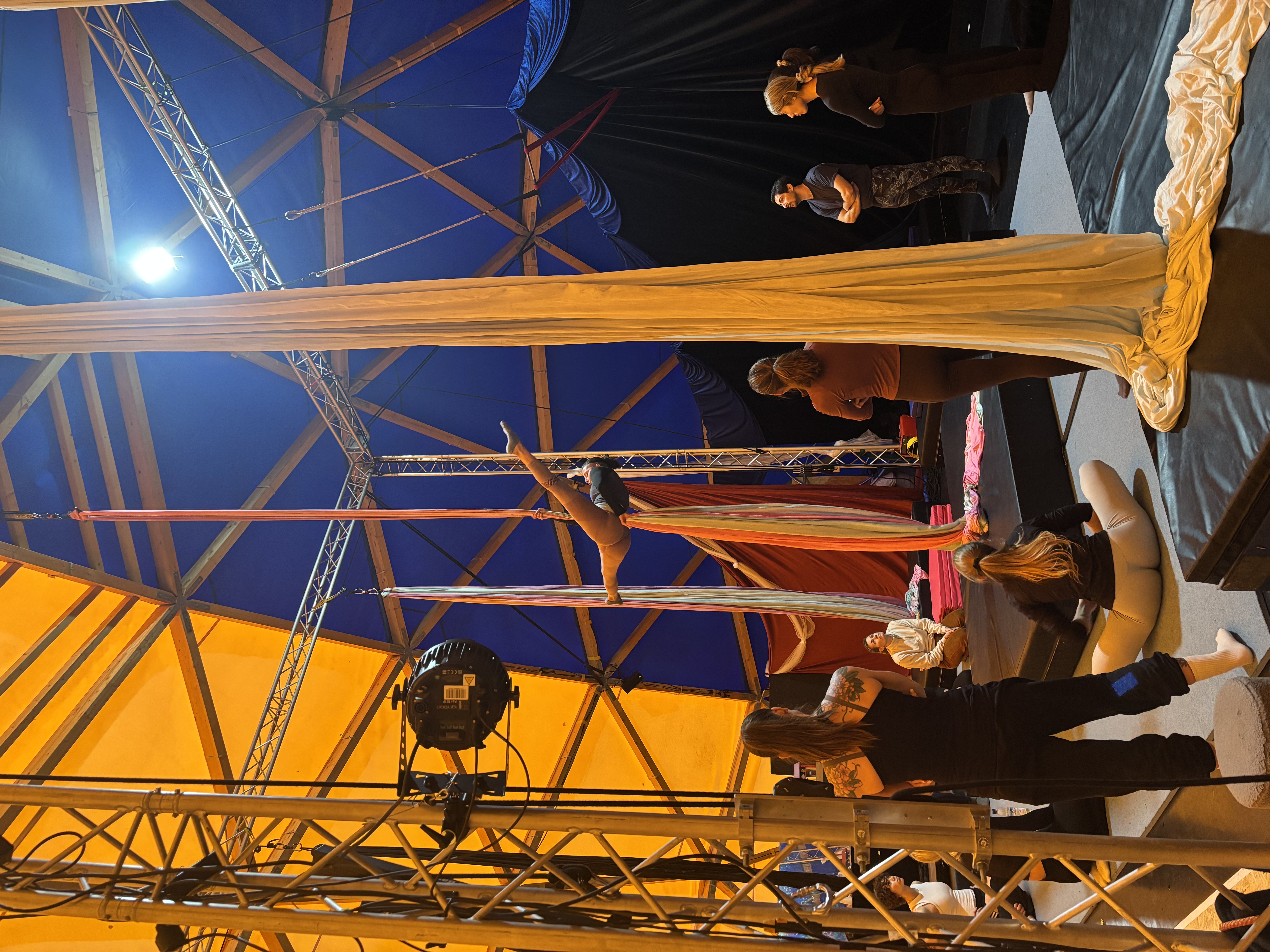
Beyond performances, the dome provides space for training, artistic research, and educational initiatives. Collaborations with schools and local networks extend its impact and support long-term cultural development.
The Pepe Dome is more than a venue; it is a real-world laboratory where architecture, art, and society intersect. Its mobility and adaptability allow it to be transferred to other urban contexts, offering a scalable model for sustainable and community-driven cultural infrastructure.
In the context of my involvement as a creator in the NEBourhoods project in Munich, I engaged intensively with the principles of the New European Bauhaus.
The values of the New European Bauhaus—sustainability, aesthetics, and inclusion—became a conceptual starting point for the development of the Pepe Dome from the very beginning.
This included reusing existing materials, reactivating an existing structure, and incorporating sustainable materials.
The project is therefore conceived as a practical implementation of these principles within a cultural and urban context. This concept also reflects the approach to contemporary circus and its content, which is understood as the unifying DNA in the interplay of different art forms.
circularity
sustainability
research
cultural, social bridges
aesthetics
The Pepe Dome is based on a lightweight, mobile structure that can be used multiple times and erected in different locations. It forms a geodesic dome made of wood with steel connections.
The construction enables:
temporary use instead of a permanent new building
reduced material consumption
reusability
flexible cultural use
Thus, the project is a sustainable form of cultural infrastructure in the urban space, currently located in the Ramersdorf-Neuperlach district, where such a space was previously lacking.
Personal Sustainability
The contemporary circus and urban movement actors are actively researching the following topics:
sustainable training
sustainable use of the body
sustainable production of contemporary circus productions.
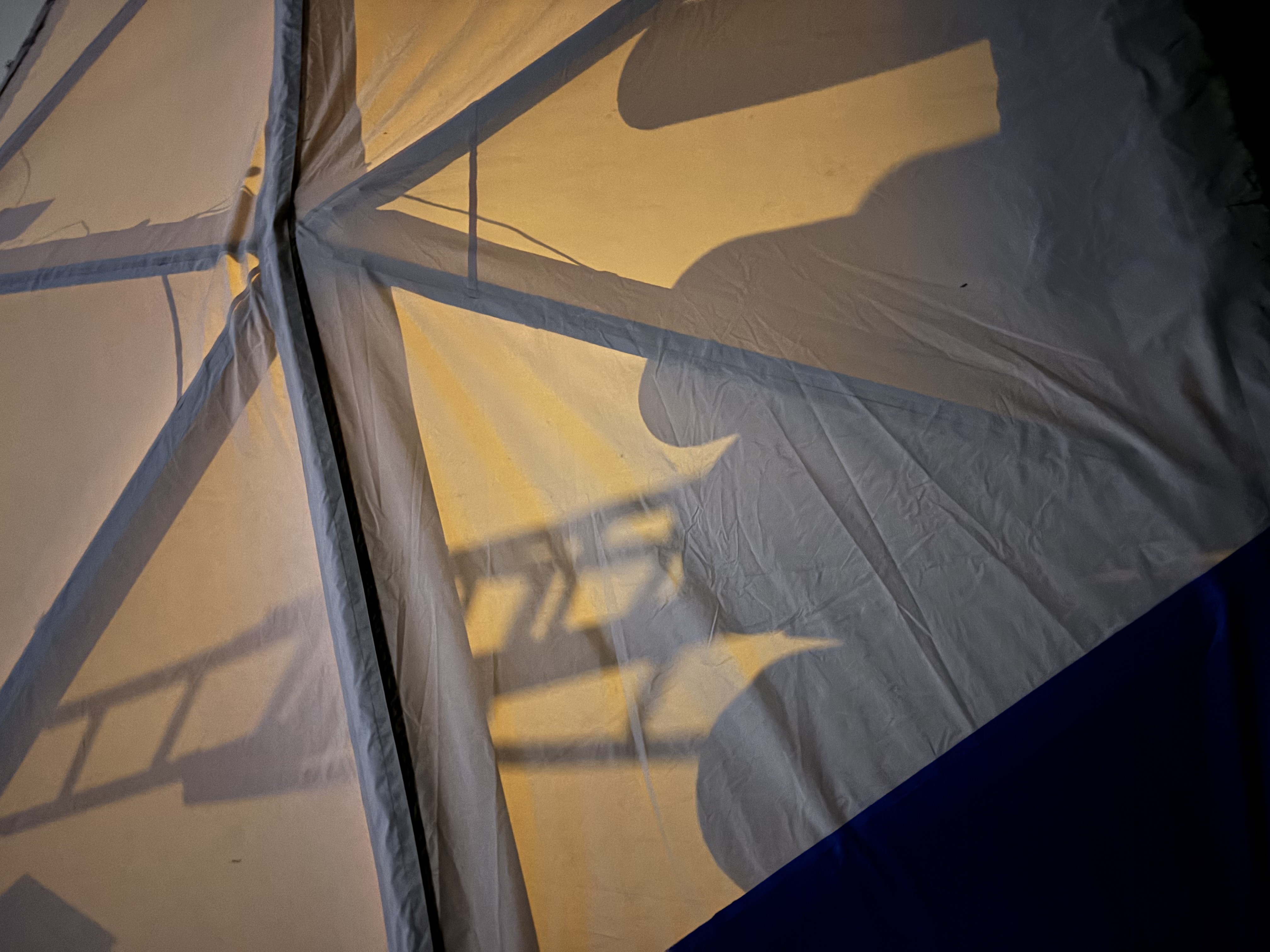
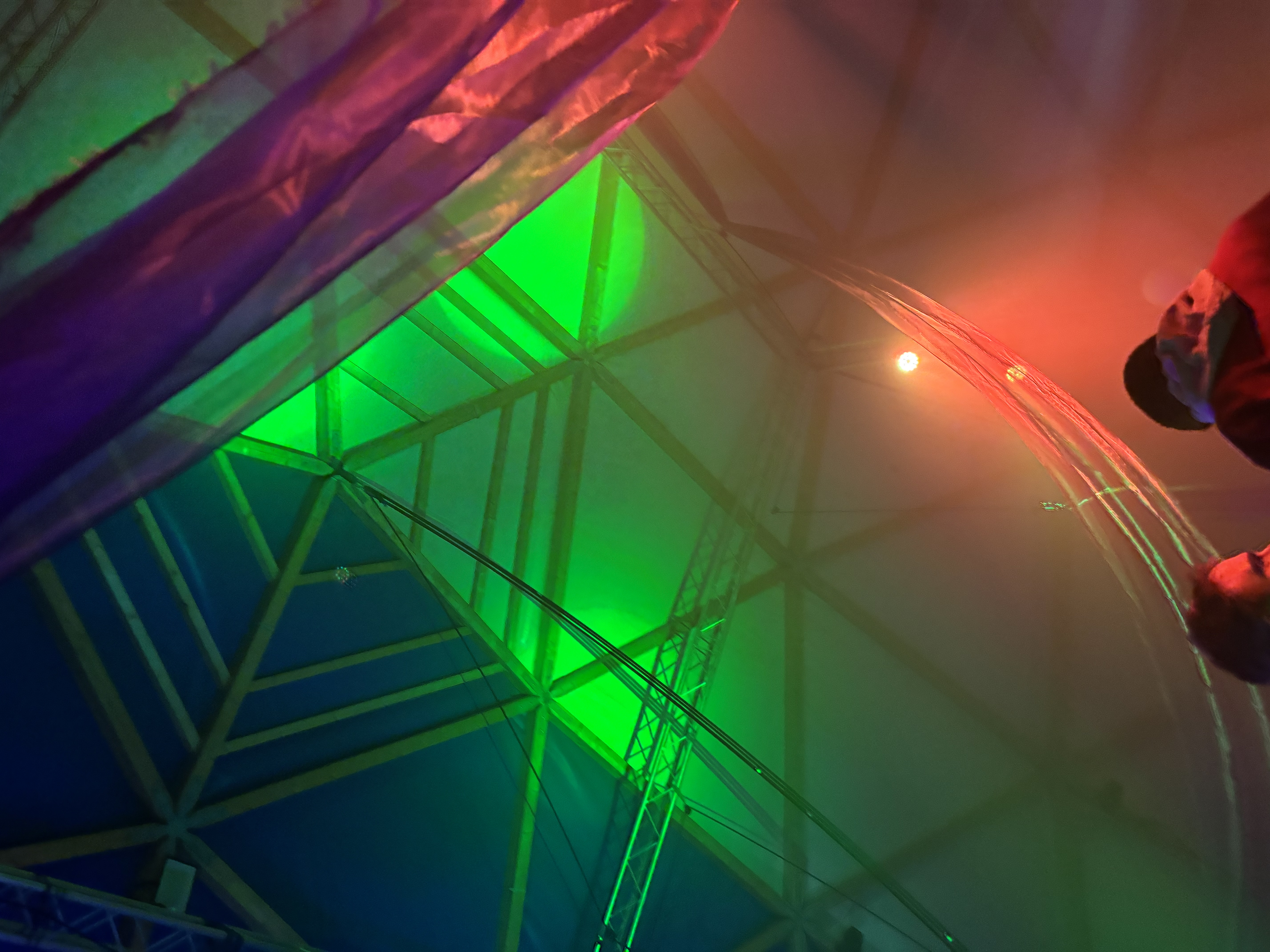
The Dome creates a unique spatial atmosphere that attracts people and intensifies cultural experiences.
Its distinctive architecture helps to seamlessly integrate light, sound, and spatial structure, allowing visitors to have aesthetically immersive experiences.
Aesthetics is understood as a unifying element that brings together diverse people with their individual backgrounds and intentions. It is reflected in the presentation and movement of people, the staging, and the spatial installation, fostering a sense of community that allows ample room for creativity.
The Pepe Dome functions as an open and accessible cultural space.
It facilitates:
interdisciplinary events
cultural encounters
participatory formats
access to culture for diverse social groups
The space is intentionally designed to be flexible and shared.
It facilitates:
interdisciplinary events
cultural encounters
participatory formats
access to culture for diverse social groups
The space is intentionally designed to be flexible and shared.
The Pepe Dome will activate the public space in Munich's Ostpark for the next three years.
The project promotes:
new forms of cultural participation
encounters between diverse social groups
creative use of urban spaces
support for local cultural scenes
urgently needed space for contemporary circus
Since years the contemporary circus scene is searching in Munich in Bavaria for a proper venue which can monitor all disciplines. Therefore a high and big venue is needed to make it able for all artistic disciplines to be shown and rehearsed.
To enable the building we worked together with a circus school, Munich circus arts, unterwegs-aufatmen, Stadtteilmangment, Kulturreferat and the municipality of Munich.
The Pepe Dome project strategically employed a multilevel governance approach to ensure an efficient, transparent, and collaborative approval process. Crucial to this was close coordination between various levels – from administration and politics to civil society and cultural actors.
The MGS district management played a central role, actively supporting the approval process. It acted as a vital liaison to the relevant authorities, helping to clarify requirements early on and expedite coordination processes. The Munich Department of Cultural Affairs was also significantly involved, particularly in contextualizing the project within the cultural landscape and addressing formal approval procedures.
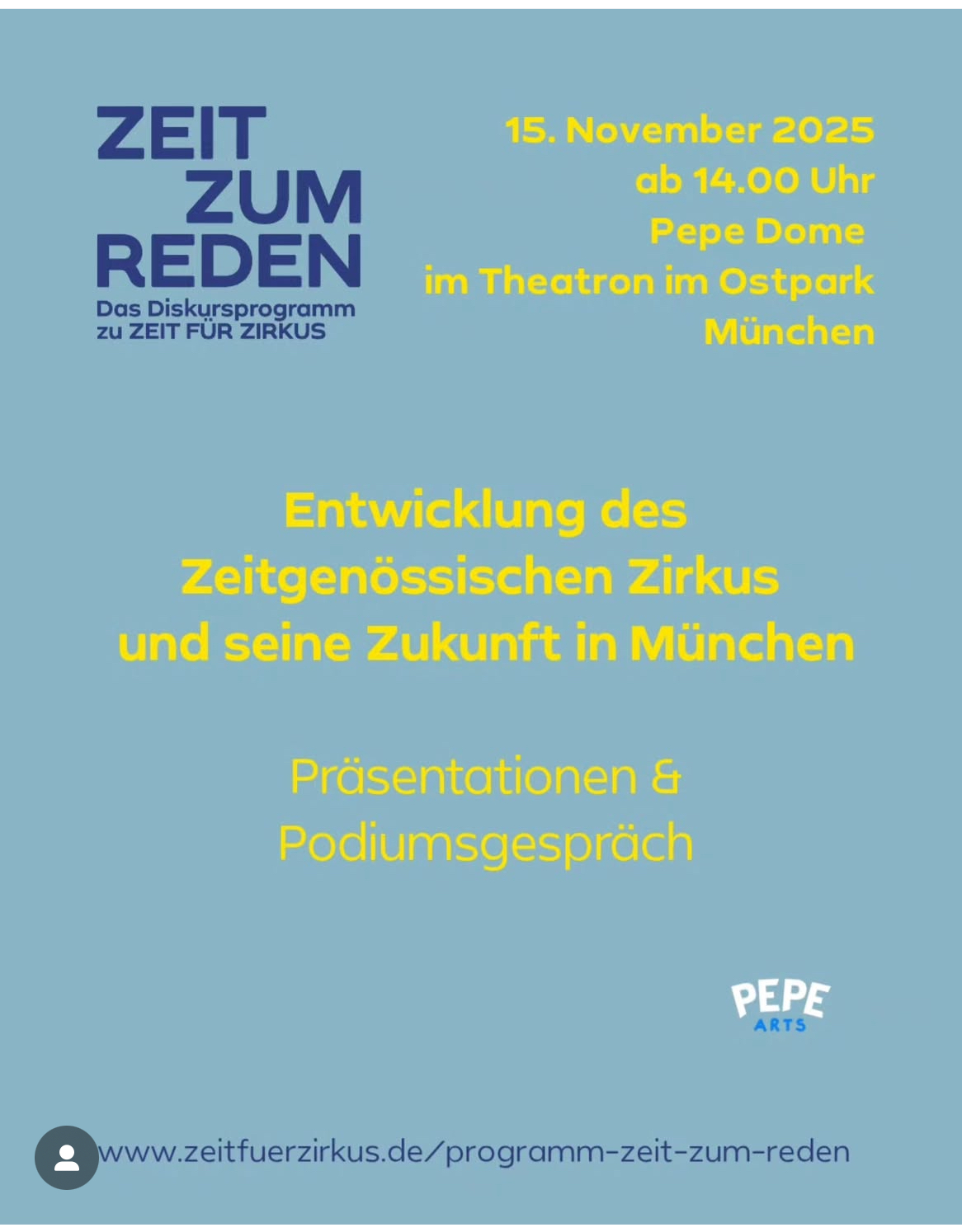
Expertise was also contributed at the supra-regional level: The Federal Association of Contemporary Circus supported the implementation of the "Time for Circus" program, contributing to its professional quality and networking with higher-level organizations.
Furthermore, the Free Voters' (FW) parliamentary initiative played a key role in this year's program. This political support further strengthened the project and increased its visibility within the local community.
Overall, it became clear that close and continuous communication between the permitting authorities, administration, political bodies, and the stakeholders involved was crucial to the successful realization of the Pepe Dome.
Finally, Gerhard Trappendreher deserves special mention. As a local resident from the neighborhood, he played a key role in managing the renovations and technical logistics, thus making an important practical contribution to the project's implementation.
The starting point of the Pepe Dome project already lies in a fundamentally transdisciplinary field: contemporary circus. By its nature, contemporary circus seeks to bridge diverse artistic genres, combining elements of theatre, dance, music, visual arts, and performance. This inherent hybridity shaped both the design and implementation of the project.
Building on this foundation, the Pepe Dome integrated performing arts with spatial and architectural design, ensuring that the structure could flexibly respond to artistic needs while functioning as a public space. The dome was not only a venue but also a spatial translation of artistic practice.
At the same time, technical disciplines such as construction, engineering, and event technology were essential for realizing the project. These were closely interwoven with production and cultural management, coordinating logistics, programming, and operational processes.
The project also incorporated urban planning and public space development, as it engaged directly with its local environment and temporary use strategies. This required alignment with administrative and legal knowledge, particularly in navigating approvals and regulatory frameworks.
In addition, community-based knowledge played a significant role. Local actors contributed practical insights and contextual understanding, ensuring that the project was grounded in its neighborhood.
Finally, cultural policy and political perspectives were reflected in the support structures surrounding the project, linking it to broader discussions about cultural infrastructure and the role of contemporary circus in urban contexts.
Overall, the Pepe Dome exemplifies how the transdisciplinary nature of contemporary circus extends beyond artistic practice into spatial, technical, social, and political dimensions, creating a holistic and collaborative project framework.
The Pepe Dome is a pioneering cultural infrastructure that demonstrates how transdisciplinary art, community engagement, and adaptive public space can reinforce the cultural, social, and economic fabric of cities. Originating from the field of contemporary circus -a practice that bridges dance, theatre, visual arts, and performance — the Pepe Dome embodies the principles of the New European Bauhaus by making culture accessible, sustainable, and participatory.
Economically, the Pepe Dome is designed as a hybrid model that combines earned income with public support and strategic partnerships. The space operates through diversified revenue streams such as ticketed performances, workshops, training courses, and venue rentals, ensuring continuous utilization and reduced reliance on single‑source funding. The modular and flexible infrastructure maximizes cost‑efficiency: rather than building permanent facilities, the dome serves as a temporary yet resilient venue that can be reused and adapted across seasons.
Public investment plays a key role in stabilizing long‑term viability. Support from the Kulturreferat München, Stadtteilmanagement, and other cultural partners underpins operational costs, while outreach programs promote inclusion and participation. This financial ecosystem aligns economic sustainability with cultural value, allowing the project to operate beyond short‑term events and to anchor itself in local urban life.
Importantly, the project has gained political recognition, including a Fraktionsinitiative in the Bavarian State Parliament, which underscores the value of contemporary circus infrastructure for cultural diversity and city activation. This political support strengthens the case for institutional investment and wider replication.
The Pepe Dome contributes to NEB objectives by activating temporary public space, fostering creative innovation, and developing inclusive cultural ecosystems.
The scalability of the Pepe Dome project is largely based on its conceptual openness, modular structure, and collaborative methods. As a temporary and flexible infrastructure, the dome can be adapted to different urban contexts in terms of size, technical setup, and duration of use. This makes the model suitable for both small local initiatives and larger cultural formats.
A key transferable aspect is its transdisciplinary approach, rooted in contemporary circus. The combination of different artistic disciplines allows content to be adapted to local contexts without changing the core concept. Programs can be flexibly designed and further developed together with local artists and communities.
The collaborative methods applied in the project are also scalable. Early stakeholder involvement, close communication with permitting authorities, and participatory formats with local actors can be transferred to other contexts. These processes foster acceptance, facilitate approvals, and strengthen local integration.
At the same time, implementation always requires adaptation to specific conditions. Approval procedures, political support, and available resources vary significantly from place to place. Therefore, what is transferable is less a fixed model than a set of principles and methods.
Overall, the Pepe Dome project is highly scalable, provided its core logic—flexibility, transdisciplinarity, and cooperative governance—is maintained and adapted to local contexts.