Enhancing Circularity, Sustainability, and Innovation
SÕÕR - Circular MakerLab
SÕÕR Circular MakerLab: Living Ecosystem for Biodesign, Circular Materials and Community Innovation
SÕÕR Circular MakerLab is a community-driven biodesign platform where local biomaterials, digital fabrication, and participatory learning converge. Through workshops, monthly MakerLabs, academic collaborations, and an open biomaterial library, the project transforms waste into value while building circular skills, knowledge, and resilient local production systems.
Estonia
National
It addresses urban-rural linkages
It involves other types of transformations (soft investment)
Yes
2026-01-01
No
No
No
Organisation
SÕÕR Circular MakerLab is a working platform for testing and applying circular material practices through structured workshop methodologies and open lab use, based on the model: EDUCATION – EXPERIMENTATION – ACCESS. The project focuses on developing and validating repeatable formats that enable participants to work hands-on with bio-based and locally sourced materials.
These include:
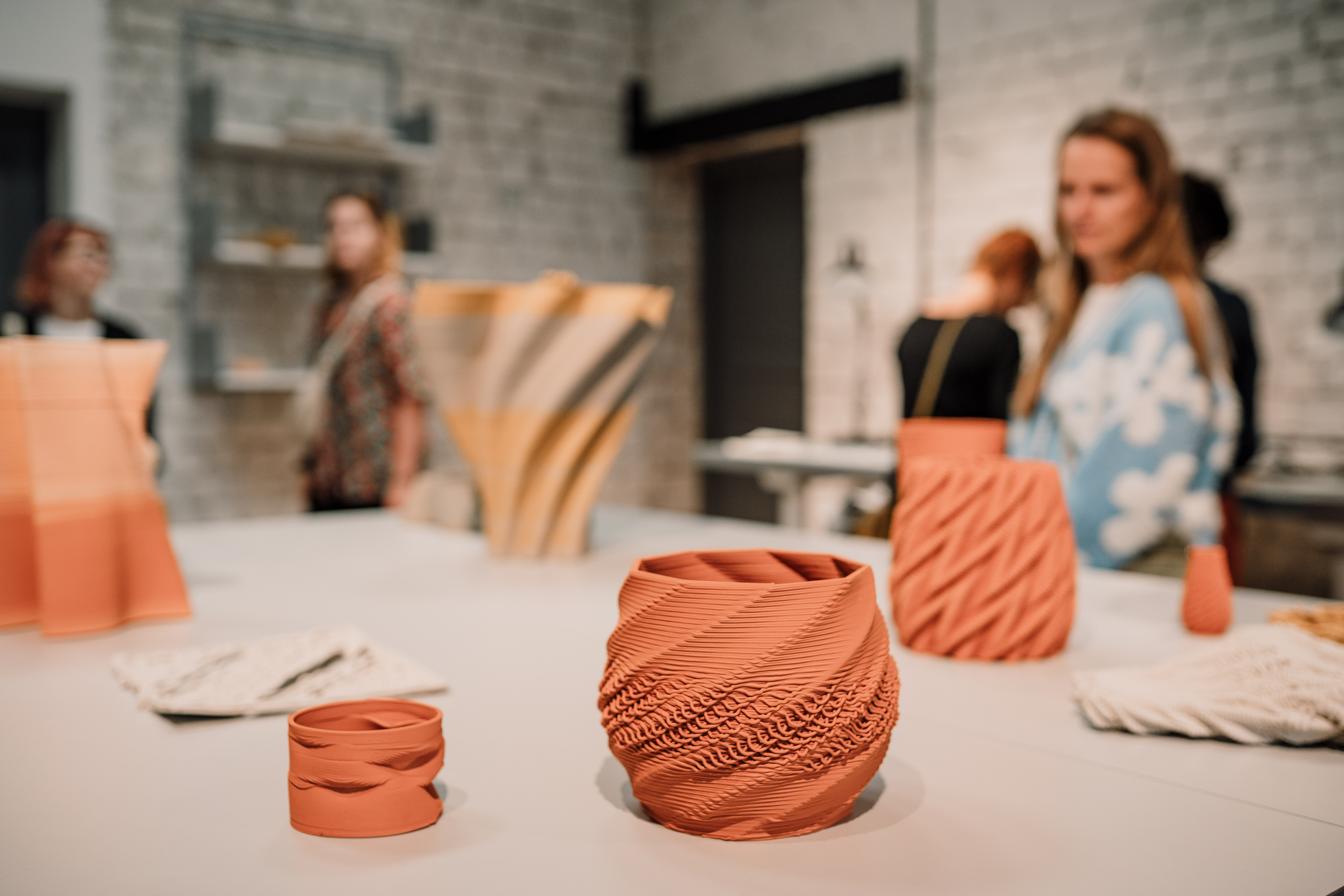
>> 3D clay printing as a circular prototyping method, combining digital fabrication with natural and reusable materials
>> Monthly MakerLab, a community-based, membership model supporting ongoing experimentation
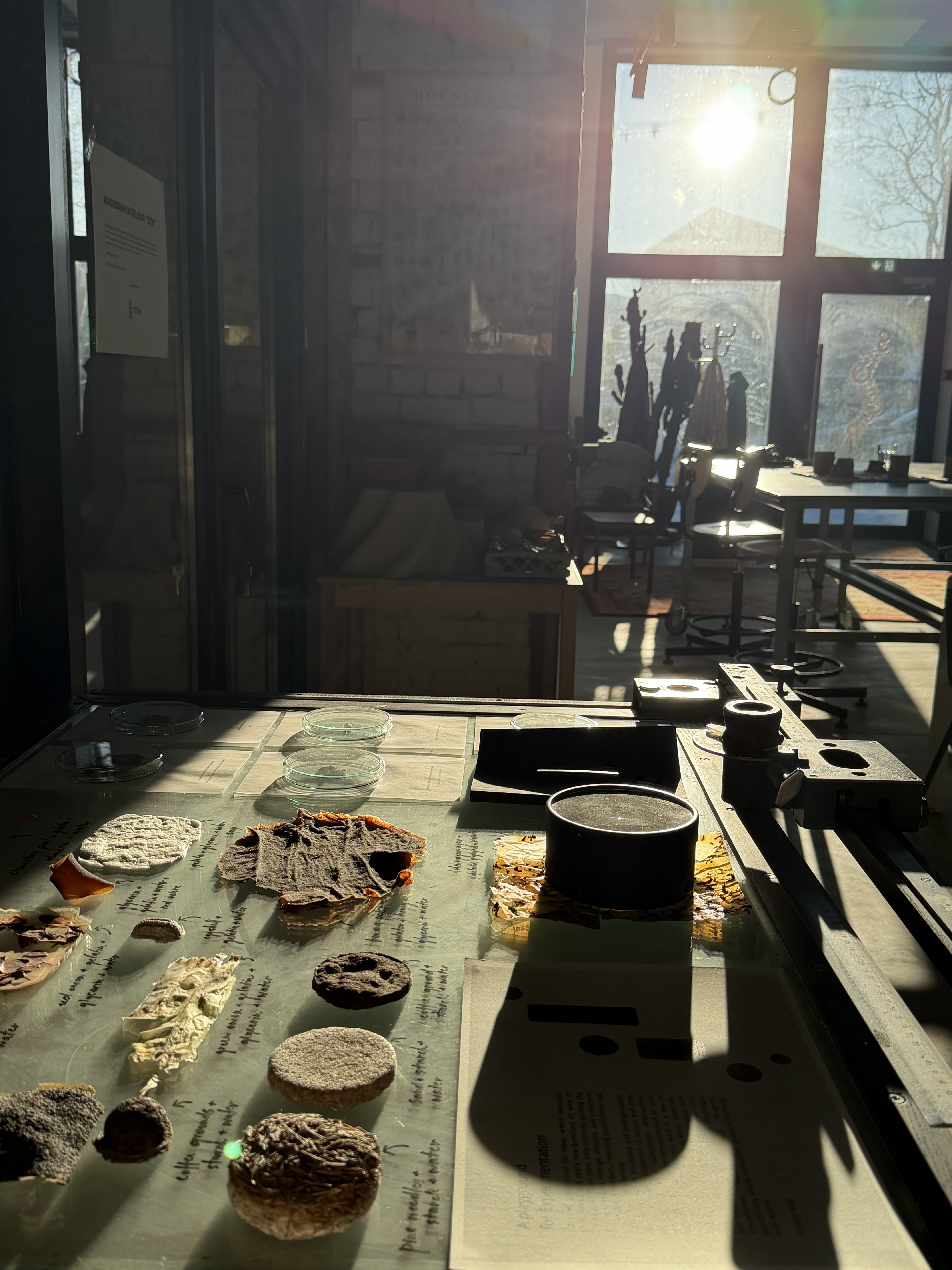
>> Biomaterial Library, an open system of documented recipes, samples, and processes enabling knowledge sharing and reuse
>> Material-driven method supporting speculative and process-based design through material exploration
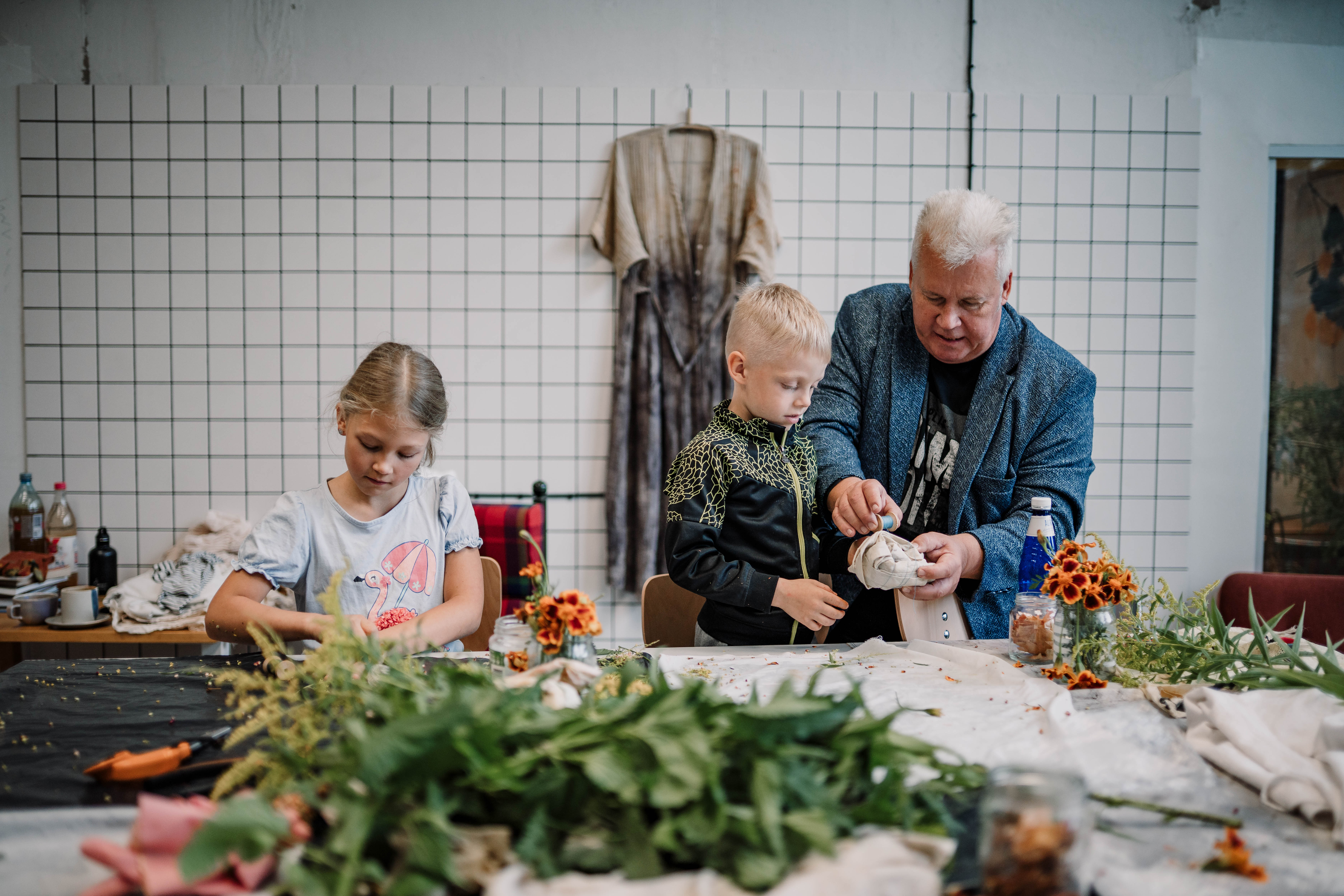
>> Public co-creation sessions, introducing circular principles through accessible, hands-on activities
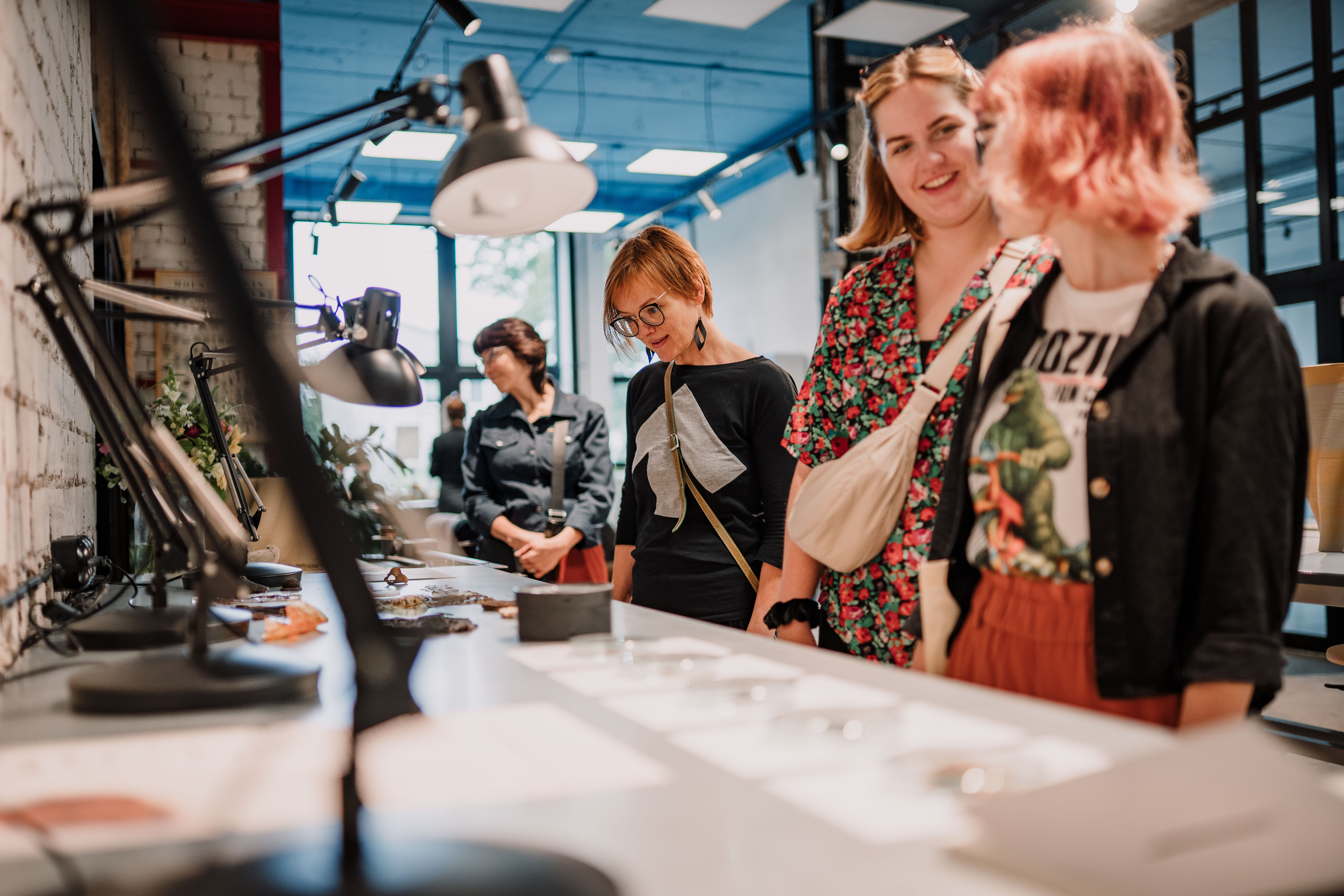
>> Exhibitions, positioning SÕÕR as a space for presenting and discussing circularity through material and cultural practices
Through these formats, participants engage in a full cycle of learning: understanding materials, experimenting, prototyping, testing, and documenting results. The project has already resulted in a functioning MakerLab in Tartu, a growing biomaterial library, developed workshop methodologies, and a range of material prototypes and public outputs.
SÕÕR demonstrates a replicable model for circular innovation, where education, making, and open knowledge are integrated into one continuous system, enabling long-term transition toward local, accessible, and sustainable production practices.
SÕÕR was initiated to address a fundamental challenge: how to transition from extractive production systems toward circular, locally grounded material practices.
Early biomaterial experiments revealed both strong potential and a critical gap—there was no accessible environment in Estonia where such materials could be systematically tested, developed, and applied. In response, SÕÕR was established as an open MakerLab enabling hands-on experimentation, prototyping, and knowledge sharing.
The project evolved through iterative development of workshop-based methodologies. Initial material experiments were translated into structured workshops, which further developed into recurring Monthly MakerLab sessions, establishing a continuous model of participation and experimentation. Collaborations with higher education institutions introduced research-based approaches, resulting in documented material recipes and speculative applications.
To ensure continuity and accessibility of this knowledge, SÕÕR developed the Biomaterial Library, combining physical samples, recipes, and a digital archive. This transformed individual experiments into a shared and reusable knowledge system.
The project further expanded through exhibitions and public co-creation events, positioning the lab as both a production space and a platform for dialogue around circularity.
Today, SÕÕR operates as a functioning system of methods, infrastructure, and community, where materials are tested, knowledge is accumulated, and practices are continuously refined—demonstrating how local experimentation can lead to scalable circular innovation.
Biodesign
Distributed production
Community co-creation
Nature-based solutions
Transdisciplinarity
SÕÕR addresses sustainability by developing and applying circular material practices through tested, hands-on methods that transform local resources into usable materials and prototypes. Instead of focusing on theory, the project operates as a practical system where materials are continuously tested, refined, and applied in real contexts.
The project works directly with locally available waste streams and bio-based resources, such as used coffee grounds from local restaurants, eggshell waste, plant fibres, and cellulose-based materials. These are processed into new material composites and prototyped using accessible technologies such as 3D clay printing.
Concrete results already achieved include: testing of eggshell-based mixtures for 3D printing-replacing industrial inputs with local waste streams; creation of coffee-ground composites; demonstrating how urban bio-waste can be reintroduced into material cycles; production of 3D-printed objects (eg flower pots and structural forms) using natural and reusable materials instead of plastic-based filaments; establishment of a Biomaterial Library, where recipes, samples, and processes are documented and reused, preventing knowledge loss and reducing repeated resource consumption.
These outcomes show how waste can be locally transformed into functional materials, reducing landfill, lowering dependence on fossil-based resources, and shortening production chains.
SÕÕR contributes to sustainability by enabling distributed, small-scale production. Through shared infrastructure and open access, materials and prototypes can be developed locally rather than industrially manufactured and transported. This reduces emissions while strengthening local resilience and skills.
The project embeds sustainability into education and behaviour change. Participants do not only learn about circularity-they actively produce materials, test them, and understand their lifecycle. This builds long-term capacity for sustainability.
SÕÕR contributes to aesthetics by reframing beauty as a process emerging from material exploration, speculation, and participation, rather than from predefined forms or industrial standards. Aesthetics are developed through hands-on engagement with materials, where texture, transformation, and unpredictability become central qualities.
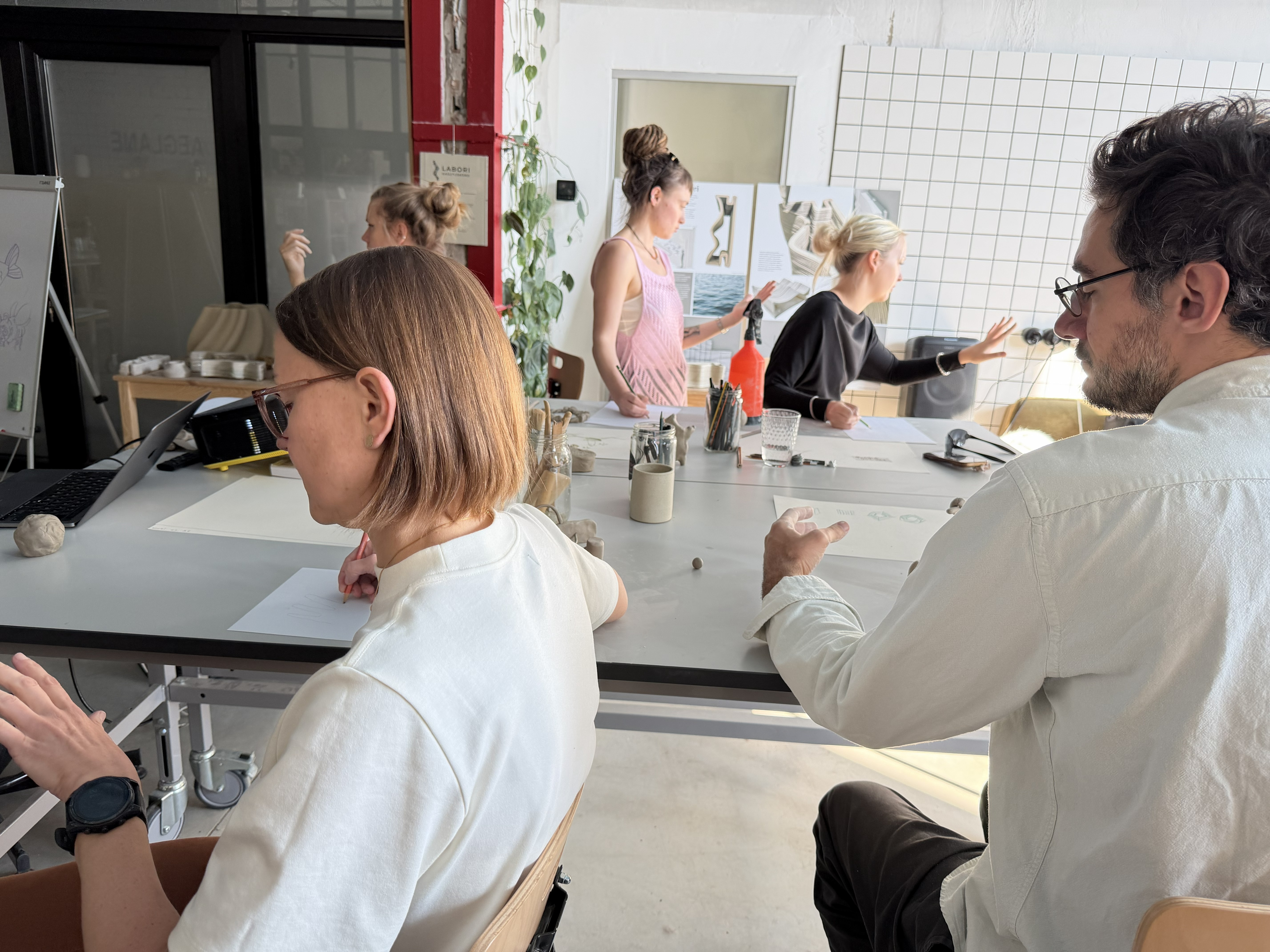
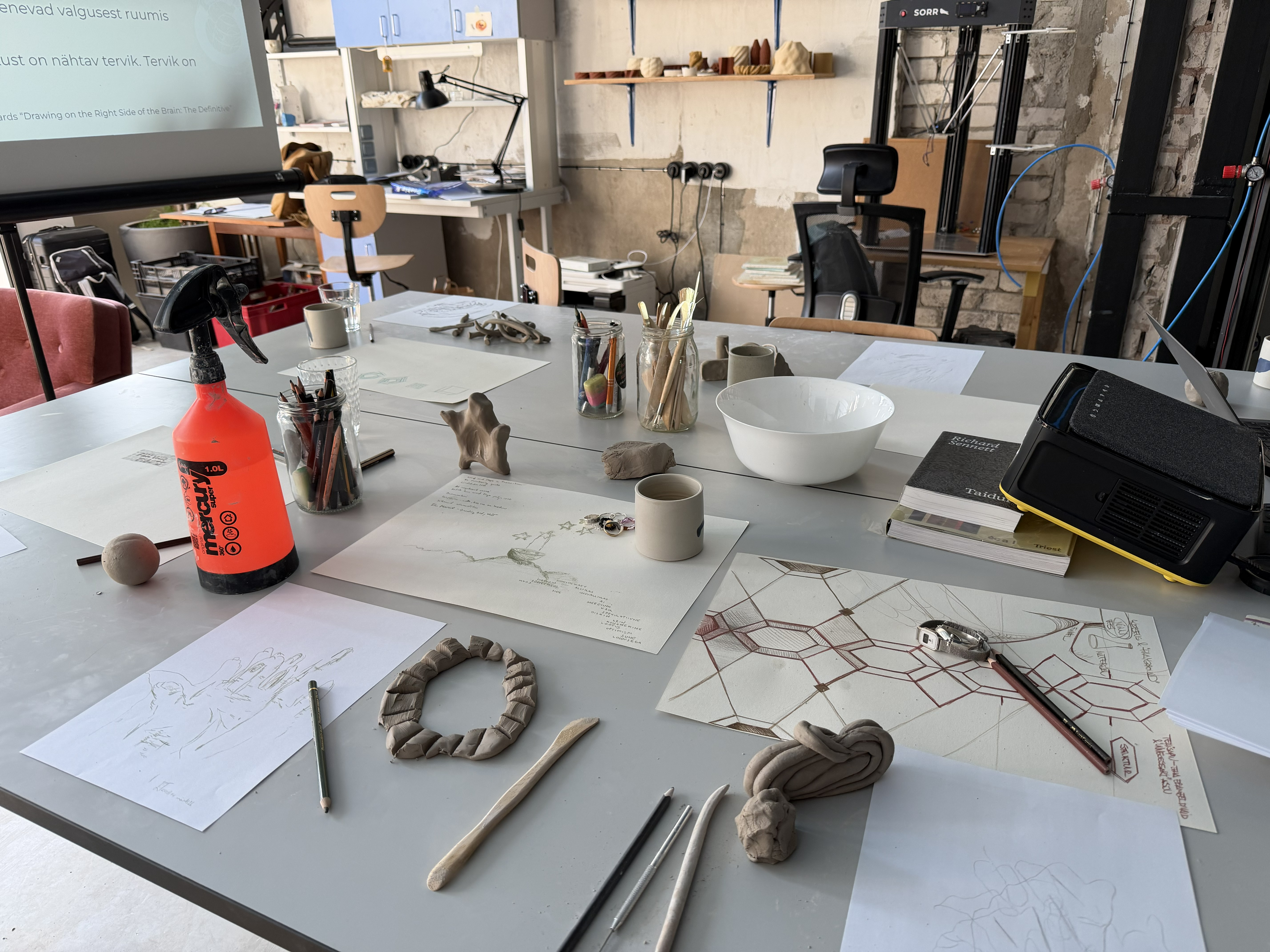
This approach is clearly visible in workshops carried out with art school students, where participants explored speculative design through material-driven methods. Instead of designing fixed objects, students worked with biomaterials to imagine future applications, alternative production systems, and new relationships between material and user. The results included experimental artefacts, material samples, and speculative installations, later presented in exhibitions and public contexts. These works translate abstract ideas of circularity into tangible, sensory experiences.
Aesthetic value is also created through process visibility. In 3D clay printing workshops, participants shape forms layer by layer, making production traces visible and meaningful. The resulting objects - such as printed vessels and modular forms - express material behaviour, human input, and digital processes simultaneously, creating a distinct, non-standardised visual language.
Through collective formats, aesthetics become a shared experience. Participants co-create installations, contribute to exhibitions, and engage in material experimentation, building a sense of belonging and care for the space and outcomes. Projects such as participatory exhibitions and open lab presentations transform the MakerLab into an environment where aesthetics are continuously shaped by its community.
The Biomaterial Library further strengthens this by presenting materials not only as technical samples but as evolving artefacts, where change over time - drying, deformation, or decay - is understood as part of their aesthetic quality.
SÕÕR promotes inclusion by making circular design practices accessible through shared infrastructure, open knowledge, and participatory workshop methods. The project addresses a key barrier in design and material innovation limited access to tools, knowledge, and experimentation environments by creating a space where diverse users can actively participate.
Inclusion is implemented through multiple entry points with different levels of engagement. Monthly MakerLab sessions operate as a low-threshold, membership-based format, allowing participants to return regularly, build skills over time, and develop their own projects. Public co-creation sessions and Open Doors events further expand access, inviting people with no prior experience to engage with materials and circular principles in an informal setting.
Collaboration with educational institutions ensures that inclusion extends into formal learning environments. Workshops with art school students integrate hands-on experimentation into curricula, enabling students to move from theoretical learning to real-world application. Importantly, participants are not only learners but contributors, as their material experiments and outcomes are documented and added to the Biomaterial Library.
The Biomaterial Library plays a central role in inclusion by functioning as an open knowledge system. By providing access to material recipes, samples, and processes, it allows designers, students, and non-professionals to replicate, adapt, and build upon existing knowledge, lowering the barrier to entry in material innovation.
The project also ensures accessibility through its shared lab model, where individuals and groups can use equipment and workspace without needing to invest in their own infrastructure. This reduces financial barriers and supports a wider range of participants - from students and emerging creatives to organisations and community groups.
Participation is embedded in SÕÕR as a continuous, hands-on process where users actively shape both outcomes and methods.
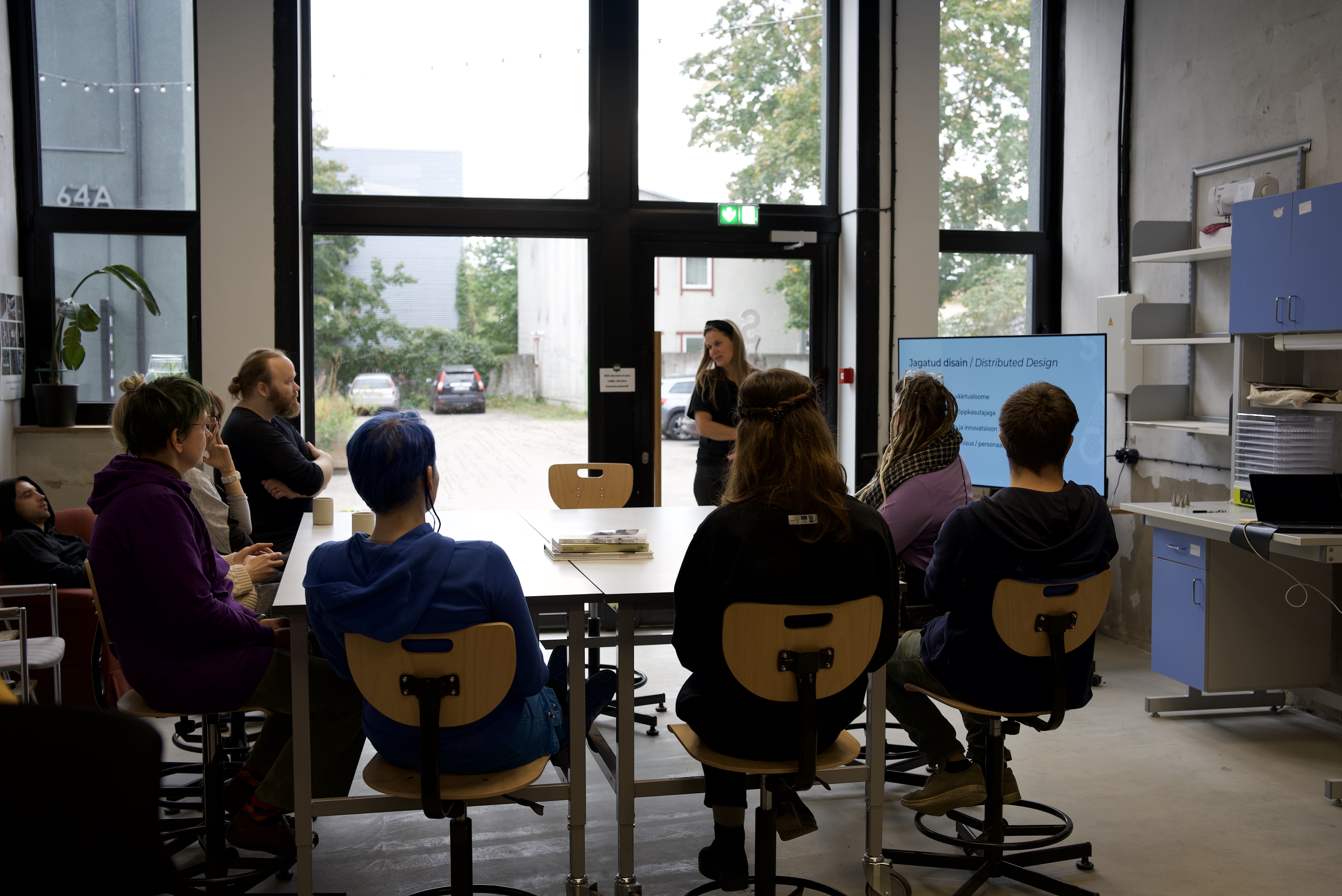
The project engages citizens, students, designers, and educators through structured formats with clear roles. In Monthly MakerLab sessions, participants return regularly to experiment with biomaterials, develop prototypes, and refine their work over time. This creates a sustained community of practice, where participants evolve from first-time users into independent makers.
In collaboration with the art schools, students take part in course-based workshops where they develop material samples, speculative applications, and prototypes. These outcomes are documented and added to the Biomaterial Library, meaning participants directly contribute to a shared and growing knowledge system.
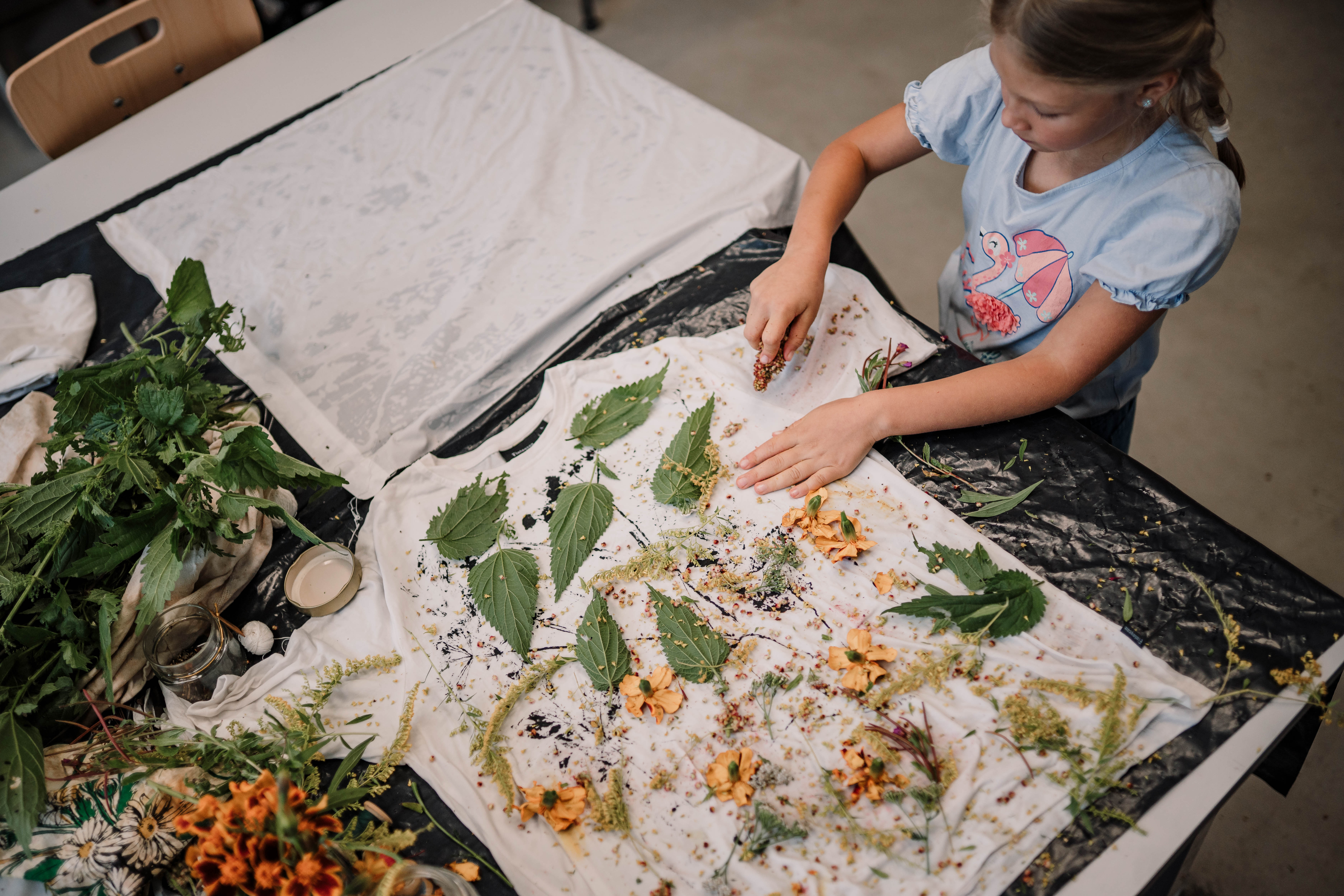
Participation is further expanded through public co-creation sessions and Open Doors events and Exhibitions, where visitors engage in accessible, hands-on activities such as material experimentation and textile reuse. These formats lower entry barriers and provide immediate, practical insight into circular practices.
Targeted workshops for professionals and educators enable participants to test materials and methods that can be transferred into their own work, extending the impact beyond the lab.
Across all formats, participants are involved in experimenting, prototyping, testing, and documenting. Their contributions directly influence both material outcomes and the development of workshop methods.
The impact is visible in increased skills, confidence, and agency, as well as in co-created material recipes, prototypes, and a growing community. SÕÕR is exemplary in participation because it enables people to actively produce and share solutions, becoming co-creators of circular innovation.
SÕÕR operates through a multilevel governance model that connects local experimentation with national support and international knowledge exchange.
At the local level, the project is embedded in the Tartu creative ecosystem. It engages citizens, designers, educators, and makers through the monthly MakerLab, workshops, open doors events, and public programmes. Local partners including schools, cultural organisations, and companies contribute materials (e.g. biobased residues), participate in co-creation processes, and test new solutions in real contexts. This ensures that the project is grounded in local needs and resources.
At the regional and national level, SÕÕR collaborates with educational institutions such as the Estonian Academy of Arts and Pallas University of Applied Sciences, integrating research, teaching, and experimentation. Students and educators contribute to material development, while public funding (e.g. through environmental and cultural support mechanisms) enables the development of infrastructure, programmes, and open-access activities. This level provides stability, legitimacy, and continuity.
At the European and international level, we connect to broader knowledge networks in biomaterials and circular design. This includes collaboration with international partners, the use of global open-source material platforms, and participation in knowledge exchange formats. These connections bring in new audiences, methodologies, research and perspectives that strengthen local innovation.
The added value of this multilevel approach lies in the continuous flow of knowledge and resources between levels. Local experimentation generates insights and prototypes; academic and national partners support their development and validation; international networks expand their scope and relevance.
This structure allows SÕÕR to function simultaneously as a local innovation hub and part of a wider European transition toward sustainability.
SÕÕR is bringing together multiple fields of knowledge to address complex challenges related to materials, production, and sustainability.
At its core, the project integrates design and arts with material science and environmental science. Biomaterial development is based on understanding biological processes, chemical properties, and ecological cycles, while design translates these into functional, aesthetic, and context-specific applications.
Engineering and digital technologies are embedded in the prototyping process. Tools such as 3D printing, digital fabrication, and material processing equipment enable experimentation with new forms and structures, bridging traditional craftsmanship with advanced production methods.
Education and pedagogy play a central role in implementation. Through collaborations with higher education institutions, the project connects academic learning with hands-on experimentation. Students, educators, and researchers contribute to material development, testing, and documentation, turning the MakerLab into an open learning environment.
The project also incorporates elements of social sciences and community practice, particularly through participatory formats such as monthly MakerLabs, workshops, and public programmes. These approaches explore how people interact with materials, how knowledge is shared, and how communities can co-create solutions.
Importantly, SÕÕR does not treat disciplines as separate. Instead, they are integrated within a process where ideas move from research to experimentation, prototyping, and real-world application and also gather insights for further research. This creates a feedback loop in which scientific knowledge informs design, design shapes application, and user experience generates new insights.
By bridging disciplines in practice, SÕÕR demonstrates how transdisciplinary collaboration can produce innovative, sustainable, and socially relevant outcomes.
SÕÕR operates a hybrid business model that combines public funding (80%), service-based revenue (20%), and long-term value creation through innovation and knowledge.
In its development phase, the project is supported by public funding (e.g. Environmental Investment Centre and cultural grants from Estonian government), which enables investment in infrastructure, experimentation, and open-access activities. This reduced financial risk and allows the project to focus on innovation and community building.
In parallel, SÕÕR generates revenue through paid services and programmes.
These include:
- workshops and training programmes for designers, companies, and educators
- MakerLab access and equipment use (time-based or membership-based)
- team workshops and tailored programmes for private sector clients
This model follows a clear structure: Educate – Experiment – Access. Educational activities generate income while building user capacity; experimentation services support innovation for external partners; and access to the lab ensures recurring revenue streams.
The project also creates long-term value through the Biomaterial Library and developed material solutions, which can lead to future applications such as publications, licensing, or product development.
Importantly, SÕÕR maintains a balanced approach between paid and open activities. While services for companies and professionals generate income, collaborations with students and community groups are often subsidised or free, ensuring accessibility and long-term ecosystem growth.
As the project matures, increasing demand for circular materials and sustainable design solutions strengthens its financial sustainability. The combination of diversified income streams, public support, and growing market relevance ensures that SÕÕR can operate sustainably over time while continuing to deliver social and environmental impact.
SÕÕR is designed as a modular and transferable system, where key components can be adapted to different geographical, cultural, and economic contexts.
At the core is the MakerLab model (Educate – Experiment – Access), which can be replicated in other regions as a locally embedded innovation space. The model does not depend on specific materials or technologies, but on a methodology: combining hands-on experimentation, shared infrastructure, and community engagement. This makes it adaptable to different resource bases and community needs.
The Biomaterial Library system is highly scalable. Combining physical samples, documented recipes, and a digital archive - can be reproduced elsewhere using locally available materials. The approach enables the creation of region-specific material knowledge while contributing to a growing, open knowledge network.
The project’s participatory workshop formats are also transferable. Monthly MakerLab sessions, workshops for designers, makers and educators, can be adapted to different audiences and institutional contexts. These formats provide tested methods for engaging communities in circular design and material innovation.
Technologically, the project relies on widely accessible tools (e.g. digital fabrication, basic lab equipment), making replication feasible without highly specialised infrastructure. Processes such as material prototyping, testing, and documentation follow clear, reproducible steps.
A key learning is that successful transfer depends on localisation: using locally available materials, building partnerships with local institutions, and responding to specific community needs. SÕÕR demonstrates how circular transition can be addressed through locally grounded, yet widely replicable systems.
By combining open knowledge, modular structure, and adaptable methodologies, SÕÕR offers a scalable model for circular, community-driven innovation.