Enablers for New European Bauhaus Transformation
Urban Revolution in Maia
Urban Revolution in Maia – a multigovernance approach in Sobreiro neighbourhood
In Sobreiro — a social housing district at the heart of Maia —vulnerable residents became co-designers of their neighborhood’s transformation. Through participatory co-design, a Renewable Energy Community, building renovation and cultural engagement, the Urban Revolution project in Maia tackled energy poverty, social exclusion and urban degradation. The interventions in Sobreiro are a replicable NEB enabler serving as a model for municipalities across Europe.
Portugal
Local
Maia municipality
Mainly urban
It involves other types of transformations (soft investment)
Yes
2025-09-30
Yes
Horizon2020 / Horizon Europe
Recovery and Resilience Plan – “Programa 1ª Direito”
No
No
Organisation
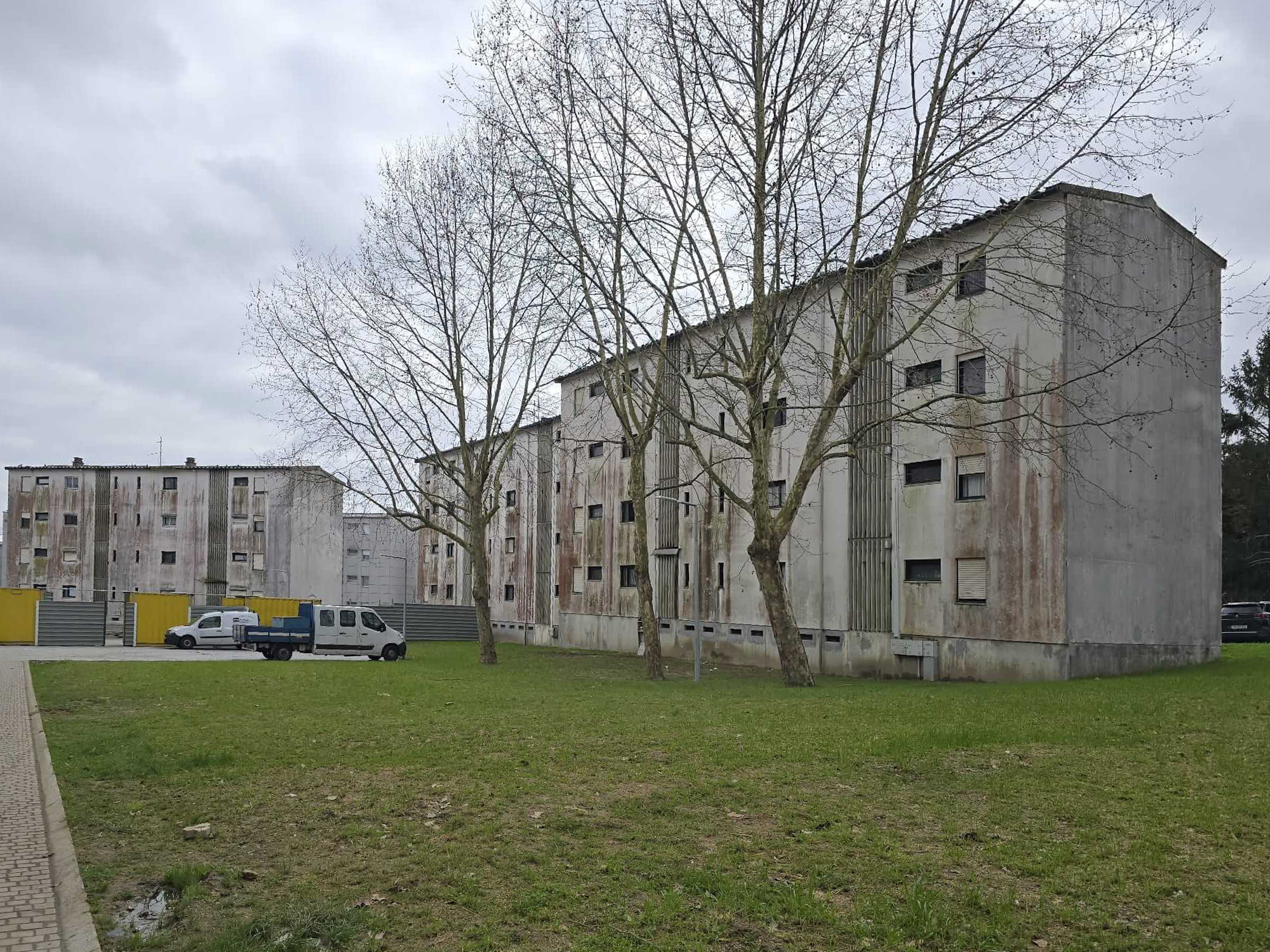
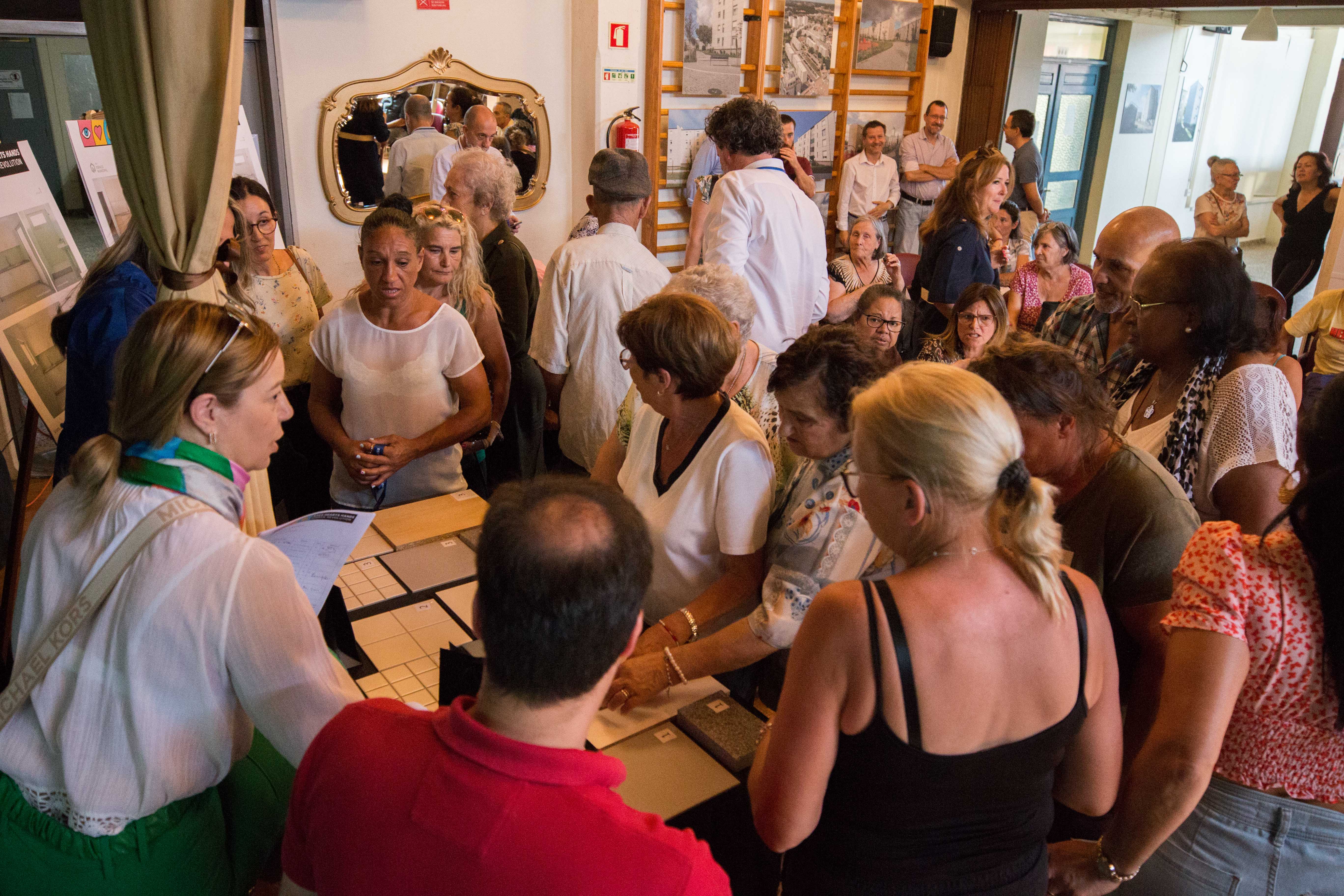
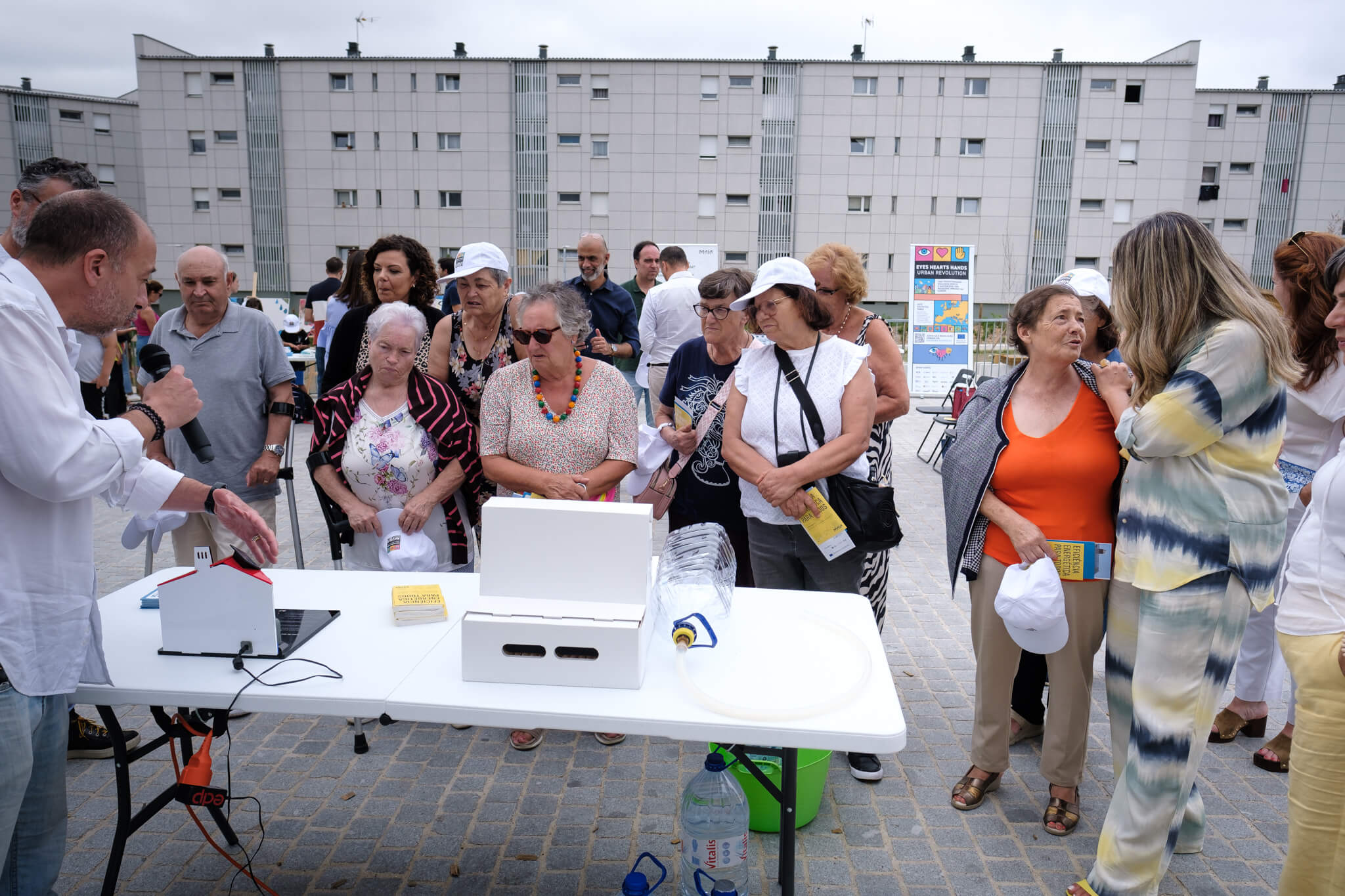
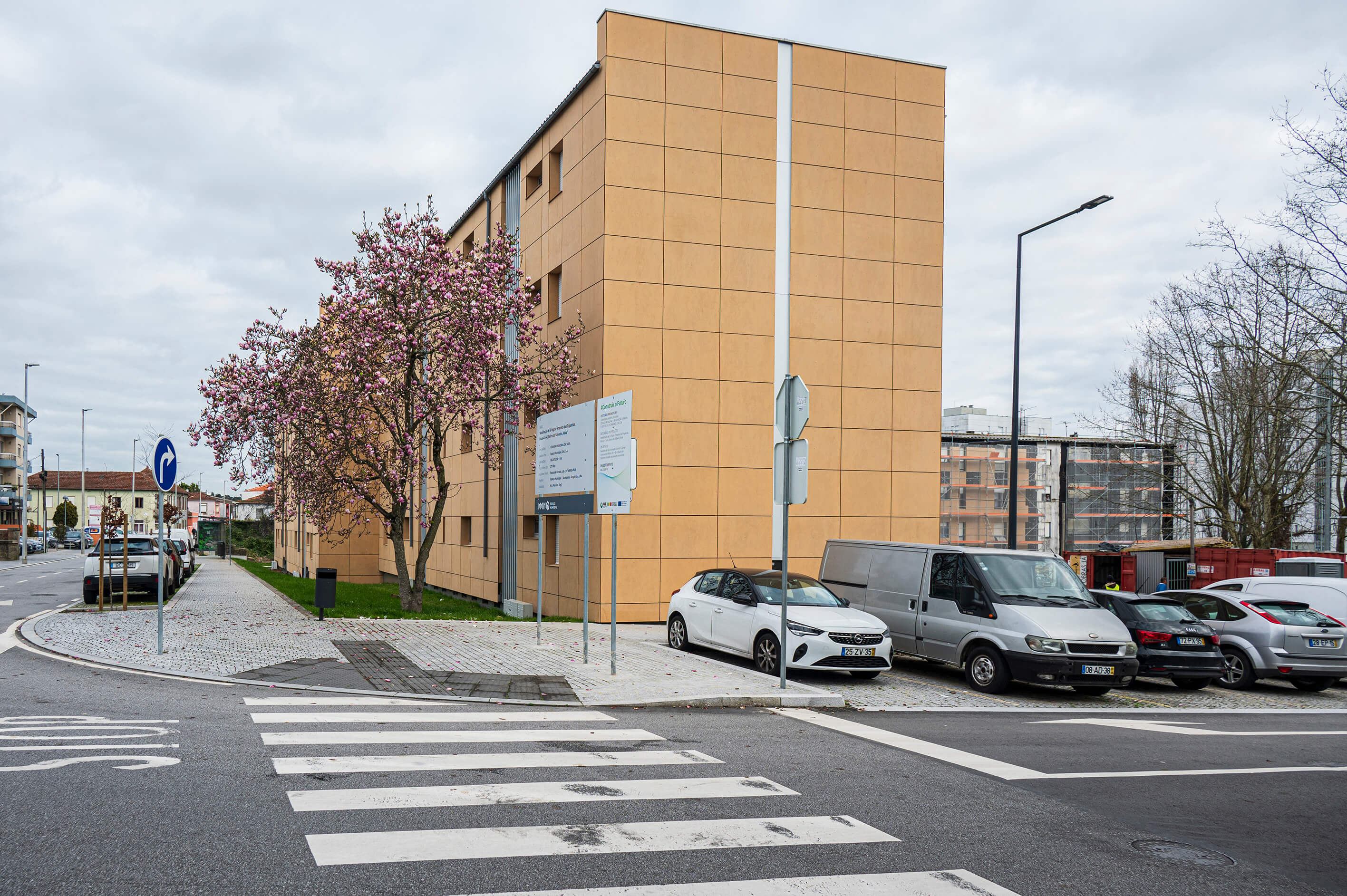
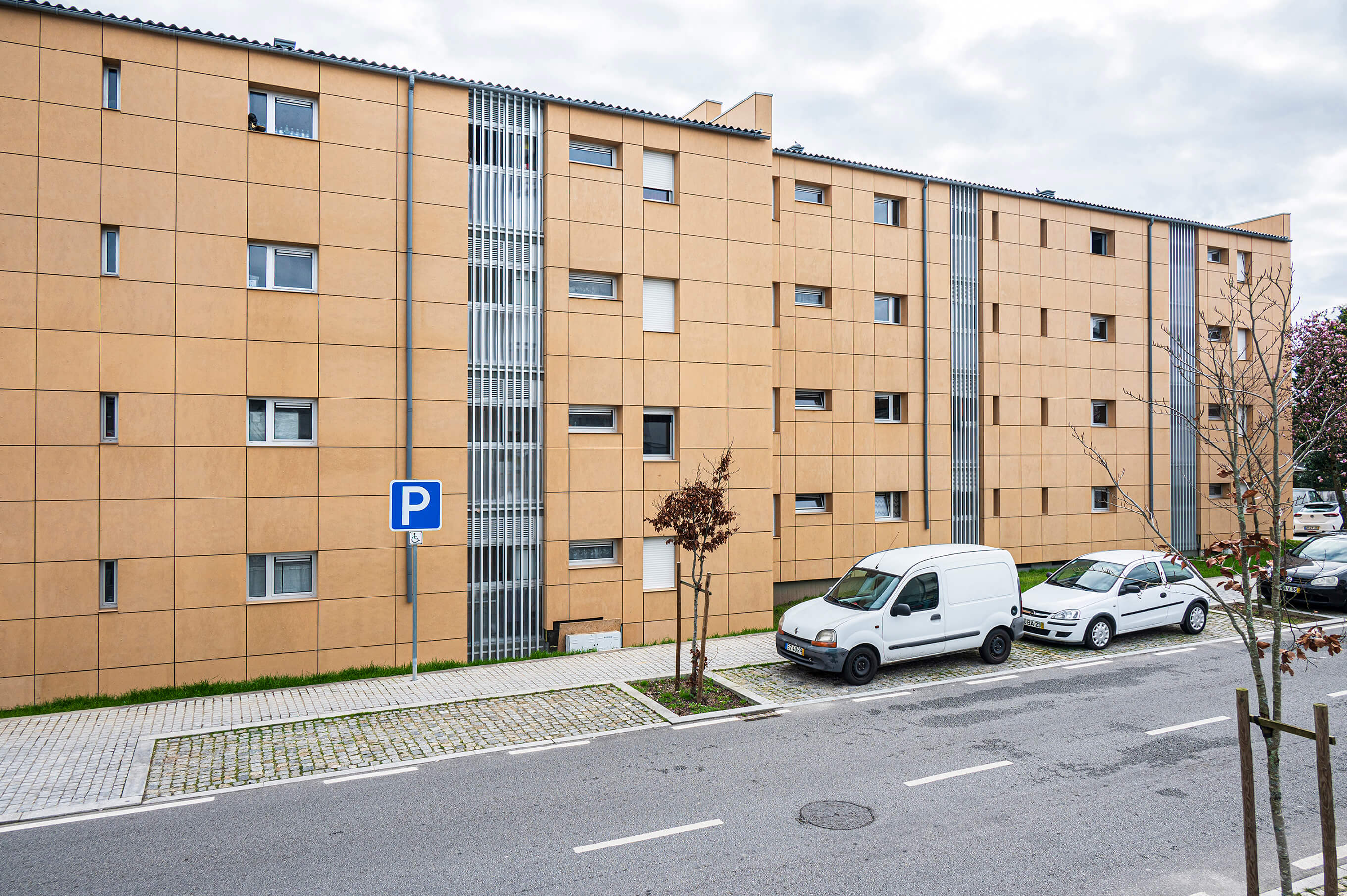
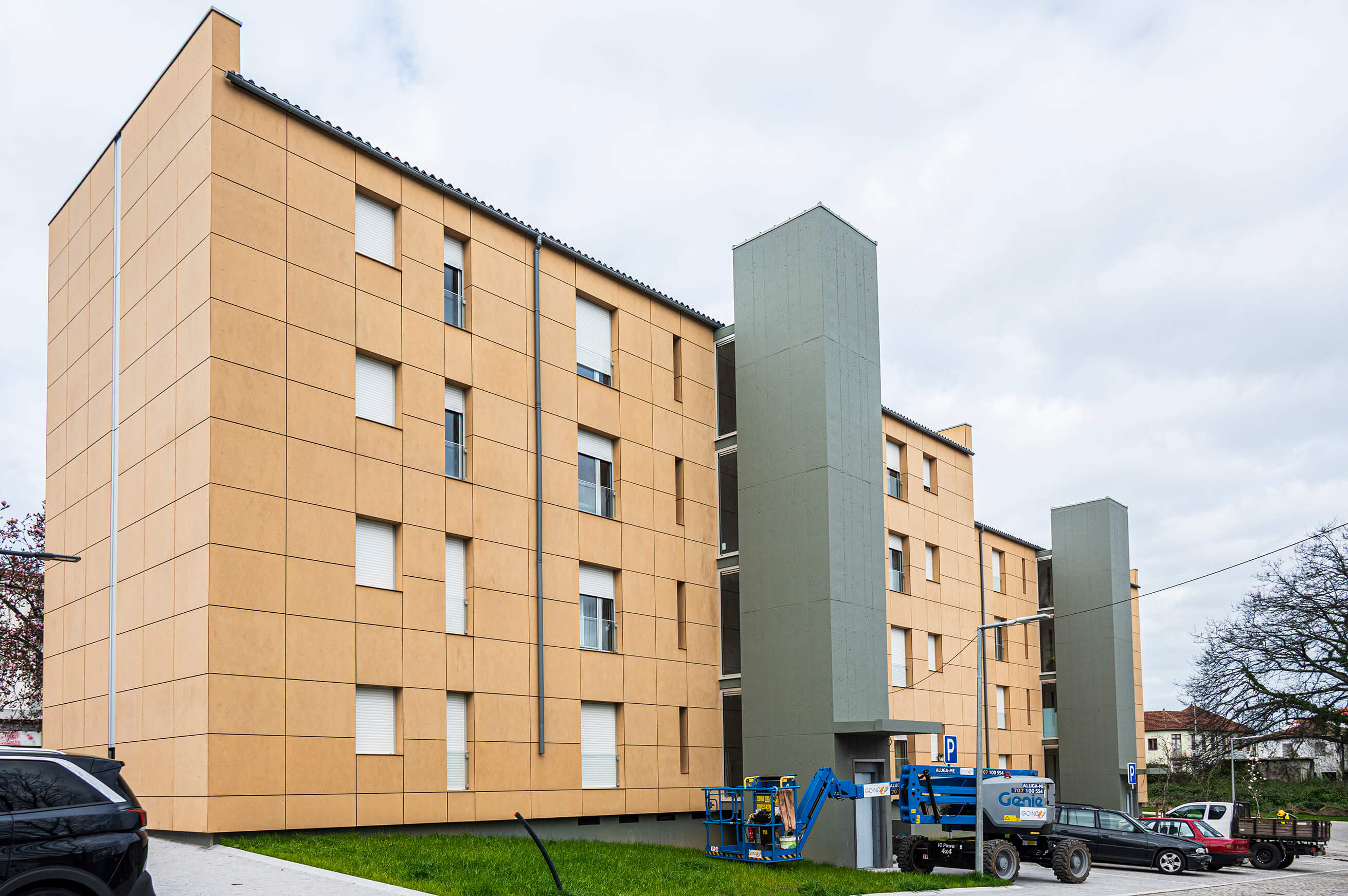
The project Urban Revolution in Maia targeted the Sobreiro social housing district which is consisted of 47 buildings housing and 1,147 residents in total. The intervention focused on 7 unrenovated blocks (Blocks 41–47, ~5,000 m²), 8,000 m² of shared exterior spaces, and pursued several objectives: 1) to perform energy renovation interventions and increase accessibility to people with reduced mobility in the 7 blocks; 2) to establish a energy community; 3) to engage residents as active co-designers and participants and 4) build energy and digital literacy to tackle energy poverty. Under the leadership of Porto Energy Agency and the active involvement of the municipality of Maia, the social housing management entity (Espaço Municipal) and other partners, a multi-level governance structure was designed and tested for decision-making of interventions in the neighborhood. The governance structure included specialized technical staff, policy decision-makers and the residents. 27 households participated in different co-design sessions, where decisions regarding aesthetics in the buildings, composition of the public space and participation in the citizen energy community were made and subsequently implemented. Residents were actively involved in discussions and voting using different methodologies, from voting ballots to digital means and participated in energy literacy events such as the ”Parque Energia”. In the scope of the project, an innovative debt crowdfunding model was developed to scale the CEC neighborhood-wide. The project is exemplary as an Enabler, since it built the governance structures, community capacity and financial instruments needed for lasting NEB transformation — not just a one-off physical intervention.
The Sobreiro neighbourhood, located in the heart of Maia, was built in the late 1970s with public funds from the Housing Promotion Fund (FFH) to address an urgent housing shortage. Comprising 47 buildings, 43 four-story blocks and four towers of 10–11 floors, the area became marginalized over the decades, often seen as a near-ghetto. Besides being very close to the city center, it remained isolated from the remaining urban fabric. As a consequence of this isolation, it never benefited from interventions that could restore decent living conditions or improve energy efficiency and the neighbourhood felt almost abandoned. In recent years, a significant budget was allocated for renovations. In what can be configured as a long-term commitment from the municipality, from 2010s onwards, the neighbourhood began to be intervened, slowly but steadily. Some blocks were demolished and a new urban configuration began to take place. Although initially scheduled to be demolished, new funding opportunities, supported by the Portuguese Resilience and Recovery Plan provided an opportunity for the last 7 unrenovated blocks in Sobreiro – Blocks 41 to 47. Albeit the neighbourhood physical form began to arise from the ashes, its social tissue was scattered, and it struggle to build a sense of community. The renovation of the area of the seven remaining blocks in the neighbourhood was then perceived as an opportunity to pilot an approach that could integrate sustainability, aesthetics, and social inclusion and go beyond physical improvements, engaging directly with residents, many elderly and financially vulnerable—to address energy poverty and promote environmental sustainability and social inclusion. Through a collaborative cluster of organisations, silos between governance levels were broken. Residents were invited to co-create visions for private and public spaces, ensuring their input shaped the projects, strengthening governance, and fostering a sense of belonging.
Multilevel governance
Co-Design
Energy poverty mitigation
Energy literacy
Urban regeneration
The project addressed sustainability across environmental, social and economic dimensions integrating technological solutions with governance innovation, which is a defining feature of the exemplary character of the initiative.
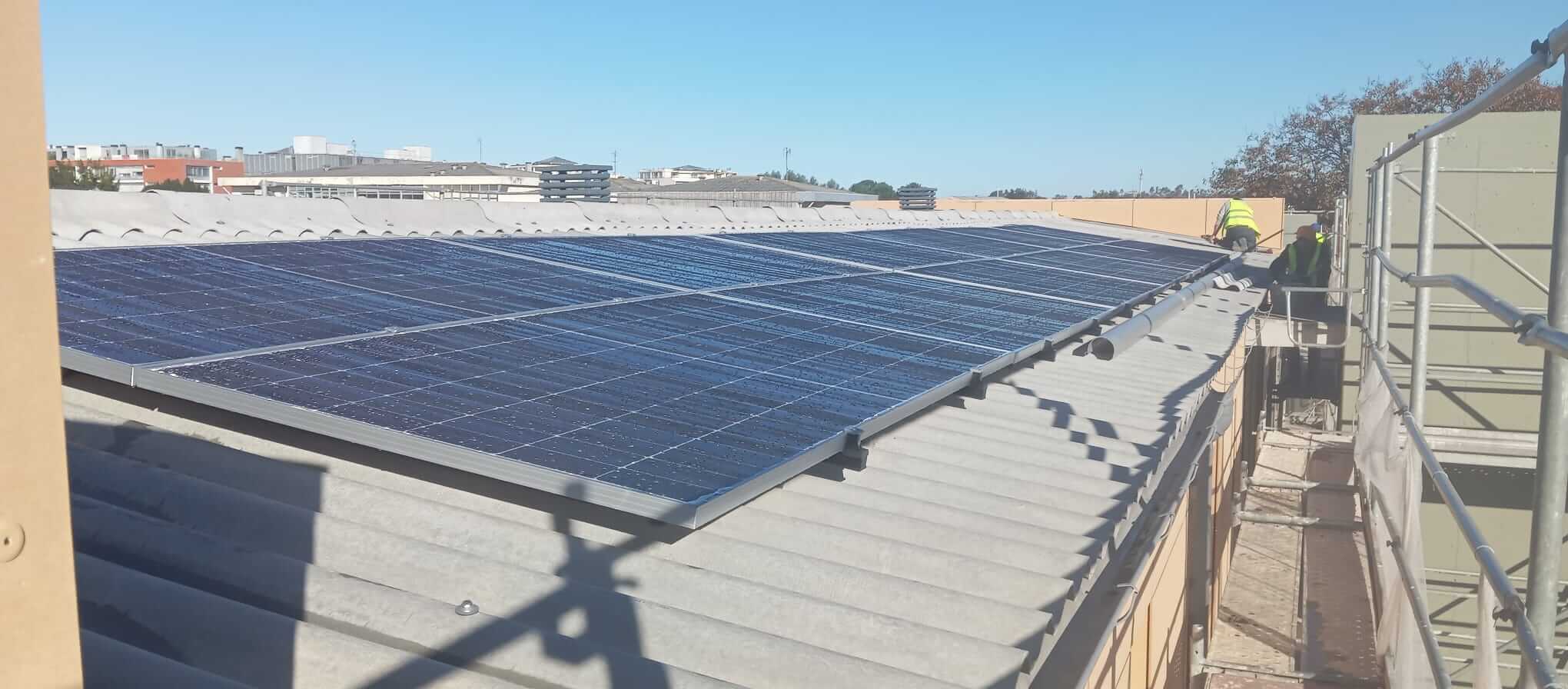
From an environmental perspective, the renovation of the buildings includes improvement of thermal insulation with 10% recycled materials. Additionally, a photovoltaic system with 45 kWp installed enables the production of clean, local electricity that reduces greenhouse gas emissions and promotes the transition to renewable energy. The green spaces in the 8,000 m², were planned to prioritise native species, biodiversity and biophilic solutions, co-selected by residents.
Social sustainability was central to the project. By targeting a social housing neighbourhood, the initiative addresses energy poverty and promotes equitable access to renewable energy. Educational activities, training sessions, and community events improved energy literacy among residents and technical staff from the Espaço Municipal. The training sessions were specifically designed to equip technicians with the knowledge and skills needed to advise and support residents, leveraging their close relationship with the community to promote more efficient energy practices and informed decision-making.
Economically, the Energy Community model promoted collective self-consumption, allowing residents to share locally produced electricity and potentially reduce energy costs. This contributes to long-term financial resilience for households while strengthening community cooperation.
The initiative aimed at building local capacity and empowering residents to participate actively in the energy transition, creating a sustainable model that can be replicated in other social housing contexts.
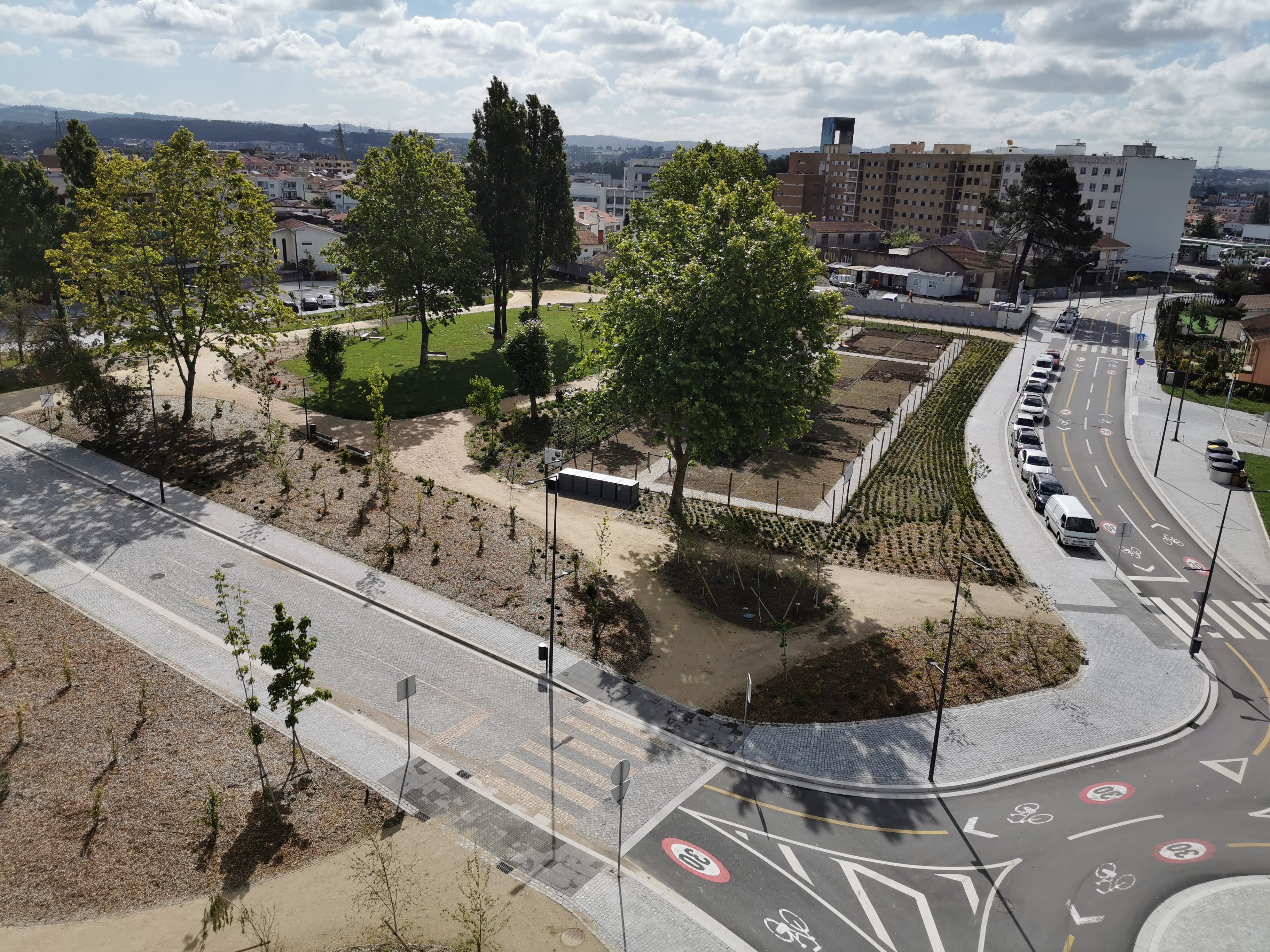
The district had been burdened by architectural homogeneity, degraded materials and the stigma of ghettoisation. The project objective was to break this stigma through resident-led visual transformation creating spaces that engage all senses. The project recognises that residents, despite living in social housing, desire aesthetically pleasing and welcoming environments just like the wider community. Physical interventions aimed to enhance architectural and visual coherence while strengthening residents’ connection to place, re-establishing the social housing neighbourhood at the heart of Maia city, which has often been treated like a marginalised area. The common area in the 8,000 m² was redesigned as a multipurpose square with walkways, seating and greenery — sensory environments designed for interaction and rest. Adjustments requested by elderly residents (bench placement, lighting, pathway widths) show how participatory aesthetics produces spaces that are more humane, more used and more valued than top-down design. The inclusion of renewable energy initiatives also contributes to the aesthetic dimension: by hosting this pioneering project, the social housing community transforms the often-stigmatised image of the neighbourhood, giving residents a sense of pride in being part of an innovative and progressive initiative.
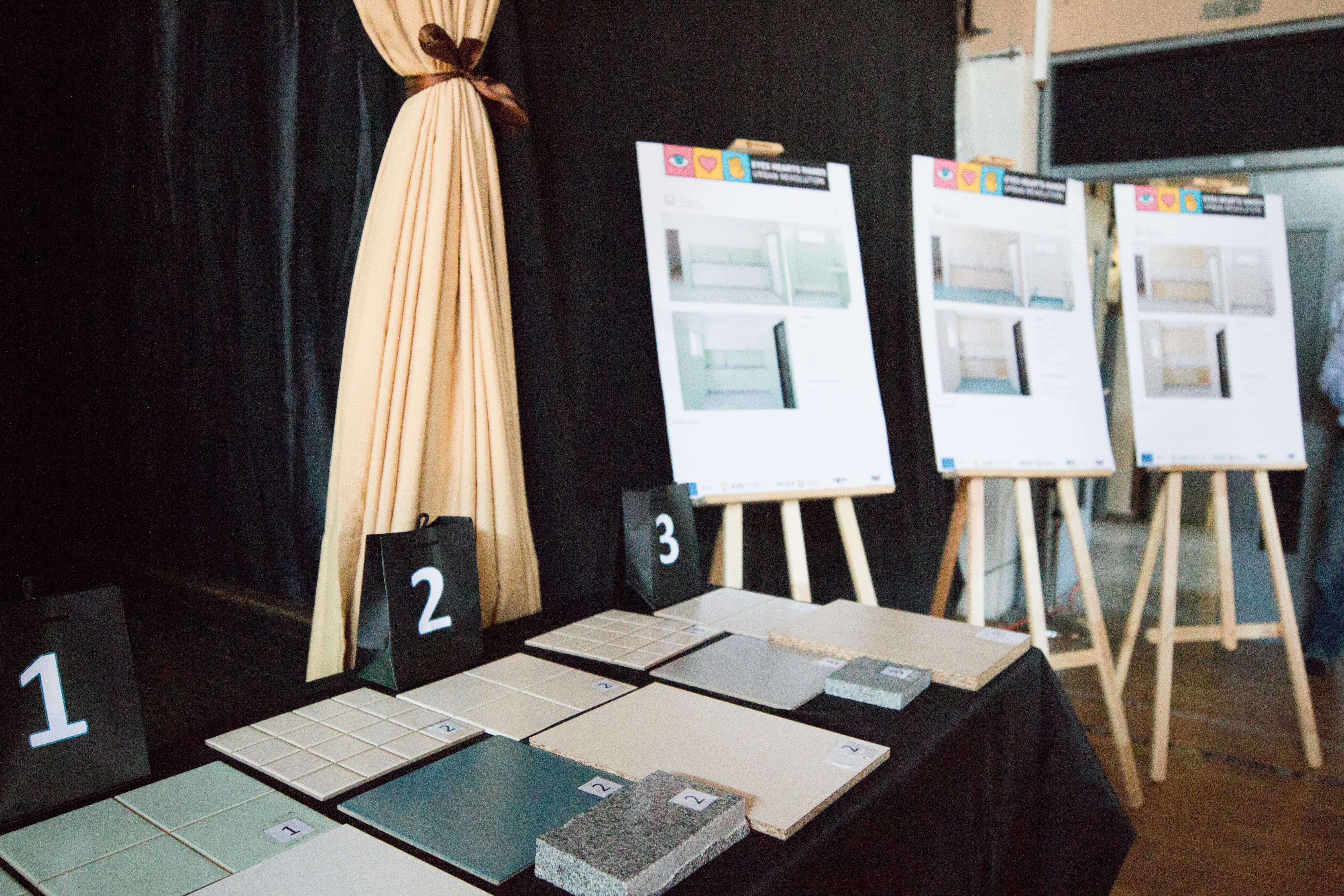
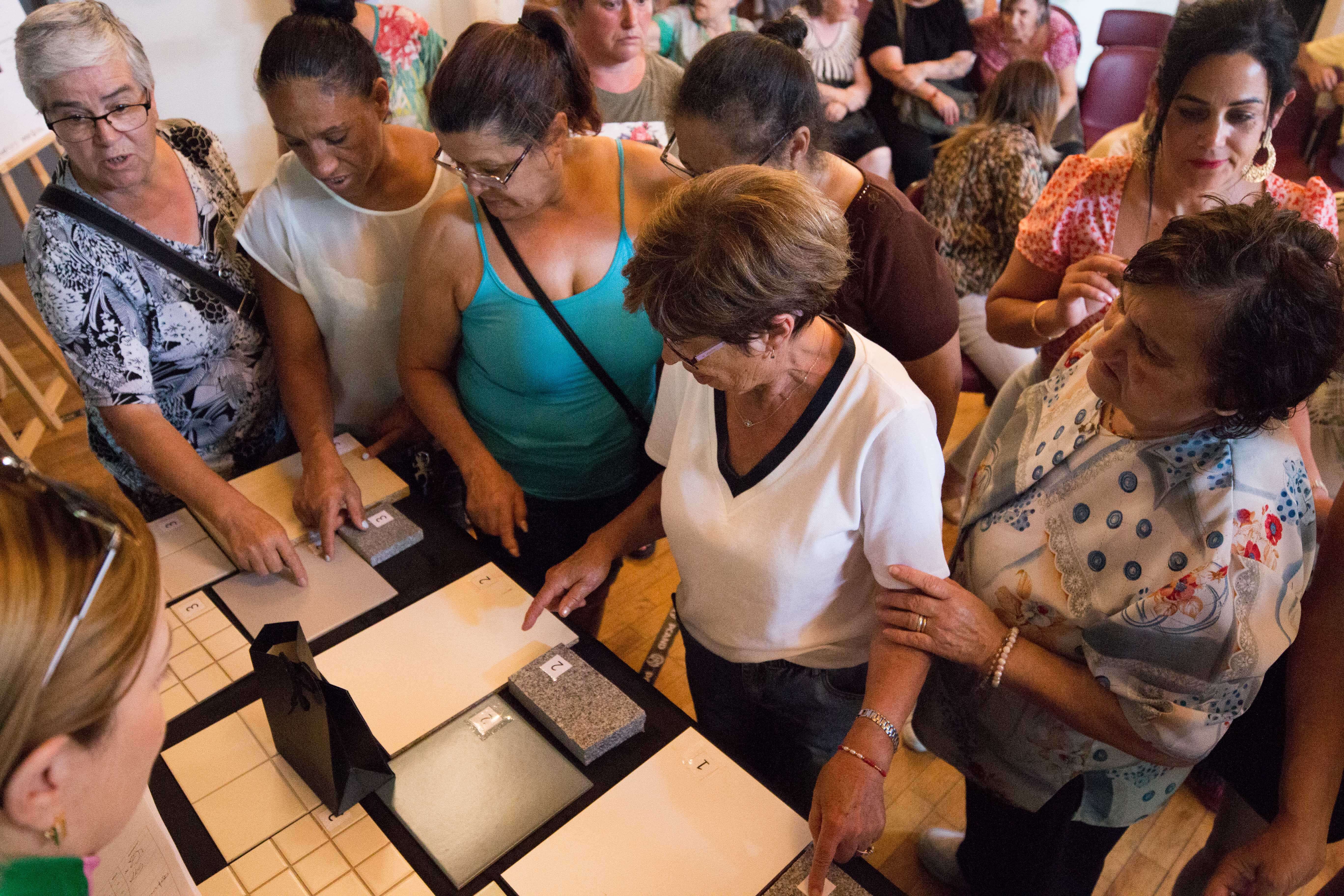
Inclusion was a central principle, especially considering that the entire project is located in a social housing neighbourhood. This area has a vulnerable social fabric, with many elderly residents, retirees facing chronic health issues and reduced mobility, as well as low-wage workers experiencing financial difficulties. In such neighbourhoods, people often withdraw or remain confined at home, frequently due to fear of falls or deficiencies in pedestrian areas. The renovation of blocks 41 and 47 prioritized inclusion, particularly focusing on residents’ mobility. The blocks were equipped with elevators, facilitating movement and enabling people to go outside more frequently. Additionally, the redesigned public spaces and green areas, now appreciated by most residents, encourage longer and more regular outings. All interventions aimed to reintegrate the social housing area into the city of Maia, helping to overcome stigma and reconnect the city with its residents. Residents could understand how these systems can reduce financial pressure while promoting sustainability and energy efficiency. In conclusion, residents materially shaped outcomes, not just opinions, since votes on renovation materials directly entered technical specifications. The participatory process, engagement activities, and educational workshops aimed to demonstrate that residents’ opinions and needs can be included in projects affecting their daily lives, giving them a voice if they wish. By removing barriers to information and participation (also from fostering digital inclusion in the neighbourhood), technical topics such as renewable energy became more accessible. Also, the CEC model creates a pathway for residents to become co-owners of renewable energy infrastructure, sharing financial returns.
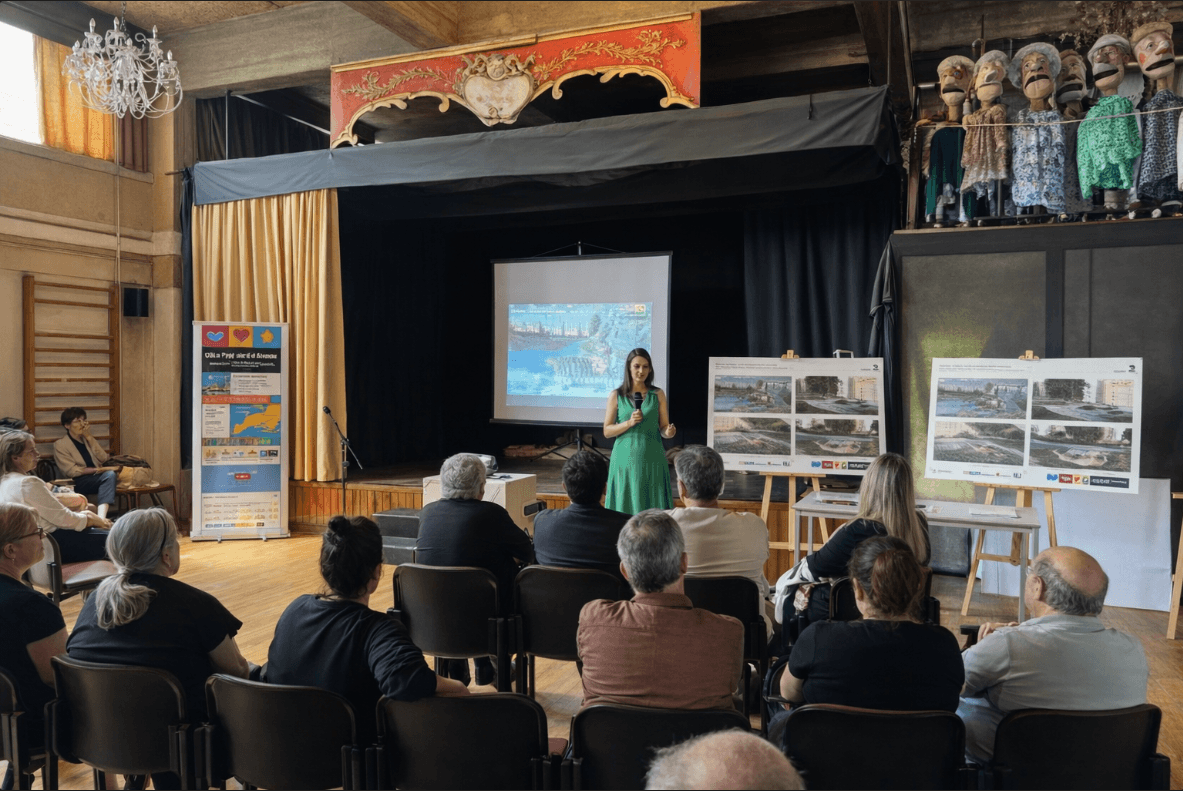
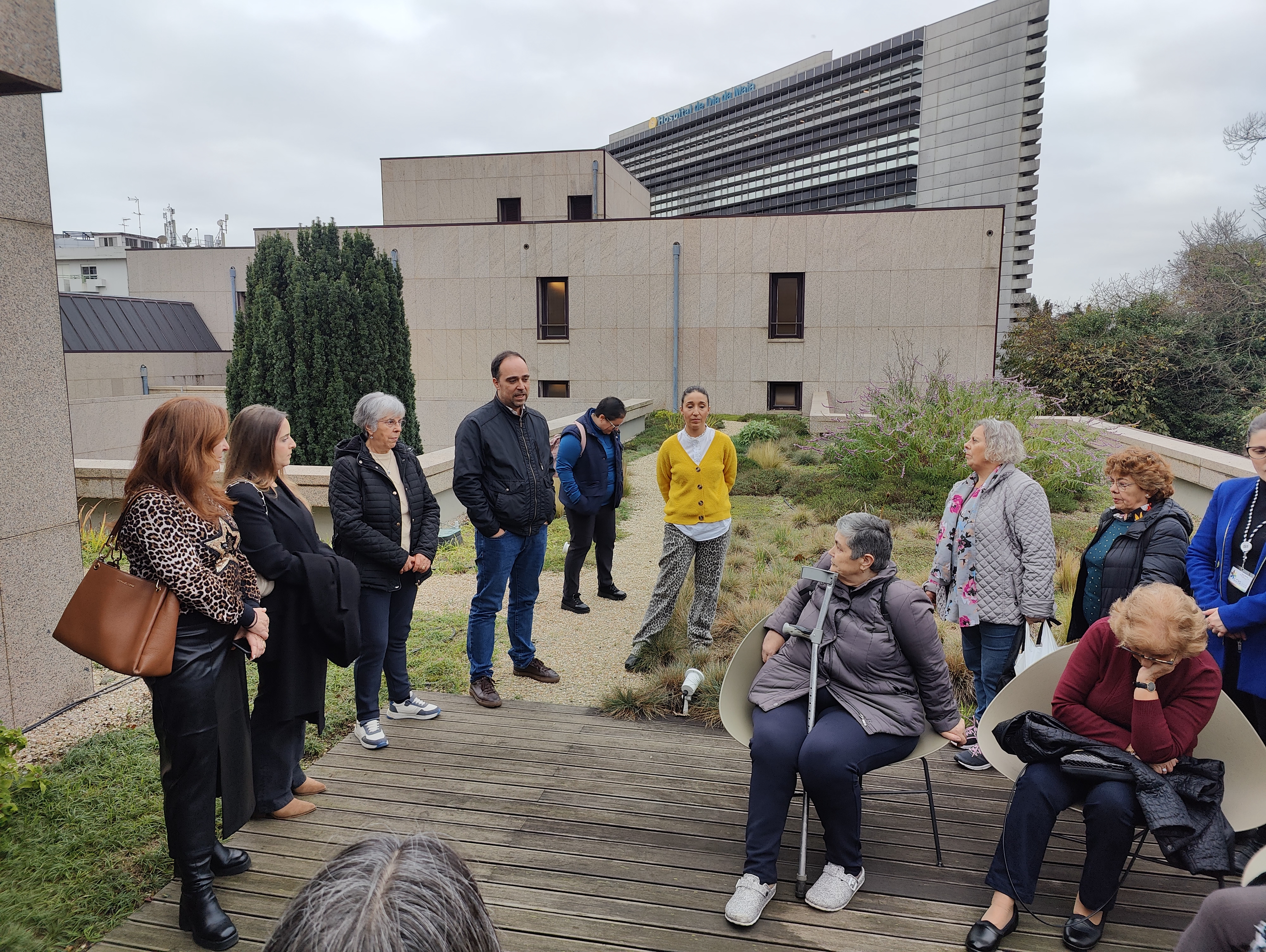
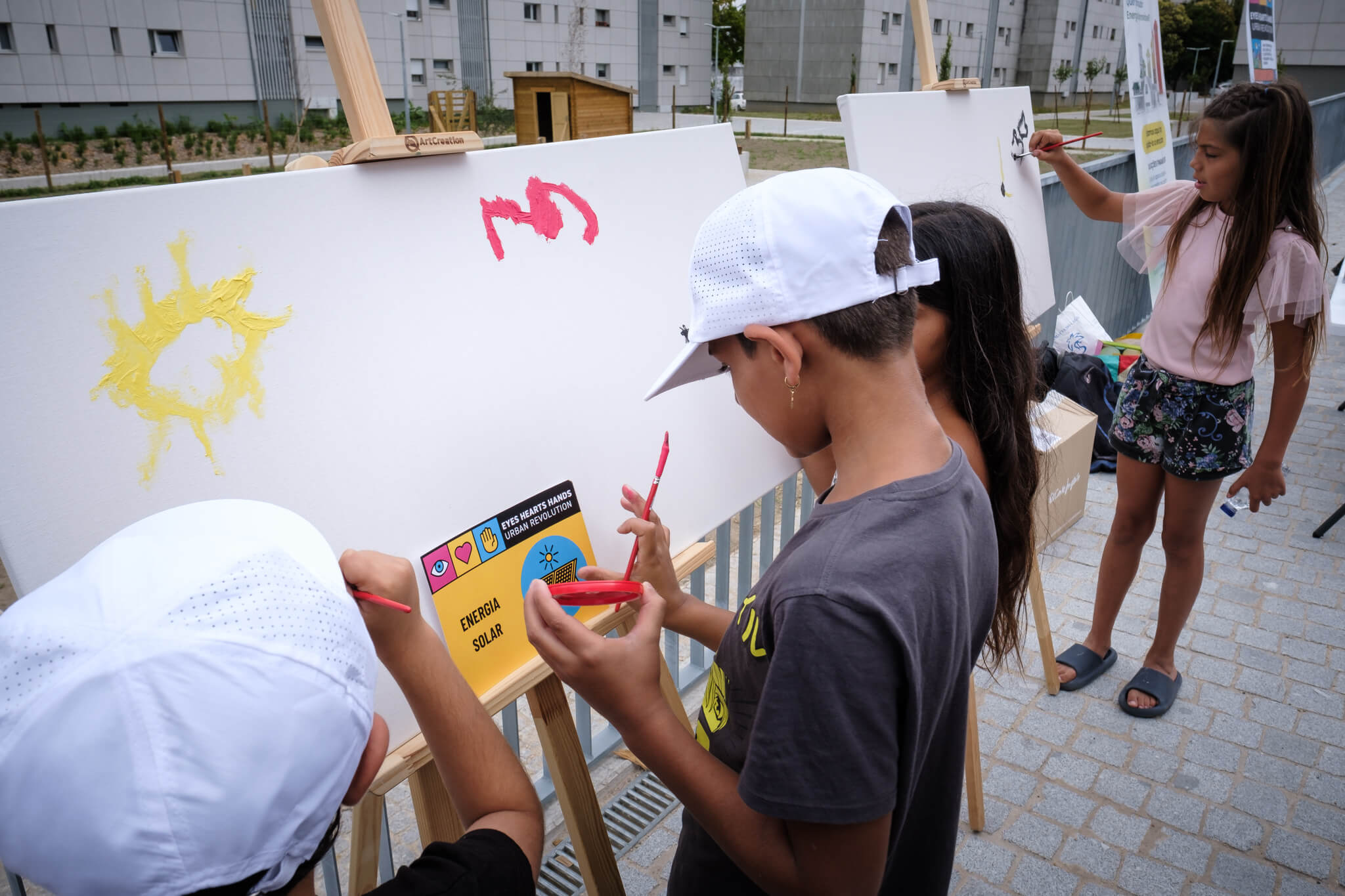
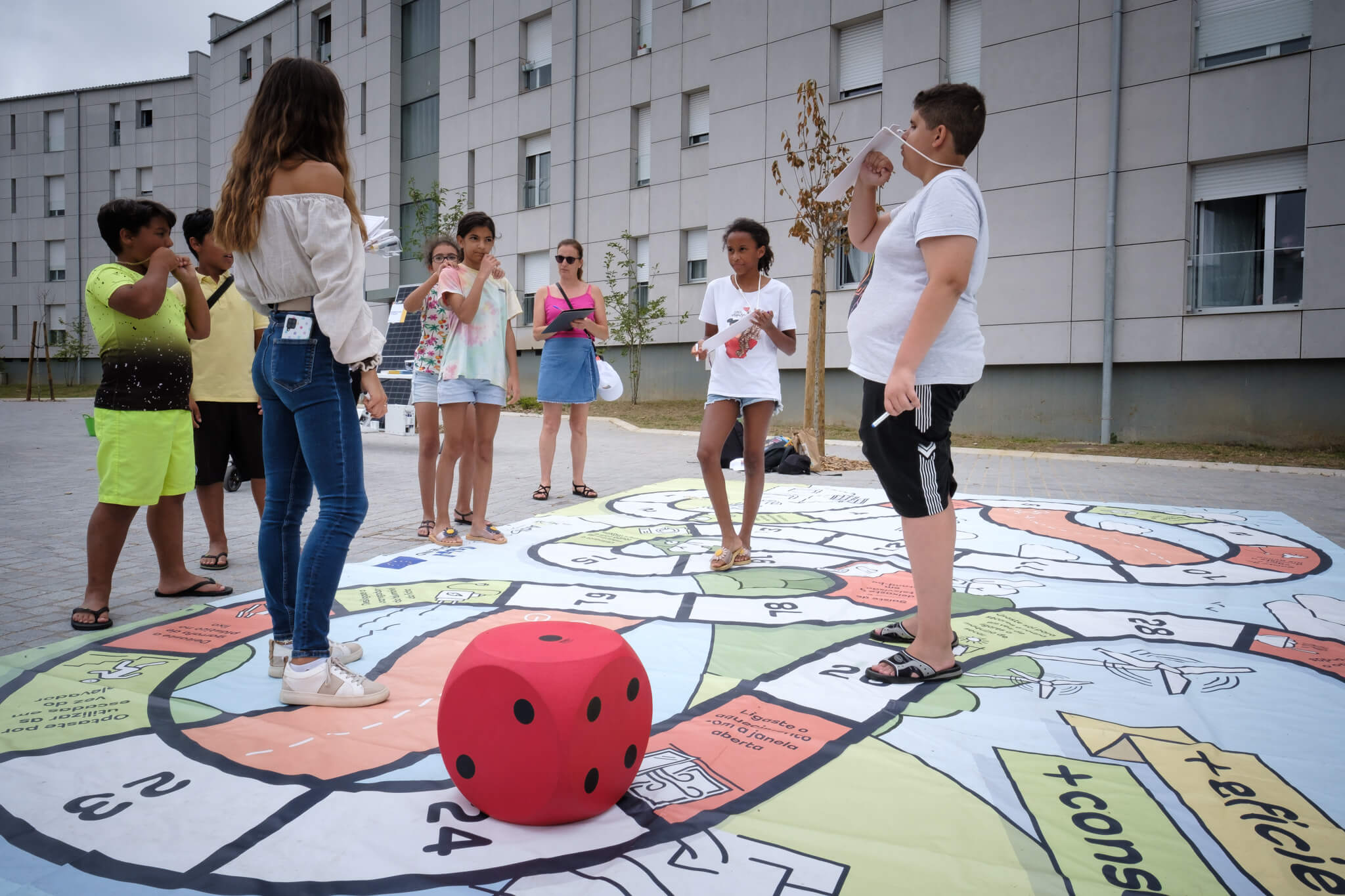
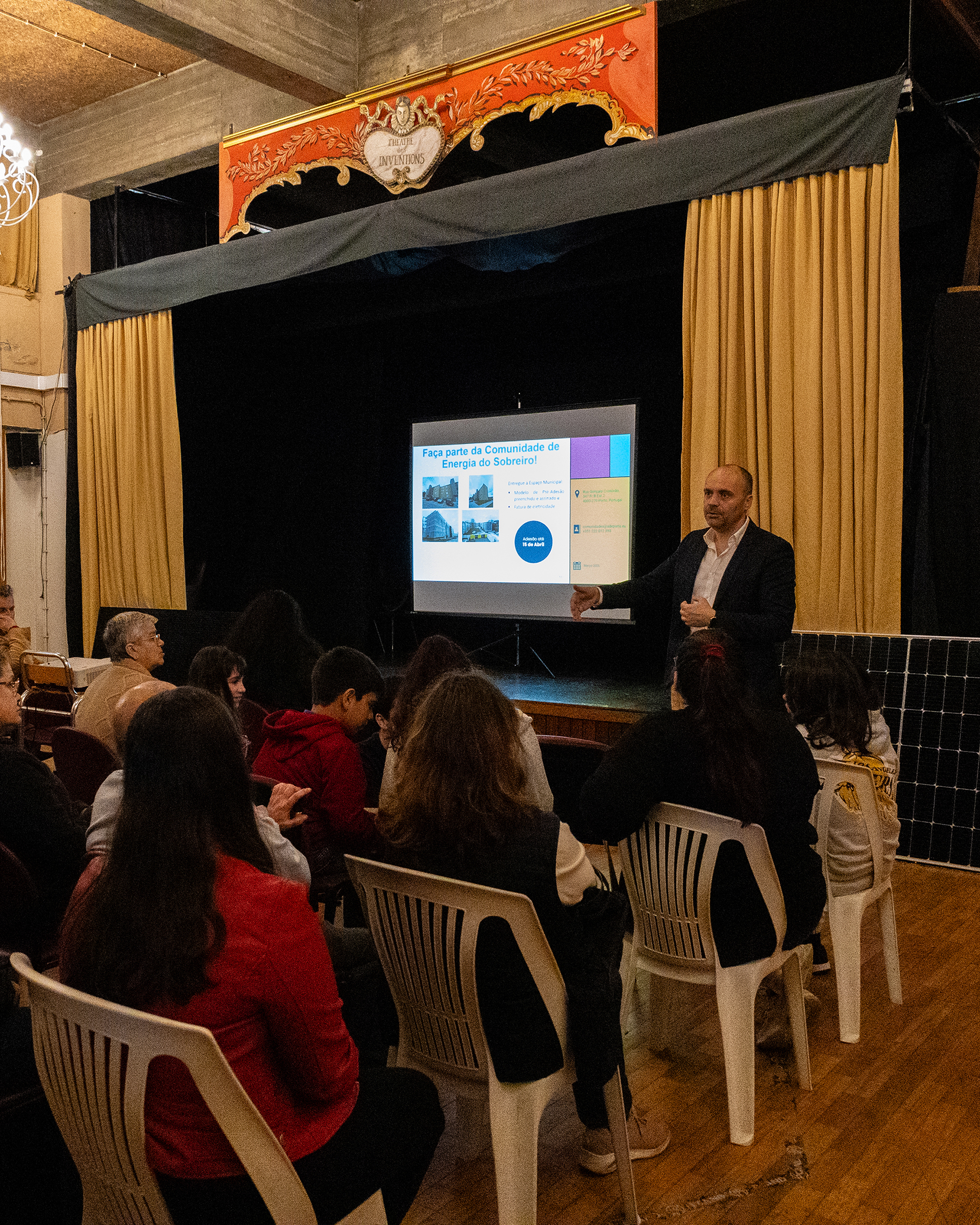
The Urban Revolution in Maia project placed residents of the Sobreiro social housing neighbourhood at the centre of the transformation process through a strong co-design and participatory approach. From the beginning, citizens were actively involved in shaping the project through workshops, participatory sessions, surveys and community events designed to reflect local needs and priorities. Residents contributed to decisions related to building renovations, interior design options and the redesign of public and green spaces. For example, households were able to vote on preferred finishes for kitchens and bathrooms, while digital voting tools helped select urban furniture and vegetation for shared outdoor areas. Educational initiatives such as the “Parque Energia” events also helped residents better understand renewable energy and the benefits of collective energy production. Community participation was equally important in the development of the Citizen Energy Community. Through public meetings, door-to-door outreach and follow-up communication, residents were informed about the initiative and invited to take part. As a result, more than 40% of households in the intervention area pre-registered to join. Continuous feedback was gathered through questionnaires and surveys addressing residents’ satisfaction, indoor comfort and accessibility needs. This input helped guide ongoing adjustments to the project. By involving residents throughout the process, the project strengthened trust between the community and institutions, encouraged social cohesion and created a stronger sense of ownership over the neighbourhood’s transformation. This participatory process also helped challenge the stigma often associated with social housing, while promoting community pride and engagement.
The Urban Revolution project in Maia was developed through close collaboration between actors at local, regional, national and European levels. This multilevel approach ensured that the project responded to local community needs while remaining aligned with broader policy goals related to housing, energy transition and sustainable urban development. At the local level, the Municipality of Maia played a key coordinating role, linking the project to its housing and urban regeneration strategies, as well as providing co-investment. Multiple departments participated (e.g. urban planning, social services, environment and culture). Additional technical expertise was provided by organisations such as AdEPorto, the research centre EDP NEW and SPI. The Mayor and Vice-President attended the June 2023 launch, signalling institutional commitment. Espaço Municipal (EM), managing 495 of 498 housing units and also being responsible for building renovations, deployed its "proximity management" team for sustained resident engagement. Local community centres also helped engage residents and facilitate dialogue with the neighbourhood.
At the national level, the project benefited from supportive policy frameworks and funding instruments for housing and energy transition, including the Portuguese Recovery and Resilience Plan and the “1.º Direito” housing programme. These mechanisms helped make the renovation and energy interventions financially viable. At the European level, the project is integrated on the EHHUR Horizon Europe initiative and contributes to the goals of the New European Bauhaus by demonstrating an integrated approach to sustainable and inclusive urban regeneration. By bringing together public authorities, researchers, technical experts and the community, this collaborative governance model strengthened the project’s impact and created solutions that can inspire similar initiatives in other European cities.
At the national level, the project benefited from supportive policy frameworks and funding instruments for housing and energy transition, including the Portuguese Recovery and Resilience Plan and the “1.º Direito” housing programme. These mechanisms helped make the renovation and energy interventions financially viable. At the European level, the project is integrated on the EHHUR Horizon Europe initiative and contributes to the goals of the New European Bauhaus by demonstrating an integrated approach to sustainable and inclusive urban regeneration. By bringing together public authorities, researchers, technical experts and the community, this collaborative governance model strengthened the project’s impact and created solutions that can inspire similar initiatives in other European cities.
The Urban Revolution project in Maia adopted a transdisciplinary approach to address the complex challenges of regenerating a social housing neighbourhood, recognising that energy poverty, social exclusion, physical degradation and aesthetic stigma cannot be resolved by any single discipline. Rather than focusing only on technical renovation, the project brought together expertise from different fields to ensure that the transformation improved both the physical environment and the wellbeing of the community. Architecture and urban planning guided the renovation of residential buildings and the redesign of public and green spaces. Engineering expertise supported energy performance improvements through insulation upgrades, façade renovation, new windows and the integration of photovoltaic systems. Energy and environmental sciences contributed to the development of renewable energy solutions and to the creation of the Citizen Energy Community, enabling local electricity generation and helping reduce energy poverty. Digital tools were also used to model energy-sharing scenarios and support informed decision-making. Social sciences and community development played a key role in the participatory process. Through surveys, workshops and co-creation sessions, residents shared their needs and experiences, ensuring that local knowledge informed the project’s decisions. Collaboration with landscape architects and other specialists guided the redesign of outdoor spaces, introducing biodiversity-friendly planting and improving accessibility and public space quality. Educational activities and energy literacy workshops further supported behavioural change. By combining technical expertise with the lived experience of residents, the project developed solutions that are technically robust, socially inclusive and environmentally sustainable, reflecting the holistic vision of the New European Bauhaus.
The Urban Revolution project in Maia was financed through a blended multilayer model combining european, national and local resources. At the local level, Maia municipality co-funded buildings and public space renovation. On the other hand, national funding provided additional essential resources for the physical interventions to be executed, and European funding was used to fund co-design, participatory approaches, as well as to investigate sustainable innovative financing models.
One of the most innovative and sensitive components of the Urban Revolution project is the planned expansion of a Renewable Energy Community across the Sobreiro social housing neighbourhood. While based on the existing energy community for the 7 blocks, the expansion design requires the development of a novel business and governance model capable of coordinating public institutions, technical partners and citizens within a shared energy system, an approach still uncommon in Portugal.
The designed financial structure follows a customised Energy Performance Contract (EPC) model for a planned investment of 1.2M€, involving the Municipality of Maia and an Energy Service Company (ESCO), where around 70% of the capital expenditure is to be supported through public funding and the remaining is financed through a debt crowdfunding mechanism operated by the ESCO, allowing citizens to invest with expected returns up to 12% over 7 years. The photovoltaic systems are expected to generate around 96 MWh of renewable electricity per year, producing energy savings of approximately €150k annually used to repay the investment, cover operational costs and provide returns to investors. This model allows for the municipality to retain ownership of the infrastructure while promoting energy citizenship. The model was already presented to the municipality and is pending approval at this stage.
Several elements of the Urban Revolution in Maia project have strong potential to be replicated in other cities, particularly in areas facing challenges related to social housing, energy poverty and neighbourhood regeneration. A key transferable aspect is the project’s integrated approach, which combines building renovation, renewable energy systems, improvements to public spaces and multi-level governance supporting the interventions. By addressing environmental, social and spatial challenges together, the project demonstrates how urban regeneration can improve both living conditions and sustainability outcomes. Although specially designed for the Maia context, the participatory and co-design process and methodologies are also easily adaptable. Through workshops, surveys, digital voting tools and community events, residents were given real opportunities to contribute to decisions about their homes and shared spaces. These methods can be replicated by other municipalities looking to involve citizens more directly in urban development processes. Another scalable component is the Energy Community model based on photovoltaic installations and collective self-consumption. This approach shows how neighbourhoods can locally produce renewable energy, reduce electricity costs and empower residents to take part in the energy transition. The financial model also offers replication potential. The project designed a flexible financing structure capable of mobilising both institutional and citizen investment. Finally, the project demonstrates how pilot initiatives can scale up. The energy community initially implemented in seven buildings is planned to expand to the entire neighbourhood and potentially to other districts of Maia through a sustainable financing model. Together, these governance, financial and participatory elements provide a practical and adaptable framework for sustainable and inclusive urban transformation in other European cities.