Arts, Culture, and Heritage as Drivers of Change
Bringing exhibitions to life with AR/AI
Reimagining Cultural Heritage through AR and AI: Immersive Museum Experiences
This project transforms traditional museum exhibitions into immersive, interactive experiences through the integration of Augmented Reality (AR) and Artificial Intelligence (AI).
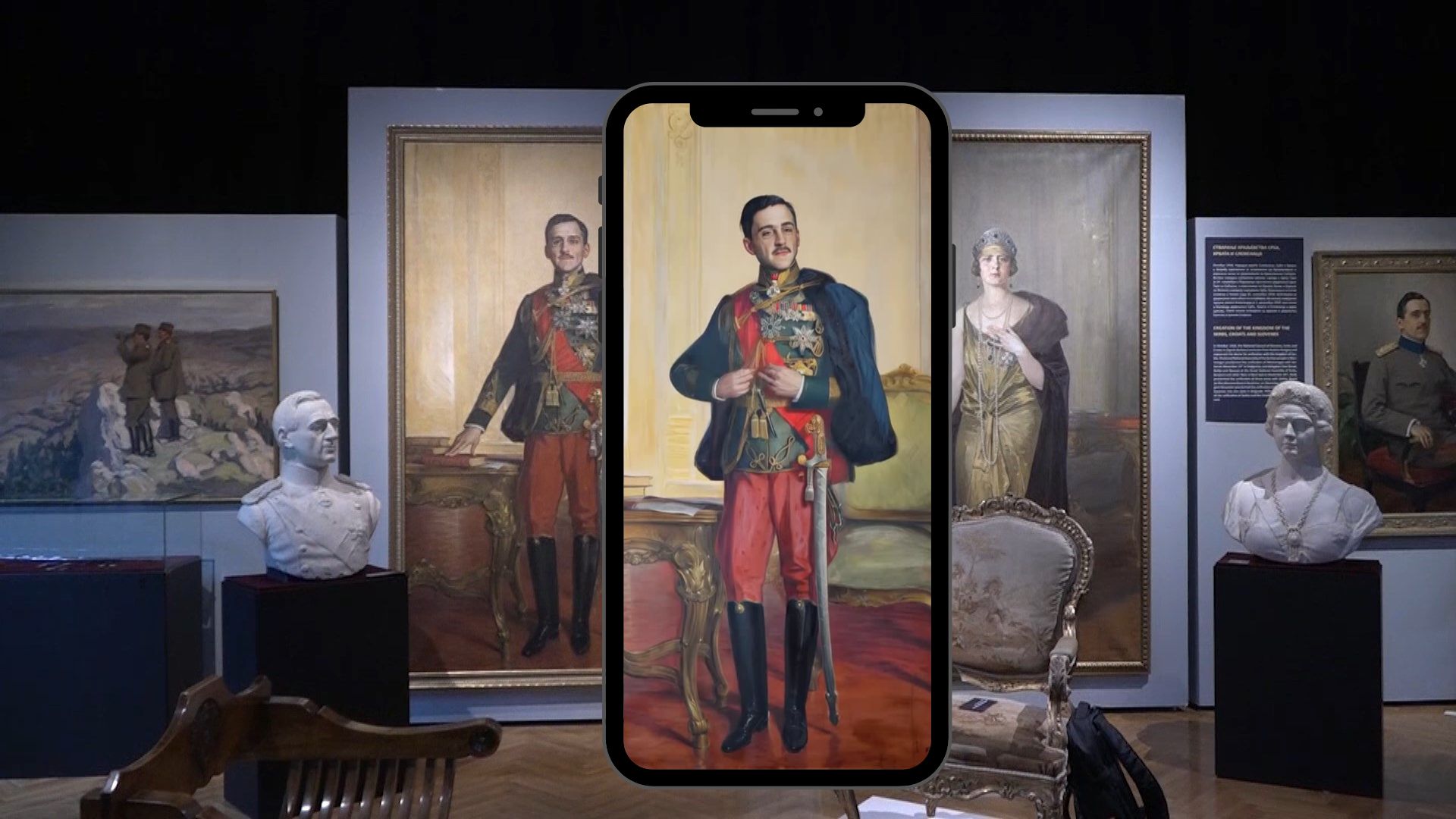
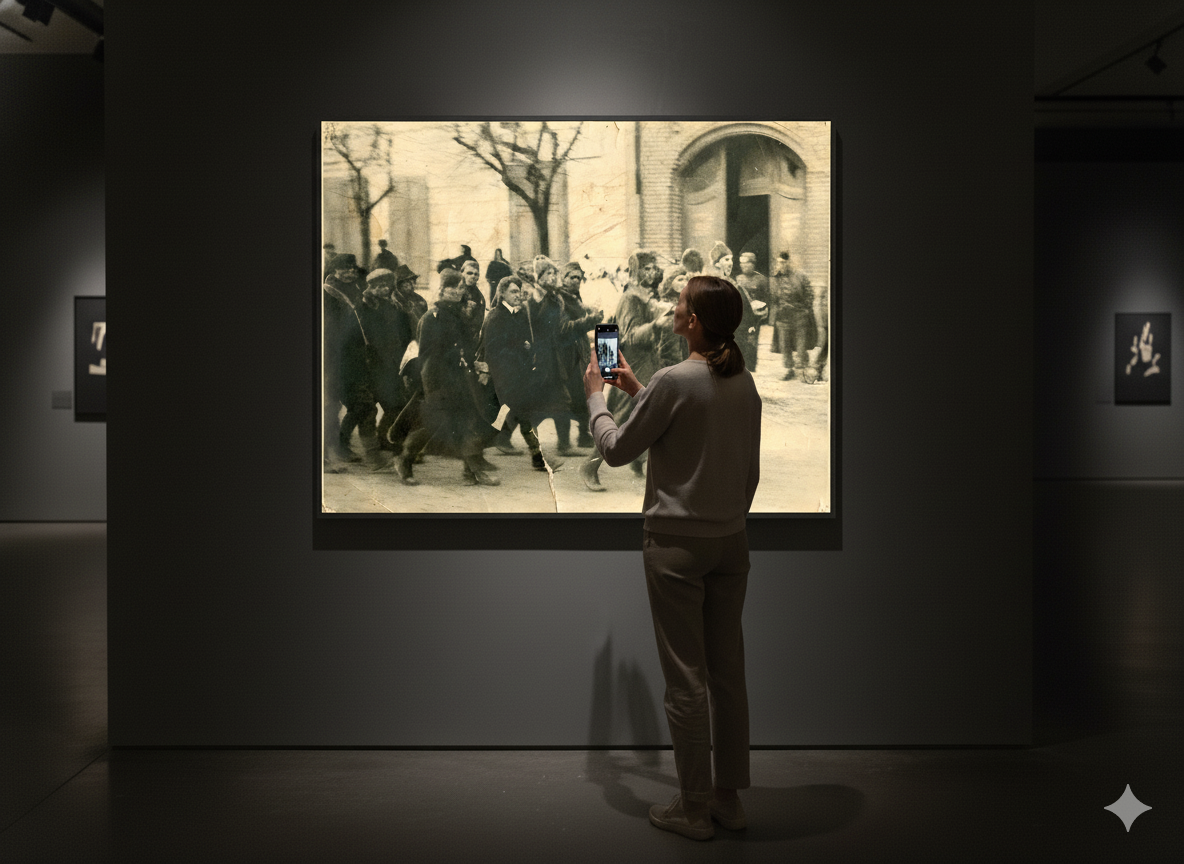
Implemented in the Museum of Vojvodina, the solution allows visitors to “bring to life” artworks and historical artifacts using their mobile devices. By scanning selected exhibits, visitors unlock animated stories, contextual narratives and AI video production
Implemented in the Museum of Vojvodina, the solution allows visitors to “bring to life” artworks and historical artifacts using their mobile devices. By scanning selected exhibits, visitors unlock animated stories, contextual narratives and AI video production
Serbia
Local
Novi Sad
It addresses urban-rural linkages
It involves other types of transformations (soft investment)
Yes
2025-12-31
No
No
No
Organisation
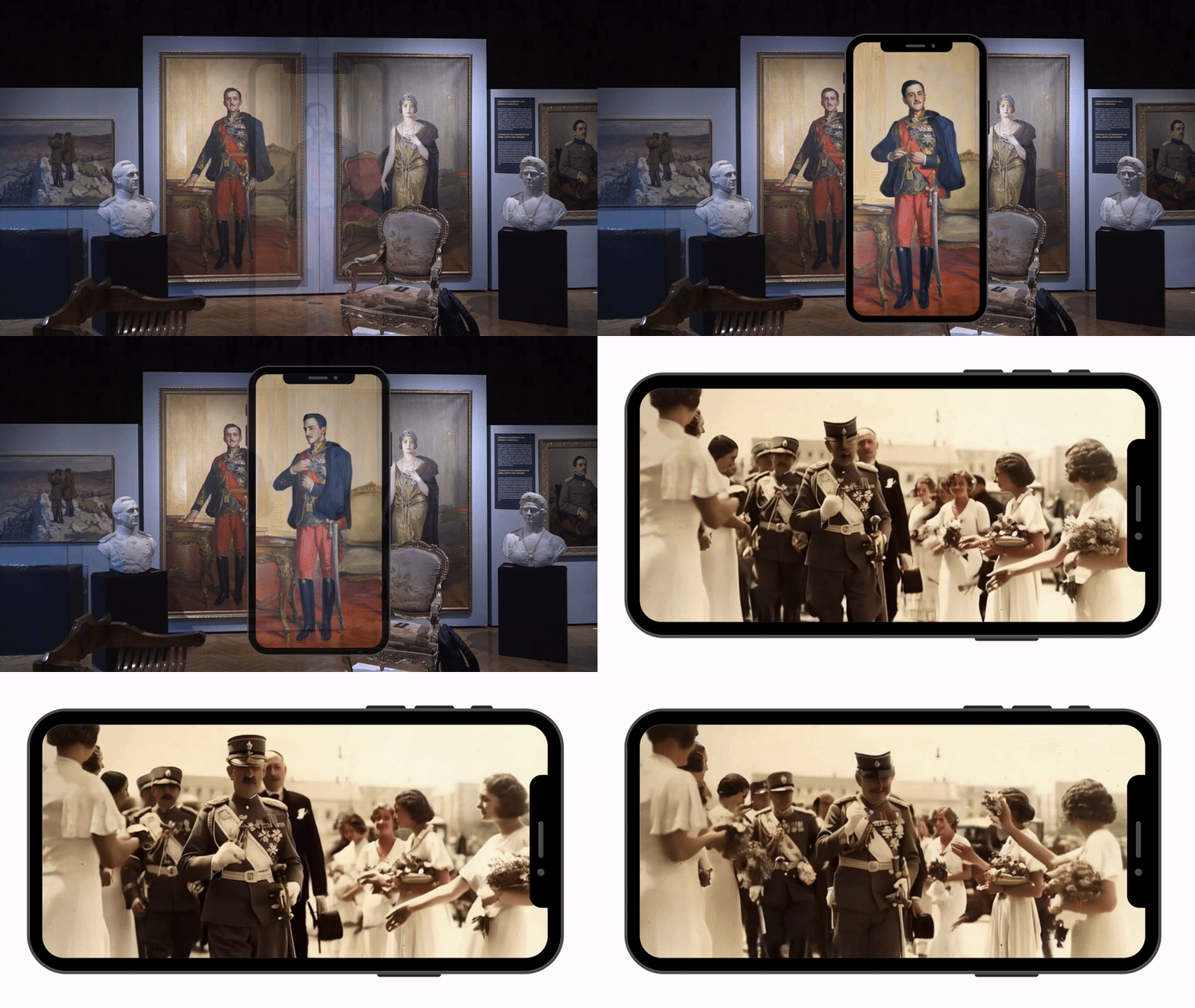
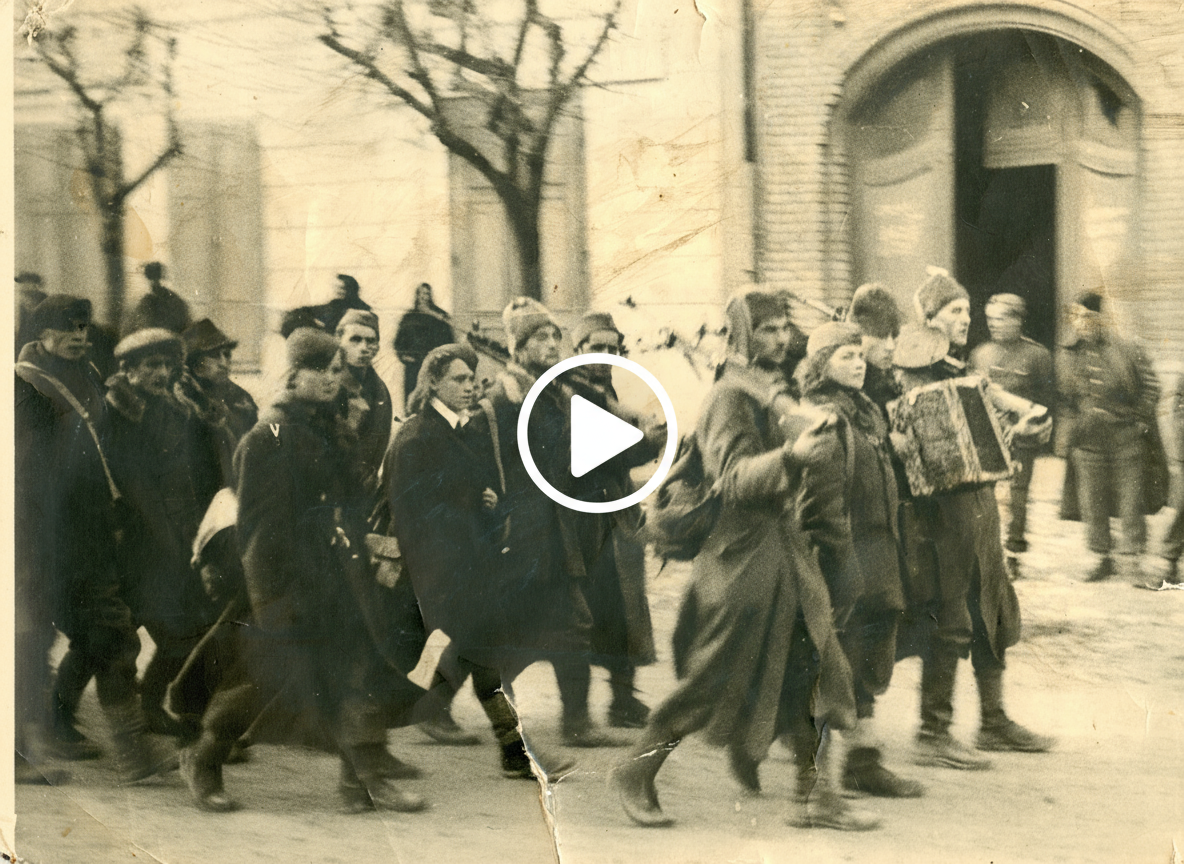
This project introduces an innovative WebAR and AI-powered application that brings museum exhibitions to life through immersive digital storytelling. Implemented at the Museum of Vojvodina, the solution allows visitors to scan selected artworks and instantly experience AI-generated animations layered over the original pieces.
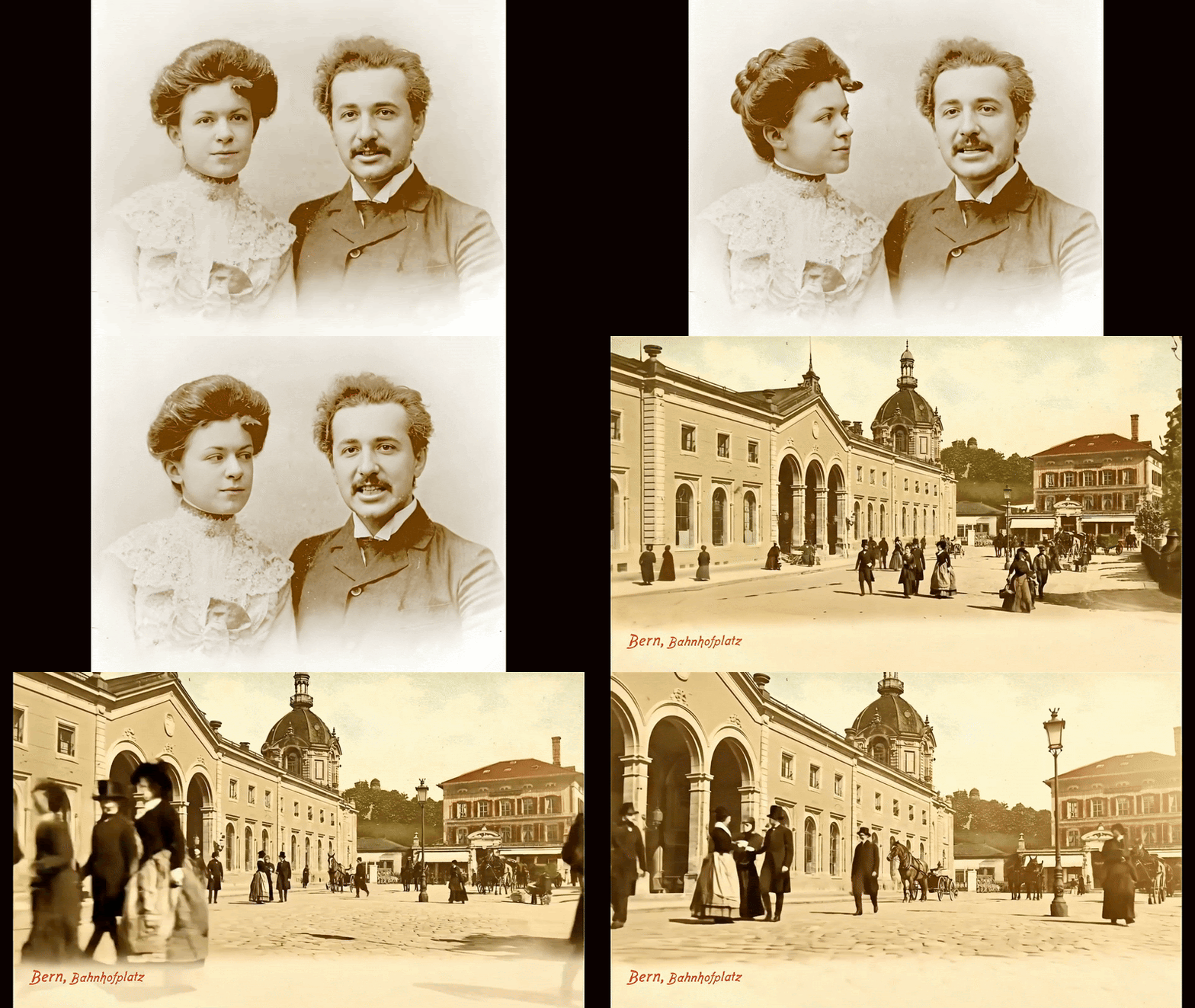
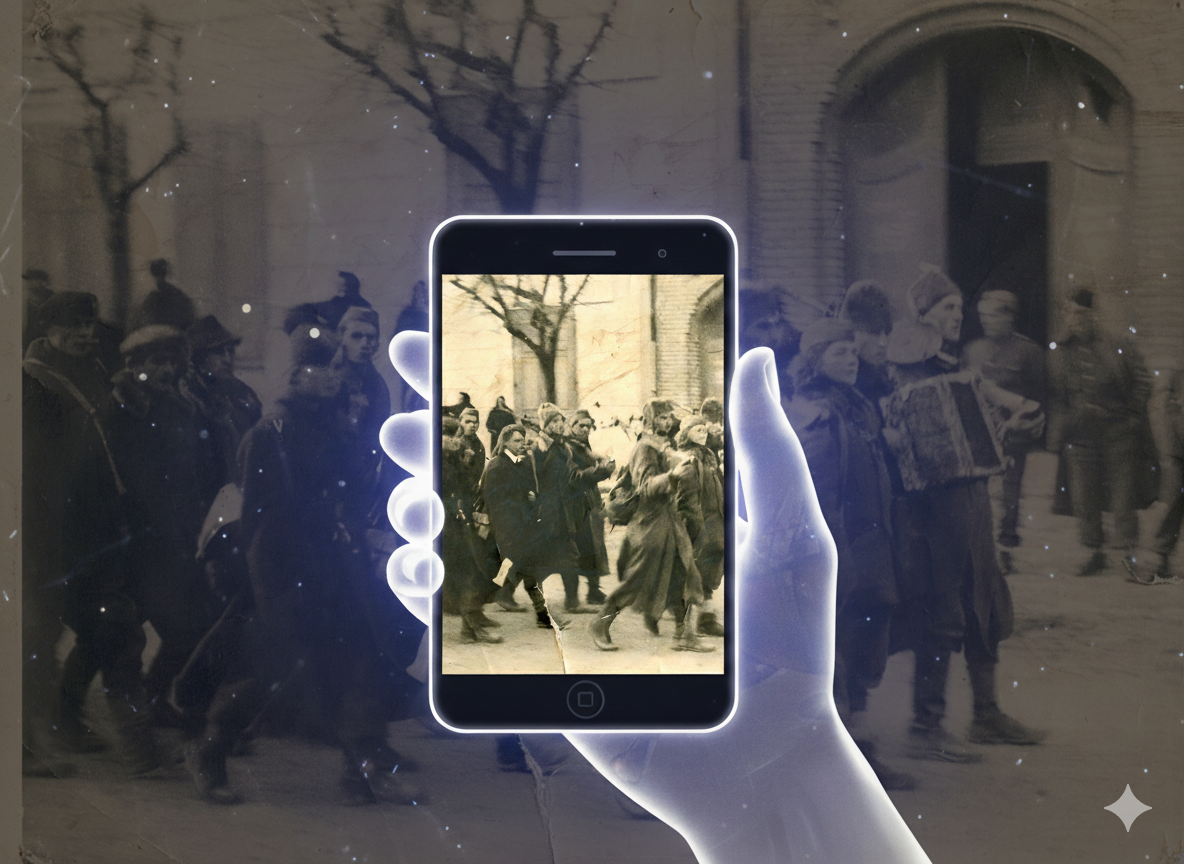
Using advanced AI video generation tools, static images are transformed into dynamic narratives that reveal hidden stories, historical context, and artistic meaning. The application is fully web-based, requiring no installation, and is accessed via QR codes placed next to exhibits, ensuring seamless and inclusive access for all visitors.
The project was developed and implemented over the course of one year, covering multiple exhibitions in the museum, as well as a guest exhibition in Vienna.
Without any promotional campaign, the app recorded over 5,000 unique users, demonstrating strong organic engagement. Visitors independently discovered the experience by scanning QR codes, confirming the intuitive nature and appeal of the solution.
In the long term, the project contributes to the digital transformation of cultural institutions by offering a scalable and sustainable model for enhancing exhibitions. It enables museums to enrich their content without physical intervention, while creating deeper emotional connections between audiences and cultural heritage.
The project emerged from a shared ambition to rethink how museum audiences engage with cultural heritage in the digital age. Recognizing that traditional exhibitions often struggle to capture the attention of younger, digitally native audiences, the team set out to create a solution that would merge physical space with immersive technologies.
In collaboration with the Museum of Vojvodina, the concept was developed as a non-intrusive digital layer that enhances, rather than replaces, the original exhibition. The use of WebAR technology ensured accessibility, while AI-generated animations introduced a new level of storytelling.
The implementation was carefully designed to integrate seamlessly into the museum environment. QR codes were placed next to selected artworks, allowing visitors to activate the experience instantly using their own devices.
The results exceeded expectations, with thousands of visitors actively interacting with the content. The project demonstrated that immersive technologies can significantly enhance how people experience art and history, fostering curiosity, emotional engagement, and a stronger connection to cultural identity.
immersive cultural heritage
augmented reality (AR)
artificial intelligence (AI)
digital storytelling
museum innovation
The project contributes to sustainability by introducing a digital layer that enhances existing museum exhibitions without requiring any physical alterations, materials, or infrastructure. By using WebAR technology, the solution reduces the need for printed materials, physical installations, and resource-intensive exhibition updates, supporting a more environmentally responsible approach to cultural presentation.
From a cultural sustainability perspective, the project extends the relevance and lifespan of exhibitions by making them more engaging and accessible to contemporary audiences, particularly younger generations. By transforming static artworks into interactive experiences, it ensures that cultural heritage remains dynamic, meaningful, and continuously interpreted.
Economically, the solution offers a cost-effective and scalable model for museums, as it can be easily adapted and reused across different exhibitions and institutions without significant additional investment. This reduces long-term operational costs while increasing the value of existing collections.
The project is exemplary in terms of sustainability because it demonstrates how digital innovation can preserve and enhance cultural heritage while minimizing environmental impact, supporting long-term cultural engagement without resource-intensive interventions.
The project enhances the aesthetic experience of museum visitors by seamlessly blending digital and physical elements into a unified, immersive narrative. Rather than disrupting the original artworks, the AR and AI layers are carefully designed to complement and enrich their visual and emotional impact.
Through high-quality AI-generated animations, visitors are invited to experience artworks in a new, dynamic way, revealing hidden stories and adding depth to the original pieces. This creates a more engaging and memorable experience that transforms passive observation into active exploration.
By bringing exhibitions to life, the project strengthens the emotional connection between visitors and cultural heritage, fostering a deeper sense of belonging and appreciation for the museum space. It encourages visitors to spend more time engaging with artworks, rediscovering them through a contemporary lens.
The project is exemplary in terms of aesthetics because it respects the authenticity of cultural heritage while introducing innovative forms of storytelling that make museum experiences more inspiring, engaging, and meaningful in everyday life.
The project is designed with accessibility and inclusiveness at its core. By using a web-based solution that requires no installation, it ensures that the experience is easily accessible to a wide range of users, regardless of their technical skills or device capabilities.
QR codes placed next to exhibits allow visitors to access the content instantly using their own smartphones, removing barriers related to cost, equipment, or prior knowledge. This approach democratizes access to immersive technologies and makes advanced digital experiences available to all museum visitors.
The project also supports future adaptability, including multilingual content and customizable narratives, enabling museums to address diverse audiences and cultural backgrounds. It creates opportunities for broader participation and engagement, particularly among younger and digitally native users who may not typically connect with traditional exhibitions.
The project is exemplary in terms of inclusion because it provides an open, scalable, and user-friendly model for making cultural heritage more accessible, engaging, and relevant to diverse communities, without creating technological or economic barriers.
The project was designed with a strong focus on user-centered experience, where visitors play an active role in engaging with the content rather than being passive observers. Instead of imposing a predefined interaction, the solution was introduced in a natural and unobtrusive way within the museum space.
At the Museum of Vojvodina, visitors were invited to participate by scanning QR codes placed next to selected artworks, allowing them to independently access and explore the AR and AI experiences. Importantly, the museum intentionally avoided promotional campaigns, enabling the observation of genuine, organic user behavior.
More than 5,000 visitors actively engaged with the application, demonstrating a high level of spontaneous participation. This approach allowed users to shape their own experience, choosing how and when to interact with the content, which resulted in a more personal and meaningful connection with the exhibits.
The involvement of visitors had a direct impact on the project by validating the usability, accessibility, and attractiveness of the solution. Their engagement confirmed that immersive technologies can successfully foster curiosity, interaction, and deeper understanding of cultural heritage when designed as open and participatory experiences.
The project was implemented through collaboration between our XR studio and a public cultural institution, the Museum of Vojvodina, representing a strong local-level partnership.
At the local level, the museum played a key role in defining the curatorial direction, selecting artworks, and integrating the solution into the exhibition space. The XR development team contributed technological expertise, design, and implementation of the WebAR and AI components.
At the international level, the project was extended through a guest exhibition in Vienna, demonstrating its adaptability and relevance beyond the local context. This expansion highlights the project’s potential for cross-border cultural exchange and collaboration within Europe.
Although the project was initiated locally, its design aligns with broader European priorities related to digital transformation, cultural accessibility, and innovation in heritage interpretation.
The added value of this multilevel collaboration lies in combining local cultural knowledge with advanced technological expertise, resulting in a scalable solution that can be replicated across different cultural institutions and regions.
The project is inherently transdisciplinary, combining expertise from multiple fields to create a cohesive and innovative cultural experience.
It integrates digital technologies such as Augmented Reality (AR) and Artificial Intelligence (AI) with cultural heritage interpretation, storytelling, and museum curation. The development process involved XR developers, designers, and AI specialists working closely with museum professionals, including curators and cultural experts.
The project also draws from disciplines such as interaction design, visual arts, and education, ensuring that the experience is not only technologically advanced but also meaningful, intuitive, and engaging for diverse audiences.
By bridging the gap between technology and culture, the project demonstrates how interdisciplinary collaboration can lead to new forms of cultural expression and audience engagement.
This transdisciplinary approach is exemplary because it moves beyond isolated innovation, creating a holistic solution where technology, art, and cultural knowledge work together to redefine how heritage is experienced and understood.
The project is based on a scalable B2B service model tailored for cultural institutions, particularly museums and galleries. The XR studio develops and implements custom WebAR and AI-powered experiences for exhibitions, generating revenue through project-based fees and potential long-term licensing agreements.
The core financial sustainability lies in the reusability and adaptability of the technology. Once developed, the platform can be efficiently customized for new exhibitions and institutions, significantly reducing production costs over time while maintaining high-quality output.
Additionally, the solution opens opportunities for recurring revenue through content updates, maintenance services, and expansion to new exhibitions within the same institution. Cultural institutions can continuously enrich their existing collections without major additional investments, making the model economically attractive.
The project also aligns well with public funding opportunities, cultural grants, and European programs that support digital transformation and innovation in heritage. This creates potential for hybrid financing models combining institutional budgets and external funding sources.
By offering an accessible, cost-effective, and high-impact solution, the project ensures long-term financial sustainability while supporting the ongoing digital evolution of cultural institutions.
The project is designed with a high level of transferability and replicability across different contexts, geographies, and types of cultural institutions.
At its core, the solution is based on a WebAR platform that requires no installation and minimal technical infrastructure, making it easily deployable in a wide range of environments. This allows museums, galleries, and cultural sites of different sizes and capacities to adopt the solution without significant barriers.
Key scalable elements include:
The underlying WebAR and AI technology, which can be adapted to various types of content and exhibitions
The QR code-based access system, enabling simple and intuitive user interaction
The content production pipeline, which can be replicated for different artworks, themes, and narratives
The storytelling methodology, combining immersive technology with cultural interpretation
The successful implementation in the Museum of Vojvodina and its extension to an international context in Vienna demonstrate the project’s adaptability and cross-border potential.
The solution can be transferred not only to other museums but also to sectors such as education, tourism, and public heritage sites, where immersive storytelling can enhance user engagement and accessibility.
This high level of scalability positions the project as a replicable model for the digital transformation of cultural heritage across Europe.