Enhancing Circularity, Sustainability, and Innovation
Circular Glass Hub North Macedonia
Decarbonizing beverage industry-high efficiency glass Re-use: Regional circular model grows national
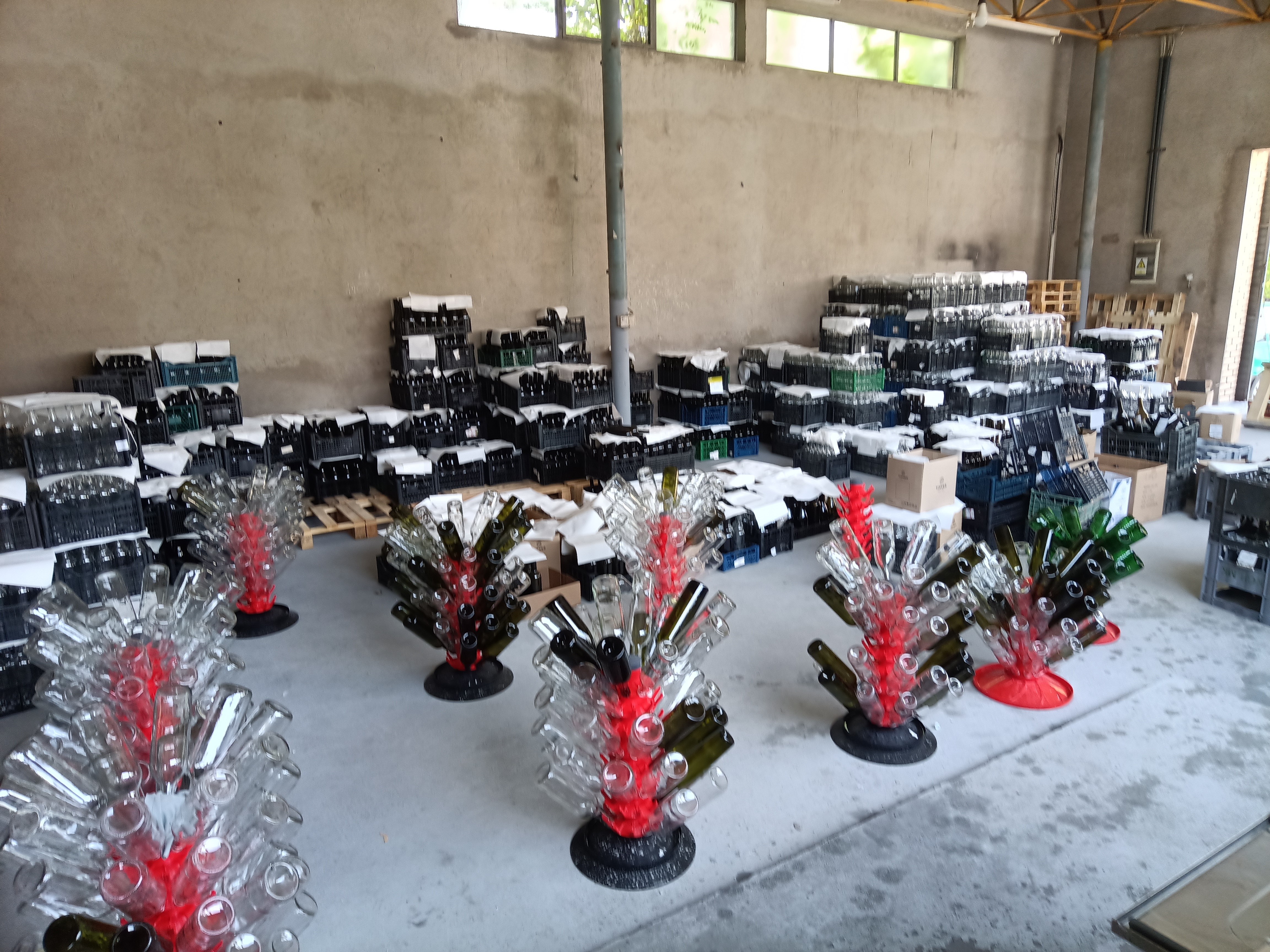
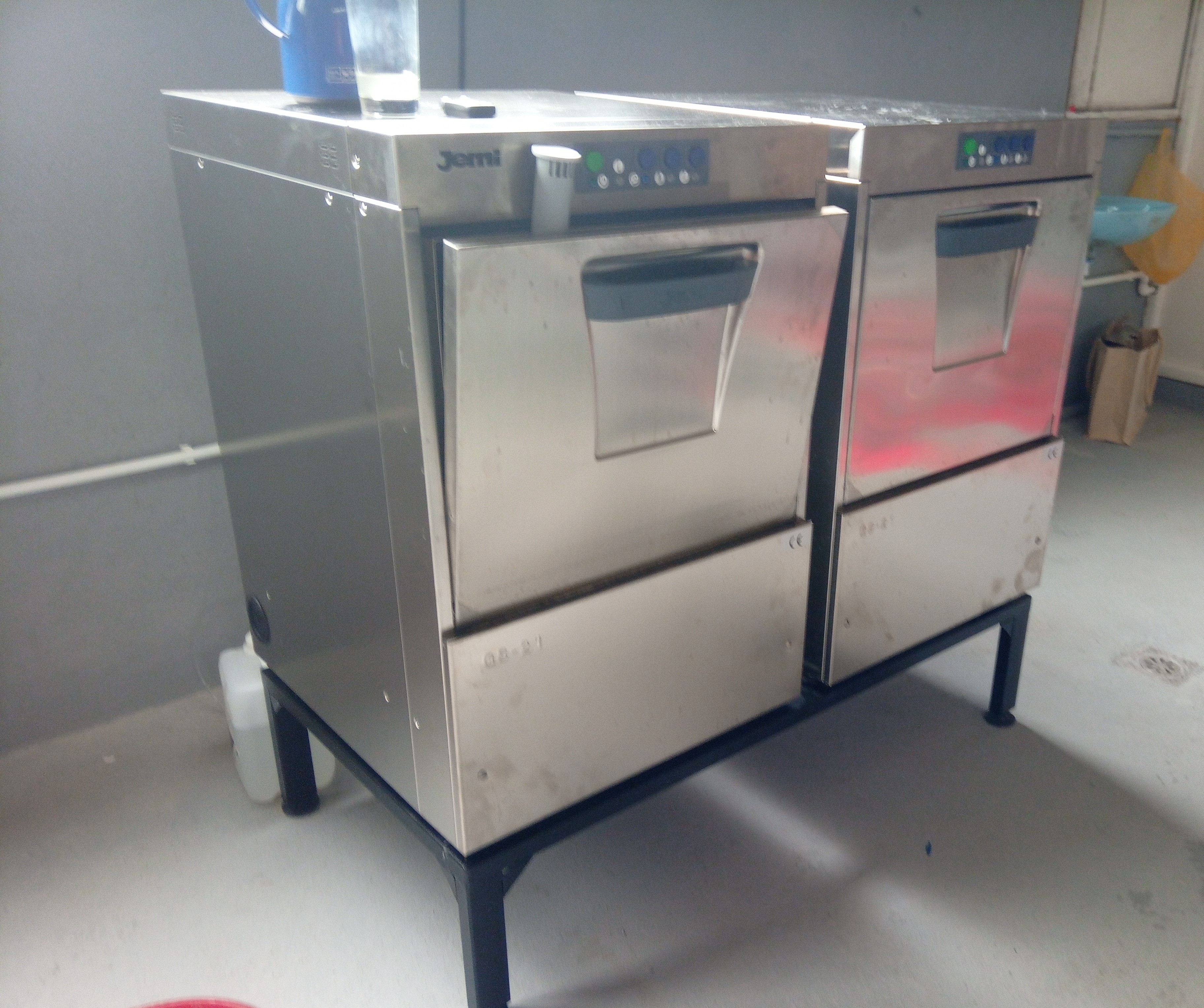
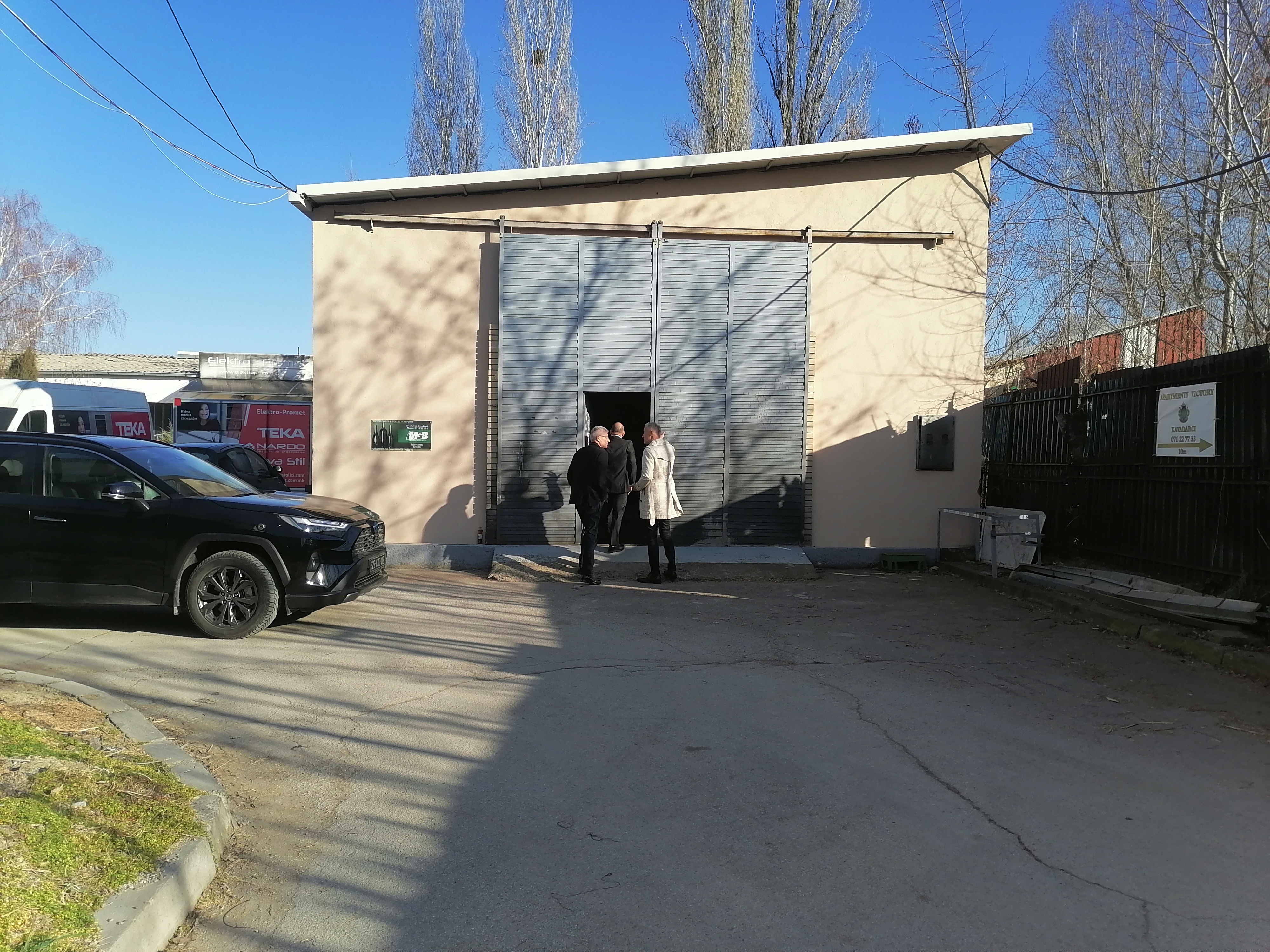
Collect, Clean, Sanitize and Reuse glass bottles in Kavadarci, NMK
Smart reuse vs recycling as the last resort!
Successfull pilot operation to be expanded nationwide
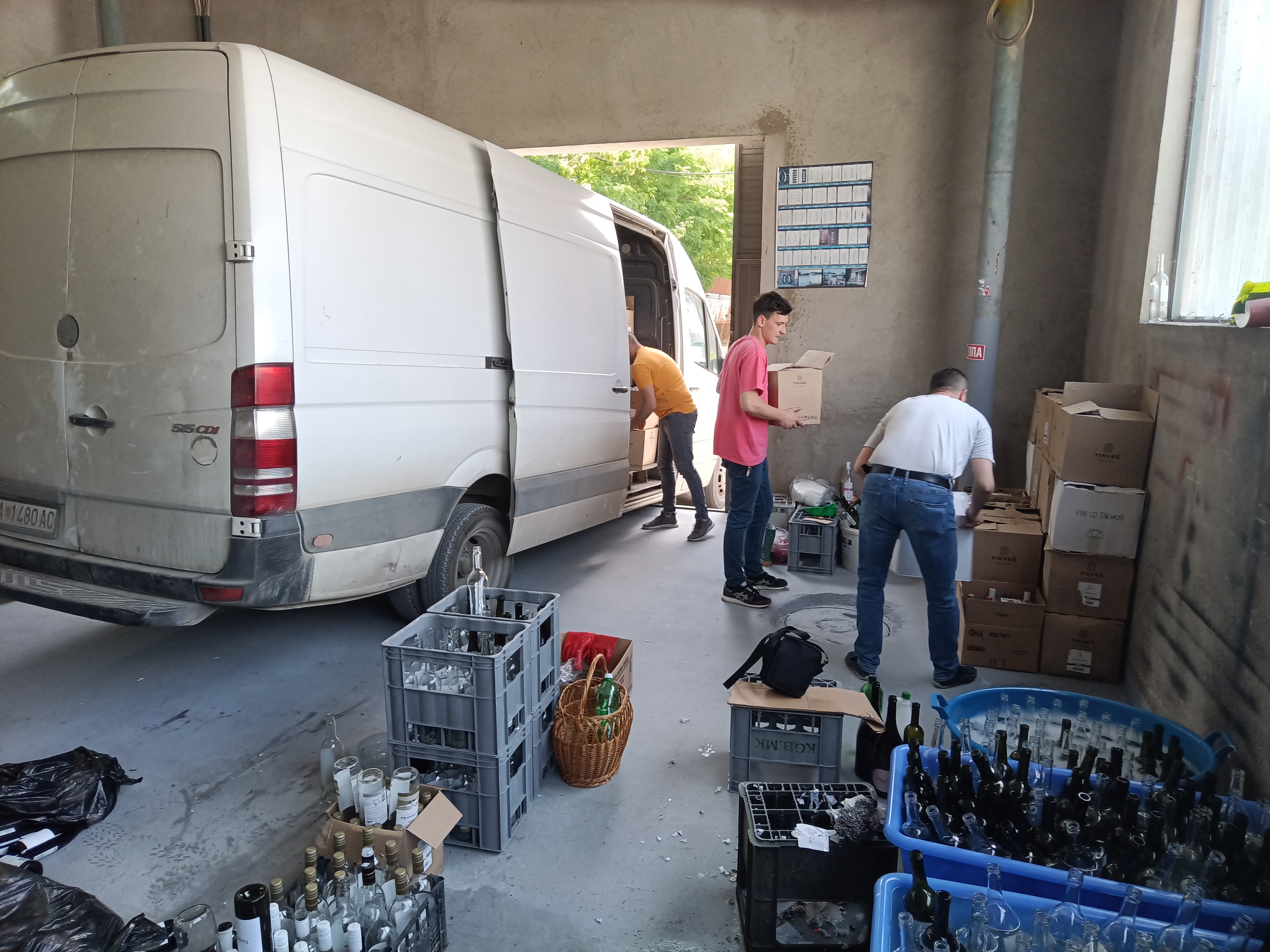
Wine bottles from restarants, markets are collected and uplevelled from being garbage to a valuable, foodgrade save product.
Inclusive jobs created.
Supporting family wineries via low cost high quality bottles
100 000 bottles cleaned,30 tons CO2 saved,
Carbon neutral cleaning PV, solar thermal and EVs planned
North Macedonia
National
Mainly urban
It involves a physical transformation of the built environment (hard investment)
Yes
2025-12-31
No
No
No
Organisation
Glass Hub North Macedonia
Technical Innovation, Zero-Emission Integration:
Project transforms North Macedonia’s linear glass economy into a high-efficiency circular system using specialized Austrian technology.
The facility (capacity: 4,000/d) is engineered for Net-Zero operations utilizing PV electrical motors/lighting and Solar Thermal for the heating process, eliminating fossil fuel Combined with an electric vehicle for regional collection, the system achieves a near Zero-CO_2 footprint per bottle-a world record!
This substitutes energy-intensive recycling (1450t°C), saving 300-600 g per bottle
.
Operational Validation and Versatility:
The pilot in the Tikveš region (Kavadarci), a €100,000 investment, successfully processed 100,000 bottles with over 40 distinct designs.
Unlike industrial plants, our decentralized model handles heterogeneous glass streams, solving a critical market failure for diverse wine bottles.
Every unit undergoes microbiological testing, ensuring safety for sensitive organic (Bio) production.
National Roll-out and Financial Strategy:
Designed for nationwide scalability, the model transitions into a €2 million franchise system in collaboration with Sparkasse. This proposed partnership facilitates financing for 10 decentralized locations across North Macedonia.
By aggregating cleaned bottles, the system acts as a centralized Glass Bottle Vendor, guaranteeing off-take and price stability for small-scale wineries facing volatile global glass prices.
Socio-Economic Interdependencies:
Trade Balance: Local processing replaces expensive imports, correcting the national balance of payments deficit.
Inclusion: The pre-sorting process is an integrative labor model, providing sheltered jobs for people with disabilities.
Efficiency: Operating within a 20km radius ensures maximum material density and minimal transport enthalpy.
Bottles end up in landfills, but not anymore!
Successfull pilot completed!
The Academic & Professional Catalyst:
Rooted in the lifelong expertise of the lead applicant, an Energy Efficiency Expert who designed and implemented the first e-Mobility Management MBA curriculum at the Danube University Krems (Austria) in 2010/2011.
This background in orchestrating complex expert networks for photovoltaics, storage, and electric mobility provided the scientific foundation for the Primacy of Causality:
recognizing that preserving the structural integrity of glass is thermodynamically superior to the high-entropy process of melting.
Overcoming the "Waste" Paradox:
Driven by this expertise and a passion for the Tikveš wine region, the applicant addressed a systemic failure: structurally identical glass bottles being legally classified as "waste" while brewery bottles are treated as "resources."
To overcome this barrier, a €100,000 private investment was made to establish a pilot facility in Kavadarci.
Implementation & Operational Validation:
The project moved from theory to tangible action by hiring a dedicated local team and commencing operations with specialized Austrian washing technology. This phase served as a rigorous "testament" for:
Technical Versatility: Successfully processing 100,000 bottles from over 40 distinct designs, solving the market failure of heterogeneous wine glass streams.
Microbiological Safety: Ensuring medical-grade hygiene for sensitive organic (Bio) production.
Inclusive Labor Model: Creating a safe, structured work environment for people with disabilities, integrating them into the green value chain.
Market Resilience: Protecting small-scale wineries from volatile global glass prices through affordable, re-processed units.
Scaling to National Sovereignty:
With the pilot's success, the project is now positioned for a €1 million national franchise roll-out in collaboration with Sparkasse. By establishing 10 decentralized hubs, North Macedonia will lead
circularity
co2 saving
inclusive jobs
support SME
waste avoidance
1. Validated Pilot Phase (Completed):
Process Temperature: Implementation of a low-enthalpy cleaning cycle
.
Chemical-Thermal Synergy: Successful use of specialized detergents to ensure microbiological sterility across 40+ heterogeneous bottle designs.
Operational Volume: Successful processing and redistribution of 100,000 units to local small-scale wineries.
Material Integrity: Scientific validation that cleaning preserves glass structure and prevents the scuffing associated with high-heat industrial lines.
2. Planned Technical Integration (Calculated & Engineered):
Renewable Energy Coupling (PV): Engineering plans are finalized for Photovoltaic (PV) integration to power all electrical drive units and internal lighting.
Solar Thermal Process Heat: Transition from conventional heating to Solar Thermal collectors is calculated to cover the process energy demand, aiming for a thermal decoupling from fossil fuels.
Electric Logistics (EV): The "Under 20 km" regional collection strategy is designed for Electric Vehicle (EV) implementation to eliminate transport-related CO_2 emissions.
3. Quantitative Sustainability Goals (Future Franchise):
Thermodynamic Target: Achieving a Net-Zero footprint per bottle by substituting grid electricity and gas with on-site renewable generation.
CO2 Mitigation Potential: Once the 10-Hub Franchise is fully operational (National Roll-out), the calculated reduction is 7,000 tons of CO_2 per year, based on a 60-million-bottle market whith an initial recovery of 14 million bottless
Waste Hierarchy Leadership: Moving North Macedonia from a "Recycling-only" to a "Reuse-first" economy, fulfilling the highest tier of the EU Waste Framework Directive.
The Vessel of Regional Identity
The Cultural Soul of the Bottle:
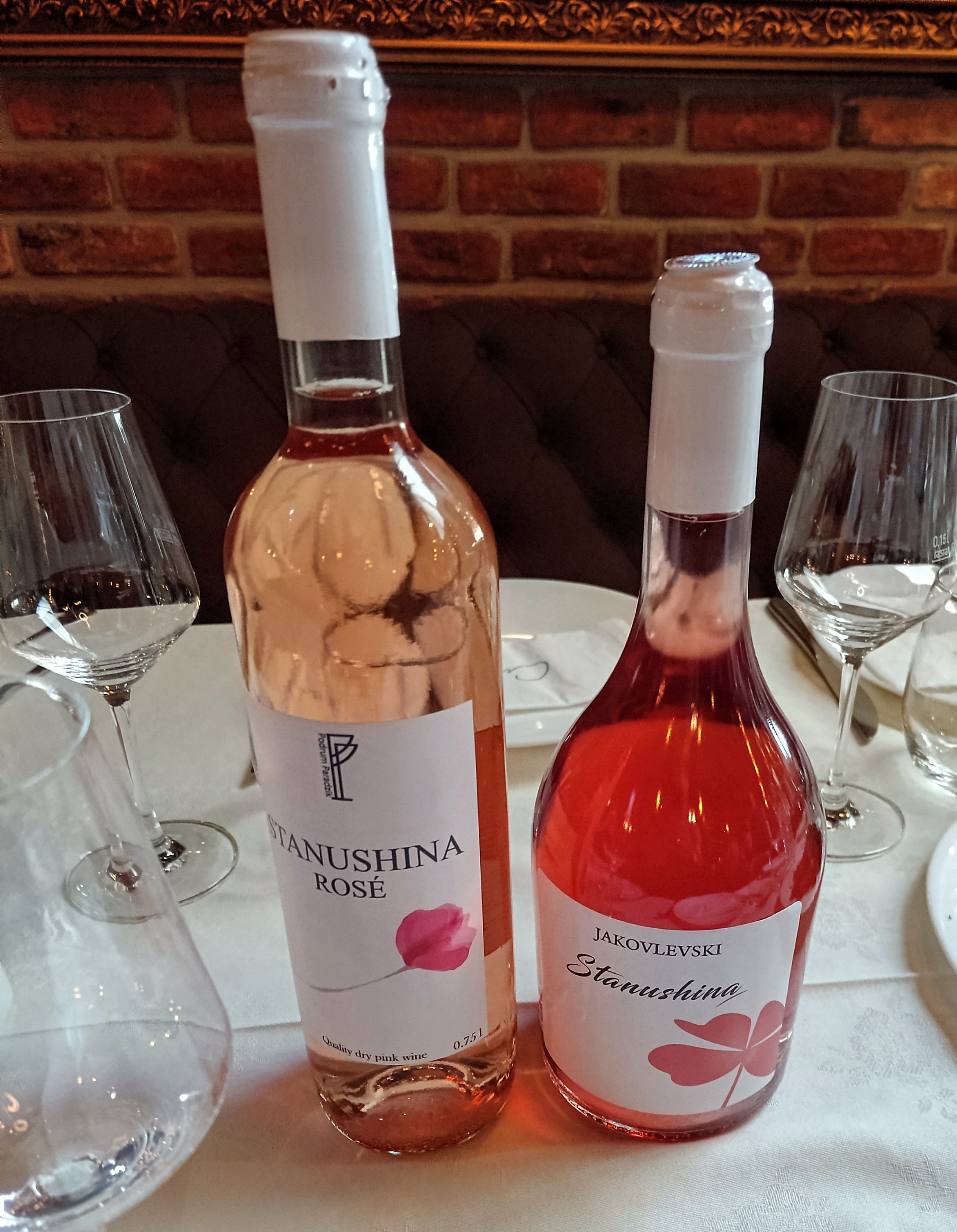
In the Tikveš heartland, a wine bottle is far more than a commercial container; it is a cultural vessel carrying centuries of viticultural tradition and regional identity.
Our project in Kavadarci honors this heritage by rejecting the "disposable" logic of modern consumerism. We treat each of the 40+ distinct bottle designs found in our pilot not as waste, but as architectural artifacts of our local history.
The aesthetic of our facility is defined by transparency and rejuvenation: our Austrian-engineered process restores the original brilliance and tactile quality of the glass, removing the "stigma of waste."
Restoring the Natural Horizon:
A profound aesthetic impact of our project is the restoration of the Macedonian landscape. By establishing a functional return system, we actively prevent "visual pollution"—the discarded glass often found in vineyards and riverbeds. In the New European Bauhaus philosophy, beauty is inseparable from ecological health.
The transformation of a bottle from potential litter in the grass to a sparkling, microbiologically cleaned vessel is a choreographed act of environmental care.
The absence of debris in the nature of Kavadarci is the highest aesthetic achievement we provide for the community.
Social Beauty through Inclusion:
The most significant aesthetic element is the human dignity within the workspace. By designing an inclusive environment for people with disabilities, the act of sorting and inspecting glass becomes a ritual of care.
The beauty lies in this harmony: a high-tech, solar-powered facility where marginalized citizens are the guardians of a clean, regional future. We transform a "waste problem" into a display of regional resilience and social grace, where the act of returning a bottle becomes a conscious contribution to the aesthetic integrity of our shared home
A Model for Social and Economic Accessibility
Integrative Labor System:
At the heart of our inclusion strategy is a transformative labor model, specifically for people with disabilities.
We have deconstructed the complex industrial process of glass cleaning into manageable, high-tech work modules. Kavadarci facility provides a sheltered, safe, and dignified environment where marginalized citizens are not merely recipients of aid, but essential guardians of the regional green transition.
By participating in the qualitative pre-sorting and final microbiological inspection, these employees gain specialized skills in Austrian-engineered circular technology, fostering a new societal model of purpose-driven employment.
Economic Affordability for Small-Scale Producers:
Inclusion, in our vision, also encompasses affordability for all. The fragmented wine industry in North Macedonia is currently under immense pressure due to volatile global glass prices, which threaten the survival of traditional, small-scale family wineries.
Circular system provides a vital economic shield:
Democratizing the Resource: We offer high-quality, re-processed glass at a significantly lower cost than primary imports, ensuring that even the smallest producers can remain competitive.
Decentralized: By rolling out 10 regional hubs, we bring the circular economy directly to the rural communities that need it most, removing geographical and financial barriers to sustainable packaging.
Design for All Principles:
Our decentralized infrastructure is built on the principle of proximity. By operating within a small radius, we ensure that local winemakers—regardless of their size or logistical capacity—can participate in the return system.
This "short-loop" design fosters inclusive governance, where regional stakeholders are active participants in a sovereign, national resource cycle. We transform a technical necessity into a socially just infrastructure.
A Community-Driven Ecosystem
The project is built on a deep, participatory engagement with the Tikveš viticulture community. During the pilot phase in Kavadarci, we did not simply impose a technical solution; we initiated a collaborative dialogue with local small-scale wineries to understand their specific economic barriers. By involving these winemakers in the testing of over 40 distinct bottle designs, they became co-creators of the circular logistics system.
Their feedback was instrumental in calibrating our Austrian-engineered washing technology to meet the practical needs of regional production, ensuring the system’s high level of acceptance.
Civil Society and Social Integration:
Participation extends beyond the economic sector into the social fabric of North Macedonia. We have established an active partnership with local civil society organizations focused on disability advocacy. These organizations were consulted to ensure that the facility’s workflow—from sorting to microbiological inspection—was designed around the specific ergonomic and psychological needs of an inclusive workforce. This participatory design ensures that the employees are not just workers, but stakeholders in a pioneering "New Societal Model" that redefines the role of marginalized citizens in the Green Transition.
Knowledge Transfer and Educational Engagement:
Leveraging the project lead’s background in designing academic curricula (e.g., at the Danube University Krems), the project acts as an open-learning platform.
We engage with local technical schools and citizens to demonstrate the Primacy of Causality in energy efficiency. This educational participation transforms the decentralized hub from a private investment into a public "living lab" for sustainability.
Impact of Involvement:
The result of this multi-level participation is a sovereign glass cycle that is locally anchored and resilient. The involvement of citizens and producers is unique.
From Private Pilot to Diplomatic Benchmark
Vertical Integration and Regulatory Impasse:
Our project serves as a critical "Policy Case Study" for the Western Balkans. While our pilot in Kavadarci—funded by a €100,000 100% private investment—successfully validated low-enthalpy cleaning process, we have encountered a systemic "Multi-level" barrier.
Macedonian legislation classifies wine bottles as "waste," triggering prohibitive industrial licensing costs designed for heavy smelting plants. This creates a paradoxical situation where structurally identical brewery bottles are treated as assets, while wine bottles are legally forced into the waste stream, causing a temporary strategic pause in our operations
Institutional and Diplomatic Synergy:
To resolve this bottleneck, we have elevated the project to the highest levels of international and national governance:
Diplomatic Validation:
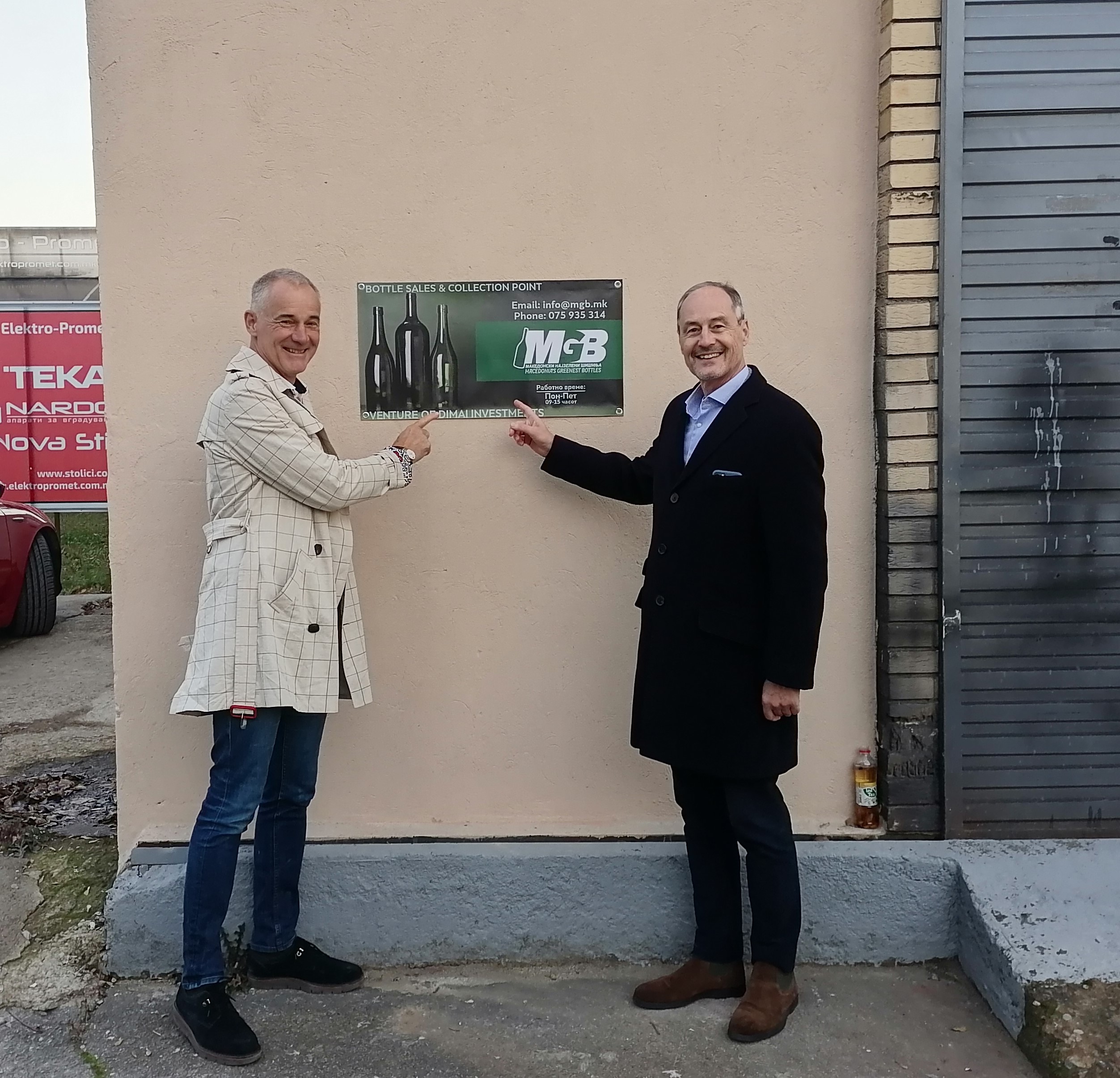
The facility has been officially inspected and commended by the Austrian Ambassador and the Austrian Trade Commissioner (Handelsdelegierter). This underscores the project's role as a flagship for Austrian-Macedonian technology transfer.
International Oversight: The UNDP (United Nations Development Programme) has visited and evaluated the pilot, providing a neutral "favorable" assessment of its environmental and social impact, despite the lack of public subsidies.
National Policy Dialogue: A high-level consultation with the Macedonian Ministry of Environment is scheduled for 2024 to advocate for legislative "sandboxing" that aligns with the EU Waste Framework Directive.
Finally we are right now lobbying to overcome this systemic barrier, as all goals are matched and we could make a national impact, if the waste legislation related troubles would allow a restart.
In Albania our knowledge lead to a copy paste project, which is live now in Tirana resulted in an GIZ funding, where we could deliver consultancy to the applicants.
see letter Macedonian wineries
Project is fundamentally built on a transdisciplinary framework that bridges the gap between high-level academic theory and grassroots operational reality.
By integrating Thermodynamics, Engineering, Social Sciences, and Economic Policy, we have created a holistic circular model that transcends the limitations of single-sector waste management.
1. Engineering & Environmental Sciences:
The technical core of the project relies on the Primacy of Causality in energy efficiency. Leveraging the project lead’s expertise in designing MBA curricula for e-mobility and energy management (Danube University Krems), we have optimized the cleaning process.
This ensures a maximum energy-to-output ratio, utilizing Austrian engineering to solve the "heterogeneous glass problem" through advanced microbiological safety protocols.
2. Economic Policy & Circular Jurisprudence:
The project navigates the complex intersection of international trade and national legislation. By coordinating with the Austrian Trade Commissioner and the Macedonian Ministry of Environment, we are addressing the legal classification paradox of glass resources.
Our transdisciplinary approach treats the bottle not as "waste," but as a Secondary Resource, integrating macro-economic import-substitution strategies with micro-economic resilience for small-scale wineries.
3. Social Sciences & Inclusive Design:
Inclusion is not an afterthought but a design principle. By collaborating with disability advocacy experts, we have adapted industrial workflows into an Integrative Labor Model. This translates complex technical tasks into accessible work modules, merging vocational rehabilitation with high-tech green infrastructure.
A Living Lab for the Western Balkans:
Supported by the UNDP and validated by diplomatic visits from the Austrian Ambassador, our facility in Kavadarci serves as a "living lab."
business case
collecting used wine and beer bottles via incentives 0.05 euros/bottle restaurants, bars, hotels, supermarakets, ....
sorting, cleaning sanitizing and packaging,
selling in the region to smaller wineries and breweries.
Proven market and demand, especially now, as energy and glass prices are exploding again
Costs
Staff 4 persons per shift 5000 euro month
Factory rent 500 euro per month
electricity and heat initial 20000 euros single (depreciated about 200 euros per month)
investment (battery, PV, solar thermal)
insurance overhead transport 700 еuros per month (leasing ev)
cleaning machinery and detergent equipment, tools
17000 euros capex, about 500 euros per month depreciation (widely depending on where to build and equipp)
Price per sold bottle 0,20 - 1,8 euros
break even at 20000 bottles per month; capacity with one shift is theoretically 60000 bottles per month
As franchise model the capex will be 50000 euros, financed by Sparkasse (positive feedback after meeting in June 2024)
funding schemes are widely available after legal security is reached
Private investors are on hold due to the upper mentioned obstacles
our cost of cleaning a bottle are about 10 to 15 eurocents, the market value of the bottles is between 20 eurocents and 1.80 euros for heavier wine bottles.
as final step is planned to install a bottle warehouse to aggregate washed bottles at a central outlet, to supply also midsize wineries
in the run up phase the main customers are small wineries due to the lack of inflow of same shape bottles
this is completed and was successful.
nationwide rollout is roughly 1 - 1.5 million euros
Aim to upscale the alreaddy funded research and developpment studies as well as the pilot plant operation as a training center for the upscaling
Return on invest is exspected to be achieved in less than three years, depending on energy prices.
the higher they go, the faster will be the ROI
The "Training-to-Franchise" Scaling Engine
1. The Master Training Unit (Kavadarci):
Our 100% privately funded pilot (€100k) functions as the Strategic Master Unit. Future franchisees undergo rigorous technical training in our proprietary cleaning cycle and microbiological safety standards.
This ensures a 100% uniform, high-quality output across the supranational network.
2. Low-Entry Franchise Model (CapEx):
To ensure rapid, decentralized deployment, we engineered a "Plug-and-Play" entry model for regional partners:
Low Initial Investment: Approx. €50,000 for a dual-machine setup.
Guaranteed Off-take:
We provide a 100% Buy-Back Guarantee for every bottle cleaned according to our certified criteria.
Risk Mitigation:
The franchisee focuses exclusively on local collection and processing.
We manage centralized redistribution and high-volume sales, removing all market risk from the partner.
3. Absolute Scalability:
The scalability is verified and ready for immediate expansion.
Economic Logic:
The system is optimized for regions with average-to-low labor costs (e.g., Western Balkans, SE Asia), where the delta between labor input and glass arbitrage is highest.
Thermodynamic Efficiency:
By maintaining a <20 km radius, each hub becomes a self-sustaining unit, eliminating transport entropy.
4. Financial Resilience:
Supported by a framework with Sparkasse, our model transitions from a private pilot to a national infrastructure.
The low CapEx allows for rapid amortization, while our centralized strategy captures premium margins from high-weight, de-carbonized glass.
We are deploying a sovereign resource standard ready for supranational replication