Enhancing Circularity, Sustainability, and Innovation
Living Landscape & Affordable Living
Living Landscape & Affordable Living: A 25-Year Climate Transition Led by a Rural Community
La Matanza de Acentejo shows how small rural communities can drive Europe’s green transition. Over 25 years, it has developed an integrated model combining protected agricultural landscapes, affordable housing and climate action. By preserving 70% of its territory and enabling access to housing through assisted self-construction, it has created a resilient and inclusive way of living. This long-term transformation offers a scalable model for rural Europe.
Spain
Local
La Matanza de Acentejo
It addresses urban-rural linkages
It involves a physical transformation of the built environment (hard investment)
Yes
2025-12-31
Yes
- ERDF : European Regional Development Fund: innovation, digitalization and sustainable development. Year: 2019.
- Next Generation EU (NGEU): sustainability. Year: from 2020.
No
No
Organisation
La Matanza de Acentejo demonstrates that Europe’s green transition can be driven by small rural communities. Over 25 years, the municipality has developed an integrated model that combines agricultural landscape protection, affordable housing, and climate action within a single territorial strategy.
The project is based on three interconnected pillars: preserving 70% of the land as agricultural landscape, ensuring biodiversity, cultural identity, and local production; delivering 281 affordable homes through an innovative assisted self-building model; and implementing a comprehensive climate strategy since 2016 aimed at reducing CO₂ emissions by more than 50% by 2030.
Tangible results have already been achieved: nearly 30% emissions reduction, over 27% renewable energy in final consumption, and a strengthened local economy. In the long term, the project has transformed the municipality into a resilient, inclusive community with a high quality of life.
Its key strength lies in integration: landscape, housing, and climate are not addressed separately but as a single system shaping everyday life. This approach provides a replicable model for rural Europe, demonstrating that sustainability can drive well-being, social cohesion, and economic development.
The project began in the late 1990s, when La Matanza de Acentejo faced a housing crisis following the demolition of unsafe buildings, alongside increasing development pressure on agricultural land.
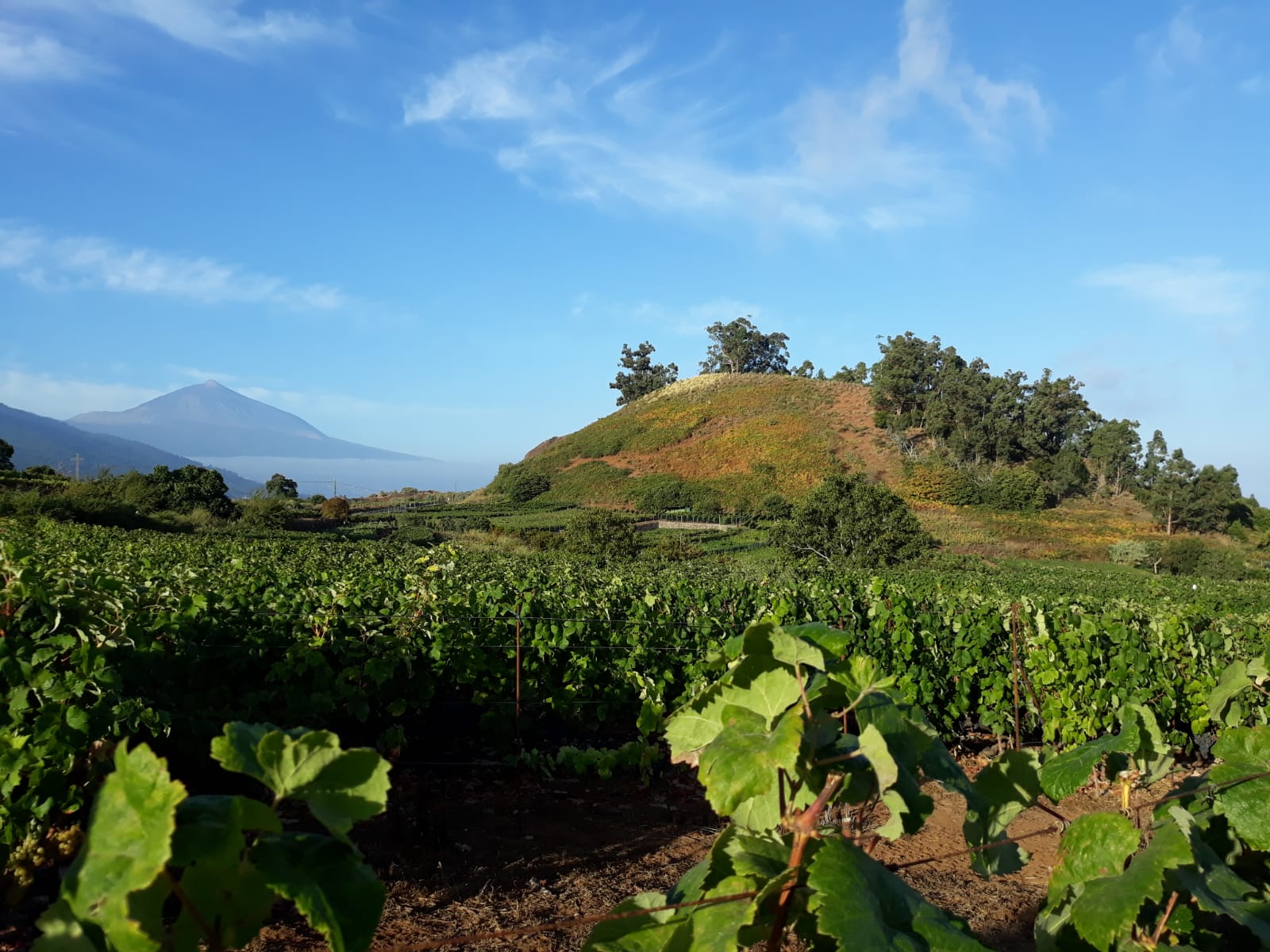
In response, the municipality made a key strategic decision in 1999: to preserve approximately 70% of its territory as agricultural landscape. This was not only an environmental measure, but also a cultural and social choice that laid the foundation for a sustainable territorial model.
At the same time, an innovative assisted self-building housing model was developed, enabling families to actively participate in the construction of their homes with public and technical support. This approach ensured access to housing, strengthened social cohesion, and built local capacity.
From 2016 onwards, the project expanded with the implementation of a comprehensive climate strategy aligned with European decarbonisation and adaptation goals. This includes energy efficiency, renewable energy, sustainable mobility, and water management.
Implementation has been gradual and continuous, based on collaboration between public administration, citizens, and technical actors. Over time, these actions have converged into a unique model where territory, community, and sustainability are fully integrated.
Affordable housing
Agricultural landscape
Climate transition
Community co-creation
Sustainable rural development
The project addresses sustainability through a systemic and integrated approach. Protecting 70% of the land as agricultural landscape limits urban sprawl, preserves biodiversity, and strengthens local food systems, contributing to territorial resilience.
At the same time, the climate strategy implemented since 2016 accelerates decarbonisation through energy efficiency, increased use of renewable energy (≥27%), and sustainable mobility. The target of reducing emissions by more than 50% by 2030 reflects strong alignment with European policies.
The project also includes adaptation measures addressing risks such as heat stress and water scarcity, improving long-term resilience.
Its exemplary character lies in integrating environmental sustainability, economic viability, and social cohesion into a single territorial model, demonstrating that the green transition can simultaneously enhance quality of life and local economies.
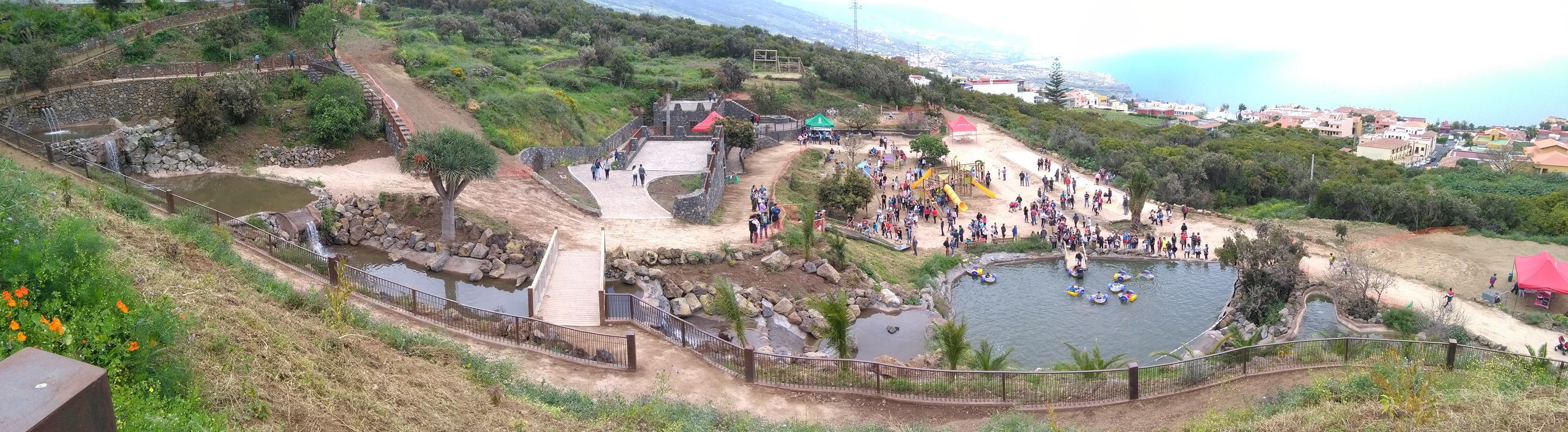
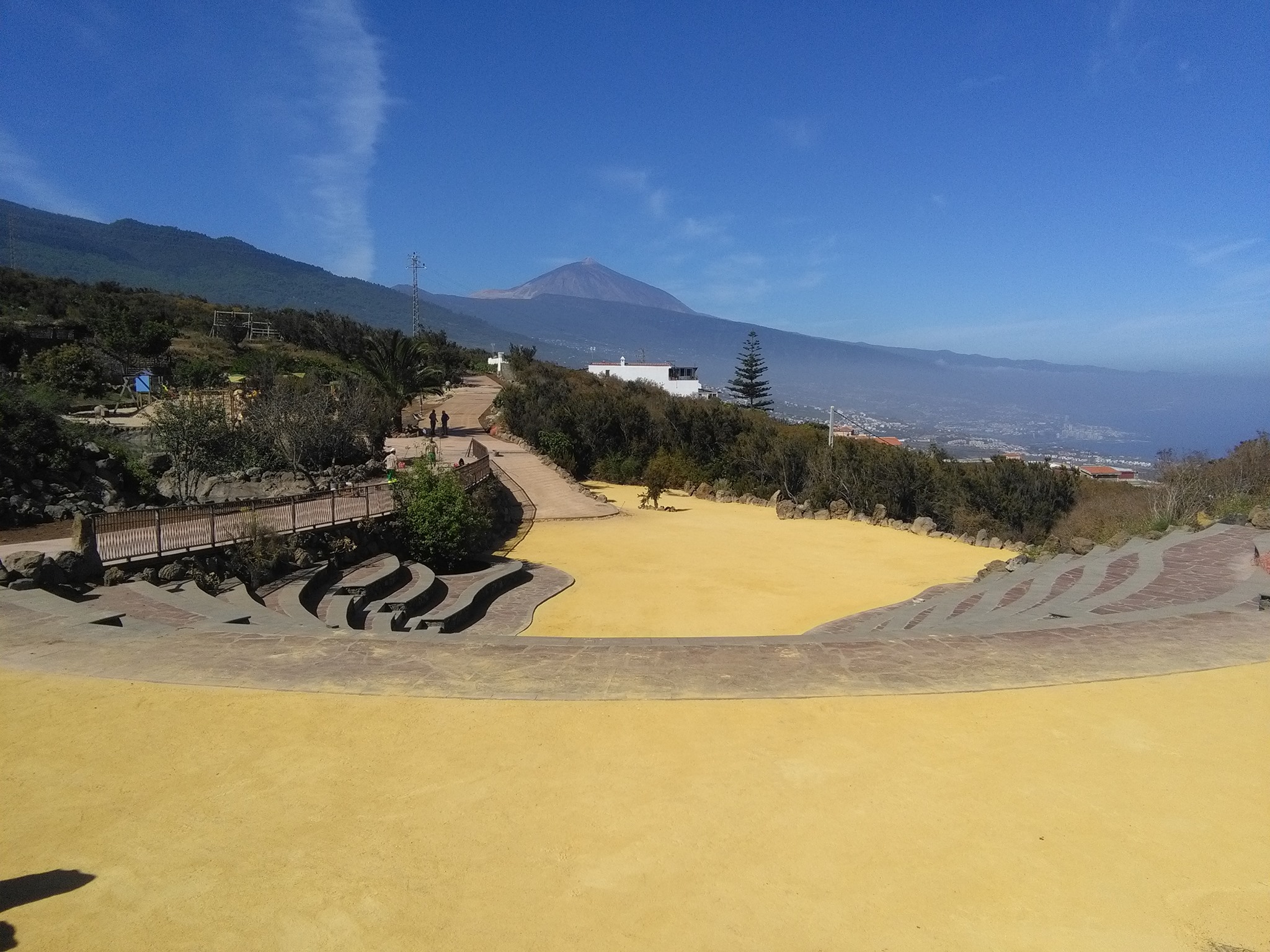
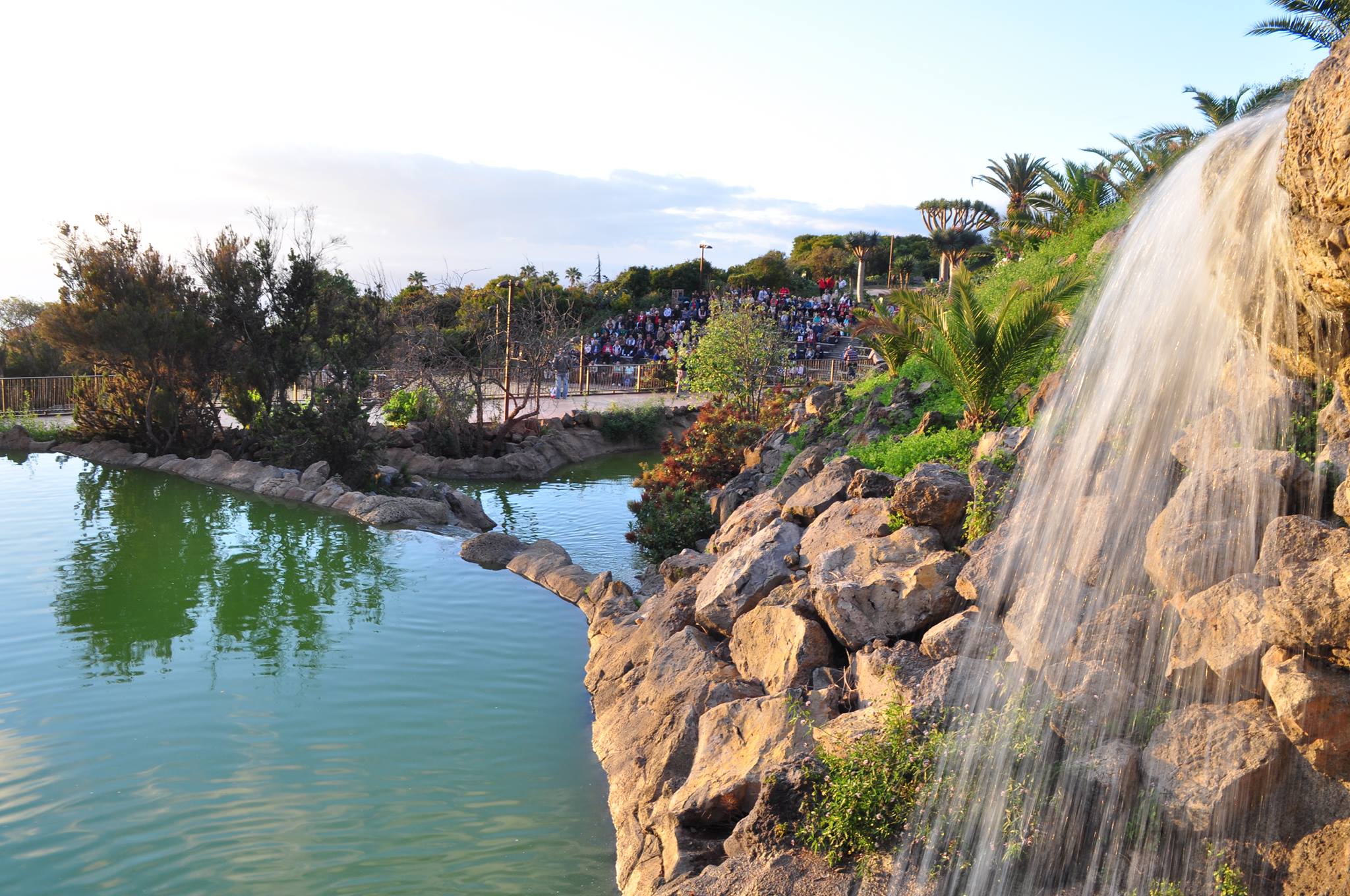
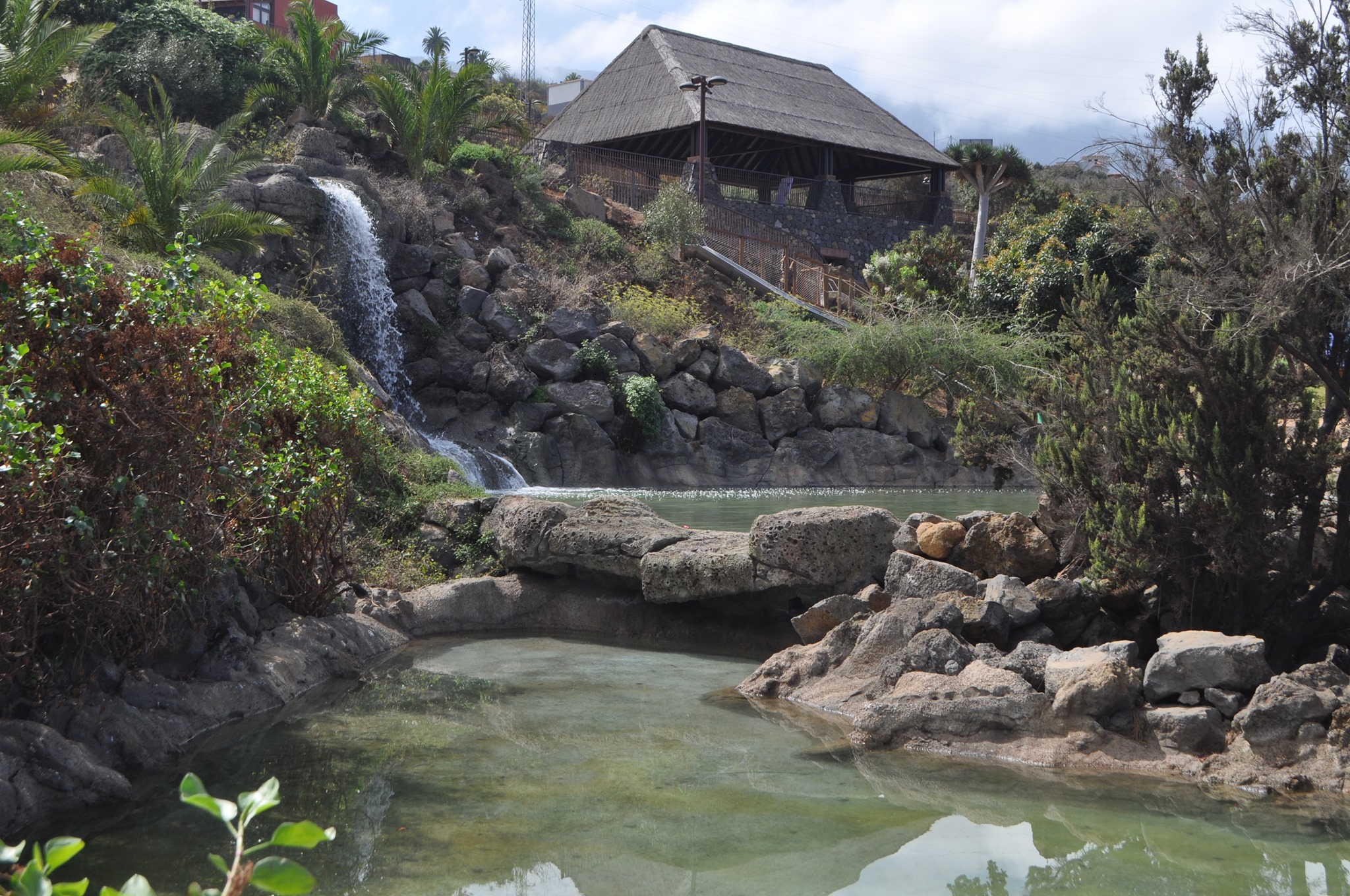
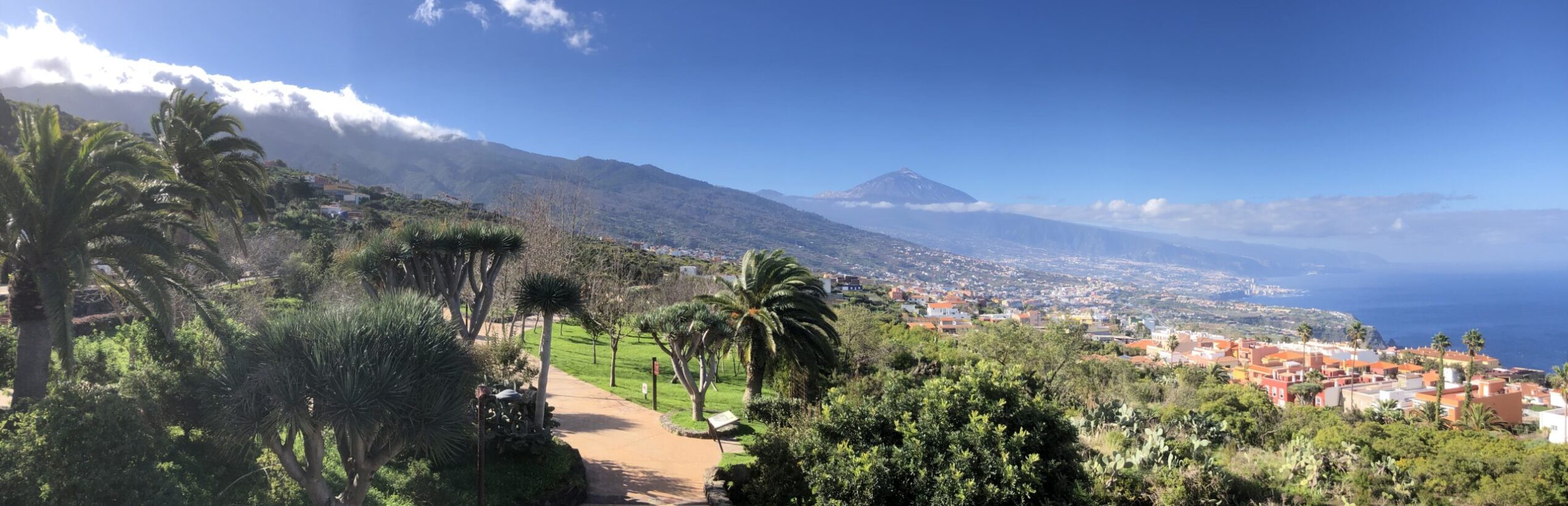
The project’s aesthetic value is expressed through a living agricultural landscape where nature, culture, and everyday life are harmoniously integrated. Landscape preservation is not only environmental, but also creates a coherent, high-quality visual and spatial environment.
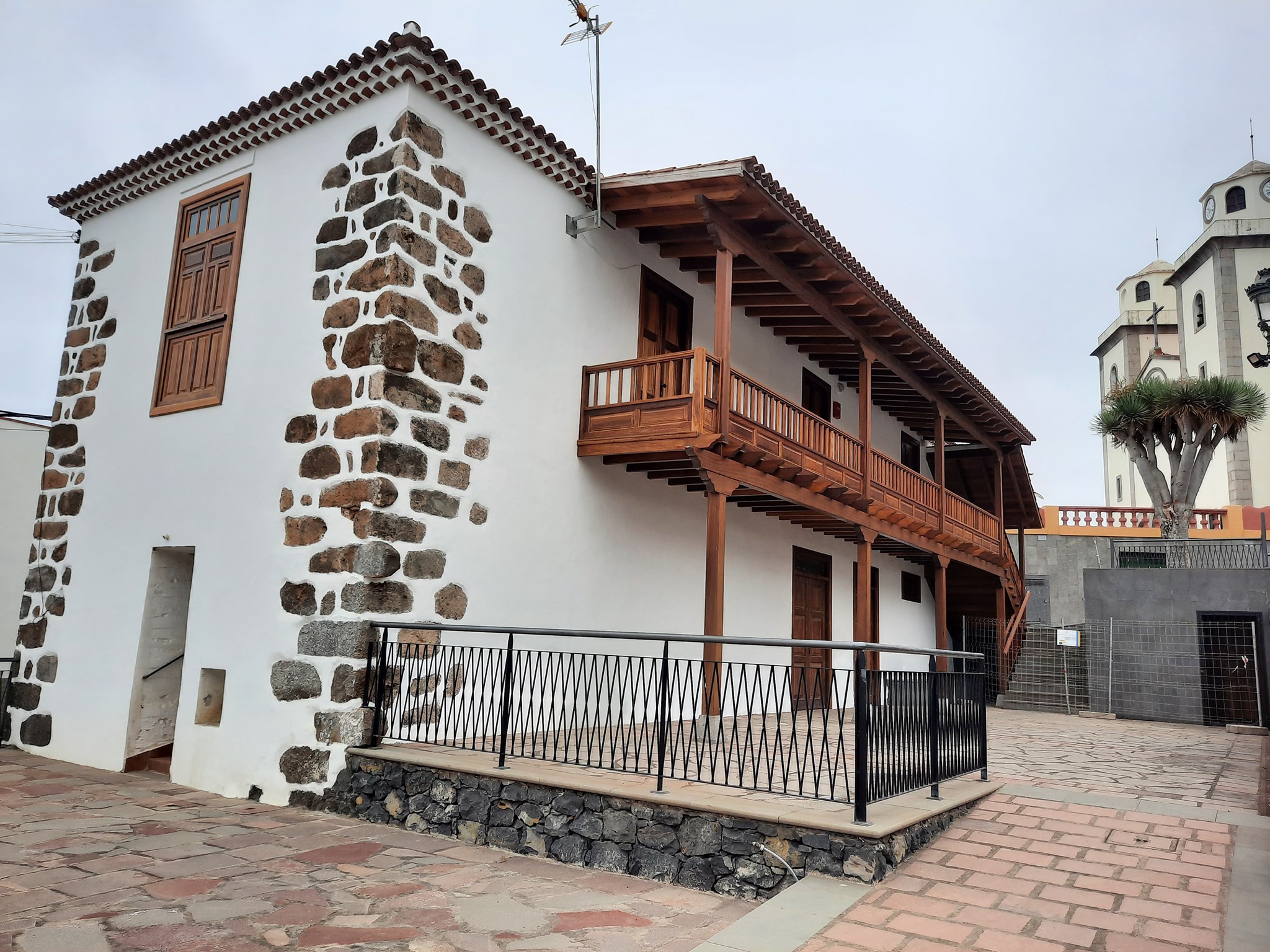
Housing is carefully embedded within this landscape, avoiding fragmentation and maintaining rural identity. This creates living spaces that combine functionality, beauty, and meaning.
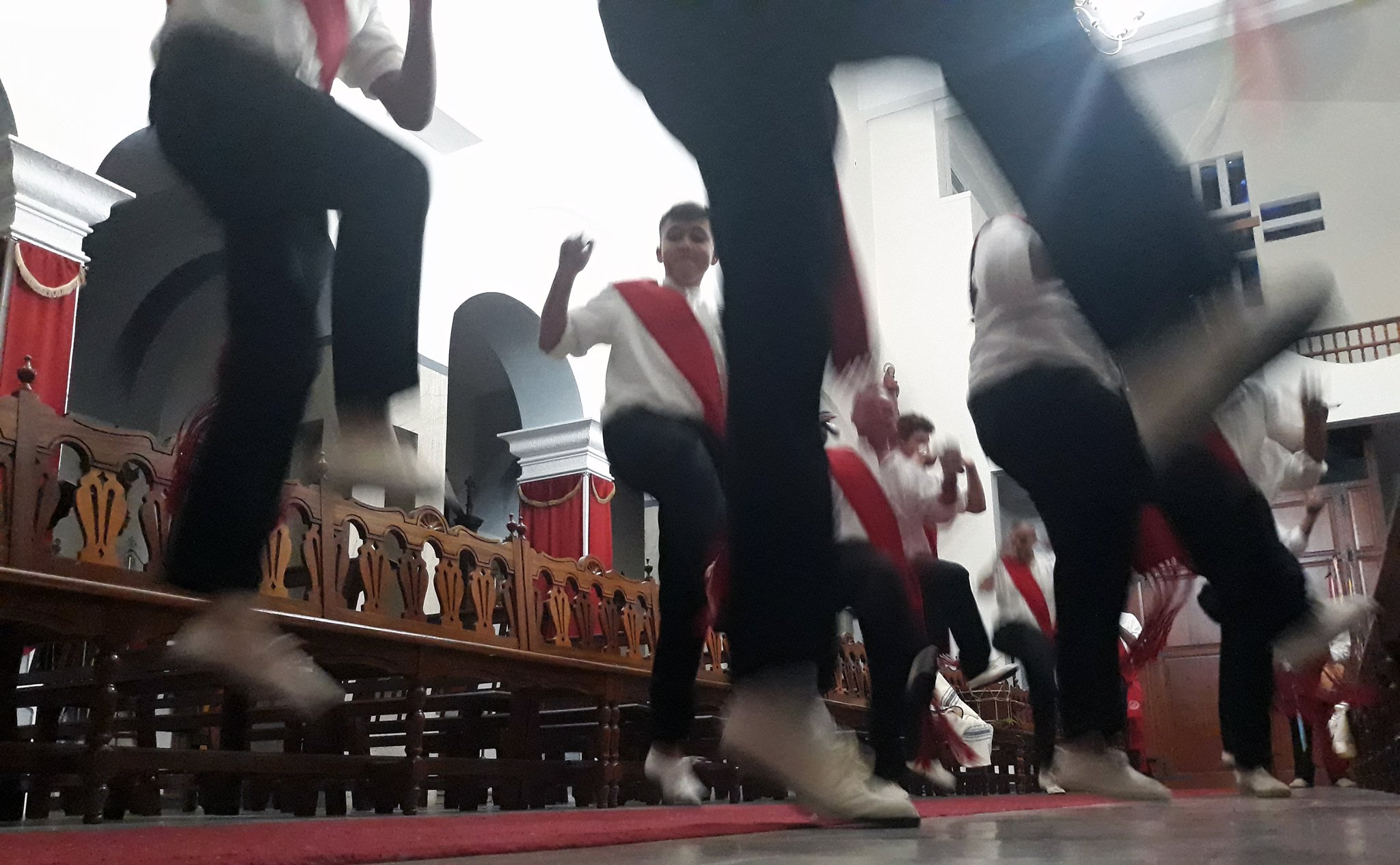
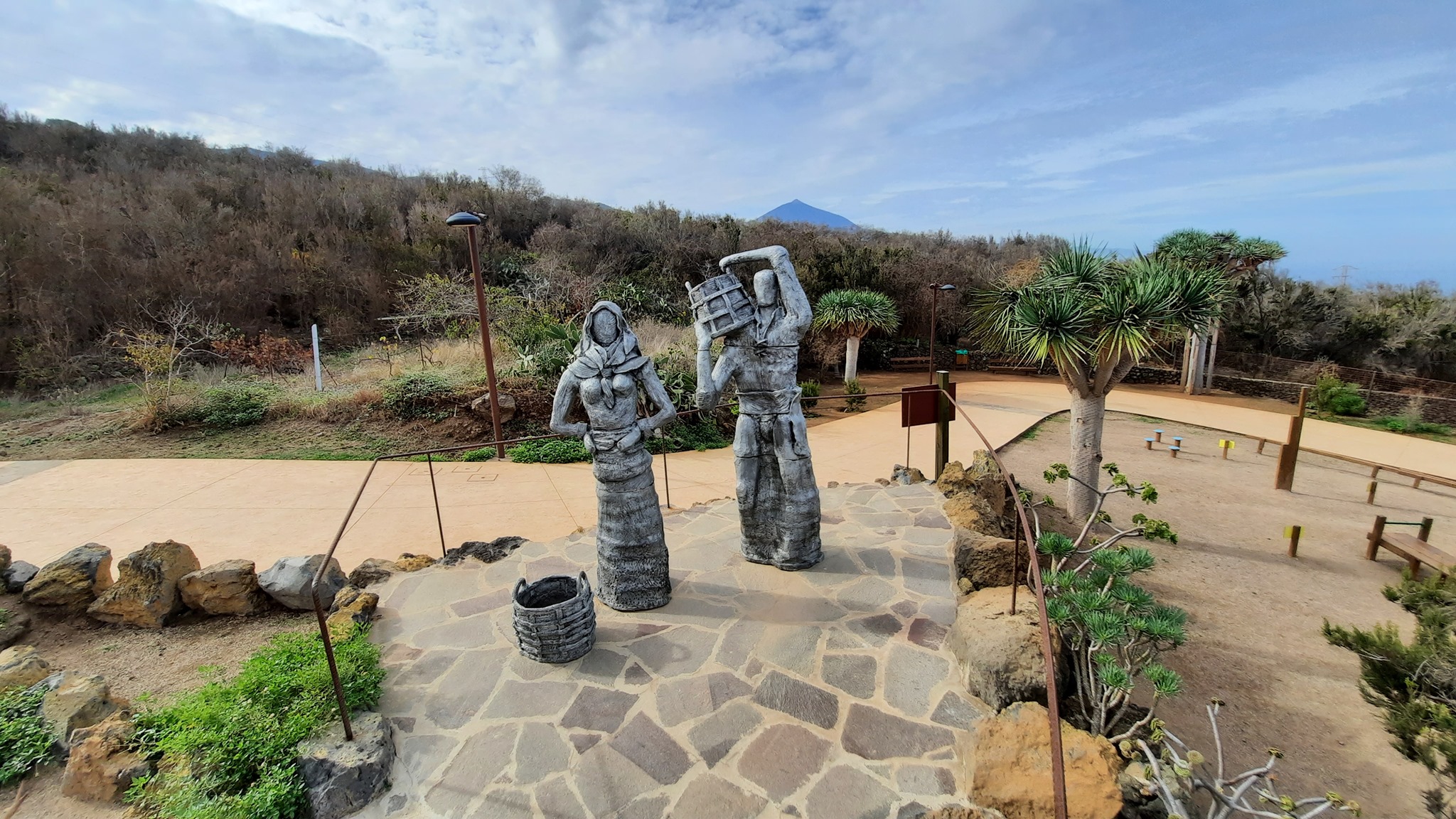
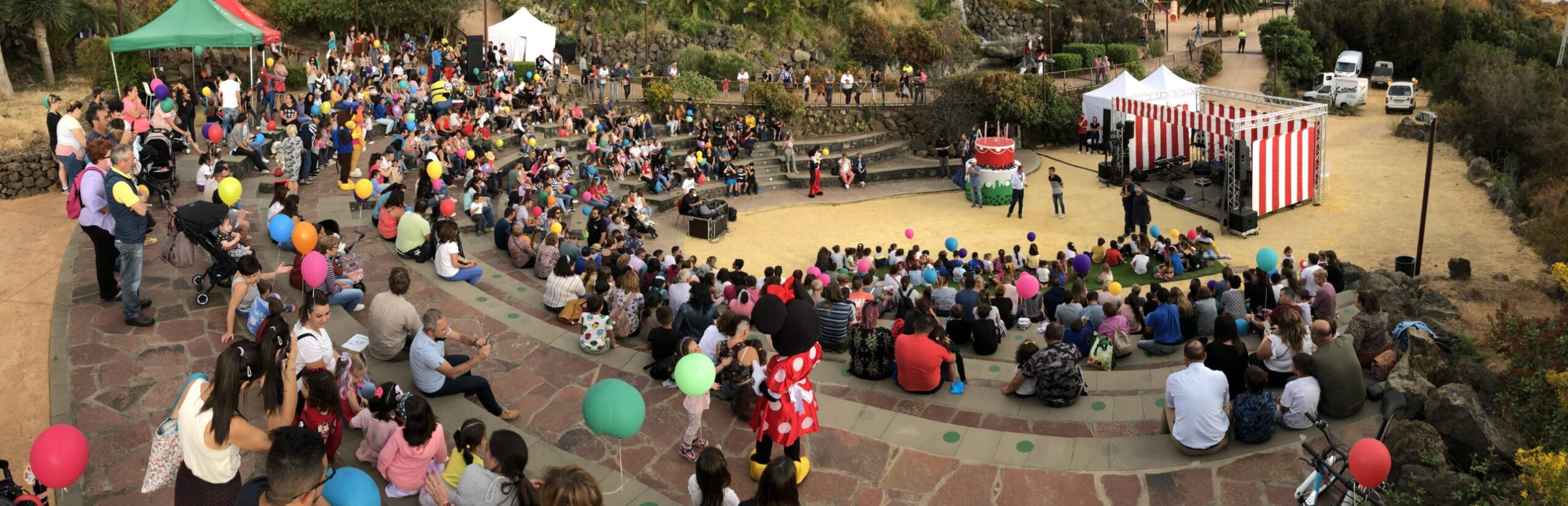
The project fosters a strong sense of belonging: the landscape is not passive, but lived, cultivated, and shared by the community. This relationship generates attachment, pride, and collective identity.
Its exemplary value lies in demonstrating that sustainability can also produce everyday beauty, where territorial design enhances life experience and strengthens emotional connections to place.
Inclusion is a core pillar of the project, particularly through access to affordable housing. The assisted self-building model reduces costs and empowers citizens by involving them directly in the creation of their homes.
This approach prevents displacement, supports young families, and strengthens social cohesion. Housing becomes not just a product, but a collective process.
In addition, the project includes participatory governance mechanisms that enable citizens to influence spatial planning and climate policies.
Its exemplary character lies in combining affordability, active participation, and social equity, demonstrating that the green transition can be inclusive and people-centred.
Citizen participation is a structural principle of the project. Residents have played an active role, particularly through assisted self-building processes where they directly contribute to housing development.
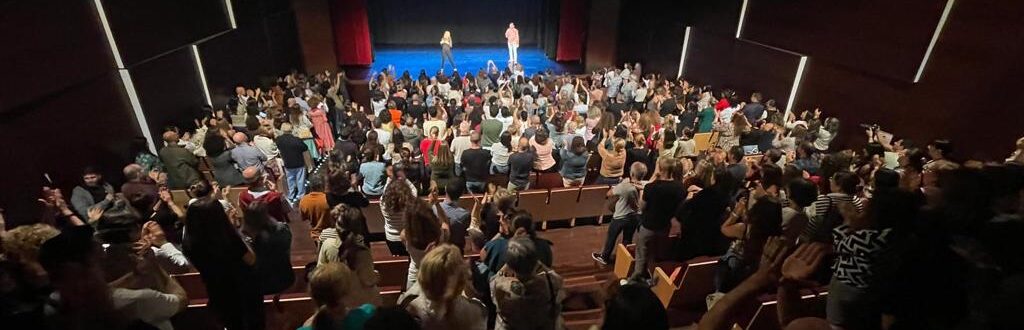
This model has generated collective knowledge, empowerment, and strong social networks. Participation does not end with implementation; it continues through neighbourhood councils and collaborative governance structures.
The impact has been significant: increased social cohesion, shared responsibility, and a community actively engaged in decision-making. Co-creation has been key to the project’s long-term success.
The project combines local action with regional, national, and European frameworks. Municipal leadership has been key in planning and implementation, while housing and climate policies are aligned with broader strategies.
Public administrations have provided regulatory, technical, and financial support, while citizens have actively participated in implementation.
This multi-level coordination has enabled resource mobilisation, strategic coherence, and increased impact. Its added value lies in connecting local initiatives with European objectives, demonstrating the capacity of small municipalities to contribute to the climate agenda.
The project integrates multiple disciplines, including urban planning, architecture, engineering, environmental sciences, public policy, and social sciences.
Territorial planning is combined with construction solutions, energy strategies, and participatory processes. Technical experts work alongside citizens, creating a hybrid approach that blends professional knowledge with local experience.
This transdisciplinary approach has enabled innovative solutions tailored to the rural context, addressing environmental, social, and economic challenges simultaneously.
Its exemplary value lies in overcoming sectoral approaches and creating an integrated model where different disciplines collaborate to generate systemic impact.
The project is based on a hybrid model combining public investment, citizen participation, and optimisation of local resources.
Affordable housing is financed through public promotion and the assisted self-building model, which significantly reduces costs by involving beneficiaries directly.
Climate strategies are supported by public funding and programmes aligned with European policies, alongside investments in energy efficiency and renewable energy that generate long-term savings.
In addition, the protection of agricultural land strengthens the local economy based on proximity production and consumption.
This model is financially sustainable because it reduces structural costs, generates local value, and maximises the impact of public investment, ensuring long-term viability.
The project has strong potential for replication in rural and small municipalities across Europe.
Transferable elements include the integration of spatial planning, housing, and climate action; the assisted self-building model as a tool for affordable housing; land protection as a sustainability strategy; and citizen participation as a governance model.
Its methodologies—progressive implementation, alignment with European frameworks, and efficient use of public resources—are also replicable.
The project demonstrates that small municipalities can act as innovation laboratories, offering adaptable solutions for different territorial contexts.
Its key lesson is that the green transition can be driven from the local level while generating European impact, positioning rural areas as key actors in the future.