Enablers for New European Bauhaus Transformation
NEXT GEN DESIGN
NEXT GEN DESIGN – Where Climate Action Meets the Future of Design
NEXT GEN DESIGN responds to the climate emergency by empowering young designers across Europe to shape sustainable futures. Anchored in Vienna at designforum Wien and connected with five European platforms, it combines a travelling exhibition, open call, and residency to foster exchange, networking, and inclusivity. The project presents publicly what design can do, showcasing innovative solutions. Launched in 2025, it continues in 2026, aligned with the European Green Deal.
Austria
National
It addresses urban-rural linkages
It involves a physical transformation of the built environment (hard investment)
Yes
2025-10-05
Yes
Creative Europe
No
No
Organisation
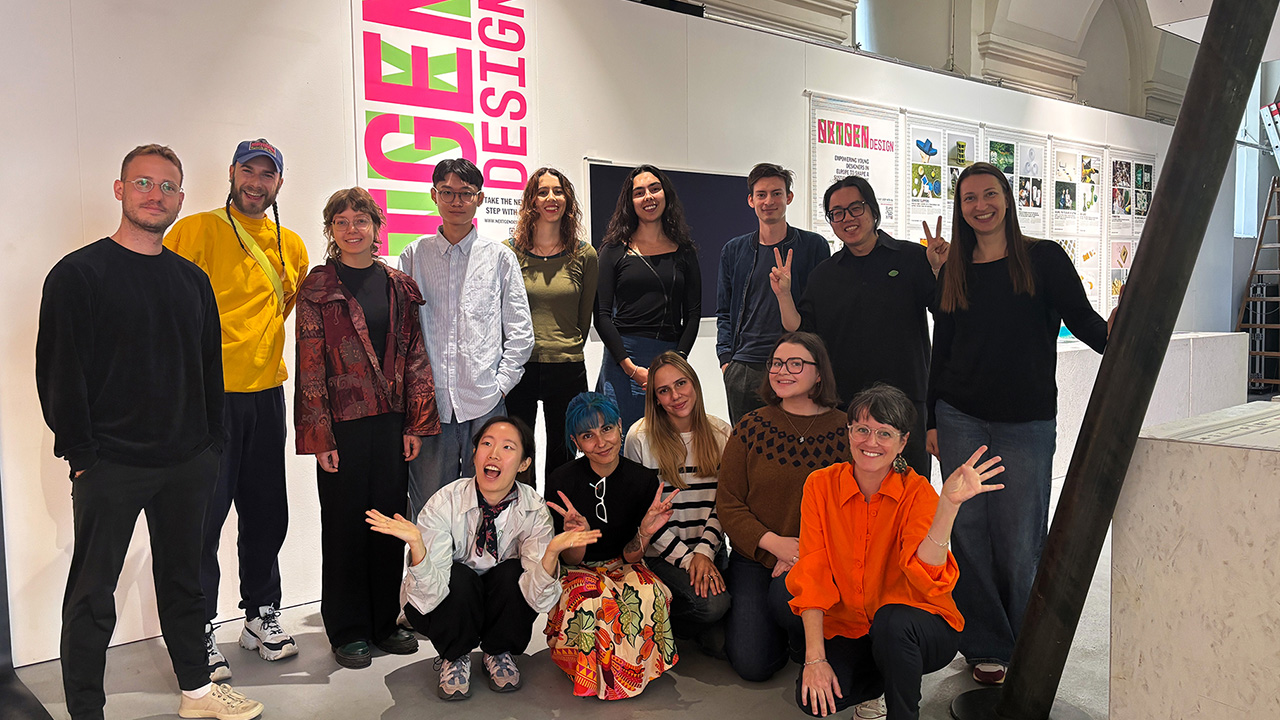
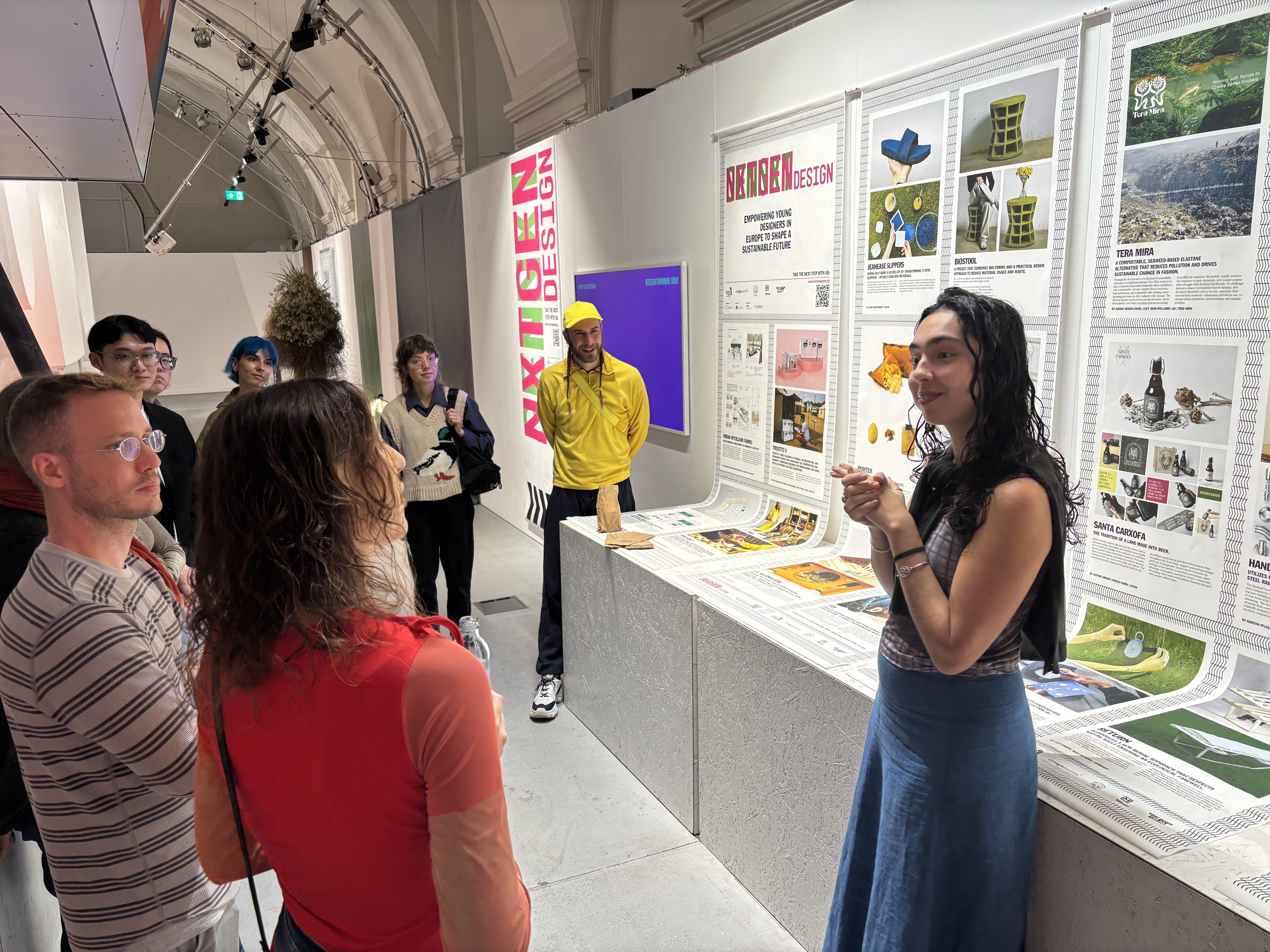
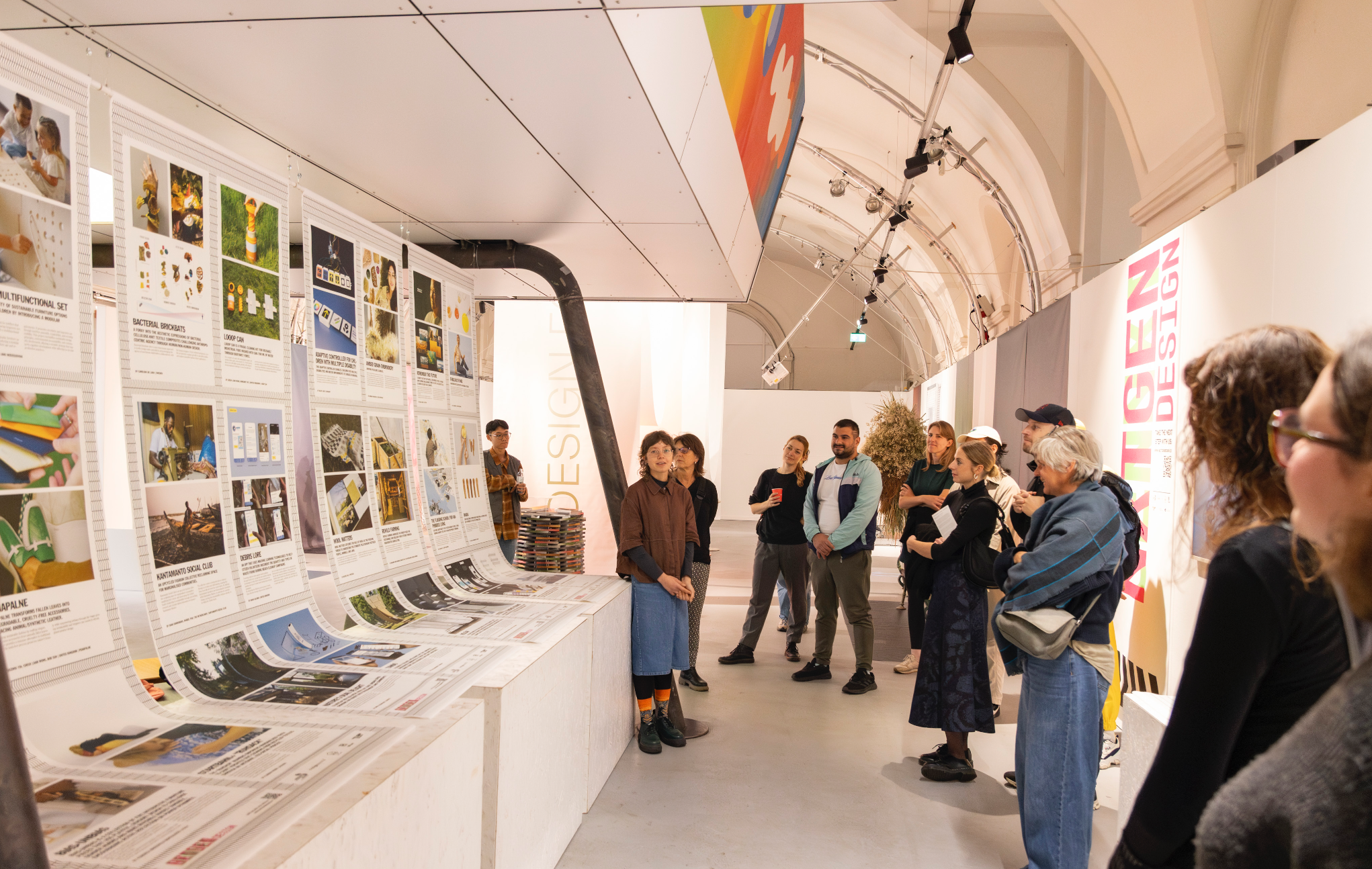
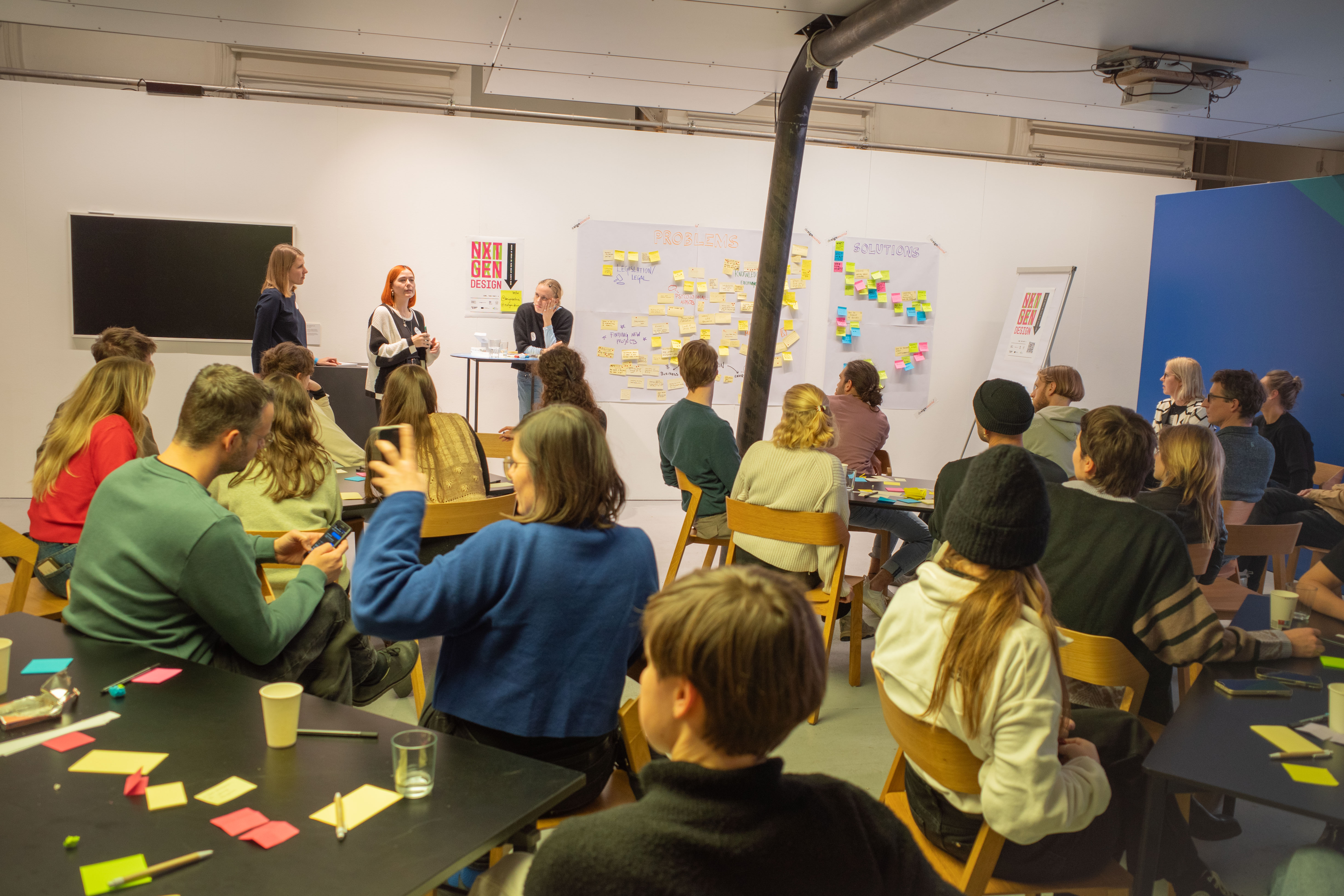
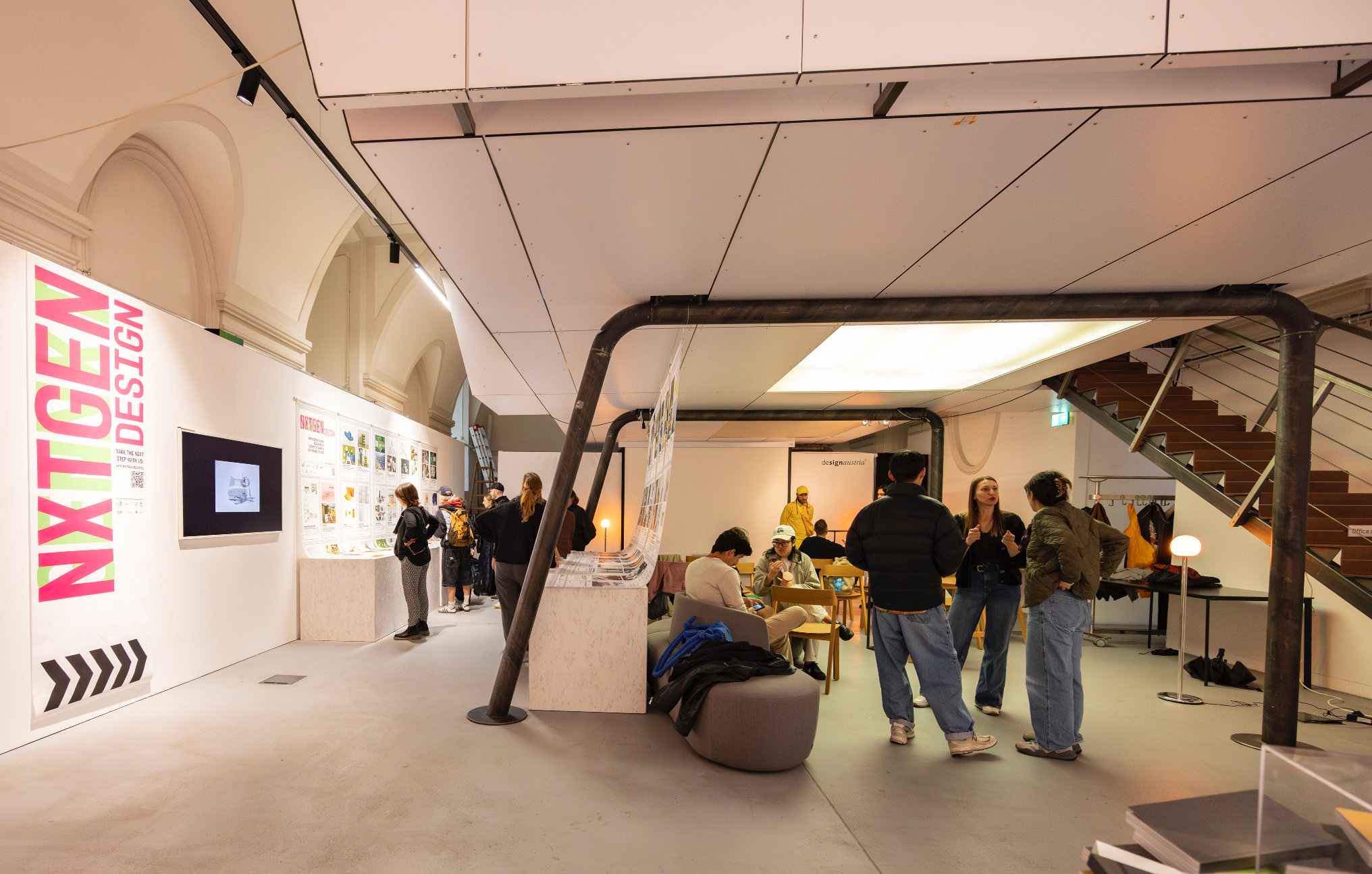
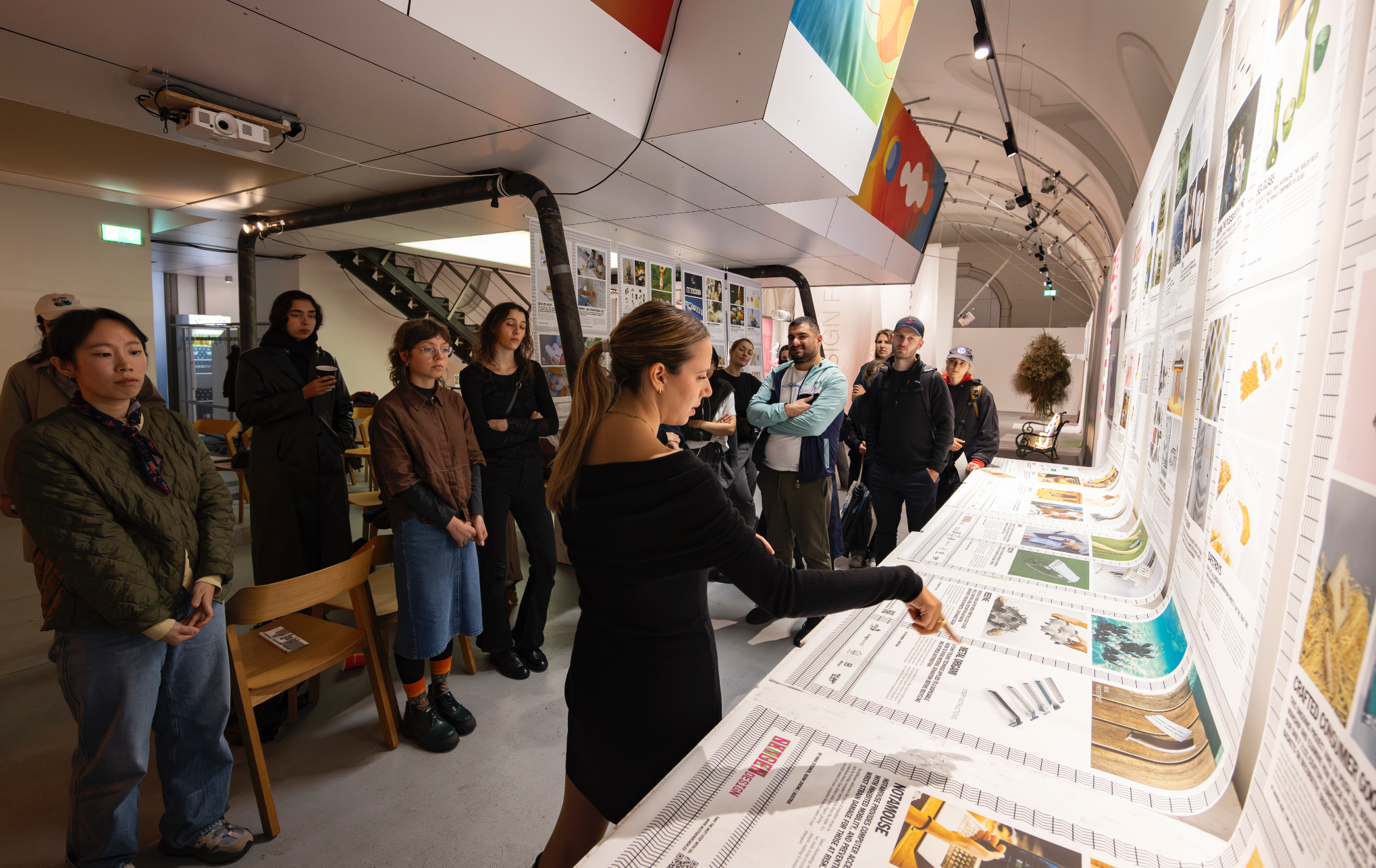
NEXT GEN DESIGN 2025–2026 at designforum Wien, initiated by designaustria, brought together emerging designers, experts, and the public through a dynamic programme of exhibitions, residencies, workshops, and guided tours. The project created a vibrant platform where hundreds of visitors could engage directly with new design positions, meet designers in person, and explore forward-looking approaches to sustainability and innovation.
At its core, the project integrates an educational platform into established design festival formats, combining physical and digital elements to expand reach and impact. The residency programme offered participants site visits, hands-on workshops, concept development sessions, and public presentations, fostering exchange, collaboration, and interdisciplinary learning. These interactions highlighted that the future of design depends not only on professional expertise but also on social skills, empathy, and the ability to work across cultures and disciplines.
Aligned with the principles of the New European Bauhaus—sustainability, inclusivity, and aesthetics—the project demonstrates how design can actively contribute to the European Green Deal. It promotes circular economy models and encourages both designers and audiences to adopt more sustainable practices. By equipping young creatives with knowledge, tools, and visibility, NEXT GEN DESIGN supports a new generation of changemakers capable of driving systemic transformation.
Through its strong public presence and educational focus, the project contributes to raising awareness, fostering dialogue, and advancing climate-conscious design across Europe.
Amidst the global climate emergency, millions of young people are demanding meaningful action to secure their future. NEXT GEN DESIGN responds to this urgency by empowering emerging designers and amplifying their voices as drivers of change. The project is rooted in the belief that fresh perspectives, combined with collaboration and education, are essential to bridge the gap between vision and implementation, accelerating the transition towards a more sustainable and equitable Europe.
At its core, NEXT GEN DESIGN connects five prominent European design platforms and festivals—Skopje Design Week, Mikser Festival in Belgrade, designaustria at designforum Wien in Vienna, What Design Can Do in Amsterdam, and Barcelona Design Center—into a collaborative network that spans regions, cultures, and disciplines. This cross-border alliance creates a shared framework for exchange, visibility, and cooperation, enabling young designers to engage in international dialogue while remaining grounded in their local contexts.
The project integrates an innovative educational platform into established design festival programmes, combining exhibitions, open calls, residencies, workshops, and public engagement formats. These components are designed to foster experimentation, learning, and interaction between designers, experts, and audiences. Aligned with the goals of the European Green Deal, the platform promotes sustainable and circular design practices, encouraging participants to rethink materials, production systems, and design’s broader societal role.
By offering spaces for collaboration, experimentation, and visibility, NEXT GEN DESIGN supports a new generation of designers who are not only conceptually strong but also socially aware and impact-driven. It creates a dynamic ecosystem where ideas can evolve into action, networks can form across borders, and design can actively contribute to shaping resilient futures.
Community Co-Design & Participation
Sustainable & Circular Design
Education & Knowledge Exchange
Next Generation Empowerment
Interdisciplinary Collaboration
NEXT GEN DESIGN places sustainability at the core of its programme by promoting circular design principles and environmentally responsible practices. Through exhibitions, residencies, and workshops, the project highlights innovative approaches to material use, lifecycle thinking, and low-impact production. Designers are encouraged to critically reflect on resource consumption and to develop solutions aligned with the European Green Deal. The project fosters awareness among both professionals and the public, demonstrating how design can actively contribute to climate action. By combining education with real-world applications, it supports a shift from linear to circular systems and empowers emerging designers to embed sustainability into their practice. Continued funding would allow these approaches to reach wider audiences and be adopted more broadly across Europe’s design sector.
Aesthetics in NEXT GEN DESIGN is understood as an essential driver for engagement, communication, and cultural relevance. The project showcases how beauty, functionality, and sustainability can coexist, reflecting the values of the New European Bauhaus. The exhibition at designforum Wien presents a diverse range of design languages, from experimental and speculative works to refined, market-ready solutions. This diversity invites audiences to experience sustainability not as a limitation, but as a source of creative expression and innovation. By curating high-quality projects and facilitating dialogue between designers and visitors, the project strengthens the role of aesthetics in shaping desirable and meaningful futures. Further investment would enhance the visibility of such work and support its integration into mainstream design discourse.
Equal access and diversity are central to NEXT GEN DESIGN, shaping both its structure and its outcomes. The project creates low-threshold entry points for participation by offering a free and open call for the award, enabling young designers from across Europe to apply regardless of their socio-economic background, geographic location, or institutional affiliation. This commitment continues in the public programme: exhibitions, guided tours, and events are accessible free of charge, ensuring that a broad audience can engage with contemporary design and its societal relevance.
Diversity is further reflected in the wide range of perspectives, disciplines, and cultural contexts represented in the selected projects and among the residency participants. By bringing together individuals with different experiences and viewpoints, the project fosters an environment of mutual respect, learning, and exchange. It actively encourages dialogue on social responsibility and highlights the role of design in addressing pressing societal challenges, from environmental issues to questions of equity and access.
Through these measures, NEXT GEN DESIGN contributes to a more open and representative design ecosystem. Continued and increased funding is crucial to sustain and expand these efforts, enabling more organisations and communities across Europe to adopt inclusive formats and to provide emerging designers with equal opportunities for visibility, connection, and professional growth.
Participation is a defining feature of NEXT GEN DESIGN, both in its structure and its activities. The NEXT GEN DESIGN Award is open and free of charge for young designers across Europe, ensuring broad access and encouraging diverse contributions. This openness is complemented by a highly interactive programme of exhibitions, guided tours, and workshops, where audiences actively engage with designers and their work. The residency component further strengthens participation by bringing together international designers in a shared environment, fostering intercultural exchange, collaboration, and peer learning. These interactions create lasting professional and personal networks that extend beyond the project duration. By lowering barriers and enabling meaningful exchange, the project demonstrates the value of participatory formats in design. Increased funding would allow even more designers and communities to benefit from these opportunities.
NEXT GEN DESIGN operates across multiple governance levels, connecting local, regional, national, and international actors. Hosted at designforum Wien, the project is deeply rooted in the local context while engaging national stakeholders and cultural institutions. At the same time, it is embedded within a broader European network of design organisations, enabling cross-border collaboration and knowledge exchange. The project aligns with European policy frameworks such as the New European Bauhaus and the European Green Deal, translating these ambitions into tangible actions. This multi-level approach ensures that insights and outcomes circulate between different scales, from local communities to international audiences. Strengthening and expanding this network through continued funding would enhance its impact and support more coordinated efforts in advancing sustainable design across Europe.
NEXT GEN DESIGN demonstrates the wide-ranging potential of design by bringing together diverse disciplines and approaches. The exhibition and residency include designers working across product design, social innovation, material research, and digital applications. Some participants contribute with academic depth, including PhD-level research in design, while others draw on traditional knowledge, craftsmanship, and nature-based practices. This broad spectrum highlights how design connects science, culture, technology, and society. The exchange between residents fosters mutual learning and reveals new possibilities for innovation at the intersection of disciplines. By making this diversity visible to the public, the project strengthens the understanding of design as a driver of transformation. Continued support would further expand these exchanges and deepen the integration of transdisciplinary perspectives.
NEXT GEN DESIGN is based on a hybrid, non-profit-oriented business model that combines public funding, institutional partnerships, and in-kind contributions. Organised by designaustria, the project leverages its role as a knowledge centre and professional association to connect designers, cultural institutions, and policy frameworks. Key components include the open call, the residency programme, and the exhibition, which together create value through visibility, education, and networking. While participation in the award and access to the exhibition remain free to ensure inclusivity, the project generates impact by strengthening professional opportunities for emerging designers and by attracting audiences and stakeholders to design-related events. Its scalability lies in its modular structure, allowing adaptation to different contexts and partner organisations. However, to maintain quality, accessibility, and international reach, stable and increased funding—particularly from public and European sources—is essential. Investment in this model supports not only individual designers but also the broader ecosystem of sustainable and innovative design.
The NEXT GEN DESIGN format is highly replicable and can be adapted to other design festivals, weeks, and organisations across Europe. Its core elements—an open competition, an international residency, and a public exhibition—can be implemented in collaboration with local partners and networks of design associations. This flexibility allows the model to respond to different regional contexts while maintaining its focus on sustainability, inclusion, and innovation. By forming partnerships between organisations, the project creates opportunities for shared learning and increased visibility for emerging designers. Expanding this model would strengthen European collaboration and support the circulation of ideas and talent. To realise this potential, increased public and EU funding is crucial. Such investment would enable more organisations to adopt the model, opening up access to knowledge transfer, professional networks, and international exchange for a wider range of designers.