Heraclea Sintica Thematic Park
Heraclea Sintica Thematic Park: Regenerative Model for Heritage and Local Development
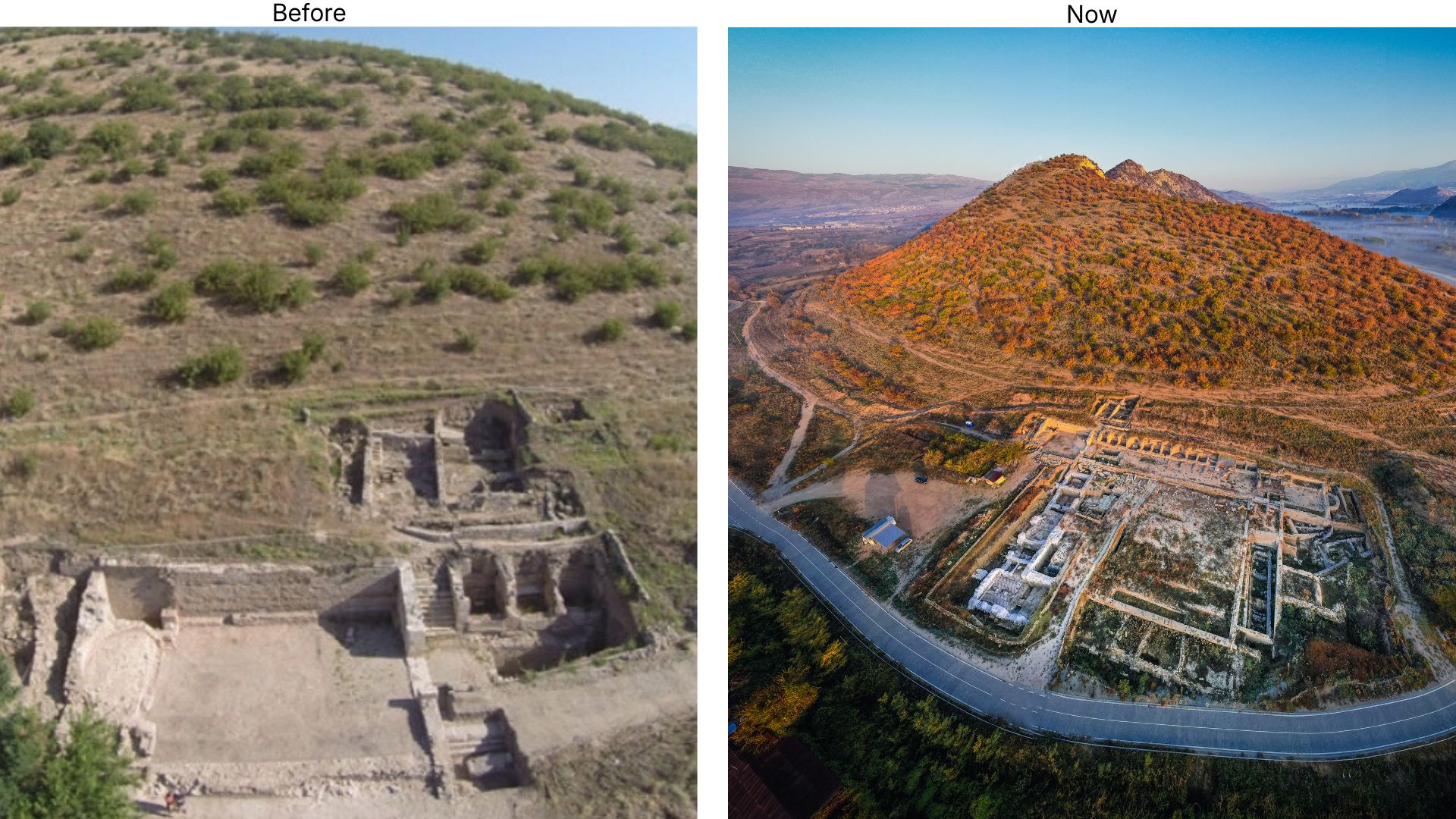
Heraclea Sintica transforms an ancient city revealed through ongoing archaeological research into a living landscape where cultural heritage, biodiversity and local communities are reconnected. Moving beyond conventional tourism, the project develops a regenerative model that supports local development, promotes sustainable mobility and creates meaningful experiences through education, participation and nature-based design.
Bulgaria
https://maps.app.goo.gl/e1xqM1HfdH1Vnb916
Prototype level
Yes
Yes
Yes
Yes
ERDF : European Regional Development Fund
The activities implemented so far have been financed under the Operational Programme “Regions in Growth” 2014–2020 (European Regional Development Fund), specifically under Priority Axis 6 “Regional Tourism”, procedure BG16RFOP001-6.002 “Development of Tourist Attractions”.
The funded project, titled “Restoration, conservation, preservation, promotion and development of the archaeological site ‘Ancient city of Heraclea Sintica and adjacent necropolises’”, was contracted in October 2020 and implemented by the Municipality of Petrich.
The funded project, titled “Restoration, conservation, preservation, promotion and development of the archaeological site ‘Ancient city of Heraclea Sintica and adjacent necropolises’”, was contracted in October 2020 and implemented by the Municipality of Petrich.
No
BLG33: Petrich (BG)
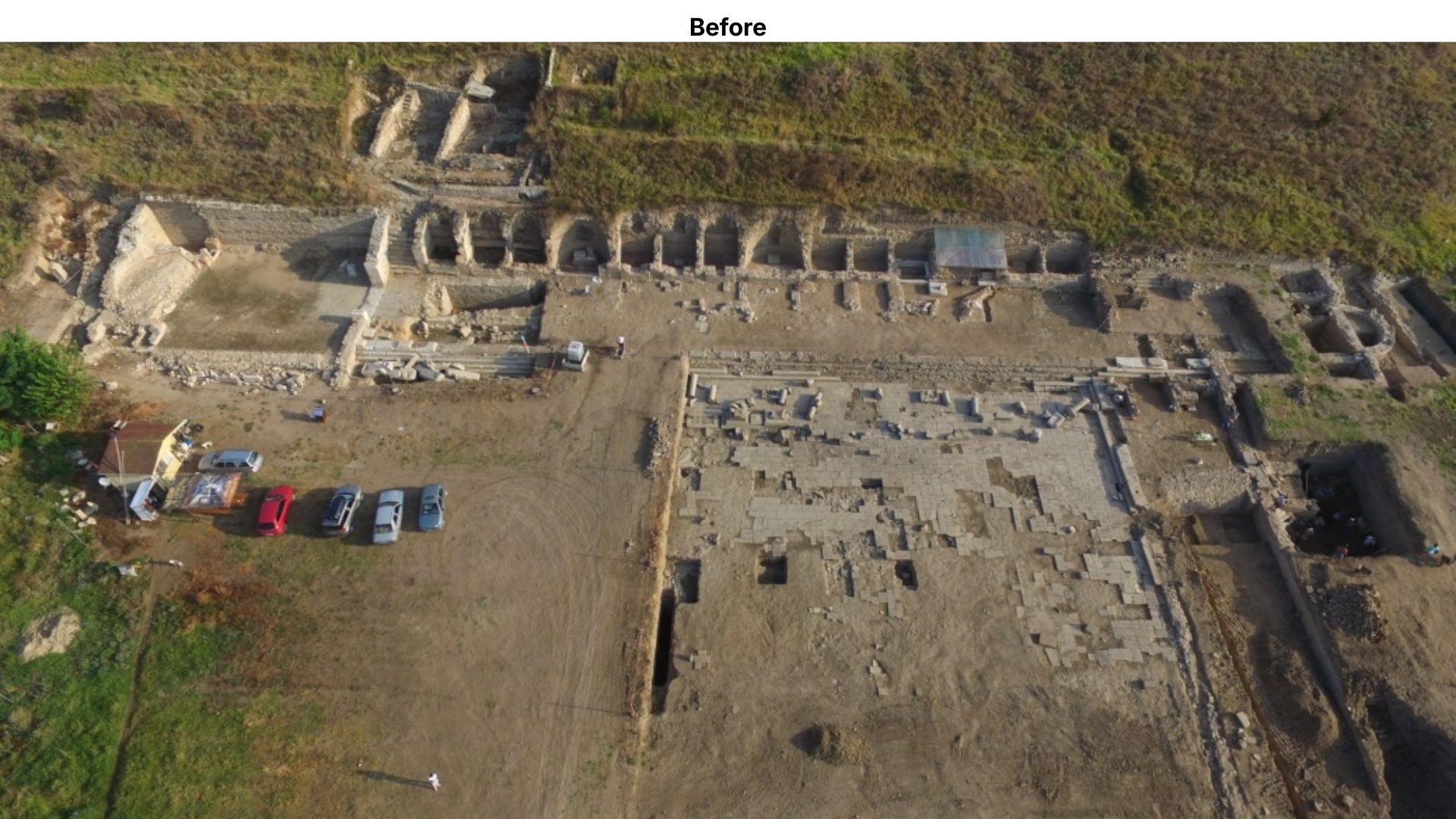
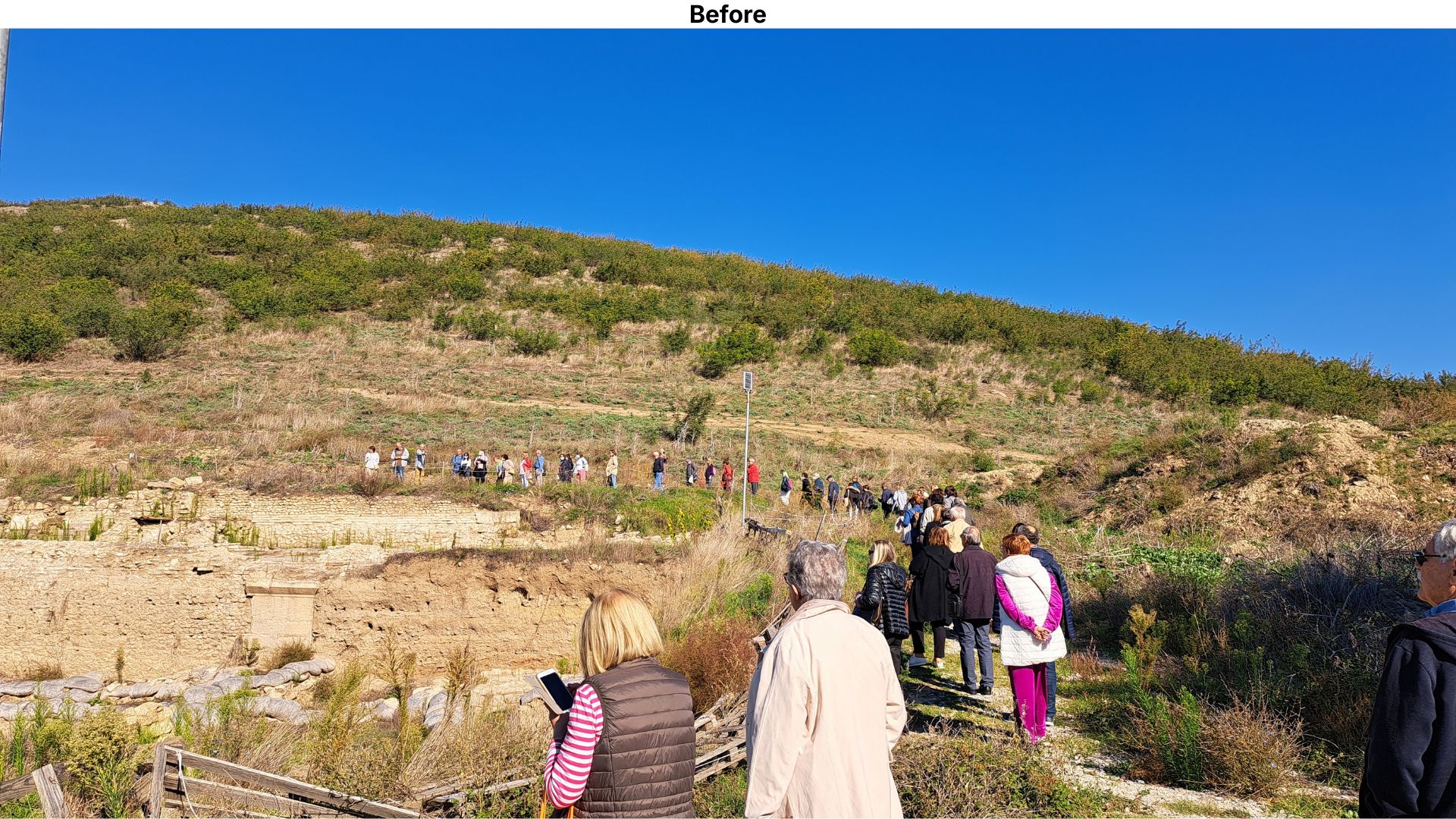
Heraclea Sintica Thematic Park is a long-term initiative that builds upon over a decade of archaeological research and recent public investment programmes to transform an ancient city into an accessible and evolving cultural landscape. The project is part of a broader municipal strategy to develop an integrated tourism product that connects cultural heritage, natural assets and local economic development.
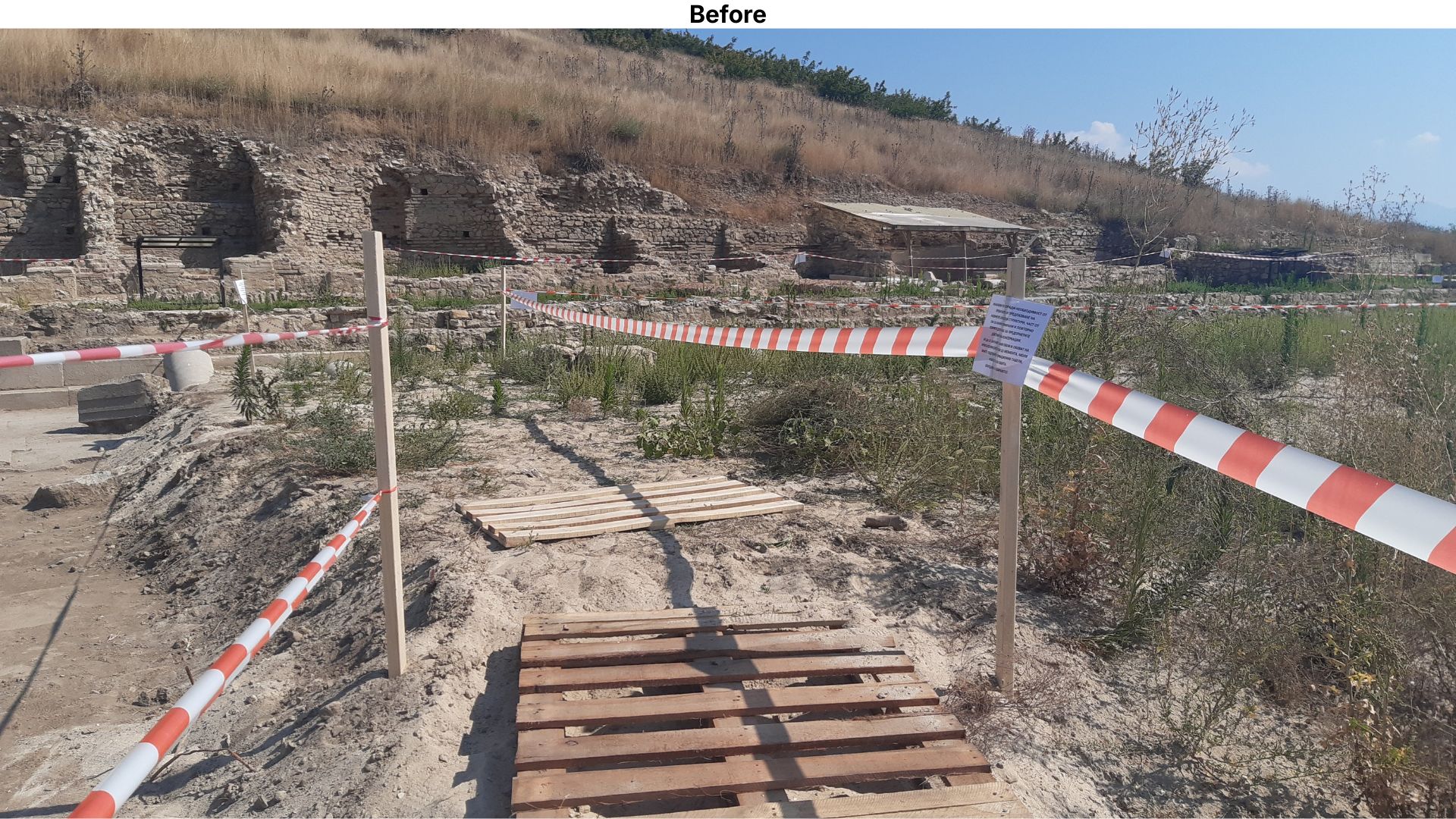
Newly revealed archaeological structures require immediate conservation due to exposure to environmental conditions, while at the same time offering significant potential for sustainable territorial development.
The initiative targets culturally engaged visitors, local communities, students, researchers and small businesses. Particular attention is given to local employment and the inclusion of vulnerable groups through participation in site-related activities and services.
The main objective is to move beyond conventional tourism by developing an integrated system of conservation, interpretation and public use. This includes the expansion of visitor infrastructure, the creation of educational and digital experiences, and the implementation of environmentally sensitive solutions that protect the site while improving accessibility.
Expected outcomes include increased visitor engagement, longer stays, diversification of the local economy and improved preservation of cultural heritage. The project also contributes to environmental sustainability through low-impact mobility and landscape-sensitive interventions.
The initiative is developed through a participatory approach involving public institutions, experts and local stakeholders. Public consultations and ongoing collaboration with the scientific community ensure that the project responds to both local needs and international standards, positioning Heraclea Sintica as a place-based model that can inform and inspire similar heritage-led development approaches in other regions.
Newly revealed archaeological structures require immediate conservation due to exposure to environmental conditions, while at the same time offering significant potential for sustainable territorial development.
The initiative targets culturally engaged visitors, local communities, students, researchers and small businesses. Particular attention is given to local employment and the inclusion of vulnerable groups through participation in site-related activities and services.
The main objective is to move beyond conventional tourism by developing an integrated system of conservation, interpretation and public use. This includes the expansion of visitor infrastructure, the creation of educational and digital experiences, and the implementation of environmentally sensitive solutions that protect the site while improving accessibility.
Expected outcomes include increased visitor engagement, longer stays, diversification of the local economy and improved preservation of cultural heritage. The project also contributes to environmental sustainability through low-impact mobility and landscape-sensitive interventions.
The initiative is developed through a participatory approach involving public institutions, experts and local stakeholders. Public consultations and ongoing collaboration with the scientific community ensure that the project responds to both local needs and international standards, positioning Heraclea Sintica as a place-based model that can inform and inspire similar heritage-led development approaches in other regions.
Heritage regeneration
Sustainable tourism
Community participation
Nature-based solutions
Local development
Heraclea Sintica Thematic Park demonstrates a sustainability-driven approach grounded in verified environmental assessments and the careful management of a highly sensitive ecological context. The project has been developed in full compliance with the Environmental Impact Assessment requirements, ensuring that identified risks have been adequately addressed through appropriate mitigation measures.
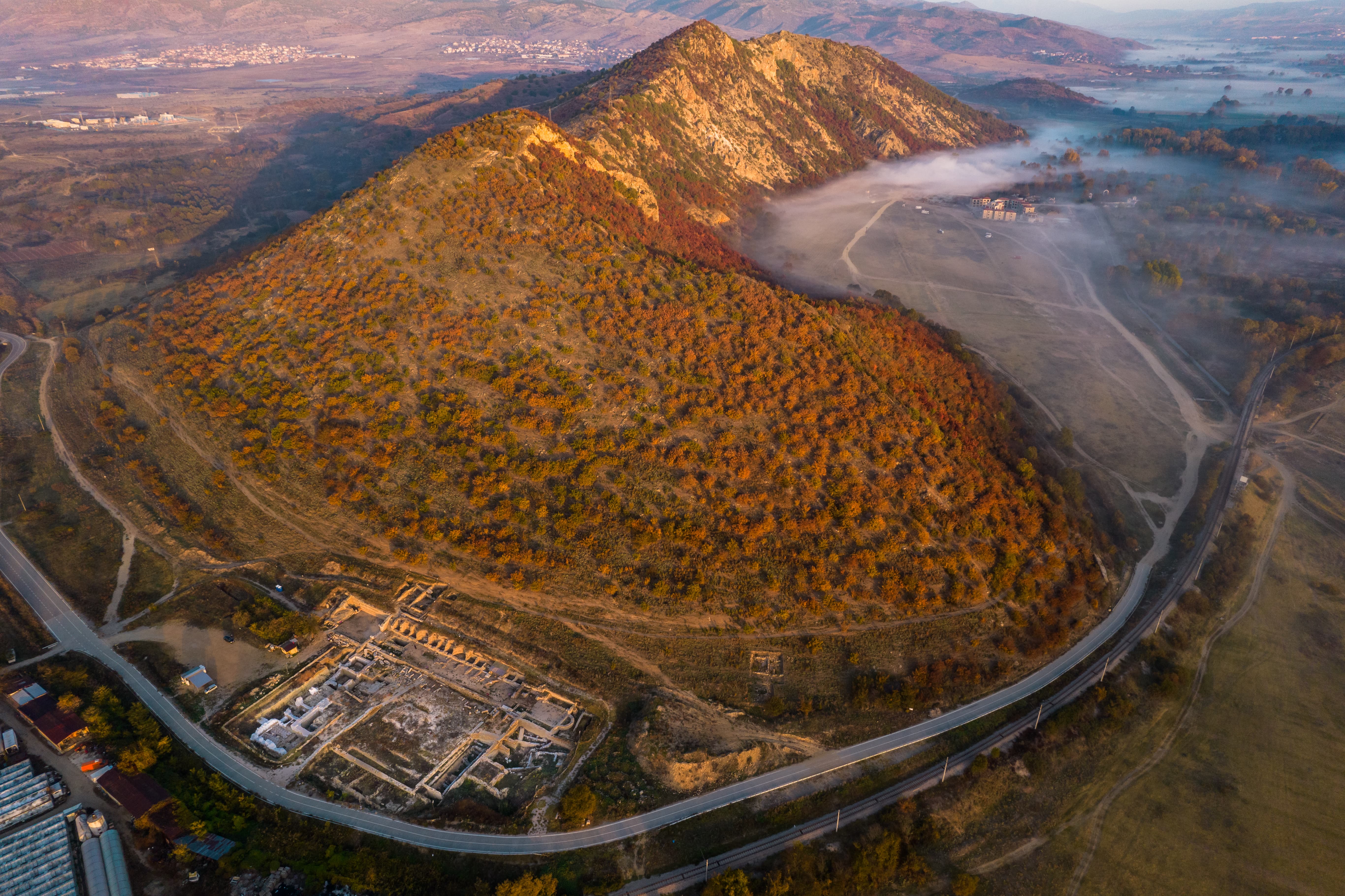
Located within Natura 2000 protected zone, the intervention is deliberately designed to minimise land use and ecological disturbance. A key objective is the protection of biodiversity through controlled access, limitation of vehicle movement and preservation of existing vegetation, ensuring that the natural landscape remains the dominant framework of the site.
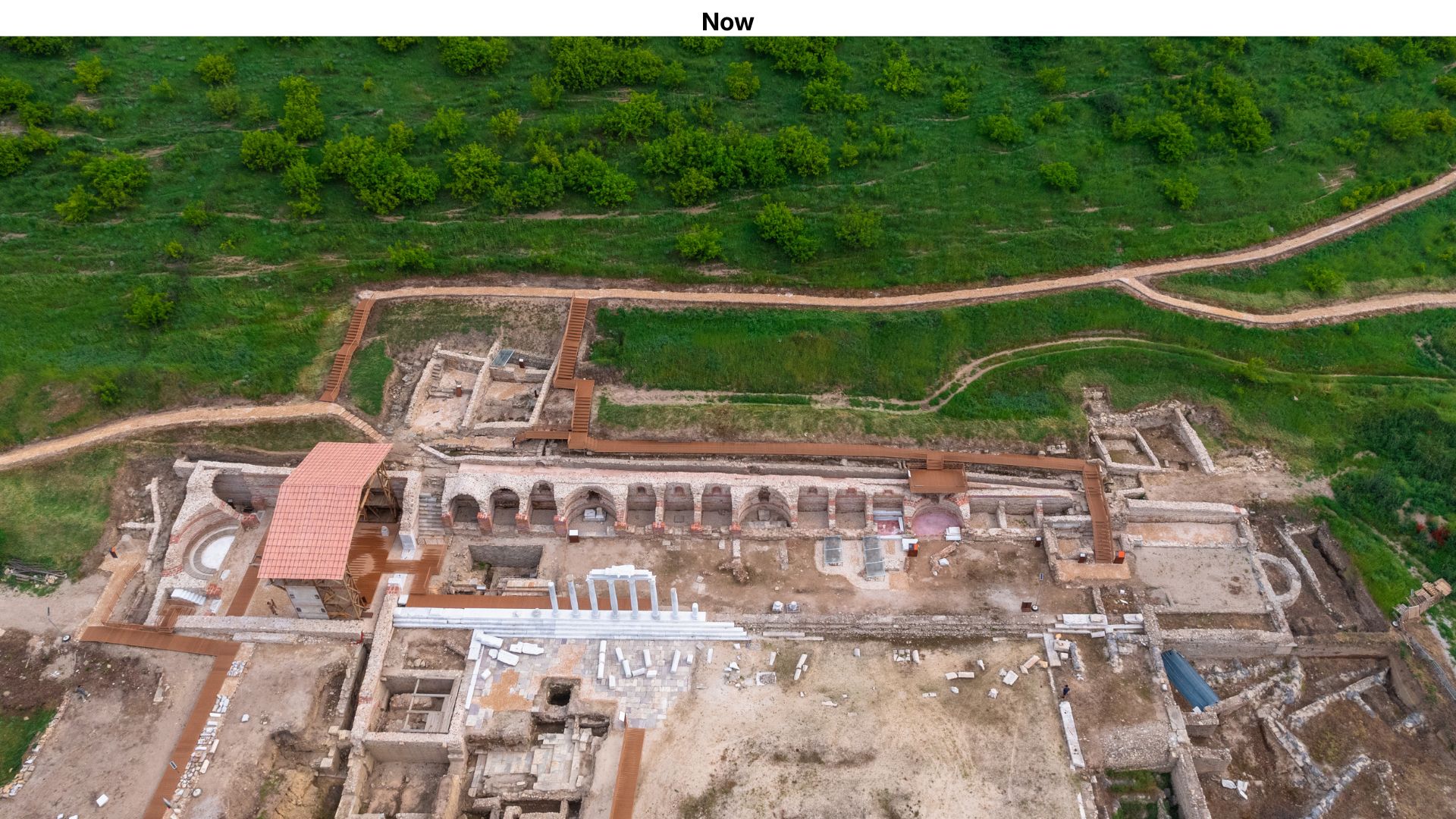
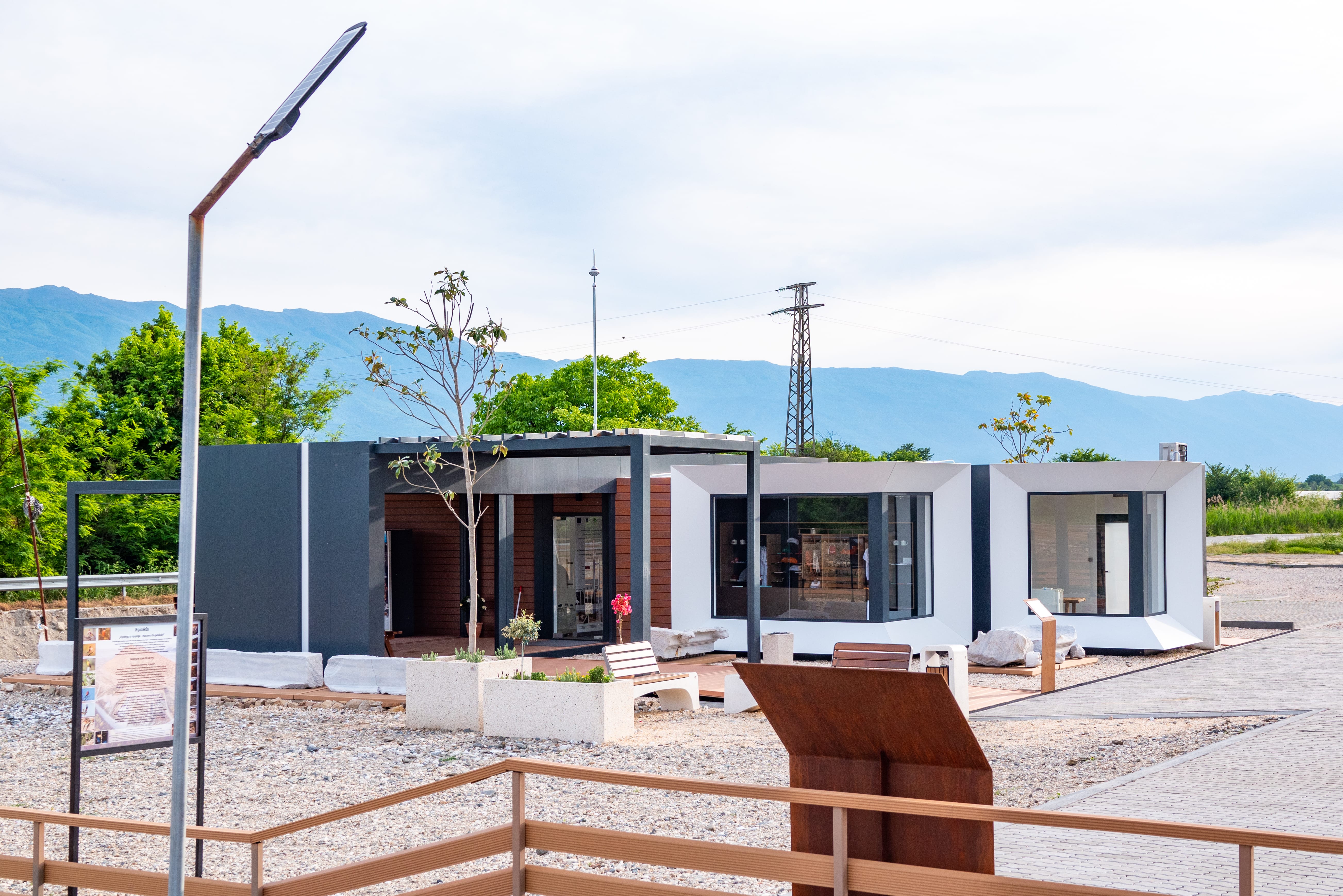
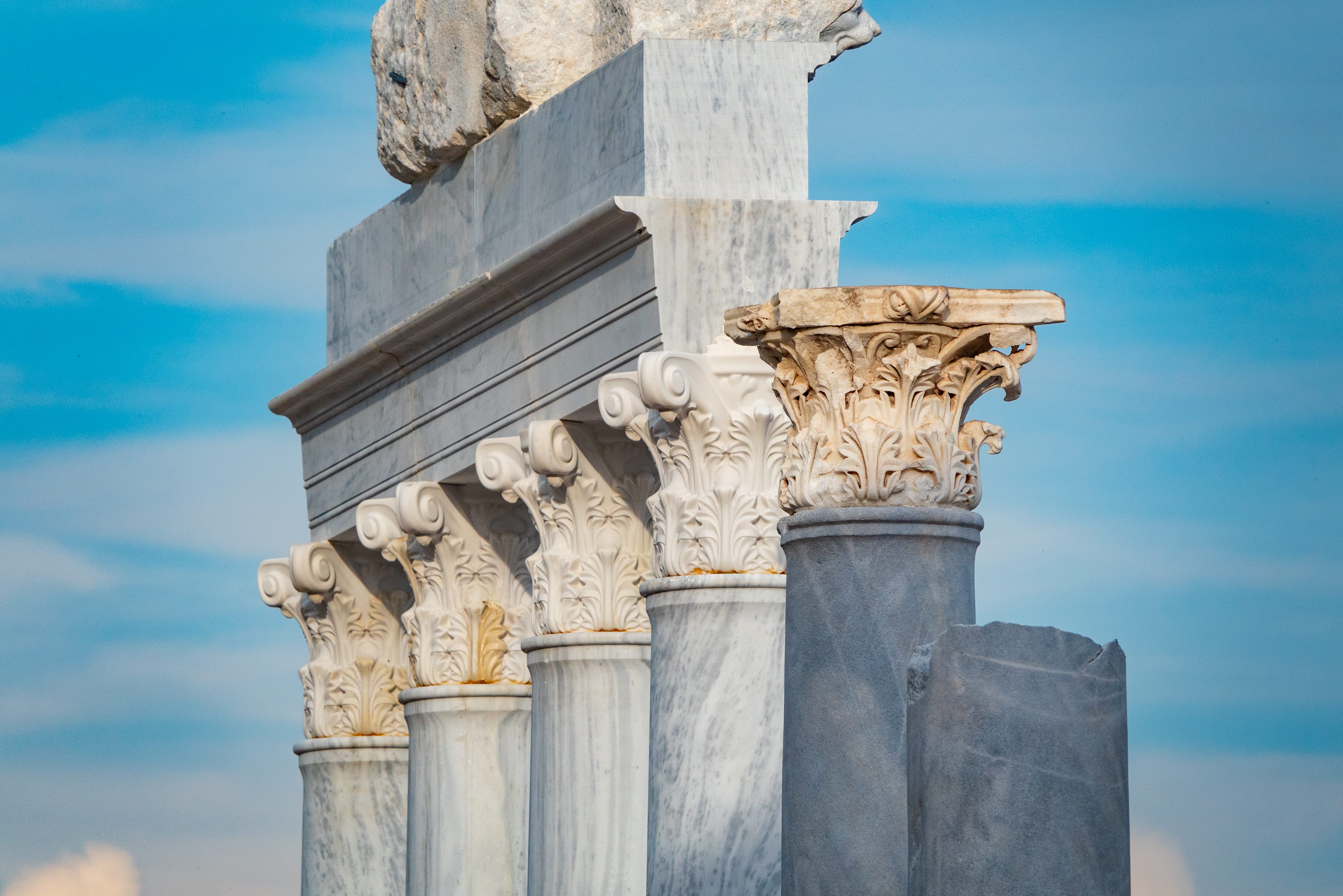
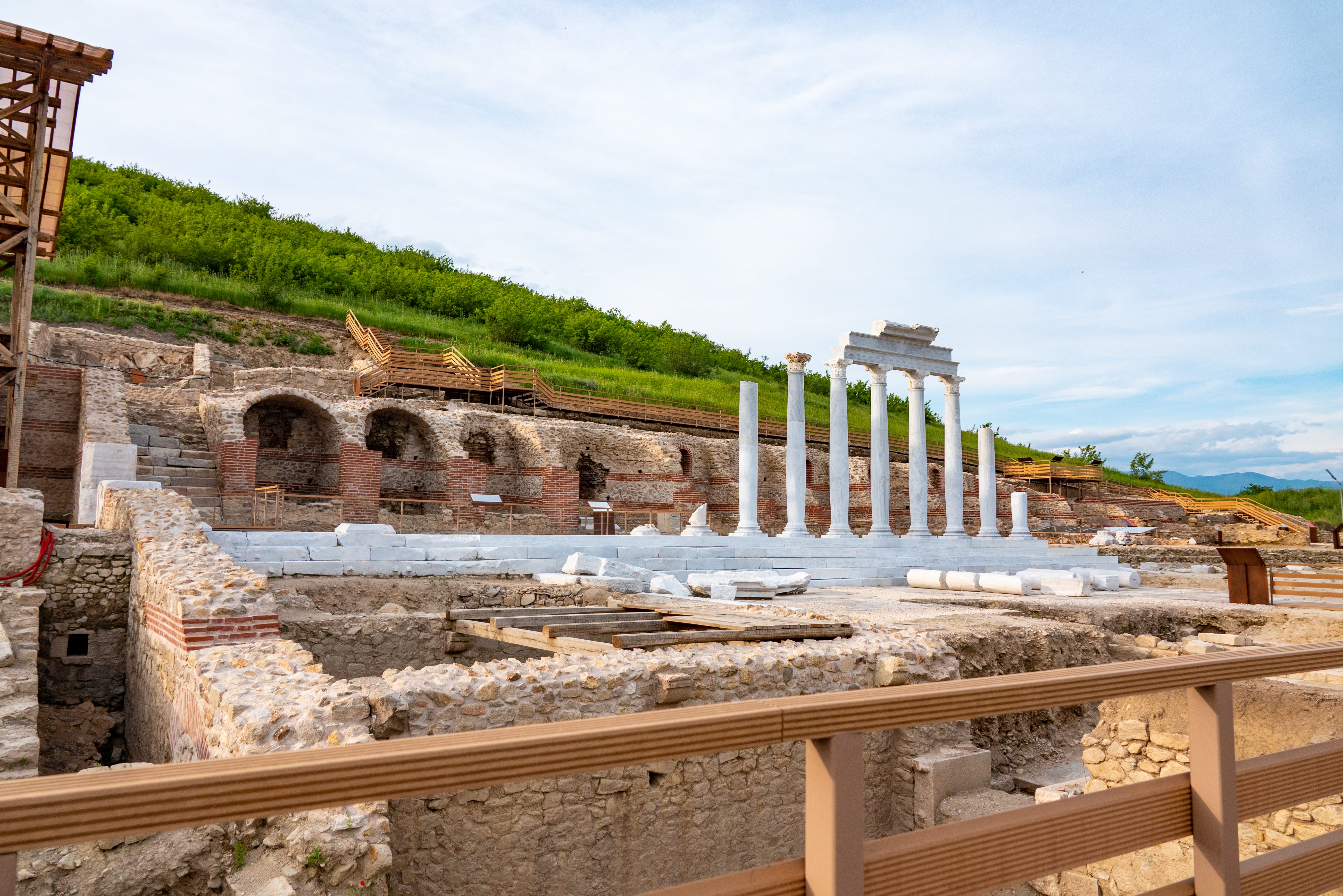
This environmental approach is closely reflected in the choice of construction methods and materials. Тhe park is based on conservation, restoration and careful exposure of archaeological structures. New elements are designed as lightweight and partially reversible interventions, including visitor facilities and modular accommodation units that allow phased development without permanent alteration of the terrain.
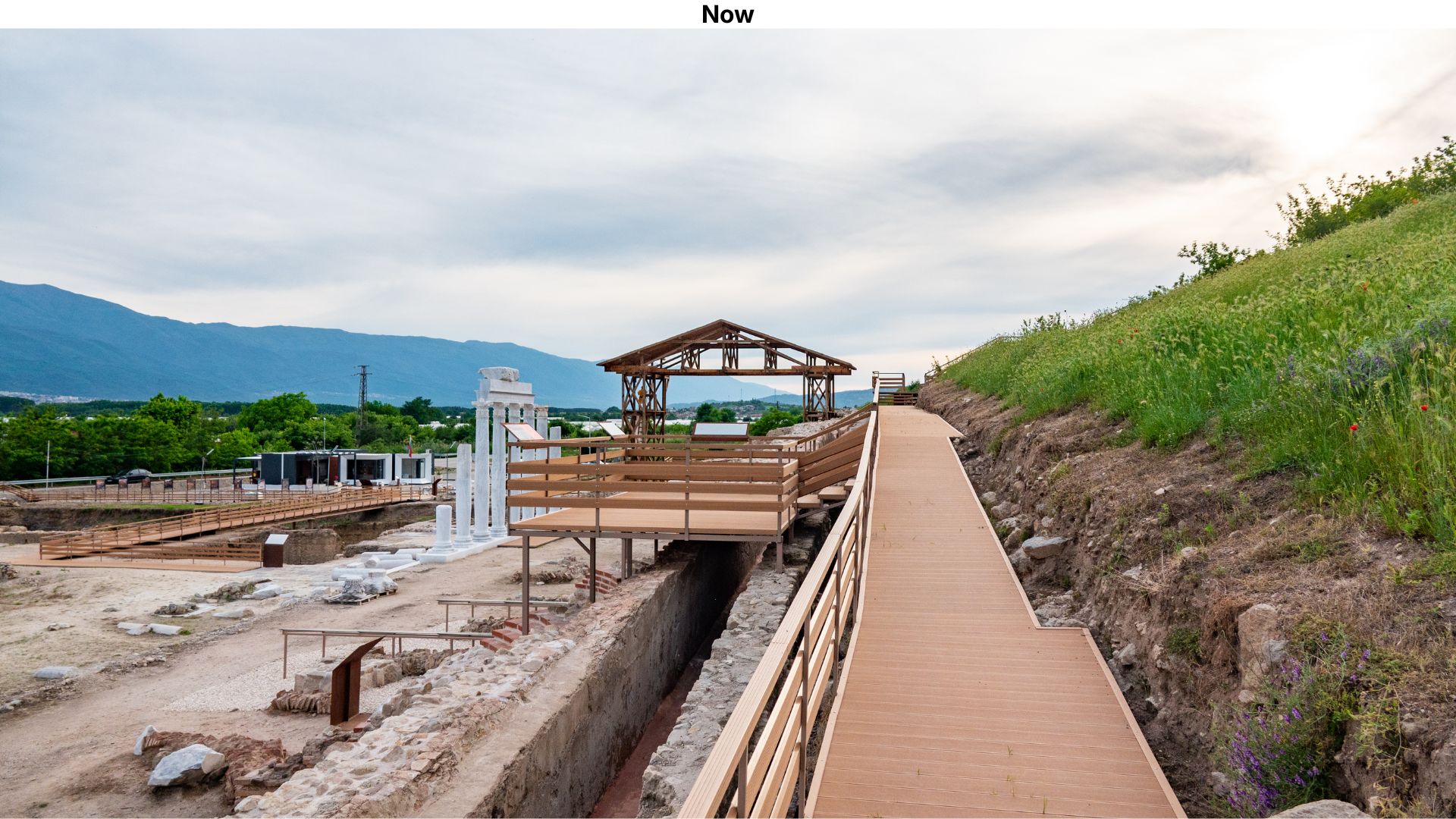
Pathways use permeable stone surfaces, enabling natural water infiltration and reducing soil degradation. Wooden elements are applied for structural and safety components, ensuring visual integration and lower environmental impact. Landscaping relies on native plant species, supporting local ecosystems while minimising maintenance and water use.
Water management is addressed through controlled and decentralised systems, including local collection and treatment of wastewater and carefully designed drainage solutions that prevent contamination of natural water bodies.
The strength of the project lies in its integrated and context-sensitive approach, where environmental protection is not treated as a constraint but as a guiding principle for design, construction and long-term use.
Located within Natura 2000 protected zone, the intervention is deliberately designed to minimise land use and ecological disturbance. A key objective is the protection of biodiversity through controlled access, limitation of vehicle movement and preservation of existing vegetation, ensuring that the natural landscape remains the dominant framework of the site.
This environmental approach is closely reflected in the choice of construction methods and materials. Тhe park is based on conservation, restoration and careful exposure of archaeological structures. New elements are designed as lightweight and partially reversible interventions, including visitor facilities and modular accommodation units that allow phased development without permanent alteration of the terrain.
Pathways use permeable stone surfaces, enabling natural water infiltration and reducing soil degradation. Wooden elements are applied for structural and safety components, ensuring visual integration and lower environmental impact. Landscaping relies on native plant species, supporting local ecosystems while minimising maintenance and water use.
Water management is addressed through controlled and decentralised systems, including local collection and treatment of wastewater and carefully designed drainage solutions that prevent contamination of natural water bodies.
The strength of the project lies in its integrated and context-sensitive approach, where environmental protection is not treated as a constraint but as a guiding principle for design, construction and long-term use.
Heraclea Sintica Thematic Park is developed through a careful integration of archaeological heritage, landscape and contemporary design, creating an immersive experience where visitors engage with the site as a living cultural environment.
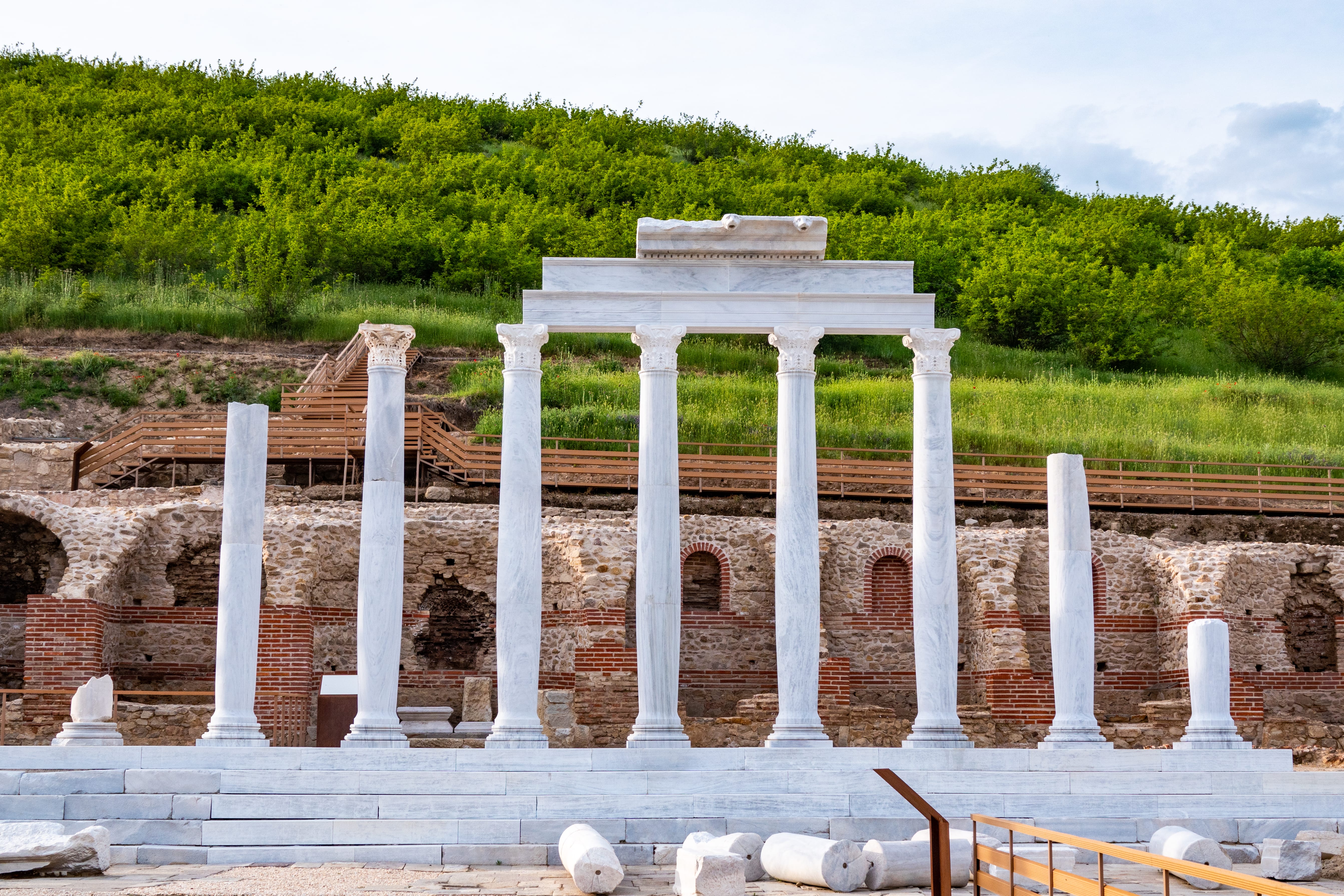
A key objective is to preserve the authenticity and legibility of the archaeological structures while making them accessible to diverse audiences. Design interventions remain minimal and context-sensitive, allowing the historical layers and the natural setting to define the visual identity of the site.
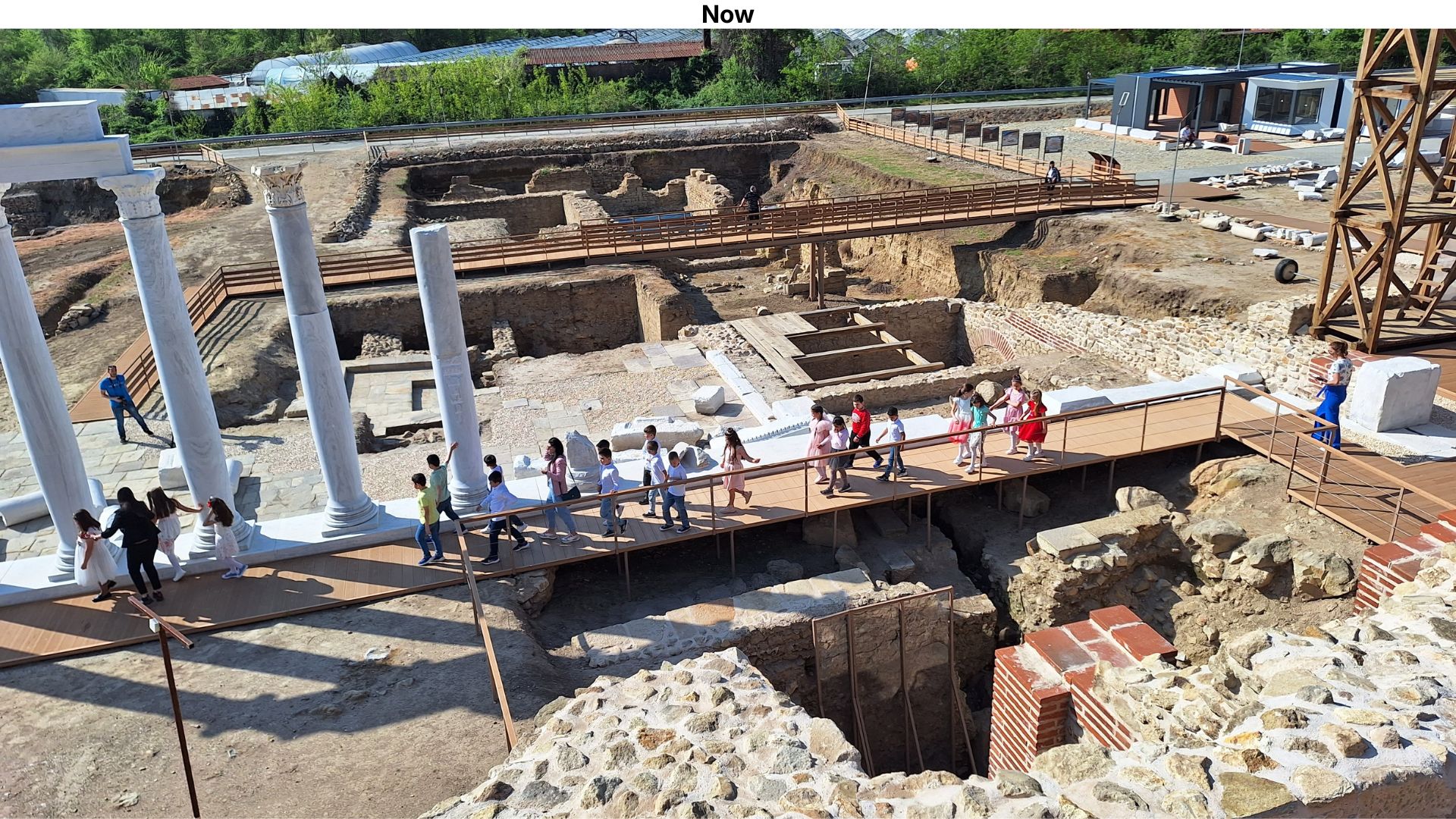
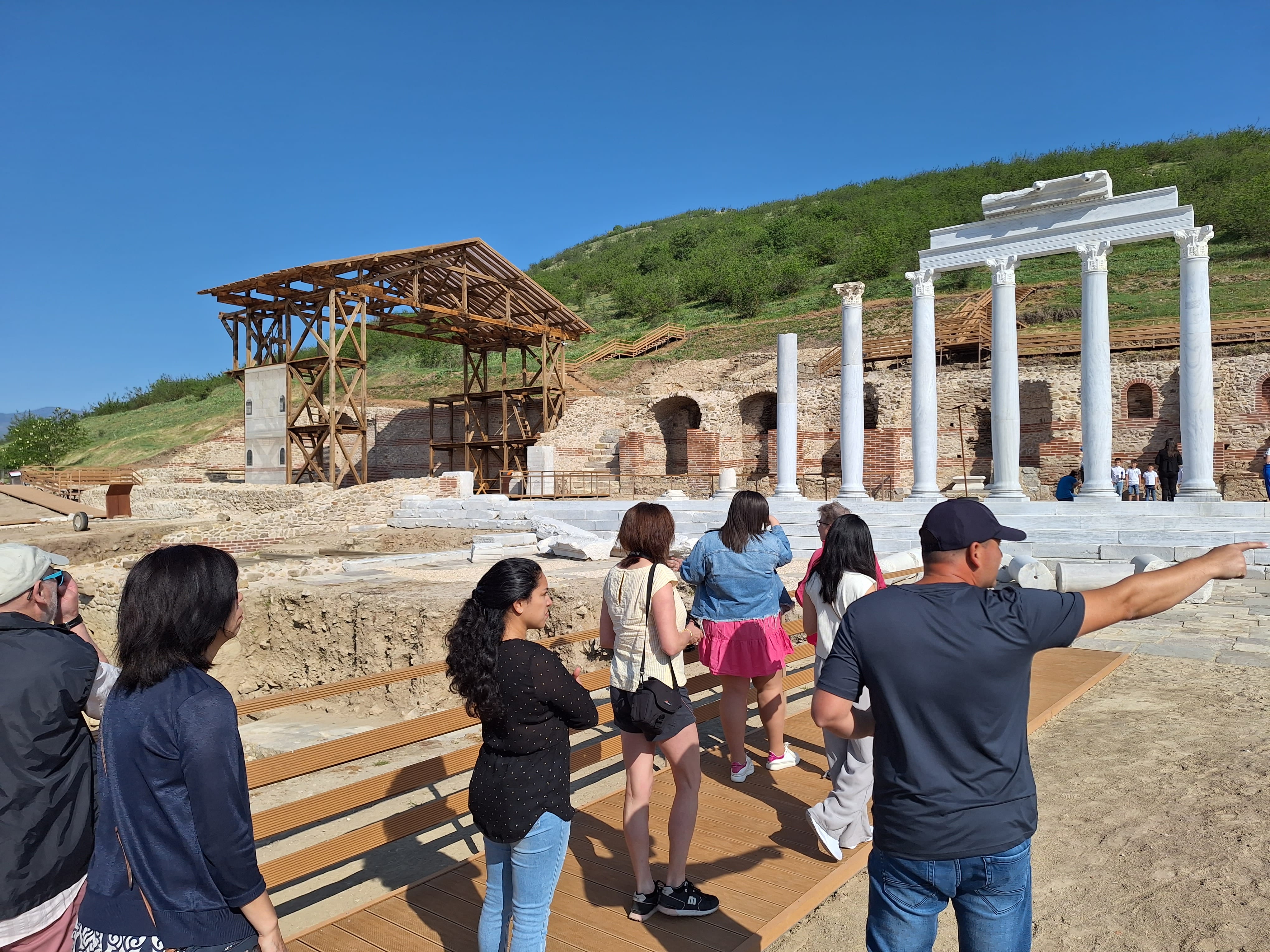
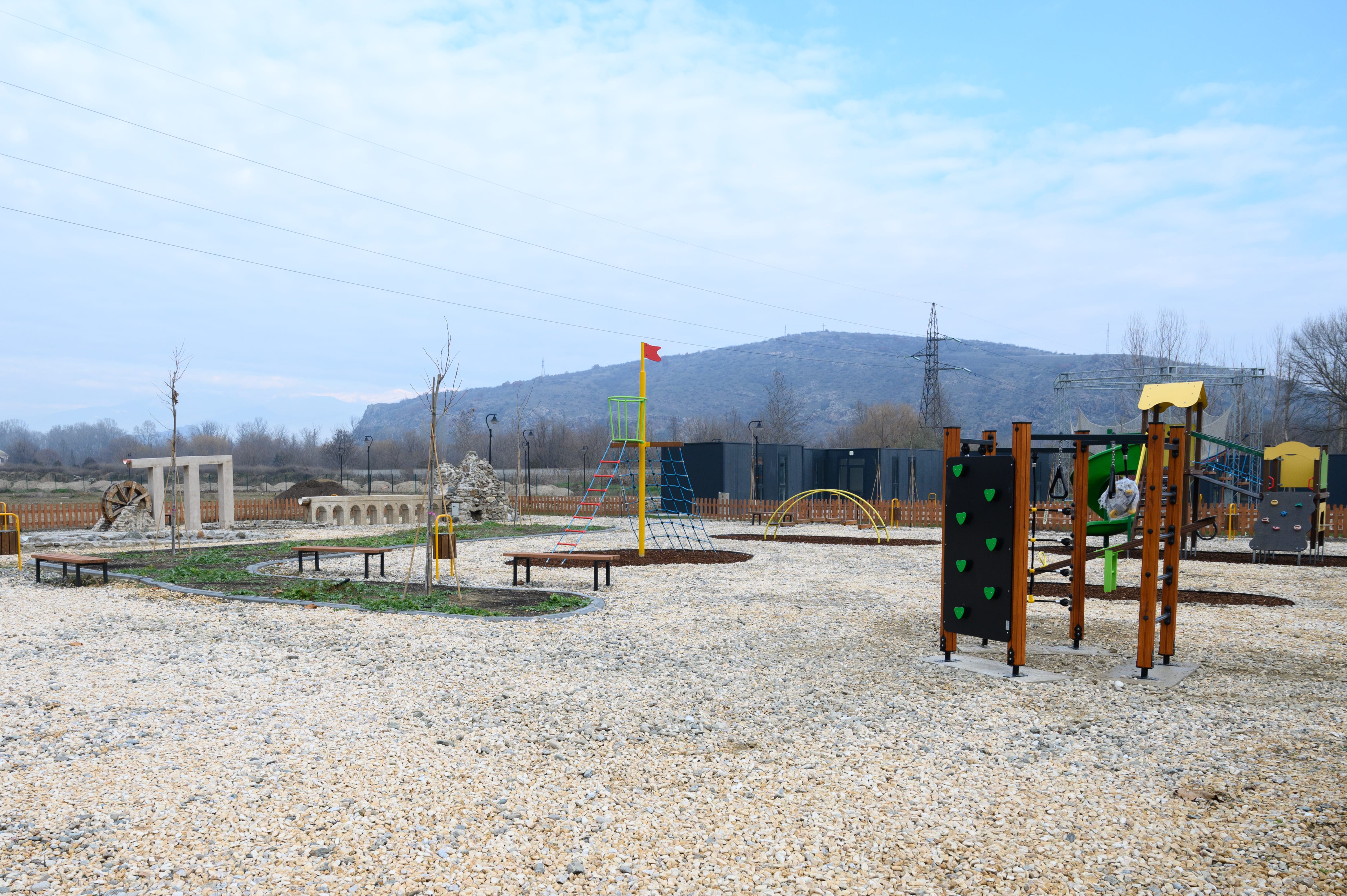
The visitor experience is structured through a sequence of spaces that support exploration, interpretation and rest. Walking paths and viewing points guide movement across the site while allowing individual discovery and longer engagement. Areas for socialisation and public use are being gradually developed, extending the experience beyond observation and improving overall comfort and accessibility.
Cultural interpretation is supported through both physical and digital tools. A digital exhibition environment presents reconstructed narratives of the ancient city, complementing guided tours and on-site educational activities. These elements enable visitors, including young people, to better understand the historical significance of the site and connect with its cultural and natural context.
The project places strong emphasis on authenticity, continuity and sense of place, avoiding the creation of artificial or purely entertainment-driven environments. Its exemplary character lies in the ability to balance preservation and public access while creating a high-quality, place-based experience that is both educational and emotionally engaging.
A key objective is to preserve the authenticity and legibility of the archaeological structures while making them accessible to diverse audiences. Design interventions remain minimal and context-sensitive, allowing the historical layers and the natural setting to define the visual identity of the site.
The visitor experience is structured through a sequence of spaces that support exploration, interpretation and rest. Walking paths and viewing points guide movement across the site while allowing individual discovery and longer engagement. Areas for socialisation and public use are being gradually developed, extending the experience beyond observation and improving overall comfort and accessibility.
Cultural interpretation is supported through both physical and digital tools. A digital exhibition environment presents reconstructed narratives of the ancient city, complementing guided tours and on-site educational activities. These elements enable visitors, including young people, to better understand the historical significance of the site and connect with its cultural and natural context.
The project places strong emphasis on authenticity, continuity and sense of place, avoiding the creation of artificial or purely entertainment-driven environments. Its exemplary character lies in the ability to balance preservation and public access while creating a high-quality, place-based experience that is both educational and emotionally engaging.
Heraclea Sintica Thematic Park approaches inclusion through improved access to cultural heritage, active participation and the integration of local communities into the development of the site.
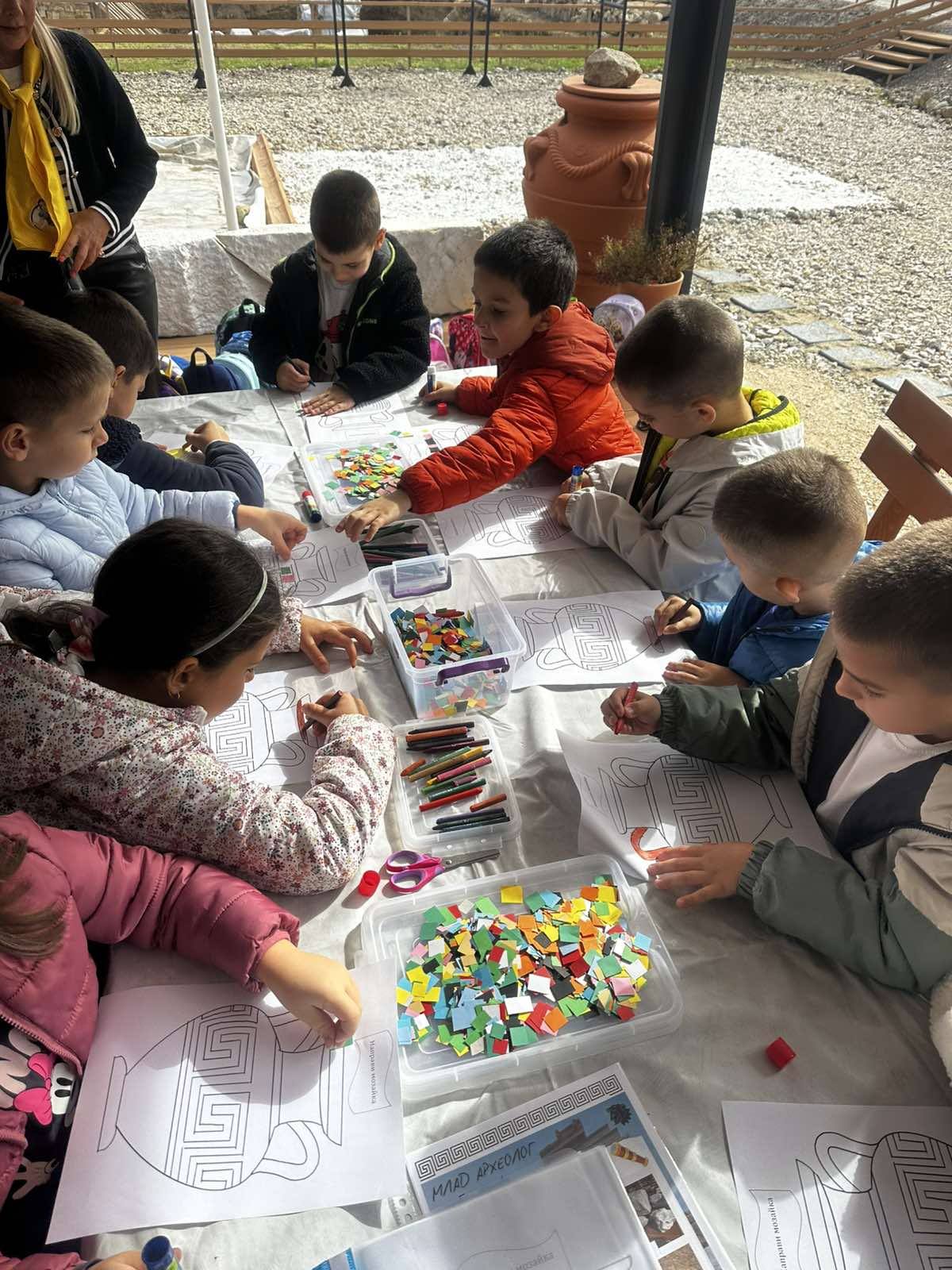
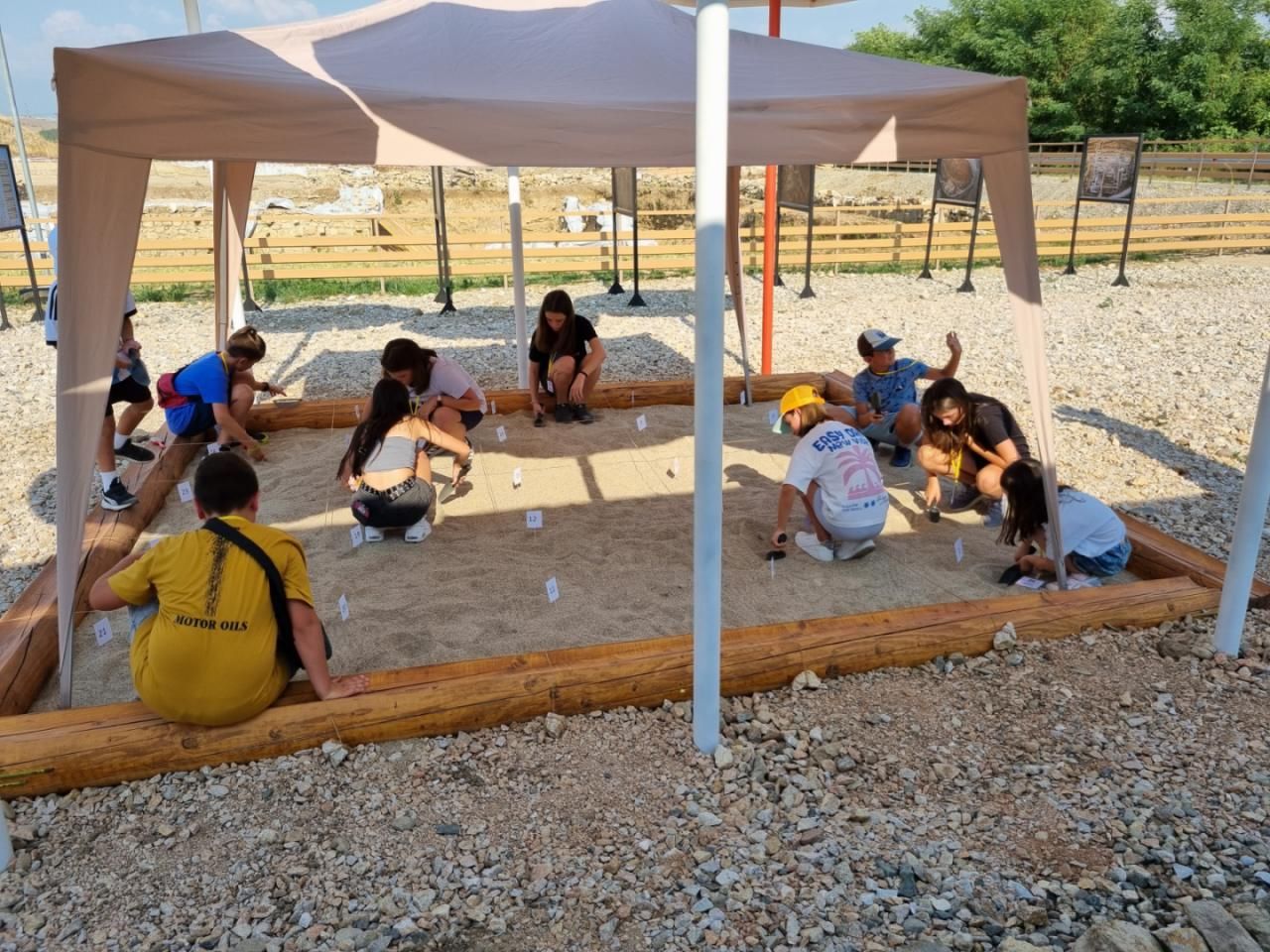
A key objective is to ensure broad and equitable access. Free entry is provided for children from local kindergartens and schools, while programmes such as the “Young Archaeologist” workshop create opportunities for early engagement with cultural heritage. Additional activities, including free events and guided visits for elderly groups, further expand access and participation.
Inclusion is also addressed through employment and skills development. The project has engaged long-term unemployed individuals, people with lower skill levels and members of minority groups. Through their involvement in archaeological work and site development, participants gain practical experience, income and transferable skills. The gradual expansion of the site ensures continuity of employment and long-term capacity building.
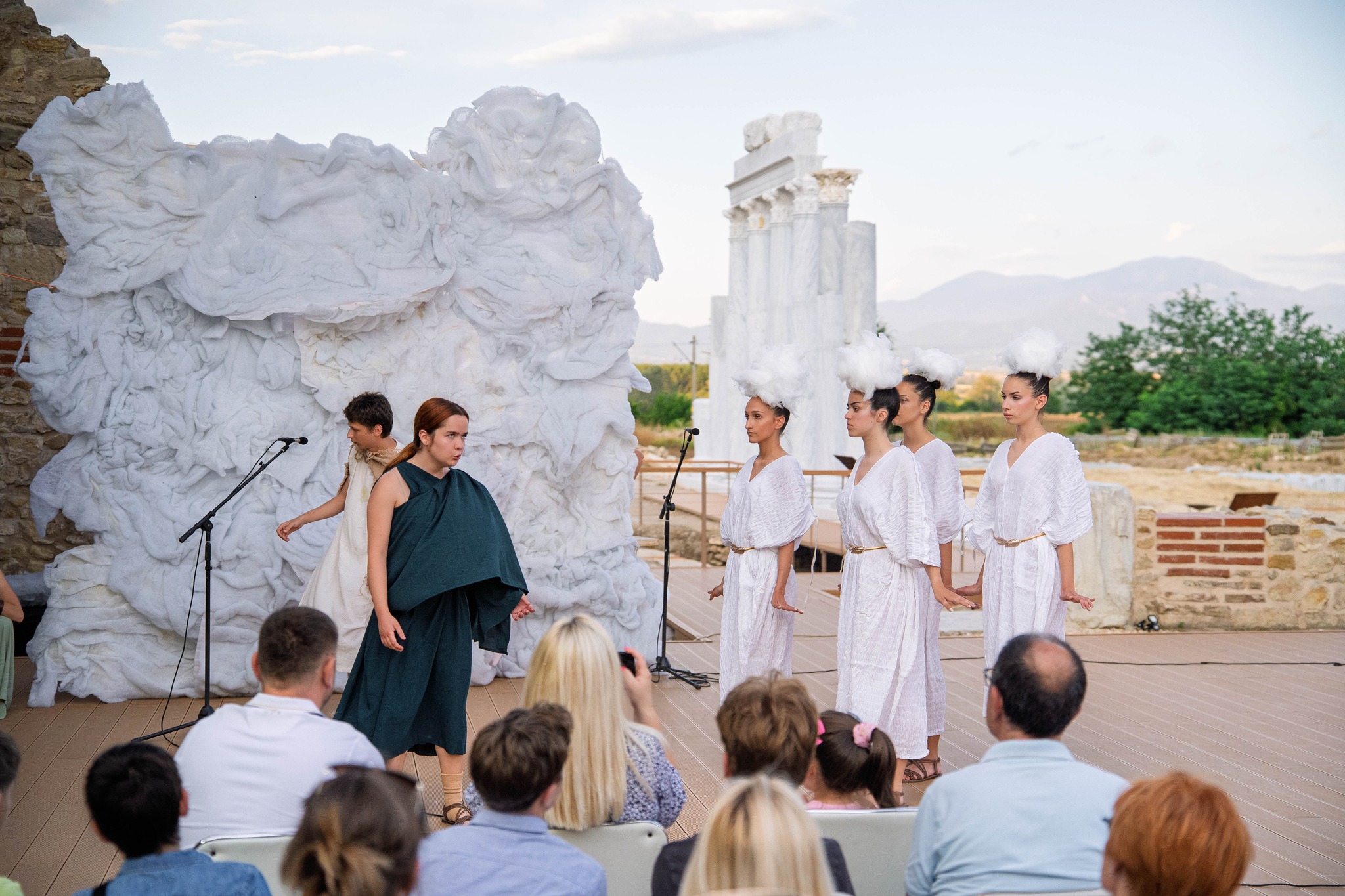
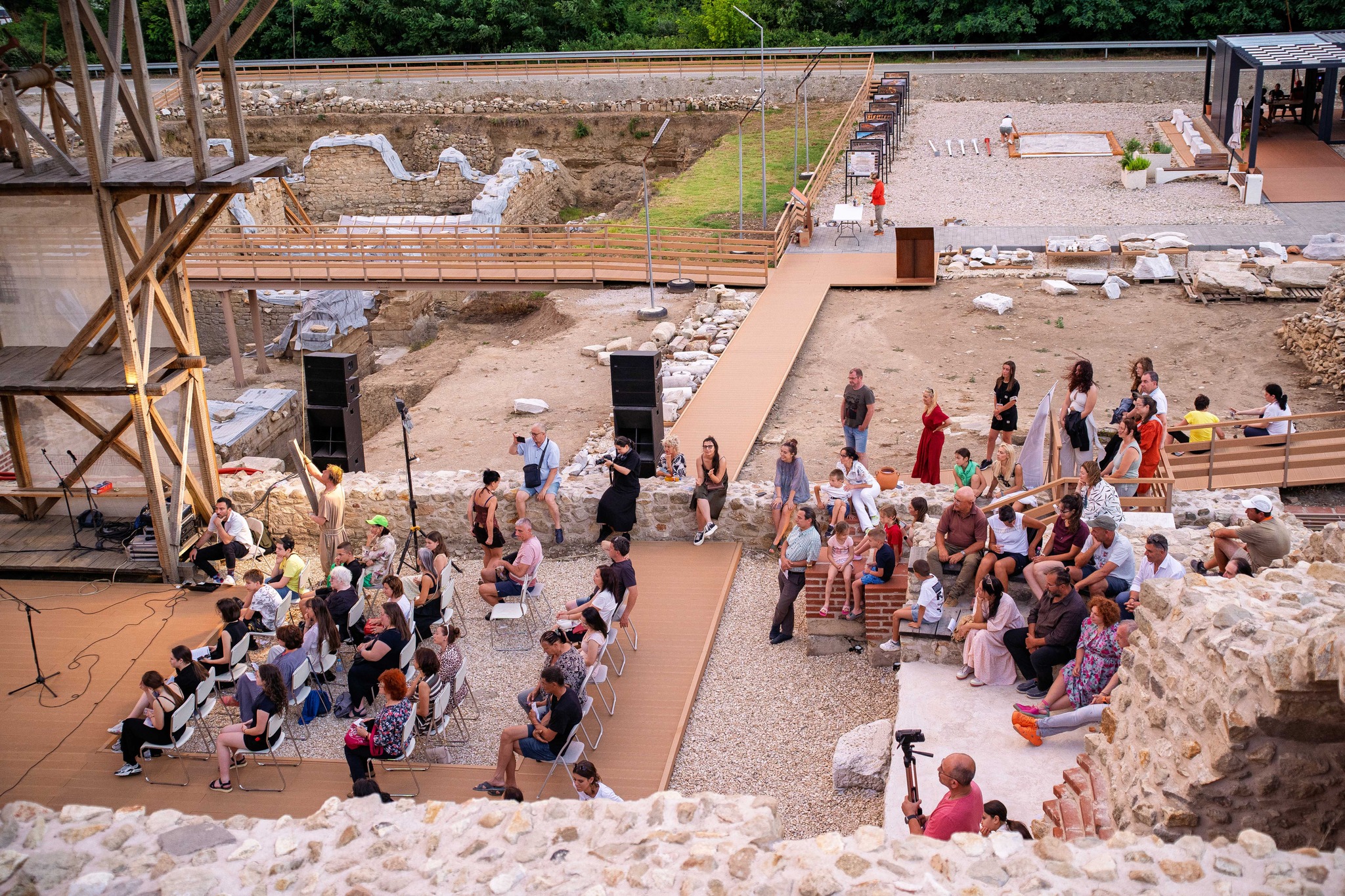
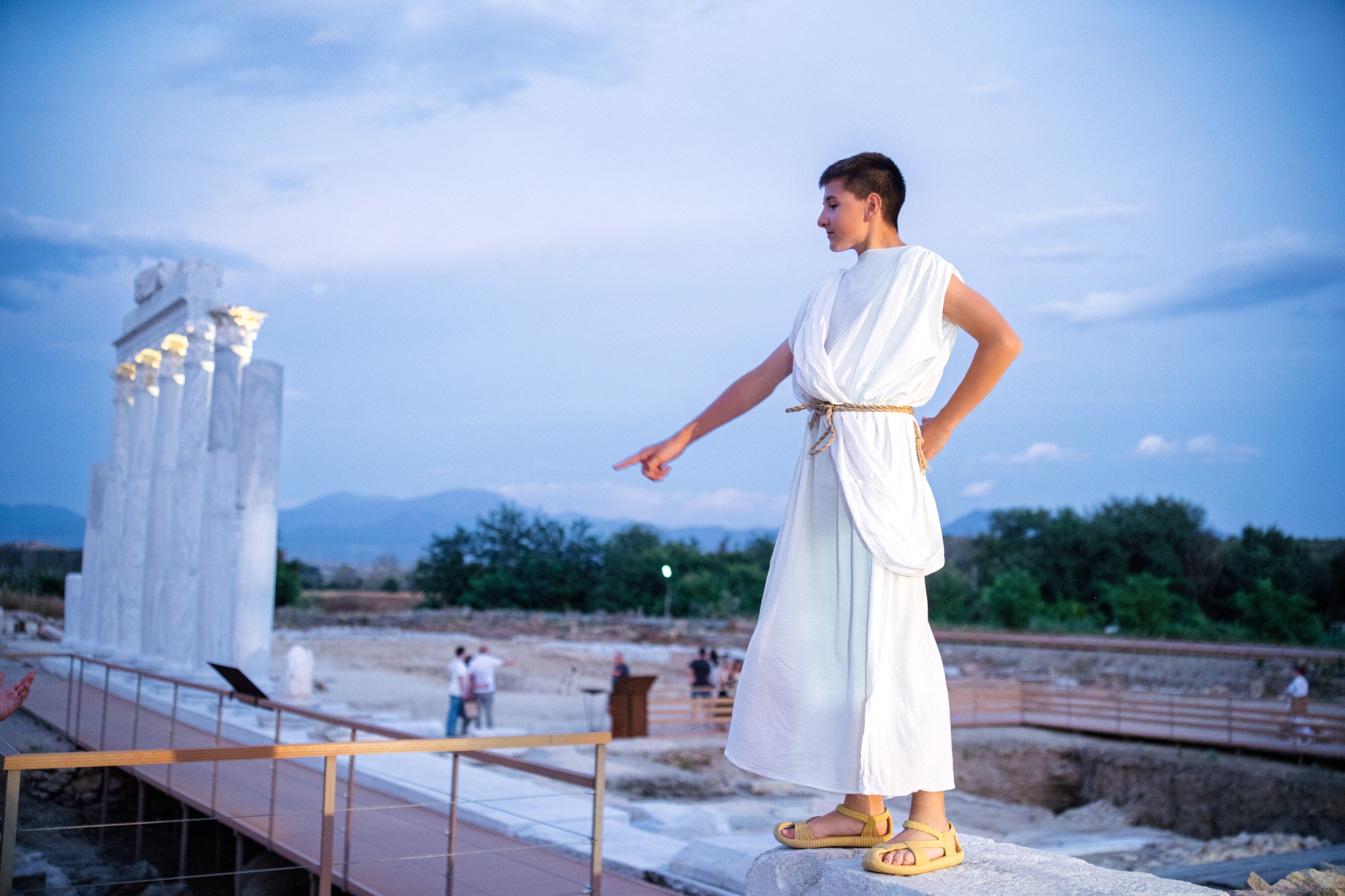
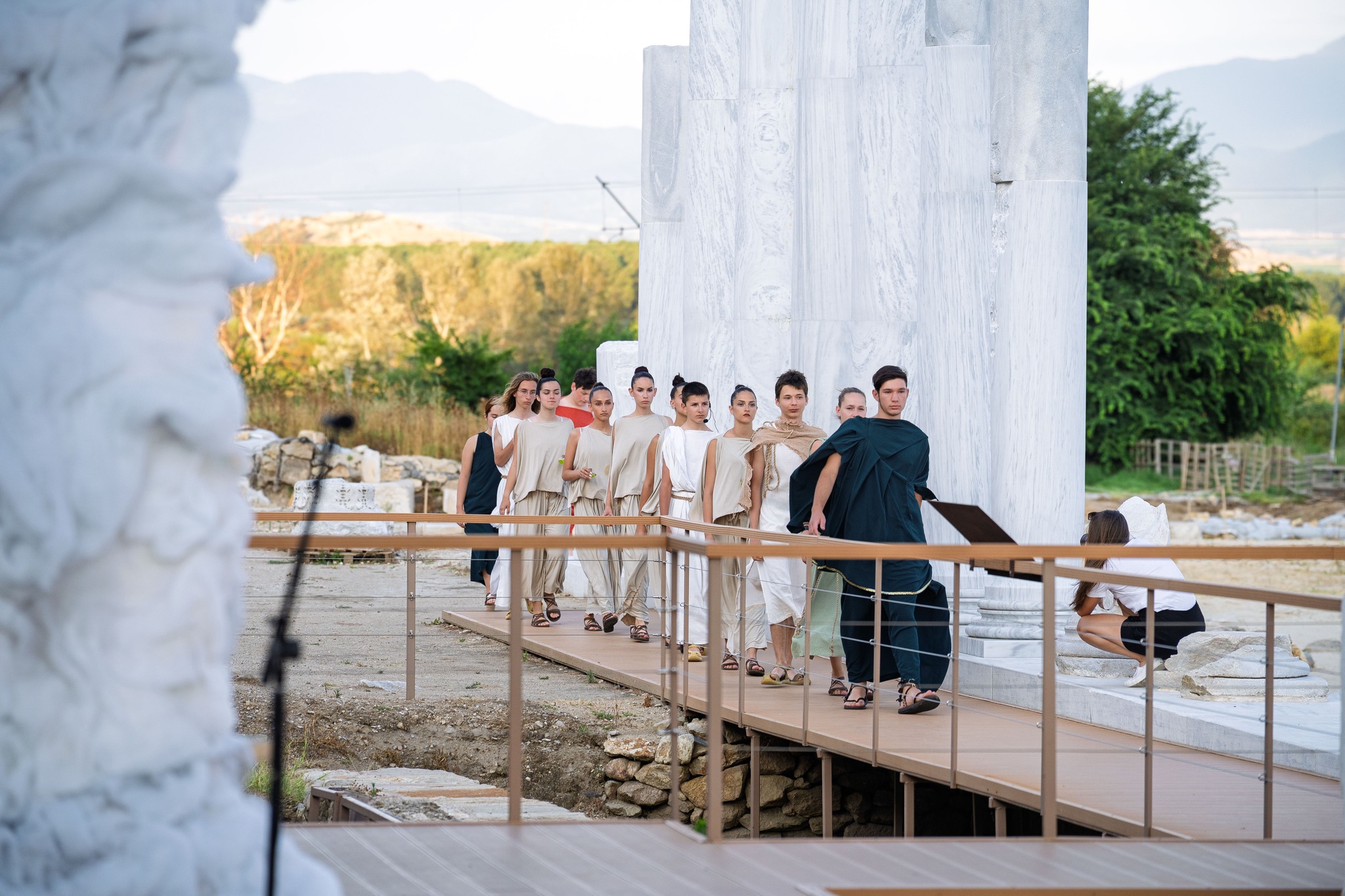
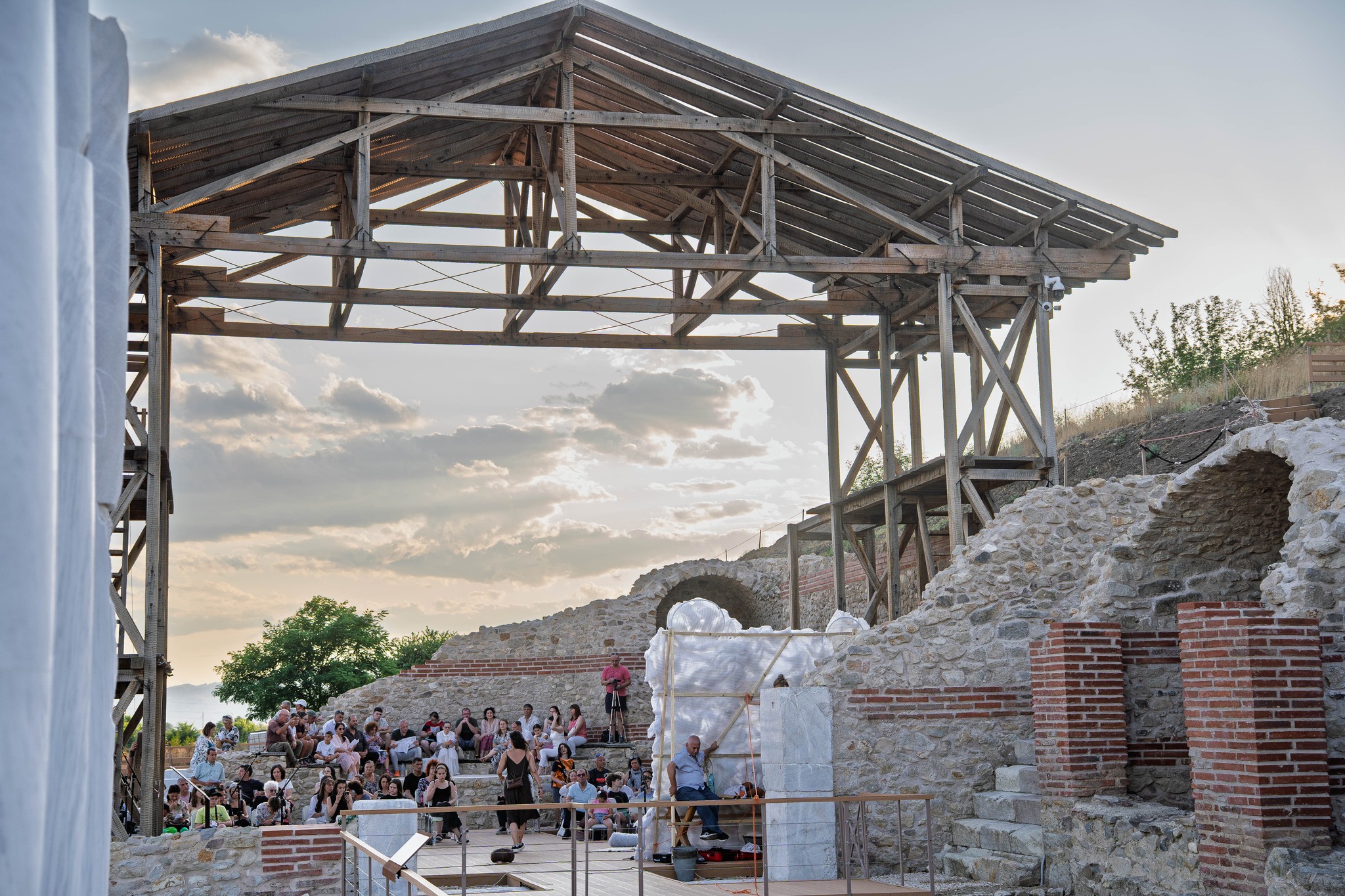
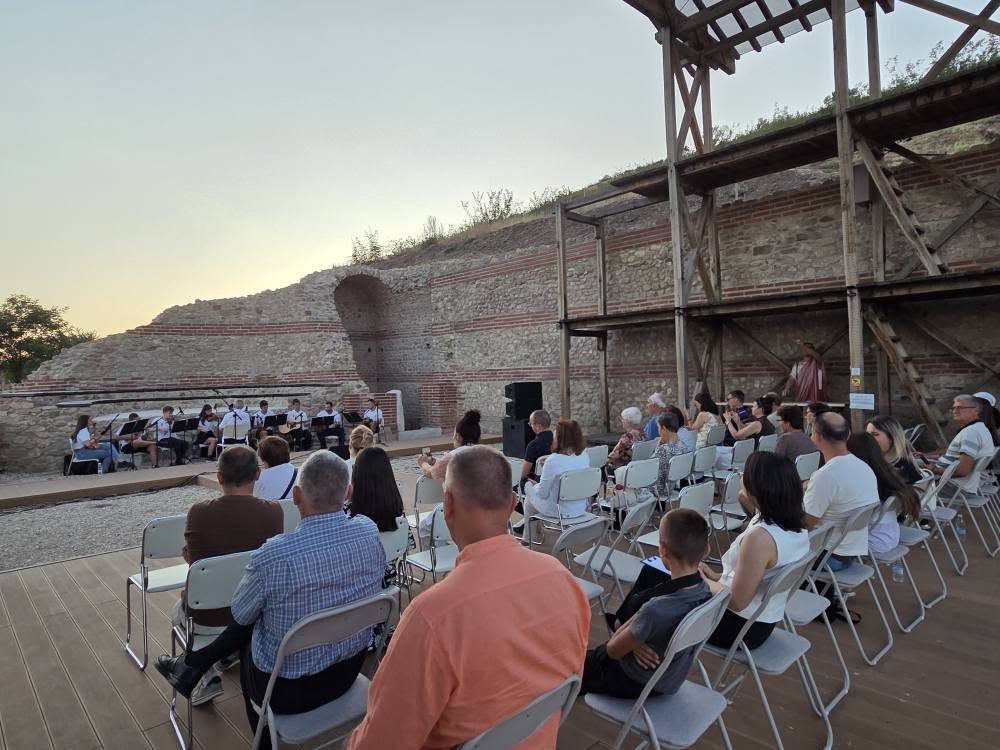
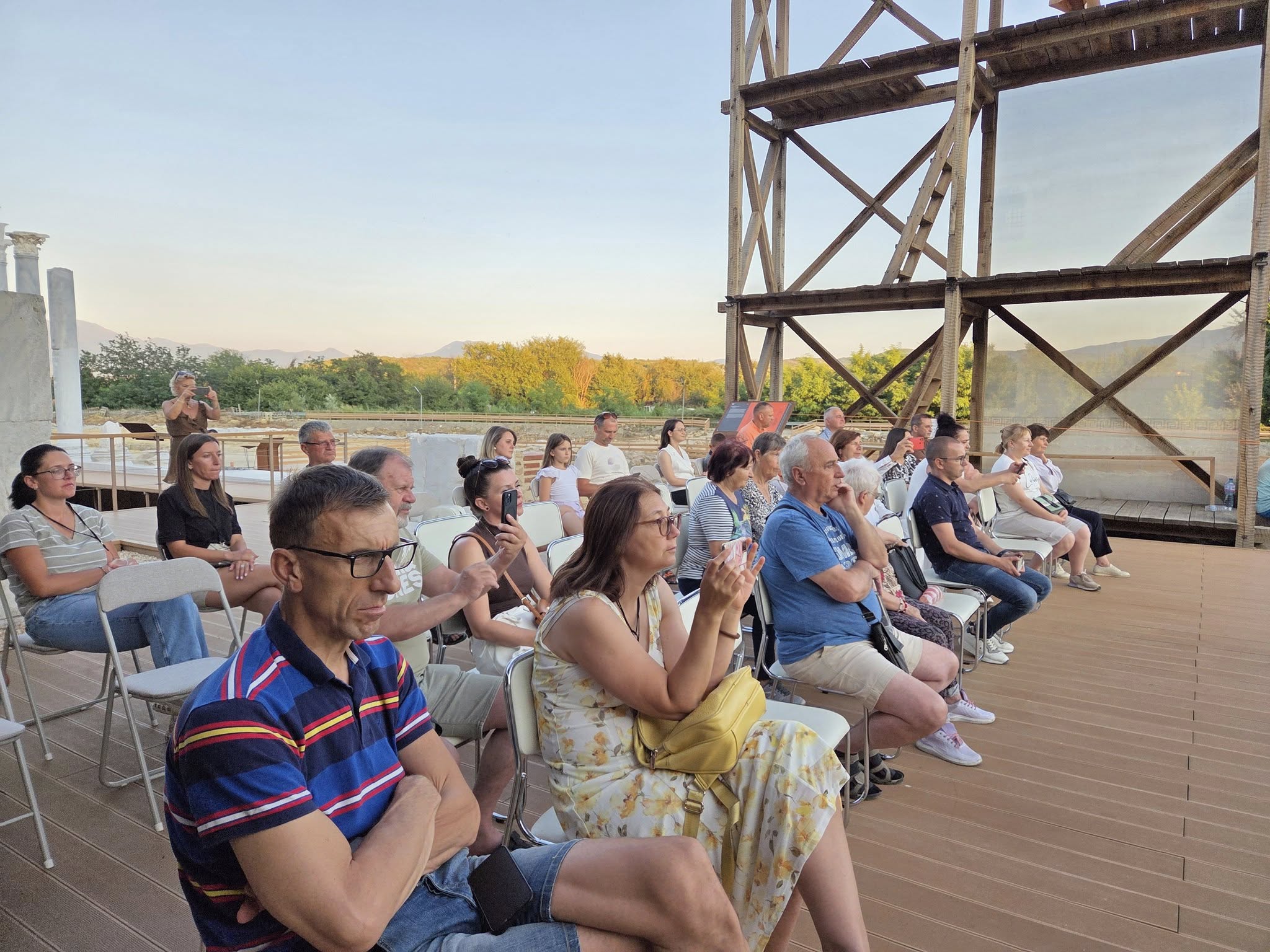
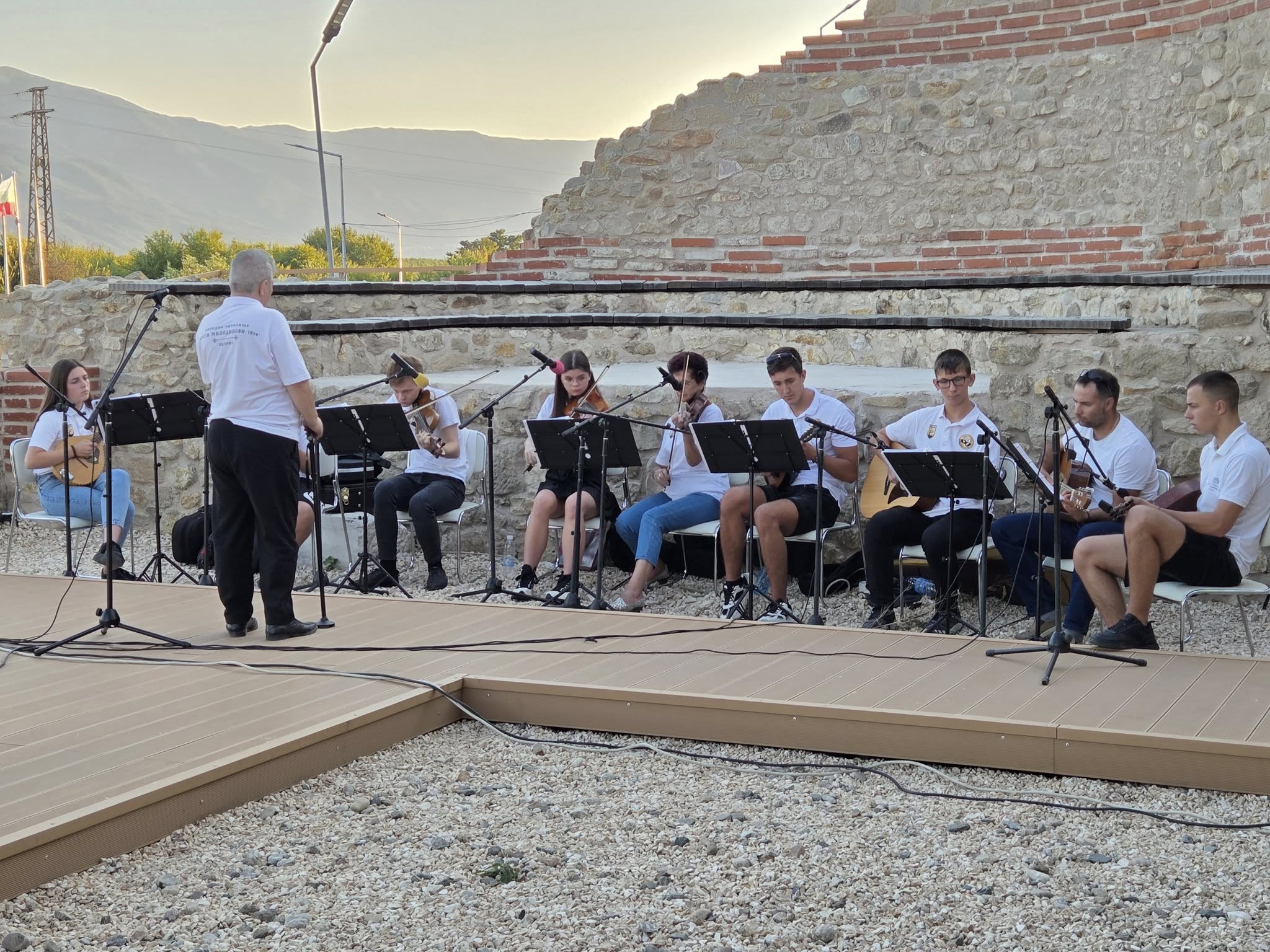
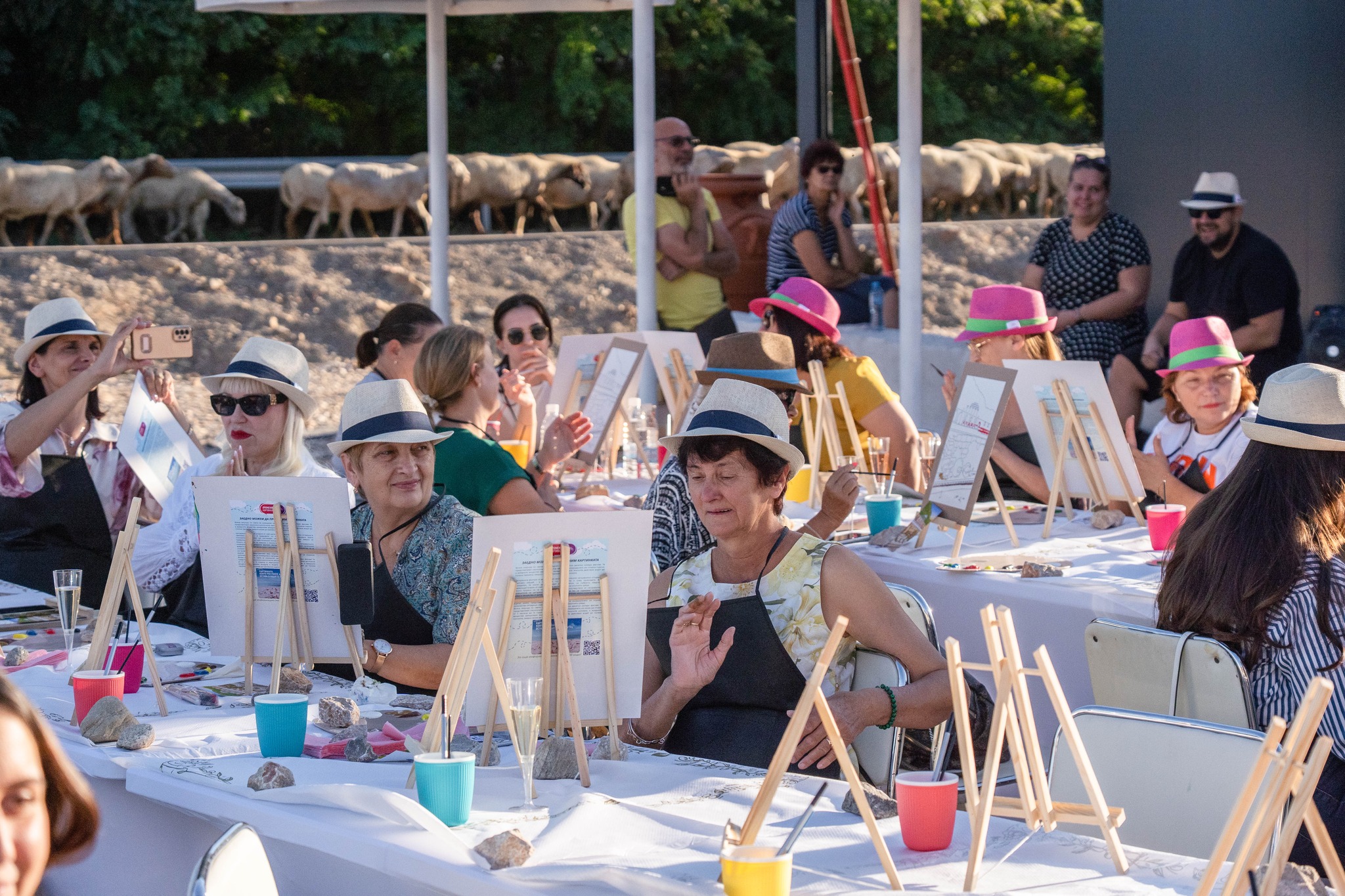
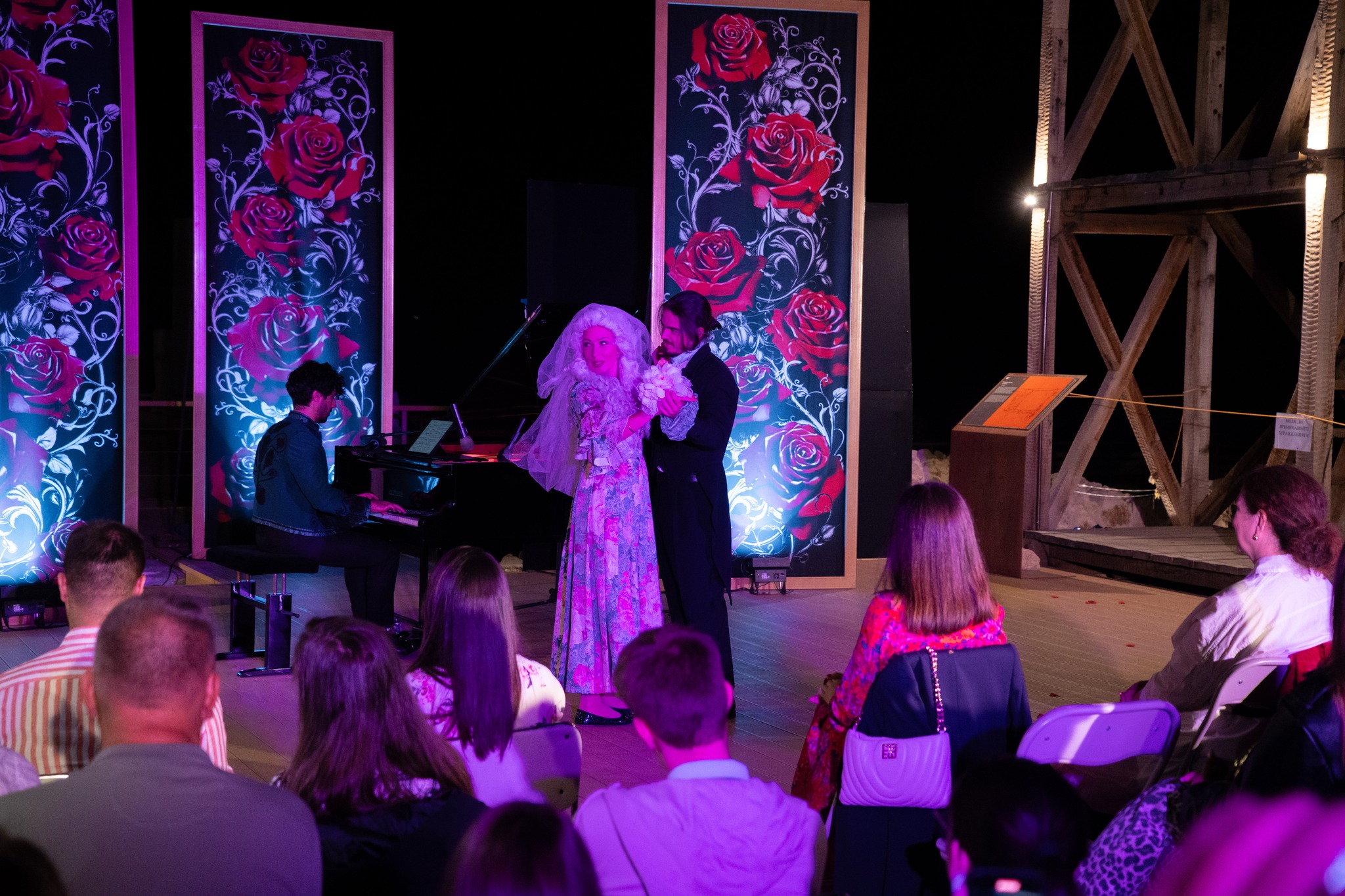
The initiative creates opportunities for cultural expression and community presence. The site hosts performances involving local youth groups, such as the Youth String Ensemble at “Bratya Miladinovi – 1914” Community Centre, as well as theatre performances by students from the National High School for Ancient Languages and Cultures (NGDEK, Sofia). These activities connect contemporary cultural expression with the historical context of the site.
Participation is further strengthened through collaboration with public institutions, experts and local stakeholders. The design of the site follows principles of accessible and inclusive use, ensuring a welcoming environment without intrusive interventions.
The exemplary character of the project lies in its ability to combine cultural accessibility, social inclusion and local economic participation within a single framework, contributing to a more inclusive and resilient model of regional development.
A key objective is to ensure broad and equitable access. Free entry is provided for children from local kindergartens and schools, while programmes such as the “Young Archaeologist” workshop create opportunities for early engagement with cultural heritage. Additional activities, including free events and guided visits for elderly groups, further expand access and participation.
Inclusion is also addressed through employment and skills development. The project has engaged long-term unemployed individuals, people with lower skill levels and members of minority groups. Through their involvement in archaeological work and site development, participants gain practical experience, income and transferable skills. The gradual expansion of the site ensures continuity of employment and long-term capacity building.
The initiative creates opportunities for cultural expression and community presence. The site hosts performances involving local youth groups, such as the Youth String Ensemble at “Bratya Miladinovi – 1914” Community Centre, as well as theatre performances by students from the National High School for Ancient Languages and Cultures (NGDEK, Sofia). These activities connect contemporary cultural expression with the historical context of the site.
Participation is further strengthened through collaboration with public institutions, experts and local stakeholders. The design of the site follows principles of accessible and inclusive use, ensuring a welcoming environment without intrusive interventions.
The exemplary character of the project lies in its ability to combine cultural accessibility, social inclusion and local economic participation within a single framework, contributing to a more inclusive and resilient model of regional development.
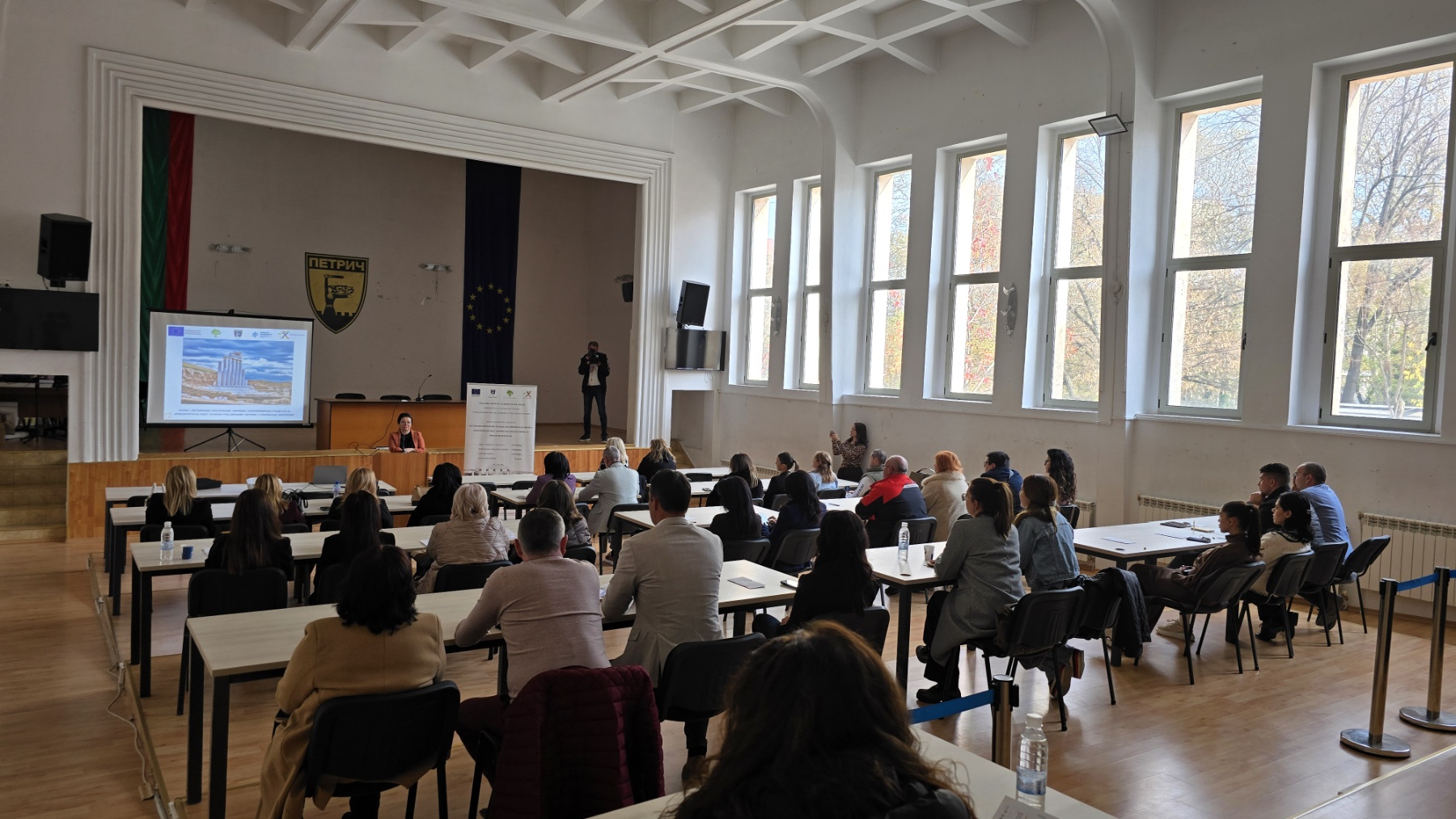
The involvement of citizens and civil society in Heraclea Sintica Thematic Park follows a context-sensitive approach, adapted to the conditions of a smaller municipality with no formal civil society organisations. In it, the Municipality and the Historical Museum play an active role in facilitating participation through consultations, direct engagement and partnerships.
Local communities have been involved through public consultations during the planning phase, including discussions on the development of the thematic park. These processes enabled feedback, potential objections and alignment with local expectations, ensuring transparency and public awareness.
The initiative relies on collaboration with local cultural institutions and economic stakeholders. Community centres contribute through cultural programming, while representatives of the regional tourism sector, including wineries, hotels and service providers, are engaged in working groups and consultations, influencing the positioning and development of the site.
The initiative extends beyond the local context through partnerships with external organisations. For three consecutive years, the Historical Museum has collaborated with Open Space Foundation, engaging international volunteers through the European Solidarity Corps, who have taken part in the archaeological excavations.
In the current phase, new partnerships are being developed to strengthen co-creation and long-term governance. Collaboration with Optimistas Foundation focuses on preparation of a public competition for the interpretation and spatial development of the site. Cooperation with The Collective Foundation, a New European Bauhaus award recipient, supports the development of a cultural and festival programme.
The impact of this approach lies in the formation of a collaborative ecosystem, integrating local stakeholders, international participants and cultural organisations, and strengthening shared ownership and informed decision-making.
Local communities have been involved through public consultations during the planning phase, including discussions on the development of the thematic park. These processes enabled feedback, potential objections and alignment with local expectations, ensuring transparency and public awareness.
The initiative relies on collaboration with local cultural institutions and economic stakeholders. Community centres contribute through cultural programming, while representatives of the regional tourism sector, including wineries, hotels and service providers, are engaged in working groups and consultations, influencing the positioning and development of the site.
The initiative extends beyond the local context through partnerships with external organisations. For three consecutive years, the Historical Museum has collaborated with Open Space Foundation, engaging international volunteers through the European Solidarity Corps, who have taken part in the archaeological excavations.
In the current phase, new partnerships are being developed to strengthen co-creation and long-term governance. Collaboration with Optimistas Foundation focuses on preparation of a public competition for the interpretation and spatial development of the site. Cooperation with The Collective Foundation, a New European Bauhaus award recipient, supports the development of a cultural and festival programme.
The impact of this approach lies in the formation of a collaborative ecosystem, integrating local stakeholders, international participants and cultural organisations, and strengthening shared ownership and informed decision-making.
The development of Heraclea Sintica Thematic Park involves stakeholders across local, national and European levels, each contributing specific expertise and value to the initiative.
Local cultural institutions and representatives of the tourism sector, including wineries, hotels and service providers, are engaged through consultations and working groups, contributing to the positioning of the site and its integration into the regional economy.
At national level, the project is supported by key scientific and institutional actors. Archaeological research is carried out under the direction of a team from the National Archaeological Institute with Museum at the Bulgarian Academy of Sciences. The Ministry of Culture provides regulatory oversight. Additional expertise is provided by a multidisciplinary team involved in the Environmental Impact Assessment, covering biodiversity, landscape, climate, water and cultural heritage.
The project is further supported by partnerships with national organisations such as Optimistas Foundation and The Collective Foundation, contributing to design development, cultural programming and future governance models.
At European level, the initiative combines cultural exchange and active participation. Through collaboration with Open Space Foundation, international volunteers from more than ten countries have been engaged in archaeological excavations under the European Solidarity Corps, contributing directly to research and intercultural exchange. The site is also promoted through travelling exhibitions, including its presentation at the Olympus Festival in Dion, Greece, and participation in international tourism fairs in Vienna and Stuttgart using innovative tools such as virtual reality.
The added value of this multi-level engagement lies in combining scientific credibility, local relevance and international visibility, strengthening decision-making and supporting the positioning of the site as a sustainable cultural destination.
Local cultural institutions and representatives of the tourism sector, including wineries, hotels and service providers, are engaged through consultations and working groups, contributing to the positioning of the site and its integration into the regional economy.
At national level, the project is supported by key scientific and institutional actors. Archaeological research is carried out under the direction of a team from the National Archaeological Institute with Museum at the Bulgarian Academy of Sciences. The Ministry of Culture provides regulatory oversight. Additional expertise is provided by a multidisciplinary team involved in the Environmental Impact Assessment, covering biodiversity, landscape, climate, water and cultural heritage.
The project is further supported by partnerships with national organisations such as Optimistas Foundation and The Collective Foundation, contributing to design development, cultural programming and future governance models.
At European level, the initiative combines cultural exchange and active participation. Through collaboration with Open Space Foundation, international volunteers from more than ten countries have been engaged in archaeological excavations under the European Solidarity Corps, contributing directly to research and intercultural exchange. The site is also promoted through travelling exhibitions, including its presentation at the Olympus Festival in Dion, Greece, and participation in international tourism fairs in Vienna and Stuttgart using innovative tools such as virtual reality.
The added value of this multi-level engagement lies in combining scientific credibility, local relevance and international visibility, strengthening decision-making and supporting the positioning of the site as a sustainable cultural destination.
The development of Heraclea Sintica Thematic Park is based on a transdisciplinary approach that integrates archaeology, environmental sciences, architecture, tourism and cultural management. This reflects the complexity of the site, where cultural heritage, natural environment and public use must be addressed simultaneously.
Archaeologists play a leading role in defining the scope and limitations of interventions, ensuring scientific integrity and authenticity. Their work is closely complemented by environmental experts involved in the Environmental Impact Assessment, who establish conditions related to biodiversity, landscape protection, water management and climate factors.
These two fields directly inform the work of designers and planners, who translate scientific and environmental requirements into spatial solutions. This interaction results in low-impact, reversible and context-sensitive design, where infrastructure is carefully integrated without compromising archaeological or ecological values.
At the same time, knowledge from the tourism sector and local economic stakeholders contributes to shaping the visitor experience and service model, ensuring accessibility and economic viability. Cultural and educational experts further enrich the process through exhibitions, interpretation tools and learning programmes.
The interaction between these fields is continuous and iterative, allowing the project to adapt to ongoing discoveries and changing conditions.
The added value lies in producing balanced and informed solutions, where conservation, accessibility and sustainability are effectively aligned.
Archaeologists play a leading role in defining the scope and limitations of interventions, ensuring scientific integrity and authenticity. Their work is closely complemented by environmental experts involved in the Environmental Impact Assessment, who establish conditions related to biodiversity, landscape protection, water management and climate factors.
These two fields directly inform the work of designers and planners, who translate scientific and environmental requirements into spatial solutions. This interaction results in low-impact, reversible and context-sensitive design, where infrastructure is carefully integrated without compromising archaeological or ecological values.
At the same time, knowledge from the tourism sector and local economic stakeholders contributes to shaping the visitor experience and service model, ensuring accessibility and economic viability. Cultural and educational experts further enrich the process through exhibitions, interpretation tools and learning programmes.
The interaction between these fields is continuous and iterative, allowing the project to adapt to ongoing discoveries and changing conditions.
The added value lies in producing balanced and informed solutions, where conservation, accessibility and sustainability are effectively aligned.
The innovative character of Heraclea Sintica Thematic Park lies in its shift from a conventional archaeological tourism model towards an integrated and evolving system that connects cultural heritage, natural environment and local development.
Mainstream approaches in the field typically focus on the conservation and presentation of archaeological sites, combined with standard visitor infrastructure and services. In many cases, this results in isolated attractions, limited local impact or increasing pressure from mass tourism. In contrast, the initiative at Heraclea Sintica is designed as a long-term process that balances preservation, accessibility and territorial development.
A key innovation is the integration of the site within a Natura 2000 protected area, where environmental constraints are not treated as limitations but as drivers of design. This leads to low-impact, reversible and landscape-sensitive interventions that differ significantly from conventional construction practices in heritage tourism.
The project also introduces a socially inclusive development model. Instead of relying solely on tourism-related employment, it actively engages vulnerable groups, including long-term unemployed individuals and people with limited skills, providing them with training, income and long-term opportunities linked to the gradual expansion of the site.
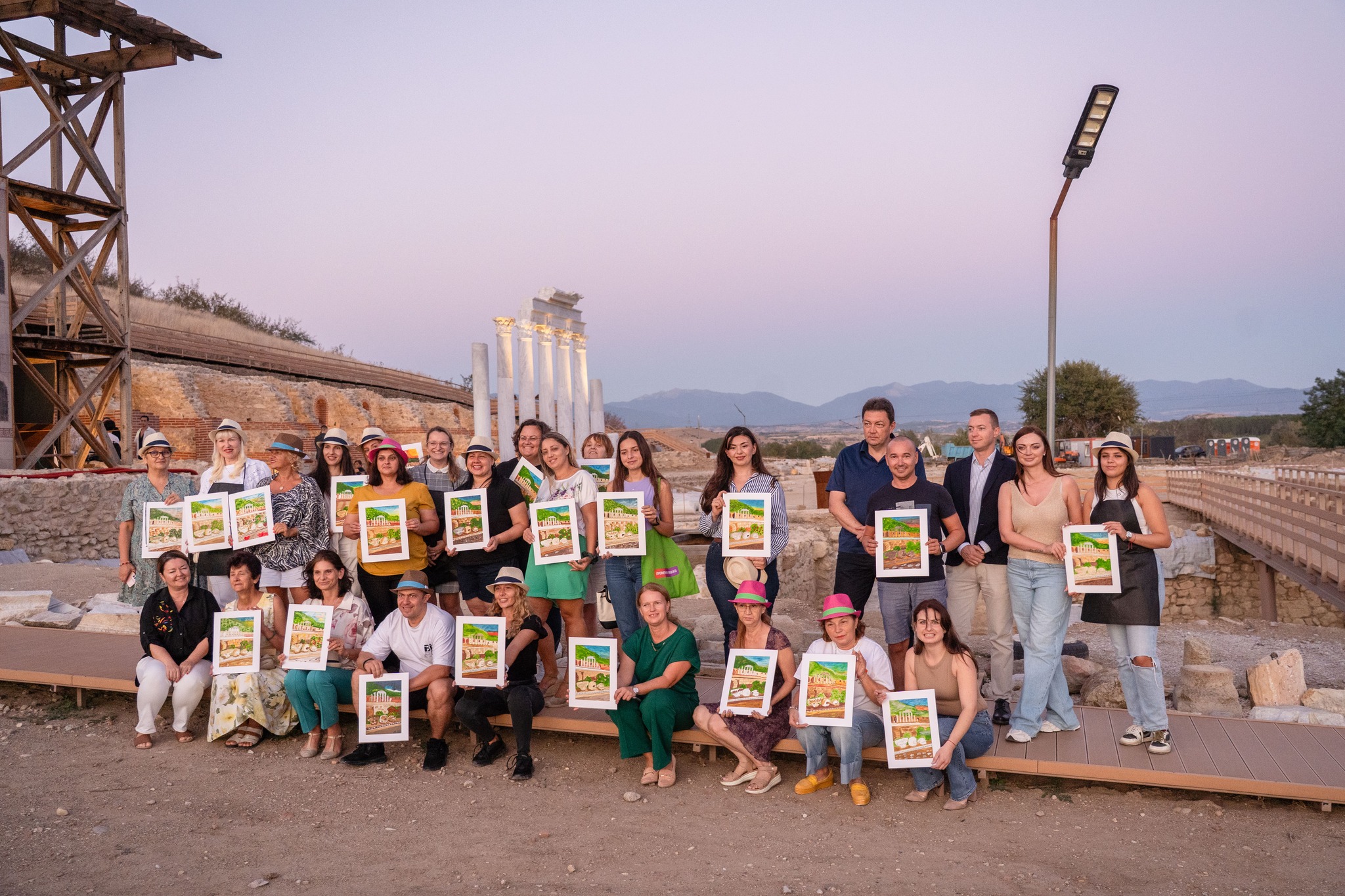
Another innovative aspect is the transformation of the site into a multifunctional cultural environment. Beyond its archaeological value, it hosts educational programmes, cultural events and contemporary artistic activities, creating a dynamic relationship between past and present.
Finally, the initiative follows a phased and adaptive development approach rather than a fixed end-state model. This allows continuous integration of new knowledge, partnerships and uses, making the project more resilient and responsive to both environmental conditions and societal needs.
Mainstream approaches in the field typically focus on the conservation and presentation of archaeological sites, combined with standard visitor infrastructure and services. In many cases, this results in isolated attractions, limited local impact or increasing pressure from mass tourism. In contrast, the initiative at Heraclea Sintica is designed as a long-term process that balances preservation, accessibility and territorial development.
A key innovation is the integration of the site within a Natura 2000 protected area, where environmental constraints are not treated as limitations but as drivers of design. This leads to low-impact, reversible and landscape-sensitive interventions that differ significantly from conventional construction practices in heritage tourism.
The project also introduces a socially inclusive development model. Instead of relying solely on tourism-related employment, it actively engages vulnerable groups, including long-term unemployed individuals and people with limited skills, providing them with training, income and long-term opportunities linked to the gradual expansion of the site.
Another innovative aspect is the transformation of the site into a multifunctional cultural environment. Beyond its archaeological value, it hosts educational programmes, cultural events and contemporary artistic activities, creating a dynamic relationship between past and present.
Finally, the initiative follows a phased and adaptive development approach rather than a fixed end-state model. This allows continuous integration of new knowledge, partnerships and uses, making the project more resilient and responsive to both environmental conditions and societal needs.
The methodology of Heraclea Sintica Thematic Park is based on a phased, adaptive and transdisciplinary approach that integrates archaeological research, environmental protection, spatial design and local development into a coherent process.
The initiative follows a step-by-step development model, starting from long-term archaeological research and gradually evolving into a structured public space. Each phase builds on the previous one, allowing the project to respond to new discoveries, environmental conditions and community needs without compromising the integrity of the site.
Scientific knowledge is at the core of decision-making. Archaeological research defines the scope of interventions, while environmental requirements, established through the Environmental Impact Assessment, set clear conditions related to biodiversity, landscape and resource management. These inputs are translated into spatial solutions through low-impact, reversible and context-sensitive design.
The process is supported by continuous interaction between disciplines, including archaeology, ecology, planning, tourism and cultural management. This ensures that decisions are not taken in isolation, but reflect a balance between preservation, accessibility and economic viability.
Participation is integrated through public consultations, stakeholder engagement and partnerships with local and external organisations. The involvement of local communities, tourism actors and international volunteers contributes to the development and activation of the site.
The initiative follows a step-by-step development model, starting from long-term archaeological research and gradually evolving into a structured public space. Each phase builds on the previous one, allowing the project to respond to new discoveries, environmental conditions and community needs without compromising the integrity of the site.
Scientific knowledge is at the core of decision-making. Archaeological research defines the scope of interventions, while environmental requirements, established through the Environmental Impact Assessment, set clear conditions related to biodiversity, landscape and resource management. These inputs are translated into spatial solutions through low-impact, reversible and context-sensitive design.
The process is supported by continuous interaction between disciplines, including archaeology, ecology, planning, tourism and cultural management. This ensures that decisions are not taken in isolation, but reflect a balance between preservation, accessibility and economic viability.
Participation is integrated through public consultations, stakeholder engagement and partnerships with local and external organisations. The involvement of local communities, tourism actors and international volunteers contributes to the development and activation of the site.
The transferability of Heraclea Sintica Thematic Park lies in the approach and processes used to guide its development. The initiative demonstrates how archaeological heritage in sensitive environmental contexts can be activated through a balanced and adaptive model.
A key transferable element is the phased development methodology, which allows gradual activation based on ongoing research, available resources and local needs. This approach reduces risk, enables learning over time and can be applied in other contexts where heritage sites are still being explored or require careful conservation.
Another important element is the integration of environmental constraints into the design process. The use of Environmental Impact Assessment as a guiding framework, combined with low-impact and reversible construction solutions, provides a model for working within protected areas without compromising ecological values.
The initiative also offers a transferable approach to local inclusion. By engaging vulnerable groups through employment and skills development, and by involving local stakeholders in consultations and decision-making, the project demonstrates how heritage sites can contribute to social and economic resilience.
The combination of cultural heritage, education and contemporary use is another element with strong potential for adaptation. Programmes such as on-site learning, cultural events and interpretative tools can be applied in different contexts to enhance public engagement and relevance.
Finally, the project illustrates how partnerships across local, national and international levels can support knowledge exchange, capacity building and long-term development. These processes can inform similar initiatives seeking to balance conservation, accessibility and sustainability in diverse territorial contexts.
A key transferable element is the phased development methodology, which allows gradual activation based on ongoing research, available resources and local needs. This approach reduces risk, enables learning over time and can be applied in other contexts where heritage sites are still being explored or require careful conservation.
Another important element is the integration of environmental constraints into the design process. The use of Environmental Impact Assessment as a guiding framework, combined with low-impact and reversible construction solutions, provides a model for working within protected areas without compromising ecological values.
The initiative also offers a transferable approach to local inclusion. By engaging vulnerable groups through employment and skills development, and by involving local stakeholders in consultations and decision-making, the project demonstrates how heritage sites can contribute to social and economic resilience.
The combination of cultural heritage, education and contemporary use is another element with strong potential for adaptation. Programmes such as on-site learning, cultural events and interpretative tools can be applied in different contexts to enhance public engagement and relevance.
Finally, the project illustrates how partnerships across local, national and international levels can support knowledge exchange, capacity building and long-term development. These processes can inform similar initiatives seeking to balance conservation, accessibility and sustainability in diverse territorial contexts.
Heraclea Sintica Thematic Park is currently in an active phase of gradual development, demonstrating a strong commitment to implementation through already realised and ongoing interventions. The core archaeological zone is accessible and partially socialised, with conservation, restoration and visitor infrastructure already in place.
A key priority is the expansion and completion of the socialisation zone, including visitor facilities, accommodation, recreational and supporting infrastructure. Part of these elements have been constructed, while full activation is planned in the next phase.
In parallel, archaeological research remains ongoing, with continuous excavations and conservation of newly discovered structures, ensuring that development is directly informed by scientific evidence and long-term preservation requirements.
An important step forward is the upgrade of the existing governance model. Building on the current structure, the initiative is expanding towards a broader participatory framework that includes cultural organisations, experts and economic stakeholders outside Petrich. This transition responds to the growing scale of the project and the need for more efficient management, sustainable revenue generation and reinvestment capacity.
Another key direction is the transition from spontaneous activation to structured programming, including the development of an annual cultural calendar with festivals, educational activities and thematic events, aimed at extending the duration of visits and attracting diverse audiences.
The initiative demonstrates a coherent long-term approach where conservation, economic viability and public value are developed in parallel. By aligning governance, spatial development and cultural programming, the project moves towards an integrated model that strengthens resilience, supports local development and ensures that heritage remains both protected and actively used.
A key priority is the expansion and completion of the socialisation zone, including visitor facilities, accommodation, recreational and supporting infrastructure. Part of these elements have been constructed, while full activation is planned in the next phase.
In parallel, archaeological research remains ongoing, with continuous excavations and conservation of newly discovered structures, ensuring that development is directly informed by scientific evidence and long-term preservation requirements.
An important step forward is the upgrade of the existing governance model. Building on the current structure, the initiative is expanding towards a broader participatory framework that includes cultural organisations, experts and economic stakeholders outside Petrich. This transition responds to the growing scale of the project and the need for more efficient management, sustainable revenue generation and reinvestment capacity.
Another key direction is the transition from spontaneous activation to structured programming, including the development of an annual cultural calendar with festivals, educational activities and thematic events, aimed at extending the duration of visits and attracting diverse audiences.
The initiative demonstrates a coherent long-term approach where conservation, economic viability and public value are developed in parallel. By aligning governance, spatial development and cultural programming, the project moves towards an integrated model that strengthens resilience, supports local development and ensures that heritage remains both protected and actively used.