Arts, Culture, and Heritage as Drivers of Change
Architecture Festival for Children
Architecture Festival for Children "City as a Puzzle"
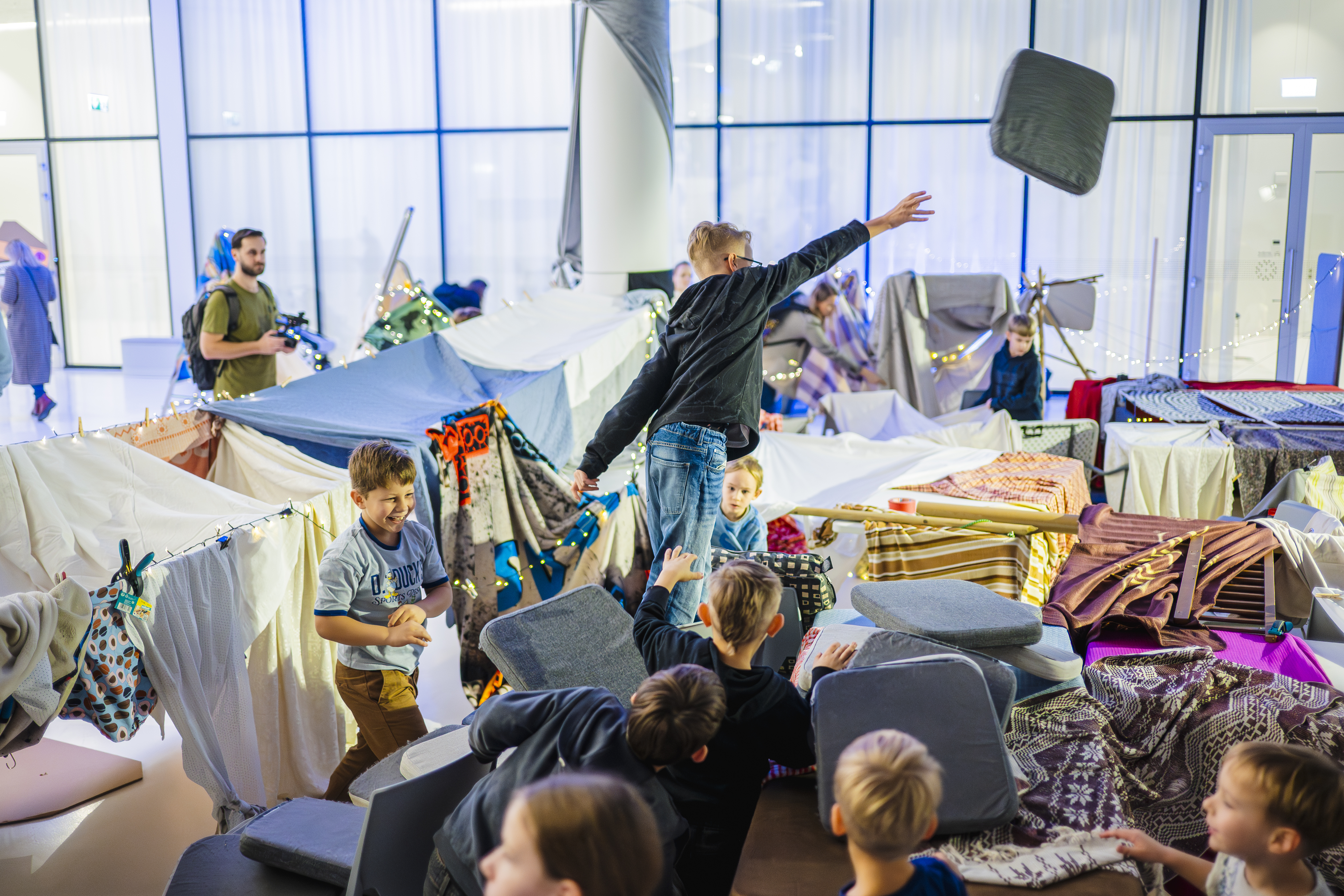
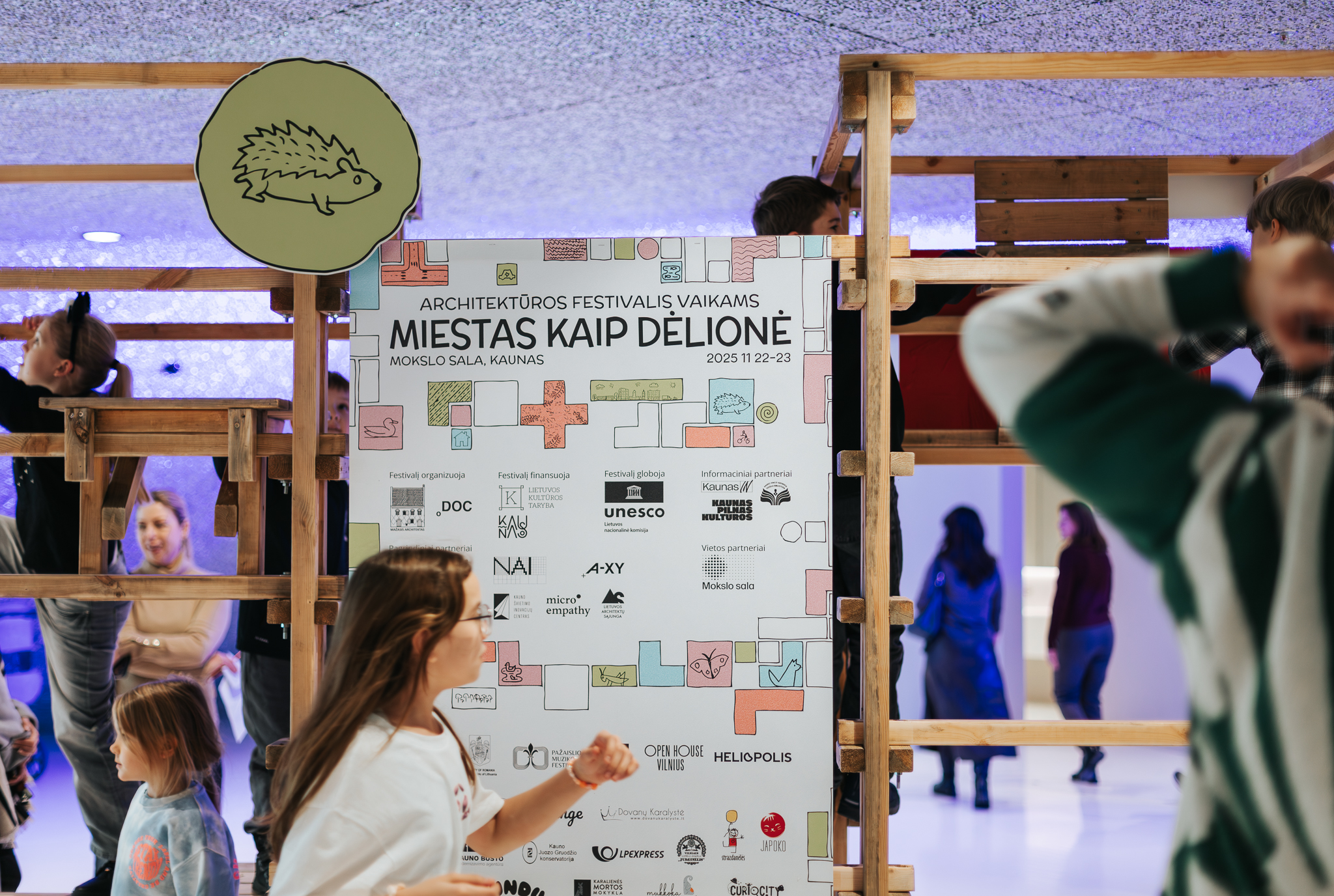
The city is like a giant puzzle, consisting of a million pieces. Streets, houses, squares, parks, trees, even small beetles fit into it. What does your city puzzle consist of today? Do you see yourself in it? Are all the pieces necessary, or maybe something is missing? What kind of city would you like to create for tomorrow? The Architecture festival for kids brought together everyone - artists, architects, educators, researchers, - big and small – to reimagine the city, and our everyday living.
Lithuania
National
Mainly urban
It involves other types of transformations (soft investment)
Yes
2025-12-20
No
No
No
Organisation
The Architecture Festival for Children City as a Puzzle is an ongoing initiative of architectural literacy, cultural education and civic empowerment, which allows children to get to know the city as a living, shared creation. The festival operates as an open platform where children become active researchers and creators of the city, rather than passive users.
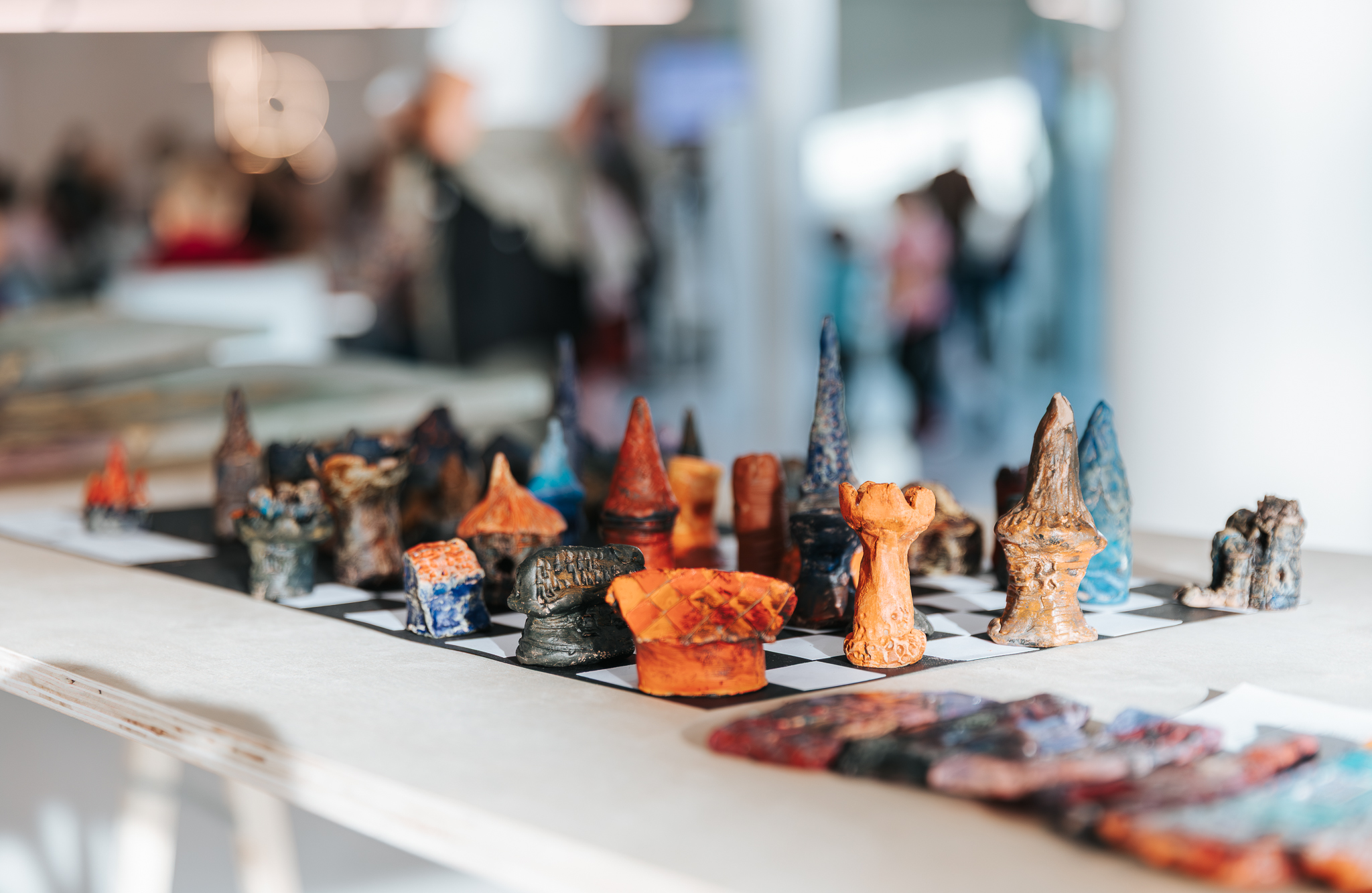
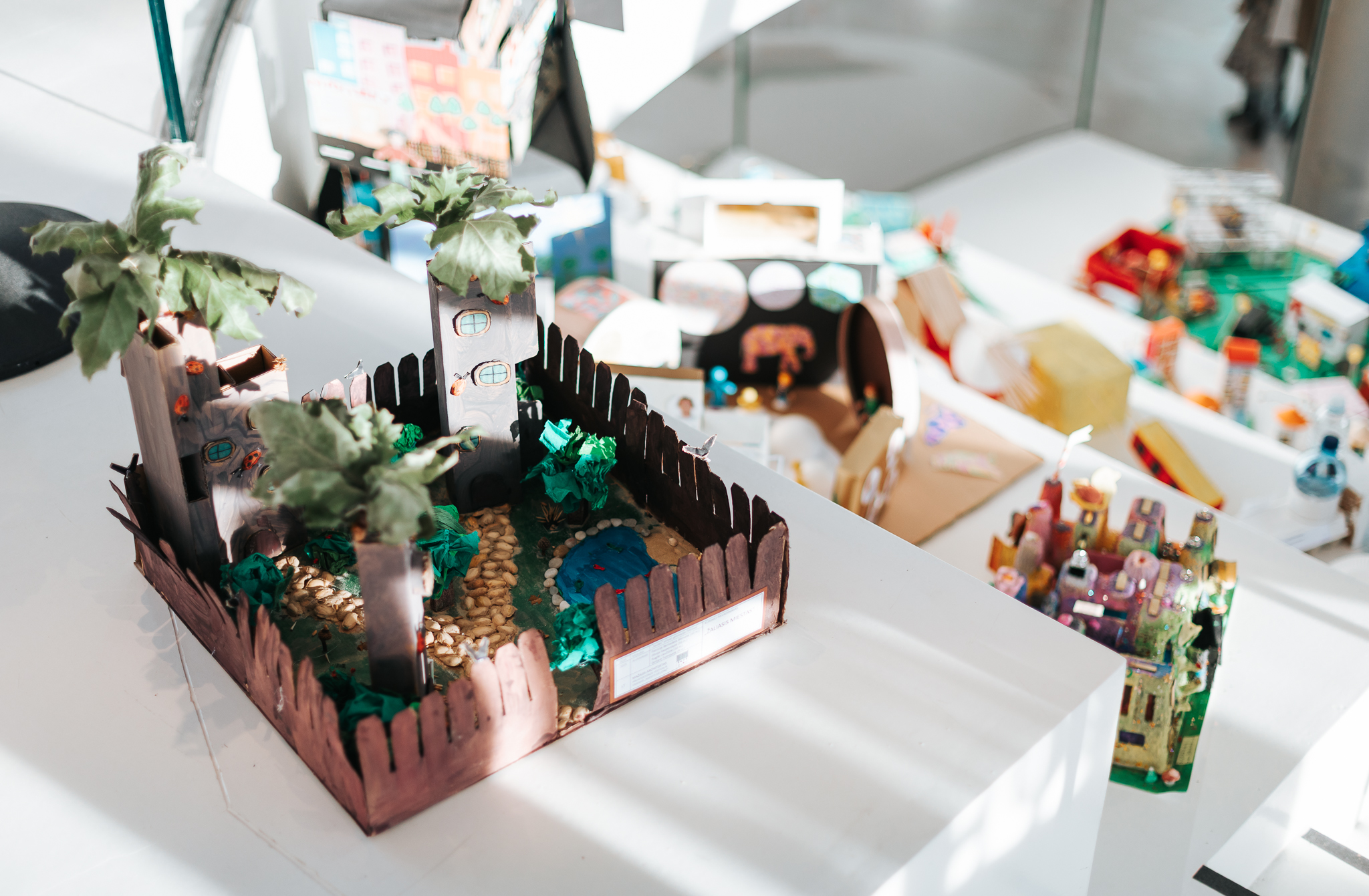
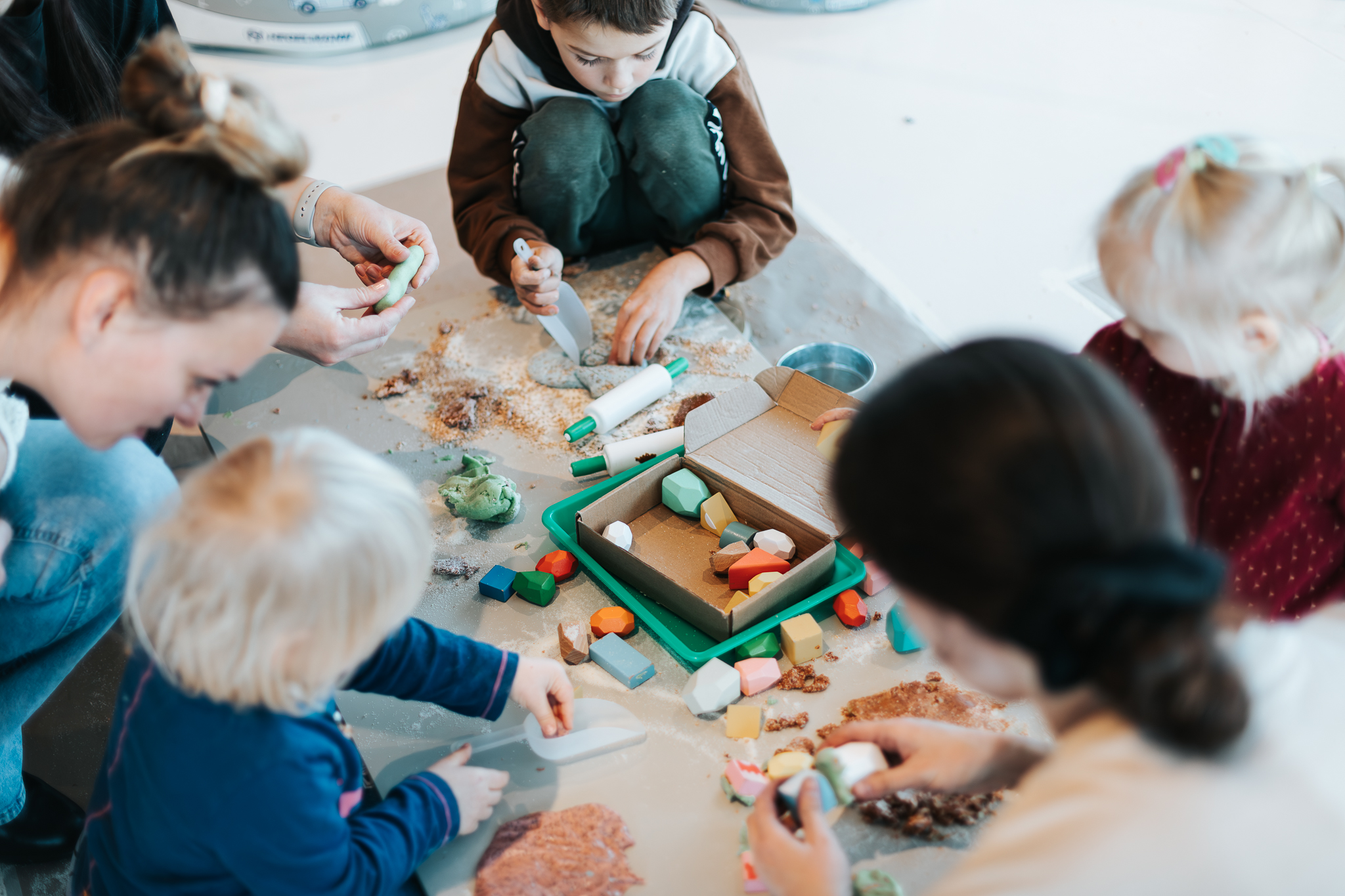
Over several implementation cycles, the festival has involved hundreds of children from different social and geographical contexts, collaborated with schools, cultural institutions and local governments. Dozens of creative workshop formats, temporary architectural installations and educational programs have been created, which have allowed children to experiment with space, materials and ideas. The festival program was prepared according to a methodological scheme that allowed children to get involved not only in the weekend events: a teacher seminar was organized before the festival, where they were invited to participate in the exhibition with the works created by the children, the children, together with their parents and teachers, analyzed their living environment, explored what they could change in it, created models and presented them during the festival.
The children not only attended the activities, but also participated in real visits to architects' offices - a total of 18 excursions took place in Kaunas and Vilnius. In 2025, almost 70 volunteers joined the festival, and some families got involved not as an audience, but as co-creators. Thus, the festival turned from a one-time event into a growing ecosystem of architectural education.
The project also strengthens the visibility and accessibility of architectural culture, develops children's critical thinking, spatial perception and responsibility for the environment. Its long-term impact is creating a generation that is able to consciously participate in shaping the city, value a quality environment, and initiate change in their communities.
The history of the festival began in 2023, when architect Eglė Januškienė, the creator of "Little Architect", initiated the first architecture festival for children in Lithuania and the Baltic States. The need arose from a simple but important question: why does architecture almost always remain on the margins for children, although they experience their environment every day? In Lithuania, children are rarely included in discussions about the environment, although they are active users of it. The inspiration also came from personal experience - the organizer's children, their curiosity and desire to learn about architecture not theoretically, but through action.
Over the course of three years, the festival has grown into an open, free, interdisciplinary platform for children, families, teachers, architecture professionals and artists. From the beginning, the festival was also created as an open and free platform where architecture is experienced practically: through workshops, games, excursions, exhibitions and meetings with architects. The festival's mission is to draw children's attention to the environment from an early age, to promote responsibility and care for it; vision – to raise not only future architects, but also conscious creators and clients of the environment. Therefore, the project forms a cultural change: children here are not passive consumers, but co-creators of the city.
The implementation of the project is based on the principle of co-creation – the process is more important here than the final result. The festival itself is constantly changing, adapting to the needs of local communities, involving new partners and topics. In this way, the festival becomes a living, growing model that combines education, culture and urban development.
community co-design
children empowerment
urban education
social inclusion
cultural sustainability
As cities face increasingly complex social and environmental challenges, it is increasingly important to ensure that the new generation acquires the skills to understand, interpret and shape their living environment. The organized activities create conditions not only to learn the basics of architecture, but also to develop social sensitivity, critical thinking and spatial empathy - competencies important for sustainable, resilient and inclusive districts.
The festival's mission is to develop children's responsibility for the environment around them from an early age, the ability to know, appreciate and reflect critically on it. This is an important prerequisite for sustainability: more sustainable cities start with people who understand the quality of the environment and their role in shaping it. The festival is not limited to a one-time event - its structure includes education, a competition-exhibition, visits to architectural offices and partnerships with institutions, so the impact continues after the event.
By involving various different social groups, the festival is based on the principles of sustainable development, such as quality education, reducing inequality, sustainable cities and communities. Sustainability here is revealed primarily as a long-term cultural and social process. The project is exemplary in terms of sustainability because it invests not in a short-term effect, but in a new cultural habit: children learn that the city is not a given, but a shared, responsibly created organism. Such early practice of architectural literacy eventually creates the basis for a conscious, inclusive and sustainable urban culture.
The City as a Puzzle Festival contributes to the perception of the aesthetic quality of the city by developing children's ability to see, analyze and create the environment as a holistic experience. Through creative workshops and explorations, children become familiar with the main elements of architecture – scale, proportion, materiality, color and spatial structure – and learn to apply them in practice.
During the festival, children not only analyze existing city spaces – squares, courtyards, public areas – but also create their own visions of how they could look. These visions are materialized through models, installations and temporary interventions, which become visible and experienced by the wider community. In this way, aesthetics becomes not an abstract concept, but a directly experienced and created value.
The project also promotes an emotional connection with the place – children begin to realize that the beauty of the environment is not only a visual aspect, but also related to functionality, social vitality and community needs. Through this process, sensitivity to the environment and responsibility for its quality are formed. The festival also democratizes architectural thinking – it gives children the opportunity to become creators of space and realize that beauty in the city is a shared, collectively created result.
The City as a Puzzle Festival is being created as an open and accessible platform focused on the inclusion of different social groups. It involves children of all ages, families, schools and communities, regardless of their social or economic status. All activities are free of charge, thus ensuring broad access. Inclusion is realized not only through accessibility, but also through the methodology itself. The festival is based on the principle that every child has the right and ability to participate in the creation of the city. Activities are adapted to different abilities and learning styles - visual, tactile, game methods are used, allowing for the involvement of various participants.
The festival was also organized in spaces designed according to the principles of universal design, so all spaces were accessible to all individuals, regardless of their needs. The results achieved were not only a large number of participants and active involvement, but also the creation of an educational model based on research, co-creation and the analysis of real urban problems. The festival also becomes an example of how architecture can act as a tool for inclusion.
The festival was also organized in spaces designed according to the principles of universal design, so all spaces were accessible to all individuals, regardless of their needs. The results achieved were not only a large number of participants and active involvement, but also the creation of an educational model based on research, co-creation and the analysis of real urban problems. The festival also becomes an example of how architecture can act as a tool for inclusion.
At the City as a Puzzle festival, we invited children to explore the urban environment – various current studies emphasize the aim of developing not only children’s creativity, but also of encouraging their civic engagement in urban design. By helping children become interested in architecture and landscape, we aimed to make them better aware of the environment around them and want to contribute to its creation now and in the future. According to authors such as Jürgen Habermas or Patsy Healey, greater involvement of residents in urban planning can create a more democratic, just and equal living environment. Therefore, through the festival, we aim not only to talk and discuss this with children, but also to learn from them and show that their voice is heard. By using the festival as a platform for and about children, we encourage everyone to think about how important their everyday lives and thoughts are; in what ways we could adapt public spaces to children’s spontaneous behavior; how to create safe squares and streets where children could play.
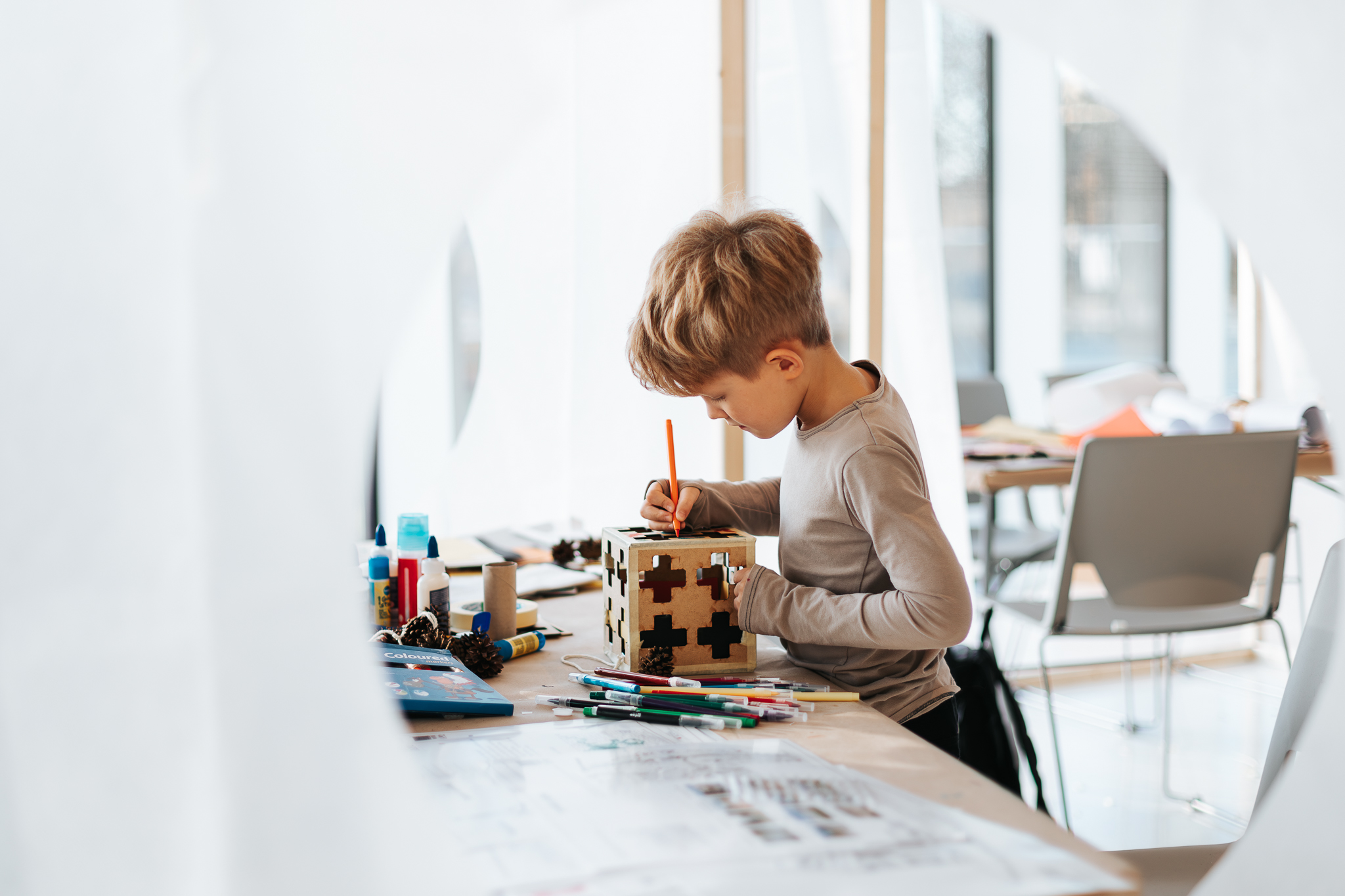
The festival is based on active participation and co-creation. Children are not passive observers – they act as full participants in the process, exploring the city, identifying problems and creating solutions. The creative workshops are structured as a cycle of research and creation: children observe the environment, analyze its use, discuss, generate ideas and materialize them through models or spatial interventions. Architects and educators act as facilitators – they help structure the process, but do not impose solutions. The project also involves wider communities – parents, educators, cultural organizations. In this way, a multi-layered model of participation is created, in which different groups contribute to the overall result. The case of the festival also allows us to raise broader questions about innovative educational formats in urban planning and architecture.
The festival is based on active participation and co-creation. Children are not passive observers – they act as full participants in the process, exploring the city, identifying problems and creating solutions. The creative workshops are structured as a cycle of research and creation: children observe the environment, analyze its use, discuss, generate ideas and materialize them through models or spatial interventions. Architects and educators act as facilitators – they help structure the process, but do not impose solutions. The project also involves wider communities – parents, educators, cultural organizations. In this way, a multi-layered model of participation is created, in which different groups contribute to the overall result. The case of the festival also allows us to raise broader questions about innovative educational formats in urban planning and architecture.
The City as a Puzzle Festival is implemented through a multi-level cooperation network that includes local, institutional and cultural partners. The project involves cultural organizations, the architectural community, educational institutions, as well as institutions such as the Science Island, which provides infrastructure and a platform for activities. Municipal institutions contribute by creating conditions for activities in public spaces and integrating the project into the broader cultural context of the city. The education sector ensures children's involvement and educational continuity, while cultural organizations and creators ensure the quality and innovation of the content. Such a cooperation model allows the project to operate not in isolation, but as an integrated part of the city ecosystem. The involvement of different levels ensures that the project responds to the real needs of the city and has a wider impact than a one-off event.
Also, certain festival activities were designed to reach the widest possible audience - a competition-exhibition was announced, in which children from all over Lithuania could participate, thus reaching educational institutions from different cities; Educators came to the festival from Vilnius, Klaipėda, and foreign countries – this time Romania. Through various festival methodologies and principles, the event became a national event.
Also, certain festival activities were designed to reach the widest possible audience - a competition-exhibition was announced, in which children from all over Lithuania could participate, thus reaching educational institutions from different cities; Educators came to the festival from Vilnius, Klaipėda, and foreign countries – this time Romania. Through various festival methodologies and principles, the event became a national event.
One of the main goals of the festival is not only to involve children in activities, but also to unite representatives of different artistic and scientific fields, their experience and creative potential, in order to introduce children to architecture and its symbiosis with other art forms. Such an approach also allows children to perceive the city as a multi-layered phenomenon and promotes holistic thinking. They learn to see the connections between form, function and social life, to understand how different solutions affect people's experience.
The festival is essentially an interdisciplinary project that combines architecture, urbanism, design, art, education and social research. The interaction of these disciplines allows for the creation of a complex experience in which the city is perceived not only as a physical structure, but also as a social and cultural system. The workshops are attended by architects, artists, educators and other creators who, together with children, create and analyze spaces.
The project also acts as a platform for professionals from different fields to collaborate, experiment and develop new methods of education and urban research. This strengthens the potential for innovation and allows the project to remain relevant and dynamic. The main festival organizers also represent different fields - representatives of interdisciplinary art, architects, urban planners, scientists, anthropologists, educators created the festival activities.
The City as a Puzzle Festival operates on a mixed funding model that ensures both the accessibility of the project for participants and the long-term sustainability for the organizers. The main sources of funding include public funds (culture, education and creative industries programs), municipal support, project funding and partnerships with cultural and educational institutions. An important part of the model are strategic partnerships with organizations such as Science Island, Kaunas University of Technology, architectural and cultural institutions, schools, which contribute infrastructure, content and expert knowledge. This allows optimizing resources and creating high-quality content without significant additional costs.
Non-financial capital is also important: volunteer involvement, professional input and institutional support. Such a model allows maintaining the main principle of the project – accessibility for children and families, regardless of their social or economic situation. At the same time, it provides flexibility to adapt to different funding contexts and ensures the continuity of the project. In the long term, the festival has the potential to develop a hybrid model, combining public funding, educational services and international projects, thus strengthening financial resilience and development opportunities.
Non-financial capital is also important: volunteer involvement, professional input and institutional support. Such a model allows maintaining the main principle of the project – accessibility for children and families, regardless of their social or economic situation. At the same time, it provides flexibility to adapt to different funding contexts and ensures the continuity of the project. In the long term, the festival has the potential to develop a hybrid model, combining public funding, educational services and international projects, thus strengthening financial resilience and development opportunities.
The methodology of the “City as a Puzzle” festival is highly transferable and adaptable to different contexts. The main value of the project lies not in the specific formats, but in the method itself – in involving children in the knowledge and creation of the city through research, co-creation and practical activities. This method can be easily adapted in different cities, regardless of their size or urban structure. Topics such as public spaces, courtyards, squares or community areas are relevant in many European cities, therefore the project has a clear potential for international application.
Transferable elements include the workshop structure (research-idea-creation), educational methodologies, a model of cooperation between architects, educators and communities, as well as the principles of child empowerment. The project can be implemented in various spaces – from cultural centers to public urban areas. An additional aspect of scalability is the possibility of developing methodological guidelines, educational tools and a network of partnerships that would allow the project to be replicated in other countries. The festival can act as a model that connects architectural education with urban development and community engagement. In this way, "City as a Puzzle" has the potential to become not only a national initiative, but also an international example of good practice, contributing to the creation of inclusive, sustainable and high-quality cities in Europe.
Transferable elements include the workshop structure (research-idea-creation), educational methodologies, a model of cooperation between architects, educators and communities, as well as the principles of child empowerment. The project can be implemented in various spaces – from cultural centers to public urban areas. An additional aspect of scalability is the possibility of developing methodological guidelines, educational tools and a network of partnerships that would allow the project to be replicated in other countries. The festival can act as a model that connects architectural education with urban development and community engagement. In this way, "City as a Puzzle" has the potential to become not only a national initiative, but also an international example of good practice, contributing to the creation of inclusive, sustainable and high-quality cities in Europe.