Arts, Culture, and Heritage as Drivers of Change
HeritageCraft:Podgorica
{Empty}
This project aims to reconstruct the cultural and natural landscape of the municipality of Podgorica and its surrounding areas through the development of an interactive digital tool. It fosters community engagement, participation and learning through providing an immersive and interactive experience of our past. Through this project I aim to promote sustainable practices, raise awareness on cultural heritage and strengthen the sense of belonging in the community no matter how diverse.
Montenegro
Regional
It focuses mainly on the heritage sites on the territory of the municipality of Podgorica, while also covering the small areas of the neighbouring municipalities of Tuzi and Zeta.
It addresses urban-rural linkages
It refers to other types of transformations (soft investment)
Early concept
No
No
Yes
Individual
My project uses voxel-based digital reconstruction tools to create an interactive 1:1 scale model of historical sites across Podgorica and parts of surrounding municipalities. It enables users to explore cultural heritage in an immersive and participatory way, with a focus on the relationships between communities, cultures, religions, and their environment while reflecting on historical systems such as water management, resource exploitation, and urban planning, offering lessons that remain relevant today. The project is imagined as a platform that brings together local communities, enthusiasts, and experts from various fields. Its digital nature allows continuous updates, making it possible to include new archaeological findings, test new theories, and adapt reconstructions over time.
In addition to its cultural value, the project functions as an engaging educational tool. It provides an alternative way for children, students, and young people to learn about heritage through direct interaction, either through educational institutions or independently through a server accessible worldwide, where users can both explore and contribute.
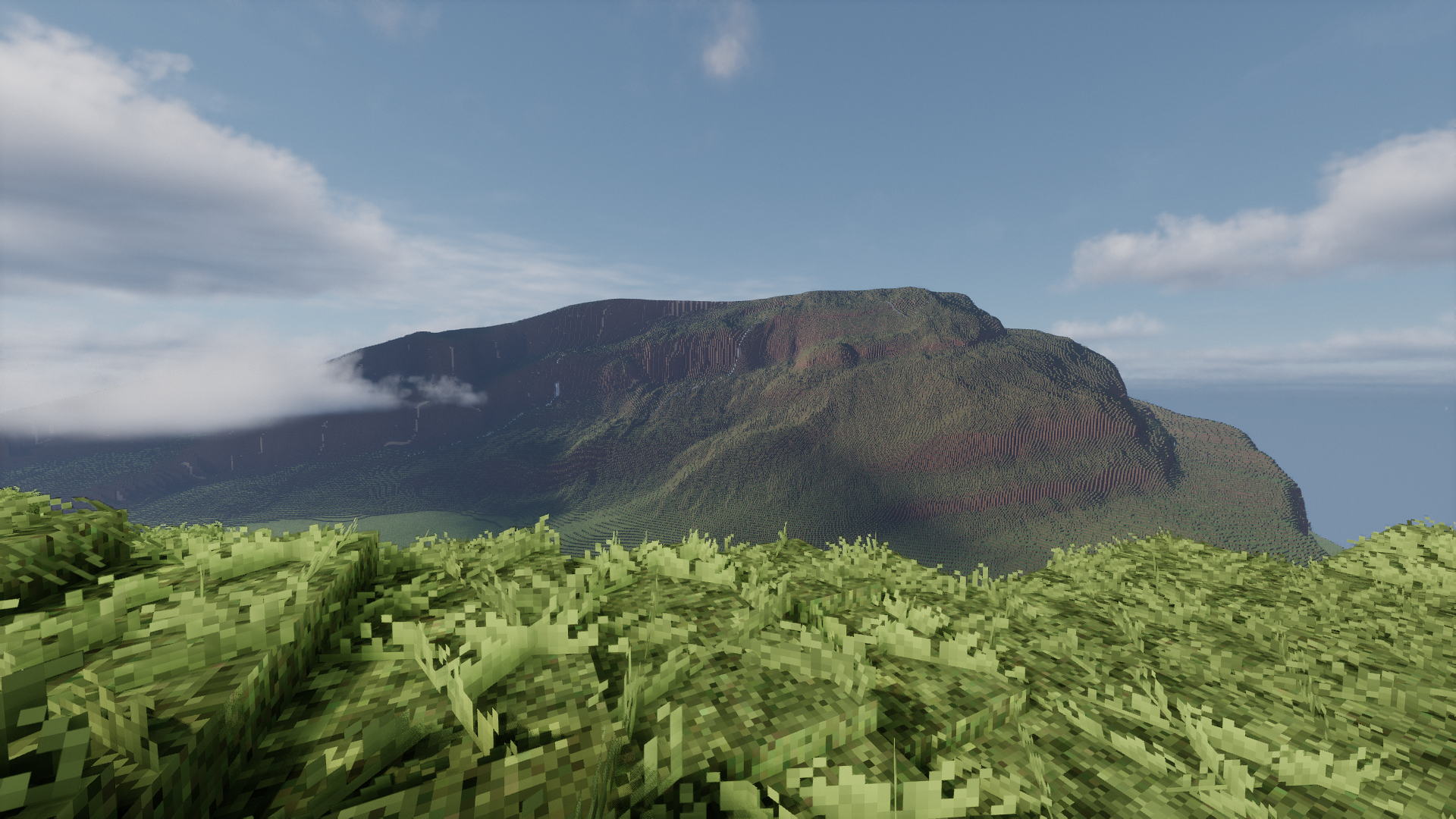
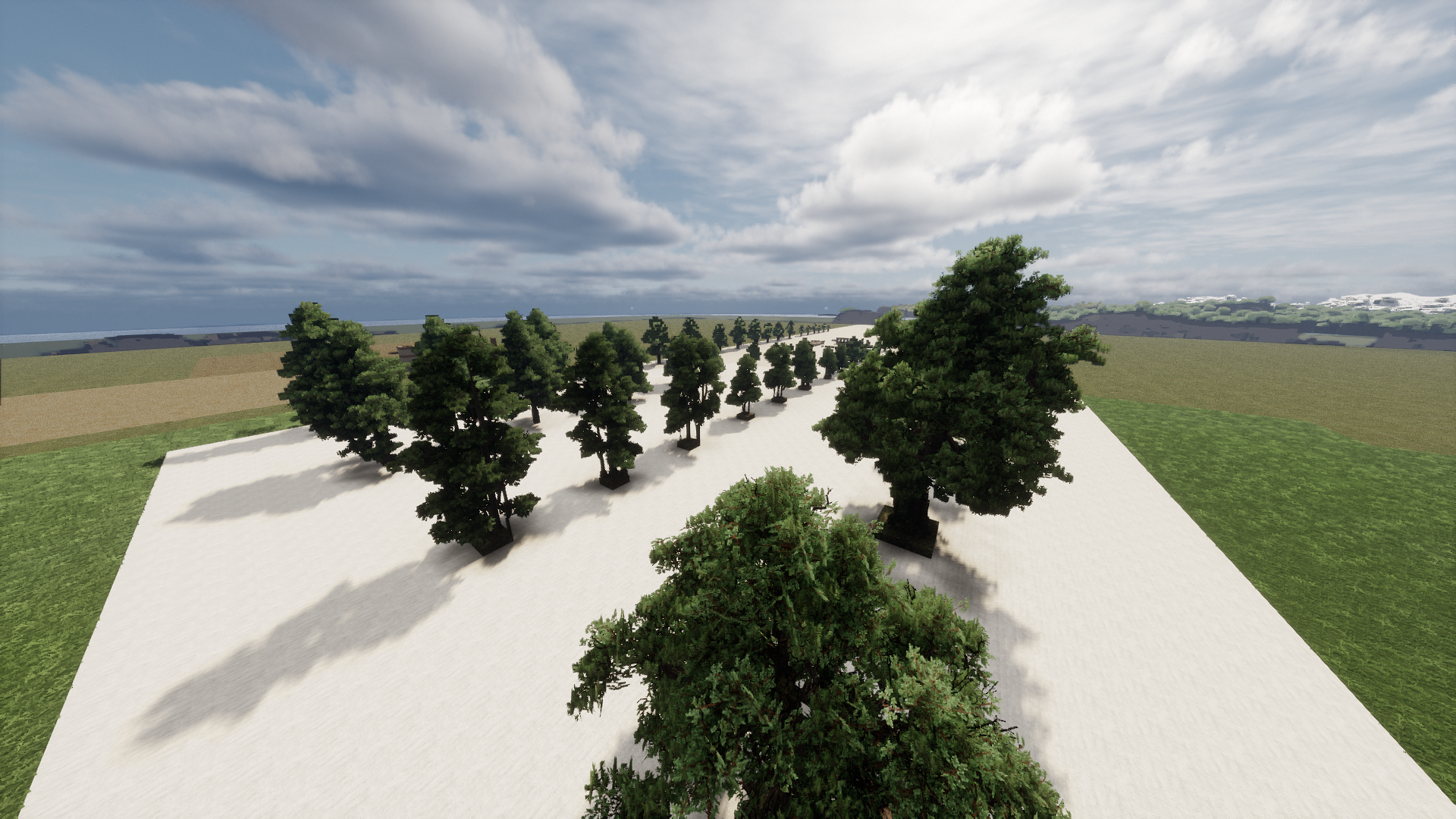
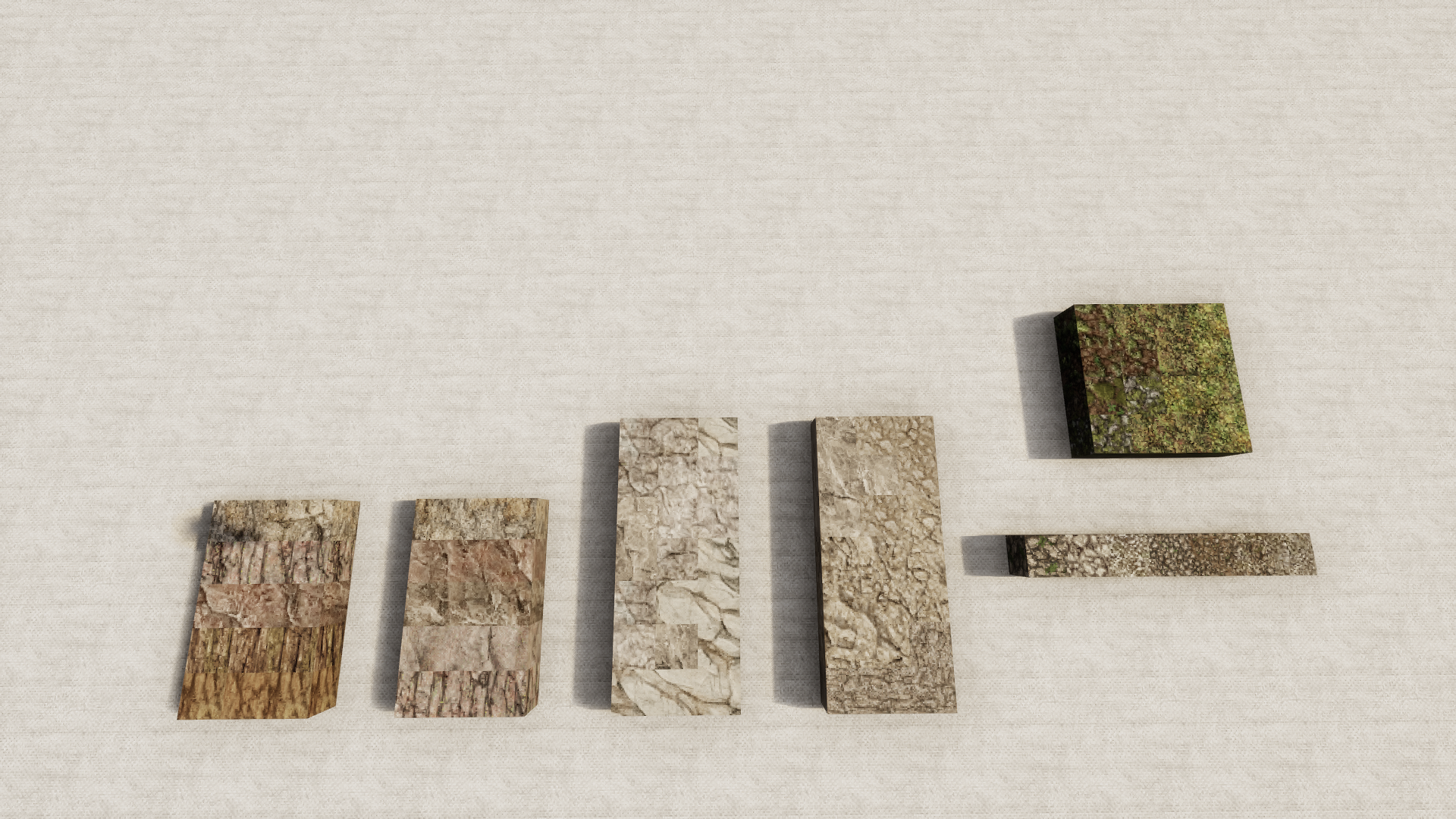
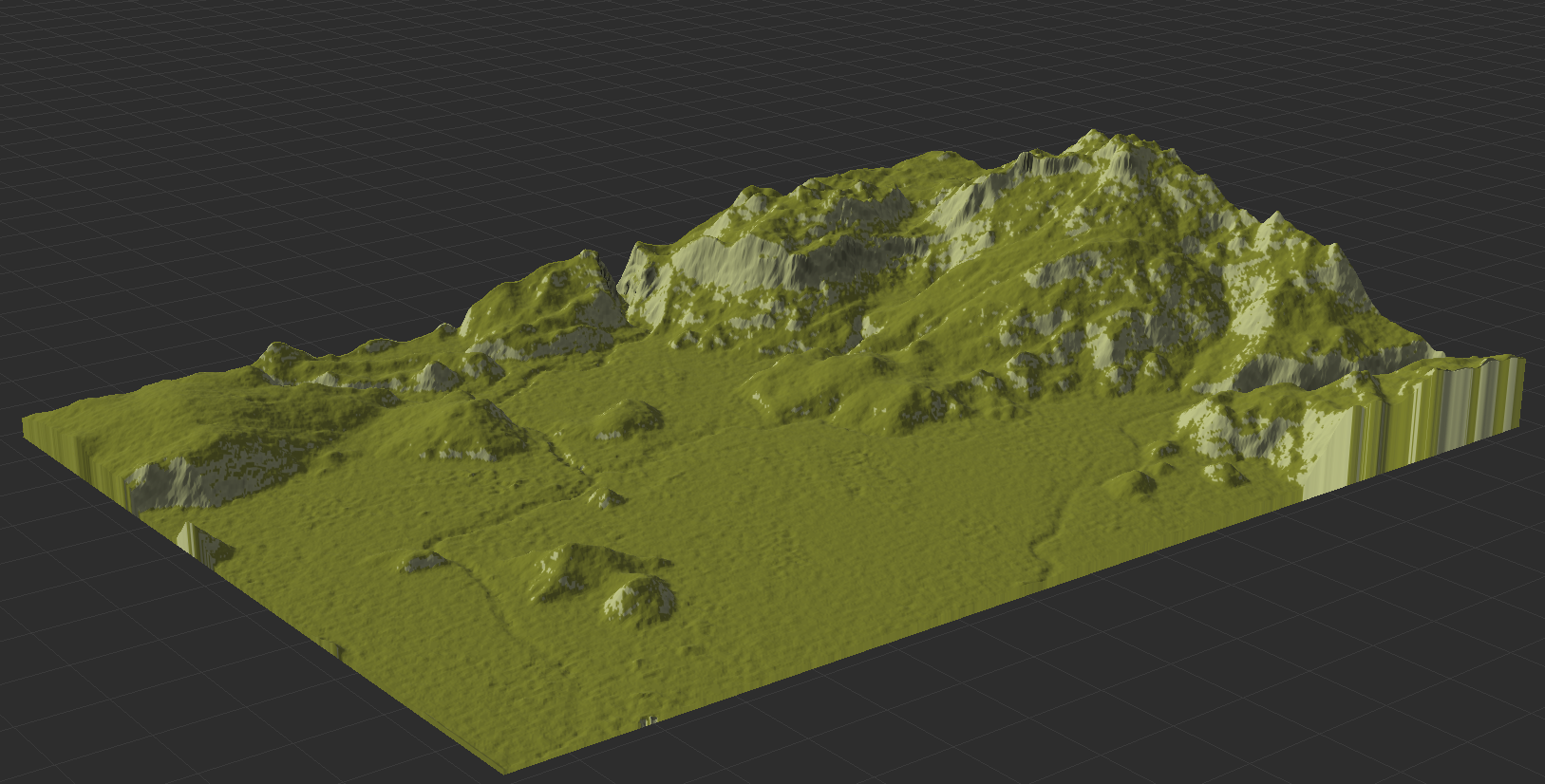
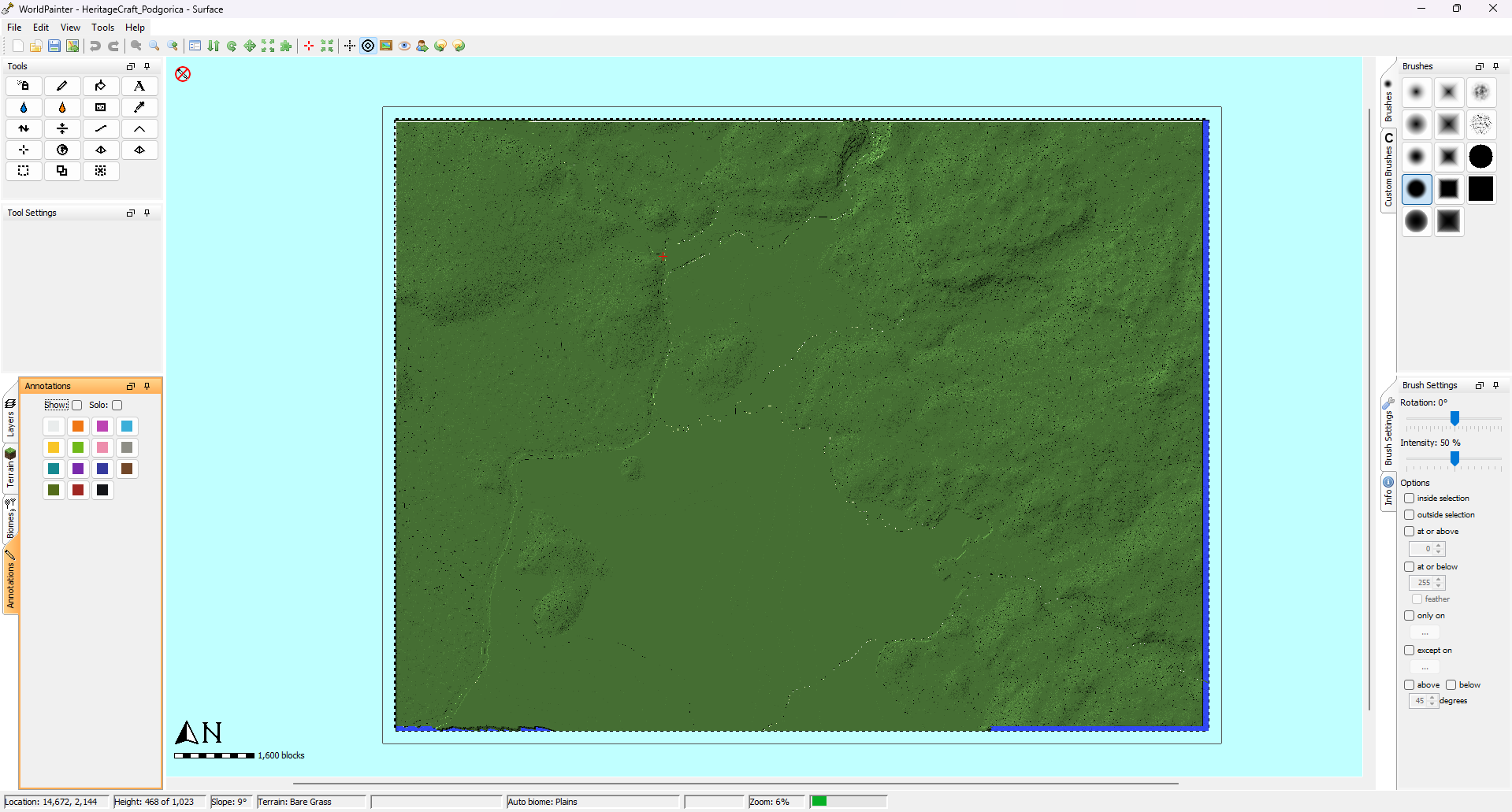
Achieved results include the creation of a 1:1 scale terrain model based on satellite imagery and heightmaps through the usage of several digital terrain generation tools. Custom environmental assets such as vegetation and natural elements characteristic of the region have also been developed, establishing a strong foundation for further work.
The realization of this project will result in a highly authentic digital reconstruction of the cultural and natural landscape of Podgorica and its surroundings, while promoting values such as cultural heritage awareness, community engagement, sustainable practices and alternative learning methods. The project positions itself as a catalyst for new ways of engaging with both cultural and natural environments.
Podgorica is a multicultural and multireligious environment, however it is not as intercultural as it once used to be. With a goal of bringing these groups closer together through an experience of rediscovery and learning, in an environment where digital tools are still underused in the fields of culture and education, I identified a need to develop a new approach that increases access to cultural heritage for citizens of all ages and backgrounds in Podgorica. Recognizing the lack of engaging and participatory ways of exploring local heritage and landscapes, this need evolved into a concept aimed at transforming how we approach both heritage and our environment.
The concept was developed into a replicable method that could be applied to different locations as it combines historical, environmental, and societal research with the use of multiple digital tools, while placing community participation and contribution at its core. A key decision was to develop the project at a 1:1 scale, ensuring a high level of authenticity and educational value. At the same time, the use of digital tools enables continuous updates, wide accessibility, and the possibility of user participation.
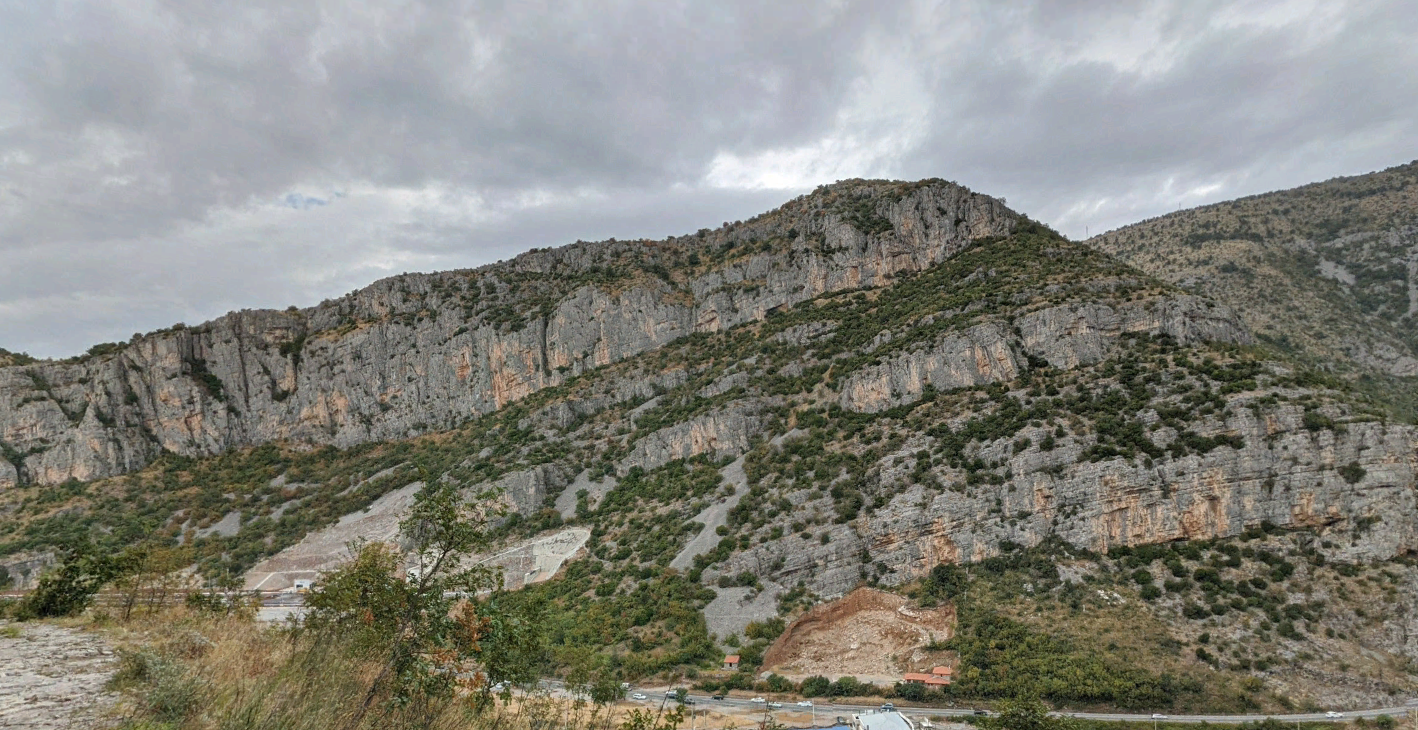
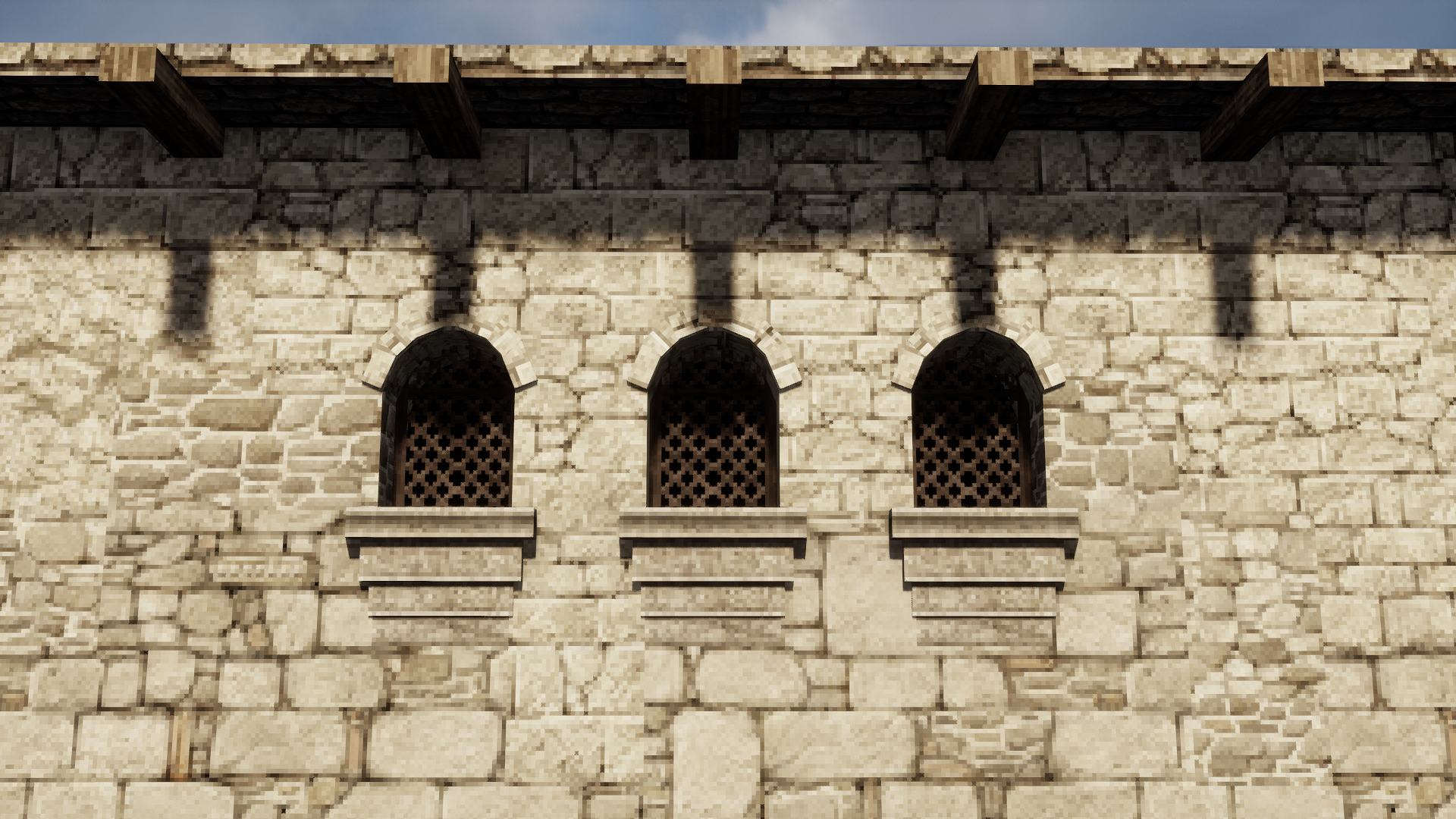
Implementation begins with collecting high-resolution heightmaps from satellite imagery, which are then processed using digital terrain generation tools (such as World Machine and WorldPainter). These are adapted into a format suitable for a voxel based tool, where the reconstruction takes place. To ensure historical and environmental accuracy and bring the past to life, hundreds of custom assets are created manually, based on research and real world references.
Digital platform
Cultural heritage
Community participation
Multidisciplinary approach
Alternative learning method
My project does not cause pollution as it is solely digital. It can also continuously be improved, upgraded, or altered in any way at any moment with small if any difficulties. This project is unseen in the Western Balkans and as such I see great potential for it to be a catalyst of change.
Environmental sustainability is addressed through interactive learning from our past, the way communities interacted with their environment and the historical processes such as water management, resource exploitation and urban planning. Societies from the past had measures in place to ensure that their living environment provides for them and their future descendants. My project will offer valuable lessons on this topic through certain points of interest where users will be able to read or hear about the way these processes happened and see examples of such practices
Through built-in features of the voxel based platform, as well as its custom modifications, the project is highly accessible for all users regardless of their abilities. It is also focused on presenting the heritage of all ethnic or religious groups equally through their contributions in knowledge, literature, maps, photographs etc. making sure the diverse environment is accurately portrayed with the goal of showing beauty and richness of all of them. Access to the project will be open to all users ensuring no discrimination.
As for the cultural aspect of sustainability, one of the core ideas of the project is heritage reconstruction. Through that, users will be able to see revitalized heritage sites around them in their past glory. These reconstructed sites will serve as a lesson when it comes to interculturalism, importance of cultural heritage preservation, as well as the significance of understanding historical and cultural processes when it comes to fostering mutual tolerance and understanding and helping create a society resistant to nationalistic narratives.
Through this project a majority of cultural heritage sites that are today in ruins will be reconstructed/approximated depending on the available sources. In the case where there is no available imagery or drawings I will make my own aesthetic choices grounded in comparison with similar sites or architectural styles and features. This is all open to change depending on future research and findings which might offer us more insight into the actual look of the sites.
The end goal of this project is to allow people to interactively experience the past of their environment, learn about the diversity of their town and learn more about the cultures that have been living together for centuries. The platform has an integrated chat option through which users will be able to communicate and discuss various topics, details, ideas, processes, or new things they didn’t know of before. Through this, users will be given a common space filled with beautiful reconstructions of the past, bustling oriental streets and workshops of Podgorica, ancient Roman towns and forts, or the agricultural lands on the outskirts.
Users will be able to use the project as a method of learning, whether independently or through institutions, by way of free exploration with no limits. Users can follow old roads, enter accurate reconstructions of houses from the past, or go off trail and see various guard towers, villages, hillforts, or simply enjoy the nature and the view.
Experience such as this can teach users about past practices and spark ideas on how to use those practices and apply them in our modern environment for the betterment of us today as well as those that are yet to experience out beautiful world. Apart from that it can also prove to be an escape from the busy everyday life, providing relaxation, growth while helping manage overstimulation, anxiety and stress.
This project is created using widely available tools and a very popular voxel based gaming platform as sole resources needed. Considering this it is incredibly affordable for all users. With the digital character of the project and an objective to establish a server that is always open, all users, no matter their background, ethnicity, age, religion or ability, will be able to join and experience the project however they want and whenever they want.
One of the key goals of the projects is to promote interculturalism, where different groups don’t simply acknowledge each other’s existence but rather learn about, respect, and help each other, thus growing together into a more resilient and tolerant society whose diversity is a source of strength and unity rather than division. As children and other youth learn about diversity and interculturalism, they will grow up to be the bringers of positive change founded on mutual understanding and acceptance.
Considering that the reconstruction encompasses diverse heritage, it is preferred to be done through consultations or contributions of members of these diverse groups so that information comes directly from the community as to avoid and nationalistic or state narratives. As such the project intends to bring together all represented ethnic and religious groups together and create a space of equality and understanding. The educational dimension of the project aims to additionally promote these values among the youth and thus influence change of mindset in the society of Podgorica.
The relevant knowledge or skills of users is intended to be used as much as possible with my guidance regarding the actual reconstruction methods. This way anyone can truly shape and contribute to the realization of my project no matter their background or ability.
Considering the extremely early phase of the project, with the terrain generation being done at the moment, most of the interactions with future stakeholders has been regarding knowledge, information, and literature that is focused on the Roman town of Doclea, being that for this year I am focusing on doing one region of the whole territory taken to be reconstructed. As of now the communication is very informal, but I do plan on creating social media accounts specifically for sharing information and updates on the projects progress. Considering I also applied to a local call for funding, I have not taken any major steps before the announcement of results which should happen by the end of the month.
People who do not respect others, spread misinformation, or use hateful language in any way would be excluded from the project, be it the stakeholders who promote nationalism and hate, or be it users who insult others on the basis of ethnicity, religion, ability or any other aspect.
The project is in fact based around strong stakeholder input. When it comes to experts for example, their input will be included regarding the authenticity of the reconstructions, while the input from the beneficiaries, such as children, youth, or the overall communities, will be included regarding the best format for learning and having an interactive educational experience.
As the project progresses and grows it will cooperate with similar grassroots initiatives that tackle related or similar issues in order to bring together the community as change makers. The whole community is invited by the project to participate in the decision making process and offer their insights, feedback, demands etc. which will then be assessed and implemented to the best of my ability without changing the core idea of the project.
I envision this project to be a hub where expertise and resources of all can be used in order to contribute to the greater good of the community. To achieve that I aim to include as many possible networks, NGOs, initiatives, institutions and people that can help me deliver the best possible tool for learning about key topics such as sustainability, cultural heritage preservation, and interculturalism, thus bringing benefits to all in the future. Considering the very early stage of development, for now I am aiming at including local and national stakeholders only due to the local character of this specific project, even though it can be applied to any geographical locations with characteristics of those locations in consideration. Connecting with these stakeholders allows for better engagement with users, better promotion and visibility of the project as well as the increased quality of the overall reconstruction.
So far I have mainly consulted archaeologists, historians, geologists and the elderly in order to make a solid foundation on top of which I will further develop the idea. Their contributions greatly shaped my approach when it comes to research and implementation of feedback so that the quality increases with every valuable input.
This project is entirely dedicated to the local communities living in Podgorica and its surrounding areas, and as such it relies on community engagement and feedback in order to satisfy the needs and wants of the community. In that way local community inputs are essential for creating a useful learning and connecting tool. With that in mind this project does not aim to expand globally but rather grow with the community for the community.
Considering that the project is complex in itself, a multidisciplinary approach is absolutely necessary in order to achieve the goal of creating an entertaining, interactive and alternative learning method. At this moment however, I have had exchanges with archaeologists, historians, geologists and some elder locals in order to conceptualize my foundation. I do plan to utilize social media platforms and create groups with those willing to contribute so that we can have an exchange of idea and come up with the best possible ways of implementing said ideas, knowledge, and findings.
As the project develops further, I plan to include a very diverse set of disciplines, such as ethnology, agriculture, hydrologists, dry stone wall builders, boat builders, digital experts, video makers, etc. Anyone whose skills and knowledge are relevant and can be used in order to deliver the best possible tool to our community is not only welcome but wholeheartedly invited to be a part of the project. With a social media platform used for communication, all these disciplines would interact and take into account varying perspectives and insights potentially creating new knowledge and bridging the distance between them.
While formal knowledge is important for context, literature, historical and archaeological accuracy, natural processes etc, informal knowledge also has its, no less important, role. Informal knowledge can provide us with particular stories and histories, family heritage, unwritten legends and tales of one environment that equally make up the cultural heritage of these communities. Both of these forms of knowledge are essential for gaining the full picture needed to provide the tool that can help reshape our community for the better.
My project was born out of altruistic intentions, I desire no revenue, however needed it may be. My vision of this project is a project made for the communities living in my surroundings, a tool for their own improvement and needs. The way it is conceptualized the only real expense is the maintenance of the server which I plan to cover myself. Although serious hard work and effort is and will be invested into this project, it is by no means done in order to create revenue.
Having said that, financing would greatly speed up and boost the progress of the project. As such securing long-term funding through grants, sponsorships, partnerships and donations will be one of the highest priorities in order to help grow the project and provide more benefits to my community.
This is by no means a business idea, but rather a helping hand to my community in order for it to progress and grow with these core principles in mind, participation, sustainability, tolerance, interculturalism, and awareness of the importance of cultural heritage.
With the exception of the local context and characteristics of my region, all of the other processes can be replicated to any other location, as the process itself remains unchanged. Satellite imagery and the digital terrain generating tools function in an identical way and the possibilities withing the voxel based game remain unchanged. The main focus should be on adapting this foundation to the local context chosen for the project, analysing the issues and needs of the communities and working towards a solution while using the project as a tool. The method of creating the digital reconstruction of the terrain is always the same, but the main issue and the hardest bit of work consists of addressing the issues and needs of the local context and the local community. Another thing to mention is the factor of size when it comes to the area picked to be reconstructed, the larger the area, the more strain it will have on your computer in order to process these demanding tasks successfully.
In the year following the application I plan to:
* Enhance details on the reconstruction of Doclea and its surroundings that will be done by the end of 2026.
* Expand the reconstruction to the area of Stara varoš and engage the local community there in order to achieve highest possible authenticity while respecting the needs of the community.
* Intensify cooperation with educational institutions through active engagement with students and the youth by organizing tailored presentations and workshops in cooperation with their teachers.
* Increase social media presence, regularly inform the public on updates and actively promote the projects progress through different media such as promotional videos.
* Keep developing content in different languages for accessibility and potential touristic value.
* Expand the cooperation and partnership network to increase capabilities of the project to deliver an optimal alternative learning tool.
* Organize thematic workshops and seminars to promote the projects values within the community.
* Write reports and publications on the project to engage with the academic community and allow for more feedback.
* Obtain long-term funding through grants, sponsorships, partnerships and donations in order to grow the project.