Le Terre Brune
FOR-LEGNO - Valorizzazione dei prodotti della filiera foresta legno in Calabria
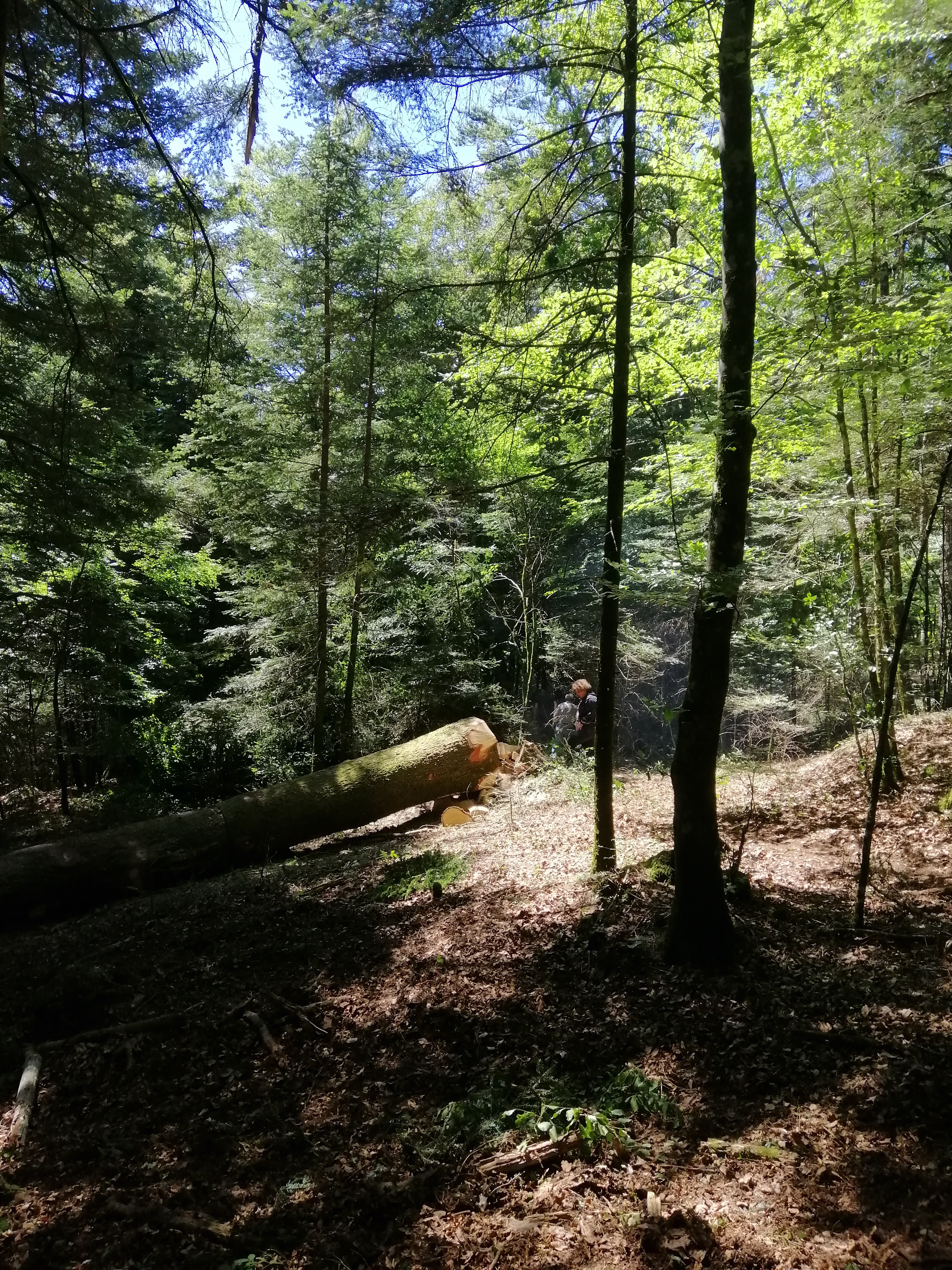
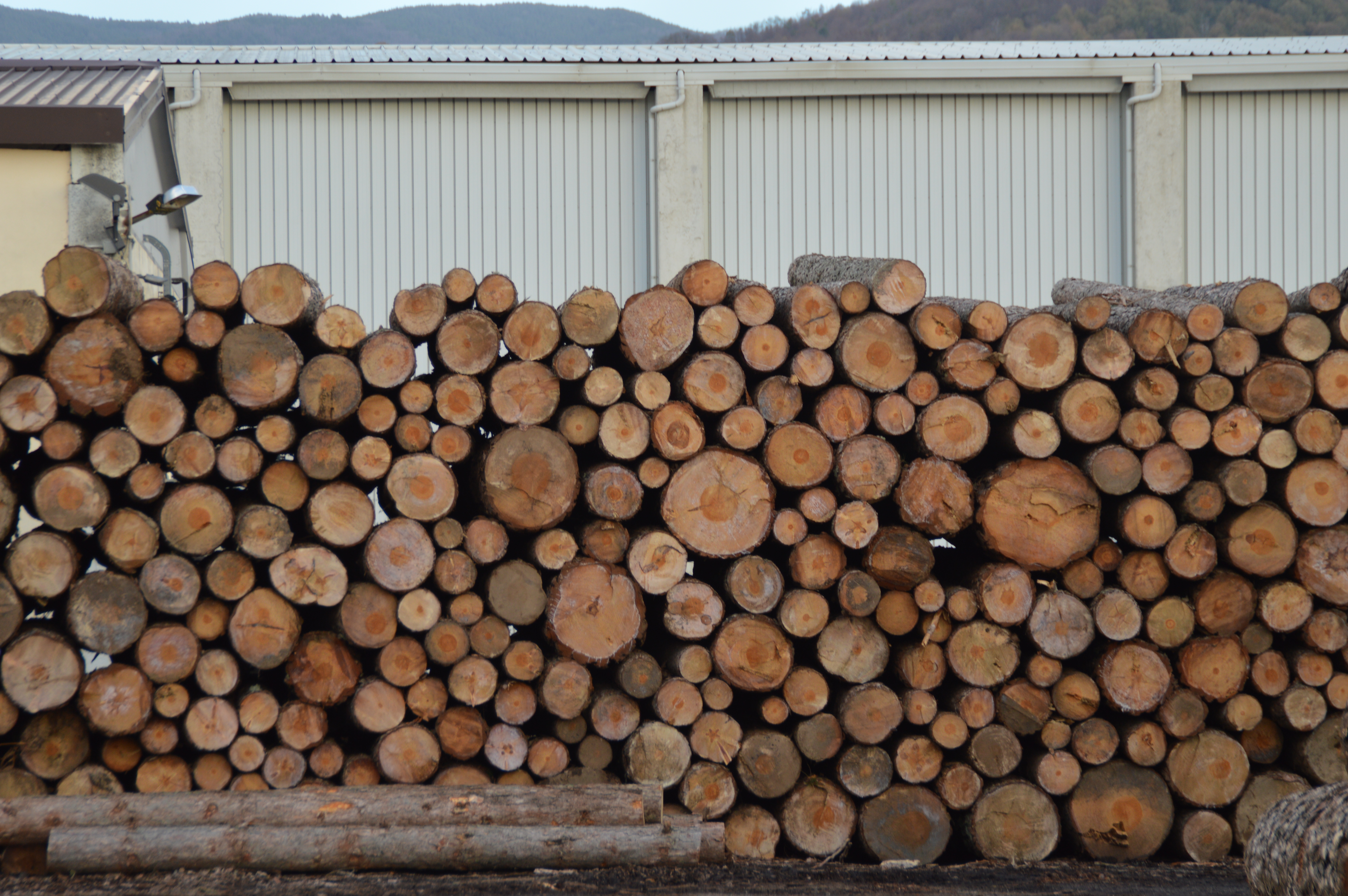
The project enhances the forest-wood supply chain of the Serre Calabresi, focusing on silver fir for the production of very high-quality structural timber. Through strategic design and co-design, the territorial brand “Le Terre Brune” and a system of services were developed, aimed at dissemination but above all at carbon emission offsetting for more sustainable management, combining technological excellence with the socio-cultural regeneration of the territory.
Italy
Piazza Carmelo Tucci, 1, 89822 Serra San Bruno VV
Completed
Yes
Yes
Yes
Yes
EAFRD : European Agricultural Fund for Rural Development
Programma Regionale di Sviluppo Rurale 2014-2020 – Regione Calabria MISURA M16.02.01
MISURA 16.02.01 (Support for pilot projects and the development of new products, practices, processes, and technologies) of the Calabria Region's RDP 2014/2020 supports cooperation projects aimed at the application and/or adoption of research results for their valorization, or technology transfer activities in economic, service, and frontier technology sectors linked to research activities conducted in universities/institutions or research organizations.
MISURA 16.02.01 (Support for pilot projects and the development of new products, practices, processes, and technologies) of the Calabria Region's RDP 2014/2020 supports cooperation projects aimed at the application and/or adoption of research results for their valorization, or technology transfer activities in economic, service, and frontier technology sectors linked to research activities conducted in universities/institutions or research organizations.
No
102037: Serra San Bruno (IT)
The FOR-LEGNO project, promoted by the municipality of Serra San Bruno, VV, ITA, was born as an initiative aimed at regenerating the forest-wood supply chain of the Calabrian Serre, transforming an underutilized natural resource, the silver fir (Abies alba Mill.), into a driver of sustainable territorial development. The overall objective is the creation of a Product-Service System (PSS) that integrates the production of high-quality structural timber with innovative ecosystem services (Fioravanti et al., 2024). Target groups include local forestry SMEs, sawmills, designers, and the entire community of Serra San Bruno. The specific objectives include codifying a strong visual identity, creating the "Le Terre Brune" territorial brand, and implementing a voluntary carbon credit market to finance forest management.
The project embodies the values of the NEB through a deeply participatory approach. Co-creation was not an afterthought, but the driving force behind the project: citizens, logging companies, sawmills, and institutions were involved in co-design sessions and semi-structured interviews to extract tacit knowledge of the area. This process ensured the development of the local quality brand "Le Terre Brune" as a "collective portrait" of the area, where decision-making was shared to reflect the community's history and aspirations, ensuring that technological innovation remains anchored in local human and cultural capital. Expected outcomes include the full operationalization of the "Le Terre Brune" platform, increased competitiveness of local businesses, and the preservation of forest biodiversity through regenerative silvicultural methods.
The project embodies the values of the NEB through a deeply participatory approach. Co-creation was not an afterthought, but the driving force behind the project: citizens, logging companies, sawmills, and institutions were involved in co-design sessions and semi-structured interviews to extract tacit knowledge of the area. This process ensured the development of the local quality brand "Le Terre Brune" as a "collective portrait" of the area, where decision-making was shared to reflect the community's history and aspirations, ensuring that technological innovation remains anchored in local human and cultural capital. Expected outcomes include the full operationalization of the "Le Terre Brune" platform, increased competitiveness of local businesses, and the preservation of forest biodiversity through regenerative silvicultural methods.
Sustainable forest management
Community co-design
Communication design
Generative brand
Visual identity
FOR-LEGNO addresses the complexity of environmental, economic, and cultural challenges in an integrated way, placing the forest and the community that inhabits it at the core of the project.
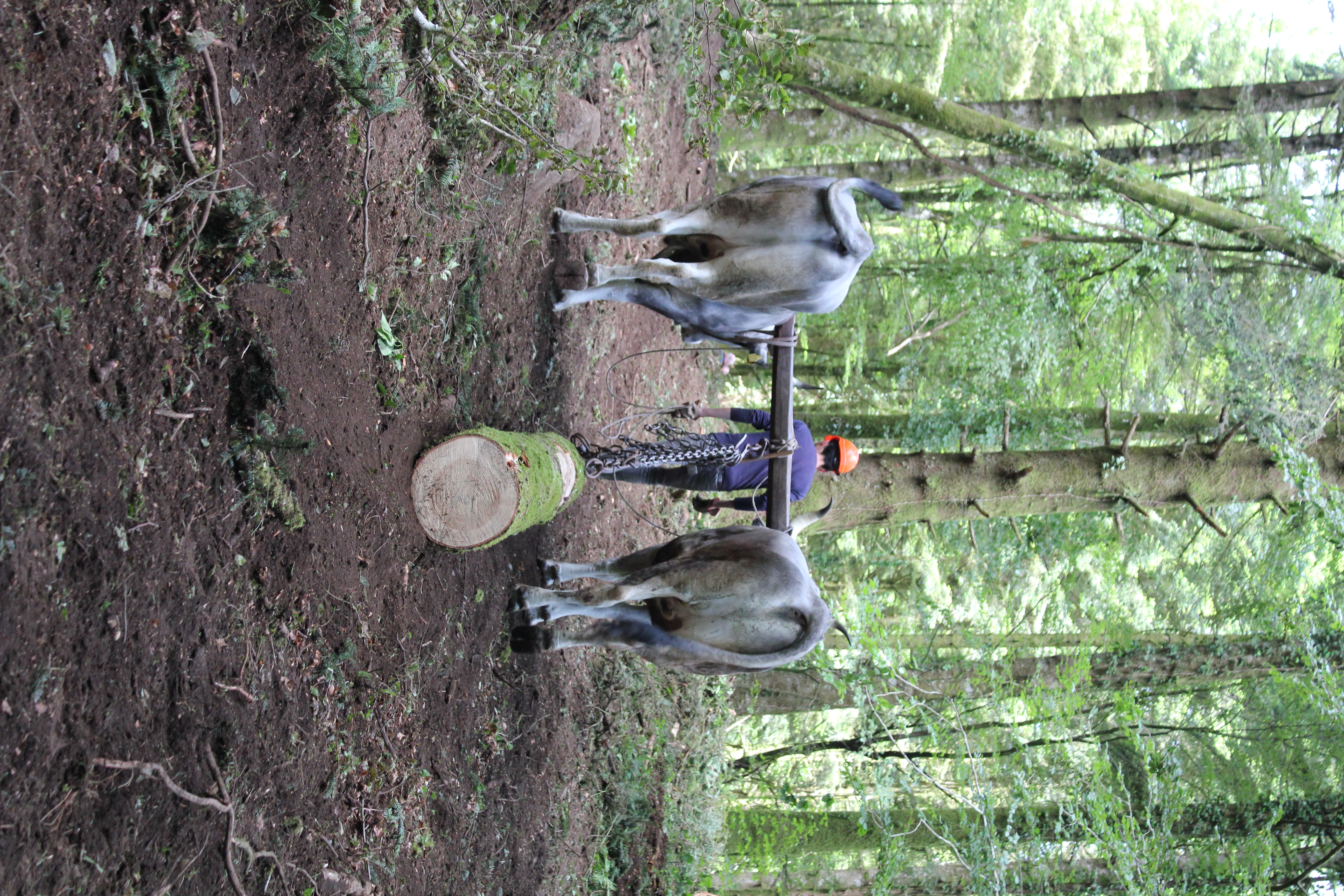
The project implements sustainable management methods for the forest heritage of the Serre Calabresi, adopting traditional silvicultural practices that respect the ecosystem. Through the development of services linked to the voluntary carbon credit market, it encourages the active stewardship of forests as CO₂ reservoirs, contributing directly and measurably to climate change mitigation.
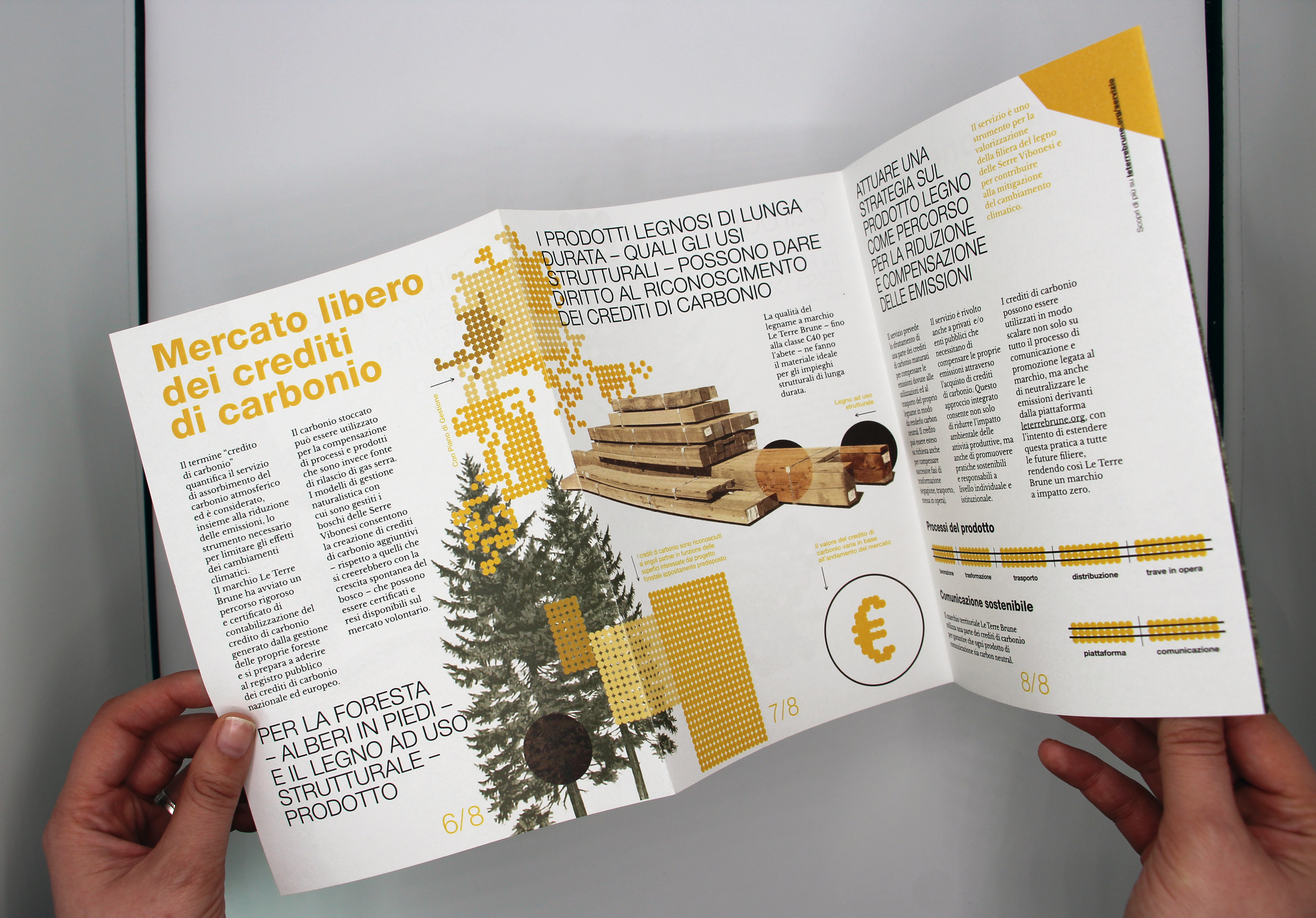
The project has developed a system that enables local forestry companies to generate carbon credits through sustainable management practices, offering third parties the opportunity to offset their emissions. At the same time, the territorial brand “Le Terre Brune” retains a percentage of the generated credits to neutralize the environmental impact of its own services, thus becoming a zero-impact brand.
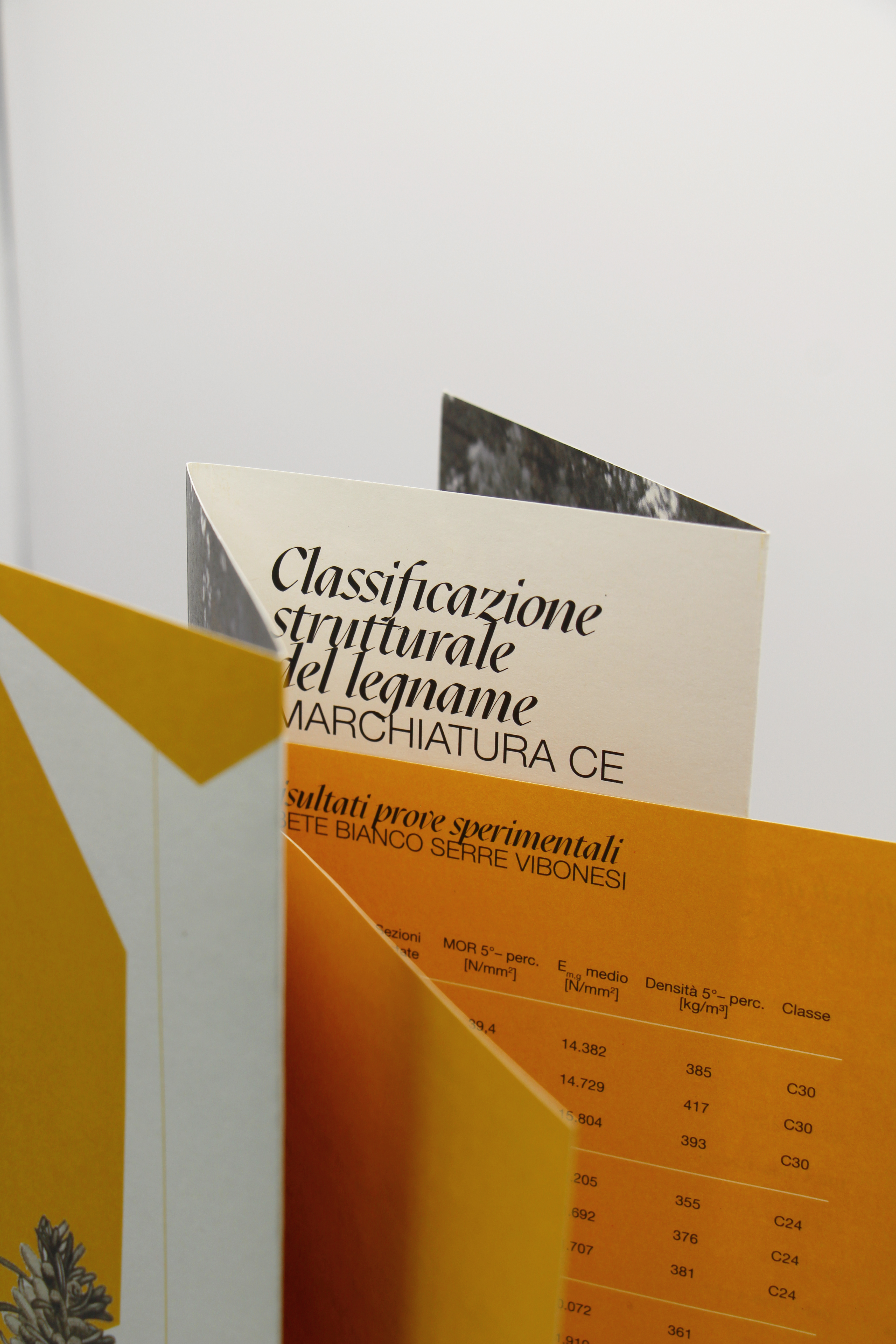
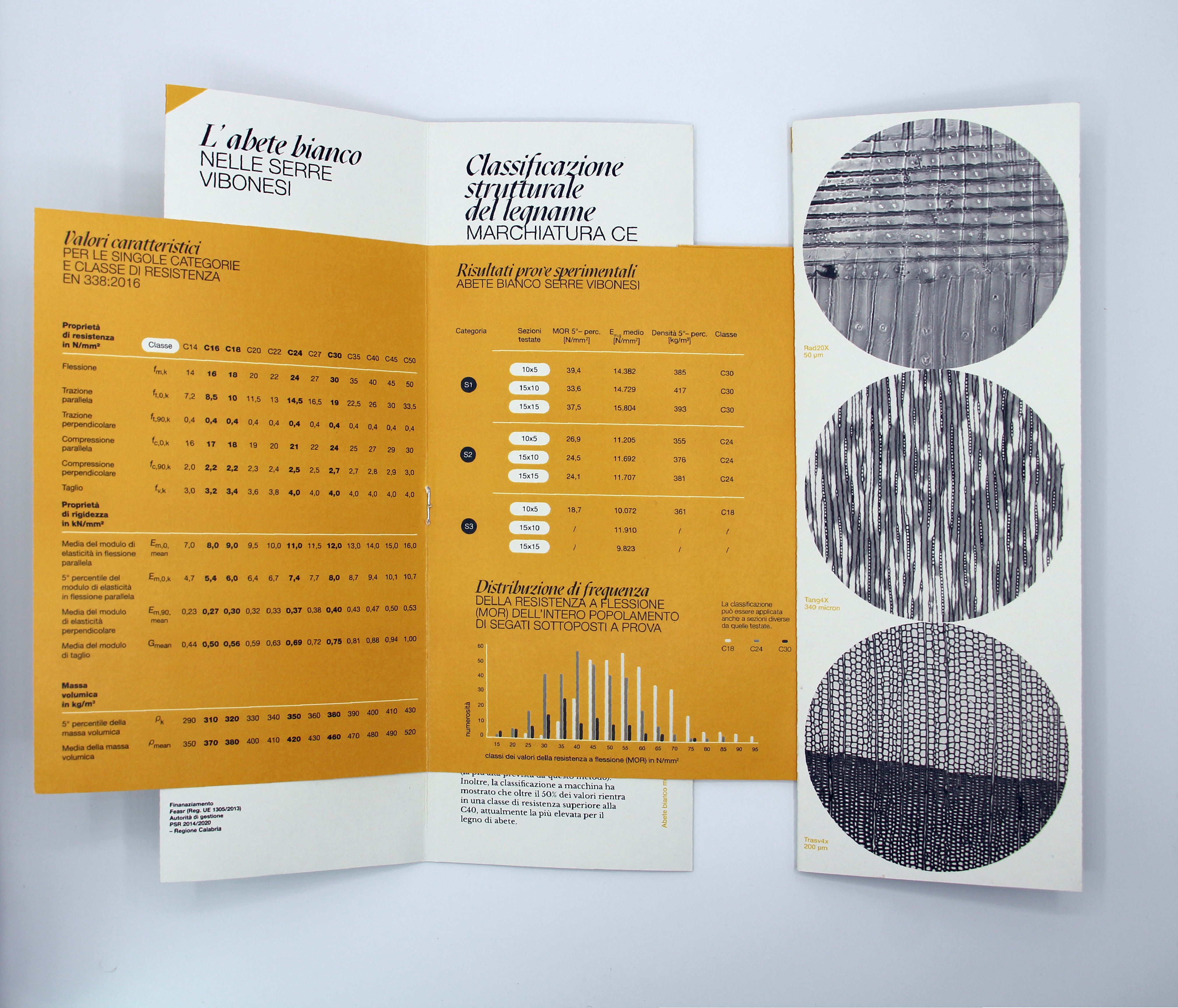
The initiative transforms a previously underutilized raw material into a high value-added product for the bio-construction sector and timber architecture (such as structural beams classified as C30), which are key markets for Europe’s ecological transition. Through the development of the “Le Terre Brune” brand, local businesses are integrated into a structured supply chain capable of generating fair profit, stable employment, and increased attractiveness for a disadvantaged geographic area.
The project turns the conservation of cultural heritage into a stable source of income for small operators in the Serre Calabresi. FOR-LEGNO stands out as an exemplary model of sustainability precisely because it enhances the deep ecology of both the forest and its community, embedding the material within a comprehensive product-system. The quality mark will comply with a set of regulations ensuring that the entire value chain - from logging to application.
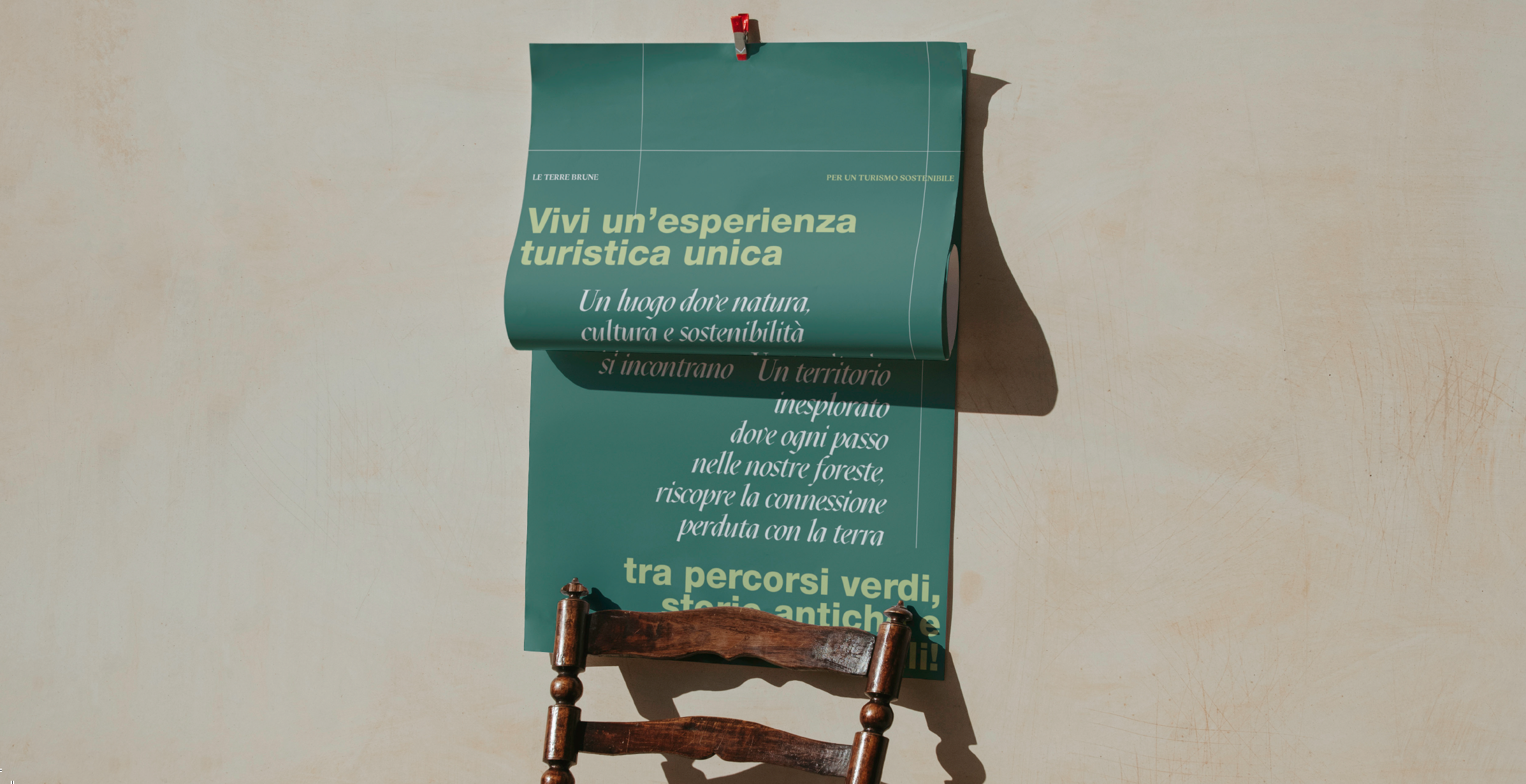
“Le Terre Brune” is conceived as a tool for visual storytelling and identity-building. The project aims to improve the quality of experience in this territory by co-creating, together with the local community, a communication framework that reveals the vast narrative and material potential of its forest landscape.
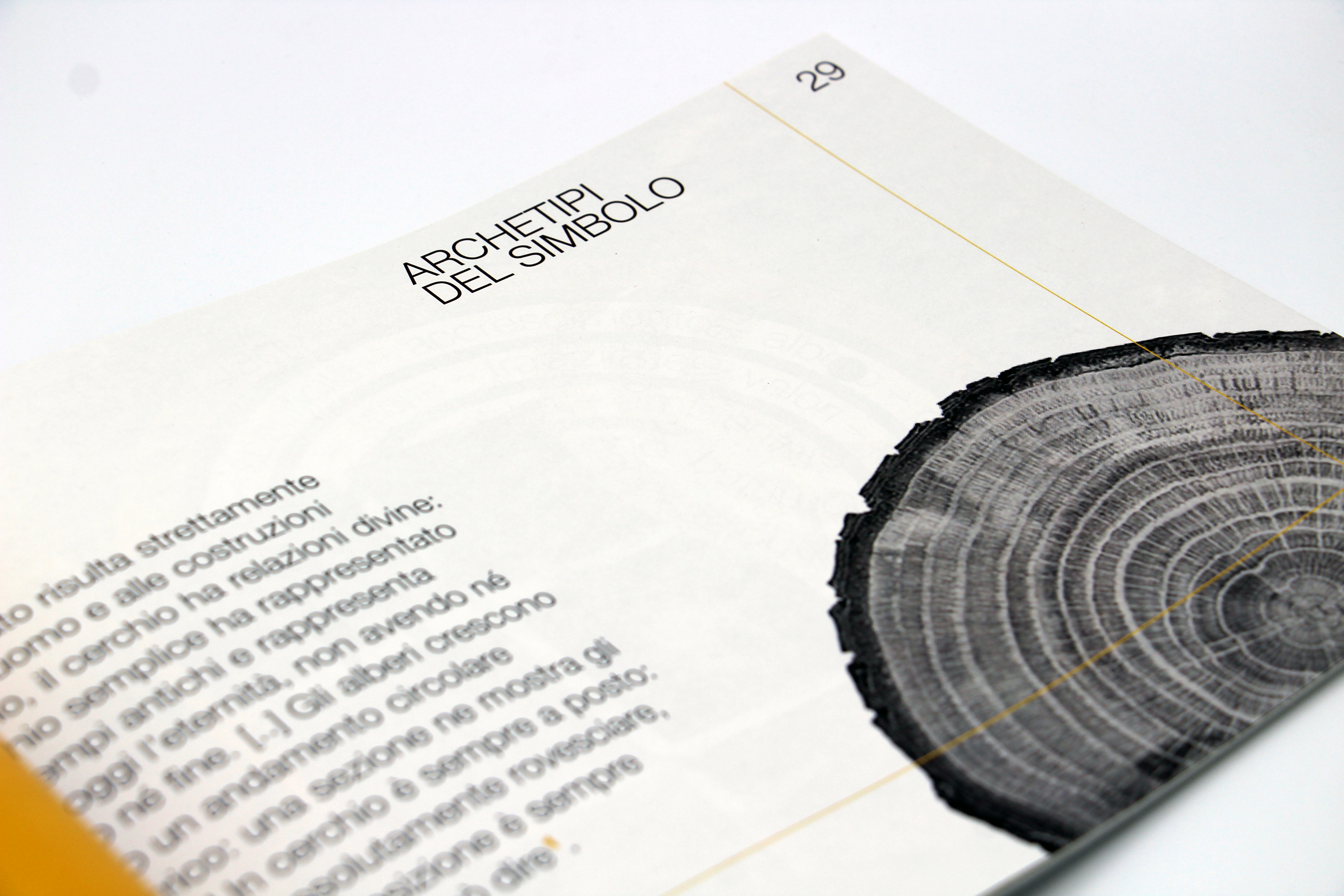
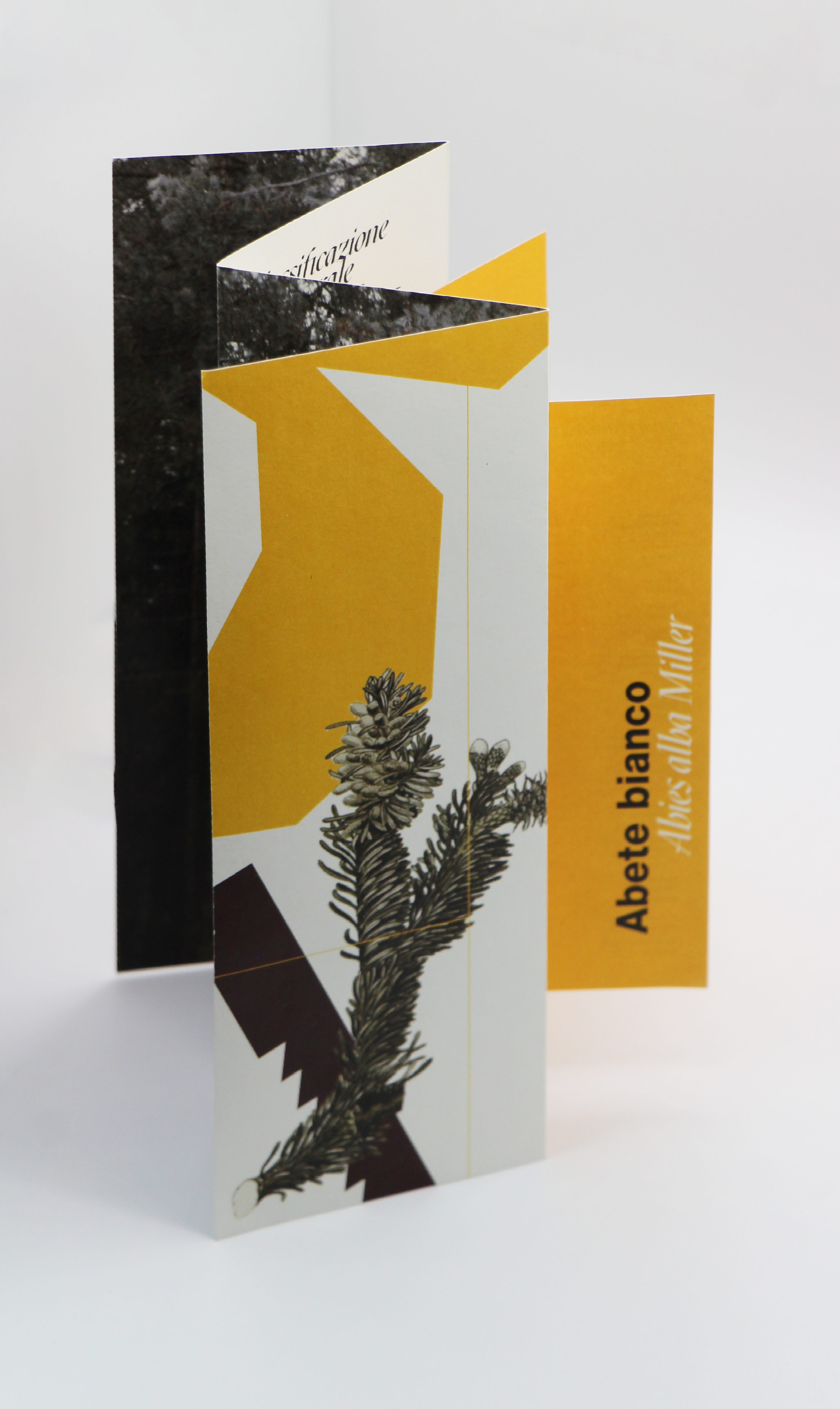
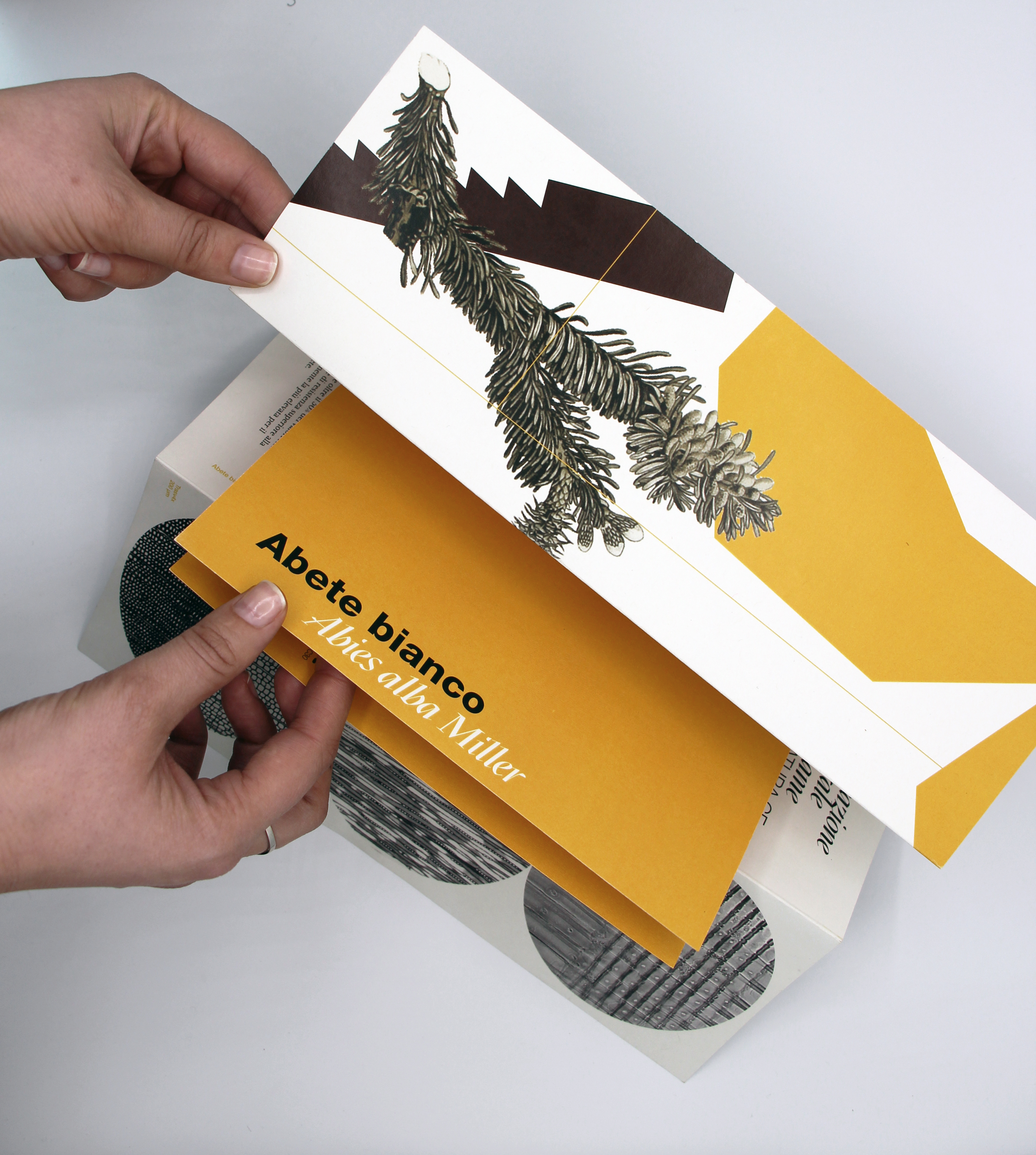
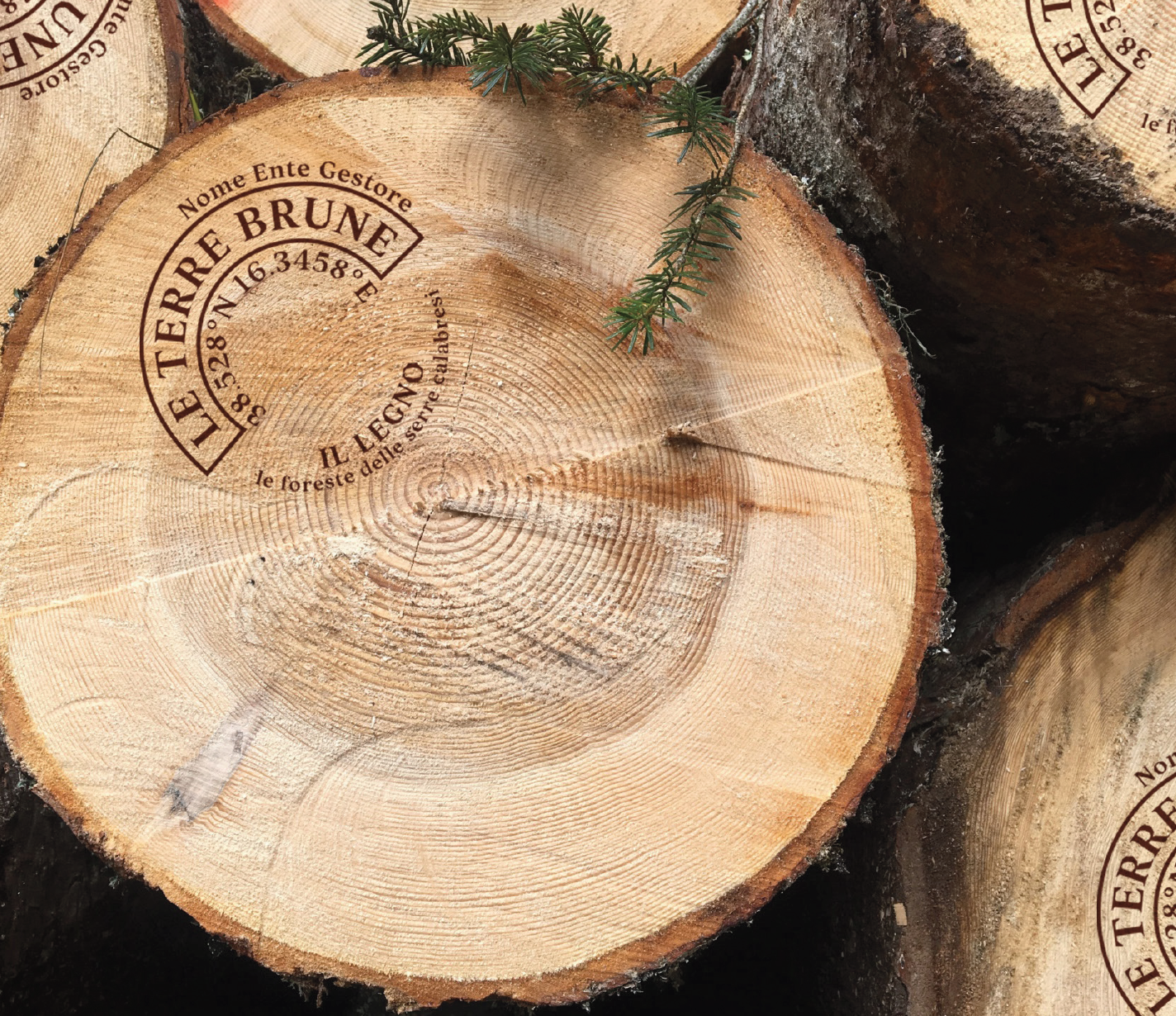
The brand and visual identity are not developed as a mere commercial operation, but as a generative, dynamic brand, created through co-design between designers and key stakeholders who contributed to reconstructing the local identity. The visual language, tone of voice, iconographic system, typographic choices, signs, symbols, and colors all emerge directly from the soul of the territory through participatory processes, translating collective identity into an evocative and contemporary visual form.
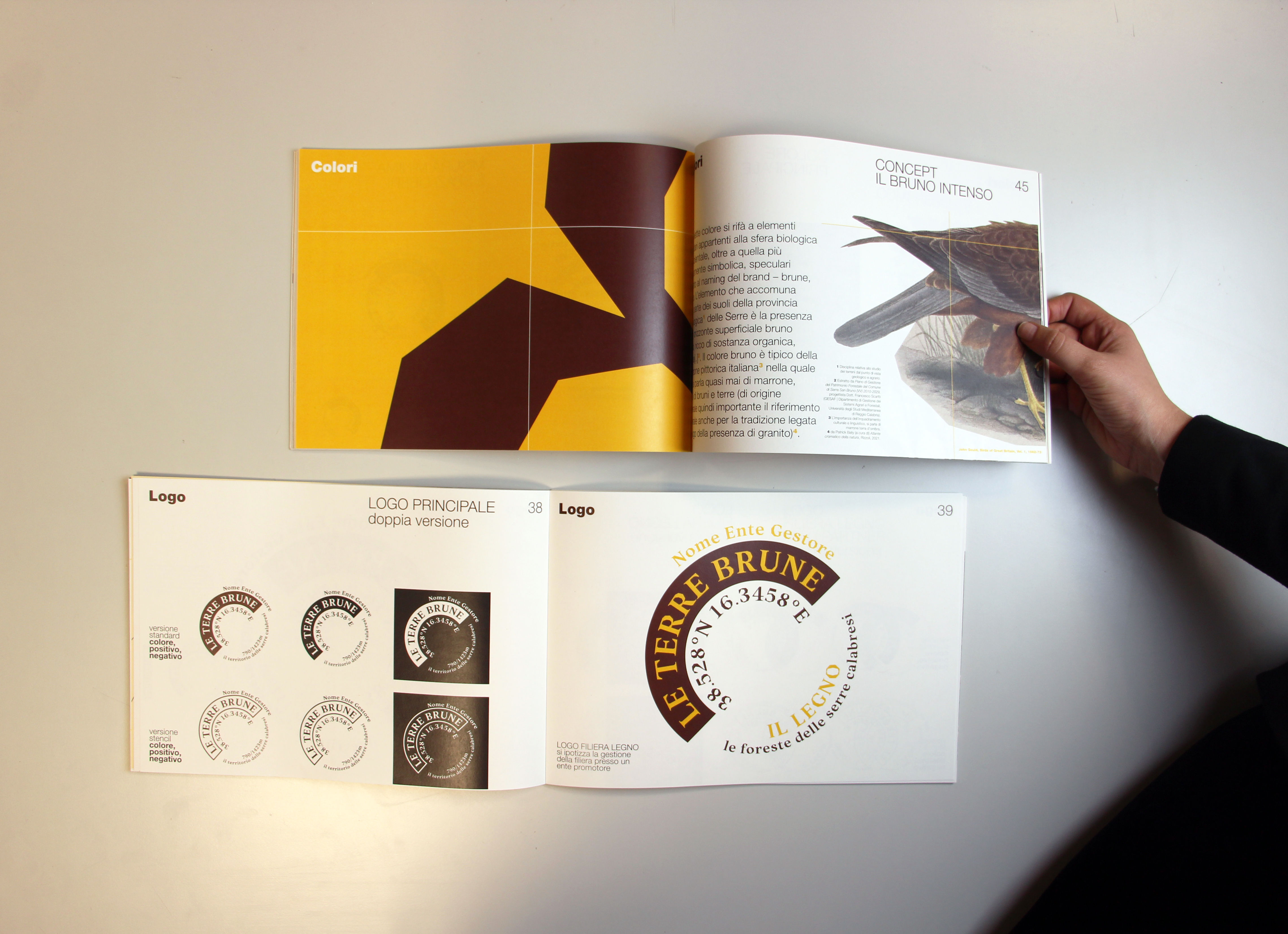
All design choices are directly informed by the territory on multiple levels, with the aim of giving depth to the network of relationships and individual identities. The naming consists of two words, connected to the colors that define the visual identity (Terre Brune).
The word “Terre” (which can be translated as lands, grounds, soils), used in the plural form, frames a territory composed of multiple characteristics unified under a single term. “Terre” represents a whole, a group, a community, a shared feeling.
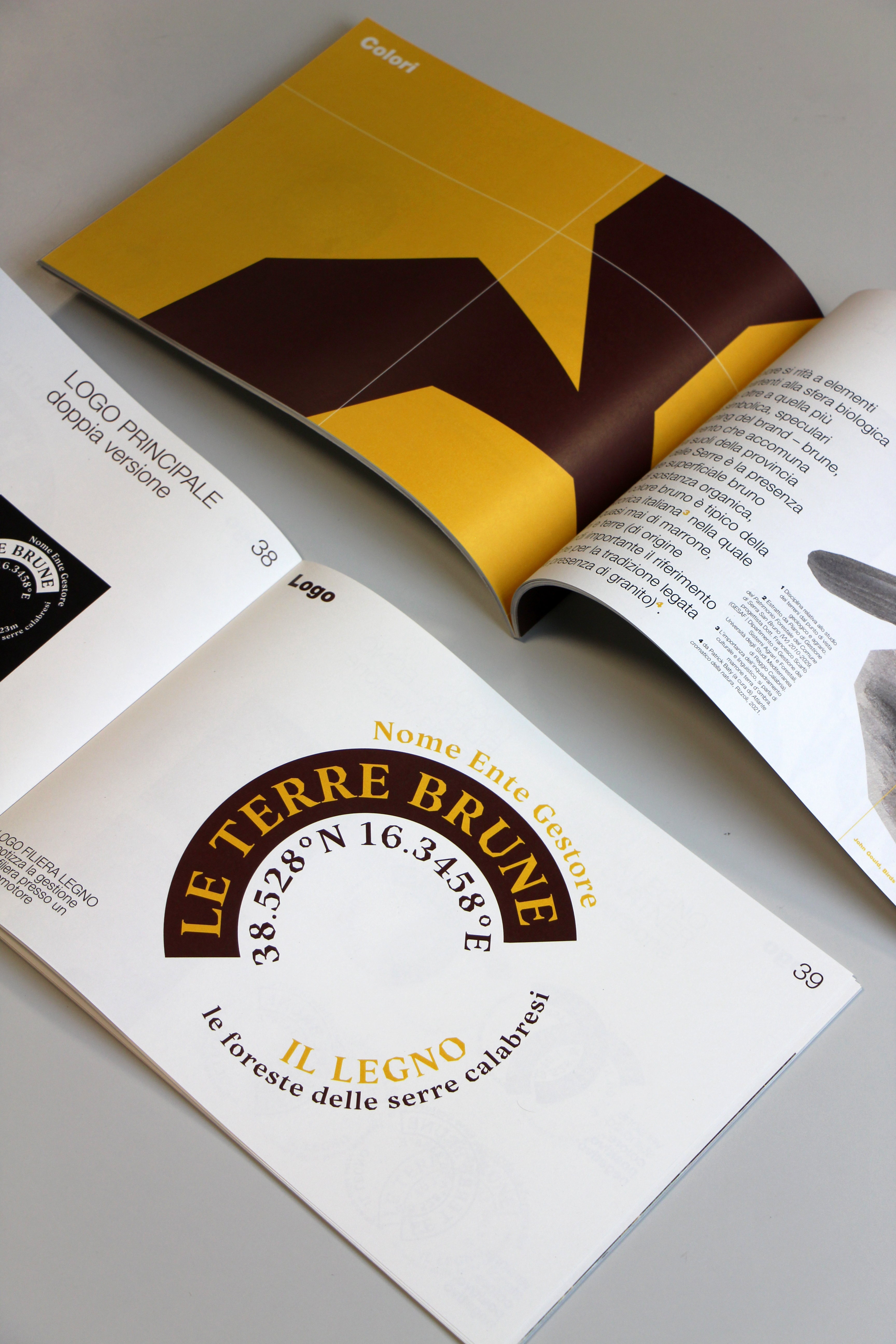
The brown color is characteristic of this territory and establishes a historical and spiritual connection with its patron saint, Saint Bruno, a foundational element closely tied to the forest.
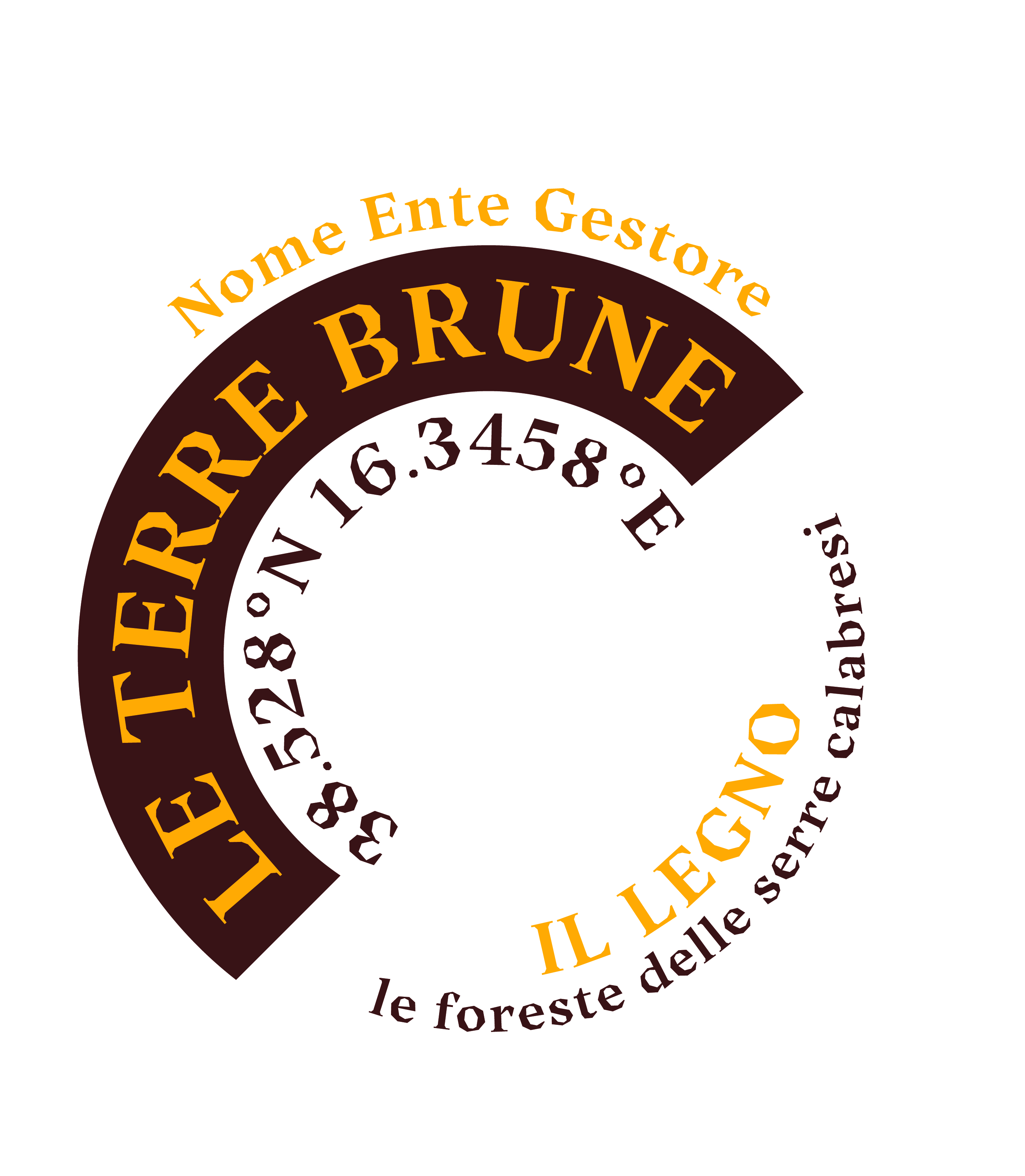
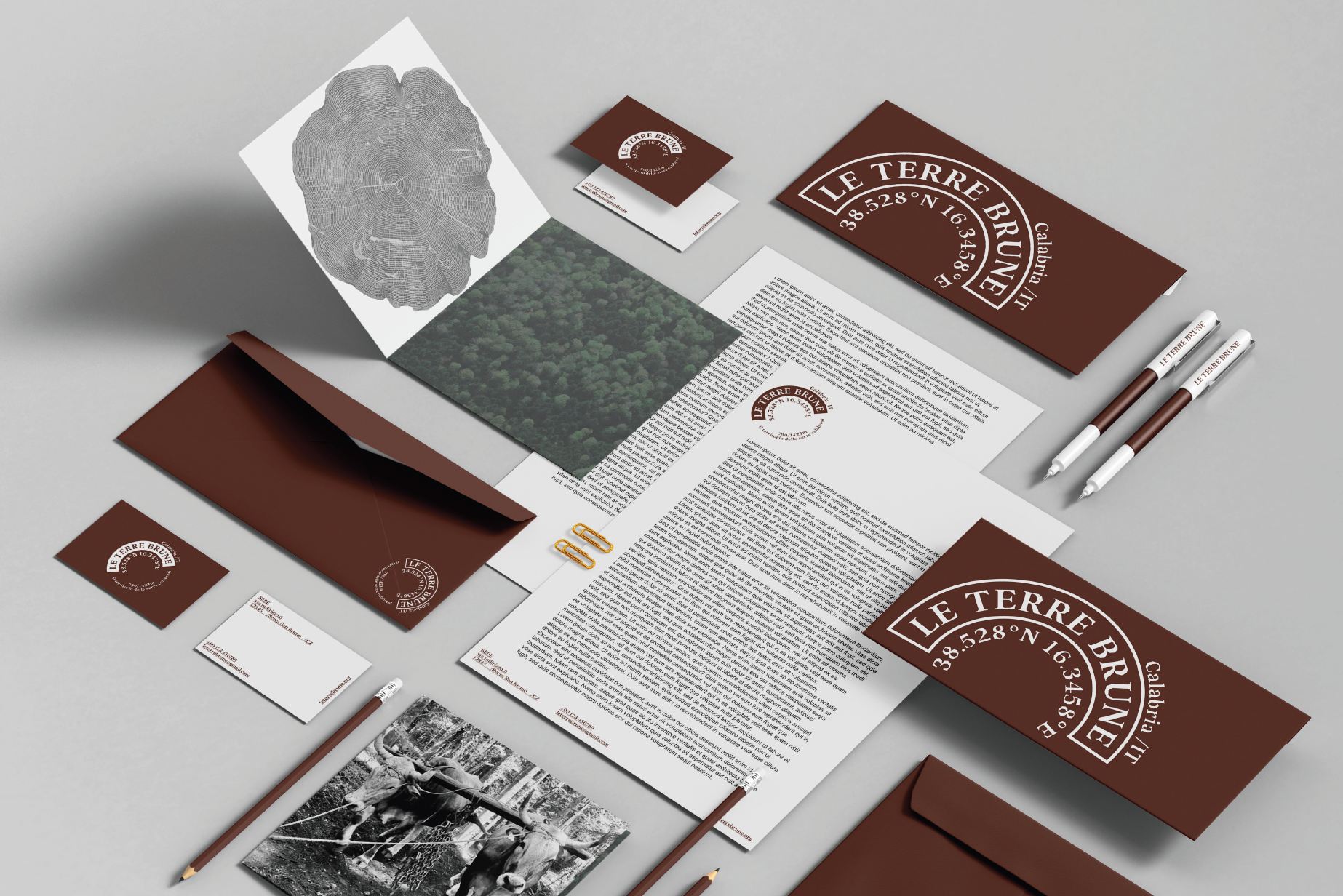
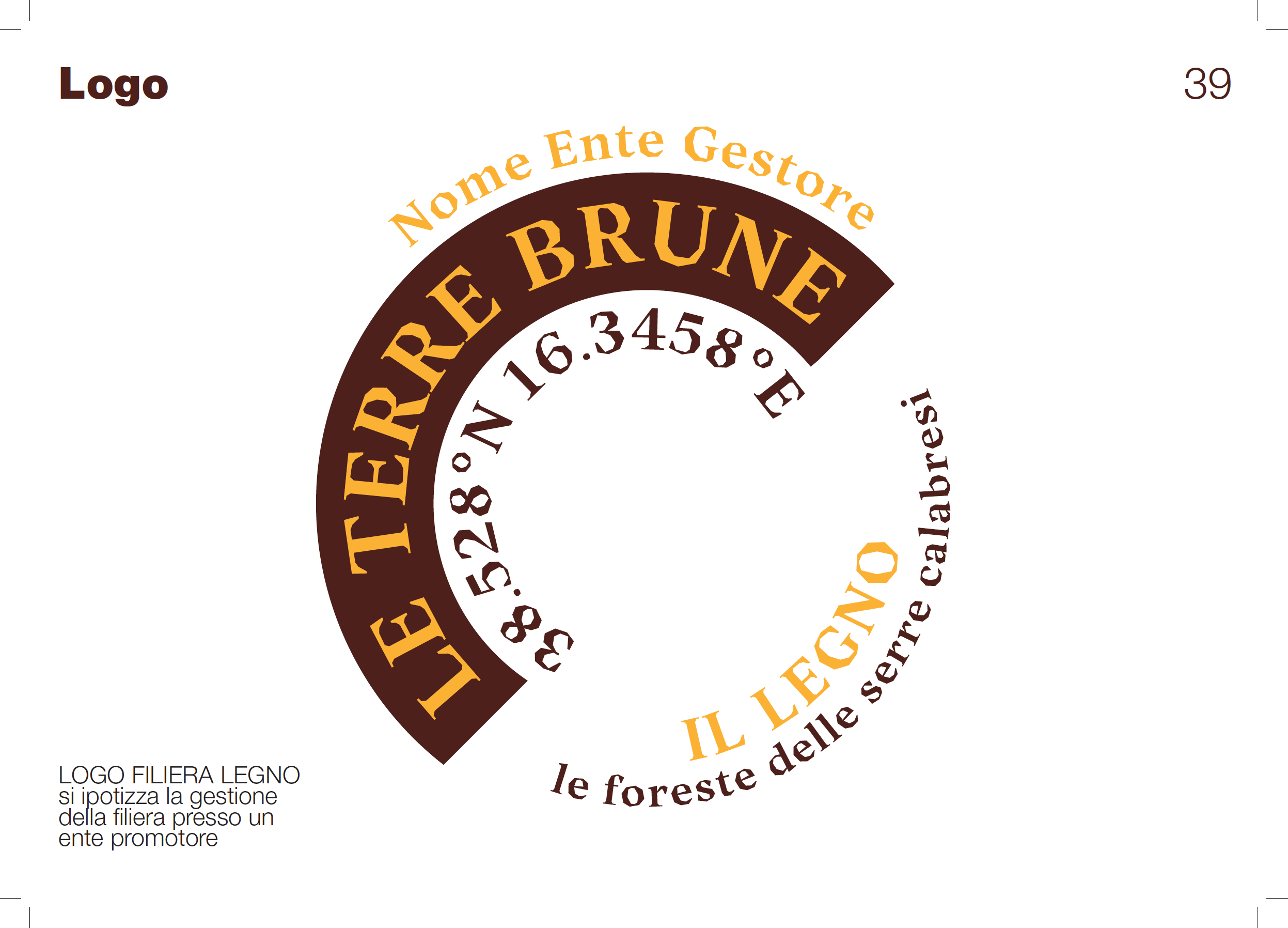
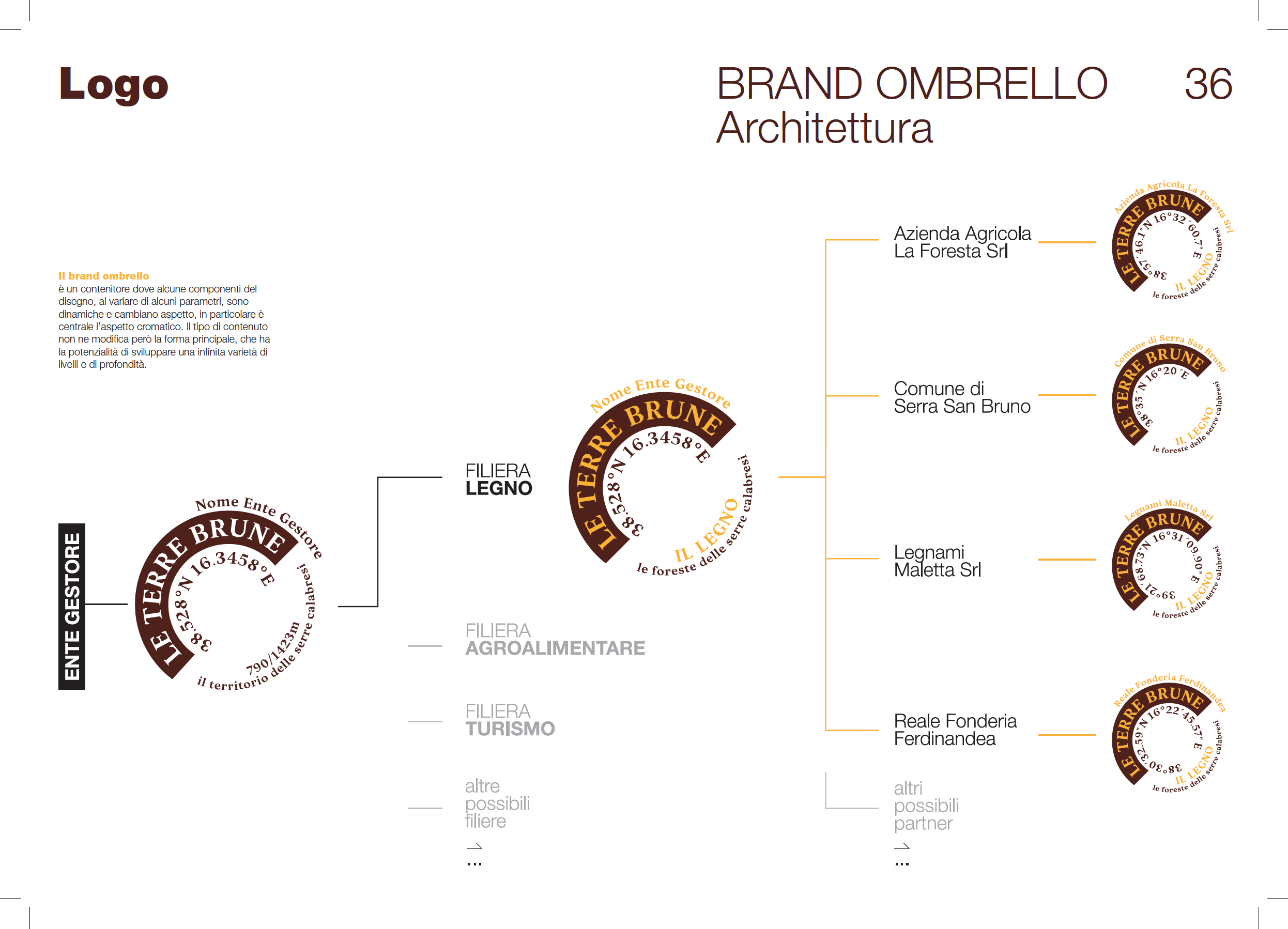
Another key element in the construction of the visual identity is the use of geographical coordinates, which act as the generative component, changing according to the location of the subject using the brand. This creates both a graphic and conceptual connection between the brand, the specific user, and the reference territory.
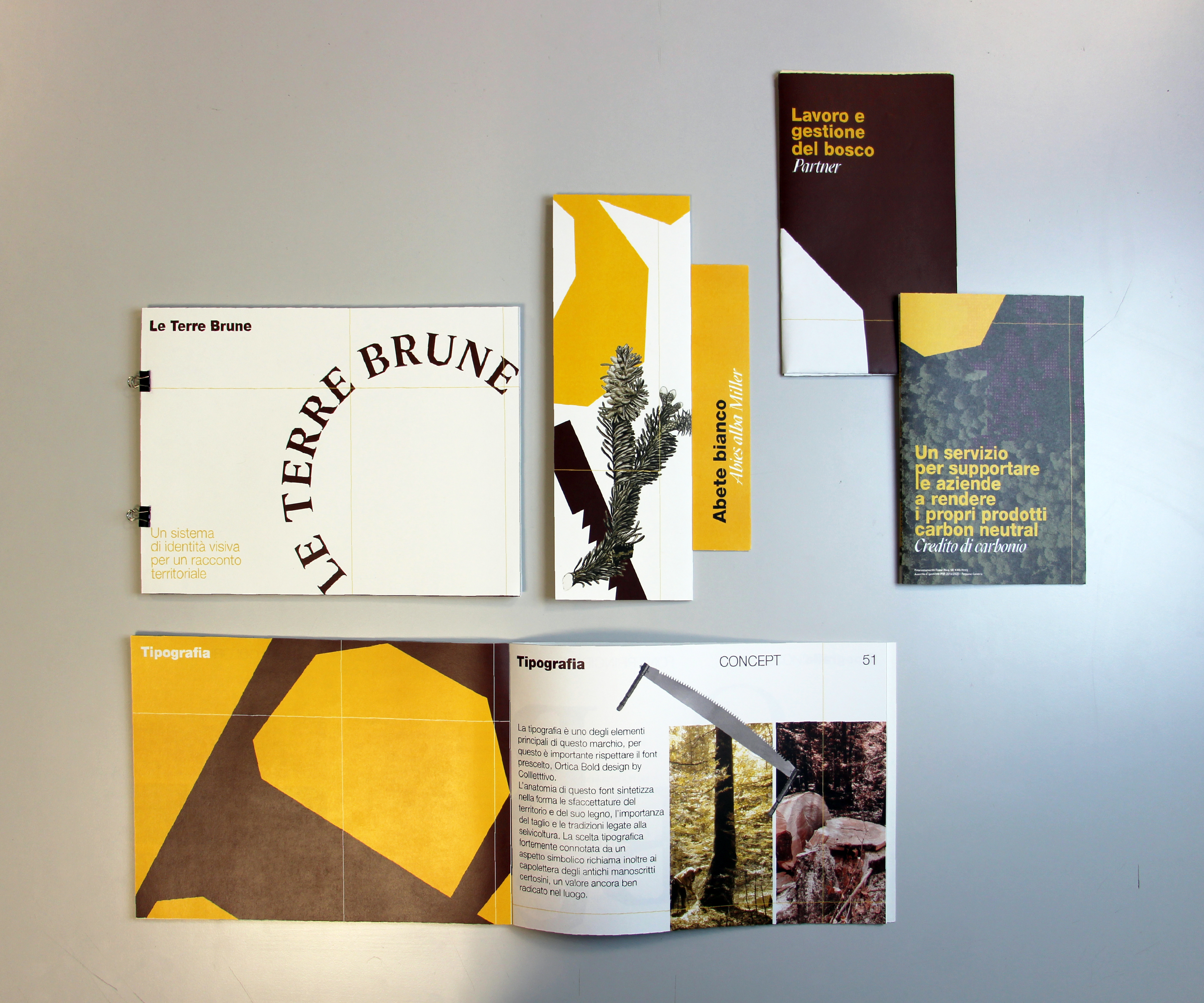
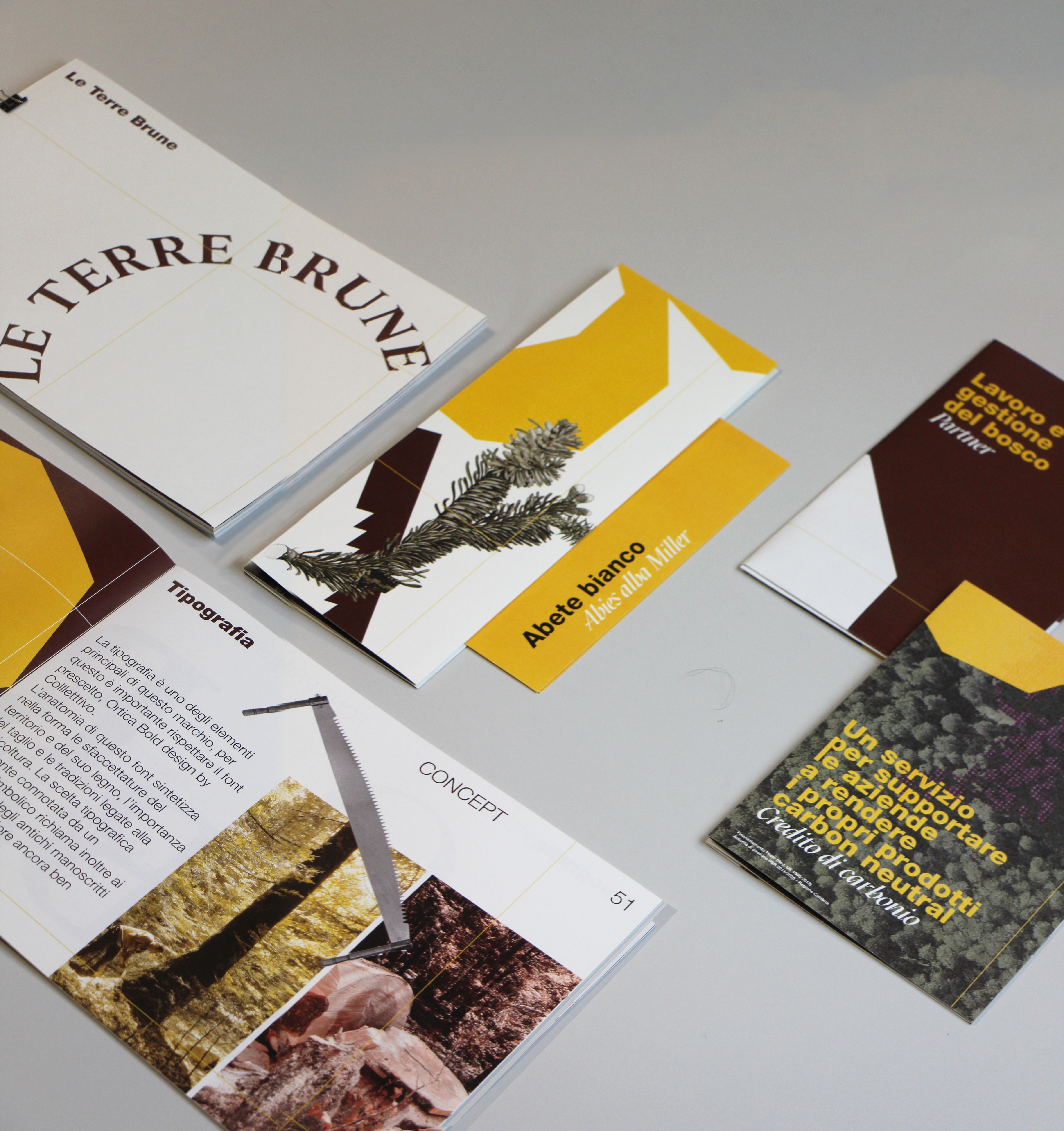
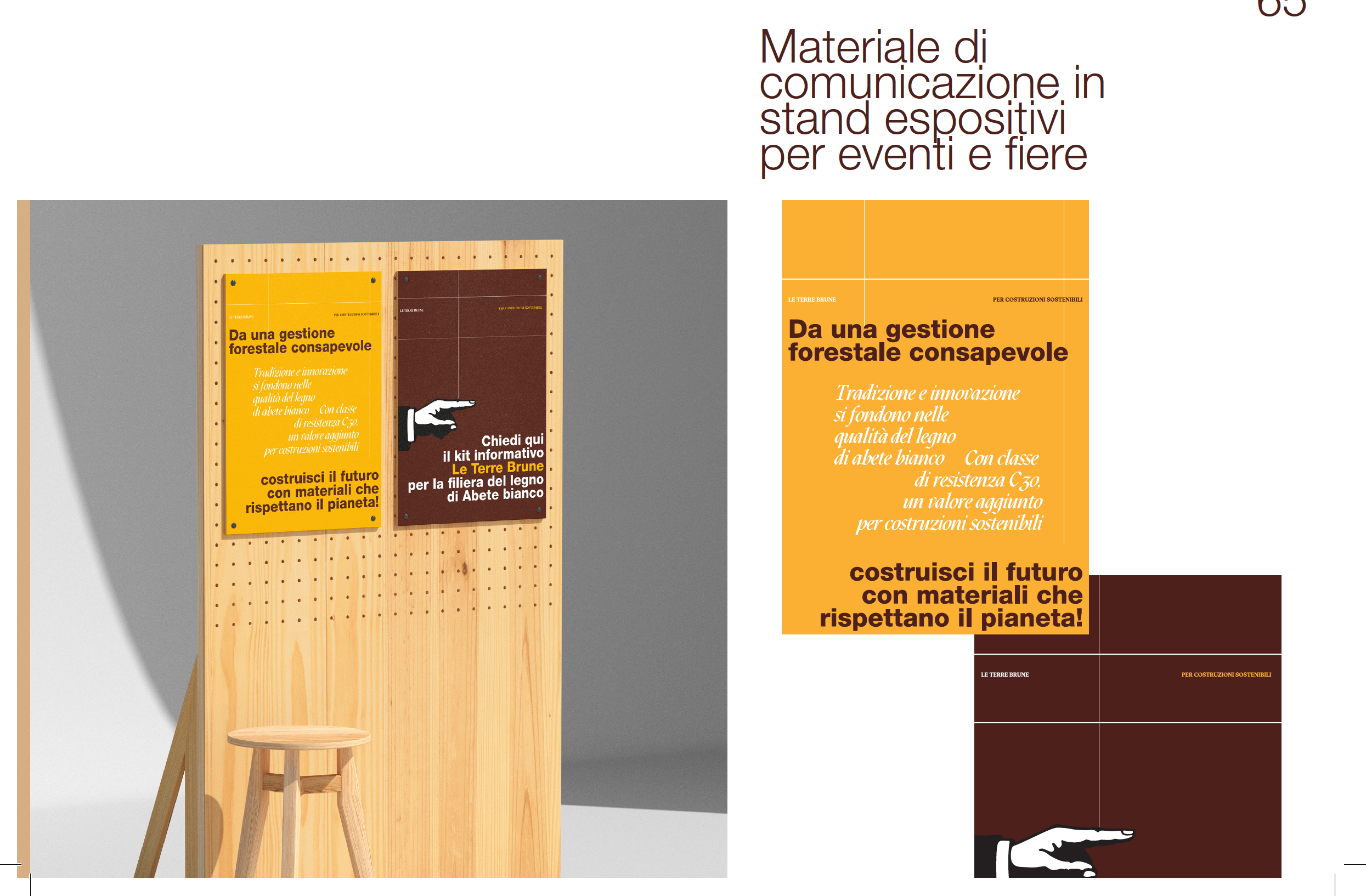
This work is codified in a visual identity manual, which defines and guides the application of the brand across its various uses.
The project promotes inclusion by addressing the marginalization of mountainous and inland areas in Southern Italy, offering opportunities for empowerment to territories and stakeholders traditionally excluded from major development trajectories. It ensures that the local business ecosystem can access new economic opportunities linked to the ecological transition.
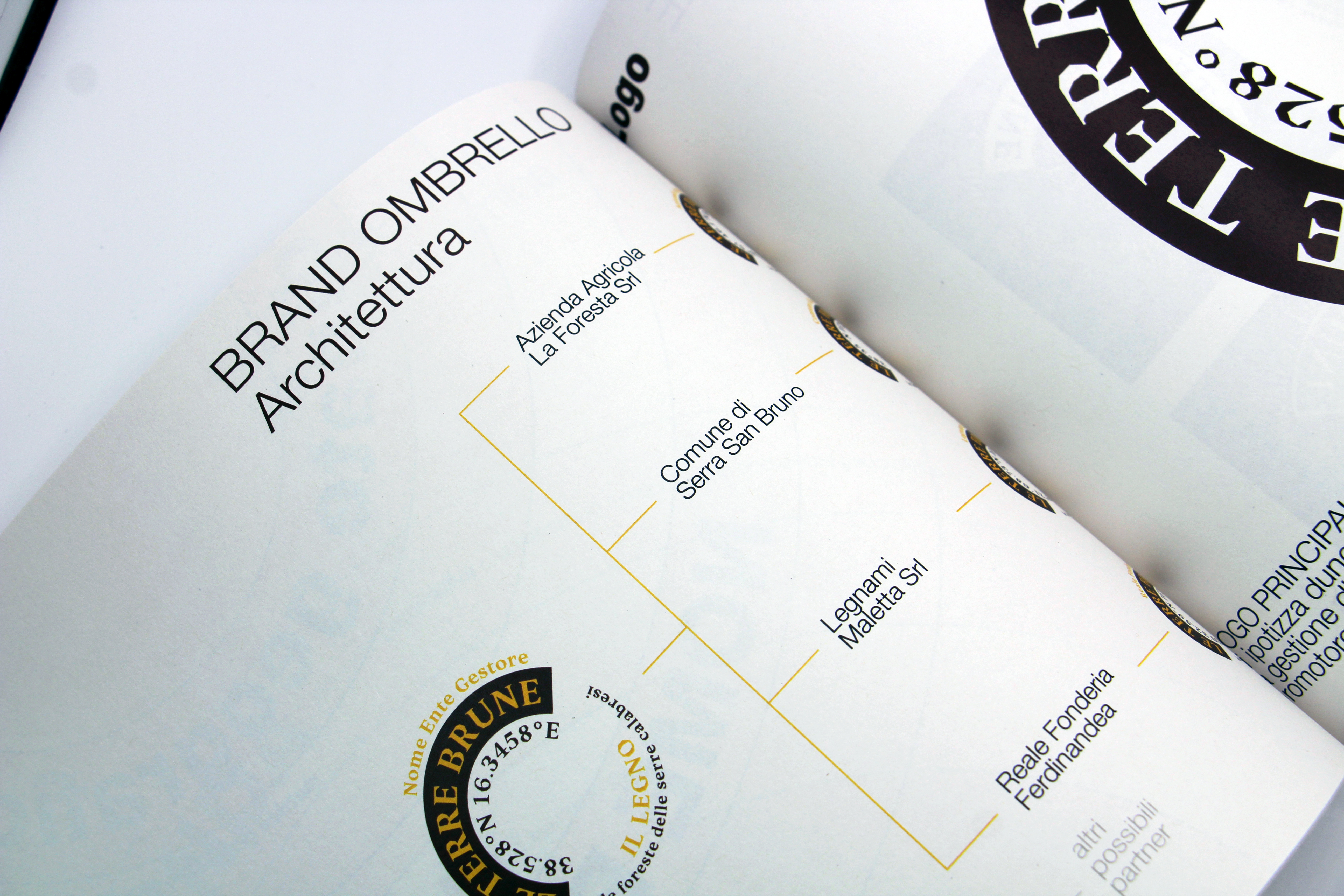
The service design of “Le Terre Brune” acts as an institutional aggregator, bringing together under a single umbrella brand the Municipality of Serra San Bruno along with local forestry and processing companies (Maletta Legnami s.r.l., Società Agricola La Foresta s.r.l., Società Agricola La Nuova Ferdinandea s.s.). This cooperative approach facilitates access for companies within the brand to the voluntary carbon credit market and the bio-construction supply chain, distributing value fairly among partners.
The design process developed through deeply inclusive social models, integrating a plurality of voices: academics and businesses, policymakers and local historians were placed on equal footing through specific ad hoc co-design tools. Active participation enabled the community to position itself as a driver of social innovation, fostering shared responses to needs and challenges emerging from the ground. Their tacit knowledge and dialectal linguistic heritage directly informed the brand’s DNA and guided design choices related to the development of the visual identity, providing a universe of locally specific signs and symbols.
The initiative stands out as a model of inclusion because it transforms the complex network of relationships underlying the local wood supply chain into a platform for social cohesion and development, demonstrating that ecological and technological innovation can be a powerful tool for the collective good.
The project therefore aims to create a deep sense of belonging among the inhabitants, connecting the material to the territory that produces it.
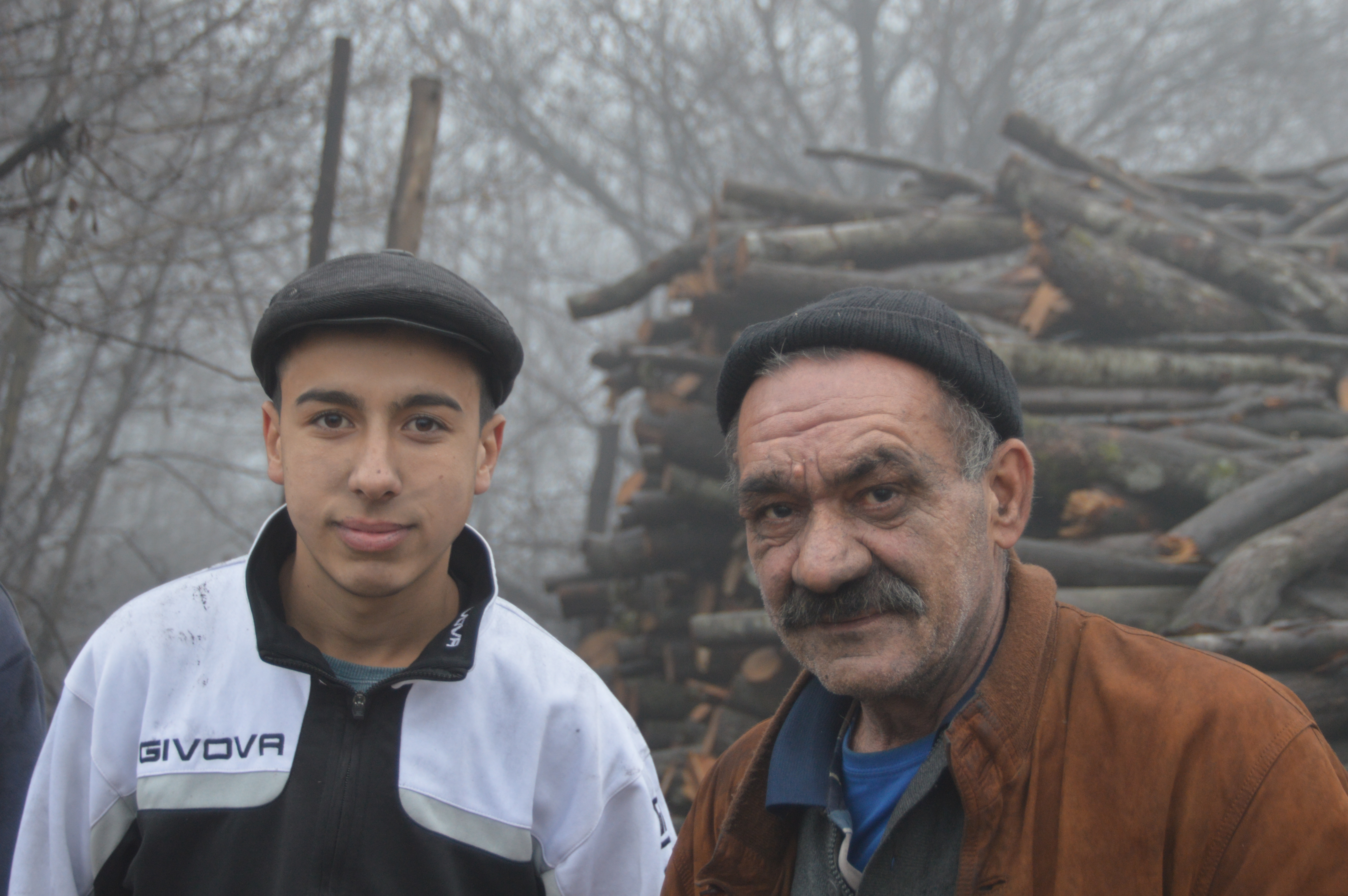
The design approach was explicitly participatory, based on the conviction that the authentic and genuine valorization of a heritage must inevitably start with the community that inhabits and experiences it daily. The project directly, transparently, and horizontally involved ordinary citizens: bearers of invaluable tacit knowledge, but also administrators, forestry companies, sawmills, cultural associations. Representatives from several Local Action Groups (GAL) in the area were also actively engaged, recognized as active, expert, and promotive actors in the sustainable development of inland and rural areas. Their role has been fully co-authorial from the very first exploratory phases. During field research, the design team established a lively and ongoing dialogue through dozens of video interviews, inviting residents to share information, data, stories, personal narratives, and visions for the future of the place (Link - https://www.youtube.com/@LeTerreBruneMarchio).
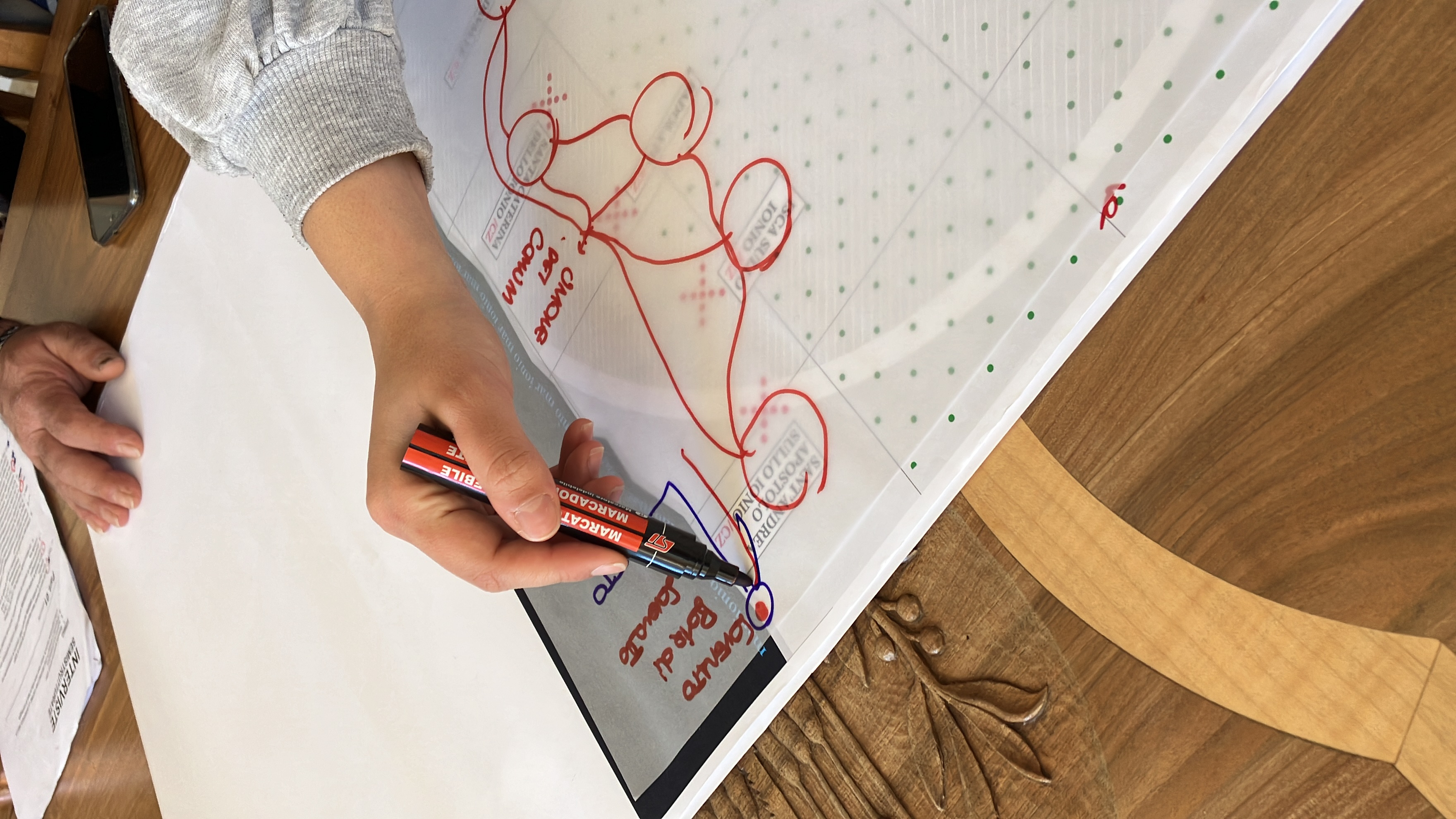
This level of engagement reached its peak during co-design sessions, where various stakeholders physically gathered around shared worktables. Using layered conceptual maps organized by thematic levels, public and private actors collaborated to trace deep connections between environmental and socio-cultural dynamics. The impact of this method was decisive for the quality and effectiveness of the final outcomes.
The “Le Terre Brune” brand, in fact, was not imposed from above as a mere marketing artifact; its narrative and visual elements were literally co-created by citizens, drawing on the collective intelligence of the territory. This process generated a strong sense of ownership and belonging, allowing the community to fully identify with the visual identity project. Such collective appropriation is intended to help overcome historical fragmentation and local distrust, fostering a climate of trust between the public sector and private actors operating within the supply chain.
The “Le Terre Brune” brand represents a case of excellence in multi-level governance, as it involves actors and regulatory frameworks across very different scales, connecting the public municipality and local business. The initiative is funded by the EAFRD (EU Regulation 1305/2013 – Managing Authority RDP 2014/2020 – Calabria Region) and promoted by the Municipality of Serra San Bruno which, in collaboration with long-established local forestry companies (Maletta Legnami s.r.l., Società Agricola La Foresta s.r.l., Società Agricola La Nuova Ferdinandea s.s.), will manage and operationalize the brand.
The project has engaged with development bodies such as the GAL Serre Calabresi (Local Action Group), strategically and synergistically integrating its actions within the National Strategy for Inner Areas (SNAI) and the Rural Development Programme of the Calabria Region. At the national level, the project has benefited from a strong institutional and academic partnership between the University of Florence (Department of Architecture – Design for Sustainability Lab) and the Italian Academy of Forest Sciences. Finally, at the European level, the process for obtaining the essential CE marking for local silver fir in Strength Class C30 has been initiated.
The significant added value of this multi-level integrated involvement lies in the project’s ability to foster social empowerment, elevating a historically isolated local ecosystem and bringing its products to the level of excellence required by major international markets.
FOR-LEGNO was born from the fruitful intersection between communication and strategic design, forestry sciences and anthropology practice.
The project emerged from a radically transdisciplinary approach, enabling the overcoming of the sectoral and siloed vision typical of innovation processes in the forestry sector.
In the design and implementation of the brand, highly diverse knowledge was seamlessly integrated, creating a true bridging language capable of uniting forest sciences, wood technology, design, communication, ethnology, public administration, and business.
Firstly, forest sciences and wood technology provided the rigorous technical backbone of the project and the silvicultural management, delivering environmental and performance data on silver fir timber through tests on structural resistance profiles aimed at advanced applications in bio-construction.
Design played a catalytic role, acting as a mediating discipline by transforming the technical-performance quality of the material and the complexity of the natural-cultural network from which it originates into a complex and effective communication strategy through the participatory co-design of the visual identity of the “Le Terre Brune” brand.
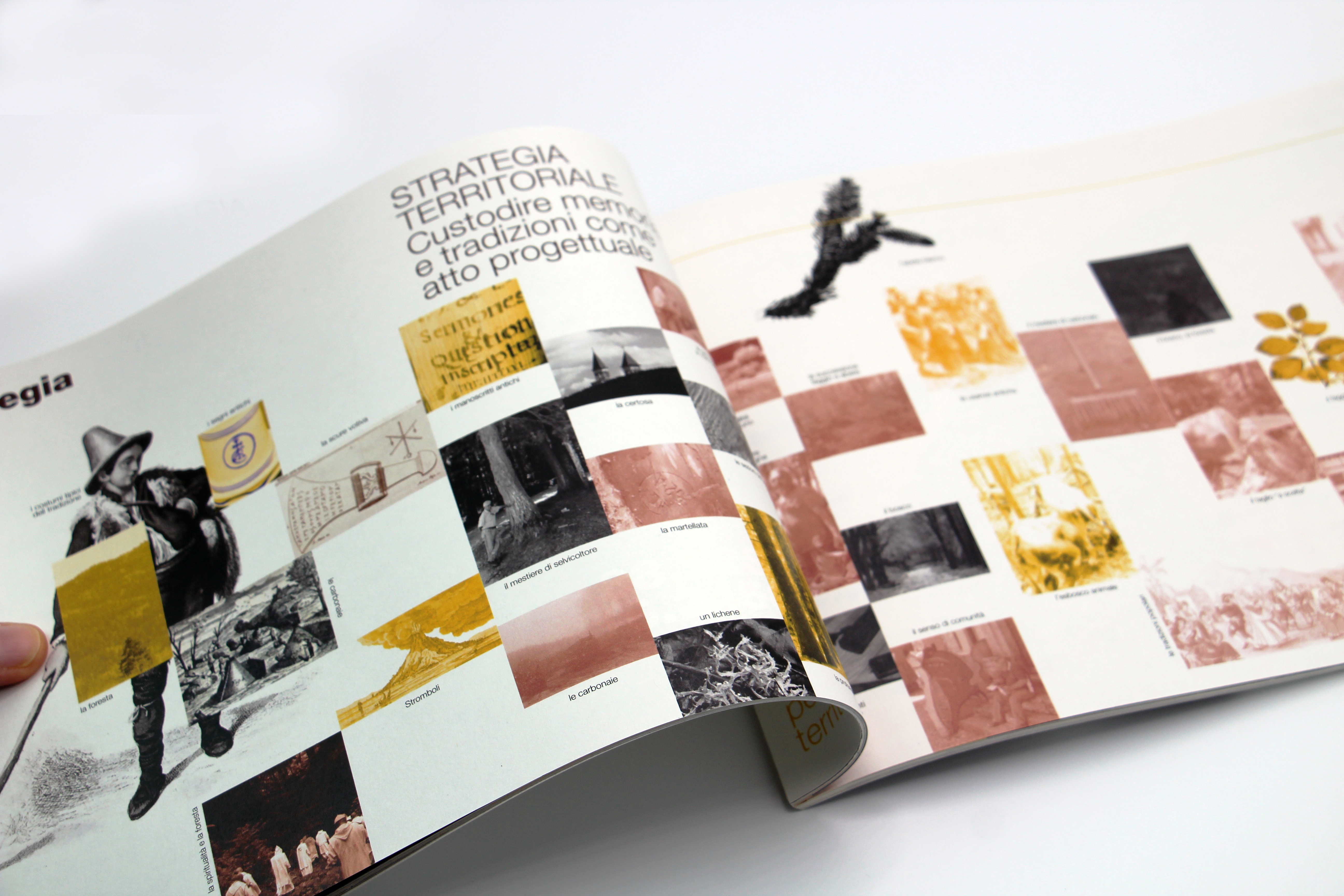
Methodologies drawn from social sciences and anthropology were also crucial, employed for qualitative field research and the extraction of valuable historical and dialectal knowledge necessary to shape the brand’s soul.
Finally, principles from innovation economics and strategic marketing were applied to model the complex architecture of carbon offsetting services. This hybridization of knowledge enabled the creation of an effective product-system.
The project aims to be an innovative and excellent model on a European scale. Making this potential even more disruptive is the extremely favorable regulatory environment in which the initiative is embedded. Regulation (EU) 2023/2411 introduced, starting in 2026, the protection of Geographical Indications (PGIs) for artisanal and industrial products, explicitly including the wood sector. This legislative step, which extends territorial quality marks, previously reserved exclusively for the agri-food sector, to physical materials, makes the "Le Terre Brune" branded products a unique European first and therefore a formidable strategic opportunity. The brand, created as a territorial visual identity system, already meets all the narrative, supply chain, and traceability requirements and therefore serves as a best practice in Europe for this product sector. Beyond this advantage, scalability is based on operational tools that can be transferred anywhere. The project introduces a generative visual identity and a business model based on ecosystem services. For the first time in Calabria, the wood supply chain is integrated with the voluntary carbon credit market through a single brand, "Le Terre Brune," which certifies not only the origin, but the entire sustainability process. Another highly innovative element is the "Design-Driven" approach: the visual identity is not merely decorative, but a tool for managing the supply chain. The brand uses a coded graphic system that allows for immediate identification of the quality of the Serre's structural wood. Furthermore, the creation of a digital platform that integrates traceability, storytelling, and the sale of carbon credits represents a breakthrough for small mountain municipalities.
The methodology used is based on a transdisciplinary, divergent, and systemic design approach. The process begins with a "Layered Mapping" approach, and the entire process was divided into iterative phases: 1) Desk research and field analysis; 2) Mapping the territory through 5 layers (Geography, Flora/Fauna, Industry/Infrastructure, History/People, Project Strategy); 3) Uncovering tacit knowledge through ethnological research, video interviews, and co-design sessions; 4) Design synthesis for the creation of the visual identity and brand. This approach allowed us to visualize invisible connections between the potential of the material (silver fir) and the community's aspirations.
The methodological core was the "Co-Design Toolkit," a series of tools (concept maps, storyboards, interview protocols, and storyboards) designed to facilitate dialogue between diverse stakeholders (institutions, forestry experts, charcoal burners, and professionals). Using video as a research tool has allowed us to document and validate local values in real time. The result is a "Generative Brand" that is not static, but evolves with the local area. This methodology has led to the development of an "Identity Manual" that guides companies in applying the brand, ensuring that every product and communication output is consistent with a set of guidelines that adhere to principles of sustainability and quality. This approach transforms the brand into a strategic intangible infrastructure for communicating the intrinsic sustainability of local businesses.
The methodological core was the "Co-Design Toolkit," a series of tools (concept maps, storyboards, interview protocols, and storyboards) designed to facilitate dialogue between diverse stakeholders (institutions, forestry experts, charcoal burners, and professionals). Using video as a research tool has allowed us to document and validate local values in real time. The result is a "Generative Brand" that is not static, but evolves with the local area. This methodology has led to the development of an "Identity Manual" that guides companies in applying the brand, ensuring that every product and communication output is consistent with a set of guidelines that adhere to principles of sustainability and quality. This approach transforms the brand into a strategic intangible infrastructure for communicating the intrinsic sustainability of local businesses.
The project was conceived from its inception with a high potential for transferability and scalability, positioning itself as a model of excellence on a European scale. This potential is made even more disruptive by the highly favorable regulatory context in which the initiative operates. Regulation (EU) 2023/2411, effective from 2026, introduces protection for Geographical Indications (GI) for artisanal and industrial products, explicitly including the wood sector. This legislative development, which extends territorial quality marks - previously reserved exclusively for the agri-food sector - to physical materials, makes products under the “Le Terre Brune” brand a unique European first and a formidable strategic opportunity. The brand, originally conceived as a territorial visual identity system, already meets all narrative, supply chain, and traceability requirements, serving as a European best practice for this product category.
Beyond this advantage, scalability is supported by operational tools that can be transferred anywhere. The participatory research and strategic design methodology, based on layered conceptual maps for extracting tacit knowledge, constitutes a modular procedural toolkit that can be applied to other rural districts with similar needs.
Furthermore, the concept of a “generative territorial brand,” rigorously codified in the identity manual, is flexible: the ecosystem is structured to integrate additional supply chains in the future, from traditional crafts to tourism services. Finally, the carbon offsetting service provides a highly exportable organizational best practice.
The cooperative framework designed to aggregate the brand’s companies, combined with the ethical mechanism of credit retention to ensure fully zero-impact communication, represents a globally replicable model for equitably monetizing ecosystem services.
The project want to represents a paradigm shift for the entire local supply chain, leading to the development of an ecosystem of high value-added products and services, reinforcing the territory and generating widespread benefits for the community.
The long-term sustainability of the project rest on two strategic pillars. The first concerns the highly competitive integration of this material into the structural timber and bio-construction market. Thanks to the certification process for obtaining CE marking in class C30.
The second pillar is the emerging voluntary carbon credit market. The project has structured an innovative service dedicated to the generation and commercialization of credits derived from sustainable forest management practices. Third-party companies seeking to offset their emissions can purchase these credits, injecting new, direct, and continuous liquidity into the accounts of forest managers under the “Le Terre Brune” brand, who are compensated for the ecosystem services they provide. The model is designed to be self-sustaining through the local business network and the Municipality of Serra San Bruno.
FOR-LEGNO's development plan includes a clear roadmap for the next 24 months.
Months 1-6 (Consolidation Phase): Finalization of partnership agreements for brand management and distribution of the visual identity kit to participating companies. Launch of the local awareness campaign "We are Le Terre Brune" to consolidate community membership.
Months 7-12 (Market Phase): Release of the first batches of silver fir products and semi-finished products certified with the quality mark. Activation of the portal for monitoring carbon credits generated by the Serra San Bruno forests.
Months 13-18 (Expansion Phase): Integration of other supply chains of excellence into the "Le Terre Brune" system.
Months 19-24 (Replication Phase): Creation of events and participation in sector fairs.