Strengthening Local Democracy and Inclusion
Fundo AdaptCascais
{Empty}
The AdaptCascais Fund supports local projects that strengthen resilience and improve quality of life. The initiative builds on local knowledge and fosters community participation, transforming innovative ideas into practical solutions. Internationally recognized as a model of good local governance, it promotes shared responsibility for climate action and creates lasting impact.
Portugal
Local
Cascais.
Mainly urban
It involves a physical transformation of the built environment (hard investment)
Yes
2022-12-16
No
No
No
Organisation
The AdaptCascais Fund, launched by Cascais City Council as part of the Cascais Climate Action Plan (PMAC2), supports local climate initiatives that strengthen resilience and improve quality of life. The Fund fosters community engagement and knowledge-building, turning innovative ideas into practical solutions.
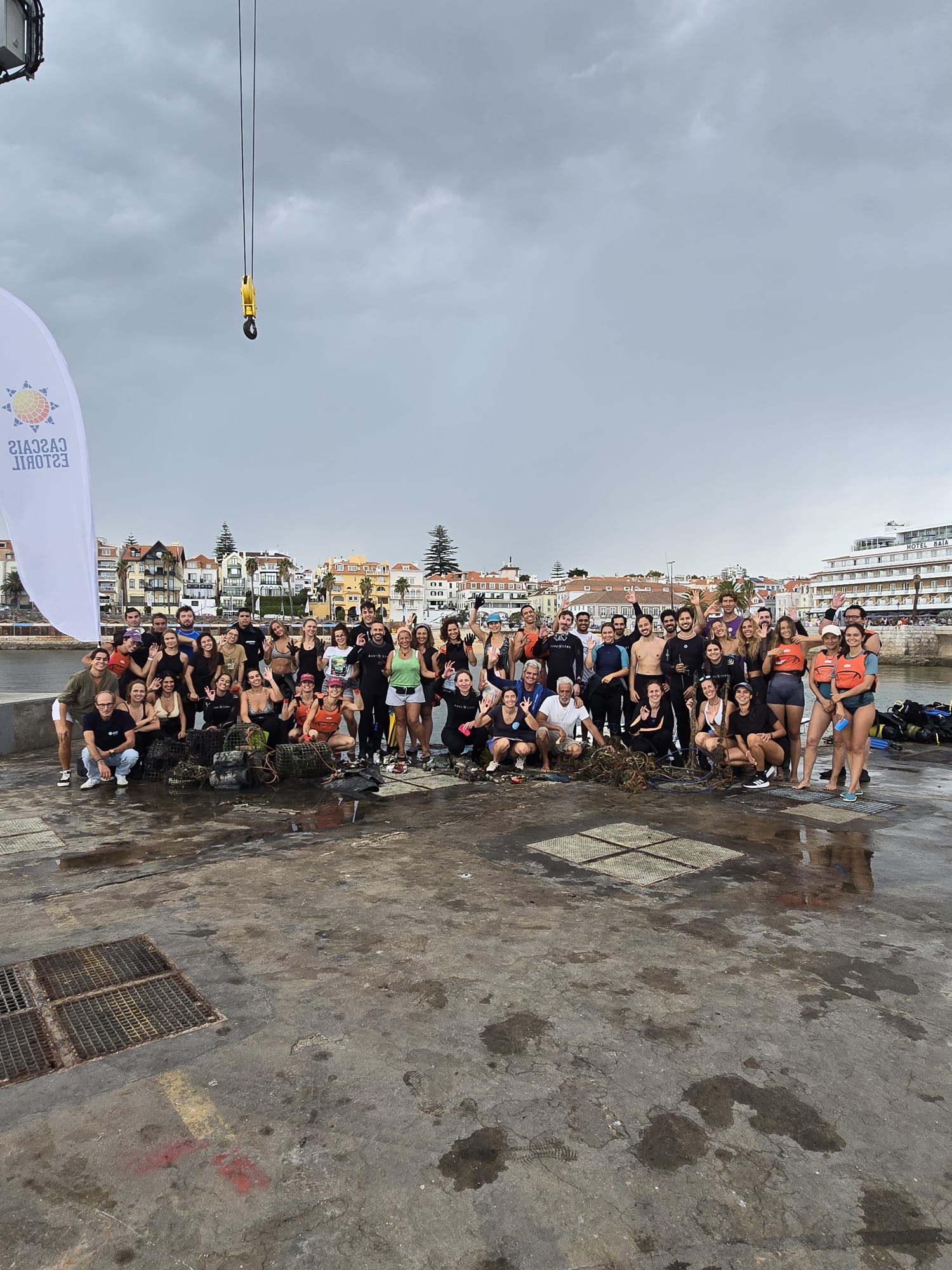
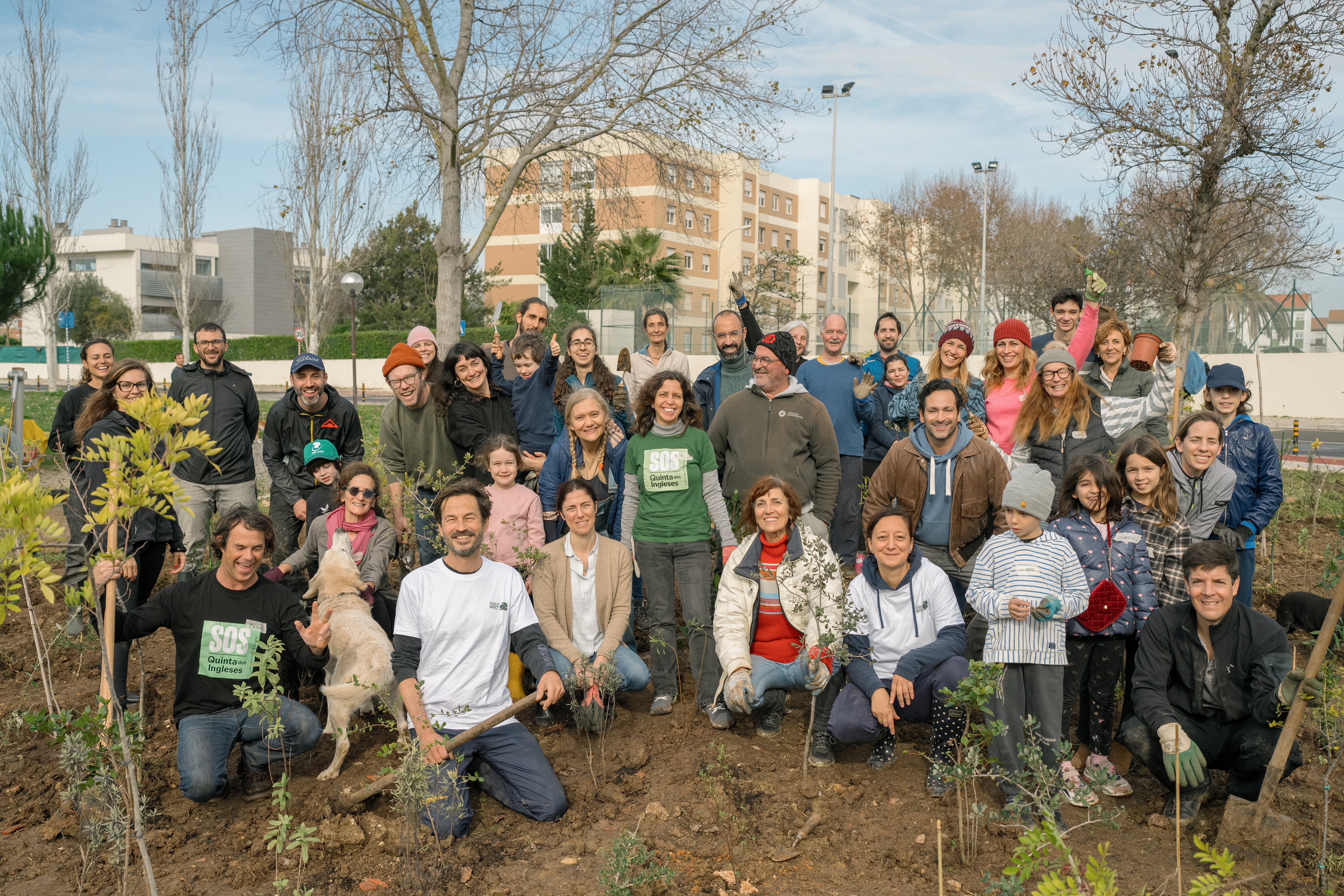
In its first two editions (2021 and 2023), seventeen projects were successfully implemented, involving local organisations, schools, and community groups. These initiatives restored and naturalised over 1 km of streams, planted 600 native species to enhance biodiversity and ecosystem resilience, and removed approximately six tonnes of waste from the ocean. More than 4 000 citizens actively participated, fostering a shared sense of responsibility for climate action.
The third edition, launched in 2025 with a total budget of 50 000€, highlights Cascais’ commitment to climate innovation and community-led solutions. Ten new creative projects were selected, each receiving up to 5 000€.
Alongside financial support, initiatives benefit from technical guidance and visibility through municipal communication channels, ensuring both immediate outcomes and lasting societal and ecological benefits. AdaptCascais delivers measurable environmental improvements while promoting collaboration, knowledge exchange, and sustainable resource management. By combining participatory governance with practical action, the Fund generates benefits that extend well beyond individual project timelines and positions Cascais as a leading example of community-driven climate action.
The AdaptCascais Fund was established as a direct outcome of Cascais’ climate strategy. It emerged from a measure within the Cascais Action Plan for Adaptation to Climate Change (PA3C2), which, together with the Cascais Municipal Roadmap for Carbon Neutrality by 2050, informed the creation of the Cascais Municipal Climate Action Plan. PMAC2 now guides all local climate initiatives, including the AdaptCascais Fund, ensuring that projects are aligned with strategic objectives and deliver tangible benefits to the community.
The Fund follows a structured and transparent process. First, the total budget and the maximum grant per project are defined. Next, the call for proposals is launched; in 2025, 14 eligible applications were received. After the submission period closes, a multi-departmental jury evaluates each proposal, selecting the most creative and impactful projects. All applicants are then notified, and collaboration begins with the 10 winning organisations to refine their ideas.
On-the- ground implementation follows, with projects receiving financial support, technical guidance, and visibility through municipal channels. Upon completion, beneficiaries submit a final report, ensuring accountability and enabling the measurement of both immediate results and long-term impact.
This step-by-step process ensures that AdaptCascais translates strategy to action: innovative ideas are selected, refined with municipal guidance, and brought to life. By actively involving the community throughout the project lifecycle, the Fund transforms high-level climate objectives into visible, community-driven initiatives with measurable outcomes.
Co-creation
Community engagement
Climate resilience
Innovative governance
Nature-based solutions
Sustainability in AdaptCascais is grounded in empowering local communities to actively shape their environment and future. Citizens, organisations and schools are not passive beneficiaries; they are co-creators of solutions to pressing environmental and social challenges. By transforming ideas into tangible actions, and by providing resources and guidance throughout the entire project lifecycle, the initiative turns neighbourhoods into laboratories of experimentation and collaboration, where outcomes emerge from the collective energy and creativity of those who live in and care for the area.
This hands-on participation fosters a sense of pride, responsibility, and a shared vision for a sustainable future. By embedding democratic decision-making in both project selection and implementation, AdaptCascais frames sustainability as both an ecological and a societal practice. The Fund generates a legacy that extends far beyond the duration of individual projects: communities build knowledge, networks grow stronger, and citizens recognise their capacity to act collectively.
AdaptCascais demonstrates that meaningful sustainability arises when climate, social, and democratic dimensions are integrated within a single, community-driven framework. It illustrates that lasting impact depends not only on environmental outcomes, but also on nurturing resilient, self-determined communities in which these values can flourish together.
AdaptCascais enhances everyday life by supporting initiatives that transform how people engage with their surroundings. Many projects use artistic and creative approaches to communicate climate challenges, making complex issues more accessible.
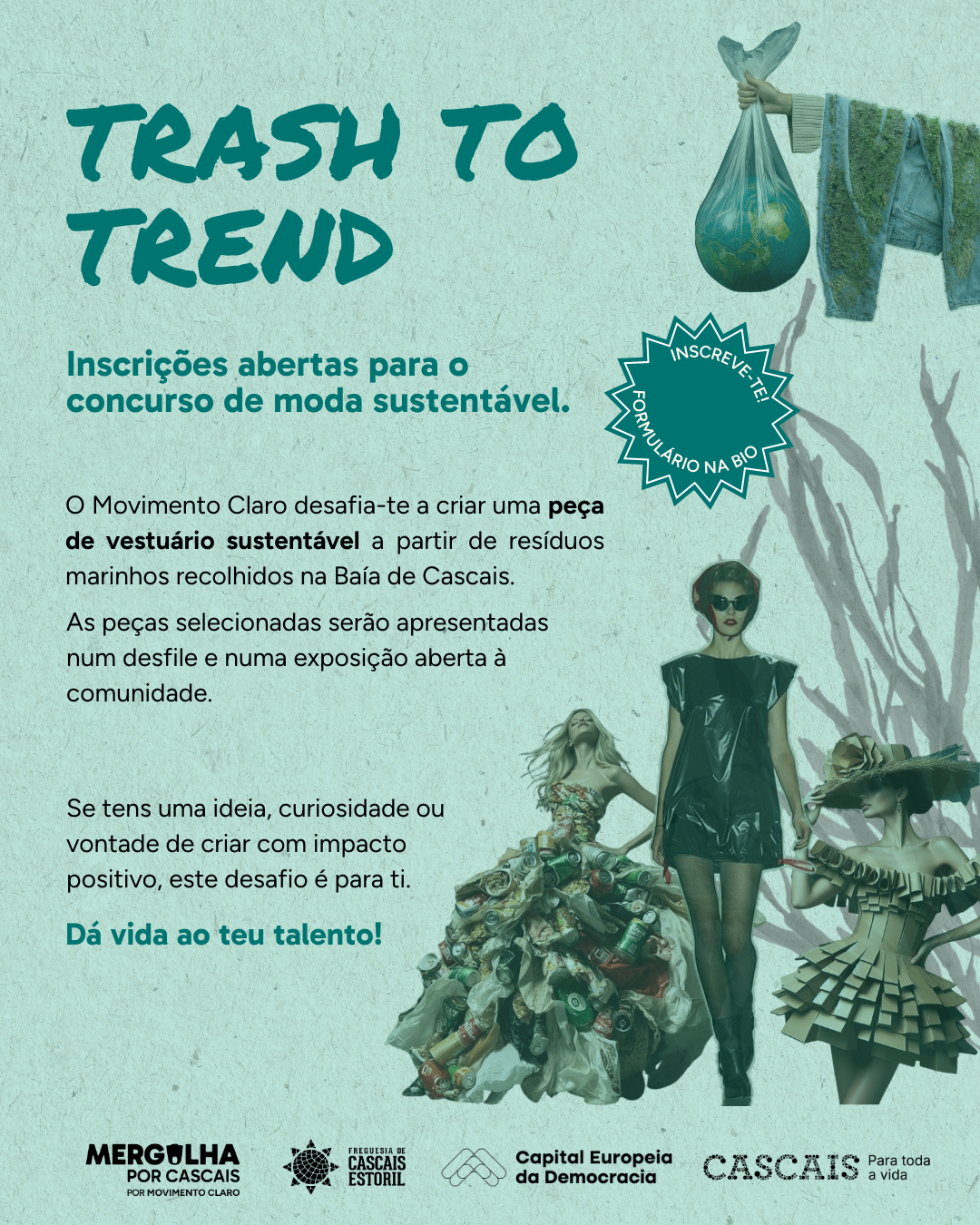
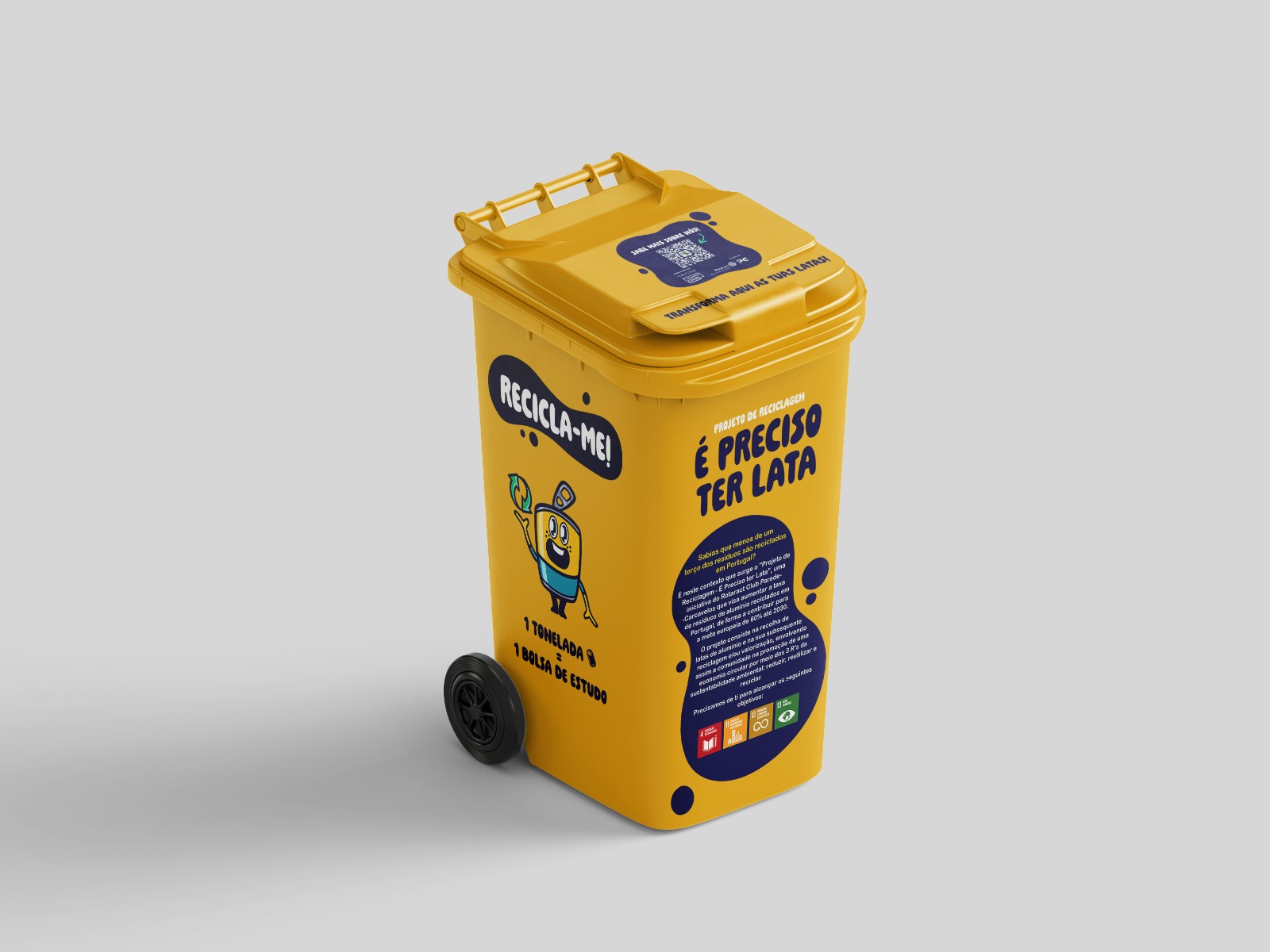
Creativity lies at the heart of participation. Through collaborative artistic processes, project leaders invite communities to voice concerns, share knowledge, and co-design interventions in public spaces. These efforts yield tangible outcomes, including environmental actions that restore and enrich local ecosystems, awareness campaigns that influence behaviours and promote climate literacy, and the repurposing of waste materials into functional or symbolic elements. Collectively, these initiatives strengthen connections between people and place, foster a sense of belonging, and encourage long-term stewardship of neighbourhoods as shared responsibilities for future generations.
At the same time, AdaptCascais promotes a broad understanding of aesthetics that extends beyond visual appeal. Projects prioritise quality, inclusivity, and sensitivity to context, ensuring solutions that are functional, meaningful, and deeply rooted in local realities.
By combining creativity, community engagement, and a strong sense of place, AdaptCascais exemplifies how aesthetics can support climate action while fostering more engaged, responsible, and resilient communities over time.
The AdaptCascais Fund promotes inclusion by enabling a wide range of organisations, from schools and neighbourhood associations to civil society groups, to actively shape their local environment. There are only two conditions for participation: applicants must have a collective tax number and implement their projects within the municipality, ensuring accountability while maintaining accessibility. Funding covers implementation costs, and municipal teams provide guidance throughout, allowing all participants to turn their ideas into tangible actions regardless of financial or technical capacity.
During the implementation phase, inclusion is reinforced through targeted outreach and capacity-building activities. Workshops, co-design sessions, and community initiatives are designed to engage everyone in the neighbourhoods. Mentoring and support ensure that groups can develop feasible, high-quality projects, while strengthening their confidence and skills for future initiatives.
By embedding inclusivity at every stage, AdaptCascais ensures that local voices shape outcomes, strengthens social cohesion, and fosters a sense of collective ownership. Its approach demonstrates how structured support, equitable access, and participatory methods can make climate action both accessible and relevant for all.
AdaptCascais places local communities at the centre of climate action, supporting projects that originate from citizens, schools, neighbourhood associations, and civil society organisations.
Community members lead the design and execution of initiatives. Workshops, collaborative planning sessions, and artistic activities offer spaces for skill-sharing, knowledge exchange, and collective decision-making, shaped by those who live in and care for the area.
This participatory approach has tangible impacts: over 4 000 citizens have been actively involved, fostering a sense of shared responsibility and empowerment. Participants gain hands-on experience in climate action, strengthen social networks, and build confidence to initiate future projects independently. By supporting rather than directing, AdaptCascais demonstrates that meaningful citizen engagement produces solutions that are relevant, sustainable, and firmly rooted in local realities.
Through this model, the Fund exemplifies how participatory governance can empower residents, enhance social cohesion, and create long-term stewardship of local environments, with beneficiaries fully owning both the process and the outcomes of their initiatives.
AdaptCascais operates within the Cascais Municipal Climate Action Plan (PMAC2), which implements national climate objectives established by Portugal’s Climate Base Law (Lei n.º 98/2021). This legislation sets out the country’s climate policy, including the National Adaptation Strategy, carbon neutrality commitments for 2050, sectoral mitigation and adaptation obligations, monitoring and reporting systems, guiding principles, and economic instruments. By aligning with this framework, AdaptCascais ensures that locally driven initiatives are consistent with national goals while addressing community priorities.
Focusing on municipal-level action, the Fund is coordinated with national and European policies, enabling knowledge exchange with stakeholders at regional, national, and European levels. The municipality provides support to ensure feasibility, visibility, and effectiveness, with participants maintaining full ownership of both ideas and implementation.
This multilevel engagement adds substantial value: it strengthens the legitimacy of local projects, enhances their social and environmental impact, and positions Cascais as a leading example of participatory, community-driven climate action. By connecting local initiatives with broader governance frameworks, AdaptCascais demonstrates how citizen-led projects can contribute meaningfully to strategic climate objectives across multiple levels.
AdaptCascais exemplifies a transdisciplinary approach, both in its design and in the projects it supports. The Fund results from collaboration across multiple departments of Cascais City Council and Cascais Ambiente, the municipal company responsible for environmental matters. This interdepartmental cooperation brings together expertise in urban planning, environmental management, education, culture, social sciences, and community engagement, while unifying the municipality’s climate strategy to ensure community-led initiatives align with broader policy objectives.
By design encourages the integration of diverse knowledge fields within each project. Citizens, organisations, and experts co-create solutions that are scientifically sound, socially relevant, and contextually sensitive. This cross-sectoral synergy, grounded in the transdisciplinary principles of the Municipal Climate Action Plan (PMAC2), transforms individual initiatives into interventions that foster innovation, collaboration, and learning across disciplines.
By design encourages the integration of diverse knowledge fields within each project. Citizens, organisations, and experts co-create solutions that are scientifically sound, socially relevant, and contextually sensitive. This cross-sectoral synergy, grounded in the transdisciplinary principles of the Municipal Climate Action Plan (PMAC2), transforms individual initiatives into interventions that foster innovation, collaboration, and learning across disciplines.
The AdaptCascais Fund is financed through municipal investment by Cascais City Council, reflecting a strategic commitment to community-led climate action and local resilience. The Fund prioritises projects that deliver measurable social, environmental, and cultural value, enhancing quality of life across the municipality.
Selected initiatives receive a budget to cover implementation costs, enabling participants to bring their ideas to life without financial barriers. By supporting projects that restore ecosystems, enhance biodiversity, improve public spaces, and promote citizen engagement and climate literacy, the Fund generates lasting benefits for the community, including healthier environments, stronger social networks, and increased awareness of climate challenges.
This approach supports the Fund’s financial sustainability by combining strategic public investment with tangible outcomes that demonstrate. AdaptCascais illustrates how targeted municipal resources can foster community-driven innovation and contribute to measurable improvements in urban life, providing an example of responsible and effective climate governance.
The AdaptCascais Fund offers a highly transferable and replicable model for community-driven climate action. Its design, combining structured municipal support, transparent selection processes, technical guidance, and community ownership of ideas, can be adapted to other municipalities, regions, or countries seeking to engage citizens in local climate actions initiatives.
Key features that facilitate replication include the open call for proposals, multi-sectored evaluation, structured support for project implementation, and mechanisms to ensure visibility and knowledge sharing. These elements allow communities to co-create solutions tailored to their specific local needs while remaining aligned with broader strategic objectives.
By integrating a flexible funding framework with a participatory and transdisciplinary methodology, AdaptCascais demonstrates its potential to inform similar programmes elsewhere. Its emphasis on local ownership, measurable outcomes, and active engagement ensures that the model can generate meaningful and lasting benefits across diverse contexts.