Arts, Culture, and Heritage as Drivers of Change
INVISIBLE TOUCH
Participatory Art Transforming Urban Memory and Communities
INVISIBLE TOUCH is a participatory urban art project that transforms personal memories into immersive public experiences. Through interviews with residents, intimate stories are reinterpreted into a collective sound dramaturgy and installed along a site-specific path. The project strengthens community bonds, reveals invisible heritage, and leaves a permanent layer of stories accessible via QR codes in public space.
Italy
Local
Gaggiano and Buccinasco (Milan Metropolitan Area), Italy
Mainly urban
It involves other types of transformations (soft investment)
Yes
2026-03-01
No
No
Yes
Individual
INVISIBLE TOUCH – Participatory Art Transforming Urban Memory and Communities is a site-specific participatory art project that transforms personal memories into immersive urban experiences, strengthening the relationship between people, places, and collective identity.
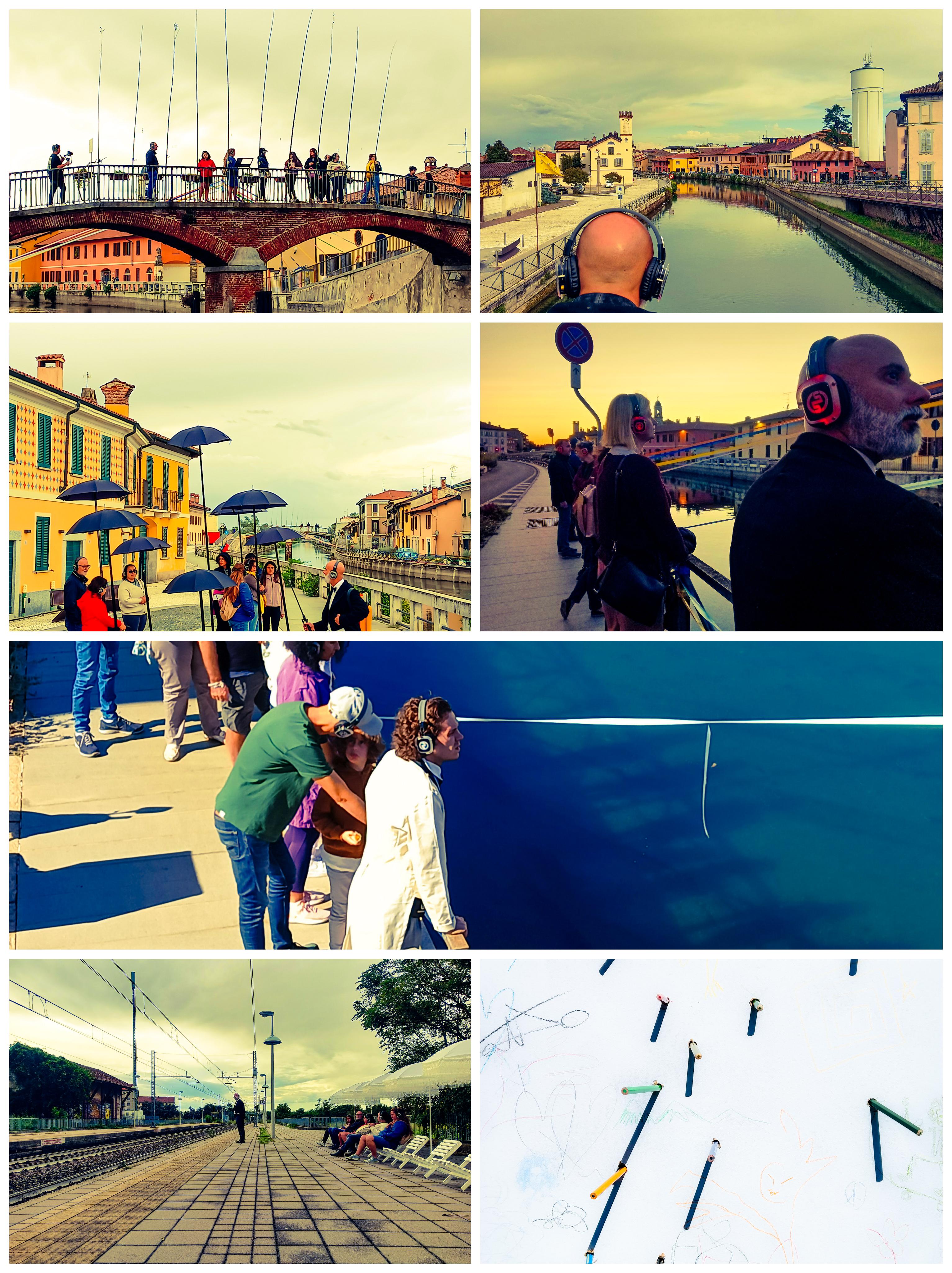
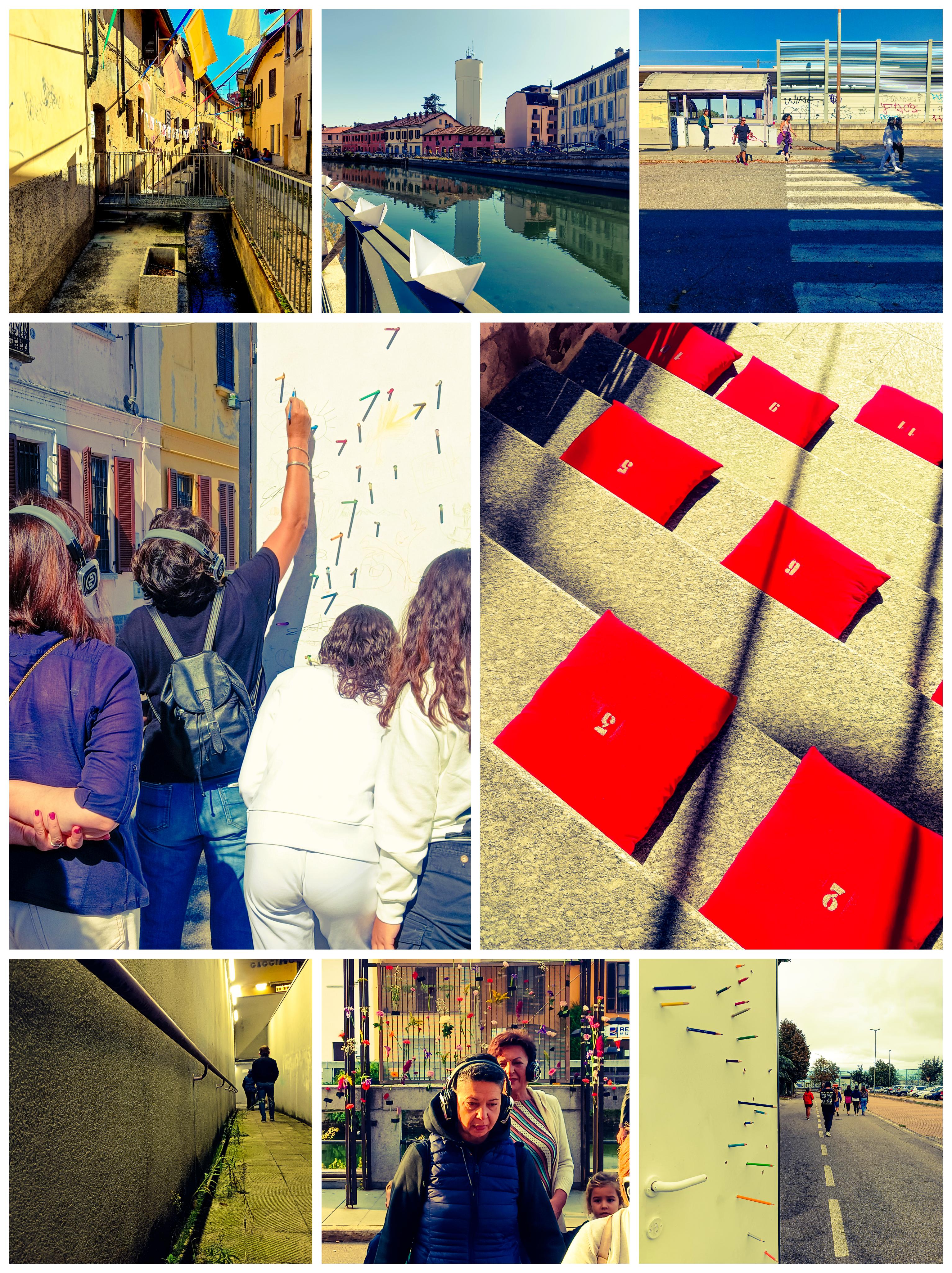
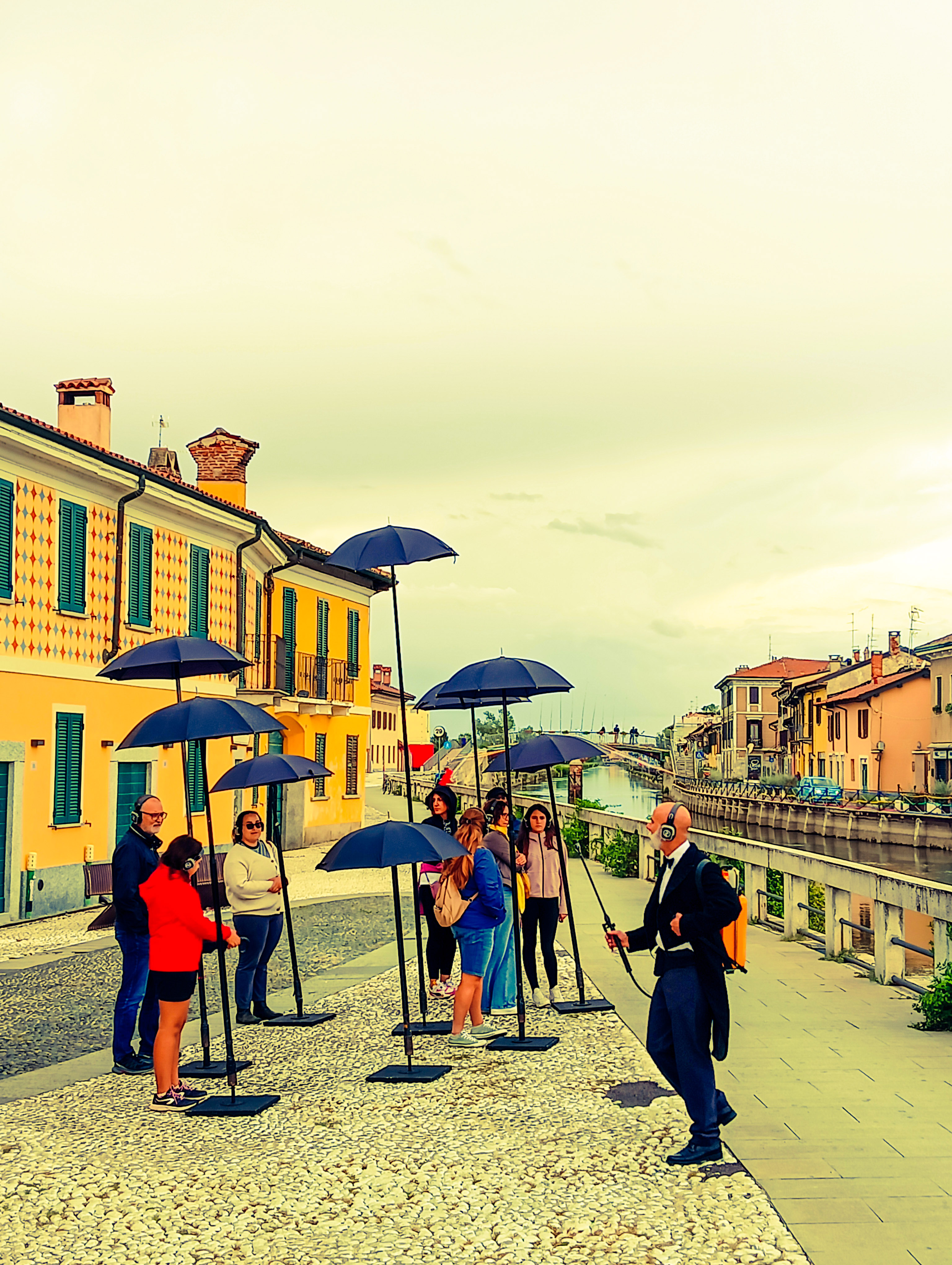
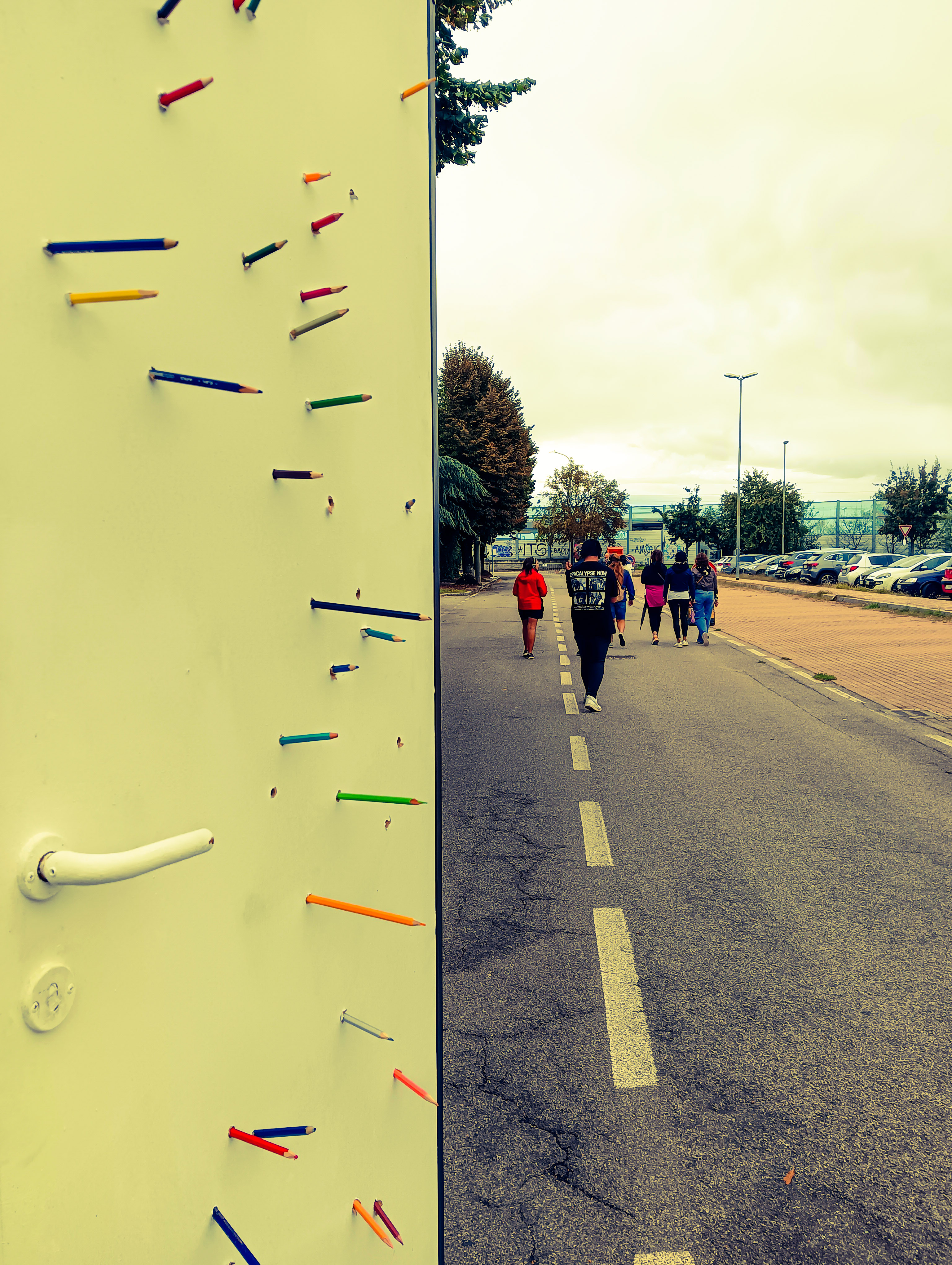
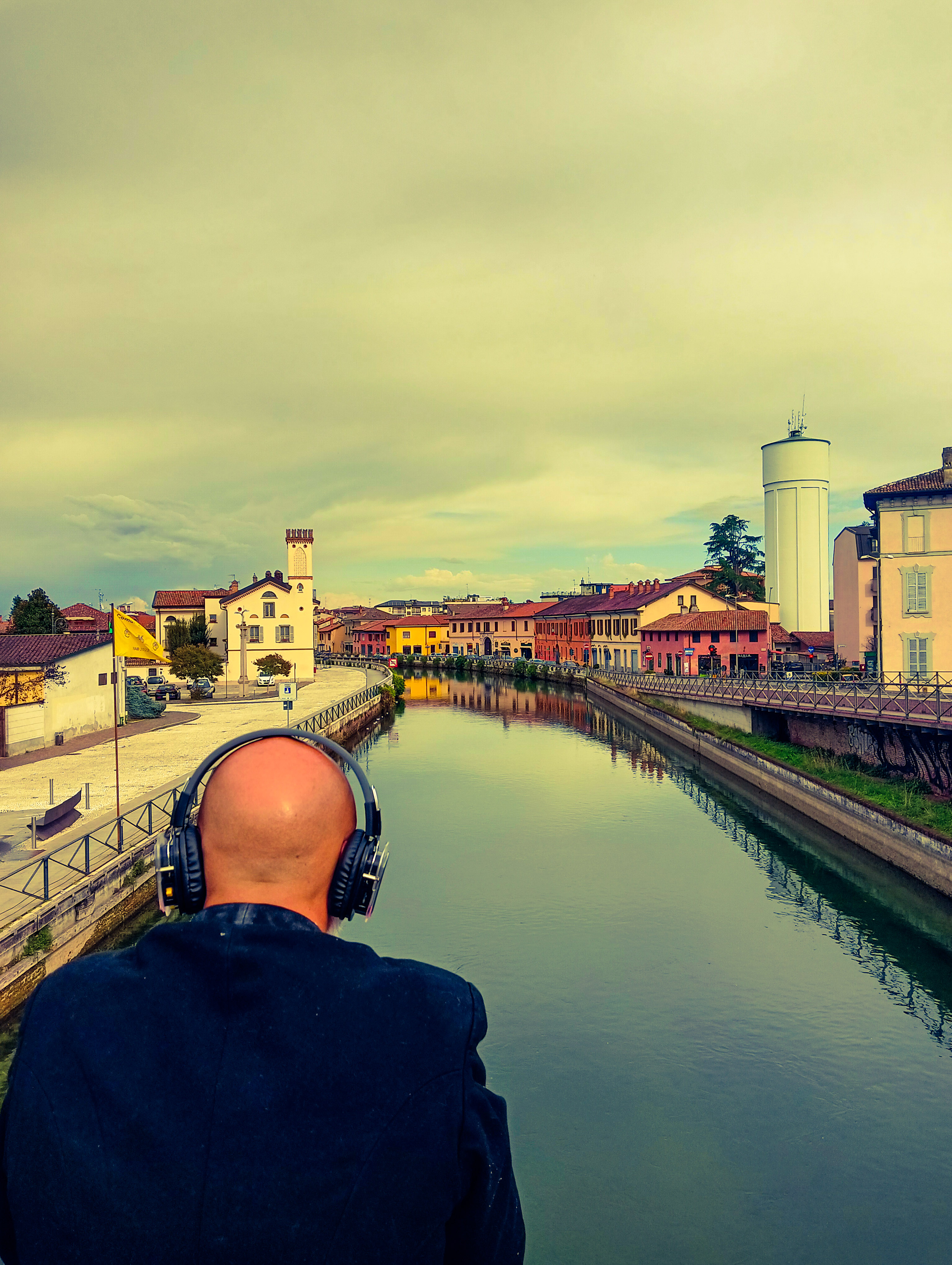
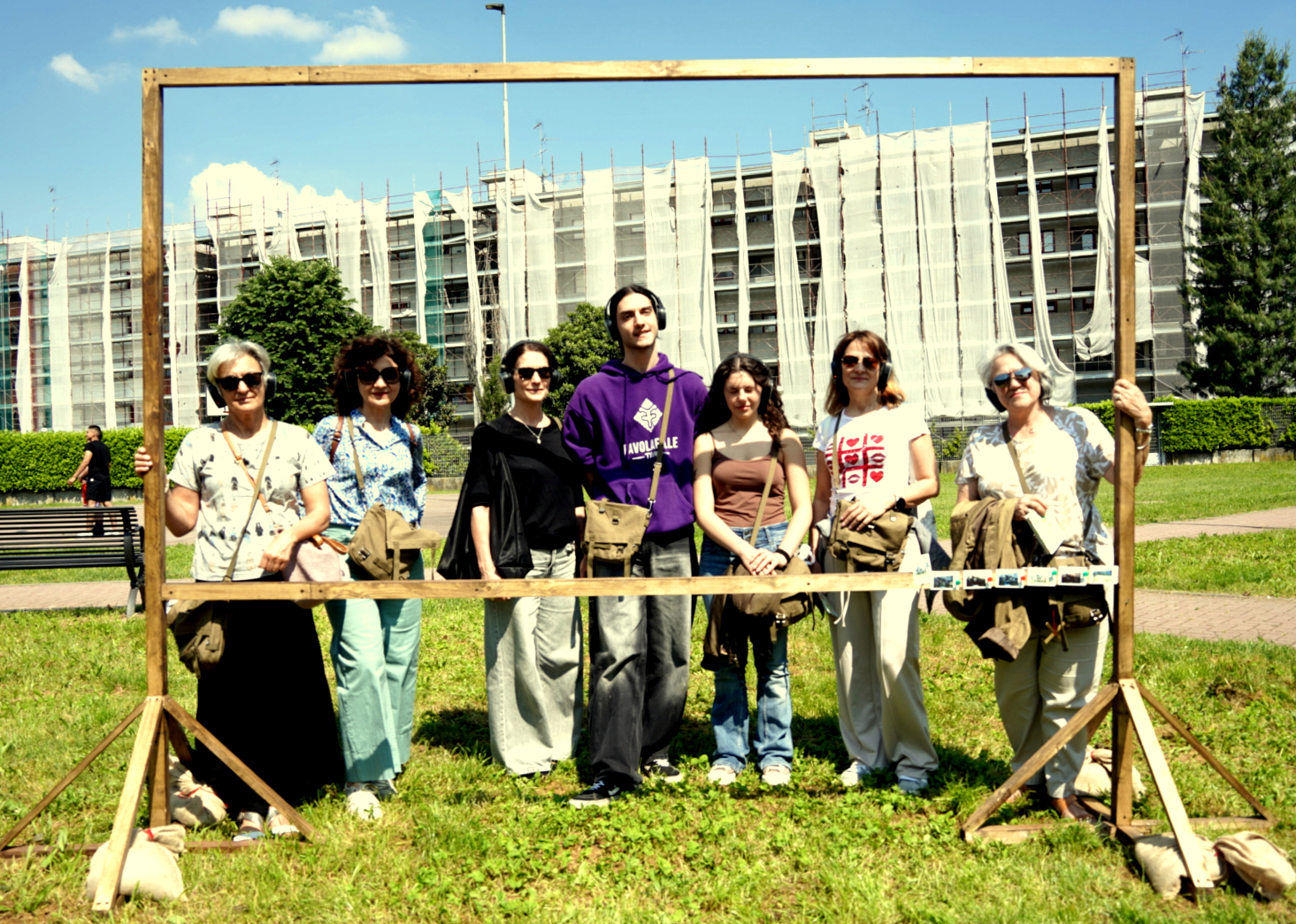
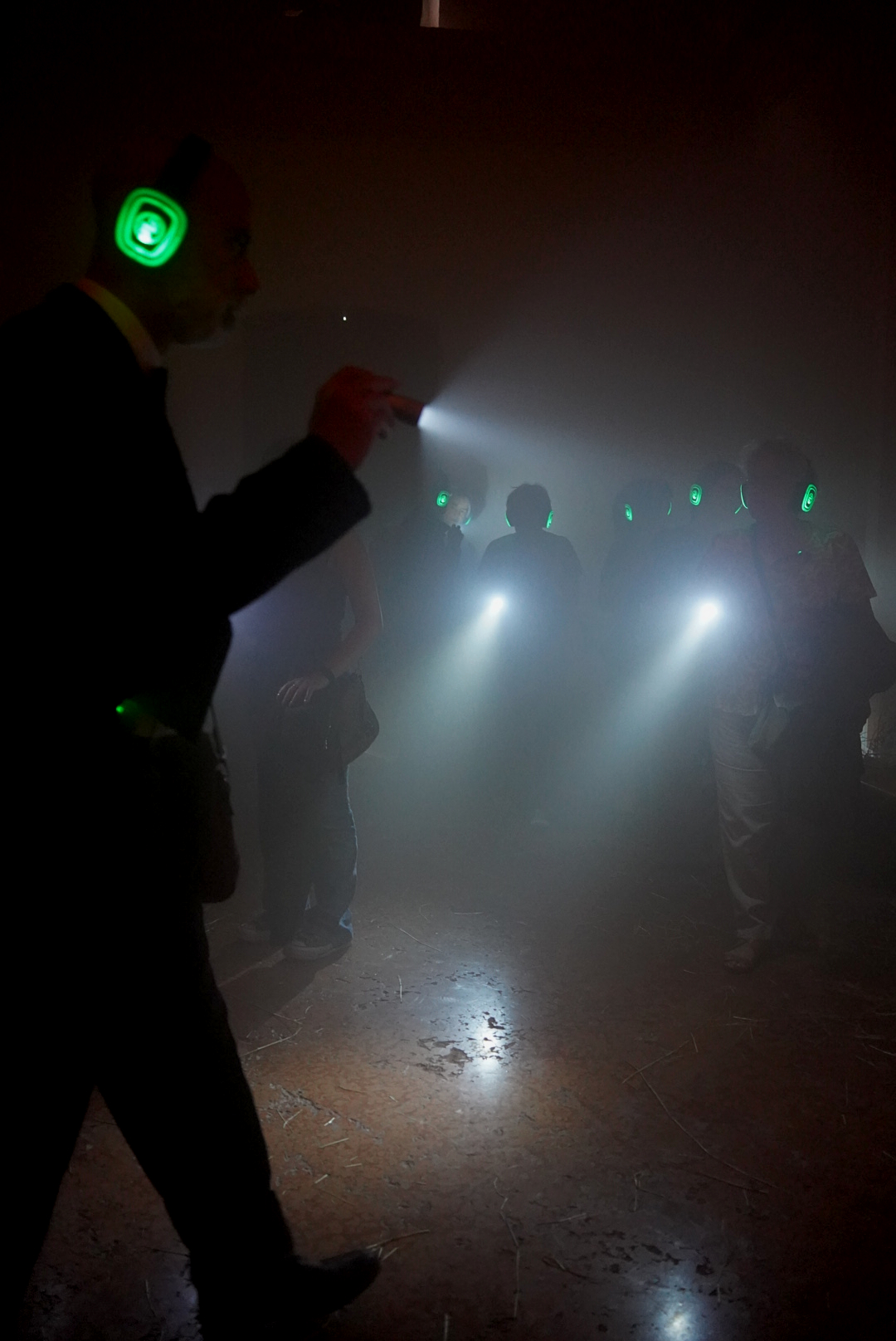
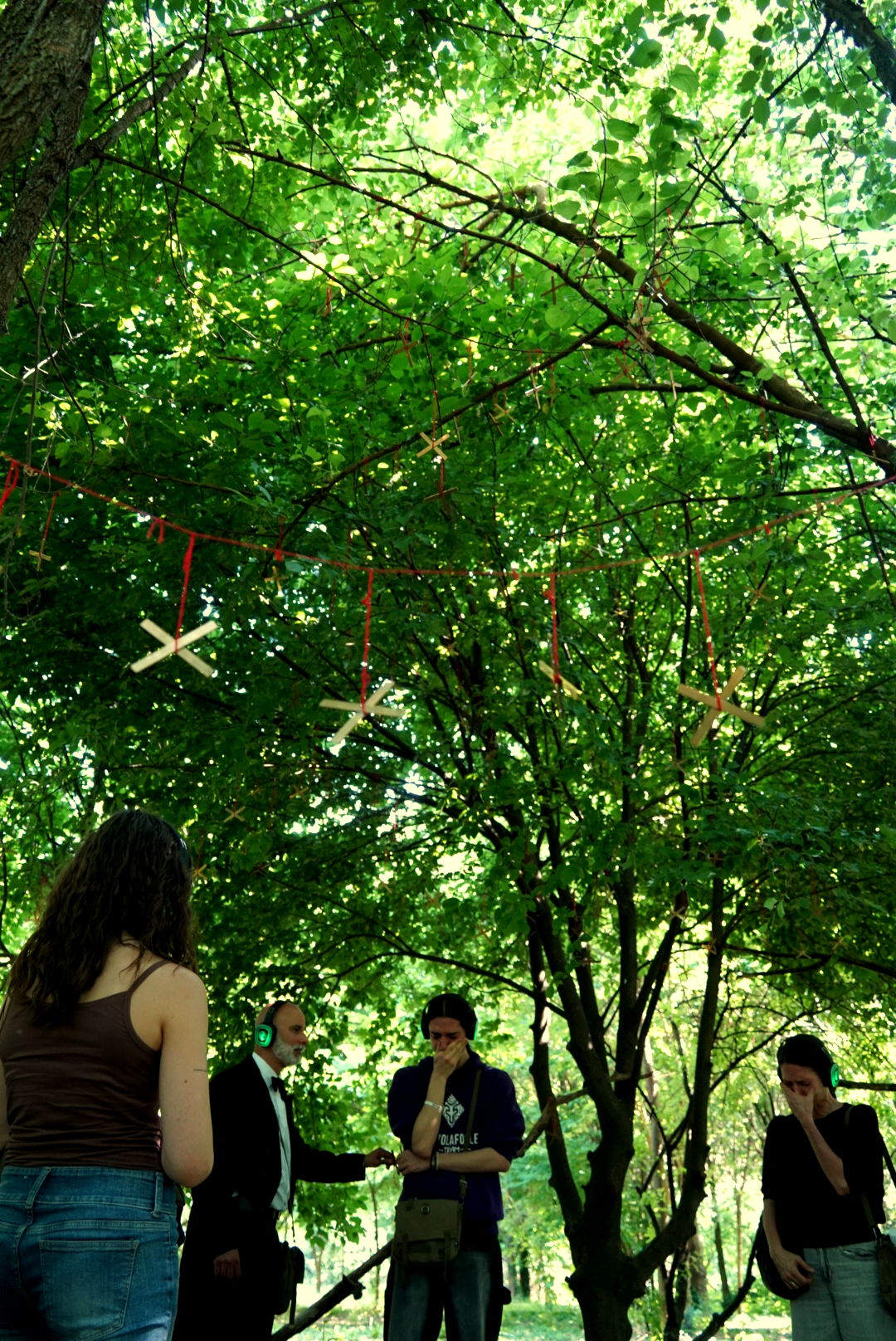
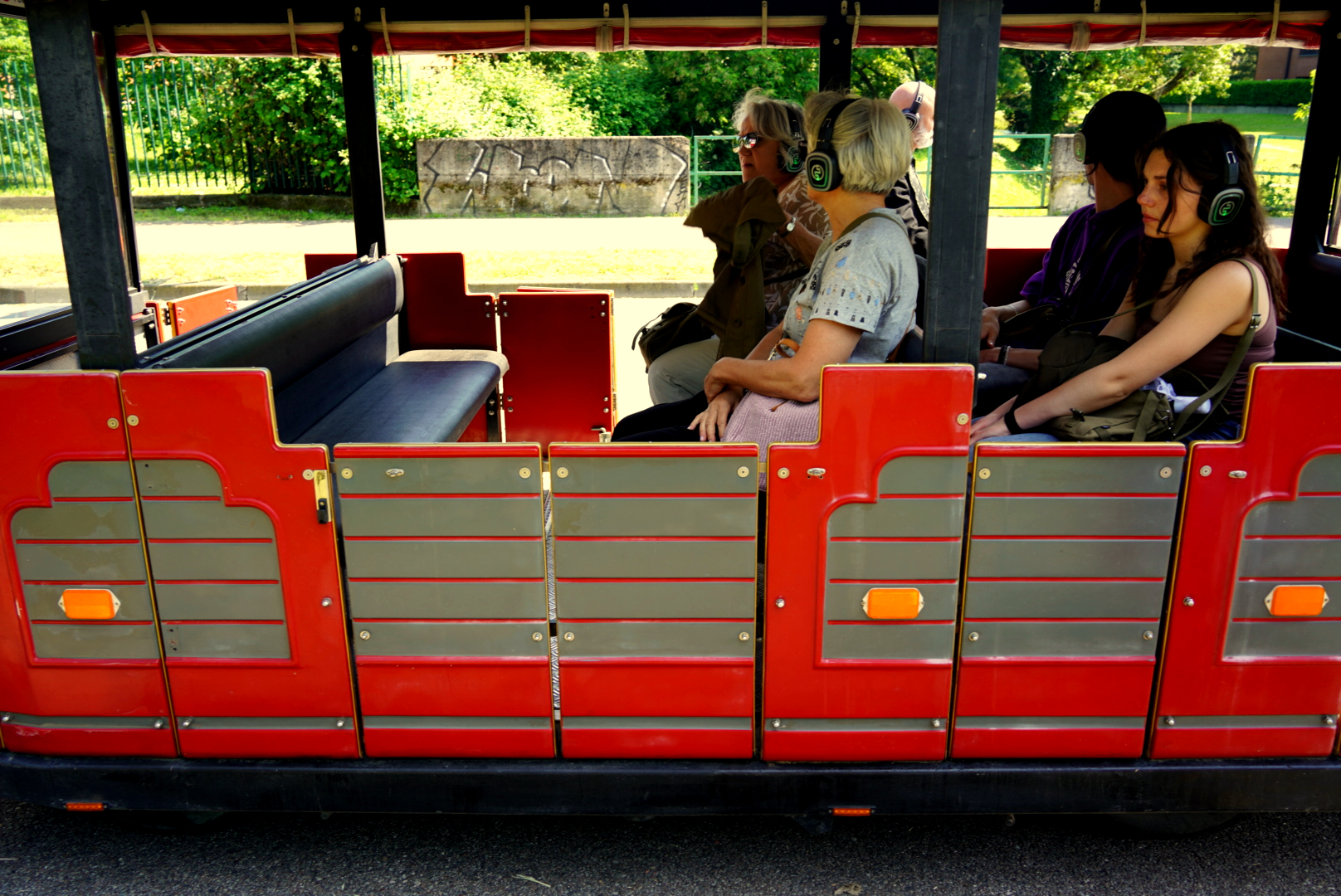
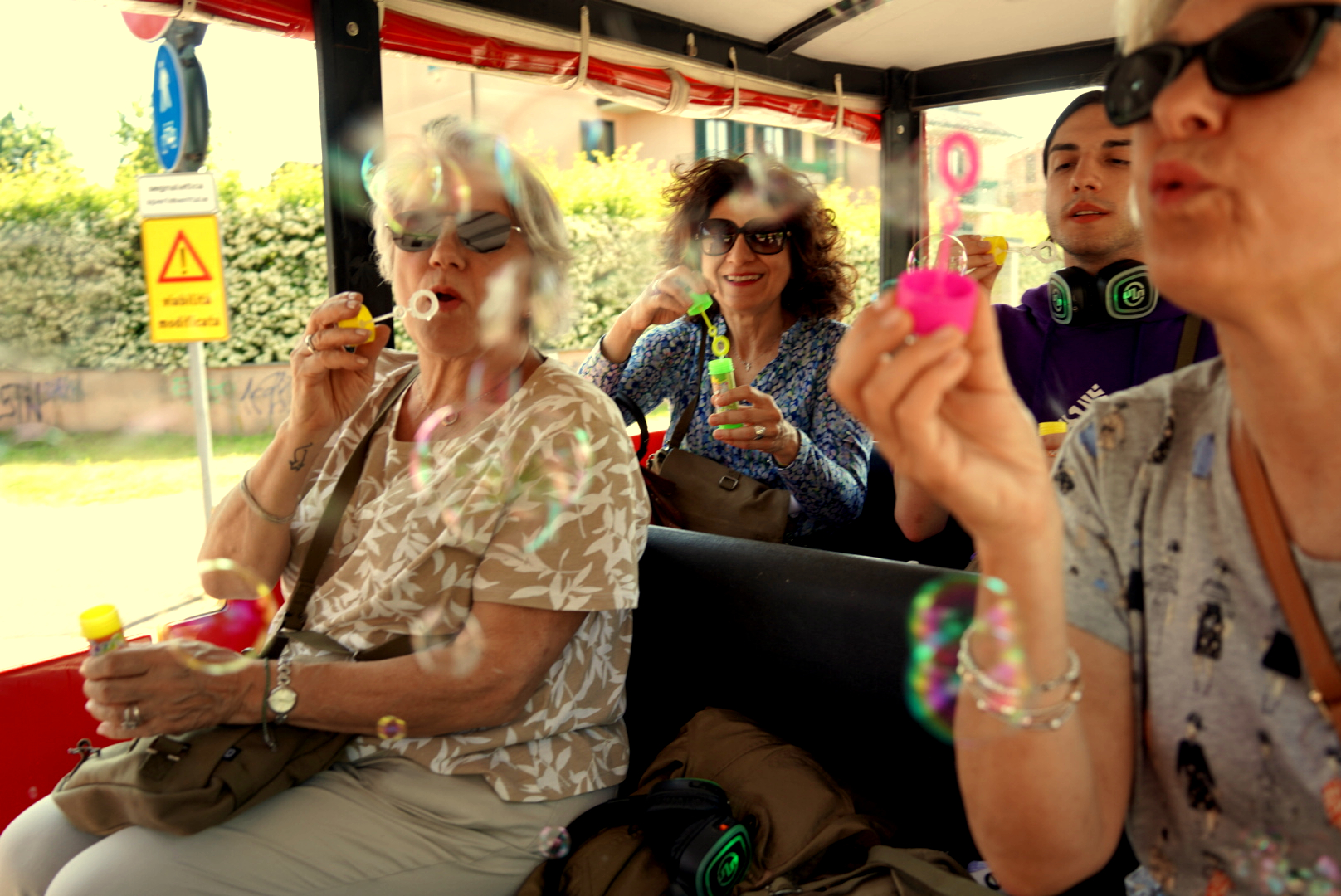
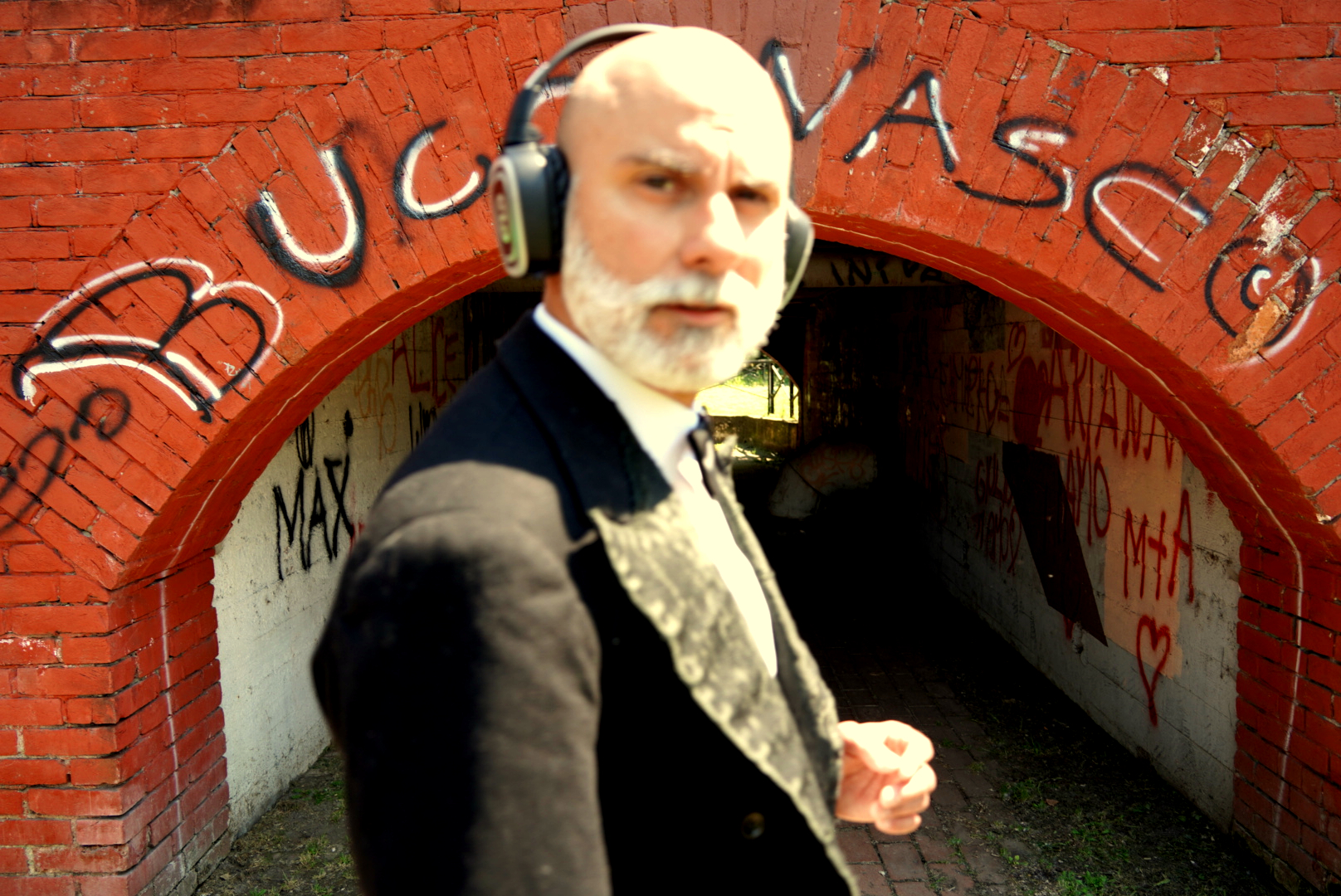
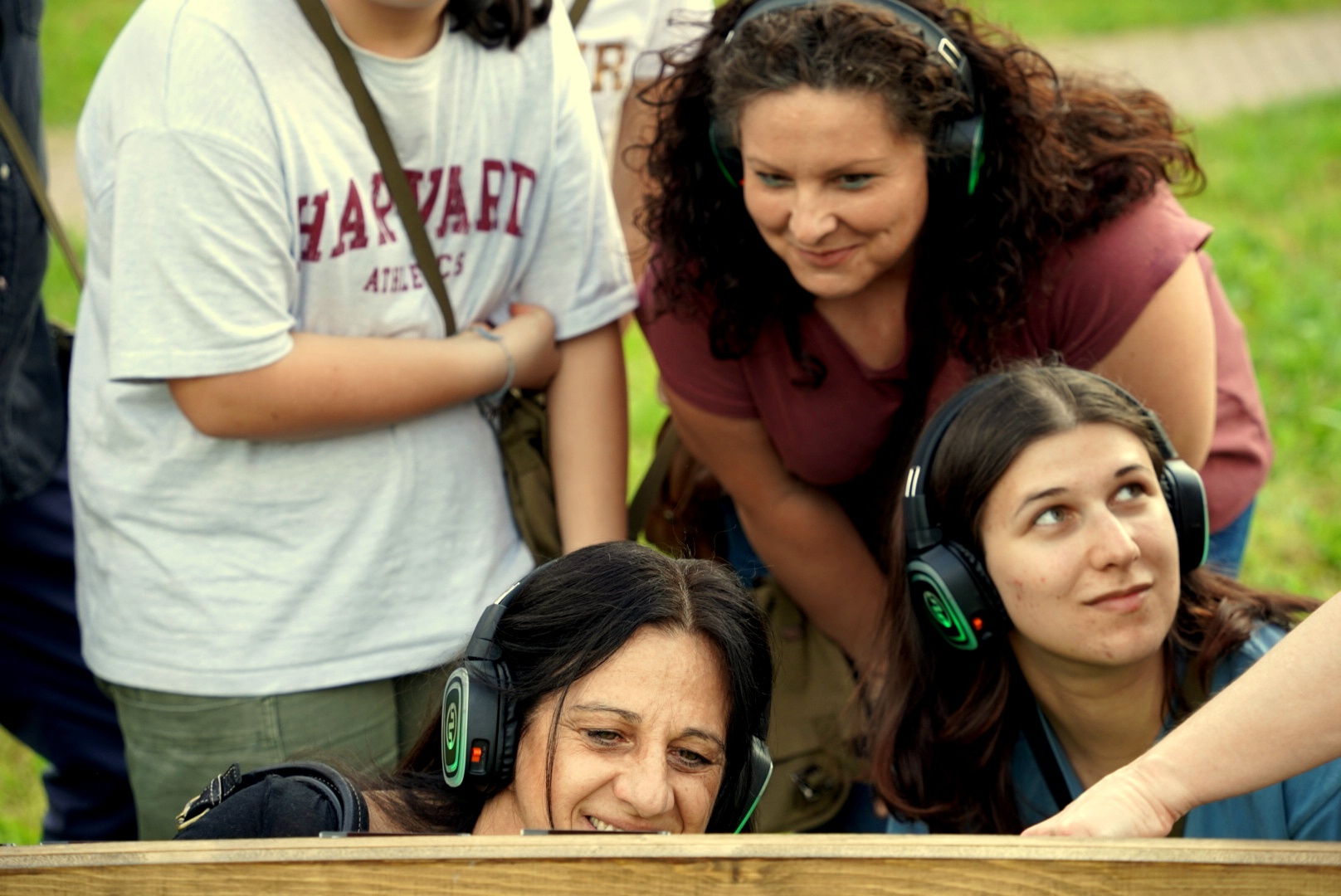
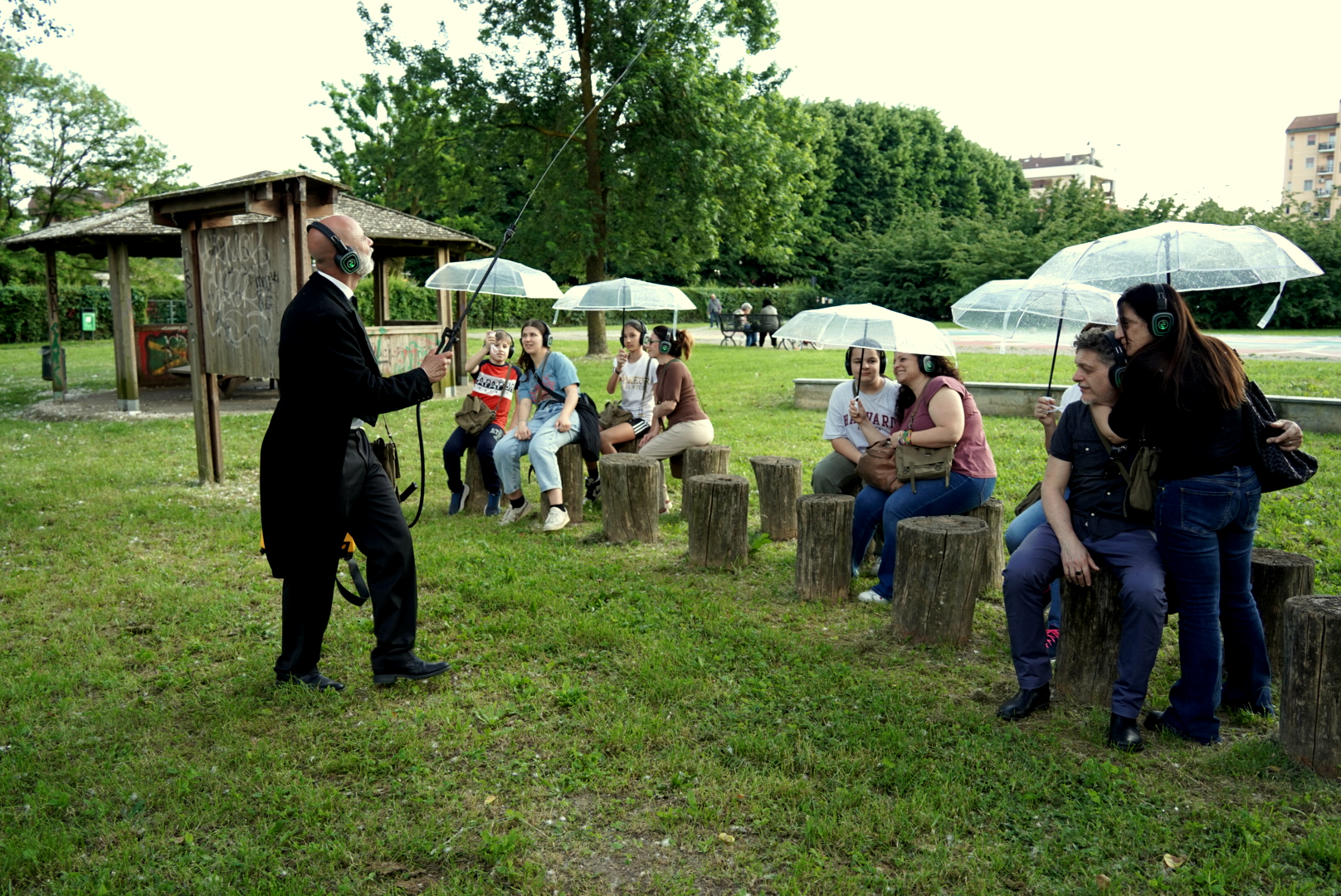
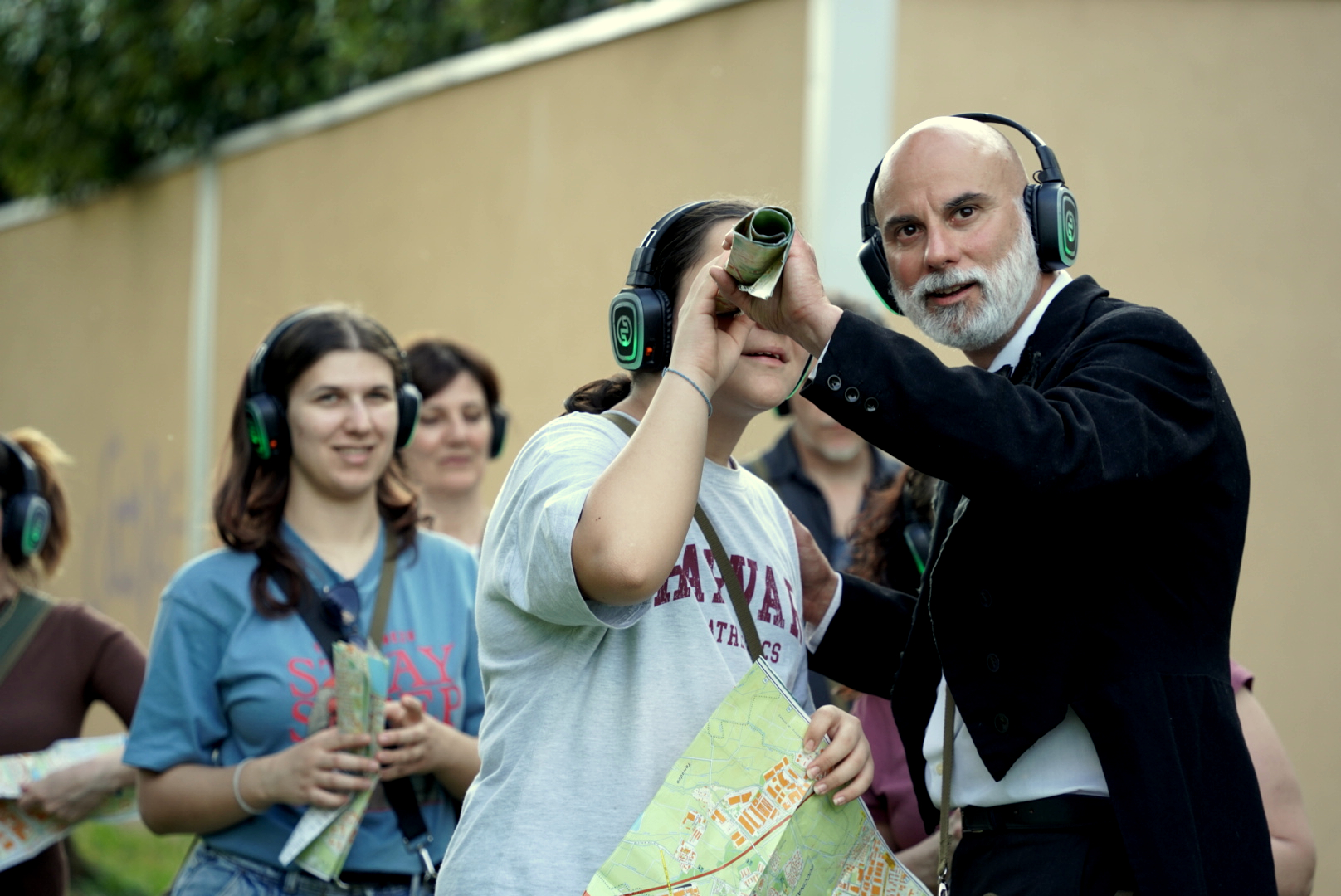
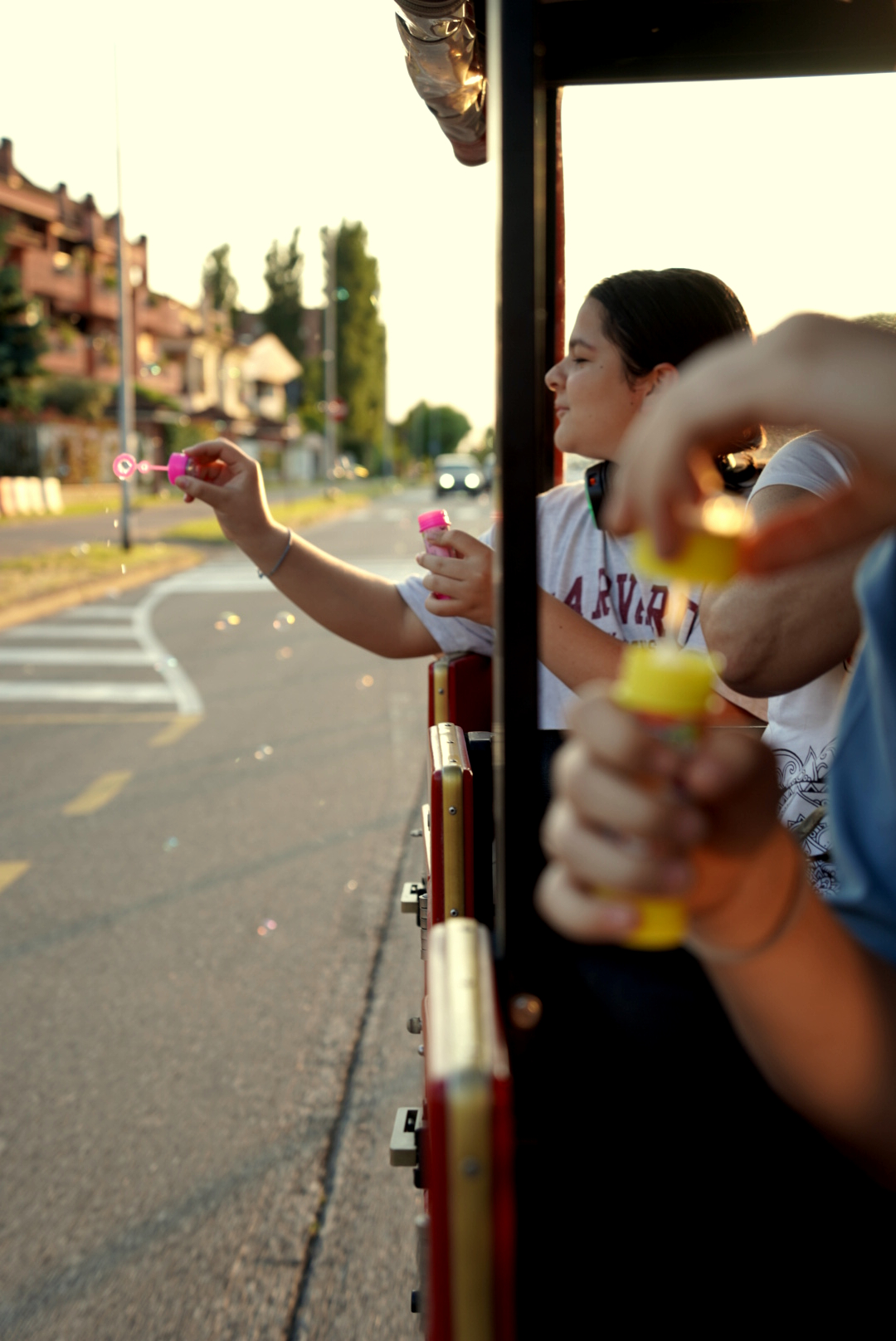
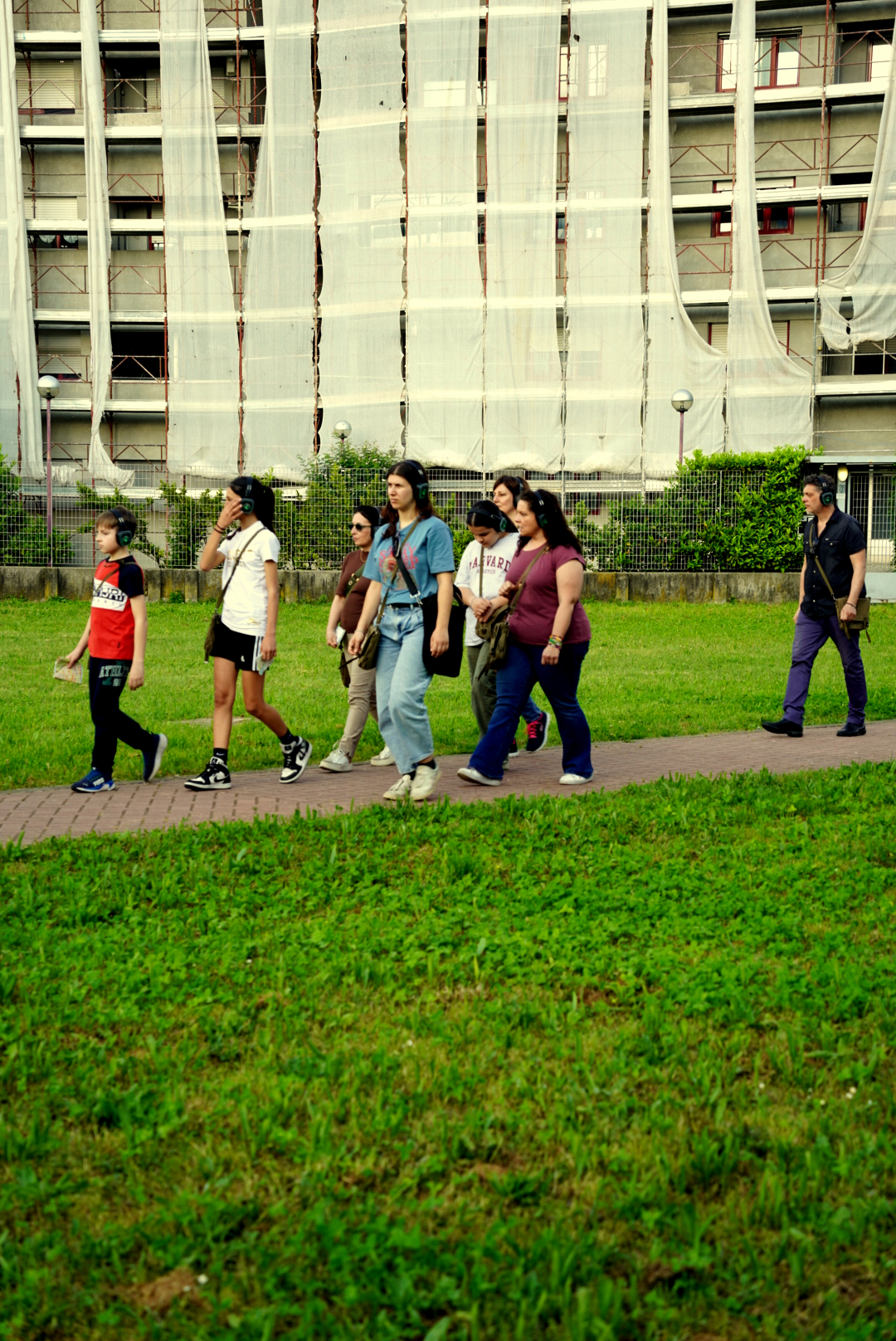
The project begins with the collection of intimate stories from residents, each connected to specific urban elements such as bridges, streets, or buildings. These memories are reworked into a sound dramaturgy combining voices, music, and sound design, and translated into a circular path composed of narrative stations. Each station is enhanced by interactive installations, creating a multisensory experience where participants, guided in small groups by a performer, explore the city through listening, movement, and shared emotion.
Already implemented in Gaggiano and Buccinasco (Italy), the project has actively involved local communities, generating strong cultural, social, and emotional impact. Citizens rediscovered their own places through a new perspective, while visitors were attracted to lesser-known areas, contributing to local cultural tourism.
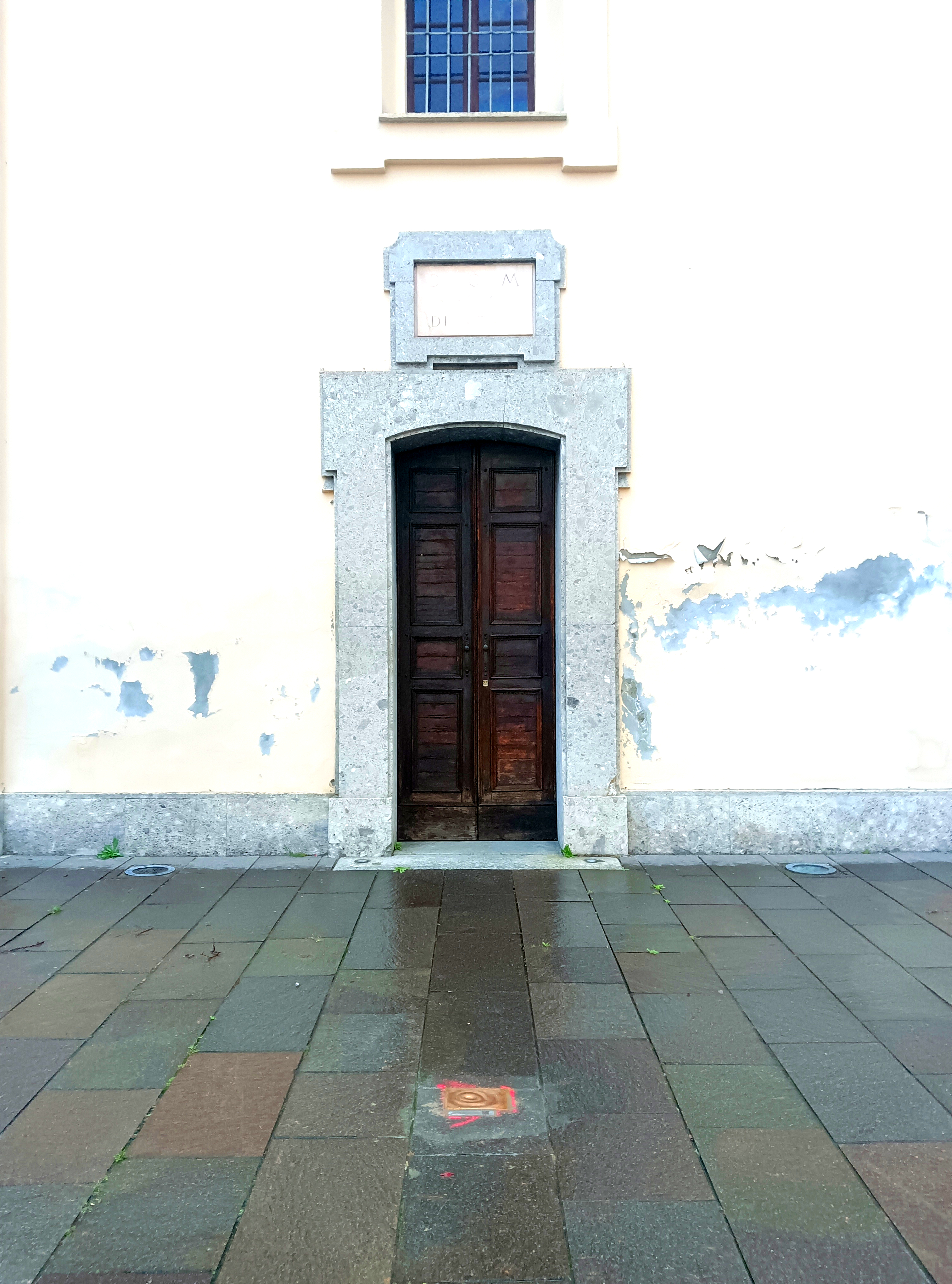
A key innovative aspect is the project’s second phase, which ensures long-term impact. After the temporary installations are dismantled, each story remains permanently accessible through bronze plates embedded in the urban space, equipped with QR codes. These sculptural elements—designed as material traces of an “invisible touch,” evoking the ripple effect of memory like waves in water—allow individuals to access the stories autonomously via smartphone.
Building on its strong replicability, a third phase foresees the development of a digital platform gathering all existing and future “maps” created through the project. This shared archive will connect different communities, making their stories accessible and fostering a growing network of places linked by collective memory and participatory cultural practices.
The story of INVISIBLE TOUCH begins long before the project itself took shape.
When I was sixteen, growing up in the metropolitan area of Milan, I used to take an elevated metro line crossing the outskirts of the city. The train passed very close to the windows of residential buildings, offering brief glimpses into people’s lives: someone shaving, someone preparing breakfast for their children.
I was struck by those moments and began to imagine the lives, thoughts, and desires of those people—so close, yet completely unknown. I often thought I would one day find a way to tell their stories.
Years later, after studying music and working with theatre companies, I discovered directing and writing. That early intuition resurfaced clearly. I realised I did not want to create work for a passive audience, but a project where people themselves—especially those far from mainstream cultural attention—could become protagonists.
This vision led to INVISIBLE TOUCH, also inspired by Invisible Cities by Italo Calvino: a multidisciplinary format combining storytelling, sound, performance, and space to transform ordinary places into living narratives shaped by their inhabitants.
The first opportunity came through a collaboration with a local theatre group in Gaggiano. From there, the project became a participatory and replicable process, adaptable to different contexts while maintaining its core principle: giving visibility to hidden stories and reconnecting people with the spaces they inhabit.
Today, the project continues to grow, involving new communities. Significantly, one of the next developments will take place in Cologno, the very place where this intuition was born, when I was sixteen and travelling through the lives of others on that elevated metro line.
Participatory art
Community engagement
Urban regeneration
Cultural heritage
Immersive storytelling
INVISIBLE TOUCH addresses sustainability through an integrated cultural, social, and environmental approach, transforming existing urban spaces without physical consumption of new resources.
The project operates through light, non-invasive installations and primarily relies on intangible elements—stories, sound, and human interaction—minimising environmental impact while activating public space in a reversible and adaptable way. The permanent phase, based on small bronze QR-coded plates, ensures long-term accessibility without requiring additional infrastructure or energy consumption.
From a social perspective, sustainability is achieved through deep community engagement. Residents actively contribute their personal memories, becoming co-authors of the project. This process strengthens social cohesion, fosters intergenerational dialogue, and reinforces a shared sense of belonging and care for the local environment.
Culturally, the project preserves and enhances intangible heritage by transforming individual memories into a collective narrative embedded in the urban landscape. It creates a living archive that evolves over time, preventing the loss of local identity and knowledge.
Economically, INVISIBLE TOUCH contributes to sustainable local development by attracting visitors to lesser-known areas and promoting slow, experience-based cultural tourism, benefiting local communities without generating mass tourism pressure.
The project can be considered exemplary in terms of sustainability because it combines low environmental impact with high cultural and social value, offering a replicable model that reactivates urban spaces through participation, memory, and shared cultural production.
INVISIBLE TOUCH contributes to aesthetics by transforming everyday urban spaces into meaningful, poetic, and emotionally engaging environments.
Through the combination of sound dramaturgy, performative guidance, and site-specific installations, familiar places such as streets, bridges, and squares are re-experienced as narrative landscapes. The project reveals hidden layers of beauty embedded in ordinary environments, inviting participants to perceive their surroundings with renewed attention and sensitivity.
The aesthetic experience is multisensory and immersive: voices, music, and environmental sounds interact with visual and spatial elements, creating a coherent and emotionally resonant journey. The presence of a performer guiding small groups introduces a shared and ritual dimension, strengthening the perception of space as a living and relational environment.
A key aesthetic element lies in the transformation of memory into form. The permanent bronze plates installed in the urban fabric embody this process: conceived as traces of an “invisible touch,” they evoke the ripple effect of stories—like waves expanding in water—translating intangible narratives into tangible, sculptural signs. These elements integrate harmoniously into the existing landscape, enriching it without altering its identity.
By making visible what is usually unseen—memories, emotions, and personal connections—the project fosters a deeper sense of belonging and care. Citizens recognize themselves in the places they inhabit, while visitors are invited into an intimate and authentic experience of the community.
INVISIBLE TOUCH can be considered exemplary in terms of aesthetics because it redefines beauty as a shared and participatory process, where artistic quality emerges from the relationship between people, memory, and place.
INVISIBLE TOUCH addresses inclusion by placing people and their lived experiences at the centre of the creative process, ensuring that diverse voices actively shape the project.
The project is built through direct engagement with local communities, involving around 70 residents across Gaggiano and Buccinasco who shared intimate and often overlooked or forgotten stories. Through a process of listening and artistic re-elaboration, these narratives are brought back into the public space, giving visibility and value to personal memories connected to specific urban places.
Accessibility is ensured through multiple layers of participation. The storytelling phase is open and based on dialogue, requiring no specific skills or cultural background. The immersive headphone experience, which has involved over 600 participants, is designed to be intuitive and welcoming. Both the guided experience and the permanent access via QR codes are free of charge, allowing people to engage with the project without economic barriers and at their own pace.
The project also promotes inclusive governance by collaborating with local associations, municipalities, and volunteers. Young participants and community members actively contribute to the production, installation, and care of the project, strengthening collective responsibility and local engagement.
By remaining permanently accessible in the urban space, the project ensures long-term inclusion, potentially reaching thousands of people over time.
INVISIBLE TOUCH can be considered exemplary in terms of inclusion because it transforms cultural production into a shared and accessible process, where memory becomes a common resource and participation a tool for empowerment and connection.
INVISIBLE TOUCH is inherently participatory, as it is entirely generated through the active involvement of citizens and local communities at every stage of the process.
The project begins with direct engagement: around 70 residents across Gaggiano and Buccinasco were involved in one-to-one encounters, sharing intimate and personal stories connected to specific places in their everyday environment. These contributions are not simply collected but become the core material of the artistic creation. Through a process of listening, selection, and re-elaboration, citizens effectively act as co-authors of the final work.
Local associations and municipalities play a key role in facilitating access to the community, while volunteers—especially young participants—actively contribute to the production, installation, and care of the project. This multi-level collaboration creates a shared governance model based on trust, proximity, and continuous dialogue.
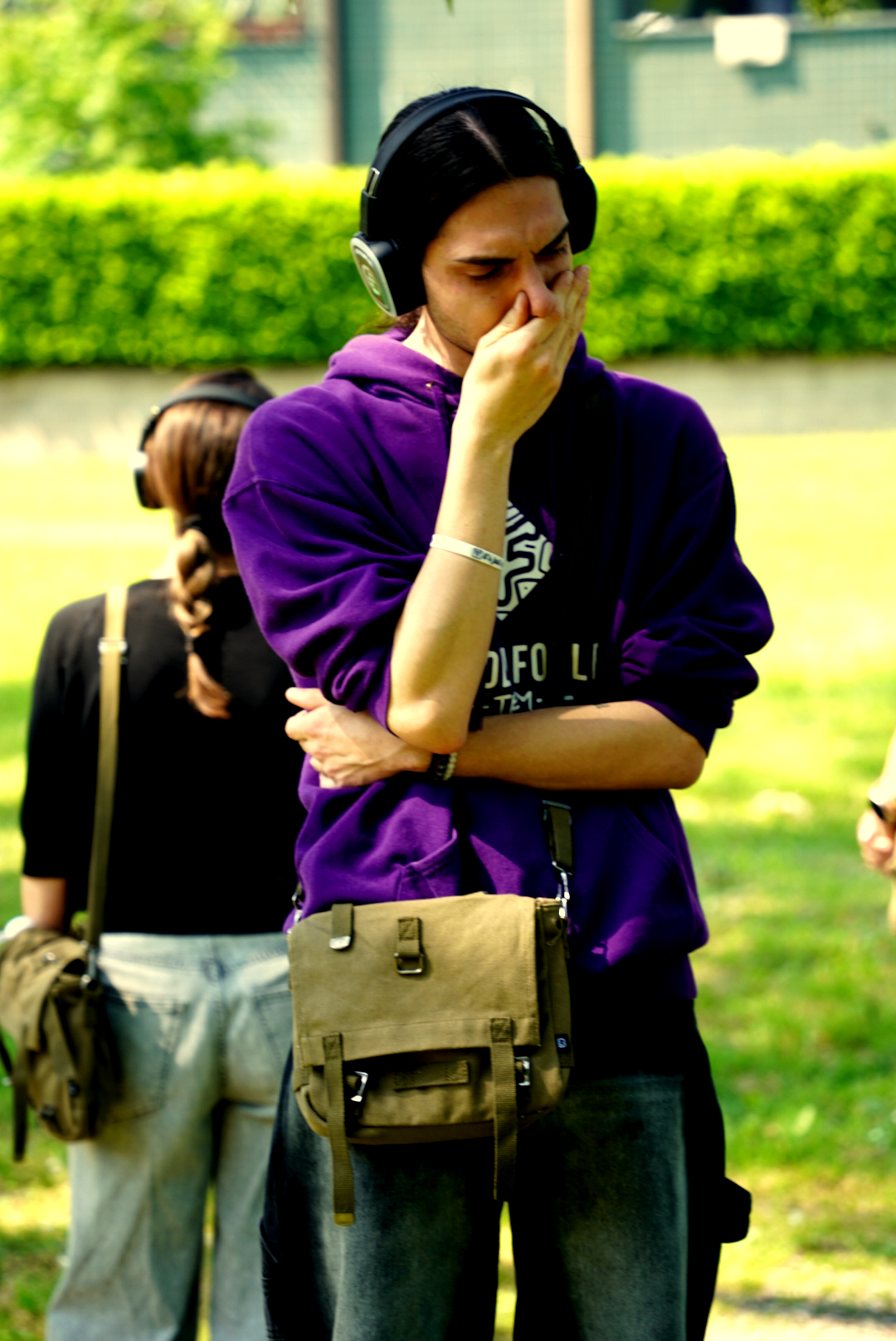
Participation continues during the public experience: over 600 people have taken part in the guided immersive paths, engaging not only as spectators but as active participants in a collective journey through memory and space. The performative dimension encourages interaction, attention, and emotional involvement, reinforcing a sense of shared experience.
The impact of this participatory approach is both individual and collective. Participants rediscover their own stories and places with renewed awareness, while communities strengthen their sense of belonging and connection. The project also generates new relationships between citizens, institutions, and cultural actors, fostering long-term engagement beyond the initial event.
INVISIBLE TOUCH can be considered exemplary in terms of participation because it transforms artistic creation into a collaborative process, where communities are not audiences but essential agents in shaping cultural meaning and urban experience.
INVISIBLE TOUCH is grounded in a multilevel governance approach that connects local communities, public institutions, and cultural organisations in a collaborative framework.
At the local level, municipalities such as Gaggiano and Buccinasco have played a key role in enabling the project, supporting its implementation in public space and facilitating connections with local communities and associations. These actors have been essential in ensuring accessibility, legitimacy, and long-term integration within the urban context.
Civil society organisations and local associations have contributed to the outreach and engagement process, helping to involve residents and foster trust. Their role has been crucial in activating diverse segments of the population and ensuring an inclusive and participatory approach.
At a broader level, the project has been supported and recognised through cultural funding programmes and institutional collaborations, including foundations and academic contexts. These actors have contributed to the development, validation, and dissemination of the project, strengthening its cultural relevance and methodological framework.
The interaction between these different levels has created a dynamic ecosystem in which artistic practice, institutional support, and community participation reinforce each other. This multilevel collaboration has enabled the project to move from a local initiative to a scalable and transferable model.
The added value of this approach lies in its ability to connect grassroots experiences with institutional frameworks, ensuring both authenticity and sustainability. By bridging local knowledge and broader cultural networks, INVISIBLE TOUCH demonstrates how participatory art can operate effectively across governance levels, contributing to long-term cultural development and social cohesion.
INVISIBLE TOUCH is inherently transdisciplinary, combining artistic, social, spatial, and digital practices into an integrated methodology.
At its core, the project is rooted in the performing arts, dramaturgy, and storytelling, transforming personal memories into structured narrative experiences. This is complemented by sound design and music composition, which shape the immersive dimension of the project and guide participants through the urban environment.
Spatial and visual design play a fundamental role through the creation of site-specific installations that interact with the architecture and identity of each location. These elements translate intangible narratives into physical forms, activating public space in a subtle and non-invasive way.
The project also draws on social sciences and participatory practices, particularly in the phases of community engagement, interviews, and co-creation. Methods based on listening, dialogue, and relational processes are central to the development of the work, ensuring that the artistic outcome is deeply connected to the local context.
Digital technologies contribute to accessibility and long-term impact through the use of QR codes and mobile devices, enabling permanent and autonomous access to the content. This layer extends the experience beyond the live event, transforming the project into an open and evolving cultural archive.
The integration of these different disciplines creates a holistic approach in which artistic creation, social engagement, and spatial activation are closely interconnected.
INVISIBLE TOUCH can be considered exemplary in terms of transdisciplinarity because it merges diverse fields into a coherent and replicable model, where each discipline enhances the others, generating a richer and more impactful experience of urban space and collective memory.
INVISIBLE TOUCH adopts a hybrid model that combines public, private, and participatory sources to ensure long-term sustainability. The initial programs are funded by cultural foundations (such as Fondazione Cariplo, Fondazione Comunitaria del Ticino Olona, and Fondazione Comunità di Milano) and calls for artistic and cultural projects. These funds support production, installations, sound dramaturgy, and collaborations with artists and set designers.
In parallel, the project generates indirect revenue through complementary cultural activities: guided tours, workshops, storytelling labs, experiential tourism itineraries, and collaborations with schools and art institutions. Permanent access via QR codes and a digital platform opens up additional opportunities for micro-donations and local sponsorships, offering citizens and visitors the opportunity to support the project easily and immediately.
The format's replicability in other urban or rural contexts increases its economic scalability, reducing production costs for subsequent initiatives thanks to consolidated expertise, the digital platform, and standardized procedures for collecting and reworking stories. This combined model allows for an INVISIBLE TOUCH to maintain a balance between cultural value, social impact and economic sustainability, while promoting public-private partnerships and creative community networks.
INVISIBLE TOUCH has a strong potential for transferability and scalability, as it is based on a flexible and clearly structured methodology adaptable to different contexts, communities, and geographies.
At its core is a replicable process: the collection of personal stories linked to specific places, their transformation into a sound dramaturgy, and the creation of a site-specific immersive path enhanced by temporary installations and performative guidance. The installations are interactive and participatory, often made with recycled materials, reinforcing both environmental sustainability and community engagement. This methodology can be applied to urban, suburban, and rural environments while preserving its core principles.
The project has already been implemented in two municipalities—Gaggiano and Buccinasco—demonstrating its adaptability across different territories. Each iteration generates a unique narrative while maintaining a consistent structure, making the model both stable and open to local interpretation.
Key elements supporting scalability include lightweight, non-invasive installations, the active role of communities as content contributors, and the use of simple digital tools such as QR codes, ensuring long-term accessibility with minimal resources.
Replicability is a foundational principle of the project. A future development foresees a digital platform—a “map of maps”—connecting all the locations involved, creating a growing network based on participation, cultural exchange, and collective memory.
INVISIBLE TOUCH is exemplary in terms of scalability because it combines a clear and adaptable methodology with strong local engagement, enabling replication across diverse contexts while building a connected system of places and communities over time.