LOMBARDORE THINKS BIG AND ACTS MODESTLY
Urban regeneration project of the historical “Concentrico” of the Municipality of Lombardore
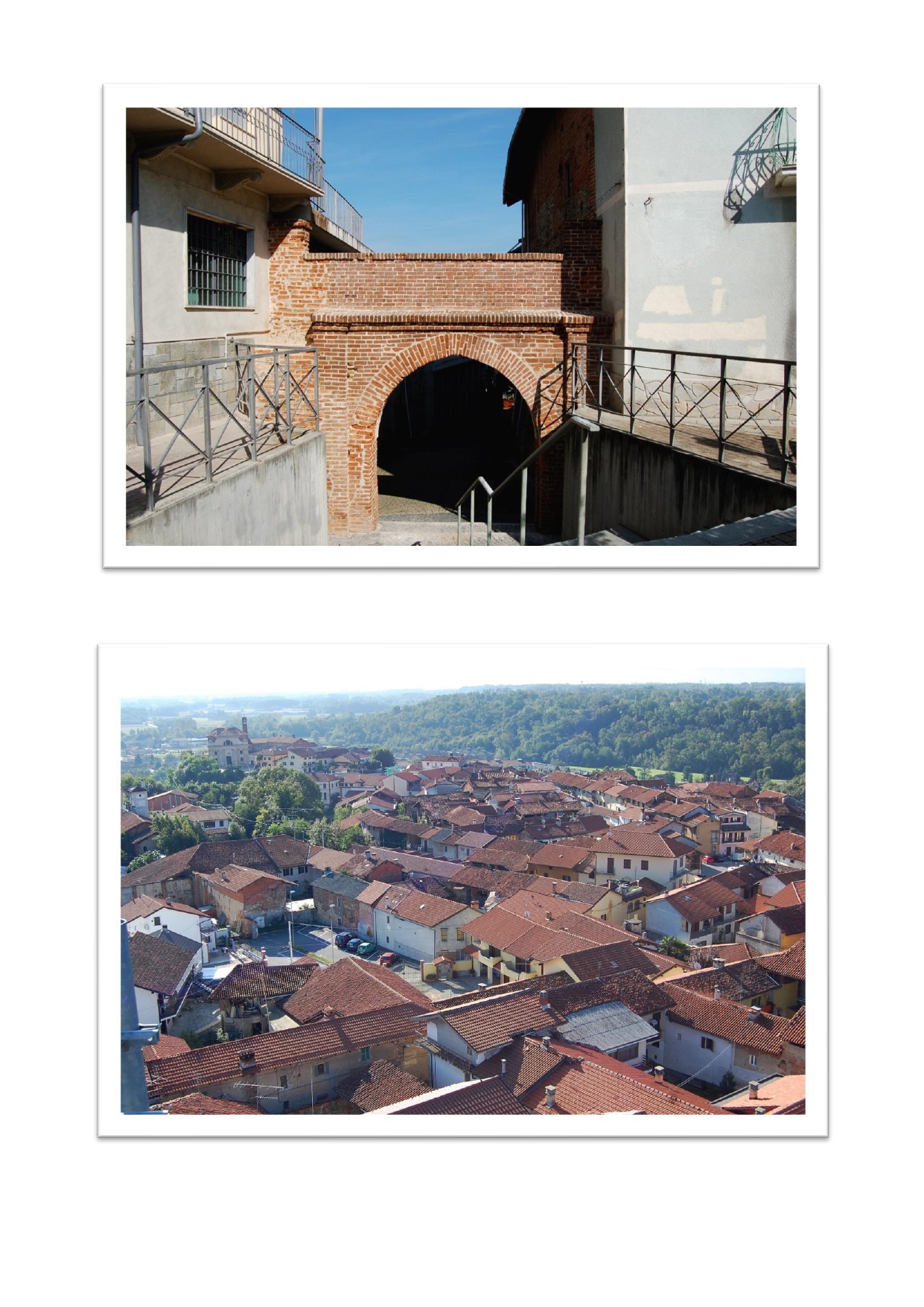
The project concerns the infrastructural enhancement of public spaces in Lombardore’s “Concentrico” the perched historic core,mainly enclosed within the walls of the ”Castrum Longobardorum” including the redevelopment of its natural and cultural heritage (SIC IT1110005) and sustainable mobility, involving residents and visitors of the Vauda Natural Reserve. An initiative needed to revitalize a small village in the Turin metropolitan area through education, digitization,and sustainability
Italy
REGIONE PIEMONTE - CITTA' METROPOLITANA TORINO - COMUNE DI LOMBARDORE
Prototype level
Yes
Yes
Yes
No
No
1135: Lombardore (IT)
The project aims to redevelop the “Concentrico”, the historic center of the village, currently weakly connected to local development, making it more accessible to young people drawn by nature and history, while preserving its cultural heritage and spaces. It also aims to create stronger ties between the historic site of the “Concentrico” and the surrounding natural landscape.
The intervention will be carried out under full climate neutrality.
The project involves four main target groups: residents, especially families with children;
• young students (approximately aged 16-25);
• local associations;
• surrounding territorial bodies, primarily including the six neighboring municipalities, the GAL (Local Action Group), the Park Authority, and the CISS 38 Social Services Consortium.
The specific objectives are:
• to attract both young people and adults from other cities, capitalizing on the proximity to Turin and the Caselle international airport, as well as on the area’s natural beauty, to incentivize sustainable tourism;
• to provide dedicated spaces for local associations;
• to promote the Canavese area, its natural and landscape resources, by incentivizing sustainable mobility solutions as well as inclusive and free education.
Expected outcomes include:
• strengthened sense of community and public life participation through the newly created spaces;
• increased presence by both local and non-local young people, enriching the liveliness of a small-town reality by capitalizing on its cultural and natural resources.
Sustainability
Inclusion
Civic awareness
Urban regeneration
Cultural and natural heritage (SIC IT1110005)
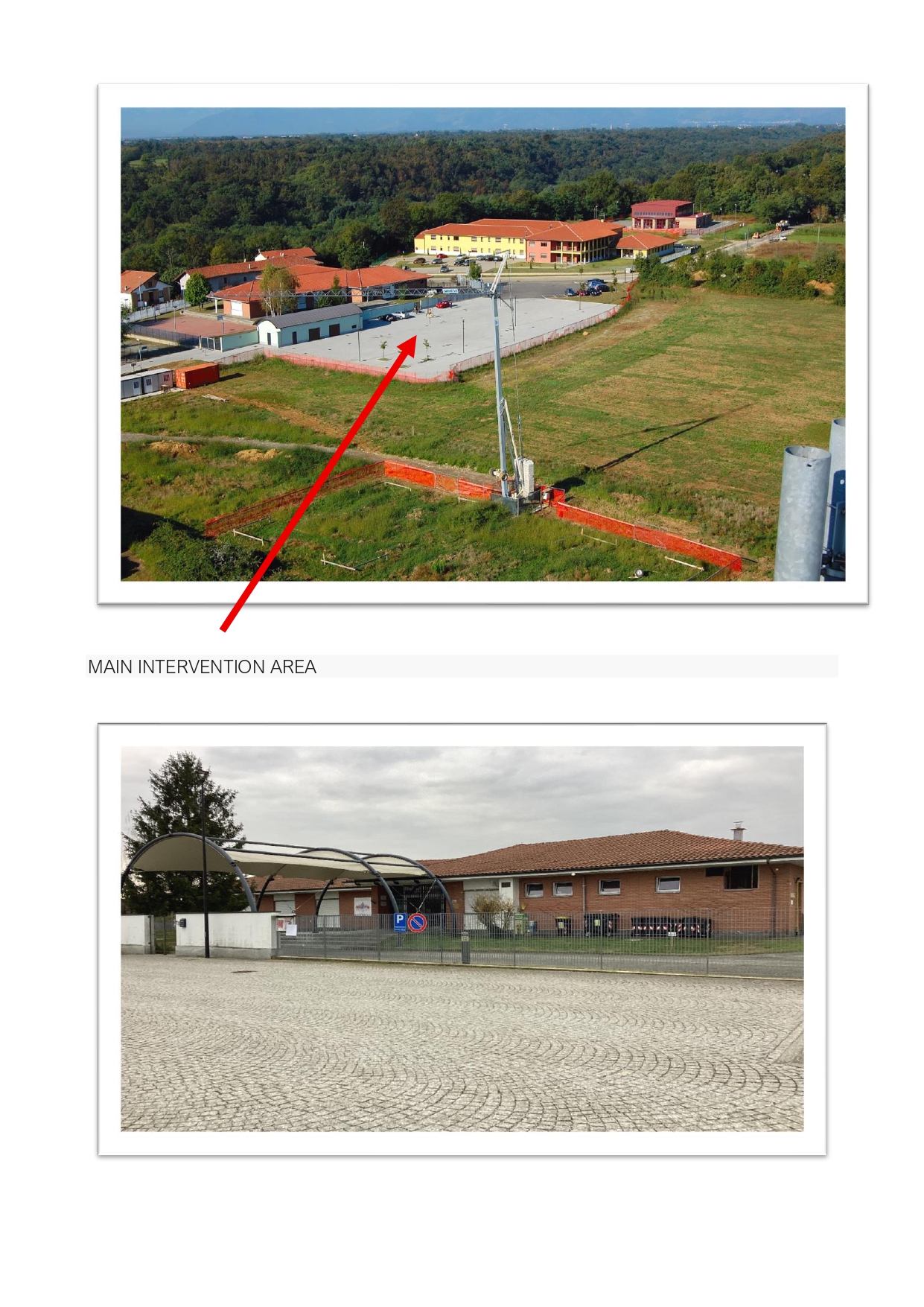
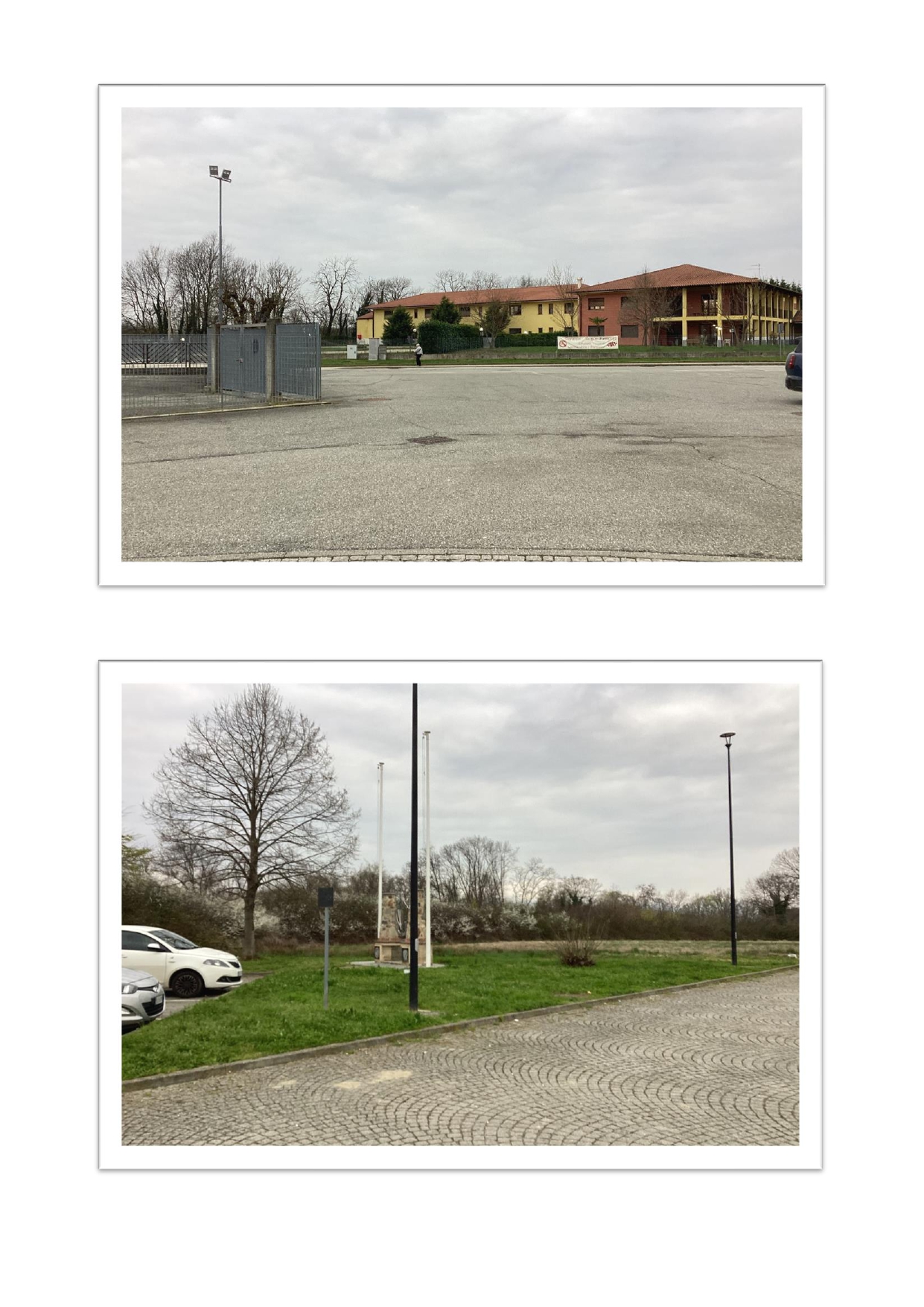
The area already hosts the primary school, the council room with its multipurpose hall, the gym, the nursing home, the market area, and a building currently undergoing renovation to accommodate the annexed spaces for the camper parking area. The project aims to complete the urban regeneration process by adding further spaces dedicated to fitness and by creating a cultural and natural heritage information point at the national and European level, designed to promote knowledge of the history, culture, and natural landscape of the Canavese region, employing fully-digitized assets. This will continue the promotion of the area already initiated through the Food & Energy Hub project. Lombardore sits in a strategic location: it lies within the first metropolitan belt and is part of the Canavese area, rich in artistic and cultural heritage. Furthermore, the town is comprised for the most part within the Vauda Nature Reserve, a Site of Community Importance (SCI). Lombardore is located:
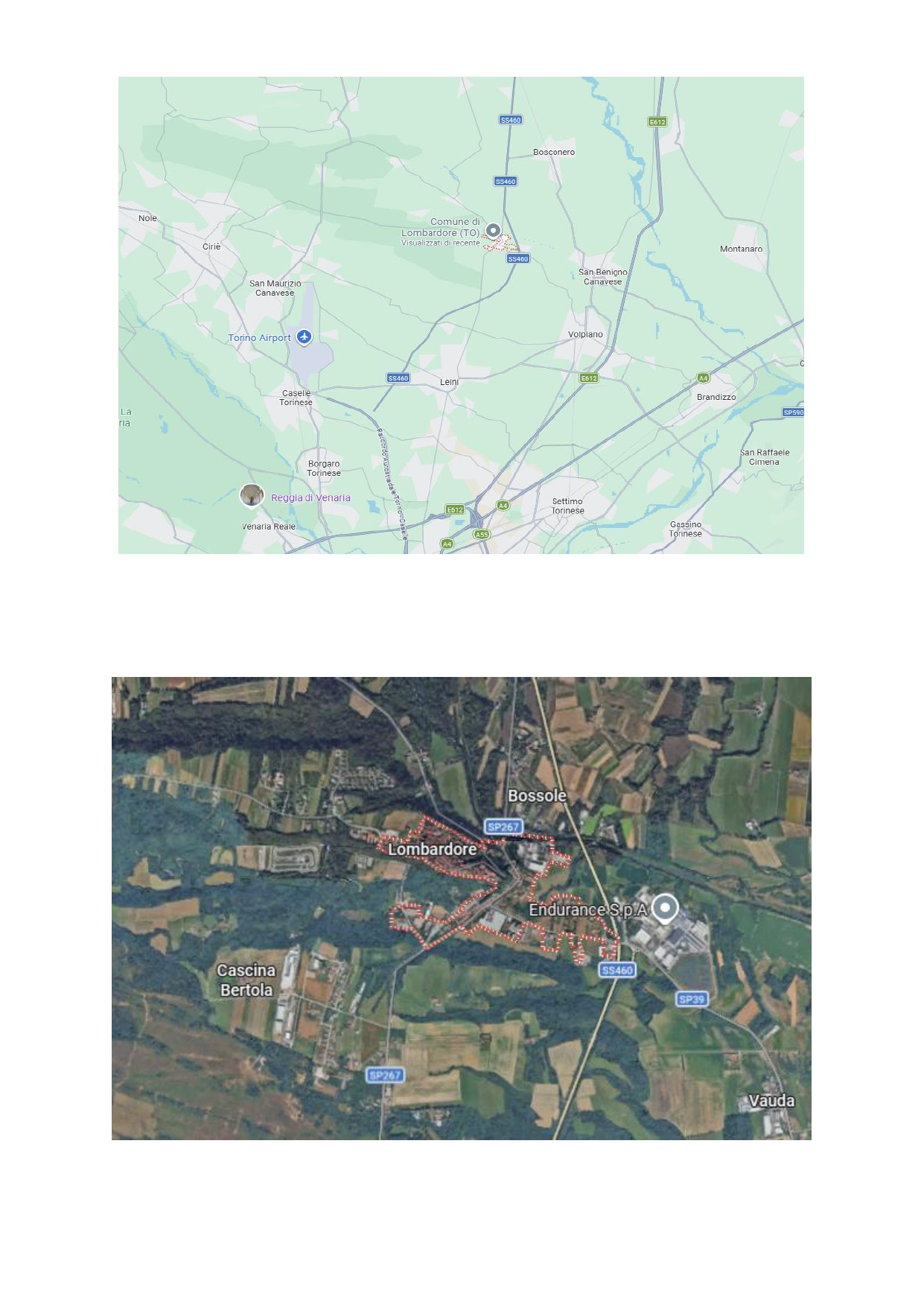
• 22 km from Turin
• 7 km from Turin-Caselle International Airport
• 20 km from the Reggia di Venaria
• 6 km from the San Benigno Canavese railway station.
• 22 km from Turin
• 7 km from Turin-Caselle International Airport
• 20 km from the Reggia di Venaria
• 6 km from the San Benigno Canavese railway station.
The project aims for functionality, creating public spaces for the community in the stretch between the historic part of the village and the more naturalistic-oriented part of the territory.
The already existing structures in the area covered by the project include a marketplace, a primary school, a gym, a seniors' home, and a nursery. Construction is underway on a building serving the camper parking area and on a space reserved for local associations. A tensile structure will also be built to support commerce and host events, and an electric vehicle charging area will be created.
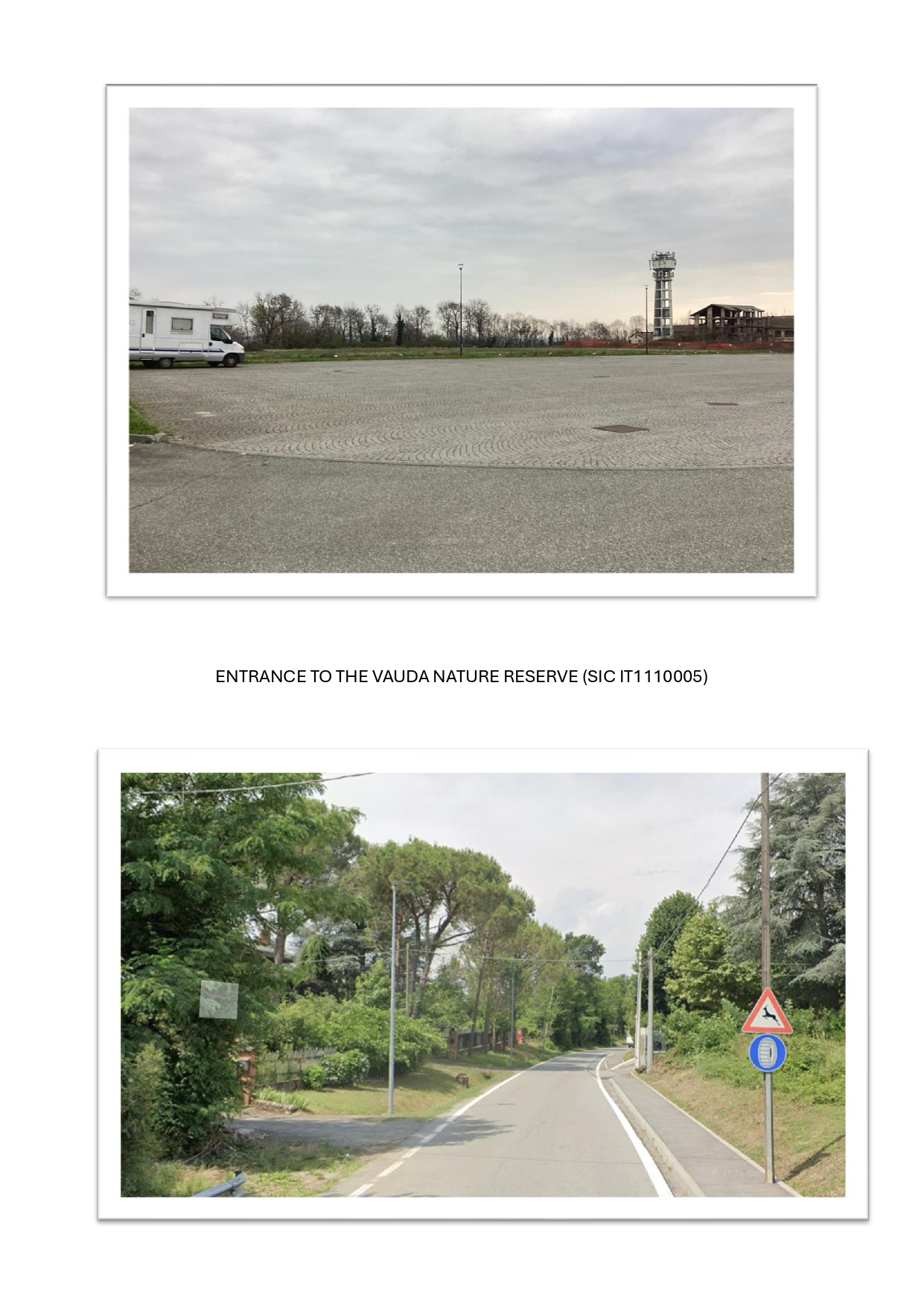
A fitness area is currently being designed at the entrance to the park, where nature hikes can already be enjoyed along paths restored in collaboration with neighboring municipalities within the Vauda Nature Reserve.
With this project, the council hall, located in the semi-basement of the school, equipped as a conference/meeting room with computers and projectors, would become a crucial space dedicated to education and digitalization, fostering engagin learning experiences through the establishment of coworking stations and a shared digital hub for all residents.
We believe our project is unique because, in a context of rural depopulation, aging population, and economic hardship, it aims to enhance public assets for the benefit of the community – not only for the residents of Lombardore, but also for families, associations, and young people from all over the nearby area.
These spaces will also be made available to the CISS38 Social Services Consortium to host initiatives combining cultural and environmental promotion with sensitivity training and support for vulnerable groups.
The area can also serve as a venue for initiatives promoting legality and civic awareness, in collaboration with local law enforcement. The municipality of Lombardore has unfortunately been targeted with threats and intimidation attempts from criminal groups and seeks to protect its younger citizens from negative influences.
The local administration is committed to the success of this initiative as a model demonstrating that even small rural towns can lead wide-reaching projects encouraging a return from large cities to smaller towns, by strengthening services and limiting the long-term effects of unsustainable urbanization.
For the development of the initiative, municipal staff will be involved initially, followed by young people participating in civil service, supported by technicians specialized in graphic design, publishing, and social media management. All digital tools and applications activated by the Municipality of Lombardore under the PNRR PADIGITALE 2026 measures will also be utilized.
Direct engagement with citizens will be implemented, as well as collaboration with local associations, the Social Services Consortium, higher-level authorities, the GAL, the Park Authority, and the neighboring Canavese municipalities.
The project also foresees the strengthening of video surveillance across the territory, as part of the TUTELA DELLA LEGALITÀ (protection of legality) initiative funded by the Ministry of Interior Affairs following intimidation incidents targeting the Municipality of Lombardore.
In terms of improving relations between local actors, residents of Lombardore, citizens associations, the Metropolitan City of Turin, the Piedmont Region - Park Authority, the Canavese GAL, and the neighboring municipalities will all be involved in the implementation of the initiative under a cooperation-based model.
This ambitious idea, given its economic scope and expected impact on the local area, is being implemented thanks to the financial support secured by the Municipal Administration through synergies between the city and the surrounding area.
The main overarching bodies supporting the Municipality are the Piedmont Region, the Metropolitan City of Turin, and the CRT Foundation, as well as several private bodies through public-private partnership initiatives and through funds deriving from environmental mitigation projects.
The initiative can also count on support from the local GAL (Local Action Group) "Valli del Canavese" as well as from the neighboring Municipality of Agliè, home to the famed Castle: together with Lombardore's "Concentrico", it would form a stronger network of points of cultural relevance in the Metropolitan City of Turin.
The initiative reflects an interdisciplinary approach combining several knowledge fields: urban planning and architecture (for the regeneration and design of public spaces), environmental sustainability (climate neutrality, sustainable mobility, and enhancement of natural areas), cultural heritage and territorial studies (valorization of the historic “Concentrico” and the Canavese landscape), social innovation (community inclusion, youth engagement, and support to vulnerable groups), and digital communication (promotion through digital tools, coworking spaces, and online dissemination).
These disciplines interact through a collaborative governance model involving public administrators, technical experts (designers, communication specialists), social services, educational institutions, and local associations. The process is structured through continuous dialogue, including roundtables, participatory planning, and direct engagement with citizens, especially young people.
The added value of this multidisciplinary approach lies in its ability to integrate physical regeneration with social and cultural activation. It ensures that infrastructure development is not isolated, but connected to education, digitalization, and community-building processes. This interaction fosters stronger local ownership, more inclusive solutions, and a sustainable long-term impact. Moreover, it creates a replicable model where different fields reinforce each other, enabling small municipalities to address complex challenges, such as depopulation and underused heritage, through coordinated, low-cost, and high-impact strategies.
The introduction of public spaces to the benefit of the community at large is typically reserved to larger cities with ample financial resources that are already strongly attractive for younger generations.
For Lombardore, this project is highly innovative, as it combines “thinking big”, in terms of cultural promotion, sustainability, and the enhancement of the local natural environment, while at the same time employing models and resources typical of a small rural municipality.
Functional aspects do not necessarily go hand in hand with artistic and sustainable ones. The aim of this project is to be practical and responsive to the needs of residents, while also promoting and implementing a model centered on enhancing and valuing the characteristic beauty of the local cultural and natural heritage.
The project aims to implement a completely free local promotion model and a training program combining culture, sustainability, inclusiveness, and the enhancement of natural beauty, to educate new generations in respecting the surrounding environment and existing cultural heritage.
The involvement of multiple stakeholders contributes to the uniqueness and effectiveness of the project. The initiative is led by the local administration and, through the engagement of the local community, collects ideas and strategies for enhancing the local heritage, in the interest of the entire community.
Our project aims to address several challenges:
Inclusion through community engagement;
Mobility and Sustainability, through the use of alternative energy sources for the facilities, the installation of electric vehicle charging stations, and the establishment of a shuttle service to connect the Canavese municipalities, the Reggia di Venaria, and the city center.
Urban regeneration, through design and informational building interventions for existing facilities, and shared participation by the local community.
Media and information campaign for the planned initiative through brochures, videos, information panels, and communications.
The project is already complete in its conceptual phase, and the final design phase is underway.
The executive project, focused solely on promotion and enhancement measures (as the structural interventions to develop and expand the spaces and facilities are already in progress), will be completed with the participation of various stakeholders, higher-level bodies, and the community through open roundtables with local associations. Once the executive project is completed, it will usher in a new phase of engagement with the public, especially young people. Construction work is scheduled for completion in December 2026, while the entire awareness-raising and promotional campaign will begin in early 2027. By summer 2027, the project is expected to be inaugurated and will finally become a resource available to the entire community.
In Italy, municipalities with fewer than 5,000 inhabitants account for approximately 69% of the total.
Many of these towns are home to invaluable cultural and environmental assets that remain largely unknown. Moreover, small rural centers often feature several unused spaces and buildings, lacking the necessary resources to repurpose those facilities. These centers struggle to capitalize on their cultural and natural heritage to strengthen services and attract interest.
Lombardore’s initative can be transferred and replicated in each of those small towns, providing a replicable model for the consolidation of small, decentralized hubs for culture and education and for the establishment of synergies with the surrounding area.
Environmental and investment sustainability can also be leveraged to directly access public and state funding for energy-efficient building renovations and the environmental enhancement of natural areas. All the promotional activities envisaged in this project, including the creation of digital spaces, event venues, and coworking areas, are particularly sustainable, given the widespread availability of internet connectivity in the area. This multidisciplinary approach can be replicated and diffused by engaging young people from other small towns.
The Municipality of Lombardore is ready to leverage its experience and support other small local communities in their transition. The approach experimented with this project can easily be replicated through the involvement of university students and the Consortium of Social Services, which supports the most vulnerable.
The strength of this initiative lies in its simplicity, allowing the same model to be systematically implemented, founded on the ambition and goodwill of the stakeholders involved, and which can be developed without the need for significant financial resources.
Hence the slogan: THINK BIG AND ACT MODESTLY.
The further development of the initiative concerns the completion of the executive project for communication and territorial promotion, the organization of participatory roundtables with citizens and associations, the activation of educational and digital spaces (coworking and learning hubs), and the launch of a media campaign (digital platforms, social media, videos, and information tools). This phase will be followed by a broader engagement process, especially targeting young people, and by the final implementation and inauguration of the regenerated area.
These actions already incorporate the core NEB values of sustainability, inclusion, and aesthetics.
Sustainability is reflected in climate-neutral interventions, the introduction of sustainable mobility, and the enhancement of natural heritage; inclusion is ensured through active community participation, involvement of vulnerable groups, and accessible public spaces; aesthetics is integrated through design-oriented regeneration that improves the quality and experience of spaces.
In terms of working principles, the initiative adopts a participatory, multi-level, and transdisciplinary approach.
Citizens, institutions, technical experts, and social actors collaborate through co-design processes, while coordination between local, regional, and territorial bodies ensures coherence and scalability.
The expected key steps include: finalizing the executive design through co-creation, implementing the communication and digital strategy, activating services and spaces for community use, and continuously monitoring feedback to adapt the project over time.
The added value of this approach lies in creating not only infrastructure, but a living ecosystem where environmental, social, and cultural dimension