Strengthening Local Democracy and Inclusion
The House of Bavarian History.
The House of Bavarian History. A civic museum in the UNESCO World Heritage City of Regensburg.
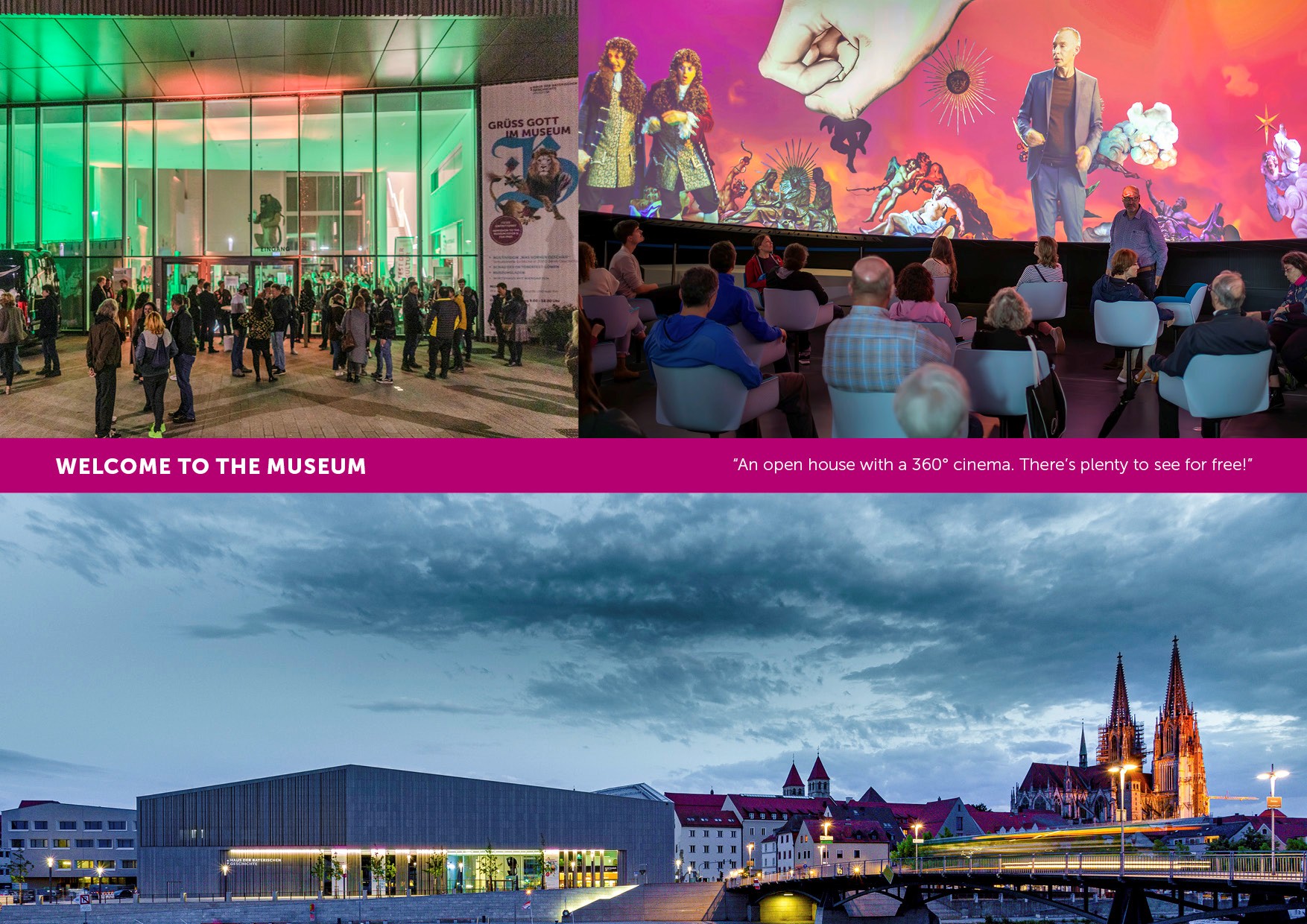
The House of Bavarian History in Regensburg sees itself as a civic museum dedicated to living history. The architecture echoes the gabled structure of the historic old town, making the museum an open and welcoming public space. The permanent exhibition employs an innovative staging concept featuring around thirty scenographic displays that bring historical events to life. As the world’s largest passive house museum, the building combines architectural quality, sustainability and social openess.
Germany
Local
Regensburg, Bavaria, Germany – Regensburg, a UNESCO World Heritage City.
Mainly urban
It involves a physical transformation of the built environment (hard investment)
Yes
2019-06-04
No
No
No
Individual
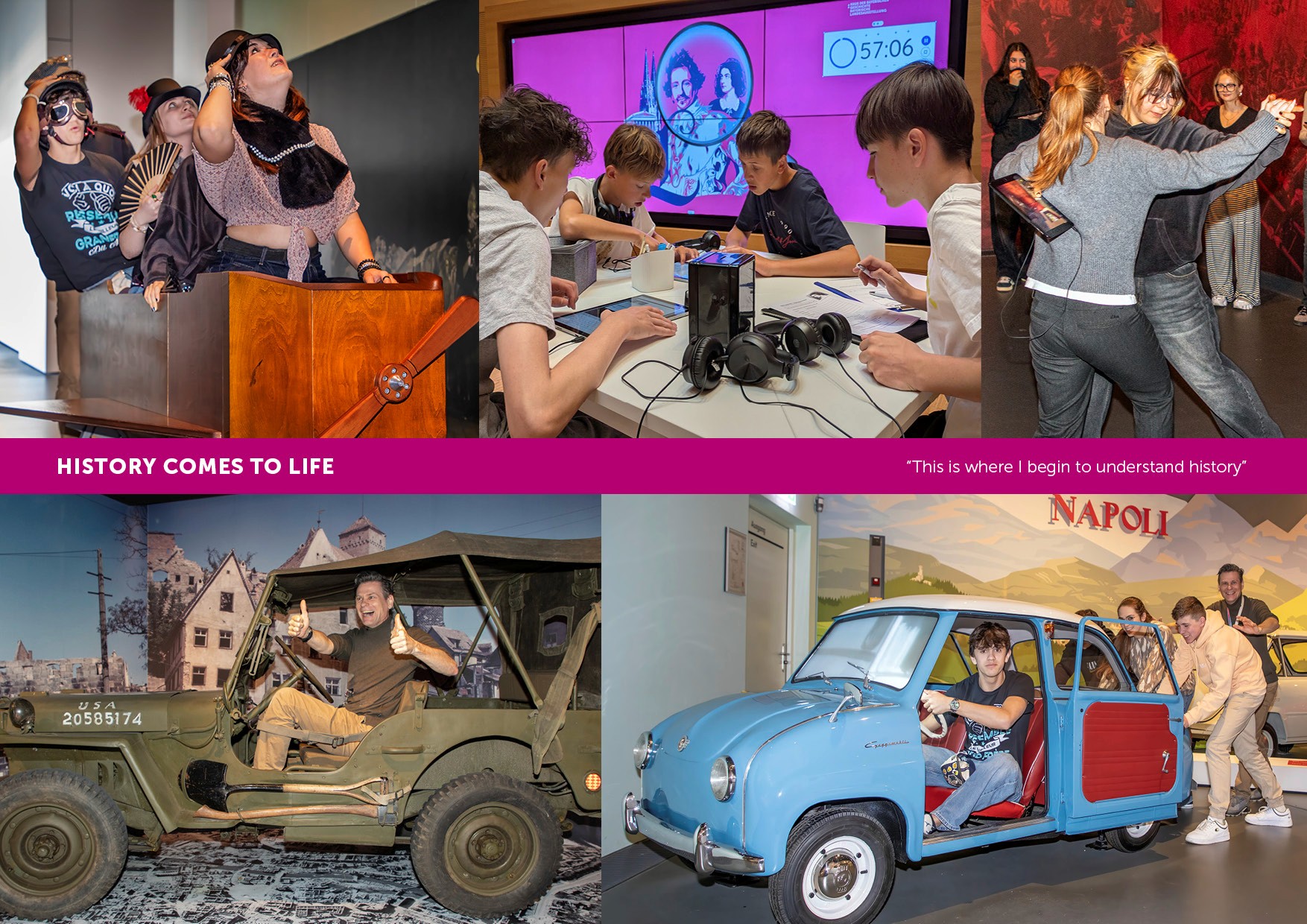
From its visitors’ perspective, the House of Bavarian History in Regensburg is not a traditional museum, but an open, interactive space where history can be experienced spatially, emotionally and directly. Visitors entering the building are not confronted with rows of display cases, but instead encounter scenes, images, voices and objects presented in a way that speaks directly to them. The guiding concept ‘stages instead of display cases’ transforms historical knowledge into a personal experience. Visitors learn not just about the past, but also why history is still relevant today – to their own origins, daily lives and contribution to society.
As one visitor summed it up: ‘I wasn’t just reading about history – I suddenly found myself in the middle of a different era.’
This community-focused museum owes much of its collection to regular appeals for donations, as part of which members of the public, institutions and businesses contribute mementos, documents and historical images along with their personal stories. Visitors later encounter these real-life tales on stages created specifically for this purpose. This form of presentation fosters a sense of connection, identification and involvement.
Particularly for young visitors, this establishes an unusually direct connection. School classes are not detached, but prove genuinely curious and engaged, for example when embarking on discovery tours using tablets or taking part in interactive formats.
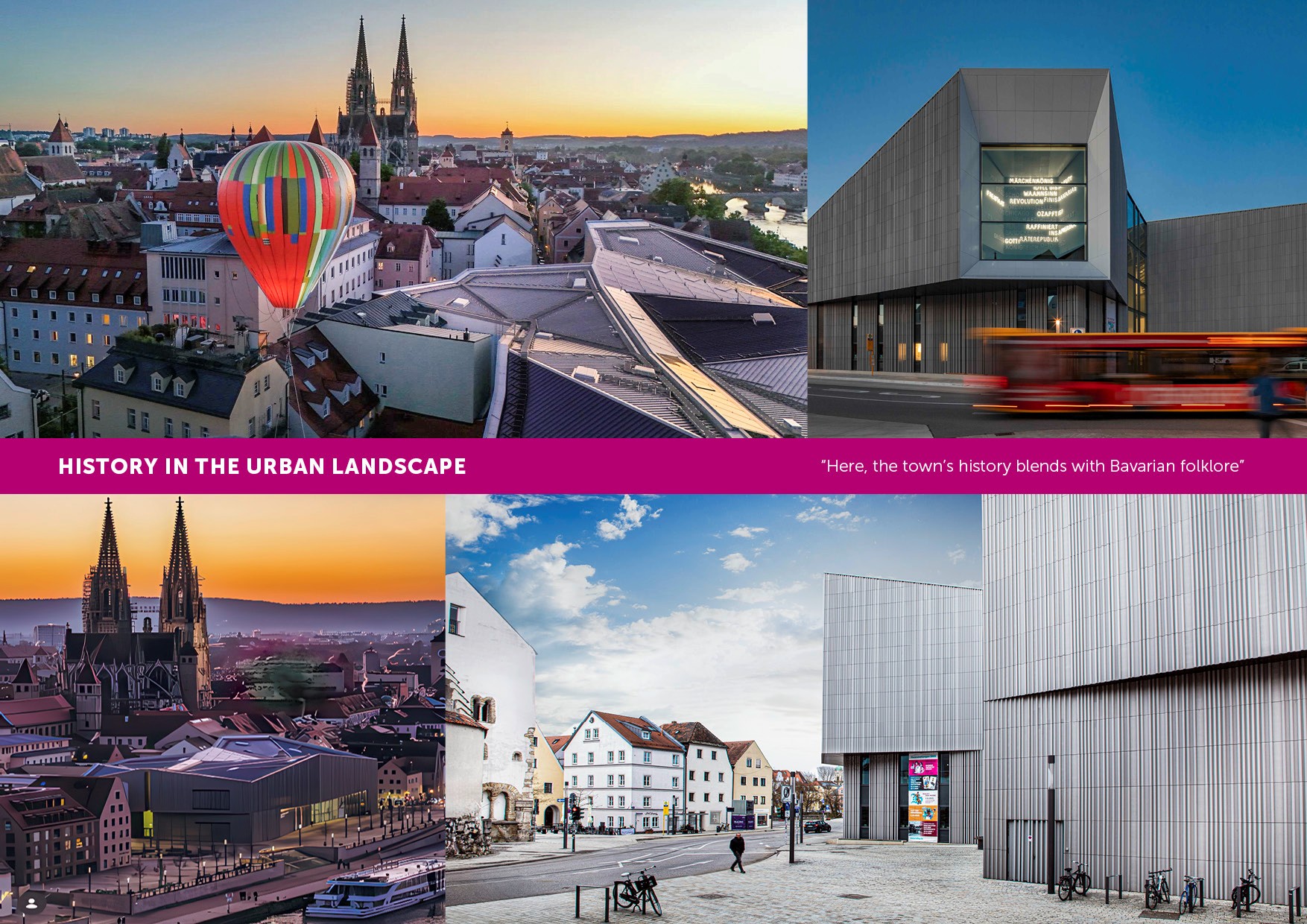
The compelling architecture enhances this experience. The building blends unobtrusively into the historic skyline of Regensburg, a UNESCO World Heritage city, while simultaneously creating a new, inviting public space within the cityscape. As the world’s largest passive house museum, it combines architectural quality, user focus and environmental responsibility.
With around 300,000 visitors a year, the project demonstrates how cultural venues can foster social dialogue and achieve a lasting impact.
The project’s history did not begin with the construction of the museum, but much earlier: with the public’s desire for a place where Bavarian history could be collected, discussed and made accessible to a wide range of people. Over many years, objects, documents and mementos were collected, long before a museum to house them existed. The resulting collection shows that the museum was not simply built for society, but in fact grew out of society itself. Society is the heart of our “civic museum”.
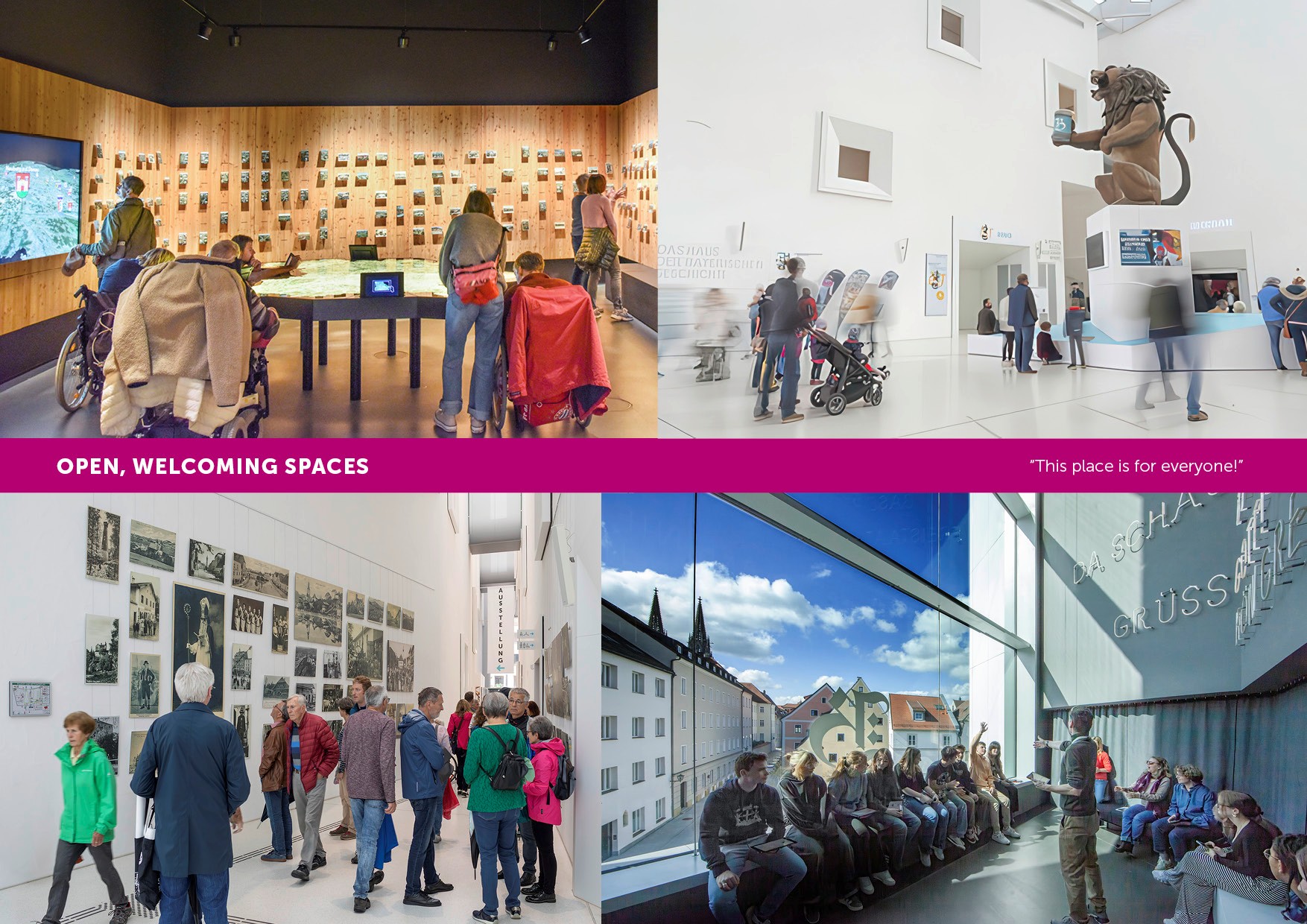
We owe many exhibits to donations from members of the public, businesses, initiatives and public bodies. One striking example is the huge lion from the Munich Oktoberfest, which used to guard the Löwenbräu tent and now stands in the museum’s entrance hall as a striking symbol of Bavarian identity. Another example are the artefacts and documents from the protests against the Wackersdorf nuclear reprocessing plant, symbolising civic advocacy and democratic debate.
The project was successfully realised thanks to the close cooperation between various stakeholders. The Free State of Bavaria provided political and financial support, while the City of Regensburg made the land available and oversaw the museum’s integration into Regensburg’s cityscape and infrastructure. Architecture, exhibition design, history, cultural mediation and technology worked together closely in bringing the project to fruition. Since its opening, the museum has continued to grow through its programmes, special exhibitions and educational offerings.
Democracy and social dialogue
Cultural heritage
Sustainable architecture
Inclusive cultural spaces
Stages instead of display cases
At the House of Bavarian History, sustainability is not simply technically implemented, but is something that visitors can experience. As the world’s largest passive house museum, the building demonstrates that even large cultural facilities can meet high environmental standards.
The museum operates entirely without fossil fuels such as oil or gas. Heating and cooling are provided by heat exchangers that utilise the energy from Regensburg’s wastewater. Air conditioning, ventilation, water and electricity are among the biggest cost factors in many cultural institutions – this building was designed with energy efficiency in mind from the very outset. Since opening, the building’s operational systems have been continuously optimised to further reduce consumption and costs.
Sustainability is also evident in the way the museum is run. Display furniture is reused, transport routes are kept short and operational processes are designed efficiently.
At the same time, sustainability also has a social dimension: with around 300,000 visitors a year, the museum is intensively used, serving a lasting function in promoting education and dialogue. School groups, families and individual visitors experience the museum as an accessible place that fosters cultural education and social exchange.
The project’s aesthetic quality is evident in the fact that visitors experience the building as a harmonious, welcoming and inclusive place:
From the outside, the building fits into Regensburg’s historic skyline while giving it a contemporary twist. The roofscape echoes the gabled architecture of the old town, creating the feeling that it belongs to the city. This integration into the urban fabric ensures that the museum is not perceived as an alien element, but as a natural part of the cityscape.
Inside the museum, aesthetics is not just a matter of form and materials, but arises above all from the quality of the visiting experience. The principle of ‘stages instead of display cases’ brings history to vivid, atmospheric and three-dimensional life. Visitors stand not in front of isolated objects, but in front of complete scenes that encapsulate historical situations. This makes history easier to understand, sparks curiosity and fosters a sense of emotional connection. It is precisely this that makes cultural participation possible for people whom traditional museum exhibitions often fail to engage.
The building’s aesthetic aspects enhance the quality of the visit and foster a sense of identification with the venue. The building project is exemplary because it shows, in the spirit of New European Bauhaus, that beauty is not merely decorative, but creates orientation and belonging.
At the House of Bavarian History, inclusion means first and foremost that people of different generations feel addressed and find their own personal connection with history. It has deliberately been conceived of and designed as a “civic museum”. A significant proportion of the collection is made up of contributions from members of the public, businesses, associations and initiatives. This means that not only official narratives, but also everyday history, social conflicts, cultural identity and democratic movements are presented. Visitors discover that history is relevant to their own lives and the lives of others.
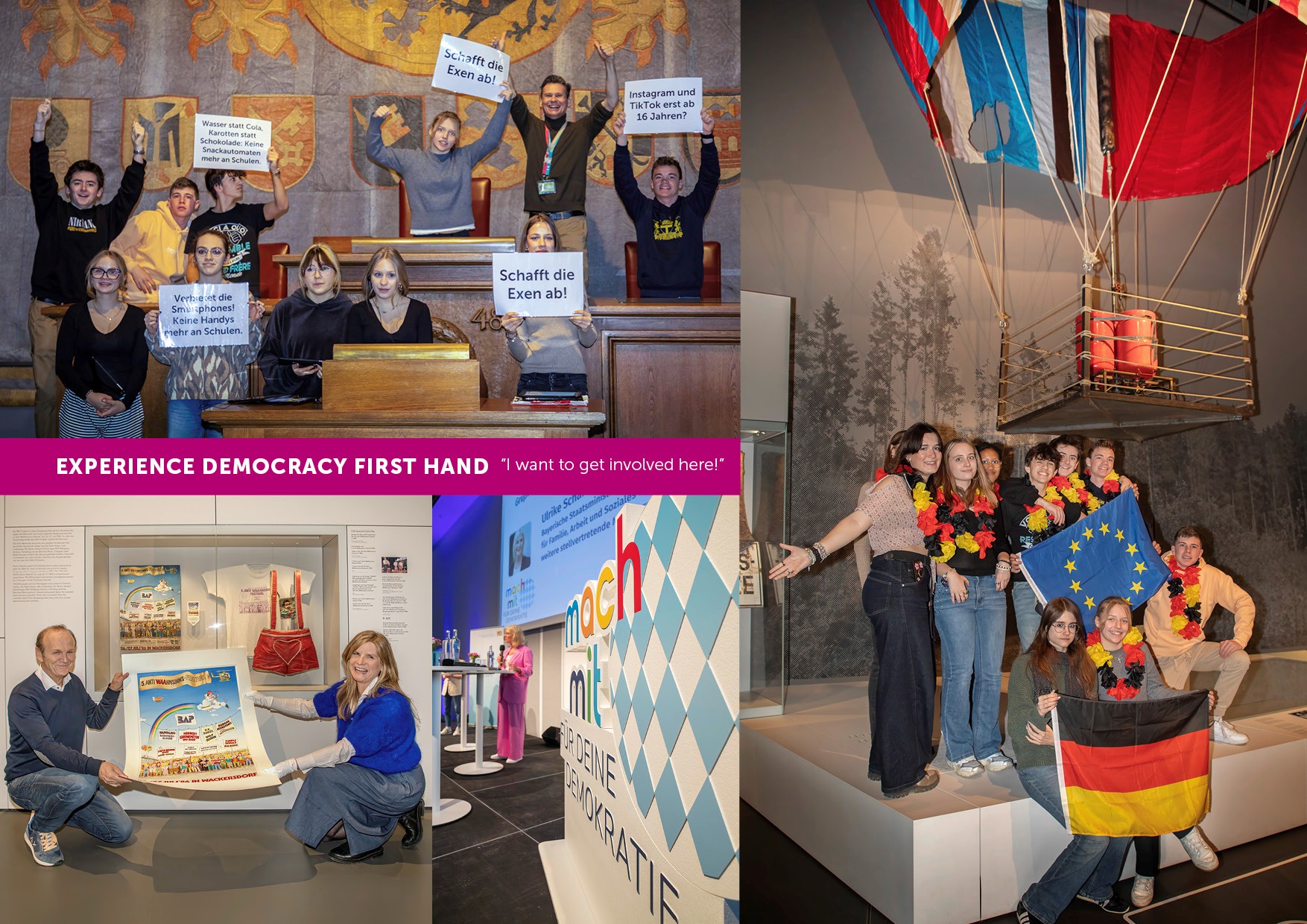
This is particularly evident in specific examples from the collection. The donated Oktoberfest lion from the Löwenbräu tent symbolises popular culture and Bavarian identity. The material from the Wackersdorf movement represents civic protest and democratic participation. As a milestone in democratic inclusion, the museum recently acquired the two wedding suits worn by the first same-sex couple to marry at a Bavarian registry office on 28 February 2002. These and similar objects offer insight into different social groups and experiences. They show that the museum is not a siloed space just for experts, but a place where the public is represented.
Inclusion also involves practical accessibility. Accessible facilities, educational activities for different age groups, programmes for schools and public events ensure broad participation. Added to this is our aim to keep thresholds to entry and access as low as possible. The project is exemplary because it views inclusion not simply in terms of physical accessibility, but as cultural and social openness: people should not only be able to enter the space, but also feel that it speaks to them.
At the House of Bavarian History, participation is not a retrospective add-on, but a fundamental principle underpinning both the museum’s origins and its current use. Even before the museum opened, the collection was swelled by donations from the public, institutions and businesses. This meant that citizens were not merely future visitors, but from the very beginning played an important role in what is now displayed and commemorated. Our ‘civic museum’ is based on this active involvement of the community.
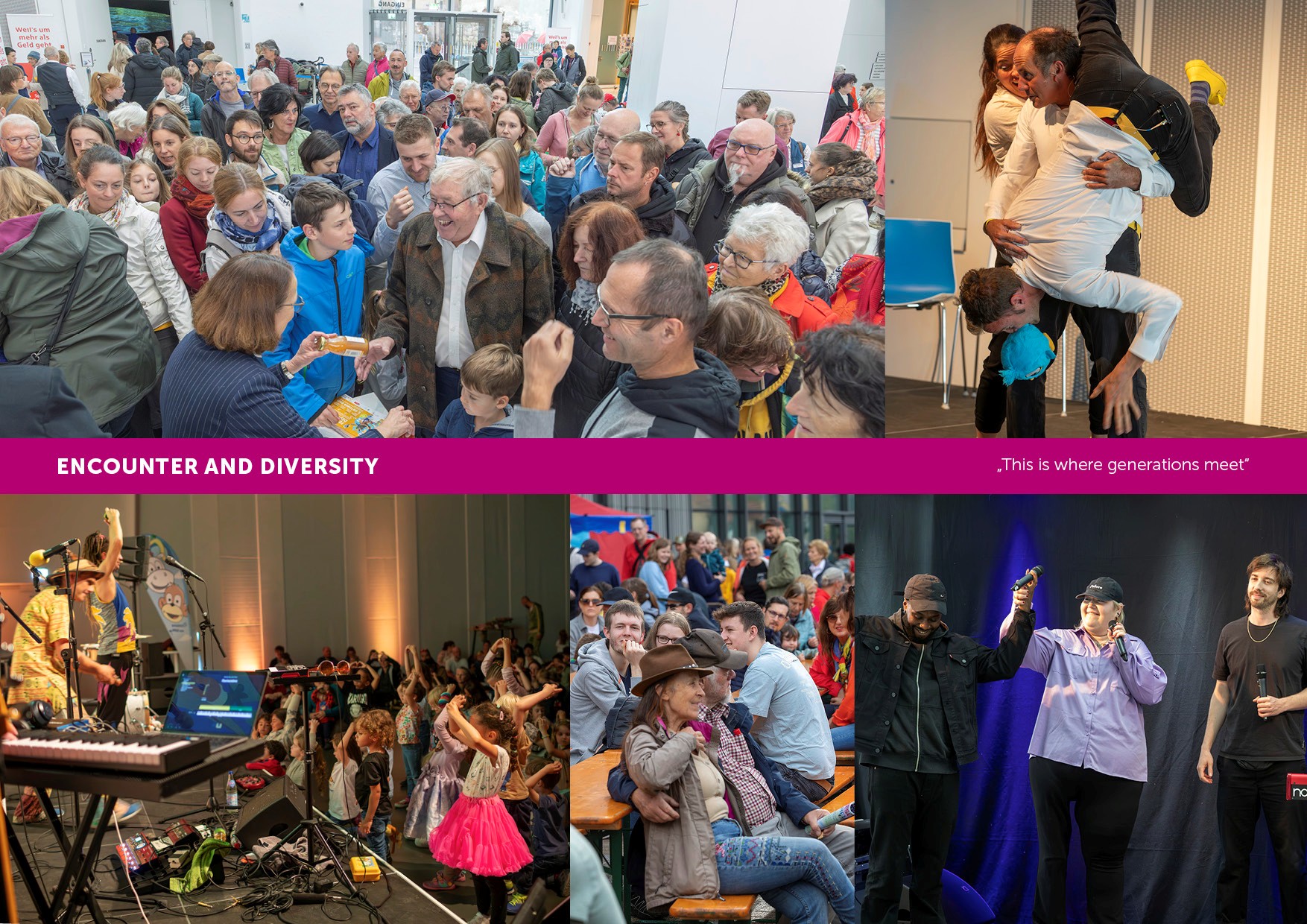
Participation remains a focus in the project’s day-to-day work as well. Educational programmes, events, dialogue formats and partnerships with schools, initiatives and other institutions ensure that the museum continues to engage with the people it is there to serve. Visitors are seen not merely as an audience, but as part of a vibrant cultural process. Formats such as the Festival of Democracy bring home that democracy is not an abstract concept, but has evolved over the course of history and needs to be actively lived and jointly shaped today.
The results of this involvement are clear to see: the museum comes across as more open, more authentic and closer to the lives of its visitors. The collection becomes more diverse, educational activities more relevant, and the museum as a whole gains greater public legitimacy. Accordingly, participation has not been a mere side angle of the project, but has played a key role in shaping its identity and its long-term social impact.
The project was driven by close cooperation across several levels and for this very reason serves as a good example of multilevel governance. The Free State of Bavaria, as the sponsoring body, bore central responsibility for political decision-making, funding and overall management. At the same time, the City of Regensburg played a key role by providing the site, overseeing the building’s integration into the cityscape and helping to put in place the infrastructure required for its operation. The museum was thus not created in isolation from its surroundings, but as part of the urban context.
The added value of this collaboration is evident in several ways. Firstly, the project was successfully integrated into the World Heritage city without losing any of its contemporary character. Secondly, technical and environmental solutions became possible, for example in conjunction with the city’s infrastructure and energy supply. Thirdly, a project emerged that productively brings together local, regional and national interests: urban spaces, Bavarian history, public culture and long-term educational objectives.
This multilevel collaboration continues in the museum’s use. The House of Bavarian History has strong local roots, helps to shape regional identity, and at the same time is also able to engage with European debates on democracy, cultural heritage, sustainability and participation. The project is exemplary because it demonstrates how different levels can work not simply alongside one another, but together in a public space that has a real impact on society.
The House of Bavarian History is the outcome of a transdisciplinary approach in which different fields of knowledge were integrated into the project’s conception and implementation not sequentially, but simultaneously. Architecture and urban planning were key to ensuring the project’s integration into Regensburg’s sensitive historical context. The content of the narrative presented was shaped by historical studies and cultural mediation. Adopting the principle of ‘stages instead of display cases’, the exhibition design and scenography created a format that translates complex history into vivid experiences. Engineering expertise and sustainability competence ensured that the building was realised as an outstanding example of eco-friendly cultural architecture.
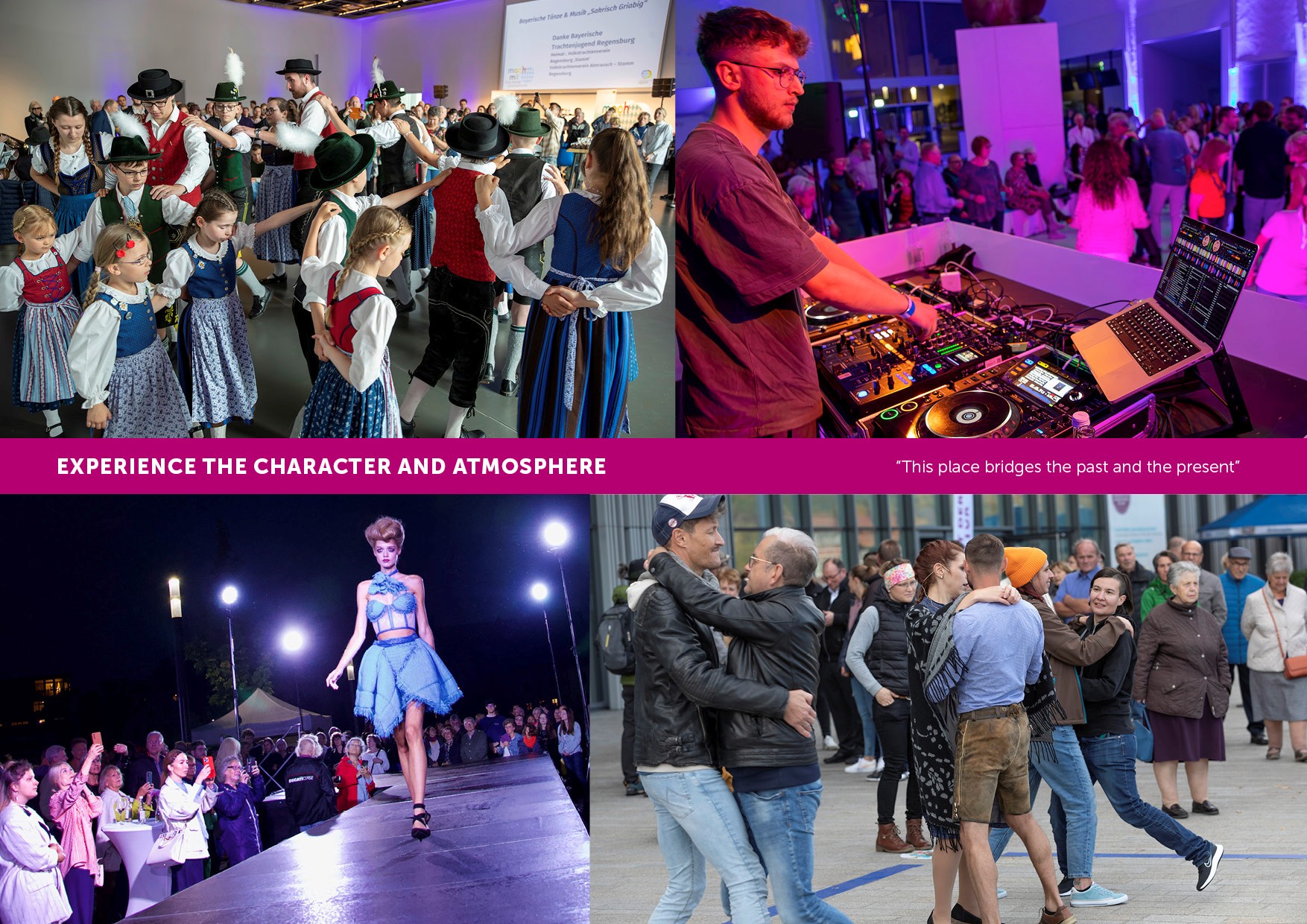
For visitors, it is precisely this interplay that is crucial. Rather than separate specialist contributions, they experience a cohesive whole: a space with a compelling architecture, clear content, evocative atmosphere and sustainable technology. In addition, educational programmes and outreach initiatives build bridges with schools, families and a range of other target groups. The project thus demonstrates that cultural infrastructure is particularly effective when design, knowledge, education and technology are considered as an integrated whole.
This approach is exemplary because it transcends traditional departmental boundaries. The museum is neither merely a building, nor merely an exhibition, nor merely a place of learning, but rather the collaborative product of many disciplines – and its social impact is down precisely to this.
The House of Bavarian History follows not a profit-driven business model, but a sustainable public cultural model. Its construction was and operation is made possible in the main by the Free State of Bavaria. In addition, admission fees and individual events contribute to the organisation’s regular income. However, the project’s financial focus is deliberately not to maximise revenue, but to achieve a lasting public impact.
Financial sustainability is achieved through a combination of reliable public funding, high visitor numbers, efficient building management and a clear cultural mission. Admission prices are deliberately set to ensure that the museum remains accessible and that cost is not a barrier to cultural participation. This marks a key difference to purely market-based models: success is measured not primarily by financial returns, but by social benefit, educational impact, reach and longevity.
This model is resilient because it combines public accountability, low thresholds and an attractive user experience.
Several elements of the project can be transferred and adapted to other locations, target groups and contexts. This goes particularly for the exhibition principle of ‘stages instead of display cases’. The idea of engaging visitors with history or other complex content not primarily through objects presented at a distance, but through spatially staged situations, can also be applied to other museums, educational venues and cultural institutions. This new form of presentation makes it possible to reach new audiences and convey content in a way that is easier to understand, more emotionally engaging and more memorable.
The “civic museum” model is likewise transferable. Actively incorporating contributions from the public into both collection and narrative strengthens identification with the museum as well as its relevance and democratic legitimacy. This principle can also be applied in other cultural or community contexts where the aim is to bring together history, memory and identity.
Equally important is the combination of sustainable construction and high levels of public use. The House of Bavarian History demonstrates that energy-efficiency standards and large-scale cultural use are compatible. In addition, we have scalable educational and outreach programmes aimed at schools, families and various social groups. Thus it is not just individual design elements that are transferable, but our entire approach: culture as an open, sustainable, participatory and socially impactful space.