Enhancing Circularity, Sustainability, and Innovation
YouRban: Circular Urban Ecosystem
YouRban: Co-Creative Neighbourhood Ecosystem for Circular Reprocessing of Polymers
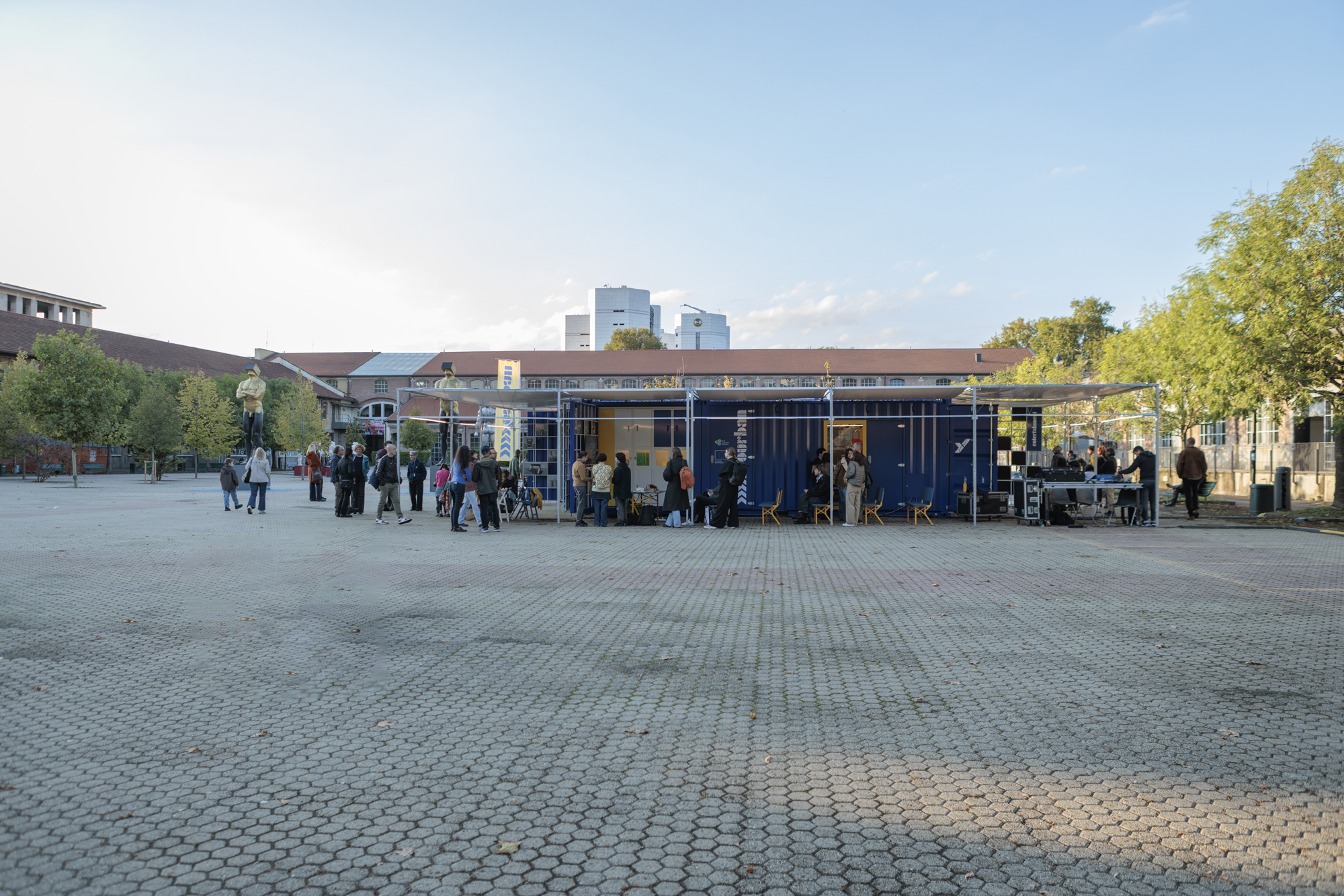
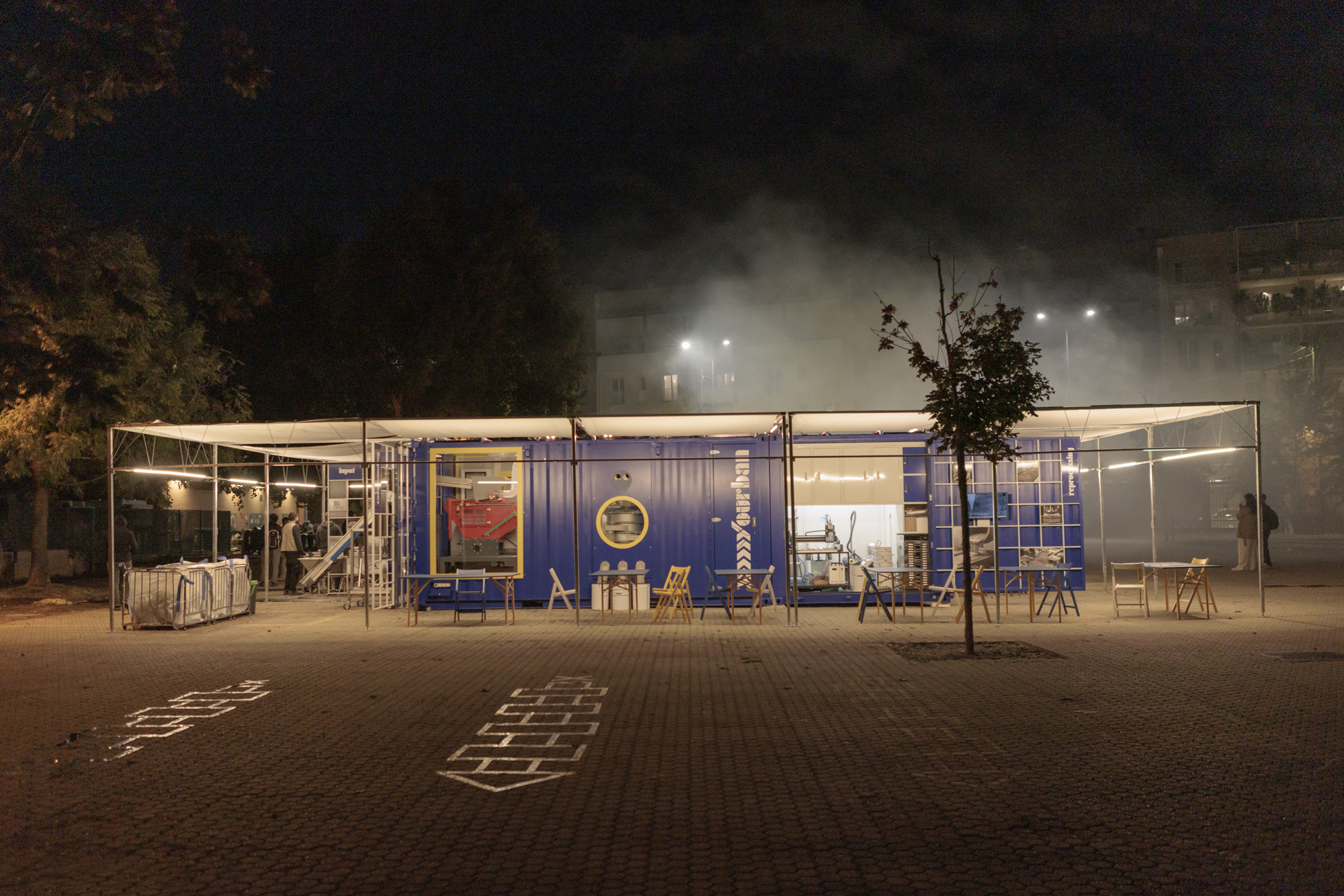
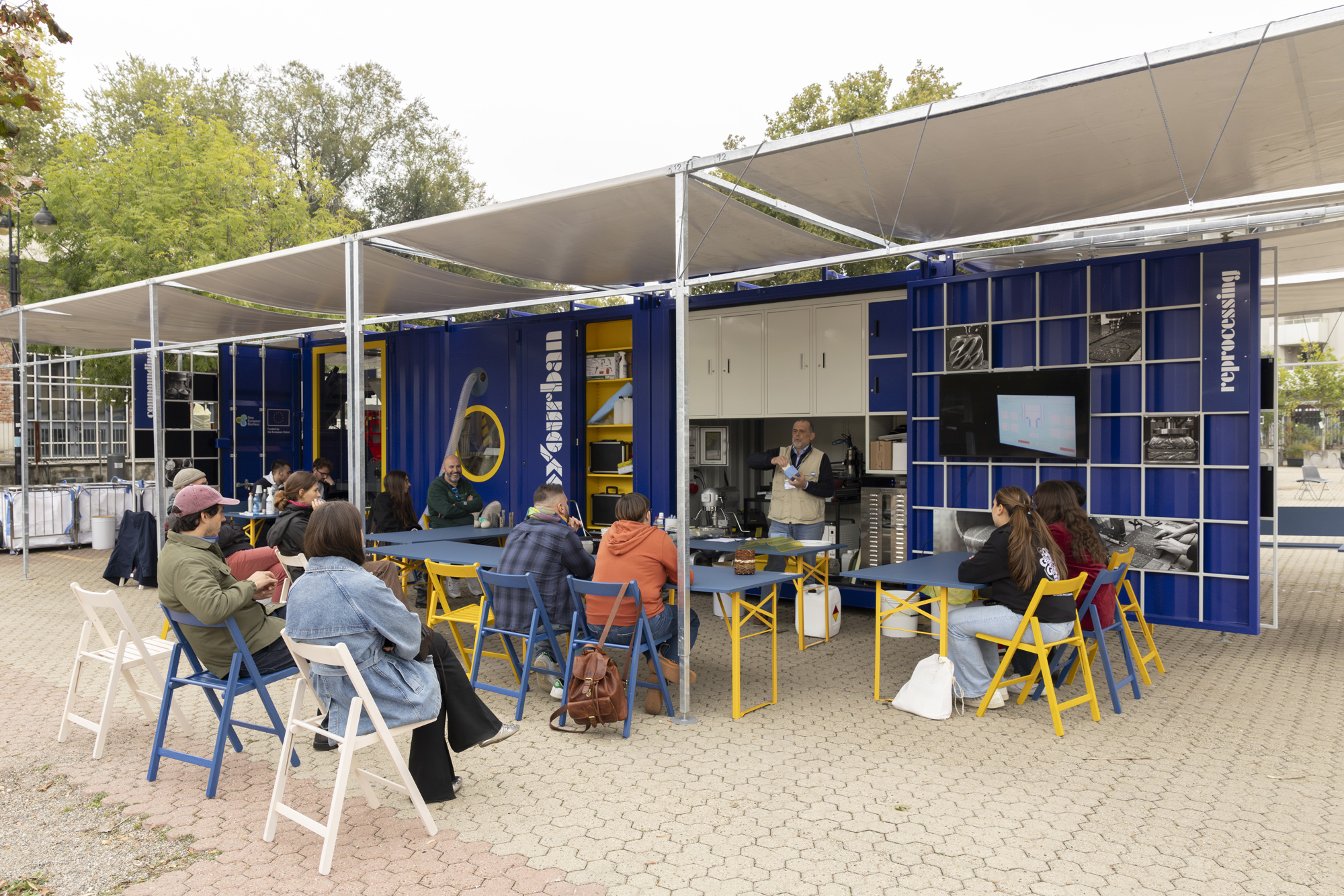
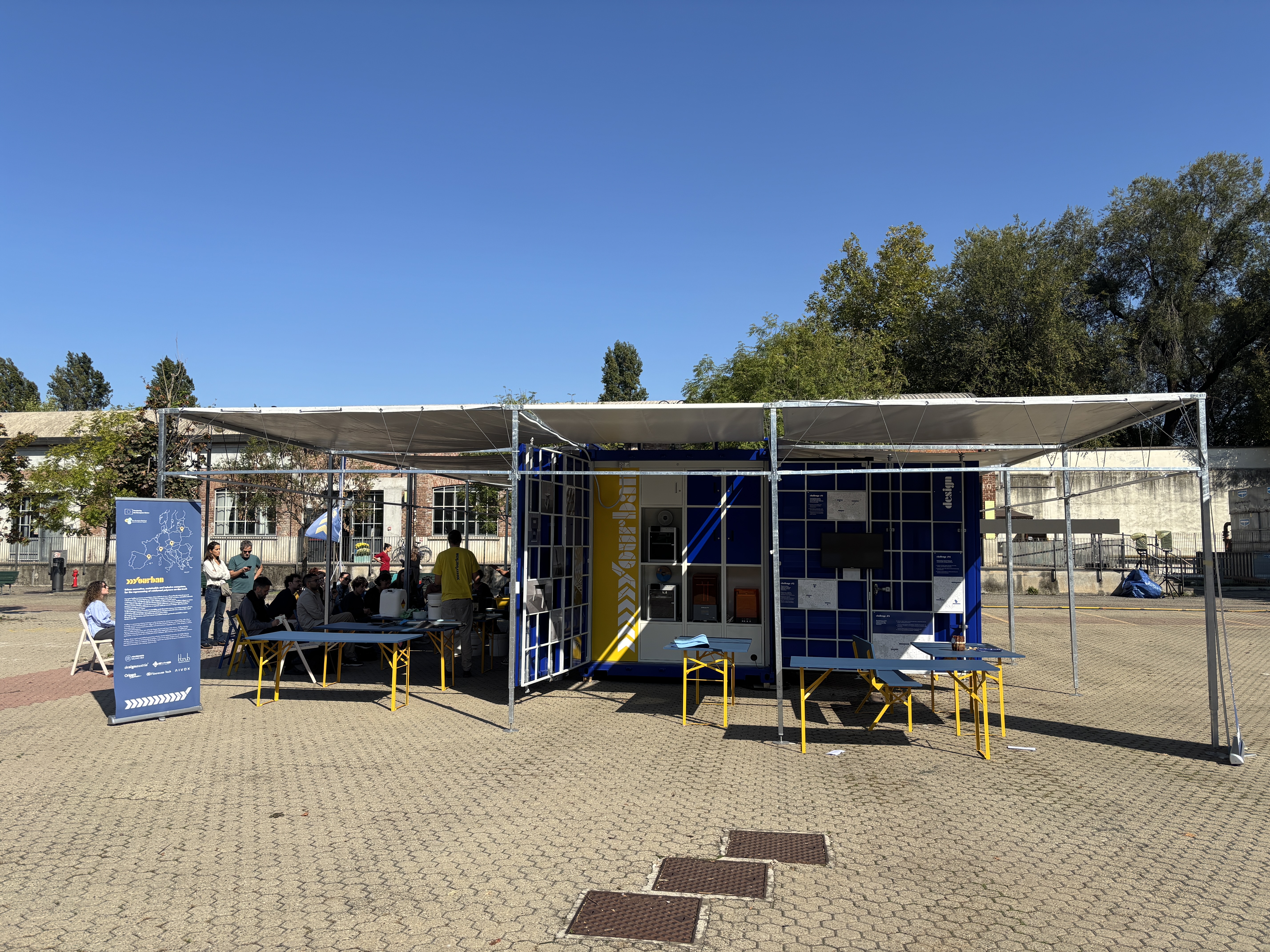
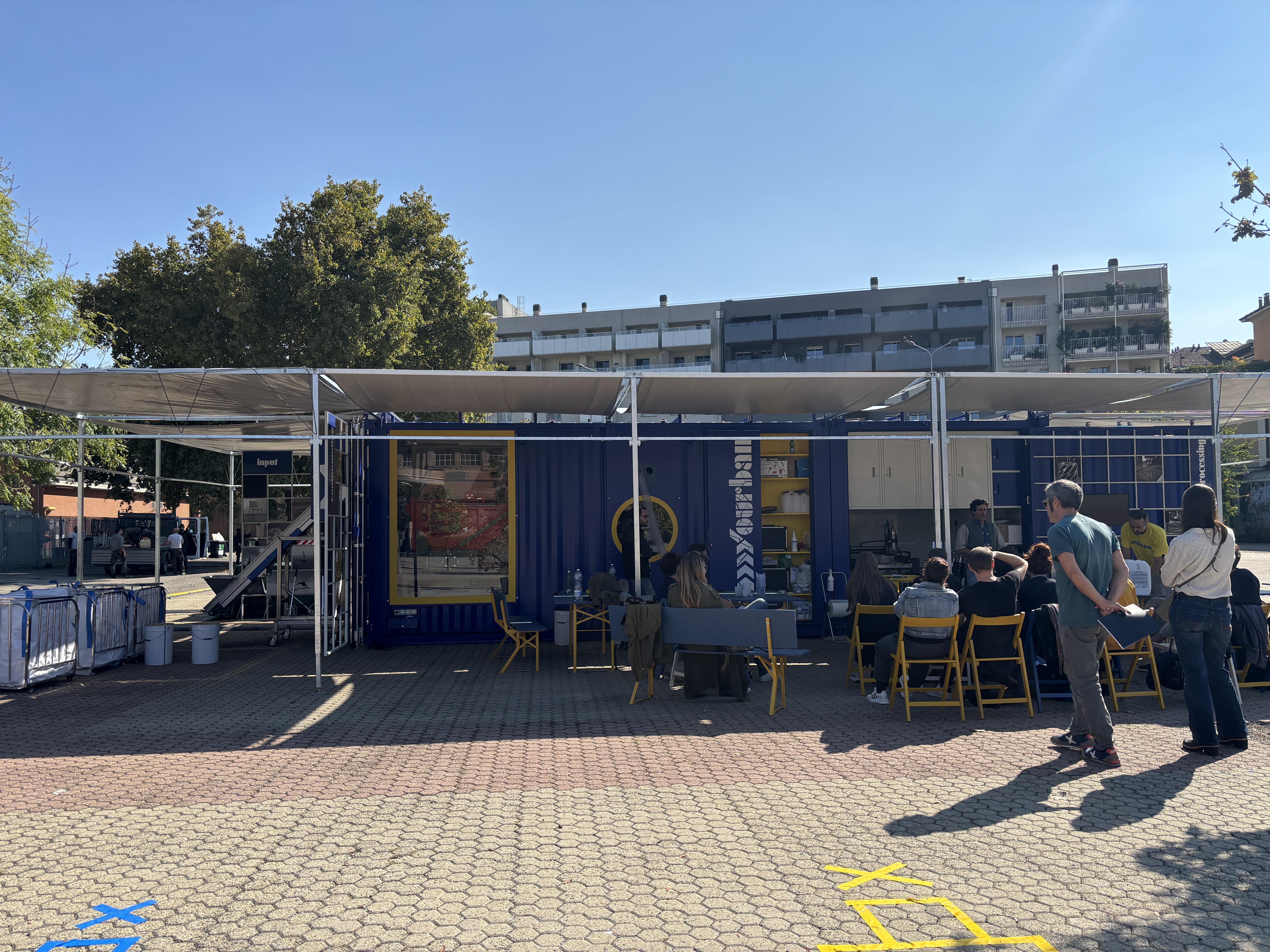
YouRban is a European urban ecosystem initiative advancing circular economy practices in cities, with a participatory initiative and festival in Milan. It connects citizens, designers, artists, architects, and small producers in collaborative ecosystems. At its core is a mobile recycling lab demonstrating on-site reprocessing and upcycling of reinforced polymer waste into new value through events, workshops and exhibitions highlighting Milan’s role in design-driven circular innovation.
Italy
Local
Milan
Mainly urban
It involves a physical transformation of the built environment (hard investment)
Yes
2025-10-05
Yes
Horizon2020 / Horizon Europe
No
No
Organisation
YouRban is a European urban ecosystem initiative focused on advancing circular economy practices through the recycling and upcycling of reinforced polymer waste. It develops participatory, locally rooted urban ecosystems that bring together citizens, designers, artists, architects, researchers, and small-scale producers such as FabLabs and workshops. The initiative combines technical innovation with creative and cultural approaches to transform end-of-life materials into new products and applications.
A central element is a mobile recycling laboratory that enables on-site processing of reinforced polymers and demonstrates how waste can be collected, reprocessed, and reintroduced into productive cycles. Beyond its technical role, it also functions as a platform for public engagement through exhibitions, workshops, artistic interventions, and participatory activities that make circular economy processes visible and accessible.
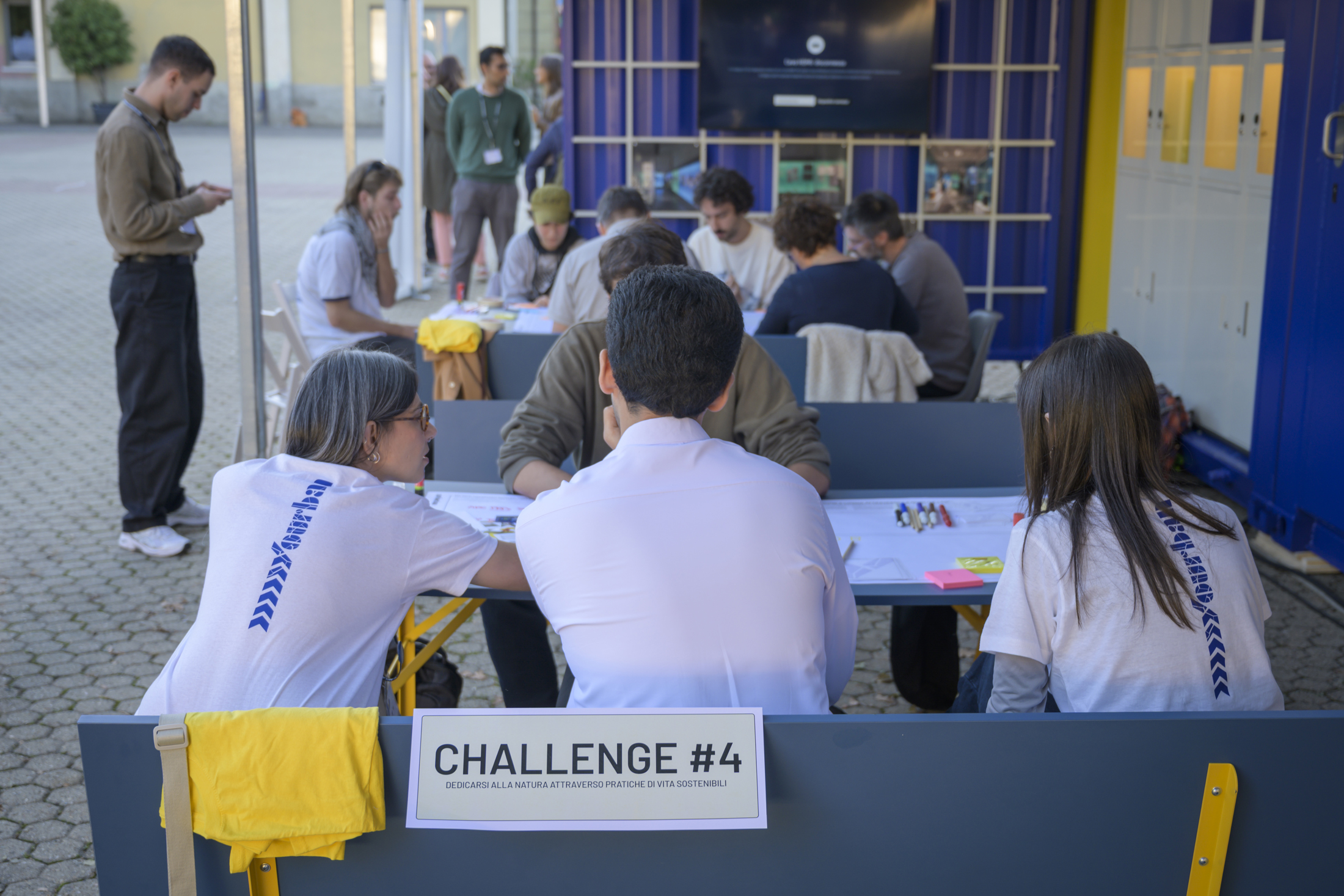
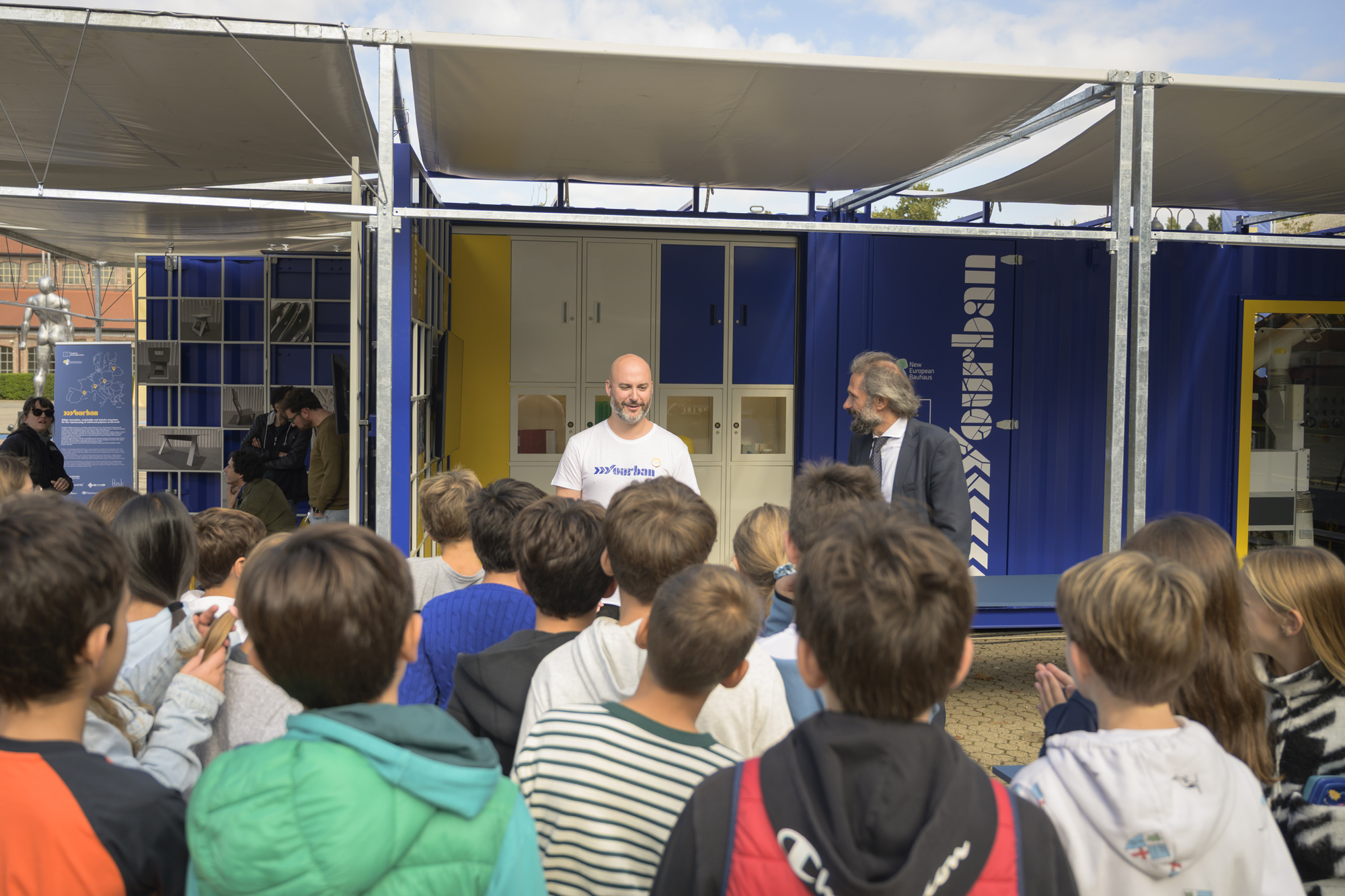
The initiative includes public events, training opportunities, knowledge-sharing sessions, and artistic residencies that explore the intersection of design, functionality, and culture. By engaging multiple stakeholders at neighbourhood level, YouRban fosters collaboration and hands-on learning around sustainable material use.
Designed as a flexible and replicable model, YouRban has the potential to be implemented in different cities across Europe, supporting high local engagement, strengthening community involvement, and raising awareness of circular economy principles at the neighbourhood level. Through its participatory approach, it contributes to building more sustainable, inclusive, and resource-conscious urban environments aligned with NEB values.
YouRban emerged from the collaboration of a diverse European group of partners, each contributing complementary expertise to develop a shared vision of circular urban ecosystems. The initiative was shaped by the combined knowledge of institutions working across design, architecture, engineering, technology, and communication, all contributing to address the challenge of reinforced polymer waste in an integrated way.
At the core, Politecnico di Milano provides overall coordination and integrates advanced design and engineering approaches into the project. AIVOX contributes expertise in robotics and custom software solutions, enabling the automation and optimisation of design and manufacturing processes from concept to production. Fibereuse Tech focuses on the recycling and upcycling of reinforced polymers, bringing essential material knowledge and processing capabilities.
On the design and spatial side, Origoni e Steiner Architetti and Labaula Arquitectes contribute architectural thinking and participatory design methods, supporting the creation of inclusive, user-centred urban environments and collaborative formats. Syxis adds research and technological development, strengthening the project’s innovation capacity through digital and technical solutions.
Finally, designaustria supports dissemination, communication, and the transferability of results, with a focus on aligning the initiative with New European Bauhaus principles and ensuring that approaches can be understood and replicated in other contexts.
Together, these partners combine their distinct competencies to co-develop a holistic approach that connects material innovation, design practice, and community engagement. The initiative builds on shared experimentation, cross-disciplinary exchange, and a common commitment to sustainability, enabling the development of urban ecosystems that transform waste into value while fostering collaboration across Europe.
Localising circular ecosystems
Neighbourhood-based transformation
Participatory co-creation
Design-driven innovation
Material recovery and transformation into new value chains.
YouRban contributes to sustainability by addressing reinforced polymer waste through circular processes of recycling and upcycling, turning end-of-life materials into new value. By promoting decentralized, localised production and the use of a mobile recycling laboratory, the project reduces the need for long transport chains and supports resource efficiency at neighbourhood level. Its participatory urban ecosystem encourages collaboration between citizens, designers, and small producers, fostering awareness and practical understanding of circular economy principles. Through repeated and replicable formats, the initiative helps embed sustainable material practices into everyday urban contexts and supports long-term behavioural and systemic change.
YouRban integrates aesthetics as a core dimension of circular transformation by combining technical processes with design, art, and architectural thinking. The project explores how recycled materials can be reimagined into functional yet visually engaging objects, spaces, and installations. Artistic residencies, exhibitions, and public interventions highlight the expressive potential of upcycled materials, demonstrating that sustainability can be accompanied by quality, creativity, and cultural relevance. By involving designers and artists, the initiative ensures that circular solutions are not only efficient but also meaningful, context-sensitive, and visually compelling, aligning with the New European Bauhaus emphasis on combining sustainability with beauty.
YouRban promotes inclusion by actively engaging diverse stakeholders in participatory formats at local level. Citizens, professionals, students, artists, and small-scale producers are invited to contribute their perspectives, needs, and skills through workshops, co-creation sessions, and public events. The initiative lowers barriers to participation by creating accessible entry points for learning, exchange, and hands-on involvement in circular practices. By fostering collaboration across disciplines and backgrounds, YouRban supports shared ownership of urban transformation processes and strengthens community engagement. This inclusive approach helps ensure that circular economy solutions are socially grounded, widely understood, and relevant to different urban communities.
YouRban’s participatory approach brings together citizens, designers, artists, architects, researchers, and small-scale producers in open, collaborative settings at neighbourhood level. Through hands-on workshops, public events, and interactive formats, participants are encouraged to share experiences, perspectives, and ideas that inform circular solutions. This exchange builds mutual understanding, supports co-creation, and ensures that outcomes are rooted in everyday urban realities and respond to local needs.
YouRban promotes multilevel governance by involving stakeholders from local, regional, national, and European contexts in its activities. The initiative creates opportunities for exchange between public authorities, research institutions, industry actors, and civil society through workshops, conferences, and public events. During the YouRban Festival, a wide range of stakeholder groups participated, including representatives of interest associations and expert bodies such as the Scientific Committee of AFIL (Associazione Fabbrica Intelligente Lombardia). The event was held under the patronage of the City of Milan and ADI Lombardia, reflecting institutional support at different governance levels. This layered engagement fosters dialogue, alignment, and shared understanding across sectors, helping to connect local experimentation with broader policy and innovation frameworks.
YouRban applies a transdisciplinary approach by integrating design, architecture, science, and technology. Experts from different fields collaborate with artists, researchers, and practitioners to combine material knowledge, digital tools, and creative practices. This cross-sector exchange enables holistic solutions that address technical, environmental, and social dimensions of circular economy challenges in urban contexts.
YouRban contributes to EU competitiveness by fostering a scalable, innovation-driven business model rooted in circular economy principles. By transforming reinforced polymer waste into new products through localised, decentralised production, the initiative reduces reliance on linear supply chains and creates new value streams within Europe. The integration of design, technology, and participatory processes supports the development of adaptable solutions that can be replicated across cities and regions. The involvement of small-scale producers, FabLabs, and urban manufacturing actors strengthens local value creation while enabling flexible, networked production models. Knowledge transfer through workshops, training, and public engagement builds skills and capacity, supporting workforce development in emerging circular industries. Over time, this approach enhances resilience, encourages SME participation, and positions Europe as a leader in sustainable, resource-efficient, and design-driven innovation ecosystems.
YouRban is designed as a scalable and replicable model that can be transferred to other cities across Europe. The initiative develops a flexible framework combining a mobile recycling laboratory, participatory formats, and local stakeholder engagement, allowing each city to adapt activities to its own context, resources, and community needs. By testing and refining approaches through public events, workshops, and collaborations, the project generates practical methodologies, tools, and formats that can be reused and adjusted elsewhere. The involvement of diverse actors—citizens, designers, artists, researchers, and small-scale producers—ensures that implementation can be grounded in local ecosystems while maintaining a shared conceptual approach. Documentation, knowledge exchange, and dissemination activities further support replication. The overall aim is that other cities adopt and build upon this first initiative, creating a network of interconnected urban ecosystems that collectively strengthen circular economy practices at European level.