Enhancing Circularity, Sustainability, and Innovation
Pedalo
Pedalo Vlora
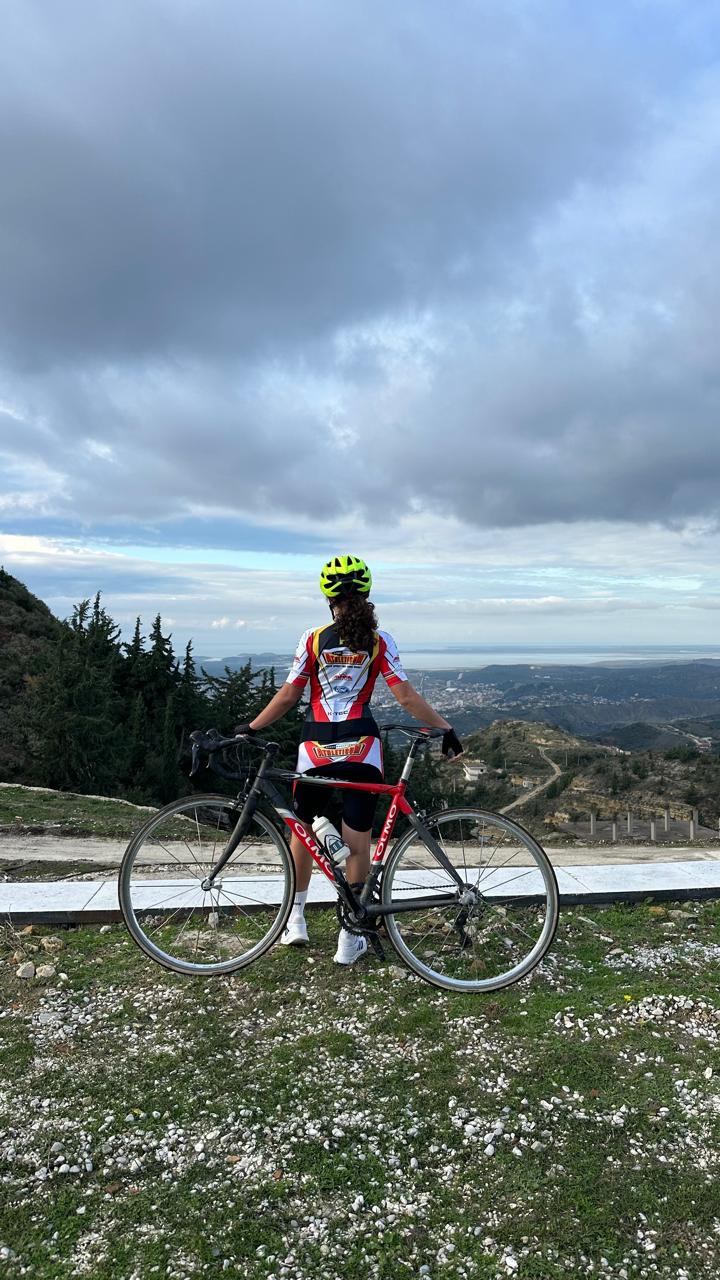
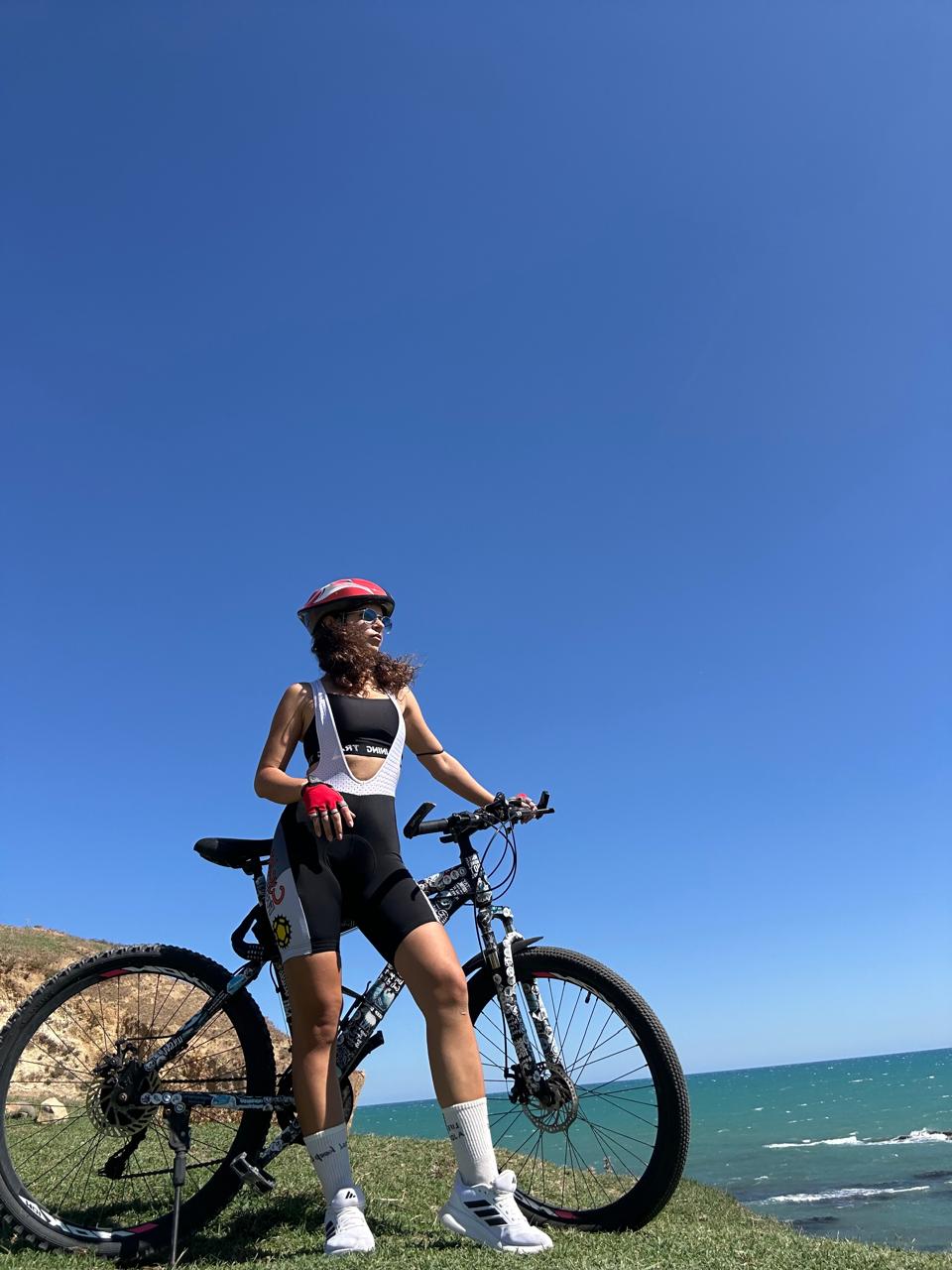
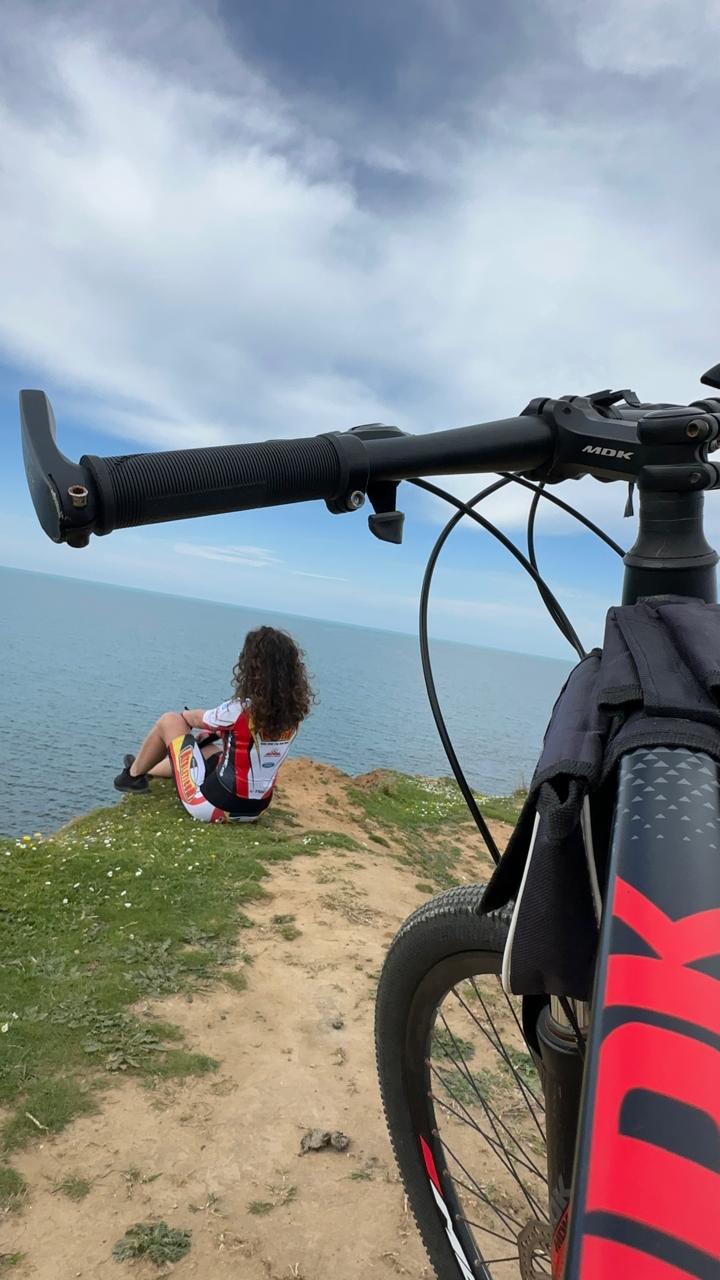
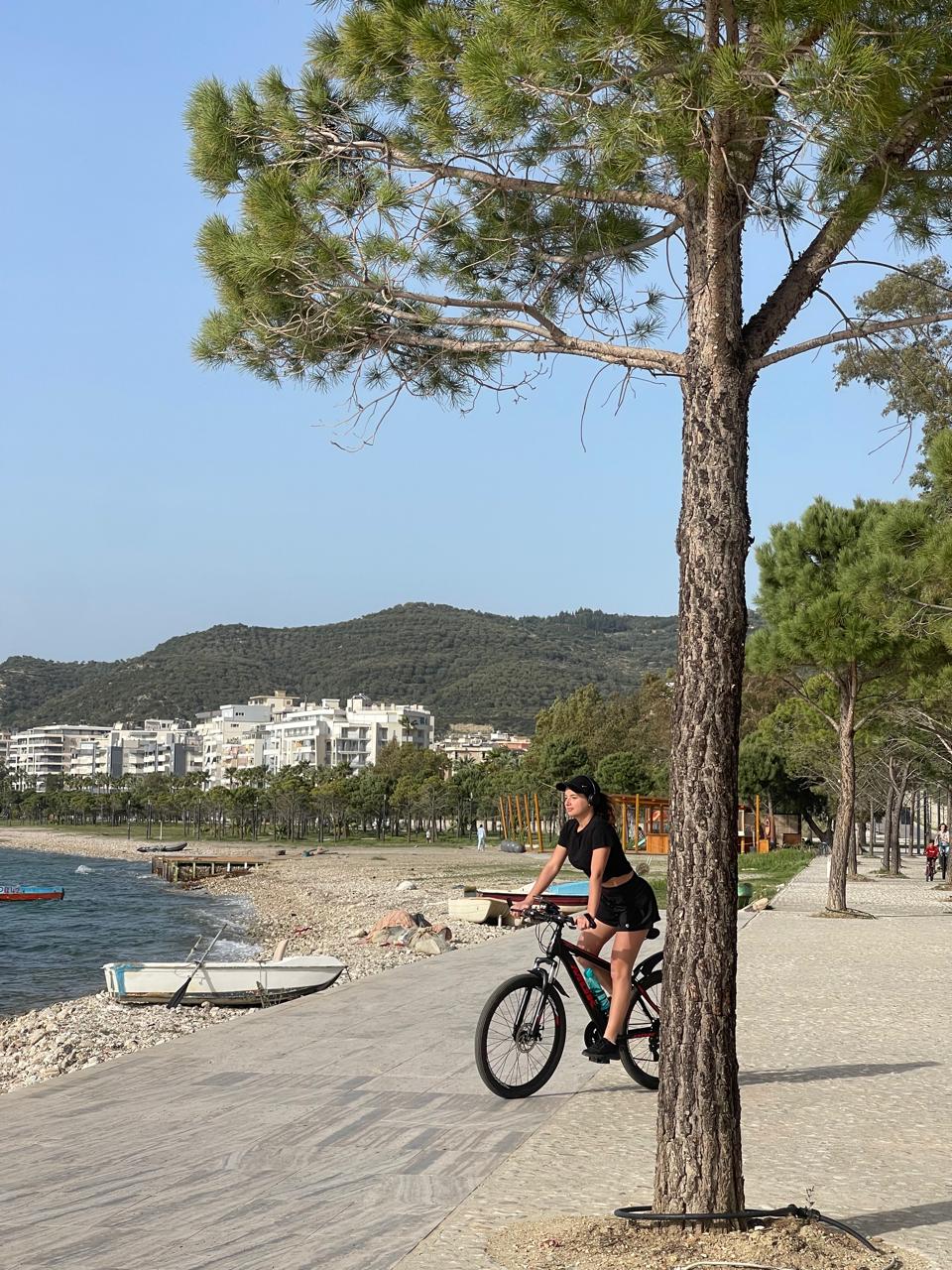
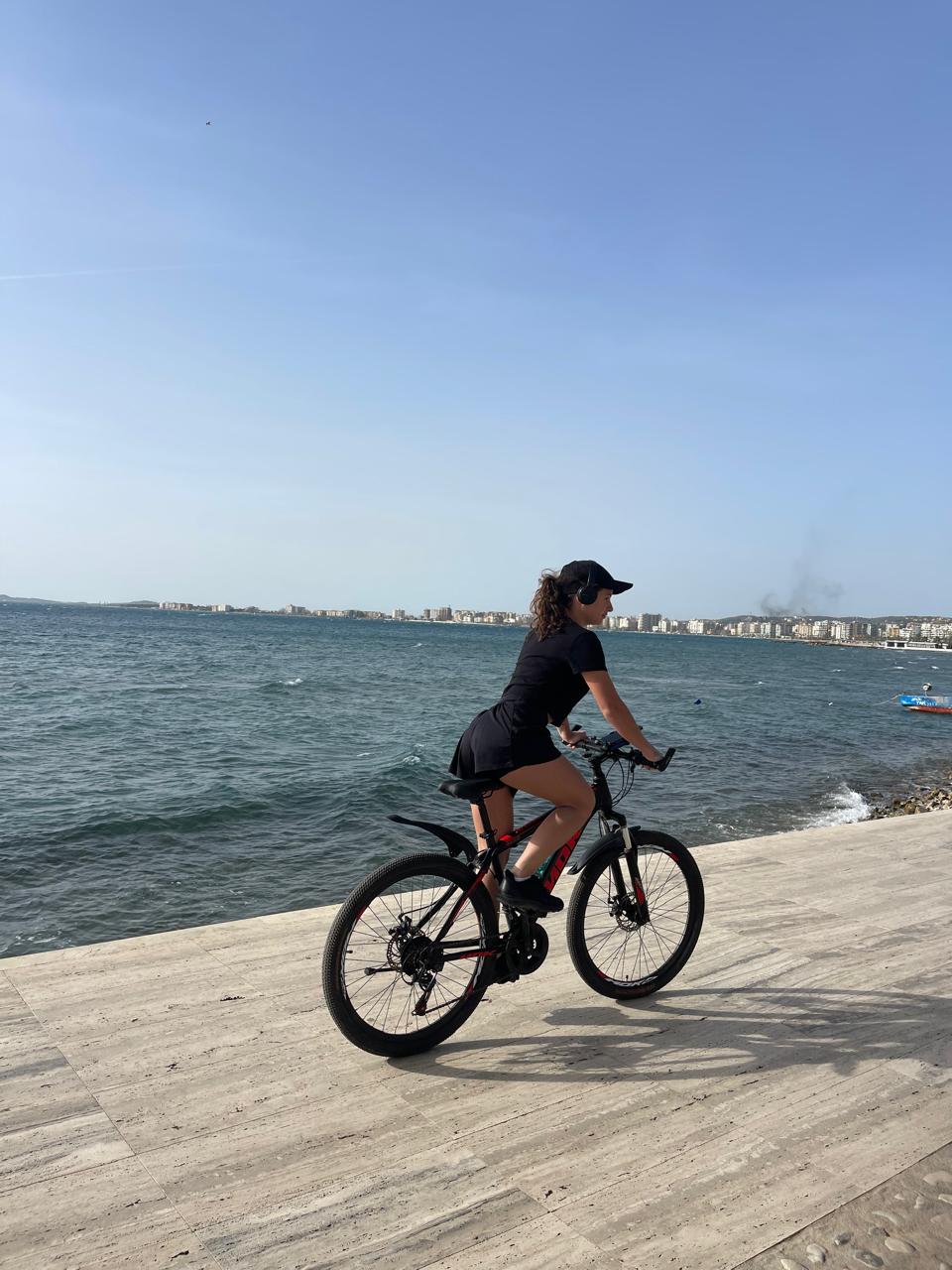
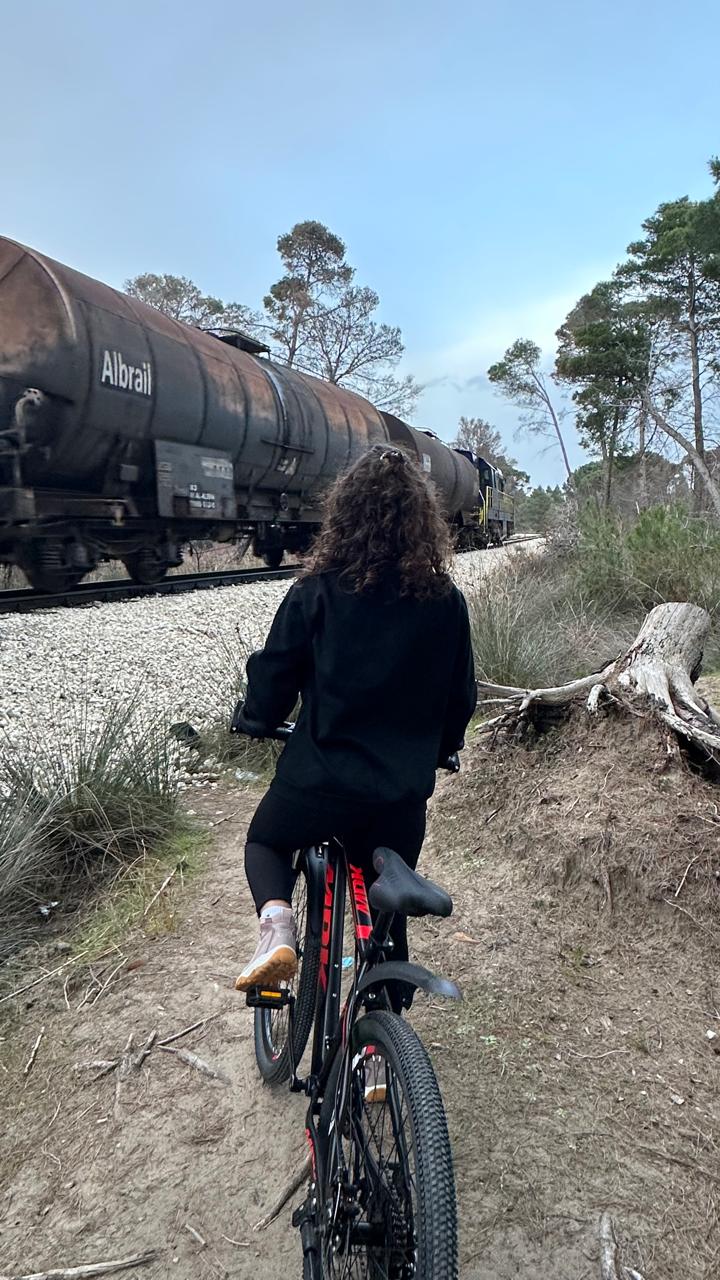
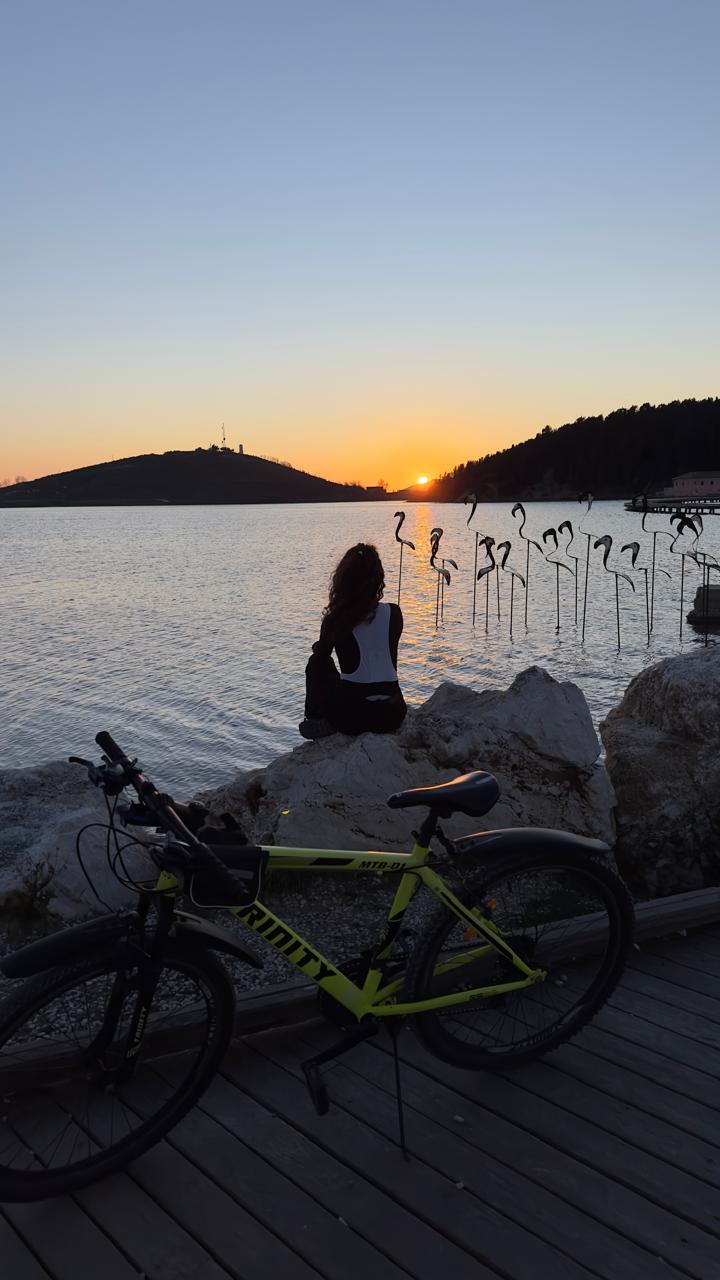
Pedalo Vlora offers unique e-bike tours and a smart platform to explore the region’s most beautiful routes. Discover hidden trails, coastal views, and authentic villages while enjoying an eco-friendly and active experience. Plan your rides, access GPS trails, and connect with local cycling services, all in one place.
Albania
Local
Vlore
It addresses urban-rural linkages
It refers to other types of transformations (soft investment)
Early concept
No
No
No
Individual
Pedalo Vlora is an innovative concept that combines active tourism, digital tools, and local collaboration to create a unique cycling ecosystem in Albania. The project focuses on offering guided tours with e-bikes in the Vlora region, while also developing a digital platform that provides detailed information on cycling routes, GPS tracks, difficulty levels, and key points of interest.
The concept has already taken its first steps through the creation of a local cycling community in Vlora, bringing together enthusiasts and potential users. Through informal activities, test rides, and direct engagement, we have gathered valuable feedback that confirms a growing interest in organized cycling experiences and reliable trail information.
Additionally, Pedalo Vlora has been presented at a national tourism fair in Tirana, where it received positive feedback from tourism professionals and agencies. Many stakeholders expressed interest in collaboration, recognizing the concept as an innovative way to diversify tourism products and promote new destinations in the Vlora region.
The expected results of the project include the creation of structured and accessible cycling routes, increased visibility of lesser-known destinations, and the development of a sustainable tourism model based on eco-friendly mobility. By integrating local businesses such as bike rentals, repair shops, and guides into a single platform, Pedalo aims to strengthen the local tourism ecosystem and create new economic opportunities.
In the long term, the concept is designed to scale beyond Vlora, expanding to other regions of Albania and the Balkans. Pedalo Vlora seeks to position itself as a reference point for cycling tourism, contributing to the growth of active travel and sustainable tourism while building a strong and connected cycling community.
The idea behind Pedalo Vlora was born from a passion for nature, adventure tourism, and cycling, combined with a clear gap identified in the Albanian tourism market. While exploring the Vlora region and organizing outdoor activities, it became evident that although the area offers exceptional landscapes-coastline, mountains, and rural villages there was a lack of structured and accessible cycling experiences, as well as reliable information about cycling routes.
The concept started to take shape through direct field experience. Initial steps included exploring and mapping potential cycling routes, testing trails, and identifying key points of interest. At the same time, we began engaging with the local cycling community in Vlora, organizing informal rides and discussions to better understand user needs, preferences, and challenges. This process helped validate the demand for guided tours and a centralized platform with accurate trail information.
A key milestone in the development of the concept was presenting Pedalo Vlora at a national tourism fair in Tirana. This provided the opportunity to introduce the idea to tourism professionals, agencies, and potential partners. The feedback received was highly positive, with many stakeholders expressing interest in collaboration and recognizing the innovative aspect of combining cycling tours with a digital platform.
The development process has been based on a user-centered approach, continuous feedback, and gradual testing. The use of GPS tools for mapping routes, digital platforms for content sharing, and direct communication with users and businesses have been essential in shaping the concept.
Pedalo Vlora is currently in its pilot phase, focusing on refining routes, building partnerships with local businesses, and developing the platform. The long-term strategy is to scale the model to other regions, creating a connected cycling network that promotes sustainable tourism and active lifestyles.
Sustainable tourism
Active mobility
Cycling community
Digital innovation
Nature-based experiences
Pedalo Vlora addresses sustainability through an integrated approach that combines environmental responsibility, social engagement, cultural promotion, and local economic development.
From an environmental perspective, the concept promotes low-impact mobility by encouraging the use of e-bikes instead of motorized transport. This helps reduce carbon emissions, traffic congestion, and environmental degradation in sensitive natural areas. The promotion of cycling routes, especially off-road trails, is designed with respect for nature, encouraging responsible tourism practices and raising awareness about environmental protection.
Socially, Pedalo fosters community engagement by building and supporting a local cycling community in Vlora. It creates opportunities for people of different ages and physical abilities to participate in outdoor activities, thanks to the accessibility of e-bikes. The project also encourages collaboration among local stakeholders, strengthening social ties and promoting inclusive participation in tourism-related activities.
Culturally, the concept contributes to the promotion of local heritage by integrating traditional villages, cultural landmarks, and authentic experiences into cycling routes. This allows visitors to connect more deeply with the local culture, traditions, and way of life, while helping preserve and showcase these assets.
Economically, Pedalo Vlora supports local businesses by creating a network that includes bike rentals, repair services, guides, and other tourism-related services. By increasing visitor flow to lesser-known areas, the project helps distribute tourism benefits more evenly and creates new income opportunities for local communities.
Pedalo Vlora contributes to making everyday life more beautiful by transforming the way people experience places—shifting from passive observation to active, immersive exploration. Through carefully designed cycling routes, the project highlights the natural beauty of the Vlora region, including coastal landscapes, scenic mountain paths, and traditional villages. These routes are curated not only for functionality, but also for their visual and emotional impact, creating memorable and inspiring experiences for users.
On a daily level, the concept encourages both locals and visitors to reconnect with their surroundings in a more meaningful way. Cycling allows for a slower, more intimate interaction with the environment, enabling people to notice details, landscapes, and cultural elements that are often overlooked. This contributes to improved well-being and a deeper appreciation of place.
Pedalo Vlora also fosters a sense of belonging by building a local cycling community and encouraging shared experiences. Group rides, guided tours, and community engagement activities create social connections and strengthen the relationship between people and their environment. By involving local stakeholders and promoting lesser-known areas, the project helps communities feel valued and included in the tourism experience.
In the long term, the project contributes to a culture of care for the environment and local heritage. By promoting respectful interaction with nature and cultural sites, Pedalo encourages users to become more conscious and responsible visitors.
The concept can be considered exemplary in terms of aesthetics because it combines functionality, sustainability, and emotional experience. It does not only guide people through places, but enhances how those places are perceived and appreciated—turning landscapes into lived experiences and creating a deeper connection between people, community, and environment.
Pedalo Vlora promotes inclusion by making cycling tourism more accessible, affordable, and open to diverse groups of users. One of the key elements is the use of e-bikes, which lower physical barriers and allow people of different ages, fitness levels, and abilities to participate. This makes outdoor exploration more inclusive, enabling individuals who might not typically engage in cycling to enjoy the experience.
From an affordability perspective, the project is designed to offer flexible options, including guided tours, self-guided routes, and free access to basic information through the digital platform. This ensures that both tourists and local users can benefit from the service regardless of their budget. The platform will also provide transparent information, helping users make informed and cost-effective choices.
Pedalo Vlora encourages inclusive participation by actively engaging the local community. Through the creation of a cycling community in Vlora and ongoing collaboration with local businesses, guides, and service providers, the project fosters a shared ownership model. Local actors are not only beneficiaries but also contributors to the development and growth of the ecosystem.
In terms of governance and design, the concept follows a user-centered approach, continuously integrating feedback from users and stakeholders to improve services and accessibility. The digital platform is envisioned as an open and evolving space where information, services, and opportunities are interconnected and easy to navigate.
Pedalo can be considered exemplary in terms of inclusion because it removes traditional barriers to participation in cycling tourism, supports local communities, and promotes equal access to nature-based experiences. By combining accessible mobility, community engagement, and digital tools, the project creates a more inclusive and participatory model of tourism that benefits a wide range of users.
Participation has been a core element in the development of Pedalo Vlora from the very beginning. The concept was not built in isolation, but through continuous interaction with users, local communities, and stakeholders in the tourism and cycling sectors.
One of the first steps was the creation and engagement of a local cycling community in Vlora. Through informal group rides, discussions, and test activities, we involved cycling enthusiasts and potential users in sharing their experiences, needs, and expectations. This direct interaction helped us better understand the demand for organized cycling tours, the types of routes preferred, and the challenges users face, such as lack of information or safety concerns.
In addition, the concept was presented at a national tourism fair in Tirana, where we engaged with tourism professionals, travel agencies, and other stakeholders. This provided valuable insights into market needs, potential partnerships, and opportunities for collaboration. The feedback received was highly positive and helped validate the concept as both relevant and innovative.
Local businesses, including bike rental services, repair shops, and guides, have also been part of the consultation process. Their input has been essential in shaping the idea of creating an integrated platform that connects services and improves visibility for local operators.
The impact of this participatory approach has been significant. It has helped refine the concept to better match real user needs, increased local interest and ownership, and created early-stage partnerships that will support implementation. It has also strengthened trust and engagement within the community, which is key for long-term sustainability.
By continuously involving users and stakeholders, Pedalo Vlora ensures that the project remains adaptable, relevant, and community-driven, reflecting real needs and creating shared value for all actors involved
Pedalo Vlora is designed as a collaborative initiative that engages stakeholders at multiple levels—local, regional, national, and European—to ensure effective implementation, scalability, and long-term impact.
At the local level, key stakeholders include the cycling community in Vlora, local guides, bike rental and repair businesses, accommodation providers, and municipalities. Their involvement is essential for identifying routes, co-creating services, and ensuring that the project reflects local needs and opportunities. This level provides practical knowledge, direct user feedback, and strengthens community ownership.
At the regional level, Pedalo aims to collaborate with tourism organizations and municipalities across southern Albania and the wider region. This will support the expansion of cycling routes beyond Vlora and help create interconnected itineraries that enhance the attractiveness of the destination as a whole.
At the national level, stakeholders include tourism agencies, national tourism boards, and institutions responsible for infrastructure, environment, and sustainable development. Their role is important for policy alignment, promotion, and potential support through national programs. Engagement at this level also helps position cycling tourism as a strategic sector within Albania’s tourism development.
At the European level, Pedalo seeks to connect with networks, programs, and initiatives that promote sustainable tourism, active mobility, and green transition. This includes potential collaboration with EU-funded programs, cycling networks, and innovation platforms that can support knowledge exchange, funding opportunities, and scaling the concept beyond national borders.
The added value of this multilevel governance approach lies in creating a well-coordinated ecosystem where local knowledge meets broader strategic support. It enables better resource sharing, stronger partnerships, and more effective implementation.
Pedalo Vlora is built on a transdisciplinary approach, combining multiple fields of knowledge to create a holistic and innovative concept that integrates tourism, technology, community engagement, and sustainability.
Tourism and hospitality form the core of the concept, shaping the design of guided experiences, itineraries, and visitor services. This is combined with environmental sciences, which inform the selection of routes, ensuring minimal impact on natural ecosystems and promoting responsible use of природ resources.
Digital technologies play a key role through the development of the platform, which provides GPS-based route mapping, user-friendly navigation, and access to detailed cycling information. This field supports both user experience and data-driven decision-making.
Urban and mobility planning is also reflected in the concept, particularly in promoting cycling as a sustainable mode of transport and exploring how soft mobility can be integrated into tourism development.
Social sciences and community development are central to the participatory approach of the project. Understanding user behavior, community needs, and stakeholder dynamics has been essential in shaping services and building a local cycling community.
Additionally, design and user experience (UX/UI) contribute to making the platform accessible, intuitive, and visually engaging, enhancing how users interact with both the digital and physical aspects of the project.
Elements of education and awareness are also present, as the project promotes healthy lifestyles, environmental responsibility, and knowledge-sharing about local culture and nature.
By combining these disciplines, Pedalo Vlora creates a comprehensive and balanced model that goes beyond a traditional tourism service. This transdisciplinary integration allows the project to address complex challenges, improve user experience, and generate sustainable value for both visitors and local communities.
Pedalo Vlora is based on a diversified and scalable business model that combines service-based revenues, digital monetization, and strategic partnerships to ensure long-term financial sustainability.
The primary source of revenue will come from guided e-bike tours, offered as half-day, full-day, and multi-day experiences. These tours will be tailored for different target groups, including tourists, small groups, and corporate clients. Additional income will be generated through bike rentals, equipment, and customized tour packages.
A second key component is the digital platform, which will operate under a freemium model. Basic access to routes and information will remain free to ensure accessibility, while advanced features—such as premium GPS trails, curated itineraries, offline maps, and personalized recommendations—will be available through paid subscriptions or one-time purchases.
Pedalo will also generate revenue through B2B partnerships with local businesses, including bike shops, repair services, accommodations, and tour operators. These partners can be featured on the platform through paid listings, promotions, or commission-based referrals, creating a mutually beneficial ecosystem.
In addition, the concept foresees opportunities for collaboration with tourism agencies and inbound operators, offering white-label or co-branded cycling experiences. This expands market reach and ensures a steady flow of clients, especially from international markets.
To support initial development and scaling, Pedalo Vlora will seek public funding and grants, particularly those focused on sustainable tourism, innovation, and green mobility at national and European levels. Crowdfunding and sponsorships from brands in Albania with cycling and outdoor activities may also be explored.
Financial sustainability will be achieved through the combination of recurring revenues (tours, subscriptions), scalable digital services, and strong partnerships.
Several elements of Pedalo Vlora are designed to be easily replicated or adapted to other regions, target groups, and contexts, making the concept highly scalable:
Guided e-bike tours model – The structure of organized, semi-electric bike tours can be implemented in any region with suitable terrain, natural attractions, or cultural sites. It can be adapted for different group sizes, durations, and levels of difficulty, making it accessible to diverse audiences.
Digital platform for cycling routes – The platform, which integrates GPS tracks, trail difficulty, points of interest, and service providers, can be replicated in other cities, regions, or countries. Its modular design allows for localization, inclusion of new routes, and integration with local businesses.
Community-building methodology – The approach of creating and engaging a local cycling community can be transferred to new locations. Organizing test rides, workshops, and participatory events generates user feedback, strengthens local ownership, and builds a network of enthusiasts in any context.
Partnership ecosystem – The model of connecting local businesses—bike rentals, repair shops, guides, accommodations—into a collaborative network can be applied elsewhere. This encourages economic development, strengthens the local tourism ecosystem, and ensures that expansion benefits both the project and local stakeholders.
Sustainability and education framework – Promoting eco-friendly mobility, responsible tourism, and local culture through tours and digital content is a replicable approach. It can be adapted to different environmental, social, and cultural contexts while maintaining a focus on sustainability.
Operational processes and data-driven learning – Tools and workflows for mapping routes, monitoring user engagement, and iteratively improving services can be implemented in new locations. Lessons learned from the pilot in Vlora can inform best practices for expansion.
In the year following the application, Pedalo Vlora will focus on consolidating the pilot phase, expanding visibility, and preparing for scaling. The key steps are as follows:
Refining routes and services – Conduct detailed mapping of cycling trails, incorporating GPS tracking, difficulty levels, and points of interest. Test guided e-bike tours with local participants and early users to optimize route selection, tour timing, and user experience.
Platform development and digital tools – Launch the initial version of the digital platform, integrating trail maps, route information, local business listings, and booking options. Collect user feedback to improve navigation, accessibility, and interactive features.
Community engagement and awareness-building – Strengthen the local cycling community through events, test rides, and workshops. Build social media presence and content to engage both local and tourist audiences, highlighting Vlora’s natural and cultural attractions.
Stakeholder collaboration and partnerships – Formalize partnerships with local businesses (bike rentals, repair shops, accommodations) and tourism agencies. Identify potential collaborations with regional and national tourism boards to promote cycling as a sustainable activity.
Marketing and promotion – Launch targeted campaigns aimed at tourists, local enthusiasts, and B2B partners. Participate in national and regional tourism fairs and online events to increase visibility and attract early adopters.
Monitoring and evaluation – Implement systems to track user engagement, tour bookings, and platform usage. Collect feedback to refine services, improve sustainability, and inform decisions for expansion.
By the end of the first year, Pedalo Vlora aims to have a fully operational pilot in Vlora, an active user base, validated service offerings, and a roadmap for scaling to other regions in Albania and beyond.