Enhancing Circularity, Sustainability, and Innovation
MOE: Modular Wear. Living System.
MOE: Modular wear as a system, shifting fashion from consumption to continuous use
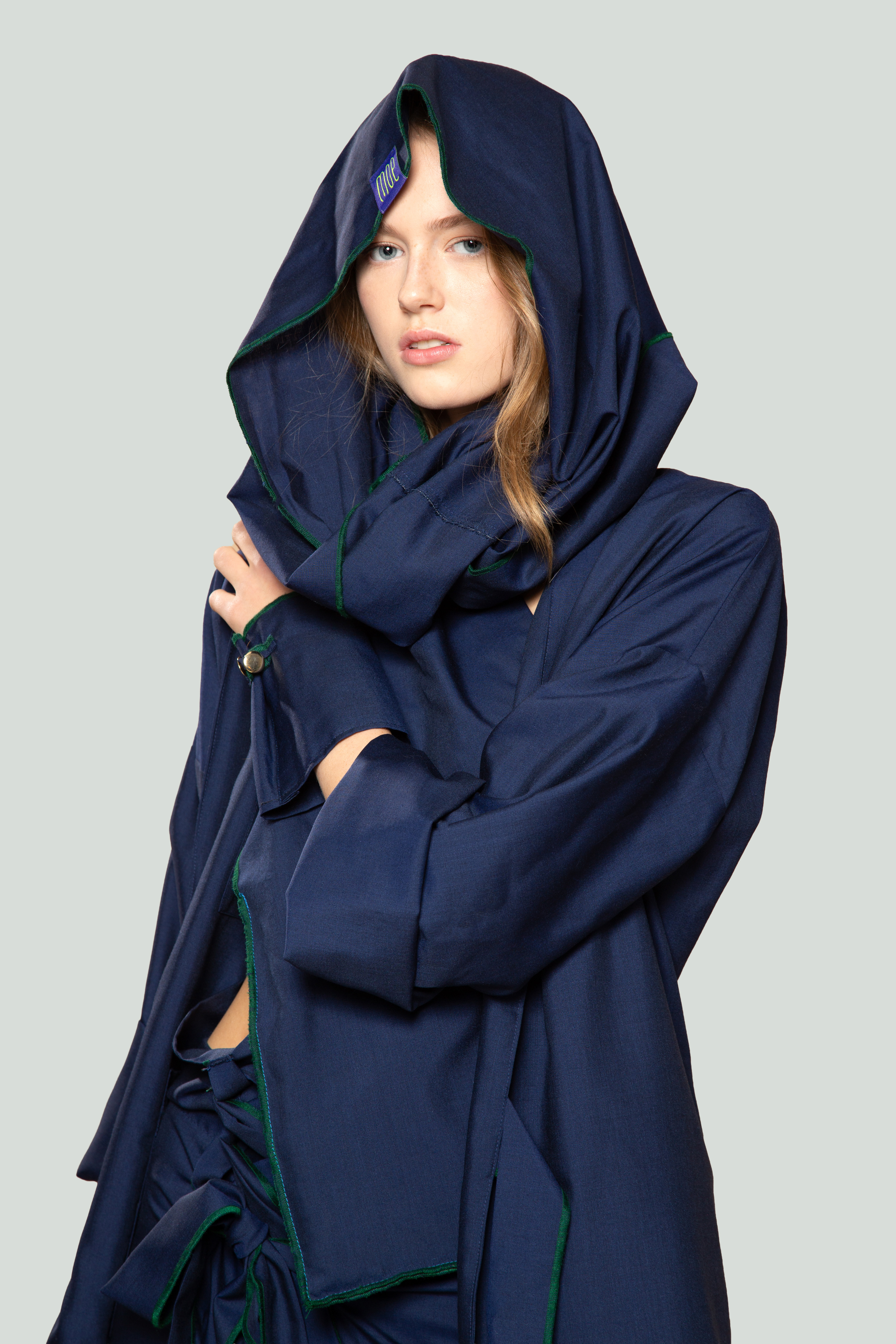
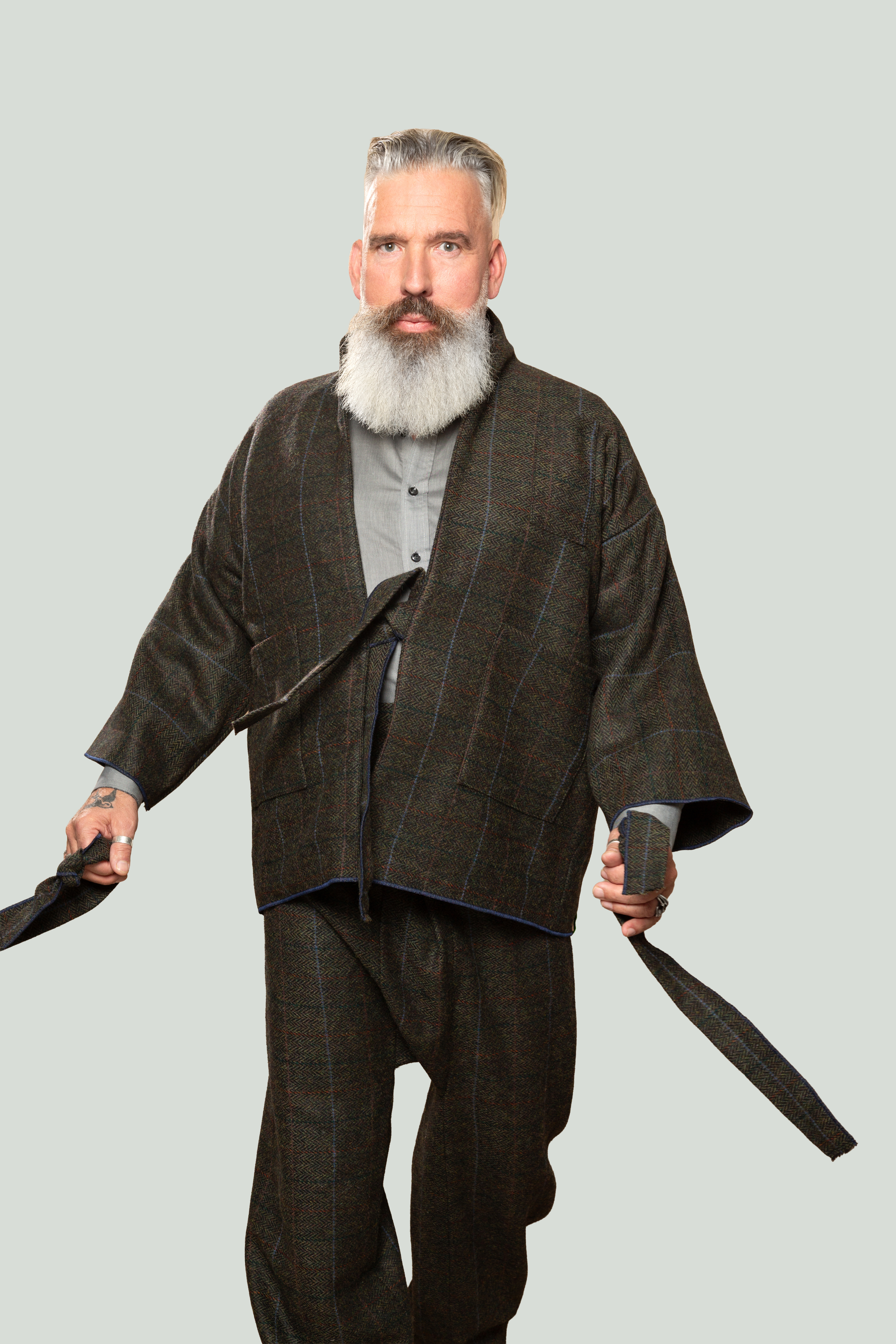
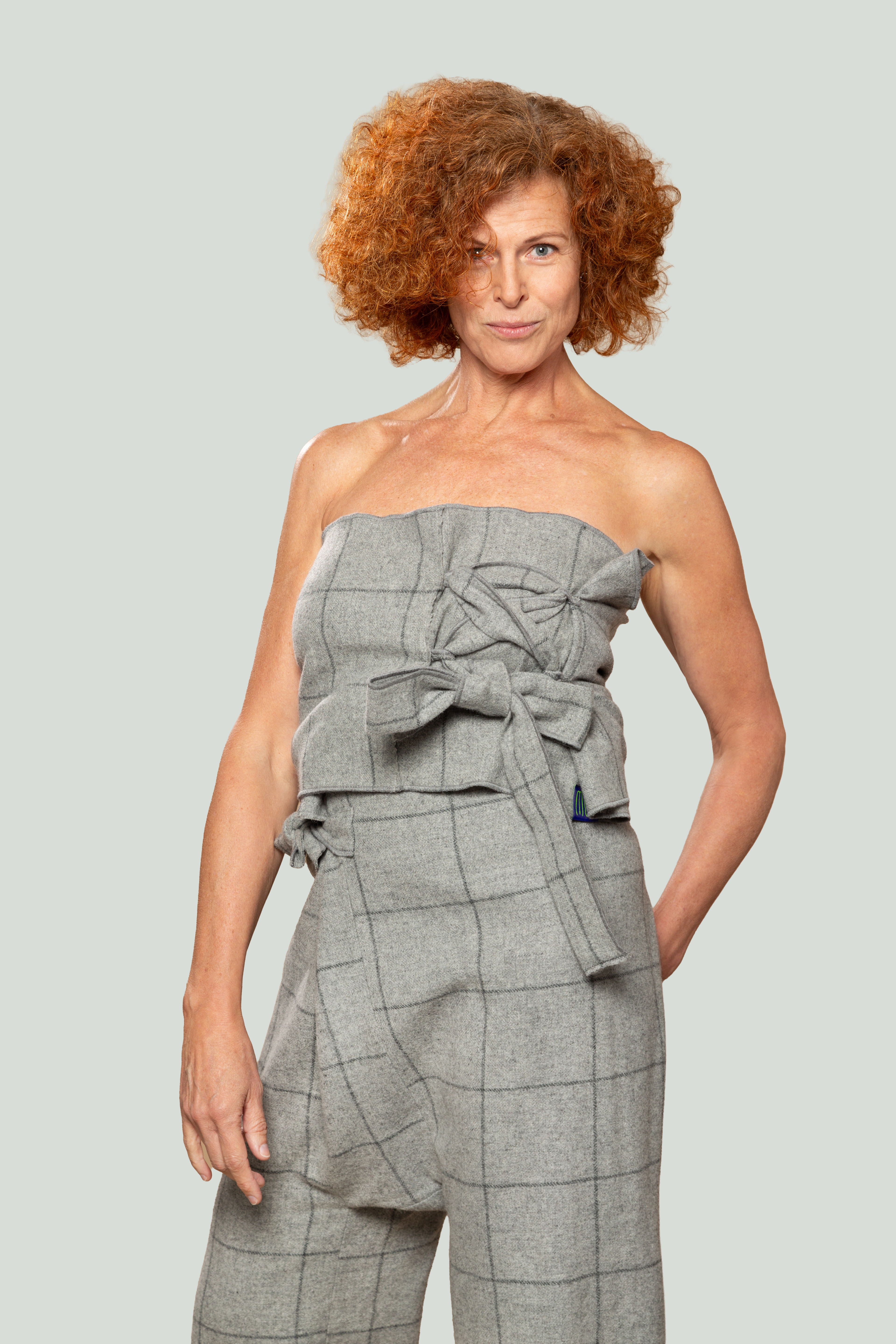
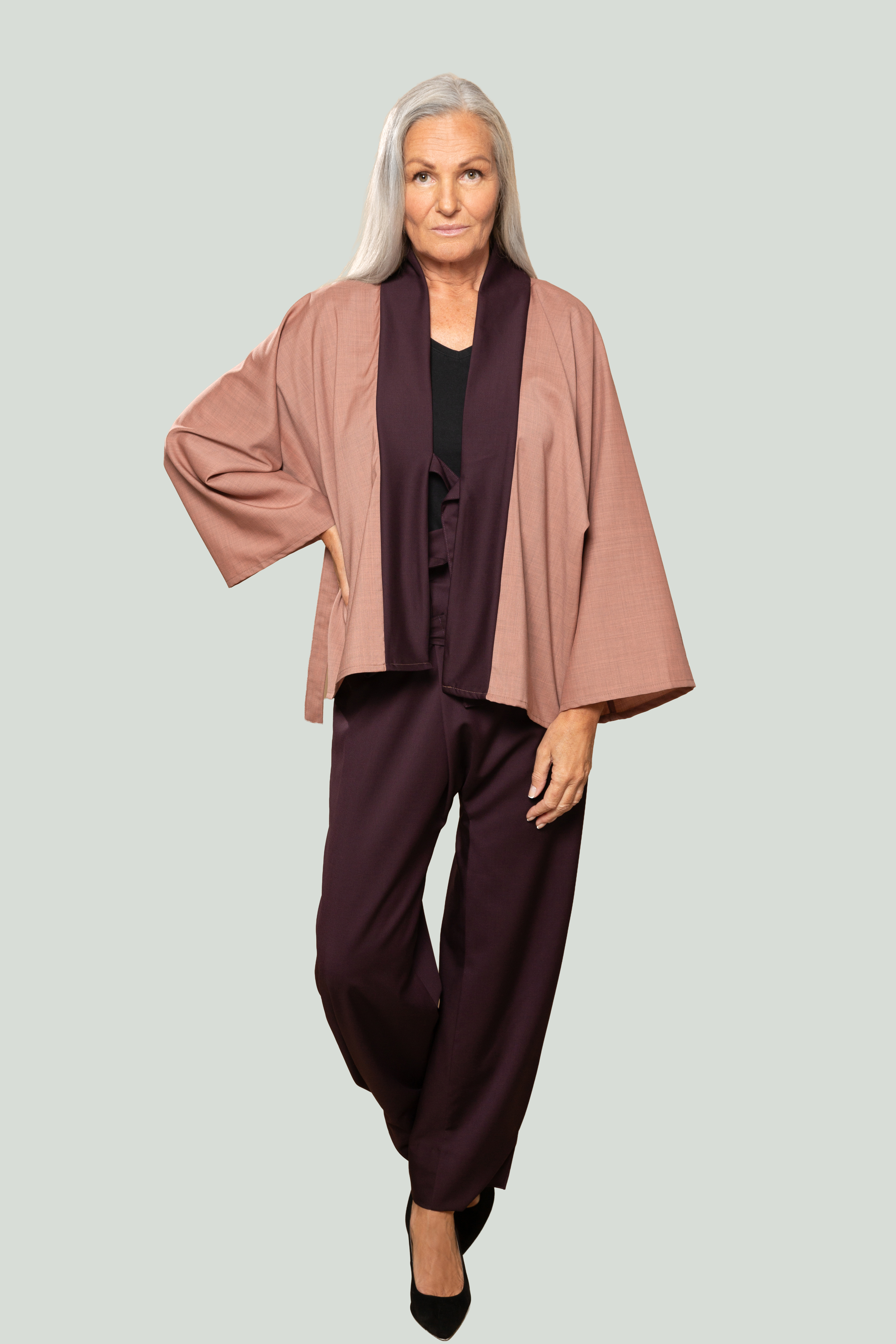
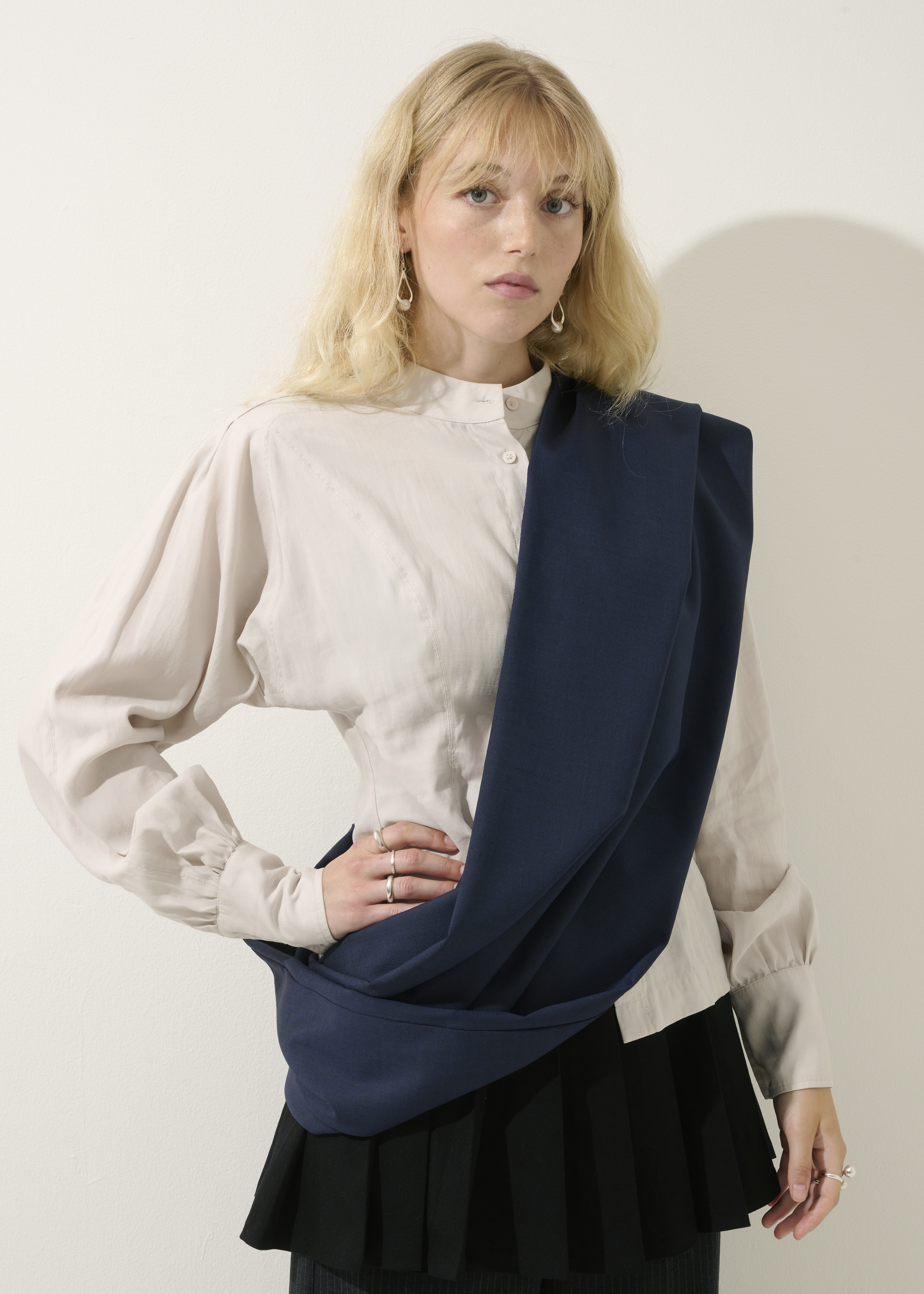
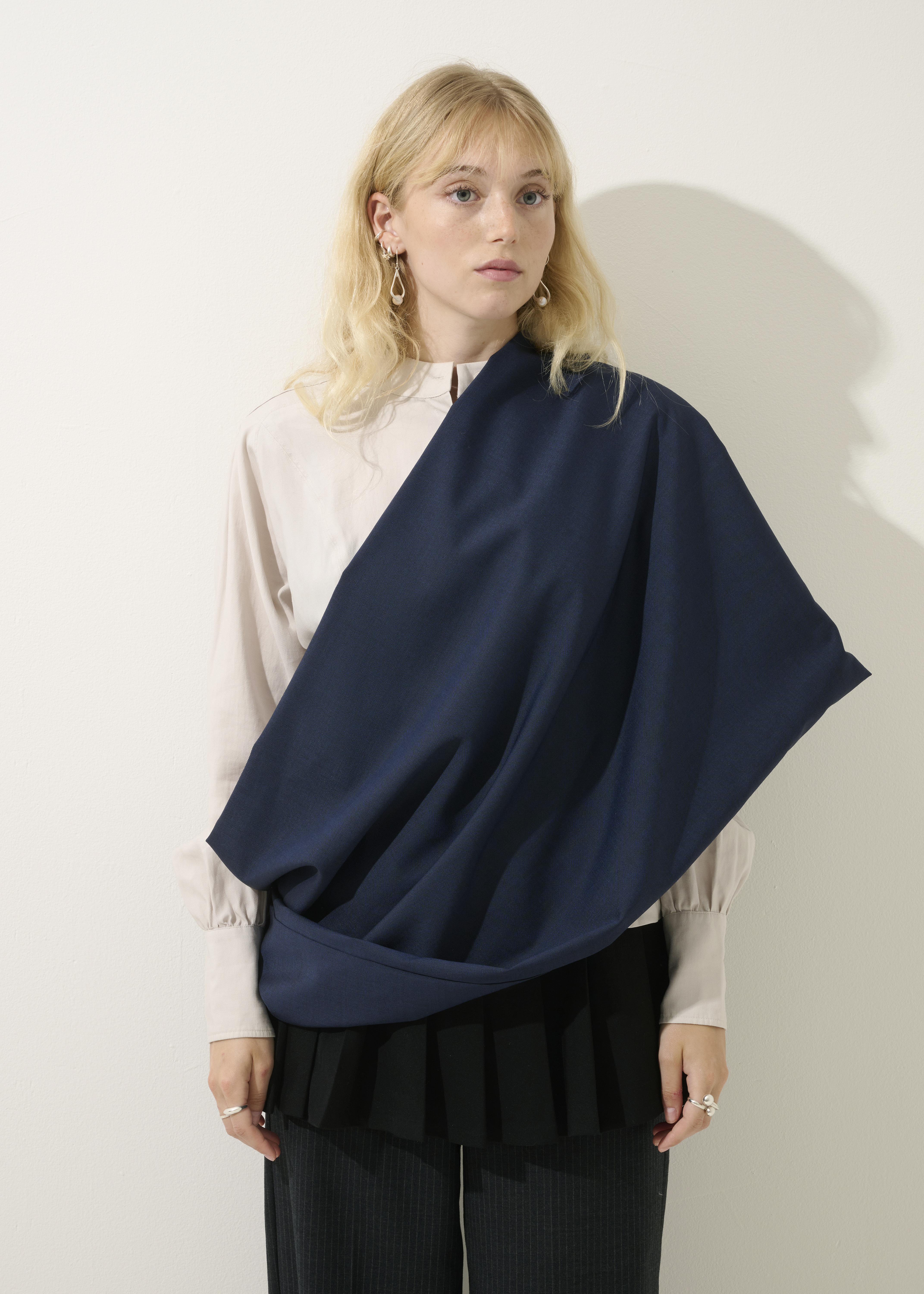
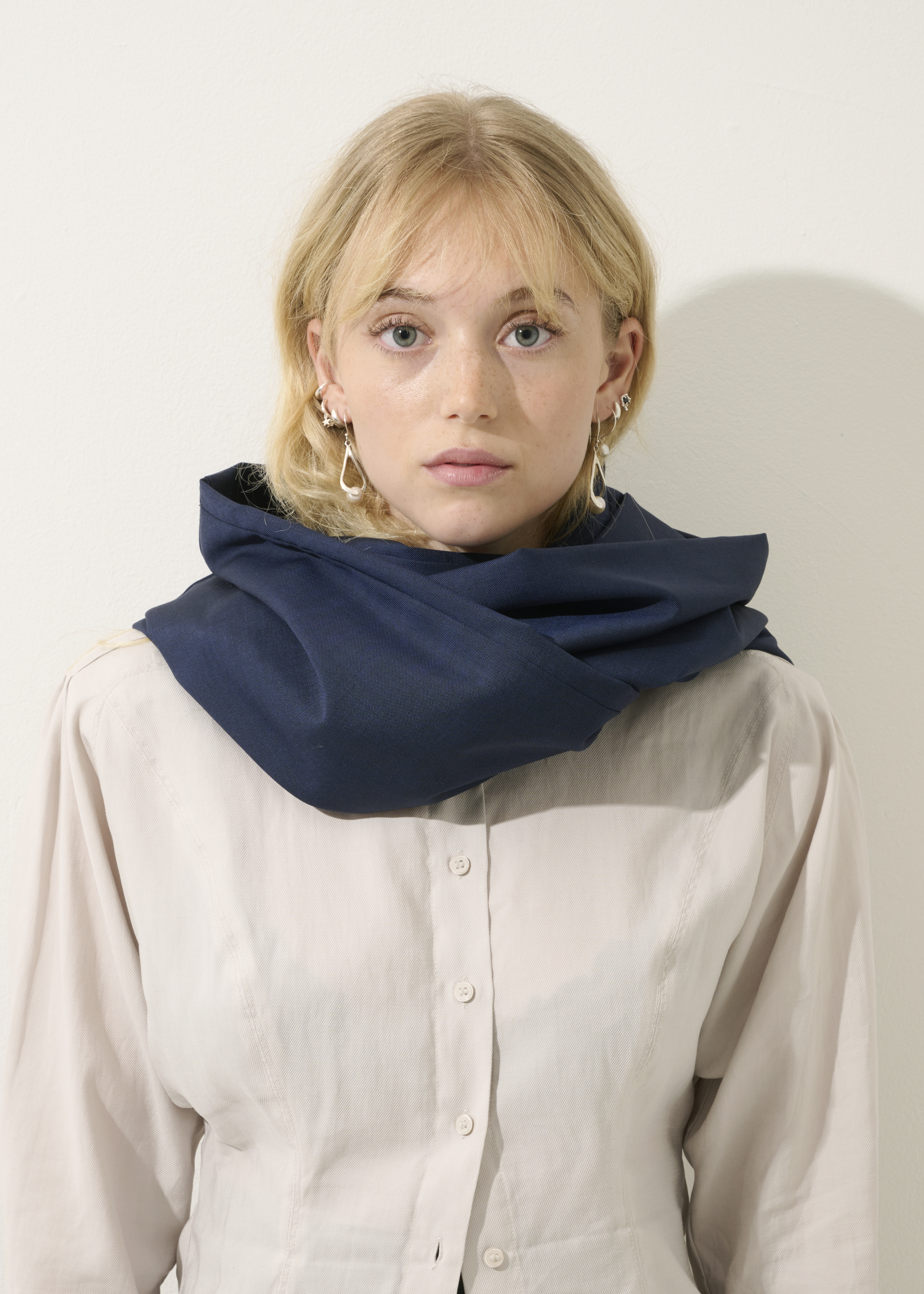
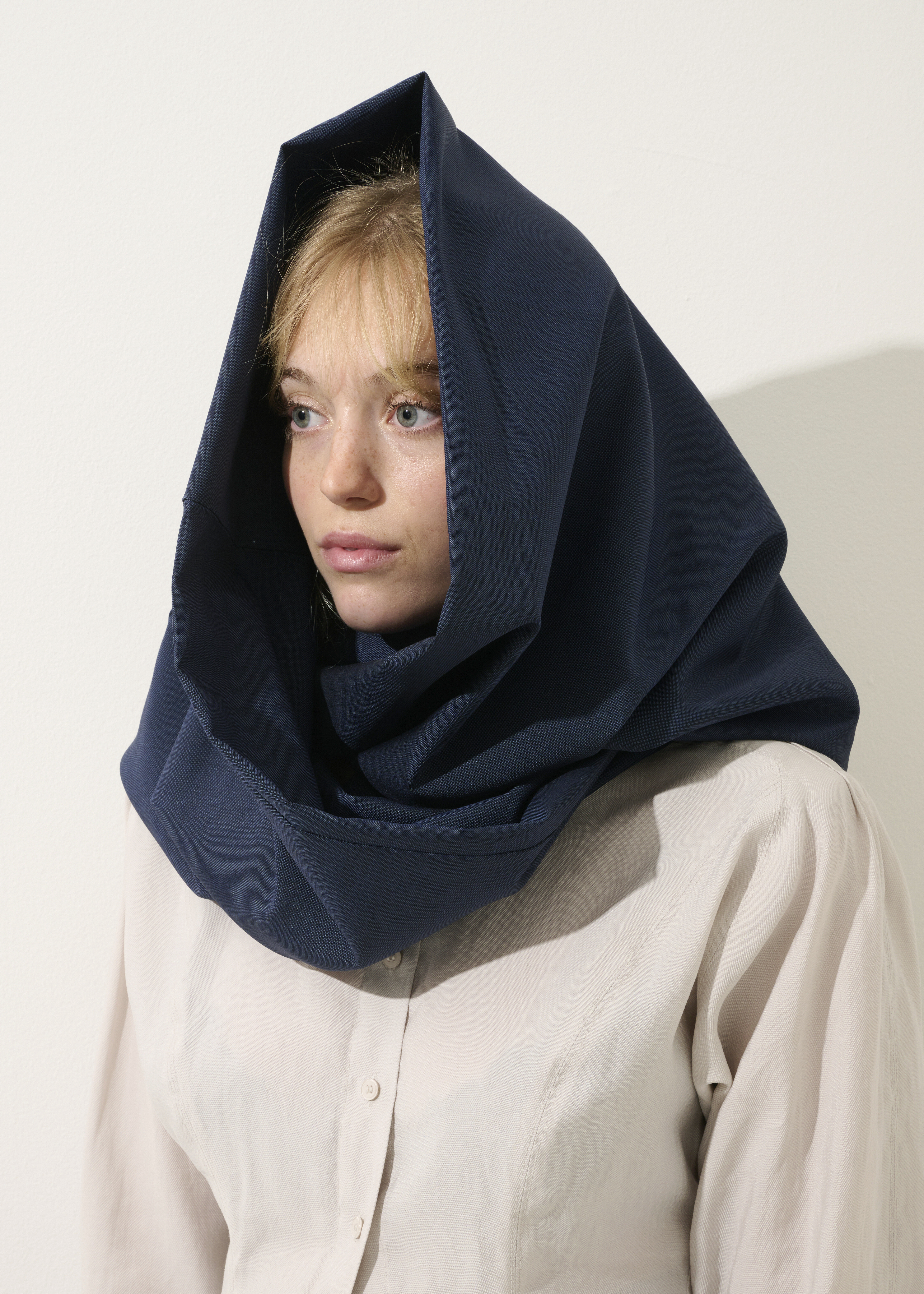
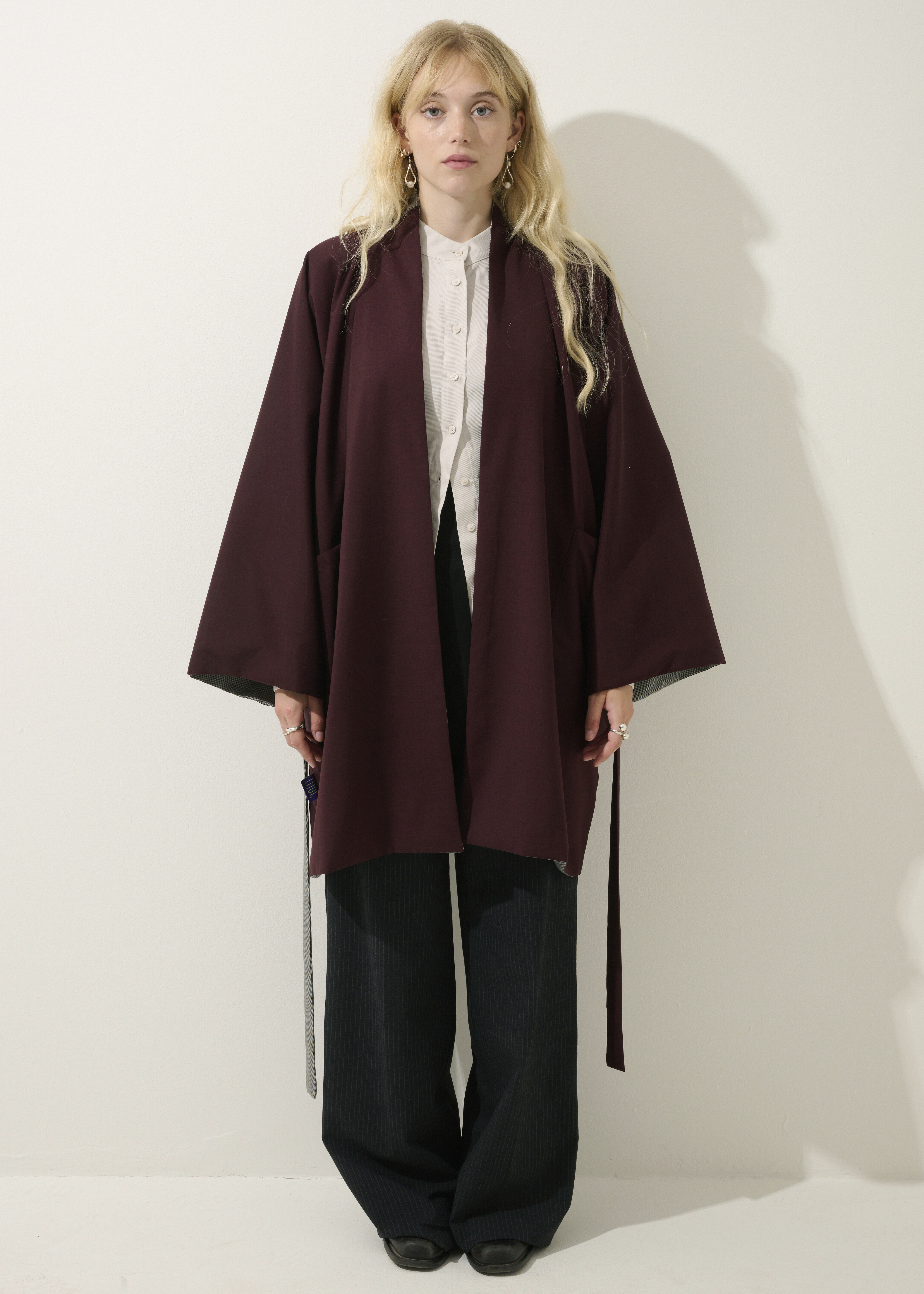
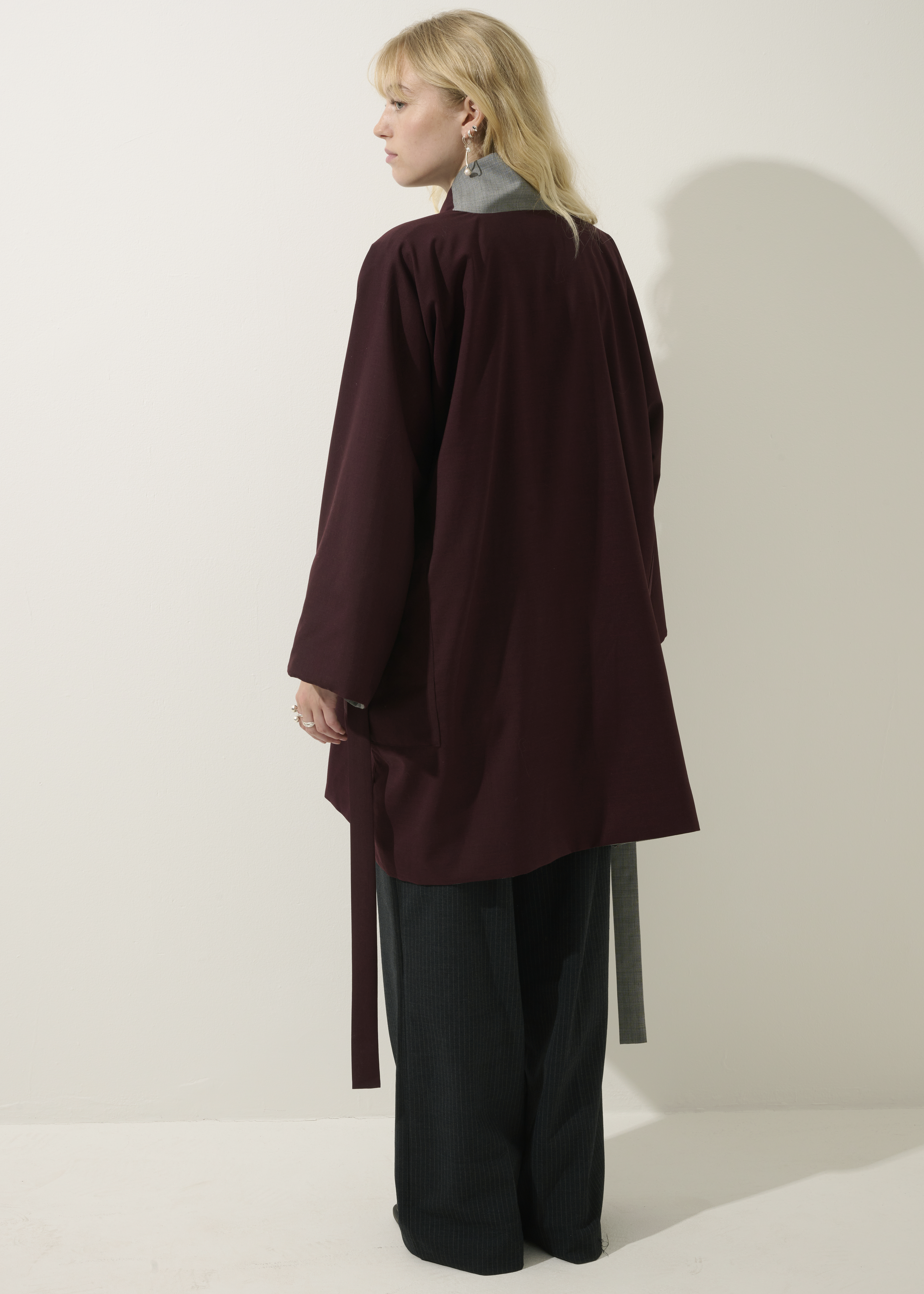
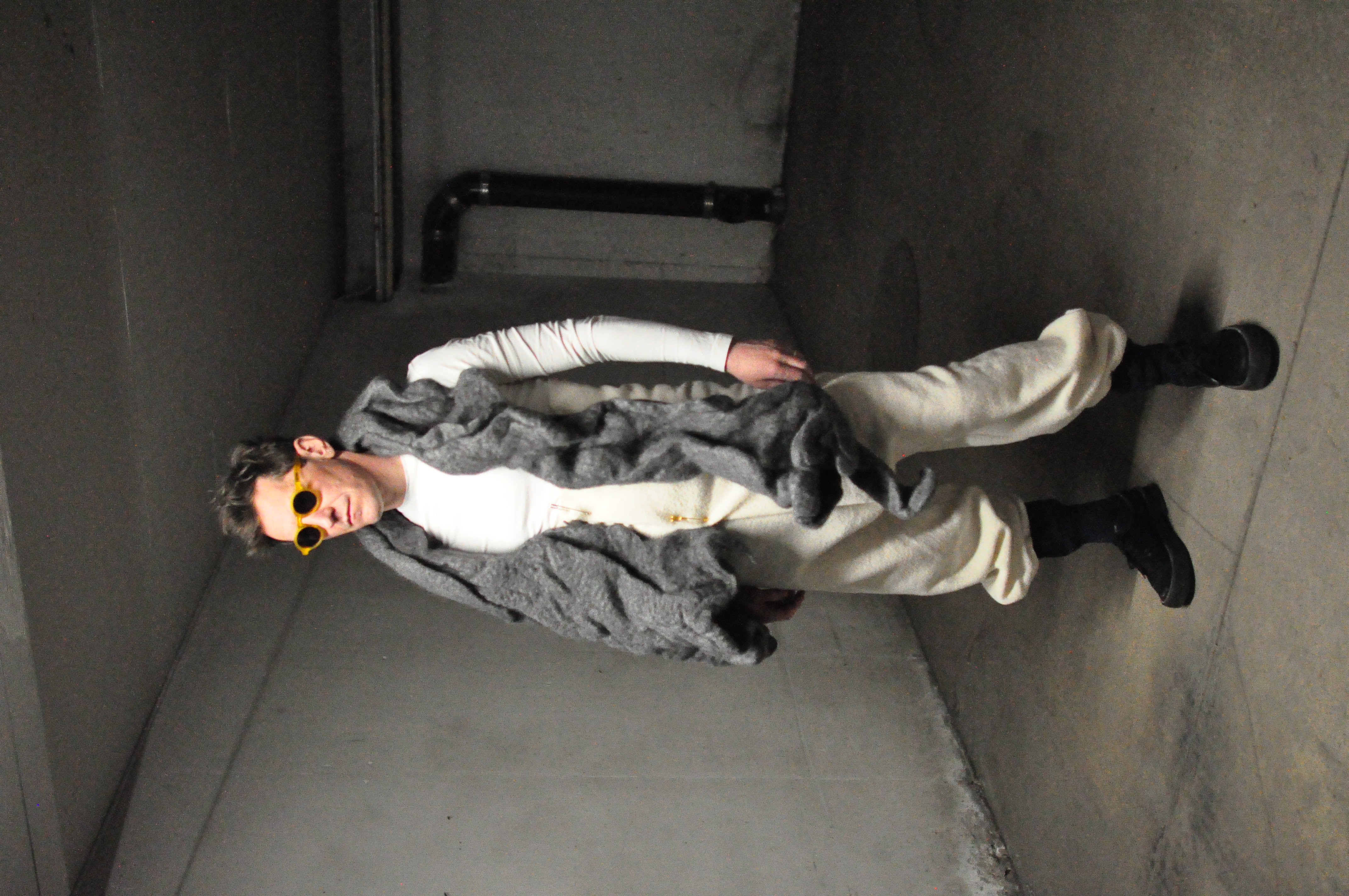
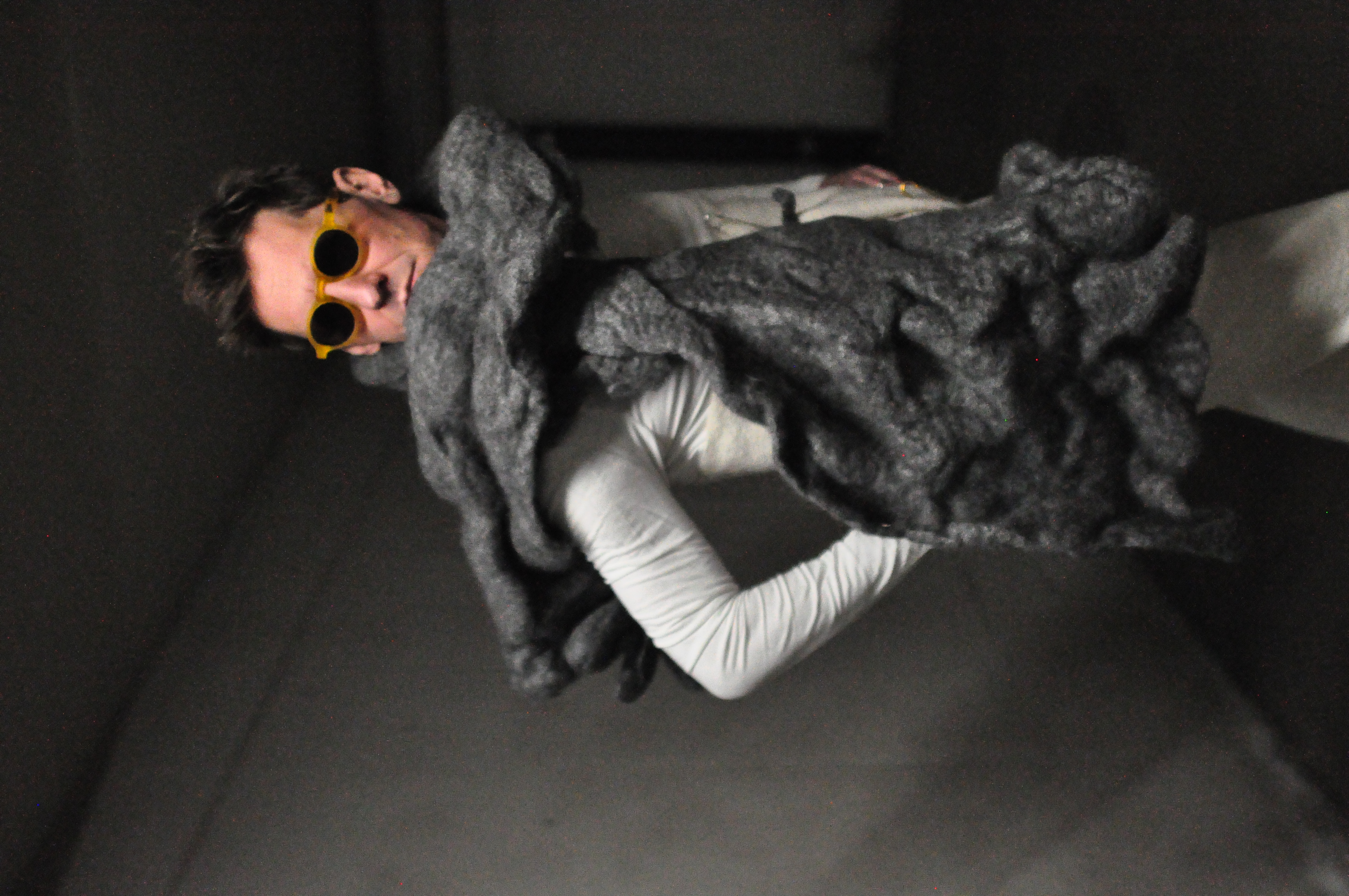
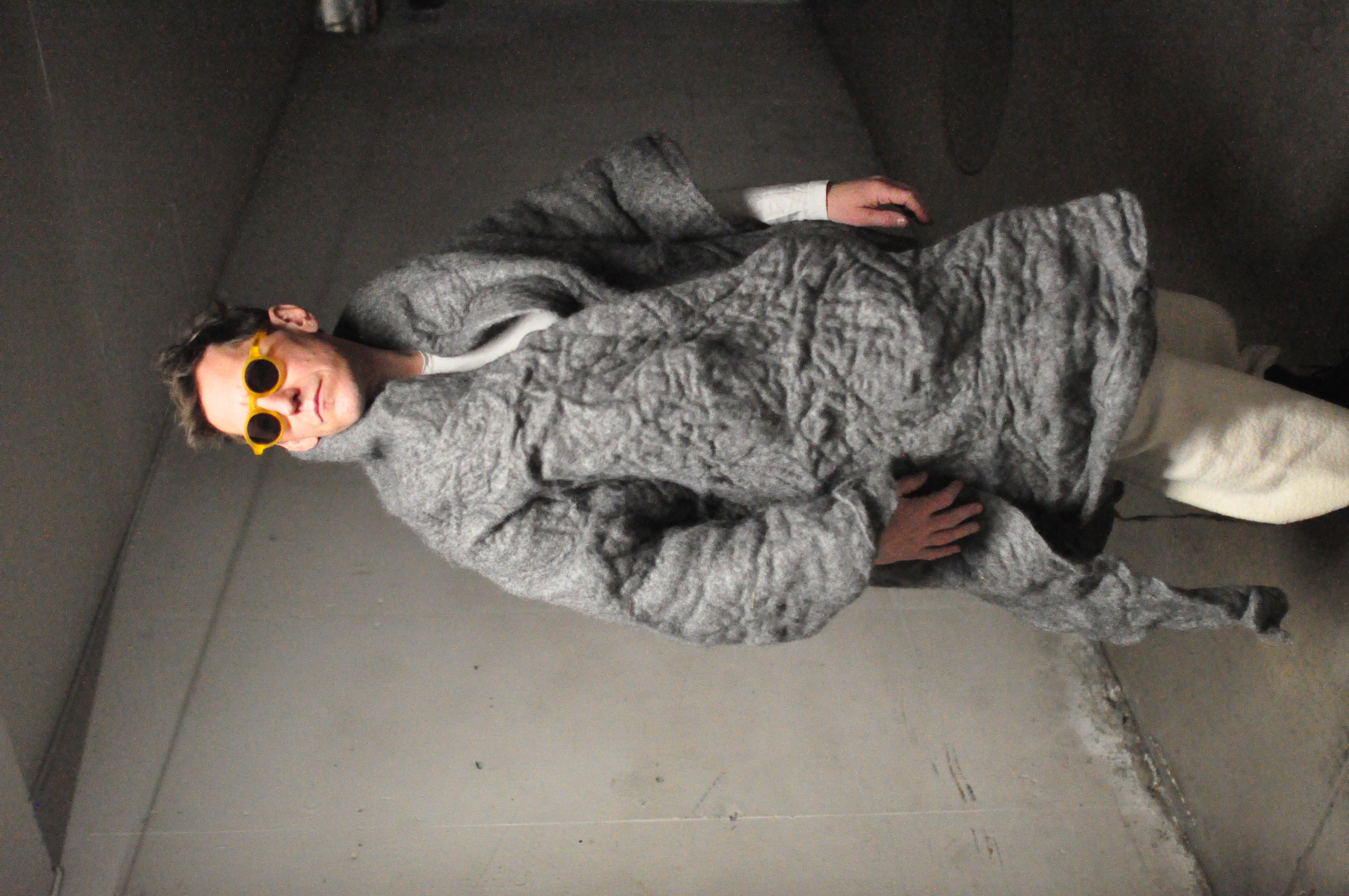
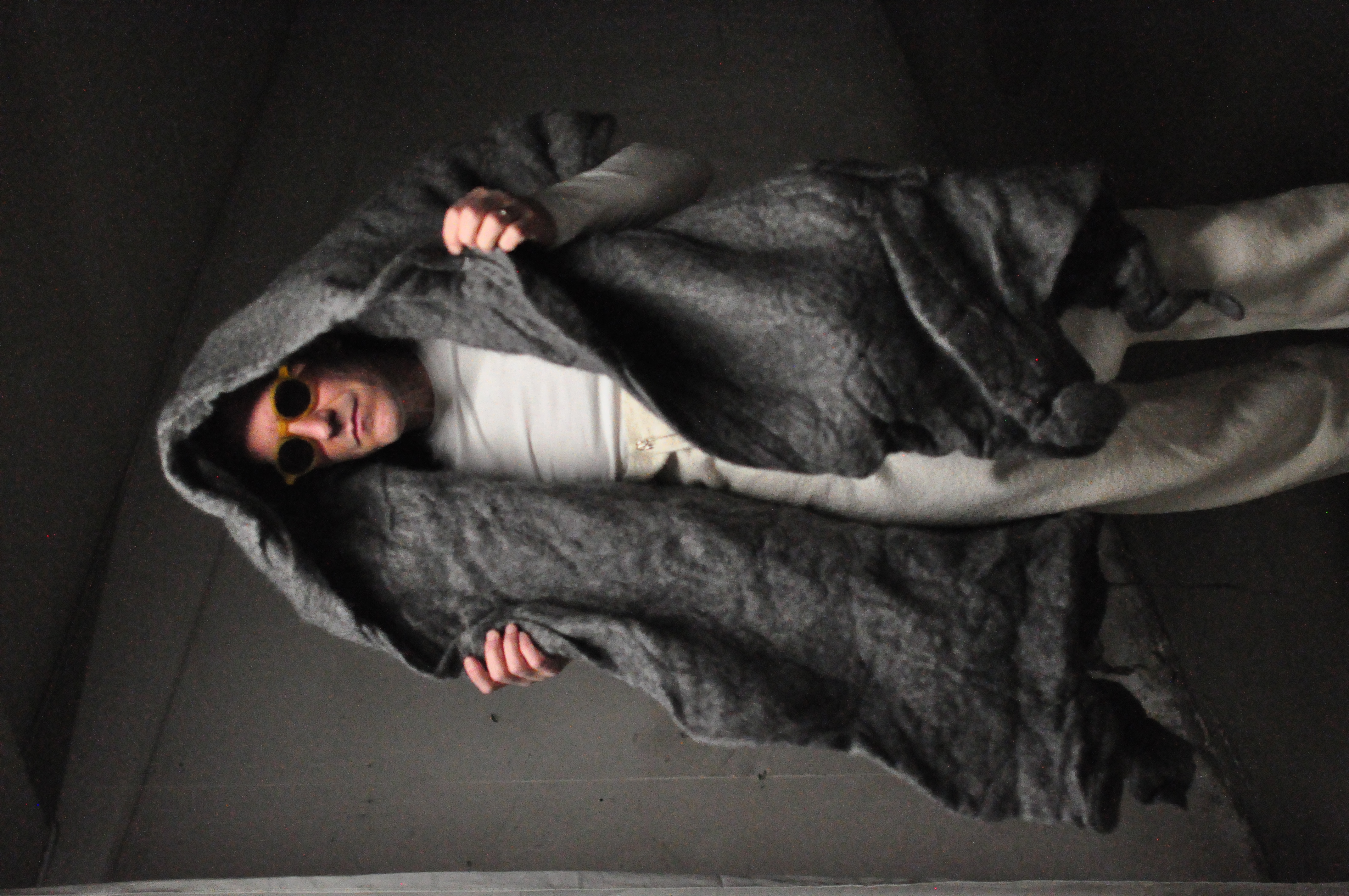
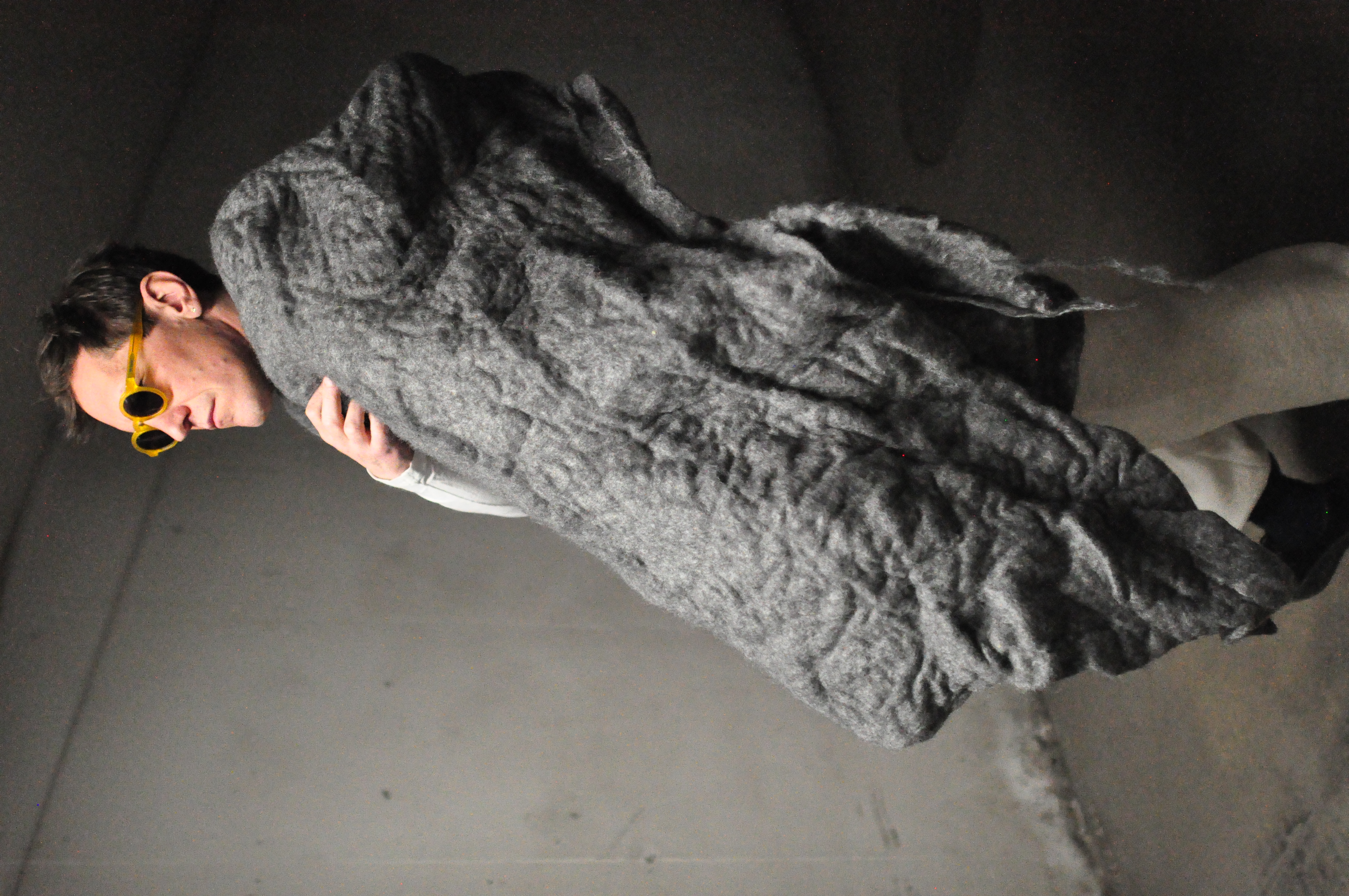
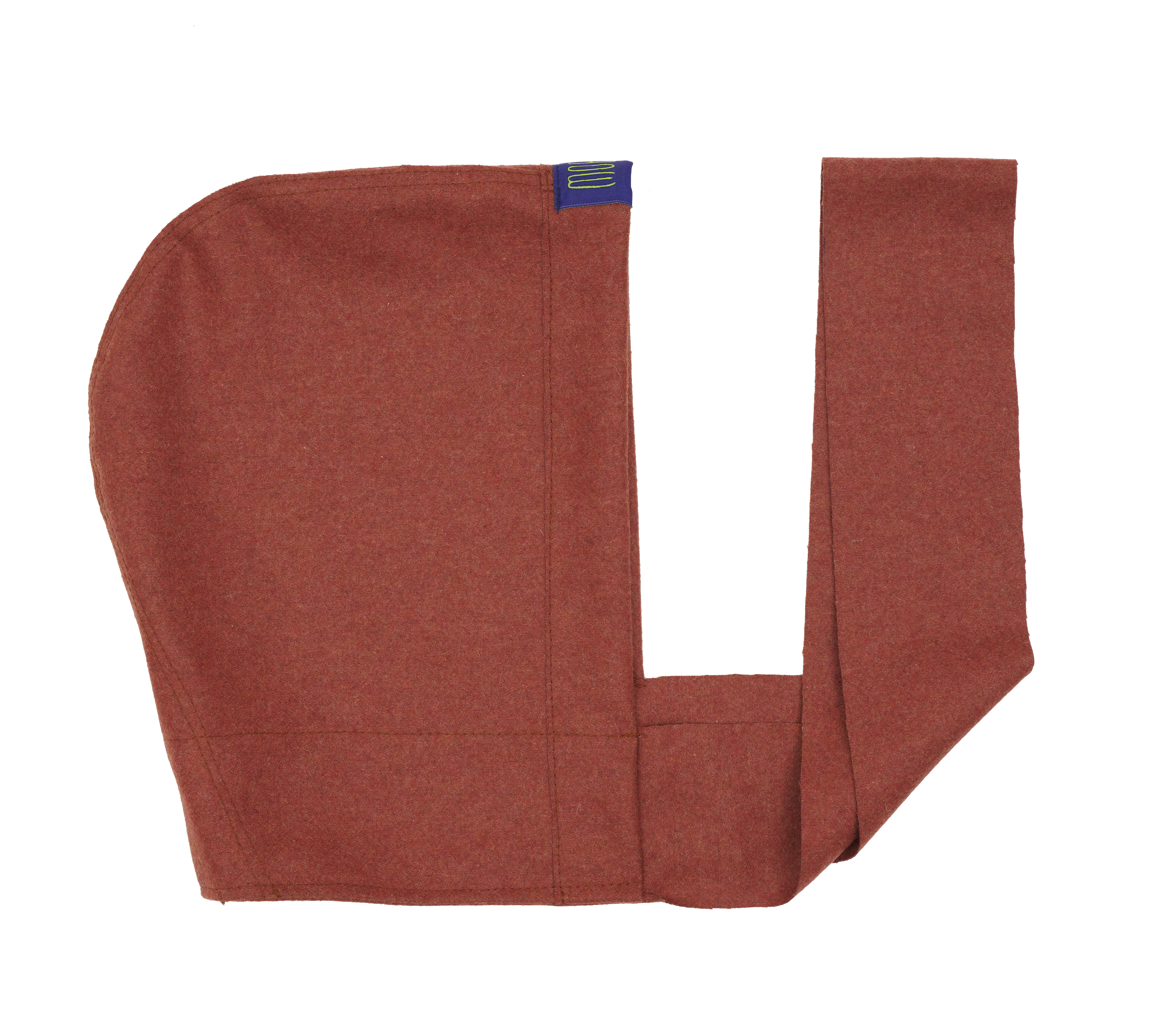
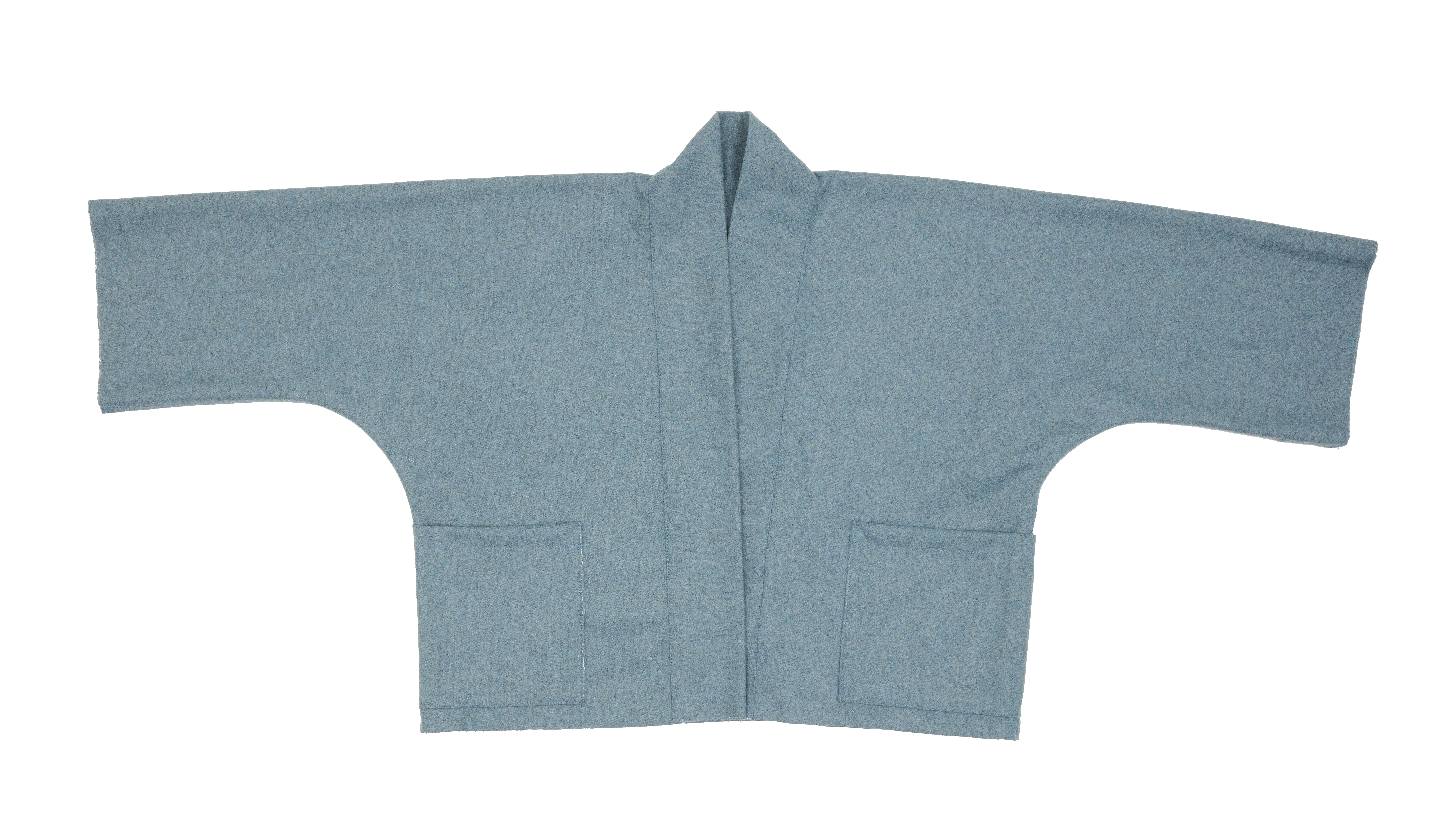
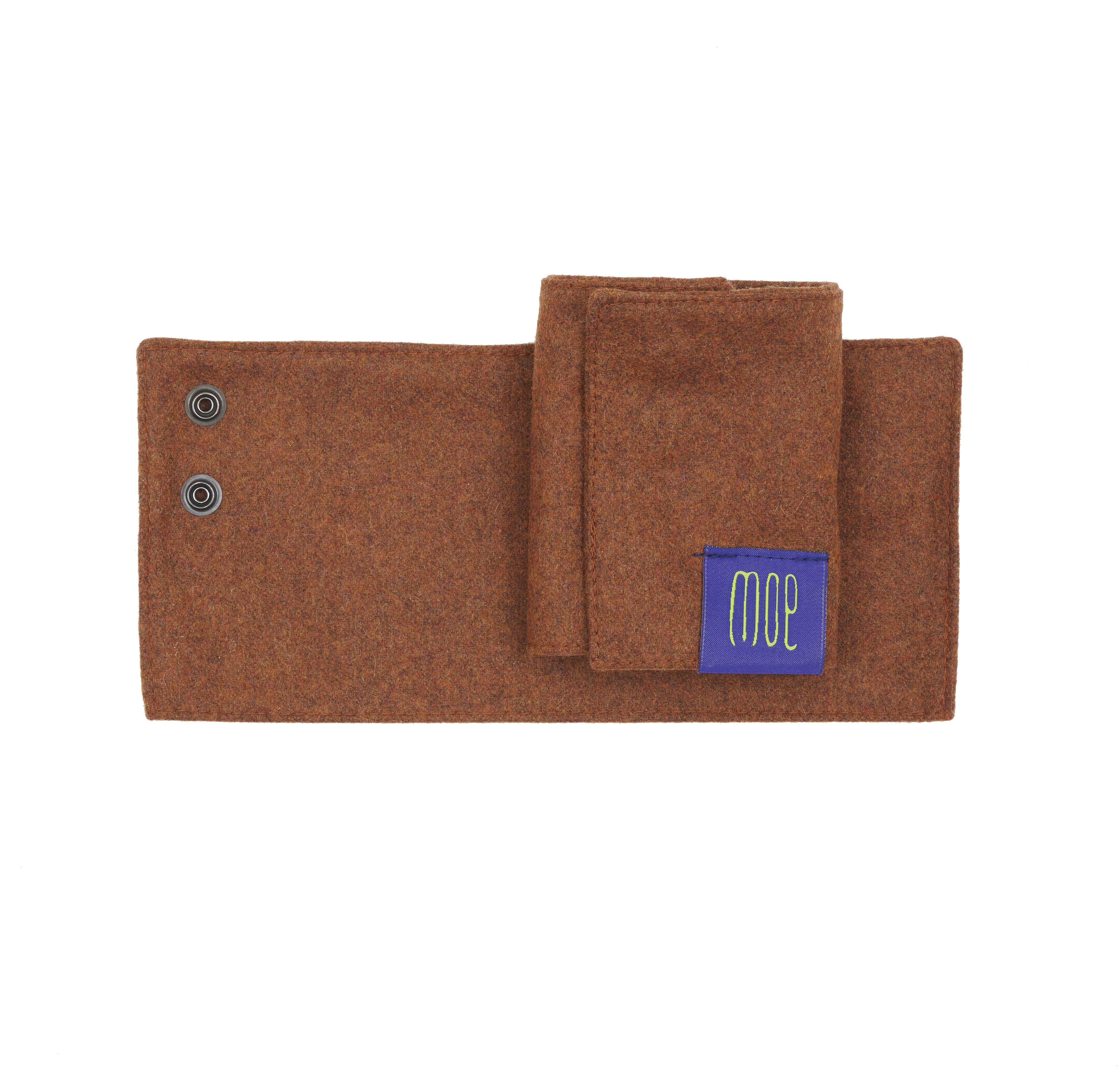
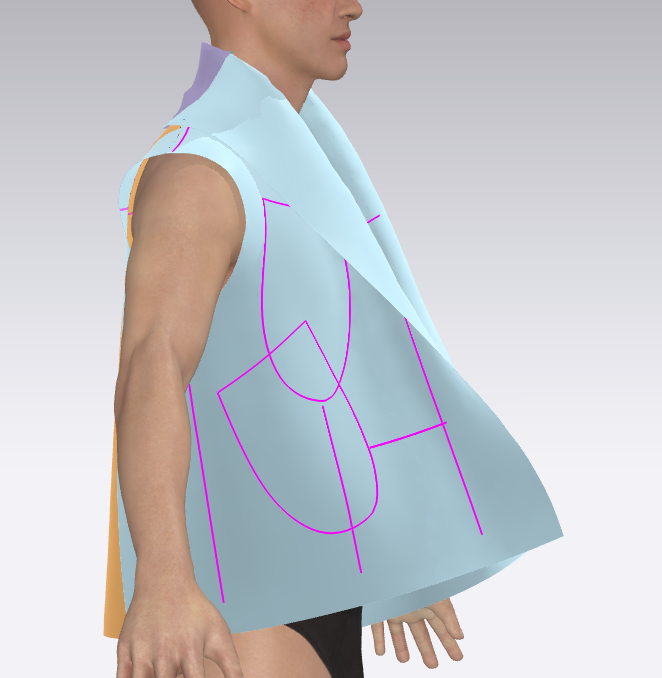
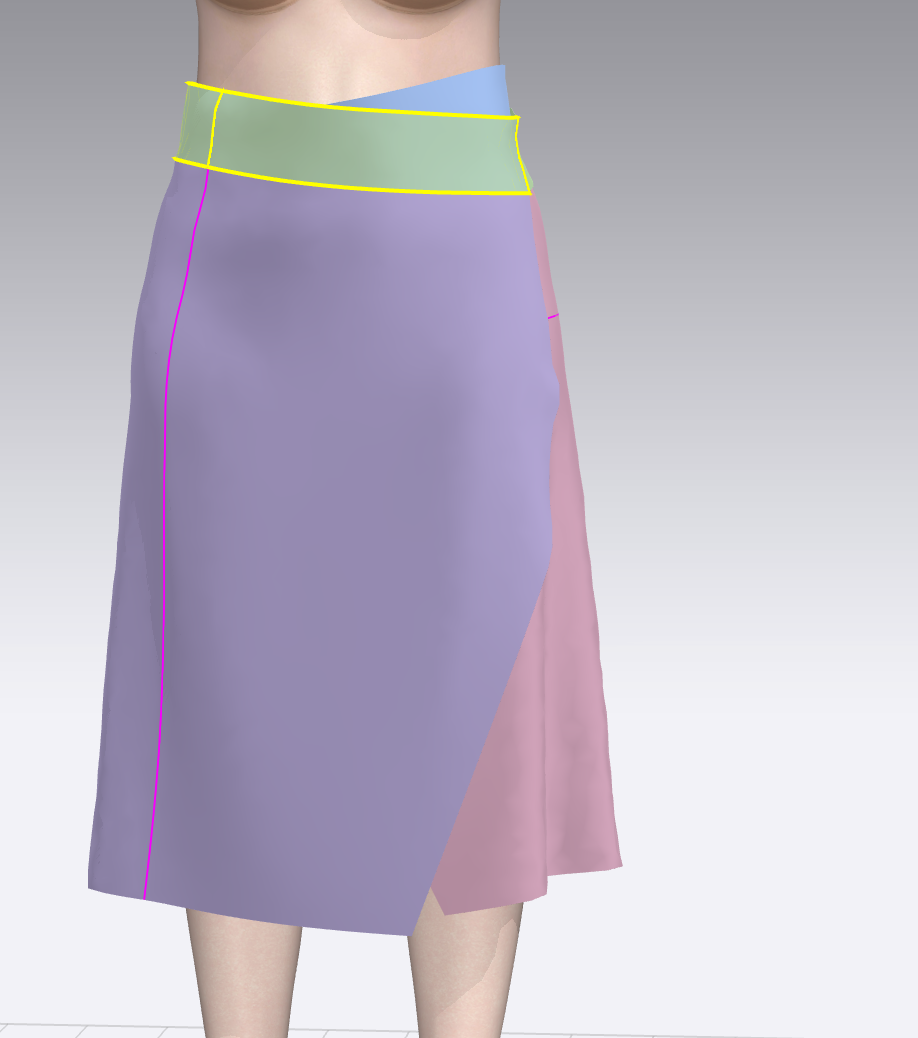
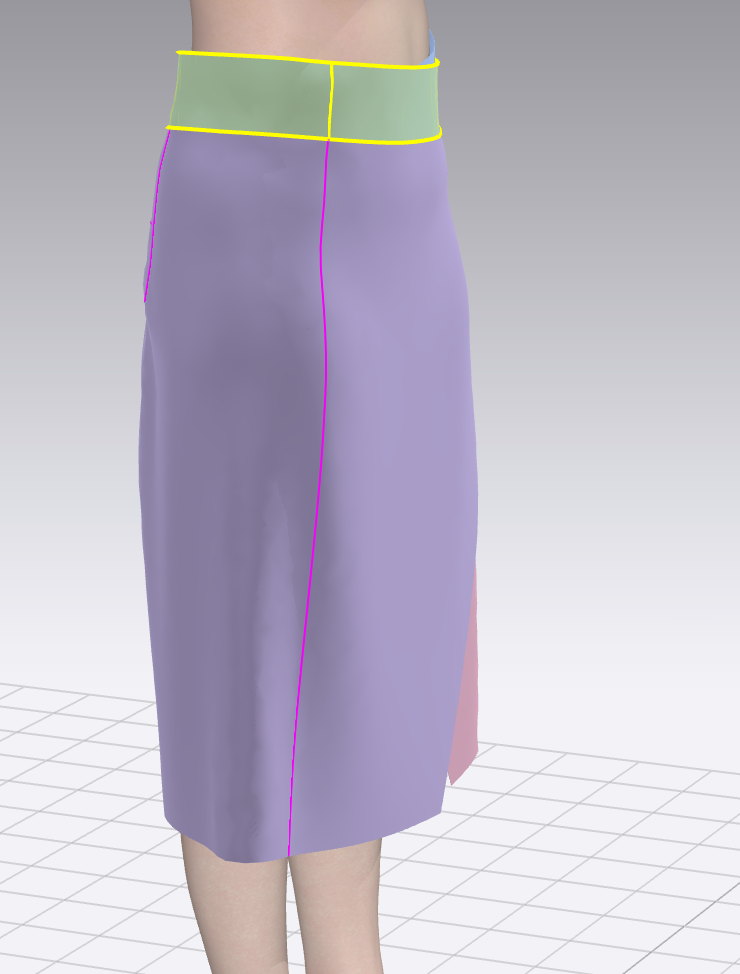
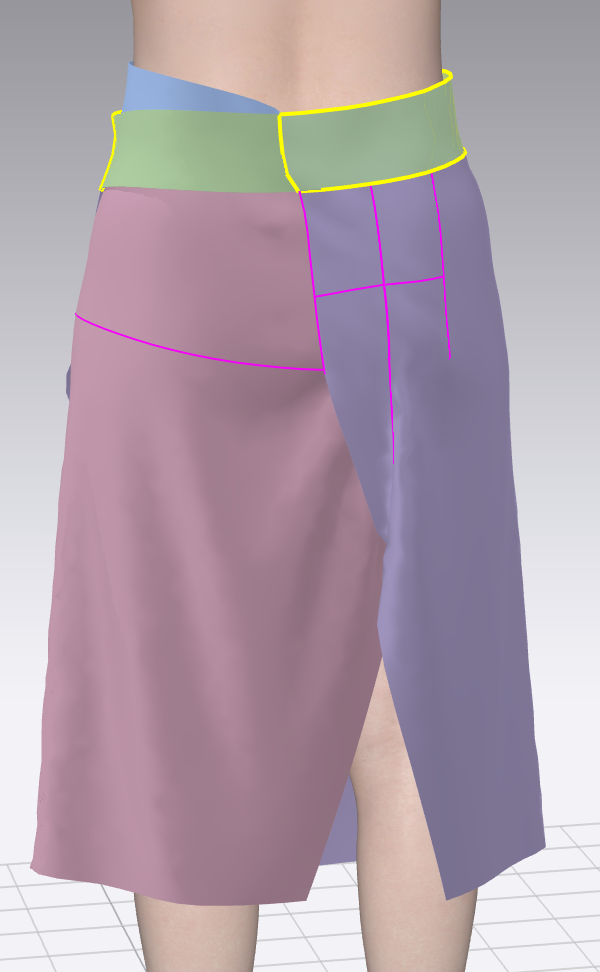
Using a bottom-up-design-machine based on rescued mono-materials and zero-waste cutting, each wearable part is engineered to be modular, adjustable and reversible to revitalize the wardrobe you already own. The system is used across bodies, contexts and time, where age and gender become secondary. Designed for repair, reconfiguration and long-term use, MOE shifts fashion from collections to a continuous system of value.
Sweden
Regional
Designed in Sweden, Produced in Sweden and Romania, Sales in EU, UK and Canada.
Mainly urban
It involves a physical transformation of the built environment (hard investment)
Yes
2026-03-02
Yes
NEB Fashion adaptor programme 2025/2026:
https://www.eit.europa.eu/our-activities/opportunities/neb-fashion-adaptor-programme
https://eit-culture-creativity.eu/latest-news/2026-01-20-eit-culture-creativity-showcase-sustainable-fashion-innovation-paris-fashion
No
No
Individual
MOE (Zero Waste Wear) is an independent Swedish project that shifts fashion from consumption to continuous use. Instead of designing garments as fixed objects or seasonal collections, MOE develops a modular wear system where use is extended over time.
At the core is a bottom-up-design-machine. Rescued mono-fiber fabrics define the starting point, where material quality becomes the foundation for long-term value. Designed as an investment, each piece is made to be repaired, reconfigured and continue into second-hand life. Mono-materiality enables both modular transformation and fiber-to-fiber recycling, addressing the current gap where less than 1% of textiles are recycled into new garments.
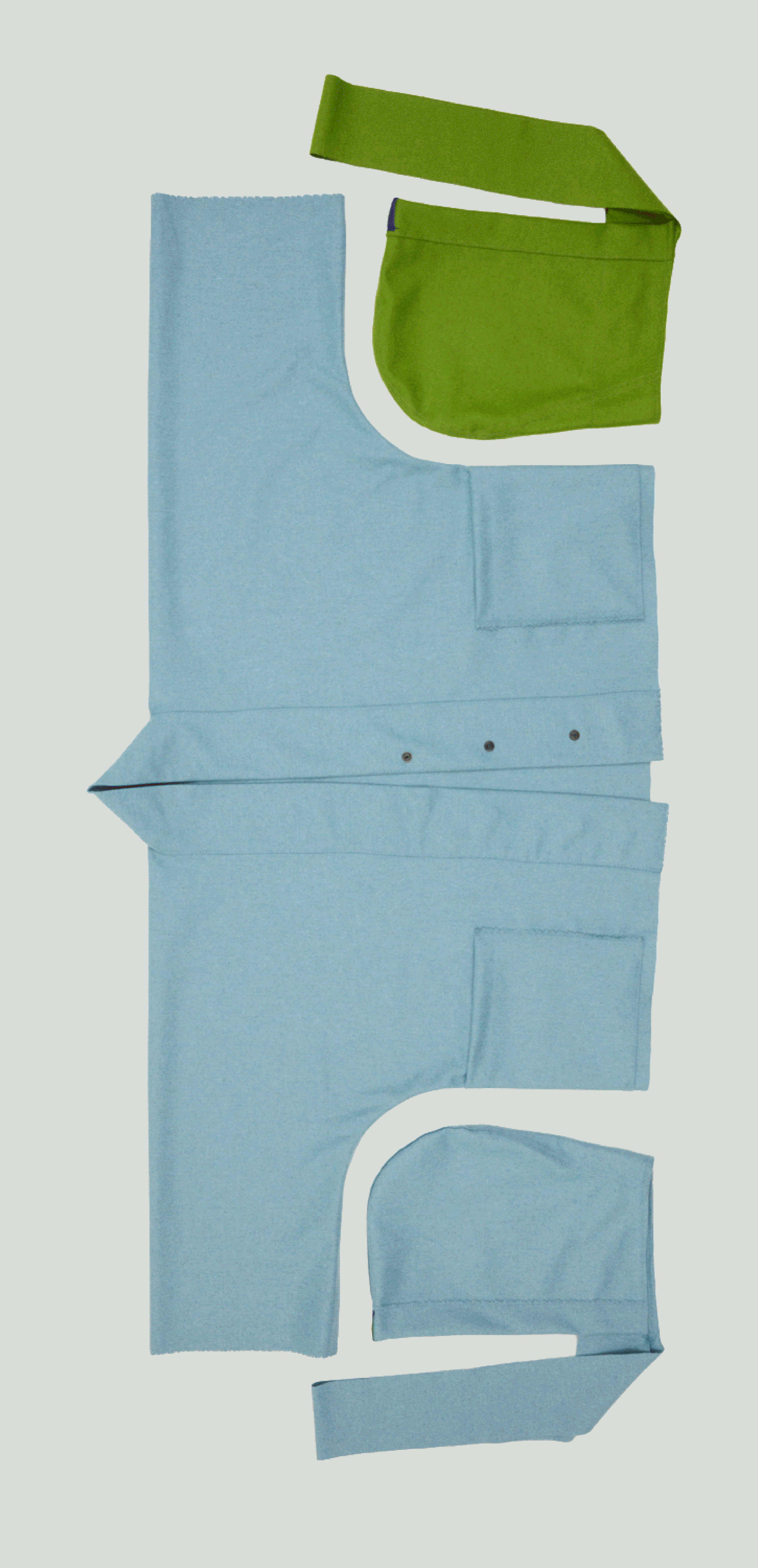
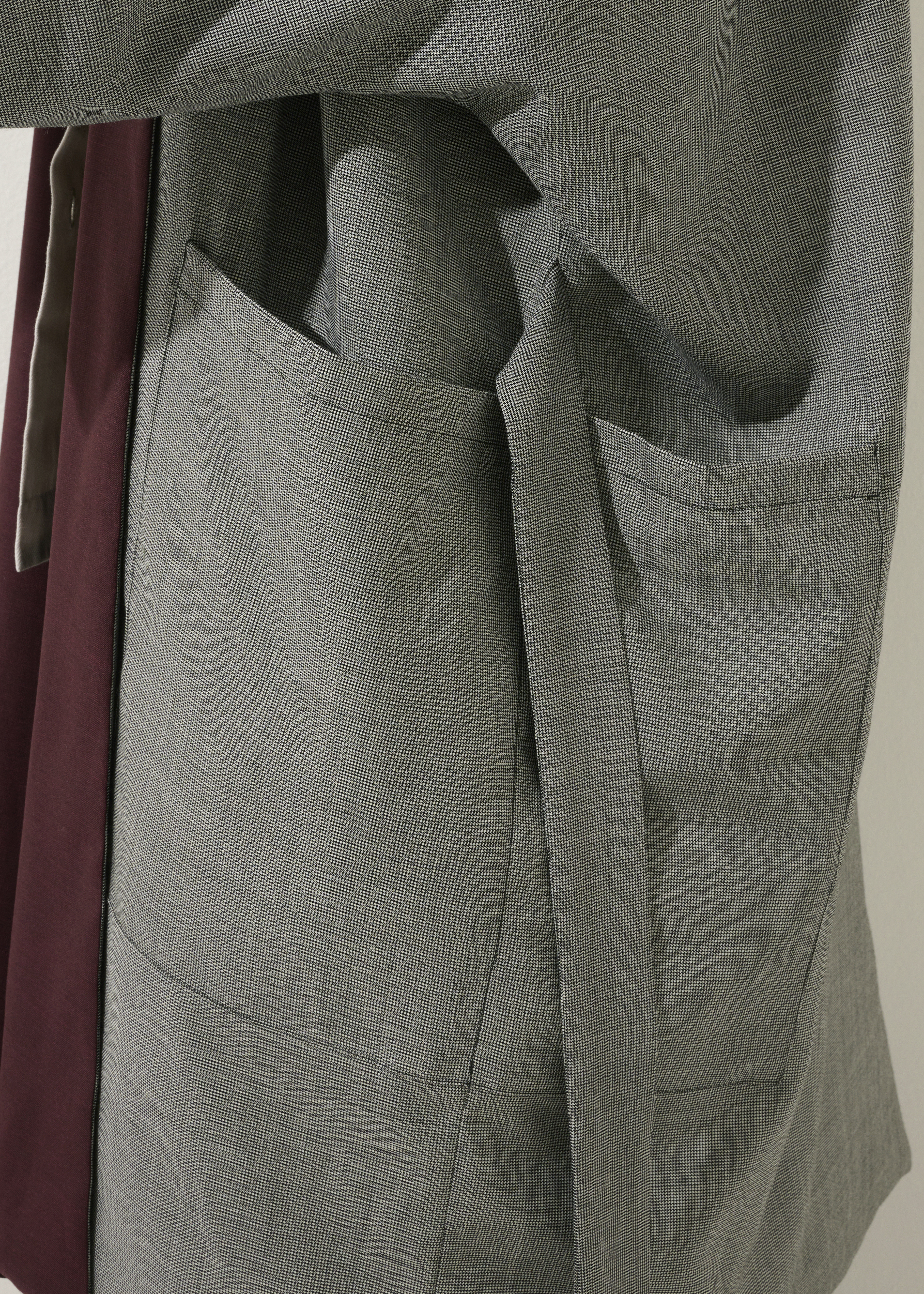
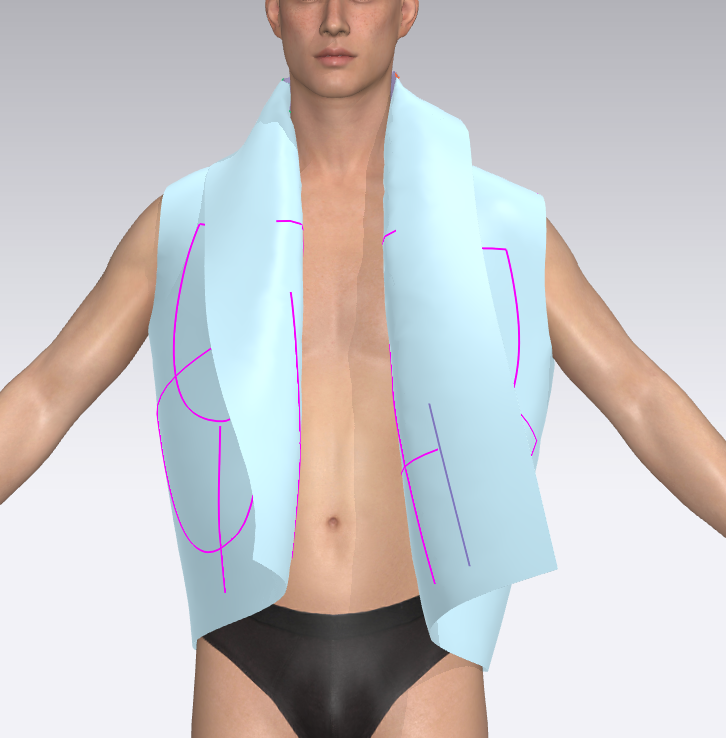
Zero-waste cutting is the second parameter. What began as an experiment has become a design philosophy, where constraint drives creativity. It eliminates material waste while enabling a minimalistic and durable construction that supports repair and reconstruction over time.
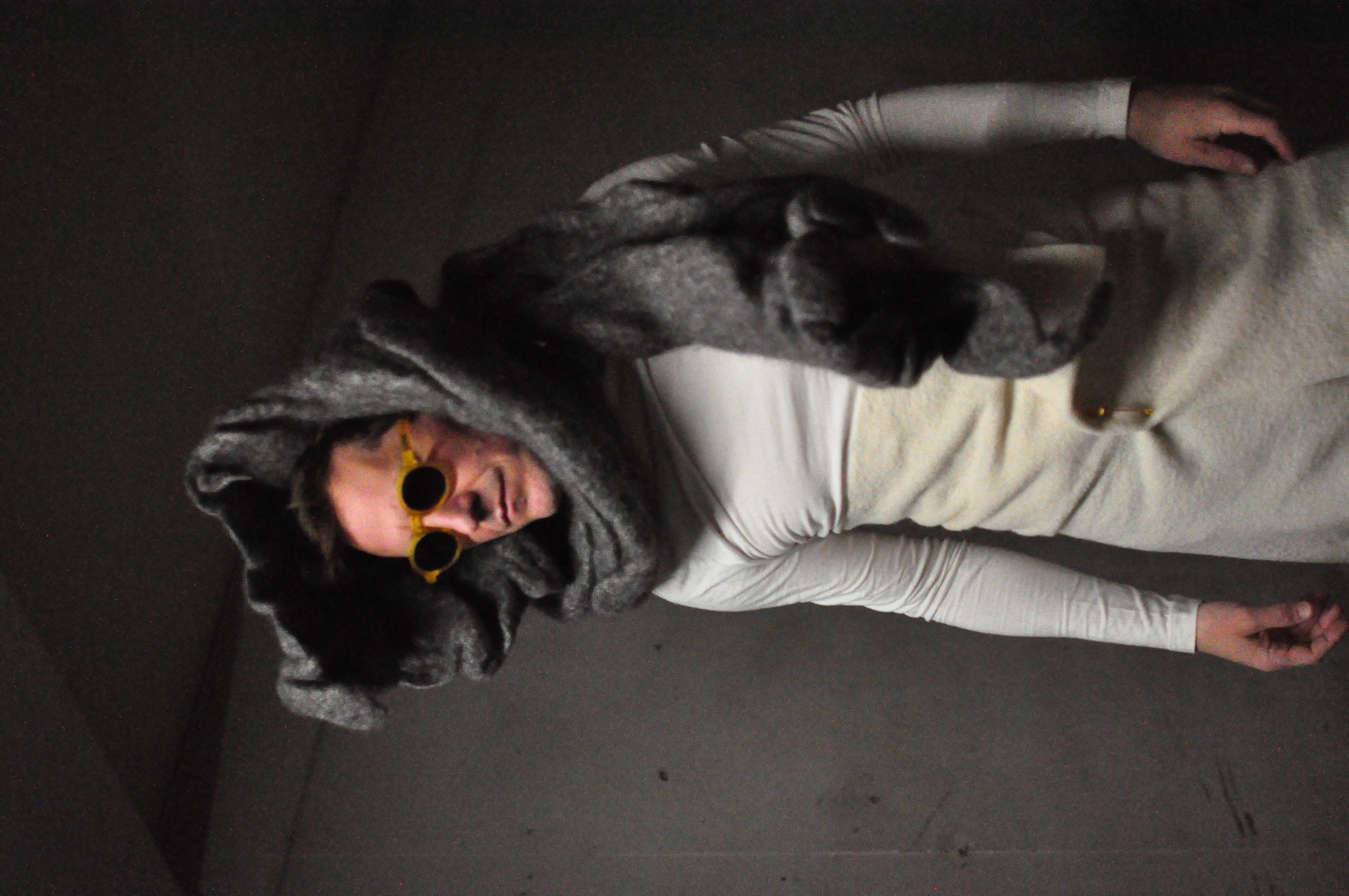
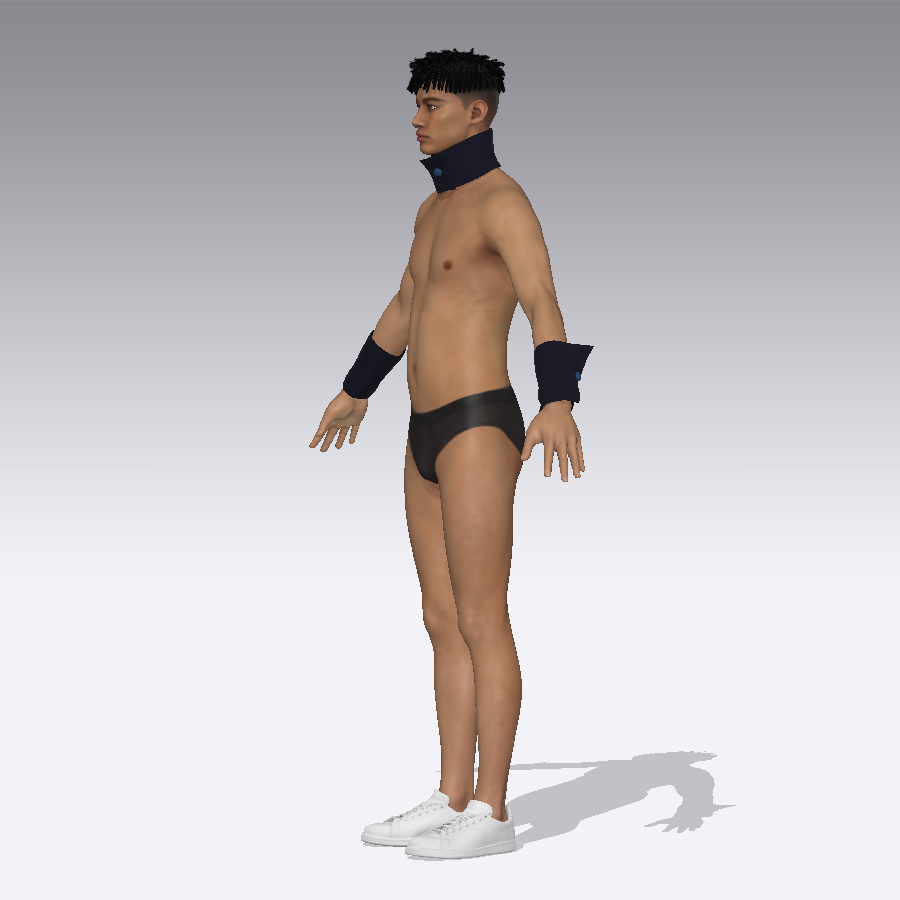
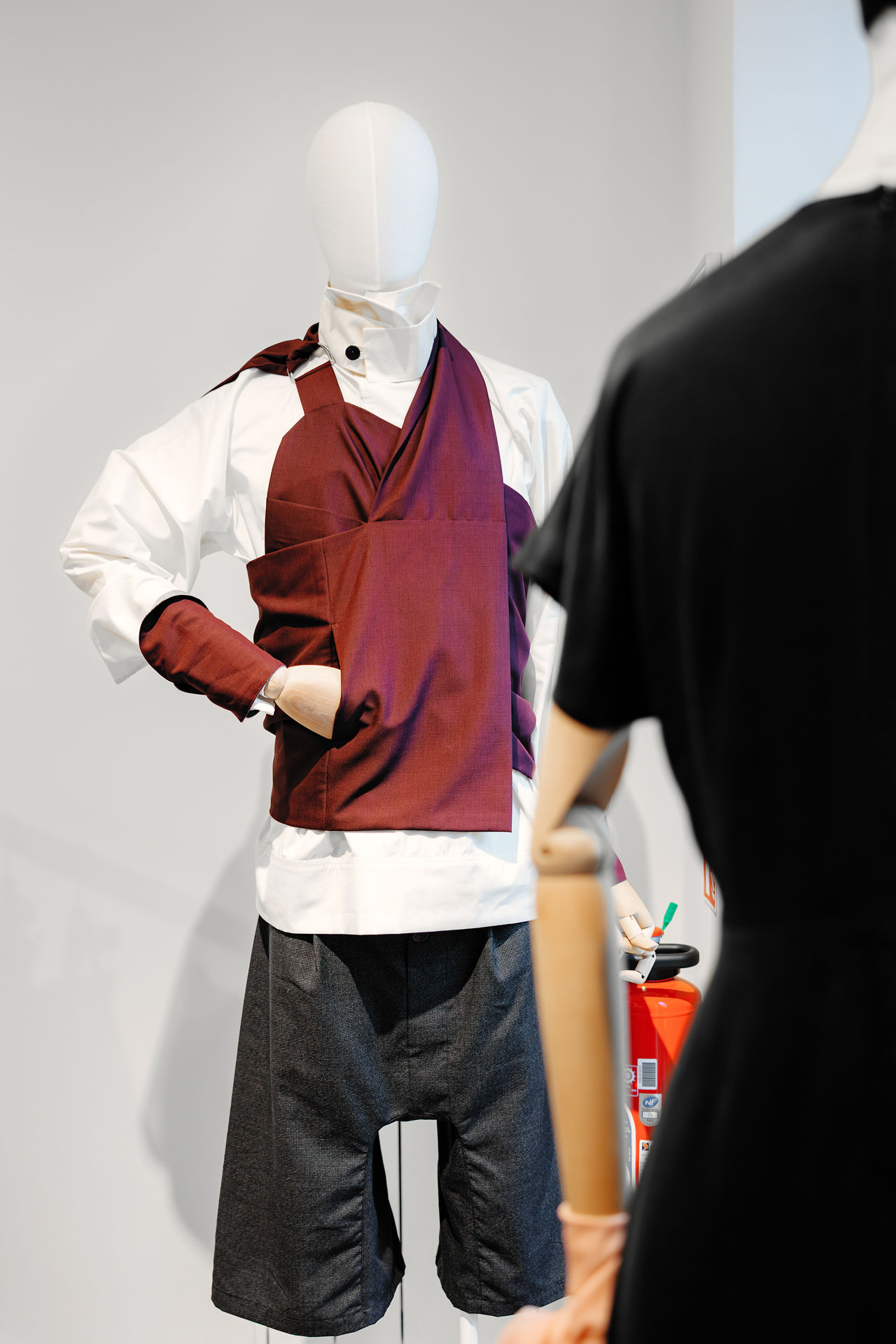
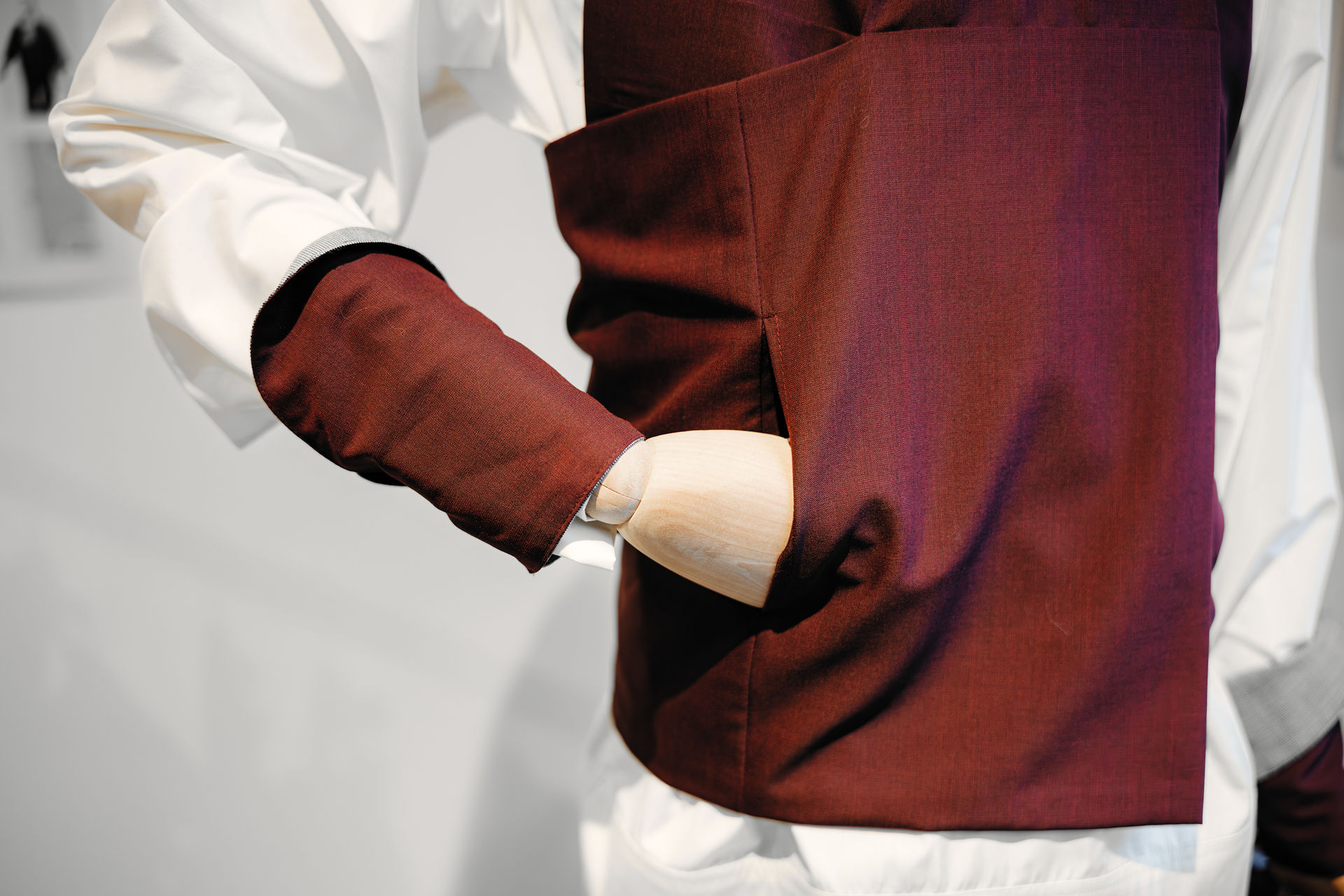
The design objective is versatile function: adjustable, layerable, reversible and modular, adapting across bodies, contexts and climates. Each piece operates as part of a system with spare-part and lifecycle logic—enabling multiple looks and functions across work and leisure, day and night, while revitalizing the wardrobe already owned. Increased use reduces the need for replacement.
The aesthetic language is defined as “edgelegant”—bold experimentation balanced with timeless minimalism and everyday function—emerging directly from the bottom-up-design-machine.
MOE is not a collection. It is a living system of modular wear—designed to last, adapt and regenerate.
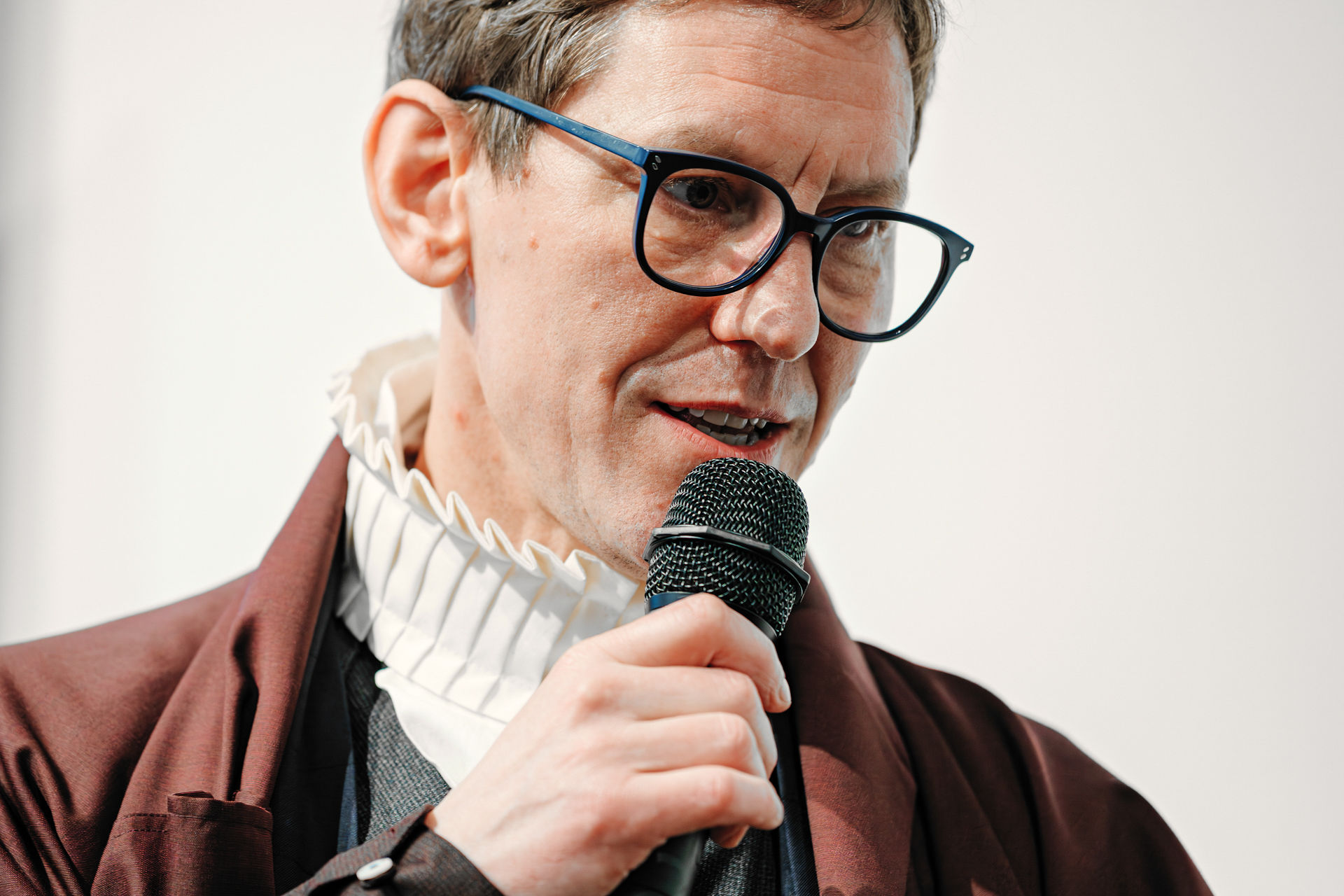
It began as an experiment by engineer Daniel Moe, after more than 20 years working with technical inventions, to answer a simple question: is it possible to create zero-waste garments without compromising on aesthetics? A second question then emerged: what defines a sustainable material?
An early concept was the “tie-break shirt”—an alternative to the office shirt when a tie is no longer used. This marked the beginning of rethinking garments beyond convention.
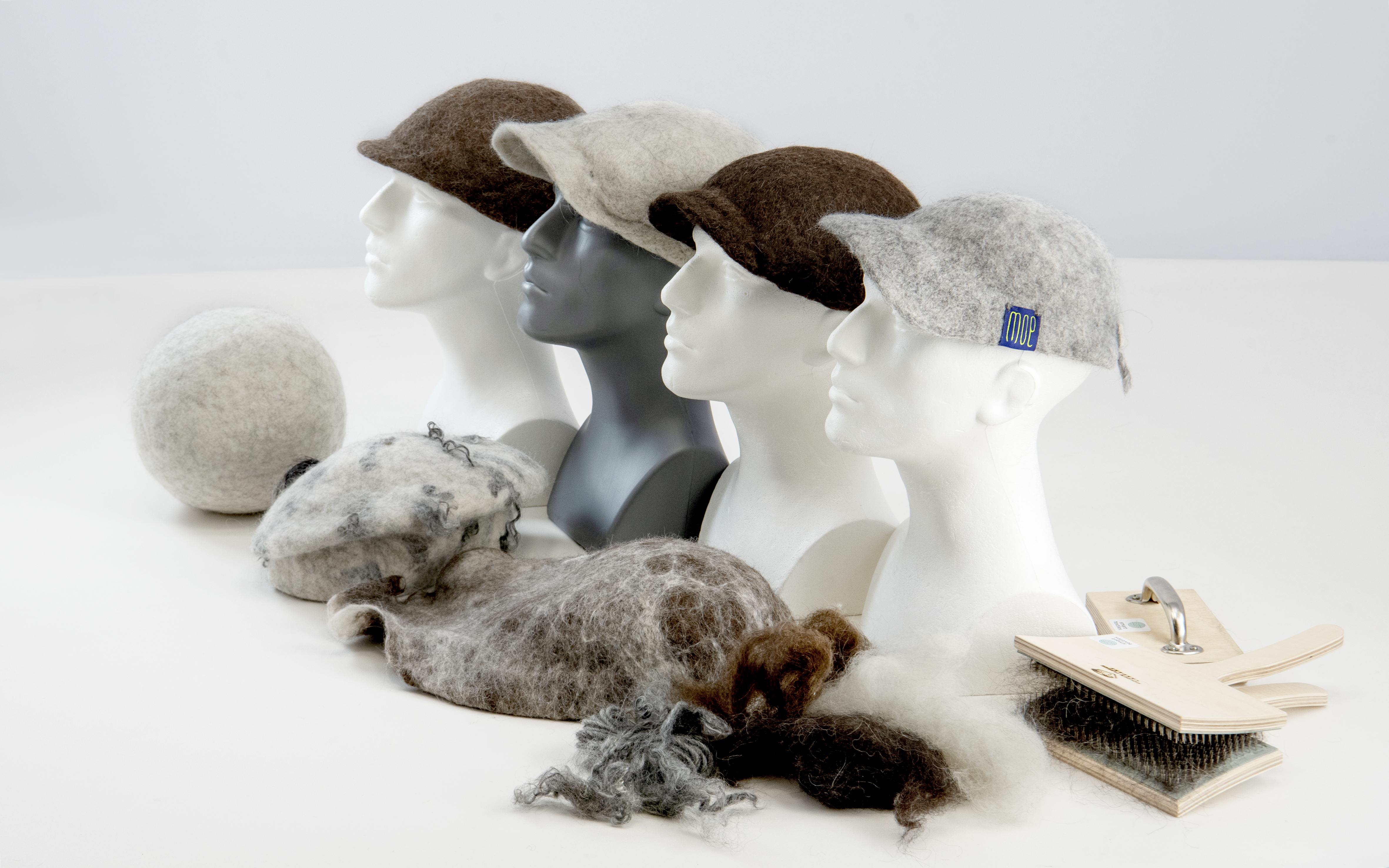
In conventional fashion, design is driven top-down. Desired form dictates the process, often resulting in material waste and short product lifecycles. MOE challenged this logic by starting from the material instead. Rescued mono-fiber fabrics became the input, and their inherent properties—quality, width and structure—defined the design.
Through continuous experimentation, a bottom-up-design-machine emerged, based on advanced two-dimensional cutting geometries—one cut, multiple objects.
The first experimental collection was launched in March 2020 and was nominated the same year for the Swedish Design Award for planning the full lifecycle of a garment. This recognition validated the approach and marked the transition from experiment to system.
As part of the NEB Fashion Adapt programme (2025–2026), culminating in Paris in March 2026, the system has been consolidated into a coherent lifecycle logic: natural mono-fiber → zero-waste cutting → engineered construction → versatile use → modular repair → reconfiguration → fiber recycling.
The next phase focuses on expanding material exploration, including rescuing Swedish wool waste, and further developing modularity and spare-part logic. In parallel, MOE investigates feedback from the use-phase back into design. The ambition is to establish local ecosystems of leftover materials, production and repair.
Yes, fashion can move beyond collections and trends towards a system designed to last, adapt and regenerate.
inclusive design
modular systems
extended use
zero-waste cutting
natural mono-material
MOE addresses environmental challenges by redesigning how garments are produced, used and extended over time. Instead of focusing only on material substitution, the project shifts the system from consumption to continuous use.
At production level, zero-waste cutting eliminates material loss, ensuring that all input material is used. Rescued mono-fiber fabrics are selected to retain material value and enable both modular reconfiguration and fiber-to-fiber recycling. This addresses a key limitation in current textile systems, where less than 1% of garments are recycled into new textiles.
At product level, garments are engineered as modular systems composed of adjustable, reversible and combinable parts. This extends their functional lifespan by allowing adaptation across bodies, contexts and climates. One system replaces multiple single-purpose garments, reducing the need for frequent replacement.
At use level, MOE introduces a spare-part logic. Individual parts can be repaired, replaced or reconfigured without discarding the entire garment. This significantly extends the use-phase and retains value within the product over time.
At system level, MOE operates across the full lifecycle: rescued material sourcing, zero-waste design, EU-based production, adaptive use, repair and mono-material recycling. This integrated approach supports circularity while remaining compatible with local production and repair ecosystems.
The project also contributes to cultural sustainability by redefining the relationship between user and garment. Instead of passive consumption, users actively adapt and maintain their clothing, strengthening long-term attachment and reducing disposability.
Economically, the system supports a shift from volume-based consumption to value-based use. By extending product life and enabling repair and reconfiguration, MOE creates opportunities for new service models around maintenance, resale and local production.
MOE contributes to aesthetics by redefining beauty as something that emerges from use, time and constraint, rather than surface or trend. The project introduces an edgelegant aesthetic—where bold experimentation is balanced with timeless minimalism and everyday function.
The visual expression is a direct result of the bottom-up-design-machine. Form follows material. Proportions, cuts and volumes are shaped by zero-waste geometry and modular construction, creating a distinctive aesthetic language that is both unconventional and refined. This connects beauty to logic and purpose, rather than decoration.
In everyday life, MOE enhances the user experience by enabling adaptability. Garments can be adjusted, layered, reversed and reconfigured, allowing individuals to shape their appearance across different situations—work and leisure, day and night. This creates a more personal and dynamic relationship with clothing, where identity is expressed through use rather than consumption.
The system also fosters a sense of belonging through longevity. Instead of being replaced, garments evolve with the user over time. Repair, reconfiguration and continued use create attachment and care, strengthening the emotional value of clothing and reducing disposability.
At a broader level, MOE contributes to cultural aesthetics by proposing an alternative to fast-changing trends. It introduces a slower, more considered visual language rooted in material, construction and versatility. This approach supports more coherent wardrobes and reduces visual and material noise in everyday environments.
MOE is exemplary in its ability to integrate aesthetics with function and lifecycle thinking. Beauty is not applied at the end but embedded throughout the system.
MOE addresses inclusion by designing garments and systems that adapt to people, rather than requiring people to adapt to garments.
At product level, garments are engineered for versatility: adjustable, reversible and modular. This enables use across different body types, sizes, genders and life stages. Instead of segmenting users into fixed categories, MOE supports a broader range of individuals with fewer products, aligning with principles of design for all.
At use level, the system promotes accessibility through longevity. By extending the lifespan of each product through repair, reconfiguration and second-hand use, MOE reduces the need for frequent replacement. This creates long-term economic accessibility, where value is retained and distributed over time rather than concentrated in repeated purchases.
The modular structure also enables partial replacement and upgrade. Instead of discarding a full garment, users can replace or adapt individual parts, lowering the threshold for maintenance and extending usability across changing needs and conditions.
At system level, MOE supports the development of local ecosystems of production and repair. By connecting leftover materials, small-scale manufacturing and repair services, the project contributes to more distributed and accessible fashion infrastructure, creating opportunities for local actors and skills.
The project is participatory by design. Users actively engage in shaping how garments are worn, combined and maintained. This shifts the role of the user from passive consumer to active participant, increasing agency and ownership.
Culturally, MOE challenges exclusionary norms in fashion related to gender, size and trends. By focusing on adaptable systems rather than fixed identities, it promotes a more inclusive relationship between people and clothing.
MOE demonstrates how adaptability, longevity and participation can create more accessible and equitable forms of fashion.
MOE is participatory by design, involving users directly in how garments are used, adapted and extended over time.
At use level, garments are engineered to be modular, adjustable and reversible. This enables users to actively shape how pieces are worn, combined and reconfigured across bodies, contexts and climates. The user becomes an active participant rather than a passive consumer.
Participation has been implemented through showroom and exhibition contexts, where users interact with the system in real-life situations. These environments function as testing platforms, allowing observation of how garments are adjusted, layered and combined. This interaction provides continuous feedback that
informs further design development.
Users also engage in the lifecycle of the product through repair and reconfiguration. Instead of discarding garments, they are encouraged to maintain, adapt and extend them over time. This introduces a participatory relationship not only in design but in long-term use.
The impact of this involvement is a shift in user behaviour and perception. Garments are no longer seen as fixed products but as adaptable systems. This increases attachment, reduces disposability and supports more conscious use.
At a broader level, the project opens for collaboration with local actors such as repair services and small-scale producers, creating opportunities for shared value creation and knowledge exchange.
MOE demonstrates how participation can be embedded in the product itself, enabling continuous engagement rather than one-time co-design. It redefines participation as an ongoing interaction between user, product and system.
At local level, the project is developed through direct collaboration with small-scale manufacturers, tailors and repair-oriented actors. Showroom and exhibition environments function as testing grounds, where users interact with the garments by adjusting, combining and reconfiguring them. This provides continuous feedback that informs design decisions.
At regional and national level, MOE engages with Swedish material flows through experimentation with underutilised resources such as Swedish wool. This is complemented by continuous dialogue with the Swedish School of Textiles at the University of Borås and Science Park Borås, connecting the project to academic research on circular textiles and business models.
At European level, MOE has participated in the NEB Fashion Adapt programme (2025–2026), culminating in Paris in March 2026. This engagement has enabled exchange with designers, researchers and institutions across Europe, contributing to the refinement of the system and aligning it with European circularity and innovation goals.
Across these levels, stakeholders have different roles. Local actors contribute practical knowledge in making and repair. Users act as active participants by adapting garments in real-life contexts. European networks provide a platform for knowledge exchange, visibility and strategic alignment.
The added value of this multi-level engagement lies in connecting experimentation with implementation. Local testing ensures feasibility and relevance, while European collaboration supports scalability and transferability. Together, these interactions strengthen MOE as both a practical system and a model that can be adapted across regions.
MOE is inherently transdisciplinary, combining engineering, fashion design, material science and artistic exploration into a unified system.
The project is rooted in an engineering approach, where garments are developed as systems defined by constraints, performance and lifecycle logic. This includes zero-waste cutting, modular construction and mono-material strategies that enable repair, reconfiguration and recycling.
At the same time, MOE operates within fashion and design, shaping form, proportion and function to create wearable outcomes. The aesthetic language, defined as Edgelegant, reflects a balance between experimental construction and timeless minimalism.
Material science plays a central role through the selection and testing of mono-fiber textiles and underutilised resources such as Swedish wool. The inherent properties of materials directly inform the design process, linking technical performance with form.
The project also engages with cultural and artistic practices by challenging established norms in fashion related to gender, identity and consumption. It draws on historical references where material scarcity shaped design logic, while translating these principles into a contemporary context.
In implementation, MOE connects with academic research and innovation environments, including ongoing dialogue with the Swedish School of Textiles and Science Park Borås. This creates an exchange between practical experimentation and theoretical development in circular textile systems and business models.
MOE demonstrates how transdisciplinary collaboration can move beyond parallel disciplines towards an integrated approach, where engineering, design and culture operate as one system.
MOE is built on a shift from volume-based consumption to value-based use. Instead of relying on frequent product turnover, the business model focuses on extending the lifecycle and utility of each product.
Revenue is generated through the sale of modular garments and components designed for long-term use. These are produced in small-scale, EU-based manufacturing, ensuring quality, traceability and alignment with local production ecosystems.
The modular system enables additional revenue streams beyond the initial sale. Repair, replacement and upgrade of individual parts introduce a “spare-part” logic, where value is retained and extended over time rather than lost. This supports service-based income linked to maintenance and reconfiguration.
Second-hand use is integrated into the model. Garments are designed to retain value and functionality, enabling resale and extended ownership cycles. This contributes to a circular economy where products continue to generate value beyond the first user.
The project also explores collaborations with local production and repair actors, creating opportunities for distributed value creation and shared infrastructure. This supports the development of local ecosystems around materials, making and maintenance.
From a financial perspective, MOE combines product sales with emerging service-based models. The approach reduces dependency on constant new production while increasing the lifetime value of each product.
The project has been developed through self-initiated investment and small-scale production, complemented by participation in innovation programmes such as NEB Fashion Adapt and NEST – New Entrepreneurship for a Sustainable Textile Industry. Future growth is based on scaling the modular system through partnerships, local production networks and expanded service offerings.
MOE demonstrates a financially sustainable alternative to fast fashion by aligning economic value with longevity, repair and continuous use.
MOE is designed as a system that can be transferred and adapted across materials, locations and production contexts. Its scalability lies not in replication of identical products, but in the replication of its underlying logic.
At methodology level, the bottom-up-design-machine can be applied to different material streams. By starting from available mono-materials—whether rescued textiles or local resources—the design process can be adapted to regional conditions while maintaining zero-waste cutting and modular construction principles.
At product level, the modular system enables standardised components and adaptable configurations. This allows garments to be produced, repaired and reconfigured in different contexts without losing functionality. The “spare-part” logic supports distributed maintenance and reduces dependency on centralised production.
At process level, zero-waste cutting and mono-material strategies can be transferred to other designers, manufacturers and educational institutions. The approach can be integrated into existing production systems, contributing to more efficient use of materials and enabling circular practices.
At ecosystem level, MOE supports the development of local networks connecting material sourcing, small-scale production and repair services. This model can be replicated in different regions, creating local value while maintaining a shared system logic.
The project also has potential to extend beyond fashion. The principles of modularity, repairability and material-driven design can be applied to other product categories where lifecycle extension and resource efficiency are critical.
MOE demonstrates how a design-driven system can be scaled through adaptation rather than standardisation—enabling a distributed, circular and locally grounded approach to production and use.