Tășnad North-West Mobility Corridor
Enhancing Sustainable Mobility in Tășnad through an Integrated Multimodal Corridor
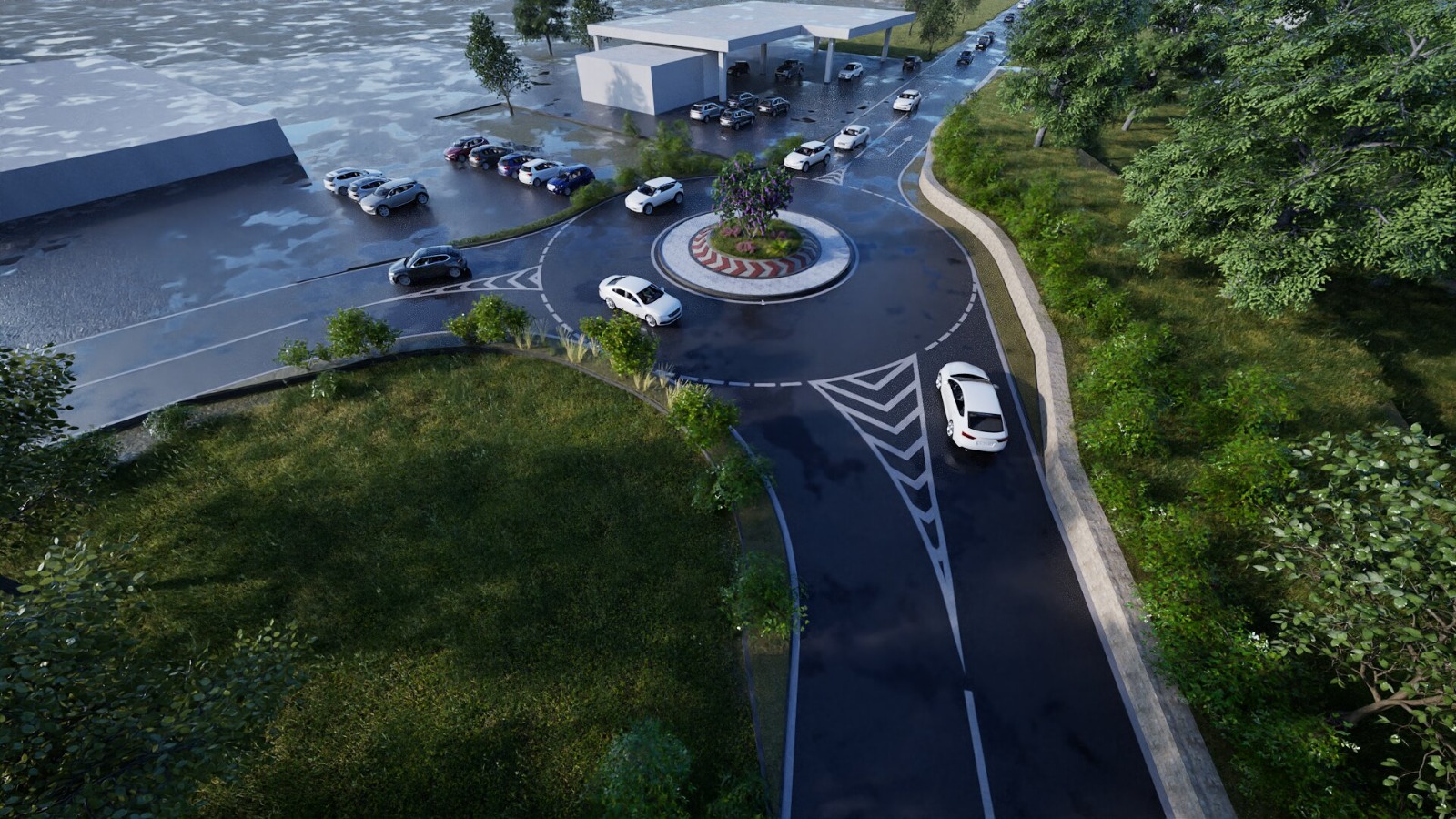
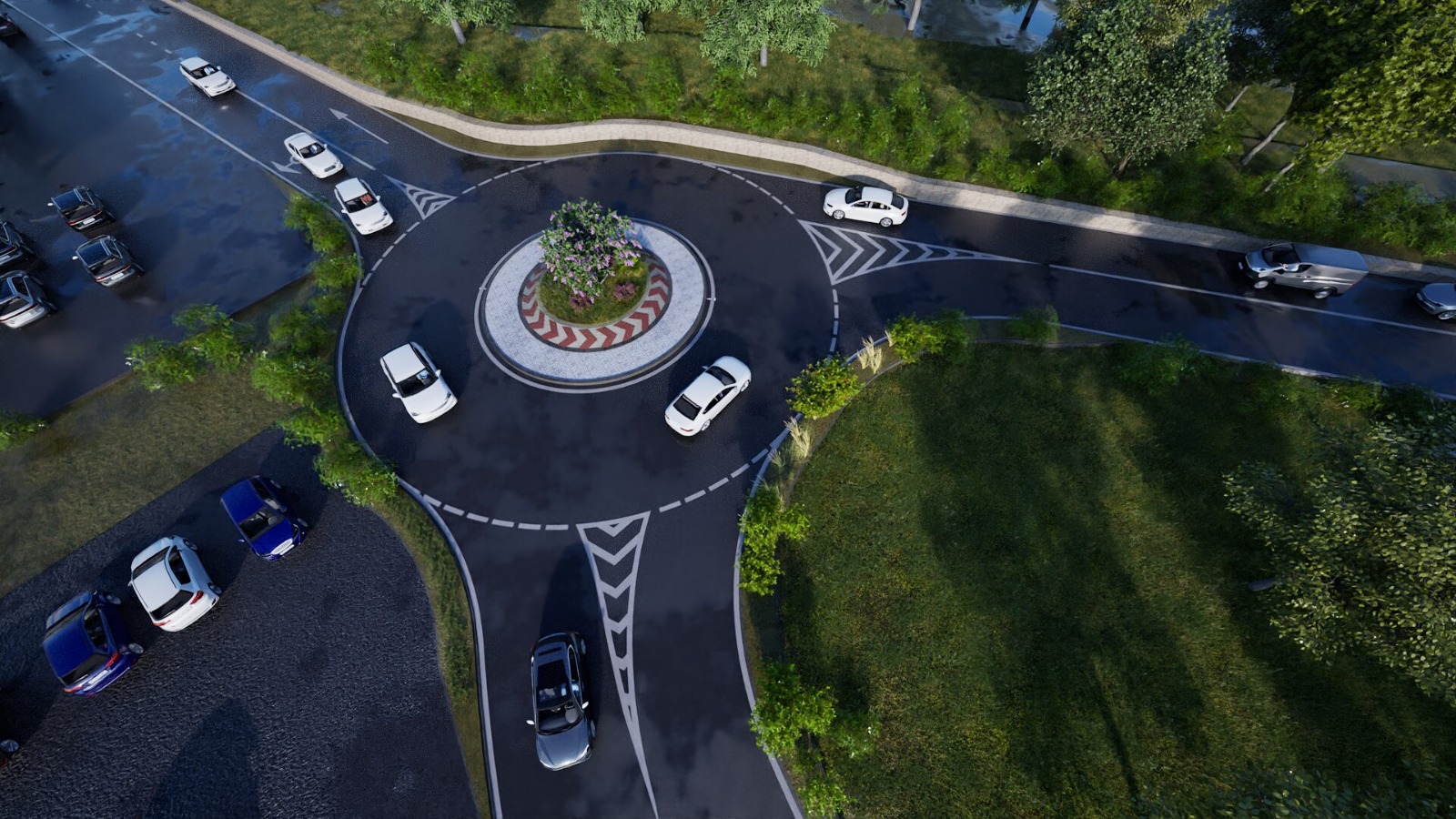
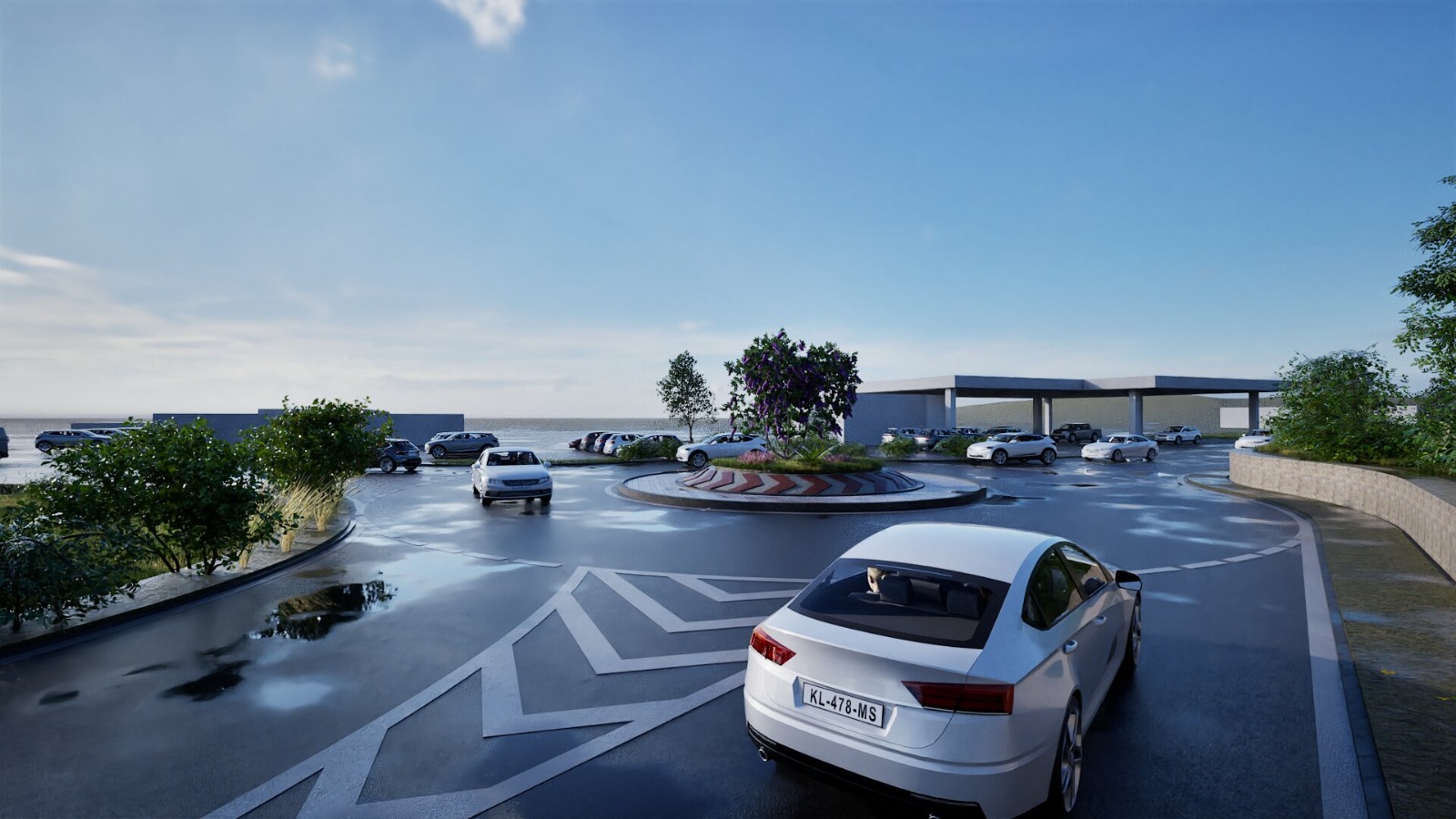
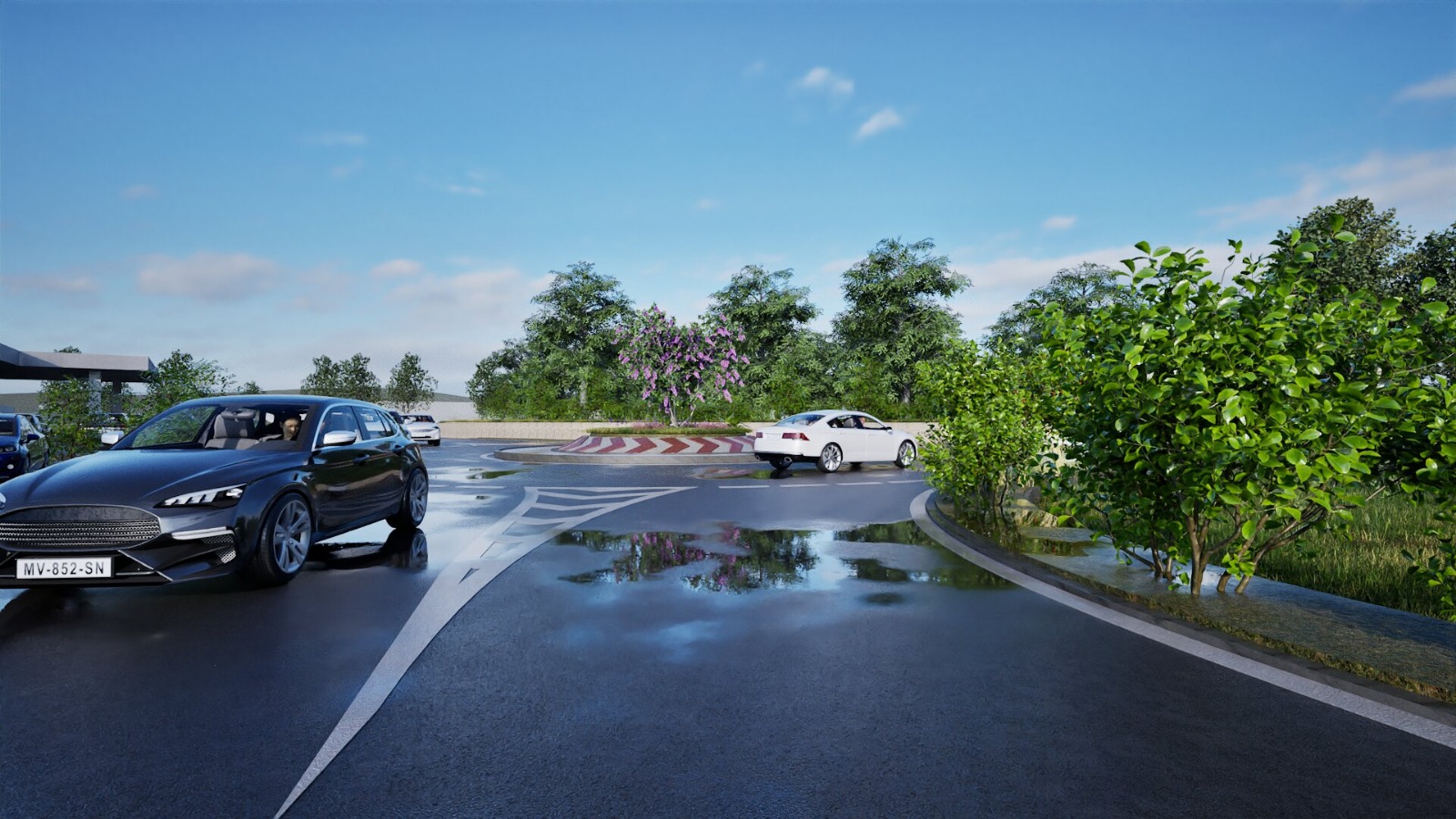
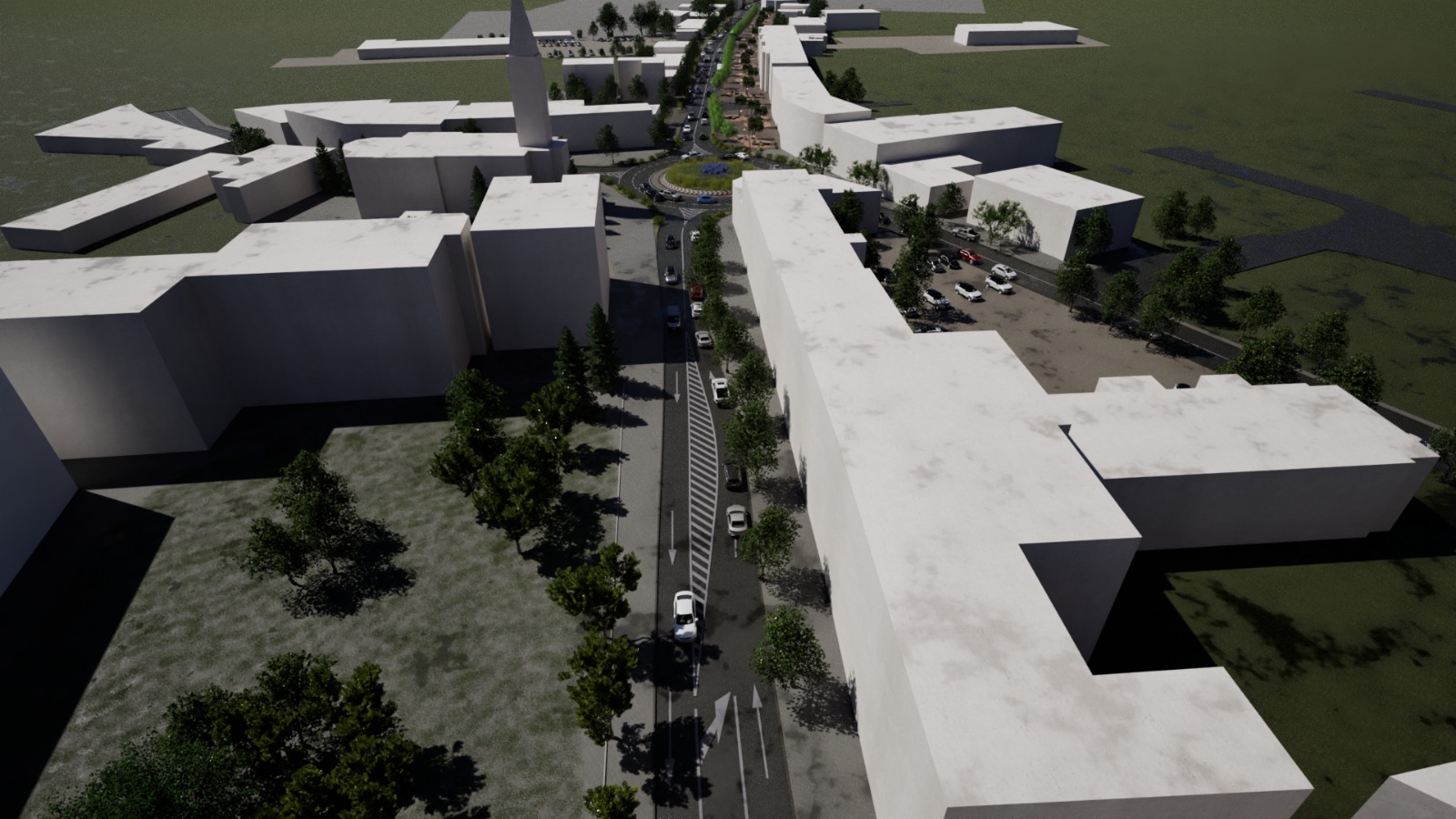
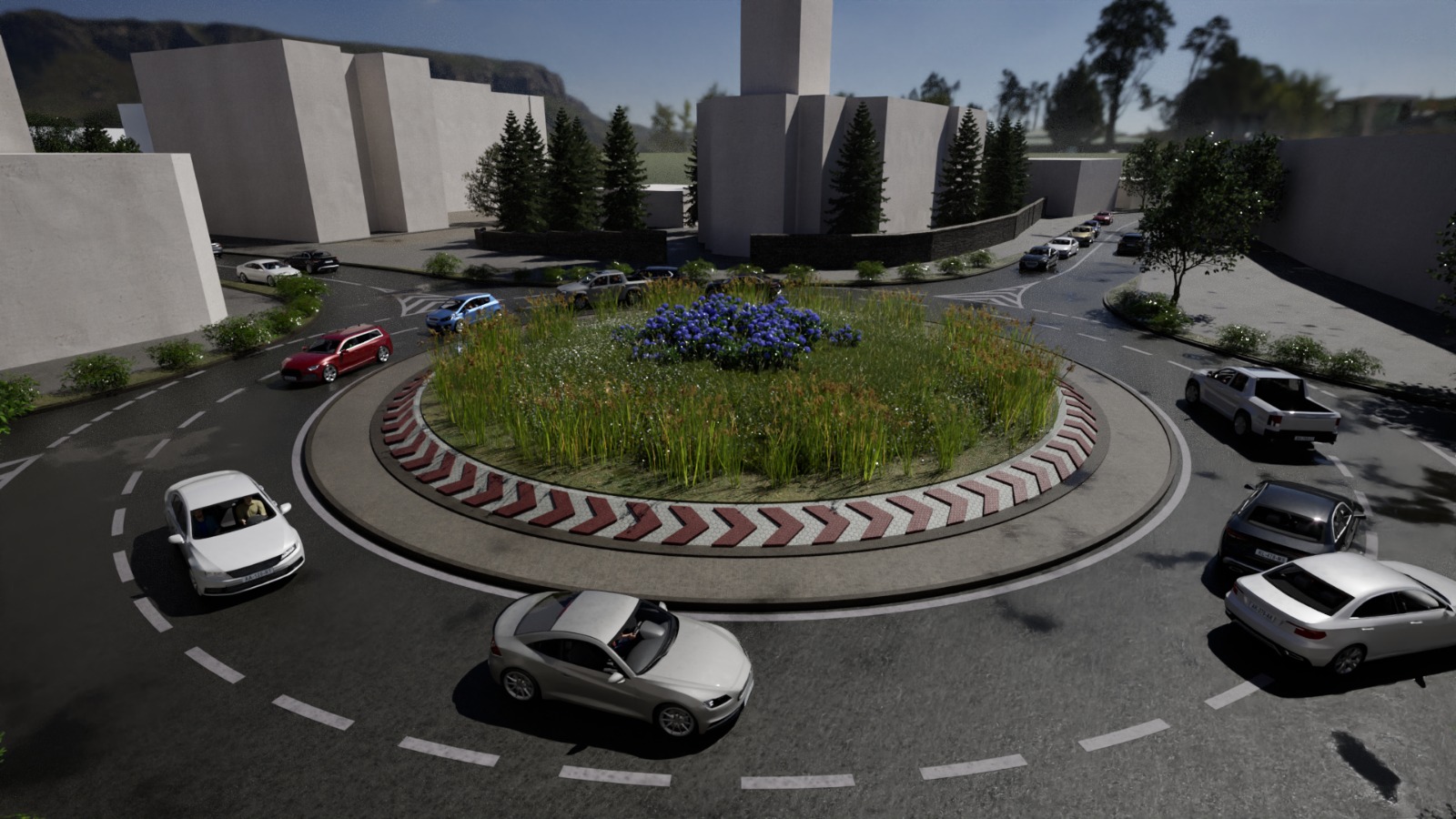
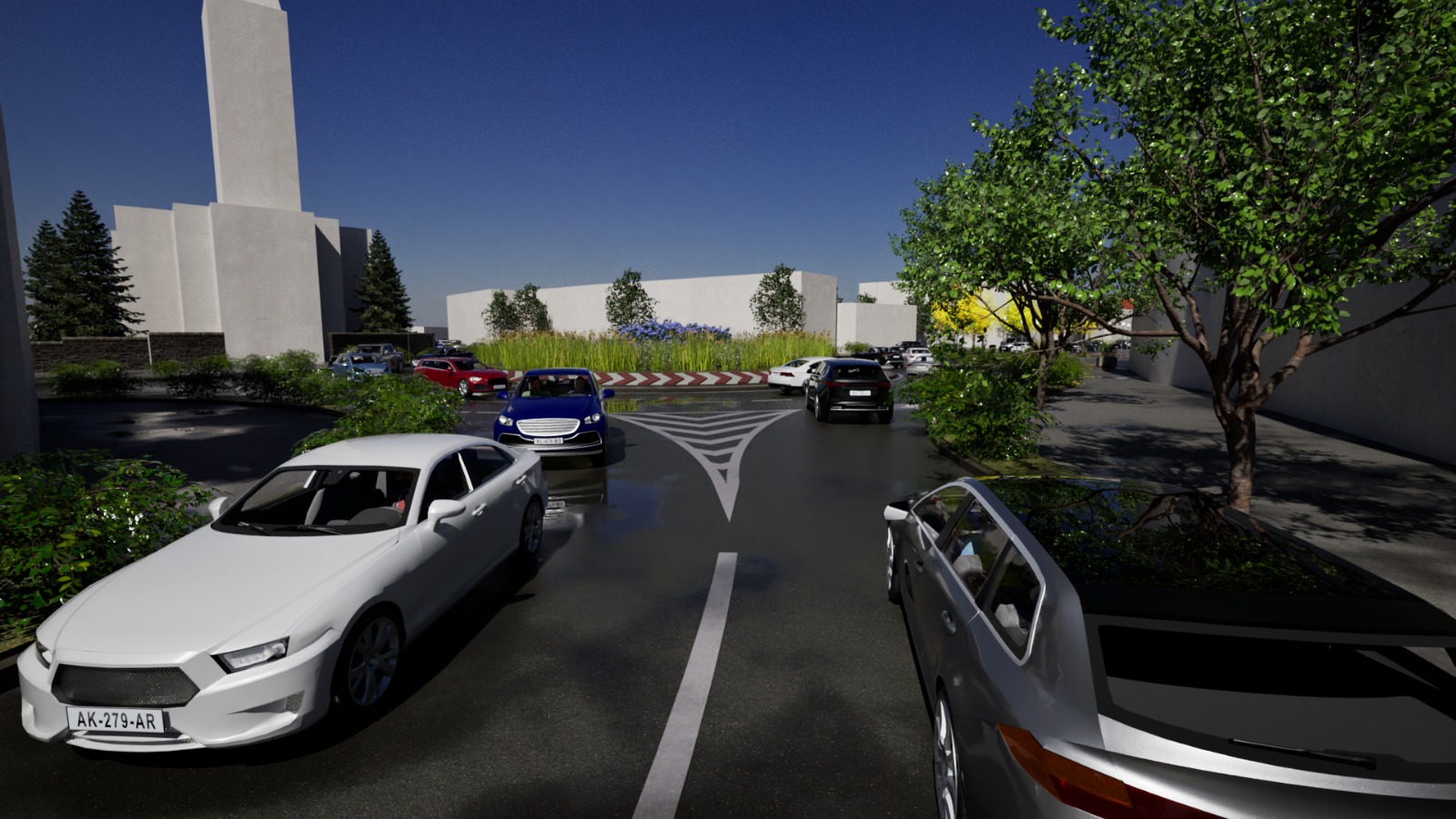
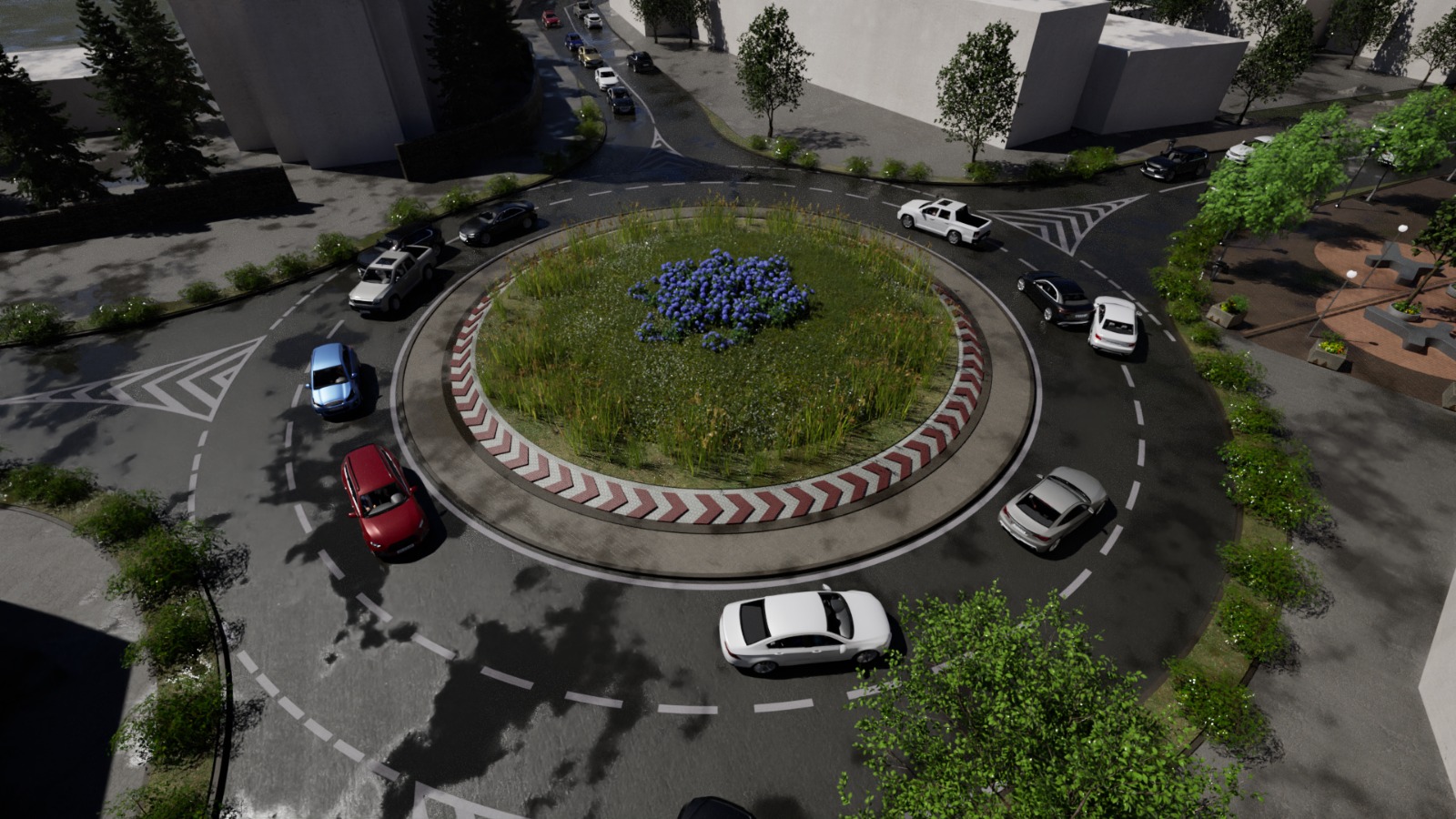
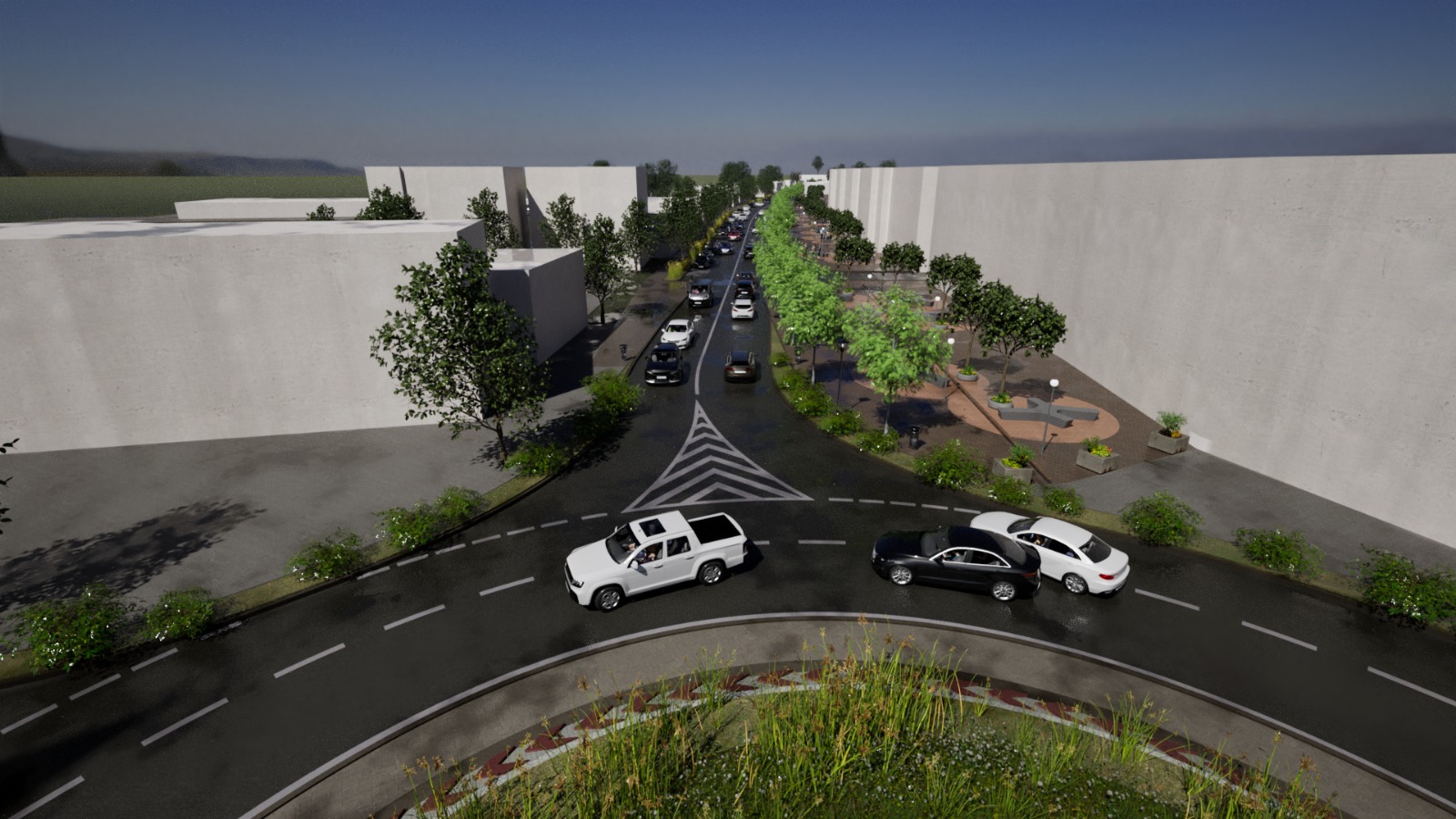
The initiative transforms urban mobility in Tășnad by creating a modern, sustainable mobility corridor that connects key areas of the city through clean public transport, safe cycling routes, and pedestrian-friendly spaces. By reducing reliance on private cars and promoting green alternatives, the project enhances accessibility, improves air quality, and creates a more attractive, inclusive, and livable urban environment for both residents and visitors.
Romania
The proposed investment is located within the built-up area of Tășnad Town, Satu Mare County, on the following cadastral numbers: 100438, 100437, 100429, 100458, 111893, 111976, 111974, 102490, 100452, 100427, 100478, 100430, 100433, 100456, 112125 (resulting from subdivision of CF 106392), CF 112126 (subdivided from CF 106392), CF 112127 (subdivided from CF 106392), 100474, 100480, 105473, 105477, 105364, 111971, CF 112120 (subdivided from CF 111896), and CF 112121 (subdivided from CF 111896).
According to Land Registry extracts:
CF 100438 (Infratirii Street) – 17,881 sqm
CF 100437 (Tudor Vladimirescu Street) – 21,937 sqm
CF 100429 (Stefan cel Mare Street) – 1,445 sqm
CF 100458 (Stefan cel Mare Street) – 30,105 sqm
CF 111893 – 9,300 sqm
CF 111976 – 483 sqm
CF 111974 – 5,692 sqm
CF 102490 (vicinal road) – total 15,475 sqm
CF 102490 (Crasnei Street) – 845 sqm
CF 100452 (Crasnei Street) – 15,565 sqm
CF 100427 (Margaretelor Street) – 1,188 sqm
CF 100478 (Avram Iancu Street) – 15,194 sqm
CF 100430 (Rozelor Street) – 2,772 sqm
CF 100433 (Trandafirilor Street) – 12,632 sqm
CF 100456 (Nicolae Balcescu Street) – 9,275 sqm
CF 112125 (Lacramioarelor Street) – 1,007 sqm
CF 112126 (Lacramioarelor Street) – 32,801 sqm
CF 112127 (Lacramioarelor Street) – 4,492 sqm
CF 100474 (Castanilor Street) – 6,584 sqm
CF 100480 (Ady Endre Street) – 7,879 sqm
CF 105473 (Ady Endre Street) – 7,232 sqm
CF 105477 (Garii Street) – 13,268 sqm
CF 105364 (Cehal river bicycle path) – 35,971 sqm
CF 111971 (Cehal river bicycle path) – 34,140 sqm
CF 112120 (depot land from vicinal road) – 490 sqm
CF 112121 (depot land from vicinal road) – 2,510 sqm
Prototype level
Yes
Yes
Yes
Yes
ERDF : European Regional Development Fund
Yes, the initiative benefits from European Union funding through the European Regional Development Fund (ERDF).
The project is financed under the North-West Regional Programme 2021–2027, within:
• Policy Objective 2: A greener, low-carbon Europe transitioning towards a net zero carbon economy
• Priority 4: A region with sustainable multimodal urban mobility
• Specific Objective 2.8: Promoting sustainable multimodal urban mobility as part of the transition to a net zero carbon economy
The project was submitted under the call PRNV/2023/481.B/1 and is implemented based on the Financing Contract no. 23.
The implementation period of the project is between September 2022 and June 2027, ensuring a long-term commitment to sustainable urban mobility development in Tășnad Town.
No
136642: Oras Tasnad (RO)
General objective:
The general objective of the initiative is to improve urban mobility in Tășnad Town by developing a sustainable and integrated multimodal mobility corridor along the North-West axis, contributing to the reduction of greenhouse gas emissions and the transition towards a low-carbon urban environment.
Target group(s):
The target group includes the entire population of Tășnad Town, estimated at approximately 9,000 inhabitants, as well as visitors, commuters, and public and private stakeholders operating within the area. The project particularly benefits daily users of urban infrastructure, including students, employees, elderly people, and vulnerable groups, by improving accessibility, safety, and mobility options.
Specific objective(s):
The specific objective of the project is to promote sustainable multimodal urban mobility by developing public transport infrastructure, cycling networks, and pedestrian-friendly spaces, while reducing dependence on private vehicles and improving connectivity between key urban areas.
Expected outcomes:
The project will deliver the following key results:
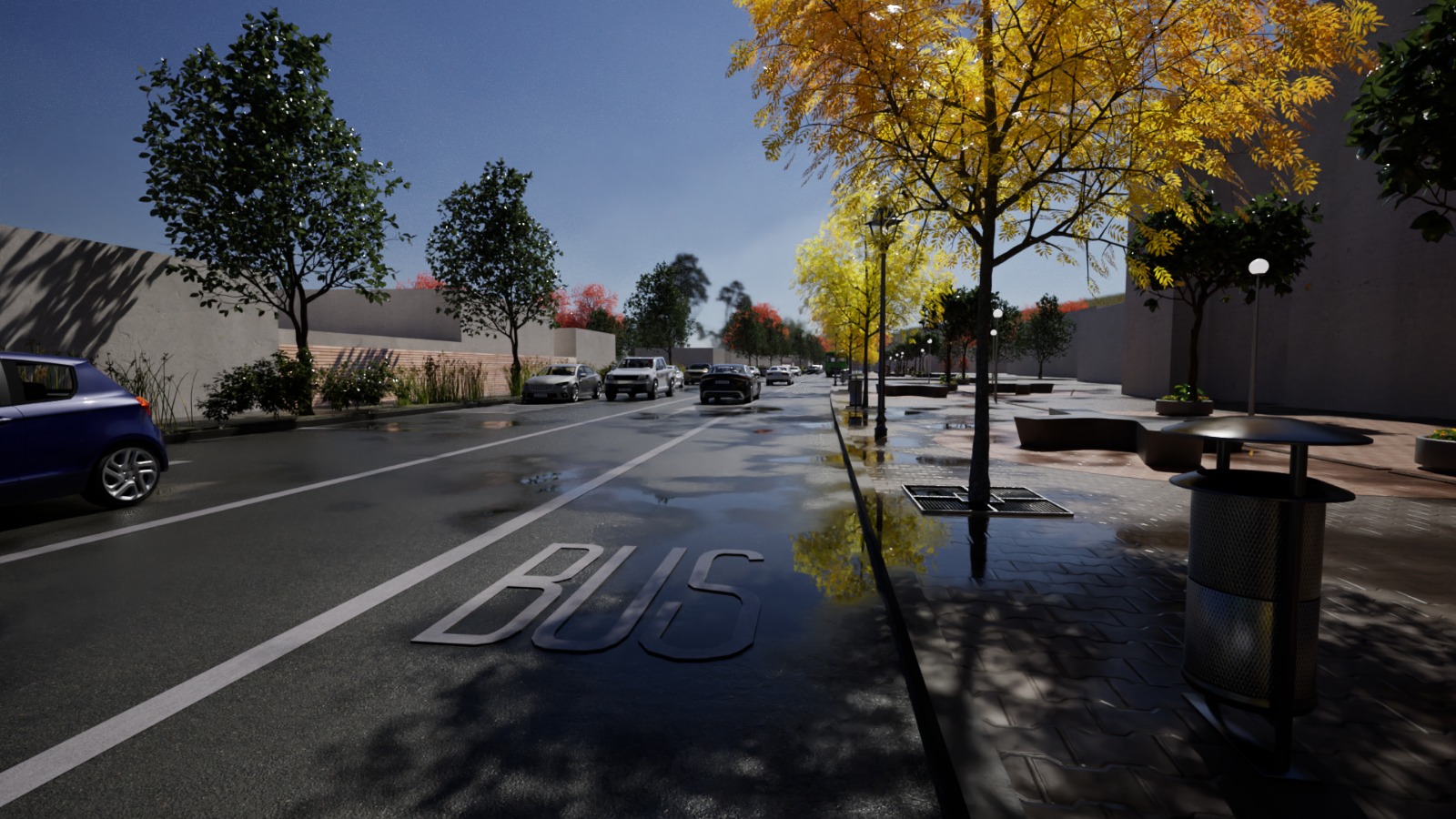
• Development of an integrated mobility corridor of approximately 10 km;
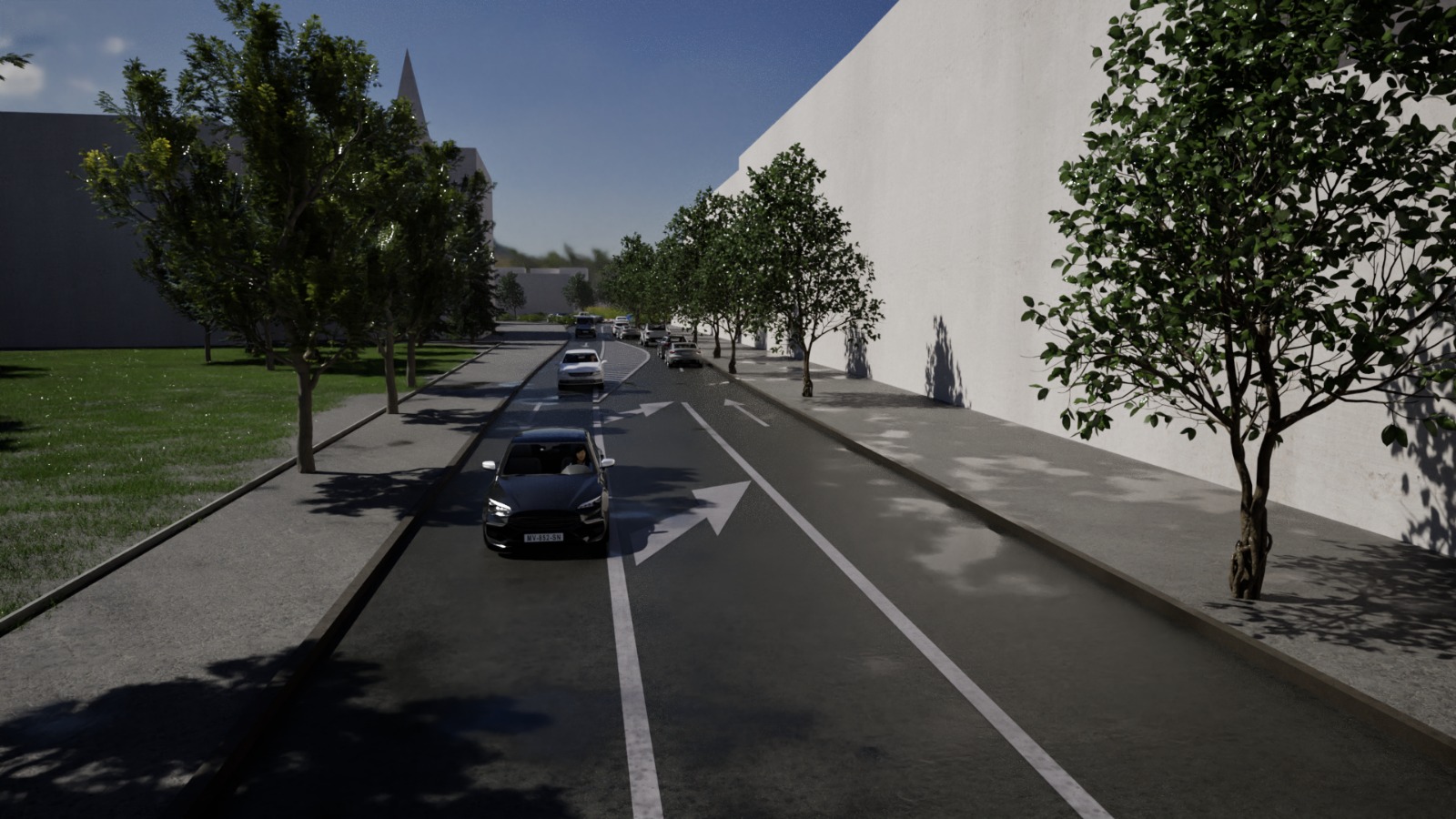
• Creation of cycling infrastructure of approximately 4.6 km;
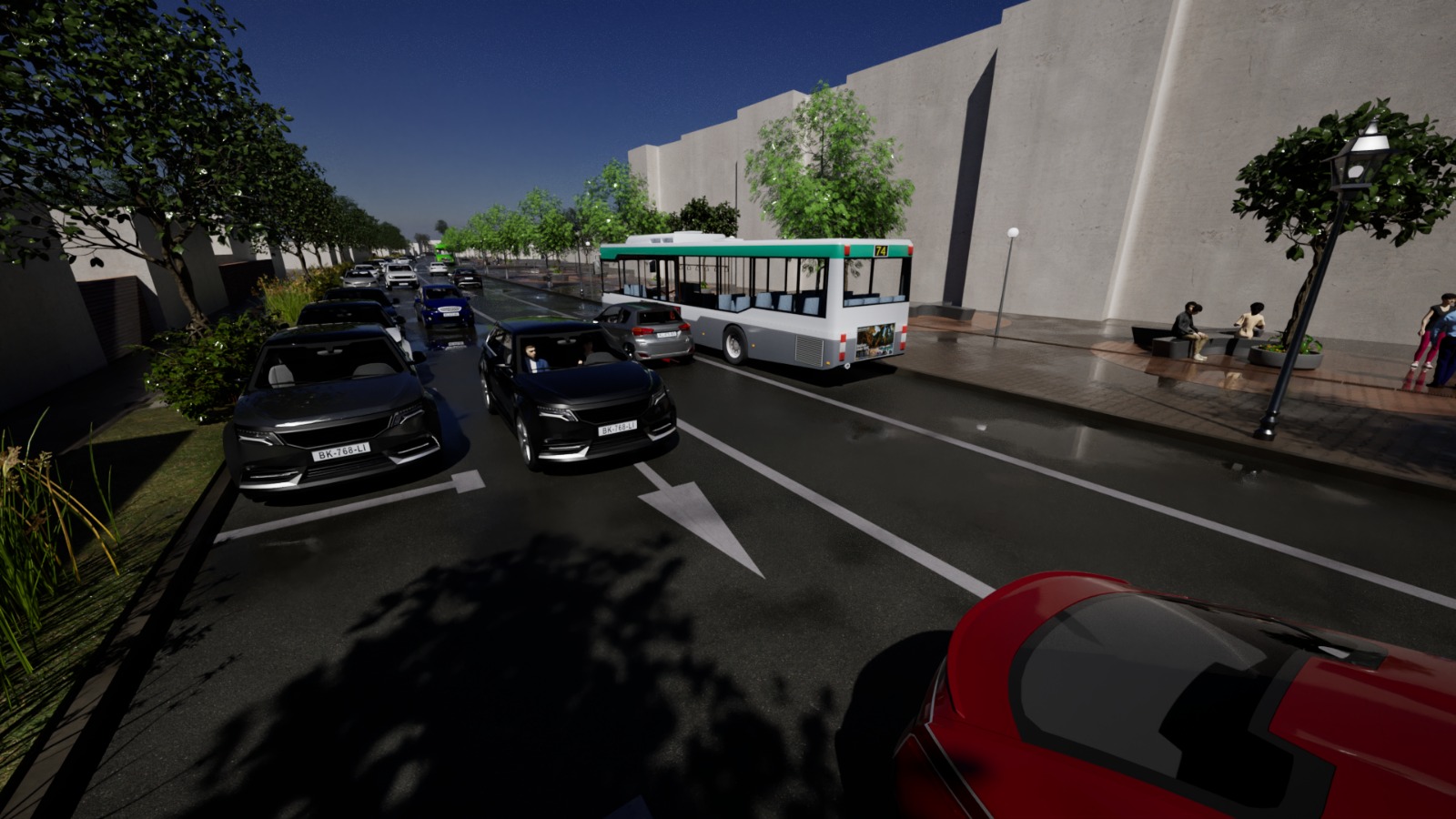
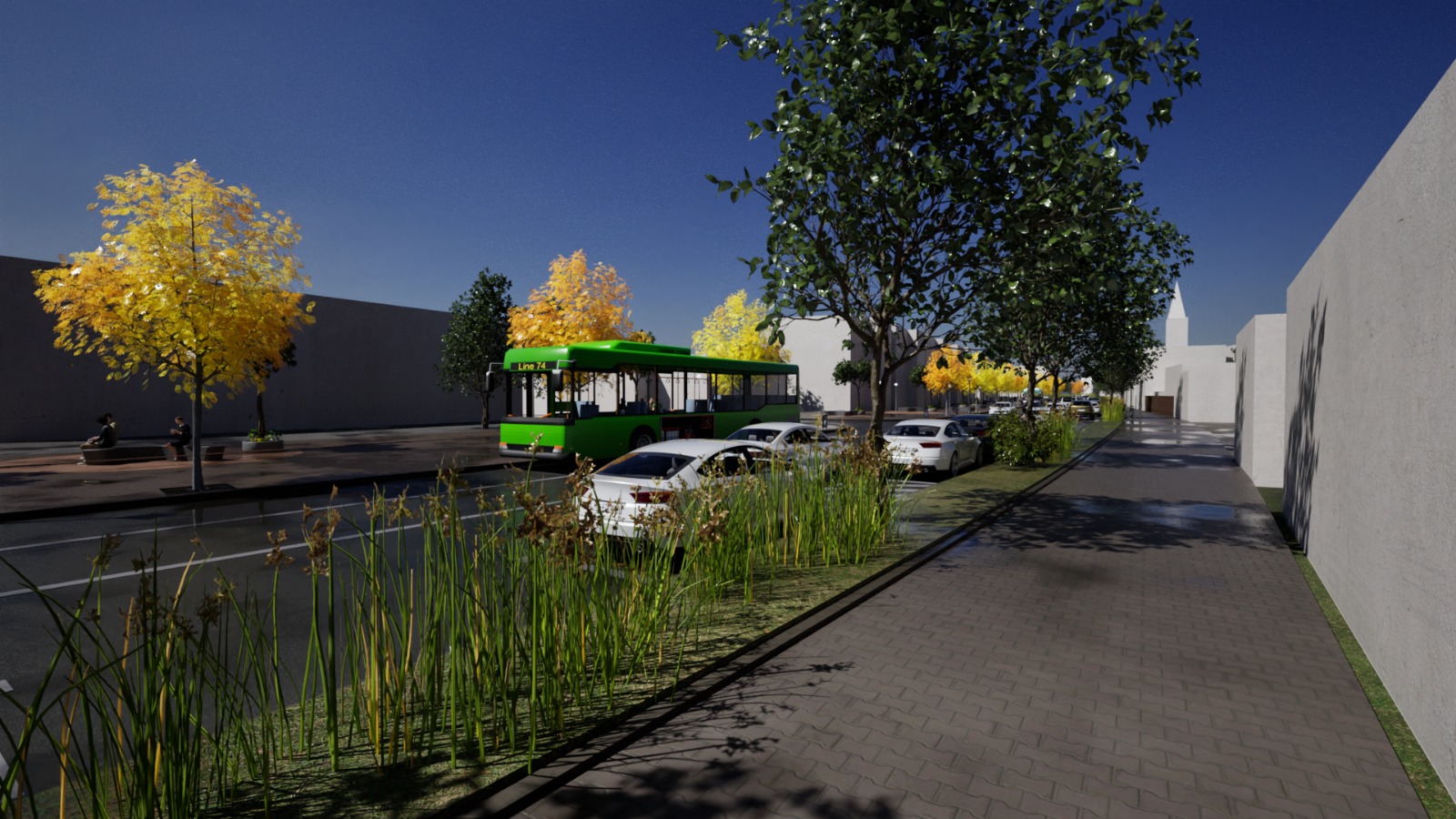
• Introduction of a modern public transport system based on electric buses, including charging infrastructure and a dedicated depot;
• Implementation of smart mobility solutions (intelligent transport systems, digital information, and ticketing systems);
• Modernization of pedestrian infrastructure and public transport stations;
• Reduction of greenhouse gas emissions and improvement of air quality;
• Increased accessibility, safety, and quality of urban public spaces.
Overall, the initiative will contribute to a more sustainable, accessible, and livable urban environment in Tășnad Town.
Sustainable mobility
Green infrastructure
Urban accessibility
Low-carbon transport
Smart city solutions
The initiative places sustainability at its core, aiming to transform urban mobility in Tășnad into a low-carbon, environmentally friendly and resource-efficient system.
Key objectives include reducing greenhouse gas emissions, improving air quality and promoting sustainable transport modes. This is achieved through the introduction of electric public transport, supported by charging infrastructure and an operational depot, reducing reliance on private vehicles and lowering energy consumption.
The project also promotes active mobility by developing safe cycling infrastructure and pedestrian-friendly spaces, encouraging a shift towards walking and cycling, with benefits for both the environment and public health.
Green infrastructure and climate resilience measures are integrated through the rehabilitation of public spaces, improved urban design and the use of sustainable materials. These contribute to reducing urban heat effects, improving stormwater management and enhancing environmental quality.
In addition, intelligent transport systems (ITS) support sustainability by optimizing traffic flows, reducing congestion and improving efficiency, while enabling better monitoring and long-term management.
The initiative is exemplary in showing how a small municipality can implement an integrated approach to sustainable mobility, combining clean transport, active mobility, smart technologies and urban regeneration.
By embedding sustainability at all stages, the project provides a replicable model for cities aiming to transition towards greener and more resilient urban environments.
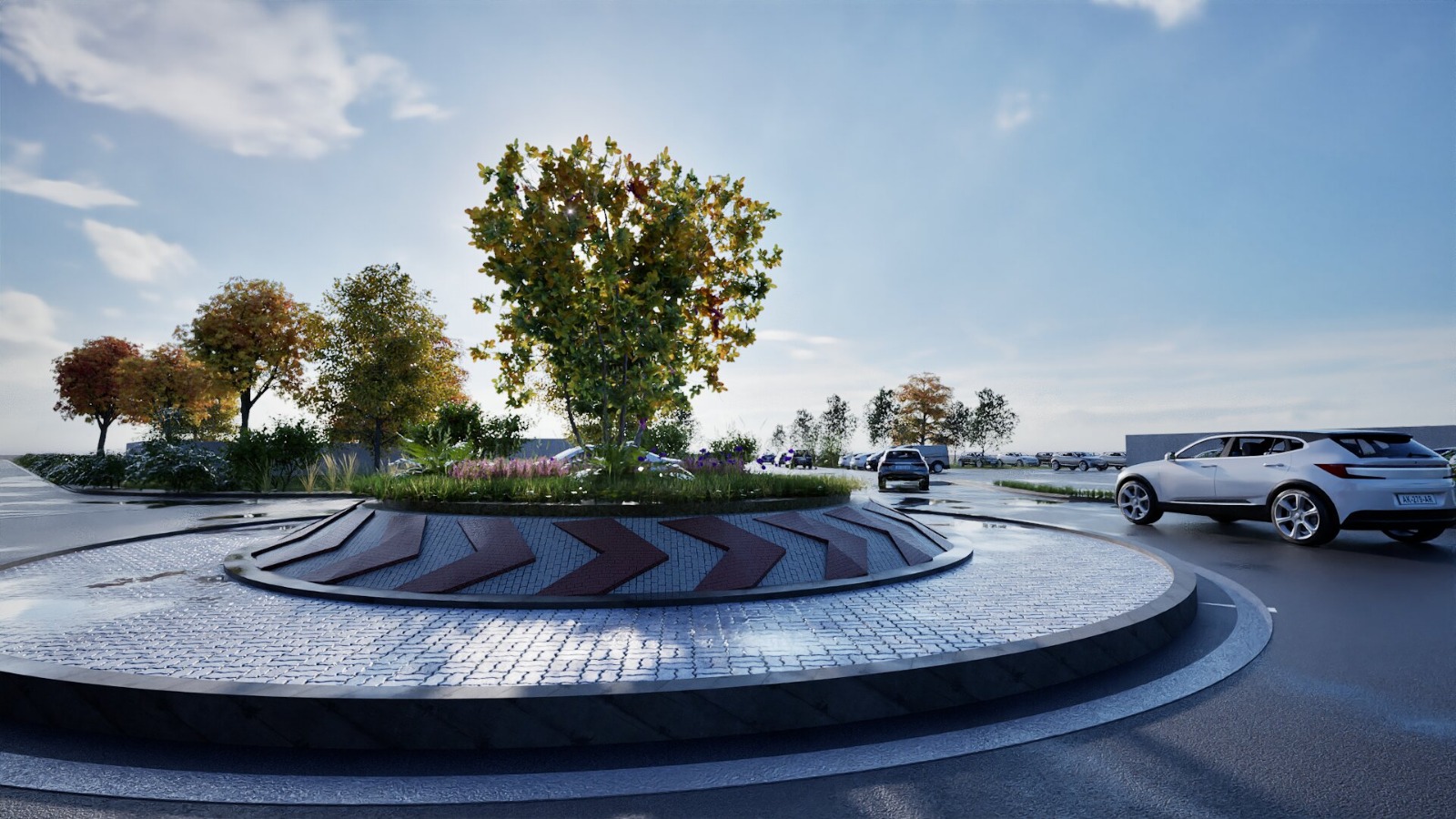
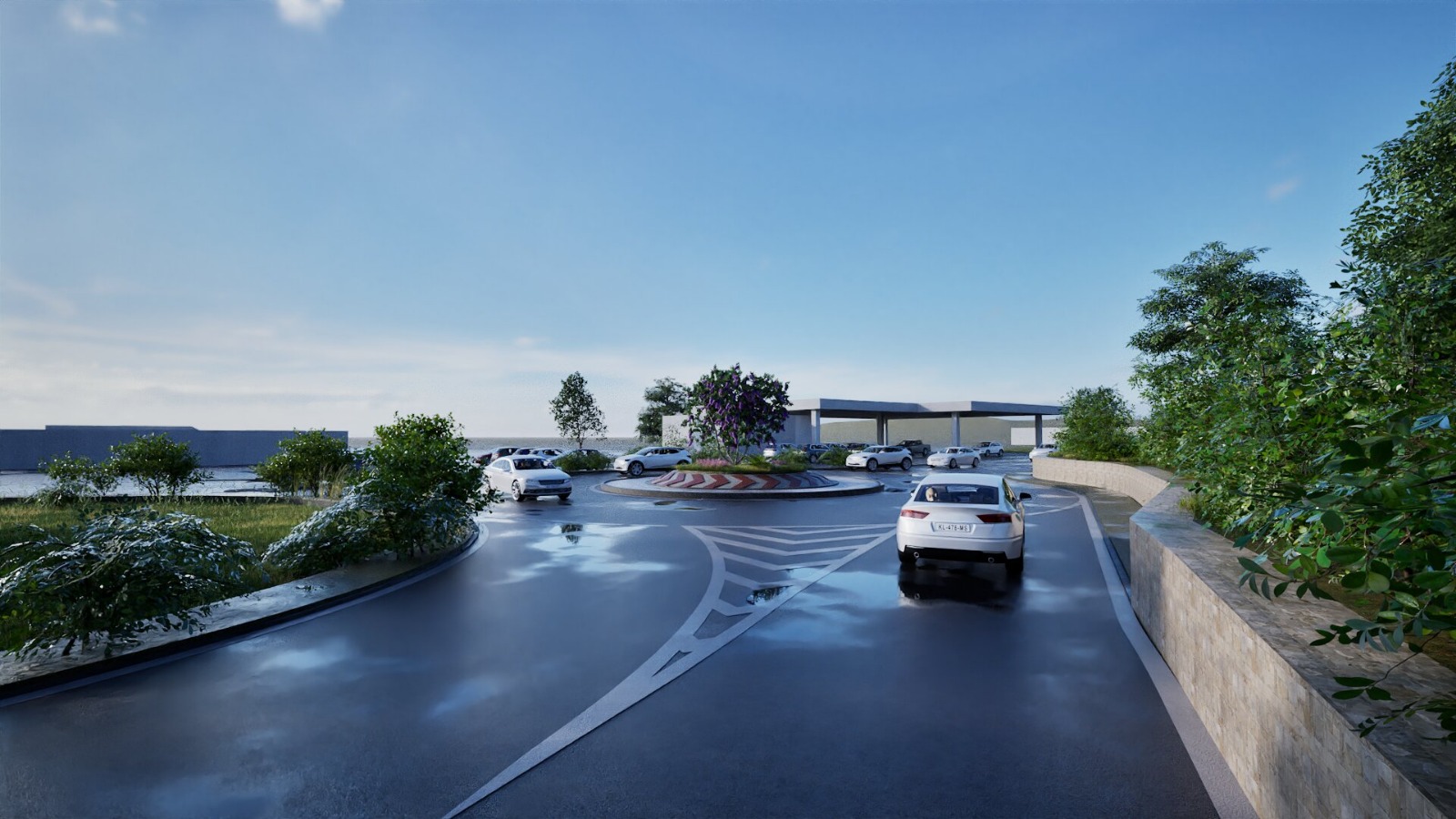
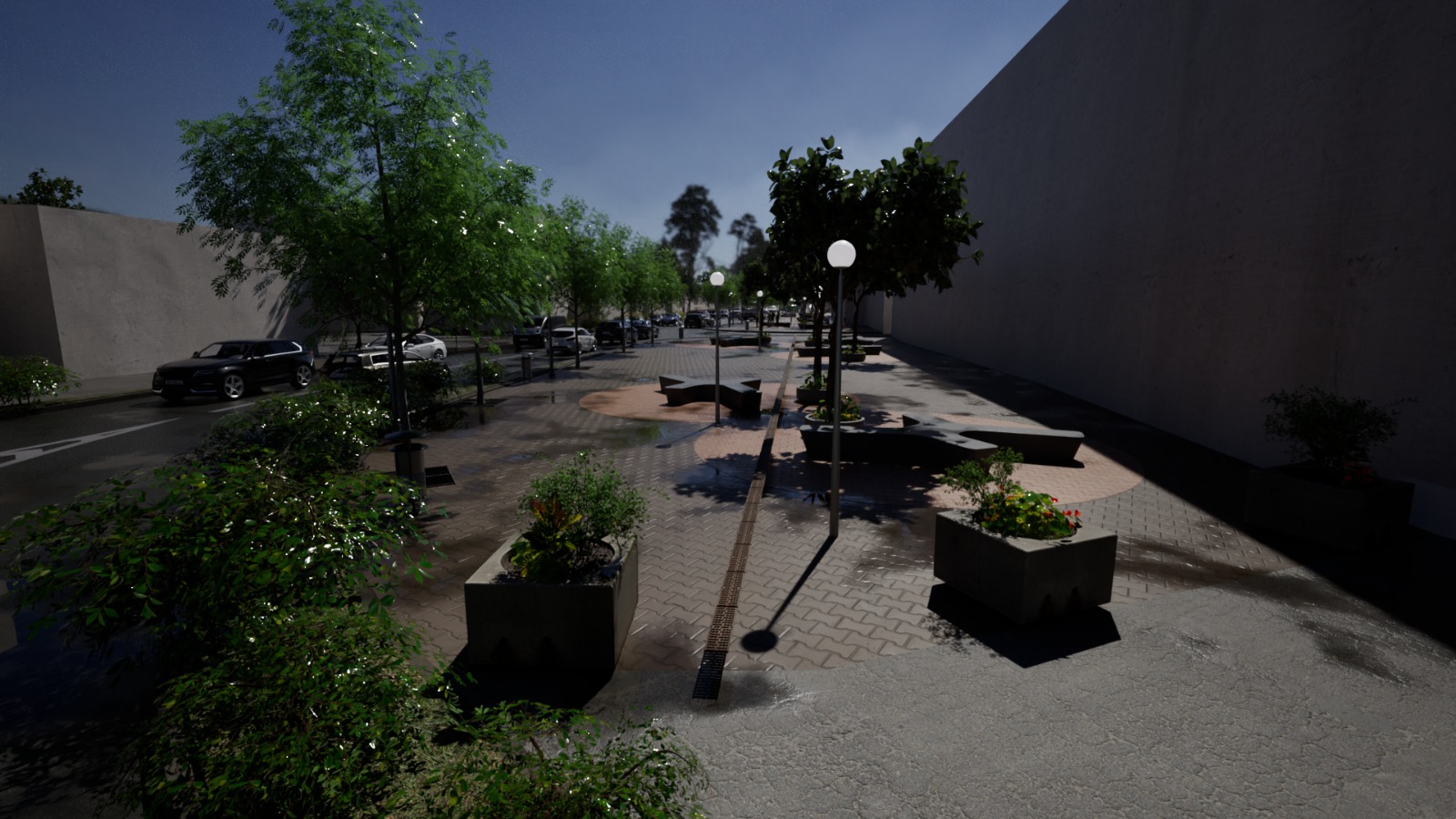
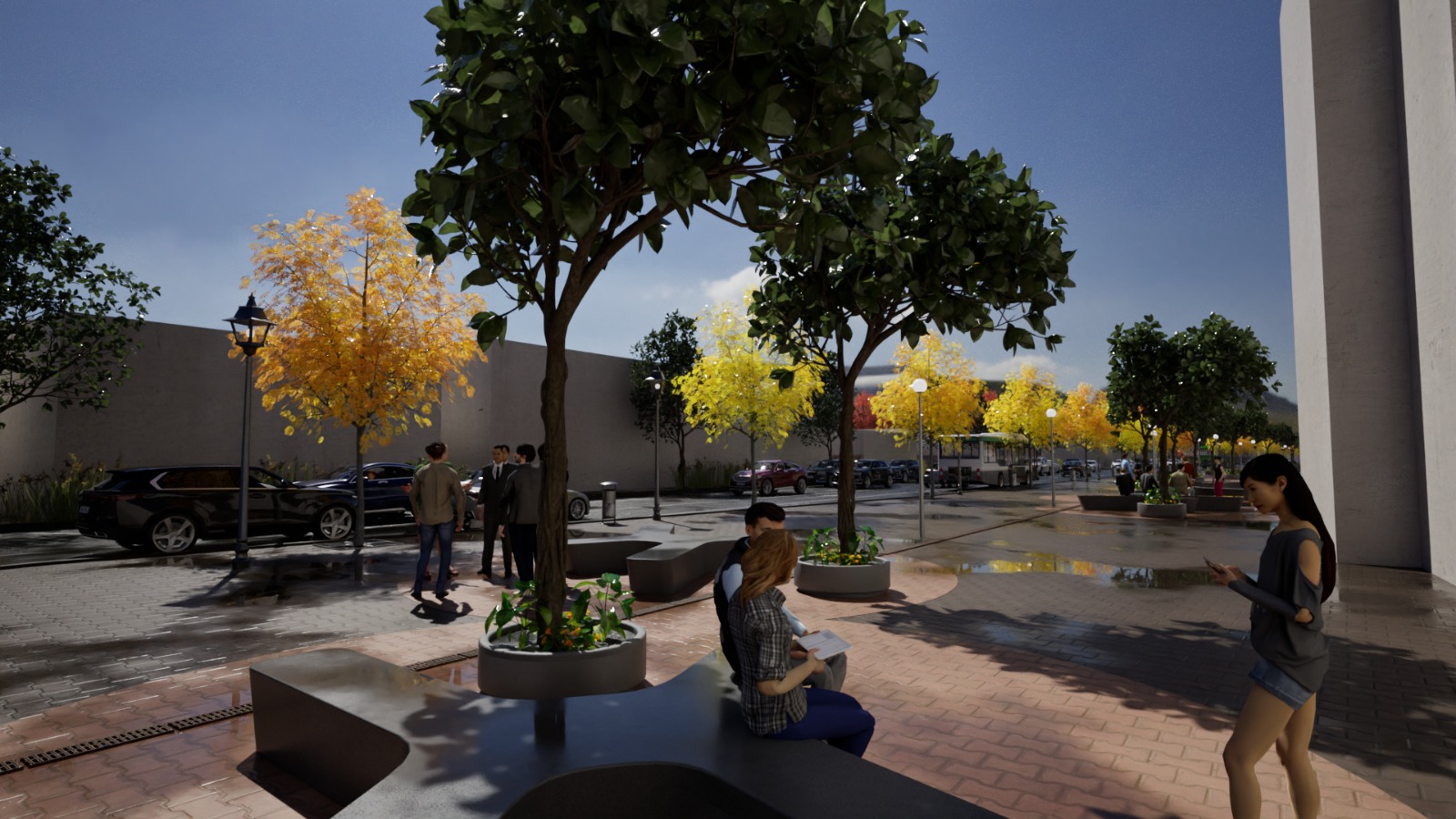
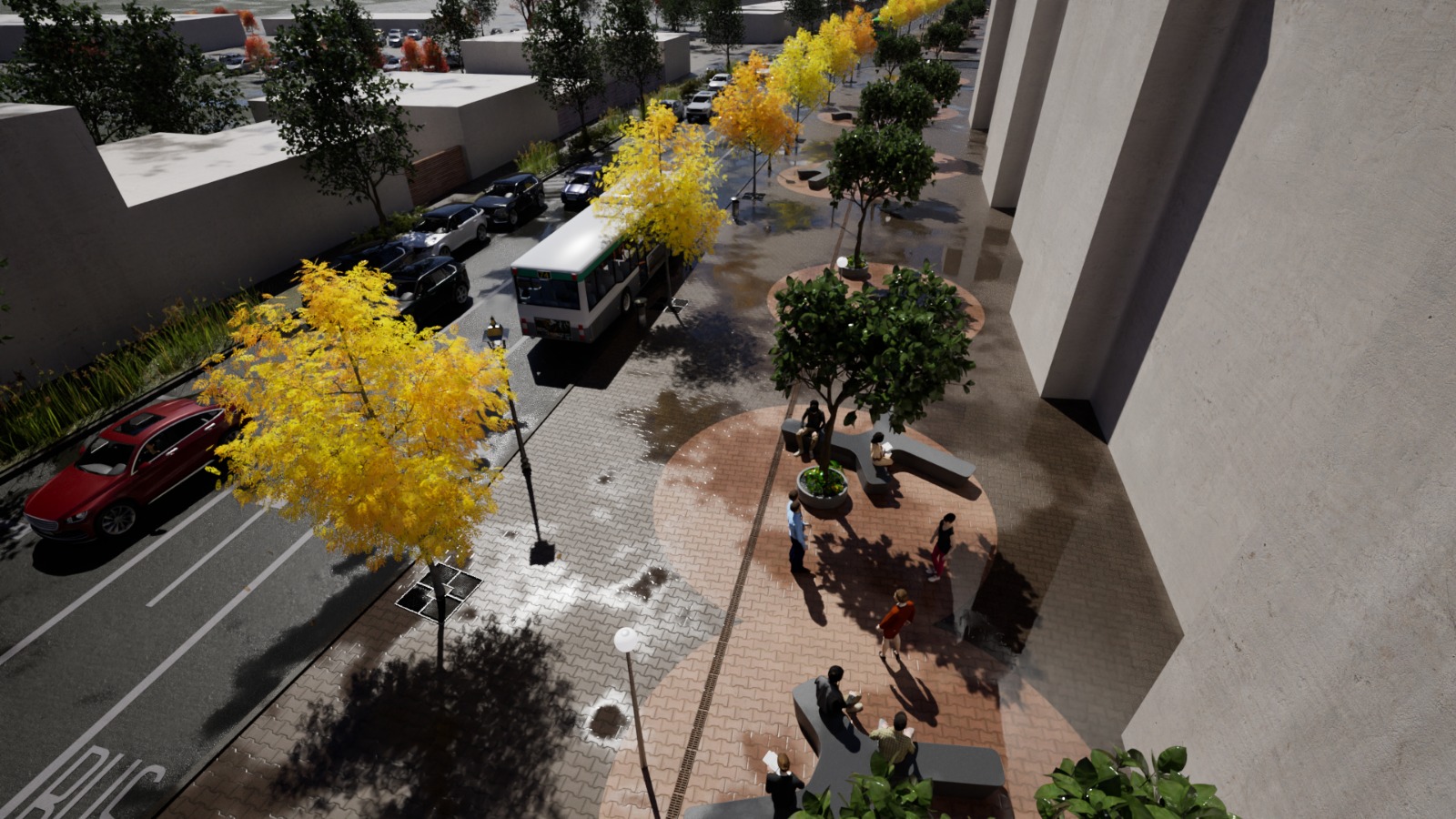
The initiative emphasizes aesthetics and user experience, transforming mobility infrastructure into attractive, human-centered public spaces.
Its main objective is to create a coherent and visually appealing urban environment that enhances everyday life. This is achieved through the redesign of streets, sidewalks and transport areas, using high-quality materials, contemporary design elements and a unified visual identity.
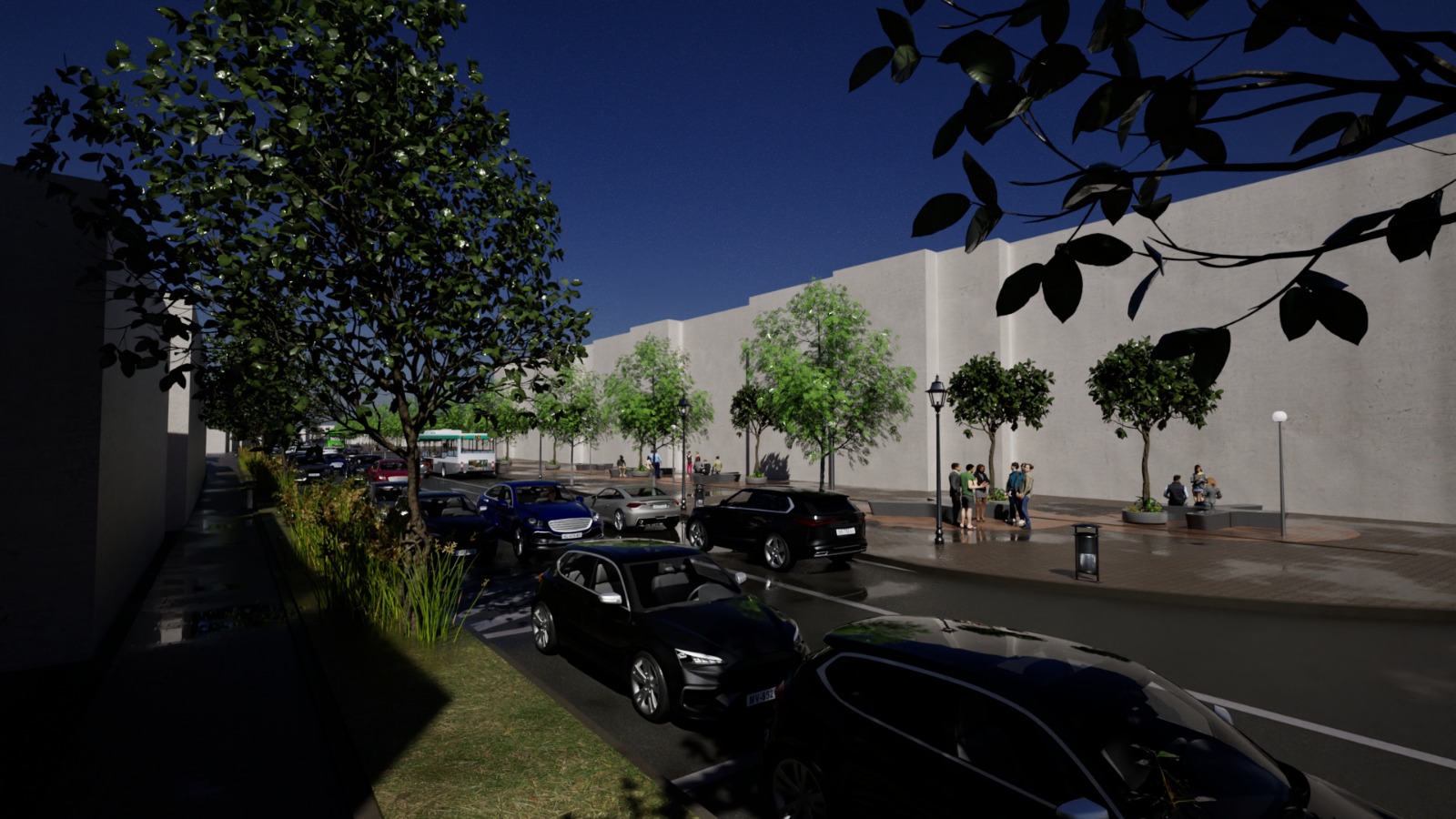
The project prioritizes pedestrian-friendly design, ensuring safe, comfortable and accessible spaces that encourage walking, interaction and time spent in public areas. Urban furniture, improved lighting and greenery contribute to a more welcoming environment.
Cycling infrastructure and public transport stations are designed not only for functionality but also for visual quality. Modern shelters and well-integrated elements create a cohesive urban landscape.
The initiative also strengthens the connection between mobility and public life, improving access to cultural, educational and recreational areas, and supporting community interaction and urban vitality.
The project is exemplary in showing how mobility infrastructure can become a driver of urban regeneration, combining functionality with aesthetics in line with New European Bauhaus principles.
Through this approach, the initiative redefines mobility as a safe, pleasant and meaningful daily experience.
The initiative places inclusion at the core of its design and implementation, aiming to ensure that urban mobility in Tășnad is accessible, affordable and beneficial for all.
A key objective is to provide equal access to mobility services regardless of age, physical ability or socio-economic status. This is achieved through accessible pedestrian infrastructure, including barrier-free sidewalks, safe crossings and public spaces designed according to universal design principles.
The introduction of electric public transport offers an affordable and reliable alternative to private cars, supporting vulnerable groups such as elderly people, students and low-income residents, and improving access to essential services like education, healthcare and employment.
The project also promotes active mobility by developing safe cycling infrastructure and encouraging walking, ensuring usability for children, families and people with reduced mobility.
In terms of governance, the initiative is aligned with local strategies and reflects community needs identified through the Sustainable Urban Mobility Plan (SUMP), supporting a participatory and inclusive approach.
The initiative is exemplary in showing how mobility projects can reduce inequalities and strengthen social cohesion by combining accessible infrastructure, affordable transport and user-centered design. It contributes to a more connected, inclusive and resilient community, aligned with New European Bauhaus values.
The initiative reflects a participatory approach, ensuring that citizens and civil society are considered in the planning and development process.
Citizen involvement was facilitated through the Sustainable Urban Mobility Plan (SUMP), which served as a framework for identifying local mobility needs and priorities. This process analyzed the expectations of residents, commuters and local stakeholders, ensuring the project responds to real community challenges.
Citizens, as main beneficiaries, contributed indirectly by shaping the project through their mobility patterns and identified infrastructure gaps, such as limited accessibility, lack of safe pedestrian and cycling routes, and insufficient public transport services.
Civil society and local stakeholders, including public institutions, educational entities and economic actors, supported the identification of needs related to connectivity and accessibility, helping prioritize interventions and align the project with local development objectives.
This involvement has increased the relevance, usability and acceptance of the project, ensuring higher user adoption and long-term sustainability.
During implementation, the municipality will continue to ensure transparent communication and public information, encouraging ongoing community engagement.
The initiative is exemplary in showing how participatory planning in small municipalities can lead to effective, inclusive and user-centered solutions, aligned with New European Bauhaus principles.
The initiative is developed through a multi-level governance approach, involving stakeholders at local, regional, national and European levels, each contributing specific roles and added value.
At the local level, the Administrative-Territorial Unit of Tășnad acts as main beneficiary and coordinator, responsible for planning, implementation and long-term operation. Local stakeholders, including public institutions, schools, healthcare facilities and economic actors, contribute by identifying mobility needs and ensuring relevance.
At the regional level, the North-West Regional Development Agency, as Managing Authority for the Regional Programme 2021–2027, is responsible for evaluation, contracting, monitoring and financial management, ensuring alignment with regional priorities.
At the national level, the project aligns with policies on sustainable mobility, climate action and urban development, following national legislation and standards.
At the European level, the initiative is supported by the European Regional Development Fund (ERDF), providing funding and strategic direction in line with EU priorities on low-carbon mobility.
The added value lies in combining local knowledge, regional expertise, national policy alignment and European vision, ensuring a high-quality and sustainable project.
The initiative is exemplary in demonstrating effective cooperation across governance levels, showing how small municipalities can successfully deliver complex and impactful projects.
The initiative reflects a strong interdisciplinary approach, integrating multiple fields in both design and implementation to ensure a comprehensive and high-quality outcome.
Key disciplines include urban planning, transport engineering, environmental science, architecture and urban design, digital technologies and public administration. Each contributes to different aspects, from infrastructure development to environmental performance and user experience.
Urban planners and transport engineers collaborated to design an efficient mobility corridor, improving connectivity and traffic flows. Environmental specialists integrated low-carbon solutions and green infrastructure. Architects and urban designers ensured that public spaces are not only functional but also safe, attractive and user-friendly. Digital experts contributed to intelligent transport systems (ITS), enabling real-time information and smart mobility services.
Public administration plays a central coordinating role, ensuring compliance, managing procurement and facilitating collaboration between stakeholders. The interaction between disciplines was supported through feasibility studies, technical documentation and integrated planning processes.
The added value of this approach lies in delivering a project that is technically robust, environmentally sustainable and centered on user needs. By combining expertise from multiple fields, the initiative achieves higher quality, efficiency and long-term impact.
The project is exemplary in demonstrating how interdisciplinary collaboration can generate innovative and integrated solutions, fully aligned with New European Bauhaus principles.
The initiative stands out through its innovative approach to urban mobility, moving beyond conventional infrastructure projects towards an integrated, sustainable and smart system.
Unlike traditional mobility investments focused on road rehabilitation or isolated upgrades, this project adopts a multimodal approach, combining public transport, cycling infrastructure, pedestrian spaces and smart technologies into a coherent mobility corridor.
A key innovation is the introduction of a fully electric public transport system in a small municipality, supported by charging infrastructure and an operational depot, contributing to zero-emission mobility.
The project also integrates intelligent transport systems (ITS), including real-time passenger information, smart ticketing and digital monitoring, improving efficiency and user experience—features rarely implemented at this scale.
Another innovative aspect is the reconfiguration of urban space to prioritize people over cars, promoting active mobility and reducing car dependency.
The initiative is based on an integrated planning model through the Sustainable Urban Mobility Plan (SUMP), ensuring coordinated, data-driven interventions aligned with long-term strategies.
Its innovation also lies in demonstrating that advanced mobility solutions can be implemented in small municipalities. The project redefines urban mobility by shifting from fragmented, car-oriented solutions to integrated, sustainable and user-centered systems, aligned with EU priorities and NEB principles.
The initiative has strong potential for transferability and replicability, especially for small and medium-sized municipalities facing challenges related to limited mobility infrastructure, car dependency and restricted access to sustainable transport.
A key transferable element is the integrated multimodal mobility model, combining public transport, cycling infrastructure, pedestrian spaces and smart solutions into a coherent system. This model can be adapted to different contexts by scaling infrastructure and services according to local needs.
The methodological approach—based on needs assessment, strategic planning through the Sustainable Urban Mobility Plan (SUMP) and phased implementation—is highly replicable, ensuring data-driven and efficient interventions aligned with local priorities.
Technological solutions such as electric buses, charging infrastructure, bike-sharing systems and intelligent transport systems (ITS) are modular and scalable, making them adaptable to various urban environments.
Another important aspect is the reconfiguration of urban space to prioritize people over cars, through the integration of pedestrian areas, cycling routes and public transport into a unified design.
The initiative also provides valuable lessons in governance, stakeholder coordination and EU-funded project implementation, showing how small municipalities can manage complex projects and align with European policies.
Its added value lies in the use of practical and adaptable solutions, making it a realistic model for other local authorities. The project demonstrates that sustainable and inclusive mobility can be successfully implemented beyond large cities, offering a replicable model for similar communities.
The initiative has strong potential for transferability and replicability, especially for small and medium-sized municipalities facing challenges related to limited mobility infrastructure, car dependency and insufficient access to sustainable transport.
A key transferable element is the integrated multimodal mobility model, combining public transport, cycling infrastructure, pedestrian spaces and smart solutions into a coherent system. This model can be adapted to different contexts by scaling infrastructure and services according to local needs.
The methodological approach—based on needs assessment, strategic planning through the Sustainable Urban Mobility Plan (SUMP) and phased implementation—is highly replicable, ensuring data-driven and efficient interventions aligned with local priorities.
Technological solutions such as electric buses, charging infrastructure, bike-sharing systems and intelligent transport systems (ITS) are modular and scalable, making them adaptable to various urban environments.
Another important aspect is the reconfiguration of urban space to prioritize people over cars, through the integration of pedestrian areas, cycling routes and public transport into a unified design.
The initiative also provides valuable lessons in governance, stakeholder coordination and EU-funded project implementation, showing how small municipalities can manage complex projects and align with European policies.
Its added value lies in the use of practical and adaptable solutions, making it a realistic model for other local authorities. The project demonstrates that sustainable and inclusive mobility can be successfully implemented beyond large cities, offering a replicable model for similar communities.
The initiative demonstrates a strong and credible commitment to implementation, being in an advanced stage with secured European funding and a clear execution framework.
The project has completed key preparation phases, including the development of the Sustainable Urban Mobility Plan (SUMP), feasibility study and technical documentation, as well as the identification of mobility challenges and solutions. It has been approved and contracted under the North-West Regional Programme 2021–2027, ensuring financial and institutional support.
New European Bauhaus values are embedded in the design. Sustainability is addressed through electric public transport, active mobility and low-carbon solutions. Inclusion is ensured through accessible infrastructure and improved mobility for all users. Aesthetic quality is reflected in the redesign of public spaces, focusing on safety, coherence and user experience.
Next steps include procurement procedures, infrastructure works, development of the mobility corridor, installation of equipment and smart systems, and preparation for operation. These activities are implemented in phases, ensuring coordination, compliance and monitoring.
Implementation will follow key principles such as sustainable construction, accessibility, design quality, integration of smart technologies and transparent stakeholder engagement.
After completion, the project will enter the operational phase, ensuring maintenance, performance monitoring and continuous improvement of mobility services.
The initiative exemplifies a clear transition from planning to implementation, demonstrating how NEB principles can be translated into concrete, high-impact results for the community.