Enablers for New European Bauhaus Transformation
Social Impact Generator Hub
Transforming a Container in Europe’s Last Divided Capital into a Living Lab for Inclusive Innovation
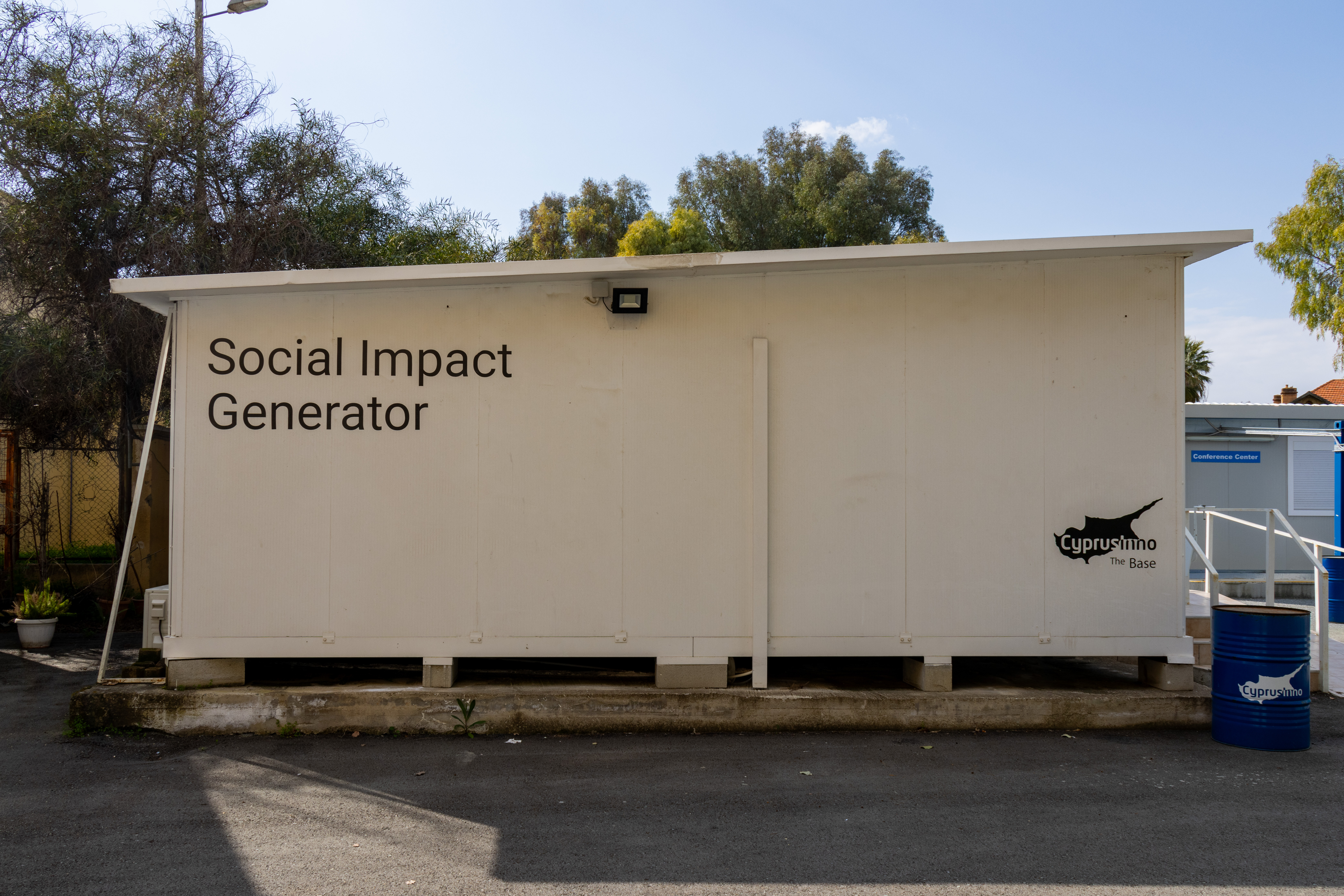
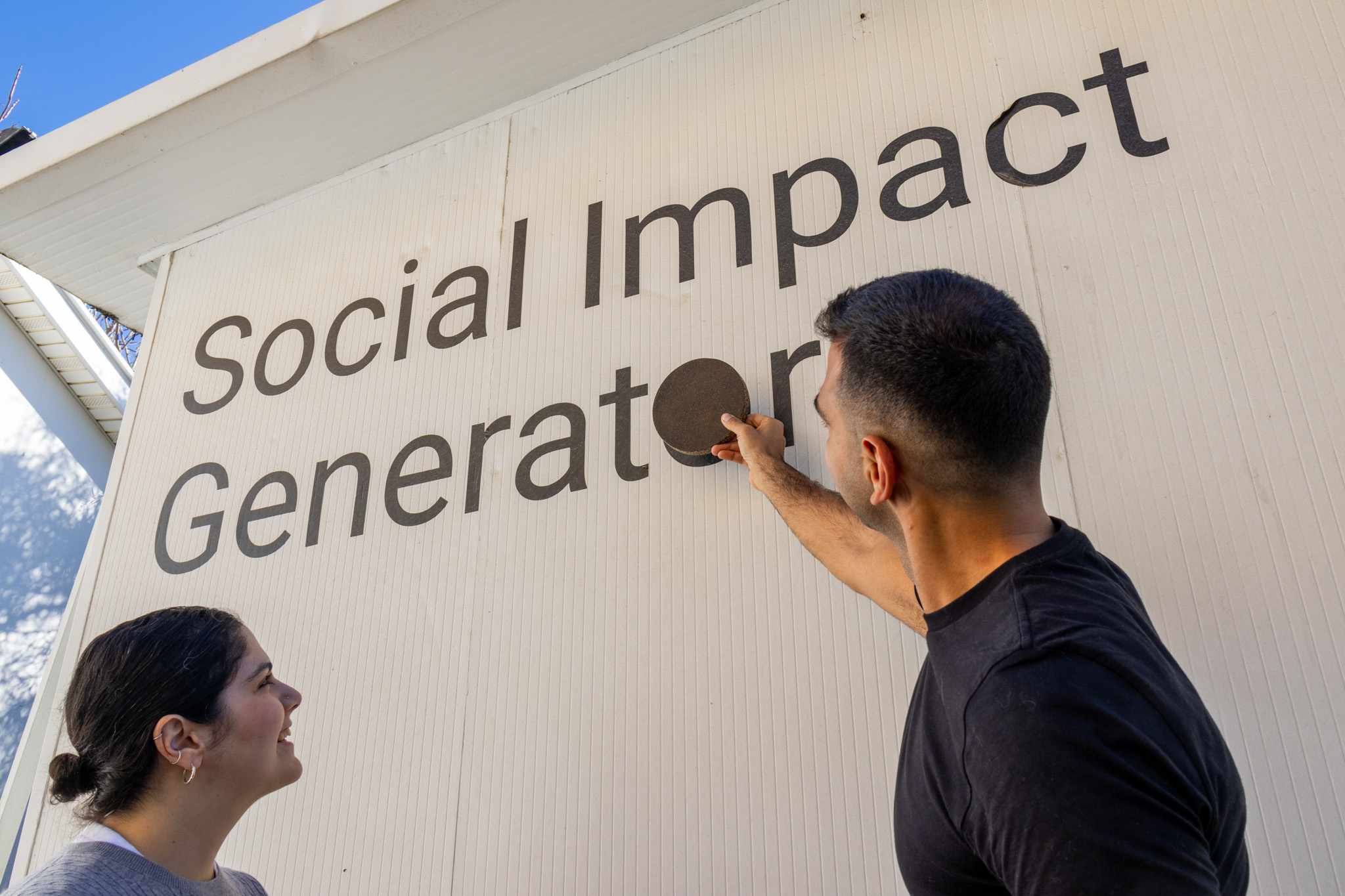
Located in the UN Buffer Zone in Nicosia, Europe’s last divided capital, the Social Impact Generator transforms a military container into a living innovation lab and the world’s first innovation hub in a buffer zone. Through accelerators, hackathons, and mentorship programmes, the hub empowers conflict-affected youth and entrepreneurs to co-create sustainable, NEB-aligned solutions, turning a space of division into a platform for inclusive innovation, dialogue, and shared futures.
Cyprus
Regional
Apart from engaging local communities and third-country nationals in Cyprus, we have also been hosting participants from Israel-Palestine and the Western Balkans at our hub. As a neutral space, it provides an opportunity for other conflict-affected Middle Eastern communities to collaborate through the strategic partnerships we establish.
Mainly urban
It involves other types of transformations (soft investment)
Yes
2025-12-31
Yes
Horizon, Erasmus, and EIT
No
No
Organisation
The Social Impact Generator is a living innovation hub in Nicosia’s UN Buffer Zone, transforming a UN peacekeeping container into the world’s first innovation space within a buffer zone.It provides a neutral environment where communities, entrepreneurs, and organisations co-create sustainable solutions aligned with the NEB. The hub supports youth, early-stage entrepreneurs, creatives, Greek/Turkish Cypriots, and third-country nationals through skills development, mentorship, experimentation spaces, and collaborative programmes addressing environmental and social challenges. Through accelerators, hackathons, venture-building initiatives, and open innovation calls, participants co-create solutions focused on circular economy, sustainable materials, and inclusive urban development. These programmes enable innovators from historically divided communities to collaborate while developing ventures that address local and global sustainability challenges. Since inception, the hub has delivered 150+ programmes, engaged 7,000+ community members, and supported 500+ startup teams, many addressing circular materials, waste reduction, and sustainable production. Several have secured follow-on funding, partnerships, and jobs, allowing their solutions to scale beyond Cyprus. The project strengthens long-term innovation capacity by building a pipeline of sustainability-driven ventures and cross-community collaboration. Work with participants from other conflict-affected regions (e.g., Israel–Palestine, Western Balkans) highlights wider relevance as a model for similar contexts. By combining adaptive reuse, entrepreneurship, and participatory programmes, the project prototypes how contested spaces can become platforms for collaboration, sustainability, and shared futures, offering a scalable model for community-driven innovation in divided societies.It now contributes to the South Hub of the NEB Academy, delivering training and open courses on sustainable built-environment innovation.
The Social Impact Generator emerged from a simple observation: although Cyprus remains home to Europe’s last divided capital, entrepreneurs across the island share similar ambitions and challenges. In 2020, we conducted an island-wide ecosystem study with 350+ founders, investors, universities, and support organisations. The findings revealed a paradox: over 70% of entrepreneurs expressed interest in collaboration across communities, yet structural barriers; fragmented ecosystems, limited funding, and lack of shared innovation spaces prevented it. Traditional peacebuilding initiatives often focused on dialogue and reconciliation. While important, these approaches struggled to engage younger generations seeking practical opportunities for skills development, innovation, and economic growth. Our response was to use entrepreneurship and innovation as tools for peacebuilding. Instead of bringing people together only to discuss shared challenges, we created environments where they collaborate to build solutions together. The project was implemented in three phases.
First, consultations and co-design workshops with entrepreneurs, universities, NGOs, and ecosystem stakeholders helped define a model combining entrepreneurship support with community-building. Second, a UN peacekeeping container within the Buffer Zone was creatively transformed from into a welcoming, inclusive innovation hub, the world’s first of its kind in a buffer zone. Finally, participatory programmes, including accelerators, hackathons, mentorship initiatives, and open innovation calls were launched using human-centred design methods and collaborative workshops. Today, the hub functions as a living lab where innovators, creatives, researchers, and community members collaborate to address sustainability challenges and build ventures together, showing how a space once associated with division can become a platform for experimentation, belonging, and shared progress.
First, consultations and co-design workshops with entrepreneurs, universities, NGOs, and ecosystem stakeholders helped define a model combining entrepreneurship support with community-building. Second, a UN peacekeeping container within the Buffer Zone was creatively transformed from into a welcoming, inclusive innovation hub, the world’s first of its kind in a buffer zone. Finally, participatory programmes, including accelerators, hackathons, mentorship initiatives, and open innovation calls were launched using human-centred design methods and collaborative workshops. Today, the hub functions as a living lab where innovators, creatives, researchers, and community members collaborate to address sustainability challenges and build ventures together, showing how a space once associated with division can become a platform for experimentation, belonging, and shared progress.
Social Inclusion
Sustainable Entrepreneurship
Peace Innovation
Capacity Building
Collaborative Ecosystems
Sustainability is embedded in both the design of the Social Impact Generator and the innovation ecosystem it fosters. The hub exemplifies circular design through the adaptive reuse of a UN peacekeeping container in Nicosia’s Buffer Zone. Materials left by forces, including wood and metal, were repurposed, while recycled materials and second-hand furniture created the interior space. This approach minimized environmental impact while transforming underused infrastructure into a productive, welcoming civic environment. Beyond architecture, sustainability drives the hub’s entrepreneurship programmes. Initiatives such as the FoodWaste Hackathon, NEB Ignite, Urban Innovators Academy, Y-PLAN, and Youth Innovators Factory (YIF) provide mentorship, training, and funding, supporting teams developing solutions in circular economy, sustainable materials, and waste reduction. Over 250 sustainability-focused startups have been supported, including Pit to Table (NEB Grow), producing tabletops from discarded olive pits; NEEMA (YIF), creating vegan leather from prickly pear cactus; DERGON (NEBA Academy), 3D-printing furniture from recycled plastic; Mobile Creative Capsule (NEB Grow), creating modular installations in underused spaces; and Cyprus Food Hub (YIF), addressing food waste and insecurity. Collectively, these projects received over €80,000 in programme support. These ventures show how circular design can reduce waste, promote sustainable production, and strengthen local capacity for environmentally responsible innovation. The container’s adaptive reuse demonstrates how low-impact infrastructure can activate urban spaces without the footprint of new construction. Rather than a single intervention, the Social Impact Generator builds the skills, infrastructure, and collaborative networks required for sustainability-driven solutions to emerge and scale, particularly in fragmented or post-conflict regions.
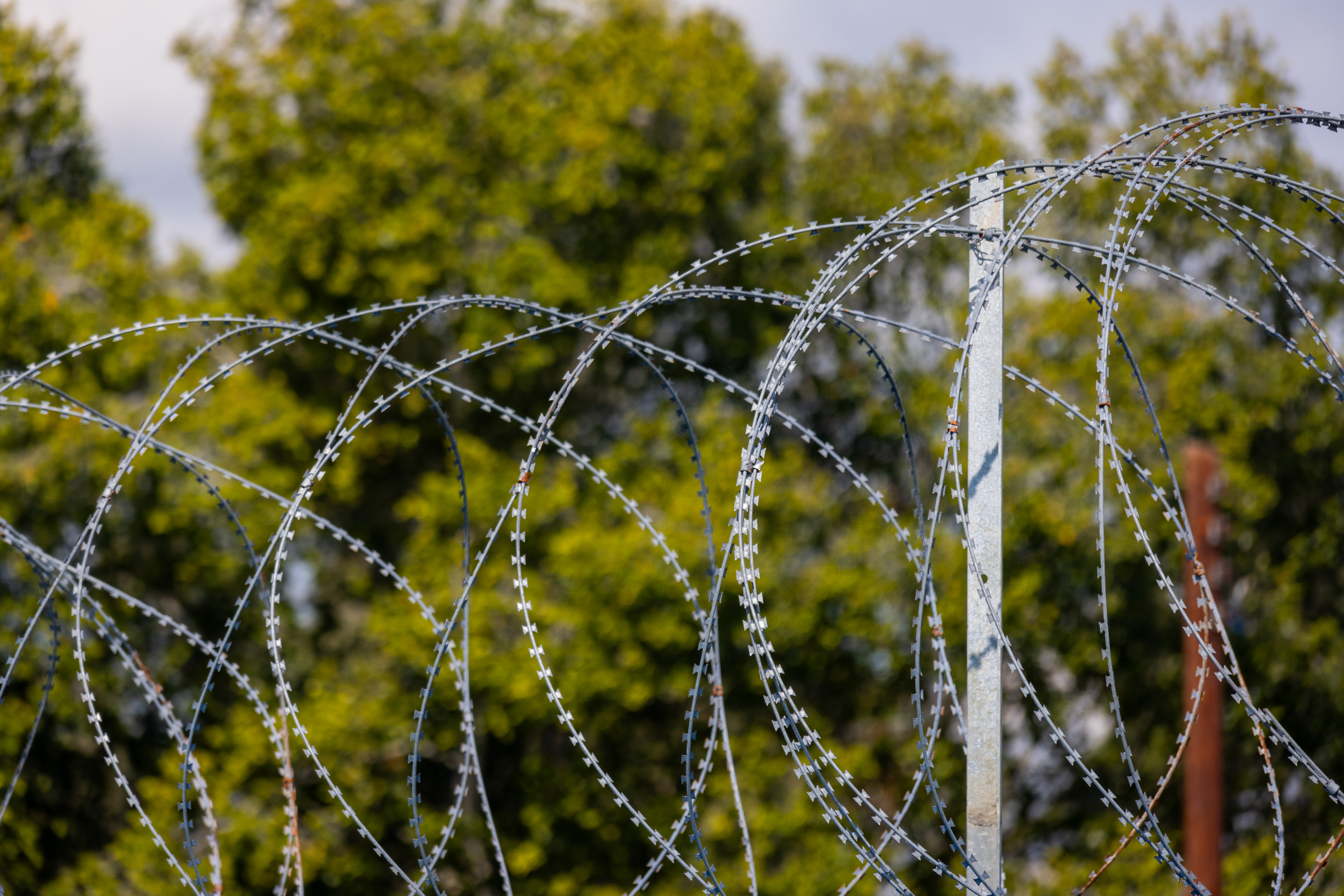
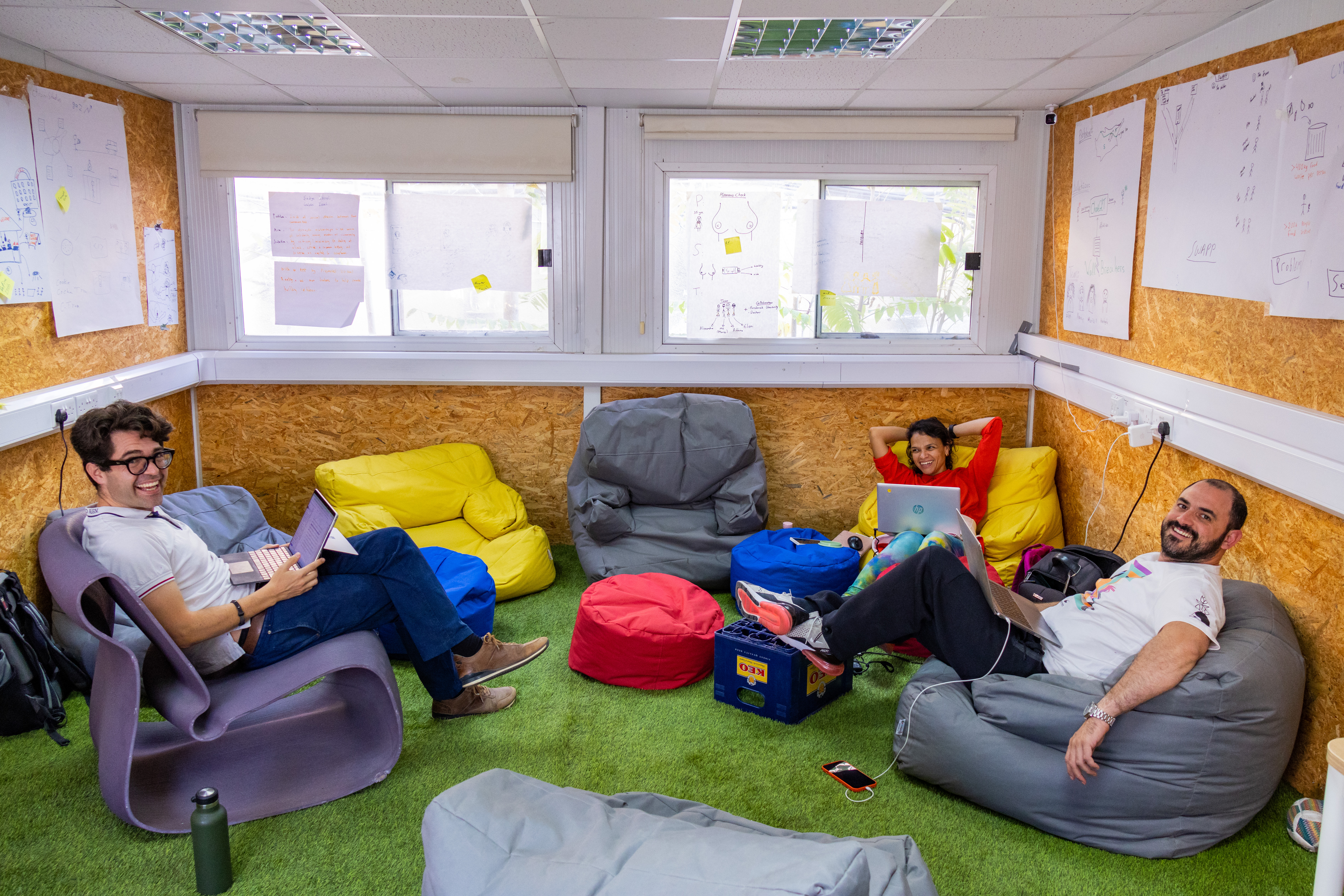
The Social Impact Generator demonstrates how design and creativity can transform spaces historically associated with division into places of inspiration, collaboration, and belonging. Located within Nicosia’s UN Buffer Zone, part of a 180 km “no-man’s land” separating communities for decades, the hub reclaims a previously unused/underutilised space and reintroduces it as a welcoming civic environment. The project was developed through a participatory, co-creation process involving local artisans, metal workers, sustainable architects, and community members who contributed their skills to redesign and build the space. This circular design approach reduced environmental impact while symbolically transforming a structure associated with separation into a place of openness, creativity, and shared ownership. The interior prioritises warmth, flexibility, and human-centred experience. Modular layouts, collaborative workspaces, and natural light create an inviting atmosphere for exchanging ideas, experimenting, and building relationships. The space is regularly activated through workshops, hackathons, exhibitions, and creative activities, bringing together innovators, designers, artists, and community members while transforming a peacekeeping forces container into a vibrant cultural and collaborative hub. The aesthetic impact extends beyond architecture to lived experience. Participants enter a space that once symbolised division but now hosts dialogue, creativity, and problem-solving. Over 60% met someone from the other community for the first time, and 40% entered the UN Buffer Zone for the first time. As one participant reflected: “I would never imagine such a place could exist in this location.” By transforming a military buffer zone space into a platform for creativity and collaboration, the Social Impact Generator demonstrates how thoughtful design and collective participation can redefine contested spaces and foster a renewed sense of belonging and shared identity.
All of our programmes, including training, mentorship, and startup support are free, ensuring accessibility regardless of financial background. In our study, 68% of 350 Cypriot entrepreneurs relied on self-funding and 28% on bank loans, highlighting limited early-stage support. By providing mentorship, training, and micro-funding, the hub enables individuals without access to networks or resources to engage in innovation and entrepreneurship. To date, the hub has distributed over €100k in startup funding and delivered 500+ mentorship hours, helping participants develop ventures and access wider innovation ecosystems. Supported startups have raised more than €1.1 million in follow-on investment and created 50+ jobs. Spatial inclusion is addressed through the hub’s location in the UN Buffer Zone, creating one of very few available neutral environments on the island where Greek Cypriots, Turkish Cypriots, and third-country nationals can collaborate freely. Since 2023, the project has hosted 40+ intercommunal programmes, enabling participants from historically divided communities to work together. Cross-community ventures like NEEMA and Pit-to-Table, which first met through the hub, have since raised €455k in follow-on funding while collaborating on sustainable material innovation. Gender inclusion is prioritised through initiatives such as the Academy for Women Entrepreneurs and Women Entrepreneurs Lab, raising female participation in programmes to over 50%. Digital inclusion is strengthened through partnerships with 10+ technology partners, including Microsoft, HubSpot, Notion, and GitHub, providing free access to digital tools, training, and mentorship. By combining accessible programmes, cross-community collaboration, and inclusive partnerships, the Social Impact Generator demonstrates a model for inclusive innovation ecosystems where diverse communities can shape sustainable solutions and shared futures, while contributing to social cohesion in a divided context.
The Social Impact Generator is built as a community-driven initiative where citizens, entrepreneurs, and civil society organisations shape both the design and evolution of the hub and its programmes. It began as a digital platform connecting entrepreneurs across Cyprus through online learning, networking, and collaborative events. Our engagement through surveys, consultations, and community discussions revealed the need for a shared physical space where collaboration could take place more organically, directly informing the project’s creation. From the outset, local entrepreneurs, universities, NGOs, and community organisations were involved in co-design workshops and consultations that identified barriers to collaboration across communities and shaped the structure of the hub’s programmes. Citizens and entrepreneurs engage as co-creators through accelerators, hackathons, and open innovation programmes where interdisciplinary teams develop solutions addressing sustainability, circular economy, and social challenges. Participatory methods include co-creation workshops, challenge-based hackathons, open innovation calls, mentorship networks, and community consultations, allowing participants to contribute ideas, test solutions, and collaborate across historically divided communities. Community feedback plays a direct role in shaping future activities. Participant evaluations, surveys, and discussions with ecosystem partners inform programme design and priorities, while community input also influences the strategic direction of the hub through the selection of themes, sectors, and programme formats. Many participants later return as mentors, speakers, or collaborators, supporting new teams and strengthening peer learning. By positioning participants as co-creators rather than passive beneficiaries, the project fosters community ownership and a self-reinforcing ecosystem of collaboration, innovation, and cross-community engagement.
The Social Impact Generator operates through a multilevel governance model that connects grassroots innovation with national and European networks, enabling collaboration, knowledge exchange, and systemic transformation aligned with New European Bauhaus values. Different actors contribute complementary roles, including programme implementation, mentorship, research expertise, funding support, and policy dialogue. At the local level, entrepreneurs, civil society organisations, universities, and community groups contribute to programme design, mentorship, and implementation, ensuring activities respond to local needs while fostering collaboration between historically divided communities. At the national and regional level, research centres and ecosystem partners support programme delivery, expertise, and capacity building. Since 2023, the hub has collaborated with over 100 partners, including CYENS CoE, KIOS CoE, EIT KICs, University of Cyprus, Urbana, Institut Français, Cyprus Institute, SURF Lab, DiGiNN Innovation Hub and OPU. International organisations such as UNDP and partners including the British High Commission further support initiatives that strengthen entrepreneurship, peacebuilding, and innovation capacity. At the European level, the project collaborates with networks aligned with the New European Bauhaus, including EIT Food, EIT Urban Mobility, and the NEBA South Hub of the New European Bauhaus Academy. Through these partnerships, local experimentation is connected with broader European innovation ecosystems, allowing knowledge, expertise, and opportunities to flow between grassroots innovators and international networks, strengthening the initiatives long-term impact and scalability. Insights from the Social Impact Generator model also contribute to international policy discussions, including UNSCR 2250, UNSCR 2419, the UN ECOSOC Youth Forum, the UN General Assembly, and the European Health Parliament.
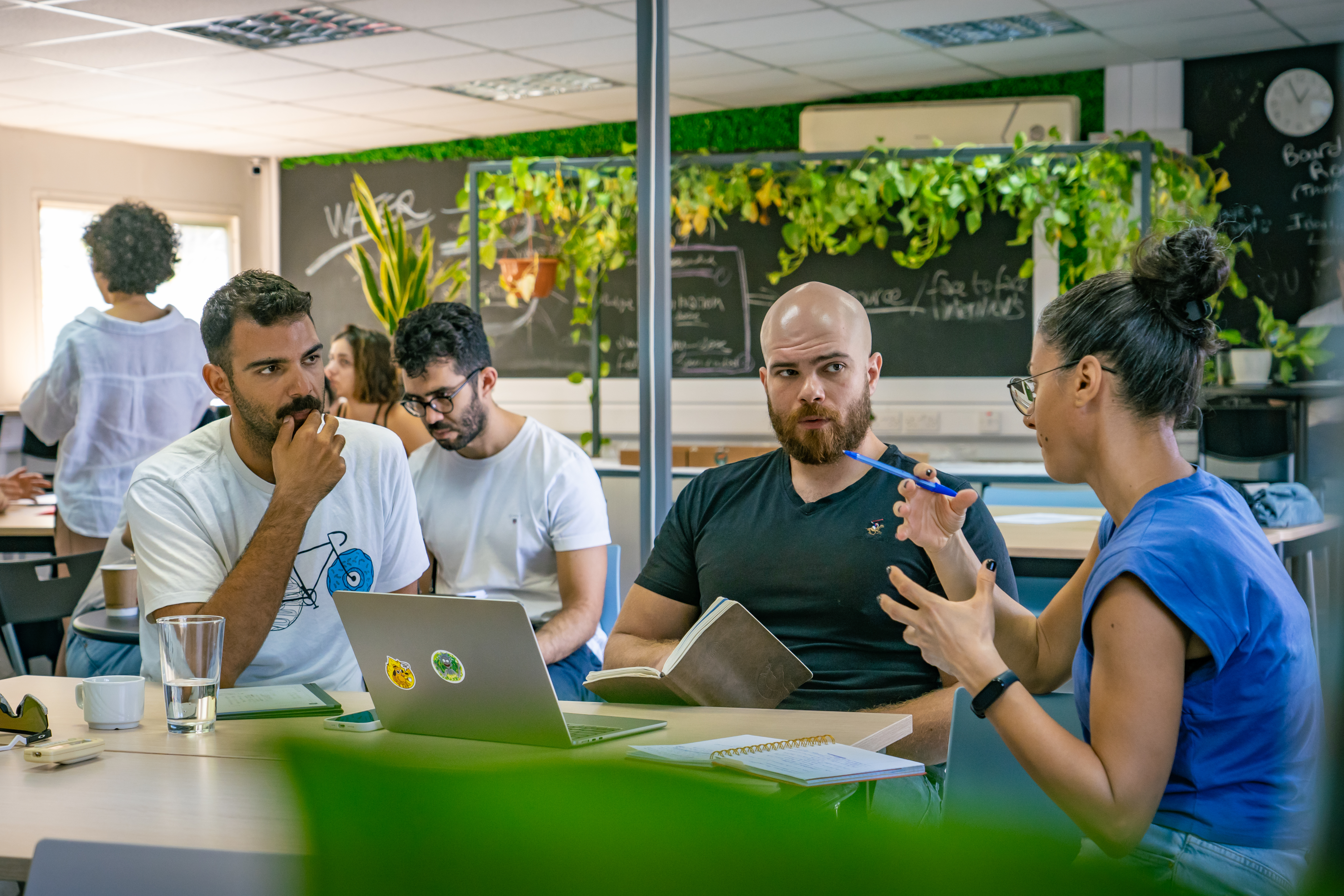
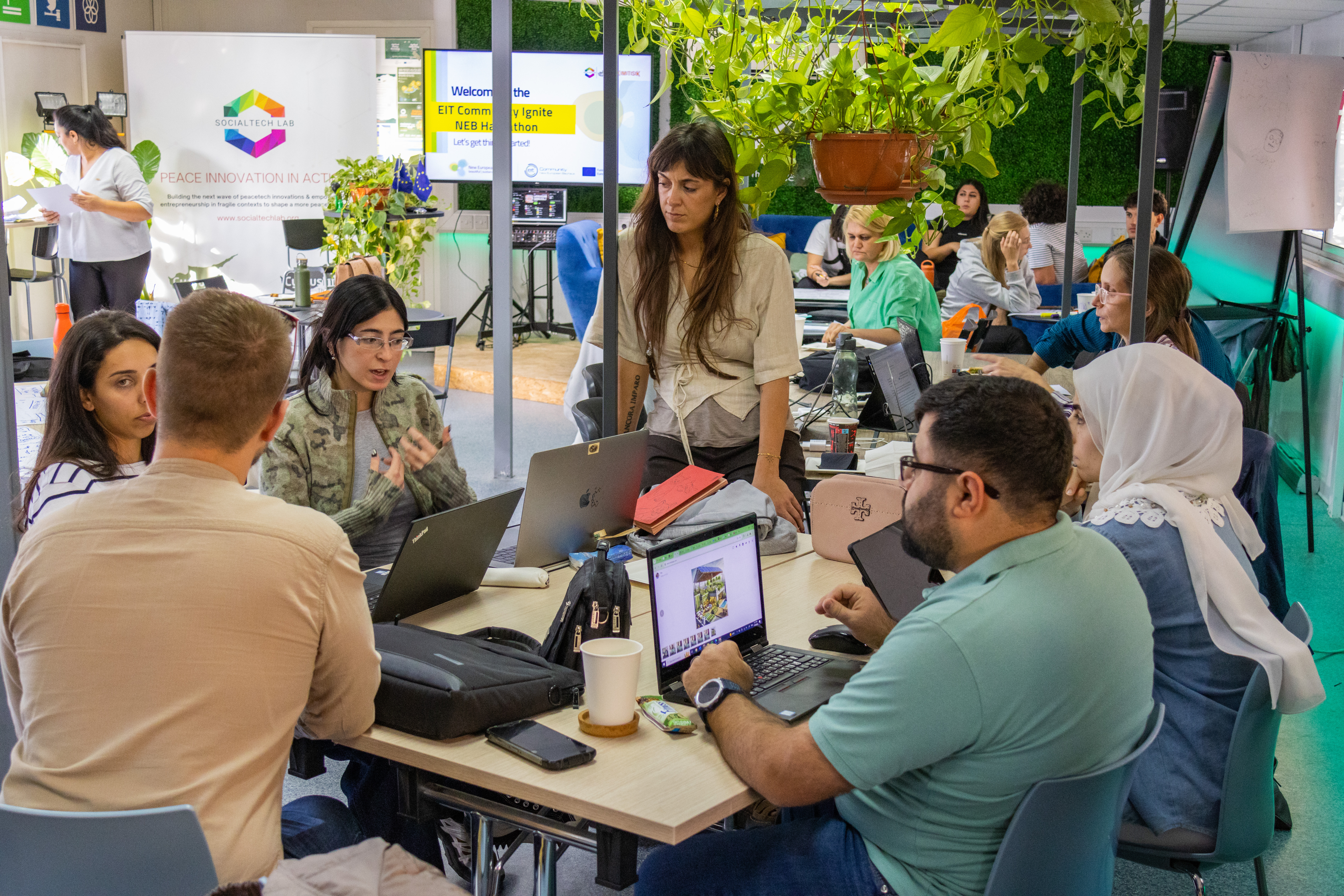
The project adopts a transdisciplinary approach, bringing together expertise from design, technology, entrepreneurship, sustainability, arts, and social sciences to address complex social and environmental challenges. Architecture and design guided the adaptive reuse of a UN peacekeeping container into a welcoming innovation space, applying circular design principles and repurposing materials from the peacekeeping forces. This spatial transformation created a collaborative environment where innovators from diverse backgrounds can experiment and develop new ideas. Programme activities bring together participants from different professional and disciplinary backgrounds. Entrepreneurs, designers, engineers, researchers, artists, and community leaders collaborate in interdisciplinary teams to co-create solutions in sustainability, circular economy, and inclusive urban development. Different perspectives are combined through joint workshops, hackathons, mentoring sessions, and collaborative programme delivery, ensuring that technical, social, environmental, and creative knowledge inform the process. This approach is exemplified in programmes such as the EIT Community NEB Ignite Hackathon, where 52 participants formed 14 multidisciplinary teams tackling challenges in sustainable urban development and inclusive public spaces. Winning teams entered a six-month NEB Grow incubation programme, receiving mentorship from business, sustainability, design, and technology experts, plus €20,000 in seed funding to develop and validate their solutions. Academic institutions, research centres, private-sector partners, and civil society organisations also contribute expertise through mentorship, workshops, and collaborative programmes, ensuring participants gain both academic and practical knowledge. By combining diverse perspectives and knowledge systems, the project fosters holistic, innovative solutions while strengthening collaboration across disciplines, sectors, and communities.
The Social Impact Generator operates through a diversified hybrid financial model combining grants, earned revenue, partnerships, and philanthropic support, ensuring accessibility for participants while maintaining operational resilience. Approximately 70% of funding comes from grants and institutional partnerships with organizations such as UNDP, the U.S. State Department, the UK Foreign, Commonwealth & Development Office, and EIT initiatives. The hub also participates in awards programs, including the Stelios Foundation, and co-submits proposals with partners for Erasmus+, Horizon, and other EU schemes. Around 20% of revenue is generated from ecosystem services, including coworking, event facilitation, equipment rental, programme design, hackathons, bootcamps, and innovation workshops delivered for partner organisations. The remaining 10% comes from philanthropic donations and community fundraising, including international platforms like GlobalGiving, where the hub was recognised as a top-ranked “Project of the Month” in 2023. Corporate partners, such as Microsoft, also contribute digital tools, mentorship, and expertise that strengthen programme delivery. Looking ahead, the hub plans to expand revenue through specialised training programmes, consulting services for cities replicating the model, and international collaborations aligned with New European Bauhaus initiatives. This diversified model helps ensure long-term sustainability while preserving free access for beneficiaries and supporting the scalability of the initiative over time.
The Social Impact Generator is a replicable model for fostering innovation ecosystems in divided or fragile contexts. It has six interconnected pillars: research, capacity building, policy engagement, digital tools, live programmes, and collaborative physical spaces. The process starts with research to understand local community and entrepreneur needs, guiding tailored capacity-building, innovation tools, and collaborative spaces to tackle regional challenges. Several elements of the project are transferable to other contexts. Adaptive reuse of small infrastructure, like containers, offers a cost-effective way to create innovation hubs in underused urban spaces. Programme formats, accelerators, hackathons, mentorship networks, and venture-building initiatives can be implemented elsewhere through partnerships with universities, municipalities, and civil society organizations. The model has already been scaled to neighbouring conflict-affected regions, including the Western Balkans and the Middle East. With the 50:50 Startups programme, we have hosted Arab-Israeli, Jewish-Israeli, and Palestinian entrepreneurs in our hub, a neutral space for dialogue, collaboration, and skill development. Through UNDP BOOST, we supported entrepreneurs in Western Balkans addressing urban and societal challenges. The project has been presented internationally, including at the European Dialogues conference in Sarajevo and the NEB in Regions and Cities event in Brussels. The EU Commission described it as “inspiring as it is ambitious and, given current circumstances, highly relevant, using innovation support to help drive conflict resolution.” Because the model focuses on ecosystem development rather than a single intervention, it adapts to challenges like political division, environmental transition, and social inclusion. Combining research, collaborative spaces, and participatory entrepreneurship programmes, it provides a scalable blueprint for community-driven NEB-aligned innovation.