Rațiu Inclusive Learning Camp
Rațiu Inclusive Educational Camp – Sustainable, Accessible Learning for Youth in North-West Romania
The Rațiu Inclusive Educational Camp creates a safe, inspiring and sustainable space where children and youth can learn, connect and grow. Located in rural North-West Romania, it combines education, nature and community to deliver high-quality non-formal learning, especially for those with fewer opportunities. Hosting around 960 children yearly, at least 30% from vulnerable groups, it builds confidence, life skills and belonging, turning education into real opportunity.
Romania
Project location: Rațiu village, Tășnad City, Satu Mare County, Romania, on land identified with cadastral number 112869
Early initiative
Yes
Yes
Yes
Yes
ERDF : European Regional Development Fund
The project has successfully completed the Technical and Financial Evaluation phase and is awaiting the signing of the funding contract. The project is developed under the Regional Programme North-West 2021–2027 (Programul Regional Nord-Vest), financed by the European Regional Development Fund (ERDF). It is submitted under the call “Urban regeneration and public space safety” (Code: PRNV/2023/714.B/1), within Priority 7 – “An attractive region”, Specific Objective RSO5.1: Promoting integrated and inclusive development in social, economic and environmental domains.
No
136642: Oras Tasnad (RO)
The Rațiu Inclusive Educational Camp aims to develop a modern and accessible space for non-formal education, social inclusion and personal development for children and young people in North-West Romania.
The initiative targets pre-school and school-age children, with a focus on vulnerable groups, ensuring that at least 30% of beneficiaries come from disadvantaged backgrounds.
Its main objectives are to create high-quality educational and recreational infrastructure, promote equal opportunities and support life skills development.
The project is expected to serve approximately 960 children annually, contributing to improved social integration, reduced inequalities and enhanced well-being.
Target group(s):
The main target groups are pre-school and school-age children from the North-West region of Romania, particularly from Satu Mare, Bihor, Maramureș and Sălaj counties
Specific objective:
The specific objective of the initiative is to develop and operate an inclusive and sustainable educational camp that provides access to high-quality non-formal learning, recreational activities and life skills development, particularly for children from vulnerable backgrounds.
Expected results:
The initiative will result in the development of a fully functional educational camp and provide access to non-formal education and recreational activities for approximately 960 children annually, with at least 30% from vulnerable backgrounds.
It will contribute to improved social inclusion, reduced educational inequalities, enhanced life skills and well-being, and increased participation in educational and community activities
Social inclusion
Non-formal education
Sustainable development
Equal opportunities
Community engagement
The initiative integrates sustainability as a core principle, addressing environmental, social and economic dimensions in a balanced and long-term approach.
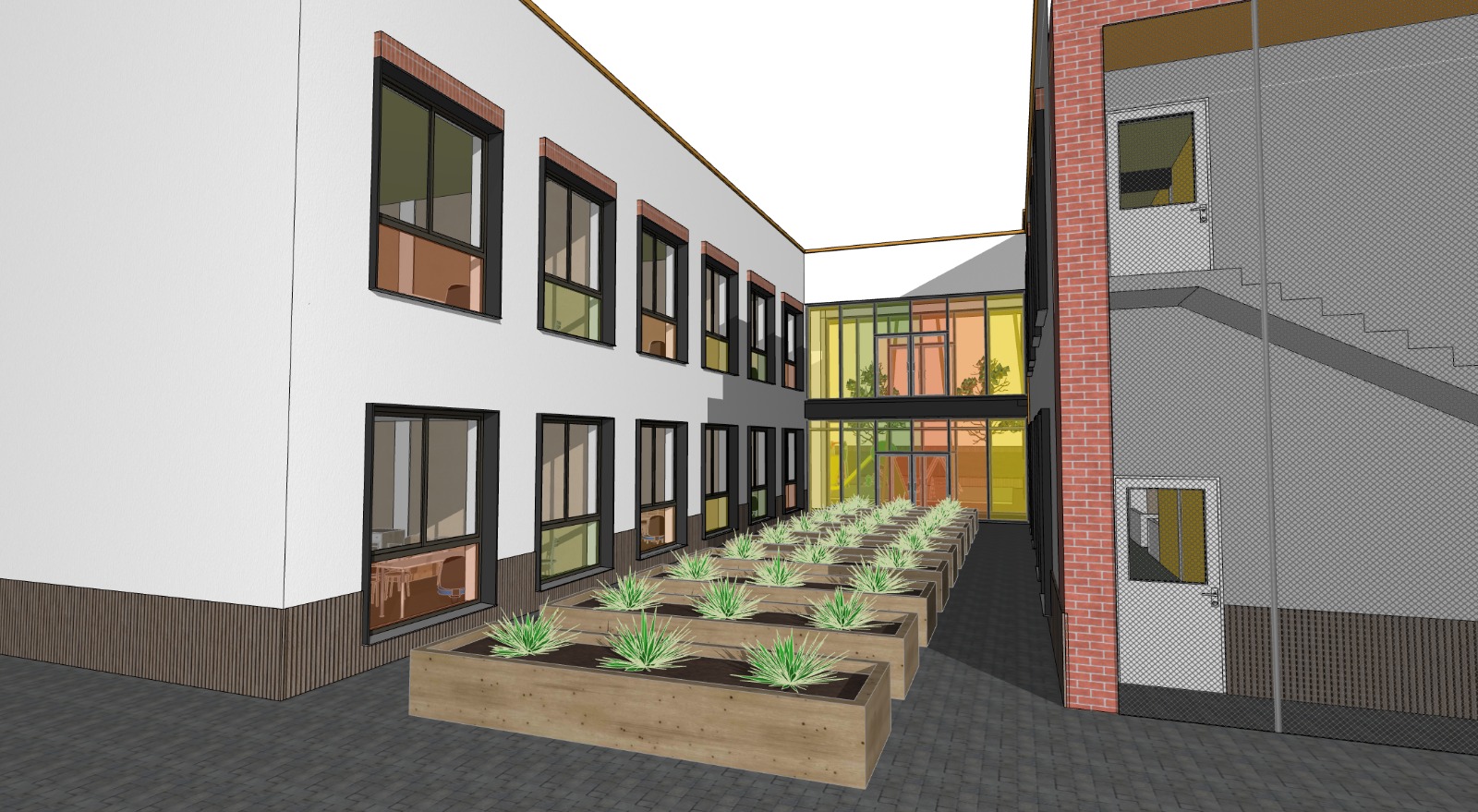
From an environmental perspective, the project promotes efficient use of resources through energy-efficient systems, responsible use of utilities and the integration of green spaces within the camp. The design encourages outdoor activities, connection with nature and environmental awareness among participants.
Social sustainability is a central objective of the initiative. The camp ensures inclusive access to non-formal education, with at least 30% of participants coming from vulnerable backgrounds. It promotes equal opportunities, social cohesion and personal development, contributing to reducing inequalities and supporting children at risk of exclusion.
From an economic and operational perspective, the project is designed to be sustainable in the long term through a balanced management model, combining public ownership with professional operation by a specialized operator. The camp will generate stable annual use, ensuring efficient resource management and continuity of services.
The initiative is exemplary as it combines sustainable infrastructure with inclusive educational programs and a strong community focus. It demonstrates how small municipalities can create impactful, resilient and people-centered solutions that address both environmental responsibility and social needs, while ensuring long-term viability
The initiative places a strong emphasis on aesthetics and the quality of experience, aiming to create an inspiring, welcoming and human-centered environment for children and young people.
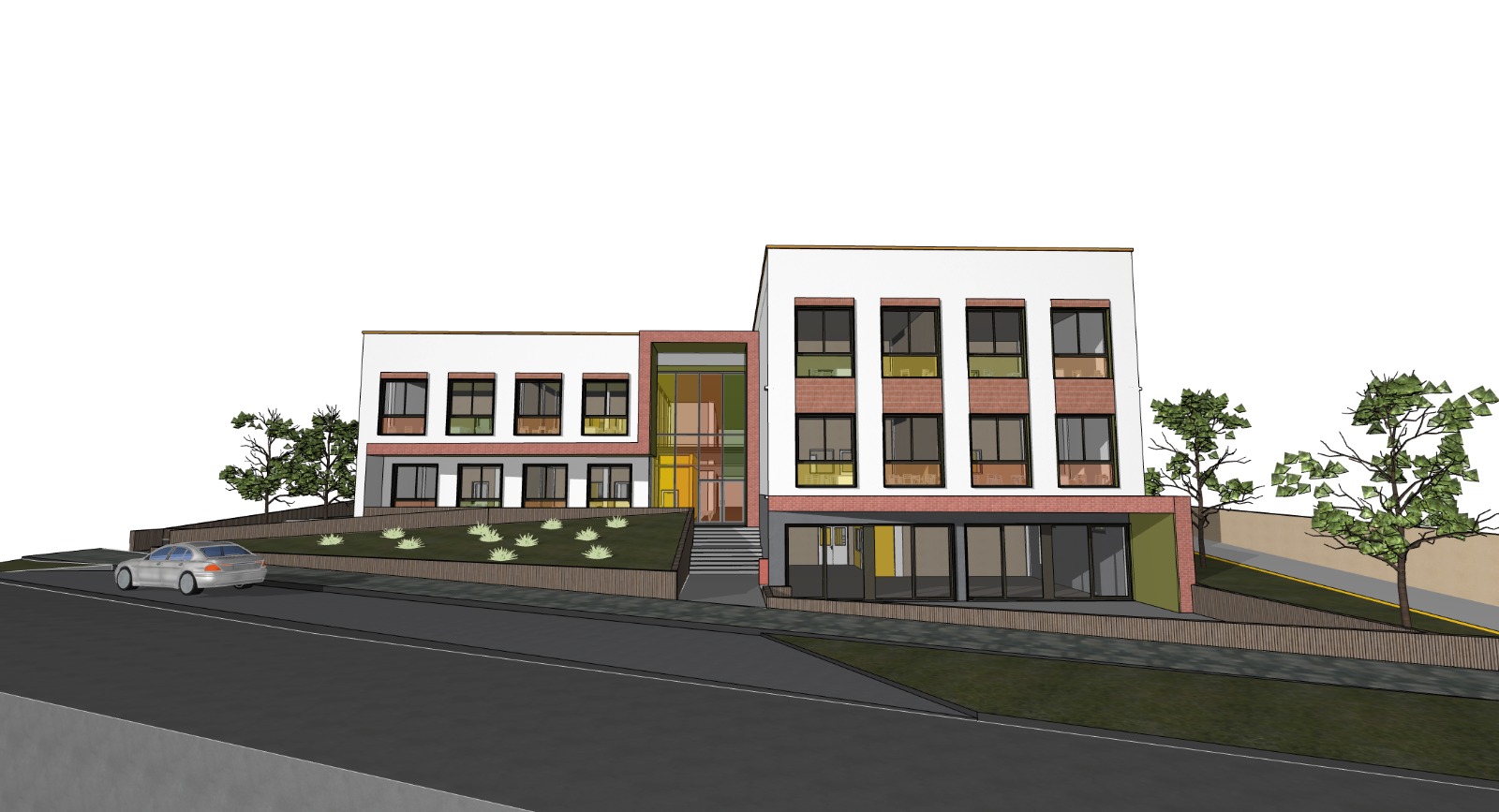
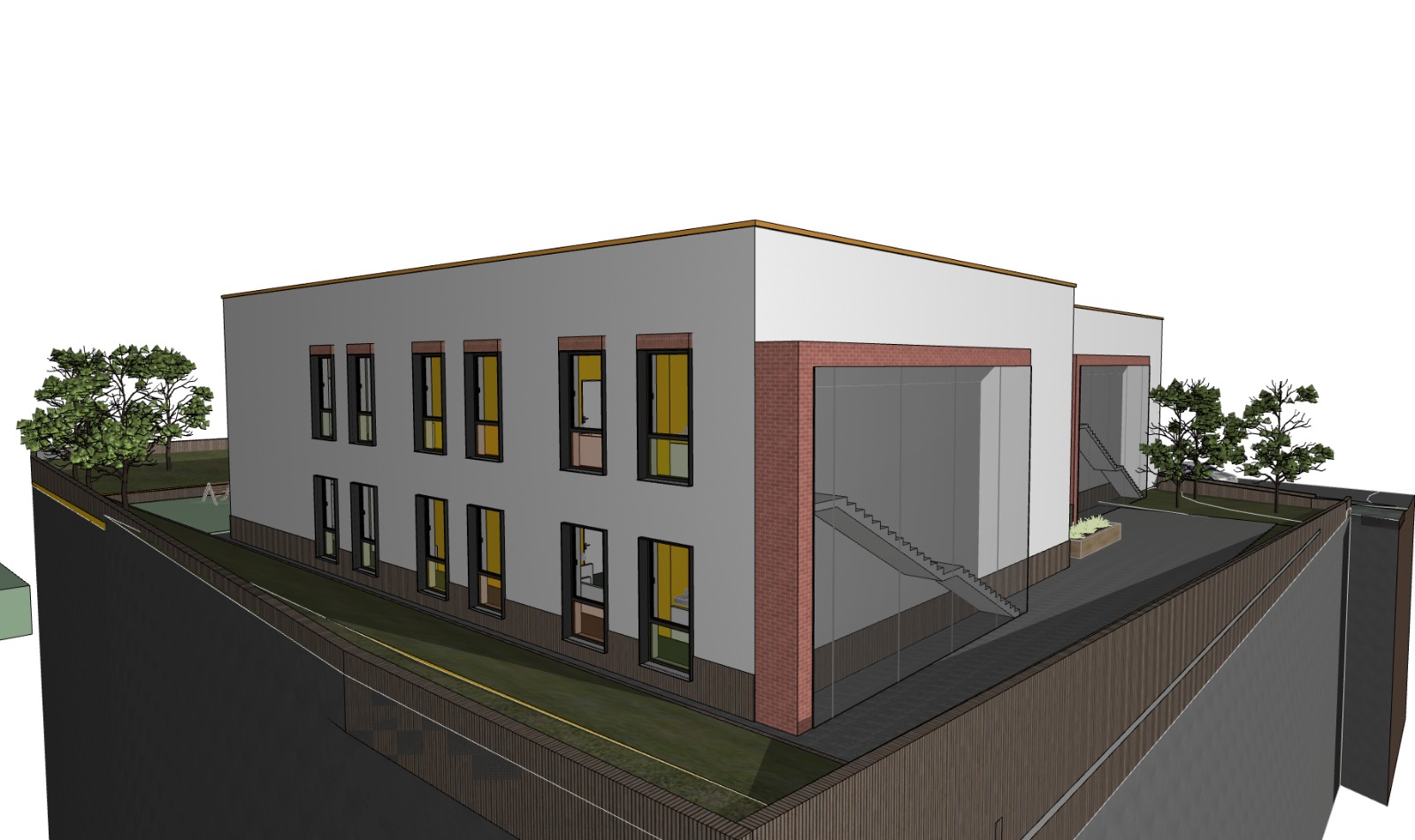
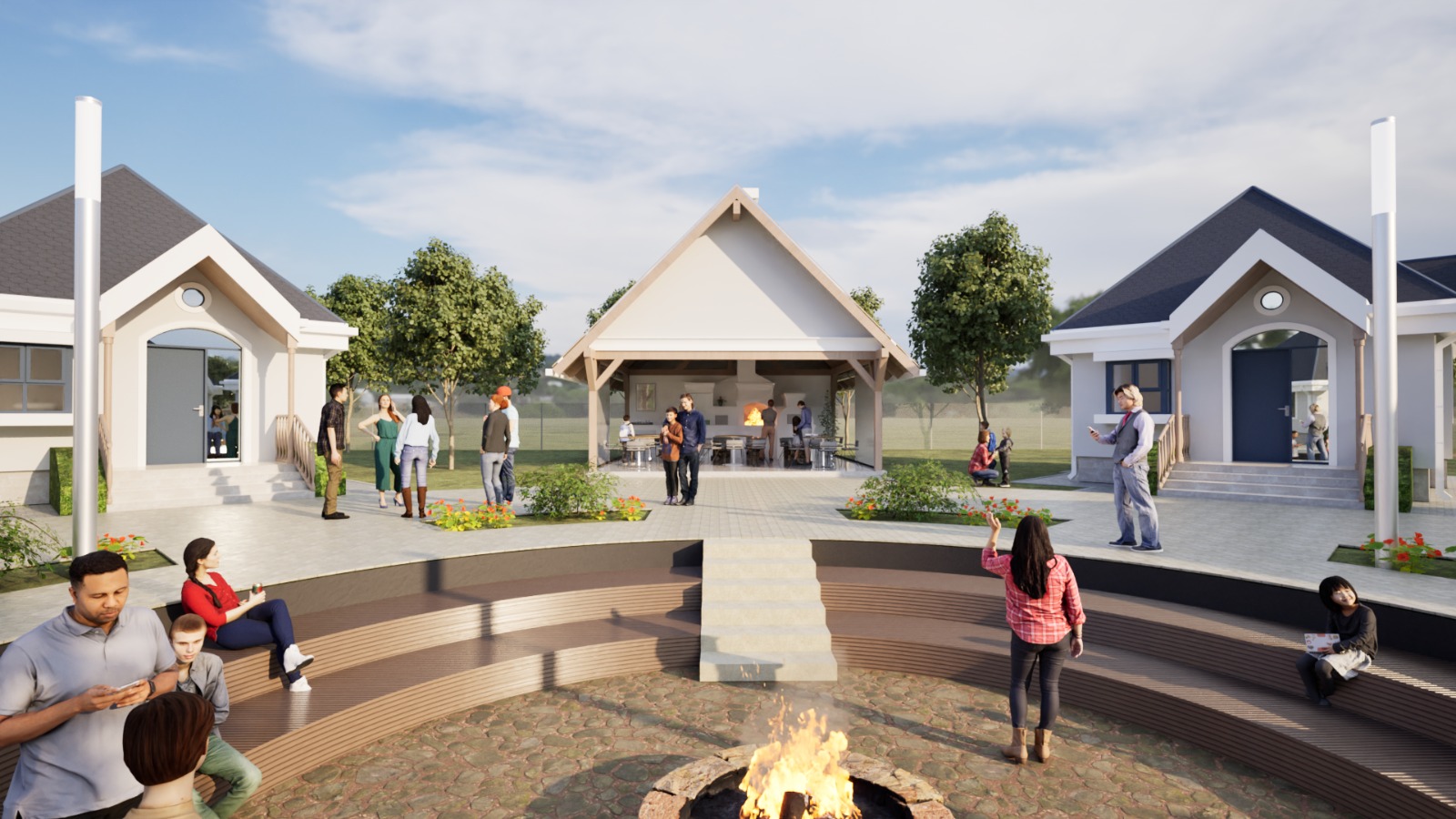
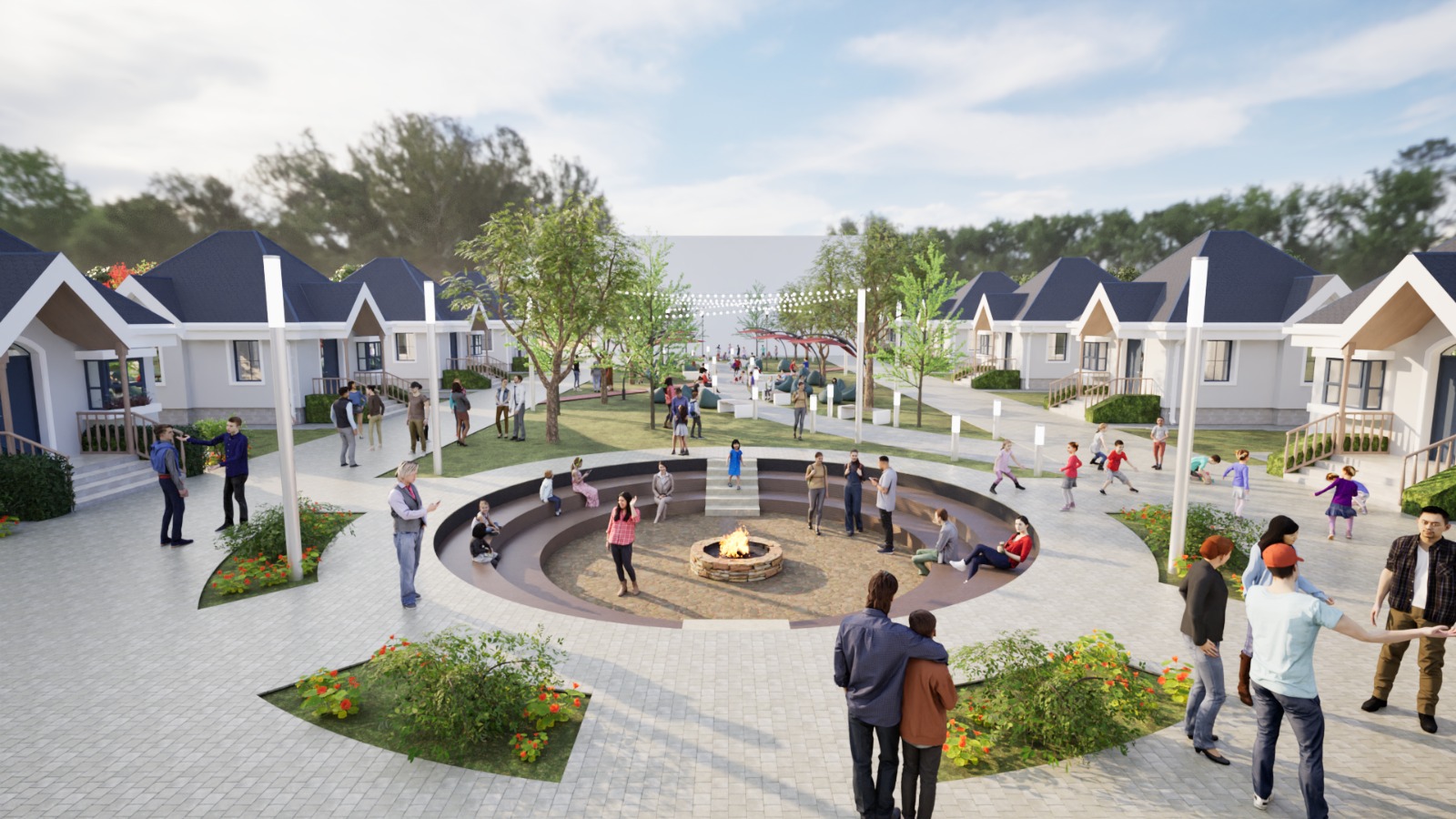
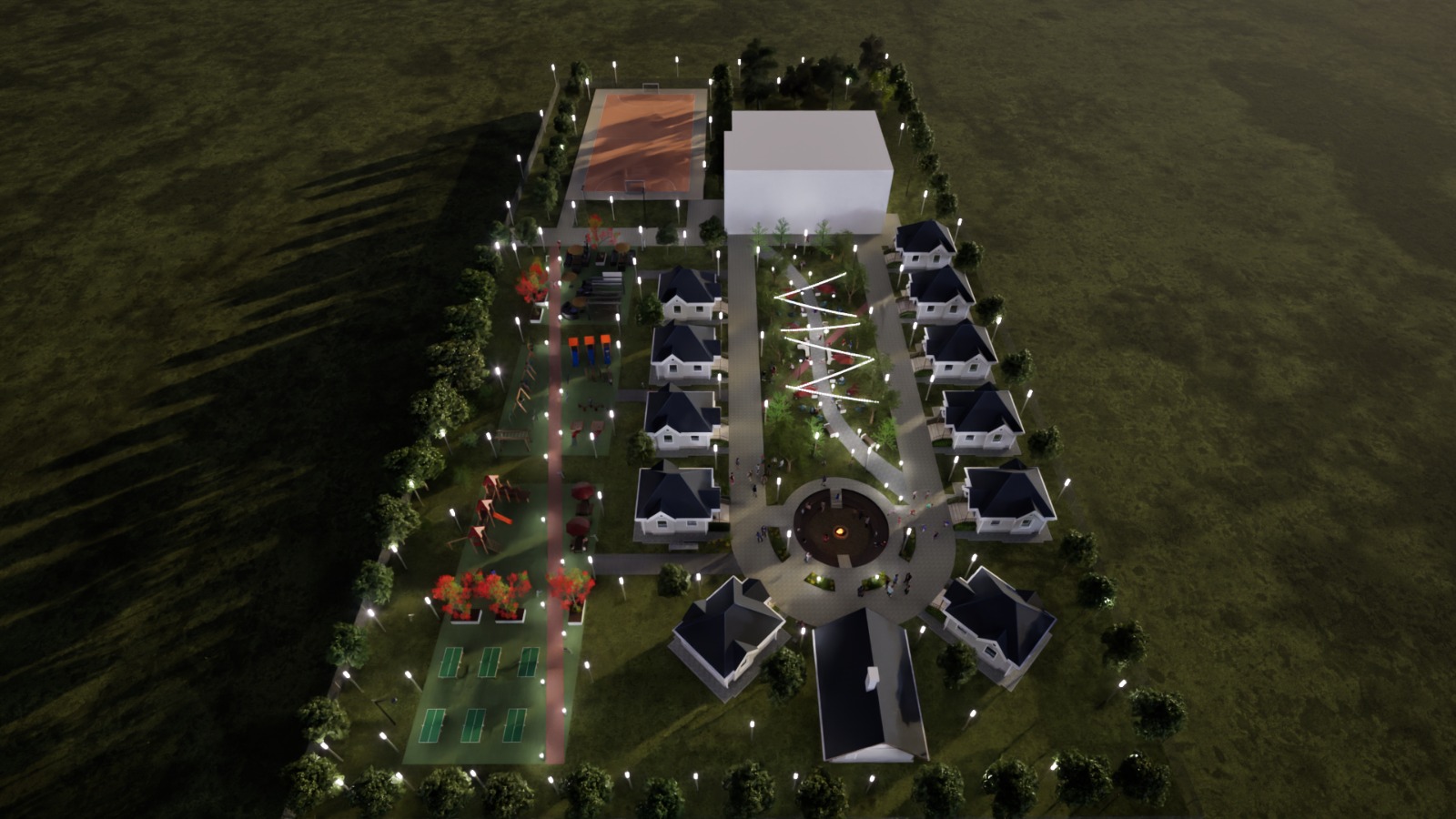
The design of the camp promotes harmony with the natural surroundings, using a low-density layout, green spaces and open areas that encourage interaction, creativity and well-being. The architectural concept prioritizes simplicity, functionality and comfort, ensuring that all spaces are accessible, safe and adapted to the needs of different users, including children with disabilities.
The camp is conceived not only as an infrastructure, but as an experience. It combines learning, play, culture and nature, offering diverse activities such as educational workshops, cultural and creative sessions, outdoor exploration and sports. These elements contribute to a holistic experience that supports emotional well-being, creativity and a sense of belonging.
Cultural value is embedded through activities that promote local identity, cooperation and community engagement, creating meaningful connections between participants and the surrounding environment.
The initiative is exemplary as it demonstrates how thoughtful design and well-structured spaces can transform a simple facility into a place of inspiration, inclusion and positive experience. It highlights the importance of creating environments where functionality meets beauty, and where people feel safe, valued and connected.
Inclusion is a central pillar of the initiative, guiding both the design of the infrastructure and the delivery of services.
The project ensures equal access to educational and recreational opportunities for all children, with a strong focus on those from vulnerable backgrounds. At least 30% of participants will come from disadvantaged groups, including children from low-income families, rural areas, minority communities, or those at risk of social exclusion and school dropout. Affordable access is supported through partnerships with public institutions, schools and social services, ensuring that financial barriers do not limit participation.
Accessibility is fully integrated into the design of the camp. The infrastructure includes adapted accommodation units, barrier-free access routes and facilities designed to meet the needs of children with disabilities, ensuring that all users can participate safely and independently.
The initiative also promotes inclusive governance and community involvement. Local authorities, educational institutions, NGOs and community stakeholders are engaged in the development and implementation process, ensuring that the project responds to real needs and creates shared ownership.
Beyond infrastructure, the project fosters inclusive social interaction by bringing together children from diverse backgrounds in a shared environment, encouraging mutual understanding, cooperation and respect.
The initiative is exemplary as it demonstrates how inclusive design, equitable access and community-based governance can be combined into a practical and scalable model. It offers a replicable approach for small municipalities to reduce inequalities and create meaningful opportunities for all children, regardless of their background.
The initiative follows a participatory and community-driven approach, ensuring that citizens and civil society are actively involved in its development and future operation.
Local stakeholders, including parents, teachers, schools and social services, have been consulted in identifying the need for such an educational facility and in shaping its main functions. Their input contributed to defining the types of activities, services and facilities required, ensuring that the project responds to real community needs.
Civil society organizations and educational partners play an important role in the design and delivery of non-formal education programs, contributing expertise, content and support for vulnerable groups. This collaboration strengthens the relevance and inclusiveness of the initiative.
The local community is also involved through public decision-making processes, as the project is supported and approved by the local council, reflecting democratic governance and institutional commitment. In the implementation and operational phases, partnerships with NGOs, schools and public institutions will continue, ensuring ongoing engagement and adaptability.
The level of involvement can be described as consultative and collaborative, with a strong commitment to co-creation in the development of educational programs and community activities.
This participatory approach has a significant impact on the initiative, increasing its relevance, acceptance and long-term sustainability. It ensures that the project is not only built for the community, but with the community, making it a strong example of how inclusive governance and civic engagement can support the three core values of the New European Bauhaus: sustainability, inclusion and quality of experience
The initiative is developed through a multi-level governance approach, involving stakeholders at local, regional, national and European level, each contributing with specific expertise and support.
At local level, the Municipality of Tășnad plays a leading role in initiating, planning and coordinating the project. Local stakeholders, including schools, teachers, parents and social services, have been actively involved in identifying needs and shaping the concept of the camp. Their involvement ensures that the initiative is closely aligned with community priorities and realities.
At regional level, the project is aligned with the development objectives of the North-West Region and benefits from the support and strategic framework provided by the Regional Development Agency (ADR Nord-Vest). This ensures coherence with regional policies on education, social inclusion and sustainable development.
At national level, the initiative is consistent with national strategies in the fields of education, child protection and social inclusion. Public institutions and policy frameworks provide guidance and ensure that the project contributes to broader national priorities.
At European level, the project is designed in line with EU policies and funding programmes, particularly those promoting social inclusion, non-formal education and sustainable regional development. The initiative reflects the values and principles of the New European Bauhaus, integrating sustainability, inclusion and quality of experience.
The level of involvement ranges from strategic alignment and policy support (regional, national and European levels) to active participation and co-creation (local level).
The added value of this multi-level involvement lies in ensuring coherence, quality and scalability.
The initiative reflects a multidisciplinary approach, integrating expertise from several key fields, including architecture and urban planning, education, social services, environmental sustainability and project management.
The architectural and technical components of the project are developed by specialists in design and engineering, ensuring functional, safe and accessible infrastructure adapted to the needs of children. At the same time, educational experts and practitioners contribute to the development of non-formal learning programs, focusing on life skills, personal development and inclusion.
Social services and community stakeholders provide essential input regarding the needs of vulnerable groups, ensuring that the project addresses real social challenges and promotes equal opportunities. Environmental considerations are integrated through sustainable design principles and the promotion of nature-based activities.
These disciplines interact through a collaborative process coordinated by the municipality, where technical experts, educators and social actors contribute to shaping both the physical infrastructure and the programmatic content of the initiative. This cooperation continues into the implementation phase, particularly through partnerships with schools, NGOs and specialized service providers.
The added value of this interdisciplinary approach lies in creating a well-balanced and impactful initiative that combines infrastructure, education and social inclusion. It ensures that the project is not only technically sound, but also socially relevant, user-centered and sustainable, offering a holistic model that can be replicated in other communities
The initiative stands out through its integrated and people-centered approach, going beyond conventional educational infrastructure projects.
Unlike traditional camps, which typically focus only on accommodation and recreation, this project combines modern infrastructure with structured non-formal education programs, social inclusion measures and community engagement. It creates a holistic environment where learning, personal development and social interaction are equally prioritized.
A key innovative aspect is the strong focus on inclusion, ensuring that at least 30% of participants come from vulnerable backgrounds and that the infrastructure is fully accessible. This transforms the camp into a tool for reducing inequalities, rather than simply a leisure facility.
The project also introduces an innovative operational model, combining public ownership with professional management by a specialized operator. This ensures both efficiency and long-term sustainability, which is often a challenge in similar public investments.
In addition, the initiative integrates educational, social and environmental dimensions, promoting learning through experience, connection with nature and development of life skills. This interdisciplinary and integrated approach is still limited in conventional projects of this type.
Overall, the innovation lies in transforming a standard infrastructure investment into a multifunctional, inclusive and sustainable educational ecosystem, offering a replicable model for small municipalities aiming to create high-impact community solutions.
The initiative follows a structured, participatory and integrated approach, combining infrastructure development with educational and social components.
The methodology is based on several key principles: needs-based planning, stakeholder involvement, phased implementation and continuous improvement. The project was designed starting from identified community needs, particularly those related to access to non-formal education and social inclusion for vulnerable groups.
A participatory approach has been applied by involving local stakeholders such as schools, teachers, parents and social services in defining the concept and expected outcomes. This ensures that the initiative is relevant and adapted to real needs.
The implementation follows a phased methodology, including planning and design, construction, equipment and operational setup, followed by pilot activities and full-scale operation. Each phase is monitored through clear milestones and performance indicators.
The initiative also integrates an interdisciplinary approach, combining expertise from architecture, education, social services and project management, ensuring both technical quality and social impact.
Continuous monitoring and evaluation are embedded in the process, allowing for adjustments and improvements during implementation and operation.
Overall, the methodology ensures a coherent, inclusive and results-oriented process, supporting the successful delivery and long-term sustainability of the initiative
The initiative has strong potential for transferability and replicability, as it is based on a flexible, scalable and integrated model that can be adapted to different contexts and communities.
Several key elements can be replicated in other locations. First, the integrated approach combining educational infrastructure with non-formal learning programs and social inclusion measures can be applied in other small municipalities facing similar challenges. This model addresses both physical infrastructure gaps and social needs in a coordinated way.
Second, the methodology used in the project – including needs-based planning, stakeholder involvement, phased implementation and continuous monitoring – provides a clear and adaptable framework that can be transferred to other initiatives.
Third, the operational model, based on public ownership and professional management by a specialized operator, offers a sustainable solution that can be replicated in contexts where local administrations lack operational capacity.
The educational component, including structured programs focused on life skills, social inclusion and experiential learning, can also be adapted and implemented in different settings, benefiting various target groups.
The main added value lies in demonstrating how small municipalities can develop impactful, inclusive and sustainable projects using limited resources, while ensuring long-term viability. The initiative provides a practical and replicable model that can inspire similar projects at regional, national and European level.
The initiative demonstrates a strong commitment to practical implementation, as it is already in an advanced stage of development, with technical documentation completed, permits obtained and a structured project team in place.
The planned activities for further development and implementation are organized in clear phases. These include the construction of the camp infrastructure (accommodation units, educational and recreational spaces, utilities and outdoor facilities), followed by equipment, operational setup and the development of educational programs. A pilot phase will be implemented to test and refine activities, followed by full-scale operation with regular educational and recreational sessions.
The values and working principles of the New European Bauhaus (sustainability, inclusion and quality of experience) have already been integrated into the project design. Sustainability is reflected in efficient resource use and integration with the natural environment. Inclusion is ensured through accessible infrastructure and a strong focus on vulnerable groups. The quality of experience is addressed through the design of spaces that promote well-being, interaction and learning.
The key next steps for implementation include: completing construction works, equipping the facilities, establishing operational partnerships with schools and NGOs, selecting a professional operator for camp management, and launching educational programs aligned with inclusive and experiential learning principles.
Throughout these stages, the project will continue to apply NEB principles by ensuring that all solutions are people-centered, accessible, environmentally responsible and socially impactful.
Overall, the initiative is well-prepared, with a clear pathway to implementation, demonstrating both readiness and long-term commitment to delivering meaningful and sustainable results.