Growing Together: Green Kids Hub
Construction and Equipment of a Sustainable, Inclusive and Child-Friendly Kindergarten in Tășnad
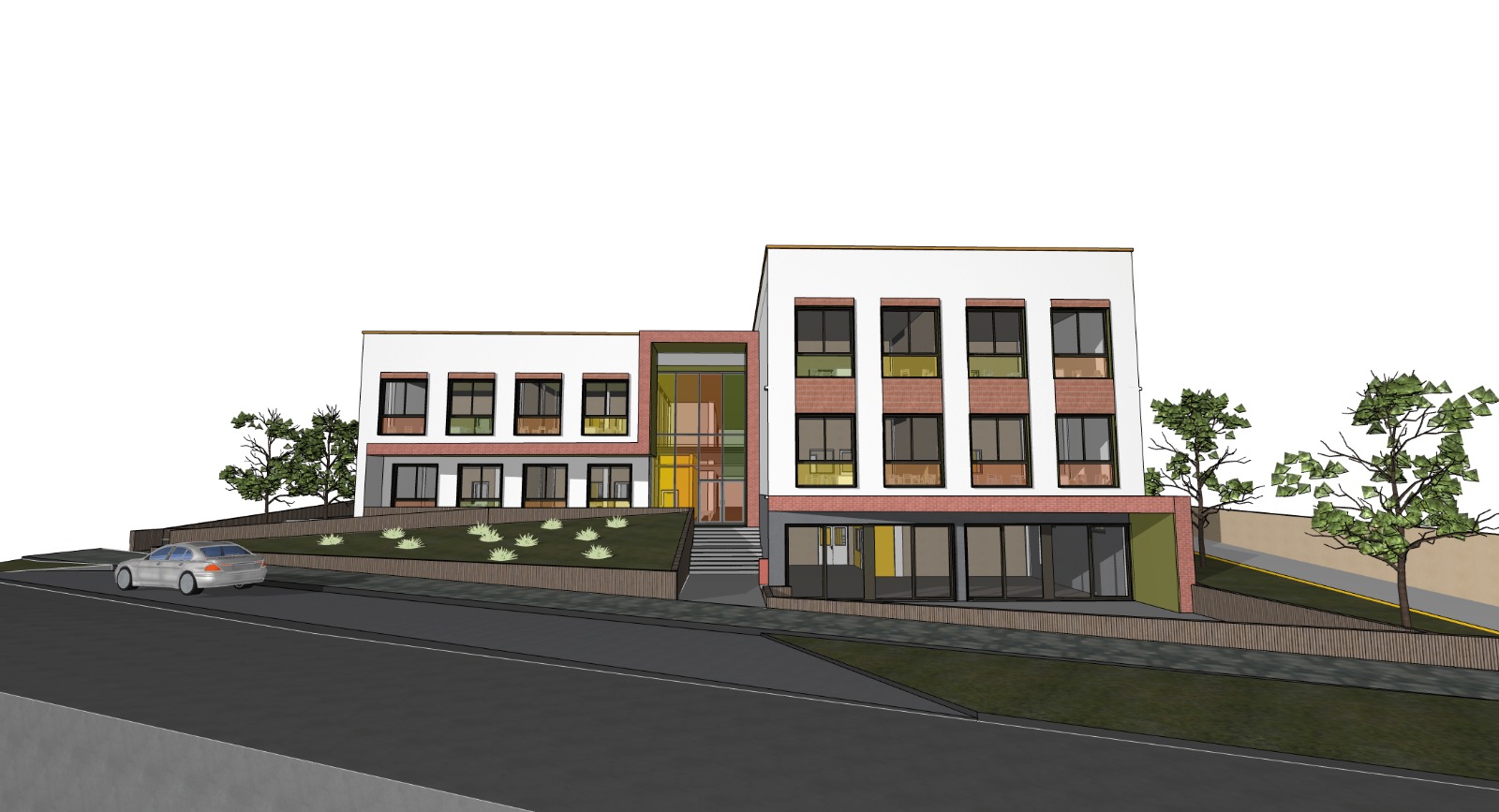
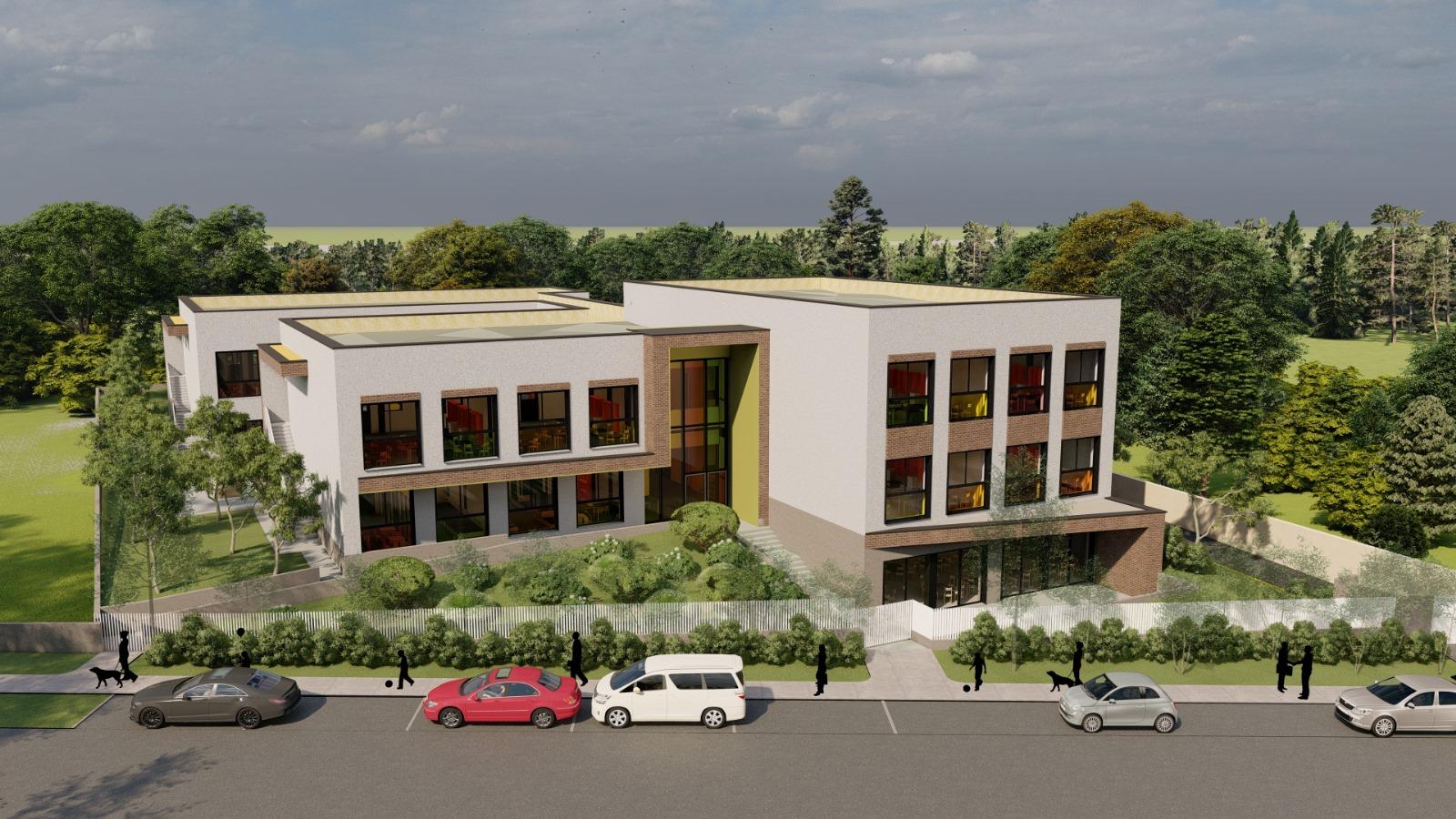
“Growing Together: Green Kids Hub” is an initiative that creates a modern, inclusive and environmentally friendly space for early childhood education. It brings together learning, play and nature in safe and inspiring indoor and outdoor environments that support children’s development and well-being. More than a building, it becomes a community hub that promotes inclusion, sustainability and a better quality of life for families in Tășnad.
Romania
98A Lacramioarelor Street, Tășnad, Satu Mare County, Romania, 445300
Prototype level
Yes
Yes
Yes
Yes
ERDF : European Regional Development Fund
Yes, the initiative benefits from European Union funding through the European Regional Development Fund (ERDF).
The project is financed under the North-West Regional Program 2021–2027, within Policy Objective 4 – A more inclusive and socially-oriented Europe, Priority 6 – “An Educated Region”, Specific Objective 4.2, which supports improving equal access to quality and inclusive education infrastructure.
The initiative was submitted under the call PRNV/2023/621.A/1 – Educational infrastructure for early childhood education (kindergartens) and is implemented based on the Financing Agreement concluded with the North-West Regional Development Agency, acting as Managing Authority.
The project is co-financed by ERDF and the national budget, with additional contribution from the local budget of Tășnad Town.
No
136642: Oras Tasnad (RO)
General objective:
Establishing and equipping a modern kindergarten in Tășnad Town in order to improve equal access to quality and inclusive early childhood education services and to increase the capacity of preschool infrastructure.
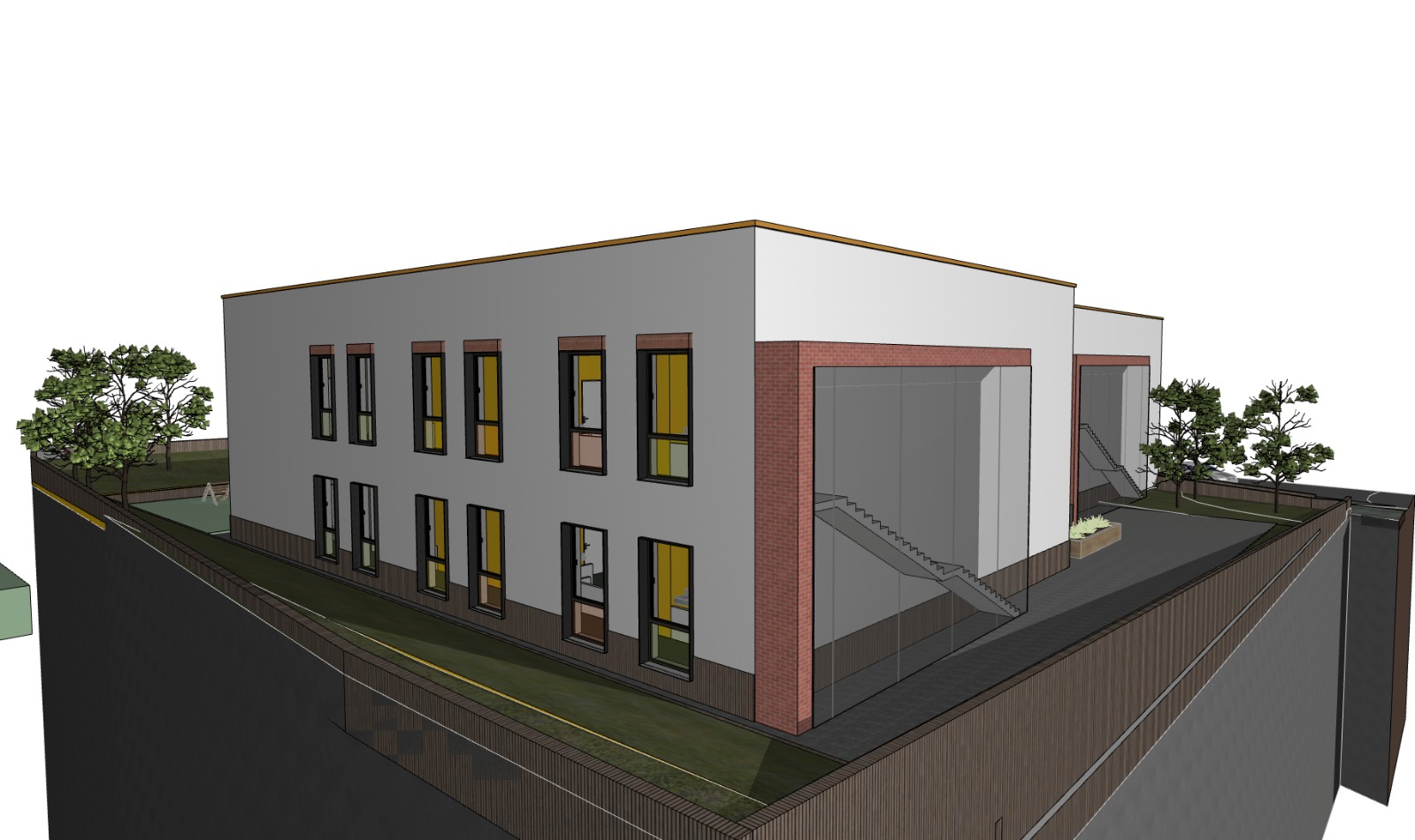
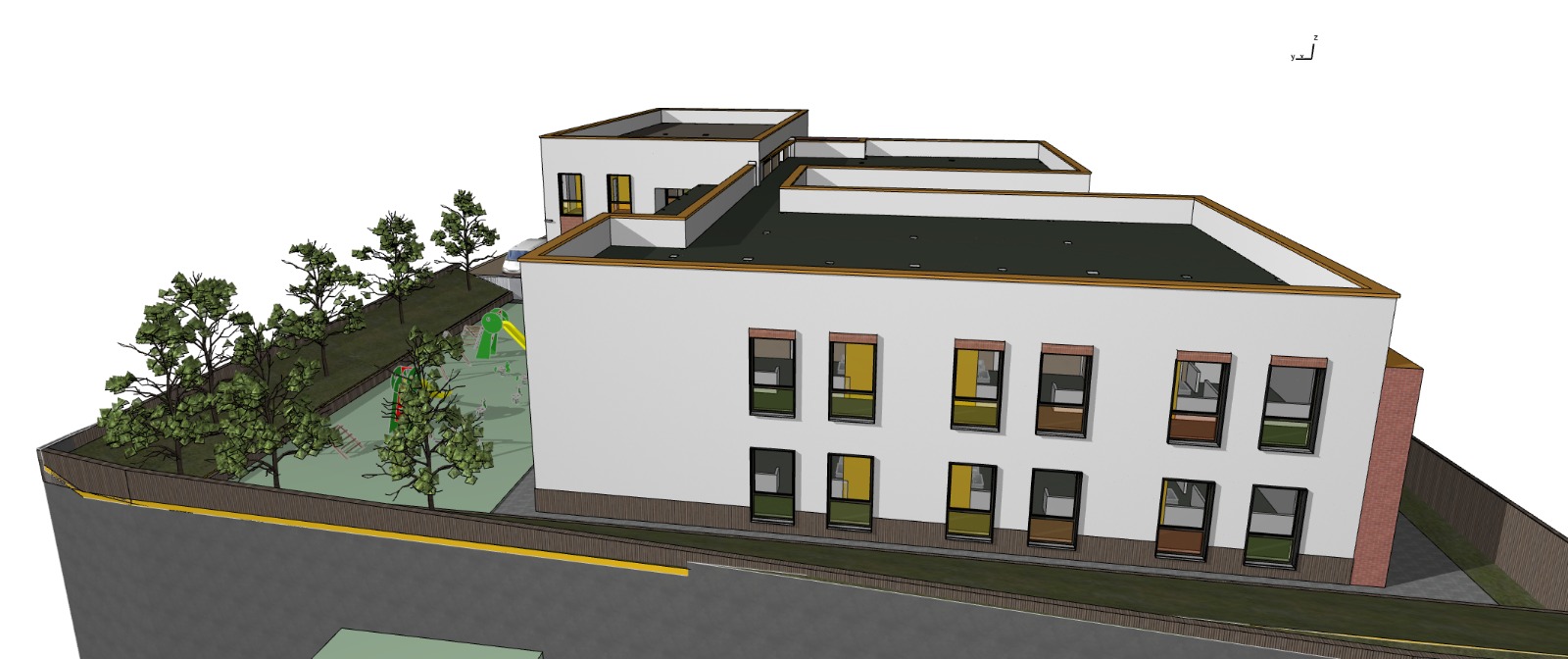
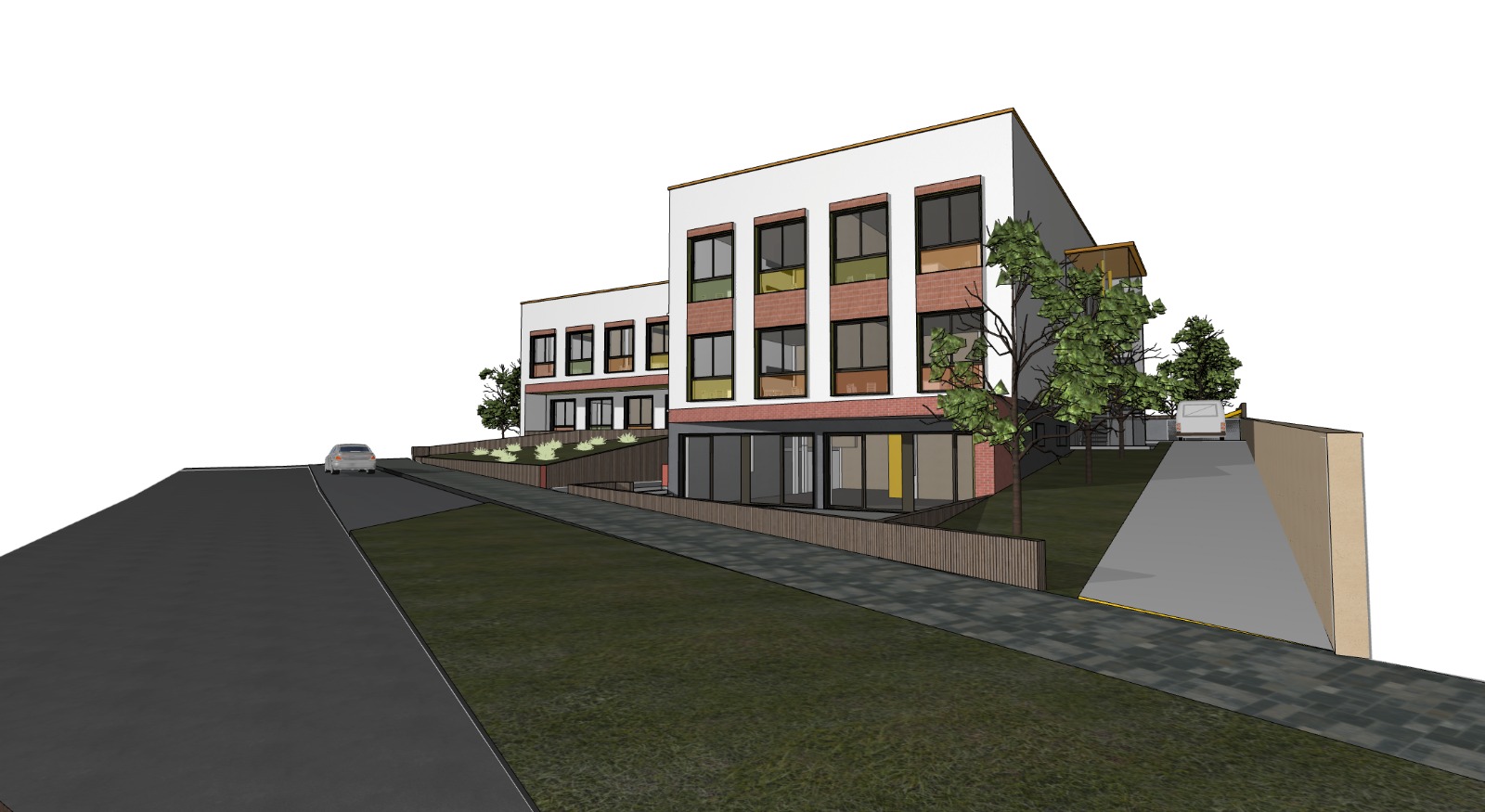
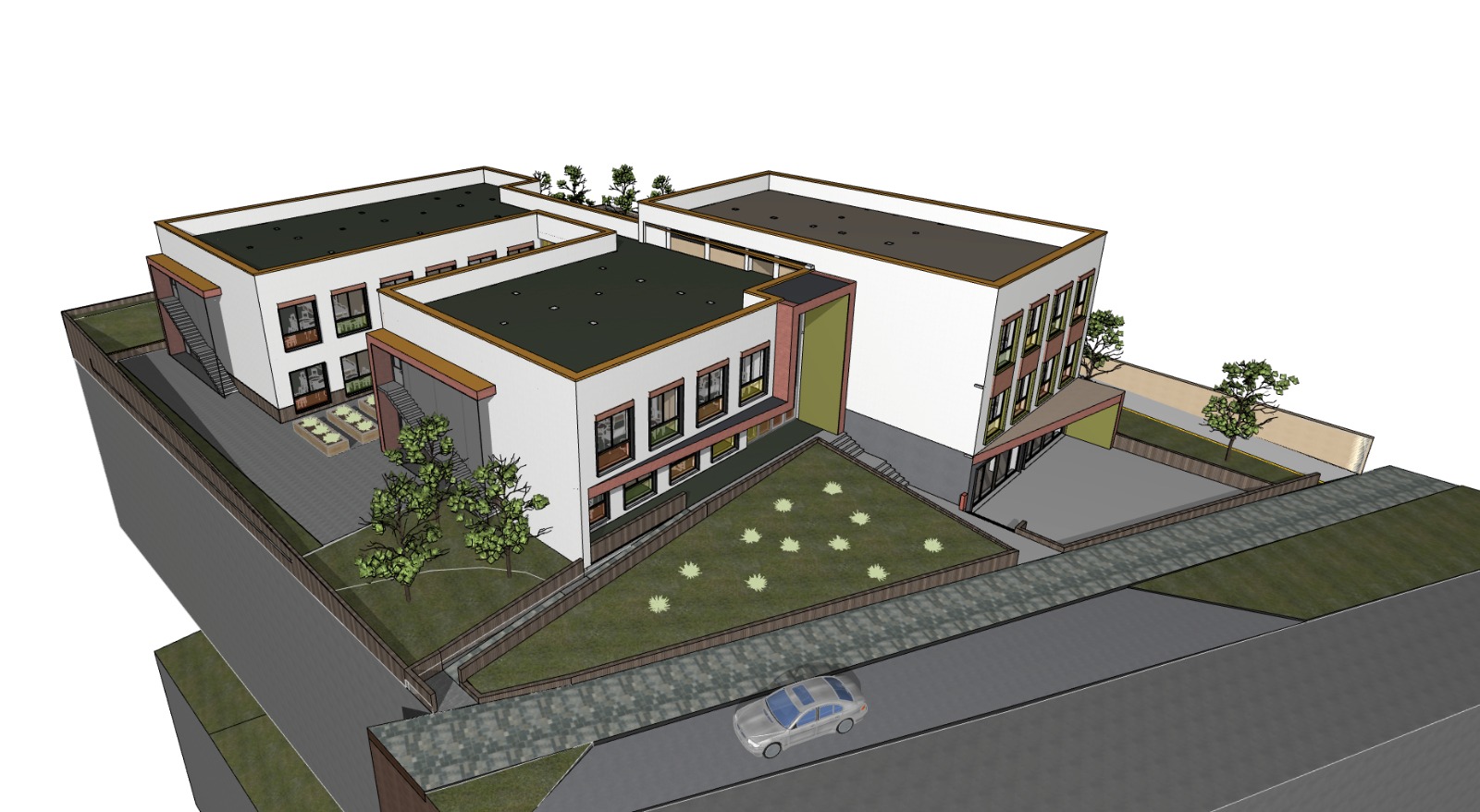
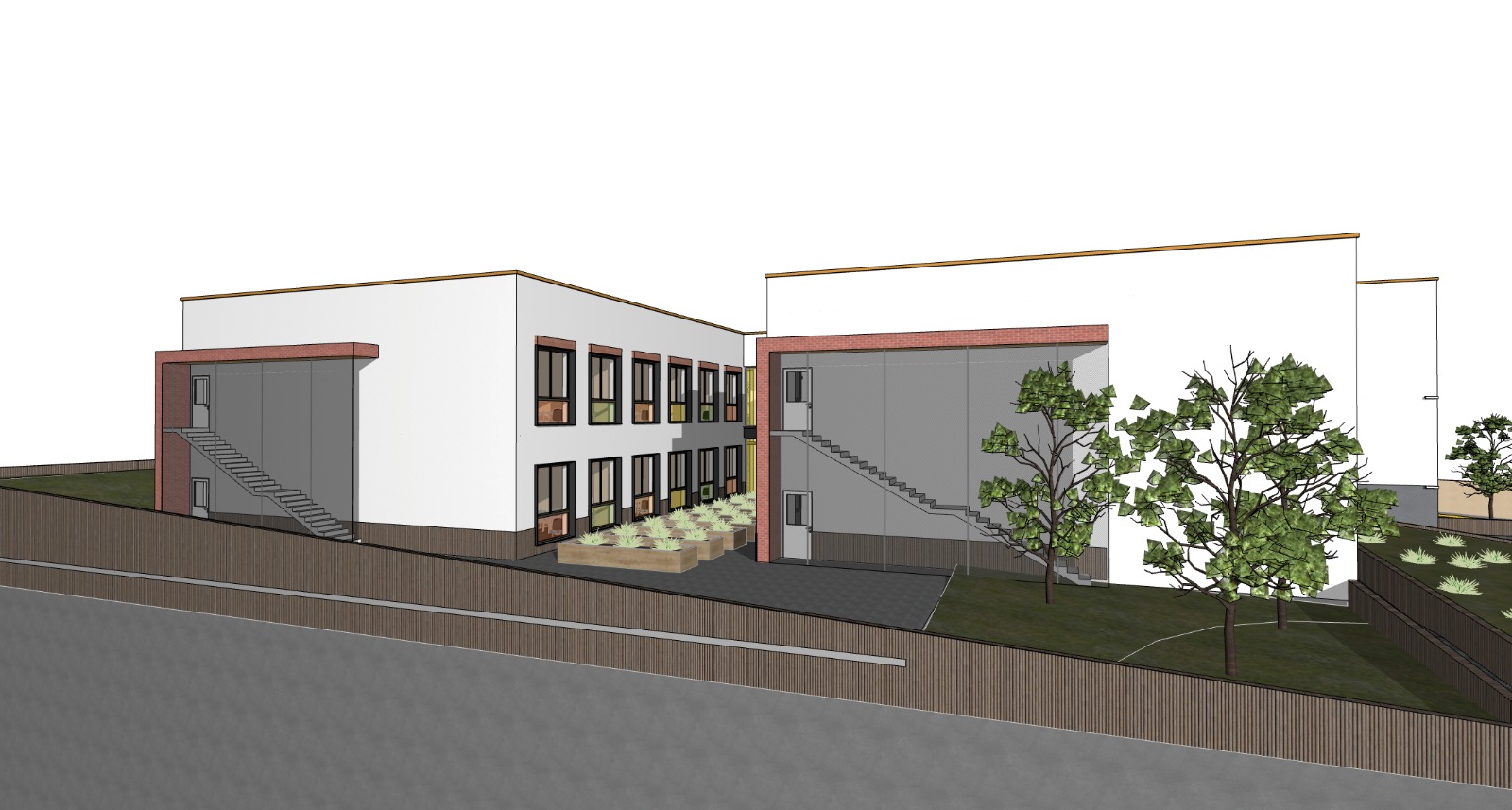
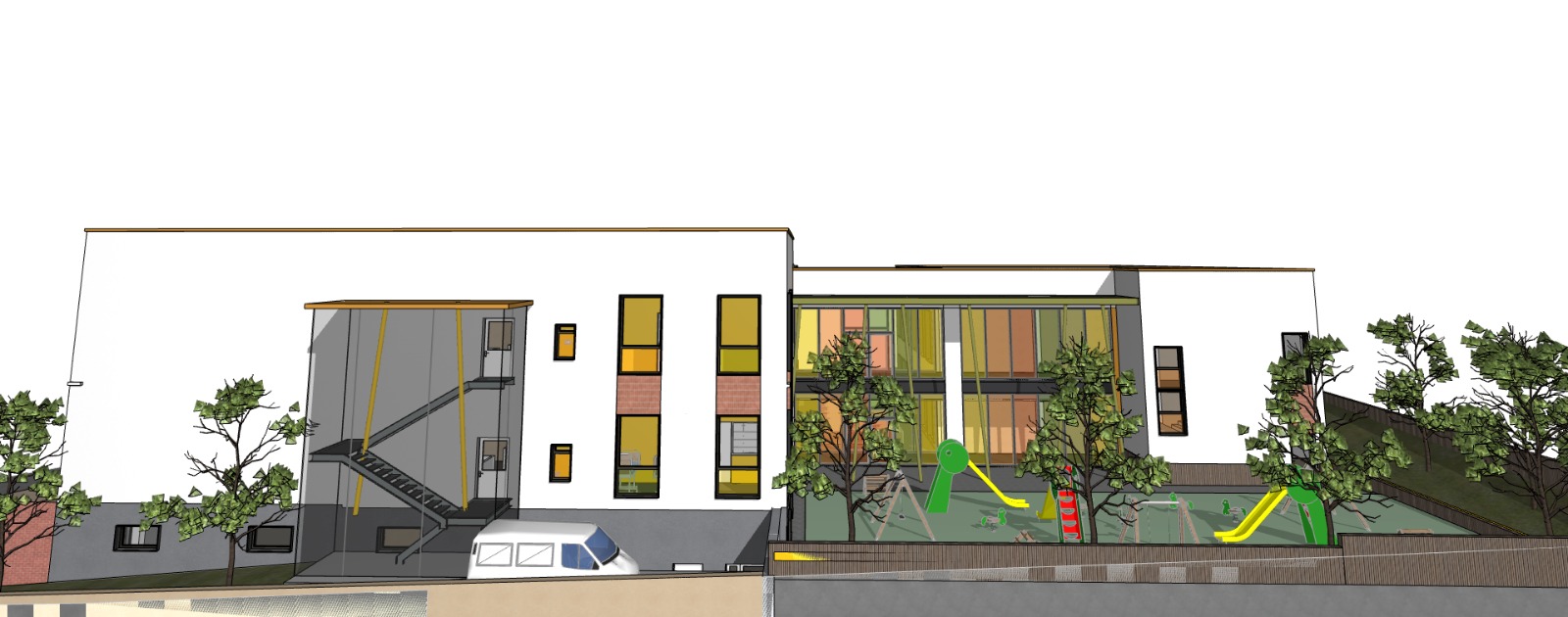
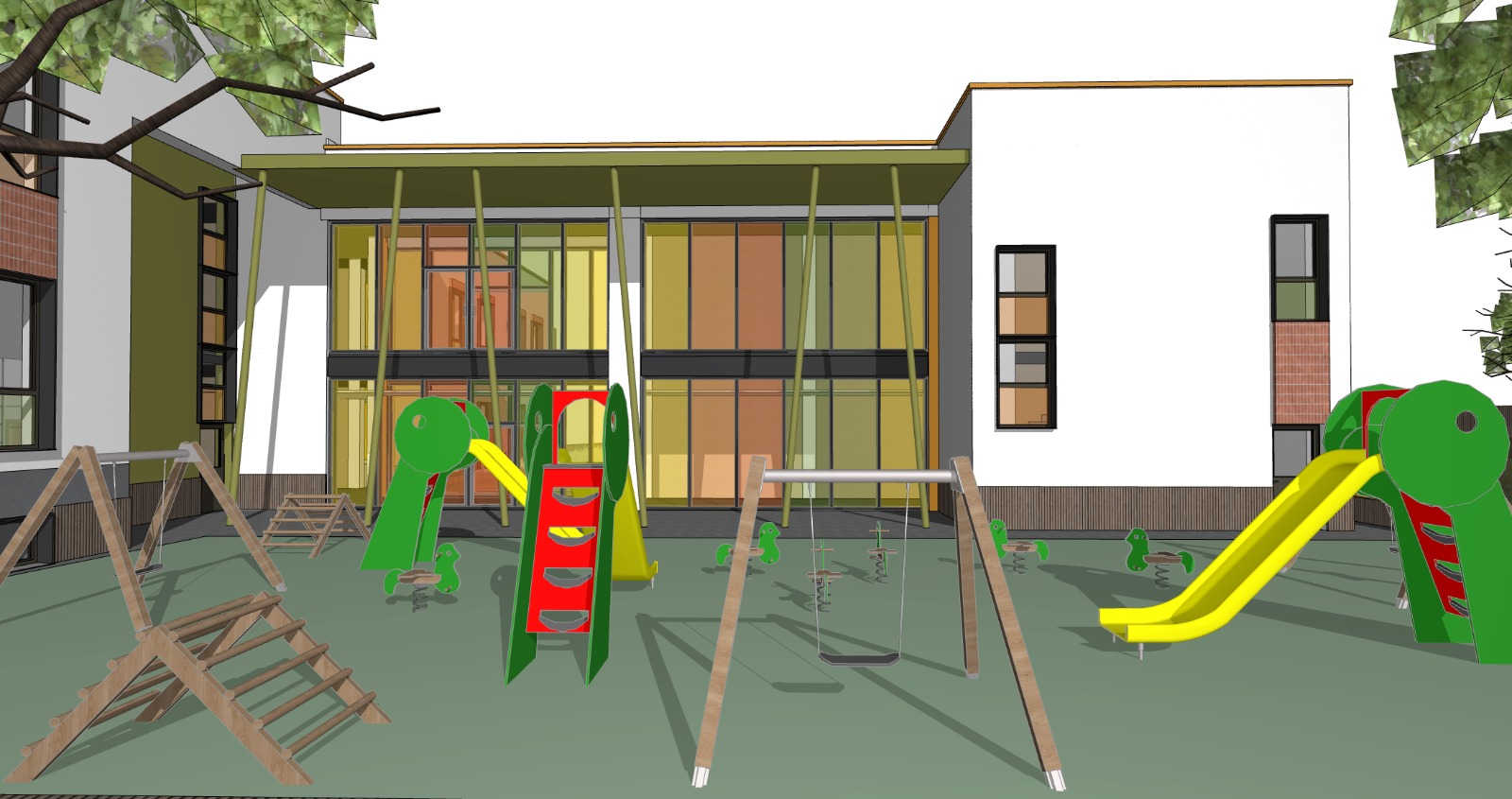
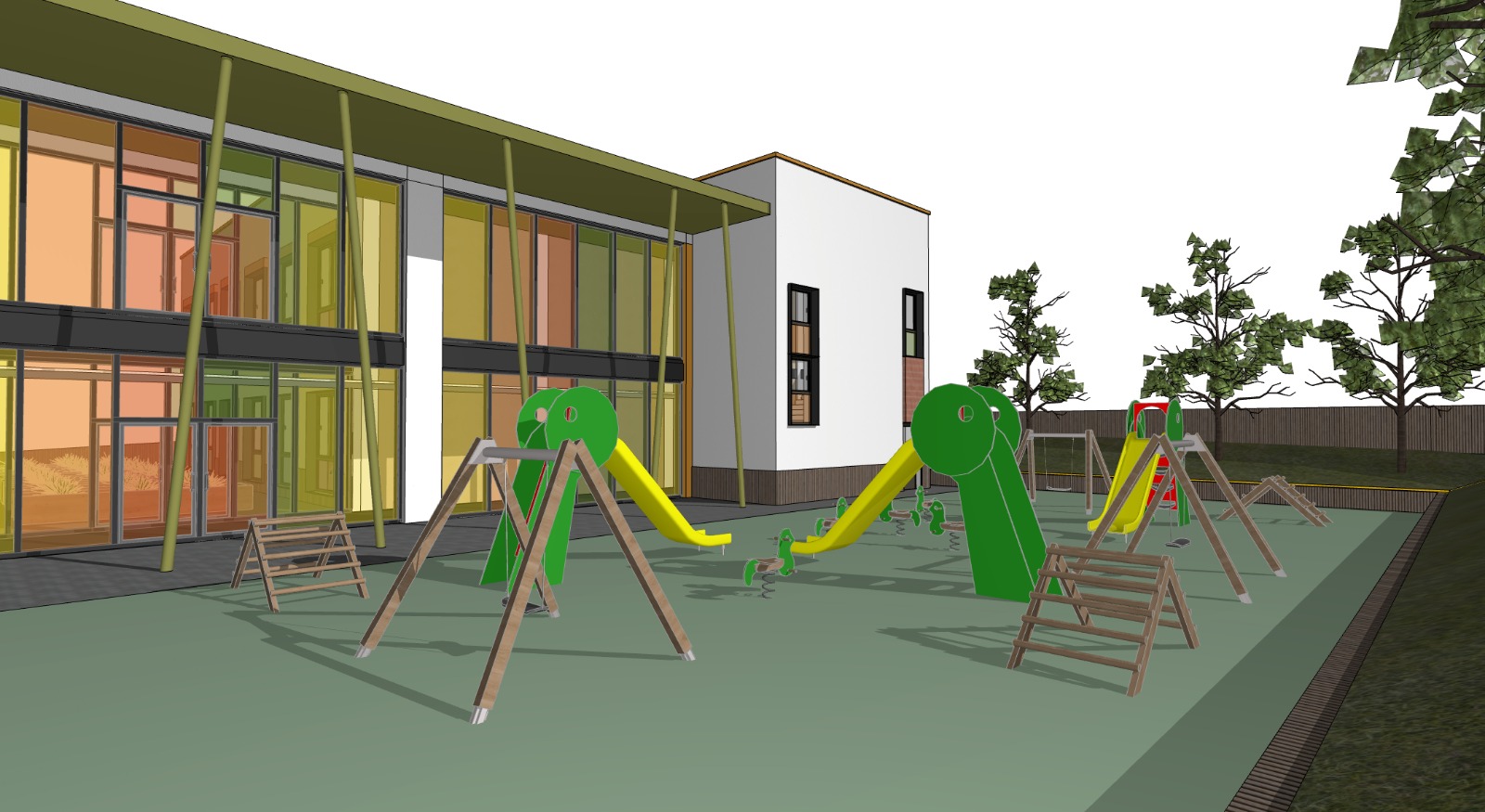
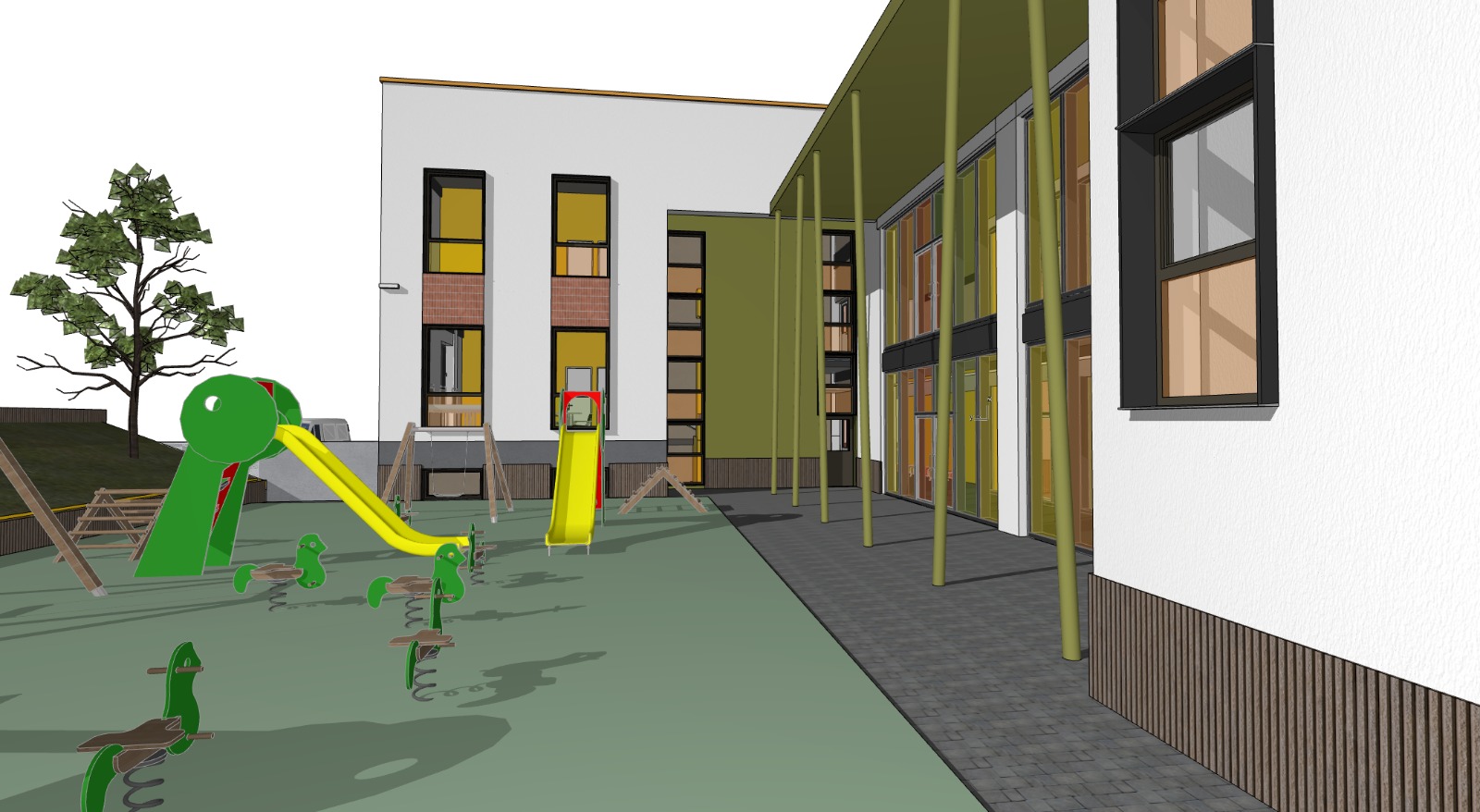
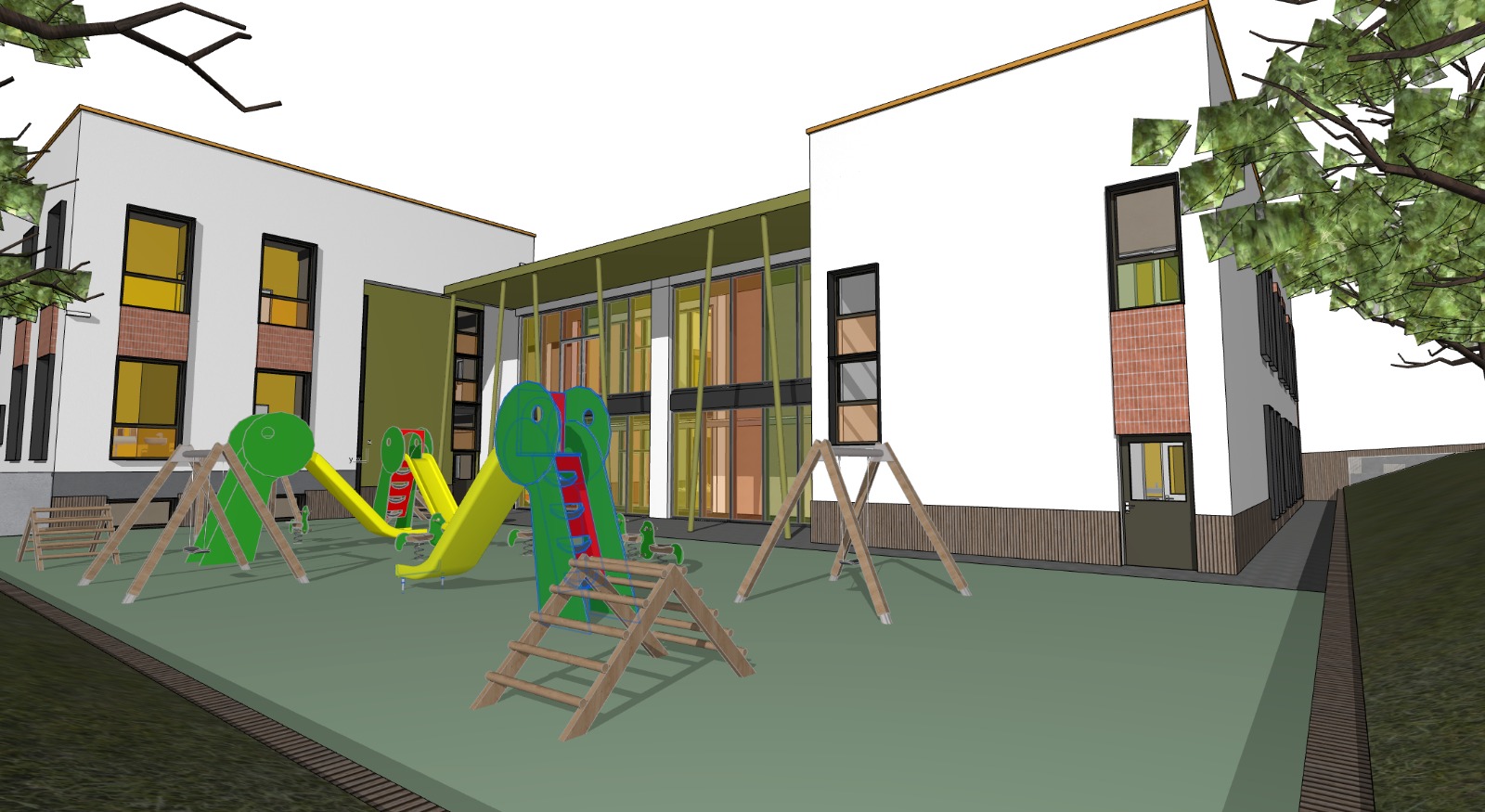
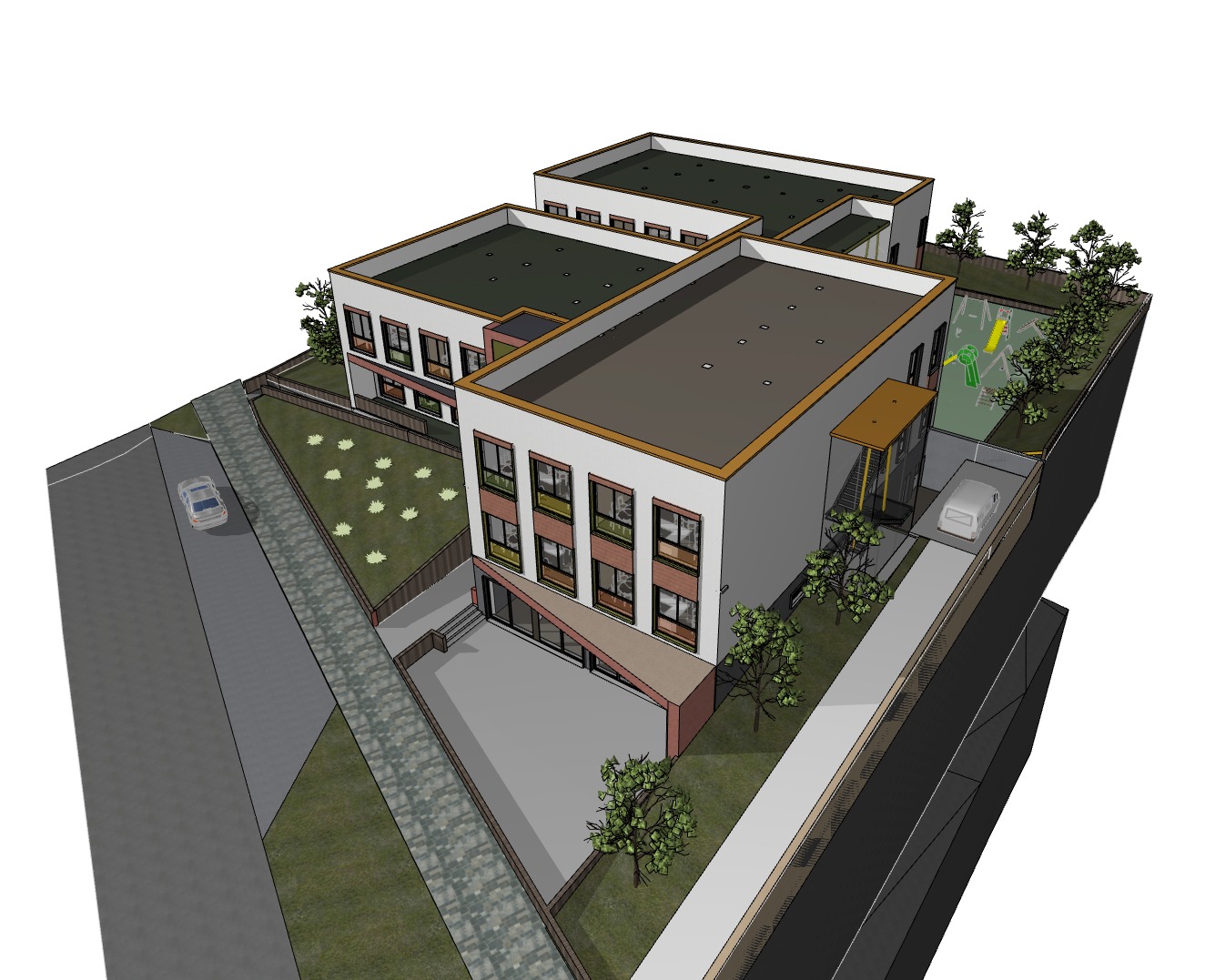
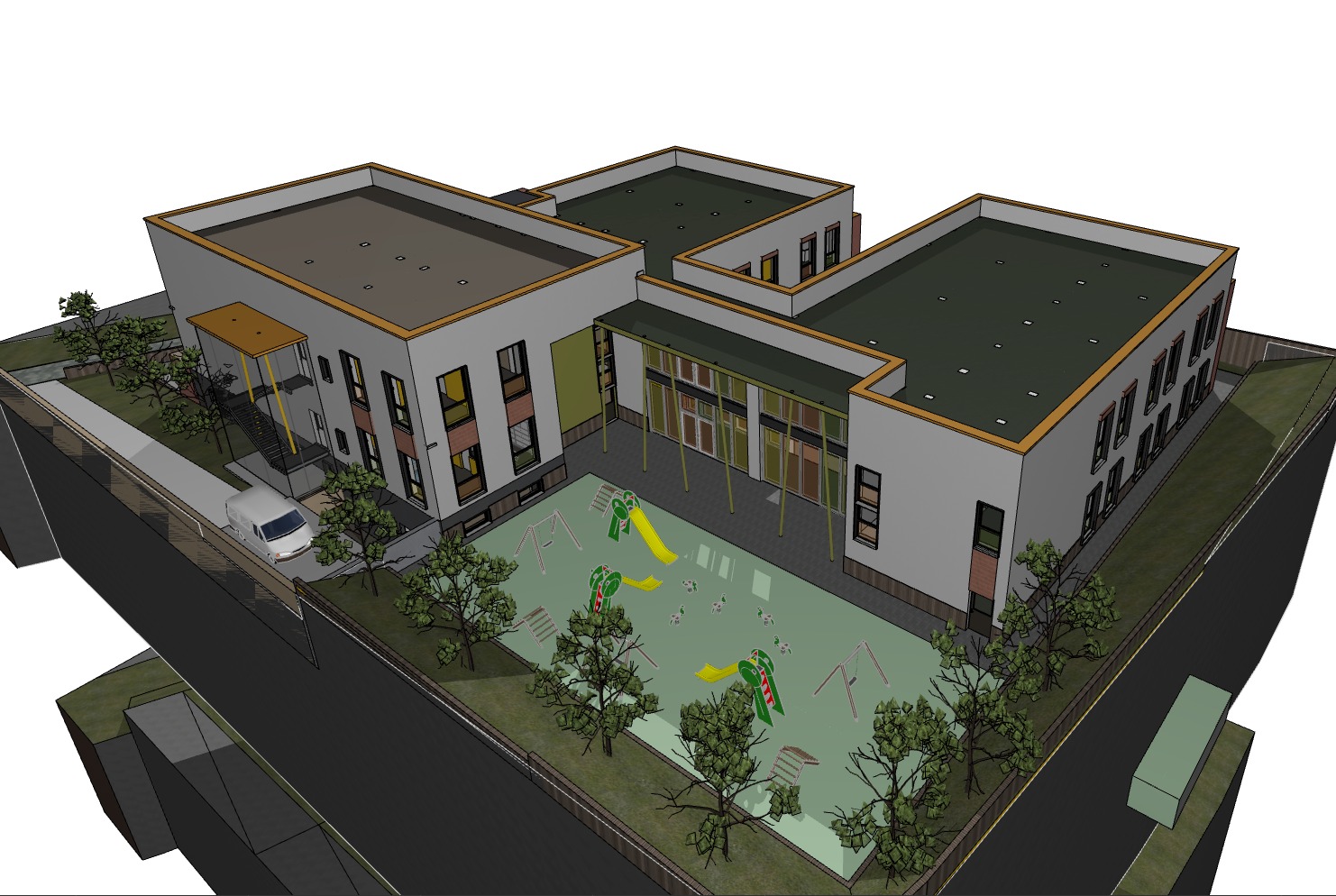
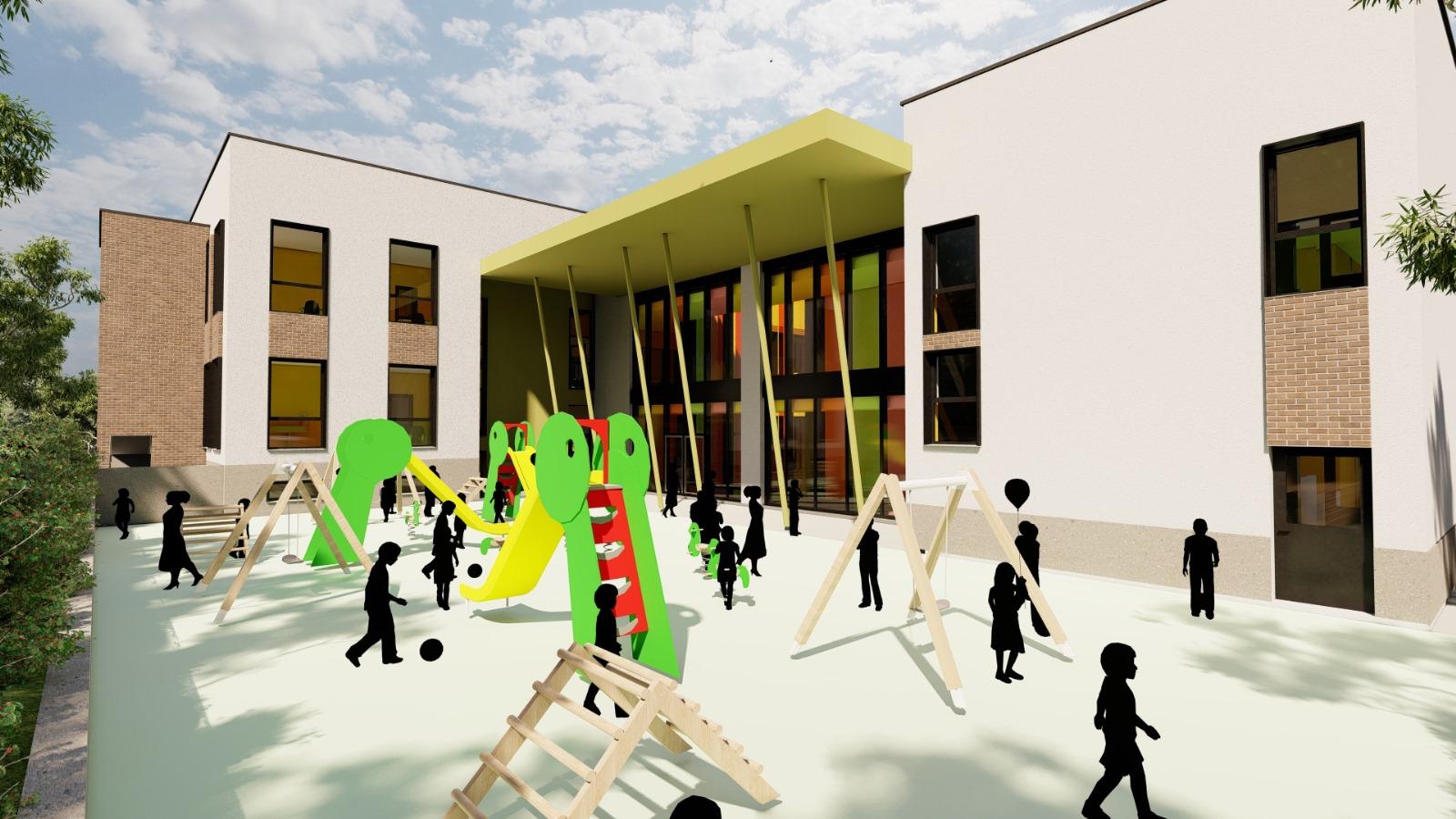
The kindergarten will include dedicated spaces for educational and recreational activities, rest areas, medical and administrative facilities, as well as outdoor amenities such as playgrounds, green areas, and spaces for social and physical activities, designed to support children’s development in a safe and stimulating environment.
Target group(s):
As a result of the implementation of the investment, the target group is represented by preschool children aged 3 to 6 years within the Tășnad Administrative-Territorial Unit (ATU), as well as teaching and auxiliary staff.
Indirect beneficiaries include families, future parents, and the general population of Tășnad Town, who will benefit from improved access to educational services and increased quality of life. The project responds to the needs of a community of approximately 9,076 inhabitants.
Specific objective:
Improving equal access to quality and inclusive education, training, and lifelong learning services by developing accessible and modern educational infrastructure for early childhood education.
Expected outcomes:
Preparation of the necessary technical and administrative documentation for the project, execution of construction works for the kindergarten building and related infrastructure, and the provision of modern equipment and educational facilities.
The project will result in a fully functional kindergarten with increased capacity (approximately 271 children), improved educational conditions, and enhanced accessibility and inclusiveness of preschool education services.
Education
Inclusion
Sustainability
Community
Child development
The initiative demonstrates a strong commitment to sustainability by integrating environmental, economic, and educational dimensions into the design and operation of the kindergarten.
From an environmental perspective, the project promotes energy efficiency through the use of high-performance insulation, energy-efficient heating and lighting systems, and the integration of renewable energy sources, such as photovoltaic panels. The building is designed to optimize natural light and ventilation, reducing energy consumption and ensuring a healthy indoor environment for children and staff.
The project also incorporates sustainable water and waste management practices, including systems for rainwater collection and reuse, as well as facilities for selective waste collection and recycling. Green outdoor areas are developed to support biodiversity, improve air quality, and create a natural and pleasant environment for learning and play.
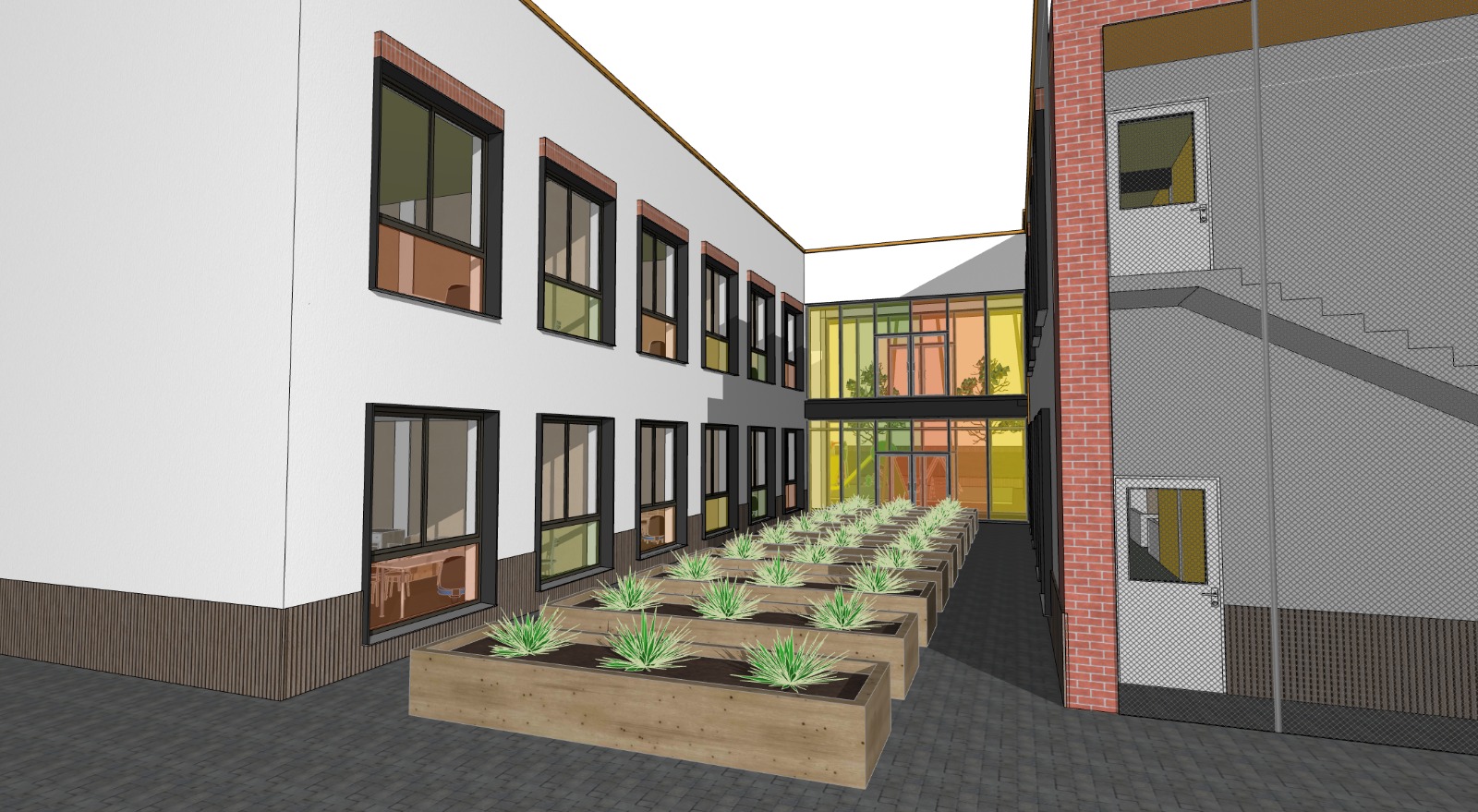
In addition, sustainability is embedded in the educational component of the initiative. The kindergarten will promote environmental awareness from an early age by engaging children in activities such as gardening, recycling, and nature-based learning. This approach contributes to shaping environmentally responsible future generations.
The initiative is exemplary in its holistic approach to sustainability, combining energy efficiency, green infrastructure, and environmental education within a single public investment. It demonstrates how small municipalities can develop modern, climate-resilient, and resource-efficient educational infrastructure that not only meets current needs but also contributes to long-term sustainable development.
By integrating sustainable solutions into both the physical infrastructure and the educational process, the project can serve as a replicable model for other communities seeking to align local development with the principles of the New European Bauhaus.
The initiative places strong emphasis on aesthetics and the quality of the user experience, recognizing that the built environment plays a crucial role in children’s development, well-being, and sense of belonging.
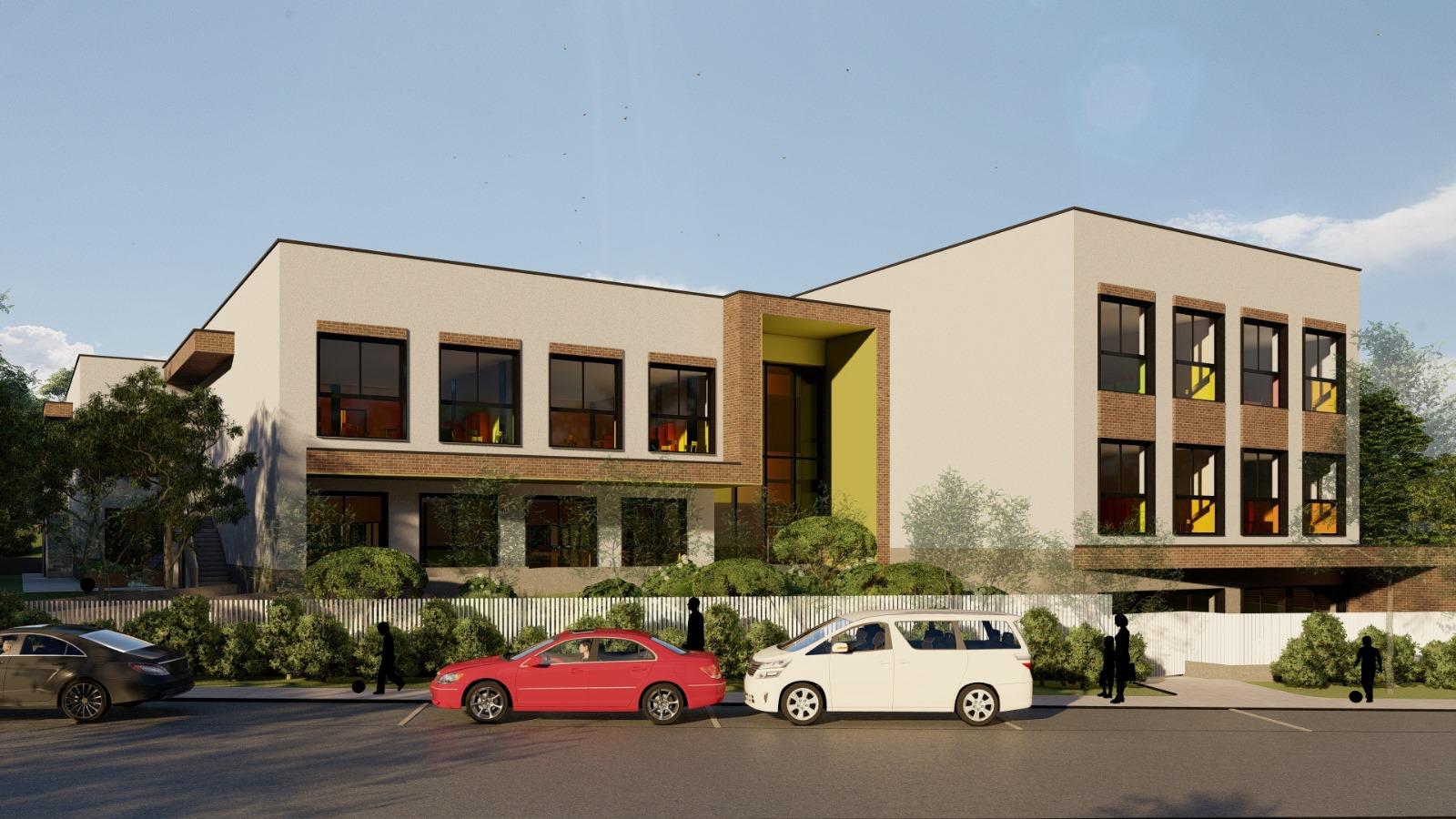
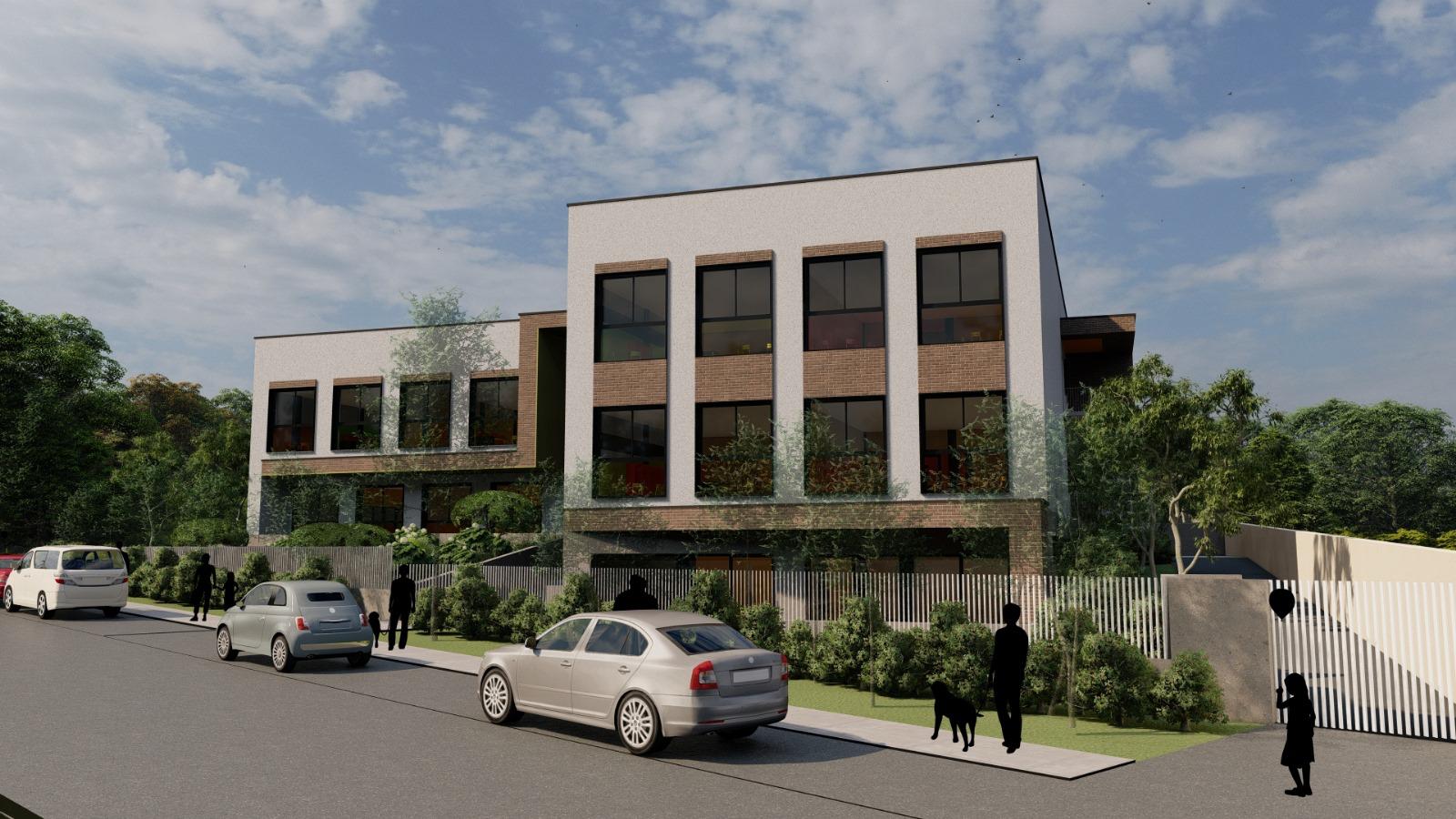
The design of the kindergarten prioritizes a child-friendly, welcoming, and stimulating environment, where architecture supports both learning and emotional comfort. The building integrates generous natural light, warm and functional interior spaces, and a clear spatial organization that ensures safety, accessibility, and ease of use for children, educators, and visitors.
Particular attention is given to the relationship between indoor and outdoor spaces. The project includes well-designed playgrounds, green areas, and open-air activity spaces that encourage interaction, creativity, and connection with nature. These elements contribute to creating a balanced environment where education, play, and relaxation coexist harmoniously.
The aesthetic approach is based on simplicity, clarity, and integration with the surrounding urban context. The use of natural elements, greenery, and human-scale design creates a pleasant and recognizable space that enhances the identity of the area and fosters a sense of community ownership.
Beyond its functional role, the kindergarten becomes a meaningful social and cultural space for the local community, supporting interaction between children, families, and educators. It contributes to improving the overall quality of public space in Tășnad and promotes a positive perception of educational infrastructure.
The initiative is exemplary in demonstrating how high-quality design can be integrated into public investments in small municipalities. By combining functionality, accessibility, and aesthetic value, the project sets a standard for creating educational spaces that are not only efficient, but also inspiring, inclusive, and deeply connected to people’s everyday experiences.
The project addresses the current shortage of preschool infrastructure, which limits access for many families. By increasing the capacity of educational services, the initiative contributes to reducing inequalities and ensuring that all children have the opportunity to benefit from early education.
Accessibility is a key component of the design. The kindergarten is planned as a barrier-free environment, with step-free access, adapted sanitary facilities, and appropriately designed interior spaces to accommodate children with disabilities or reduced mobility. The layout and equipment are designed to ensure safe, independent, and dignified use by all users.
The project also promotes social inclusion and non-discrimination through its operational principles. Enrollment processes will be transparent and equitable, ensuring equal opportunities for all children, including those from vulnerable or disadvantaged communities. Special attention is given to integrating children from marginalized groups, preventing segregation, and fostering interaction and diversity within the educational environment.
In addition, the initiative supports families by providing accessible childcare services, contributing to better work-life balance and social participation. The kindergarten will function as a community-oriented space, encouraging collaboration between educators, parents, and local institutions.
The initiative is exemplary in demonstrating how public investment in education can actively promote inclusion, equality, and social cohesion. By combining accessible infrastructure, inclusive policies, and community-oriented services, the project provides a replicable model for creating educational environments that are open, fair, and supportive for all members of society.
The initiative is grounded in the real needs of the local community, reflecting a demand-driven approach shaped by the growing need for accessible and high-quality preschool education in Tășnad. Citizens, especially parents and families, played a key role in highlighting the shortage of kindergarten places and the need for improved educational infrastructure. Their input has directly informed the project, ensuring alignment with community priorities.
Local stakeholders, including educators, public institutions and local authorities, have contributed to defining the functional and operational aspects of the kindergarten. This collaborative process has supported the creation of an educational space that is both practical and aligned with current standards and local expectations.
The municipality, as project initiator, facilitated this participatory approach by integrating community feedback and ensuring transparency through local decision-making processes and public communication. The level of involvement can be described as consultative and participatory, combining community needs with institutional expertise.
This engagement has increased the relevance, inclusiveness and long-term sustainability of the project. By responding directly to users’ needs, the initiative strengthens trust between citizens and local authorities and supports the development of a cohesive community.
The initiative is exemplary in demonstrating how small municipalities can develop public investments through community-oriented approaches, ensuring that projects are not only technically sound, but also socially grounded and widely supported.
The initiative is developed through a multi-level governance approach, involving stakeholders at local, regional, national and European levels, each contributing specific roles and expertise.
At the local level, the Administrative-Territorial Unit of Tășnad acts as project initiator and main beneficiary, responsible for development, coordination and implementation. The Local Council ensures approval and financial commitment, while educators and families provide input on needs and expectations for early childhood education.
At the regional level, the North-West Regional Development Agency (ADR Nord-Vest), as Managing Authority for the Regional Programme 2021–2027, is responsible for evaluation, contracting, monitoring and financial management, ensuring alignment with regional priorities.
At the national level, institutions such as the County School Inspectorate support compliance with legislation, educational standards and inclusion policies, facilitating integration into the national education system.
At the European level, the project is supported by the European Regional Development Fund (ERDF), within EU cohesion policy, providing strategic direction and financial support.
The added value of this multi-level involvement lies in combining local knowledge with regional coordination, national regulatory support and European strategic vision. This ensures a project that is relevant, high-quality and sustainable.
The initiative is exemplary in showing how cooperation across governance levels can lead to effective and impactful public investments, especially in small municipalities.
The initiative reflects a multidisciplinary approach, combining expertise from several fields to ensure a high-quality outcome in both design and implementation.
Key disciplines include architecture and urban planning, contributing to a functional, safe and attractive educational environment; engineering and construction, ensuring structural quality, energy efficiency and compliance with standards; and environmental sustainability, guiding the integration of green spaces and resource-efficient solutions.
The project also incorporates education and pedagogy, ensuring that the spaces support modern teaching methods, child development and inclusive learning. In addition, social sciences and public administration contribute to understanding community needs, ensuring accessibility and aligning the initiative with relevant policies.
Architects, engineers, educators, project managers and public authorities have collaborated throughout the process, coordinated by the local authority. This ensured continuous interaction between technical, educational and administrative perspectives.
This interdisciplinary cooperation led to integrated solutions that balance functionality, sustainability and user experience. Design and engineering decisions were aligned with educational needs, while environmental aspects were embedded in both design and operation.
The added value lies in creating a project that is technically sound, socially relevant and environmentally responsible, enhancing long-term impact and sustainability. The initiative demonstrates how multidisciplinary collaboration can deliver innovative and well-integrated solutions in public infrastructure projects.
The initiative stands out as innovative compared to conventional approaches to educational infrastructure, especially in small municipalities where projects are often limited to basic functional requirements.
Unlike traditional kindergarten developments focused mainly on capacity and compliance, this initiative adopts a holistic approach, integrating sustainability, inclusion and high-quality design into a single concept. It combines energy-efficient solutions, green infrastructure and child-centered design, creating an environment that supports both learning and well-being.
A key innovation is the integration of environmental sustainability with education. The kindergarten is designed not only as an energy-efficient building, but also as a learning environment where children interact with nature through green spaces, outdoor activities and environmental awareness. This transforms the infrastructure into both a service and an educational tool.
The project also introduces an integrated indoor-outdoor learning concept, where outdoor areas function as extensions of the educational space, supporting creativity, interaction and development.
In addition, the initiative follows a participatory approach, aligning community needs with European standards. It demonstrates that even in small municipalities, high-quality, sustainable and inclusive educational infrastructure can be achieved.
The project is exemplary in redefining educational infrastructure as a human-centered, integrated solution that delivers long-term social, environmental and educational benefits.
The initiative is based on a structured and integrated methodology that combines strategic planning, technical expertise and community-oriented approaches to ensure effective implementation and long-term impact.
The process began with a needs-based assessment, identifying the shortage of preschool infrastructure and the increasing demand for early childhood education in Tășnad. This was supported by demographic data and local development strategies, ensuring the initiative addresses clearly defined community needs.
This was followed by a comprehensive planning and design phase, including technical documentation, architectural design and the integration of sustainability and accessibility principles. The focus was on creating a safe, functional and child-friendly environment, while incorporating energy-efficient and green solutions.
Implementation is carried out through a phased approach, covering procurement, construction, equipment and operational preparation, in compliance with national and European regulations to ensure transparency and quality.
A key element is the integrated project management system, involving a dedicated implementation team and external experts, ensuring coordination, monitoring, risk management and timely delivery.
The initiative also follows a participatory approach, incorporating input from local stakeholders such as educators and families, improving alignment with user needs and social relevance.
Finally, the methodology emphasizes sustainability and long-term operation, ensuring proper management and integration into the local education system.
This combination of analytical planning, technical rigor and participatory input makes the approach robust, efficient and replicable for similar initiatives.
The initiative has strong potential for transferability and replicability, especially in small and medium-sized municipalities facing similar challenges related to limited educational infrastructure and increasing demand for early childhood education.
A key transferable element is the integrated development model, which combines infrastructure investment with sustainability, inclusion and high-quality design. This approach can be adapted to different contexts, enabling communities to move beyond basic solutions and create more holistic educational environments.
The methodological approach—based on needs assessment, strategic planning, phased implementation and integrated project management—is easily replicable and ensures efficiency and alignment with local needs and European standards.
The project also demonstrates transferable practices in sustainable design and technology, including energy-efficient construction, renewable energy use, green infrastructure and responsible resource management. These solutions can be scaled according to local conditions and resources.
Another important aspect is the community-oriented approach, which involves local stakeholders and ensures that projects respond to real needs, increasing acceptance and long-term impact.
In addition, the initiative offers valuable lessons in governance and multi-level cooperation, showing how different levels of administration can work together effectively.
The added value lies in its use of adaptable and accessible solutions that can be implemented in various contexts. The initiative demonstrates that small municipalities can successfully deliver innovative, sustainable and inclusive projects, serving as a practical model for others.
The initiative demonstrates a strong commitment to implementation, being in an advanced stage of development with key preparatory steps already completed and a clear roadmap for execution.
The project has undergone a comprehensive preparation phase, including needs assessment, alignment with local strategies, development of technical documentation, and obtaining approvals and building permits. European funding has been secured and the project has been approved by the Local Council, confirming financial and institutional commitment.
The values of the New European Bauhaus are already integrated into the design. Sustainability is addressed through energy-efficient solutions, renewable energy and green infrastructure. Inclusion is ensured through accessible design and equal access to education. Aesthetic quality is reflected in a child-friendly design that promotes well-being, natural light and connection with outdoor spaces.
The next steps include procurement procedures, construction works, equipment installation and operational preparation, all carried out in a structured and monitored manner. NEB principles will continue to guide implementation through sustainable practices, accessibility and design quality.
After completion, the focus will shift to operation, ensuring inclusive, high-quality educational services and proper maintenance of the infrastructure.
The initiative is exemplary in demonstrating a clear transition from planning to implementation, supported by secured funding and institutional capacity, ensuring that NEB principles are translated into concrete results.