Tășnad Community Market: A Sustainable a
Development of a Sustainable Agro-Food Market and Public Space in Tășnad
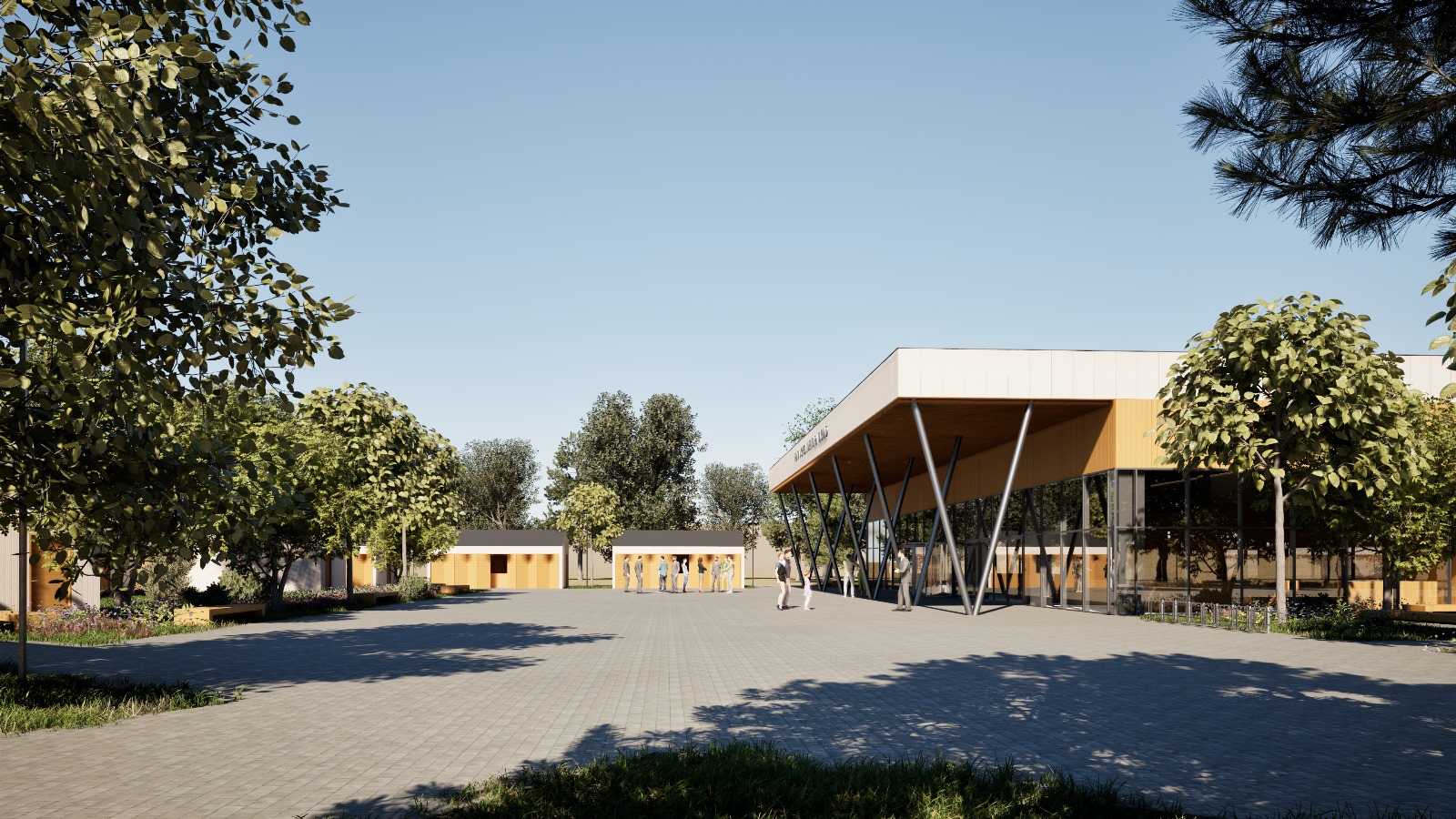
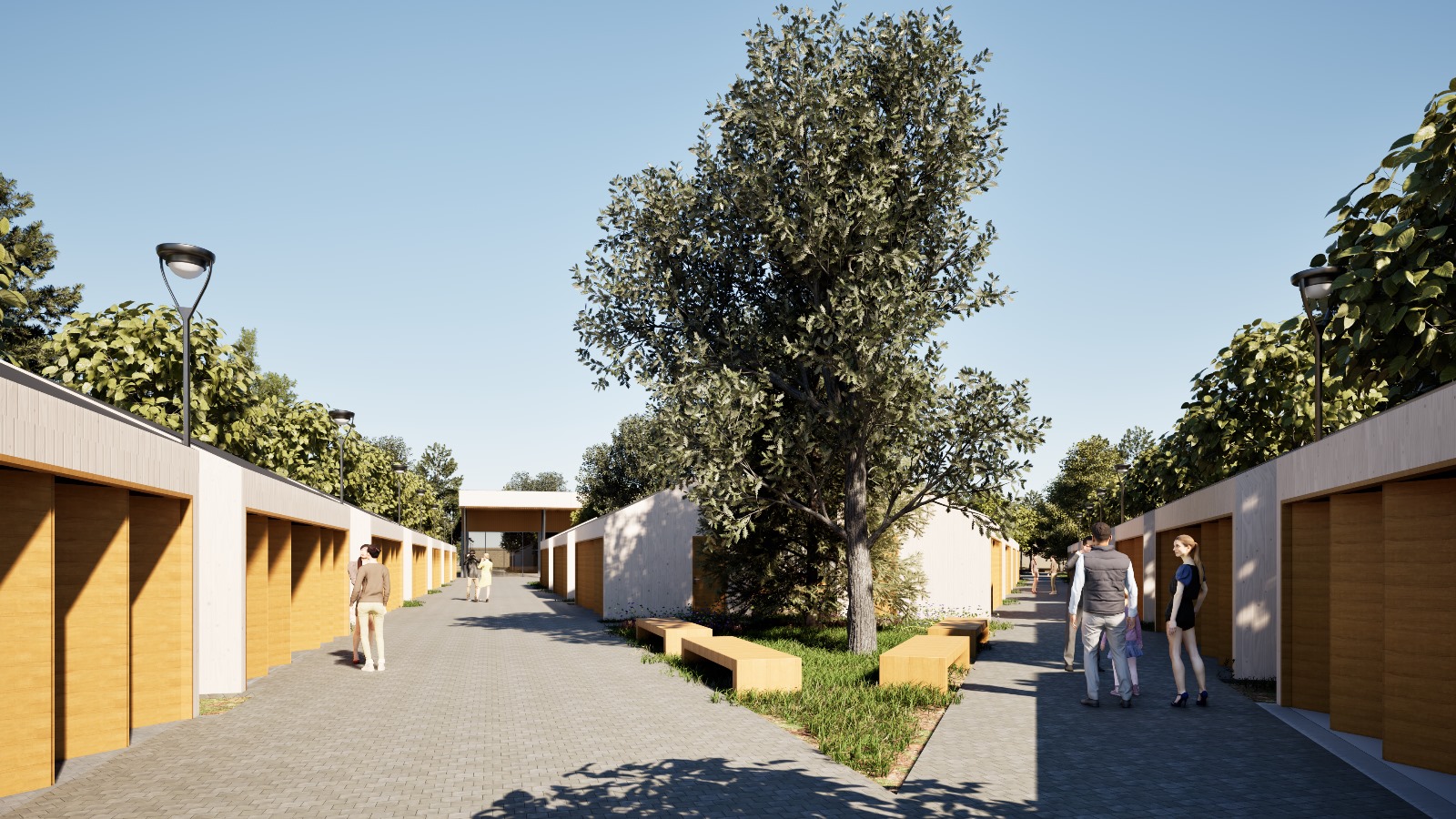
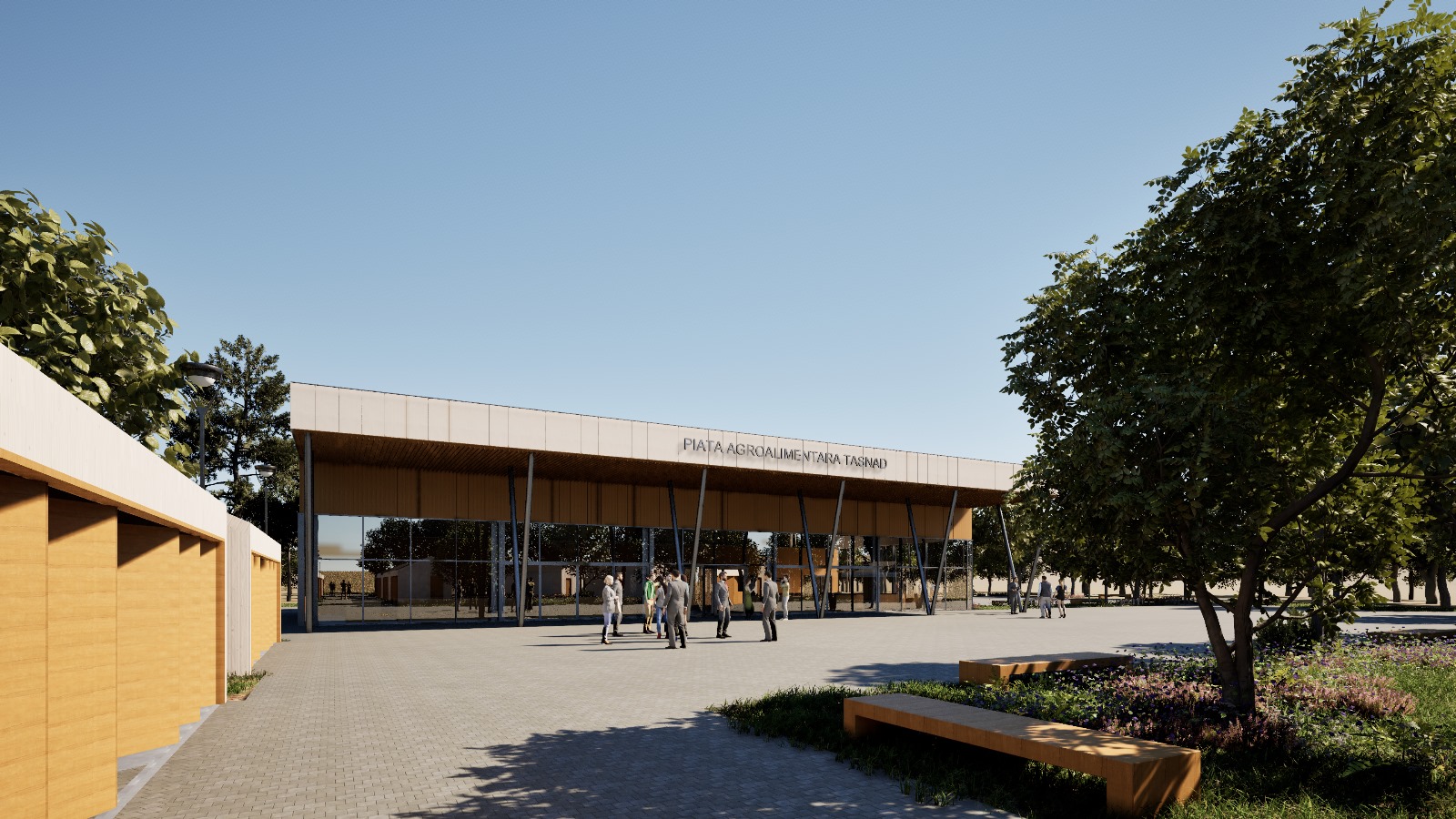
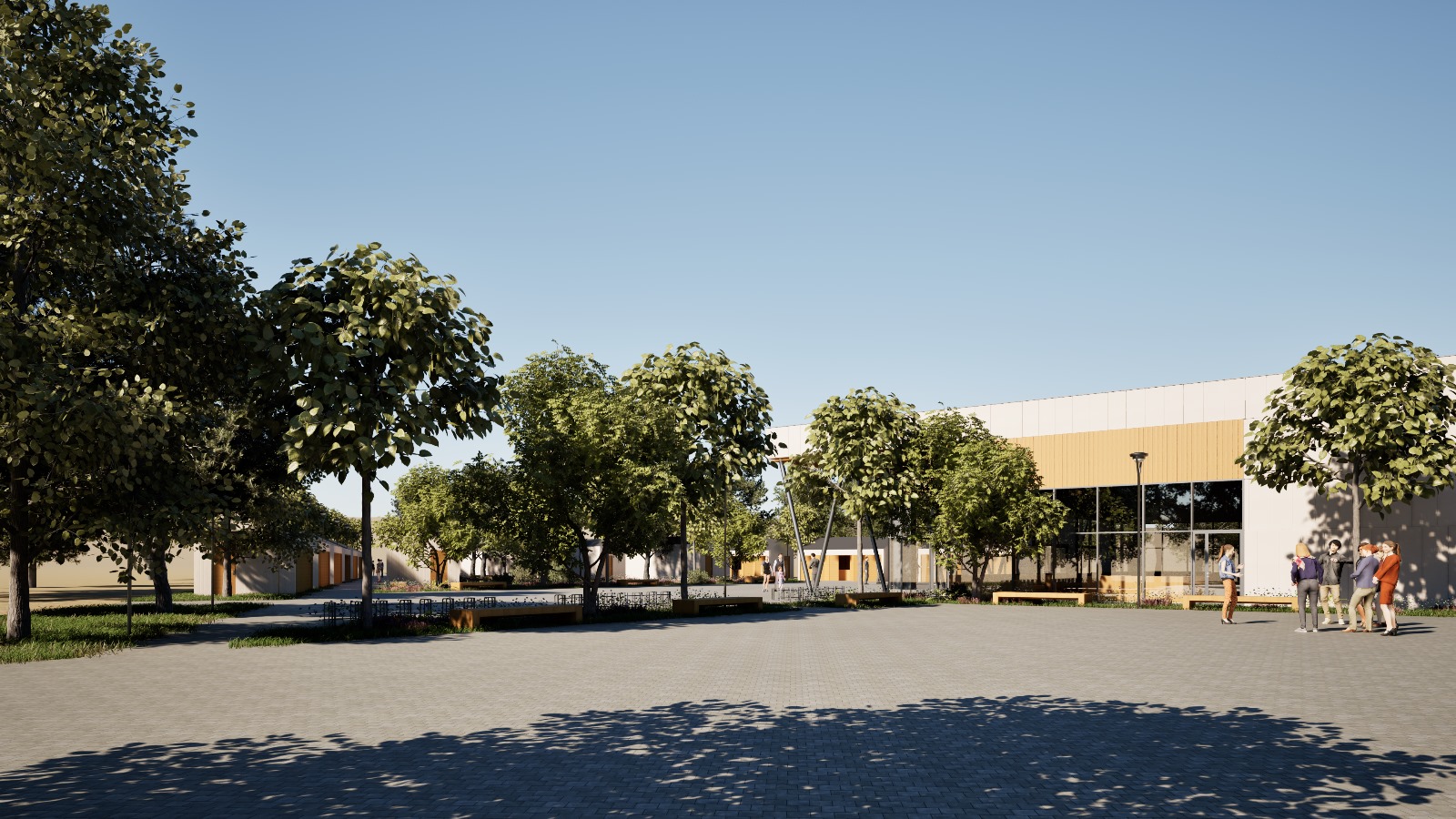
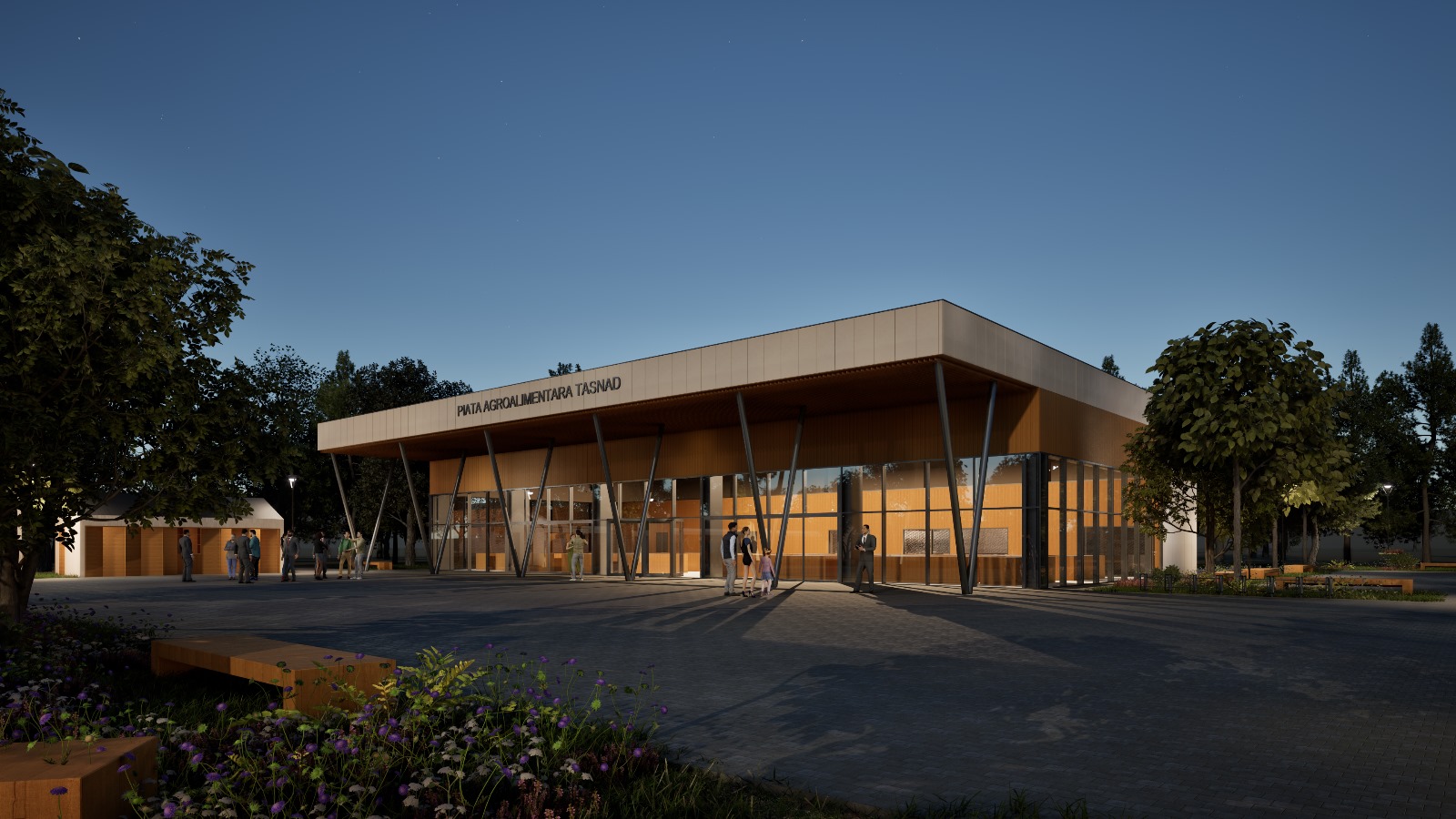
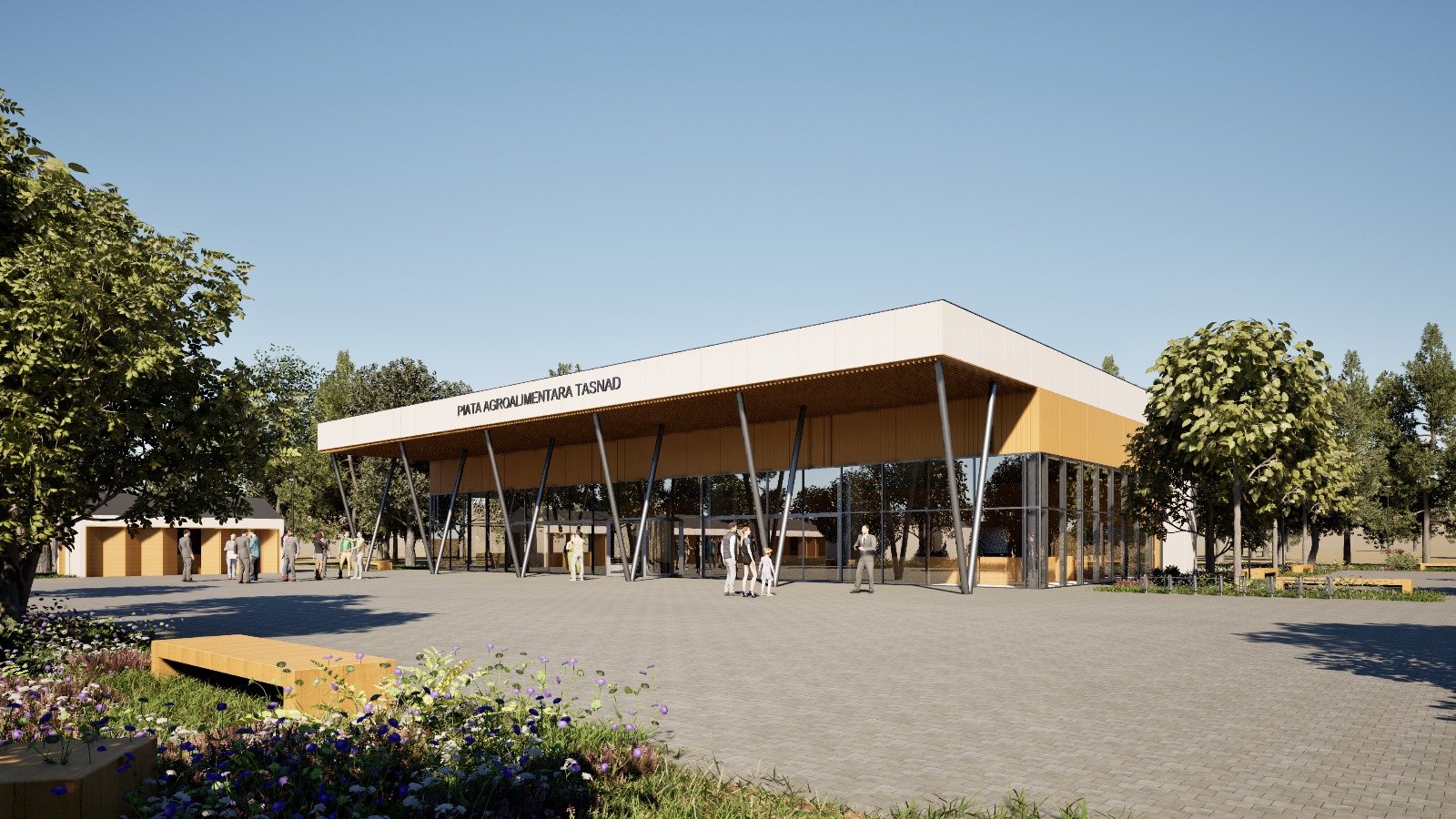
The Tășnad Community Market transforms an underused urban space into a vibrant, green, and inclusive place for the community. It connects local producers with citizens, supports the local economy, and offers a welcoming setting for everyday life and social interaction.
By using renewable energy, sustainable materials, and pedestrian-friendly design, the project fosters a healthier relationship between people and the environment.
By using renewable energy, sustainable materials, and pedestrian-friendly design, the project fosters a healthier relationship between people and the environment.
Romania
Lăcrămioarelor Street, No. 98A, Tășnad City, Satu Mare County, Romania
Prototype level
Yes
Yes
Yes
Yes
ERDF : European Regional Development Fund
For the proposed project, Financing Contract No. 122/16.09.2024 has been signed. The project is developed under the Regional Programme North-West 2021–2027 (Programul Regional Nord-Vest), financed by the European Regional Development Fund (ERDF). It is submitted under the call “Urban regeneration and public space safety” (Code: PRNV/2023/714.B/1), within Priority 7 – “An attractive region”, Specific Objective RSO5.1: Promoting integrated and inclusive development in social, economic and environmental domains.
No
136642: Oras Tasnad (RO)
General objective:
To revitalize an underused urban area in Tășnad by developing a sustainable, inclusive and attractive agro-food market and public space that supports local economic development, improves quality of life, and strengthens community interaction.
________________________________________
Target group(s):
Local residents of Tășnad
Small-scale farmers and local producers
Local businesses and entrepreneurs
Visitors and tourists
Vulnerable groups, including elderly people and persons with disabilities
________________________________________
Specific objective:
To create a modern agro-food market with dedicated sales units for local producers
To improve the quality, safety and accessibility of public space
To promote sustainable mobility through pedestrian and cycling infrastructure
To integrate green spaces and renewable energy solutions
To foster social inclusion and community engagement
________________________________________
Expected results:
A fully functional, modern agro-food market
Revitalization of a neglected urban area into a vibrant public space
Increased income opportunities for local producers
Improved accessibility and safety for all users
Enhanced environmental sustainability through green infrastructure and renewable energy
Strengthened social cohesion and community life
Urban regeneration
sustainable development
community engagement
local economy
inclusive public space
The Tășnad Community Market initiative places sustainability at the core of its design and implementation, aiming to create a resilient, resource-efficient and environmentally friendly public space that contributes to long-term local development.
The key sustainability objectives of the project are:
• Promoting energy efficiency and renewable energy use by integrating photovoltaic panels that provide clean energy for the operation of the market, reducing carbon emissions and operational costs.
• Encouraging sustainable mobility through the development of pedestrian pathways and bicycle infrastructure, reducing reliance on cars and promoting healthier, low-impact transport options.
• Enhancing urban biodiversity and green infrastructure by creating and improving green spaces, contributing to better air quality, climate adaptation, and a stronger connection between people and nature.
• Supporting circular economy principles by using sustainable, recyclable and non-toxic construction materials and ensuring efficient waste management during implementation and operation.
• Improving resource efficiency by optimizing the use of energy, water and materials throughout the lifecycle of the infrastructure.
These objectives are already embedded in the project through completed technical documentation, including the integration of renewable energy systems, sustainable materials and environmentally responsible design solutions. The project also follows the “Do No Significant Harm” (DNSH) principle and aligns with EU sustainability policies.
The initiative can be considered exemplary as it demonstrates how a small municipality can implement a holistic approach to sustainability, combining environmental, economic and social dimensions within a single project. By transforming an underused urban space into a green, energy-efficient and community-oriented hub, the project provides a replicable model for sustainable urban regeneration in similar small towns across Europe.
The Tășnad Community Market initiative aims to transform an underused urban space into an attractive, human-centered environment that enhances everyday life. The project focuses on creating a coherent and high-quality design that integrates the market, public spaces and surrounding area into a visually appealing and welcoming place. By combining natural materials, green spaces, shading elements and carefully designed urban furniture, the initiative improves comfort, usability and the overall experience for all users.
The space is designed to be multifunctional, supporting not only commercial activities but also social interaction, relaxation and community events, thus becoming a vibrant meeting point for the local community. Special attention is given to lighting and spatial organization, ensuring both safety and a pleasant atmosphere throughout the day.
The initiative is exemplary as it demonstrates how thoughtful design can transform a simple functional investment into a meaningful place that fosters identity, belonging and community pride, in line with the New European Bauhaus values.
The Tășnad Community Market initiative places inclusion at the core of its development, ensuring that the space is accessible, welcoming and beneficial for all members of the community. The project is designed according to the principles of “design for all”, providing barrier-free access, safe circulation and equal usability for people of all ages and abilities, including elderly persons and individuals with disabilities.
Beyond physical accessibility, the initiative supports social and economic inclusion by creating fair and affordable opportunities for small-scale local producers to sell their goods directly to consumers. This strengthens the local economy while reducing inequalities and supporting vulnerable groups. The project also builds on community input gathered through public consultation, ensuring that the development reflects real local needs and encourages active participation.
The initiative is exemplary as it demonstrates how inclusive design, community engagement and local economic support can be combined into a single intervention, creating a space that is not only accessible, but also socially meaningful and empowering for the entire community, in line with the New European Bauhaus vision.
The Tășnad Community Market initiative is built on an inclusive and participatory approach, actively involving citizens and local stakeholders throughout the development process. The municipality conducted public consultations, including surveys and direct engagement with residents, local producers and businesses, in order to identify real needs and expectations regarding the redevelopment of the area.
This process ensured that the project responds directly to community priorities, such as the need for a modern market, accessible public spaces and support for local producers. The high level of interest and positive feedback from citizens confirmed both the relevance and the social acceptance of the initiative. Local producers were not only consulted, but also considered key beneficiaries, shaping the functional design of the market and its facilities.
The involvement of citizens and civil society has had a direct impact on the project by strengthening its relevance, improving its design and fostering a strong sense of ownership within the community. This participatory approach contributes to long-term sustainability, as users are more likely to actively engage with, support and maintain the space.
The initiative is exemplary in demonstrating how even in small municipalities, meaningful citizen engagement can shape high-quality, inclusive and widely supported projects, fully aligned with the New European Bauhaus principles.
The Tășnad Community Market initiative is developed through a multi-level governance approach, involving stakeholders from local, regional and European levels, each contributing with specific expertise and support.
At the local level, the Municipality of Tășnad plays a central role in initiating, coordinating and implementing the project, supported by local stakeholders such as residents, local producers and businesses, who were actively consulted during the planning phase. Their involvement ensured that the project reflects real community needs and strengthens local ownership.
At the regional level, the North-West Regional Development Agency (ADR Nord-Vest) is involved as the managing authority of the Regional Programme, providing financial support, strategic guidance and ensuring compliance with EU funding requirements. This contributes to aligning the project with regional development priorities and ensures high implementation standards.
At the national and European levels, the project aligns with national strategies for sustainable development and with European Union policies, including cohesion policy objectives and the New European Bauhaus initiative. The European Regional Development Fund (ERDF) provides the financial framework that enables the realization of the project.
The added value of this multi-level involvement lies in combining local knowledge with regional expertise and European strategic vision, resulting in a well-balanced, high-quality project. This collaborative approach enhances the project’s credibility, ensures its sustainability and increases its potential to serve as a replicable model for other small municipalities.
The Tășnad Community Market initiative reflects a multidisciplinary approach, integrating expertise from urban planning, architecture, engineering, environmental sciences, and socio-economic development. The design and implementation process combines technical disciplines with a strong focus on community needs and local economic dynamics.
Urban planners and architects have worked together to create a coherent spatial concept that balances functionality, aesthetics and accessibility. Engineers have contributed to the technical feasibility of the project, including infrastructure, energy efficiency and the integration of renewable energy systems. Environmental specialists have supported the incorporation of green infrastructure, sustainable materials and climate-resilient solutions, while socio-economic perspectives have guided the project towards supporting local producers and strengthening the local economy.
These different fields have interacted through a coordinated planning process, ensuring that technical, environmental and social aspects are considered together rather than separately. This integrated approach has improved the overall quality of the project, leading to a solution that is not only technically sound, but also socially relevant and environmentally responsible.
The added value of this multidisciplinary collaboration lies in its ability to deliver a holistic and well-balanced project that addresses complex urban challenges while enhancing the quality of life for the community, in line with the New European Bauhaus principles.
The Tășnad Community Market initiative goes beyond conventional approaches to public markets by integrating economic, social, environmental and spatial functions into a single, coherent intervention. While traditional market developments typically focus only on commercial infrastructure, this project redefines the concept of a market as a multifunctional public space that supports community life, sustainability and local identity.
The innovative character of the initiative lies in the combination of urban regeneration with local economic support, transforming an underused area into a vibrant hub that connects producers, consumers and public life. The integration of renewable energy systems, green infrastructure and sustainable mobility solutions further distinguishes the project from standard practices, which often overlook environmental performance.
Another key innovation is the strong emphasis on inclusivity and community participation, ensuring that the design responds to real local needs and is accessible to all users. The project also introduces a flexible spatial concept that allows the space to host not only market activities, but also social and cultural events, increasing its long-term value and usability.
By combining these elements, the initiative demonstrates a new model for small municipalities, where infrastructure projects are not treated as isolated investments, but as catalysts for broader social, economic and environmental transformation.
The Tășnad Community Market initiative is developed through an integrated and participatory approach that combines strategic planning, technical design and community involvement. The methodology is based on a step-by-step process, starting with the identification of local needs and challenges, followed by feasibility analysis, technical design and preparation for implementation.
A key component of the approach is the involvement of local stakeholders, including residents, producers and local businesses, whose input has been collected through consultations and has directly informed the design of the project. This ensures that the initiative responds to real community needs and increases its long-term relevance and acceptance.
The project also follows a multidisciplinary and sustainability-oriented methodology, integrating environmental considerations, energy efficiency, accessibility and urban design principles into all stages of development. The design process incorporates circular economy principles, renewable energy solutions and green infrastructure, in line with EU policies and the “Do No Significant Harm” principle.
Implementation is guided by a structured project management framework, including clear timelines, defined responsibilities and continuous monitoring of progress, risks and results. This ensures efficient execution and high-quality outcomes.
The Tășnad Community Market initiative is designed as a scalable and transferable model that can be replicated in other small municipalities facing similar challenges related to underused public spaces, declining local economies and limited access to quality infrastructure.
Several elements of the project can be easily transferred to different contexts. The integrated methodology, combining urban regeneration, community participation and sustainable design, can serve as a framework for other local authorities. The participatory approach used to involve citizens and local producers is adaptable and can be applied in various social and cultural settings to ensure that projects respond to real local needs.
From a technical perspective, the use of modular market units, renewable energy systems such as photovoltaic panels, and green infrastructure solutions can be replicated and adjusted depending on local conditions and available resources. The flexible design of the space, allowing for both commercial and social activities, represents a model that can enhance the multifunctionality of public spaces in other communities.
In addition, the project demonstrates how existing funding mechanisms, such as regional and European programmes, can be effectively used to support integrated local development initiatives. The lessons learned from planning, stakeholder engagement and implementation can be transferred to other municipalities seeking to develop similar projects.
Overall, the initiative provides a practical and adaptable model for creating inclusive, sustainable and attractive public spaces, contributing to a broader transformation of small urban communities
The Tășnad Community Market initiative follows a structured development and implementation pathway, with activities already initiated and further steps clearly defined in alignment with the New European Bauhaus (NEB) values and working principles.
So far, the project has progressed through key preparatory stages, including needs assessment, community consultation, feasibility analysis and the development of detailed technical documentation. During these stages, NEB values have been actively integrated by prioritizing sustainability through renewable energy solutions and green infrastructure, inclusion through accessible design and stakeholder engagement, and aesthetics through high-quality architectural and urban design.
The next phase focuses on implementation activities, including procurement procedures, contractor selection and the execution of construction works. These will involve the development of the agro-food market infrastructure, public space amenities, pedestrian and cycling pathways, green areas and renewable energy systems. Throughout this phase, continuous monitoring will ensure compliance with sustainability standards, accessibility requirements and design quality.
In parallel, communication and community engagement activities will continue, supporting local producers and preparing the operational framework of the market. The final stages will include testing, operational setup and the activation of the space through community-oriented activities and events.
Key steps for implementation in line with NEB principles include maintaining a participatory approach, ensuring high environmental performance, delivering a human-centered and aesthetically valuable design, and promoting long-term social and economic impact. This ensures that the initiative not only delivers infrastructure, but also creates a meaningful, inclusive and sustainable place for the community.