Thermal Eden Tasnad
Thermal Eden Tasnad
Where the Earth’s energy shapes the community’s future
Thermal Eden Tășnad is more than just a place to relax; it is a rebirth of our connection with the primal elements. Imagine a regenerative sanctuary where the natural warmth of the depths meets avant-garde, eco-friendly design that is open to all.
Our project transforms Tășnad’s thermal resources into a vibrant ecosystem of wellness, sustainability, and social cohesion.
Romania
Located on the iconic Ștefan cel Mare Street in Tășnad, our Urban Aquapark turns a legendary local slope into a modern green haven
Prototype level
Yes
Yes
Yes
Yes
ERDF : European Regional Development Fund
For the proposed project, Financing Contract No. 189/20.12.2024 has been signed. The funding scheme is the North-West Regional Program 2021-2027, under Policy Objective 5: A Europe closer to citizens, by fostering the sustainable and integrated development of all types of territories and local initiatives; Priority 7: An attractive region; Specific Objective 5.1: Promoting integrated and inclusive social, economic, and environmental development, as well as culture, natural heritage, sustainable tourism, and security in urban areas.
No
136642: Oras Tasnad (RO)
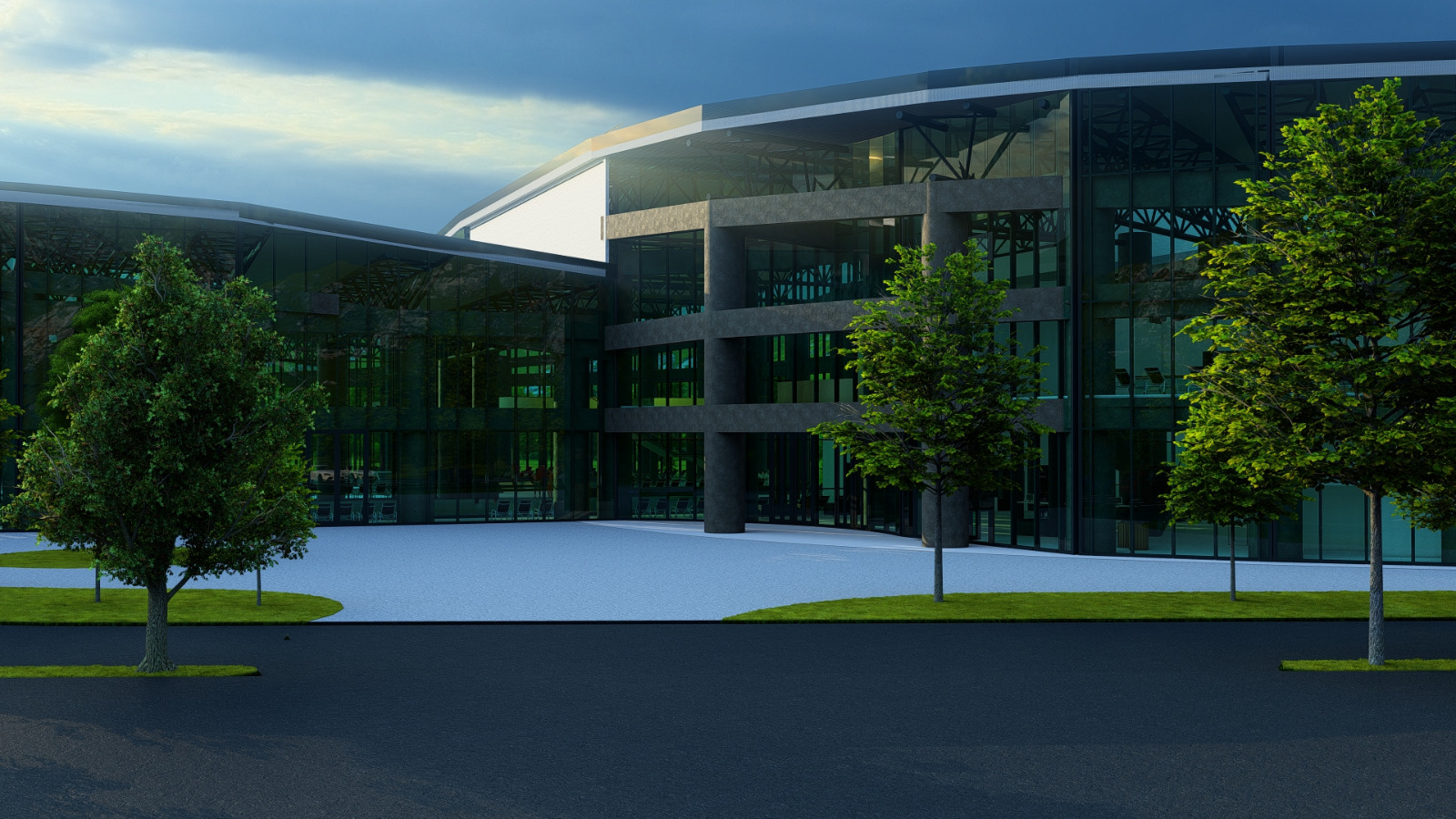
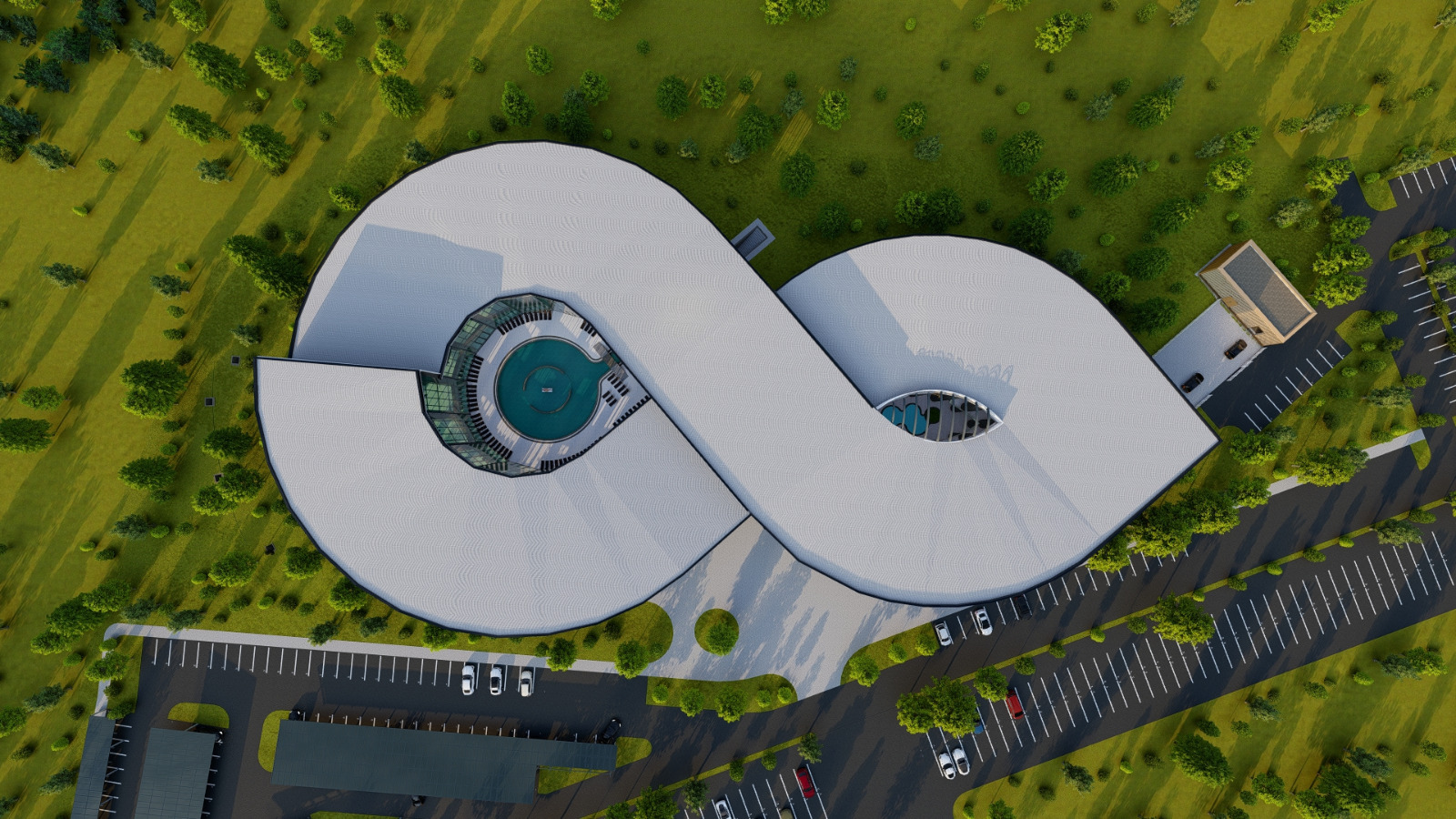
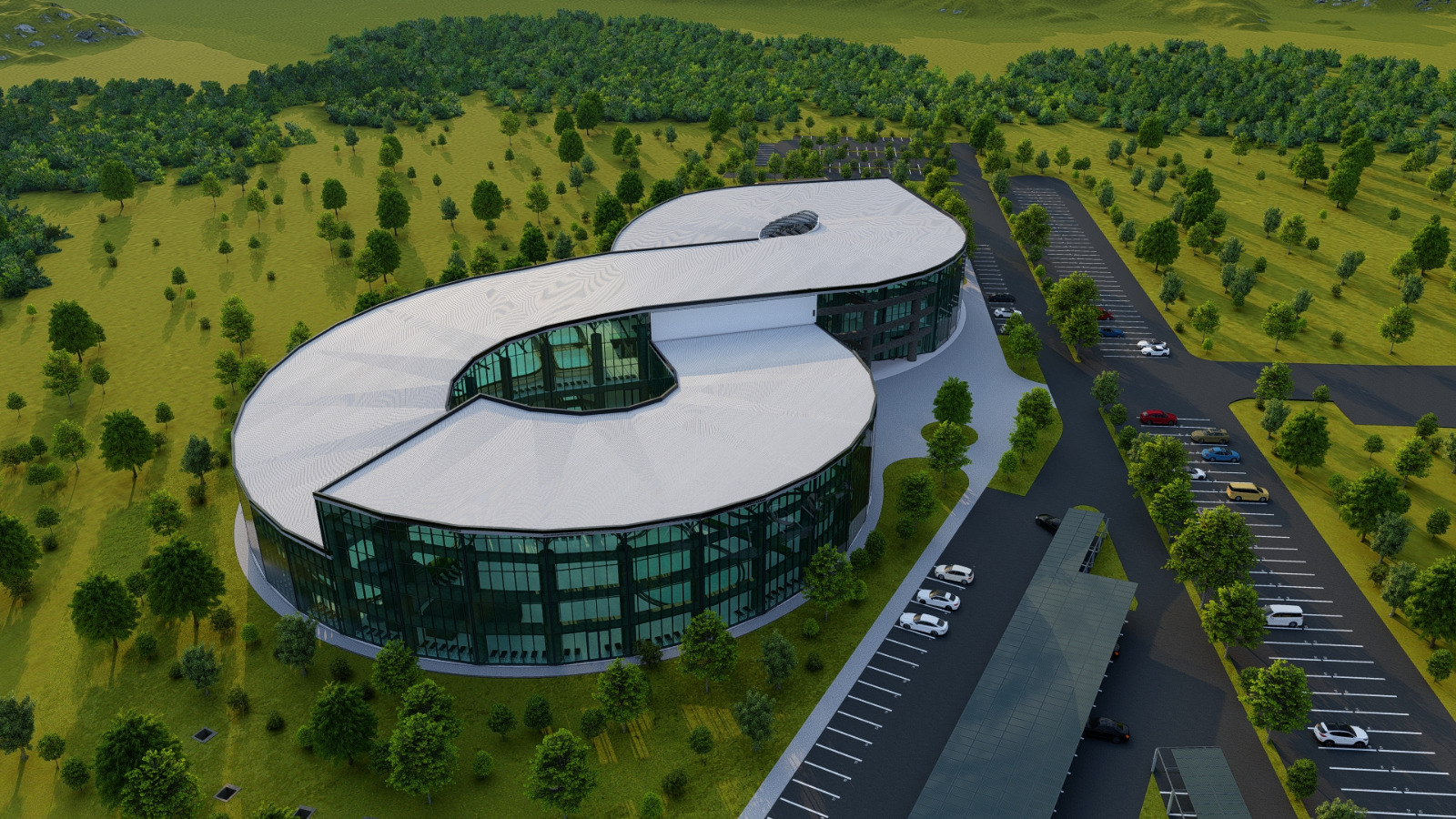
General objective: The project aims for the economic and social revitalization of Tășnad by harnessing natural thermal resources within a European-scale tourist complex, operational year-round. It proposes the creation of a modern aquapark (7,370 sqm built area, 28,670 sqm landscaped area) that harmoniously integrates leisure infrastructure with the natural terrain morphology and the existing built environment. The project features a flagship architectural design that enhances natural heritage, transforming Tășnad into a competitive destination through multifaceted facilities, including multifunctional buildings, outdoor pools, extensive green spaces, and pedestrian zones.Target group(s): The primary target group consists of individuals seeking recreation, entertainment, and outdoor activities during the summer season. The significant influx of visitors during these months, coinciding with peak holiday periods, clearly reflects the specific dynamics of this type of tourism.Specific objective: Promoting integrated and inclusive social, economic, and environmental development, as well as culture, natural heritage, sustainable tourism, and security in urban areas.Expected results: Preparation of the necessary documentation for the proposed project, execution of construction works for the aquapark, and the provision of its equipment
Regeneration
Synergy
Inclusion
Sustainability
Recreation
Thermal Eden Tășnad redefines spa tourism through a model of regenerative efficiency, based on the intelligent use of local geothermal resources for both leisure and thermal energy. The initiative stands as an exemplary model by integrating green technologies—such as heat pumps, energy recovery systems, and photovoltaic panels—within a bioclimatic architecture that respects the natural morphology of the terrain. Through superior thermal insulation and inclusive design, the project transforms natural heritage into a driver for sustainable development, demonstrating a perfect harmony between technical innovation and environmental protection year-round
The initiative “Thermal Eden Tășnad” aims to create a contemporary architectural and cultural landmark where aesthetics, functionality, and user well-being are integrated into a unified concept centered on the relationship between people, nature, and water.
Its exemplary character lies in combining design quality with functionality and social inclusion, resulting in a space that is not only visually appealing but actively experienced by the community, becoming a local benchmark for sustainable urban development.
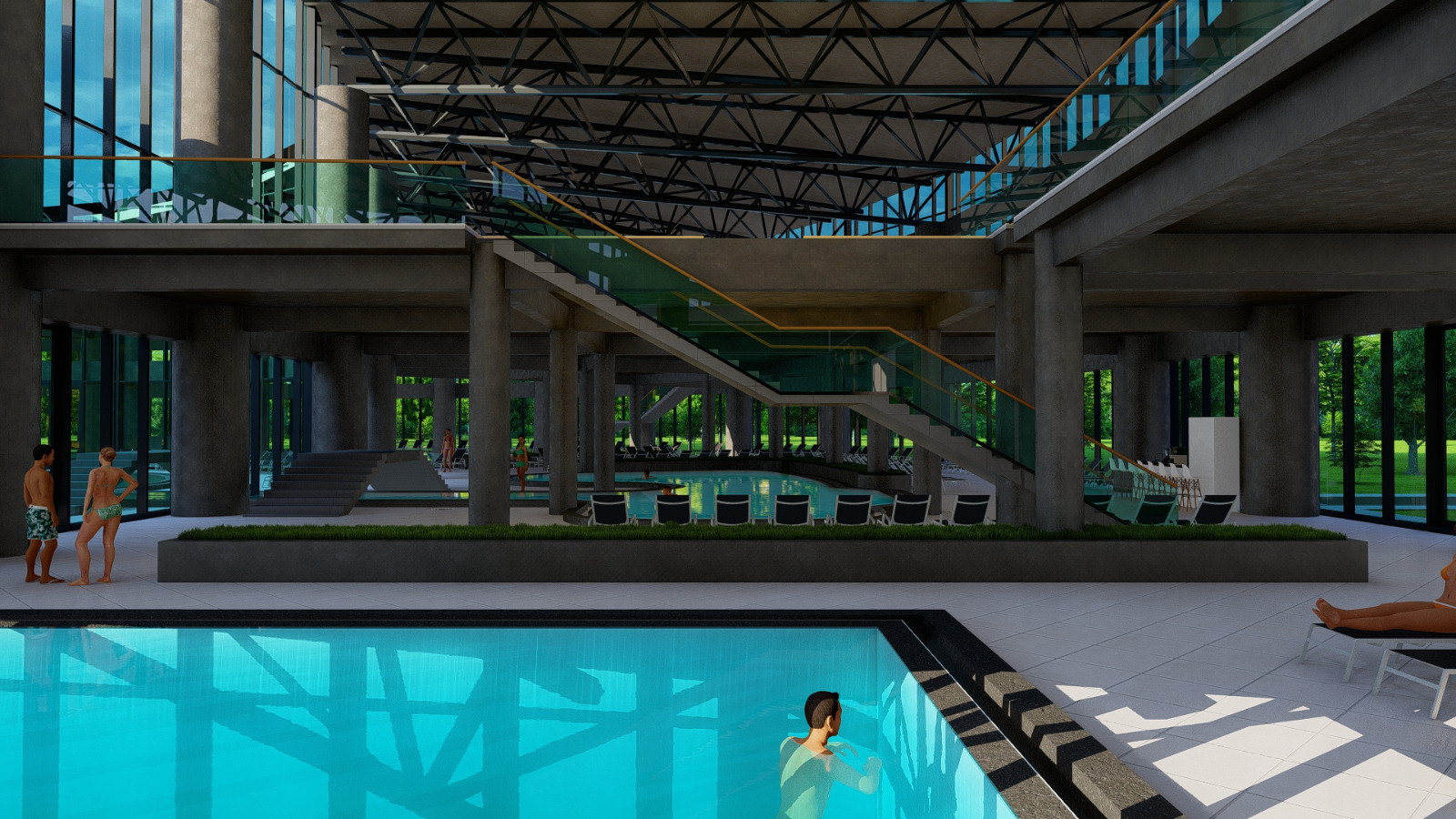
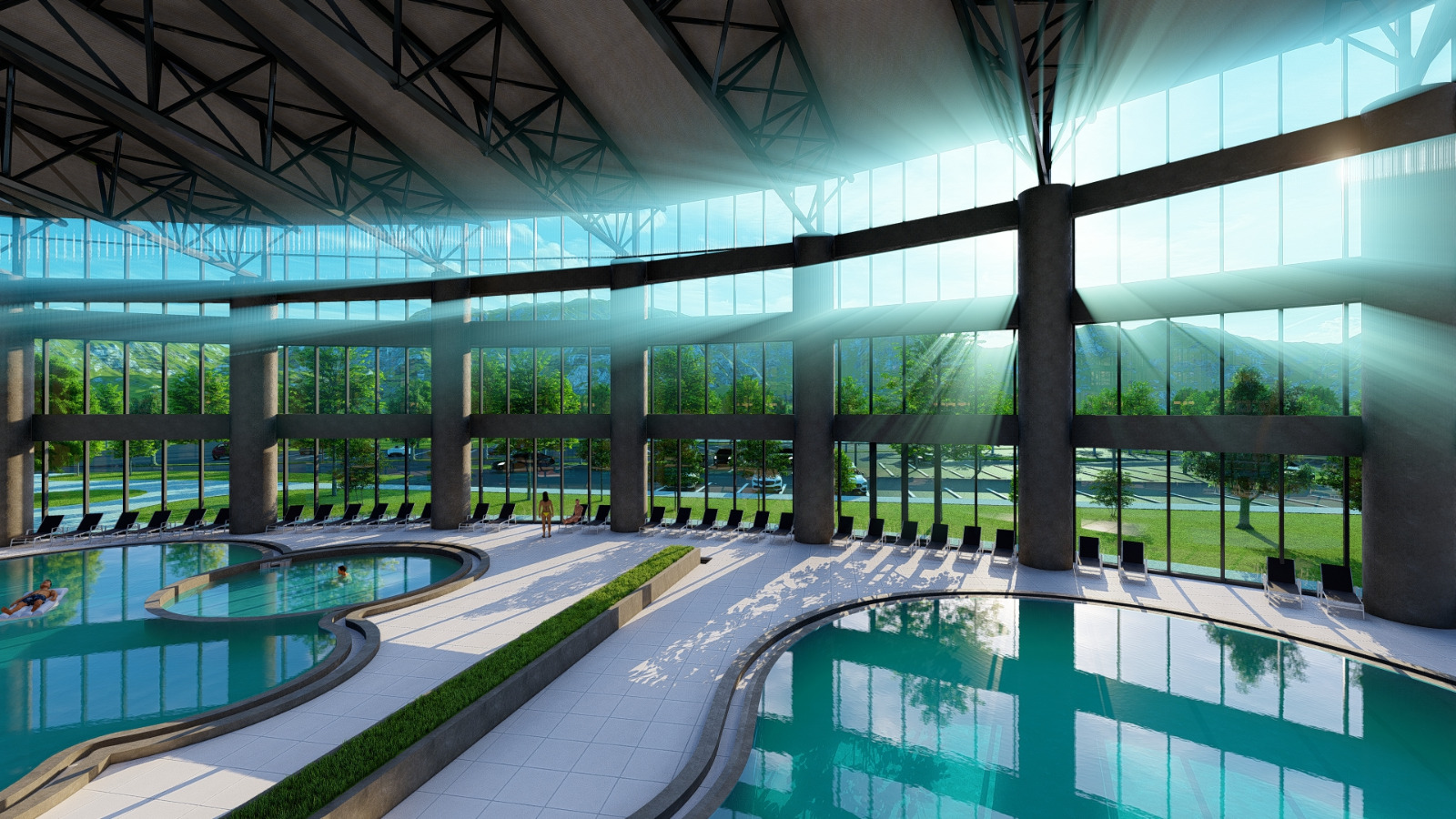
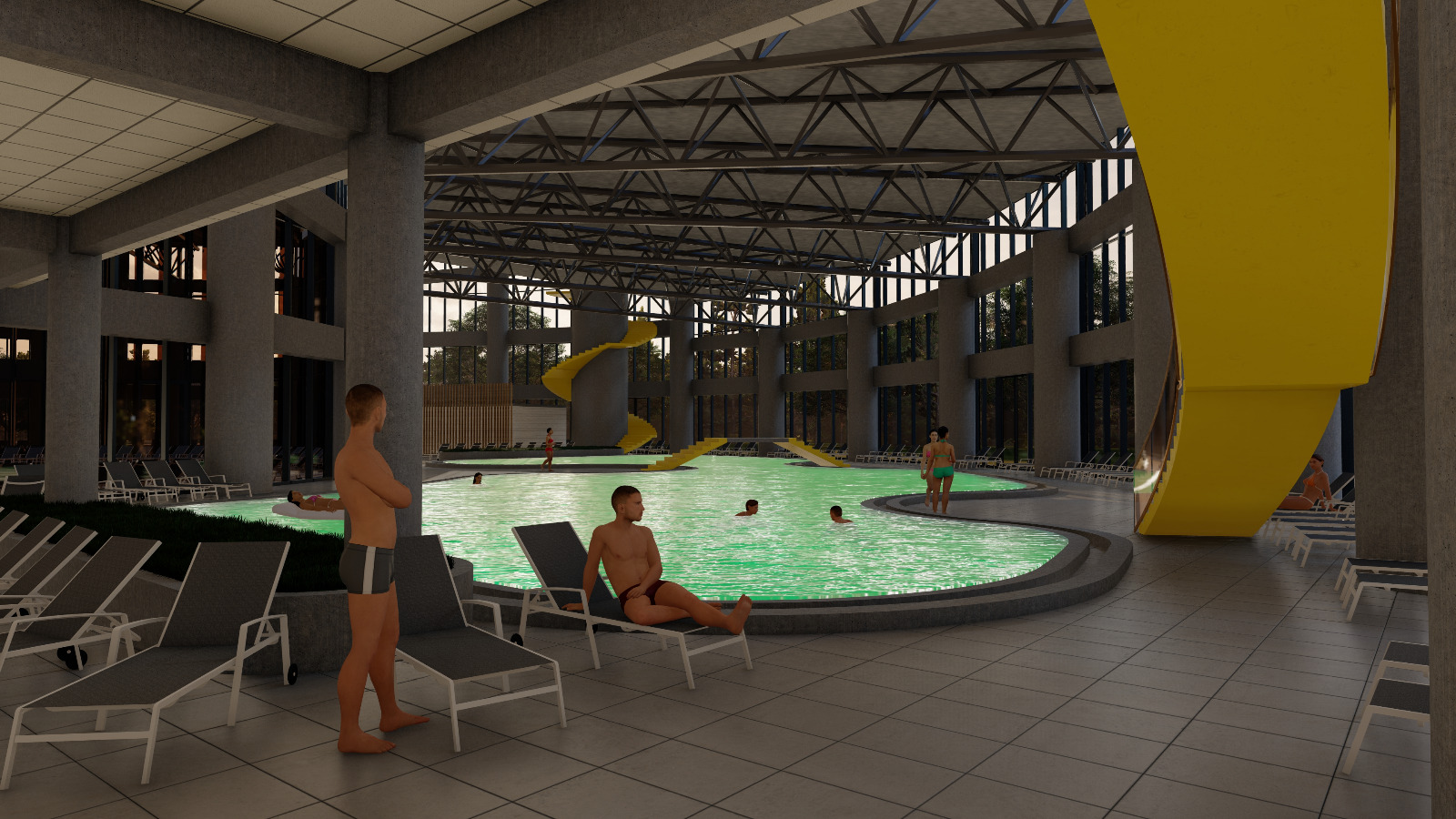
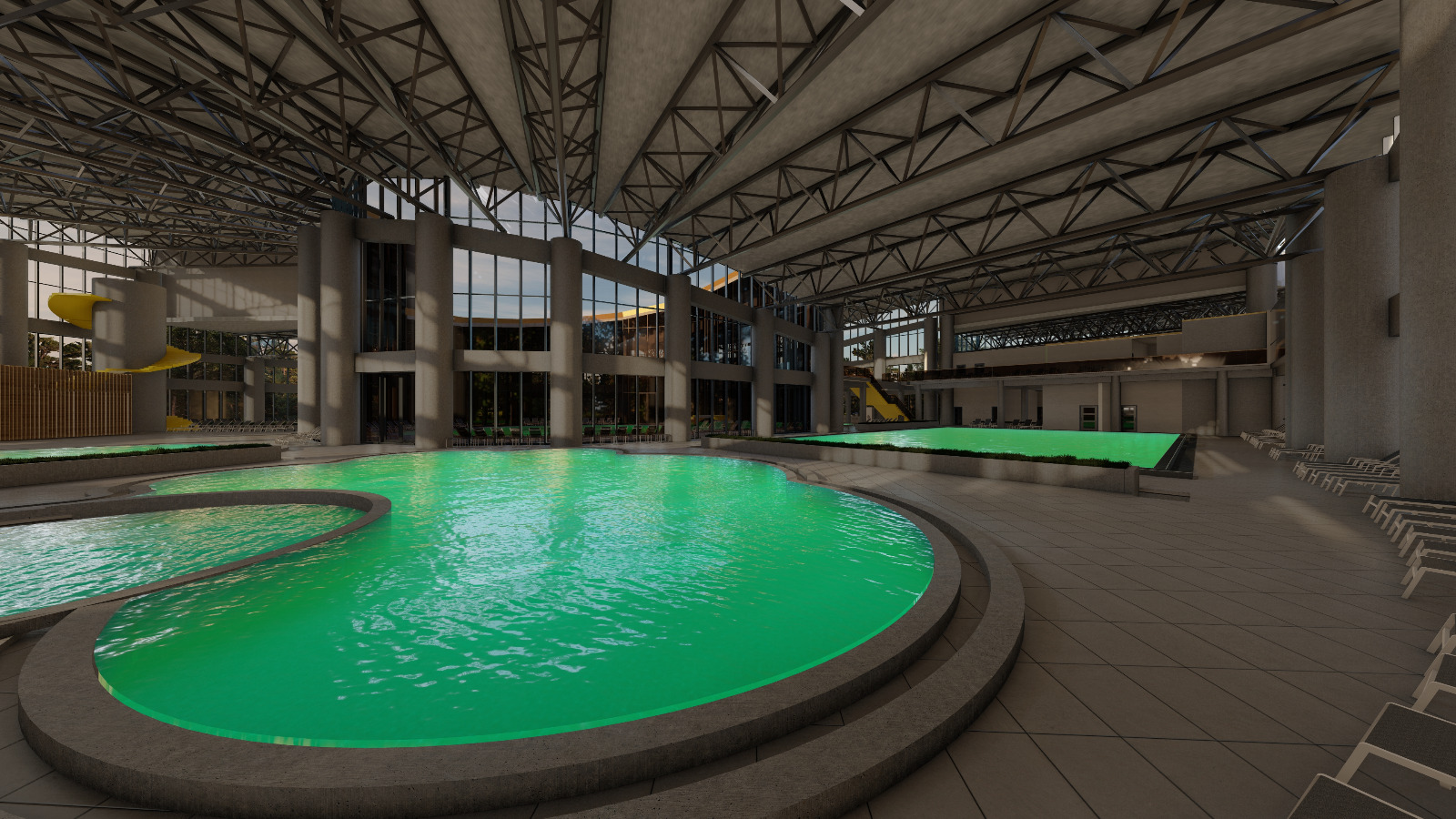
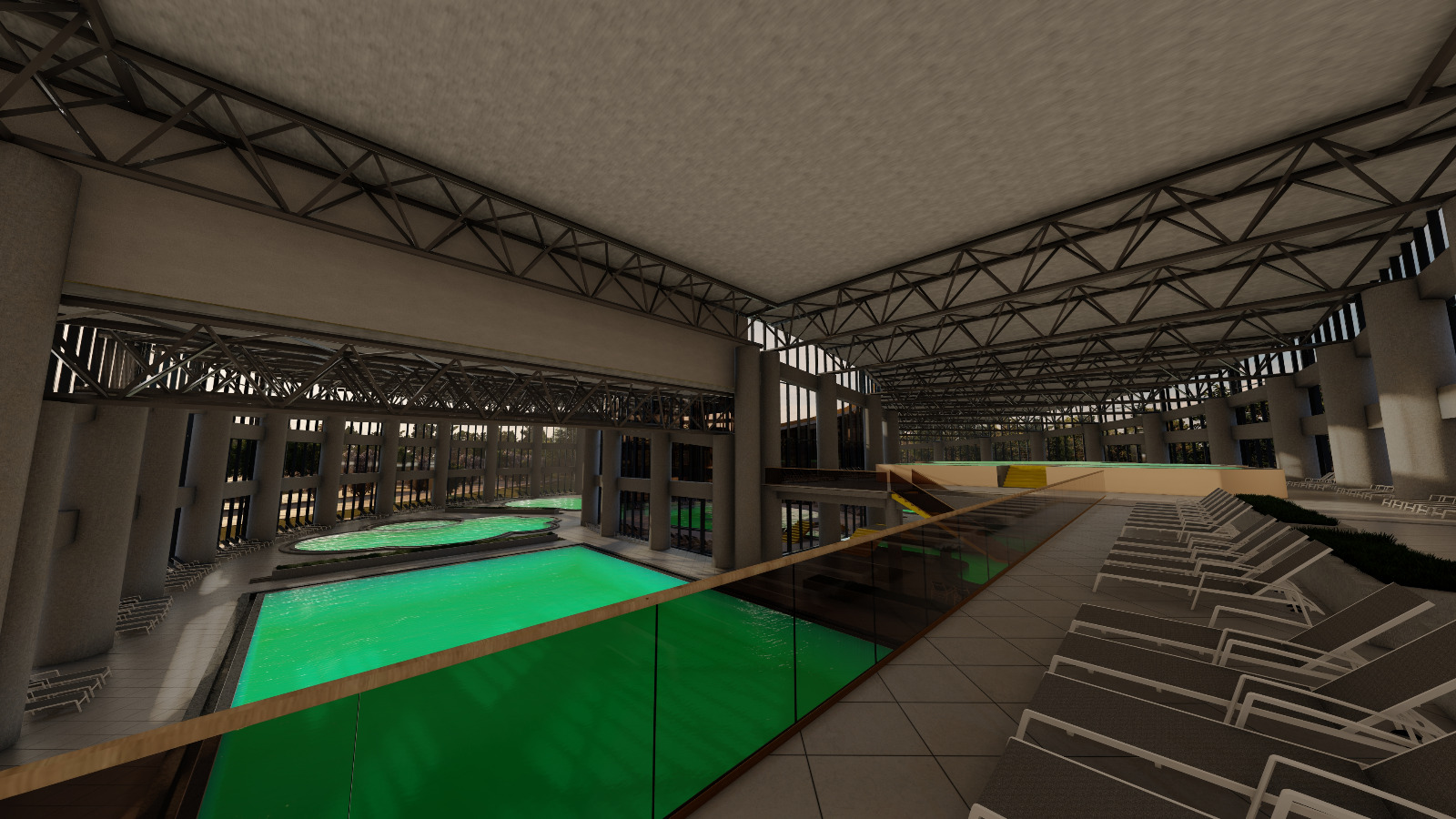
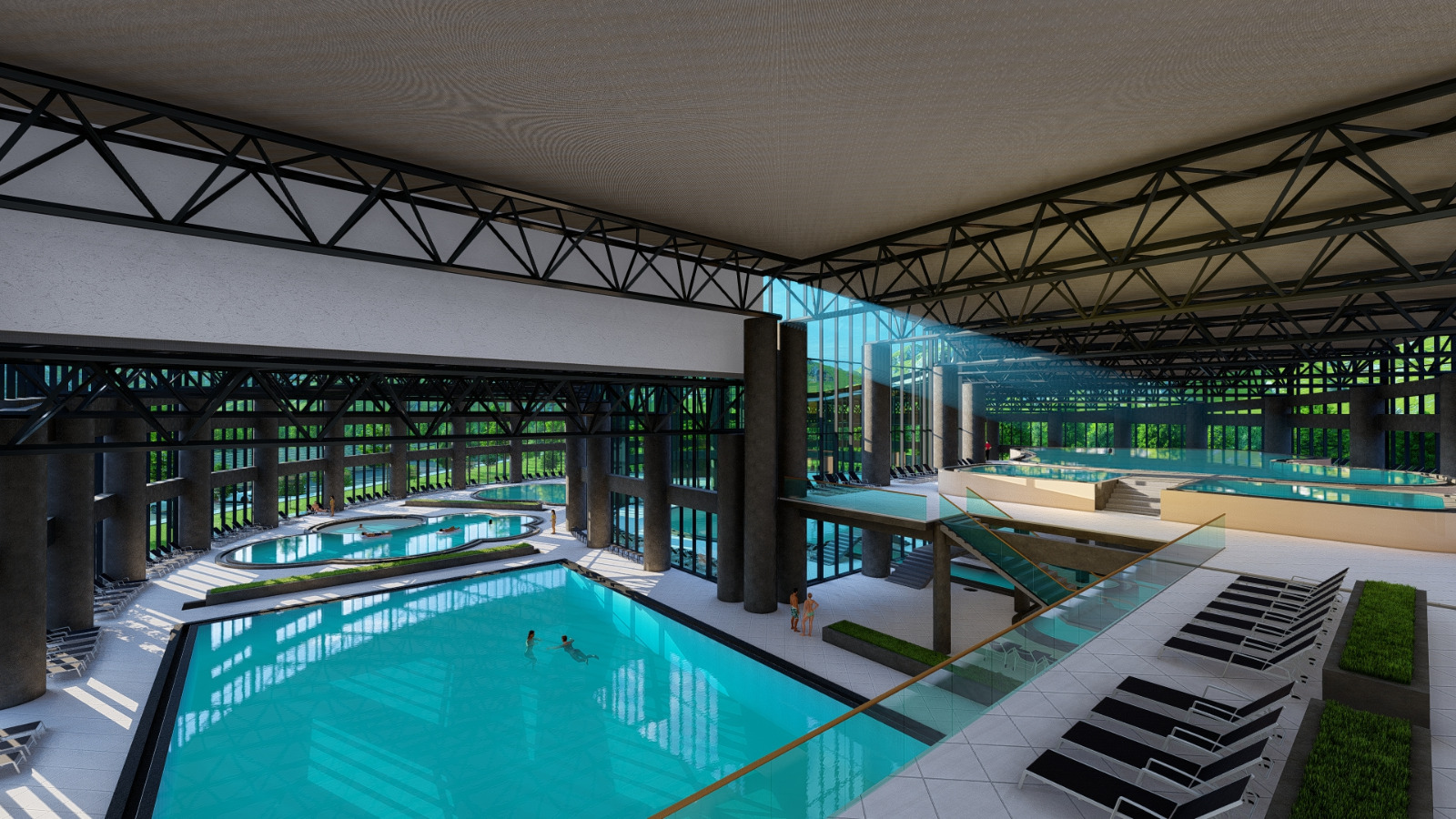
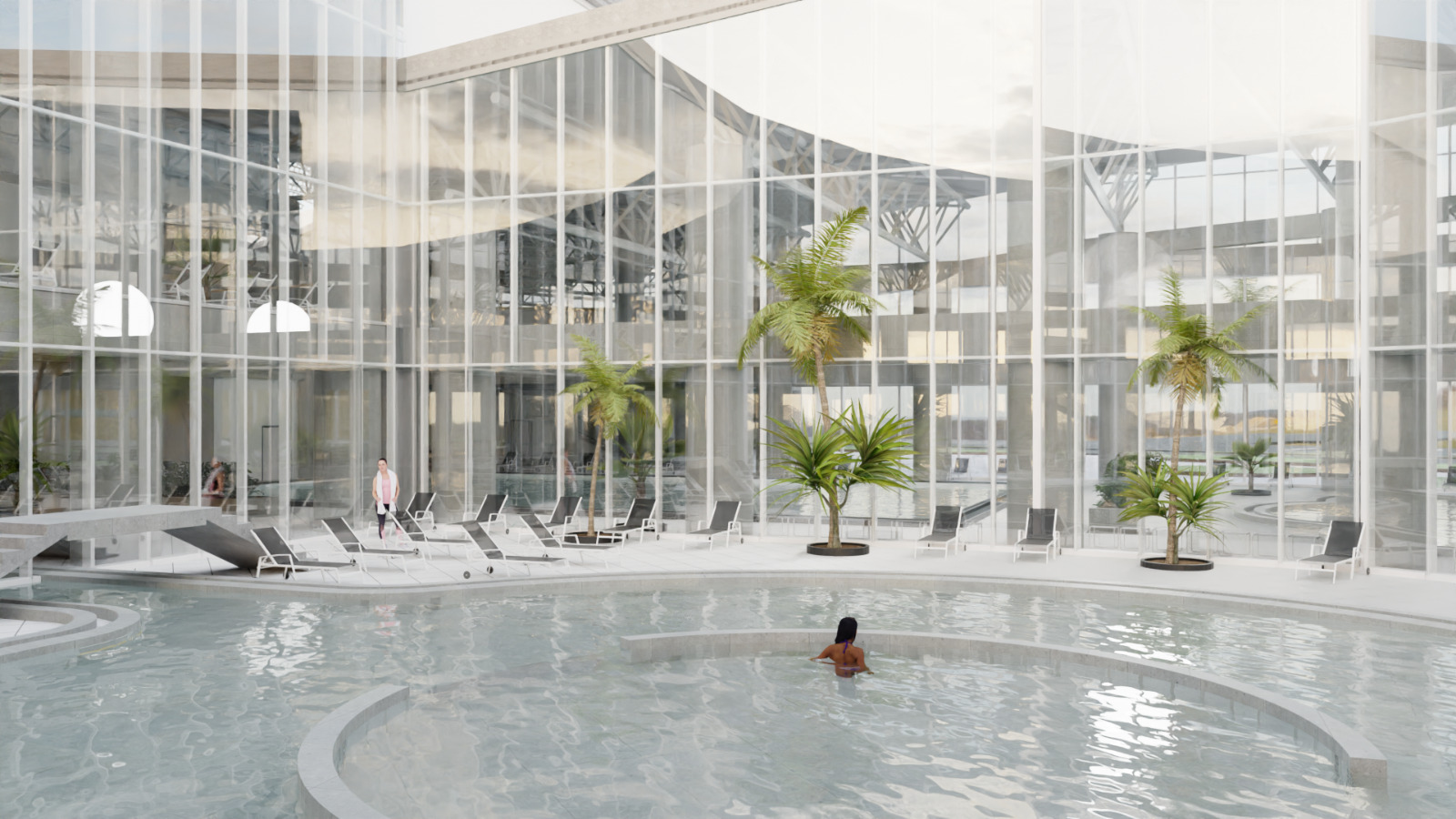
The project delivers a fluid and memorable architectural experience inspired by water and local resources, integrating spaces for relaxation, health, and social interaction in an accessible and sustainable environment. A human-centered design approach enhances user experience through diverse indoor and outdoor areas, thematic pools, and complementary facilities.
A key feature is the strong architectural identity, defined by curved volumes arranged in an infinity-like configuration, creating a continuous and immersive spatial experience and establishing the project as a regional landmark.
The initiative also valorizes the local thermal water resource, reinforcing the cultural and therapeutic identity of Tășnad and supporting its development as a national spa destination. Advanced technical systems ensure comfort, energy efficiency, and a healthy indoor climate, while inclusive design guarantees accessibility for all users.
The initiative “Thermal Eden Tășnad” aims to create an inclusive and accessible space for all categories of users, based on the principles of “design for all.” The project integrates physical accessibility through intuitive circulation, barrier-free design, and dedicated facilities for people with reduced mobility.
Economic accessibility is supported through a diverse offer addressing both the local community and tourists, transforming the project into a shared public asset rather than an exclusive space. At the same time, the spaces are designed to encourage social interaction, cohesion, and community participation.
Its exemplary character lies in the integrated approach to inclusion—physical, social, and economic—positioning the project as a model of best practice for the development of open, equitable, and people-centered public spaces.
The initiative “Thermal Eden Tășnad” is based on both direct and indirect involvement of the local community and relevant stakeholders from the early stages of the project. Its development responds to locally identified needs, including the diversification of tourism services, the valorization of natural resources, and the improvement of quality of life.
Local public authorities, as initiator and beneficiary, played a central role in defining strategic directions, reflecting community interests and ensuring alignment with urban and tourism development policies. The project also builds on the existing context of the spa resort and the long-standing use of thermal water resources by the community.
Civil society and end users are involved at the level of use and validation of the proposed solutions, through the adaptation of functions and spaces to the real needs of different user groups (families, elderly people, tourists, and people with special needs). In this way, the project reflects an implicit participatory model, where the experience of the local community influences spatial configuration.
The impact of this involvement lies in the creation of a relevant project, well anchored in its local context, responding to real user needs and contributing to strengthening community identity. The initiative thus becomes not only an infrastructure investment but also a catalyst for social and economic development.
The initiative “Thermal Eden Tășnad” involves multi-level collaboration between local, regional, national, and European stakeholders, each playing a specific role in the design and implementation of the project.
At the local level, public authorities (UAT Tășnad), as initiator and beneficiary, coordinate the project’s development, define strategic directions, and ensure alignment with community needs and urban development plans. Local stakeholders (tourism operators and the community) also contribute indirectly through use and validation of the proposed functions.
At the regional level, the project is supported through the North-West Regional Programme 2021–2027, which promotes the development of spa tourism infrastructure and the valorization of local resources, providing funding and integration into regional development strategies.
At the national level, the initiative aligns with public policies on tourism, sustainable development, and the enhancement of spa resorts, contributing to strengthening Romania’s network of tourist destinations.
At the European level, the project contributes to the objectives of the EU Strategy for the Danube Region and to the principles of the New European Bauhaus, by promoting sustainability, inclusion, and high-quality spatial experiences.
The added value of this multi-level collaboration lies in ensuring an integrated approach, where funding, expertise, and strategic vision are aligned, resulting in a coherent, sustainable project relevant at both local and European levels. The initiative thus becomes a model of good practice in the implementation of public projects with broad impact.
The initiative “Thermal Eden Tășnad” reflects an interdisciplinary approach, integrating fields such as architecture, structural and building services engineering, urban planning, landscape design, tourism, and natural resource management.
Architecture plays a central role in defining spatial identity and the quality of the user experience, while engineering ensures technical feasibility, safety, and energy performance. Urban planning and landscape design contribute to the integration of the project within its local context and its relationship with outdoor spaces, while the tourism field informs the functional organization and attractiveness of the offer. At the same time, the valorization of thermal water involves expertise in natural resources and balneary health.
Collaboration between these disciplines was achieved through an integrated design process, in which specialists worked in coordination to align architectural, structural, and technical solutions. This interaction enabled the optimization of decisions, the avoidance of conflicts between disciplines, and the creation of a coherent and efficient project.
The added value of this interdisciplinary process lies in achieving a balanced outcome that combines aesthetic quality, technical performance, and functional relevance. The project thus becomes a model of good practice in integrated design, demonstrating the importance of cross-disciplinary collaboration in creating sustainable and people-centered spaces.
The initiative “Thermal Eden Tășnad” stands out through an integrated and contemporary approach that goes beyond conventional models of spa infrastructure development. Its innovative character lies in combining expressive architecture, inspired by the dynamics of water, with high-performance technical solutions and a functional organization centered on user experience.
Unlike traditional approaches, the project proposes a fluid, open, and multifunctional space that coherently integrates relaxation, health, and social interaction. The unique architectural form and the continuous relationship between interior and exterior spaces create an immersive experience tailored to contemporary needs.
Innovation is also reflected in the valorization of the local thermal water resource, not only as a functional element but as a generator of identity and experience. At the same time, the integration of energy-efficient solutions and modern climate control systems contributes to the project’s sustainability.
Through this combination of design, functionality, and sustainability, the initiative redefines the standards of spa infrastructure and becomes an innovative example in the field of wellness and leisure tourism.
The initiative “Thermal Eden Tășnad” is based on an integrated and interdisciplinary methodology that combines local context analysis with a user-centered and sustainability-oriented approach. The process began with the assessment of existing resources—particularly thermal water and the specific character of the spa resort—as well as the needs of the local community and the tourism market.
On this basis, the design process was carried out through collaboration between specialists from various fields (architecture, engineering, urban planning, building services), ensuring alignment between aesthetic, functional, and technical solutions. Decisions were guided by the principles of “design for all,” energy efficiency, and contextual integration.
The approach focused on optimizing user experience through clear functional organization, the creation of fluid and adaptable spaces, and the integration of indoor–outdoor relationships. At the same time, efficient technical solutions were implemented to ensure comfort and reduce resource consumption.
The methodology is iterative, based on testing, refinement, and continuous coordination between disciplines, enabling the development of a coherent, sustainable project well anchored in its local context
The initiative “Thermal Eden Tășnad” proposes several replicable elements applicable in various geographical and social contexts. The integrated and interdisciplinary design methodology can be transferred to other projects, demonstrating the effectiveness of collaboration across different fields in achieving coherent and sustainable solutions.
The user-centered approach and “design for all” principles represent an easily adaptable model for developing inclusive and accessible public spaces. In addition, the valorization of local natural resources, such as thermal water, provides a transferable example of development based on identity and local specificity.
The integration of energy-efficient technical solutions and modern climate control systems can be replicated to improve the performance and sustainability of similar buildings.
Furthermore, the multi-level coordination process and stakeholder involvement offer valuable governance lessons applicable to other complex public initiatives.
Through these elements, the project becomes a model of best practice, easily adaptable and transferable to other contexts.
Through these elements, the initiative becomes a transferable example of best practice, adaptable to different geographical and social contexts.
The initiative “Thermal Eden Tășnad” envisions a phased development, based on consolidating the concept, technical implementation, and integration into the regional tourism circuit. Planned activities include completing detailed design phases, construction works, testing and optimizing operations, as well as developing services and local partnerships.
The values and principles of the New European Bauhaus—sustainability, inclusion, and aesthetic quality—have been integrated from the conceptual stage through a user-centered design, the valorization of local resources (thermal water), the use of energy-efficient solutions, and the creation of accessible and inclusive spaces.
During the implementation phase, these principles will continue to guide decision-making through monitoring energy performance, ensuring accessibility for all user groups, and maintaining high-quality spatial experiences. At the same time, the development of sustainable operational models and the involvement of the local community in using and activating the space are key objectives.
Key steps include completing construction, commissioning the infrastructure, testing technical systems, gradually opening the facility to the public, and continuously adapting services based on user feedback.
Through this approach, the initiative aims to remain aligned with the ONE principles, becoming an example of coherent and sustainable implementation of a people-centered, aesthetic, and inclusive project.